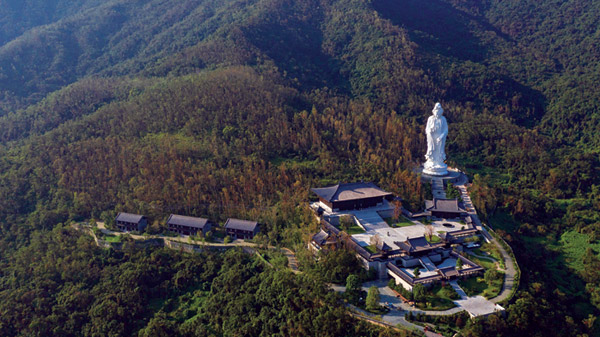
Hong Kong iconic buildings designed by international designers


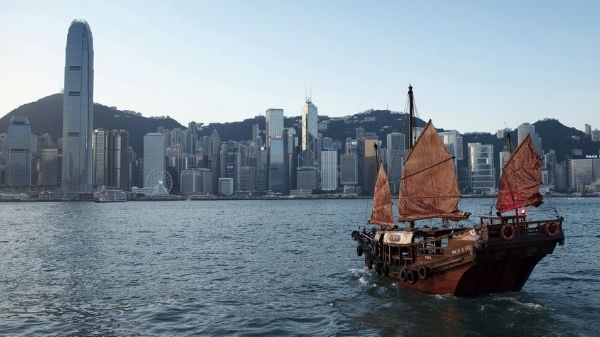
Hong Kong has been known for years as one of Asia’s major financial and banking hubs, comparable to major hubs in the West, including New York and London. Aside from this distinction, the city is also known for scores of its iconic skyscrapers, courtesy of some of the world’s most prominent and renowned designers and architectural firms. We present some of the city’s most iconic structures designed by renowned international designers.

Hong Kong iconic buildings designed by international designers Bank of China Tower HSBC Main Building

HSBC Main Building
1 Queen’s Road, Central, 1985

Designed by internationally-acclaimed British architect, Norman Foster, the HSBC main building was a one-of-a-kind design. Its internal design is absent of a central structure, presenting an open free-space that resembles a gallery more than a building. It was reputed as the most expensive building across the world when its construction was completed in 1985.

Hong Kong iconic buildings designed by international designers Bank of China Tower

Bank of China Tower
1 Garden Road, Central

The Bank of China Tower is a 72-storey office tower designed by Chinese-American Pritzker Prize-winning architect, I. M. Pei. Its distinctive glass curtain walls, sharp edges and pointed tower makes it a truly unique landmark in Hong Kong’s Central district. Until 1992, it enjoyed the distinction of being the tallest building in Hong Kong and Asia.

Hong Kong iconic buildings designed by international designers International Finance Centre

International Finance Centre
8 Finance Street, Central

The integrated commercial complex simply known as IFC is one of the most prominent landmarks on Hong Kong Island. It consists of Tower One, the 55 storey Four Seasons Hotel and Tower Two, the second tallest skyscraper in Hong Kong, towering over the waterfront at 415m. It was designed by César Pelli, an architect known for some of the tallest buildings in the world.

Hong Kong iconic buildings designed by international designers Hong Kong Convention and Exhibition Centre

Hong Kong Convention and Exhibition Centre
1 Expo Drive, Wan Chai

Built in 1988 on reclaimed land off Gloucester Road is one of the two major convention and exhibition centres in Hong Kong, the other being AsiaWorld-Expo. The complex was designed by Skidmore, Owings & Merill LLP and took only 48 months to complete from reclamation. It sits along the shore, overlooking Victoria Harbour in three fronts, a distinctive landmark that everyone coming through the harbour won’t fail to see. 

Hong Kong iconic buildings designed by international designers Jockey Club Innovation Centre

Jockey Club Innovation Tower
Hong Kong Polytechnic University, Hong Hom

In 2007 Zaha Hadid and her firm won a competition that was set in place to develop a deign that would symbolise the driving and development of Hong Kong as a design hub in Asia. Hadid and her firm’s goal was to “dissolve the classic typography of tower and podium to create a seamless piece”. She said, “The tower promotes a diversity of civic spaces “.  Hadid is also the first woman to win the Pritzker Prize award.

The World’s Top-notch Quality Steaks

In the topic of top-notch quality steaks, from rare vintage rib steaks to grass-fed chunks, each type of beef  brings their own value to the table.

Selecting high-quality beef isn’t too challenging and difficult. However, ranking the best-quality beef can be a bit trickier. Undeniably, the beef industry is competitive and upmarket, but as consumers become more aware of the cattle industry and the health concerns of meat with growth hormones and antibiotics, the “best” might vary depending on who you are talking to. For meat lovers, the breed, feed, and marbling is an easy tell-tale of the texture and flavor that can be expected. However, nutrition, feed, and environment can be a higher priority for those who are more health-conscious. 

The following are among the world’s highest-quality steaks:

 USA Black angus Beef World's Top-notch Quality Steaks

Angus (USA)

For a long time, the US has been best known for providing the world’s top-quality AAA Angus beef. The excellent marbling and profitability of Angus beef can explain the consistently high demand for this meat type across the US and the rest of the world. But in light of sustainability issues and topics regarding the ethical treatment and health concerns of growth hormones and antibiotics in American cattle, new doors have opened for beef around the world to serve as alternatives.

free range grass fed Beef World's Top-notch Quality Steaks gafencu

Australian & New Zealand

Because Australia and New Zealand are both below the equator, both countries provide a perfect environment for raising cattle. Both countries down under have dry summers and mildly wet winters which enable cattle to graze and feed on their vastly open pastures of green lands all year round, in contrast to confined feedlots in the US. In view of this, the quality of meat of both Australian and New Zealand beef have gained the attention of health-conscious consumers who prefer grass-fed free-ranged beef as this contributes to leaner meat production and a higher amount of Omega 3 and 6 fatty acids. Outside Japan, Australia is also reputed as the largest producer of Wagyu beef, accounting for most of the worlds’ Wagyu consumers including Hong Kong, China and Taiwan.

 World's Top-notch Quality Steaks japanese wagyu gafencu

Wagyu (Japan)

Wagyu which literally translates to Japanese beef remains to be the most in-demand when it comes to premium- quality beef. This is specially true with Japan’s A5 Miyazaki and Kobe beef. This is because Wagyu has the most detailed grading system when it comes to determining the quality of beef. Despite its massive popularity, Kobe rarely exports outside of Japan, making its exclusivity alluring. Full-breed Wagyu is also amongst the top in the world in terms of rich marbling and buttery flavour. 

Côte de Boeuf france polmard World's Top-notch Quality Steaks gafencu
image from cnn.com

Côte de Boeuf (France)

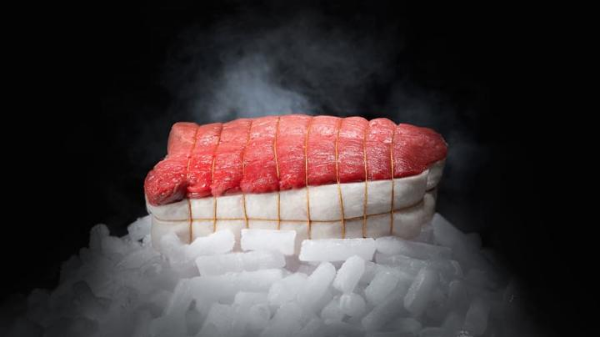
A piece of the vintage Blonde d‘Aquitaine rib steak — yes, vintage — is worth US$3,200. Why is this so pricey? Because this vintage beef  is extremely rare. Raised exclusively by Polmard’s butchery in Saint Mihiel. Only a little over 100 existing pieces sit preserved in a ventilated-negative-cold room and only four of these cows from the small family farm in the Northeast of France are sent to slaughter every week. To emphasise on the value of this beef, only a handful of chefs are allowed to prepare this luxury beef after careful observation of the chef’s techniques and understanding. So far, only one of two chefs have been allowed to cook the Côte de Boeuf , one of them is chef Fabrice Vulin at Hong Kong’s own two-michellin starred Caprice.

buther's club hk Galician Blond Beef World's Top-notch Quality Steaks gafencu
image from thebutchers.club

Galician Blond Beef (Spain)

While Polmard’s Côte de Boeuf may be the world’s rarest and most expensive beef, Spain yields the best-quality cattle in the world. Their cattle are known as “fat old cows” since they are let to graze the pastures 15 years longer than regular cows that are raised for meat. Although this would mean that their marbling would be more mature and that their meat becomes leaner, it is the process after the slaughter that makes for this Spanish beef to top every other existing meat in the world in terms of flavour. The meat is dry-aged and slow-cooked over a flattop instead of over open fire as is done typically. This brings out a subtly smokey flavour unique only to Spanish beef.

korean Mugung Hanwoo Beef Specialist World's Top-notch Quality Steaks gafencu
image from Mugung Hanwoo Beef Specialist

Hanwoo (Korea)

Hanwoo Korean beef is gradually gaining its popularity, especially in Hong Kong. This beef type is favoured over any other type in South Korean and is always in high demand. Because of the local high demand of this native breed, South Korea seldom exports Hanwoo outside of the country, making this beef type exclusive to South Korea and a few privileged cities. A few years ago, Hong Kong became one of the very few cities that started importing the treasured Korean beef. The Hanwoo beef is coveted for its rich marbling and delectable chewiness. Its exclusivity and top-notch quality will surely rise in popularity around the world and anticipate further growth in demand in the near future.


Feature image from cnn.com

If you enjoyed this piece, drop us a like on our Instagram or Facebook and let us know what other types of food you would like to read about. Follows us for more stories like this.

Hidden Hikes: 6 unique locations in Hong Kong

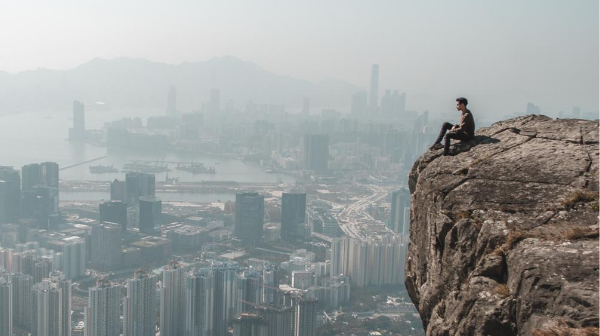
Many are turning to exploring the city’s various natural landscapes as they yearn for adventures with family members and friends. As business starts to pick up slowly and establishments get ready to reopen, there are some things that we will miss, but which in turn may be compensated by weekends that are worth looking forward to. 

If you’re looking to keep up with your adventurous spirits during weekends, here are some of the city’s hidden hiking options that offer scenic spots and unique views for weekend get-aways from crowds.


View this post on Instagram


Po Toi Islands #hike #island #hongkong

A post shared by Lucas (@lucas.fr.hk) on

Po Toi Island

As if just a speck on the map of the city, is actually a hidden gem in itself, a small island with gorgeous coastal views that not many other islands in the city can offer. Along the rocky coastlines is a gorgeous abundance of quiet waters and green terrain which at the end of the trail concludes with a seafood meal at the nearby restaurants by the pier.


View this post on Instagram


比起得不到別人的愛 無法認同自己更糟糕

A post shared by ??????? (@charlottepuiii) on

Po Lo Shan (Pineapple Mountain)

Starting from within the residential estate of Leung King Estate, the path will lead you beyond fences and into a wooded area towards an uphill trail. The trail leads to what is known to locals as the “Grand Canyon” of Hong Kong.


View this post on Instagram


The secret place. . . . #intothewoods #secretplace #calming #letsgatherround #surroundedbynature #poplar #reservoir #naturelover #gooutdoors #homekong

A post shared by V. Ha (@vanh.fs) on

Shing Mun Reservoir

The paved path of this New Territories reservoir stretches through a green forest of towering trees and past a few picnic spots towards the northern point of the reservoir. There lies a stream, which during dry seasons, exposes a picturesque landscape of Chinese banyan trees along the shoreline. 

Ping Nam Stream

Nam Chung Country trail hides away many of its mini pools, but none like Ping Nam stream which the trail eventually leads you down to lower than most have gone. Unsurprisingly, this might take some effort to get to, but at the end of it lies a beautiful gorgeous infinity pool atop a short waterfall.  

Tung Ping Chau

Perhaps the easiest hike on this list is this crescent-shaped island. The trail encircles the island’s shoreline with unique rock formations. Although the youngest rocks in Hong Kong, it is also the most unique across the region, cemented with the mixture of organic particles and minerals into sedimentary rocks.

Cape D’Aguilar

One of Hong Kong’s best-kept secrets is the Hok Tsui beacon, a historic lighthouse along the coastal shores of southern Shek O, which towers over sea-blue waters. Further on from the cape, the trail continues along several photogenic rocky shorelines and caves. Above, long after the sun has set, the sky transforms into a breathtaking blanket of stars, making this spot an amazing location for stargazing.


View this post on Instagram


“Beyond the mediocrity” — This location has been one of my most favourite places to be in hong kong for its uniqueness and beauty compare to all other suburb areas in the city. From different caves to lighthouse. From waterfronts to cliff sides. All exotic spots united into the only one and the wholly one- Cape D’ Aguilar. . . . . . . . . . #stayandwander #voyaged #fatalframes #folkvibes #traveldestinations_ig #theglobalwanderer #destination_wow #earthpix #beautifuldestinations #natgeoyourshot #natgeotravel #natgeoasia #travelgram #travelphotography #travelaroundtheworld #旅遊 #conservationhk #igdaily #ig_masterpiece #theimaged #illgrammers #meistershots #shotzdelight #hongkong #awesomehongkong #hkigers #nikonhongkong #discoverhongkong #l4bhktory #urbex

A post shared by AlvisChuiVisuals ? (@alvischui_) on

COLOURLIVING adds Wellness to its in-store offer

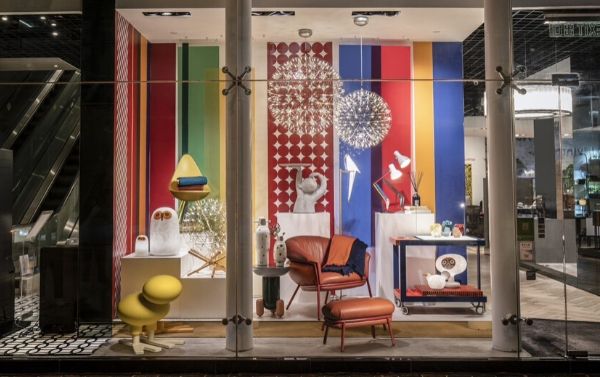
COLOURLIVING, the ultimate lifestyle curation brand, has launched a new pop-up store, one with a brief to help stylishly boost the health of high end Hongkongers. 

Set within its three-storey luxury retail space in downtown Wan Chai, this new Wellness Living concept has three distinct strands – special kitchen, customised tea and indoor pool.

Its singular take on the kitchen space has been designed, first and foremost, to make food preparation a fun and engaging experience for the whole family. With high aesthetic standards never compromised in the name of convenience, it’s a carefully-curated culinary enclave with great taste it’s clear mission statement.

Colourliving

As for the chosen tea, the lifestyle brand has opted to incorporate Hong Kong-based Lify’s award-winning brew dispenser brand. As high-tech as it is high-end, this distinctly digital age dispenser delivers superb quality herbal tea perfectly prepared in line with your pre-programmed preferences.

Colourliving

The indoor bathing facility – the evocatively titled Faraway Pool – somehow summons the sheer sensuality of an al fresco immersion, with its luxury KOS tub just the perfect ablution solution for the aspirationally inclined. Mood lighting and submerged shelving are also all available on the added extras menu. 

Colourliving

A fascinating and most welcome addition to COLOURLIVING’S core offerings, Wellness Living takes comfort, style and personal care to a whole new level.


Suschic: Stylish sea-to-table sushi proves The Araki has arrived

There’s long been a special place in the heart of many of Hong Kong’s most discerning diners for one particular dish – sushi. Indeed, the city’s culinary landscape is dotted with a plethora of establishments serving up this uniquely Japanese cuisine at pretty much every imaginable price point. When it comes to Michelin-starred sushi standouts, however, the Fragrant Harbour boasts just three – three-starred Sushi Saikon, two-starred Sushi Saito and one-starred Sushi Wadatsumi.

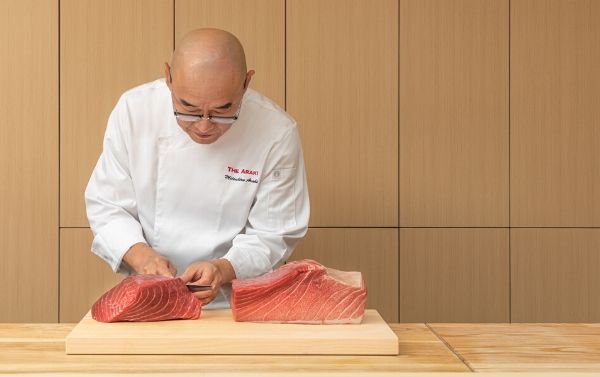
Change, though, is in the air, with Mitsuhiro Araki – the only Japanese chef to ever attain much coveted Michelin treble-star status in both London and Tokyo – having now opened an outpost in Asia’s World City. His bold new venture – The Araki – is an exclusive 12-seat restaurant and can be found tucked in to the old stablery, part of Tsim Sha Tsui’s refurbished Heritage 1881 compound.

araki

Discreet by design, Chef Araki’s Hong Kong debut dinery was conceived as a homage to Edomae sushi, a style developed in Tokyo-some 200 year ago as a means of keeping seafood fresh long before the invention of refrigeration. This saw the canny cooks of the day resorting to infusions of salt, miso and soy sauce as a way of ensuring their fine produce remained perfectly edible long after it had been caught. It’s a time-honoured tradition and one said to yield far more in terms of texture, flavour and sheer melt-in-the-mouth satisfaction than the solely raw seafood-on-rice approach favoured by many contemporary establishments.

Accordingly, when dining at The Araki, guests should expect a multi-course omakase menu, one continuously customised to make best use of the day’s finest freshly-caught ingredients. In one telling break with tradition, however, Araki personally oversees the inventorying, visiting the wet markets daily to source the best local seafood and specifying regular deliveries of certain fish found solely in Japanese waters.

Outlining his culinary philosophy, he said: “While people always assume the best quality seafood must come from Japan, that is not the case for every ingredient. As the ocean doesn’t recognise national boundaries, it is important to build relationships with local fisherman wherever you are in the world, whether that’s Japan, the UK or Hong Kong. That is the only way to ensure you always get the very best seafood.”

araki

Eager to see how his approach pans out in practice, we pretty much pounced on our tasting fingers as soon as they appeared. To be fair, we were only following orders as we had been briefed that every item of sushi would be served directly onto the wooden countertop – with the requisite wasabi and sauce already applied – and should be consumed (using one hand only) within seconds of its arrival.

Appropriately enough, the first to be table-topped was the Tuna. As Araki is a world-renowned tuna master, our expectations were high. Fortunately, his truly delicious nigiri more than delivered – all melt-in-the-mouth morsels of tuna carved lovingly from the fish’s exquisitely tasty neck region.

araki

Next to tempt our taste buds was Young Snapper, sourced fresh from the local wet markets and beautifully tender thanks to its relative infancy. Creamy yet firm, its flavours were enhanced with a dash of Thai lime, giving it a refreshingly citrusy aftertaste.

Barely had we completed this memorable course when the next locally-sourced sushi offering – Mantis Shrimp – took its on-table turn. Rather than being served raw, it was instead lightly poached, with only a dash of soy sauce to enhance its inherent sweetness. Boasting a somewhat crunchy texture, its cooked flesh was  wonderfully counterpointed by the subtly tangy rice and came in sharp contrast to its raw counterpart.

Perhaps the most stunning course of all, though, was the Ebi Oboro with Prawn Crumb. Another cooked dish, here the ebi prawn came wrapped in oboro, a surprisingly soft, crumbly shrimp paste created by grinding prawns for hours on end. Together, they form a delectably cohesive whole, with the sweet crunch of the prawn and smoothness of the oboro merging synergistically before serenading your taste buds with their joyous unity.

araki

From start to finish, Chef Araki’s passion and mastery over his craft was never less than wholly evident. From the undeniably high quality of the ingredients – “I check the eyes, gills and firmness to make sure each fish is perfect. If it’s not 100 percent, it’s not going to make the cut” – and flawlessly precise seasonings to the intimate atmosphere of the dining experience, every aspect of The Araki’s omakase tasting is exceptionally well orchestrated, with each individual dish striking a deliciously different note. Small wonder, then, that you currently have to book several months in advance should you want to check out Chef Araki for yourself.

Text: Tenzing Thondup

Images: The Araki

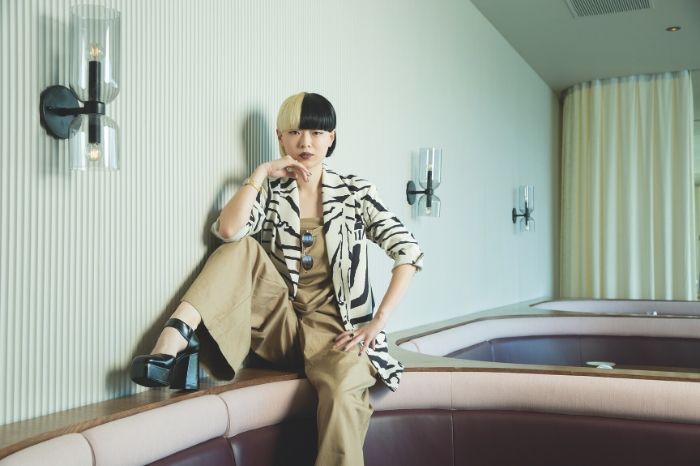
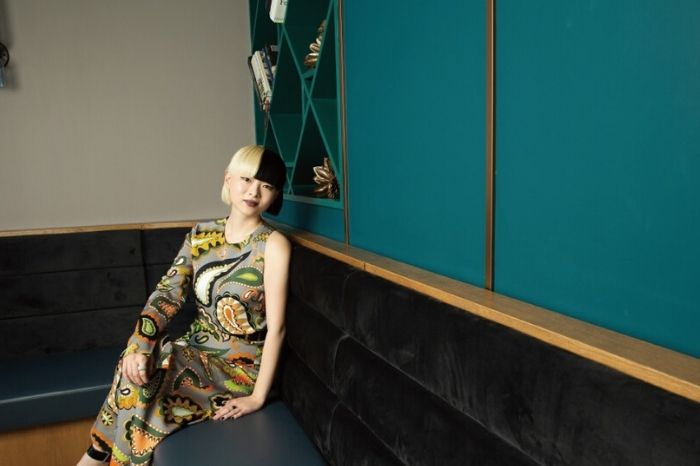
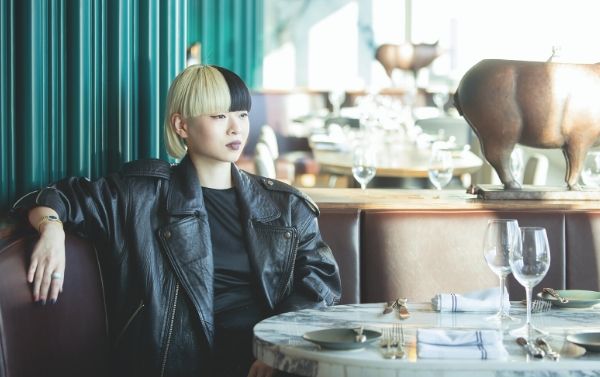
Fengs to Come: Feng Shui master Thierry Chow, mystic moderniser….

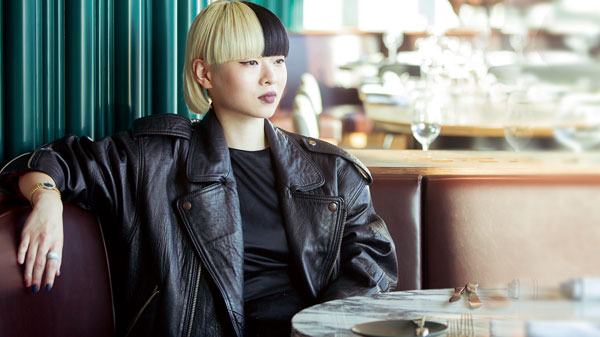
What was it like growing up with a Feng Shui master for a father? Do you feel you were kind of fated to follow in his footsteps?

Having a dad who was a Feng Shui master was my normal. While I was growing up, the furniture was constantly being moved around  or rearranged and, to me, that never seemed strange or out of the ordinary. Once I started hanging out with other kids, though, – ones whose parents were doctors, lawyers or something – that’s when I realised that my family was  a little bit different.Despite that, as a child, I  had no interest in taking up the same vocation.

So, where did your passion lie?

I was very creative and very artistically inclined. I simply loved painting, drawing, fashion design… anything to do with the world of art in fact.And that was what dominated my academic career, right until I  graduated in Fine Arts in Canada.
feng shui

Given your initial disinterest, what ultimately drew you back to Feng Shui?

When I was about 24, I suddenly realised it held a fascination for me. That was when I returned to Hong Kong after graduating. I was also going through something of a rough time emotionally, while the culture shock of returning here after so many years away also sent me reeling.

I really needed something to get me off the bad place I found myself in. One day, I just turned to my dad and said:“Can I learn Feng Shui from you?” It was the result of something of a ‘Eureka’ moment for me and I knew immediately it was the right choice. I also instinctively felt I could integrate my own passion for art and fashion into Feng Shui. Since then, I can honestly say I have never looked back.

Was there any one thing your father taught you that proved particularly transformational?

Studying under my father truly opened my mind. Prior to that, I’d seen his calling as somewhat antiquated. Once I started learning it for myself, though, it changed the way I saw the whole world, giving me an entirely different perspective on life and making realise the endless possibilities that are out there. I knew then that I could never again box myself into some safe little world. It was a real paradigm shifting and I’ll always be grateful to him for that.

 And how did that revelation change the way you saw Feng Shui’s role in the contemporary world?

As it’s such a traditional discipline, many people find it hard to reconcile with modern life. Through my training, though, I came to realise that, essentially, it’s all about the relationship between people and their environment. It teaches us how to arrange the space around ourselves in order that we can truly fulfil our potential, while still optimising our health and wellbeing.
feng shui

What is the best way then to boost your Feng Shui?

A focal point of my Go Lucky Method is that if your space is draining you, there’s something wrong with it. Any environment that makes you feel sluggish – rather than energised – is in need of adjustment. This doesn’t always have to be drastic. It can be as simple as adjusting your lighting or adding a splash of colour. It is, however, often best to replace any needlessly flashy decorations with objects that have personal connection.Rather than opting for an expensive centrepiece, for instance, it might be better to put the focus on a dish your grandmother gave you. Basically, if you have something associated with a positive memory, that’s always the way to go.

For Hong Kong in general, how do you see things going in the Year of the Rat?

For 2020, it’s all about the water and metal elements. This means we can look forward to good things within spheres influenced by such elements.Metal governs thinks likely jewellery and, by extension, finance, while water would relates to drinks, hotels, travel…These, then, are the sectors that will thrive over the next 12 months….

What about the negative things?

Broadly speaking, the past year has been dominated by trauma and heightened emotions. As a consequence, people need to focus on their mental wellbeing. They need to ask themselves what they need to trigger the healing process and restore their positive state, of mind.

With regard to more finite matters. as it is a water-element year, people may want to take more care when it comes their engagement with bodies of water, such as ocean or pools.
feng shui

You’ve just now launched your own proprietary take on Feng Shui – Go Lucky by Thierry Chow…

I always wanted to put a truly modern spin on traditional Feng Shui techniques and beliefs and this fulfil that’s vision. It is an approach that draws heavily on the Go Lucky method,  a very simple series of steps that people can follow in order to get the maximum benefits from their immediate environment. As part of it, Feng Shui consultations and design analysis is also on offer. There are also three different Feng Shui decorations that can be purchased, with each one representing something different and bringing different influences to bear on any given space.

Aside from Feng Shui, you are also known – and admired – for your personal sense of style…

I love fashion and I always have. It’s also something I have always wanted to integrate into my Feng Shui offer. With this in mind, I started attending a lot of fashion events in my professional capacity and tough people how to dress in compliance with the principals of Feng Shui.
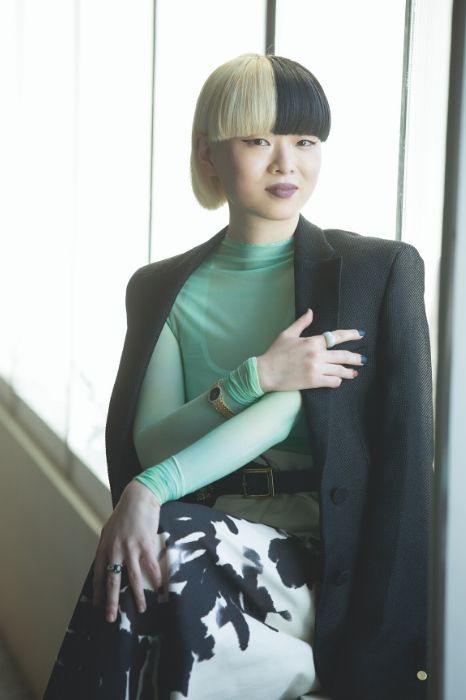
feng shui

So Feng Shui has a bearing on fashion?

Absolutely. Feng Shui is all about changing your environment and clothes definitely help shape your demeanour. The five elements used in Feng Shui, as well a yin and yang, all come  from The Book of I Ching, which guides things like birth-chart readings. While it’s not exactly Feng Shui per se, I use it as a means of determining which colours or patterns that can help you balance your will optimise the balance of your chi…

On top of all that, is there anything else on the horizon?

Well I recently worked on new collection with Samuel Kung, the renowned master of jade. I’d already fallen in love with jade and, when I met him, we were both keen to collaborate. Jade and Feng Shui are  actually quite interlinked – it’ a material that absorbs a person’s energy and, as a result, changes colour over time. Looking to build on this, we launched the Samuel Kung x Thierry Chow Jade Collection. Comprising three jade rings and available from Lane Crawford, every item incorporates Feng Shui elements. Our next planned project, however, will be on a far grander scale…
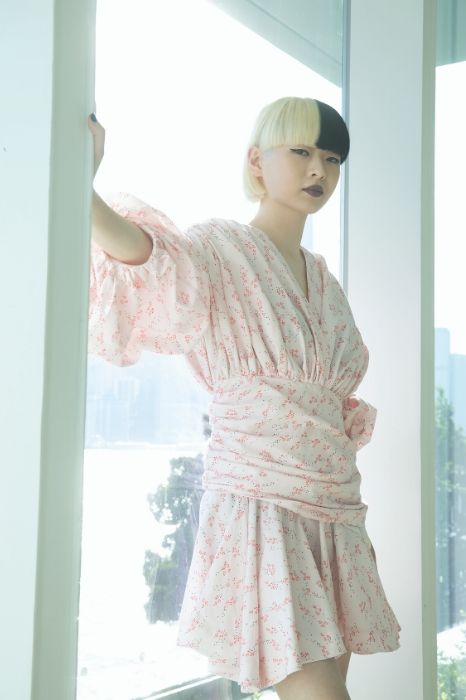
feng shui

Away from all your many commitments, how do you like to relax?

I am a fanatic for anything  spiritual, so I really enjoy reading books on meditation and any that add to my understanding of the wider universe. I also love to meditate and to give free rein to my artistic side – and, of course, some retail therapy always goes down well too.

What is the key item on your bucket list?

Denmark. It’s somewhere I’ve always wanted to visit. Although my husband is Canadian, that’s where his ancestors came from. I’ve seen so many gorgeous photographs of the country and I want to experience it all on a first-hand basis.

Finally, if you could meet any person, past or present…

I’m fascinated with reincarnation, so I would love to be able to meet one of my former selves. In terms of other people though, someone I would love to chat with would be Deepak Chopra, the famous author and renowned expert on alternative medicine. I’d love to be able to pick his brains about wellness techniques and the benefits of meditation.

Thank you.

Text: Tenzing Thondup
Photos: Jack Law

Styling & Art Direction: San Wong
Venue: Hue

The Macallan 72 Years Old Set for Spirited Hong Kong Debut

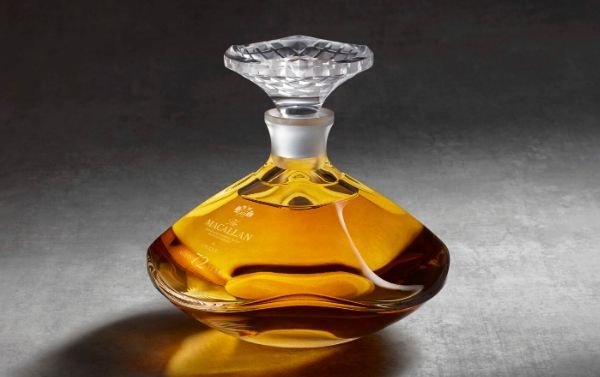
The Macallan 72 Years Old, one of the finest scotches on offer from The Macallan, that most renowned of single malt whisky brands, is soon to land in Hong Kong as the distiller celebrates its epic legacy and enduring impact. 

Macallan 72 Years Old

Limited to a release of just 600 bottles on a global basis, each one comes housed in an exquisite Genesis decanter, specially designed by Lalique, that most classic of French crystal creative houses. With a design said to embody the ultimate fusion of contemporary chic and time-honoured tradition, each glass repository is a clear testimony to the brand’s commitment to flawless craftsmanship.

Assessing the import of their singular partnership, Geoff Kirk, the Macallan’s Head of Brand Development, said: “Lalique has a deep and true understanding of our brand, one imbued over more than a decade of joint endeavours.”
Macallan 72 Years Old

Commenting on the significance of this particular launch, meanwhile, Nick Savage, The Macallan’s Master Distiller said, “The Macallan 72 Years Old is an incredibly rare single malt and one defined by years of dedication and craftsmanship. The oldest whisky we have ever bottled, this is a truly momentous occasion and a fitting celebration of our remarkable new distillery.”

To find out more about The Macallan 72 Years Old and its underlying flavour tones of lemons, apples, raisins and vanilla, click here.

Step Inside the K11 Artus Ultra-Luxe Penthouses and Serviced Apartments

While Hong Kong is by no means in short supply of ultra-luxurious hotels and residences, we’re of the opinion that it never hurts to add just one more – and that’s exactly what Adrian Cheng has done with with the  launches of the Rosewood Hong Kong, K11 Atelier, K11 Artus and, most recently, K11 Musea.

Indeed, the days of the Holt’s Wharf occupying the edge of Tsim Sha Tsui has long since past, as the Victoria Dockside project is transforming the area into a district of art and culture – a peak destination for cosmopolitan retail, dining and just about everything one could ask for.

k11 artus

K11 ARTUS General

The 287 ultra-private luxury residences have set a new global standard for modern hospitality, as K11 Artus provides guests with a building filled with passion, culture and lifestyle elements of art and design. Combining the English word of Art with the Latin term Domus – meaning home – ARTUS redefines what the Artisanal Home means. Conserving Chinese crafts that date back to the Ming and Qing dynasties, the group works with Chinese craftsmen to afford these ancient craftsmanship skills with a new, modern platform.

Occupying the 10th and 11th floors is the Social Salon, a 1,500sq.m cultural hub, which gives space for residents to study, relax and entertain. Dining areas, a yoga studio, outdoor pool and terrace can all be accessed from this area.

Fiona Barratt-Campbell Penthouse

Designed by award-winning British interior designer and entrepreneur Fiona Barratt-Campbell, and her studio, Fiona Barratt Interiors have created a penthouse within K11 Artus that occupies 3,703sq.ft and brings with it a touch of the English countryside and the magnanimous history of Rome.

Nearly every piece of furniture and lighting found within Barratt-Campbell’s penthouse has been crafted inher bespoke London studio FBC London, which predominately outsources from the UK. Armour chairs can be found within the bedroom, while a double-sided fireplace takes place of pride between the dining and living rooms. Our favourite room of all, however, is undoubtedly the master bathroom, as it features handcrafted vanities, stoneware and a shower / tub space that offers all the comforts of a luxury spa.

Joyce Wang Penthouse

Meanwhile, renowned interior designer Joyce Wang and her studio Joyce Wang Studio have laid out a 3,464sq.ft three-bedroom penthouse which gives its occupants a space defined by modernist and monochromatic architectural elements, including touches of metal and colour to balance the bold yet light interiors.

The most striking aspect of the penthouse is its panoramic balcony that overlooks the Hong Kong skyline, including both the Kowloon and Hong Kong Island sides. Each bedroom comes with its own unique colour palette inspired by the elements of earth, air and water, while warm tones dominate the raised dining suite with an open kitchen. The area within the kitchen all but guarantees take-out is never needed as it offers a cooking space many could only dream of. The living room extends the feeling of fervour as an over-sized bookcase filled with cultural literature, collectible objects d’arts and hanging plants boldly separates it from the dining area.


Text: Bailey Atkinson

A Walk on the Divine Side: A Look into the Hong Kong Monasteries

Seeing the surging crowds that thronged Hong Kong’s myriad monasteries last month as thousands queued to wish Buddha a “happy birthday”, it’s hard to believe that just 23 years ago the same holiday, in times pre-handover, was given over to marking the British Queen’s 70th year on earth. Since its return to the motherland, however, a public holiday to celebrate a far-distant monarch has been superseded in honour of a fourth century BC, semi-mythical Indian monk. Progress is, indeed, an oft contrary and unpredictable beast.

As a sign of the city’s commitment to a broad palate of religious tolerance, temples and shrines dedicated to virtually every possible denomination can be found somewhere within the Fragrant Harbour. Indeed, according to a 2017 report by the Legislative Council Secretariat, there are nearly 1,500 Christian places of worship in the city, as well as over 400 Buddhist and Taoist temples, three main synagogues and six mosques, while the Hindu and Sikh faithful both have their own religious centres. Interestingly, given the scale and the intricate architecture of some of these structures, they serve not only as places of worship but also as major tourist attractions, drawing millions of visitors to pray and display via social media every year. Which, though, are truly divine and which are temptations to be sorely resisted? Well, there are at least five holy sites that are wholly worth visiting…

Hong Kong monasteries

Man Mo Temple

Built in 1847 by wealthy Chinese merchants, Sheung Wan’s Man Mo Temple is the oldest Taoist temple in Hong Kong, a standing that has seen it designated as a Grade 1 historic site. A truly atmospheric building, wrought with traditional Chinese  architecture and its air thick with the fragrant smoke from the hundreds of ceiling-suspended incense coils, it is jointly dedicated to Man Cheung, the writing-brush-wielding god of literature, and Mo Tai, the sword-wielding god of martial arts, both of whom were revered as gods and Emperor Kings in times more classical.

Among the most outstanding features in its primary prayer hall are two elaborately-carved 19th century sedan chairs, items traditionally used to carry iconic representatives of the twin deities on festive occasions. The three-part complex also has a block dedicated to the other gods in the Taoist pantheon, while its west facing assembly hall was co-opted as a court for resolving disputes between the locals in colonial times. 

Hong Kong monasteries

Po Lin Monastery

Located in Lantau Island’s lushly picturesque Ngong Ping plateau, the Po Lin Monastery was founded in 1906 by three visiting Jiangsu monks. Originally simply known as Tai Mao Pung (“the big hut”) – a reference to its initially-rudimentary stone chamber and thatched roof construction, it has since evolved into a massive five-storey complex covering 6,000sq.m, comprising the Main Shrine Hall of Buddha, a scripture library, an abbot’s chamber, a meditation hall, a permanent altar, an exhibition hall for Buddhist artifacts and a series of elaborately-decorated landscaped gardens.

Its most prominent feature – in every sense – is,undoubtedly, the towering Tian Tan Buddha statue (the Big Buddha). Completed as recently as 1993, at 34m in height, it is the world’s tallest seated Buddha statue. Such is its appeal that visitors from far and wide climb the steep 268 steps that lead to up to it in order to get a closer look at the majestic deity as it sits atop a gigantic lotus. The panoramic view from the top also acts to attract the more agnostic.

Hong Kong monasteries

Chi Lin Nunnery

A sprawling Buddhist complex located in Diamond Hill at Kowloon, the Chi Lin Nunnery currently rejoices in its status as the world’s largest handmade wooden complex. In total, it extends across 16 halls, a scripture library, a school and a pagoda, as well a bell and a drum tower, which, all in all, cover some 33,000sq.m. Originally built in the 1930s, it was remodelled in the style of the Tang Dynasty in 1998.

Carved entirely out of cypress wood, the structures have been built solely by painstakingly interlocking individual wooden planks without the use of a single nail. The main body of the temple is ringed by lotus ponds and bonsai trees, while its three gates are seen as symbolising the primary Buddhist principles – wisdom, compassion and resourcefulness. Equally beautiful is the adjacent Nan Lian Garden, with its golden pagoda, hills, ponds, waterfalls and rock collections – each placed specifically in strict compliance with feng shui guidelines – extending across 3.5 hectares.


Hong Kong monasteries

Wong Tai Sin Temple

Another of Kowloon’s most memorable monuments is the Sik Sik Yuen Wong Tai Sin Temple, a structure that is every bit as popular with the locals as it is with tourists, possibly on account of its legendary facility to grant the wishes of worthy visitors. While its actual efficacy on that front cannot be vouched for, any claim that its architecture is genuinely magnificent is far more easily verified. 

Constructed in the 1920s by the followers of Wong Tai Sin (the Great Immortal Wong), a Taoist deity of some repute, the temple grew in stature during World War II when it provided due sanctuary to fleeing mainlanders. Since then, its legend has only grown, thanks in no small part to its extravagantly colourful architecture that finds feng shui elements secreted in every nook and recess of its 18,000sq.m estate – from its Bronze Pavilion and Yuk Yik Fountain to the Nine Dragon Wall and the Good Wish Garden. 


Text: Suchetana Mukhopadhyay
Photos: AFP