
Make Waves in Pure Luxury: PRESTIGE M7, Your Floating “Stay-Cation”

Experience the New PRESTIGE M7: The Ultimate Luxury Multihull — Now at Asia Yachting.

Luxury isn’t supposed to be complicated. It’s supposed to feel effortless—like stepping onto a private island that happens to float, glide, and redefine comfort at every turn.

And that’s exactly what the all-new PRESTIGE M7 delivers: a bold, breath-taking 58ft power catamaran that’s rapidly setting a new benchmark for luxury multihull living. After making her highly anticipated world premiere at the Cannes Yachting Festival 2025, the M7 has already captured major industry attention—officially winning the YACHT STYLE Award in the Power Catamaran 16–20m category at the Singapore Yachting Festival 2026.

Now, she’s available through Asia Yachting—bringing you the pinnacle of space, serenity, and cutting-edge marine architecture.
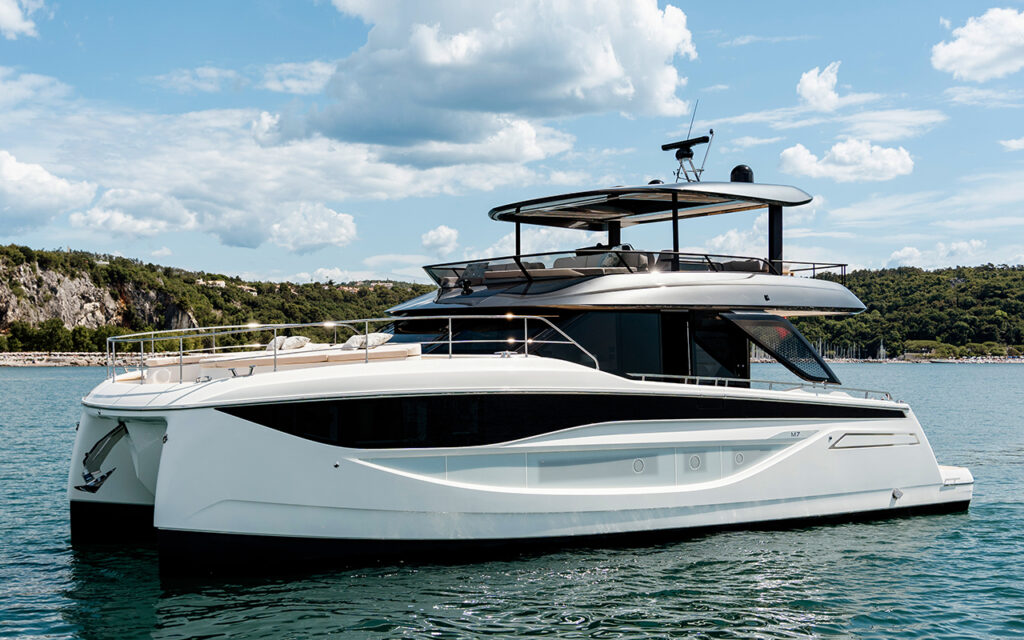
The PRESTIGE M7, a 58-foot motor multihull defined by generous living spaces

More Space. Less Compromise. Full-On Floating Bliss.

Designed to beautifully bridge the gap between the M48 and the flagship M8, the PRESTIGE M7 brings that “75-foot monohull” feeling—only with multihull magic: unrivaled volume, impossibly airy flow, and a living experience that’s naturally expansive.

Expect over 200 m² of highly usable living space—engineered by Garroni Design and guided by one irresistible mission: make life aboard feel closer to the sea.

Designer Camillo Garroni explains the vision: bringing “the cockpit closer to the sea, transforming it into a truly lowered terrace facing aft”—turning it into an immersive, open-air moment every time you step outside.
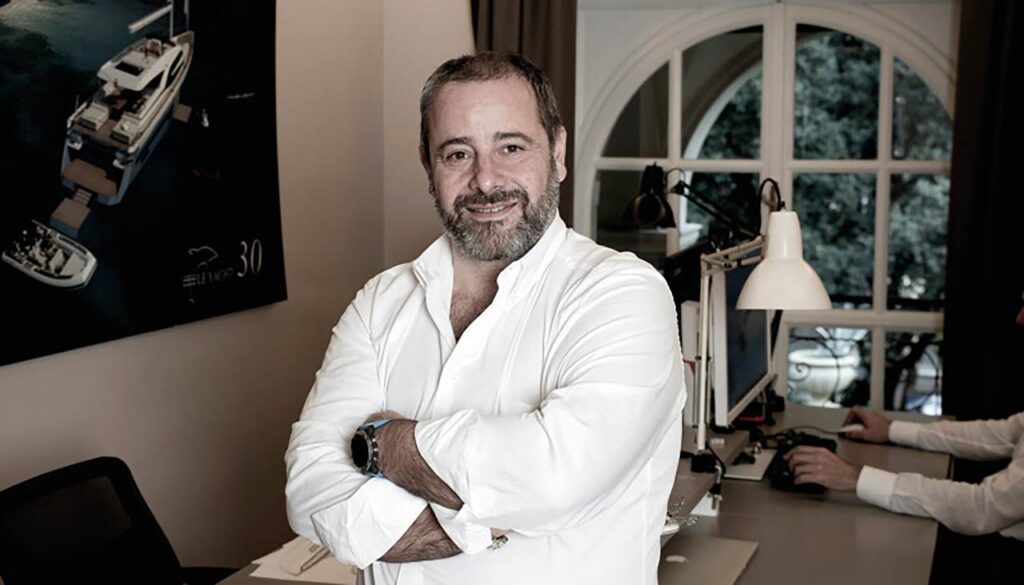
Camillo Garroni of Garroni Design, responsible for the PRESTIGE M7’s exterior and interior design

Unprecedented Volume & Immersive Design

On the main deck, the atmosphere is all about openness—because the best kind of luxury doesn’t isolate you from the world… it invites it in.

A bold highlight? 112 m² of main-deck living—with massive sliding glass doors that blur the line between the bright interior saloon and the exterior terrace. Translation: you don’t just “go aboard.” You enter an elevated lifestyle bathed in natural light.

And below deck, owners are treated to a sensational 53 m² of cabin space, including a full-beam owner’s suite with:

  • a large en-suite bathroom
  • generous storage
  • a private desk for calm productivity (or quiet daydreaming)

Whether you’re entertaining or unwinding, the yacht’s layout is crafted to make every moment feel smooth, seamless, and deeply restorative.
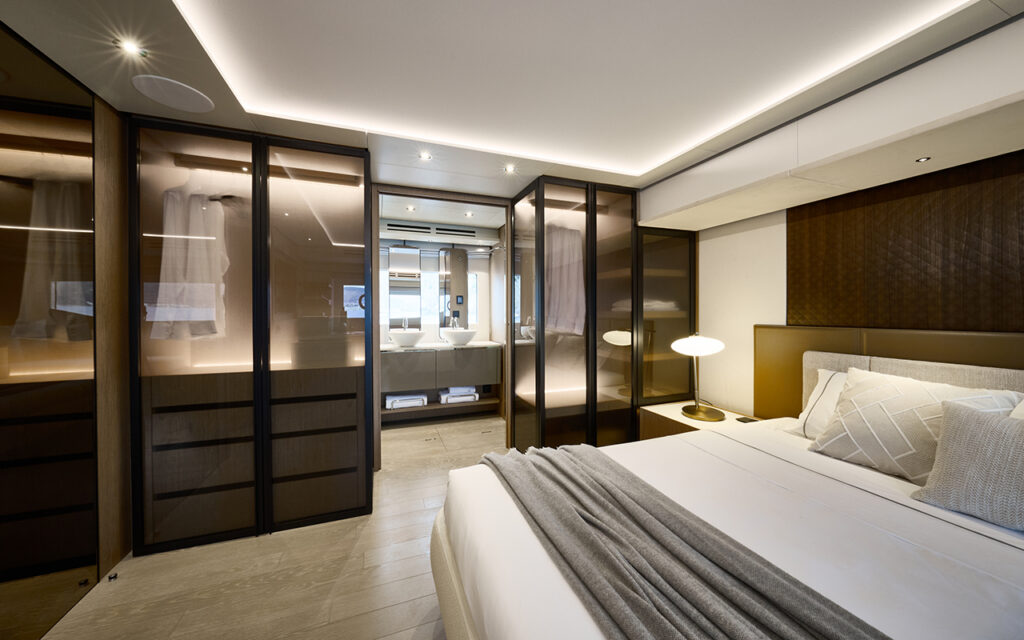
The impressive full-beam owner’s suite, featuring a spacious en-suite bathroom and generous storage

“Whispered Luxury” Meets High-Efficiency Cruising

The PRESTIGE M7 doesn’t try to shout. It speaks softly—with textures, materials, and calm design choices that feel intentionally refined.

As Valentina Motta, Product Interior Designer, puts it: “The interior of M7 evokes calm and serenity.”
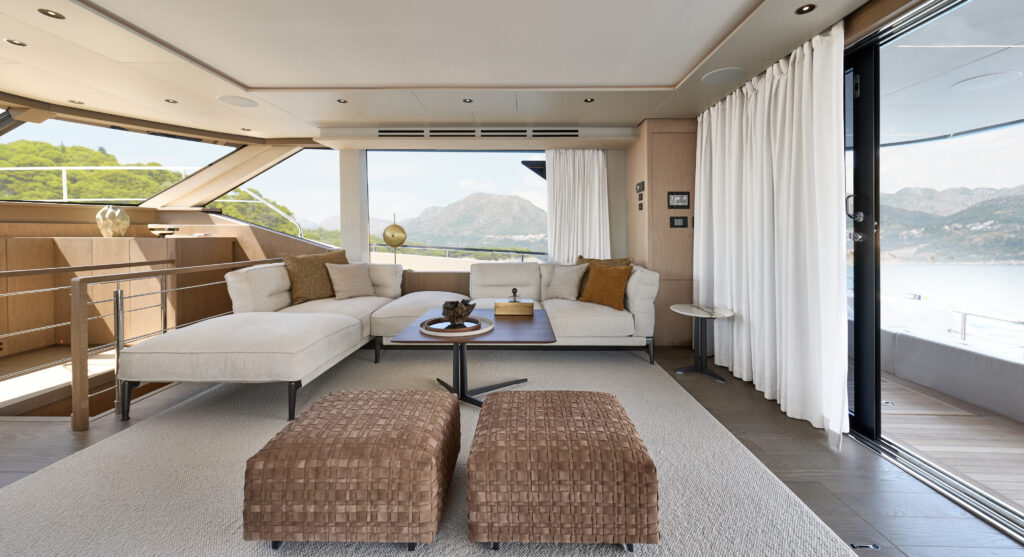
The saloon opens through large sliding glass doors, connecting seamlessly with the outdoors

To achieve that “quiet elegance,” the team selected premium natural finishes including:

  • marble
  • linen
  • leather

It’s a luxury that looks refined because it’s honestly made—respecting each material’s character and letting the environment feel pure, warm, and elevated.
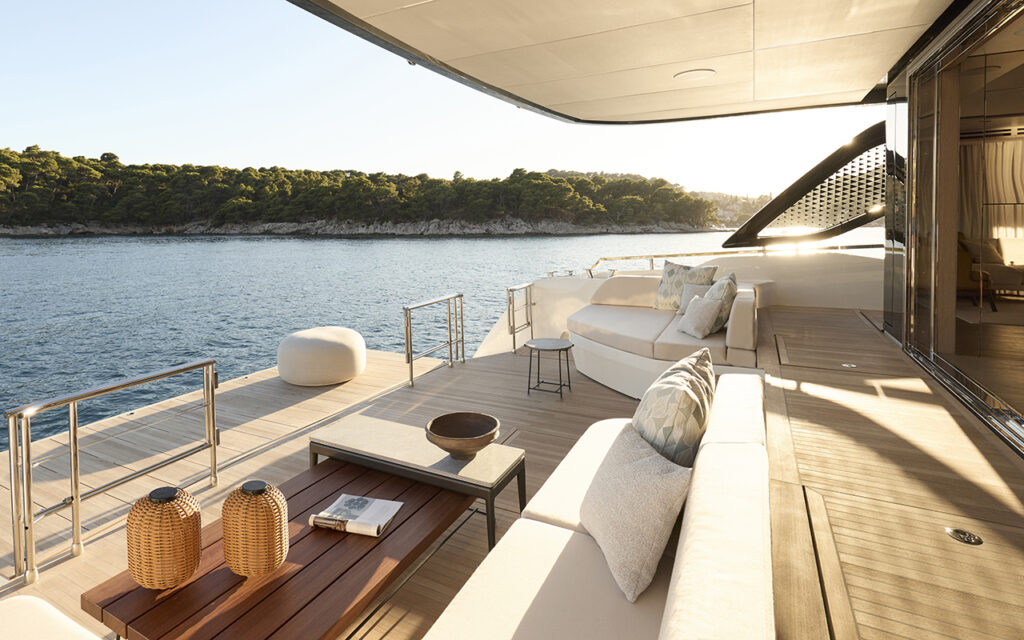
The aft cockpit, designed as a lowered terrace closer to the sea

But a luxury yacht should perform as beautifully as it looks. The M7 delivers exactly that with optimized asymmetric hulls designed by Marc Lombard Yacht Design, delivering:

  • exceptional stability
  • fuel consumption reduced by half compared with a similarly sized monohull

Power comes from twin 550 HP Volvo D8 engines, giving an impressive cruising range of 1,220 nautical miles at 8 knots—perfect for longer escapes without sacrificing comfort.
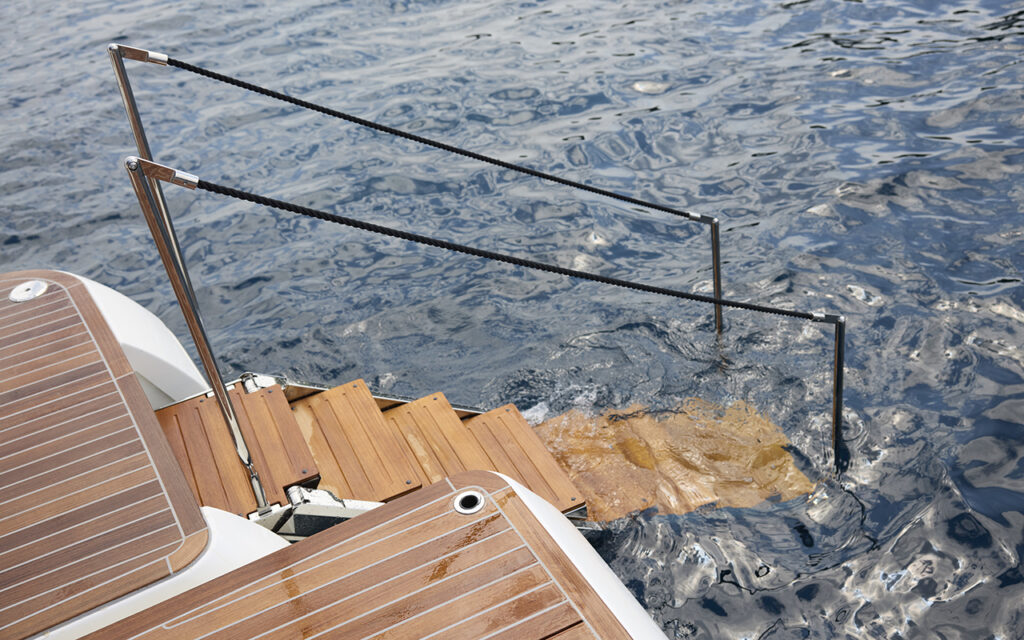
The retractable swim ladder, creating a closer connection with the water

For Quiet Anchorages & Sustainability Lovers: Silent Mode

Prefer serenity so complete you can hear the water think? Choose optional Silent Mode, featuring:

  • 16 m² of solar panels
  • a lithium battery pack

For up to 12 hours of zero-emission, completely silent operation—ideal for private coves, peaceful mornings, and moonlit stillness.
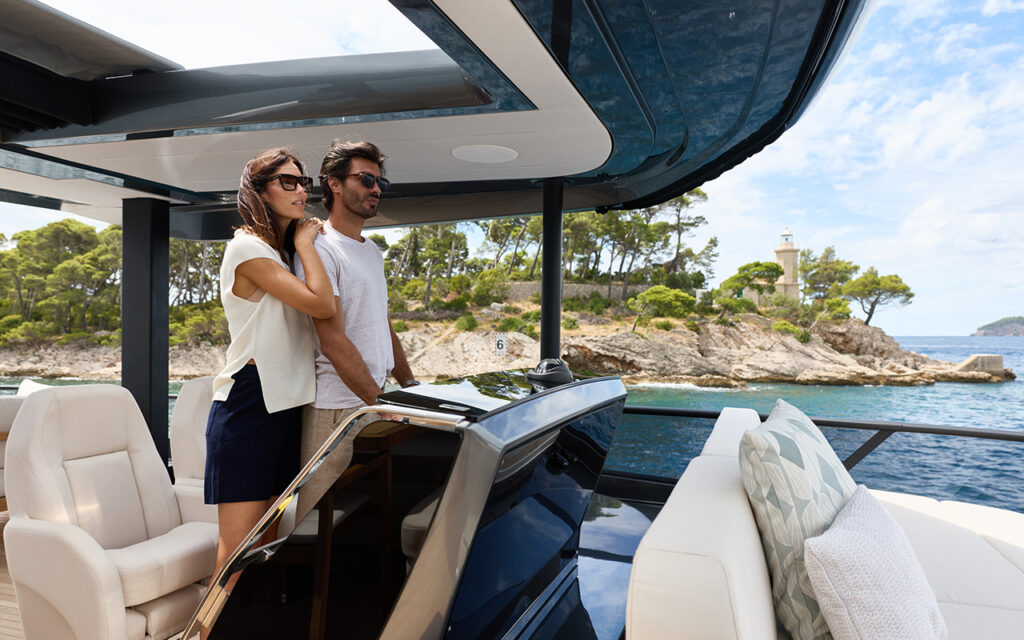
The flybridge, featuring covered al fresco dining and the main helm station to port

Secure Your Private Island (Yes—A Real Feeling of “Island Time”)

This is where the M7 becomes more than a yacht.

It’s a floating retreat—an invitation to slow down, breathe, and reconnect with the sea at your own pace. As Clémence Cessou, Marketing Manager, concludes: “She is a yacht that invites you to slow down, breathe, and truly connect with the sea.”

Your Next Adventure Awaits — From Asia Yachting

Ready to make luxury multihull living your new standard?

The team at Asia Yachting is ready to help you discover the PRESTIGE M7, explore bespoke configuration options, and arrange your exclusive private viewing.
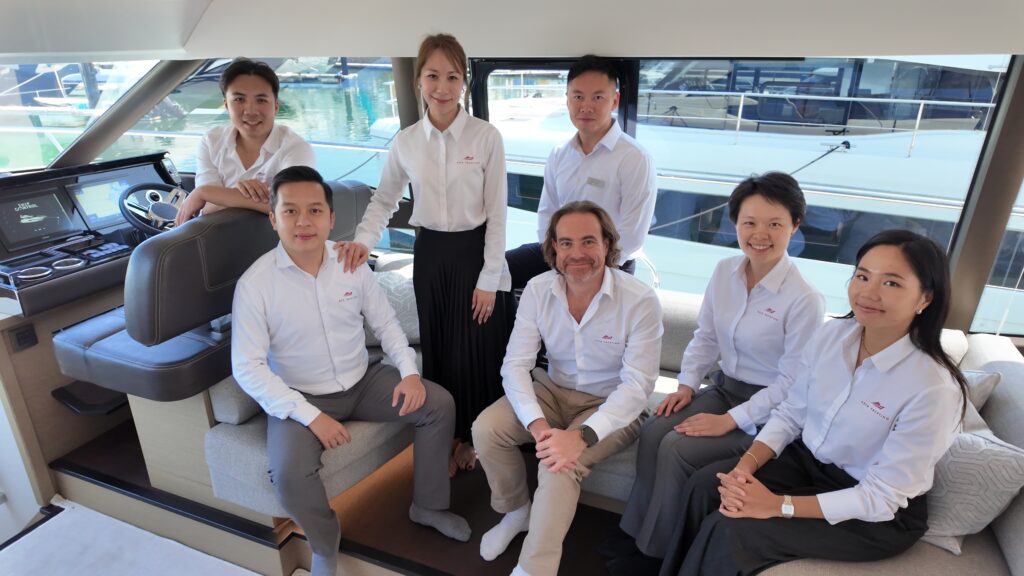
The Asia Yachting team in Hong Kong

Contact Asia Yachting today to experience first-hand the yacht that’s turning “living on the water” into a whole new level of floating comfort.

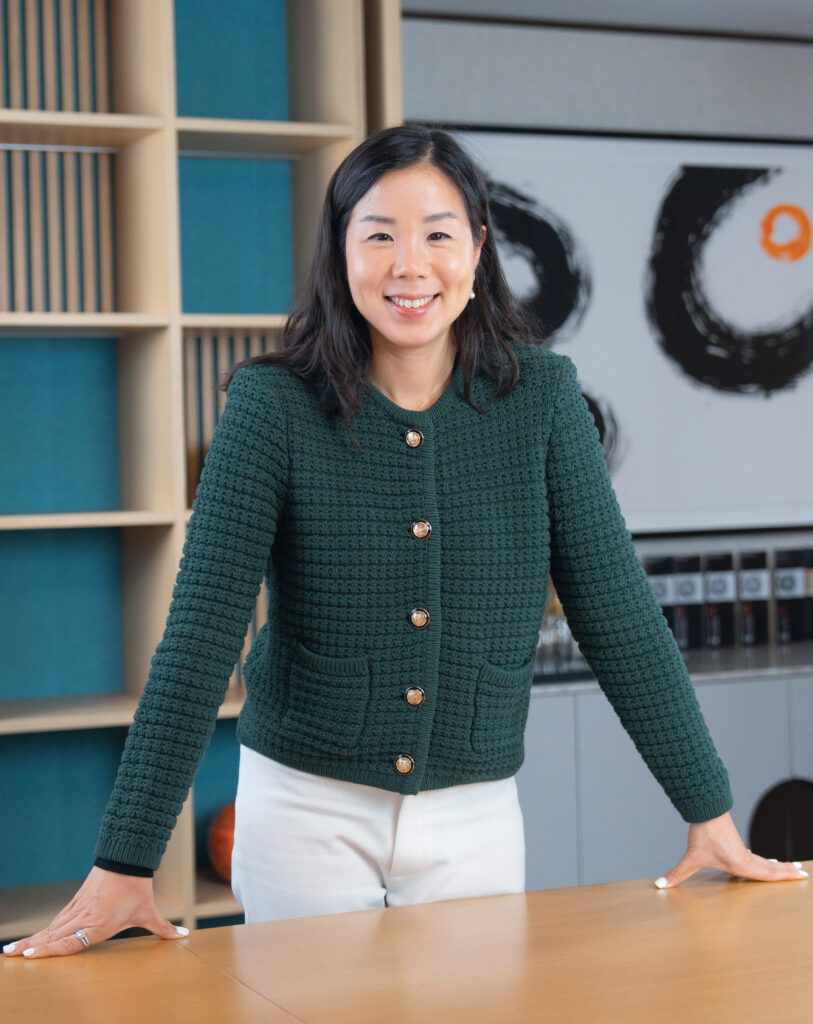
Calm Force: Family law leadership for the moments that can’t wait

In Hong Kong, divorce and family disputes are rarely “routine.” They arrive with deadlines measured in hours, families under pressure, and decisions that reshape futures, especially when wealth is complex and children’s wellbeing is at stake. That’s where Jocelyn Tsao stands out: Head of the Family Law team at Withers Hong Kong and Managing Director of the Hong Kong office, known for combining courtroom capability with strategic, client-first judgment.

As a leading divorce and family lawyer with over 18 years of experience, Jocelyn advises on high-net-worth divorces, asset division, trust and corporate structures, injunctive relief, and cross-border matters, from evidence planning to negotiation, through mediation, and, when necessary, advocacy in the Hong Kong courts. Her approach isn’t simply aggressive or cautious; it’s disciplined, practical, and anchored in integrity.

As Head of the Family Law team and Managing Director, what does effective leadership look like in a high-volume, emotionally charged practice, and how do you set your team up to perform at its best?

Jocelyn: Effective leadership, to me, begins with being a role model. In family law, you can’t just tell a team what urgency looks like; you have to show it. If a client needs support beyond office hours, I believe leadership means being there: not because the work is inconvenient, but because the situation is real for the client and the team needs to understand the seriousness of the moment.

I also emphasize calmness and steadiness. Family disputes can intensify quickly; clients are anxious, emotions run high, and any panic from the lawyer can spread. I try to remain collected so the team can execute with clarity. The goal is to keep clients grounded, bring issues back to rational, objective decision-making, and ensure the legal work stays focused on outcomes, not volatility.

In high-net-worth divorces involving complex financial disputes, how do you balance strategic aggression with procedural discipline, especially in cases involving beneficial ownership, valuation, and asset preservation?

Jocelyn: For me, the starting point is honesty about prospects and proportionality. I don’t advocate litigation just to “fight.” I consider whether a claim is credible and whether pursuing it will realistically improve the client’s position.

Take beneficial ownership disputes: in Hong Kong, it’s common for assets to be held in children’s names or through structures that reflect estate planning or intergenerational transfer. During divorce, the central question becomes: who is the true beneficial owner? My job is to assess the evidence carefully, build a coherent legal narrative, and determine where court proceedings are necessary and where they are not.

On valuation, discipline matters because it can be expensive, and timing affects accuracy. If valuations are carried out too early, they can become outdated. So I focus on doing valuations when they are necessary and strategically justified, not automatically.

And yes, sometimes an application is needed to create pressure for settlement. But even then, the question remains: will it work, and is it proportionate to the value at stake? Strategy should serve results, not inflate costs.

You advise clients on some truly consequential disputes. What do you prioritize when children, custody, care, and relocation are involved?

Jocelyn: Children’s interests come first, always. In family law, the issues aren’t just financial; they shape children’s lives for years. I pursue custody, care, and control matters with a strong focus on protecting stability and minimizing harm.

When relocation and international child abduction issues arise, I draw on my experience in Hague Convention matters before the Hong Kong High Court. These cases require both urgency and precision: the legal process must move fast, but the reasoning must be careful. My approach is to advocate firmly while keeping the case oriented around the children’s best interests.

How do you handle cross-border and international divorce work, especially coordination with overseas solicitors and managing risk across legal systems?

Jocelyn: Cross-border matters demand coordination, reliability, and trust. Different jurisdictions have different standards, evidence requirements, and timelines, so the work needs structure from the start.

In international child abduction matters, for example, the legal mechanism relies on effective cooperation with authorities and lawyers in multiple countries. I also collaborate through established international professional networks so I can work with lawyers I trust.

In jurisdiction disputes, I coordinate with overseas counsel to ensure we can present the case under a consistent framework. I’ve seen how uneven responsiveness can create risk, so I rely on relationships built through experience, knowing which lawyers work with the competence and responsiveness the case requires.

When you define personal happiness and professional success, what do they mean to you, and has that changed over time?

Jocelyn: For me, happiness is built around three pillars: work, personal pursuits, and family.

Work matters because I genuinely enjoy family law. Personal training matters because it balances the intensity of legal practice. And family completed the picture in a way I didn’t fully understand before becoming a mother; it expanded love and satisfaction rather than replacing ambition.

In terms of success, early on, it meant progressing professionally. Over time, it shifted into something deeper: building a reputation for integrity and sound judgment, being someone clients trust not to over-promise, not to push unnecessary litigation, and to act in the best interests of the client with real care.


Calm Joy in a Bottle: Lapot studio’s gentle approach to simplicity

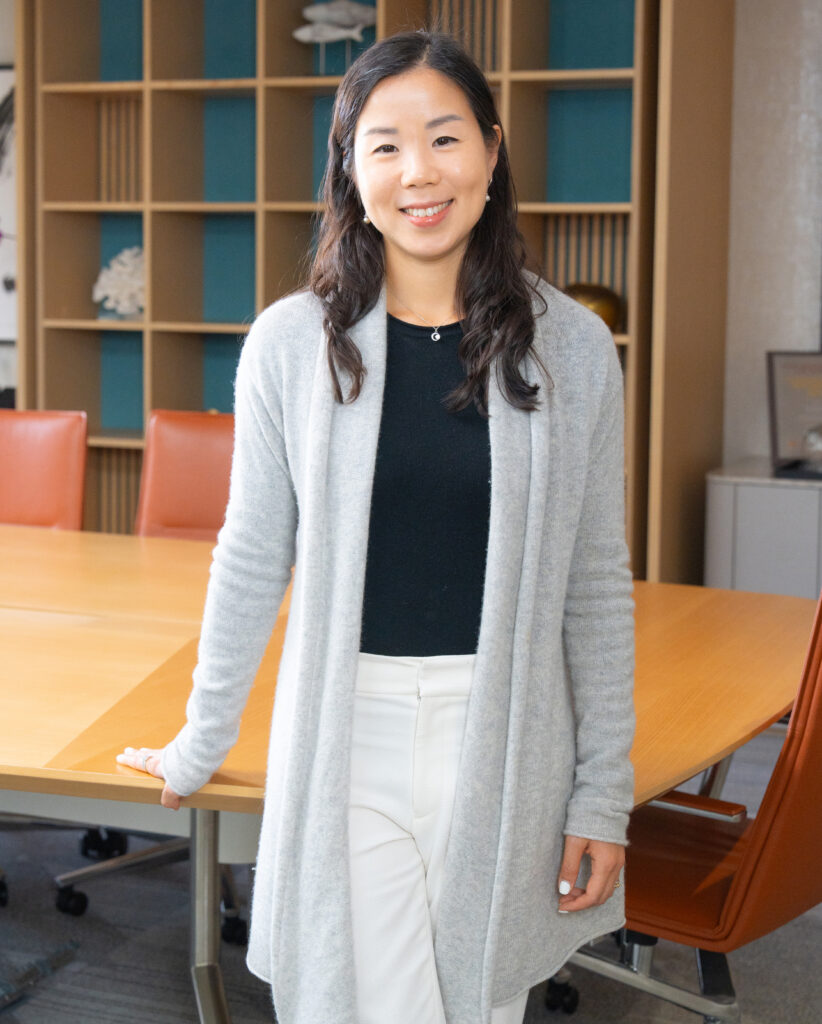
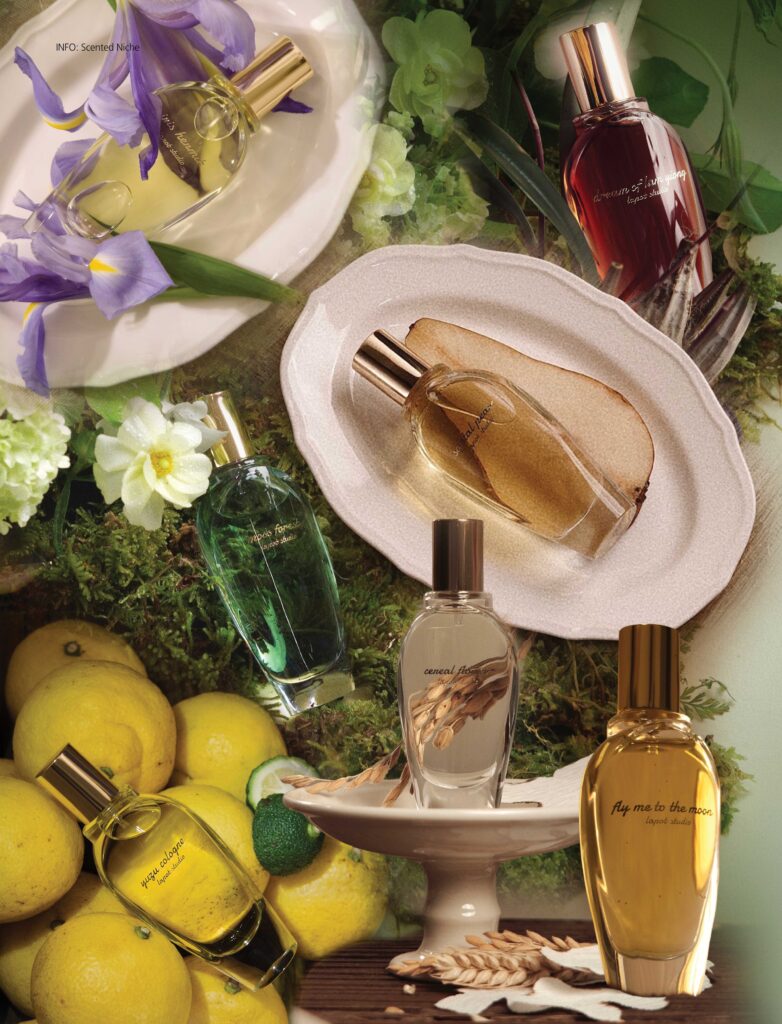
When you hear Lapot Studio, there’s a quiet sense of intention behind the name. It’s the scent research studio, and in-house brand, of LAPORTE, created around a belief they now hold close: calm joy.

Life moves fast. Emotions shift, sometimes softly, sometimes sharply. And after everything, the team arrived at a simple truth: joy doesn’t always have to be loud to be real. The kind that matters is steady, something that stays with you, even when the world gets noisier.

Yes, they still love the spark of intense happiness. But they also want to offer something rarer: the feeling of returning to yourself, when you slow down, exhale, and come back to what’s truly essential. That’s what their perfumes are designed to deliver: a calm kind of happiness that feels precious, grounding, and unexpectedly enduring.

Back to Authenticity

In the “Back to Authenticity” collection, Lapot Studio presents a tranquil, pure aura, built on the quiet strength of multiple agarwood notes. Agarwood has a unique way of smoothing the edges of a fragrance, making it feel approachable rather than overwhelming. Layered with rich, stable woody notes, the scent doesn’t just bloom and disappear; it settles in, lingers, and stays grounded.

It opens gently, develops with thoughtfulness, and remains quietly confident from first breath to last. Like returning to a familiar space, your favourite chair, your everyday calm.

Transcendence

If “Back to Authenticity” brings you home, “Transcendence” invites you just beyond it. This is for those rare moments when you want to step out of routine and let your mind wander past the limits of everyday life.

Expect a surreal sensation, like crossing into a distant, mysterious place just outside the border of what feels familiar.

A founder’s imprint

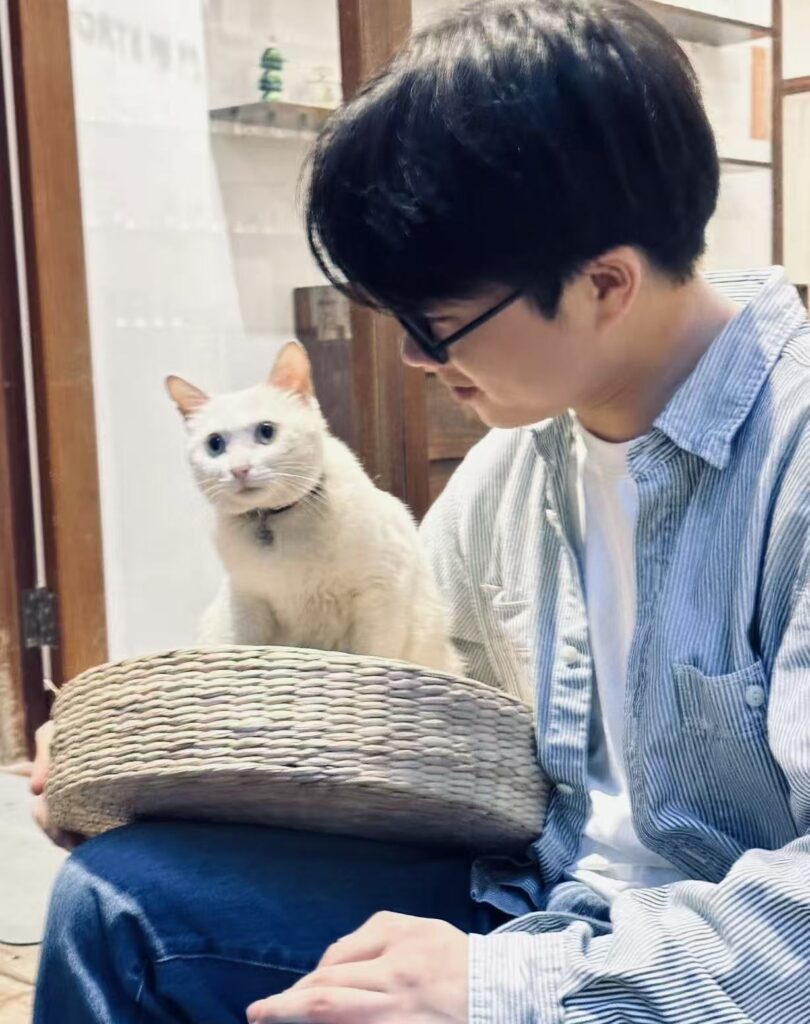
This vision is personal. As the founder, Koon shapes the brand’s scent language through his own inner rhythm. For him, calm joy isn’t a trend; it’s something invaluable, carefully expressed in every bottle.

Lapot Studio is the gentle gateway where joy softens into calm, and calm becomes precious. Two selections. One shared promise: return, transcend, and let the feeling stay with you.

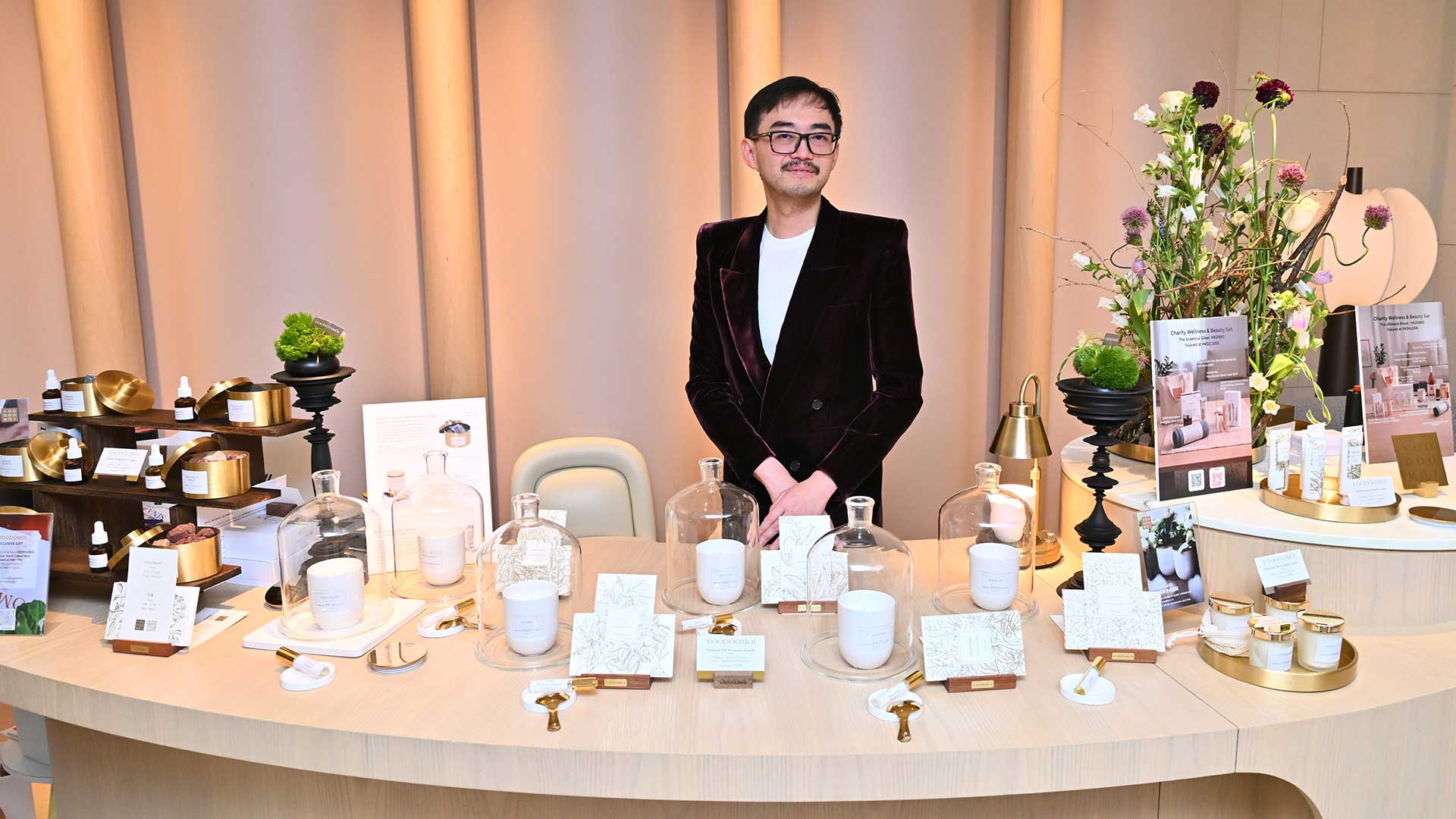
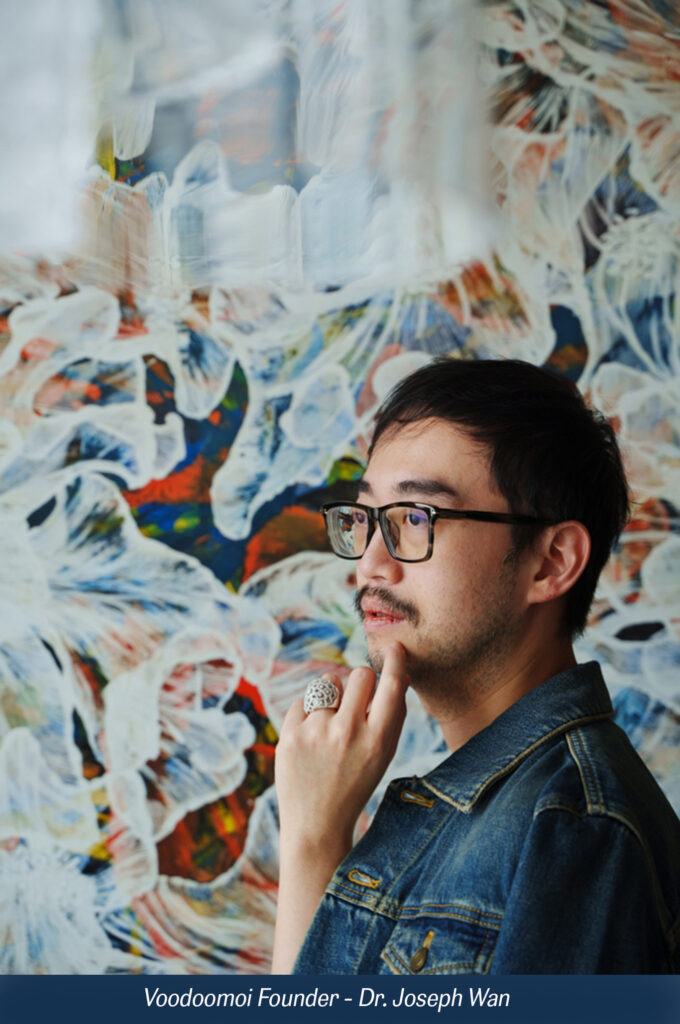
Voodoomoi: Smell Smart. Feel Better.

Where Sense, Soma & Sentiment meet—

so your nose triggers your whole vibe.

Step into Voodoomoi and you’ll quickly realize you’re not just buying fragrance, you’re joining a self-care ritual that knows exactly what your body wants and your mind remembers.

Because scent isn’t “just smell.” It’s a full-body experience with a personality.

And Voodoomoi is built on one deliciously smart idea: your nose sends the message,your body and emotions receive it.

Sense (the ignition)

It starts at the source: aromatic molecules dancing into the air, catching on receptors, and translating fragrance into signals your system can’t help but notice. Your nose doesn’t detect vibes, it activates them.

So yes: when you pick a scent intentionally, you’re basically choosing an energy level.

Soma (the body’s reaction)

Next comes the part you can feel, literally. Those scent signals don’t just stay in your head; they influence your body in ways that can help you feel physically calmer, lighter, and more at ease.

Think of it like this: the fragrance isn’t performing magic spells. It’s creating conditions for your mood to shift into something steadier.

Sentiment (the memory spark)

And then, oh, then comes the iconic moment. The one no one can fake.

Sentiment.

That “I remember this” connection. The way your brain links scent to emotion through deep, ancient pathways. The way one whiff can pull you back to a moment, a feeling, a version of yourself.

Not cheesy. Not random. Just real.

It’s not science cosplay. It’s a ritual.

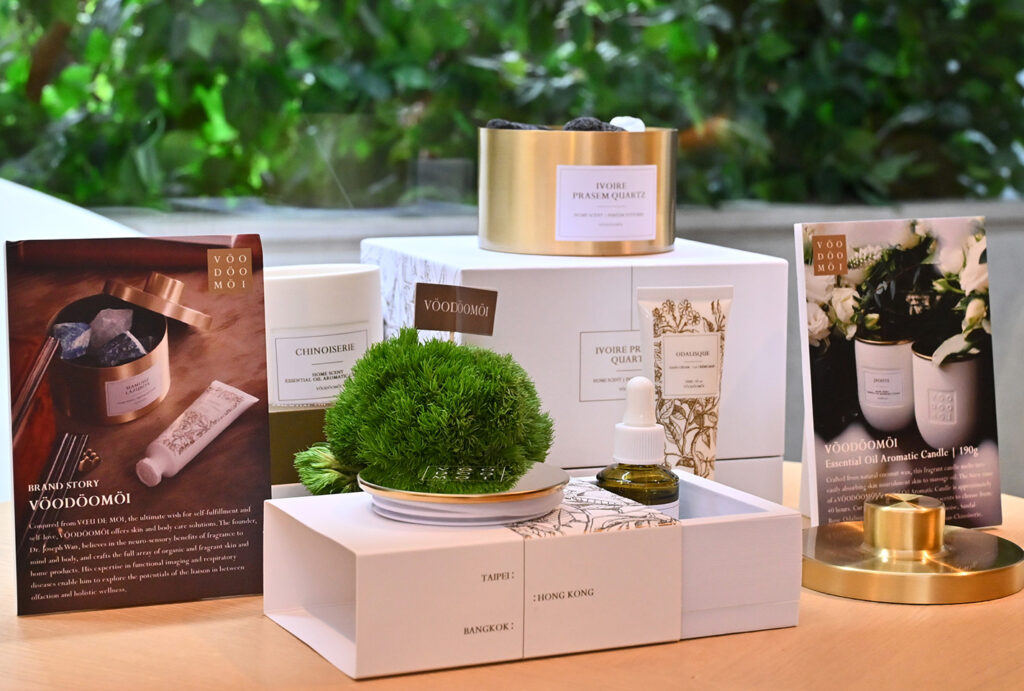
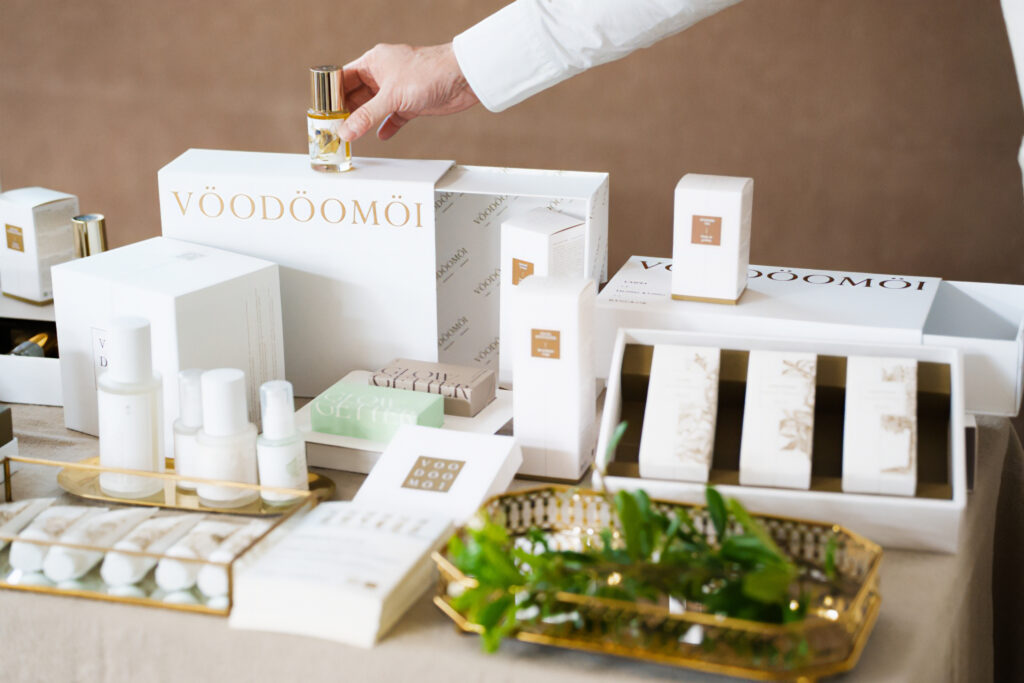
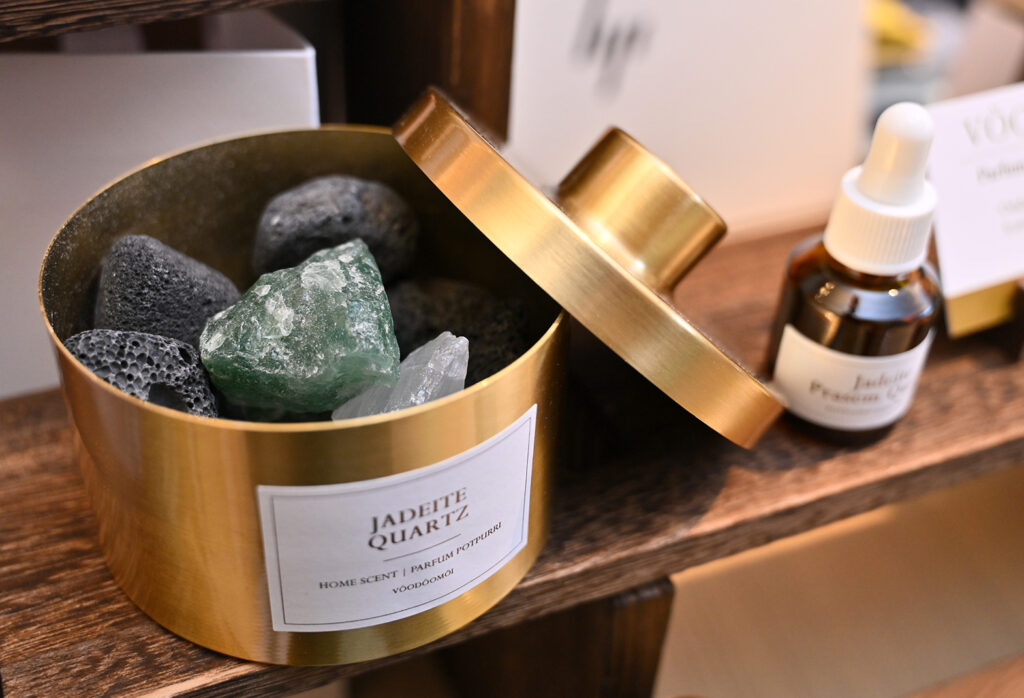
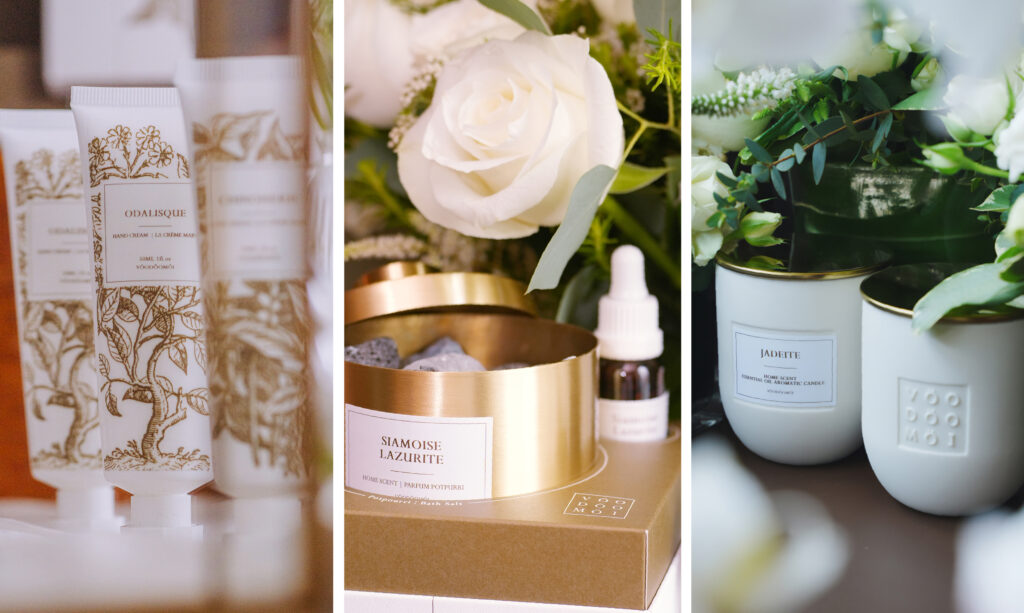
Voodoomoi doesn’t stop at a beautiful theory. Their product line—designed for multi-sensory living—makes it easy to wear your self-care like a signature.

From:

  • Hand cream (because the best rituals happen where your daily life touches you most)
  • Essential oil (for focused, feel-good moments—tiny drops, big mood shifts)
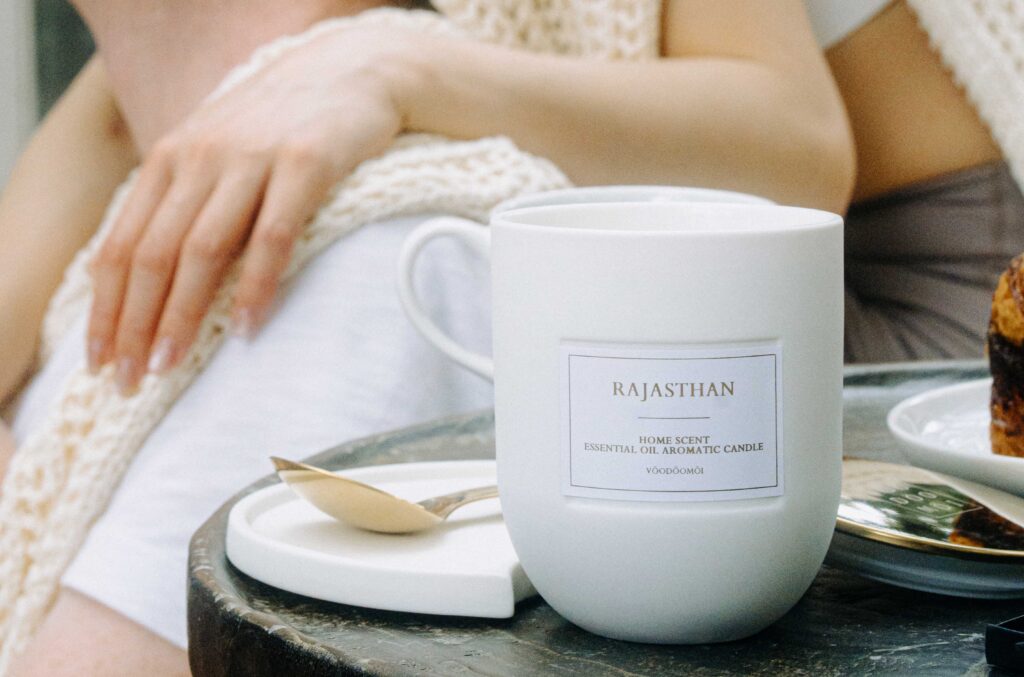
  • Aromatic candle (certified coconut wax, cozy enough to stare at, glow-worthy enough to breathe)
  • Perfume (your personal “arrived on purpose” trail)
  • Diffuser (portable ambience that looks like jewelry and smells like a decision)

Multi-tasking moments, but make them emotional

Want an easy, mood-picking ritual? Try this:

  1. Smooth hand cream on—slow, intentional, grounding.
  2. Add a whisper of fragrance to hair—like softness with a schedule.
  3. Let your space become the soundtrack with a candle or diffuser.

Suddenly, self-care stops being a chore and becomes something you feel.

And here’s the luxury twist

Voodoomoi insists that true luxury should never smell like medicine—because life’s too short for regret scents.

You deserve fragrance that feels like you, not something you tolerate.

Ready to find your scent soulmate?

Try Voodoomoi. Experience it.


And let your emotions do what they were built to do: respond.

Vision Board: For Puyi Optical next-gen Julian Yau, eyewear is a story and leadership a lens

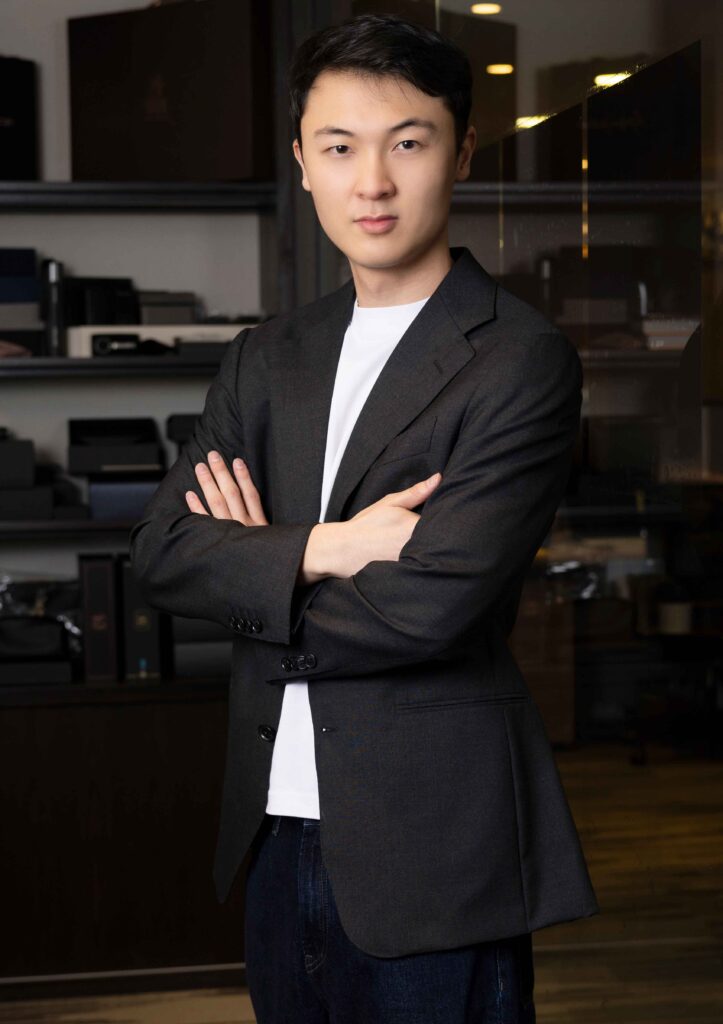
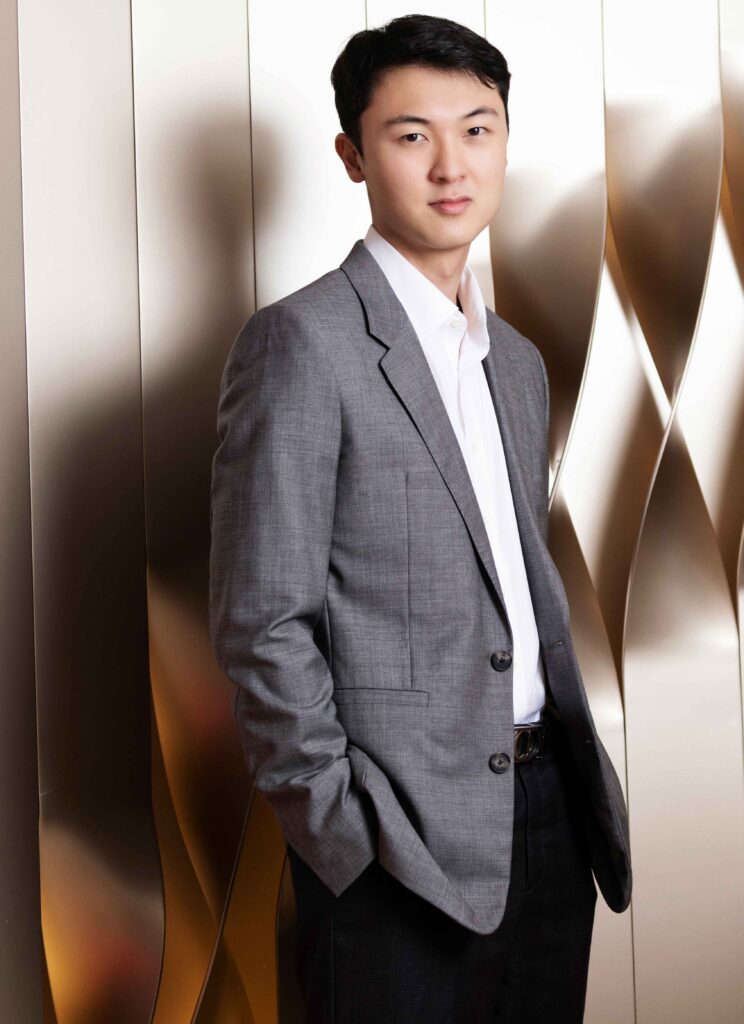
Drawing from both parents, Julian Yau brings a new brand of disciplined creativity to a visionary family business 

Upon our arrival at Puyi Optical’s head office, Julian Yau takes great delight in showing us slides. Not the usual corporate kind – more like a visual scrapbook of the last chapter, stitched to the next one. A brand anniversary celebration? Sure. A look back at the past 25 years? Absolutely. But the real focus is the future, which is framed by the youthful Brand Director not as “growth”, but as development of experience – vision, yes, but also meaning.

Gen Z Julian was born in 2000, a year before his father, Jeffery Yau, founded the now multi-city luxury eyewear retailer. “I was in Hong Kong until 14, then went to the US for high school at Choate and college at Wharton,” he recounts, like he is opening the first page of a storybook. He smiles, as if he can already see the ending.

“I’d been sitting in on meetings and hearing about the business since high school. I had a surface-level understanding, but it was clear I couldn’t play any real part in it unless I had a robust business foundation. I set out to study business [finance and management] at the University of Pennsylvania.

“[Afterwards] I saw that my skills – in branding, in storytelling, in connecting different moving parts – aligned naturally with what we were doing. There was work I could genuinely help with [and] that was the confirmation I needed.”

Eyewear as a Canvas

This ‘structure first, magic second’ philosophy runs through everything Yau does ¬– like a disciplined paintbrush. It’s also the reason he talks about his job as something active: fighting for room to create: “At work, a lot of what I do is fight for space – to give ourselves a canvas to work with – and fight to have the tools, the ‘paint’, to create things.”

“My mother [artist Margaret Yau] is an oil painter,” he reminds us, “and in a way I followed in her footsteps – I grew up drawing and building things to play with: paper cars, even paper time machines.”

A paper time machine. That detail lands like a quiet punchline because it explains how Yau thinks: you build, you test, you iterate, you wait, and then you learn. His upbringing also prepared him for a leadership world that doesn’t always reward imagination alone.

“Beyond discipline, patience and humility, my father emphasises character,” he shares fondly. “To him, success never really mattered unless I was able to internalise it properly. If I failed at something, I needed to know how to pick myself back up. If I succeeded, I couldn’t get full of myself. The benchmark was always yourself – did you do your best?”

For any young person imagining that a family business is an effortless inheritance, Yau the younger corrects that fantasy immediately. “He didn’t care much if my grades were good if he didn’t see me try. And if I lost a competition that I’d trained hard for, he’d genuinely recognise the effort. That taught me early on that results aren’t the whole story. The relationship you have with your own work is what matters.” In other words, you don’t get to outsource your integrity.
Firm Eye for Family

In the Gen Z era, young people no longer ‘join’ industries; they collect them. But despite being Puyi Optical’s heir apparent, Yau didn’t just fall into eyewear like fate; he framed it as a bridge. “I approached my career with an open mind,” he explains. “The family business was a legacy, but it only carried that weight and responsibility if I was the right person for the job. It’s hard to separate my interest from my family ties, but honestly, even setting that aside, I think I’d be drawn to eyewear.”

Then he delivers a line that feels like the mission statement hidden inside his career: “Beyond having poor eyesight myself and a desperate need for glasses, the thing that really stands out to me is that it’s a confluence of disciplines: healthcare, retail, fashion, design, craftsmanship.”

The word ‘confluence’ matters here. It’s why he sees a boutique not as a storefront, but as a cross-industry experience. “I’ve always thought of myself as a bridge – in fact, my Chinese name means ‘holy bridge’. I like to think of myself as a bridge between cultures and fields, and eyewear sits right at that intersection.”

Should the next generation feel obliged to further what their parents have built? “No,” says Yau plainly. “I think it’s about you as an individual.” Then he adds the accountability clause: “But you are obligated to be honest with yourself – to genuinely assess whether you’re the right person, and to make the best decision based on that. If you’re not, that’s fine. Bring in people who can help. A legacy is better served by someone who’s truly committed than by someone who’s there out of obligation.”

Seeing then Believing

Having interned in varied environments, Yau explored alternative paths rather than default to the expected one. He earned a master’s degree in data science and worked in that field for a while. “If I’d turned out to take a different path, I’m sure my parents would have been just as proud,” he notes. “The legacy influenced me, but it never dictated my choices.”

Then came the defining realisation. “When you grow up around something, you can take it for granted. But stepping away – being in New York, working in a different context – I recognised how rare Puyi actually is.”

Puyi Optical’s approach has always been personal: understanding each customer’s personality, interests and needs. That’s the brand’s DNA. Innovation is still part of the story, but Yau doesn’t treat it as a replacement for craft. “It’s more nuanced than tradition versus innovation,” he says. “A lot of the traditional things we do at the company actually have room for innovation built into them.”

He also believes that leadership isn’t just “contributing”, it’s earning trust in real time. And he admits the trap of overcorrecting. Which is the kind of vulnerability modern brands increasingly need – not glossy confidence, but responsible humility.

Lens on Life

Yau’s personal happiness is derived from friends, loved ones, family, “and having purpose”. He adds: “To be honest, happiness is one of the things that’s less directly tied to my work itself. Work is my platform – it’s about what I do with it and my relationship to it.”

As the interview wraps, he returns us to who he is – Gen Z in spirit, but not in clichés. The most eye-opening part of our encounter isn’t his education, his finance discipline, or his brand slides. It’s his patience. When our photographer arrives late, he treats it not as a challenge but as a process to respect, the way you respect the slow build of something that matters.

Because somewhere in his childhood – assembling paper cars and time machines – was the same principle: you don’t rush the craft. You build the frame. You align the lens. You let the story come into focus. And that’s why Julian Yau’s brand of Gen Z cannot be labelled loud, careless or performative. It’s creative but structured, and visionary but grounded.

Interview, Text & Art Direction: Joseff Musa     Photographer: Jack Law     Videographer: Iris Ventura  

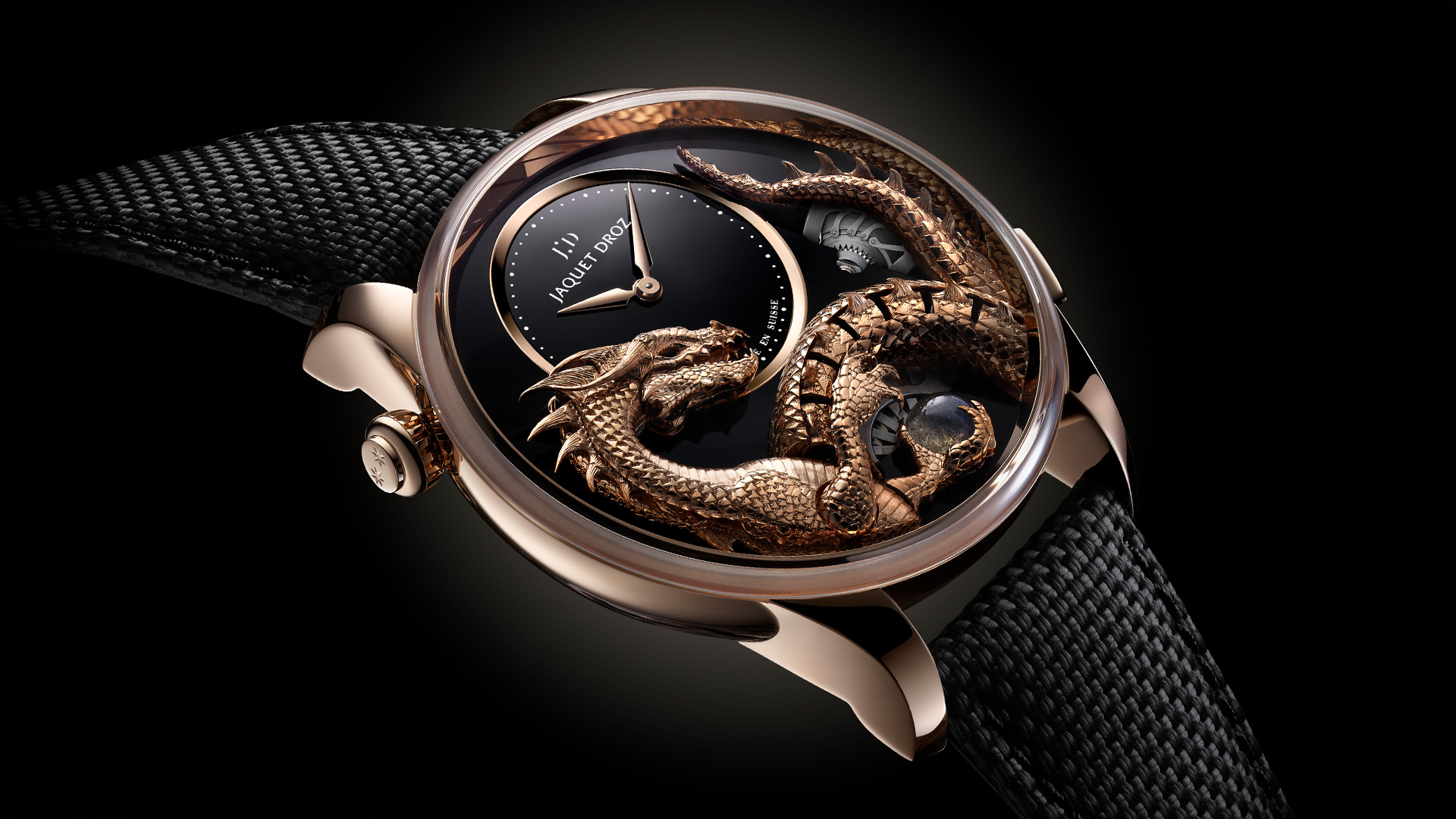
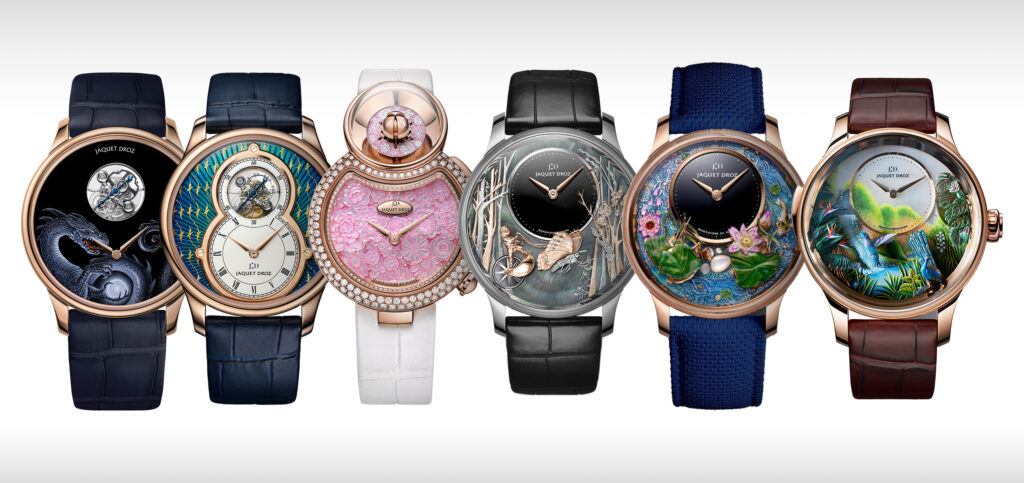
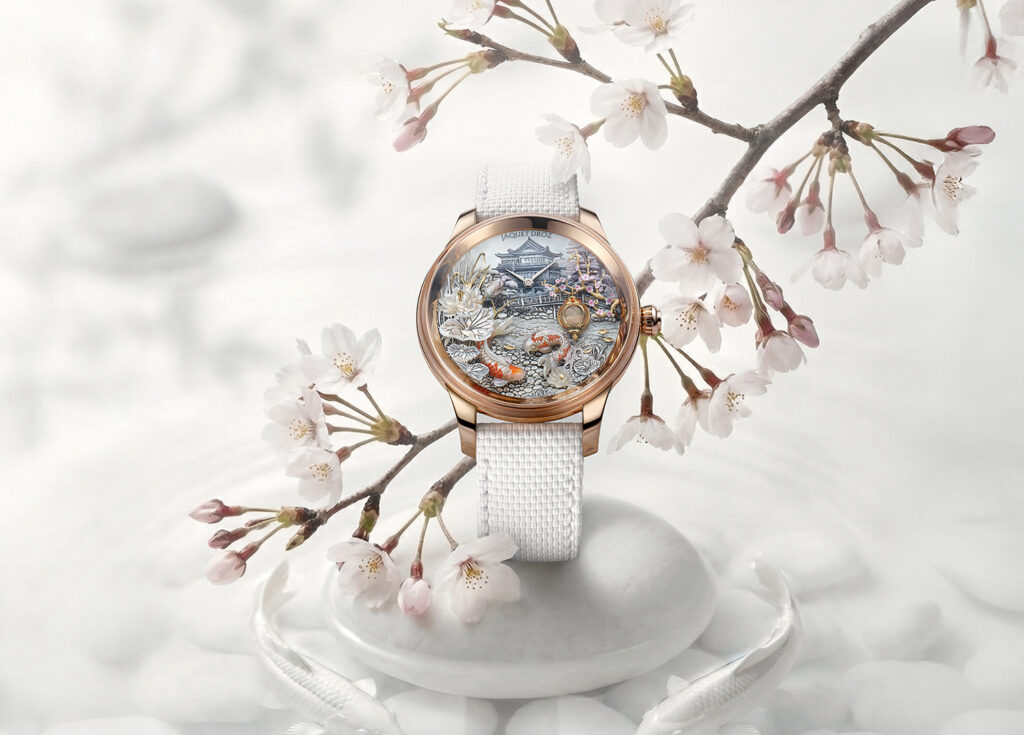
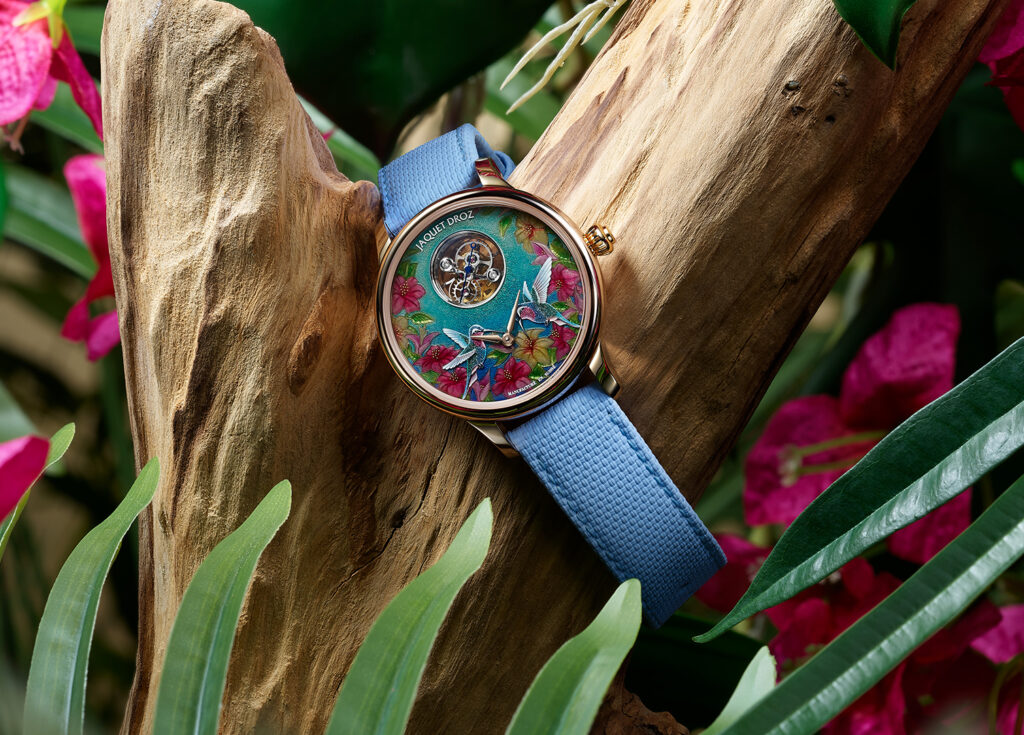
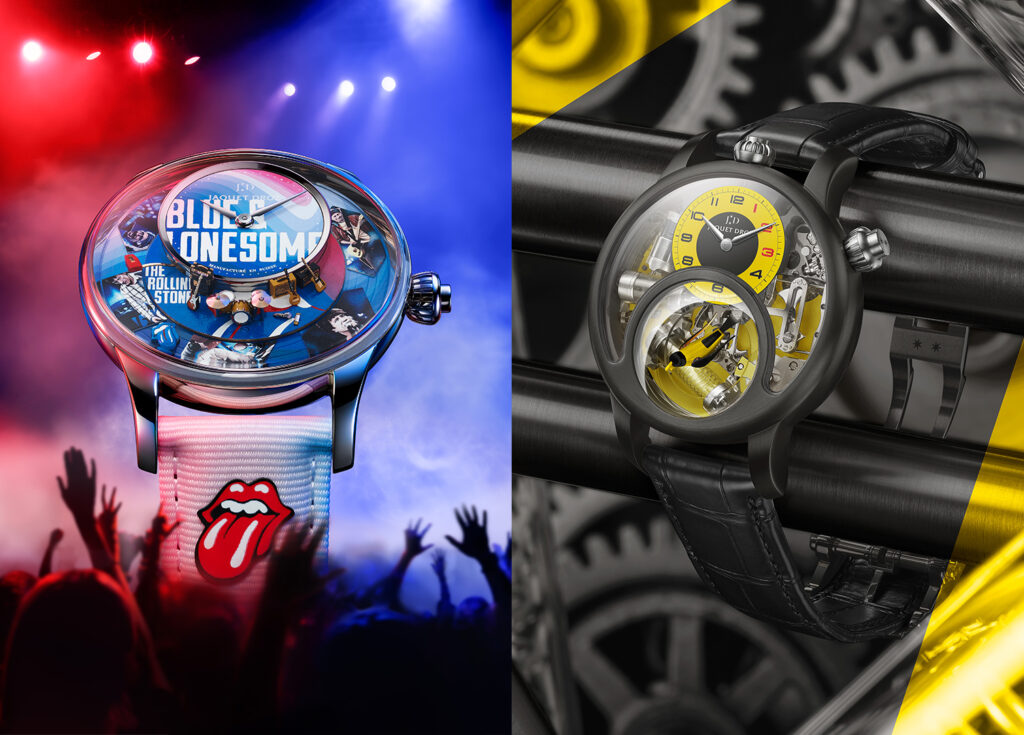
Art, Alchemy, and a Little Haute-Extravagance: Inside Alain Delamuraz’s Jaquet Droz World

Custom timepieces, royal-level craft, and the CEO’s secret ingredient: hospitality with a dash of disruption

In an interview with Alain Delamuraz, CEO of Jaquet Droz, the Swiss watchmaker since 1738, we discussed artistry being more than a tagline but an operating system, and the whole process of Swiss watchmaking history meets contemporary audacity, with a particular obsession for what happens when legacy becomes inspiration instead of a museum piece.

Alain Delamuraz’s answer to “Why emphasize custom timepieces?” starts with a poetic idea (and honestly, a bit of philosophy you want to frame on your wall):

He references the French writer Victor Hugo, who said, paraphrased here as, “the future is a door; the past is its key”. The point? You can’t truly know where you’re going without knowing where you came from.

For a brand as storied as Jaquet Droz, one that carries the spirit of Pierre Jaquet-Droz, the founder credited with innovation and aesthetic refinement, the lesson is clear:

  • Respect the roots.
  • But don’t copy the past.
  • Because, in Alain’s words, “If you copy, you die.”

So what’s the alternative? “Collect disruptive legacy.” Not disruption for disruption’s sake, more like controlled ignition. He describes a balance:

  • Too normal = too slow
  • Too revolutionary = you break the code

So Jaquet Droz aims for that sweet spot in between: pushing forward while keeping the soul intact.

And when he describes how that spirit shows up, it sounds less like product development and more like a chef bringing tradition to the table, then quietly inventing a new signature dish on the side.

Before stepping into luxury watch leadership, Alain’s career background includes hospitality, and it shows in the way he talks about clients and customization.

For him, hospitality is the main word, not only in hotels or restaurants, but anywhere we welcome people with intention. And in his world, “intention” means this:

High-level clients don’t want a transaction. They want attention, service, and anticipation, the kind that feels personal before it feels performative.

He even describes the training mindset: to understand what a customer needs, you learn to think like the customer yourself. Not in a scripted “pretend you’re them” way, but in a genuine way that helps you adapt to what they actually want before they have to ask.

In other words, the bespoke process isn’t just technical. It’s emotional. Hospitality, but make it horology.

Global curiosity, cultural nuance, and the art of tailoring

Alain’s childhood and early career weren’t steeped in watch jargon; they were steeped in openness: family, travel, curiosity.

From early experiences, saving his first money in a car-repair garage ecosystem, to traveling widely while young, he developed a mindset that’s basically the opposite of “one-size-fits-all.”

He explains that cultures respond differently: you don’t treat people the same way across regions and traditions, and you shouldn’t impose your own “default” mindset on someone else.

Then he brings it back to bespoke watchmaking:

Bespoke isn’t only the watch. It’s the relationship. The customer’s “DNA” becomes part of the piece, because what you’re really creating is a work of art built around the person, not the template.

Future Plans

When the conversation turns to the next 5 to 10 years, Alain Delamuraz returns to his favorite rule: look at the past to guide what’s next.

He points to the historical legacy of Pierre Jaquet-Droz crafting masterpieces for royalty, kings, and emperors. The guiding principle isn’t “only for the powerful” as a marketing concept; it’s about what that level of patronage demands:

  • If you make art for kings, you don’t do something irrelevant for others.
  • The brand focuses on the highest tier: complicated, exceptional artistry across crafts.
  • Each piece is unique—one by one, tailored to the individual patron.

He also describes a structural shift in the spirit of personalization: moving away from broad retail-style points of sale toward one-to-one human contact, the kind where the luxury is not just what you buy, but to whom you buy it from.

Because, he says, luxury is knowing the artist and building a relationship, similar to wanting to know the painter behind the painting, not just the painting itself.

And at the heart of that philosophy is collaboration: a watch as a collaboration between two artists. That’s the kind of sentence that makes you believe the process is less factory and more atelier, less mass customization, more hand-in-hand artistry.

Happiness, success, and the power to be responsive

Finally, Alain answers the big questions: what is happiness and success to him? He frames it as character, optimism as a way of seeing opportunities even inside chaos. He describes learning from difficult moments (including COVID) where the pressure forced re-invention and challenged the brand to think differently.

He also references an idea in the spirit of Darwin: It is not the strongest of the species that survive, nor the most intelligent, but the one most responsive to change.

So success, to Alain, isn’t just about balancing innovation and tradition; it’s about staying flexible, reacting like you’re on a wave rather than steering like you’re driving a van. Planning is important, but responsiveness is survival, and creativity loves a moving target.

In this conversation, Alain Delamuraz didn’t talk like a CEO delivering specs. He talked like an artist defending a craft philosophy:

  • The future opens with the past—but the brand must never become a copy.
  • Culture, curiosity, and relationships are part of engineering.
  • Success means staying responsive when the world changes the rules mid-game.

And that’s the extravagance here, not just in the watches, but in the belief that timepieces can be personal works of art.

Because if the key is the past… then the door is wide open.

French Ascent: Daniel Boulud’s high-up Hong Kong debut elevates brasserie classics with a Chinese twist or two

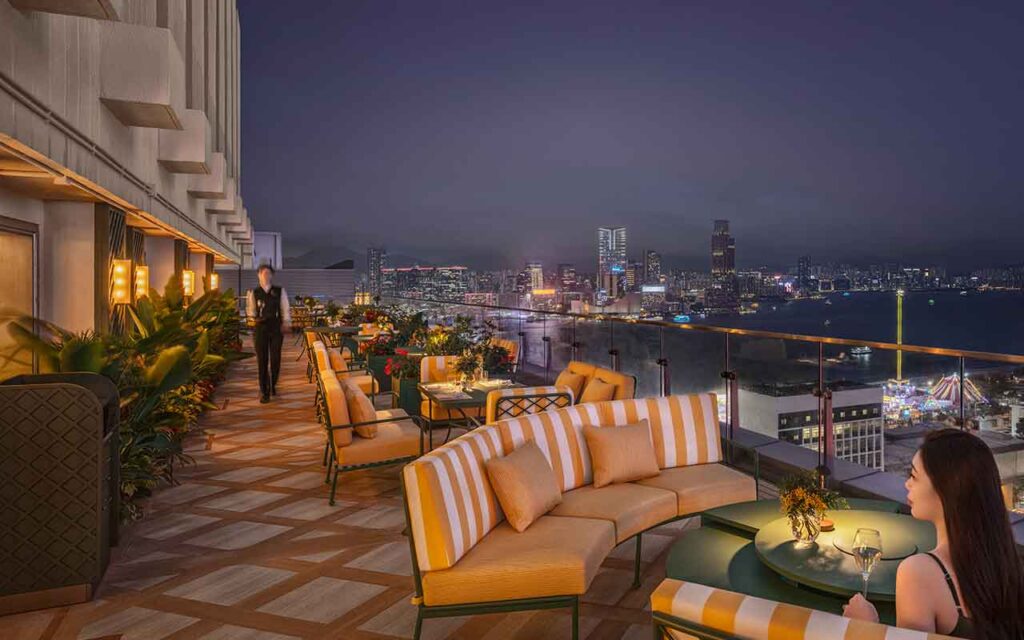
There’s something about eating above the city, like you’ve officially upgraded from ‘person with a dining reservation’ to ‘main character with skyline access’. That’s exactly the vibe at Terrace Boulud, the contemporary brasserie perched on Landmark Prince’s rooftop in Central and brought to life by Michelin-multi-honoured French chef Daniel Boulud under the Mandarin Oriental umbrella.

Sole Champagne – dover sole, fennel, shiitake, champagne clam sauce, caviar

Terrace Boulud is built around a philosophy with actual structure – that rare ingredient in the world of fine dining that usually appears only when someone needs to justify the pricing. The menu follows four culinary muses: La Tradition, La Saison, Le Potager and Le Voyage. Translation? You’re being served French heritage; seasonality with precision; a deep respect for vegetables and produce; and global influences shaped by travel and discovery.

Loup de Mer Poireau – Crispy Sea Bass, Leeks, Red Wine Sauce

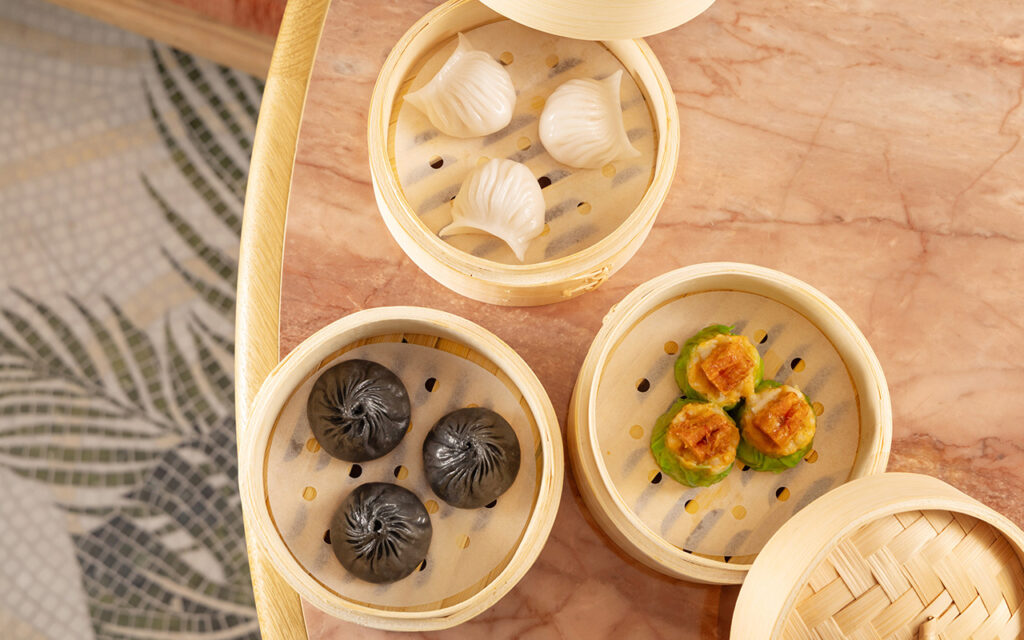
Then, there’s a fifth muse: Hong Kong itself, expressed through a handful of DB x MO Dim Sum selections that place French technique in conversation with Cantonese tradition. That pairing could either become a confusing mash-up or a genius ‘why didn’t anyone do this earlier?’ moment. Luckily, it’s the second one.
Homard Artichaut – Poached Lobster, Artichoke, Yuzu Gel, Thai Basil.

You’ll find Hong Kong-inspired har gow (shrimp dumplings) with ginger and scallion XO dip listed alongside pork collar and truffle xiaolongbao (soup dumplings) that nod to Lyon – Boulud’s birthplace – and Shanghai. For those who like their food with a side of identity crisis, there’s also a New York riff, pastrami, cabbage and sweet mustard bao (steamed bun), reminding that cuisine travels too, accumulating stories along the way.

DB x MO Dim Sum

Chef Boulud explains the adaptation isn’t about abandoning identity, it’s about negotiating respectfully. Then he adds the real key: experience. “Having spent five years in China with Maison Boulud, I developed a deep appreciation for the nuances of the region’s tastes and culinary culture.” That matters because when a chef says “local dialogue”, you want it to come from actual understanding, not just a marketing department with a flyer.

Boeuf Celeri – beef tenderloin, braised short rib, celery, bordelaise sauce

Among the à la carte anchors are pork, quail and foie gras Pâté en Croûte, veal cheek and sweetbread Vol-au-Vent, and Poulet, roasted chicken with truffle mash and morel, plus seafood offerings from the raw bar and grill. These are dishes that have earned their place in the French canon, and at Terrace Boulud, they don’t merely exist for nostalgia. They’re executed with confidence, balancing richness with clarity, and letting flavours speak instead of shouting.

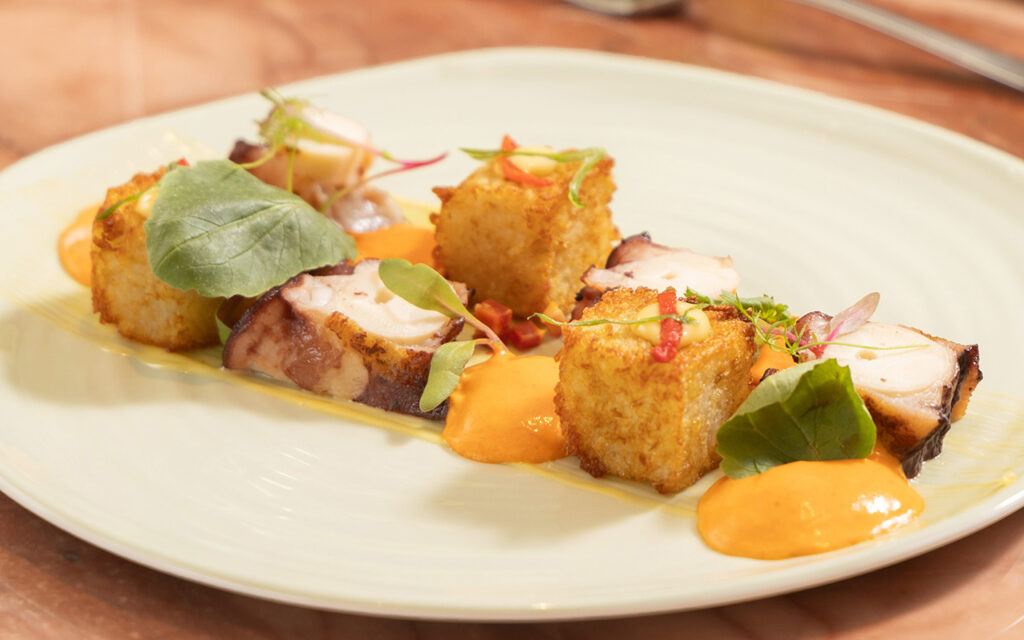
Grilled Octopus, Crispy Potato Aioli Piquillos Chorizo

You can taste the French brasserie roots; you can also taste the ambition. But it all lands because the cooking remains seasonal and precise. The classics feel alive – as if they’re designed for people who actually want to enjoy their dinner, not just take photos of it while whispering “this is so cultured” under their breath.The chef also emphasises his sources of inspiration for a menu that feels curated, guided and flexible rather than a rigid spreadsheet trying to be sophisticated. That creative foundation keeps things coherent, even when the ideas evolve.

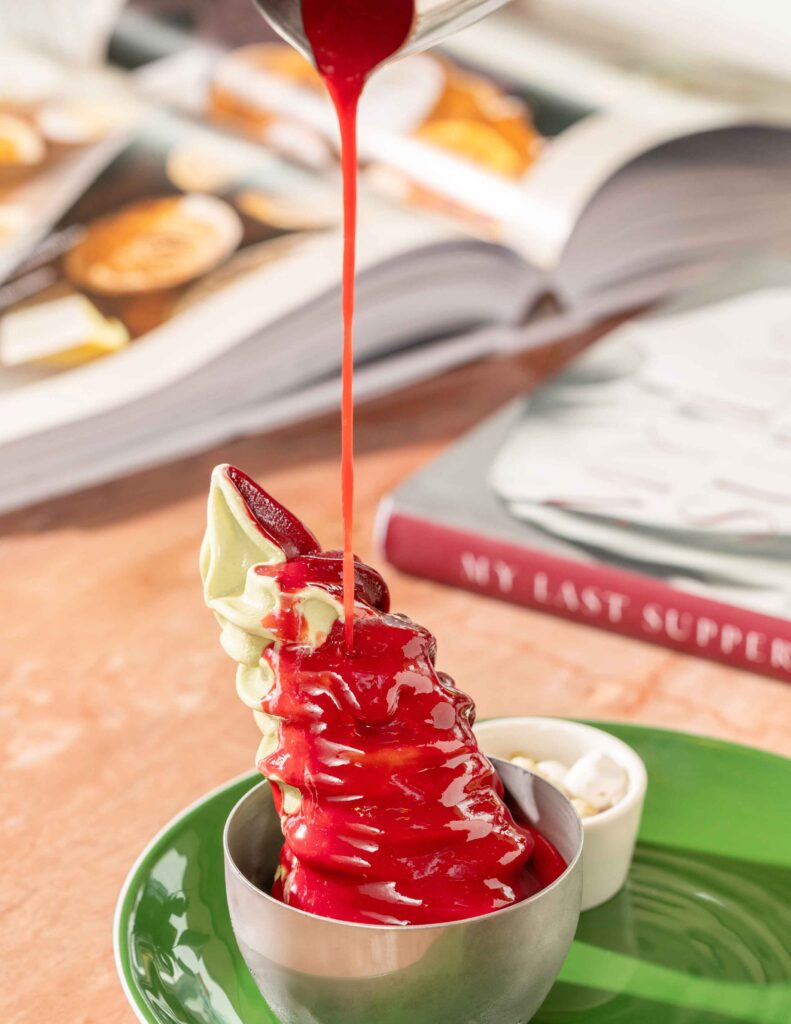
Glace-A-L’talienne – Pistachio-forest-berry

Opening a fine-dining establishment in Hong Kong comes with both opportunity and pressure. The clientele are discerning, the ingredients are incredible, and expectations are high, sometimes unreasonably so. Chef Boulud acknowledges that balancing act.

“The challenge lies in balancing our French culinary heritage with the creativity and flavours that Hong Kong diners expect, but that is exactly what makes this project so inspiring,” he states. This is the confidence you want from an overseas chef who is contributing to a cultural ecosystem rather than treating it like a backdrop.

Even the design dials into Chef Boulud’s ethos. Wood and carved murals reflecting lush countryside frame interior stretches of seating with the cityscape beckoning on the terrace outside. “It’s an ambience,” he says, “combining sophistication, warmth and a sense of journey, making every visit feel like a carefully curated experience.”

Terrace Boulud Terrace

Terrace Boulud is elegant, playful and deliberate. After a meal here, you depart with the feeling that you’ve been fed both a glorious dinner and a philosophy. Which, in this city, might be the most French thing of all.

Terrace Boulud, 25/F, Landmark Prince’s, 10 Chater Road, Central. Tel: 2522 0111. mandarinoriental.com

Photos: Terrace Boulud

Come Each May: Diplomatic coup turned cultural tour de force, the annual French festival deserves our applause

Emerging from a diplomatic and artistic vision to build a bridge between France and Asia, the French May Arts Festival stands today as one of Hong Kong’s most influential annual cultural events. It was conceived in 1993 by the Consulate General of France in Hong Kong and Macau, together with Alliance Française de Hong Kong, as a month-long celebration of French creativity designed to deepen cultural exchange and mutual understanding.

From the outset, French May was more than a programme of performances and exhibitions. It was a statement of intent, affirming that art could serve as a conduit between histories, geographies and identities. The atmosphere was intimate yet purposeful. Organisers sought not merely to entertain but to cultivate curiosity and sustained engagement.

Programming first centred upon classical music recitals, French cinema screenings and carefully curated art exhibitions. The aim was to introduce Hong Kong audiences to a broad spectrum of French artistic expression, from canonical masters to emerging contemporary voices. Then, as it returned each spring, the festival began establishing itself as a dependable fixture within the city’s cultural calendar, nurturing loyal audiences while building trust with local institutions and creative partners.

Even in its formative stage, French May’s ambition extended beyond presentation. The founders envisioned Hong Kong as a meeting point between European heritage and Asian dynamism, and the festival structure reflected this aspiration. Events were distributed across venues that symbolised the city’s evolving identity, including historic concert halls, modern galleries, university campuses and independent cinemas.

Through this citywide presence, French May embedded itself within Hong Kong’s creative ecosystem rather than remaining a visiting showcase. It gradually became part of the rhythm of urban cultural life, anticipated by artists and audiences alike.

Masters of Paris

As the festival matured, its scope expanded with confidence and clarity. Flowing beyond the confines of May, it became a two-month spectacle. Major exhibitions began arriving from renowned French museums and cultural institutions, showcasing significant works in painting, sculpture, photography and design. Audiences encountered masterpieces that might otherwise have required travel to Paris, Lyon or Marseille.

This access reinforced Hong Kong’s position as an international arts hub while underscoring the festival’s commitment to excellence. With each ambitious exhibition, French May strengthened its reputation as a platform capable of presenting museum-quality experiences on a global scale.

The performing arts flourished alongside visual programming. Contemporary dance and theatre joined the established pillars of music and art, broadening the festival’s artistic vocabulary. Classical repertoire coexisted with avant-garde experimentation. A baroque ensemble might be followed by a boundary-pushing multimedia production.

This juxtaposition reflected an understanding of culture as living and evolving rather than static and preserved. French May has long embraced heritage and innovation in equal measure, allowing audiences to encounter centuries-old traditions alongside bold contemporary interpretations.

Community Care

Partnership became central to the festival’s enduring success. Collaborations with local museums, universities, orchestras, galleries and performance venues ensured deep integration into Hong Kong’s cultural fabric. These alliances transformed French May from a diplomatic initiative into a shared civic enterprise.

Educational initiatives further strengthened this role. Artist talks, masterclasses, workshops and school outreach programmes enabled students and emerging practitioners to engage directly with visiting creatives. For many young musicians and visual artists, these encounters provided formative moments of inspiration, mentorship and professional connection.

The launch of French GourMay in 2009 marked another significant evolution. Recognising that culture extends beyond galleries and concert halls, organisers welcomed gastronomy as an expressive art form in its own right. Each year, a specific French region is highlighted, bringing its culinary traditions, wine heritage and artisanal craftsmanship to Hong Kong’s restaurants and dining rooms.

For May 2026, the high-altitude tastes of Savoie in the French Alps can be sampled at selected spots all over town. Participating chefs collaborate on themed menus, while tastings and demonstrations invite the public to explore the sensory dimensions of French culture. Through food and wine, French May reinforces the idea that creativity permeates everyday life.

International Relationships

Over time, the festival gained substantial international recognition. Large-scale exhibitions and headline performances by acclaimed orchestras, ballet companies and contemporary ensembles attracted significant audiences. The annual programme frequently encompasses more than 100 events, reflecting both ambition and sustained demand. As Hong Kong strengthened its global arts profile, French May contributed meaningfully to that reputation, positioning the city as a crossroads where East and West engage in sustained artistic dialogue.

Recent editions have extended across spring and early summer, allowing deeper engagement across disciplines. Large exhibitions animate museum spaces, while theatres welcome international performers. Community participation continues to grow, and collaborations between French and Hong Kong artists have intensified. These co-productions underscore the festival’s evolution from presentation to partnership, and from invitation to genuine dialogue shaped by shared experience.

Renaissance Now

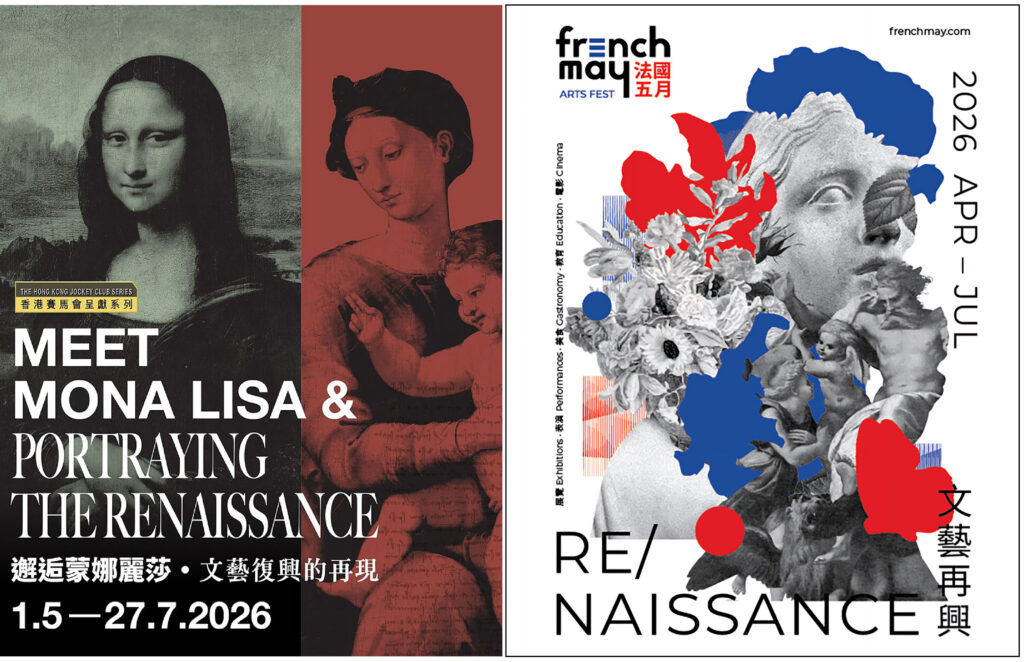
This year’s centrepiece exhibition exemplifies this trajectory. As French May 2026 adopts the theme Re/naissance, calling for creative renewal and rediscovery and new rushes of imagination, the Hong Kong Jockey Club Series at the Hong Kong Heritage Museum has been curated as a visual hybrid. Meet Mona Lisa, an immersive digital journey by the Louvre and Grand Palais Immersif, is paired with a gallery of masterpieces, Portraying the Renaissance, where holographic storytelling and multi-sensory experiences enrich Leonardo da Vinci’s intricate drawings.

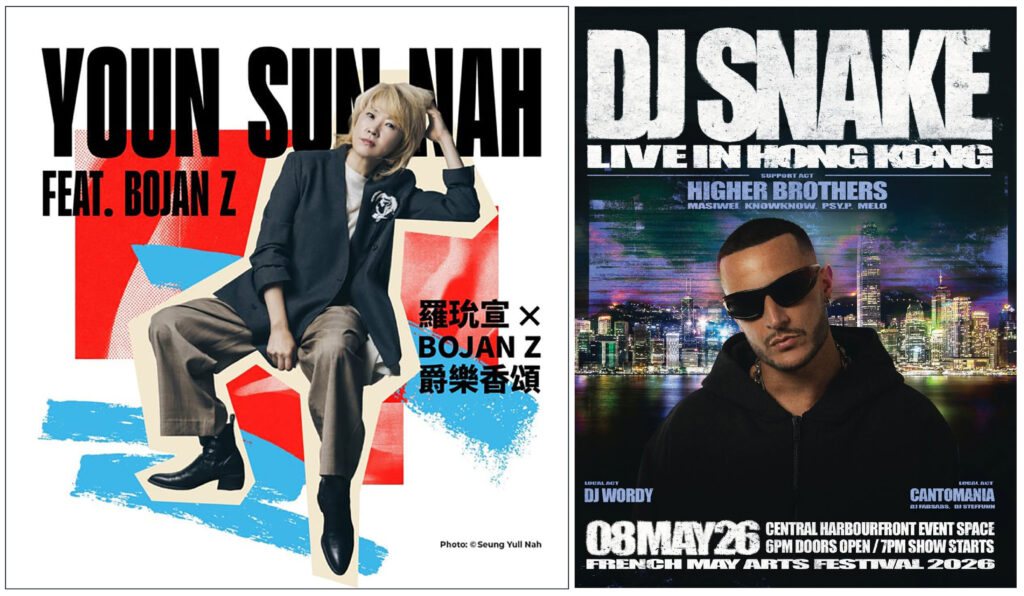
Music remains at the core of the programme. The multigenre mix assembled for 2026 includes Vienna Philharmonic Orchestra bassoon soloist Sophie Dervaux performing baroque and classical concertos with the City Chamber Orchestra of Hong Kong; jazz star Youn Sun Nah taking the stage with pianist Bojan Z; and French electronic icon DJ Snake unleashing his vibe at the Central Harbourfront.

Through such varied concerts, audiences experience the breadth of French musical identity, spanning centuries and stylistic movements, and discover unexpected connections between tradition and experimentation.

Dance and theatre provide equally daring narratives, affirming French May’s role as a forum for shared storytelling and cross-cultural resonance. Belgian choreographer Jan Martens challenges dance conventions with The Dog Days Are Over 2.0, while Hong Kong Dance Company and guest performer Ivana Wong bring a contemporary Chinese art master’s works to life for In Between – Wu Guanzhong’s Ink Odyssey. Fresh from France’s National Centre for Circus Arts, Cirque du Corbak unveils the acrobatic drama of Voûte in Tai Kwun.

A Bridge So Far

Sustainability has emerged as a meaningful thread within recent programming. Environmentally conscious exhibition design, responsible sourcing within culinary events, and discussions on sustainable artistic practice reflect broader global priorities. By integrating ecological awareness into its presentation, the festival demonstrates responsiveness to contemporary concerns while maintaining artistic excellence.

Looking across its evolution, French May reveals a steady arc of ambition, resilience and partnership. What began as a diplomatic initiative has grown into a landmark multidisciplinary festival shaping Hong Kong’s international cultural identity. Its success lies not only in scale but in continuity, in the annual reaffirmation of dialogue between France and Hong Kong through art, education and shared celebration.

Today, French May stands as a testament to the enduring power of artistic exchange. It fosters creative networks, inspires audiences, and strengthens cross-cultural understanding. By balancing heritage with innovation, and tradition with experimentation, it continues to redefine what a cultural festival can achieve. More than a celebration of French art, French May is a living bridge, built not of stone or steel, but of imagination, collaboration and enduring connection.

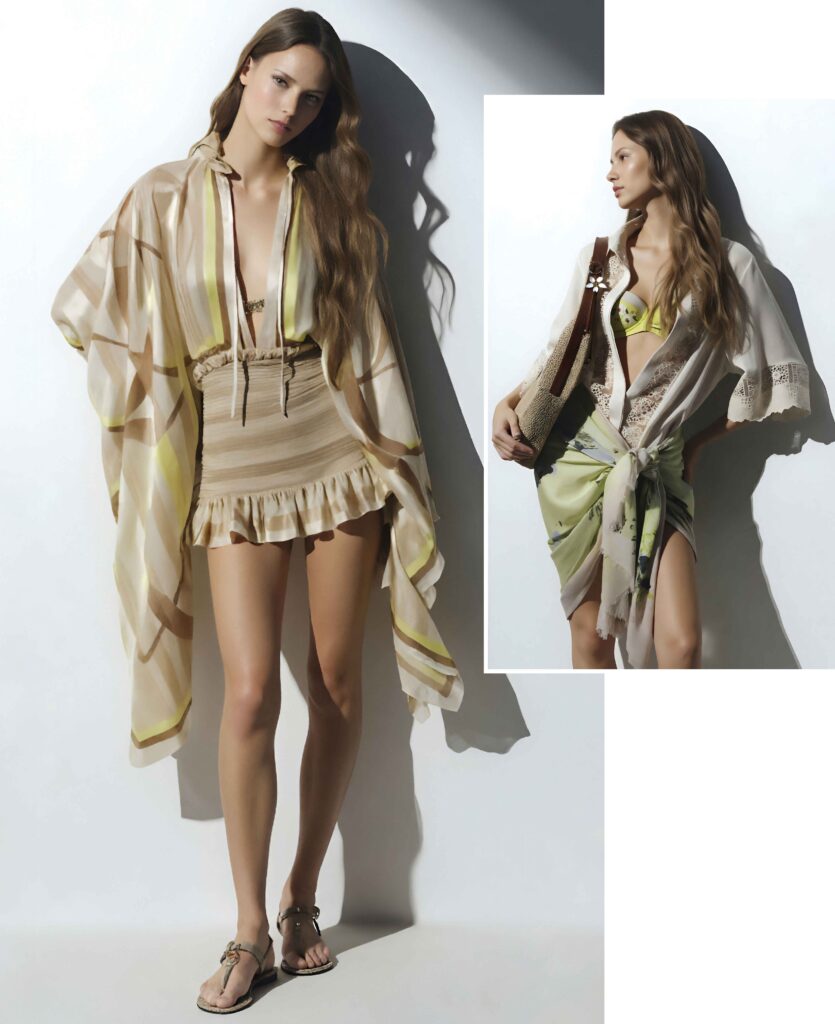
Swim & Swirl: Breezy cover-ups and statement swim silhouettes for saltwater days and golden-hour nights

Look 1

(left)

Striped top and pants by Simon Miller

(right)

Striped top and pants by Simon Miller

Look 2

(left)

Flowy geometric print top and ruffled mini skirt by Elie Saab

(right)

Button down dress and printed cover up by Elie Saab

Look 3

(left)

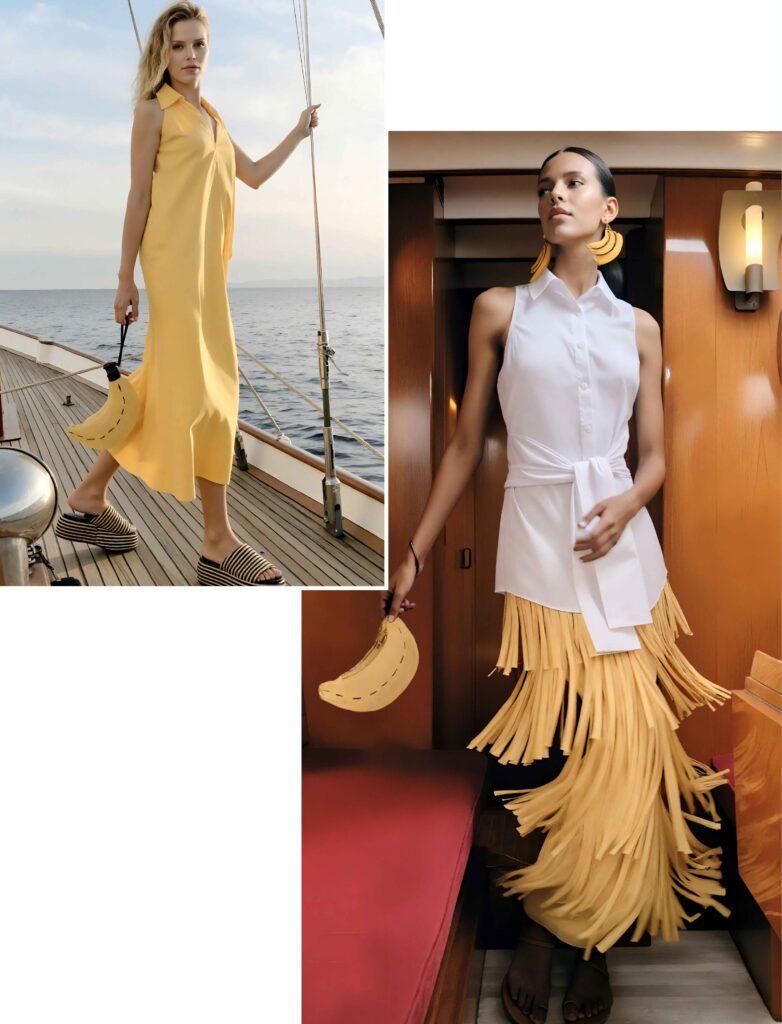
Yellow midi dress by Simon Miller

(right)

White top and yellow fringe skirt by Simon Miller

Look 4

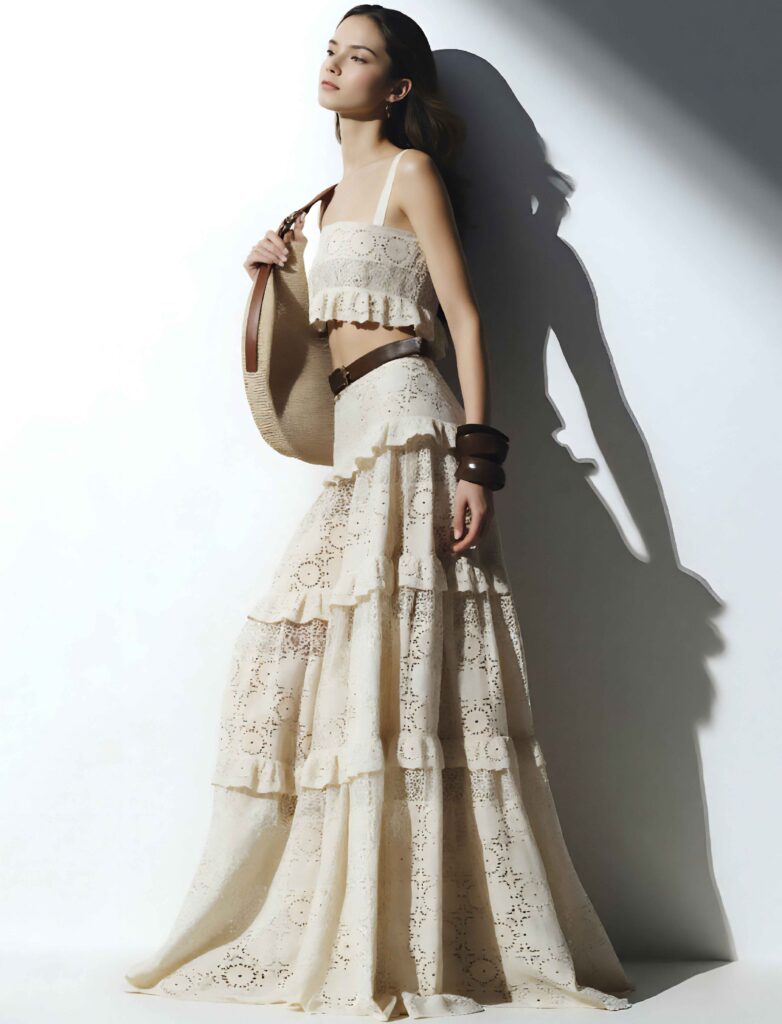
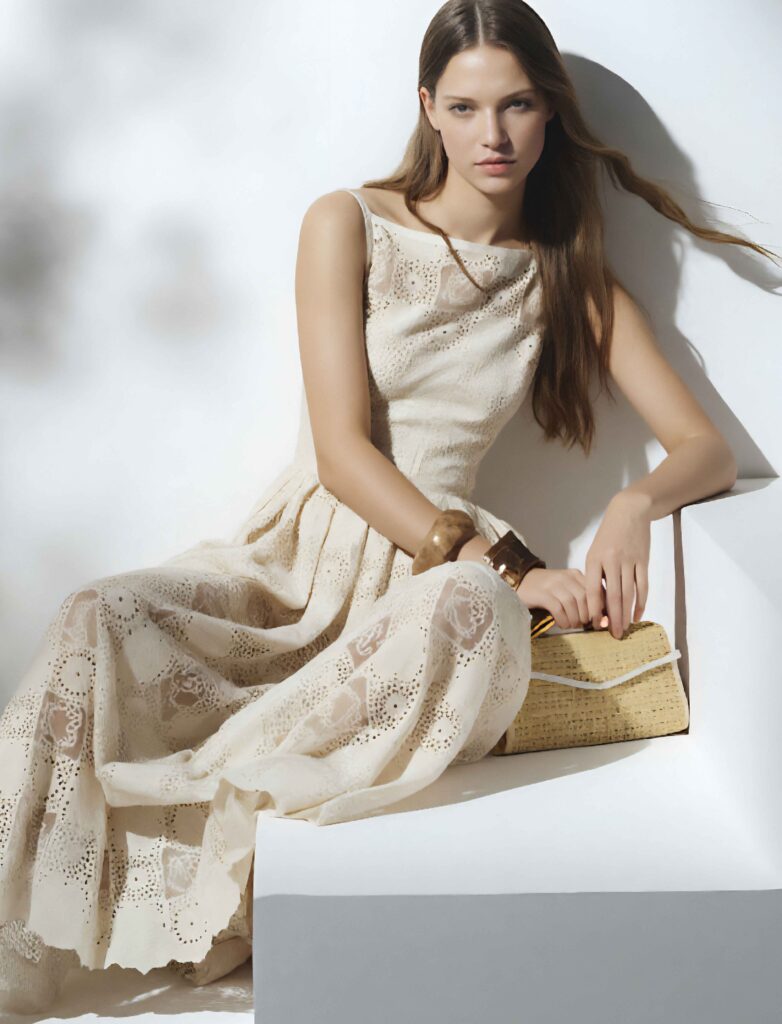
Crop top and maxi skirt by Elie Saab

Look 5

Swimsuit and flowy maxi skirt by Elie Saab

Look 6

(left)

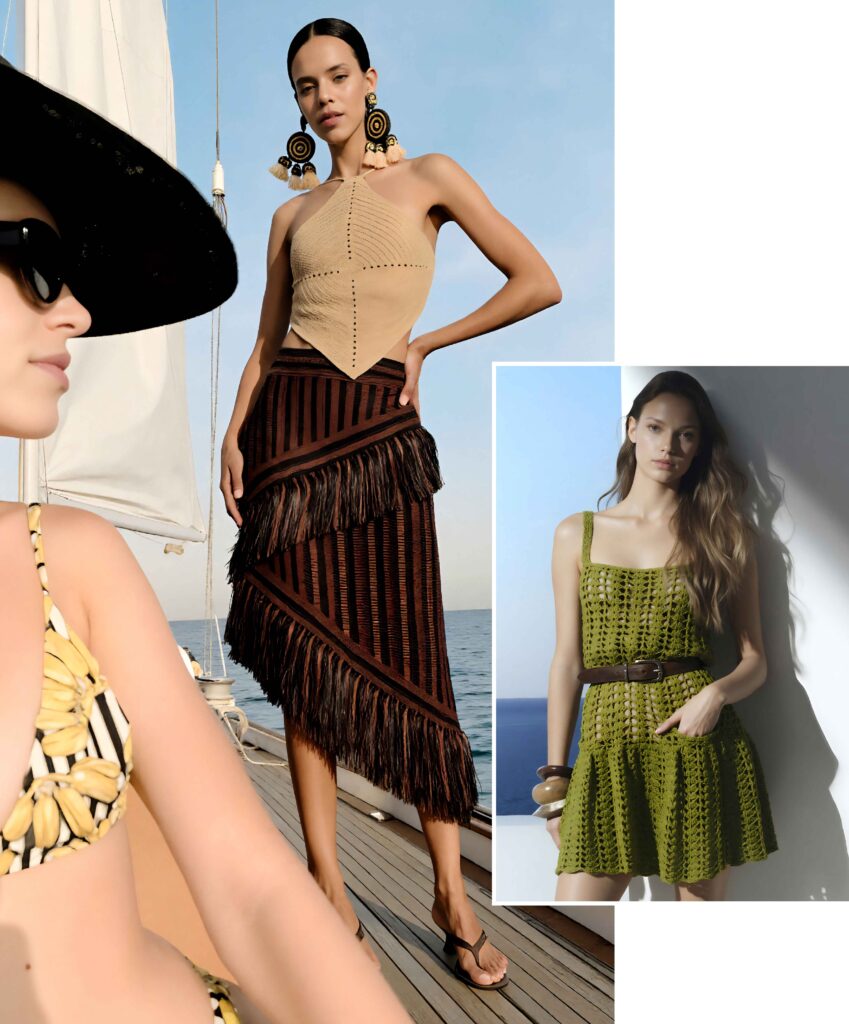
Woven top and skirt by Simon Miller

(right)

Green mini dress by Elie Saab

Look 7

(left)

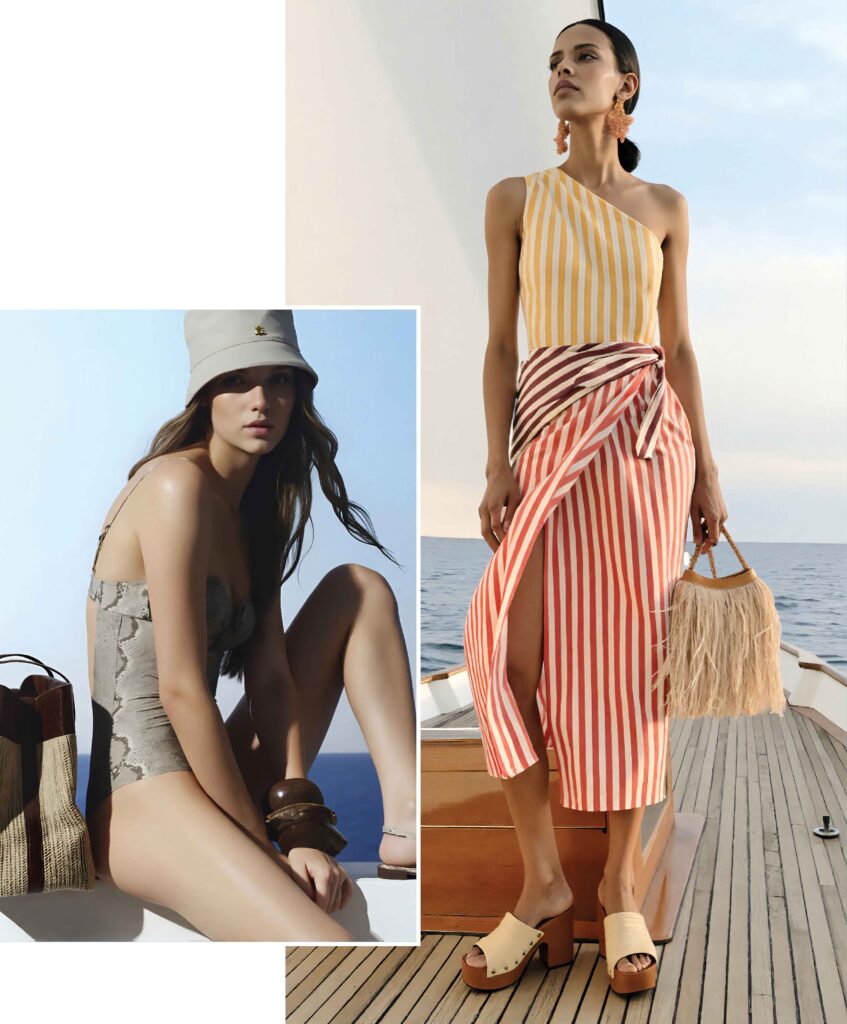
Animal print bathing suit by Elie Saab

(right)

Striped midi dress by Simon Miller

Look 8

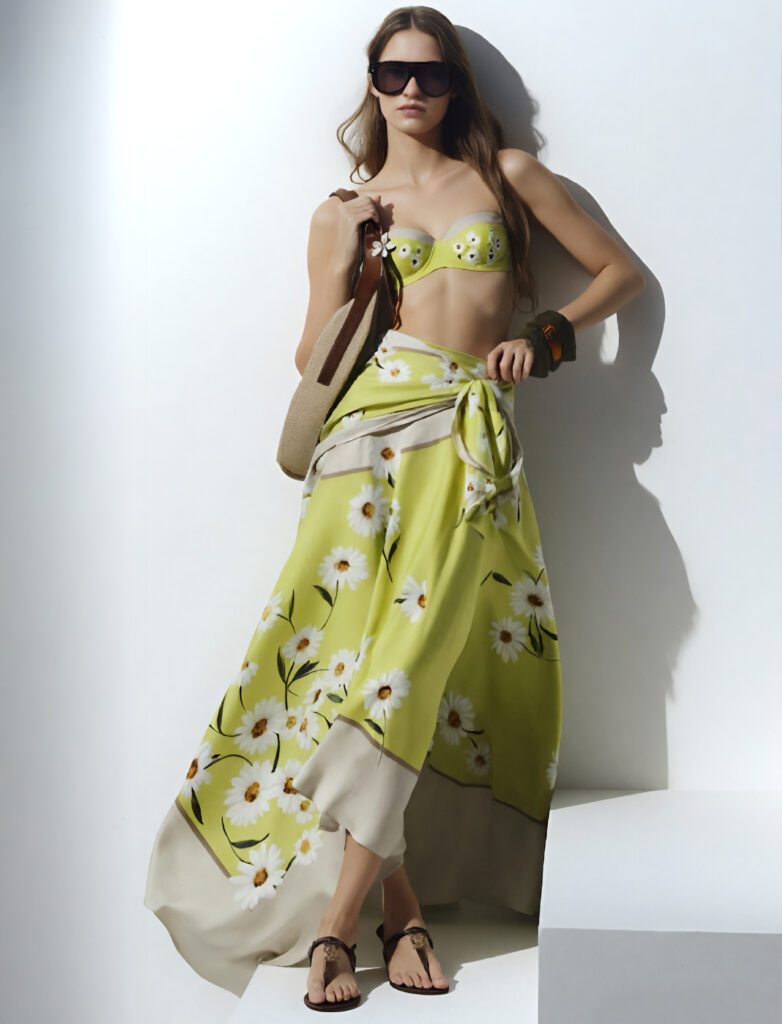
Maxi dress by Elie Saab

Look 9

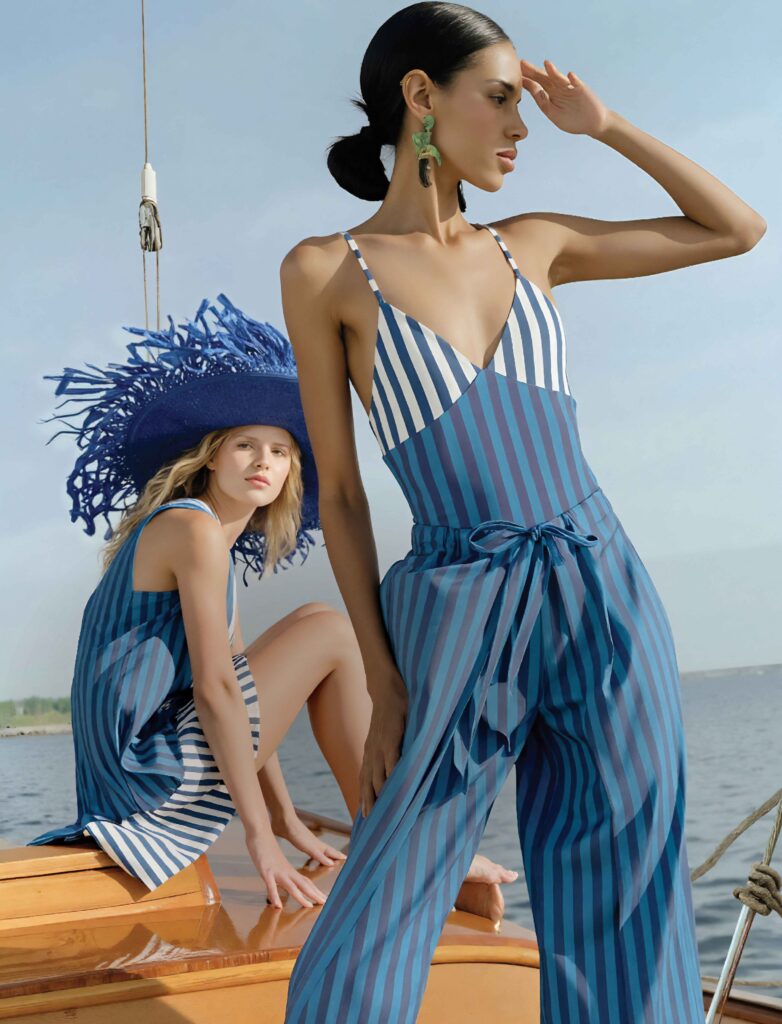
(left)

Blue striped mini dress by Simon Miller

(right)

Blue striped jumpsuit by Simon Miller

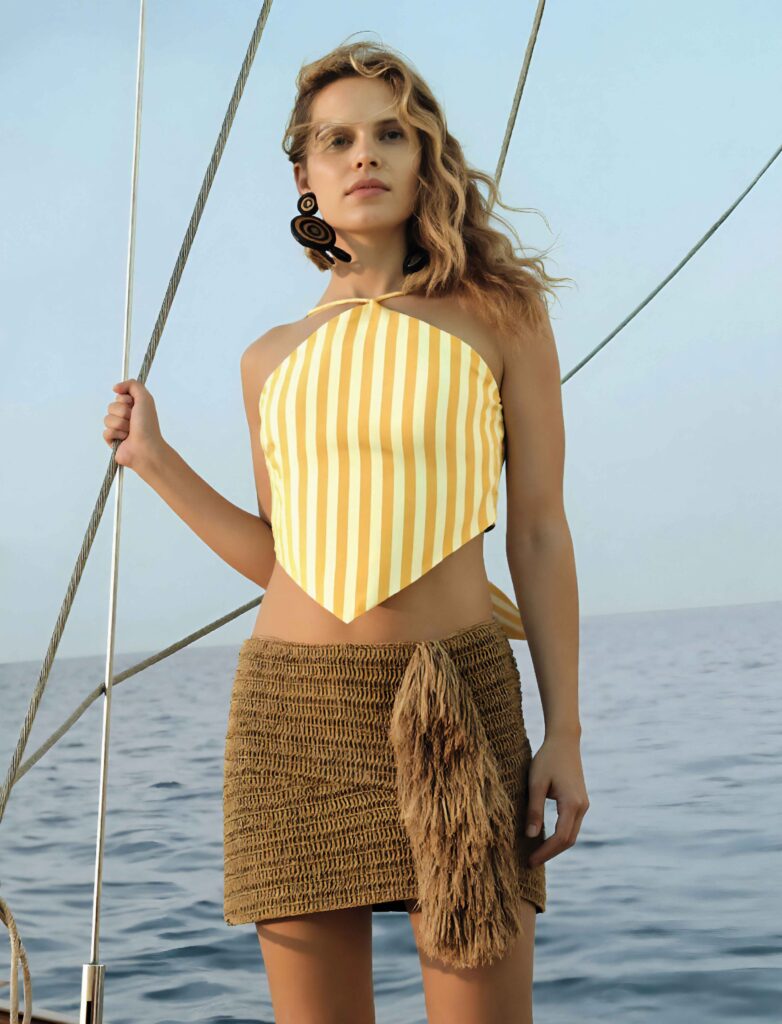
Look 10

Yellow striped top and woven skirt by Simon Miller

Soaring Star: Cast to the head of a century-old jewellery legacy, Camille Sze seizes the moment to shine

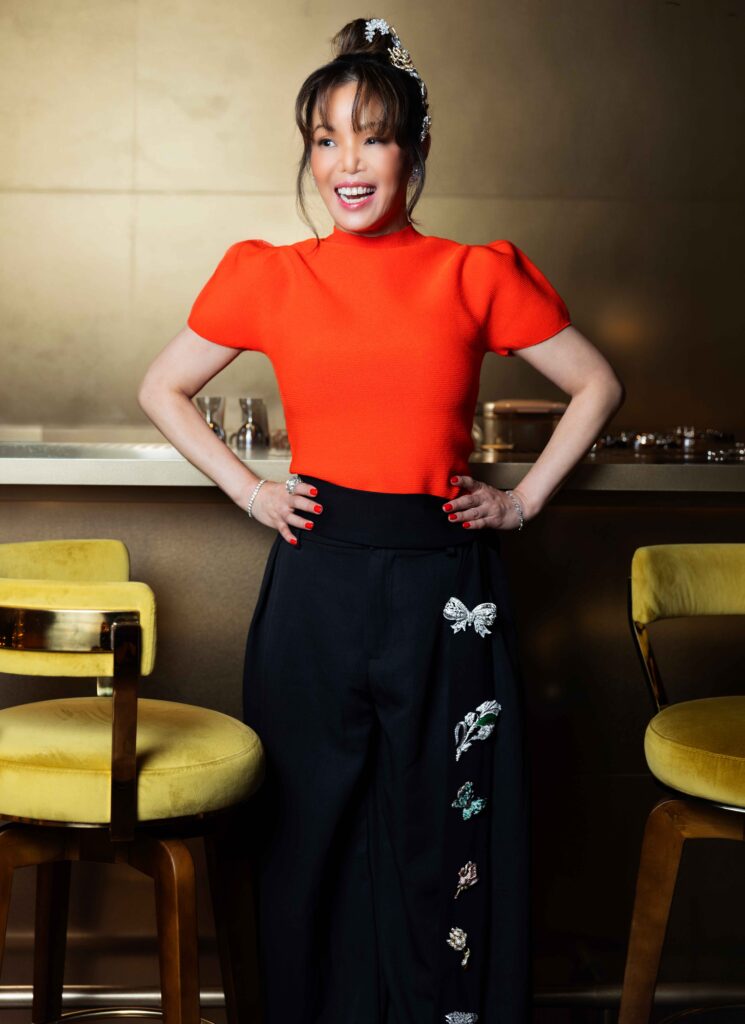
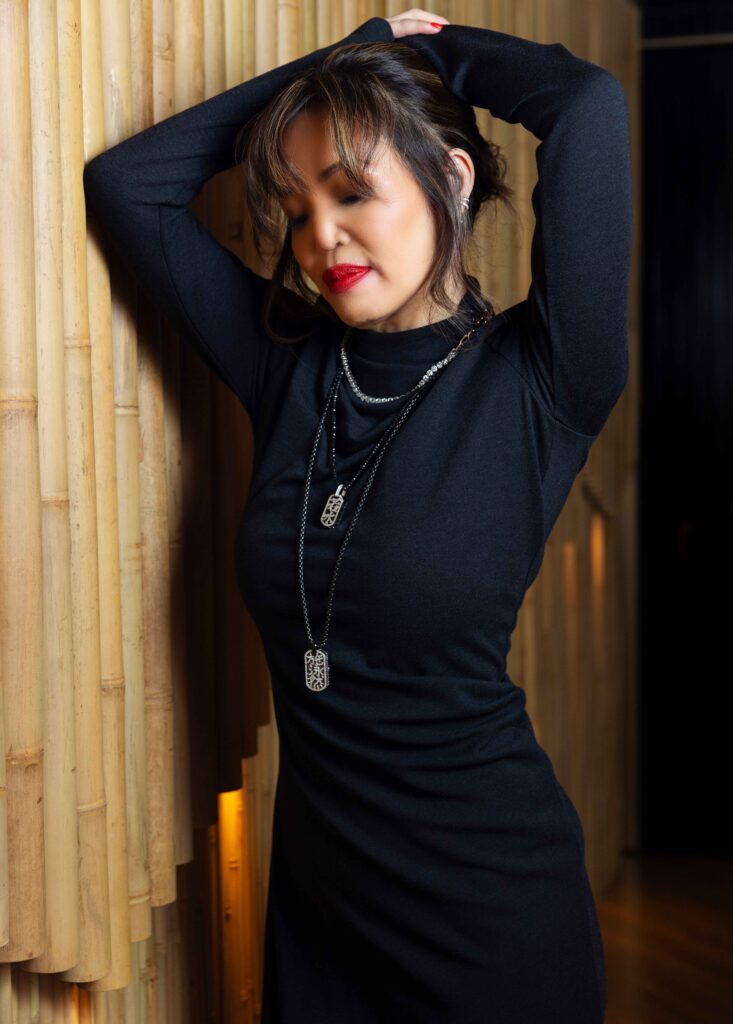
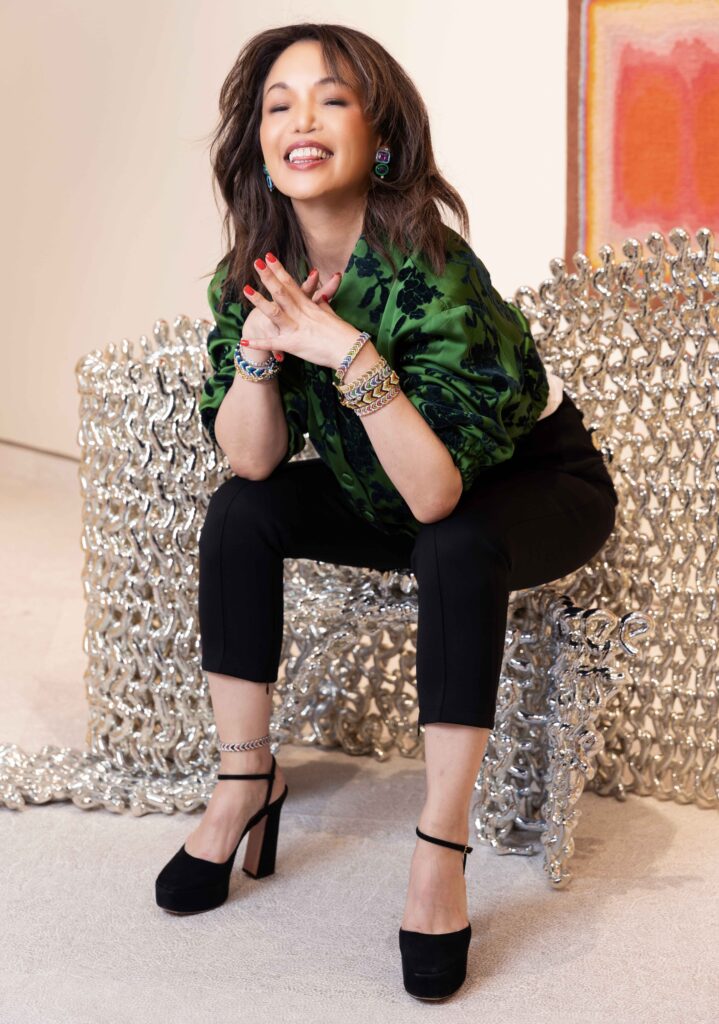
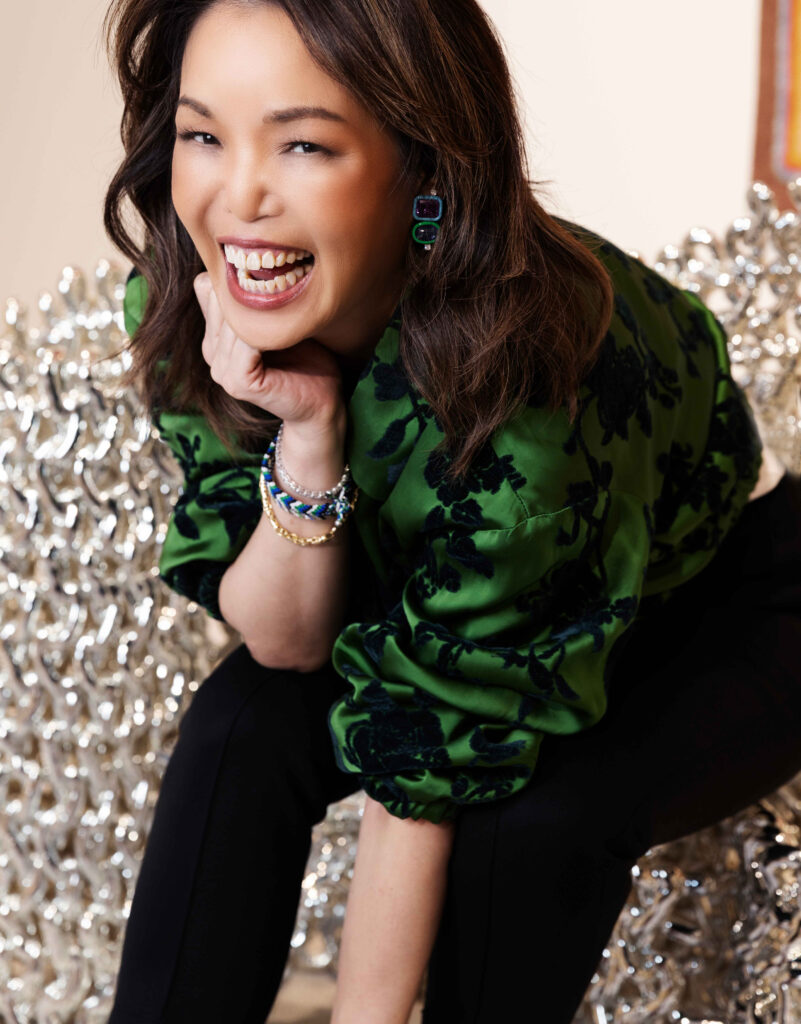
Camille Sze arrives for our cover shoot like the universe is already in on the joke. She makes a face, half comedian, half reluctant model, and gestures toward the camera crew with the energy of someone who definitely wasn’t born for posing. “I know I can’t master this part,” she says, trying a confident stance. Pausing as if expecting her body to correct itself, she manages something between a runway strut and a confused Roomba. The crew laughs; Sze laughs louder.

She doesn’t give up on the pose, though. She grins, adjusts her hands, and leans into her own “quirky” personality with a defiant intensity. Suddenly, the shots snap into place, each one a little better than the last. The President of K.S. Sze & Sons models the way she treats jewellery: not as a performance, but as an interactive craft.

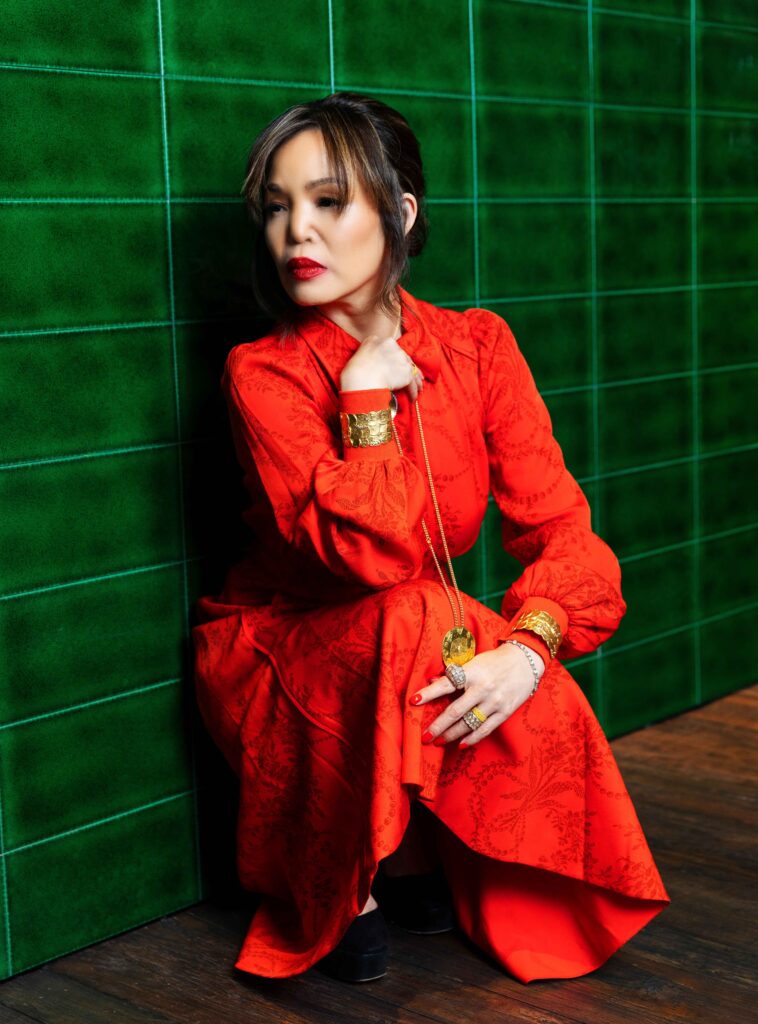
Unusually, Sze has selected two locations for our cover shoot, because if you’re going to tell the story of a woman who returned to her Hong Kong roots to lead a ‘star’ legacy jeweller, you can’t do it with one address. She demands city-wide, connection-forward bling in more than one language. So after wrapping up at Nuovo furniture showroom, she breezes into private members’ club HKGTA Town Club with her entourage of makeup artists, stylists, assistants and K. S. Sze & Sons staff – an entire moving constellation of people who know her rhythms and standards.

Switching a standard photo into a signature statement, she strikes a pose with a bracelet worn on her leg. “It’s my way of stepping into my parents’ and family’s decades-long legacy,” she explains. “It’s challenging, but it’s every moment worth it.” With this gesture, she demonstrates how her sense of humour becomes sincerity and her sincerity strategy. Sze has not only inherited the heritage, but she’s learning to wear it with comfort, impact and a future built into every jewel.

Family First

Before the 2023 passing of her father, Dr. Nien Dak Sze, Sze’s life carried the familiar rhythms of the US, where she was born and educated, and where her family name – though registered in New York as a limited liability company – is a less familiar brand. K.S. Sze & Sons, known as ‘Gold Star Jewellery’ in Chinese, was founded in Shanghai in 1923 by her grandfather, landed in Hong Kong in 1949, and has enjoyed pride of place as a prestige jeweller in the Mandarin Oriental since 1963, before moving to Ice House Street just recently.

Despite being armed with over a decade of award-winning creative and strategic work for Fortune 500 brands, the Harvard University alumnus’s self-doubt shows as she relates her rise to head of the family business, presenting it not as destiny, but as uncertainty, then commitment. “I never asked [the family] if I was capable of taking on the role; it seemed like a rabbit hole of negativity none of us had time to consider,” she notes.

“What I did openly acknowledge was an urgent goal of appreciating and understanding the culture of Hong Kong.” She pauses, as the pivot in the narrative turns from pressure to purpose. “Not only does this matter as a business practice, but it matters to my personal growth, above all.  Am I a tourist here in Hong Kong? Or, is it more accurate to say, I am finally home?”

It’s a question that threads through everything Sze does, especially the way she handles the jewels themselves – treating her heritage not like a museum artefact but as something alive and will evolve if you let it.

Second Century

“It’s 2026, and it’s still here,” she says of the now fourth-generation jeweller. “Mission accomplished. But there are a lot of challenges ahead.” The ‘mission accomplished’ tone is not complacency; it’s earned endurance. But now the work changes; her aim is to transform the brand as it journeys to a second successful century.

She’s deeply grateful to her mother, Cecilia Wong Sze, for “putting up with a lot of mistake-making”, a phrase so human it almost feels like a rare gemstone: polished honesty. “I see myself as a genuine work-in-progress,” she states, adding that beginners are bestowed a gift seasoned professionals sometimes lose: the willingness to ask, test and revise.

The mother’s experience has shaped the daughter’s confidence, not by silencing mistakes but by creating an environment where mistakes can become learning. “We are a team,” she says. “But let me be perfectly honest about a clear line of distinction: she is my mother, a trusted guide to listen and learn from. I am more than lucky… I am truly, truly blessed.” Cecilia provides the strategic elegance, while Camille is the relentless driver behind the transformation.

While recognising that working closely with family comes with “pitfalls”, she also names the antidote: trust. She credits her staff as “the walls holding up the company’s earned trust. With that trust comes something indispensable: we create room for each other as a team to grow.”

Priceless Luxury

Sze offers a sharp, practical definition of luxury – one that isn’t designed for social media: “The apex of luxury is not the sheen of marketing.” For her, luxury is comfort, atmosphere, and the feeling that jewellery lovers will be treated with dignity and patience. “Ownership standing guard on the premises is rare in the jewellery business,” she says.

Then she reframes the company’s business philosophy: clients are not trend-chasing consumers; they are collectors, appreciators, people who have risen with Hong Kong’s own jewellery evolution. They don’t want gimmicks; they want fit, adjustment, convenience and aftercare. “We don’t Google their status,” she says. “We don’t play games with their right to be served.” She calls her clients brilliant and their creativity priceless. Jewellery isn’t viewed as a product line, but a shared narrative.

Sentimental Sustainability

She describes stepping into her father’s shoes after his passing as a challenge, then a bond “post mortem”. She unpacked boxes, thousands of gems, read his handwritten notes and treasured his keepsakes. From that exploration came the Leftovers project, a personal search for ways to keep her father closer through the objects he helped shape. It has become popular with a wave of clientele who want to renew their own jewellery and remembrances.

“For every missing earring, there is an opportunity to create a charm or pendant,” she says. “For every heirloom buried at the bottom of a jewellery box, there is an opportunity for deeply meaningful transformation.”

Under her leadership, the company has created custom pieces that transform these ‘leftovers’, including a diamond-encased David Yurman dog tag. Shattered jade doesn’t get thrown away; it gets treasured, reinterpreted and reimagined for clients. They even accept customer requests to repair beloved jewels from other brands, from Cartier to Mikimoto. To Sze and family, it’s an honour and a privilege to help savour love for jewellery.

Camille Cameo

Today, she wears her father’s vintage Burberry necktie close to her heart, adorned with some of her latest creations. She stops for a moment during the interview, eyes focused somewhere between concentration and courage. Then barely audible, like a private thought meant for the universe alone, she whispers to herself: “Let’s do this, Dad. We got this.”

Camille Sze doesn’t just represent K.S. Sze & Sons, she inhabits it – humorously, bravely, and with the kind of conviction that only comes from learning to be at home in your own story. And when a century-old business becomes yours to transform, you don’t pose perfectly for the camera. You revise and adjust constantly, and while you keep the gems close, you step forward.

Interview, Text & Art Direction: Joseff Musa   Photographer: Jack Law   Videographer: Iris Ventura    Hair styling: Annakay Simpson-Upadek   Makeup: Jaime Smith   Venues: Nuovo Collection Showroom & HKGTA Town Club   Jewelleries: K.S. Sze & SONS Jewels, Friendship bracelets, earrings and anklet   Wardrobe: Katerin Theys