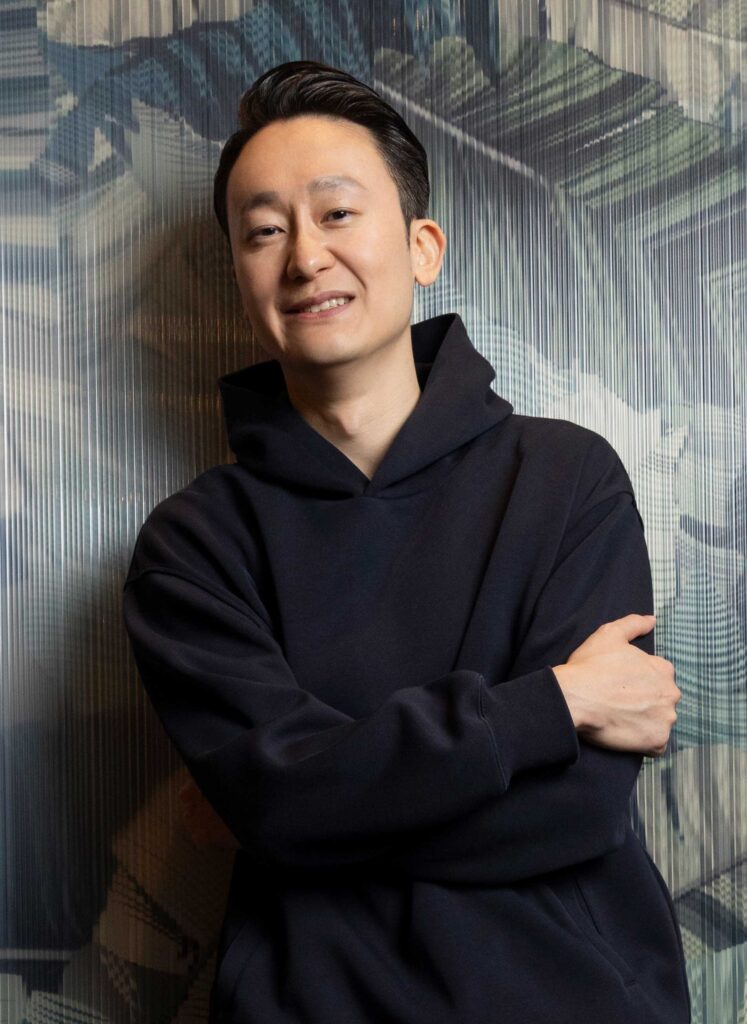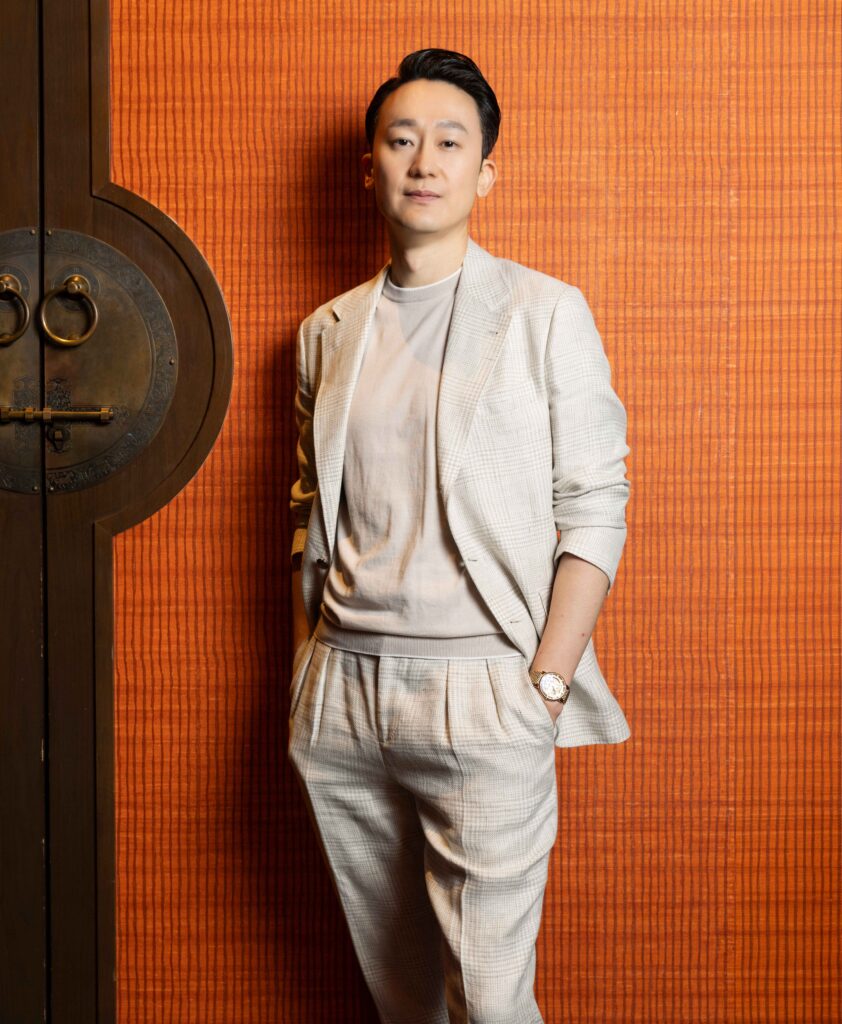

Profit Pilot: Isaac Yeung Kam Chuen. From Athlete to Brand Strategist – Building a restaurant Group for the Next Chapter
Scaling Passion, One Repeatable Winrestaurant Group for the Next Chapter
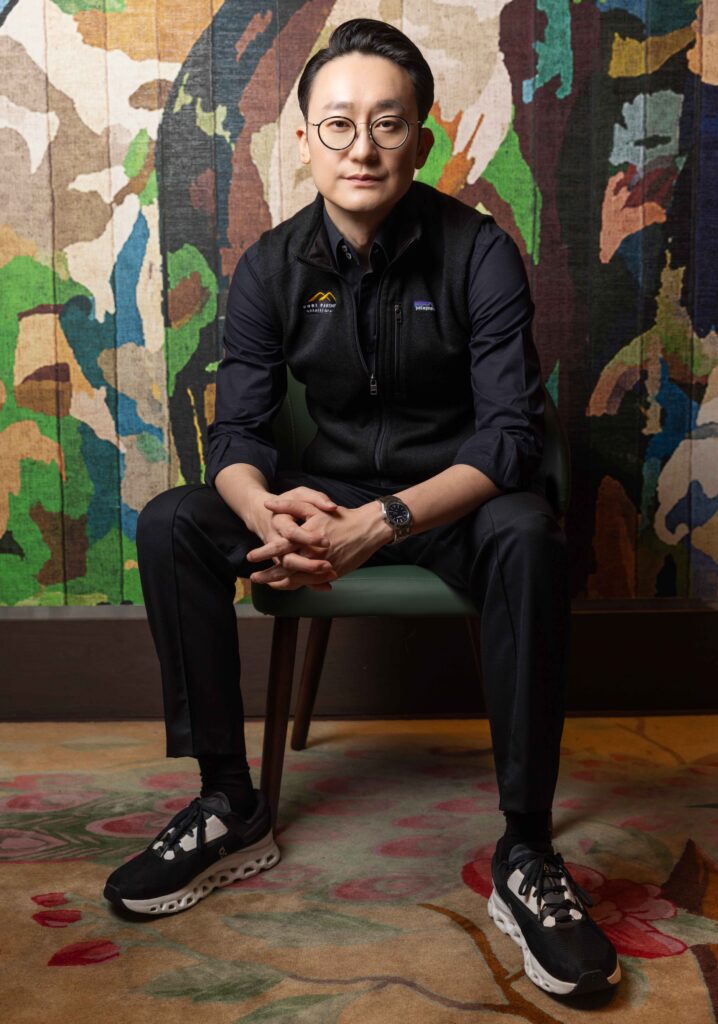
From athlete to brand strategist, Isaac’s story isn’t just a career shift. It’s a whole glow-up with a side of hustle sauce. As Chief Marketing Officer, Brand Growth Strategist, founder of iSeize Digital, and the brain behind a 12-outlet Korean F&B group, he’s not merely “in the restaurant business” — he’s in the business of turning diners into regulars, chaos into systems, and growth into something you can actually manage.
Athlete to CMO: how did the journey unfold?
I keep it refreshingly real: the transition wasn’t a straight line. It was built from second chances, mentors who actually show up, and a team that believed in me before I fully believed in myself.
As an athlete, I learned the hardest life lesson early: losing is not the end — it’s training. That same mindset followed me into advertising at 23. I must admit, I used to be clumsy and raw. Clients called me a liar. A disaster. Ouch. But I didn’t let ego take the wheel. I started over — writing copy, shooting video, running ads, and learning how departments really communicate.
Then came F&B, where I applied the same strategy: squat low and learn the basics first. No business genius act. Just execution, humility, and the kind of teamwork that makes expansion feel less like a gamble and more like a plan.
Beauty industry strategy: how did it shape your entrepreneurial mindset?
Eleven years in beauty shaped my view of entrepreneurship in a way “success stories” rarely mention. I didn’t just learn marketing; I learned responsibility.
I trained 100 therapists and got eye-rolled by the entire room. Humiliation turned into action: I went back to the frontline — customer service, consulting, even store management — because I discovered the truth most people avoid saying: marketing and operations must be tied together. One without the other is just expensive noise.
One client moment stuck forever: she had only HKD 300,000 left, and if I couldn’t help, her business would close. That’s when I realized a business carries families, not just products. In short, value is measured by how many problems I solve.
Credentials and vision in F&B, especially with a shorter track record?
I don’t pretend Hong Kong F&B isn’t full of legends. I call myself a recruit. I opened nine restaurants in three years, but I still have a lot to learn.
My advantage? I brought precision from beauty branding and data-driven marketing. I don’t open stores blindly. Every location is positioned using data, then backed by standardised frontline service and workflows. Not robotic — just consistently excellent.
Taste is the baseline, but the real differentiator is the how: CRM, digital transformation, and genuine human warmth. That’s how you make every guest feel something unexpected.
The future of F&B: what’s next?
Yes, costs are up, and competition is real. But what I see is opportunity: people will always crave good food and shared space. The next decade won’t belong to the cheapest; it will belong to brands that push brand value and experience to the ceiling.
What’s next for your group?
Improve operational efficiency and staff welfare across the nine restaurants — rewarding the people who built this with me. Also, I want to prove that a young Hong Kong team can scale properly with the highest standards of governance.
Because this isn’t a finish line. It’s a platform. And I am continuously building it — quietly, humbly, and one sincere step at a time.
Golden Dragon: From poet to paddlers – festive racing in Hong Kong waters marks 50 years of global evolution
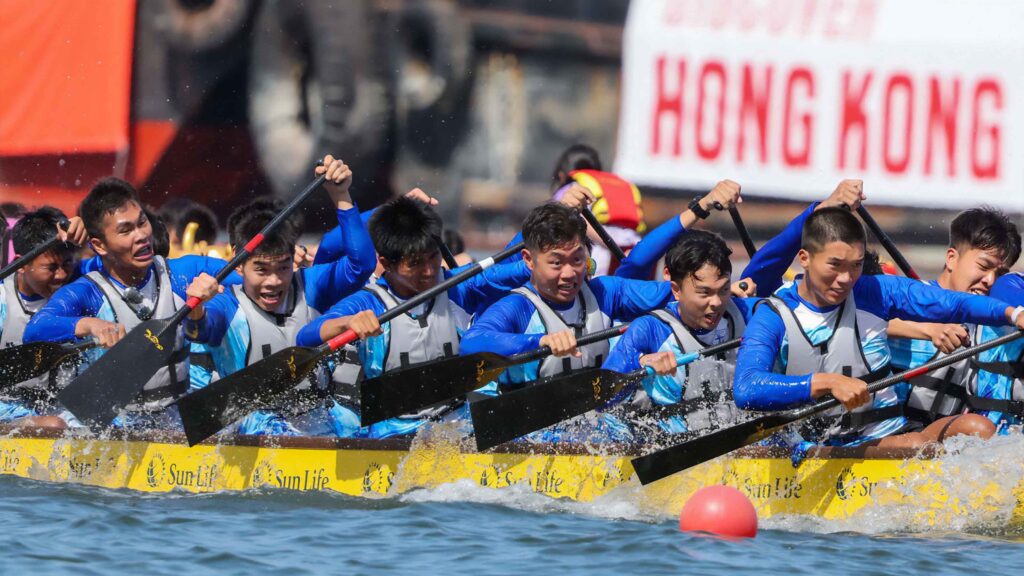
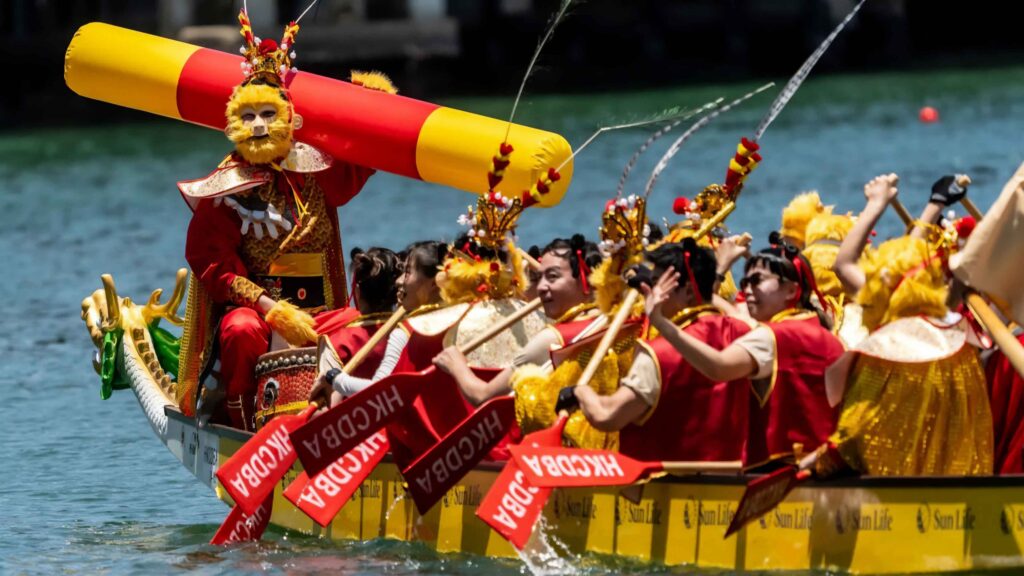
There are few spectacles in Hong Kong as arresting as dragon boats slicing through Victoria Harbour. The sound arrives before the sight: a deep, rhythmic drumbeat echoing across the water, steady and commanding. Then come the paddles, rising and falling in disciplined unison, blades flashing beneath a skyline that symbolises speed, ambition and reinvention.
It’s a scene that feels both ancient and electric, and this summer, it carries added resonance as the city celebrates the 50th milestone of its International Dragon Boat Festival, marking a journey that transformed a ritual into a global lifestyle phenomenon. On the weekend of 27-28 June, the Tsim Sha Tsui Promenade will hum with anticipation as crowds cheer on teams from all over the world in races that mark the golden anniversary of an iconic waterborne sporting event.
The Dragon Boat, or Tuen Ng, Festival traces its roots back more than two millennia, observed on the fifth day of the fifth lunar month and said to commemorate esteemed poet Qu Yuan (circa 340–278 BC). Banished and accused of treason, Qu Yuan threw himself into the Miluo River in northern Hunan, an action that incited locals to race out in their boats in a failed attempt to save him. The tradition of consuming sticky rice dumplings during the holiday stems from balls of rice dropped into the water by villagers to deter fish from eating the fallen hero’s body.
In Guangdong’s river communities, paddle-boat racing was once inseparable from ritual. Long boats carved from solid timber were adorned with fierce dragon heads and painted in brilliant colours. Before touching water, they were awakened through eye-dotting ceremonies believed to invite protective spirits. Villagers raced not only for pride but for blessing, unity and communal strength.
Racing Through Centuries
This tradition unfolded in the narrow inlets and fishing harbours of Hong Kong’s early coastal settlements. The races were intimate, sacred and profoundly local. As participation widened over many decades, dragon-boat racing evolved into more than a celebration of folklore and a contest of speed.
Corporate teams embraced it as a test of teamwork and endurance. Universities formed clubs that blended athletic ambition with cultural exploration. Community organisations found in it a platform for inclusion and cross-cultural connection. In the months and weeks before the Tuen Ng Festival, training sessions at dawn and on Sundays in the sea off Shau Kei Wan and Stanley became rituals in themselves, transforming colleagues and classmates into crews bound by rhythm and trust.
As the city evolved into an international metropolis, the question arose of how such customs would survive in a new world of global finance. Rather than allowing dragon-boat racing to recede into nostalgia, Hong Kong propelled it forward. Local races customarily held in bays and typhoon shelters during the festival, which falls on 19 June this year, were extended to include open races in Victoria Harbour over a later weekend. Inviting overseas teams to compete in these events shaped the narrative entirely.
International Beat
Against a backdrop of mirrored skyscrapers and busy ferry lanes, dragon boats appeared both timeless and startlingly modern. The harbour became a theatre, framing an ancient cultural practice within a cosmopolitan stage. International crews arrived curious and departed inspired, carrying stories of synchronised paddles and ceremonial drums back to their own cities. Dragon-boat clubs began forming across North America, Europe, Australia and beyond. What had once been anchored to regional waterways now travelled freely across continents.
Under the auspices of the International Dragon Boat Federation since 1991, the sport has been adapted through globally standardised race distances and lighter vessels. Carbon-fibre boats replaced heavy wooden hulls for international competition, ensuring accessibility and consistency. Yet Hong Kong guarded the tradition’s symbolic core. Eye-dotting rituals continued. Incense curled beside the water before major heats. The drummer remained at the bow, setting pace and purpose. Modern sport grew from ancient channels without severing its ties to the past.
The harbour setting of the International Dragon Boat Festival amplified everything. Photographs of dragon boats surging forward beneath a forest of skyscrapers circulated globally, encapsulating Hong Kong’s dual identity. The visual contrast was irresistible: traditional dragon motifs glinting in sunlight against steel and glass. International media coverage magnified the spectacle, embedding the festival within the world’s sporting and cultural calendars.
Strokes of Harmony and Strength
Over time, the event grew into a waterfront carnival of colour, sound and taste. Spectator stands expanded along the promenade. Food vendors filled the air with the fragrance of bamboo-wrapped zongzi, the pyramids of sticky rice stuffed with pork belly and egg yolk that are synonymous with the festival. Musicians performed against panoramic harbour views. Families arrived early and lingered long after the final heat, drawn as much by atmosphere as by competition.
Yet for all its pageantry, dragon-boat racing remains intensely physical. Twenty paddlers sit shoulder to shoulder, guided by a steersperson and driven by the drummer’s cadence. Synchronisation is everything. A fraction of hesitation can break momentum, while perfect harmony can propel a crew forward with breathtaking speed. The discipline required is immense: muscles burn; hands blister; breathing must align with stroke and rhythm. It is sport distilled to collective precision.
Dragon-boat racing mirrors the balance of endurance and unity that resonates deeply within Hong Kong, a city where heritage and innovation, East and West, thrive. It invites international participation while affirming local identity; it celebrates athletic excellence while preserving ritual symbolism. Few events manage this equilibrium with such vibrancy. As the festival’s reputation expanded, so did its prestige. Competing in Victoria Harbour became a badge of honour within the global dragon-boat community. Teams trained year-round for the opportunity to race where modern international competition first flourished.
Shoreline Spectacle
This summer’s golden milestone heightens that sense of occasion, offering not only thrilling races but reflection on transformation. Special installations along the waterfront trace the journey from carved village boats to streamlined racing shells. Archival images reveal modest early gatherings evolving into today’s international spectacle. Veteran paddlers share stories of first races and lifelong friendships forged through shared exertion.
Visiting teams parade flags representing continents, underscoring the sport’s extraordinary reach. Evening light displays shimmer across the harbour, casting dragon silhouettes against illuminated towers. The atmosphere feels celebratory yet reverent, acknowledging history while embracing momentum.
Ancient & Modern
Fifty years of international growth have transformed Hong Kong’s Dragon Boat Festival into a defining cultural expression, demonstrating that tradition need not stand still to survive. By inviting the world into its waters, Hong Kong ensured that an ancient ritual would evolve rather than fade. The festival became a bridge, connecting fishermen’s chants with global athletic ambition.
As spectators gather along Victoria Harbour this June, they will witness more than competition. They will see heritage in motion, powered by discipline and shared purpose. They will taste rice dumplings wrapped in memory and hear drumbeats that echo across generations. They will watch dragon heads rise proudly against a backdrop of glittering towers, fierce and luminous.
In those moments, the city reveals itself. Hong Kong is rhythm and reinvention, resilience and reach. Its dragon boats embody that spirit – rooted yet restless, ceremonial yet contemporary. And as the golden celebration unfolds, the message carried across the harbour is clear: some traditions grow stronger with every stroke, gathering the world into their wake and racing confidently toward the horizon.
Bridge Partner: Translating his dual identity into business strategy, influential investor Chibo Tang connects East and West
We meet venture capitalist Chibo Tang on the same day Donald Trump lands in China for a face-to-face with Xi Jinping and a possible reset of superpower ties. Since Tang is a super-successful investor who sees himself as a bridge between East and West, this coincidental concurrence feels like fate – like the universe itself is orchestrating product placement, or magazine calendars and geopolitical giants accidentally have the same Wi-Fi password.
Tang, characteristically calm and composed, acknowledges the symbolism but doesn’t oversell it. The Hong Kong-based Managing Partner of Gobi Partners smiles like a man who’s heard too many ‘signs’ to be impressed by one more. Born in China and educated in the United States, he has turned that dual identity into a professional strategy. His story is one of connecting worlds, forging partnerships, and leading teams who play to win.
The parallel between our rather more humble get-together and the ground-breaking sit-down of world leaders in Beijing clicks even harder as we begin our cover shoot at Chinesology. The restaurant’s contemporary aesthetics reflect the value and beauty of reactivated Chinese cuisine, adding new elements without abandoning tradition. In short, Chibo Tang and Chinesology share the mindset that modern innovation should respect its roots, not bulldoze them. They’re both focused on translation, timing and balance, on bridging two worlds without losing the plot.
Values Asset
Tang talks like a man who’s seen enough cycles to know that the world never moves in straight lines, and yet, somehow, it moves. He doesn’t romanticise his origin story; he lays it out simply like a business founder explaining how they achieve product-market fit: “I grew up in a family of academics. [While] my parents brought me up with traditional Chinese values, I ended up spending a lot of time reading and gaming. By the time college applications rolled around, I was convinced that I didn’t want to be an academic. I wanted to explore an intersection of business and engineering.”
Then came a hiccup that highlights Tang’s mentality to a tee – when the universe says ‘no’, he treats it like data. He had set his heart on attending Olin College of Engineering in Massachusetts, yet despite a perfect SAT score of 1600, he didn’t get in. But he believes “everything happens for a reason”, and brings that same energy into investing.
Activating Plan B, Tang went to Harvard College and acquired a bachelor’s degree in applied mathematics and economics. “Ambition was all my own,” he says. “Grades and academic prowess never meant much to me. Straight As [only] mean that you’re good at taking tests. I look at results, not at résumés.”
Empathy Engine
It’s a tactic that has served him well in a career that kicked off as a management consultant developing consumer segment activation strategies, and spanned spells in Shanghai prior to assuming, in 2009, his current role at Gobi, one of Asia’s leading early-stage venture-capital firms.
The deeper you go with Tang, the more you realise the bridge isn’t just professional. It’s personal, and he doesn’t skip the hard part. “The toughest challenge was probably coping with the discrimination that comes with being an immigrant in a foreign land,” he confesses.
As one of just a handful of Asian kids growing up outside Boston, bullies were part of his early life when he moved to the US aged three. He credits his parents, who sent him back to China every summer, with shaping him into a blend of two worlds. “Ultimately, being able to identify as both cultures – relating with either and offending neither – is the perfect background to help bridge the two,” he states.
Tang might be described as the ‘chillest’ boss in venture capital. He’s often seen in a hoodie and running shoes, plus a carry-on suitcase, unladen with ego or entitlement. “Is it happy hour yet?” he laughs mid-shoot. “I think I need a mojito after all of these [photos].” He casually calls his assistant “dude” as if he’s managing a team but not trying to intimidate anyone into productivity.
Investor Intelligence
Yet his brain runs 24/7. He’s always thinking of more: how to offer more, help more, connect more. Even in conversation, his mind is doing what his role demands: turning relationships into opportunities. He shares that Gobi Partners has grown AUM (assets under management) more than 10-fold to nearly US$2 billion since he joined in 2009. Next year is Gobi’s 25th anniversary, and they have an internal target to triple their AUM over the next few years. Expansion into emerging markets along the Belt and Road is part of the impetus.
Tang has a structured way of sizing up startups. “The most basic framework is threefold – market size, product and team,” he says, breaking it down like a checklist. “I’ve also added a fourth dimension, which is capital market momentum.” Challenging the US$1 billion unicorn hype, he adds: “Unicorns are aspirational, but many fall back soon after reaching that status. Valuations are products of the market, and hype cycles can outrun fundamentals.”
He also references the decacorn threshold (startups privately valued at US$10 billion), explaining that many unicorns get stuck in a “middle-income trap” – too big to be acquired, too small for IPO against established mega-caps.
Heart Burners
Returns matter in the world of venture capital, though for Tang, being able to say “I helped bring these technologies to the world” is more satisfying. His philosophy of success hinges on managing burners – the life version of resource allocation. Outlining the four burners theory, he opines: “It is impossible to keep all burners going strong. Your time and energy are finite, and there’s family, friends, work and health. You can’t keep all burners high all the time. You must choose what to feed and what to let lower.”
He argues that true success is achieving balance, and happiness – like money-making – comes as a by-product of this, but with impact and meaning. To him, venture capital sits at the intersection of wealth creation and societal progress.
Ultimate Fate
Personally, he wants to keep expanding his global perspective, meeting at new ‘courts’ with people he can learn from. His big life lesson? “The journey isn’t the destination. Milestones are rest stops, not the finish line, and then the road onwards continues.”
He and his wife, Karen Wong, who accompanies him at the shoot, have been married for almost two years. He believes in the concept of yuanfen – fated affinity or destiny – and the couple used feng shui to guide their choice of wedding day.
Head in the Game
Outside of work, the six-foot-two millennial enjoys playing basketball. It’s mid-May when the NBA playoffs are in full swing, and he is following two teams, the Oklahoma City Thunder and the Los Angeles Lakers. In sport as in life, he believes in being the bridge between two viewpoints. Which brings us full circle. Our meeting ends in the same way as it began: musing on the idea of connection.
Bridging two worlds isn’t a slogan for Chibo Tang; it’s a skill, a strategy and a philosophy. At the end of the day, thriving in business and progressing as a team aren’t just about winning. They are about bridging, so different worlds can finally play on the same court.
Interview, Text & Art Direction: Joseff Musa Photographer: Jack Law Videographer: Iris Ventura Venue: Chinesology
AMR26: Fast Track to the Future
With one of the most iconic emblems in the world above the garage and a team of hundreds of passionate people, Aston Martin Aramco has both a rich heritage and a fresh perspective – bringing new energy to the sport with a determination to shake up the order and compete at the sharp end.
Meet the AMR26: speed engineered, not guessed
2026 marks the biggest regulatory reset in a generation: for the first time, Formula One’s chassis and power unit regulations change together. The result is a radically different F1 car: lighter, more compact, less drag and more sustainable. Super-efficient active aero reshapes airflow. A 50:50 hybrid power unit balances combustion and electrical energy.
The AMR26 is therefore more than a new challenger. It’s the first Aston Martin Aramco car shaped by Adrian Newey’s design philosophy, and the first overseen by Chief Technical Officer Enrico Cardile, marking a fresh era under Formula One’s 2026 regulations.
This year brings what the sport calls a generation-defining shift:
New power units
New aerodynamic rules
Sustainable fuels
The result? A car built for a world where speed isn’t just found, it’s cultivated through fundamentals, coherence, and consistent development. The AMR26 represents an overhaul of thinking as much as hardware, with design decisions made for where the sport is going next, not where it’s been.
A full works team; more freedom, more firepower
The AMR26 also arrives at a major milestone for Aston Martin Aramco: the team has become a full works outfit. That unlocks more design freedom, more opportunity, and a sharper pathway to performance under next-generation technical regulations.
Backed by partnerships with Honda, Aramco, and Valvoline, the team enters 2026 with deep expertise across:
power unit integration
sustainable fuels
cutting-edge lubricants
Consistency in the cockpit: the rhythm of pace
On-track readiness is powered by continuity. Lance Stroll and Fernando Alonso return for their fourth consecutive season as the team’s driver pairing, creating one of the most experienced line-ups on the grid, with a combined 614 Formula One race starts. Jak Crawford steps up as Third Driver, acting as the team’s reserve at all races this year. Together with Sim, test and reserve driver Stoffel Vandoorne, and team ambassadors Pedro de la Rosa, Jenson Button and Jessica Hawkins, the team isn’t just bringing speed to 2026, it’s bringing stability, feedback, and development momentum.
What’s on? Things to do this June in Hong Kong
M+ at Night: Poetic Pulse
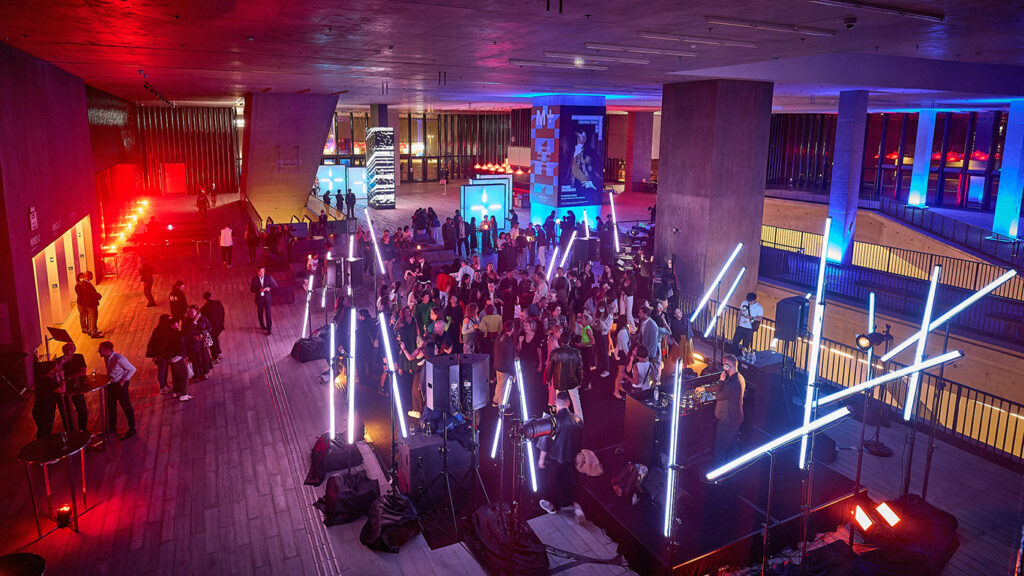
M+ at Night: Poetic Pulse is a vibrant nocturnal gathering that celebrates the power of poetry in motion. Inspired by M+’s new exhibition Dial-A-Poem Hong Kong, this lively event blends poetic art with dynamic dance and music. Feel the transcendent energy as flowing jazz melodies and infectious dance beats create an atmosphere. The night is infused with creative spirit, weaving poetry into the fabric of movement and sound. It transforms the museum into a pulsating hub of artistic expression and rhythmic discovery.
When: 5 June
Where: M+
How much: From HK$240
For more information: M+. mplus.org.hk
HK Jockey Club – Summer Series
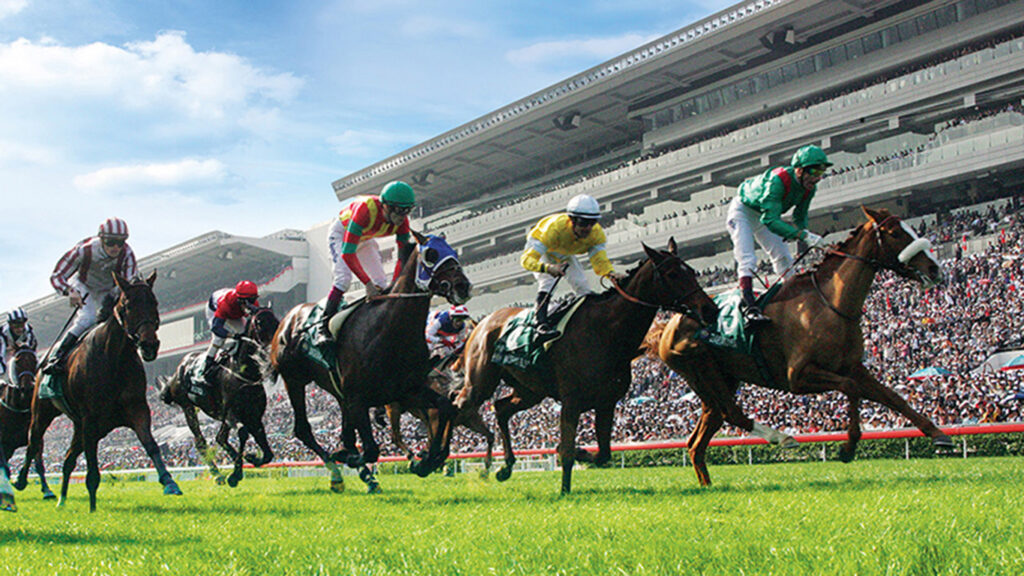
Enjoy the vibrant Summer Series at Sha Tin Racecourse! As the sun sets, bask in the golden glow while immersing in thrilling horse races, live music performances, and delicious Hong Kong cuisine. It offers a perfect blend of excitement and relaxation, creating unforgettable moments amid a festive atmosphere. Visitors can take advantage of special offers and enjoy a dynamic mix of entertainment and flavours. All activities are governed by Hong Kong laws, with updates provided as needed.
When: 7, 13, 21 & 27 June
Where: Sha Tin Racecourse
How much: From HK$ 10
For more information: hkjc.com
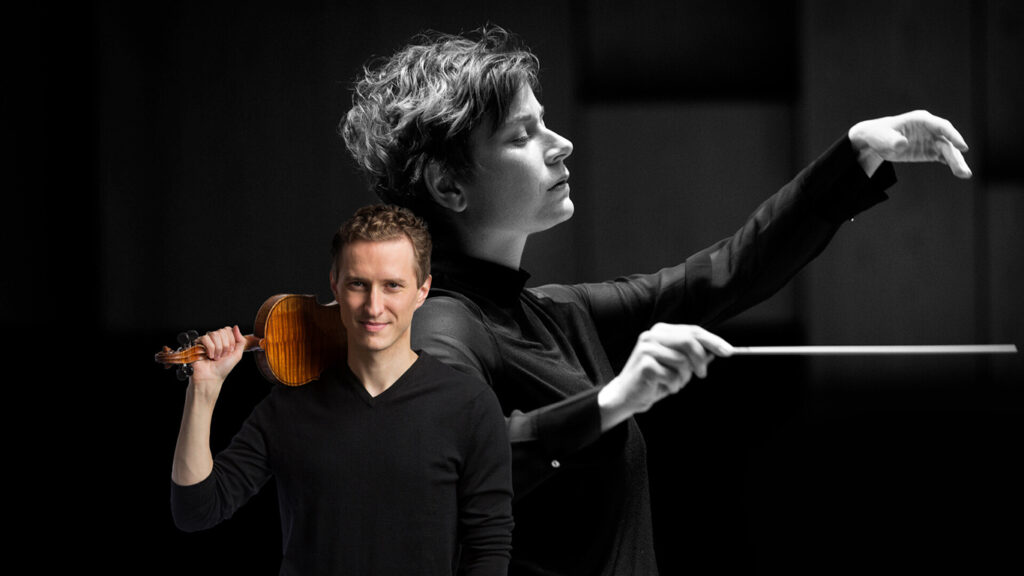
Anja Bihlmaier Conducts Beethoven 5
Experience a night of musical brilliance as German conductor Anja Bihlmaier returns with an exhilarating all-Beethoven programme. Celebrated by The Times for her “natural ease, musical rigour and feel for pacing and phrasing,” Bihlmaier leads the orchestra through a series of captivating works. The concert reaches a triumphant climax with Beethoven’s iconic Fifth Symphony.
When: 12-13 June
Where: HK Cultural Centre
How much: From HK$ 220
For more information: urbtix.hk
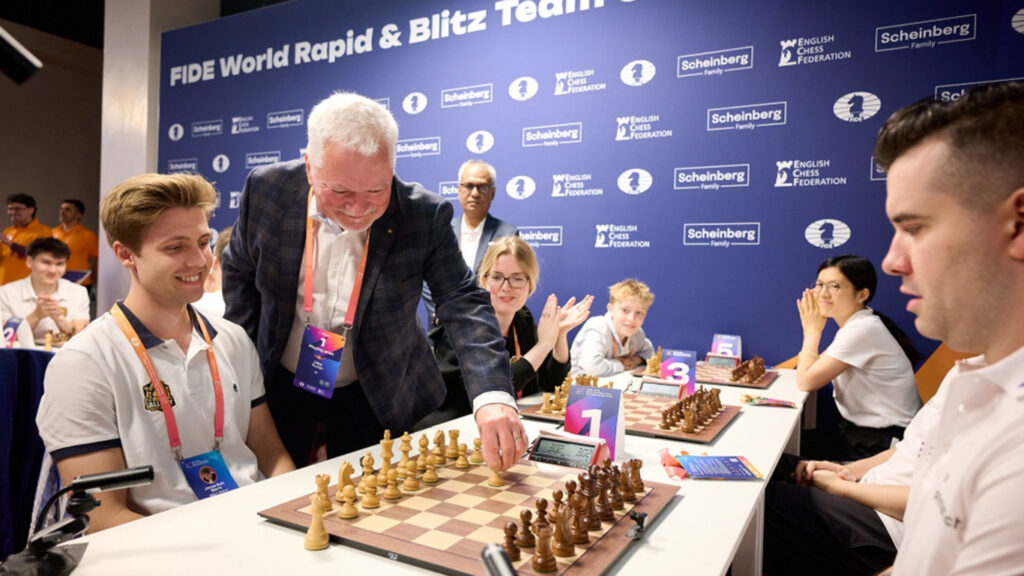
FIDE World Team Rapid and Blitz Chess Championships 2026
The FIDE World Team Rapid and Blitz Chess Championships 2026 brings together top grandmasters and passionate players from around the globe. Awarded the prestigious ‘M’ Mark, Hong Kong shines once again as Asia’s vibrant events hub. It showcases chess at its most dynamic, highlighting Hong Kong’s status as a premier international cultural and sporting destination.
When: 17-21 June
Where: Queen Elizabeth Stadium
How much: Various Prices
For more information: urbtix.hk
Affordable Art Fair
Expect a colourful treasure hunt featuring works by local and international artists, brought here by more than 100 leading galleries to be offered at accessible prices, ranging from HK$1,000 up to a maximum of $100,000. Galleries from across the Asia-Pacific and beyond join the fun – many are regulars at the fair that has grown to encompass some 15 cities worldwide since the 1999 inaugural event in London.
When: From 3 June
Where: Convention and Exhibition Centre, Wanchai
How much: From HK$175
For more information: affordableartfare.com
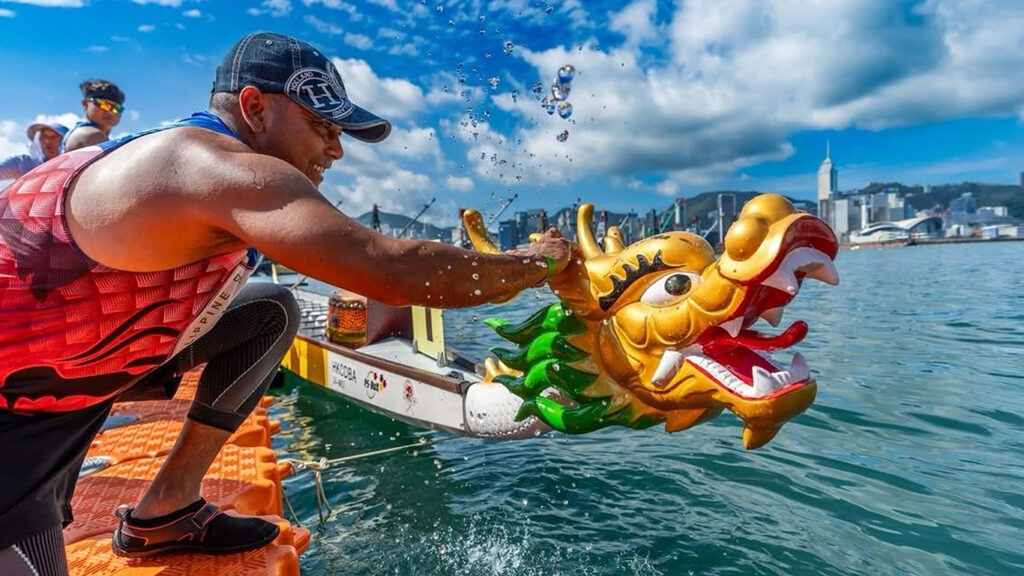
2026 Hong Kong Dragon Boat Festival
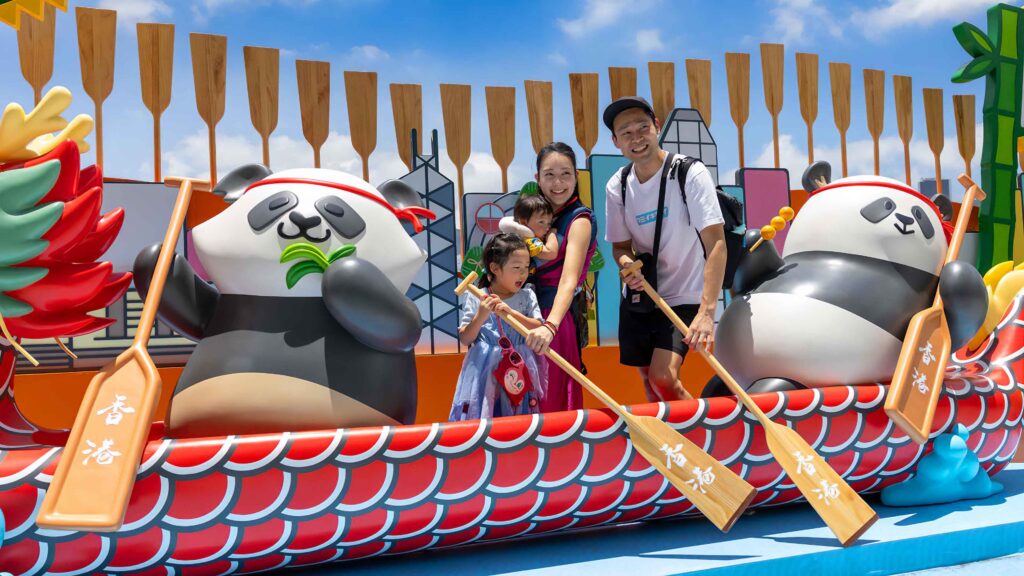
Join an unforgettable splash of tradition and excitement at the 2026 Hong Kong Dragon Boat Festival! This spectacular celebration marks the 50th anniversary of the legendary Hong Kong International Dragon Boat Races. Vibrant dragon boats race through shimmering waters, and lively festivities fill the air with energy and cheer. Whether you’re cheering from the sidelines, trying your hand at paddling, or simply soaking in the festive atmosphere with family and friends, there’s something for everyone. Come be part of a tradition that unites communities, celebrates heritage, and creates memories that will last a lifetime.
When: From 19 June
Where: Tsim Sha Tsui
How much: Free Viewing
For more information: discoverhongkong.com
Boozy Brunch at WHISK
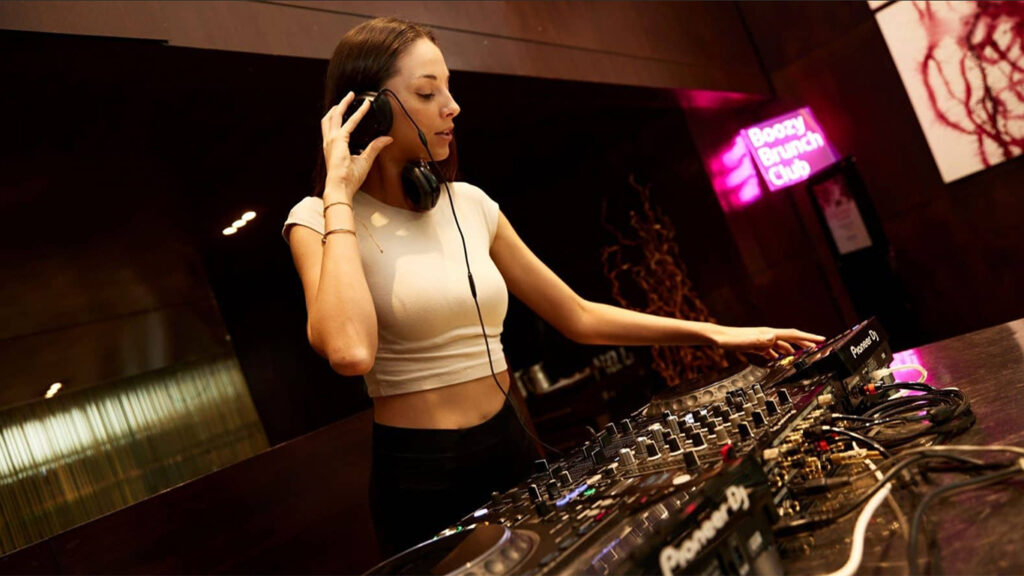
Celebrate Hong Kong’s most lively and indulgent Sunday brunch at WHISK Dining Atelier in The Mira Hong Kong. Once a month, this vibrant event transforms the traditional into a gourmet celebration, featuring four unlimited carvings served directly from the dining room—think roasted Australian Rib Beef, tender Lemon-Thyme Chicken, Lamb Rack with Port Jus, delicate Salmon en Papillote and many more. Live DJ sets by Sarah Watts add to the energetic vibe.
When: From 21 June
Where: The Mira Hong Kong.
How much: From HK$ 788
For more information: mira-eshop.com
Design Ah! Experience the Wonder of Everyday Design
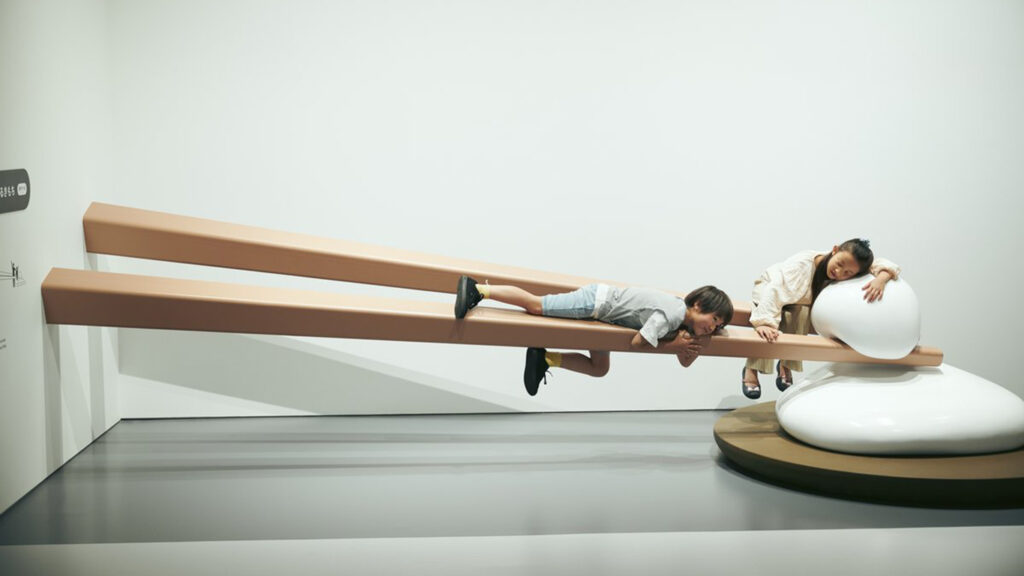
Discover the fascinating world of everyday design through the vibrant Design Ah! exhibition, now outside Japan for the first time. Inspired by the acclaimed Japanese TV programme Design Ah! Neo, this family-friendly event highlights how design shapes our daily lives. It reveals the often-hidden impact of design on our routines and relationships.
When: From 27 June
Where: Various prices and venues
How much: From HK$ 190
For more information: M+. mplus.org
Bubble Planet
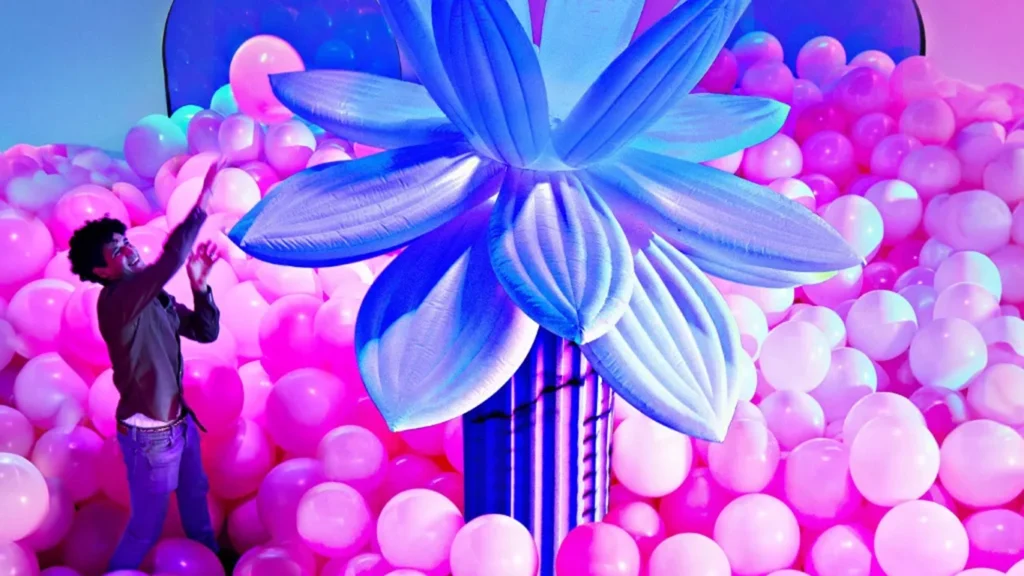
Discover Bubble Planet Hong Kong, a dazzling spherical realm where giant bubbles float gracefully, and vibrant balloons and soap create a mesmerizing atmosphere. Explore immersive environments designed to engage all your senses—touch, sight, sound, smell, and taste—making every moment magical. Bubble Planet Hong Kong promises an unforgettable experience full of imagination, delight, and bubbly surprises for everyone!
When: From 29 Jun
Where: Kai Tak Cruise Terminal
How much: From HK$ 210.
For more information: bubbleplanethongkong.com
Make Waves in Pure Luxury: PRESTIGE M7, Your Floating “Stay-Cation”
Experience the New PRESTIGE M7: The Ultimate Luxury Multihull — Now at Asia Yachting.
Luxury isn’t supposed to be complicated. It’s supposed to feel effortless—like stepping onto a private island that happens to float, glide, and redefine comfort at every turn.
And that’s exactly what the all-new PRESTIGE M7 delivers: a bold, breath-taking 58ft power catamaran that’s rapidly setting a new benchmark for luxury multihull living. After making her highly anticipated world premiere at the Cannes Yachting Festival 2025, the M7 has already captured major industry attention—officially winning the YACHT STYLE Award in the Power Catamaran 16–20m category at the Singapore Yachting Festival 2026.
Now, she’s available through Asia Yachting—bringing you the pinnacle of space, serenity, and cutting-edge marine architecture.
The PRESTIGE M7, a 58-foot motor multihull defined by generous living spaces
More Space. Less Compromise. Full-On Floating Bliss.
Designed to beautifully bridge the gap between the M48 and the flagship M8, the PRESTIGE M7 brings that “75-foot monohull” feeling—only with multihull magic: unrivaled volume, impossibly airy flow, and a living experience that’s naturally expansive.
Expect over 200 m² of highly usable living space—engineered by Garroni Design and guided by one irresistible mission: make life aboard feel closer to the sea.
Designer Camillo Garroni explains the vision: bringing “the cockpit closer to the sea, transforming it into a truly lowered terrace facing aft”—turning it into an immersive, open-air moment every time you step outside.
Camillo Garroni of Garroni Design, responsible for the PRESTIGE M7’s exterior and interior design
Unprecedented Volume & Immersive Design
On the main deck, the atmosphere is all about openness—because the best kind of luxury doesn’t isolate you from the world… it invites it in.
A bold highlight? 112 m² of main-deck living—with massive sliding glass doors that blur the line between the bright interior saloon and the exterior terrace. Translation: you don’t just “go aboard.” You enter an elevated lifestyle bathed in natural light.
And below deck, owners are treated to a sensational 53 m² of cabin space, including a full-beam owner’s suite with:
a large en-suite bathroom
generous storage
a private desk for calm productivity (or quiet daydreaming)
Whether you’re entertaining or unwinding, the yacht’s layout is crafted to make every moment feel smooth, seamless, and deeply restorative.
The impressive full-beam owner’s suite, featuring a spacious en-suite bathroom and generous storage
“Whispered Luxury” Meets High-Efficiency Cruising
The PRESTIGE M7 doesn’t try to shout. It speaks softly—with textures, materials, and calm design choices that feel intentionally refined.
As Valentina Motta, Product Interior Designer, puts it: “The interior of M7 evokes calm and serenity.”
The saloon opens through large sliding glass doors, connecting seamlessly with the outdoors
To achieve that “quiet elegance,” the team selected premium natural finishes including:
marble
linen
leather
It’s a luxury that looks refined because it’s honestly made—respecting each material’s character and letting the environment feel pure, warm, and elevated.
The aft cockpit, designed as a lowered terrace closer to the sea
But a luxury yacht should perform as beautifully as it looks. The M7 delivers exactly that with optimized asymmetric hulls designed by Marc Lombard Yacht Design, delivering:
exceptional stability
fuel consumption reduced by half compared with a similarly sized monohull
Power comes from twin 550 HP Volvo D8 engines, giving an impressive cruising range of 1,220 nautical miles at 8 knots—perfect for longer escapes without sacrificing comfort.
The retractable swim ladder, creating a closer connection with the water
For Quiet Anchorages & Sustainability Lovers: Silent Mode
Prefer serenity so complete you can hear the water think? Choose optional Silent Mode, featuring:
16 m² of solar panels
a lithium battery pack
For up to 12 hours of zero-emission, completely silent operation—ideal for private coves, peaceful mornings, and moonlit stillness.
The flybridge, featuring covered al fresco dining and the main helm station to port
Secure Your Private Island (Yes—A Real Feeling of “Island Time”)
This is where the M7 becomes more than a yacht.
It’s a floating retreat—an invitation to slow down, breathe, and reconnect with the sea at your own pace. As Clémence Cessou, Marketing Manager, concludes: “She is a yacht that invites you to slow down, breathe, and truly connect with the sea.”
Your Next Adventure Awaits — From Asia Yachting
Ready to make luxury multihull living your new standard?
The team at Asia Yachting is ready to help you discover the PRESTIGE M7, explore bespoke configuration options, and arrange your exclusive private viewing.
The Asia Yachting team in Hong Kong
Contact Asia Yachting today to experience first-hand the yacht that’s turning “living on the water” into a whole new level of floating comfort.
Calm Force: Family law leadership for the moments that can’t wait
In Hong Kong, divorce and family disputes are rarely “routine.” They arrive with deadlines measured in hours, families under pressure, and decisions that reshape futures, especially when wealth is complex and children’s wellbeing is at stake. That’s where Jocelyn Tsao stands out: Head of the Family Law team at Withers Hong Kong and Managing Director of the Hong Kong office, known for combining courtroom capability with strategic, client-first judgment.
As a leading divorce and family lawyer with over 18 years of experience, Jocelyn advises on high-net-worth divorces, asset division, trust and corporate structures, injunctive relief, and cross-border matters, from evidence planning to negotiation, through mediation, and, when necessary, advocacy in the Hong Kong courts. Her approach isn’t simply aggressive or cautious; it’s disciplined, practical, and anchored in integrity.
As Head of the Family Law team and Managing Director, what does effective leadership look like in a high-volume, emotionally charged practice, and how do you set your team up to perform at its best?
Jocelyn: Effective leadership, to me, begins with being a role model. In family law, you can’t just tell a team what urgency looks like; you have to show it. If a client needs support beyond office hours, I believe leadership means being there: not because the work is inconvenient, but because the situation is real for the client and the team needs to understand the seriousness of the moment.
I also emphasize calmness and steadiness. Family disputes can intensify quickly; clients are anxious, emotions run high, and any panic from the lawyer can spread. I try to remain collected so the team can execute with clarity. The goal is to keep clients grounded, bring issues back to rational, objective decision-making, and ensure the legal work stays focused on outcomes, not volatility.
In high-net-worth divorces involving complex financial disputes, how do you balance strategic aggression with procedural discipline, especially in cases involving beneficial ownership, valuation, and asset preservation?
Jocelyn: For me, the starting point is honesty about prospects and proportionality. I don’t advocate litigation just to “fight.” I consider whether a claim is credible and whether pursuing it will realistically improve the client’s position.
Take beneficial ownership disputes: in Hong Kong, it’s common for assets to be held in children’s names or through structures that reflect estate planning or intergenerational transfer. During divorce, the central question becomes: who is the true beneficial owner? My job is to assess the evidence carefully, build a coherent legal narrative, and determine where court proceedings are necessary and where they are not.
On valuation, discipline matters because it can be expensive, and timing affects accuracy. If valuations are carried out too early, they can become outdated. So I focus on doing valuations when they are necessary and strategically justified, not automatically.
And yes, sometimes an application is needed to create pressure for settlement. But even then, the question remains: will it work, and is it proportionate to the value at stake? Strategy should serve results, not inflate costs.
You advise clients on some truly consequential disputes. What do you prioritize when children, custody, care, and relocation are involved?
Jocelyn: Children’s interests come first, always. In family law, the issues aren’t just financial; they shape children’s lives for years. I pursue custody, care, and control matters with a strong focus on protecting stability and minimizing harm.
When relocation and international child abduction issues arise, I draw on my experience in Hague Convention matters before the Hong Kong High Court. These cases require both urgency and precision: the legal process must move fast, but the reasoning must be careful. My approach is to advocate firmly while keeping the case oriented around the children’s best interests.
How do you handle cross-border and international divorce work, especially coordination with overseas solicitors and managing risk across legal systems?
Jocelyn: Cross-border matters demand coordination, reliability, and trust. Different jurisdictions have different standards, evidence requirements, and timelines, so the work needs structure from the start.
In international child abduction matters, for example, the legal mechanism relies on effective cooperation with authorities and lawyers in multiple countries. I also collaborate through established international professional networks so I can work with lawyers I trust.
In jurisdiction disputes, I coordinate with overseas counsel to ensure we can present the case under a consistent framework. I’ve seen how uneven responsiveness can create risk, so I rely on relationships built through experience, knowing which lawyers work with the competence and responsiveness the case requires.
When you define personal happiness and professional success, what do they mean to you, and has that changed over time?
Jocelyn: For me, happiness is built around three pillars: work, personal pursuits, and family.
Work matters because I genuinely enjoy family law. Personal training matters because it balances the intensity of legal practice. And family completed the picture in a way I didn’t fully understand before becoming a mother; it expanded love and satisfaction rather than replacing ambition.
In terms of success, early on, it meant progressing professionally. Over time, it shifted into something deeper: building a reputation for integrity and sound judgment, being someone clients trust not to over-promise, not to push unnecessary litigation, and to act in the best interests of the client with real care.
Calm Joy in a Bottle: Lapot studio’s gentle approach to simplicity
When you hear Lapot Studio, there’s a quiet sense of intention behind the name. It’s the scent research studio, and in-house brand, of LAPORTE, created around a belief they now hold close: calm joy.
Life moves fast. Emotions shift, sometimes softly, sometimes sharply. And after everything, the team arrived at a simple truth: joy doesn’t always have to be loud to be real. The kind that matters is steady, something that stays with you, even when the world gets noisier.
Yes, they still love the spark of intense happiness. But they also want to offer something rarer: the feeling of returning to yourself, when you slow down, exhale, and come back to what’s truly essential. That’s what their perfumes are designed to deliver: a calm kind of happiness that feels precious, grounding, and unexpectedly enduring.
Back to Authenticity
In the “Back to Authenticity” collection, Lapot Studio presents a tranquil, pure aura, built on the quiet strength of multiple agarwood notes. Agarwood has a unique way of smoothing the edges of a fragrance, making it feel approachable rather than overwhelming. Layered with rich, stable woody notes, the scent doesn’t just bloom and disappear; it settles in, lingers, and stays grounded.
It opens gently, develops with thoughtfulness, and remains quietly confident from first breath to last. Like returning to a familiar space, your favourite chair, your everyday calm.
Transcendence
If “Back to Authenticity” brings you home, “Transcendence” invites you just beyond it. This is for those rare moments when you want to step out of routine and let your mind wander past the limits of everyday life.
Expect a surreal sensation, like crossing into a distant, mysterious place just outside the border of what feels familiar.
A founder’s imprint
This vision is personal. As the founder, Koon shapes the brand’s scent language through his own inner rhythm. For him, calm joy isn’t a trend; it’s something invaluable, carefully expressed in every bottle.
Lapot Studio is the gentle gateway where joy softens into calm, and calm becomes precious. Two selections. One shared promise: return, transcend, and let the feeling stay with you.
Voodoomoi: Smell Smart. Feel Better.
Where Sense, Soma & Sentiment meet—
so your nose triggers your whole vibe.
Step into Voodoomoi and you’ll quickly realize you’re not just buying fragrance, you’re joining a self-care ritual that knows exactly what your body wants and your mind remembers.
Because scent isn’t “just smell.” It’s a full-body experience with a personality.
And Voodoomoi is built on one deliciously smart idea: your nose sends the message,your body and emotions receive it.
Sense (the ignition)
It starts at the source: aromatic molecules dancing into the air, catching on receptors, and translating fragrance into signals your system can’t help but notice. Your nose doesn’t detect vibes, it activates them.
So yes: when you pick a scent intentionally, you’re basically choosing an energy level.
Soma (the body’s reaction)
Next comes the part you can feel, literally. Those scent signals don’t just stay in your head; they influence your body in ways that can help you feel physically calmer, lighter, and more at ease.
Think of it like this: the fragrance isn’t performing magic spells. It’s creating conditions for your mood to shift into something steadier.
Sentiment (the memory spark)
And then, oh, then comes the iconic moment. The one no one can fake.
Sentiment.
That “I remember this” connection. The way your brain links scent to emotion through deep, ancient pathways. The way one whiff can pull you back to a moment, a feeling, a version of yourself.
Not cheesy. Not random. Just real.
It’s not science cosplay. It’s a ritual.
Voodoomoi doesn’t stop at a beautiful theory. Their product line—designed for multi-sensory living—makes it easy to wear your self-care like a signature.
From:
Hand cream (because the best rituals happen where your daily life touches you most)
Essential oil (for focused, feel-good moments—tiny drops, big mood shifts)
Aromatic candle (certified coconut wax, cozy enough to stare at, glow-worthy enough to breathe)
Perfume (your personal “arrived on purpose” trail)
Diffuser (portable ambience that looks like jewelry and smells like a decision)
Multi-tasking moments, but make them emotional
Want an easy, mood-picking ritual? Try this:
Smooth hand cream on—slow, intentional, grounding.
Add a whisper of fragrance to hair—like softness with a schedule.
Let your space become the soundtrack with a candle or diffuser.
Suddenly, self-care stops being a chore and becomes something you feel.
And here’s the luxury twist
Voodoomoi insists that true luxury should never smell like medicine—because life’s too short for regret scents.
You deserve fragrance that feels like you, not something you tolerate.
Ready to find your scent soulmate?
Try Voodoomoi. Experience it.
And let your emotions do what they were built to do: respond.
Vision Board: For Puyi Optical next-gen Julian Yau, eyewear is a story and leadership a lens
Drawing from both parents, Julian Yau brings a new brand of disciplined creativity to a visionary family business
Upon our arrival at Puyi Optical’s head office, Julian Yau takes great delight in showing us slides. Not the usual corporate kind – more like a visual scrapbook of the last chapter, stitched to the next one. A brand anniversary celebration? Sure. A look back at the past 25 years? Absolutely. But the real focus is the future, which is framed by the youthful Brand Director not as “growth”, but as development of experience – vision, yes, but also meaning.
Gen Z Julian was born in 2000, a year before his father, Jeffery Yau, founded the now multi-city luxury eyewear retailer. “I was in Hong Kong until 14, then went to the US for high school at Choate and college at Wharton,” he recounts, like he is opening the first page of a storybook. He smiles, as if he can already see the ending.
“I’d been sitting in on meetings and hearing about the business since high school. I had a surface-level understanding, but it was clear I couldn’t play any real part in it unless I had a robust business foundation. I set out to study business [finance and management] at the University of Pennsylvania.
“[Afterwards] I saw that my skills – in branding, in storytelling, in connecting different moving parts – aligned naturally with what we were doing. There was work I could genuinely help with [and] that was the confirmation I needed.”
Eyewear as a Canvas
This ‘structure first, magic second’ philosophy runs through everything Yau does ¬– like a disciplined paintbrush. It’s also the reason he talks about his job as something active: fighting for room to create: “At work, a lot of what I do is fight for space – to give ourselves a canvas to work with – and fight to have the tools, the ‘paint’, to create things.”
“My mother [artist Margaret Yau] is an oil painter,” he reminds us, “and in a way I followed in her footsteps – I grew up drawing and building things to play with: paper cars, even paper time machines.”
A paper time machine. That detail lands like a quiet punchline because it explains how Yau thinks: you build, you test, you iterate, you wait, and then you learn. His upbringing also prepared him for a leadership world that doesn’t always reward imagination alone.
“Beyond discipline, patience and humility, my father emphasises character,” he shares fondly. “To him, success never really mattered unless I was able to internalise it properly. If I failed at something, I needed to know how to pick myself back up. If I succeeded, I couldn’t get full of myself. The benchmark was always yourself – did you do your best?”
For any young person imagining that a family business is an effortless inheritance, Yau the younger corrects that fantasy immediately. “He didn’t care much if my grades were good if he didn’t see me try. And if I lost a competition that I’d trained hard for, he’d genuinely recognise the effort. That taught me early on that results aren’t the whole story. The relationship you have with your own work is what matters.” In other words, you don’t get to outsource your integrity.
Firm Eye for Family
In the Gen Z era, young people no longer ‘join’ industries; they collect them. But despite being Puyi Optical’s heir apparent, Yau didn’t just fall into eyewear like fate; he framed it as a bridge. “I approached my career with an open mind,” he explains. “The family business was a legacy, but it only carried that weight and responsibility if I was the right person for the job. It’s hard to separate my interest from my family ties, but honestly, even setting that aside, I think I’d be drawn to eyewear.”
Then he delivers a line that feels like the mission statement hidden inside his career: “Beyond having poor eyesight myself and a desperate need for glasses, the thing that really stands out to me is that it’s a confluence of disciplines: healthcare, retail, fashion, design, craftsmanship.”
The word ‘confluence’ matters here. It’s why he sees a boutique not as a storefront, but as a cross-industry experience. “I’ve always thought of myself as a bridge – in fact, my Chinese name means ‘holy bridge’. I like to think of myself as a bridge between cultures and fields, and eyewear sits right at that intersection.”
Should the next generation feel obliged to further what their parents have built? “No,” says Yau plainly. “I think it’s about you as an individual.” Then he adds the accountability clause: “But you are obligated to be honest with yourself – to genuinely assess whether you’re the right person, and to make the best decision based on that. If you’re not, that’s fine. Bring in people who can help. A legacy is better served by someone who’s truly committed than by someone who’s there out of obligation.”
Seeing then Believing
Having interned in varied environments, Yau explored alternative paths rather than default to the expected one. He earned a master’s degree in data science and worked in that field for a while. “If I’d turned out to take a different path, I’m sure my parents would have been just as proud,” he notes. “The legacy influenced me, but it never dictated my choices.”
Then came the defining realisation. “When you grow up around something, you can take it for granted. But stepping away – being in New York, working in a different context – I recognised how rare Puyi actually is.”
Puyi Optical’s approach has always been personal: understanding each customer’s personality, interests and needs. That’s the brand’s DNA. Innovation is still part of the story, but Yau doesn’t treat it as a replacement for craft. “It’s more nuanced than tradition versus innovation,” he says. “A lot of the traditional things we do at the company actually have room for innovation built into them.”
He also believes that leadership isn’t just “contributing”, it’s earning trust in real time. And he admits the trap of overcorrecting. Which is the kind of vulnerability modern brands increasingly need – not glossy confidence, but responsible humility.
Lens on Life
Yau’s personal happiness is derived from friends, loved ones, family, “and having purpose”. He adds: “To be honest, happiness is one of the things that’s less directly tied to my work itself. Work is my platform – it’s about what I do with it and my relationship to it.”
As the interview wraps, he returns us to who he is – Gen Z in spirit, but not in clichés. The most eye-opening part of our encounter isn’t his education, his finance discipline, or his brand slides. It’s his patience. When our photographer arrives late, he treats it not as a challenge but as a process to respect, the way you respect the slow build of something that matters.
Because somewhere in his childhood – assembling paper cars and time machines – was the same principle: you don’t rush the craft. You build the frame. You align the lens. You let the story come into focus. And that’s why Julian Yau’s brand of Gen Z cannot be labelled loud, careless or performative. It’s creative but structured, and visionary but grounded.
Interview, Text & Art Direction: Joseff Musa Photographer: Jack Law Videographer: Iris Ventura