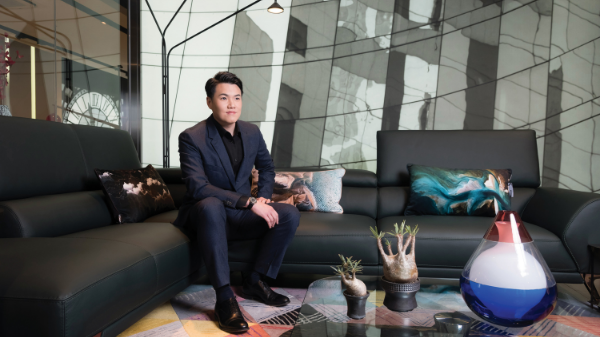

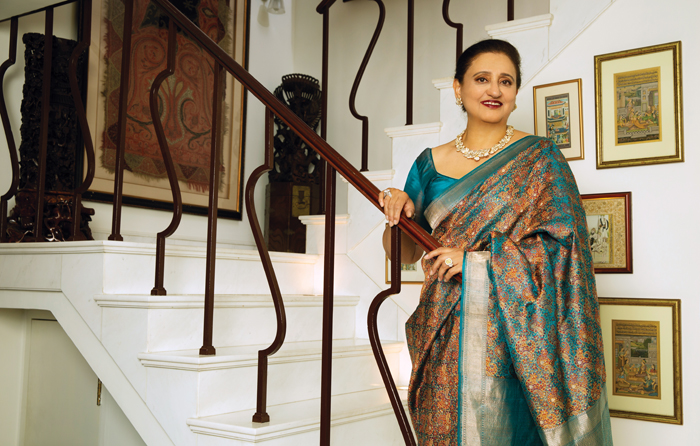
Indra Banga on being one of Hong Kong’s foremost philanthropists

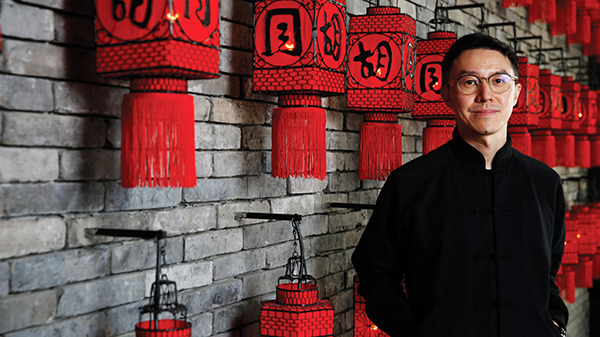
Since the mid 80s, Indra Banga has taken over many different roles such as the Director of the Caravel Foundation, as a light of the Banga’s home and as an Indian woman in Hong Kong.

What made you decide to move to Hong Kong?
My husband and I were working in London in 1984, the year the Sino-British Joint Declaration was signed. The company my husband worked for saw a lot of opportunities as likely to emerge in China and, as a result, he was asked to move to Hong Kong. We originally planned to stay for three years but, 38 years later, we’re still here. And this is very much our home now.
What has stayed with you from your childhood back in India?
My childhood was very structured and disciplined, because my parents were in the army. We were taught to always be diligent and honest and that’s something I have tried to pass on to my own children. That’s not to say it wasn’t fun; I had no responsibilities back then after all. By contrast, now I am responsible for a huge number of people through the many charities I am involved in.

How has the Indian community reacted to the decision of some to exit Hong Kong over recent years?
The majority of the Indian people identify as Hong Kongers. We feel that, unless there’s ever some kind of a move to push us out of the city, then we are here to stay. When people ask what my plan B is, I always say “Plan B is Hong Kong, Plan C is Hong Kong…”

What was it like being a new arrival in Hong Kong back then?
I first came to Hong Kong in 1985 and didn’t speak the language. It was a very open society, though, and I didn’t find things too difficult. I never really felt that I needed to be western or Chinese. I felt I could just be myself.

That all changed a bit in 2003, however, the year of the SARS outbreak. While a lot of foreigners sent their wives and children back home, many Indians stayed put. That was when the locals started to see us as one of them, largely because we didn’t abandon them.

Now, in the case of my children, I don’t see them as Punjabi, or Chinese, but rather as global children and global citizens who can easily fit in wherever they are. At the end of the day, I think it’s important for everyone to be themselves without any fear of judgement, discrimination or intimidation.

What are your favourite places in Hong Kong?
Aside from the famous seafood restaurants and country parks, my new favourite place is my daughter Dana’s house, simply because my grandchildren are there.

“I don’t see my children as Punjabi, or Chinese, but rather as global citizens who can fit in anywhere. It’s important for everyone to live without the fear of judgemement and intimidation.”

Do you consider yourself and your husband as a power couple?
While I don’t think we’re a power couple, I do think we are a great team. In fact, behind every successful person, there is a team as I don’t think anybody can succeed on their own. Making it as an entrepreneur requires three things – hard work, knowledge and luck. If you have the other two, but don’t have luck, you won’t get anywhere. If you have a lot of support, though, luck becomes less of a factor, perhaps because having the backing of the right people may be all the luck you need.

You’ve billed one of your recent projects – the revival of the Gurudwara Khalsa Diwan Sikh temple – as a gift to Hong Kong’s Indian community. What inspired this particular initiative?
The Sikh community in Hong Kong is very small but very vibrant. The present Gurudwara dates back to 1901 and, in 2013, we started to see cracks in the building. At the time, we felt that in order to maintain our identity and honour our heritage, we had to build a new Gurudwara. Given there are only 15,000 Sikhs in Hong Kong, it was difficult to raise the money required. As a result, our focus is now on ensuring our current temple is still standing in a 100 years’ time.

Is your charitable work exclusively focused on the Indian community?
While there is a lot of need within the Indian community, we don’t restrict our activities to benefiting specific ethnic minorities. We have, for instance, established endowments at the three US universities our children attended – Princeton, Dartmouth and Duke. These are open to any gifted student who lacks the financial resources to study at one of these institutions, whether they are from India, Hong Kong or China. We do not make distinctions and we are looking to support young people from all walks of life.

In addition to your other commitments, you’ve also found time to be the President of the Hong Kong Indian Women’s Club (HKIWC) for some 10 years now. How has that particular institution evolved?
From the day it was founded in 1957, the HKIWC has always been dedicated to helping the underprivileged and the marginalised, a sign that many Indian women in Hong Kong have long prioritised charitable initiatives.

As the years have gone by, it has become a much more open and vocal body, while its focus has broadened beyond helping the Indian community and into meeting the needs of the local population in general. Throughout the last three years, for instance, we partnered with various organisations to help provide Covid relief by preparing 300 meals a day for those in need. While it’s never been a stay-at-home organisation, its members are now out and about more than ever as they take a lead across a wide range of philanthropic endeavours.

“Finding success requires hard work, knowledge and luck. Without luck, you won’t get anywhere. If you have a lot of support, luck becomes less of a factor.”

You’re particularly well known for your work with the Caravel Foundation. What do you see as its primary focus?
The Caravel Foundation was set up to help the underprivileged get better access to education and healthcare. Our hope is that, over time, those who benefit from our scholarship programme will form a distinct group, a kind of alumni association. We would welcome such individuals to intern or work with us and believe they would also be able to support one another in a variety of different ways.

Another one of our core activities sees us working very closely with Integrated Brilliant Education. Our backing helps them provide Cantonese classes to underprivileged Non-Chinese Speaking children throughout Hong Kong. At present, we are working with about 300 students, many of whom we have provided with a laptop or an iPad to help build up their technological skills. Next year we are planning to open a kindergarten, which will provide an immersive Cantonese experience for children as young as three.

You recently received an honorary fellowship from the City University of Hong Kong. How did that come about?
Well, we’ve long admired the way they operate. Beyond educating students, they also use innovative technology to introduce new concepts and ideas to the general public. This led to us working with them to launch the Indra and Harry Banga Gallery, a space dedicated to harnessing the power of technology to showcase art. To date, our biggest exhibition focused on the works of Leonardo da Vinci, with interactive technology.

Amid all the changes you have witnessed, what have been the constants in your life?
My friends and family. I value friendship beyond anything and I can proudly say that I still have many of the same friends I had 40 years ago. While I have also made a lot of new friends, my old friends have always been there. It’s the same with my family. Together, they have been my ever-present support system, unwaveringly constant and enduringly strong.

Thank you.


(Interview by: Joseff Musa Photographer: Jack Law Art Direction and Styling: Jhoshwa Ledesma
Videographer: Jackie Chan Hair and Make Up: Heti Tsang)
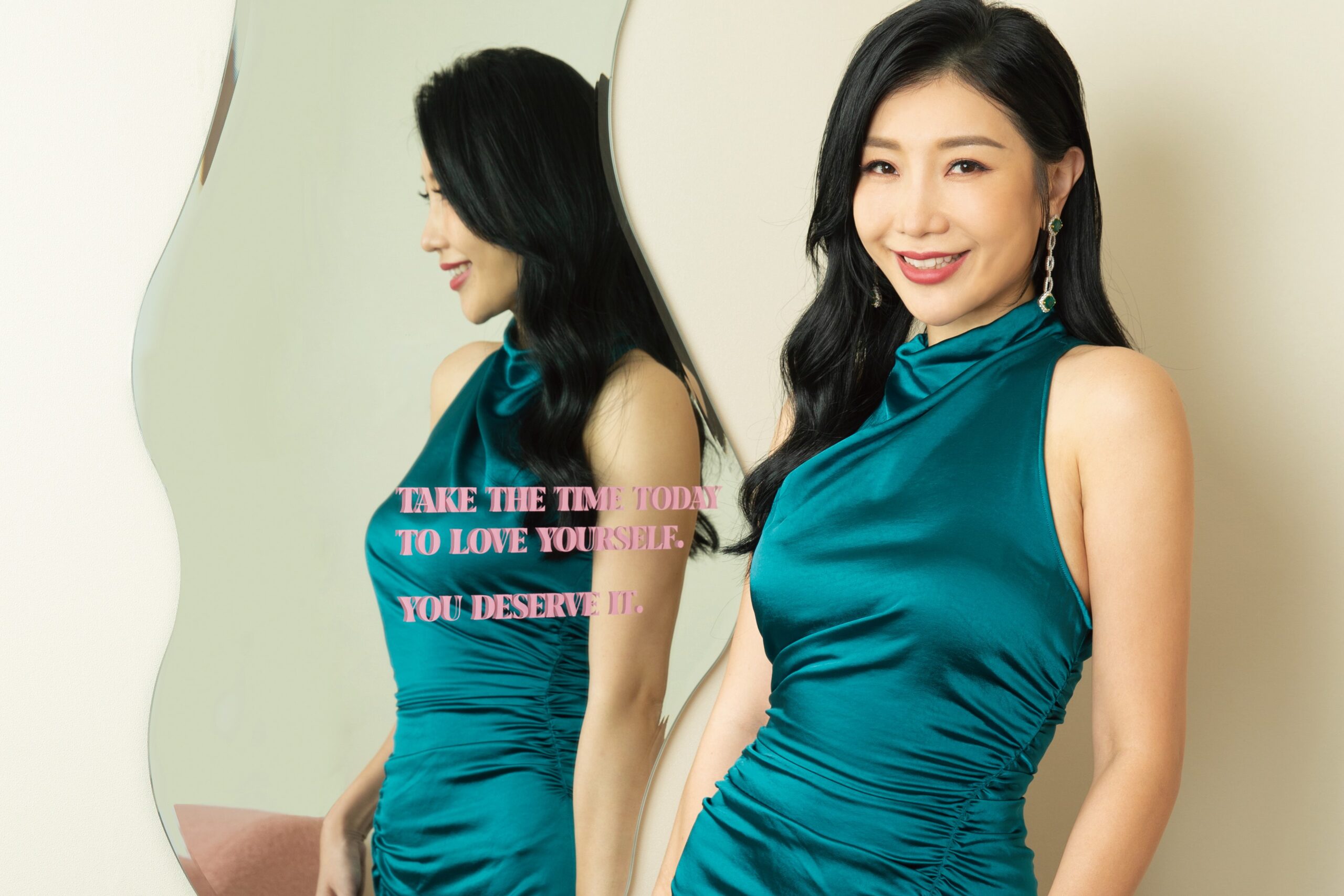
Rebecca Chung on female empowerment and self-love

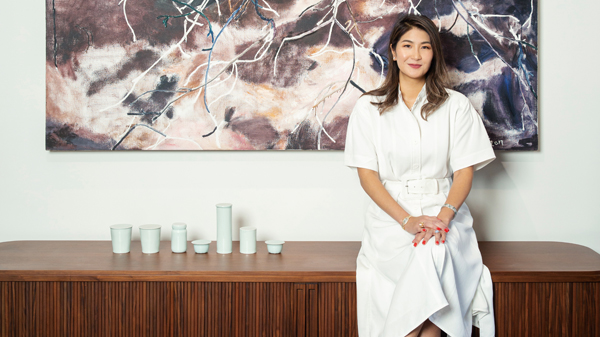
From music teacher to beauty maven, High Society Skin Clinic’s Rebecca Chung turns treatment rooms into safe havens

What makes your beauty clinics stand out?

No matter at Princess Brows or High Society Skin Clinic, we show our love and support to our clients. We don’t practise hard sell like many other establishments in Hong Kong. This is also based on my own experience: hard selling is so common place at beauty clinics in the city that quite often clients are pushed to buy treatments they don’t need.

Instead, we encourage clients to open up to us and talk about their problems to relieve themselves of that emotional burden. In each treatment room, we have a mirror where we place inspirational quotes and positive affirmations to inspire and remind our clients of their own beauty. Thus, they can walk out feeling happy and confident in their own skin and body. We realise that our clients are so stressed from their day-to-day life that they tend to forget to take care of themselves. We want to create a safe, stress-free space of relaxation and joy.

Earrings, bracelets and rings by Royal Enterprises
Inez asymmetric ruched satin midi dress by A.L.C., courtesy of Net-A-Porter
Heels by Mach & Mach

Could you share your perspective on today’s beauty trends in Hong Kong?

K-Pop and K-Beauty are rapidly growing in popularity, and we have noticed a demand for more V-shaped faces. At High Society Skin Clinic, we provide HIFU [high-intensity focused ultrasound] skin-tightening treatments to achieve this look.

Clients can see immediate results after one session, and zero downtime which is ideal for Hong Kongers as they are so busy and want to look good after one session! We also provide Emsculpt NEO [non-invasive body shaping] and Emtone [non-invasive cellulite reduction and skin tightening] for a more toned-looking body.

Any advice for a quick confidence boost?

Self-love is really important, especially in trying times such as the last two years of the Covid pandemic. People are stressed – from work and from everyday life. Many people suffer from chronic stress, anxiety and mental illness and may not be aware of it.

I encourage them to talk to their friends, to a professional, or spend some time at High Society Skin Clinic. Freely expressing yourself is cathartic and allows you to restore your confidence.


Earrings and ring by Royal Enterprises
Adelaide one-shoulder feather-trimmed crepe mini dress by 16Arlington, courtesy of Net-A-Porter
Belt bag by Chanel
Heels by Rene Caovilla

“I already have all my permanent makeup on, so basically, I don’t have to do makeup every day; I can just wake up and walk out like this”

Tell us more about Glowagen.

Glowagen is an edible wellness brand that I started in 2020 somewhat by chance. I had found manufacturers in Australia and Japan that made supplements that focus on health and wellness, which is something I advocate.

The brand has an array of products from NAD+ supplements [nicotinamide adenine dinucleotide for brain-cell health] to anti-ageing and collagen drinks. We also have supplements for breast health, especially for breastfeeding mothers, and skin whitening.

What’s your daily beauty and self-care regimen?

I already have all my permanent makeup on, so basically, I don’t have to do makeup every day; I can just wake up and walk out like this. On the rare occasions I do apply makeup, it is to attend an interview or event or go to dinner.

My daily skincare consists of a cleanser, serum, face cream and sunblock. I love Swiss products! My current favourites are my own formulations, the Rebecca Sylverster White Truffle Recovery Serum and the Vampire Magic Mask, as well as Cellcore and La Prairie products.

As for my self-care routine is going to High Society Skin Clinic and doing a session of NEO Emsculpt treatment. It burns fat and saves time, as it only lasts 30 minutes. To relax my mind, I like doing stretching and jogging. I also enjoy swimming with the family.

Earrings and ring by Royal Enterprises
Balmain tweed double-breasted blazer by Balmain
Lavera jumpsuit by Alice + Olivia
Heels by Rene Caovilla

What attracted you to medical tattooing?

The medical tattooing we do at Princess Brows is a means to empower women and help give them their confidence back. We provide a range of services from recreating areolas on women who underwent breast surgery and hair strokes on areas such as the eyebrows for people with alopecia, to covering up skin imperfections such as under-eye dark circles, stretch marks and vitiligo.

When I launched the brand a decade ago, I was doing semi-permanent eyebrow and eyeliner treatments. At the time, beauty practices were still a little old-fashioned. Traditional cosmetic tattooing was done with minimal safety and hygiene standards. It was quite common to see practitioners doing these tattoos with no gloves or sensitisation, and there were practically no professional beauty academies teaching proper ways of executing these treatments.

That did not sit right with me, so I looked for better pathways and decided to go abroad to learned more about microblading, cosmetic and medical tattooing. I discovered that these techniques can go beyond perfecting beauty and become a way to empower and restore confidence.

Then, noticing that most microblades used in cosmetic tattooing in Hong Kong were made in China and undergo minimal sterilisation, I started The House of PMU, a series of high-quality semi-permanent eyebrow, eyeliner and lipliner pigments made in Germany to ensure a high standard of safety and hygiene. We provide precision microblades to carry out safe, sanitary treatments responsibly. The best part is that our pigments come in a range of custom-made colours dedicated to the Asian market.

High Society Skin Clinic opened a new flagship branch this April. What’s next for you?

We have been lucky to be able to expand High Society Skin Clinic within the same building as our previous venue. We now take up an entire floor, affording a larger space and upgrading our technology, equipment and machines to give our clients a more comfortable experience and the best services.

We have been able to franchise G.E.L. Lashes [next-generation eyelash lifting] in more than seven countries worldwide. In the near future, we would like expand to retail and hopefully open more stores in popular shopping malls. We have also expanded our supplement brand, Glowagen, to Watson’s across the city and hope to move to China and beyond soon.

Earrings, necklace, bracelet, rings by Royal Enterprises
X Revolve bustier gown by For love & lemons
Heels by Alexander Wang

“We place inspirational quotes and positive affirmations [on the mirrors] to inspire and remind our clients of their own beauty”

Tell us about your childhood and how you realised your passion for beauty.

My childhood in Hong Kong was pretty average; I grew up just like any other local girl. I studied at local schools and learned how to play the piano. I started teaching music at the age of 15 and for more than 10 years I enjoyed it, but I also came to the point when I was ready for a change.

Beauty and fashion have always been passions of mine. I remember that I used to love playing with Barbie dolls, doing their makeup and getting them dressed. I started doing semi-permanent makeup treatments as a hobby, but never thought I could make it into a career until I was 30 and decided to pursue it seriously. Shifting my career path, I decided to create something of my own and launched Princess Brows in 2011.

At the time, Hong Kong didn’t have too many semi-permanent makeup practitioners, so I was keen to learn various techniques and styles of cosmetic and medical tattooing. Then, once Princess Brows was up and running, I realised that there are so many other avenues for creativity and innovation in the beauty industry. In 2018, I expanded my business with High Society Skin Clinic, where we offer body contouring and hair-removal treatments with the intention to foster empowerment and confidence in one’s own healthy, happy body.

Who is the person you look up to the most? Any personal heroes?

My husband! He takes care of me, my family and my business. We actually started this business together. Though he has a job of his own, he used his spare time to take care of the finances, and basically did the things I didn’t want to do! I am really lucky to have someone who gives me unconditional support and trust, and is able to take care of the family. He takes my son to school every day and cooks for me, too!

Finally, if you could pass down anything to your children, what would it be?

Definitely not money! The most important thing for me is that my children grow up kind and respectful of other people, no matter their background – that is the most fundamental value I hope to pass on to them.

My children are now four and 14 years old. They don’t know their goals yet, and I, myself, am still trying to figure out how to be the best parent I can be. But I am also blessed to be able to put them in the best schools and trust that the teachers are able to nurture those good values in them as well. 

Thank you.


(Interview by: Roberliza Eugenio; Photographer: Jack Law; Art Direction and Styling: Jhoshwa Ledesma; Videographer: Jackie Chan; Hair & make up artist: Angela Shum; Venue: High Society Skin Clinic – Central Branch)

Art veteran Simon Ma’s vision of creating harmony through art

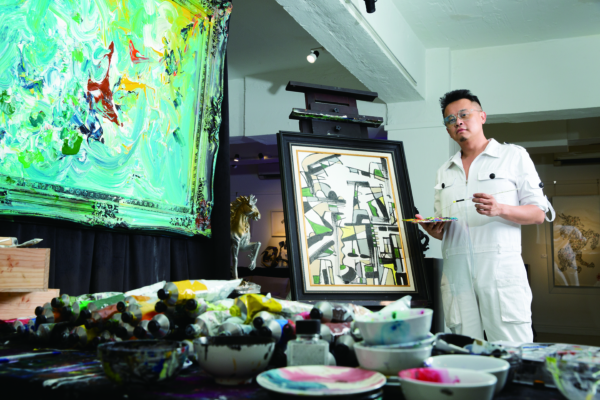
Hong Kong-born, Shanghai based, art veteran Simon Ma shares his vision of creating harmony through art with his recent travelling Drago Cavallo Exhibition

From a young age, you painted under the guidance of Chinese master Fan Tzu Teng. How did that shape you?
I was lucky to have him inspire me, and not just in painting. He also inspired me to become a good person. We believed that whatever you paint first comes from your heart, then flows through your hands – manifesting how we think and how we look at the world.

“Harmonise” is a word he always reminded me of. To harmonise with nature and with people, regardless of their background, whether they are rich or poor. This way, you allow yourself to view the world from all angles, looking at everyone and every situation from the top down, left to right and from front to back as well. He was my master in matters of the mind, too – an extremely kind and an open person, he believed that we should do charity work, with a pure heart – that is what would help one be a good painter.

For a time, you had your own company in Shanghai, Ma Design. What propelled you to make the transition from architect and urban planner to artist?

I started painting when I was seven years old, and I played music when I was 13 years old. After that, I attended boarding school in the UK and then studied architecture and urban planning at University College of London.

It’s hard being an architect. I prefer being an artist because I don’t have to just work for the client. As an artist, I can actually create anything I like, without limitations or boundaries. I started sculpting and exhibiting my work to the public in various locations around the world. To me, this is the more interesting part of art and creation, it is much more meaningful to me [than architecture. I put them there like an architecture but in miniature forms.

You recently launched a large touring artistic installation, Drago Cavallo, in conjunction with the Hong Kong Jockey Club. Could you tell us more about this?

Winfried (Engelbrecht-Bresges), the CEO of the Hong Kong Jockey Club, called me and wanted me to come back to Hong Kong to do the Drago Cavallo – Travel Around HK exhibition as part of the SAR’s 25th anniversary.

We thought the city needed new energy, something to bring everyone in harmony. The mythical dragon horse (‘drago cavallo’ in Italian) is the spirit of China – one of the eight mythical beasts that symbolises inspiration; and I think people all over the world like horses.

I actually created these lovable Drago Cavallos during Covid-19 to give people hope and new energy. So, we brought back 10,000 Drago Cavallos and are planning on displaying a 25-metre-high Drago Cavallo next year.

I’m working very hard on this, trying to harmonise Hong Kong society – in different districts and also in schools, where students can paint Drago Cavallo and understand the spirit of the two animals (dragon and horse). The cool thing about this project is that it will harmonise society through art.

The Jockey Club has also been very supportive. We are also hosting a competition, and asking everyone to join the competition and try to set up one Drago Cavallo for each district.

“I prefer being an artist because you can actually create anything you like, with no limitations, no boundaries. This is much more meaningful to me [than architecture]”

You have a strong affinity with horses. Could you share with us why that is?
The horse is the most beautiful animal. They are energetic, international and always moving forward. They never complain though they can have a temper, too; when they want to, they just go. I see myself as somewhat of a horse whisperer. I go around the world, to places like Mongolia, to see horses. And when I find them, they are like my friends. You have to build a friendship with horses before you can paint them. I paint from inside them; I’m painting their vision.

You divide your time between your Hong Kong studio in Wong Chuk Hang and Shanghai. What differences have you observed between the two major cities?
I have been in China for 23 years. Shanghai is a very fast-growing city and full of energy. Whereas Hong Kong has stopped for the past three or four years; it’s actually becoming less international. If you look at the government in Shanghai and the local community, there is such a respect for art and its artists. But looking at Hong Kong, one might question how many good artists there are in the city. Shanghai, on the other hand, has so many ‘West Kowloon’s, not just one. And there are 20 or 30 more museums as well.

But Shanghai is not an easy place to survive in as an artist. You have to be very good at what you do, you have to be really good with people, and you have to be really good with the market as well. You have to be ahead of the market rather than follow it. We change because of our environment, but the environment doesn’t change because of us.

You have collaborated successfully as an artistic designer with international brands, such as Porsche and Ferrari. How did that come about?
I think these international luxury brands are looking for a Chinese artist who can connect with people internationally and locally. I understand both cultures – especially the Italian mindset, and I can instil Chinese art into their luxurious products harmoniously; it goes beyond just mixing two things together.

You’re also pretty active on Instagram. What value does social media give you as an artist?
I am encouraging my team to be active on all social media platforms because it’s better to share and let more people appreciate your art. Why keep art to yourself? Open up and let people see it.


“I am like the horse whisperer. I go around the world, to places like Mongolia, to see horses. And when I find them, they are like my friends. I’m painting their vision”

If you could go back in time and meet anyone from the past, who would it be?
My auntie, who passed away four years ago. She gave me my name ‘Simon’. And also, my master, Fan Tzu Teng. I would pay a million dollars to have dinner with them again, because as you get older, you realise the number of people you love gets less and less. Fan Tzu Teng is like my father. He had no son, so I was like a son to him. When I approached his body at his funeral, I knelt down; I knelt all the way to his body. There were a few hundred people there and they all stood up. This is the highest respect I could give to my teacher.

When do you get your best ideas?
I always get my best ideas when I’m having a shower. I feel light, like I’m being purified by water – and all my spirituality emerges.

Do you still play music?
I love music. I still have my band in China. I used to write music before I got too busy. I’m a left-handed drummer (like Phil Collins) as well as a singer. If you ever hear me sing, you’d be surprised. Music is my life. It helps to create good art.

Thank you.


(Interview by: Robert Murry; Photographer: Jack Law; Art Direction and Styling: Jhoshwa Ledesma; Videographer: Jackie Chan; Venue: Simon Ma Gallery)


Civil justice champion Albert So on arbitration, blockchain, AI, and more…

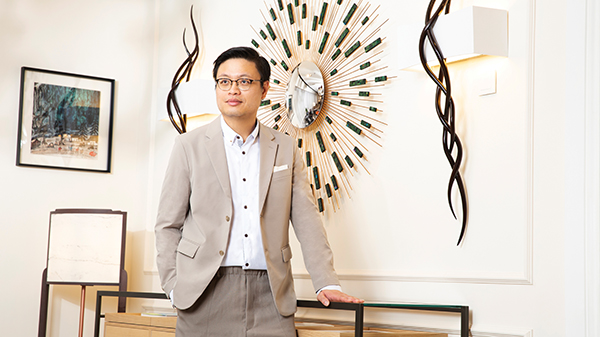
Law practitioner, regulator, professor and technology whizz, multifaceted legal brain Albert So talks arbitration, money-laundering within the blockchain and robo-law, a deep learning AI technology…

people-interview-albertso-mediation-and-arbitration-centre-nfts-robo-lawyer-hongkong-1

How did you get into law?
My first degree was in computer science, but I took some elective social science subjects including law. It was then that I discovered my interest in the subject and pursued a second degree in law at King’s College London before studying business law at the University of Cambridge. I then went on to Harvard Kennedy School in the US for my research degree in investment law.

You are the founder and Chief Executive of the Hong Kong Mediation and Arbitration Centre. How did that come about?
I started my professional experience in Canary Wharf, London, where I learnt about regulatory issues and commonwealth jurisdictions, then I returned to Hong Kong just before the global economic crisis and the collapse of the Lehman Brothers. At the time, I was a regulator doing investigative work on money laundering and financial disputes, but because the incident involved so many complainants and victims, and the caseload was tremendous, and nobody knew then what financial dispute resolution or mediation were, it called for civil justice reform.

That was when [in 2009] the Hong Kong Mediation and Arbitration Centre (HKMAAC) was founded. Traditionally these cases would have been brought to court for litigation; however, with the founding of the HKMAAC, we would instead try to settle disputes by arbitration, or alternative dispute resolution. It’s a means to handle financial disputes to omit the high legal costs of going to court, the long waiting time, and overall, coming to a solution that would be beneficial for all parties.

At the time of its inception, we were only 15 regulators, today we are probably more than 40,000 students, mediators, arbitrators, as well as graduates that have undertaken our arbitration training. We also provide about 10 scholarships at different local universities including the University of Hong Kong (HKU), the Chinese University of Hong Kong (CUHK) and the Hong Kong Polytechnic University.

people-interview-albertso-mediation-and-arbitration-centre-nfts-robo-lawyer-hongkong-3

You also teach law. Is teaching something you have always been passionate about?
Soon after founding the HKMAAC, I took up teaching posts at several universities in Hong Kong, including teaching anti-money laundering at HKU, and teaching students and doctors at CUHK about the legalities of wealth succession planning. I love to teach, but I also want to share my own practical experience from work. I can see the value in sharing first-hand experiences, real case studies, market trends, and the challenges, questions and objections of clients and how to solve problems effectively given each unique situation.

So, this is why I love teaching, however if I had to choose [between teaching and practising the law], I don’t think I could do one without the other. If I were solely a practitioner, it would be a waste not to share my professional knowledge. On the other hand, I could not do traditional teaching work at the university without any practical experience. Anybody can teach theories, but I believe a good educator is very likely a very good practitioner as well.

“Anybody can teach theories, but I believe a good educator is very likely a very good practitioner as well”

You have since co-founded your own law firm and followed paths outside the courtroom. Tell us more.
I co-founded AC Lawyers with my partner Carina Chan. I am Chairman of the Wealth Succession Planning Association, and Dean of the California University School of Business Law and Technology. I’m also an honorary legal advisor for several NGOs in the city and I am leading a few legal robo-advisory services for the community. I currently fund a legal technology project for the Hong Kong University of Science and Technology. It is basically a robo-lawyer.

people-interview-albertso-mediation-and-arbitration-centre-nfts-robo-lawyer-hongkong-2

That sounds intriguing. Could you explain what exactly is a robo-lawyer?
Since my first degree was in technology, I am still very interested in this field. A robo-lawyer is basically a deep-analysis AI that will allow potential clients to enquire about legal matters, and practitioners to do the most value-added legal work. It does the more tedious and routine tasks such as drafting contracts from scratch and answering questions regarding the law, for example, if it is possible to settle different assets in various countries with one will, or if one is required to pay inheritance tax in a certain country. Of course, this won’t replace the practitioners and the paperwork that requires careful attention to detail, but it will help save precious time, lower legal costs, and reduce embarrassing situations in some cases.

How far away are we from having a robo-lawyer?
We still have a long way to go. The project is not mature enough to commercialise. Unlike customer-service AI and concierge support which utilise simple AI technology for answering questions and providing information without much deep analysis, in law, questions and answers are not straightforward. It may be for the better that we have this time to explore and continue to improve the development of this kind of technology – but I think it would be an amazing thing for the law industry.

“A robo-lawyer won’t replace the practitioners, but it will help save precious time, lower legal costs, and reduce embarrassing situations in some cases”

As a former regulator, what is your opinion of cryptocurrency investments?
It’s a very hot topic in the industry, not only for citizens but for corporations as well, and in particular in the wealth succession planning industry because before the emergence of cryptocurrency, we would do a lot of traditional investment in antiques, art, gold and diamonds.

However, investing in NFTs and cryptocurrency can be too volatile to predict. The value fluctuates a lot and makes it difficult for investors to foresee the future of this new investment method.

I personally love blockchain technology and the idea of decentralisation behind it, but from a regulatory perspective, there can be challenges and loopholes that raise alarms, especially when it comes to criminal activities and money-laundering issues. The problem arises when tracking the transactions of these individuals or syndicates as the blockchain is anonymous in nature. So, from a regulatory perspective, appropriate or suitable regulations may be a good thing for future development.

people-interview-albertso-mediation-and-arbitration-centre-nfts-robo-lawyer-hongkong-4

What can the Hong Kong government do to further progress the cryptocurrency market?
I think the government can further the progress of cryptocurrency in the city by minimising platform risk. Platforms at the moment will hold cryptocurrency and NFT assets for clients. However, there is a chance that they can mismanage the assets or lose the device which holds the assets, which is why we need consumer protection.

There is also the issue of money laundering due to the anonymity of the transactions within the blockchain, which poses a problem for the government and regulators, but if we have suitable supervision, we can do things well. The Securities and Futures Commission’s proposed licensing registration for platforms running crypto businesses is a good solution, as this doesn’t strictly prohibit NFTs and cryptocurrency investments, but provides some degree of consumer protection. It strikes a fair balance for both sides to get the best of both worlds.

What’s your favourite way to relax?
Before the Covid-19 pandemic, I loved travelling. It’s very important to go outside the bounds of what you are familiar with to see more things, meet more people and broaden your perspective. It’s not only good for your health, but also for your way of thinking and assimilating ideas. It would be pointless, however, for me to take a long vacation because clients will always call for decisions and advice, so I remind myself to take time for myself and that rest is for the longer journey ahead.

I love working in the city, but living in the countryside. Some of the activities I enjoy are punting, canoeing, boating and generally being out in nature.

Thank you.


Interview by: Roberliza Eugenio; Photographer: Jack Law; Art Direction and Styling: Jhoshwa Ledesma; Videographer: Jackie Chan; Venue: Farrington Interiors Ltd.

Christine Chan Chiu on AARRTT, NFTs and fostering cultural exchange between Europe and Asia

Looking to deepen a love and appreciation of art, Christine Chan Chiu’s AARRTT-istic platform is a game changer for Hong Kong culture…

gafencu-interview-christineciu-aarrtt-nft-art-platform-asia-hongkong
Christine Chiu wearing Proenza Schouler

You co-founded AARRTT. Can you briefly describe the concept behind it?
It was founded first and foremost to present one unified platform to have a curated selection of pre-filtered events and happenings in Hong Kong, within the region and beyond. So to find art, you wouldn’t need to click on like 10 different websites or google what’s happening or where the next biennale is taking place.

What led you to your love of art?
I was definitely influenced by my mother. She’s very artistic and creative. She was a docent for museums in Hong Kong. When we went on family holidays she would take me and my siblings to see art. As I got older, I had the opportunity to study other subjects but somehow I started taking art-history courses at my college.

I’m a very visual person and I love history as well, so it seemed to be the perfect fit. I also enjoy how art movements influence social and economic developments within a society. Art changes, it chronicles and records how we as humans react to those changes on both a personal and collective level.

“Art changes and chronicles changes – and records how humans react to those changes both on a personal and collective level”

Could you tell us what was the thinking behind the name AARRTT?
There’s an interesting anecdote behind that. When my business partner Krystyna Winckler and I got together, it was because of our love of art. And we wanted to pick a name that would reflect that. Coming up with the name was quite easy as we mirrored each other, both in our vision for the company as well as our values, upbringing, our kids, our family and even our name – although she’s French and I’m Chinese.

We have pillars. The first being ‘What to See’. We also have a city art guide that breaks the locations down into different districts and tells people where to go for gallery hopping or where to see the next best art shows. And finally we have an educational section, which is ‘What to Know’. Where we present topics we think are trending at the moment – from Chinese diaspora art to street art in Hong Kong, to how to build a collection. We hope that AARRTT platform will be a link to foster cultural exchange between Europe and Asia, as well as the rest of the world.

gafencu-interview-christineciu-aarrtt-nft-art-platform-asia-hongkong (3)
Christine Chiu wearing White caped shirt by Hidy Ng

What’s your take on the newly launched M+ Museum?
It’s fantastic. The whole team has done an amazing job and it does Hong Kong proud. Doryun Chong, the chief curator, has done a terrific job of presenting such a diverse range of thematic exhibitions. We’ve all been waiting so long to see the Sigg Collections, from Revolution to Globalisation. I don’t think any of us have seen such a large collection of Chinese art before. It’s quite phenomenal and had to be curated in such a way that it provides the artworks with context and is understood within the history of China at that time.

gafencu-interview-christineciu-aarrtt-nft-art-platform-asia-hongkong (2)
Christine Chiu wearing Jacket and pants by Maje

You source NFT artworks for Q9 Capital and exhibit them at the Q9 Hub space. For someone new to digital art, can you elaborate a little on what this involves?
It’s been quite a steep learning curve for me as well, having to learn about NFTs. What is involved at the Q9 Hub is to forge partnerships with market places, art fairs, as well as art platforms. It’s also involved learning about blockchain and the metaverse and what digital art really is.

For any beginner to any sort of art, including NFTs, the first thing you have to do is to do your research, your due diligence, to find out exactly what sort of digital art you want to collect. Also, because with NFTs, there so many different kinds. If you’re looking for NFT art, that’s very different from looking for NFTs with utility in the metaverse. And that too is very different from looking for PFPs (profile photos), the avatars that a lot of people have – such as profile photos on WhatsApp and Facebook. Those all have very different functions and purposes from each other. So before you buy an NFT, you should think carefully about what type you want to collect.

“For any beginner new to NFTs, the first thing is to do your due diligence. To find out exactly what sort of digital art you want to collect”

You were Vice-chair of Fundraising for Operation Smile Greater China for five years, as well as the Sheen Hok Charitable Foundation. What did that entail?
Both charities provide medical attention and support to the underprivileged and those in need. Op-Smile was specifically for those born with facial deformities such as cleft lips and palates. I am very lucky to have friends in the art world who are willing to donate artworks for the annual fundraiser. Last year, we had a Xu Hongfei sculpture that was donated by an anonymous donor that was auctioned for more than twice its original estimate.

gafencu-interview-christineciu-aarrtt-nft-art-platform-asia-hongkong (4)
Christine Chiu wearing Blazer by Vivienne Tam

You have a BA in History in French Literature. Who are your favourite writers (especially French) and why?
The first writer that comes to mind is Baudelaire because his works are romantic and melancholic, and his use of language evokes a lot of nostalgia and longing. Then, I also thought of (Albert) Camus. The way he captures that nonchalance and malaise so well.

The other author I thought of is Gertrude Stein. Even though she’s not French, she lived in France for a long time. She was such a trailblazer, and also a collector. What I loved most, is that in her work, she also talks about her experiences living in pre-second-world-war Paris and meeting all those great artists, like Matisse. Her home was the kind of a salon where everyone gathered.

If you could go back in time and meet anyone from the past, who would it be?
That’s a no brainer – Eleanor d’Aquitane. I’m a history buff and she lived in the Middle Ages, which to me was a fascinating period in history. She was a queen but she lived among enemies who wanted to kill her and her husband imprisoned her. She had two marriages, 10 or 12 kids, and even Richard the Lionheart was her son. She also took part in the Crusades. She was truly formidable – really resilient and intelligent.

gafencu-interview-christineciu-aarrtt-nft-art-platform-asia-hongkong (5)
Christine Chiu wearing Namari off-the-shoulder linen and organic cotton-blend twill midi dress by Mara Hoffman, courtesy of NET-A-PORTER

What was the last music you downloaded/listened to?
Eroica, Beethoven’s Symphony no. 3.

What’s the biggest challenge to lifting art appreciation in Hong Kong?
I believe it’s getting people to stop and look – to make time for art. Hong Kong is such a busy city, people are always in a rush. The city does have some very good public art, whether it be local or international artists, but most people don’t realise this. Education is key to lifting art appreciation, be it through schools, public talks or community events.

What do you always keep in your fridge?
Hummous, comté cheese and Chardonnay.

What three words best describe you?
Optimistic. Extroverted. Adventurous.

Thank you.


(Venue: Ora-Ora and Touch Gallery; Photographer: Jack Law; Art Direction and Styling: Jhoshwa Ledesma; Videographer: Jackie Chan Hair & makeup: Heti Tsang)

Darrin Woo: On road trips, collectible cars and managing the Woo Hon Fai group

From vintage cars to blockchain technology, Woo Hon Fai Group investment mastermind Darrin Woo steers smartly into the future

Woo Factor Gafencu interviews Darrin Woo four generations of family money
Darrin Woo wearing Chinese jacket by G.O.D.

You helm the Woo Hon Fai Group. What’s the background of this company and how do you see its role today?
Woo Hon Fai Group is a single-family office named after my grandfather, who was the founding chairman of the Hong Kong Stock Exchange and a former president of the Chinese Gold and Silver Exchange Society. Today, our office manages capital on behalf of more than 30 family members across four generations. As the eldest grandson, I am accountable to a big family, and I am currently the third-generation family member leading the office. Our core business, Lee Cheong Gold Dealers, started in 1950 and remains active today.

As managing director of WHF Group, what comes under your purview?
My areas of responsibility are wide-ranging and divide broadly into two categories: managing financial and human capital. The former involves overseeing legacy investments (some of which date back over half a century), real-estate investments and core businesses, as well as sourcing, allocating and monitoring new and existing investment opportunities, including hedge funds, private equity and venture capital. Managing human capital encompasses developing and implementing succession planning strategies; identifying and retaining talent both inside and outside the family; managing our family businesses; and continuing our family legacy. Our office also provides concierge services to meet our family members’ daily needs. I lead a team whose roles include such responsibilities as corporate administration, accounting and finance, tax and estate planning, property management, investment management and domestic staff management.

Woo Factor Gafencu interviews Darrin Woo four generations of family money (4)
Darrin Woo wearing Jacket, top and pants by Hugo Boss; Shoes by Mr P., courtesy of Mr Porter

What are the benefits of being raised in a prominent family, and the drawbacks?
Growing up in a prominent family meant we enjoyed great privileges. My grandfather entertained a lot and we got to meet other prominent families and develop multi-generational friendships. Hong Kong was, and to a certain extent still is, a city where who you know is just as important as what you know, I’m grateful for the exposure and my childhood experiences.
I was born in San Francisco, did my schooling in Hong Kong, and went to university in the United Kingdom [studying town and country planning at University College London]. The message that with privilege comes responsibility and the paramount importance of giving back to society were inculcated throughout my formative years. Both my family and I have an active philanthropic programme that supports causes across the globe.

Can you elaborate on some of these?
Our family’s philanthropy programme began with the founding of TIACC Woo Hon Fai Secondary School in 1987 in Tsuen Wan. One of the more notable – and meaningful – gifts in recent years was a US$15 million pledge by my late father [David Woo] to the University of California at Berkeley, which ensured the preservation of the old Berkeley Art Museum and Pacific Film Archive building. This was renamed Woo Hon Fai Hall and today houses the Bakar BioEnginuity Hub, an incubator with 40,000 square feet of labs and office space for life-science research, innovation projects and start-ups. My father graduated from UC Berkeley’s College of Environmental Design in 1967, and was a resident architect for the firm that constructed the building. It is with great regret that he passed away last year, and he never got the chance to see Woo Hon Fai Hall in its present glory.

On a personal level, I recently supported a joint research studio between the University of Hong Kong and UC Berkeley, an innovative collaboration with an interesting comparative model to deliver design strategies for urban resilience and climate change in both Hong Kong and the San Francisco region.

Woo Factor Gafencu interviews Darrin Woo four generations of family money (3)
Darrin Woo wearing top, pants and shoes by Mr P., courtesy of Mr Porter

Aside from your work with the family business, you’re also involved in a new fintech startup. Tell us about this.
Blockchain technology and digital assets have seen tremendous growth with the promise of reinventing the finance industry. While physical gold bullion trading has been around for thousands of years, professional investors today are becoming interested in digital assets like cryptocurrencies, and I believe this trend will continueto grow. A big part of my job is investing into and for the future. One recent investment I made is in Volmart, a pioneering hybrid risk manager using TradeFi, AI and blockchain technologies to offer investment solutions for private banks, asset managers and prime brokers.

If you had a spare million to invest right now, where would put that money?
Capital preservation is my number-one priority. Real assets, financials, real estate and commodities offer superior risk-adjusted returns under the current inflationary environment and cycle of rising interest rates. I would buy gold bullion bars, not only because we are in the business, but I believe they are an important hedge against risks associated with financial systems and fiat currencies. The recent surge in gold prices amid the tension between Ukraine and Russia is proof that gold continues to be an effective hedge against geopolitical risks. The vintage-car market continues to perform well, too, and shows little correlation to the stock market. Even if your vintage-car investment isn’t financially profitable in the end, the joy you derive from driving one on the open road on a sunny afternoon is priceless.

Even if your vintage-car investment isn’t financially profitable in the end, the joy you derive from driving one on the open road on a sunny afternoon is priceless

How did you passion for collectible cars begin?
It goes back as far as I can remember. As a child, I lived and breathed toy cars, from pushing Matchbox die-cast versions to assembling static models and building petrol-powered remote-controlled buggies. I was desperate to start driving during my teens, so I arranged lessons in advance and took my driving test on my 17th birthday, the first day I could legally drive in the UK. It was a first-time pass, of course! Vintage cars are my true passion – I admire their aesthetic beauty, quality craftmanship and pure driving experience. I am a member of the Classic Car Club of Hong Kong as well as the Royal Automobile Club in the UK. I like to share my experiences on my personal blog, Motor & Co.

What are the standouts in your collection and your most cherished car memory?
My collection includes a 1927 Bugatti Type 35B pre-war race car, 1957 Fiat-Abarth 750 GT Zagato, 1965 Mercedes-Benz 600 Pullman, 1972 Ferrari Dino 246 GT, 1983 BMW Alpina B9 and 1992 Lancia Hyena Zagato. I am fortunate to be the custodian of these highly collectible cars – many are limited editions and rarely available for sale.
Just before Covid, I took an intercontinental road trip with my son, Marc – this is one of my most memorable car journeys. We started in a small town called Arese in Italy, and passed through Switzerland, Germany and France, crossing the Channel on a car ferry to the UK. The 1,500km drive took us through some of Europe’s most beautiful and most rugged countryside. We visited historic towns off the beaten track like Baden-Baden, Colmar, Reims, Rouen and Caen.

We met some great people along the way, and the highlight was a visit to Champagne house Taittinger, where we were greeted by Clovis Taittinger, a family friend who is at the helm of this legendary family business.
Your wife, Bonnie Chan Woo, is a successful entrepreneur.

Woo Factor Gafencu interviews Darrin Woo four generations of family money (2)
Jacket, top and pants by Mr P., courtesy of Mr Porter

How did the two of you meet?
As clichéd as it sounds, we met on the plane when we were teenagers. Those were the days before email and WhatsApp, so we communicated the old-fashioned way through writing letters – we still have many of the original letters at home. Our relationship developed over 14 years before we officially got married in 2005.

How has Covid impacted your family’s jet-setting lifestyle?
Last year, I spent nine months in the UK and the rest of it in Hong Kong, 42 days of which were in hotel quarantine. Bonnie, Marc and I were hardly ever in the same place due to our various travel engagements, but we are still very grateful for the time we had together and can’t complain.

Can you pass on a few tricks on how to cope with isolating and quarantining?
That’s a difficult question to answer; different people have different tricks. Living in a confined space over long periods is both mentally and physically straining. I find having a room with a view and direct sunlight helpful. The ability to see activities in the outside world helps combat loneliness and exposure to sunlight elevates my mood. I keep busy with Zoom meetings during the day and relax in the evening watching Netflix and listening to podcasts and audio books.

Living in a confined space over long periods is both mentally and physically straining. I find having a room with a view and direct sunlight helpful

What are your top-three quarantine must-haves (apart from basic necessities).
JIA Everywhere – delicious meals from the JIA group restaurants delivered right to your hotel; Muo Wireless Bluetooth Speaker by KEF – amazing sound in a sleek design; and Amazon Audible – A Gentleman in Moscow by Amor Towles is a great quarantine companion.

Thank you.


(Interview by: Nikita Mishra Photographer: Jack Law Art Direction and Styling: Jhoshwa Ledesma; Videographer: Jackie Chan Venue: Hutong Hong Kong Cover look: Suit by Ring Jacket and button-up shirt by Pye)


Timothy Yu’s Snapask reaches eight markets in Asia, aiding 4.5m students!

Tech trailblazer Timothy Yu matches students with questions to professionals who can answer them, without ever needing to meet face-to-face.

Did personal experience factor into the birth of your start-up, Snapask?
Yes, definitely. When I was in college, I used to spend a lot of my time tutoring students, so it was part of daily life to travel door-to-door between home tutoring sessions. Around the same time, I also began creating teaching videos and posting them on Facebook. I initially thought to ask people to pay to get this content, but quickly realised that there was no demand for such things. Then, in the comments section, I would often be asked specific questions, so I began charging to answer them instead. That’s pretty much what sparked the idea for Snapask. Funnily enough, it was my first company as well as my first job, and I started it when I was just a second-year student [at the University of Hong Kong].

timothy-yu-snapask-reaches-8-markets-asia-gafencu-hongkong-1

What exactly is Snapask?
The initial idea of Snapask was to connect students who need help with someone who is qualified, vetted and capable of answering questions that pop up during their day-to-day studies. It’s almost like Uber for tutoring. Students take a photo of their problem, and we automatically connect them digitally with a qualified tutor within 30 seconds, and they can then have a one-on-one discussion about it. It’s an app that supports students whenever they need an answer.

We started in Hong Kong in 2015, and we’ve accumulated about 4.5 million students on the platform. Today, we’re in nine different markets, including Japan, South Korea, Taiwan and other Southeast Asian countries. We didn’t want to give our clients the additional stress of trying to figure out if they can afford to ask that next question, so they pay a monthly fee, and it’s pretty much like a buffet where they can reach out to any number of tutors and have unlimited access to our educational video library.

The idea is to make our platform attractive not only to the students, but also to the parents who are footing the bill. It’s kind of like online shopping in a way, because once you experience the convenience and efficiency of this kind of home learning, especially when compared to travelling to a tutorial centre or calling a teacher to your home once or twice a week, then you realise it’s a better way to get what you need.

“It’s pretty much like a buffet where [students] can reach out to any number of tutors and have unlimited access to our educational video library”

How does Snapask supplement the traditional education system?
In fact, there are a lot of inefficiencies in the education system today, since even after students have spent an entire day at school, they need to follow it up with evenings at tutorial centres and such for additional exam preparation. Most of them may not have access to a private tutor, and they can’t wait around for a day to go back and ask the teacher. So, Snapask steps into that gap by always connecting them to someone who can help.

At the same time, we are also creating a lot of high-quality supplemental content on a wide range of topics. It’s similar to MasterClass [the US-based online education subscription platform]. We build bite-sized topic-specific videos. For example, if a student is struggling with trigonometry, they can take a look at that to gain a better grasp of the subject matter. We don’t just post videos of teachers with a whiteboard; we try to approach it in a more effective way.

Also Read: Stitching Sustainability with Innovation: Will Lam, MD, High Fashion International Group

timothy-yu-snapask-reaches-8-markets-asia-gafencu-hongkong-2

How do you vet your tutors?
Our teachers are all graduates from top universities – that’s a must. They first have to submit their university qualifications and transcripts, and we verify that their identities are authentic. At the end of the day, we are working with a lot of underage students, so their safety and security is the number one concern for us.

In addition, our tutors not only have a very high achievement profile, but backed by artificial intelligence machine learning they also understand how well they are serving our students via user ratings, platform ratings, as well as tutor-to-tutor ratings. This ensures only the good ones remain.

timothy-yu-snapask-reaches-8-markets-asia-gafencu-hongkong-3

What projects do you have lined up this year?
As we have a lot of virtual learning on our platform, our first priority is to enable personalisation in learning. Right now, we’re collecting a lot of data on how students are learning, and we are trying to apply AI technology to suggest personalised recommendations to ensure each individual learn in the most efficient fashion.

Then, we’re strongly pushing our development of proprietary teaching videos. In fact, I am personally creating some of the content as the teacher – specifically in mathematics – so I’ll be making roughly 180 online videos this year. There’s also a new partnership coming up with a local TV channel, and we’ll be launching our programmes on air through that platform as well.

timothy-yu-snapask-reaches-8-markets-asia-gafencu-hongkong-4

How has the pandemic affected your business?
When Covid hit Hong Kong in February 2020, we were about to close a round of fundraising, so many investors were calling in to see how we would deal with it. At the same time, it was announced that schools would be closed indefinitely, so we were in a major state of flux. Thankfully, we managed to handle the situation by being as transparent as possible, and reassuring investors that with the shutdown, home learning would become the only educational option, rather than an alternative as it had been in the past.

In the first couple of months, we did experience a dip as students went on ‘holiday’, but by summertime, some schools had reopened in Hong Kong and we saw traffic pick back up. Of course, in some of our markets Covid hadn’t yet had a major impact, so things pretty much were running as usual.

timothy-yu-snapask-reaches-8-markets-asia-gafencu-hongkong-5

What do you like to do during your downtime?
To be honest, between running Snapask and creating teaching videos, I don’t have much time left over. That said, right behind my desk in my office, there’s a small room which is almost like a greenhouse because I like to do gardening. In particular, I plant Pachypodium gracilius, which is a super exotic-looking root-like plant native to Madagascar. I personally find a lot of parallels between gardening and education, because some plants can take 10 years to mature, and likewise, learning can be a decades-long process.

“I find parallels between gardening and education, because some plants can take 10 years to mature, and likewise, learning can be a decades-long process”

If you were stuck on a desert island, what is the one thing you’d need to bring with you?
I’d definitely need to bring some paper or a notebook to jot down my thoughts. I believe ideas can spark at any moment, so it’s important to be able to write them down when it happens.

Finally, tell us something most people don’t know about you.
There was a time in college when I seriously considered becoming a chef. In my mind, I was torn between pursuing a culinary or majoring in mathematics. Ultimately, as an Asian child, there are always some expectations and I felt like mathematics was the more responsible option.

Thank you.


Also Read: Power Player: Stephan Pudwill on taking over the reigns of his family business

Interview: Tenzing Thondup Photos: Jack Law Art Direction: Jhoshwa Ledesma Videographer: Kes Lei Venue: Roche Bobois Showroom, Horizon Plaza

Power Player: Stephan Pudwill on taking over the reigns of his family business


As Vice Chairman of TTI, Stephan Pudwill aspires to deliver revolutionary technology for a more positive world. As a father, he hopes to instil that same passion in the next generation…

In the decade since Gafencu last interviewed you, you’ve become Vice Chairman of Techtronic Industries (TTI). Can you summarise what your company does?
TTI was founded in 1985 and listed on the Hong Kong Stock Exchange in 1990. When we began, we were an original equipment manufacturer (OEM), developing products for large retailers around the globe. But we realised early on that if we wanted control over our destiny, we needed to acquire our own brands, so that’s what we did. Today, the majority of revenue is generated by our own companies. We’ve evolved into a technology company with a portfolio of globally recognised brands developing and producing cordless power equipment and labour-saving devices. Building up our brand portfolio allowed us to generate enormous goodwill and recognition in the brands themselves, as well as cementing relationships with customers and better serving their needs. Importantly, from a sustainability standpoint, we are achieving levels unheard of in the industry through our proprietary lithium-ion battery technology, brushless motors and sophisticated electronics.

Gafencu_people_interview_TTI_stephan_pudwill_Techtronic Industries (TTI) (6)

What comes under your purview as TTI’s vice-chairman?
Everything in relation to running the company, which I do together with our CEO, Joseph Galli. Joe’s based in the United States and I’m here at our Hong Kong headquarters. When you look at our organisation and how it’s run, it’s very complementary, because even though we are listed here, a big portion of our revenue is generated in the US, and a significant portion in Europe as well. We spend a lot of time on organisational development, constantly striving to strengthen our global management team and focusing on our long-term strategy. We cover the entire globe, so are constantly on the phone or in Zoom meetings. Pre-Covid, we would also travel frequently, visiting the operations, discussing product strategy and spending time with the project managers. My father, Horst Julius Pudwill [Chairman of TTI], is deeply involved in driving the long-term strategy and spending time with customers.

Gafencu_people_interview_TTI_stephan_pudwill_Techtronic Industries (TTI) (10)

What are some of the benefits and challenges of working in a family-owned business?
One of the unique benefits of working together with my father is that our interests are 100-percent aligned. He’s the major shareholder; I’m also a shareholder. Our focus is to drive the business as best we can and create shareholder value. Are there challenges in terms of running the organisation? Absolutely, that’s very common when running a large business, but overall, TTI has delivered outstanding results. When you look at how the company is structured and the executive management team that is in place, I couldn’t imagine it operating any better than it does today. We set extremely high goals and we strive to achieve them.
Of course, my father and I sometimes have different points of view on certain matters, but our close relationship means that we can discuss them and various approaches to doing something. We have spirited debates and dynamic exchanges, but in the end, we walk out of the room 100-percent in agreement.

“From a sustainability standpoint, we are delivering levels that are unheard of in the industry today”

Can you tell us about some exciting upcoming projects you’re working on right now?
How much time do we have to talk about this, because we have so many projects in the pipeline! We are expanding our manufacturing and distribution footprints; we’re also focused on new product development. We have such a prolific range of new and exciting products launching in the coming months and years.

One area that is really exciting for me is our lithium-powered lawn and garden products. Traditionally in the industry, outdoor power equipment has been gasoline-powered, so from an environmental standpoint emissions are high, and there’s also a lot of noise. What we’ve achieved are sustainability levels that are substantially better and reduce both emissions and noise significantly. Certain states in the US are considering restricting the use of gas-powered equipment, so this, for us, is quite game-changing. This is just one example among countless others of what we’re now developing. We are looking forward to transforming the world in the industries we serve with environmentally sustainable products that are more efficient and safer to use.

Gafencu_people_interview_TTI_stephan_pudwill_Techtronic Industries (TTI) (2)

How has TTI weathered the ongoing pandemic?
I always like to remind people that we were already doing an amazing job before Covid. The company was outperforming the market and any of our competitors. What has Covid done? Well, we’ve mastered the process of running TTI over Zoom, and that is a testament to the strong managerial processes in place. Another big area of growth is our online business, which was already growing rapidly pre-pandemic, but it’s picked up further, whether that’s through the digital strategies of our retail partners or our internal ones.
There’s certainly more complexity of physically being at meetings, but we’ve learned the effectiveness of holding them via Zoom. Back in the day, we’d have a few major meetings a year in person, but now, we’ve learned that you can hold them more frequently with more people. In some instances, we even get opinions and ideas that we otherwise wouldn’t receive. I’m not saying that Zoom will replace physical meetings – it’s so important to meet face-to-face with your team and your clients – but I think this digital element will roll over after Covid passes.

Since you last spoke to Gafencu, you’ve also become a dad. How has this changed your life?
Well, I’m now married to a fabulous woman and we have two amazing sons. I’ve always been very focused on work and running the business, but now family plays an extremely important role in my life as well. My kids, especially my elder son, is highly interested in what I do. He loves coming to the office and playing with the tools in our showroom. I love engaging with them, whether that’s through playing sports or having them watch me work. I think instilling the importance of this ethos of hard work, and an understanding of how life works in general, is critical.

Gafencu_people_interview_TTI_stephan_pudwill_Techtronic Industries (TTI) (8)

My parents inculcated great values in me when I was growing up. They made sure to create an environment where you could maximise your potential and have as many opportunities to excel as possible, and I’ve tried to do the same with my sons, while at the same time ensuring they have an international upbringing.

“Instilling [in my sons] the importance of this ethos of hard work and an understanding of how life works is critical”

As the only child of one of Asia’s most prominent families, what kind of legacy do you hope to pass down to your children?
In terms of succession planning, obviously you want to structure things so that the company is organised and functioning well. That way, there’s a real legacy for them to get involved with in the future. Beyond that, as I mentioned, the most important thing is to instil great values in my kids. So, we’ve created an atmosphere where they understand the value of hard work, and tried to foster their interest so they want to be engaged and involved with the family business. It’s something that I think I’ve done pretty well. Of course, only time will tell, but my eldest son is already very keen, and loves talking with his grandfather and learning more about the business from him.

If you could speak with your younger self, what’s the one piece of advice you’d share?
I would say: think big, be bold, set impossibly hard targets and do absolutely everything to deliver on them.

Gafencu_people_interview_TTI_stephan_pudwill_Techtronic Industries (TTI) (9)

If you could meet anyone, past or present, who would it be and why?
Steve Jobs. As a business leader, he did what a lot of people aspire to do – he changed the world. He developed and made products that had such a positive impact on the lives of so many. In particular, I’d want to pick his brain about product development, his philosophy on innovation, market disruption, talent, and scaling from small to big. I would also be interested in his vision of where he sees technology 20 years from today.

Finally, tell us a secret about yourself.
I’m a huge aviation enthusiast. I have a flight simulator at home – and I’m not talking about a computer monitor, it’s actually a full-on cockpit of a Boeing 737. I love flying in it, and my eldest son also shares my passion, so we sit together, programme destinations and fly together, which is a great way to bond.

Thank you.


Interview by: Tenzing Thondup; Photos: Jack Ngai

Hong Kong socialite Helen Ma talks about life & her latest venture

For a girl discouraged by her father to work, she blazed a trail in fashion, beauty and catering. Now in her 40s, a mellower Ma focuses on quality content and personal contentment.

You are a beauty expert, philanthropist, fashion guru and mother – how do you make wearing so many hats look so effortless?
My daughter Shyme is eight years old; my mother is 88 years old; and in the midst of family and work commitments, I try and make life happen. It might look effortless or easy from the outside, but a lot of chutzpah, dedication, hard work and multi-tasking goes into doing all the things that I do. I have to be fluid and flexible on a regular basis, do things with gusto, plan my schedule to a tee and be accommodating to change. Learning to appear calm and maintaining your zen is very important, and stepping out of your comfort zone is critical.

gafencu_people_interview_helen_ma_one_plus_one_ecommerce_hongkong (7)
Dress by Bottega Veneta

When you were young, what was your ambition in life?
It’s funny as I always had an inherent sense of style and a passion for fashion and beauty, yet growing up, I didn’t aim to become anyone or anything. I grew up in a conservative family where my dad thought there was no need for girls to work – or even marry if the family can support them, because no guy would be good enough for his girl [laughs].
When I left university, I knew I wanted to do something in the fashion industry. I was lucky that the LVMH group offered me my first job. After two years of hard work and learning the realities on the ground, I realised that while I have a strong love for fashion, I didn’t necessarily want to be a part of the industry. I switched to Joyce Group and started their beauty wing in Hong Kong. I opened the first three stores – the flagship outlet in Russell Street, Times Square, followed by Pacific Place and New World Tower in Central. It was at this time that my dream of bringing a high-end skincare brand to Hong Kong took shape.

You have launched a magazine, Helen Ma Loves Muse, run a successful F&B venture, and introduced the French-influenced Japanese luxury skincare brand Evidens de Beauté to Hong Kong. Which of these venture is closest to your heart?
I do everything with passion and conviction, but being a Hong Kong girl I have a love for all things beauty and skincare. That’s the reason I started Evidens de Beauté in Hong Kong and China, and its associated spa, Le Spa Evidens. But to my own surprise, I enjoyed my stint in food and beverage the most. In 2003 I started out as a silent partner in catering company Manna Group International, but it wasn’t until 2017 when my business partner, Quentin Chiu, convinced me about its potential that I became more involved in the business. The idea of running the successful Manna Market pop-up at Lane Crawford had me intrigued and though I’m no culinary expert, I love how food touches everyone’s life and leaves an impression.

gafencu_people_interview_helen_ma_one_plus_one_ecommerce_hongkong (8)

What’s next on the business front?
I’m very excited about stepping outside my comfort zone and going digital with my lifestyle e-commerce platform, One Plus One. The focus of the e-commerce venture will be wellness, creating healthy recipes, sustainable trends, home styling and engaging experiences. The aim is to produce quality content and sell niche products at affordable prices. Our website is still in the testing phase, and I’m taking it slow and making it right, but once we launch, I want our venture to become a one-stop destination for excellent lifestyle content and product curation.

Many creative collaborations to empower female talent, their products and stories are in the works. One of the entrepreneurs with whom we are partnering took candle-making classes with a HK$10,000 grant from the government. She’s a hardworking young woman in her 20s with a clear vision of who she wants to become. As an entrepreneur these are the kind of inspirational stories I want to support.

What’s your advice for the modern-day career woman juggling family and work life?
Hang in there; it’s not easy, but it gets better. Balancing a thriving career and a blissful family will take too much of your strength and resilience. Try to live guilt-free, happy and take out some ‘me time’ – whether it’s chilling with friends, a spa day, dinner and drinks or seeking solitude. You’ll need something just for yourself to recharge, refuel and stay on top of your game.

“Balancing a thriving career and a blissful family will take too much of your strength and resilience. Try to live guilt-free [and] happy”

You are known for your impeccable glamour. How has your personal style evolved over the years?
I’ve lived multiple fashion lives over the past two decades. My 20s were marked by maximalist dressing, exuberant makeup and strutting around town in high heels. I was somewhat calmer, though still edgy with fashion choices in my 30s. But now that I’m in my 40s, I don’t feel the need to dress to impress anymore. At this stage of my life, confidence, comfort and ease are far more important than following a rulebook. Neutral colours, pristine, clean lines and conscious, elegant choices define my everyday relaxed style.

When you’re not busy with work, where are you most likely to be found?
At the pool – lounging in the water, soaking up the rays, is my favourite way to unwind. And if I’m not by the pool, I’ll be relaxing at home in pyjamas!

gafencu_people_interview_helen_ma_one_plus_one_ecommerce_hongkong (5)

As the autumn-winter weather descends upon us, please share some styling recommendations.
Keep your seasonal edit classy and clean. Oversized jackets, hoodies, sweaters and chunky loafers are always good to cosy up in. Bottega Veneta’s mini Jodie bag and the ‘25cm’ Hermès Birkin are chic choices for a fancy dinner or a laidback brunch. You can’t go wrong in neutrals – black, navy, khaki, army green; these shades blend seamlessly, are perfect for layering and give a classy vibe.

“I don’t feel the need to dress to impress anymore… confidence, comfort and ease are far more important than following a rulebook”

What’s your haircare and skincare philosophy for the change in season?
In the winter, skin tends to lose more moisture, so tweak your entire regimen to keep it protected. It’s very important to stay hydrated and apply masks. You can never over-mask; I try and apply one every day, selecting different types for toning, moisturising and restoration. Masks with hyaluronic acid and antioxidants are effective in countering anti-ageing and pigmentation. Your hair needs extra TLC in the changing season for that shiny, healthy look. A simple coconut oil massage or a deep-conditioning mask are both excellent to nourish and combat dry, brittle ends.

gafencu_people_interview_helen_ma_one_plus_one_ecommerce_hongkong (9)

Where do you see yourself 10 years from now?
I look forward to life. Ten years from now, I will be in my 50s, my daughter will be in her teens and off to university, and if I’m lucky enough, then my mom will be close to her 100th birthday and I’ll be seeing her every day! It will be a stable, simple, slow life in which I’d still be working… but I’d also hopefully be half-retired [laughs].

Thank you.

Interview by: Nikita Mishra; Photographer: Jack Law; Art Direction & Styling: Jhoshwa Ledesma

Jimmy Yu of Royal Catering on carving his own compelling path in life

Exquisite canapés and fish and chips do mix for Jimmy Yu. The sociable founder and CEO of Royal Catering is also on a mission to bring new tastes to China – and aid to communities in need through his charity, Smile With Us.

Could you tell us a little about your upbringing and education?
I was born in Hong Kong and moved to UK when I was 12, attending boarding school at Stamford [in Lincolnshire]. I wasn’t always the most well-behaved student and often got into trouble. When I was at university, I got caught in an incident that resulted in my house arrest for 12 months. Because I wasn’t allowed to leave the house, I spent the first few weeks ordering takeaway, but eventually grew tired of it. It was then that I decided to take up cooking.

Gafencu Magazine interview people Jimmy Yu Founder and CEO of Royal Catering China Royal Food Culture Smile With Us Scotts Fish and Chips leicht

What are your fondest childhood memories, and how did your family impact the person you are today?
As I mentioned, I wasn’t always on my best behaviour growing up, but I was fortunately blessed to have very supportive parents who encouraged me to explore my curiosities and pursue every venture. After the incident, which my parents were obviously not too happy about, I realised how phenomenal they were to remain supportive and extremely patient with me despite my wrongdoings. I turned over a new leaf and things started to get better from there. I’ve been able to do and experience a lot of different exciting things in my life, as well as explore my own path and start my own business.

Now that I am a father myself, I’m motivated to work harder and give the best I can to what I do. And similar to how my parents were with me, I want to support my daughter and give her the freedom she needs to explore the things she wants to do, while, of course, keeping a close eye on her.

Gafencu Magazine interview people Jimmy Yu Founder and CEO of Royal Catering China Royal Food Culture Smile With Us Scotts Fish and Chips AT LEICHT SHOWROOM

What led you to found Royal Catering? Did you always want to be in the food and beverage industry?
Although I had my fair share of misdemeanours during my school days, academically I did pretty well. Ever since I was in secondary school, I knew I wanted to start my own business. After boarding school, I enrolled at Regent’s Business School [part of Regent’s University London], where I received a full scholarship.

Upon returning to Hong Kong, I spent almost six years working as a Society Editor at an English luxury lifestyle magazine. But having spent half a decade in the industry and witnessing the transition of publications from print media to digital platforms, I felt it was the right time for me to move onto something new.

My entry into the F&B industry was, admittedly, unexpected, but it made the most sense to me. My years as a Society Editor, travelling the world, trying a range of new cuisines and indulging in some of the best canapés each region had to offer, not only allowed me to build a huge network of professional connections and industry friends, but also helped me realise what I loved doing – eating. Towards the end of 2015, I founded Royal Catering Hong Kong, which provides high-end catering services for luxury brands and private clients including Rolex, Ferrari, Lamborghini and D&G.

Gafencu Magazine interview people Jimmy Yu Founder and CEO of Royal Catering China Royal Food Culture Smile With Us Scotts Fish and Chips DOLCE GABBANA

You’re very involved in the F&B industry. Why is the food business meaningful to you?
I am a big believer in doing what you love and loving what you do. For me, it’s eating. In Chinese there’s a saying that implies that the clothes you wear, the food you eat, the place you live in and the places you travel are the four pillars that make a good life. I felt that being involved in F&B was the best way for me to help give people a taste of the good life. And catering, unlike restaurants, is never limited to set menus and a particular cuisine, so every single client, season and meeting presents a new challenge to develop something different and unique. In my opinion, it’s not just about the food itself but also about presentation and the value of the entire experience for the client and their guests.

Gafencu Magazine interview people Jimmy Yu Founder and CEO of Royal Catering China Royal Food Culture Smile With Us Scotts Fish and Chips dolce & gabbana

You’re also the CEO of China Royal Food Culture. Could you tell us more about this?
With Royal Food Culture, we try to bring the best of Western cuisine to China. Contrary to its culinary landscape in the past, China is becoming more modernised. People are excited to try new things and explore different cultures. The F&B market has been growing rapidly in the last couple of years. For instance, when I franchised Scotts Fish & Chips diner in Chengdu two years ago, I found that the people there were very hip and trendy; they hold onto the local culture while embracing the Western culture.

Although going to McDonald’s and KFC have become commonplace, and dishes like spaghetti are no longer exotic, the dining scene in China is still lacking in terms of Western varieties, which I want to bring into the country. I want to bring the best of the West to the East in areas where people would appreciate it the most.

Gafencu Magazine interview people Jimmy Yu Founder and CEO of Royal Catering China Royal Food Culture Smile With Us Scotts Fish and Chips

Do you have any exciting new projects?
I’ve always found China to be an interesting place. I travel to many different places around the world, yet China still impresses me. Following the successful opening of our first – as well as China’s first – British fish and chips diner two years ago, I’ve been returning to the country in the last few months, preparing to open a new location. Though the pandemic put much of my business plan on hold, it is set to open very soon.

Gafencu Magazine interview people Jimmy Yu Founder and CEO of Royal Catering China Royal Food Culture Smile With Us Scotts Fish and Chips dolce & Gabbana in leicht showroom

Aside from your work, you also co-founded Smile With Us. What led you to start that charity, and what is its mission statement?
My parents instilled in me the values of kindness and helpfulness so I have always felt obligated to give back to the world. Before I started this charity, I would take a week or two off every year to volunteer in a different country. I’ve been to Botswana, Cambodia, the Philippines and several places in China to help underprivileged children and their families.

Although it’s impossible to help everyone in the world, through Smile With Us we try our best to help different communities facing various challenges. In our first year, we helped those with hearing and vision disabilities. The following year we tried to reach out to people suffering from mental illnesses, and during the pandemic, we helped to distribute masks to the needy and sanitise their homes.

Finally, what is the most interesting thing that you’ve ever done?
I’ve done lots of crazy things from sky diving to bungee jumping. I’m big on sports, too, so I enjoy anything from golf and badminton to tennis and snowboarding. Back in the UK, I used to go camping and I backpacked through Spain. That’s something interesting I’d like to do again in the future – to backpack around the world, meet people and learn new cultures first hand.

Thank you.


Interview by: Roberliza Eugenio
Photographer: Jack Law
Videographer: Kingsley Lau
Art Direction & Styling: Jhoshwa Ledesma
Location: The Leicht
Wardrobe: Dolce & Gabbana