
Marine Italia Asia: Steering Azimut’s Growth in Asia

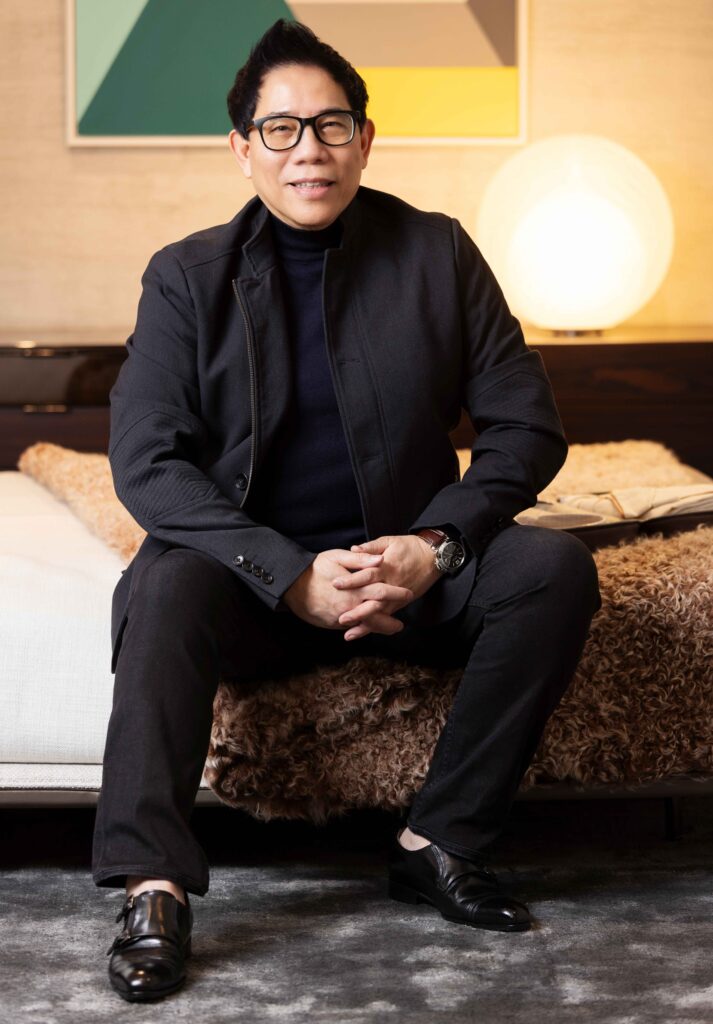
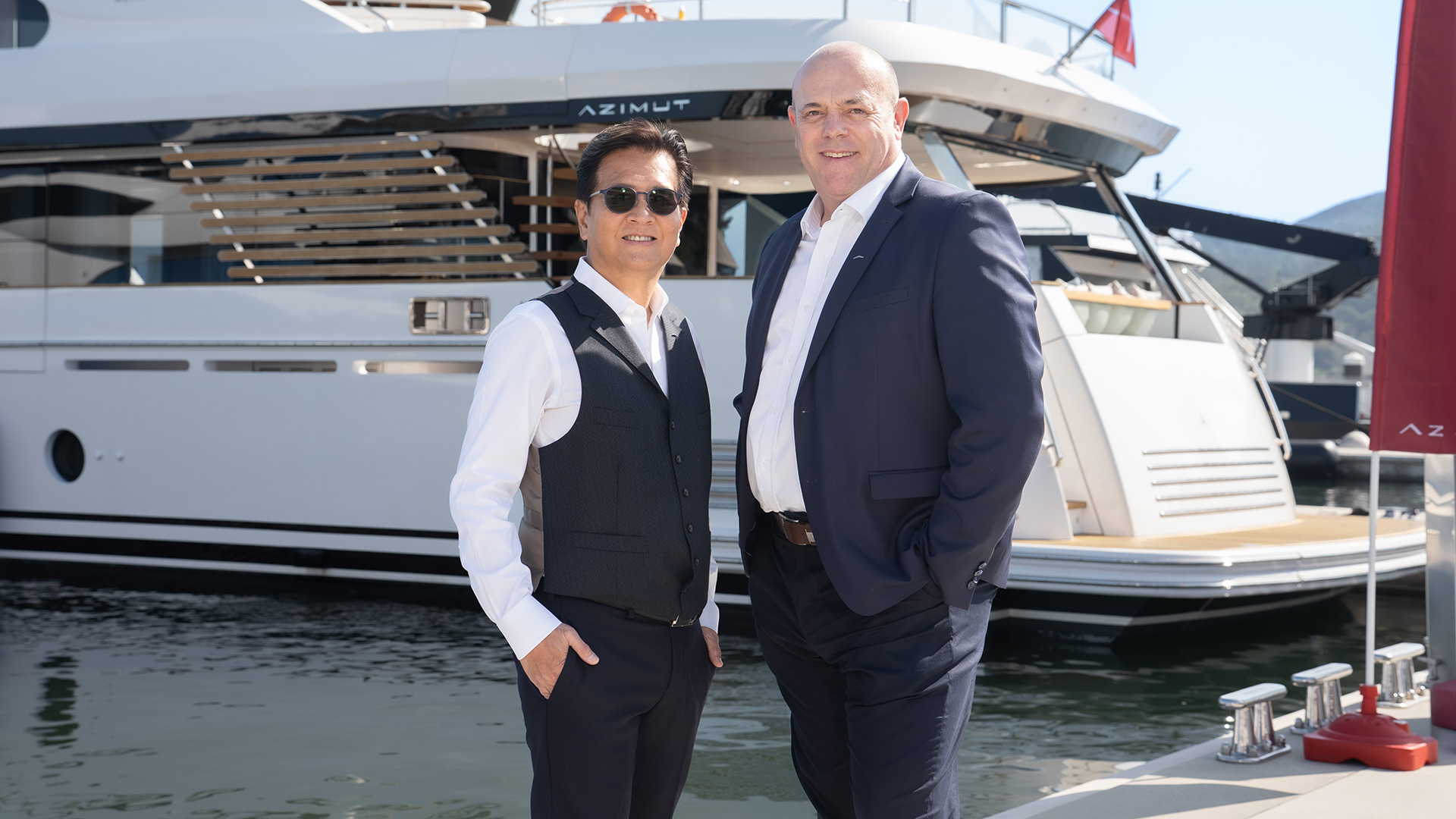
Marine Italia Asia has become synonymous with refined yachting. Established in 2015, they are the exclusive Azimut Yachts distributor across Hong Kong, Macau, Taiwan, Guangdong China and Singapore, and the authorised Aquila Power Catamarans dealer in Hong Kong. Founded in Hong Kong by Thomas Woo  and Paul Grange, the company translates more than 50 years of combined international yachting experience into personal, best in class advice and aftersales service for both first time owners and seasoned clients.

Questions for Paul:

As COO for the largest Azimut dealers in Asia Pacific, how do you ensure that Marine Italia Asia maintains its reputation for excellence, especially with events such as the recent Grande 30M and Magellano 30M Premiers?
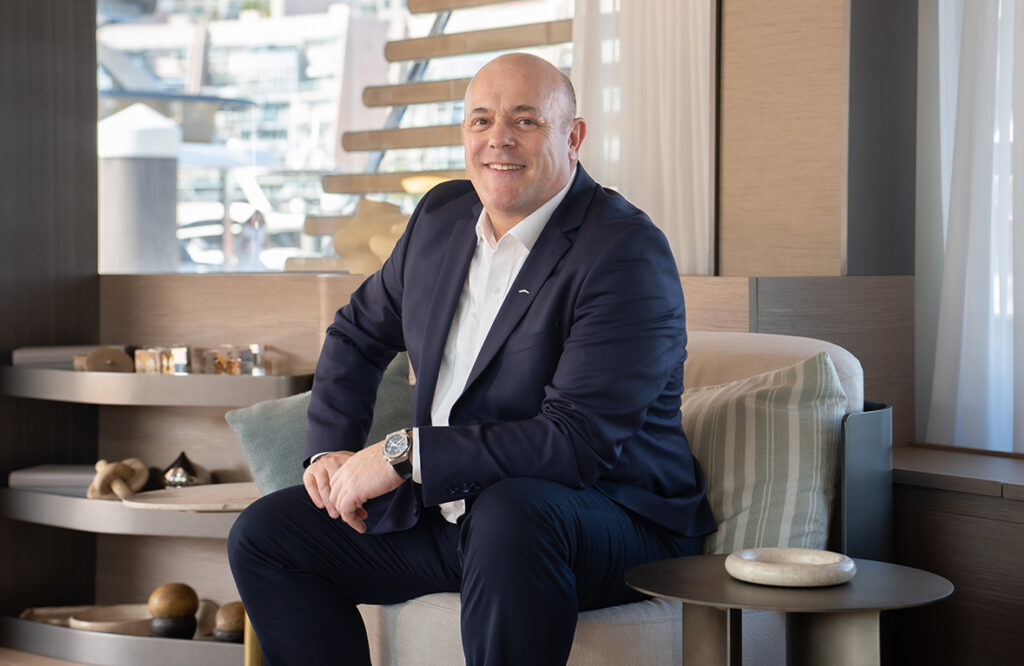
Azimut, quite rightly, set the highest standards and very clear operational and branding guidelines for their dealers, so we work closely with them to ensure our representation matches the brand’s leading status. Internally, we hold equally high standards for customer service, events, and communications. Our recent Hong Kong premieres—17 boats, 200+ guests, and multiple brand partners—required extensive planning to be engaging, on-brand, enjoyable for our guests, and represent Azimut Yachts appropriately whilst  helping us build our brand positioning. Honestly, none of it would be possible without the hard work of our extraordinary Marine Italia Asia team, the support from Azimut and importantly, some very special clients.

What specific qualities or skills do you believe are essential for success in the luxury yachting industry, and how do you cultivate these within your team?

For me, relationships are the key to success. Relationships with my business partner Thomas, our decade‑long partnership with Azimut, with our teams across Hong Kong, China, Taiwan, and Singapore, and above all, with our clients. Strong, trust‑based relationships let us navigate every situation—sometimes helping others, sometimes receiving support. Azimut is a large company, yet we regularly assist them in Asia, and when our clients need something special, they’re equally supportive of us.

It’s not always smooth sailing, but trust help us manage the ebbs and flows of relatiomnships. We pride ourselves on a personal approach that builds the best relationships across the business.

Questions for Thomas:

As CEO, what led you to co-found Marine Italia Asia with Paul, and how has your local background shaped the company’s vision and growth?
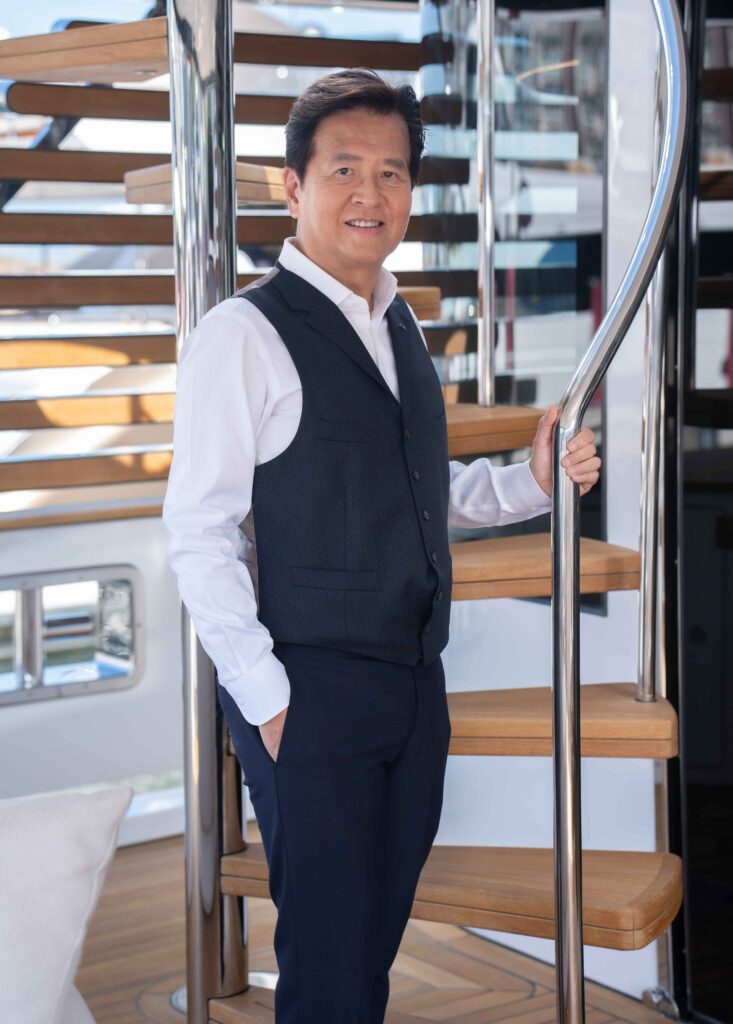
Paul and I met in Hong Kong in 2012 when he managed Azimut for the previous dealer. Over the next three years we calibrated on several Azimut Grande sales together. So, when the opportunity arose in 2015 to become the Azimut dealers, without hesitation, we partnered and founded Marine Italia Ltd.

The key to our partnership is its simplicity. Paul is very experienced at managing dealership networks for luxury European yacht brands and was already well established with Azimut and, myself, being from Hong Kong, I have been fortunate to build an extensive and loyal database of clients and contacts locally. Put those two simple elements together, add in professionalism and a passion for yachting and you have the perfect core ingredients for our business.

We also tailor everything to local needs—how we market, the events we host, and the models we promote—so the Azimut brand and products resonate easily with our Hong Kong and regional clients.

How do you see the Asia Premiere launches of the Grande 30M and Magellano 30M influencing the regional yachting market and customer preferences?
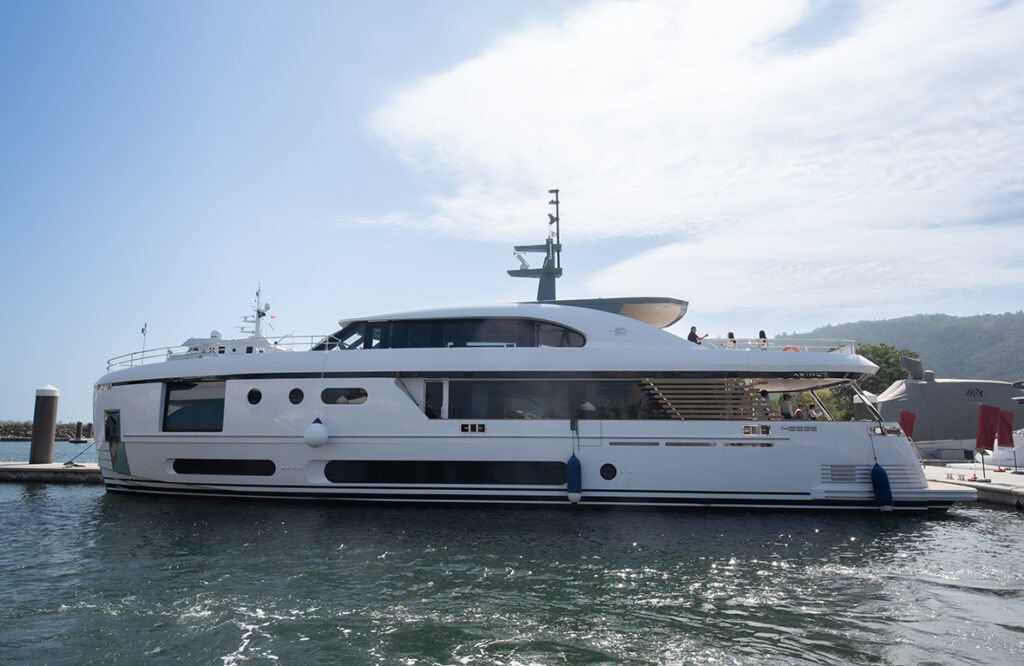
Azimut, part of the Azimut‑Benetti Group, has led the global large‑yacht rankings for 26 consecutive years, and Marine Italia Asia is among its most successful Grande dealers worldwide. It’s essential we keep bringing the latest large Azimut models to our region for clients to experience first‑hand, which is why events like the Azimut Hong Kong Rendezvous 2026 are central to our promotion and client engagement.
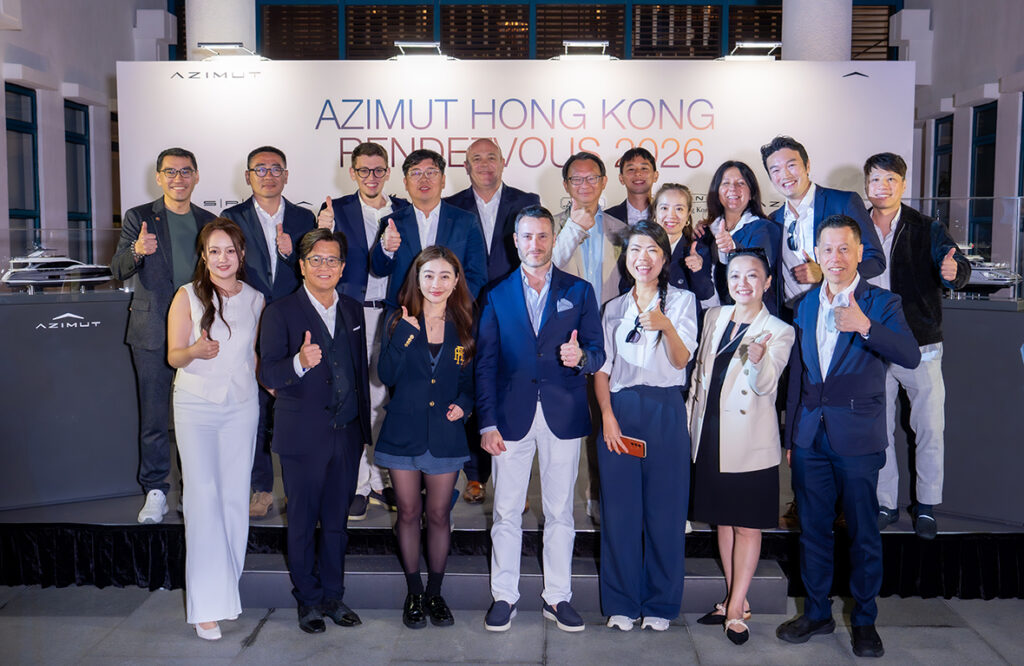
For yacht enthusiasts who missed the Azimut Hong Kong Rendezvous, Marine Italia Asia have a selection of yachts on display and available for immediate delivery in Hong Kong, Singapore and from Italy.

For more information and private viewings, please contact Marine Italia Asia at +852 2325 3355 or azimut@marineitalia.asia.

What’s on? Things to do this April in Hong Kong

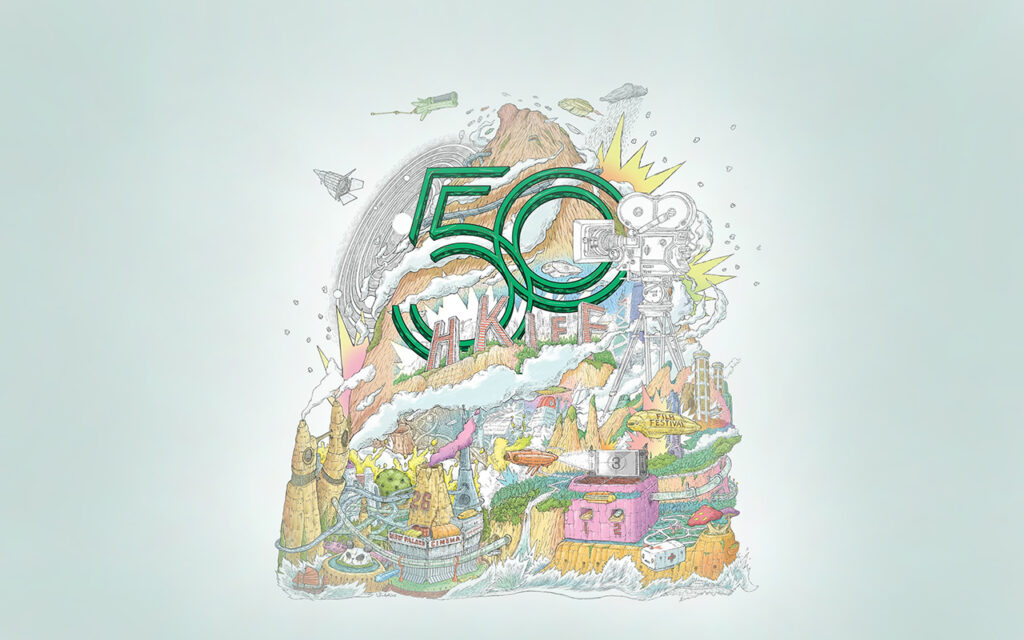
Hong Kong International Film Festival

This much-loved event is a cinematic carnival, showcasing more than 200 films from 50 countries – think global stories, local talent and unforgettable moments. From glitzy premieres to hidden gems, from opening with Singapore auteur Anthony Chen’s We Are All Strangers to closing with Cyclone by award-winning local director Philip Yung, the landmark 50th festival turns Hong Kong into a movie paradise. Filmmakers, fans and critics unite to enjoy screenings in iconic venues, red carpets and lively discussions.

When: 1-12 April

Where: Various venues.

How much: From HK$55.

For more information: hkiff.org.hk

Discovery Bay Easter Egg Hunt

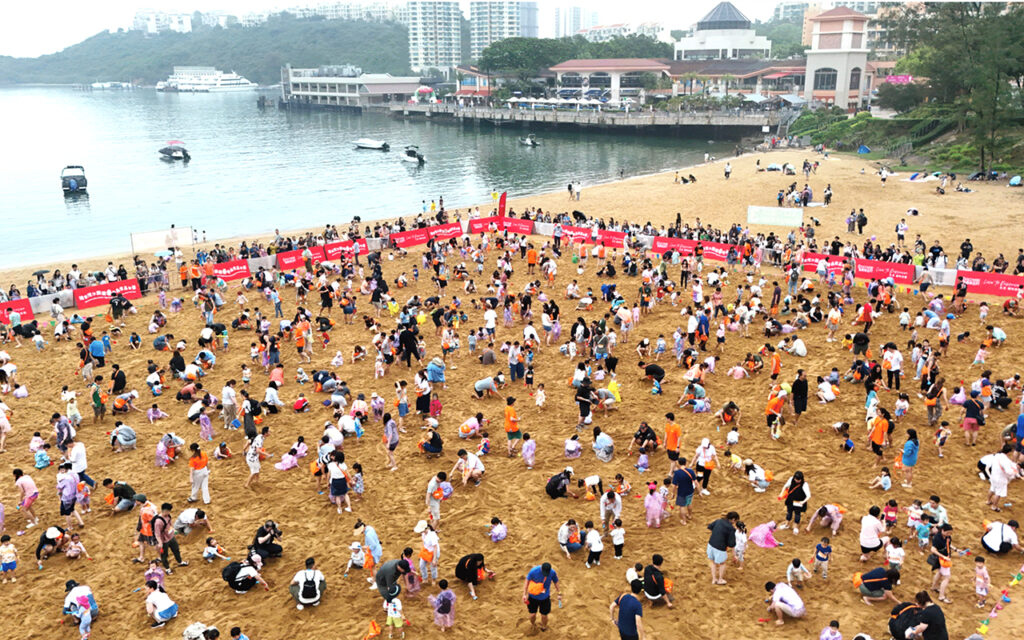
This beachside adventure is perfect for youngsters. Explore Tai Pak Beach, hunt for colourful eggs, get souvenirs and win prizes. Meanwhile, the residential enclave’s fun-filled Easter Carnival spills into an inflatable wonderland at DB Plaza, with giant bouncy castles and photo-perfect egg displays. Enjoy free Easter art activities at Toscana Sales Gallery, and grab a special Egg Hunt Combo Pass with a HK$100 dining voucher. It offers a room package for a truly unforgettable holiday.

When: 3-4 April

Where: Tai Pak Beach, Discovery Bay.

How much: From HK$298.

For more information: visitdiscoverybay.com

Pickleball Challenge

The Pickleball Challenge 2026 is making history as Hong Kong’s first large-scale pickleball tournament in a shopping mall. The competition welcomed entries from seasoned players as well as relative newcomers, and all ages, plus a Pickleball Carnival held on the lawn will give everyone the chance to join the fun. Meet fellow enthusiasts and showcase your skills in a lively, family-friendly environment.

When: 3-12 April

Where: D-Park, Tsuen Wan.

How much: Free viewing.

For more information: chinachemgroup.com

Keinemusik in Concert

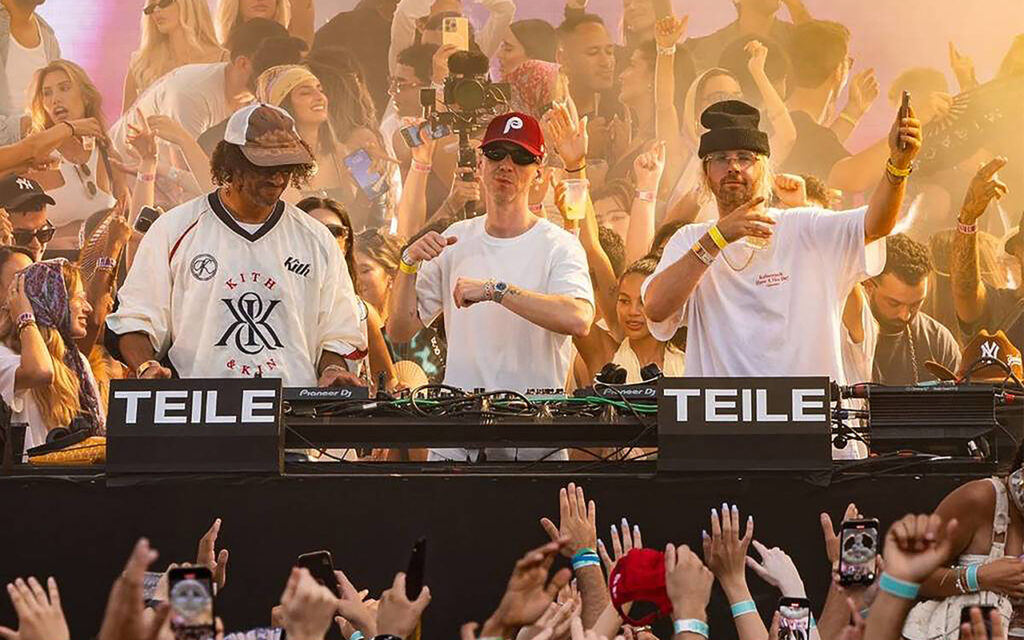
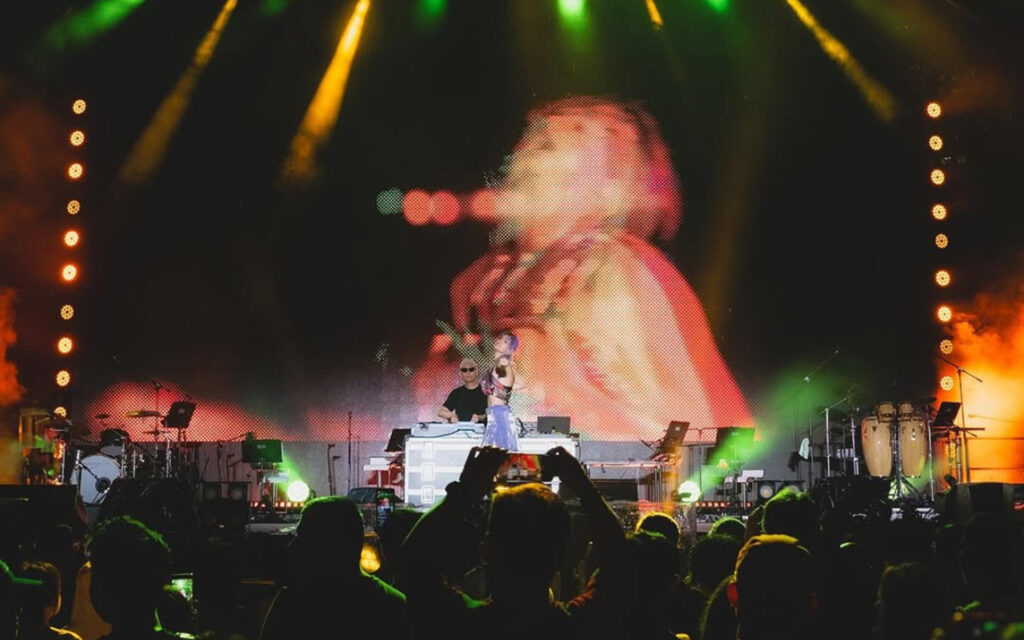
Keinemusik, the acclaimed Berlin-based collective, is making its East Asia debut in Hong Kong for one electrifying night. Adam Port, Rampa and Rezni have taken the world by storm since banding together in 2009, travelling from Coachella to the Giza Pyramids. With hits like Move and collaborations with Black Coffee, their energy is unstoppable. Under the glow of their iconic peace Kloud, they will turn Hong Kong’s water’s edge into a dance paradise.

When: 5 April

Where: AXA Wonderland, West K

How much: From HK$940.

For more information: keinemusik.com

Sprint Cup

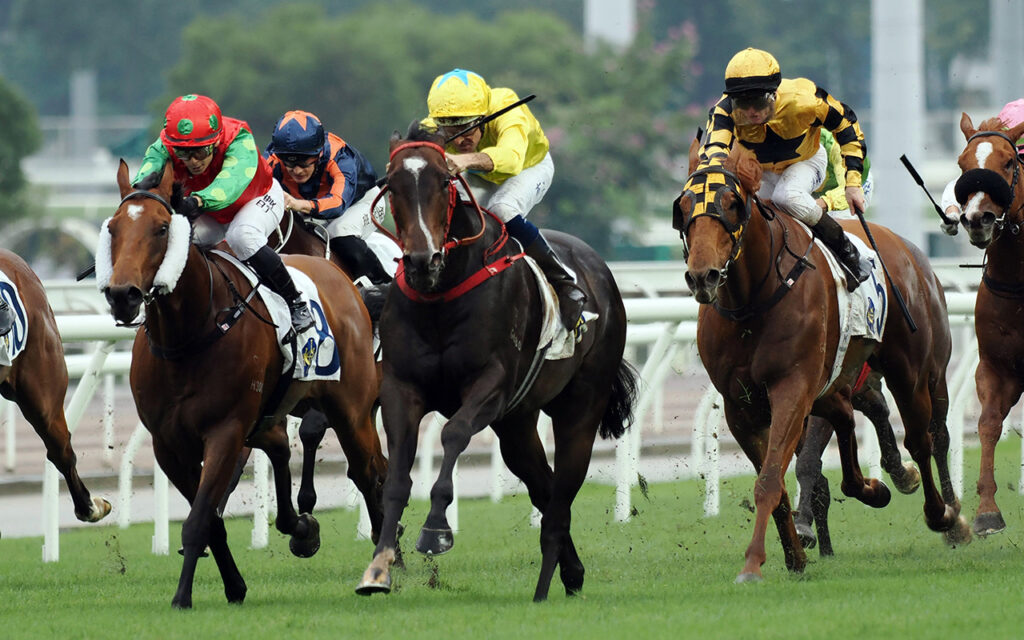
Ka Ying Rising streaks back to Sha Tin Racecourse for the G2 Sprint Cup. Feel the thundering hooves, taste the electric air, and cheer as one of the world’s best sprinters defends his title over 1,200 metres. Be there as the New Zealand-bred champion, trained by David Hayes and ridden by Zac Purton, is expected to flash past the post first once again. Come witness history! Entry is free to visitors to Hong Kong.

When:   6 April

Where: Sha Tin Racecourse

How much: From HK$10

For more information: hkjc.com

Glam Rock

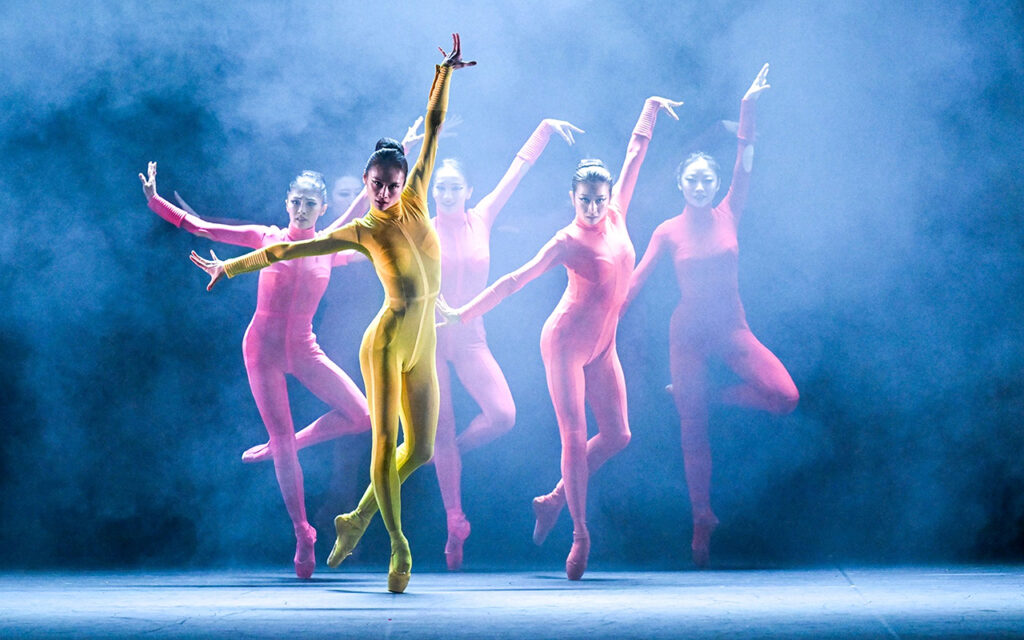
Experience high drama and phenomenal music at Glam Rock: a night with Hong Kong Ballet that ignites the stage. Andonis Foniadakis’ Strangelove channels Depeche Mode’s charged pulse with daring lifts and shadowy, atmospheric intensity. Trey McIntyre’s Mercury Half-Life fuses balletic power and high-octane tap, exploding into theatrical glam with We Will Rock You and Bohemian Rhapsody. World-premiere Martlet, from Ricky Hu and Mai Jingwen, celebrates Beyond’s indie optimism and raw humanity; costumes by Robert Wun add couture edge. It delivers choreography, iconic music and stylish spectacle.

When: 10-12 April

Where: APA Lyric Theatre, Wan Chai

How much: From HK$180

For more information: hkballet.com

Hong Kong Sevens

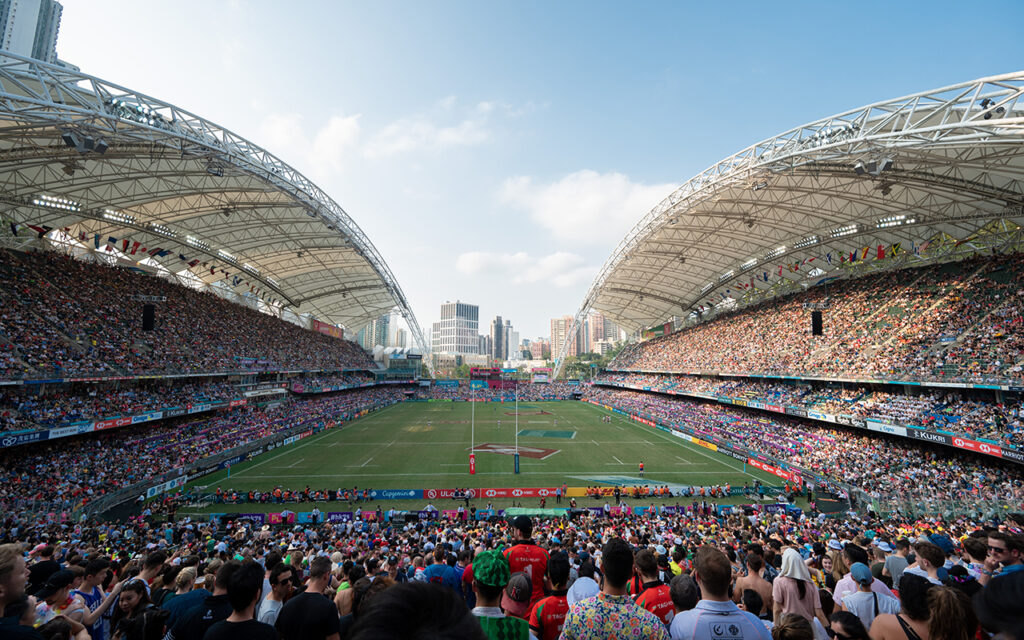
Get ready for an electrifying showdown at the Hong Kong Sevens 2026, which is celebrating 50 years of thrills, spills and beer swills! This legendary rugby fiesta is Asia’s biggest sporting spectacle. Imagine three days of lightning-fast passes and daring tackles by 30 teams over 72 games, enlivened by roaring crowds from all over the globe. With very best players showcasing their skills in the Sevens World Championship games,  it’s truly the ultimate sports party you’ll never forget.

When: 17-19 April

Where: Kai Tak Stadium

How much: From HK$550

For more information: hksevens.com

Hong Kong Pop Culture Festival

The fourth edition of the Hong Kong Pop Culture Festival transforms the city into a vibrant three-month playground of art, music, film and fantasy. From the soulful melodies of erhu duets to dazzling light-shadow romances, more than 100 different events come together to blur reality with illusion. It’s a celebration of creativity that breaks boundaries and sparks joy.

When: From 1 April

Where: Various prices and venues

How much: From HK$899

For more information: pcf.gov.hk

Edible Art Fair

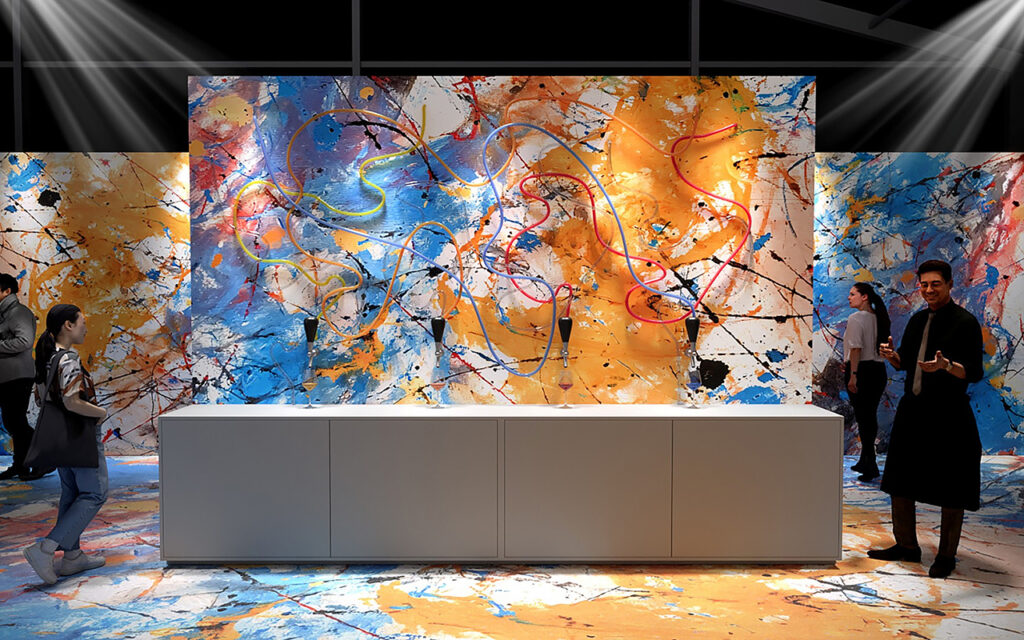
Ten galleries inhabit the upcoming Central Yards to present the Edible Art Fair, which pops onto Hong Kong’s art calendar like a Technicolor tastebud parade. Every installation invites you to touch, taste and giggle, with baroque bonbons, minimalist savouries and performance chefs. This new fair transforms famous art movements into playful, multi-sensory moments.

When: Until 5 April

Where: Central Harbourfront Event Space.

How much: From HK$320.

For more information: edibleartfair.com

EASTER TIDE: Waves of fun and cinematic delights at Lantau Yacht Club with starry cinema, gourmet flavours, and unmatched marina vibes

This Easter, prepare to set sail on an unforgettable voyage of celebration at the Lantau Yacht Club. Nestled against the serene coastline, this premier marina destination is all about making waves with a weekend packed full of family fun, gourmet indulgence, and star-studded surprises.

Starry Outdoor Cinema: Movies Under the Stars

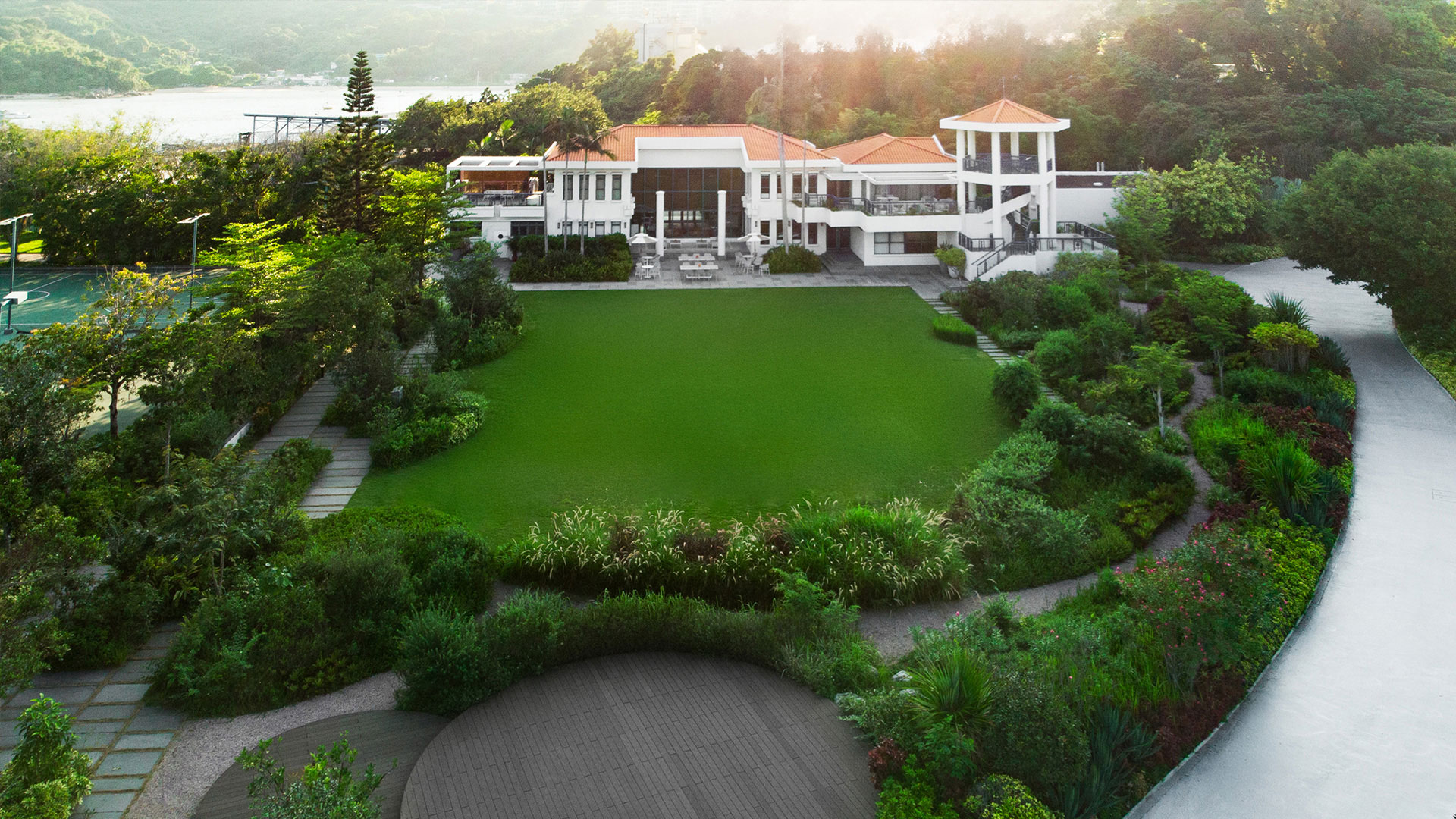
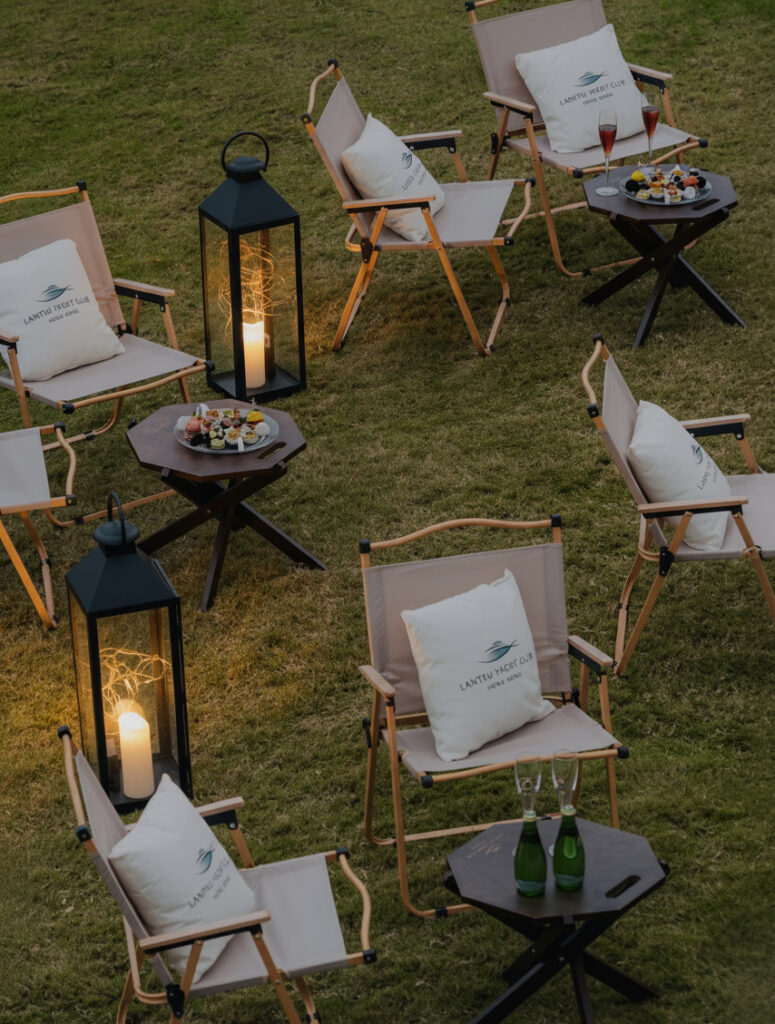
Imagine the gentle marina breeze, the glow of twilight, and a sky full of twinkling stars as the perfect backdrop for an outdoor cinema experience. On the evenings of April 3rd and 4th, the clubhouse lawn transforms into a magical open-air theatre. Cozy up on plush seating or snuggle beneath blankets as carefully curated family-friendly films enchant you beneath the vast Hong Kong sky. Complemented by light bites and a tranquil ambiance, these screenings promise an immersive escape that will leave you floating on cloud nine.

A Taste of Marina Lifestyle Indulgence

Elevate your Easter weekend with a curated culinary voyage designed by Lantau Yacht Club’s expert chefs. Savor a seasonal tasting menu that captures the essence of coastal sophistication: 

Starter: King Prawn Salad; plump, succulent prawns paired with crisp greens and a zesty dressing. 

Soup: Wild Mushroom Velouté; an aromatic, earthy delight that warms the soul. 

Main: Choose between USDA Prime Striploin Steak, grilled to perfection and served with seasonal sides, or a delicate Seared Patagonian Toothfish Fillet with a refined sauce. 

The special Easter menu will be available across the weekend to complement the Club’s evening cinema screenings, offering guests a full-sensory taste of the marina lifestyle.

Dessert: Creamy Vanilla Panna Cotta topped with fresh fruits and a vibrant strawberry coulis.

A Versatile Venue for Every Wave of Occasion

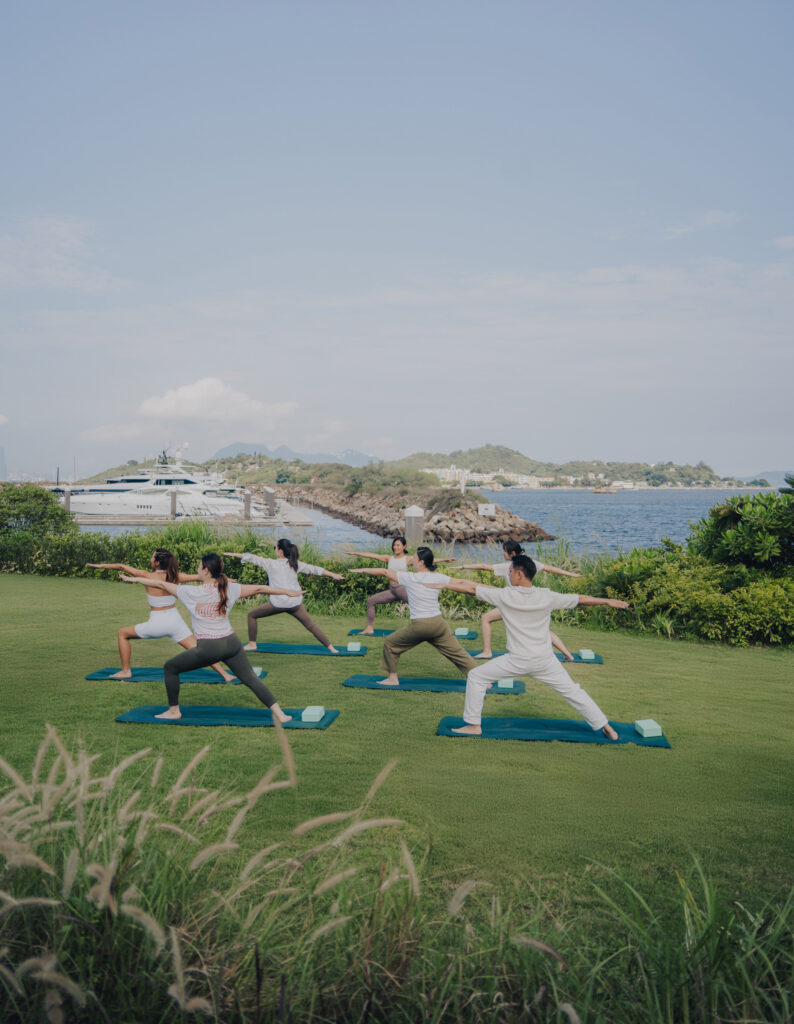
The lush, landscaped lawns of the clubhouse are more than just a picturesque setting; they are a blank canvas ready to host your next memorable event. Whether it’s a moonlit movie night, a sunset cocktail reception, a corporate gathering, or a calming Wellness sessions including waterfront yoga and meditation e.t.c. session, the space adapts seamlessly to your needs.

Offering world-class facilities and an inviting atmosphere, it’s the perfect place to indulge, celebrate, or simply unwind. Whether you’re dipping your toes into marina life for the first time or entertaining friends with an exclusive event, this is where luxury meets the ocean’s endless horizon.

Don’t let this wave pass you by! For reservations and inquiries, call (852) 2987-9591. 

Bling It On, Waste Off: Dickson Yewn’s “No Man’s Land VI” Turns Trash Into Treasure at Art Central 2026

A diamond-lidded cup. A pump you can press. A hand-cream tube with a barcode twist. Hong Kong’s Art Month just got… suspiciously precious.

If you’ve ever lifted a coffee lid and thought, “This is cute… but what about the consequences?”; Congratulations! You’re already emotionally pre-qualified for Dickson Yewn’s latest sensation.

This Art Month (25–29 March 2026), Literati Artspace at Art Central Hong Kong 2026 is set to present an extraordinary new jewel-world where bling is a narrative punchline. Because in Dickson Yewn’s “No Man’s Land VI: Ephemera”, everyday disposables don’t get thrown away… they get turned into consequence-catching collectible art.

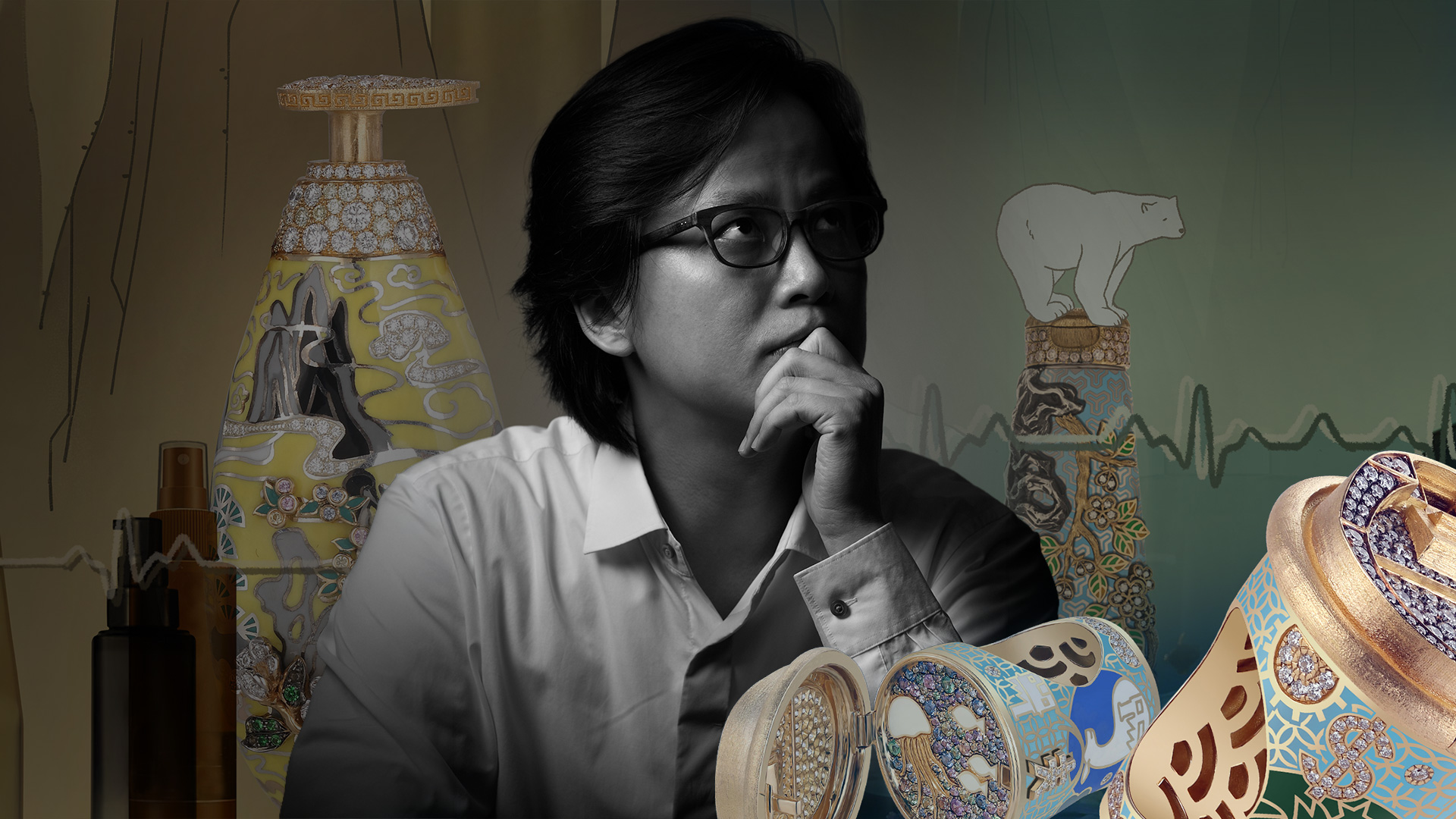
In “No Man’s Land VI,” Yewn takes the most familiar “throwaway” objects; coffee cups, hand cream tubes, shampoo bottles, and rebuilds them with the kind of materials usually reserved for legends: gold, diamonds, precious stones, enamel, and meticulous craft. It’s ready-made art… upgraded to couture.

Think of it as industrial ephemera, but make it museum-grade.

The Star Piece: “Chasing the Mermaid” (Gold, Diamonds, White Enamel & Marine Enigma)

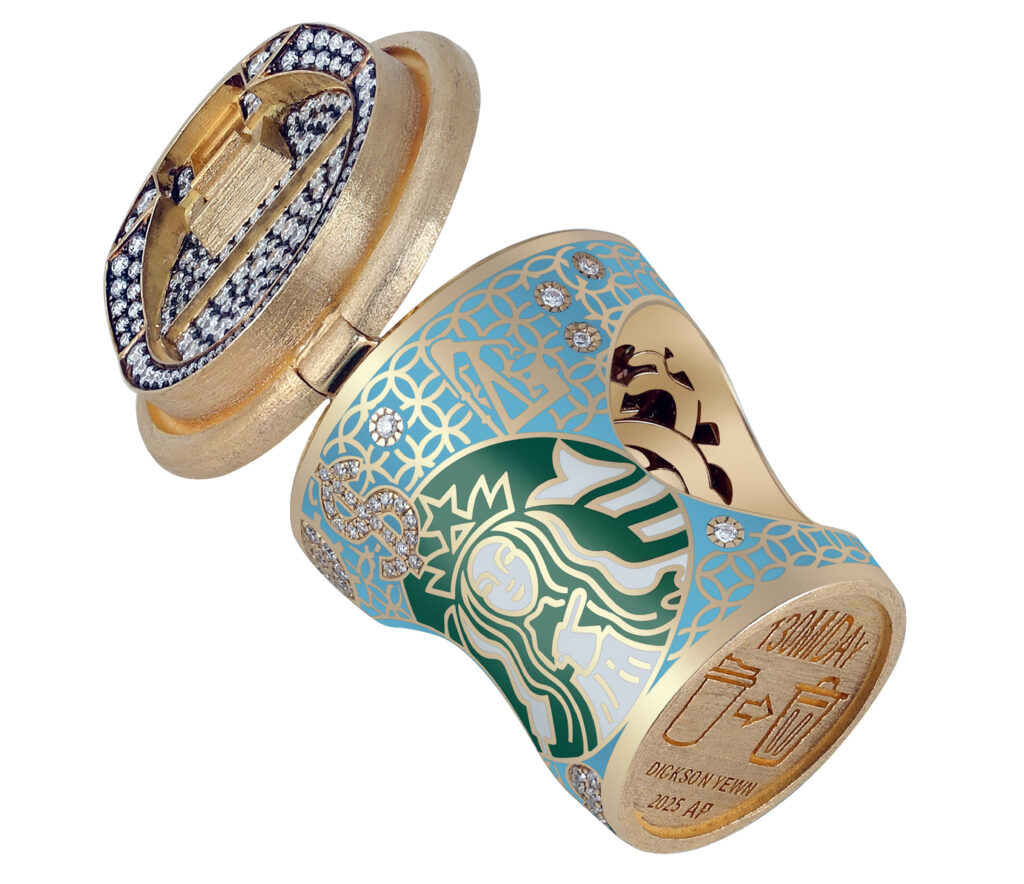
At first glance, “Chasing the Mermaid” looks deliciously whimsical, like something you’d see in a fairy tale that accidentally got sponsored by a jeweller. It’s inspired by disposable coffee cups; the kind consumed worldwide at an eye-widening scale (and often marketed as “recyclable”). But Yewn flips the lid, literally. When the diamond-set coffee lid is lifted, the “coffee” you expect is replaced by a dreamlike revelation: marine life caught in a reality of microplastics, rendered as delicate, jewel-like fragments. So yes, it sparkles. But it also asks you to confront a truth that doesn’t sparkle back: “White pollution” isn’t just an environmental problem. In Yewn’s hands, it becomes a conceptual mirror held up to value, waste, and what we choose to ignore. Pun intended: This is the kind of bling that doesn’t let you off the hook.

“Sheffield Hand Cream”: When your bathroom staple becomes a butterfly boutique

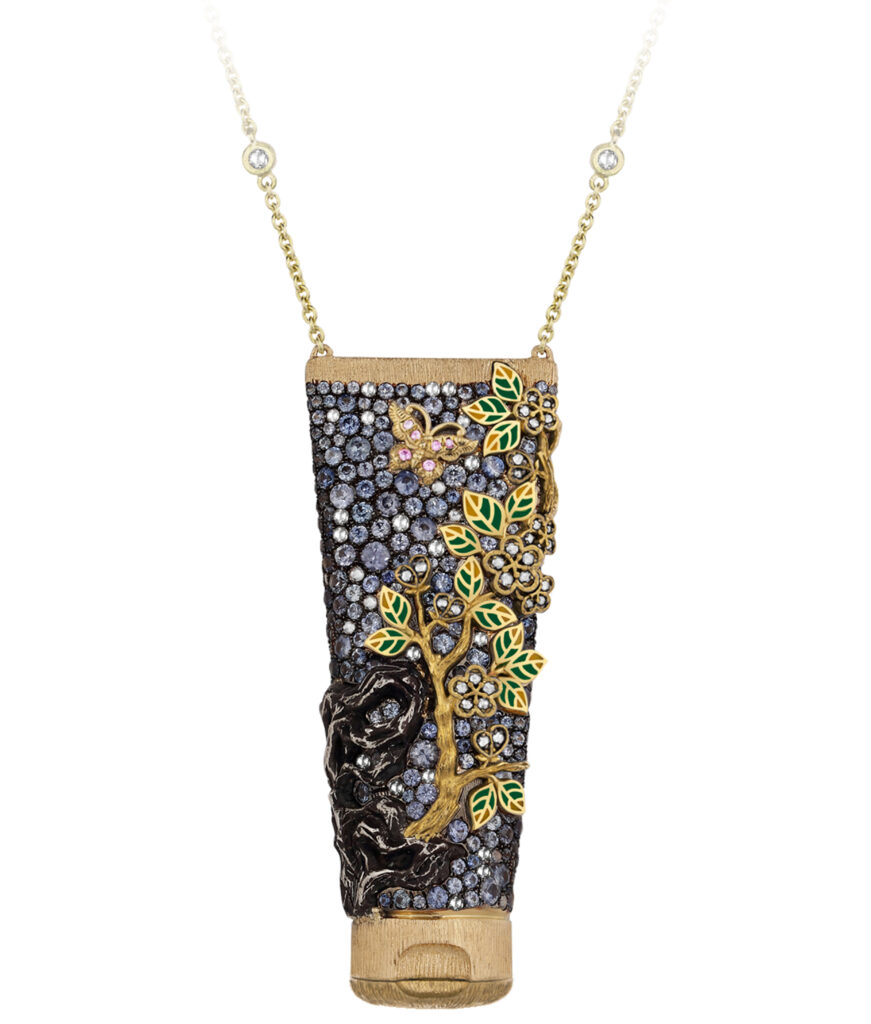
Yewn’s talent for transformation is almost rude, in the best way. “Sheffield Hand Cream” takes a soft, fleeting, foldable tube and turns it into something timeless and treasured, using precious materials and enamel techniques to recreate the ritual of opening it, complete with a flip-top lid and a refined, tactile sense of “almost-real.” Front details? Butterfly and floral motifs with elegant traditional sensibilities.
Back details? A playful modern wink with a barcode, reminding us that even beauty is processed by systems. The hand cream becomes a collectible whisper of respect for materials, proof that ephemera doesn’t have to vanish.

“John’s Son Shampoo”: Press. Reveal. Reflect.

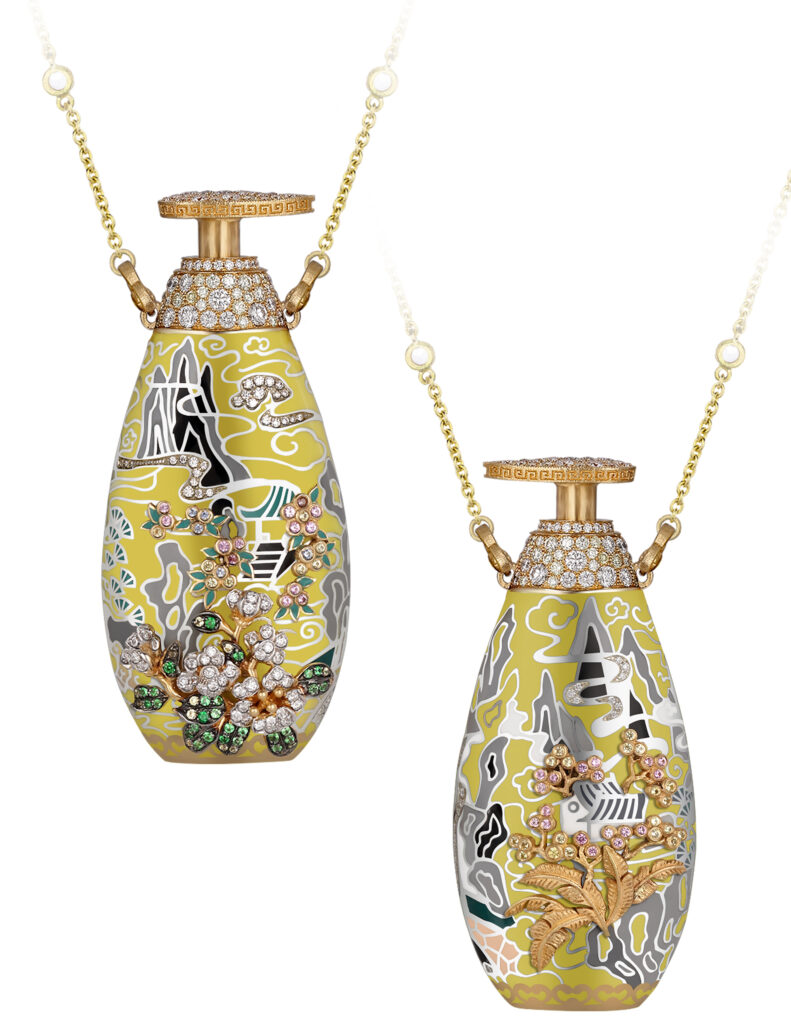
Then there’s “John’s Son Shampoo”, the piece for anyone who believes interactive design is a love language. Its “press pump” structure is engineered for interactive delight, where each press feels like a tiny engineered performance. But beneath the playfulness is a deeper narrative: A contemporary bottle inspired by motifs drawn from Qing dynasty aesthetics and “Dream of the Red Chamber”, echoing mountains, rocks, trees, and flowers, translated into jewellery form with a distinctly Chinese visual world. What does it symbolize? Purity, origins, returning to simplicity, a kind of spiritual reset button in gemstone form. So if your self-care routine ever needed philosophical backup… this one, has it.

Jewellery with a spine

While many high-end pieces focus on status, Yewn’s “No Man’s Land” is built as social critique through craftsmanship. This series also carries cultural confidence, pushing back against the idea that environmental discourse must always follow Western narratives. Yewn argues that Eastern wisdom and ecological thinking are not “side quests,” but core frameworks rooted in philosophies of harmony with nature. And for collectors who care about meaning (not just shine), that’s the real luxury: substance you can wear close to the skin.

Why clients are excited about this collection

Because it’s rare to find contemporary jewellery that’s simultaneously:

  • Conceptually sharp (ready-made critique, not decoration)
  • Technically breathtaking (enamel, setting, interaction mechanisms)
  • Emotionally sticky (you can’t unsee the message once it’s revealed)
  • Collectible in spirit (ephemera turned immortal)

In other words: these are the pieces you don’t just admire at a distance; you want to come closer to.

Visit the series at:

Dates (Public): 25–29 March 2026 (Wed–Sun)

Venue: Booth No. A27, Literati Artspace at Art Central Hong Kong 2026

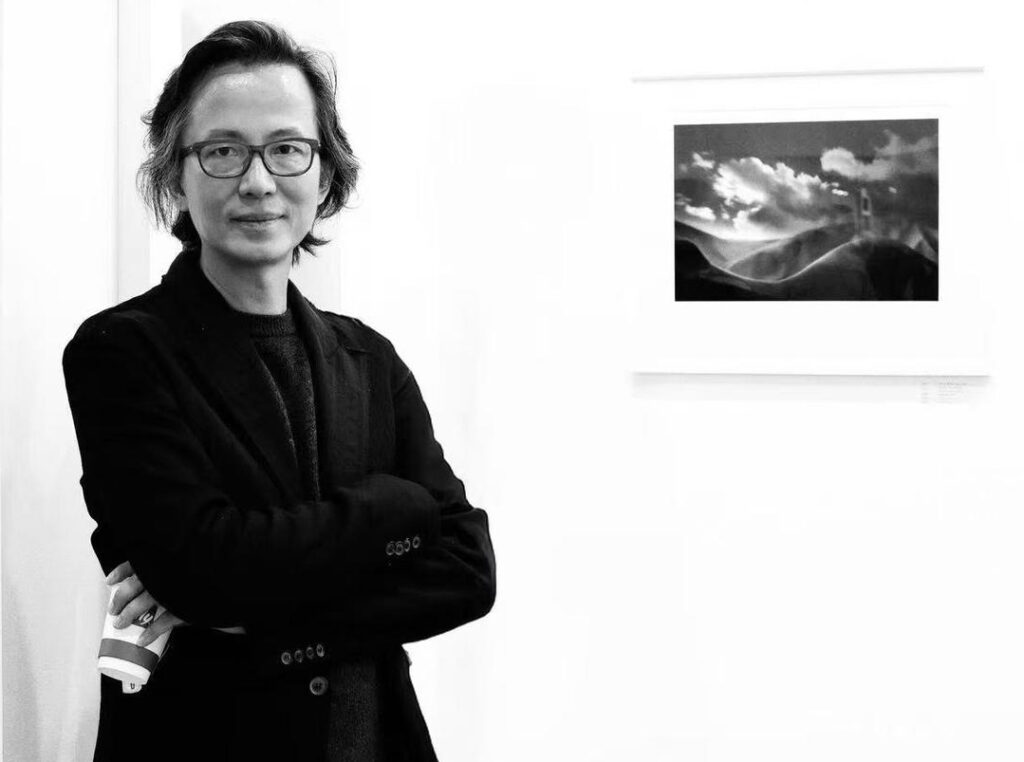
Dickson Yewn has devoted his practice to transforming Chinese cultural sensibilities into contemporary jewellery art, often creating one-of-a-kind or limited-edition works. His pieces have been recognized globally, and he has repeatedly expanded the boundaries of what jewellery can be: miniature sculpture, narrative vessel, cultural memory carrier, and social critique.

Duck Sittings: Harbourside One Duck Lane presents quacking Chinese classics with contemporary panache

Newly landed at the Hyatt Centric in North Point, One Duck Lane flies onto the gourmand’s radar as a culinary playground with a serious pedigree. With its elegant yet relaxed vibe, it’s perfect whether you’re out with family, celebrating a special occasion, or just treating yourself after a busy day. Once you taste the signature dishes, you’ll be planning your next visit faster than you can say “Peking Duck”.

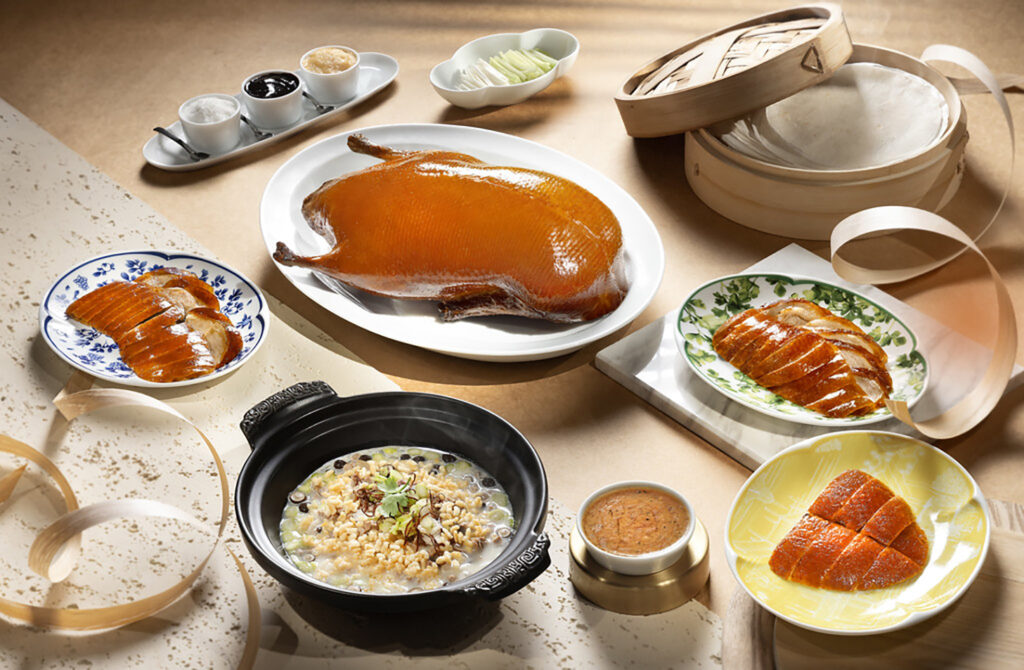
Let’s start with the star of the show: Signature Roasted Peking Duck. This is the Hyatt’s legendary secret recipe, where ducks are raised for 45 days, air-dried for 72 hours, then roasted in an oven that’s almost as famous as the dish itself. The result? Crispy, golden skin that crunches beautifully with each bite, giving way to tender, juicy meat. Watching the chef carve it tableside is a culinary ballet, where every slice is a masterpiece. And if you want to push the experience even further, you can add Foie Gras Parfait with Truffle Sauce; yes, a modern twist that’s decadence on a plate.

Chef Jack Chan, a culinary maestro with more than 30 years’ experience, puts his heart into elevating Chinese classics. “I value Chinese culinary heritage immensely, but I also love challenging myself with new techniques and ingredients to bring out the best in each dish,” he says. His approach is a perfect blend of respect for tradition and hunger for innovation.

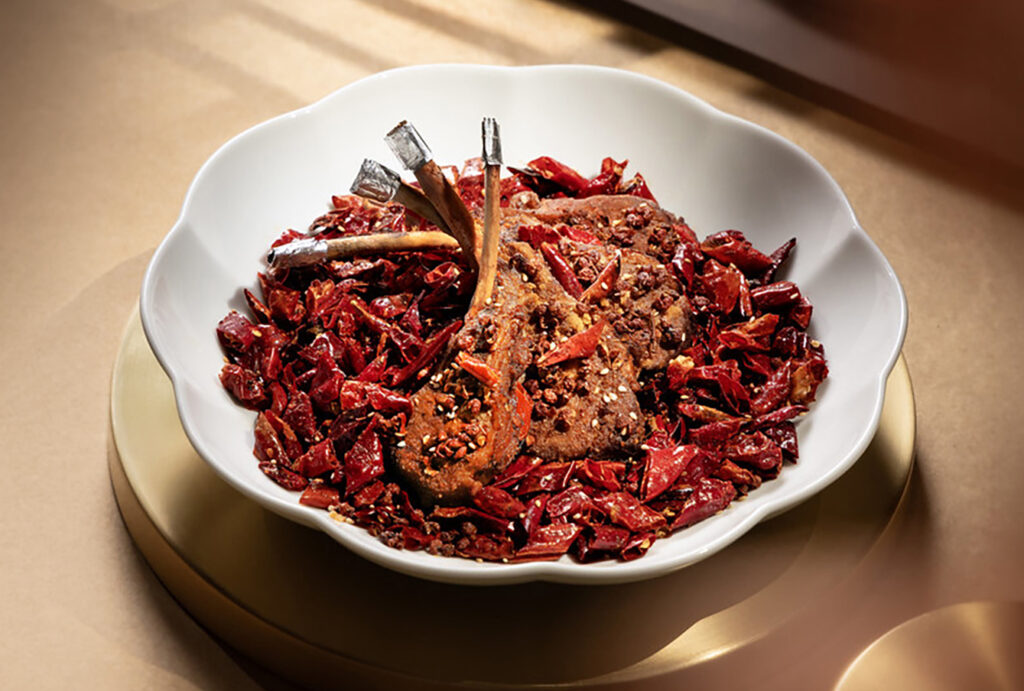
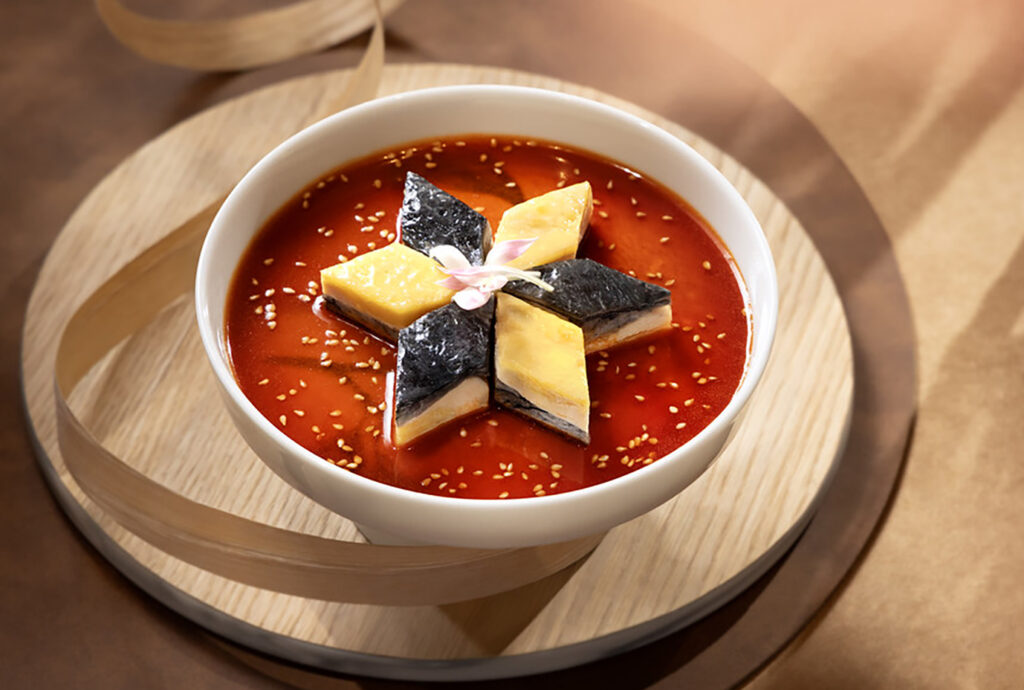
For example, Cumin Lamb Rack is a fiery delight: Mongolian lamb pan-fried with cumin and chilli peppers delivers a punch of flavour that’s both bold and balanced. For the chilled appetiser of ‘Yin Yang’ Chicken, slices of silky meat are stacked in a yin-yang formation and coated with a spicy Sichuan peanut sauce that wakes up your palate. A visual and culinary marvel, this dish is proof that presentation can be as compelling as taste.

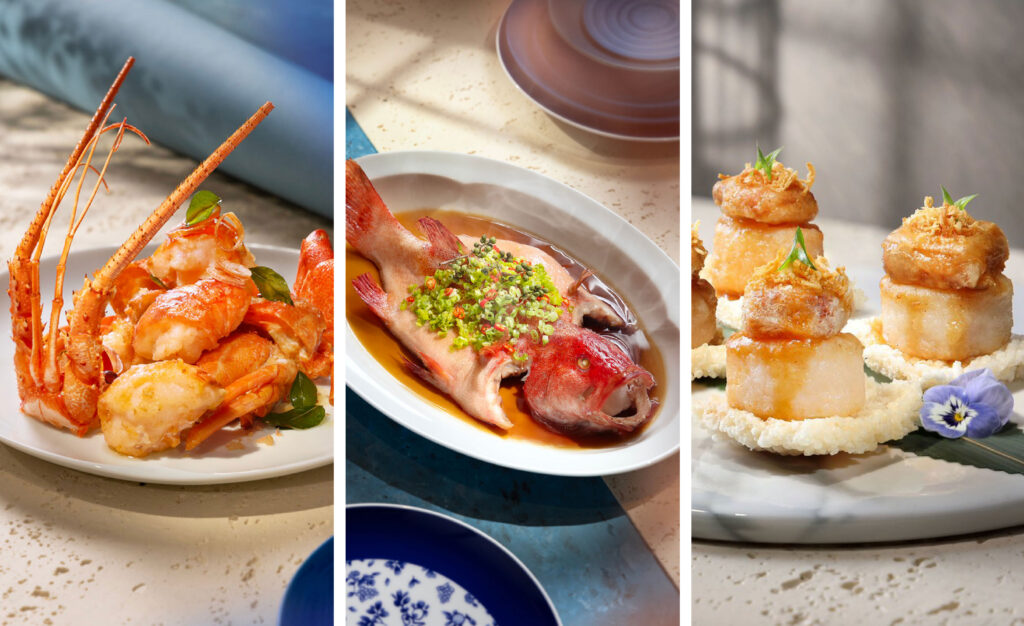
Seafood lovers aren’t left out. One Duck Lane’s seasonal seafood dishes are sublime. Savour Western Australian Lobster steamed to tender perfection, or Leopard Garoupa with Rattan Pepper, a fish that’s fresh, flaky and bursting with flavour. Then there’s Pan-fried Scallop and Duck Foie Gras on Crispy Rice, a combination so rich and delicate, it’s like a culinary love story in every bite.

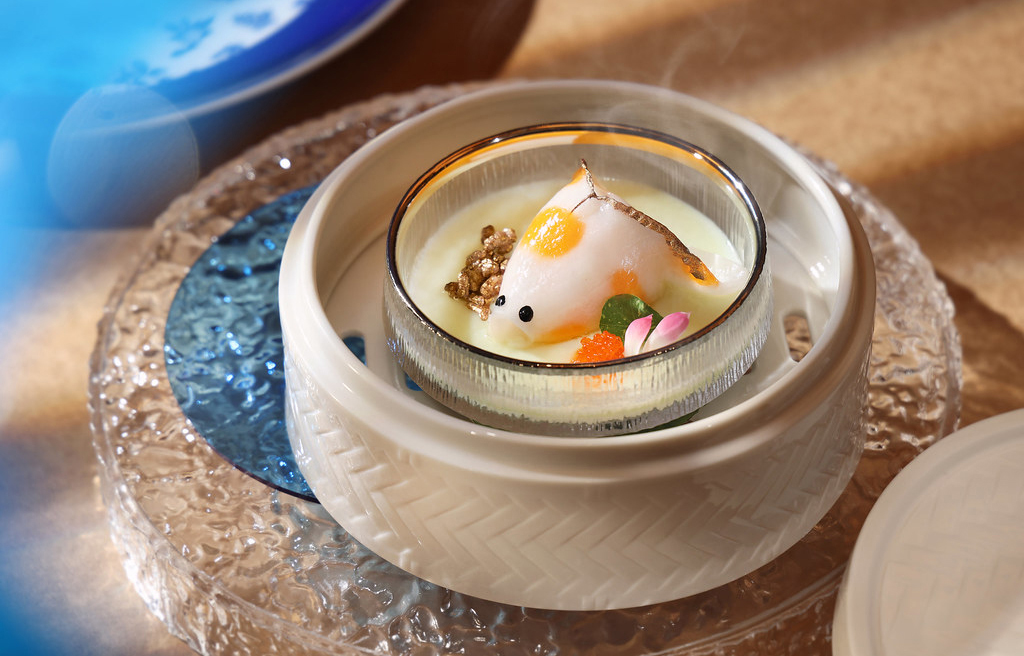
Dim-sum connoisseurs won’t want to miss Steamed Garoupa Dumpling. In a playful take on tradition, fish and shrimp are nestled within a delicate dumpling boat floating atop a mossy spinach-coloured egg white. It’s charming, delightful, and perfect for sharing. For something heartier, Black Pepper Wagyu Beef Puff combines the richness of wagyu with flaky pastry – a classic snack enriched.

Chan’s philosophy shines through every dish. “Innovation is vital,” he expounds. “Celebrate heritage but be passionate about creating something new.” His journey began in dried seafood shops with his father, and over the years, he’s mastered the art of balancing the old with the new.

Of course, no modern Chinese meal is complete without cocktails. One Duck Lane’s mixologists have created drinks that are as inventive as the dishes. Mala Punch, for instance, blends Sichuan peppercorn heat with chamomile tequila, pineapple and lime; it’s bold, refreshing and just a little bit daring. Or try The Peking Sour, a vibrant mix of Baijiu, Osmanthus wine and Aperol that transports your taste buds straight to northern China, with a splash of sunny Italy for good measure.

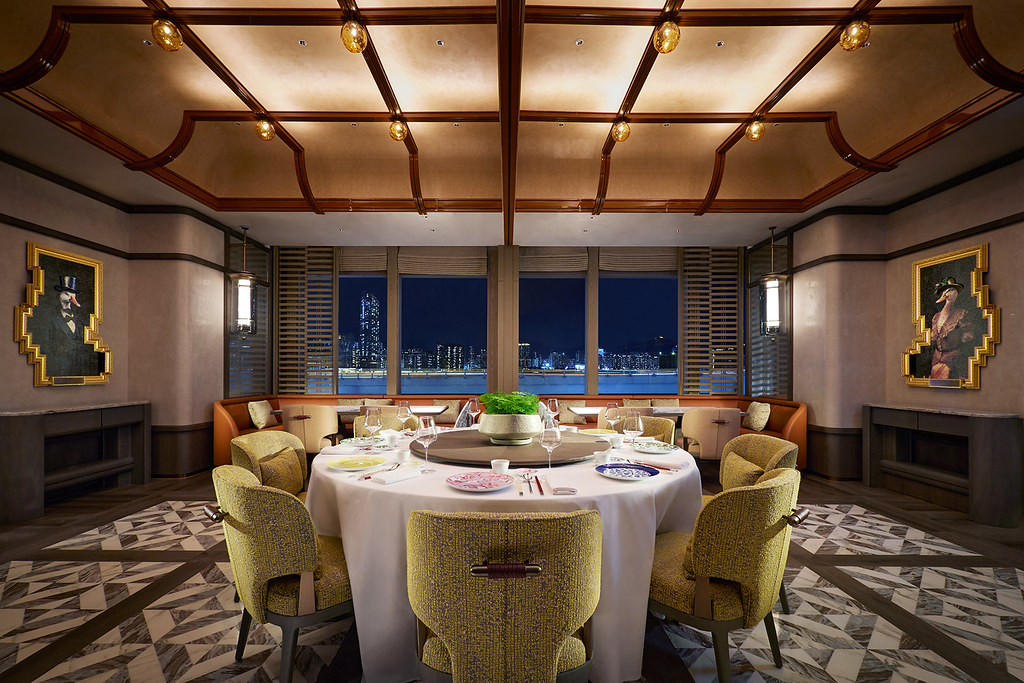
The dining space is like stepping into a contemporary Chinese mansion. High ceilings, lush textures and subtle nods to heritage, such as bamboo steamer pendant lights handcrafted by local artisans, all create a setting that’s both refined and welcoming. The Tea Chamber, a private dining room, feels like a family’s grand banquet hall, with playful artworks and witty quotes that add a touch of humour.

Every detail of One Duck Lane, from the artistic lighting to the intricate marble inlay, reflects the chef’s belief that good food is also about creating memories. So, if your craving is for Chinese, come for an experience that’s modern, memorable and utterly delicious. It’s a celebration of elevated, innovative Chinese culinary artistry, served with a side of harbour views. Indeed, if food is the universal language, then One Duck Lane is quacking fluently in the dialect of excellence.

Text: Joseff Musa    Photos: One Duck Lane

As Luk Would Have It: Contemporary furnishing honcho Tony Luk brings art to the heart of the home

New Year, new hopes, and a little luck in design. We meet furniture showroom director and home lifestyle curator Tony Luk a week before the Lunar New Year. The festive season has long been associated with the tradition of buying something new – clothing, homeware, furniture – to usher in luck and prosperity. Yet, Luk admits that the practice has evolved over the years. “It’s been tough for us, but it’s gaining some traction now,” he says with a hopeful smile. “I hope business continues to only go up from here.”

Despite current challenges, Luk remains optimistic about the future, confident that momentum will grow. His resilience mirrors the very essence of the design world, constant evolution and renewal, just like the art and architecture he so passionately champions.

Drawn to Creativity

Luk’s adventure in the world of design started long before he debuted his prestigious interiors spaces, Louvre Galley and Andante, at the Design Showcase in Ruttonjee Centre, Central. During his childhood in Hong Kong, he was captivated by drawing, a talent that sprouted from an innate curiosity. “In primary school, I enjoyed sketching, but it was more about exploring my inner self,” he recalls. It wasn’t until secondary school that his passion deepened.

Joining the school Art Club in his first year, he discovered a love for capturing images, particularly through film photography. “Photography inspired me to pay attention to details, geometry, colour, and how light and shade interplay,” he explains. These foundational elements would later become the building blocks of his design philosophy – an eye for precision, harmony and aesthetic subtlety, rooted in his early artistic explorations.

Building Foundations

Luk’s initial ambition was to become an architect, a dream sparked by his fascination with cityscapes and buildings. “Photography probably played a role here, too,” he notes. “I was mesmerised by the imposing structures around the city; how they ‘spoke’ to each other and to the people.” He headed to the UK to study the subject.

To him, architecture is a form of art – large-scale, impactful and intimately connected to society. It is a dialogue between form and function, beauty and utility. His experience working on the design of the new Hong Kong International Airport in the 1990s further expanded this perspective. “Being involved from the very beginning was a huge catalyst,” says Luk, who returned to Hong Kong  to join the project. “It helped me understand how architecture can be both grand and human, technical yet poetic.”

Working alongside global experts in aviation design, he gained insights into how public architecture balances aesthetics with practicality. This experience laid the groundwork for his later pursuit of interior and lifestyle design – fields where he could bring art closer to people’s everyday lives.

High-flying Interiors

Post-Chek Lap Kok, Luk faced a pivotal decision: continue with large-scale projects or focus on something more personal? “I wanted to get ‘closer’ to the end-users,” he says of his shift towards intimate design. “Interior-design projects tend to be shorter in cycle and more directly impact people’s daily lives.”

He began working with European furniture brands, notably Italian design company Minotti, which caught his eye for its blend of contemporary elegance and craftsmanship. He became the firm’s exclusive authorised dealer in Hong Kong and Macau, and Andante was born in 2004. A curated space where modern design meets sophisticated lifestyle, the flagship showroom spans two floors and 600 square metres. This inviting sanctuary is filled with carefully selected collections that embody Luk’s core philosophy of supreme quality, subtle style and timeless sophistication.

Located next door to Louvre Gallery, which was established in 1997, Andante has become a beacon of contemporary Italian and European design spanning furniture, lighting, home accessories and glass art. Beyond Minotti, it showcases names such as Venini, Bomma, Kose, SkLO, Tato, Nahoor, Venicem, Lumen Center, Purho, An&angel and Darmes.

Reflection of the Times

To Luk, “contemporary design” is more than just a style; it’s a reflection of the era. “It’s a time reference,” he explains. “Every period has its own contemporary expression. What was once ‘contemporary’ might eventually become ‘classical’ or ‘vintage’.” He believes that modern lifestyles – individualistic, flexible and urban – shape the evolution of design. “Contemporary design must mirror these lifestyles,” he says. “It should offer clean lines, quieter luxury, modest details and adaptability.”

He emphasises that art plays a vital role in interior spaces. “Historically, art was often an afterthought, something to ‘decorate’ walls at the end,” he notes. However, during the Covid pandemic, Luk rethought this approach. “Art should be integrated from the very beginning of the design process,” he declares. “In our Art Andante initiative, we now showcase how art can lead and inspire interior design, creating a complete ambience that is both aesthetic and emotional.”

Art in the Details

The concept of art as an integral part of design is central to Luk’s philosophy. “It’s about creating a dialogue between art and interior,” he explains. “Art doesn’t just decorate a space; it defines it.” This holistic perspective involves artworks, decorative items and furnishings curated to work in harmony, elevating the entire environment.

“During Covid, I realised that art could even lead the design concept,” he says. “Now, we aim for a 360-degree experience, where art is conceived alongside furniture and lighting, not just appended at the end.” This innovative approach has garnered appreciation from clients who seek spaces that are not only stylish but deeply meaningful, spaces that tell stories and evoke emotions.

A Style of His Own

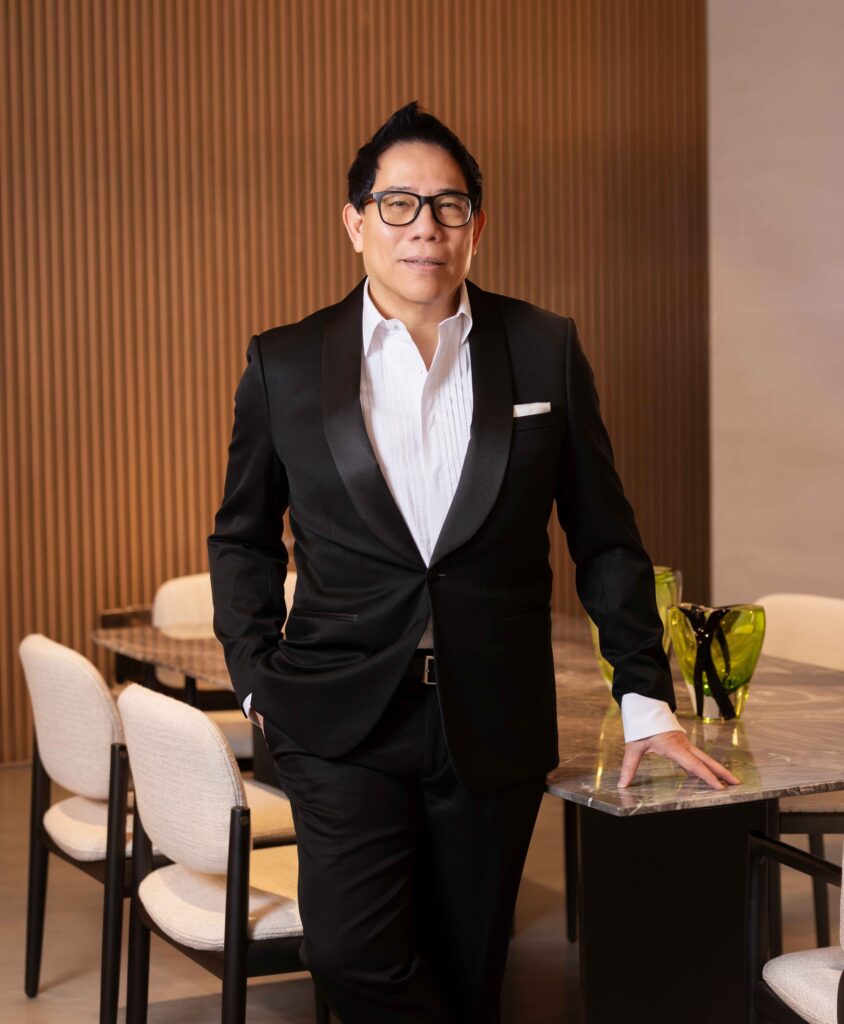
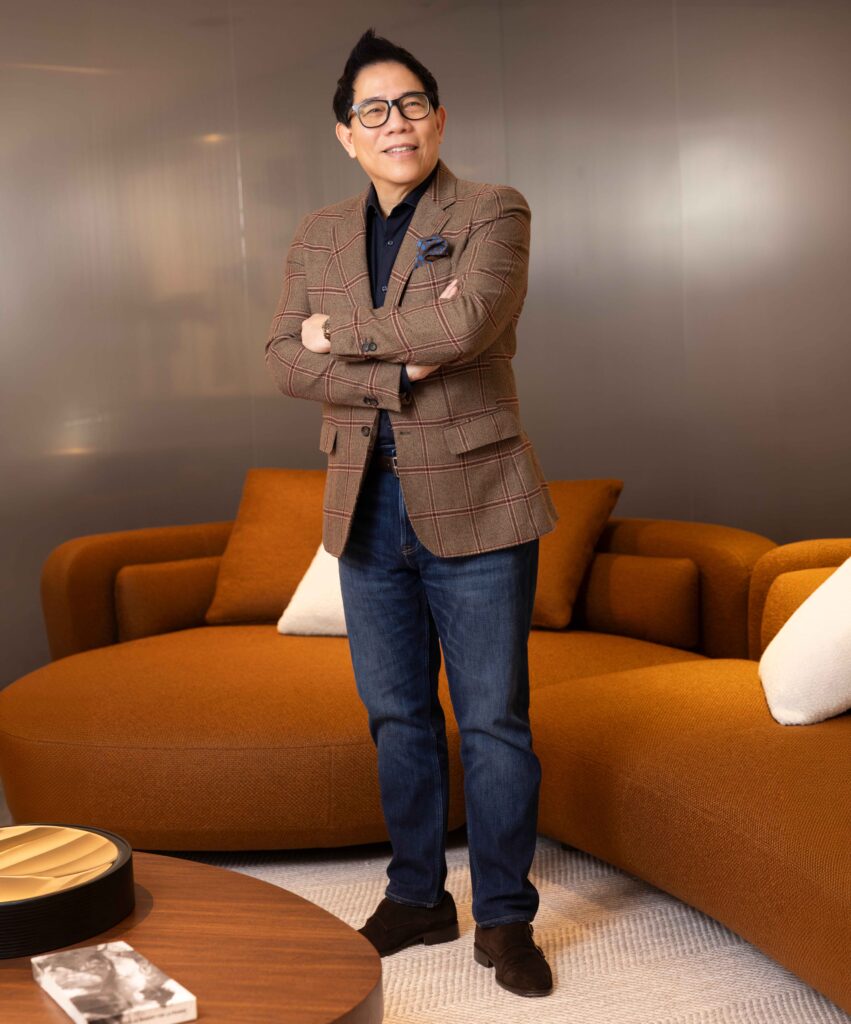
The personality of this accomplished photographer shines through as we photograph him. It’s apparent that he’s an easy-going boss and fun-loving entrepreneur, with a passion for the finer things in life “Is this Richard Gere enough for you?” he jokes, referencing the iconic Pretty Woman film poster as he poses for the camera. His staff cheer him on, proud of their leader’s vision and charisma.

His outfit is a testament to his refined taste and appreciation for elegance and quality. Designer pieces are carefully selected, down to the smallest details of the cufflinks he wears, and his wardrobe is impeccably coordinated.

Luk’s journey proves that passion, art and strategic thinking can transform into a thriving enterprise that elevates Hong Kong’s design scene. His story reminds us that behind every elegant space, there’s a person who believes in the power of beauty and the importance of craftsmanship, and a professional ethos that inspires sophistication and the artful pursuit of modern living.

Interview, Text & Art Direction: Joseff Musa     Photographer: Jack Law     Videographer: Iris Ventura  

SPARK LOVE AND SPARKLE: Dive Into the Glittering World of Engagement Rings with L’ÉCOLE, School of Jewelry Arts

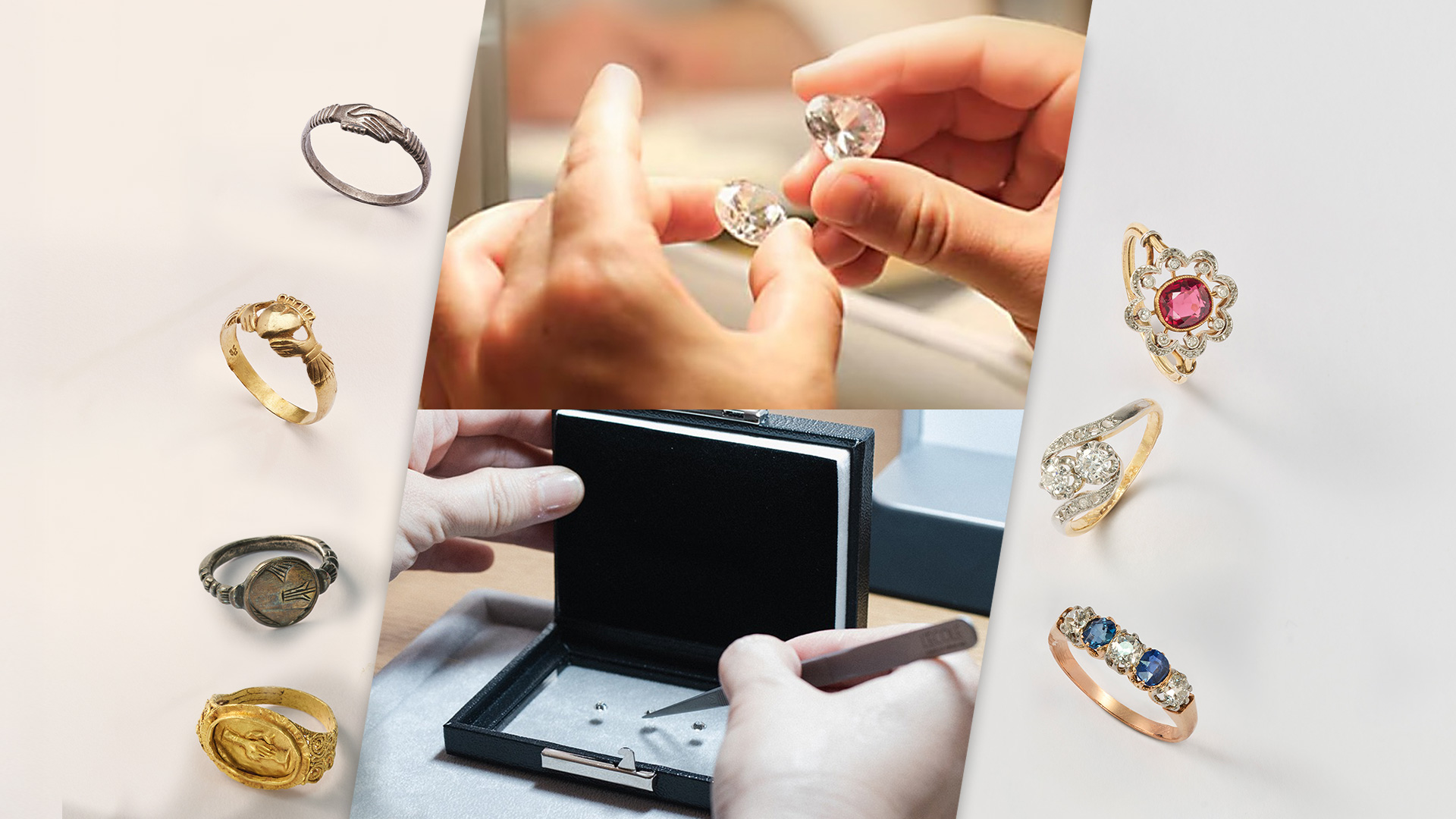
Ever wonder what makes an engagement ring more than just a beautiful band? Is it the history, the craftsmanship, or the stories that swirl around it? Well, now’s your chance to uncover all of that and more! L’ÉCOLE, School of Jewelry Arts is thrilled to introduce “The Engagement Ring: A Love Story,” in the Hong Kong campus, a captivating new course that will turn your fascination with these treasured symbols into a sparkling journey of discovery. 

Imagine exploring the evolution of rings; from humble pewter bands in ancient times to dazzling diamonds, rubies, and other precious stones that symbolize love across cultures. This is a love letter to jewellery itself! Whether you’re a jewellery enthusiast, a budding designer, or simply curious about the magic behind the most romantic adornment, this course is designed to dazzle. 

What’s in store? 

A Love Triangle of Knowledge: Three passionate teachers, an art historian, a gemmologist, and a jeweller, will guide you through the enchanting world of engagement rings, blending history, science, and craftsmanship in one sparkling package. 

From Gimmel to Solitaire: Discover the fascinating forms and myths, like the beloved vena Amoris (the vein of love!), that give these rings their romantic mystique. 

Cultural Sparks: Dive into the rich tapestry of traditions, from the Chinese customs of gold exchange in Hong Kong to the legal and religious symbols woven into the fabric of love stories worldwide. 

Hands-On Spark: Get practical with atelier insights and see how jewellery artisans craft these timeless symbols of love.

Details to Make Your Heart Sing: 

Duration: A charming 2 hours and 30 minutes of love, learning, and sparkle 

Location: The inspiring L’ÉCOLE, School of Jewelry Arts, at K11 MUSEA, Hong Kong 

Fee: HKD$1,000 (a small investment for a lifetime of knowledge!) 

Language: English

Whether you’re dreaming of your own engagement ring or simply want to understand the love and craft behind these symbols, this course will deepen your appreciation and maybe even inspire your own love story. 

Ready to say “I do” to knowledge? Join L’ÉCOLE and turn your curiosity into a dazzling adventure into the heart of jewellery history, culture, and craftsmanship. 

Reserve your spot now and let love, and sparkle, lead the way! 

Because when it comes to love and jewellery, the best stories are always worth telling, and learning.

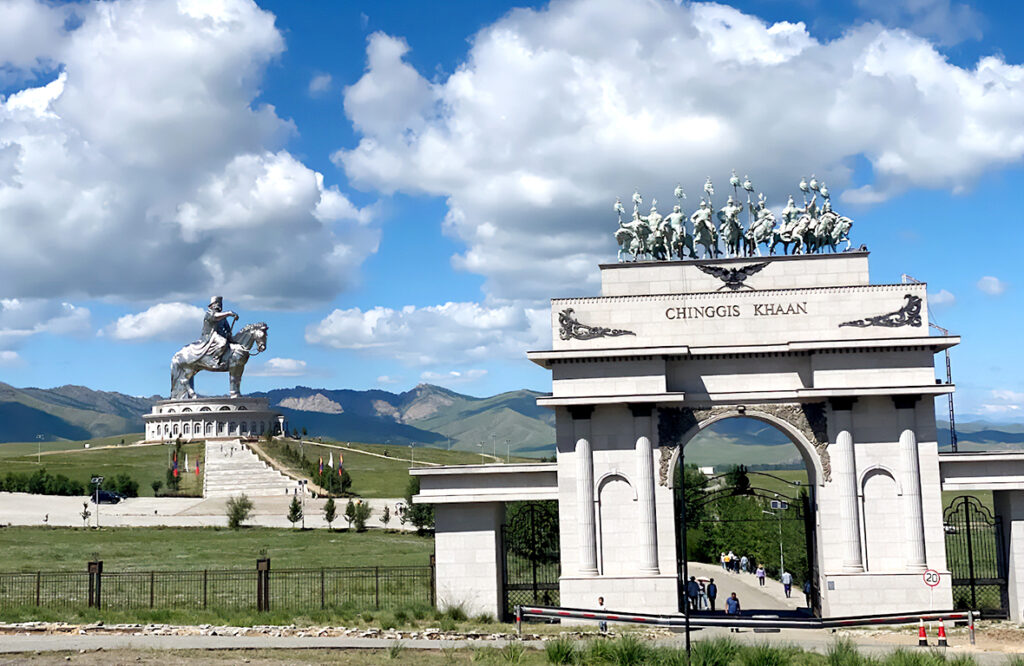
Sands of Silence: A quiet journey through Mongolia’s Gobi Desert, where the dunes whisper under a monumental sky

In March, the Gobi Desert exists in a state of suspension. Winter has not fully released its hold, yet spring has begun to breathe softly across the land. It is a cold desert stripped of spectacle and sharpened by clarity, a place where silence carries weight and beauty reveals itself slowly. This is not the Gobi of postcards and peak-season itineraries. This is the Gobi at its most honest.

Sprawling some 1,600 kilometres (1,000 miles) from east to west across southern Mongolia and northern China, the Gobi is the sixth largest desert in the world. It defies the narrow definition of a desert, as it is not endless sand, but a mosaic of environments – rolling steppe, dry riverbeds, jagged mountains and sudden dunes rising like mirages from the plains. Frost and occasional snow reflect its location and position on a plateau that soars as high as 1,500 kilometres above sea level.

The landscape greets you in muted tones – soft ochres, dusty rose, pale limestone, and the faint silver of lingering ice – as you travel by jeep from the airport at Dalanzadgad, the capital of Omnogovi Aimag province in Mongolia’s far south. The sky feels enormous, stretching unbroken from horizon to horizon, and the March air is crisp, lending sharp edges to every rock and ridge.

Light behaves differently here, casting long shadows that shift slowly throughout the day. Without summer’s haze, distances appear closer than they are, and mountains tease the eye before retreating once more into the vastness. For visitors, there is a feeling of exposure in the Gobi, but not vulnerability. Instead, the openness offers a kind of reassurance. Nothing is hidden; everything is exactly as it appears.

Bird’s Eye View

One of the Gobi’s most unexpected sights lies tucked within the rocky folds of Gurvansaikhan National Park, an hour’s drive from the airport. Yolyn Am, called Valley of the Vultures after the lammergeier (yol in Mongolian) circling above the narrow canyon, still holds thick sheets of ice, preserved by its towering stone walls.

Walking through Yolyn Am is an exercise in contrasts. The crunch of ice beneath your boots echoes softly as sunlight filters down in thin bands. Meltwater trickles along the edges, glistening like glass. The bearded vultures glide effortlessly overhead, indifferent to the season below. The canyon feels intimate, almost secretive. In early spring, when the ice has begun its slow retreat, Yolyn Am feels fleeting – an ephemeral moment suspended between seasons.

Dune Drama

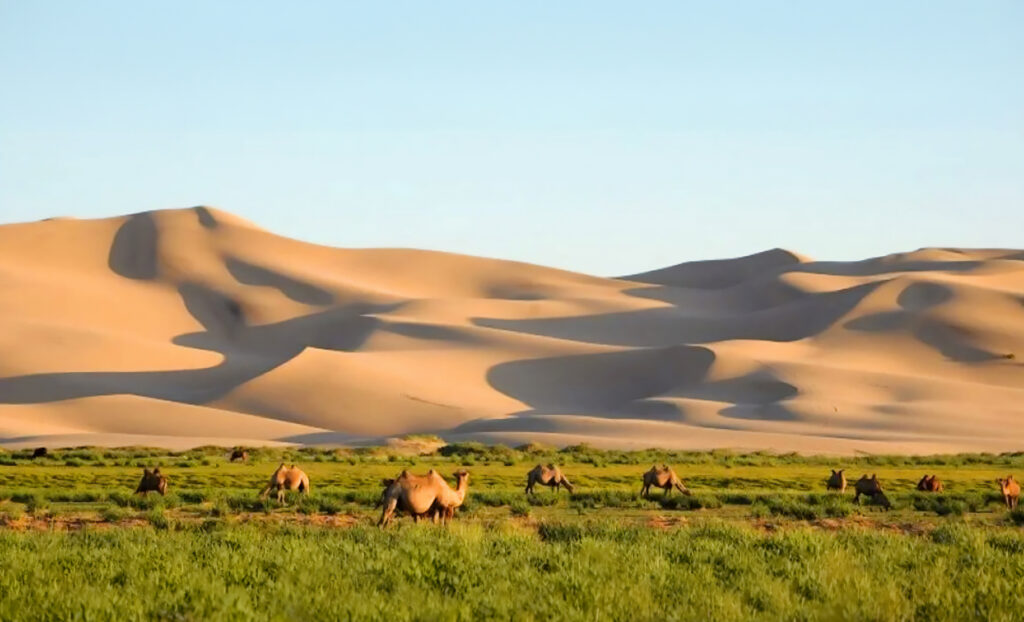
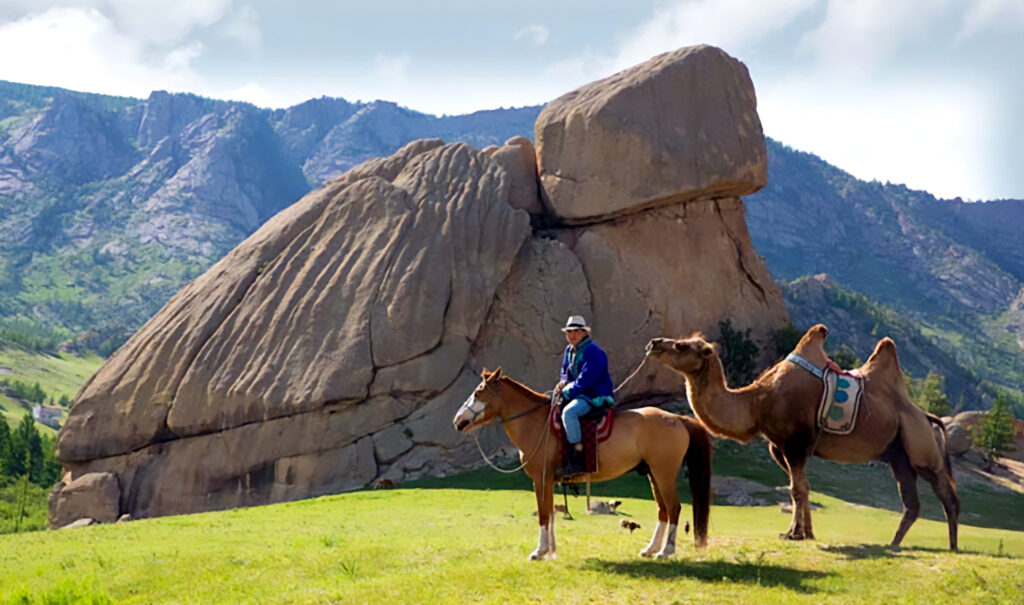
Then there are the dunes. Khongoryn Els, the largest and most iconic sand dunes in Mongolia, rise suddenly from the flat steppe like a golden ocean frozen mid-wave. Known as the Singing Sands, they stretch over 100 kilometres, dominating the southern Gobi with quiet authority. When the wind moves just right, the dunes hum the low, resonant sound that prompted their nickname. It is not loud, but it is unmistakable, as if the desert itself is speaking.

In early spring, the dunes are cool and firm, their surfaces rippled by winter winds. Climbing the 300-metre-high peaks is a meditative act, each step sinking softly into sand that feels surprisingly cold. The silence is profound, broken only by the whisper of grains shifting beneath your feet.

At the crest, the world opens completely. To one side, dunes cascade endlessly into shadow; to the other, open plains stretch towards distant mountains. As the sun lowers, the dunes transform from golden at noon, to amber by afternoon, and blushing rose as evening approaches.

Tented Luxury

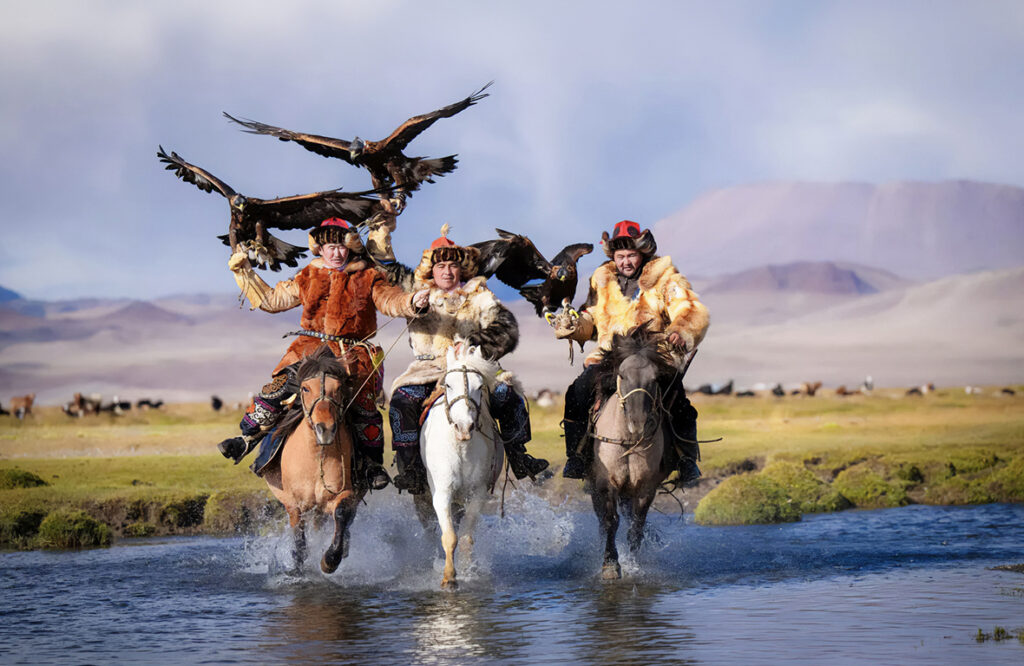
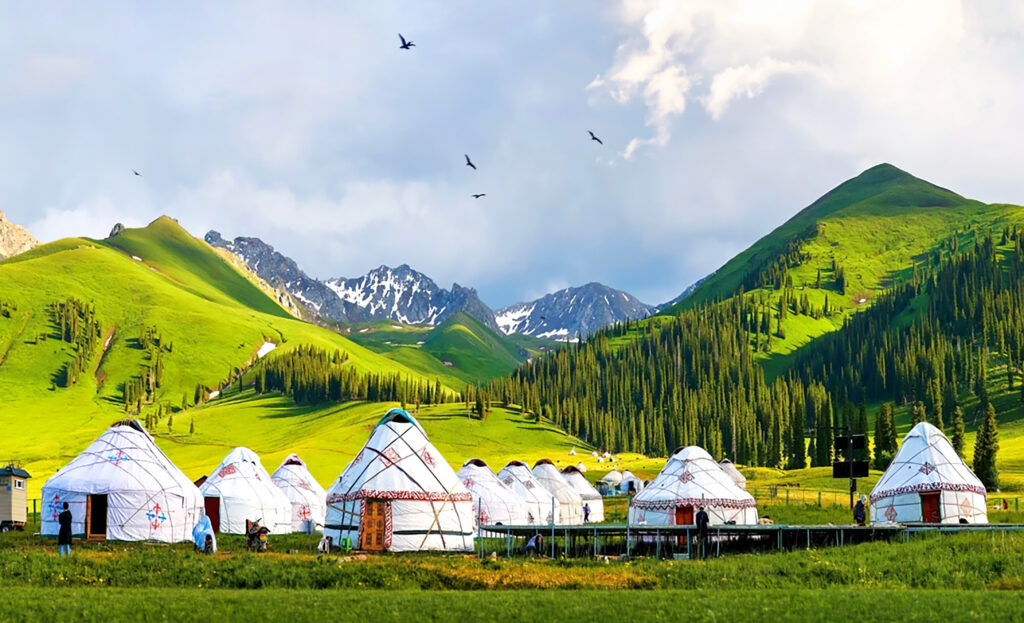
An upscale adventure in the Gobi revolves around a tented camp, sleeping in plush versions of the round, peak-roofed ger that nomads have called home for centuries. The exclusive Three Camel Lodge, lying on the edge of the Gurvansaikhan National Park, offers en-suite ger, heated by a wood stove and adorned with hand-painted furnishings and camel-haired blankets. Leave their warmth for horseback riding, trekking on the double-humped Mongolian camel, mountain biking, archery or viewing the prehistoric rock carvings on Bulagtai Mountain, the volcanic outcrop hovering in the background. For the ethical traveller, eco-lodges such as Gobi Mirage Lodge or Gobi Nomad Lodge are another option. 

Staying near a nomadic camp offers a glimpse into a rhythm of life defined by weather and land rather than clocks. For the nomads, days begin with tending animals and end with shared meals under fading light. Evenings are quiet, illuminated by stoves and stars. There is no performance here, no attempt to package tradition for visitors. Life simply continues, as it has for generations.

Desert Dining

Meals are centred around comfort, nourishment and shared experience. Inside a ger, the air carries the scent of boiling milk and simmering meat. A bowl of suutei tsai, Mongolia’s iconic salty milk tea, is often the first offering. Rich and grounding, it warms the body instantly, especially on cold March mornings.

At dinner, there is often mutton or goat, slow-cooked until tender, accompanied by simple bread or steamed dumplings known as buuz. Seasoned lightly with salt, the clean flavours allow the quality of the ingredients to speak for themselves.

One of the most memorable dishes is khorkhog, a traditional barbecue where meat and vegetables are cooked with hot stones inside a sealed metal container. The stones infuse the food with smoky heat – believed to bring good health – and the ritual of sharing the meal, passing around the warm stones, feels as important as the food itself.

Hum of Life

March is a transitional month for nomadic families, and as the journey from winter to spring pastures begins, a sense of anticipation permeates the desert. Livestock begin to stir more frequently. Horses graze cautiously at emerging patches of grass. Camels move with deliberate patience across the plains, their silhouettes perfectly suited to the landscape.

Perhaps the most striking feature of the Gobi in early spring is its silence. Without the buzz of peak-season tourism, the desert feels vast and contemplative. Wind moves across the plains in soft waves. Sand whispers along dune faces. Occasionally, the call of a bird or the distant low of livestock punctuates the stillness. This silence does something subtle but powerful: it slows the mind. Thoughts stretch out, unhurried; time feels less urgent, less fragmented.

Still Images

March light in the Gobi is a photographer’s dream. Clear air and low sun angles create dramatic contrasts and long shadows that sculpt the land hour by hour. Sunrises arrive quietly, washing the desert in pale pink and gold. Sunsets linger, stretching across the skyline in layers of colour that seem almost unreal. At night, the stars emerge in astonishing density, unchallenged by artificial light.

The sky feels closer here, as though it has lowered itself to meet the land. It is easy to understand why Mongolian culture places such reverence on nature – humility feels instinctive under this sky. This is a place that stays with you not because of what you saw, but because of how you felt while seeing it.

In a world increasingly defined by speed and spectacle, the Gobi offers something rare: stillness with depth. It is a destination that simply exists, vast and patient, waiting for those willing to meet it on its own terms. And long after you leave, when noise returns and schedules tighten, it is the memory of that silence – stretching endlessly beneath a pale Mongolian sky – that calls you back.

The Art of Living in Lightness and Luxury: With SieMatic SLX & SLX Ceramic, discover the award-winning handleless kitchen that redefines elegance, minimalism, and innovative design

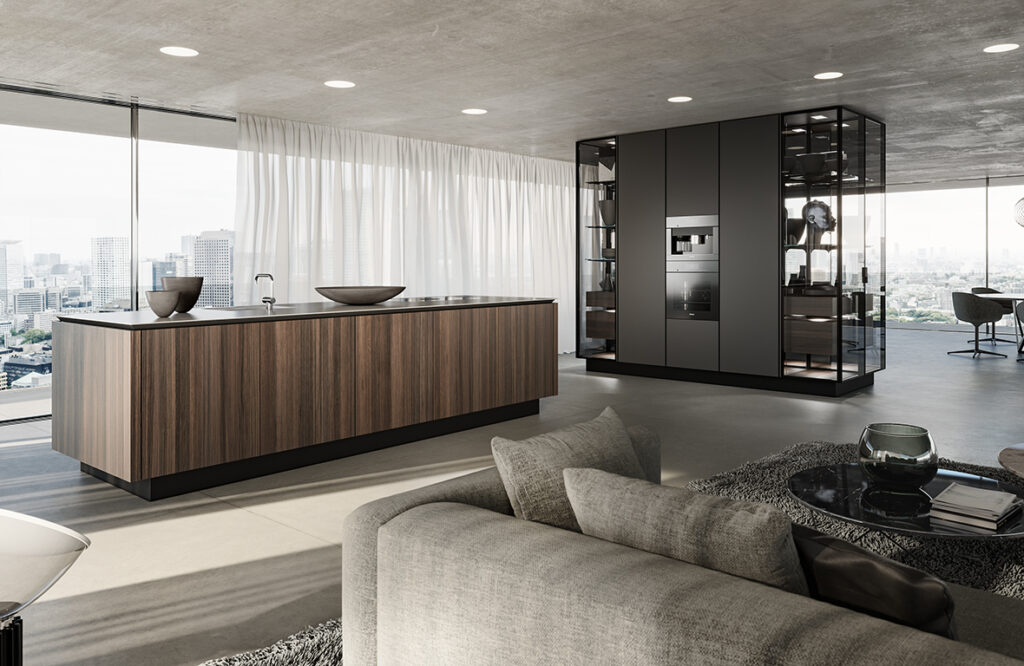
Imagine a kitchen that feels more like an art installation than a cooking space—a place where form, function, and personality harmoniously intertwine. Welcome to the world of SieMatic SLX and SLX Ceramic, five-time award winners celebrated globally for their exceptional design and cultural significance. These kitchens are not just spaces to prepare meals; they are statements of modern living, embodying the purest form of aesthetic and technical mastery.

The Icon of Handleless Elegance

The SieMatic SLX stands as a beacon of contemporary architecture, instantly recognizable as the quintessential handleless kitchen. Its sleek, minimalist silhouette captures the essence of lightness and luxury, setting new standards for design excellence. Each SLX is a bespoke masterpiece, meticulously planned and crafted to mirror your personality, whether in lacquer, veneer, ceramic, or a custom hue from over 2,050 colours in the SieMatic IndividualColorSystem. The result? A kitchen that’s uniquely yours, a personal canvas for style and lifestyle.

Craftsmanship Meets Modern Purism

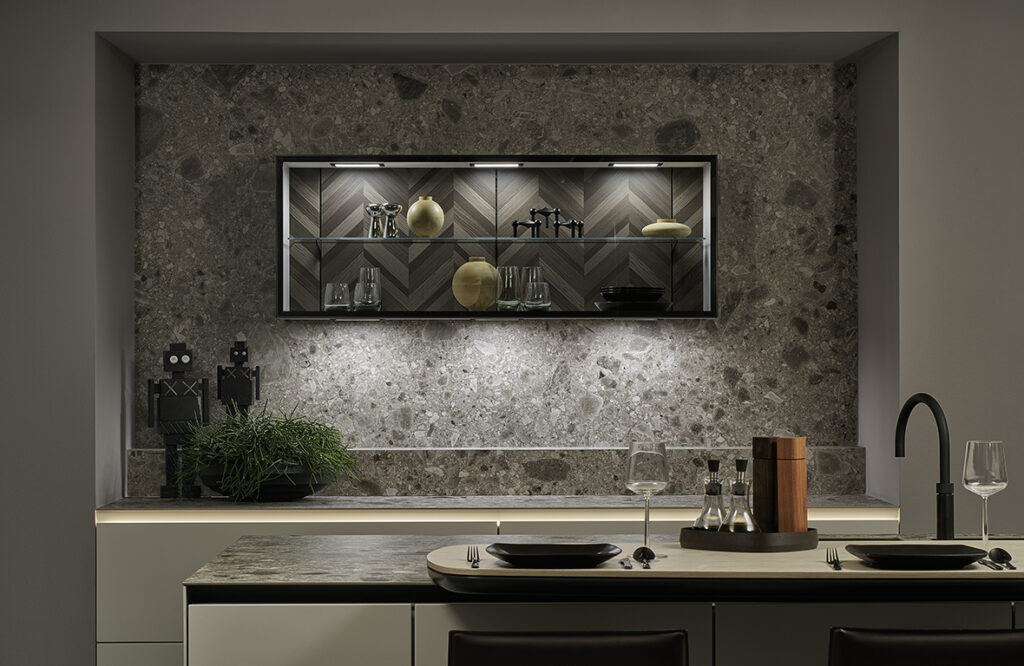
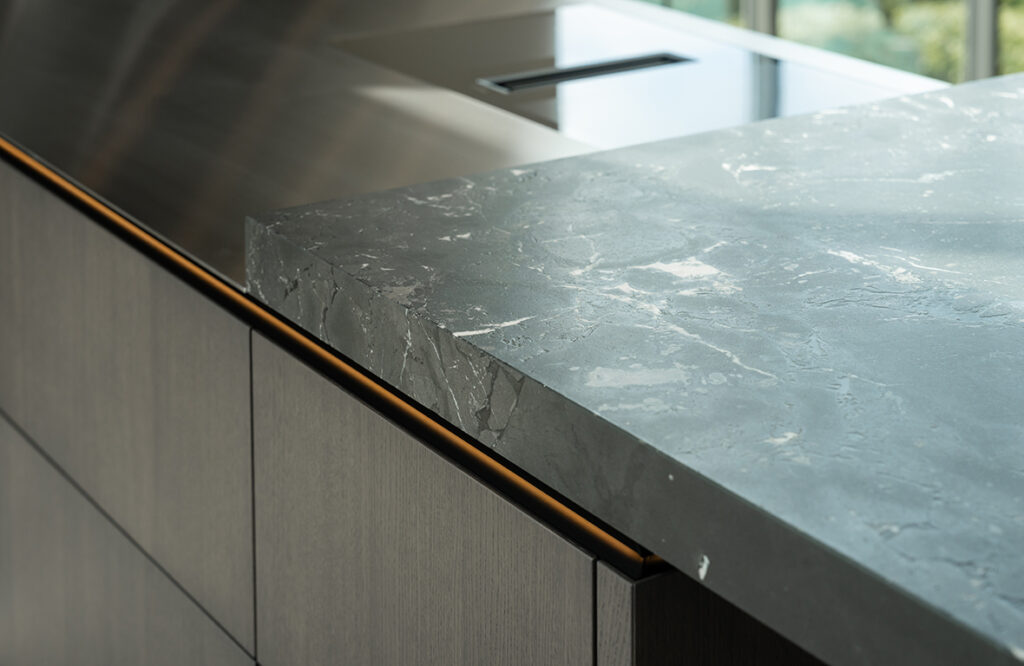
Ceramic and natural stone surfaces subtly play with light and texture, blending craftsmanship with a sleek, modern aesthetic. Gently integrated LEDs in handle strips can be adjusted to set the perfect mood; warm, cool, bright, or subtle, adding a personalized touch that transforms the space into a sanctuary of comfort. Floating display cabinets illuminate the natural beauty of stone and wood, emphasizing the kitchen’s airy, weightless feel. They can serve as elegant storage or striking visual accents, your choice.

Personalized Storage and Flexibility

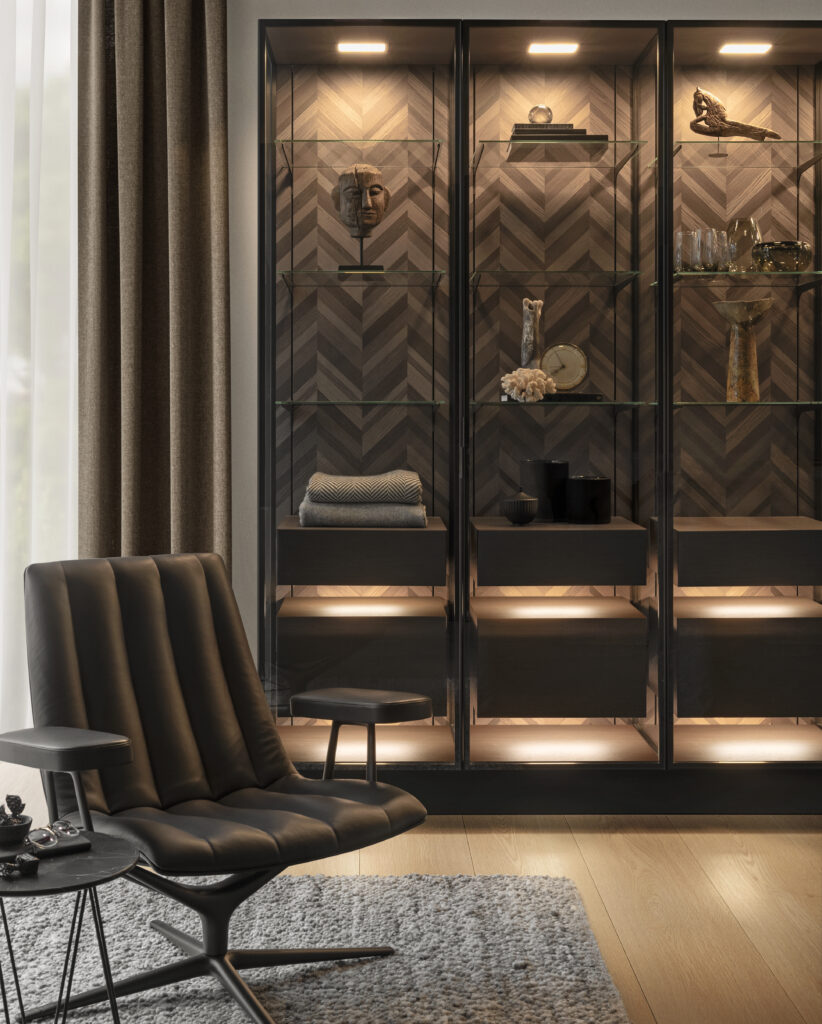
The innovative floating mounting system, inspired by SieMatic’s FloatingSpaces panel wall, offers unparalleled flexibility. The small glass wall cabinets can serve as standalone pieces, integrated into living spaces, or focal points in the kitchen. Customizable back panels, mirrored, veneered, or lacquered, add a personalized touch, ensuring your kitchen reflects your unique style.

Works of Progress: Curated by Asians and committed to diverse conversations, Art Basel Hong Kong amps up the contemporary

Every March, Hong Kong becomes more than a financial capital or transit hub – it transforms into a living, breathing laboratory for contemporary culture. Art Basel Hong Kong, returning this year from 27-29 March, is not simply the Asian stop of an art-fair juggernaut; it’s a statement of the city’s importance on the world art map.

The Hong Kong fair feels unmistakably different this time: quieter in its confidence, sharper in its focus, and more committed than ever to the urgency of the present moment. Rather than leaning on spectacle or legacy alone, it has placed its weight on recent artistic production, Asia-led curatorial voices, and cross-regional dialogue that feels lived rather than theoretical. The result is a citywide cultural week that rewards thoughtful viewing and curiosity beyond the exposition booth.

The most telling development of Art Basel Hong Kong is the recalibration toward the now. While the fair has always been attentive to contemporary practices, the 2026 edition marks a more disciplined commitment to works made within the last five years. It reflects a world shaped by pandemic aftershocks, climate instability, accelerated digitalization and shifting geopolitical alignments.

Present Push

This emphasis crystallises most clearly in Echoes, a newly introduced sector that foregrounds recent creative output without framing it as emerging or provisional. Ten curated booths display works by up to three artists each, offering a compelling glimpse into the most current artistic applications and narratives. It reads like a pulse check on what artists are thinking, making and questioning at this exact moment.

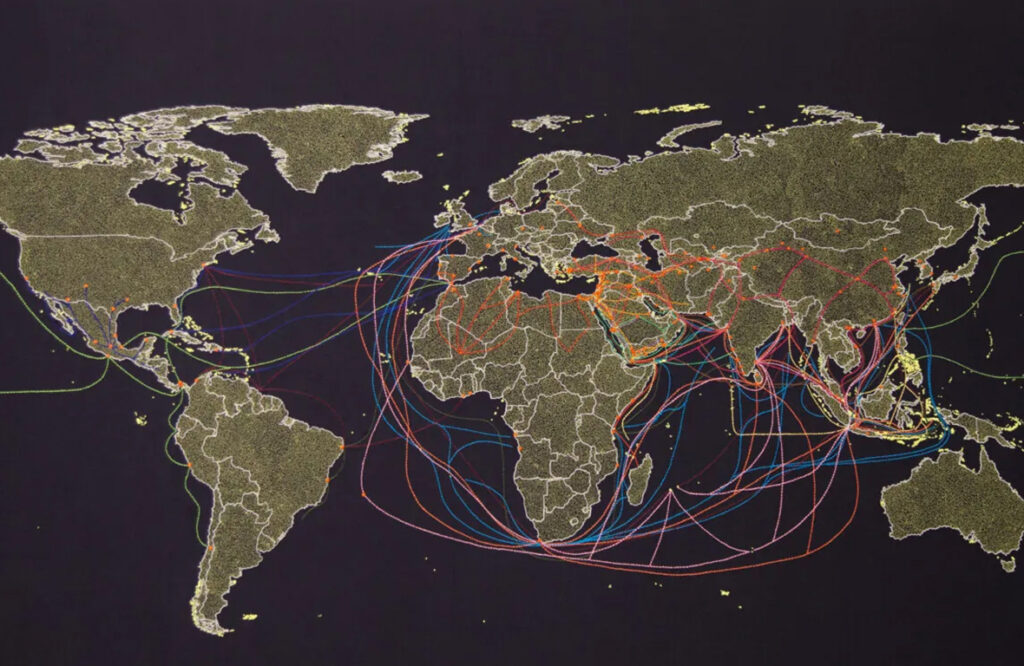
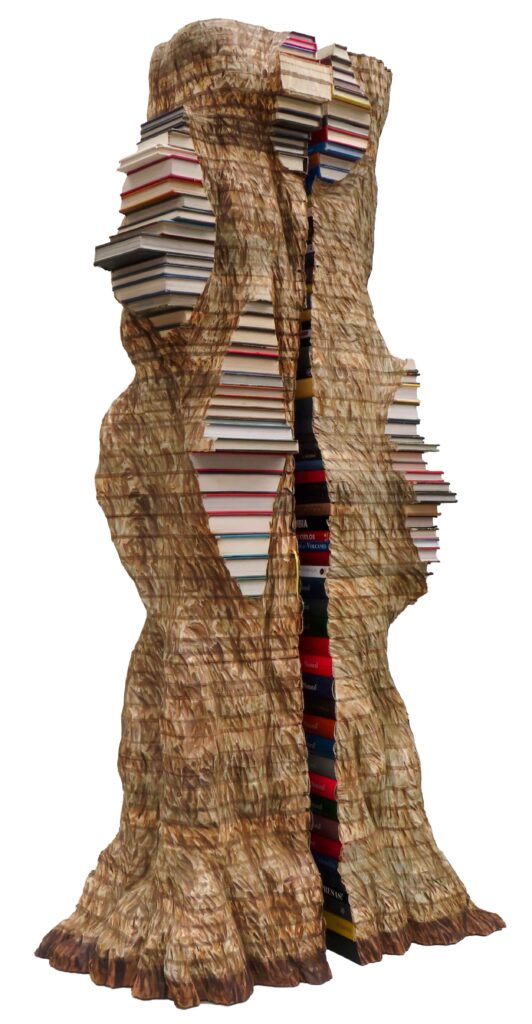
The works here are materially ambitious but conceptually intimate, grappling with issues like migration, ecological systems and the uneasy coexistence of technology and embodiment. Highlights include Vietnamese-American artist Tiffany Chung’s embroidered maps of spice routes and the carved book sculptures of Colombia’s Miler Lagos, both presented by Madrid gallery Max Estrella. An immersive spatial installation by Polish artist Natalia Załuska, displayed by Hong Kong’s Double Q Gallery, will also seize the imagination.

Walking through this new section will feel like entering a series of conversations already in progress. With textile works doubling as geopolitical maps, and sculptures referencing the fragile balance between nature and human civilisation, there is plenty to digest. Echoes resists easy categorisation, which is precisely the point: it insists that contemporary art is not a trend forecast but a lived condition.

Dominant Asia

Equally significant is who is shaping the fair’s intellectual spine. For the first time, all major curated sectors at Art Basel Hong Kong are overseen by Asia-based practitioners, signalling a structural rather than symbolic shift. This is not about replacing one dominant voice with another; it is about embracing multiplicity. Nowhere is this more evident than in the Encounters sector, long known for its monumental installations and large-scale gestures.

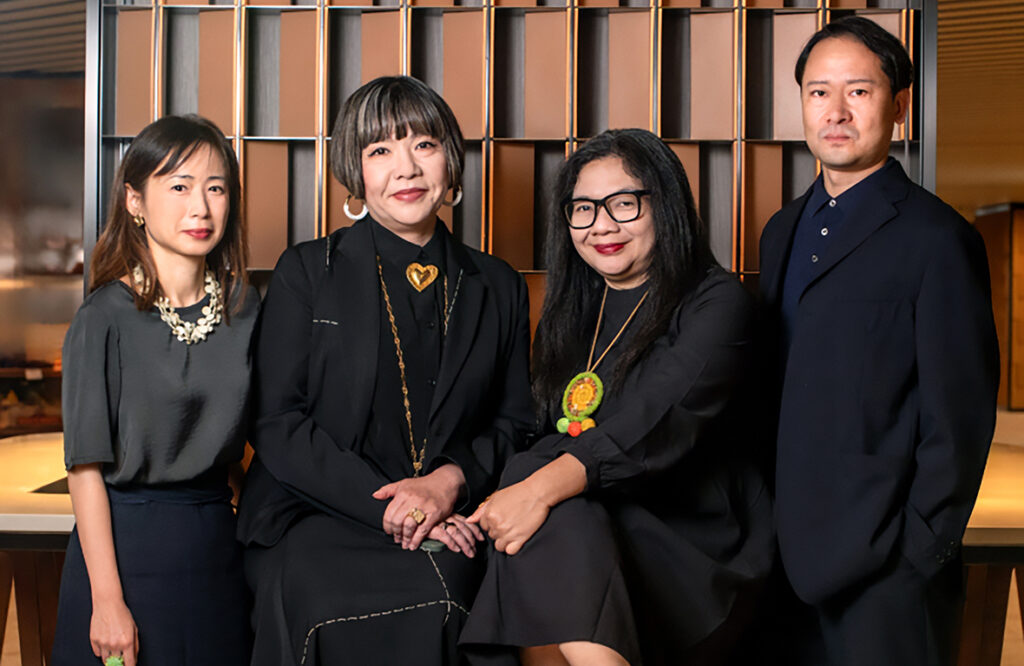
This year, Encounters adopts a collective curatorial model, bringing together voices from Hong Kong, Japan and Indonesia – namely M+ Visual Art Curator Isabella Tam; Director of Tokyo’s Mori Art Museum, Mami Kataoka, and her Senior Curator Hirokazu Tokuyama; and Jakarta-based researcher Alia Swastika. Instead of a singular curatorial narrative, the sector unfolds as a constellation of perspectives, sometimes complementary, sometimes deliberately dissonant.

The works here are expansive but not bombastic. Several projects are conceived specifically for the fair, underscoring a move away from transportable spectacle towards site-responsive thinking. Encounters feels less like an Instagram moment and more like a spatial essay, something to be read with the body as much as the eye.

Hong Kong Direction

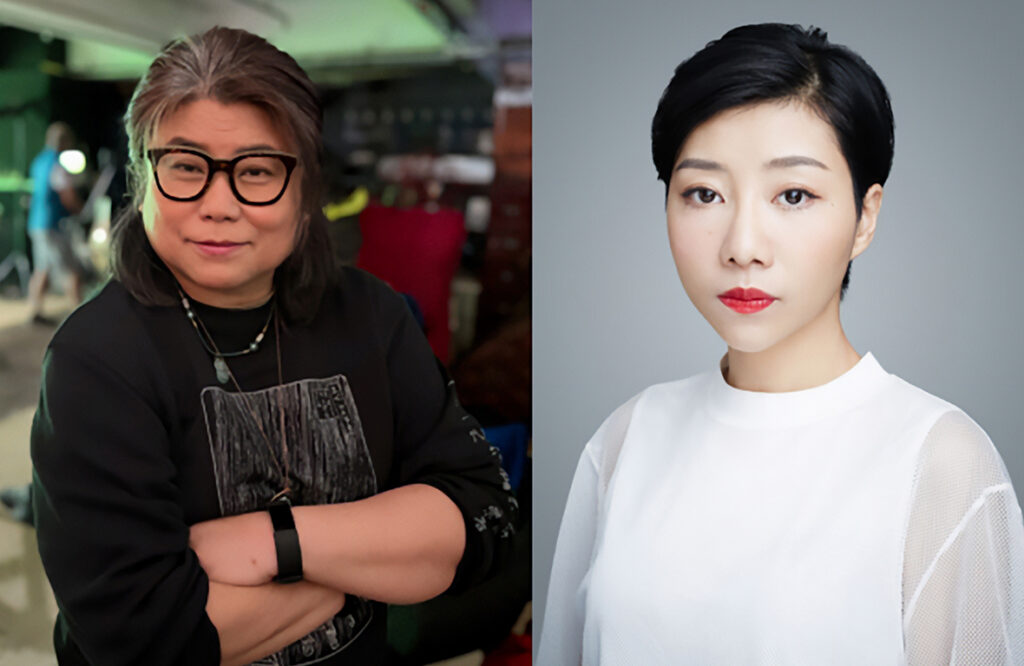
The Asia-led approach, which continues with Hong Kongers Ellen Pau and Venus Lau overseeing the Film and Conversations programmes respectively, subtly reframes the fair’s centre of gravity. The language of East meets West has long outlived its usefulness, and Art Basel Hong Kong seems keenly aware of that. Rather than positioning Asia as a regional subset within a global hierarchy, the fair presents the continent’s art as a network of nodes that are internally diverse, outward-looking and fully entangled with global cultural currents.

With pioneering video artist Pau at its helm, Film showings position moving image as both artistic medium and historical document. The curation spotlights artists who use time-based media to examine memory, surveillance, displacement and collective authorship. The day of Conversations, meanwhile, leans away from market prognostication towards institutional exchange. Lau, who serves as Director of Jakarta’s Museum MACAN, presents panel discussions that feel refreshingly grounded.

Confident Curation

Across the fair, the most compelling booths among 240 galleries from 42 countries this year are those that resist the temptation to overdisplay. Fewer works, thoughtfully installed, tend to reward sustained attention – mirroring the fair’s broader shift toward depth over density. Several established galleries stand out for their curatorial ambition rather than sheer scale. Equally important are those that have matured through the fair’s earlier sectors and now occupy the main floor with renewed confidence. These presentations often signal long-term institutional investment and are worth watching closely.

Art Basel Hong Kong newcomers include Tokyo’s A Lighthouse called Kanata, showcasing Japan’s renewed interest in abstraction through works by postwar masters and emerging painters, and Sydney gallery The Commercial, debuting works that interrogate Australian identity and colonial history. Pilevneli from Istanbul presents AI-generated works, porcelain sculpture and mixed-media installations, and New York’s Uffner & Liu focuses on artists examining distortion, transformation and disguise.

Beyond the Booths

What truly distinguishes Art Basel Hong Kong is how seamlessly it extends into the city itself. During fair week, Hong Kong becomes a distributed exhibition space, with museums, heritage sites and public façades activated in conversation with the fair.

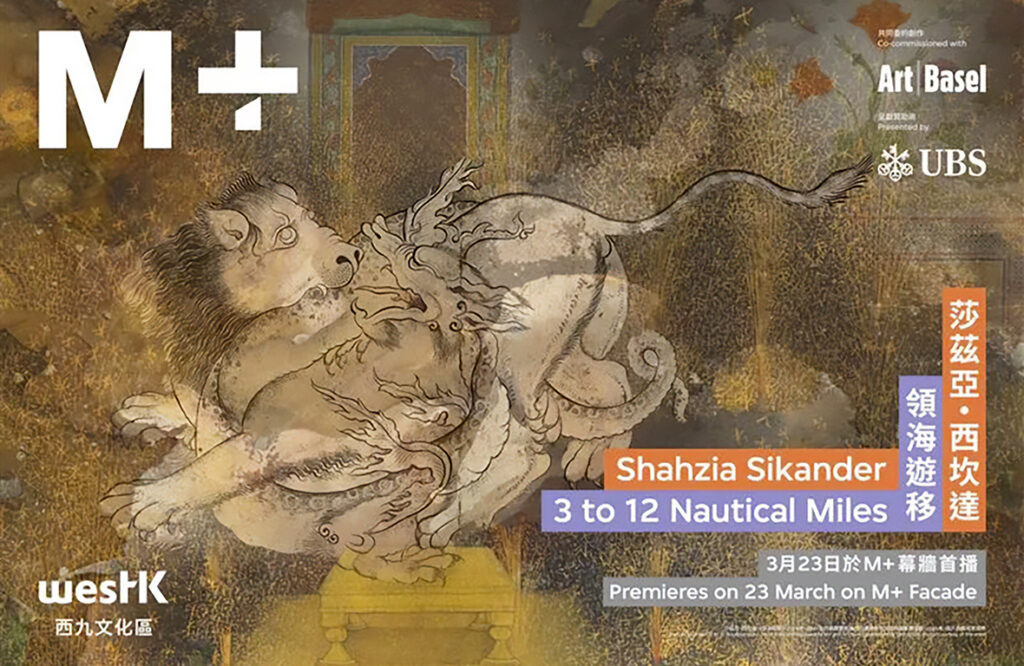
At M+, a major façade commission transforms the building into a luminous, city-scale canvas. This year, an animation of hand-painted watercolours by Pakistani-American artist Shahzia Sikander references historical trade routes and contemporary geopolitics, merging traditional visual languages with digital invention. Seen from a distance, it functions as both artwork and urban signal: a reminder that art here is not confined indoors.

Across the harbour, Tai Kwun pulses with energy during its annual Artists’ Night. Performances unfold across courtyards and corridors of the former Central Police Station, emphasising sound, movement and collective experience. In a counterpoint to the polished choreography of the fair, the atmosphere here is less formal and more experimental.

Meanwhile, independent spaces such as Para Site offer rigorously researched exhibitions that engage political, ecological and social questions head-on. These shows reward visitors willing to step off the main circuit, offering some of the most intellectually demanding and emotionally resonant experiences of the week.

Quiet Power

Taken together, Art Basel Hong Kong 2026 feels less like a market crescendo and more like a sustained conversation. Its power lies not in headline-grabbing sales or monumental gestures, but in its attention to process, authorship and context. The fair no longer asks viewers to marvel at scale alone; it invites them to listen.

For collectors, this means engaging with practices still in motion. For curators, it offers a snapshot of how Asia-based voices are shaping global discourse from within. For the culturally curious, it provides a rare opportunity to experience a city thinking out loud through art.

In March each year, Hong Kong does not simply host Art Basel; it becomes Art Basel. And in doing so, it reminds us that the most compelling art is not about predicting the future, but about understanding the present with clarity, complexity and care.