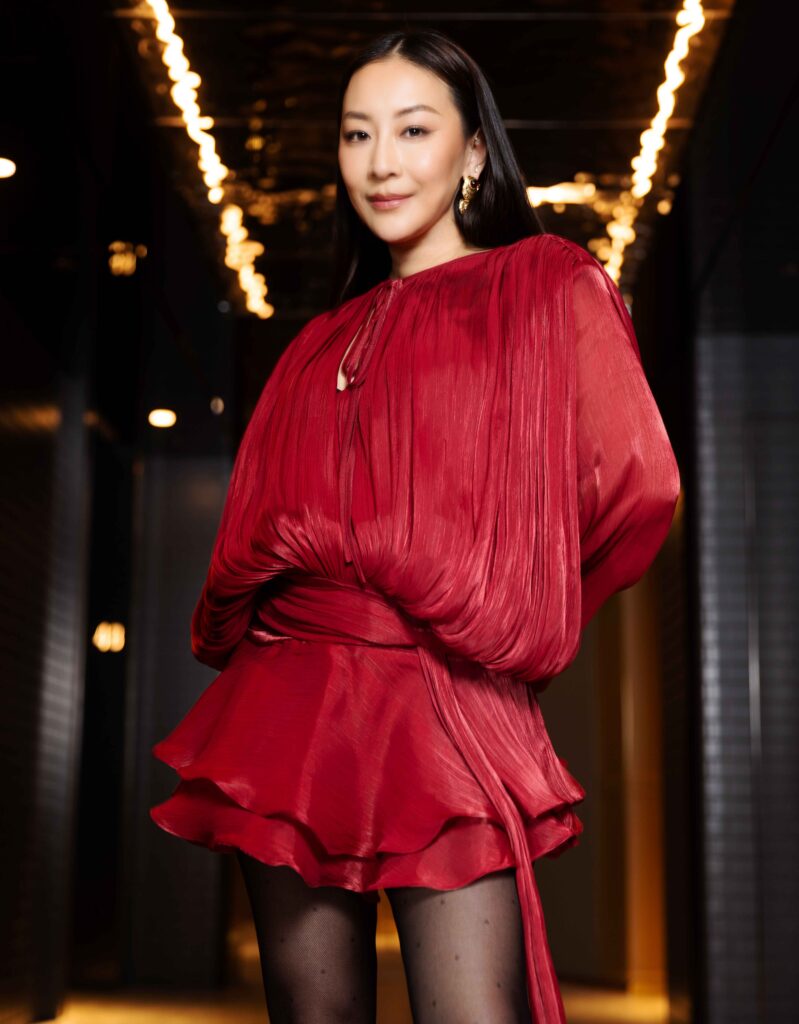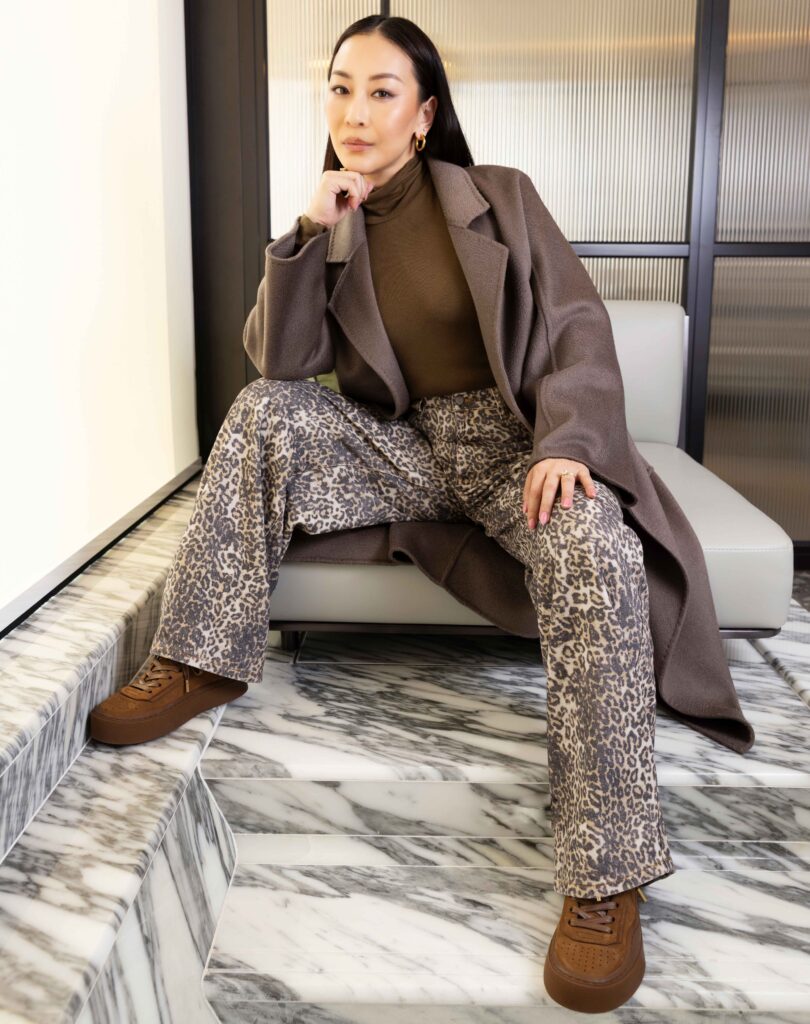

Duck Sittings: Harbourside One Duck Lane presents quacking Chinese classics with contemporary panache

Newly landed at the Hyatt Centric in North Point, One Duck Lane flies onto the gourmand’s radar as a culinary playground with a serious pedigree. With its elegant yet relaxed vibe, it’s perfect whether you’re out with family, celebrating a special occasion, or just treating yourself after a busy day. Once you taste the signature dishes, you’ll be planning your next visit faster than you can say “Peking Duck”.

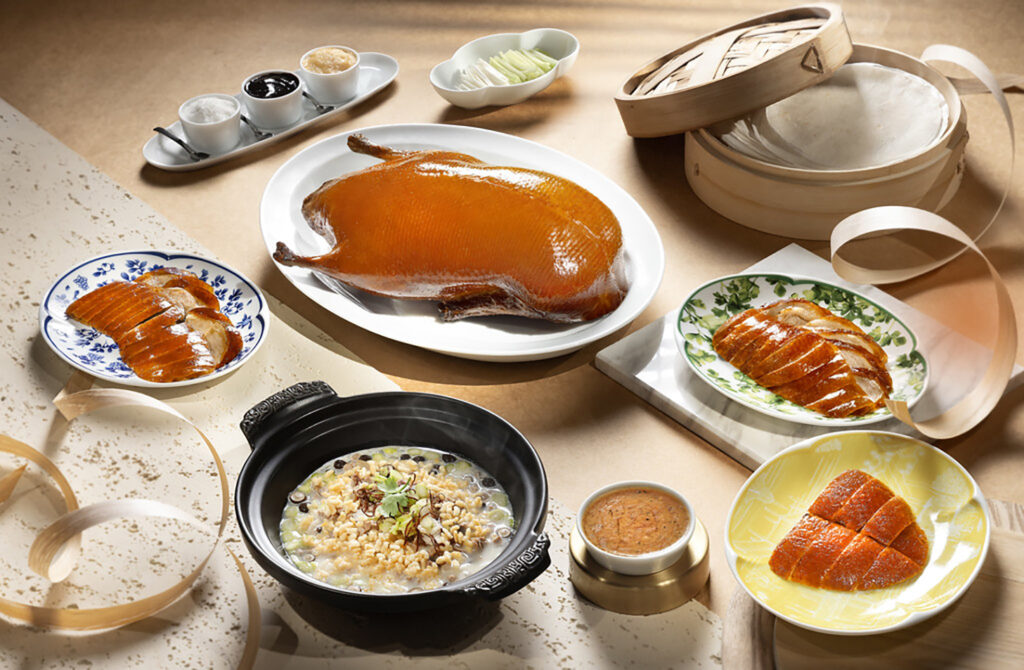
Let’s start with the star of the show: Signature Roasted Peking Duck. This is the Hyatt’s legendary secret recipe, where ducks are raised for 45 days, air-dried for 72 hours, then roasted in an oven that’s almost as famous as the dish itself. The result? Crispy, golden skin that crunches beautifully with each bite, giving way to tender, juicy meat. Watching the chef carve it tableside is a culinary ballet, where every slice is a masterpiece. And if you want to push the experience even further, you can add Foie Gras Parfait with Truffle Sauce; yes, a modern twist that’s decadence on a plate.
Chef Jack Chan, a culinary maestro with more than 30 years’ experience, puts his heart into elevating Chinese classics. “I value Chinese culinary heritage immensely, but I also love challenging myself with new techniques and ingredients to bring out the best in each dish,” he says. His approach is a perfect blend of respect for tradition and hunger for innovation.
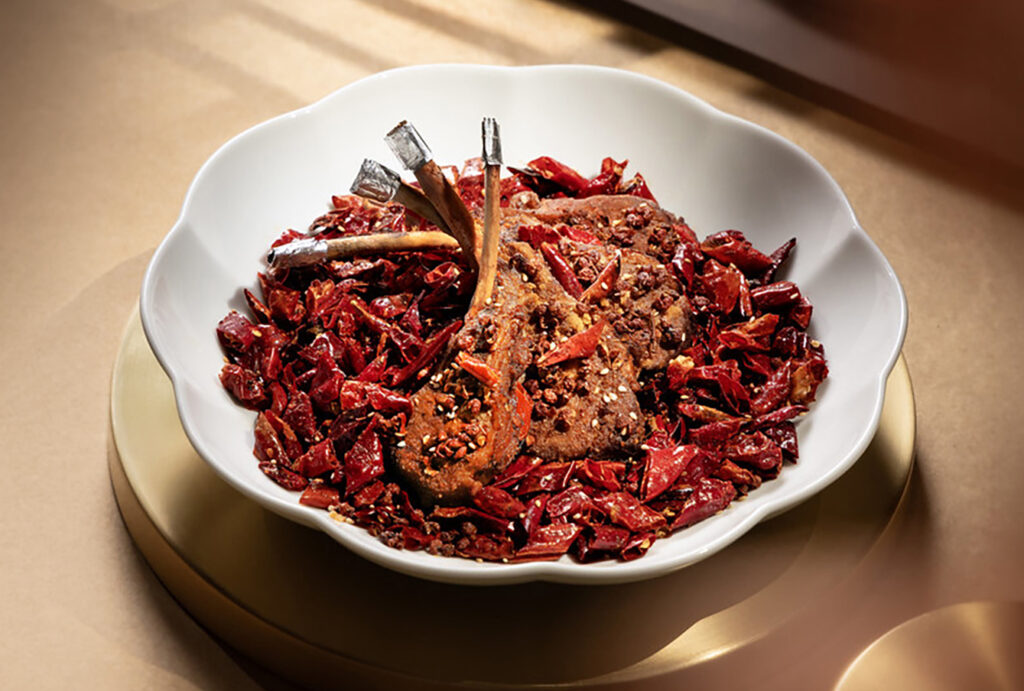
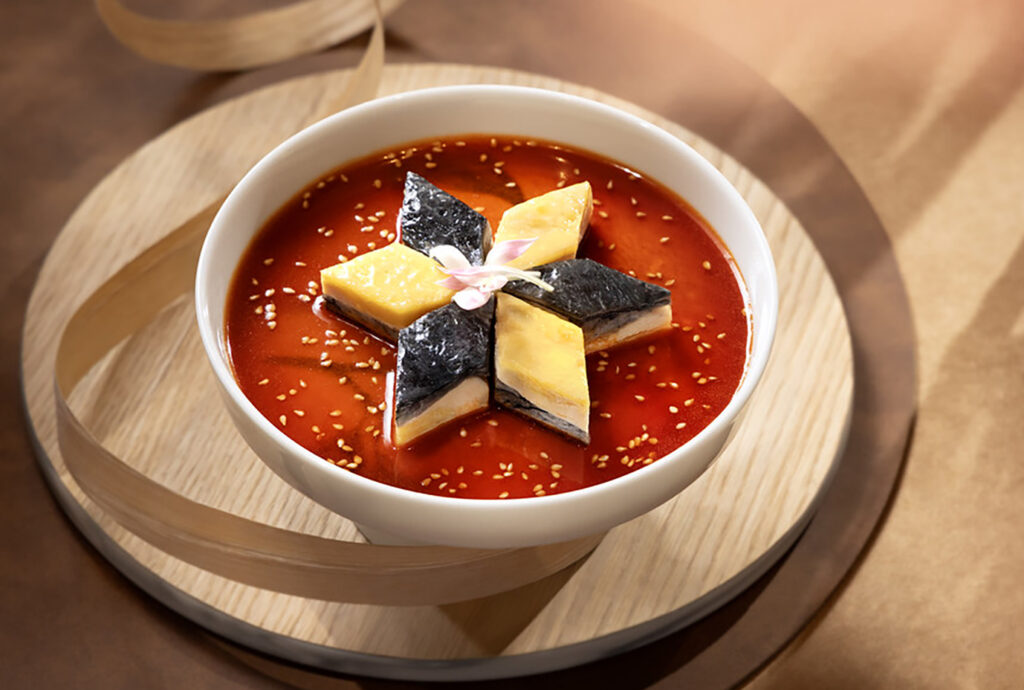
For example, Cumin Lamb Rack is a fiery delight: Mongolian lamb pan-fried with cumin and chilli peppers delivers a punch of flavour that’s both bold and balanced. For the chilled appetiser of ‘Yin Yang’ Chicken, slices of silky meat are stacked in a yin-yang formation and coated with a spicy Sichuan peanut sauce that wakes up your palate. A visual and culinary marvel, this dish is proof that presentation can be as compelling as taste.
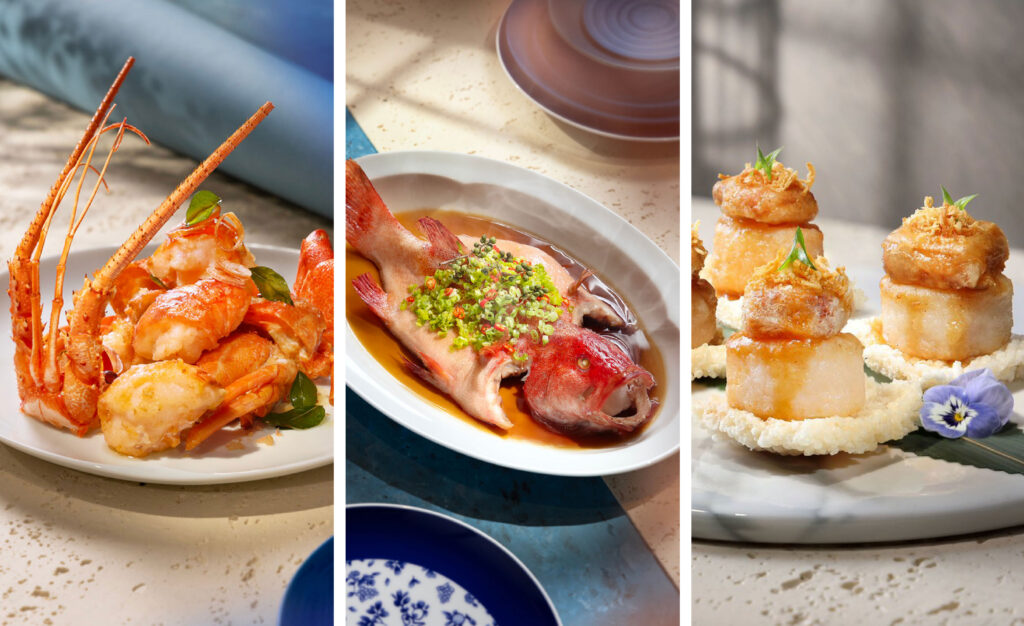
Seafood lovers aren’t left out. One Duck Lane’s seasonal seafood dishes are sublime. Savour Western Australian Lobster steamed to tender perfection, or Leopard Garoupa with Rattan Pepper, a fish that’s fresh, flaky and bursting with flavour. Then there’s Pan-fried Scallop and Duck Foie Gras on Crispy Rice, a combination so rich and delicate, it’s like a culinary love story in every bite.
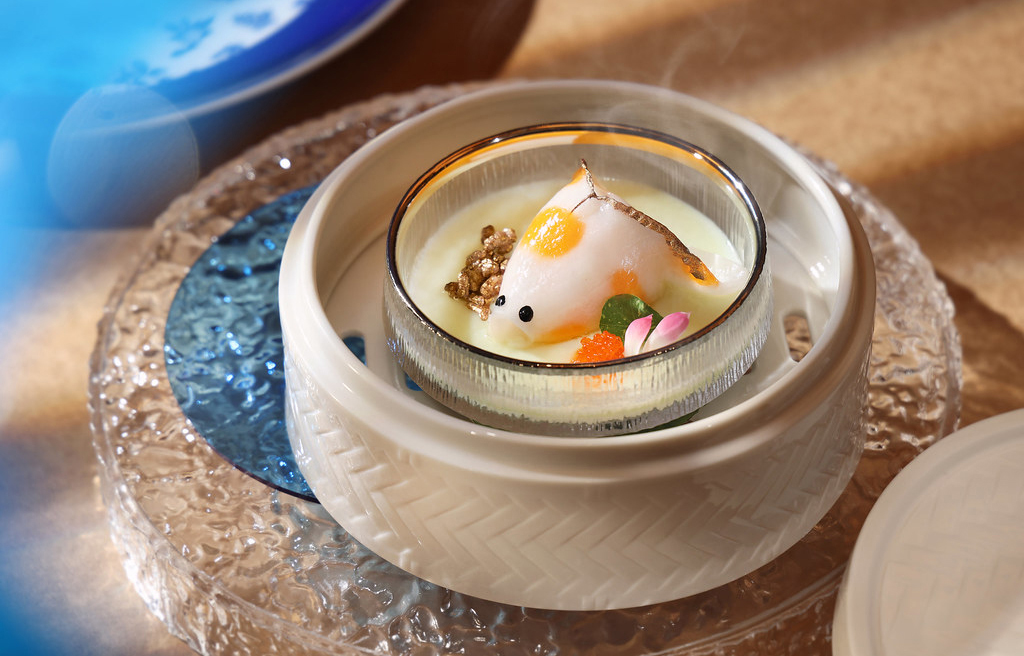
Dim-sum connoisseurs won’t want to miss Steamed Garoupa Dumpling. In a playful take on tradition, fish and shrimp are nestled within a delicate dumpling boat floating atop a mossy spinach-coloured egg white. It’s charming, delightful, and perfect for sharing. For something heartier, Black Pepper Wagyu Beef Puff combines the richness of wagyu with flaky pastry – a classic snack enriched.
Chan’s philosophy shines through every dish. “Innovation is vital,” he expounds. “Celebrate heritage but be passionate about creating something new.” His journey began in dried seafood shops with his father, and over the years, he’s mastered the art of balancing the old with the new.
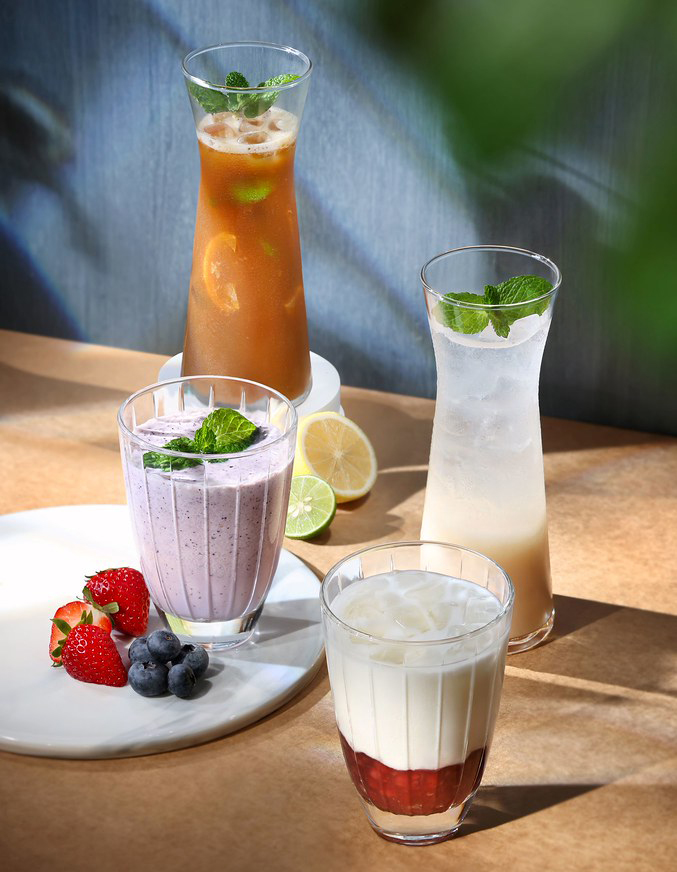
Of course, no modern Chinese meal is complete without cocktails. One Duck Lane’s mixologists have created drinks that are as inventive as the dishes. Mala Punch, for instance, blends Sichuan peppercorn heat with chamomile tequila, pineapple and lime; it’s bold, refreshing and just a little bit daring. Or try The Peking Sour, a vibrant mix of Baijiu, Osmanthus wine and Aperol that transports your taste buds straight to northern China, with a splash of sunny Italy for good measure.

The dining space is like stepping into a contemporary Chinese mansion. High ceilings, lush textures and subtle nods to heritage, such as bamboo steamer pendant lights handcrafted by local artisans, all create a setting that’s both refined and welcoming. The Tea Chamber, a private dining room, feels like a family’s grand banquet hall, with playful artworks and witty quotes that add a touch of humour.
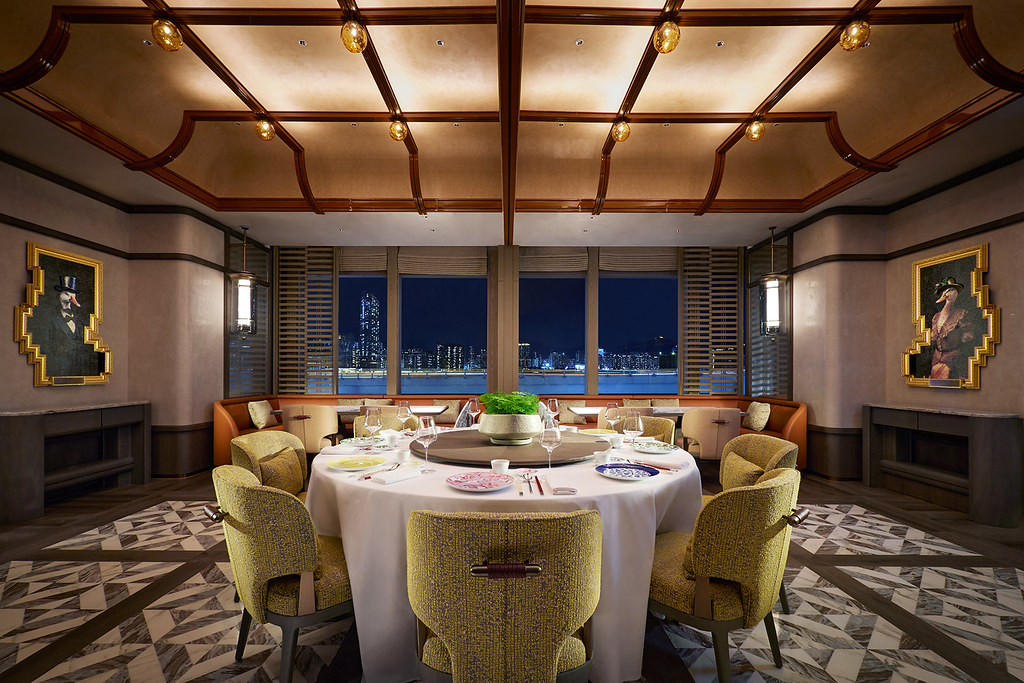
Every detail of One Duck Lane, from the artistic lighting to the intricate marble inlay, reflects the chef’s belief that good food is also about creating memories. So, if your craving is for Chinese, come for an experience that’s modern, memorable and utterly delicious. It’s a celebration of elevated, innovative Chinese culinary artistry, served with a side of harbour views. Indeed, if food is the universal language, then One Duck Lane is quacking fluently in the dialect of excellence.

Text: Joseff Musa    Photos: One Duck Lane

As Luk Would Have It: Contemporary furnishing honcho Tony Luk brings art to the heart of the home

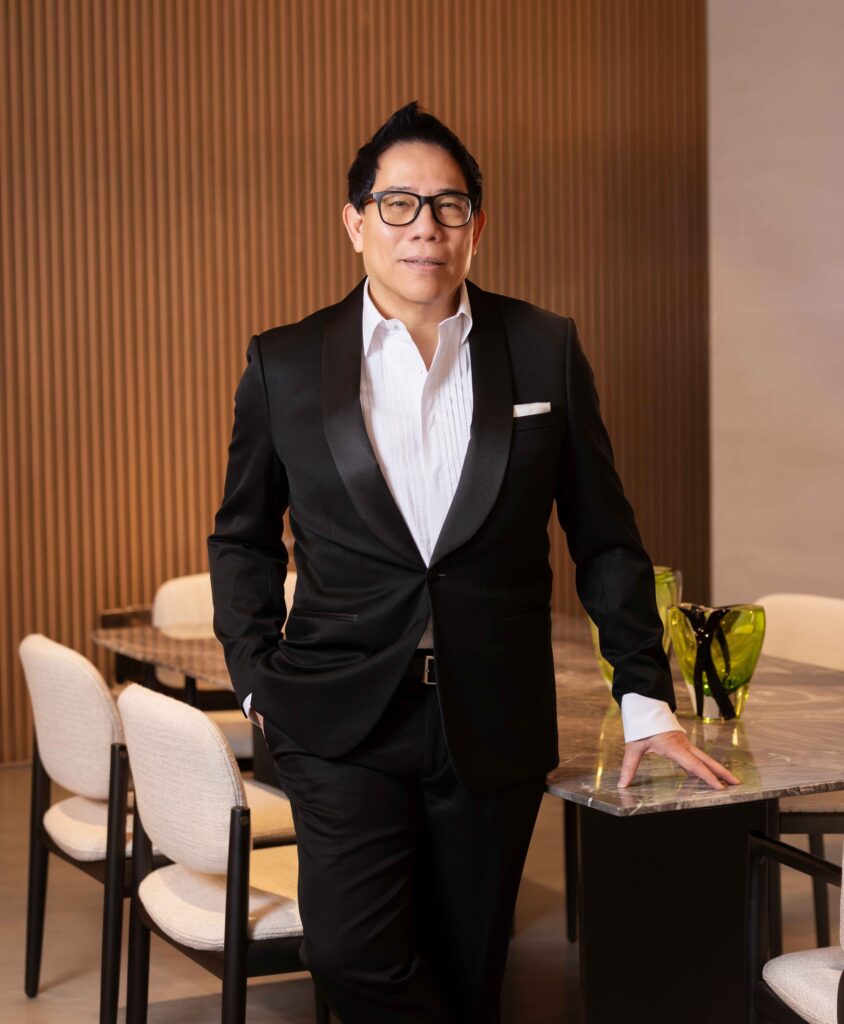
New Year, new hopes, and a little luck in design. We meet furniture showroom director and home lifestyle curator Tony Luk a week before the Lunar New Year. The festive season has long been associated with the tradition of buying something new – clothing, homeware, furniture – to usher in luck and prosperity. Yet, Luk admits that the practice has evolved over the years. “It’s been tough for us, but it’s gaining some traction now,” he says with a hopeful smile. “I hope business continues to only go up from here.”

Despite current challenges, Luk remains optimistic about the future, confident that momentum will grow. His resilience mirrors the very essence of the design world, constant evolution and renewal, just like the art and architecture he so passionately champions.

Drawn to Creativity

Luk’s adventure in the world of design started long before he debuted his prestigious interiors spaces, Louvre Galley and Andante, at the Design Showcase in Ruttonjee Centre, Central. During his childhood in Hong Kong, he was captivated by drawing, a talent that sprouted from an innate curiosity. “In primary school, I enjoyed sketching, but it was more about exploring my inner self,” he recalls. It wasn’t until secondary school that his passion deepened.

Joining the school Art Club in his first year, he discovered a love for capturing images, particularly through film photography. “Photography inspired me to pay attention to details, geometry, colour, and how light and shade interplay,” he explains. These foundational elements would later become the building blocks of his design philosophy – an eye for precision, harmony and aesthetic subtlety, rooted in his early artistic explorations.

Building Foundations

Luk’s initial ambition was to become an architect, a dream sparked by his fascination with cityscapes and buildings. “Photography probably played a role here, too,” he notes. “I was mesmerised by the imposing structures around the city; how they ‘spoke’ to each other and to the people.” He headed to the UK to study the subject.

To him, architecture is a form of art – large-scale, impactful and intimately connected to society. It is a dialogue between form and function, beauty and utility. His experience working on the design of the new Hong Kong International Airport in the 1990s further expanded this perspective. “Being involved from the very beginning was a huge catalyst,” says Luk, who returned to Hong Kong  to join the project. “It helped me understand how architecture can be both grand and human, technical yet poetic.”

Working alongside global experts in aviation design, he gained insights into how public architecture balances aesthetics with practicality. This experience laid the groundwork for his later pursuit of interior and lifestyle design – fields where he could bring art closer to people’s everyday lives.

High-flying Interiors

Post-Chek Lap Kok, Luk faced a pivotal decision: continue with large-scale projects or focus on something more personal? “I wanted to get ‘closer’ to the end-users,” he says of his shift towards intimate design. “Interior-design projects tend to be shorter in cycle and more directly impact people’s daily lives.”

He began working with European furniture brands, notably Italian design company Minotti, which caught his eye for its blend of contemporary elegance and craftsmanship. He became the firm’s exclusive authorised dealer in Hong Kong and Macau, and Andante was born in 2004. A curated space where modern design meets sophisticated lifestyle, the flagship showroom spans two floors and 600 square metres. This inviting sanctuary is filled with carefully selected collections that embody Luk’s core philosophy of supreme quality, subtle style and timeless sophistication.

Located next door to Louvre Gallery, which was established in 1997, Andante has become a beacon of contemporary Italian and European design spanning furniture, lighting, home accessories and glass art. Beyond Minotti, it showcases names such as Venini, Bomma, Kose, SkLO, Tato, Nahoor, Venicem, Lumen Center, Purho, An&angel and Darmes.

Reflection of the Times

To Luk, “contemporary design” is more than just a style; it’s a reflection of the era. “It’s a time reference,” he explains. “Every period has its own contemporary expression. What was once ‘contemporary’ might eventually become ‘classical’ or ‘vintage’.” He believes that modern lifestyles – individualistic, flexible and urban – shape the evolution of design. “Contemporary design must mirror these lifestyles,” he says. “It should offer clean lines, quieter luxury, modest details and adaptability.”

He emphasises that art plays a vital role in interior spaces. “Historically, art was often an afterthought, something to ‘decorate’ walls at the end,” he notes. However, during the Covid pandemic, Luk rethought this approach. “Art should be integrated from the very beginning of the design process,” he declares. “In our Art Andante initiative, we now showcase how art can lead and inspire interior design, creating a complete ambience that is both aesthetic and emotional.”

Art in the Details

The concept of art as an integral part of design is central to Luk’s philosophy. “It’s about creating a dialogue between art and interior,” he explains. “Art doesn’t just decorate a space; it defines it.” This holistic perspective involves artworks, decorative items and furnishings curated to work in harmony, elevating the entire environment.

“During Covid, I realised that art could even lead the design concept,” he says. “Now, we aim for a 360-degree experience, where art is conceived alongside furniture and lighting, not just appended at the end.” This innovative approach has garnered appreciation from clients who seek spaces that are not only stylish but deeply meaningful, spaces that tell stories and evoke emotions.

A Style of His Own

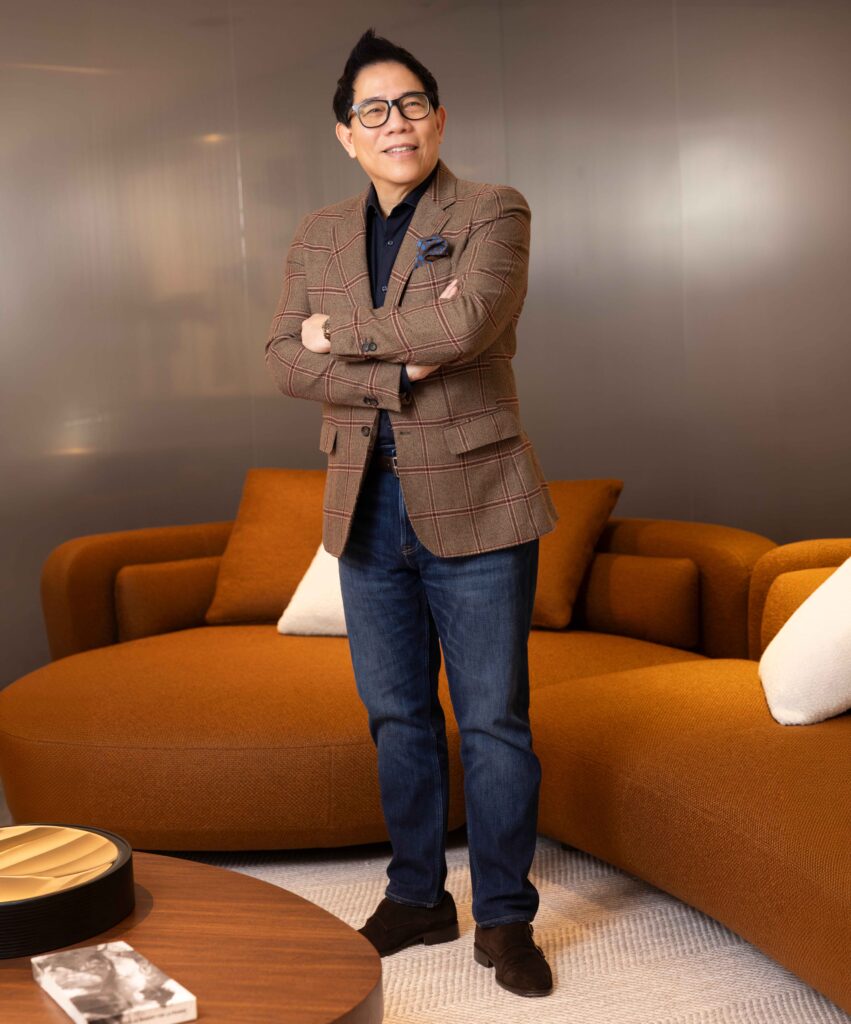
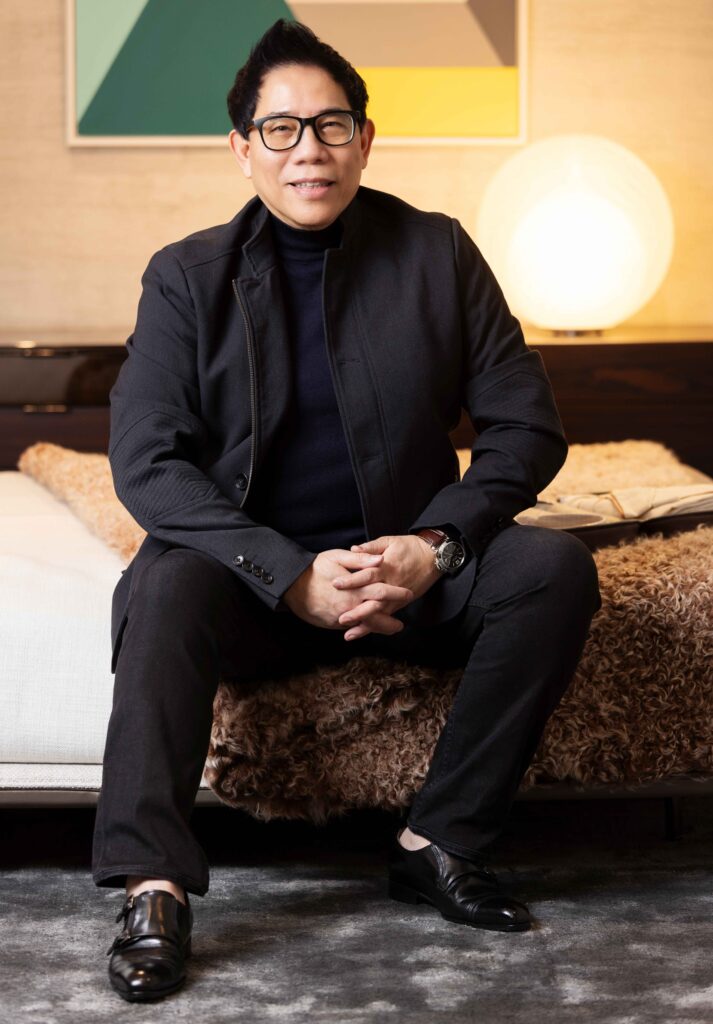
The personality of this accomplished photographer shines through as we photograph him. It’s apparent that he’s an easy-going boss and fun-loving entrepreneur, with a passion for the finer things in life “Is this Richard Gere enough for you?” he jokes, referencing the iconic Pretty Woman film poster as he poses for the camera. His staff cheer him on, proud of their leader’s vision and charisma.

His outfit is a testament to his refined taste and appreciation for elegance and quality. Designer pieces are carefully selected, down to the smallest details of the cufflinks he wears, and his wardrobe is impeccably coordinated.

Luk’s journey proves that passion, art and strategic thinking can transform into a thriving enterprise that elevates Hong Kong’s design scene. His story reminds us that behind every elegant space, there’s a person who believes in the power of beauty and the importance of craftsmanship, and a professional ethos that inspires sophistication and the artful pursuit of modern living.

Interview, Text & Art Direction: Joseff Musa     Photographer: Jack Law     Videographer: Iris Ventura  

SPARK LOVE AND SPARKLE: Dive Into the Glittering World of Engagement Rings with L’ÉCOLE, School of Jewelry Arts

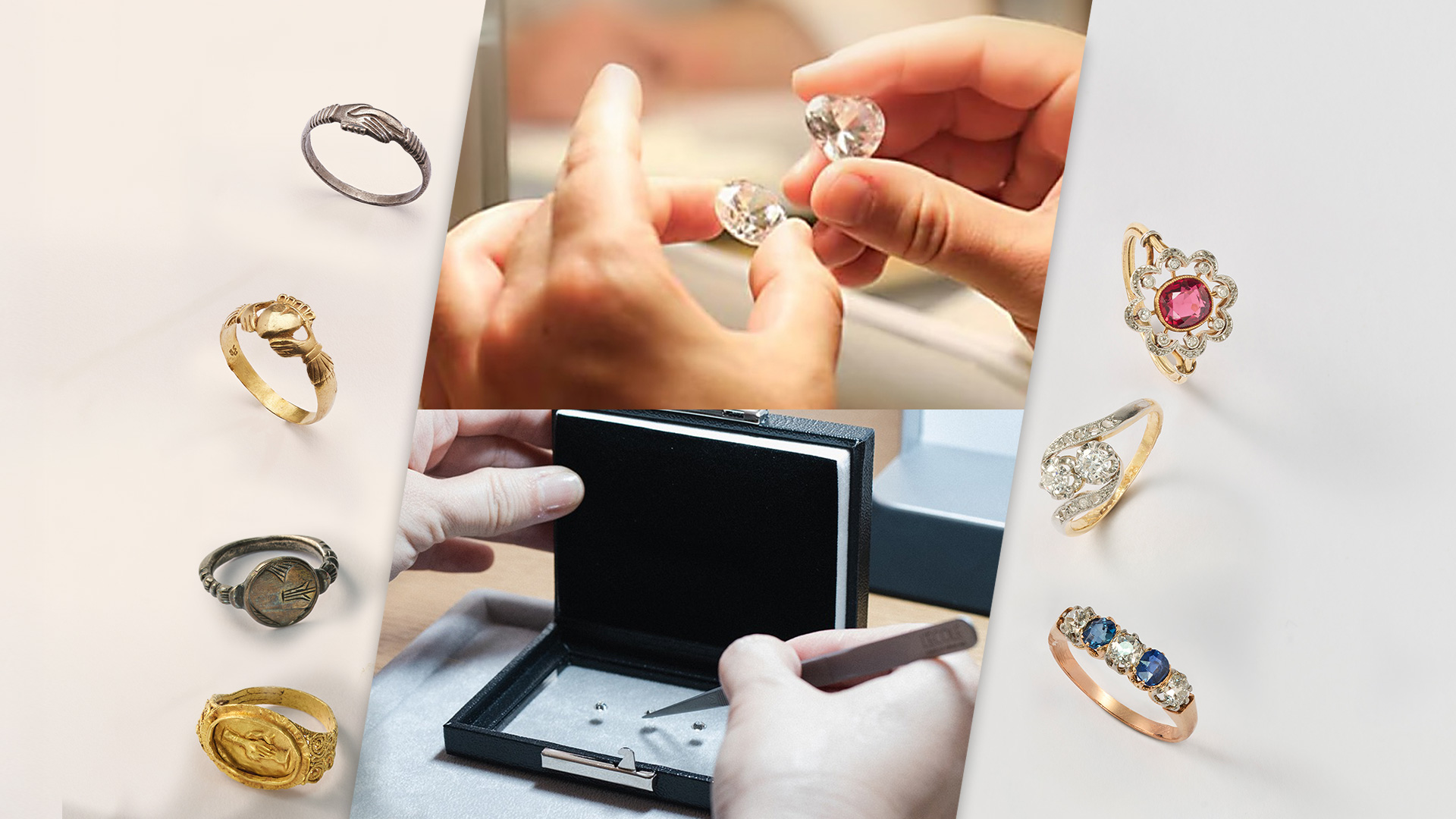
Ever wonder what makes an engagement ring more than just a beautiful band? Is it the history, the craftsmanship, or the stories that swirl around it? Well, now’s your chance to uncover all of that and more! L’ÉCOLE, School of Jewelry Arts is thrilled to introduce “The Engagement Ring: A Love Story,” in the Hong Kong campus, a captivating new course that will turn your fascination with these treasured symbols into a sparkling journey of discovery. 

Imagine exploring the evolution of rings; from humble pewter bands in ancient times to dazzling diamonds, rubies, and other precious stones that symbolize love across cultures. This is a love letter to jewellery itself! Whether you’re a jewellery enthusiast, a budding designer, or simply curious about the magic behind the most romantic adornment, this course is designed to dazzle. 
What’s in store? 

A Love Triangle of Knowledge: Three passionate teachers, an art historian, a gemmologist, and a jeweller, will guide you through the enchanting world of engagement rings, blending history, science, and craftsmanship in one sparkling package. 

From Gimmel to Solitaire: Discover the fascinating forms and myths, like the beloved vena Amoris (the vein of love!), that give these rings their romantic mystique. 

Cultural Sparks: Dive into the rich tapestry of traditions, from the Chinese customs of gold exchange in Hong Kong to the legal and religious symbols woven into the fabric of love stories worldwide. 

Hands-On Spark: Get practical with atelier insights and see how jewellery artisans craft these timeless symbols of love.

Details to Make Your Heart Sing: 

Duration: A charming 2 hours and 30 minutes of love, learning, and sparkle 

Location: The inspiring L’ÉCOLE, School of Jewelry Arts, at K11 MUSEA, Hong Kong 

Fee: HKD$1,000 (a small investment for a lifetime of knowledge!) 

Language: English

Whether you’re dreaming of your own engagement ring or simply want to understand the love and craft behind these symbols, this course will deepen your appreciation and maybe even inspire your own love story. 

Ready to say “I do” to knowledge? Join L’ÉCOLE and turn your curiosity into a dazzling adventure into the heart of jewellery history, culture, and craftsmanship. 

Reserve your spot now and let love, and sparkle, lead the way! 

Because when it comes to love and jewellery, the best stories are always worth telling, and learning.

Sands of Silence: A quiet journey through Mongolia’s Gobi Desert, where the dunes whisper under a monumental sky

In March, the Gobi Desert exists in a state of suspension. Winter has not fully released its hold, yet spring has begun to breathe softly across the land. It is a cold desert stripped of spectacle and sharpened by clarity, a place where silence carries weight and beauty reveals itself slowly. This is not the Gobi of postcards and peak-season itineraries. This is the Gobi at its most honest.

Sprawling some 1,600 kilometres (1,000 miles) from east to west across southern Mongolia and northern China, the Gobi is the sixth largest desert in the world. It defies the narrow definition of a desert, as it is not endless sand, but a mosaic of environments – rolling steppe, dry riverbeds, jagged mountains and sudden dunes rising like mirages from the plains. Frost and occasional snow reflect its location and position on a plateau that soars as high as 1,500 kilometres above sea level.

The landscape greets you in muted tones – soft ochres, dusty rose, pale limestone, and the faint silver of lingering ice – as you travel by jeep from the airport at Dalanzadgad, the capital of Omnogovi Aimag province in Mongolia’s far south. The sky feels enormous, stretching unbroken from horizon to horizon, and the March air is crisp, lending sharp edges to every rock and ridge.

Light behaves differently here, casting long shadows that shift slowly throughout the day. Without summer’s haze, distances appear closer than they are, and mountains tease the eye before retreating once more into the vastness. For visitors, there is a feeling of exposure in the Gobi, but not vulnerability. Instead, the openness offers a kind of reassurance. Nothing is hidden; everything is exactly as it appears.

Bird’s Eye View

One of the Gobi’s most unexpected sights lies tucked within the rocky folds of Gurvansaikhan National Park, an hour’s drive from the airport. Yolyn Am, called Valley of the Vultures after the lammergeier (yol in Mongolian) circling above the narrow canyon, still holds thick sheets of ice, preserved by its towering stone walls.

Walking through Yolyn Am is an exercise in contrasts. The crunch of ice beneath your boots echoes softly as sunlight filters down in thin bands. Meltwater trickles along the edges, glistening like glass. The bearded vultures glide effortlessly overhead, indifferent to the season below. The canyon feels intimate, almost secretive. In early spring, when the ice has begun its slow retreat, Yolyn Am feels fleeting – an ephemeral moment suspended between seasons.

Dune Drama

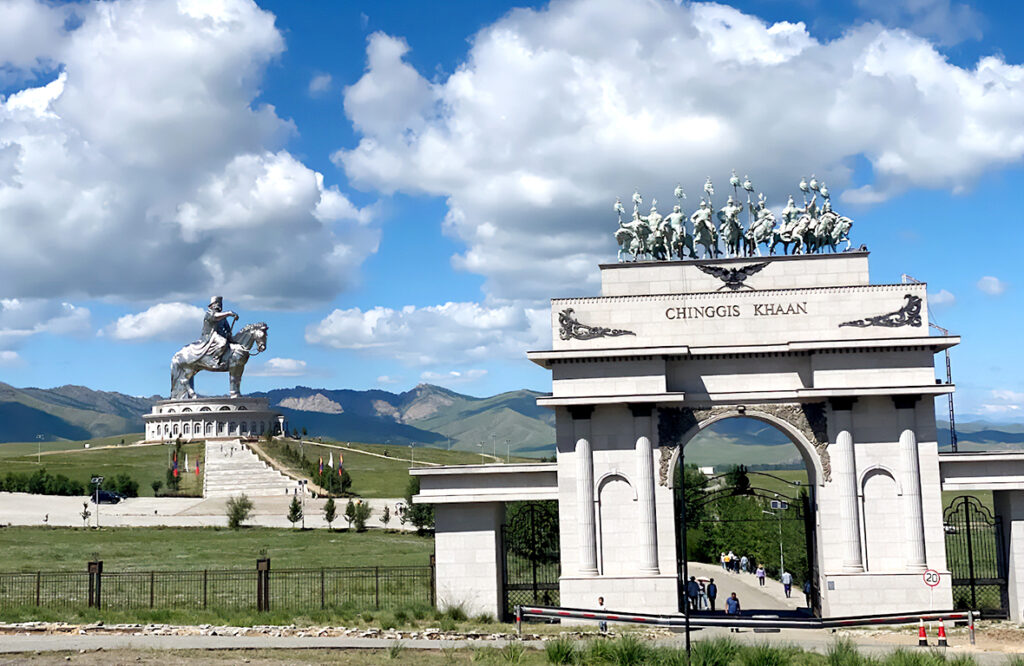
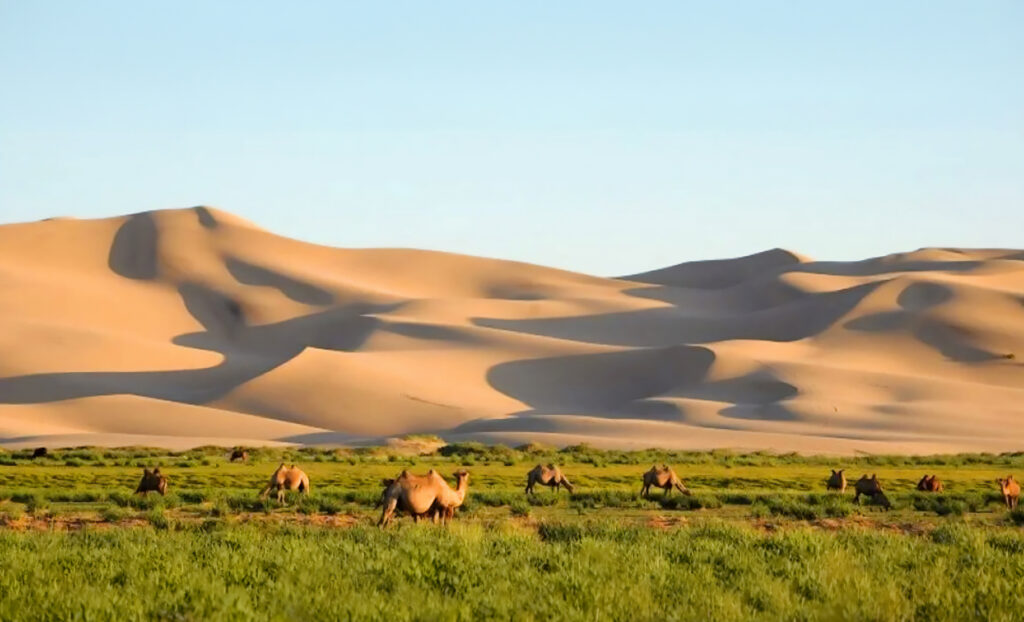
Then there are the dunes. Khongoryn Els, the largest and most iconic sand dunes in Mongolia, rise suddenly from the flat steppe like a golden ocean frozen mid-wave. Known as the Singing Sands, they stretch over 100 kilometres, dominating the southern Gobi with quiet authority. When the wind moves just right, the dunes hum the low, resonant sound that prompted their nickname. It is not loud, but it is unmistakable, as if the desert itself is speaking.

In early spring, the dunes are cool and firm, their surfaces rippled by winter winds. Climbing the 300-metre-high peaks is a meditative act, each step sinking softly into sand that feels surprisingly cold. The silence is profound, broken only by the whisper of grains shifting beneath your feet.

At the crest, the world opens completely. To one side, dunes cascade endlessly into shadow; to the other, open plains stretch towards distant mountains. As the sun lowers, the dunes transform from golden at noon, to amber by afternoon, and blushing rose as evening approaches.

Tented Luxury

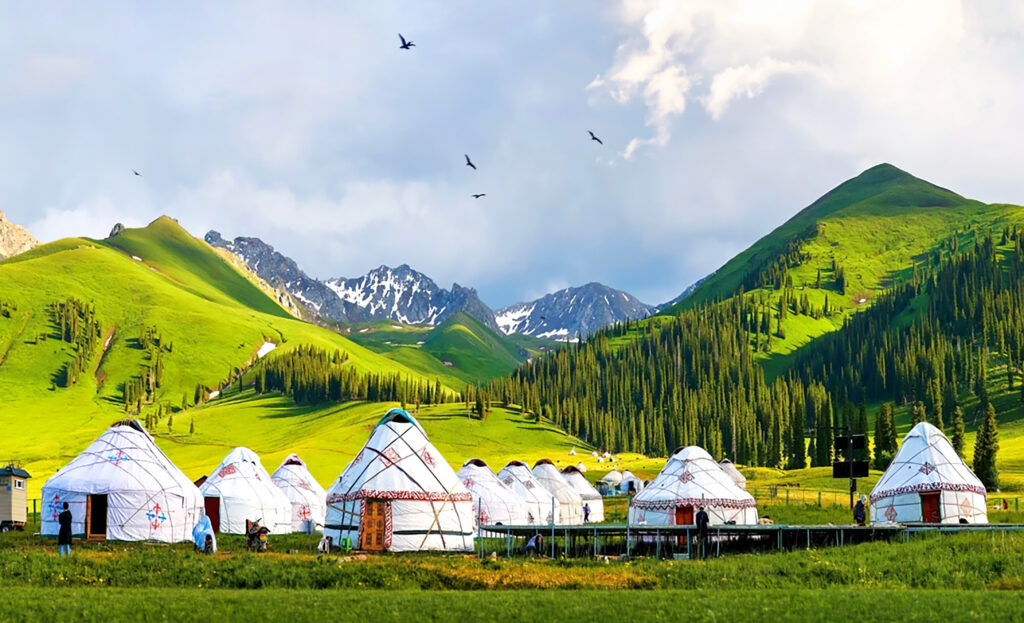
An upscale adventure in the Gobi revolves around a tented camp, sleeping in plush versions of the round, peak-roofed ger that nomads have called home for centuries. The exclusive Three Camel Lodge, lying on the edge of the Gurvansaikhan National Park, offers en-suite ger, heated by a wood stove and adorned with hand-painted furnishings and camel-haired blankets. Leave their warmth for horseback riding, trekking on the double-humped Mongolian camel, mountain biking, archery or viewing the prehistoric rock carvings on Bulagtai Mountain, the volcanic outcrop hovering in the background. For the ethical traveller, eco-lodges such as Gobi Mirage Lodge or Gobi Nomad Lodge are another option. 

Staying near a nomadic camp offers a glimpse into a rhythm of life defined by weather and land rather than clocks. For the nomads, days begin with tending animals and end with shared meals under fading light. Evenings are quiet, illuminated by stoves and stars. There is no performance here, no attempt to package tradition for visitors. Life simply continues, as it has for generations.

Desert Dining

Meals are centred around comfort, nourishment and shared experience. Inside a ger, the air carries the scent of boiling milk and simmering meat. A bowl of suutei tsai, Mongolia’s iconic salty milk tea, is often the first offering. Rich and grounding, it warms the body instantly, especially on cold March mornings.

At dinner, there is often mutton or goat, slow-cooked until tender, accompanied by simple bread or steamed dumplings known as buuz. Seasoned lightly with salt, the clean flavours allow the quality of the ingredients to speak for themselves.

One of the most memorable dishes is khorkhog, a traditional barbecue where meat and vegetables are cooked with hot stones inside a sealed metal container. The stones infuse the food with smoky heat – believed to bring good health – and the ritual of sharing the meal, passing around the warm stones, feels as important as the food itself.

Hum of Life

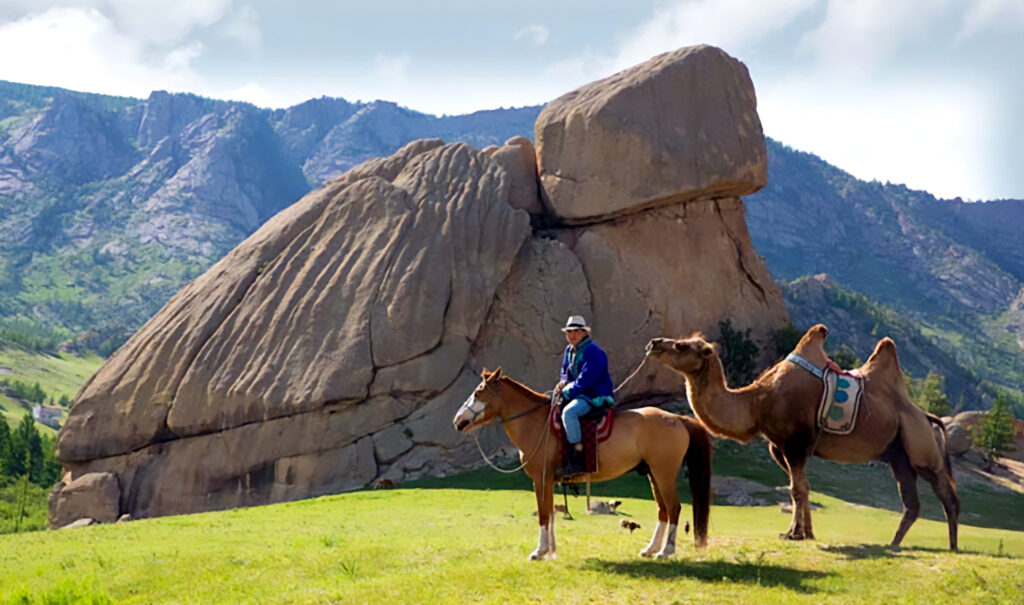
March is a transitional month for nomadic families, and as the journey from winter to spring pastures begins, a sense of anticipation permeates the desert. Livestock begin to stir more frequently. Horses graze cautiously at emerging patches of grass. Camels move with deliberate patience across the plains, their silhouettes perfectly suited to the landscape.

Perhaps the most striking feature of the Gobi in early spring is its silence. Without the buzz of peak-season tourism, the desert feels vast and contemplative. Wind moves across the plains in soft waves. Sand whispers along dune faces. Occasionally, the call of a bird or the distant low of livestock punctuates the stillness. This silence does something subtle but powerful: it slows the mind. Thoughts stretch out, unhurried; time feels less urgent, less fragmented.

Still Images

March light in the Gobi is a photographer’s dream. Clear air and low sun angles create dramatic contrasts and long shadows that sculpt the land hour by hour. Sunrises arrive quietly, washing the desert in pale pink and gold. Sunsets linger, stretching across the skyline in layers of colour that seem almost unreal. At night, the stars emerge in astonishing density, unchallenged by artificial light.

The sky feels closer here, as though it has lowered itself to meet the land. It is easy to understand why Mongolian culture places such reverence on nature – humility feels instinctive under this sky. This is a place that stays with you not because of what you saw, but because of how you felt while seeing it.

In a world increasingly defined by speed and spectacle, the Gobi offers something rare: stillness with depth. It is a destination that simply exists, vast and patient, waiting for those willing to meet it on its own terms. And long after you leave, when noise returns and schedules tighten, it is the memory of that silence – stretching endlessly beneath a pale Mongolian sky – that calls you back.

The Art of Living in Lightness and Luxury: With SieMatic SLX & SLX Ceramic, discover the award-winning handleless kitchen that redefines elegance, minimalism, and innovative design

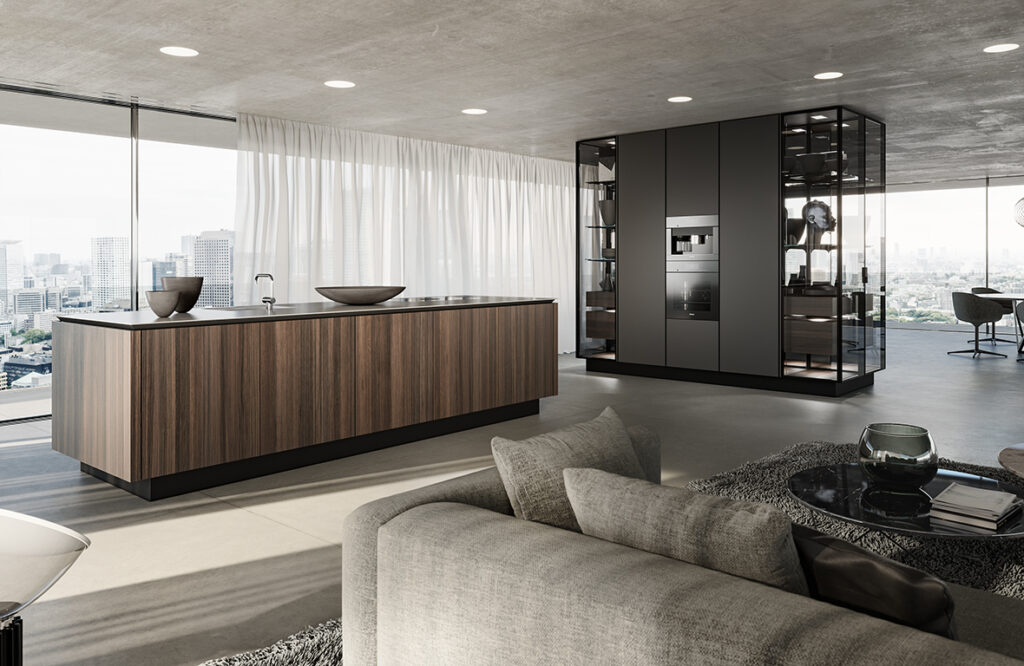
Imagine a kitchen that feels more like an art installation than a cooking space—a place where form, function, and personality harmoniously intertwine. Welcome to the world of SieMatic SLX and SLX Ceramic, five-time award winners celebrated globally for their exceptional design and cultural significance. These kitchens are not just spaces to prepare meals; they are statements of modern living, embodying the purest form of aesthetic and technical mastery.

The Icon of Handleless Elegance

The SieMatic SLX stands as a beacon of contemporary architecture, instantly recognizable as the quintessential handleless kitchen. Its sleek, minimalist silhouette captures the essence of lightness and luxury, setting new standards for design excellence. Each SLX is a bespoke masterpiece, meticulously planned and crafted to mirror your personality, whether in lacquer, veneer, ceramic, or a custom hue from over 2,050 colours in the SieMatic IndividualColorSystem. The result? A kitchen that’s uniquely yours, a personal canvas for style and lifestyle.

Craftsmanship Meets Modern Purism

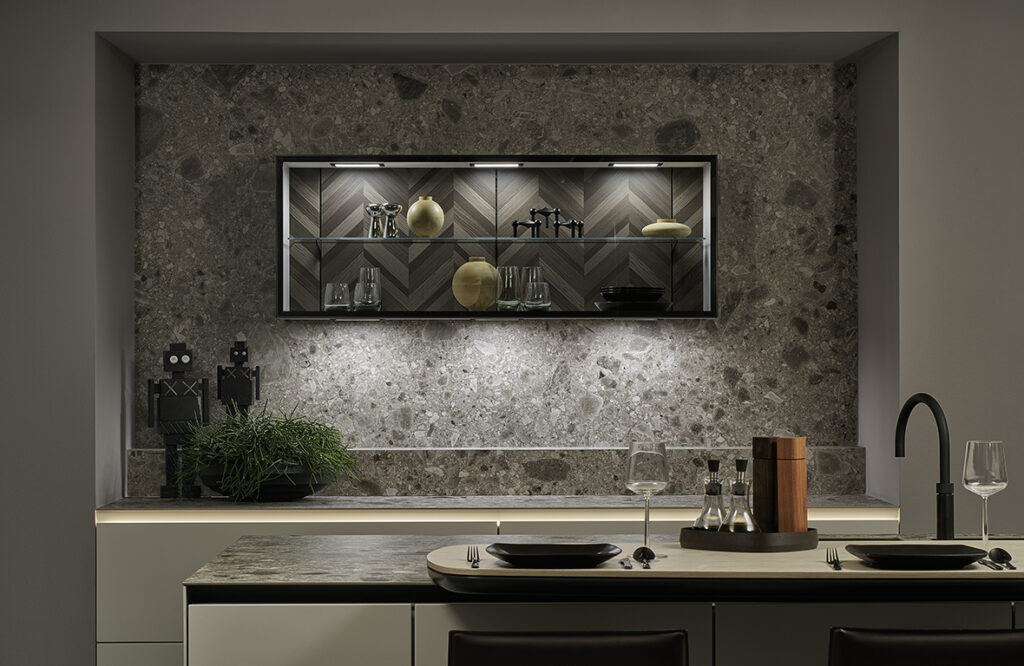
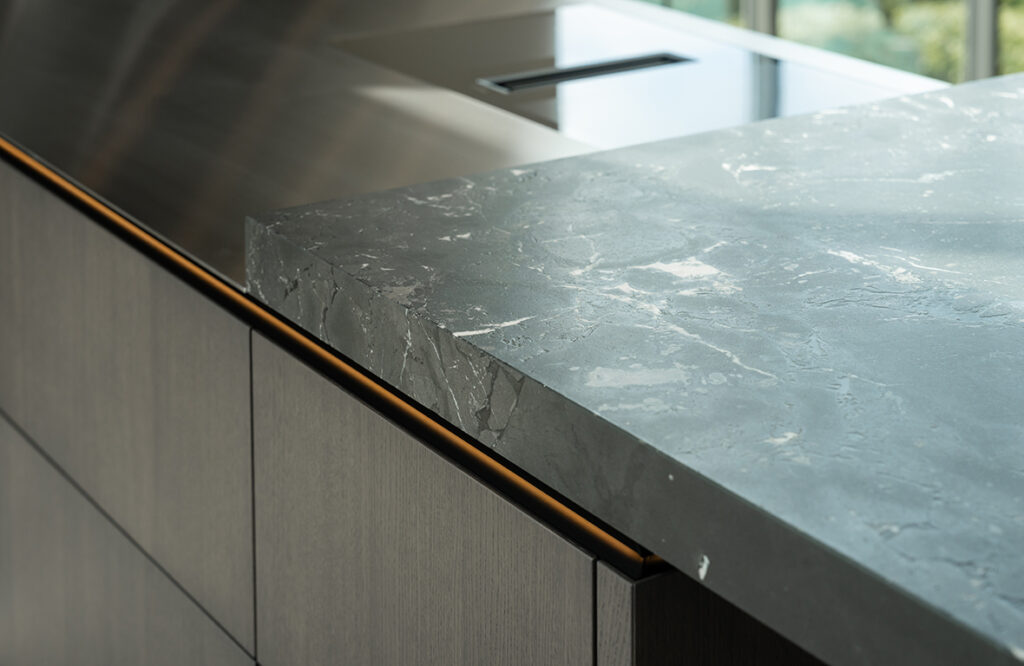
Ceramic and natural stone surfaces subtly play with light and texture, blending craftsmanship with a sleek, modern aesthetic. Gently integrated LEDs in handle strips can be adjusted to set the perfect mood; warm, cool, bright, or subtle, adding a personalized touch that transforms the space into a sanctuary of comfort. Floating display cabinets illuminate the natural beauty of stone and wood, emphasizing the kitchen’s airy, weightless feel. They can serve as elegant storage or striking visual accents, your choice.

Personalized Storage and Flexibility

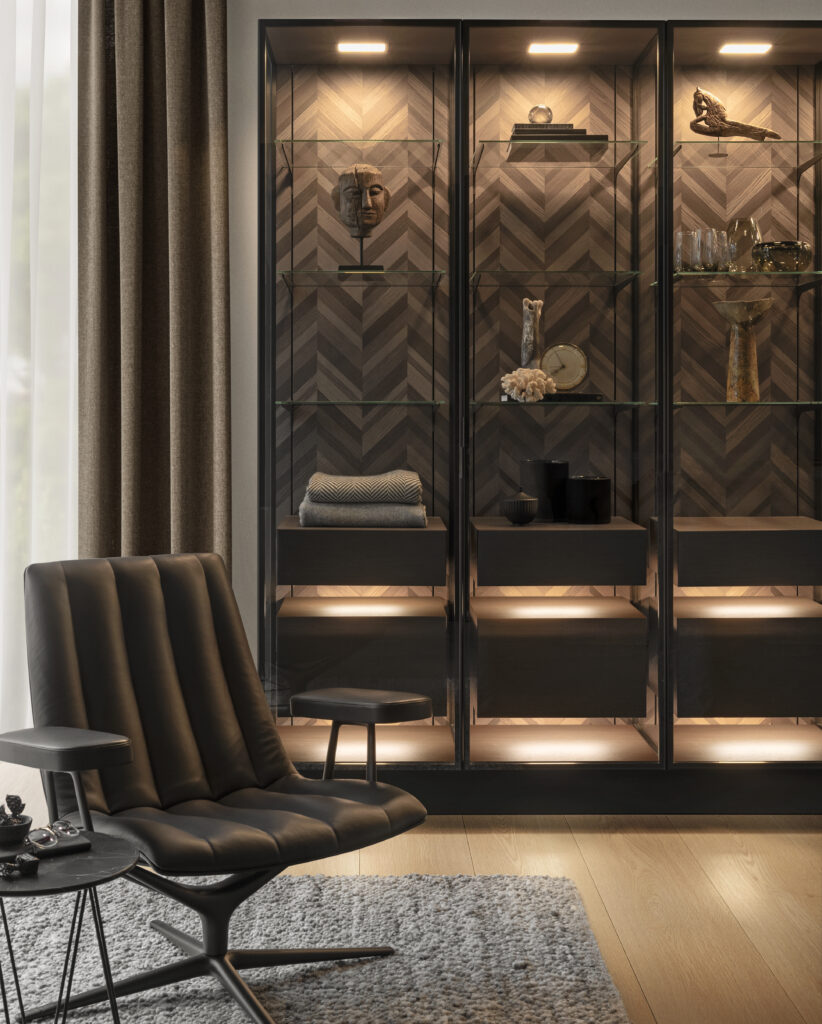
The innovative floating mounting system, inspired by SieMatic’s FloatingSpaces panel wall, offers unparalleled flexibility. The small glass wall cabinets can serve as standalone pieces, integrated into living spaces, or focal points in the kitchen. Customizable back panels, mirrored, veneered, or lacquered, add a personalized touch, ensuring your kitchen reflects your unique style.

Works of Progress: Curated by Asians and committed to diverse conversations, Art Basel Hong Kong amps up the contemporary

Every March, Hong Kong becomes more than a financial capital or transit hub – it transforms into a living, breathing laboratory for contemporary culture. Art Basel Hong Kong, returning this year from 27-29 March, is not simply the Asian stop of an art-fair juggernaut; it’s a statement of the city’s importance on the world art map.

The Hong Kong fair feels unmistakably different this time: quieter in its confidence, sharper in its focus, and more committed than ever to the urgency of the present moment. Rather than leaning on spectacle or legacy alone, it has placed its weight on recent artistic production, Asia-led curatorial voices, and cross-regional dialogue that feels lived rather than theoretical. The result is a citywide cultural week that rewards thoughtful viewing and curiosity beyond the exposition booth.

The most telling development of Art Basel Hong Kong is the recalibration toward the now. While the fair has always been attentive to contemporary practices, the 2026 edition marks a more disciplined commitment to works made within the last five years. It reflects a world shaped by pandemic aftershocks, climate instability, accelerated digitalization and shifting geopolitical alignments.

Present Push

This emphasis crystallises most clearly in Echoes, a newly introduced sector that foregrounds recent creative output without framing it as emerging or provisional. Ten curated booths display works by up to three artists each, offering a compelling glimpse into the most current artistic applications and narratives. It reads like a pulse check on what artists are thinking, making and questioning at this exact moment.

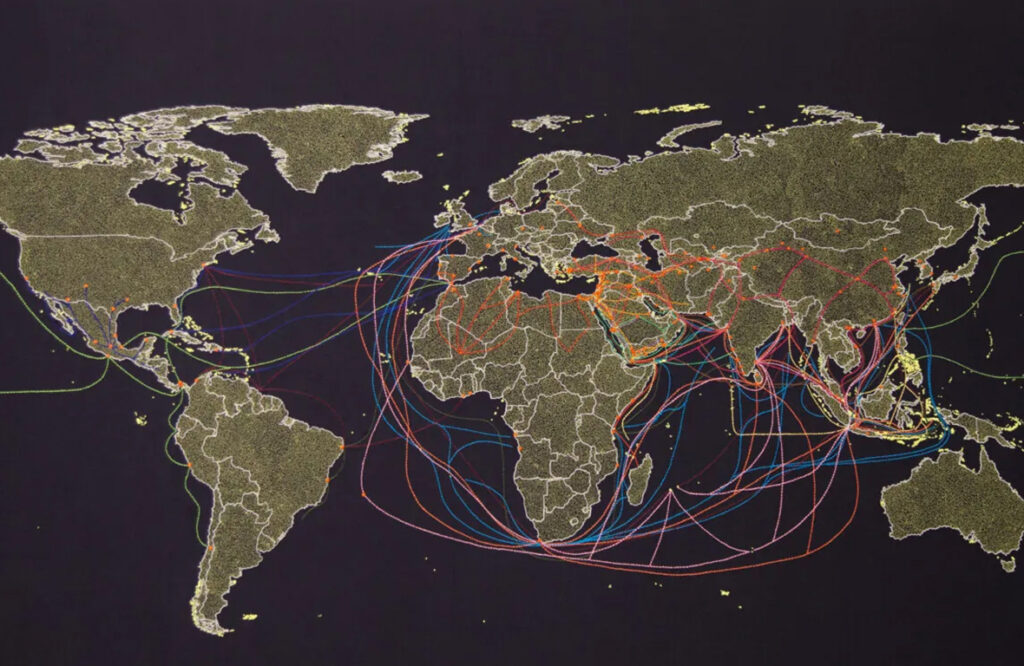
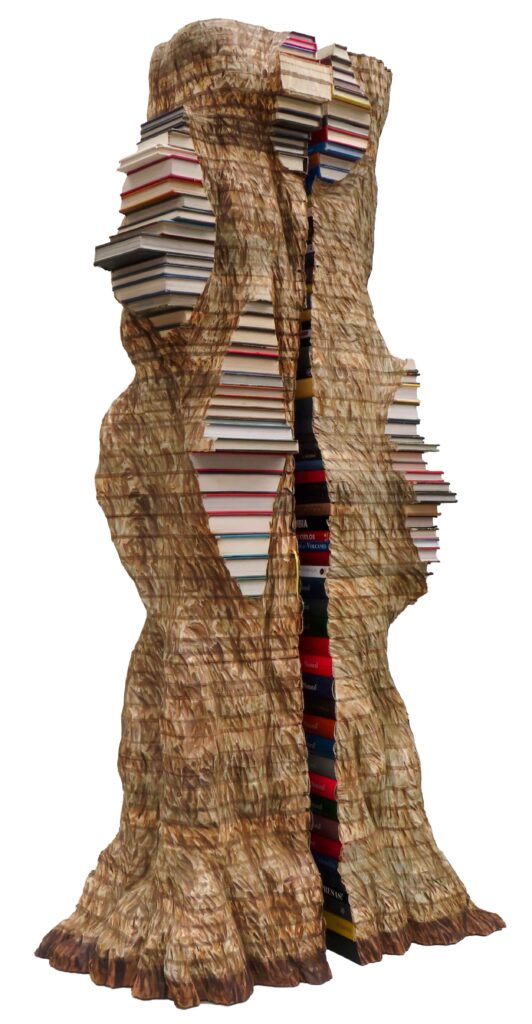
The works here are materially ambitious but conceptually intimate, grappling with issues like migration, ecological systems and the uneasy coexistence of technology and embodiment. Highlights include Vietnamese-American artist Tiffany Chung’s embroidered maps of spice routes and the carved book sculptures of Colombia’s Miler Lagos, both presented by Madrid gallery Max Estrella. An immersive spatial installation by Polish artist Natalia Załuska, displayed by Hong Kong’s Double Q Gallery, will also seize the imagination.

Walking through this new section will feel like entering a series of conversations already in progress. With textile works doubling as geopolitical maps, and sculptures referencing the fragile balance between nature and human civilisation, there is plenty to digest. Echoes resists easy categorisation, which is precisely the point: it insists that contemporary art is not a trend forecast but a lived condition.

Dominant Asia

Equally significant is who is shaping the fair’s intellectual spine. For the first time, all major curated sectors at Art Basel Hong Kong are overseen by Asia-based practitioners, signalling a structural rather than symbolic shift. This is not about replacing one dominant voice with another; it is about embracing multiplicity. Nowhere is this more evident than in the Encounters sector, long known for its monumental installations and large-scale gestures.

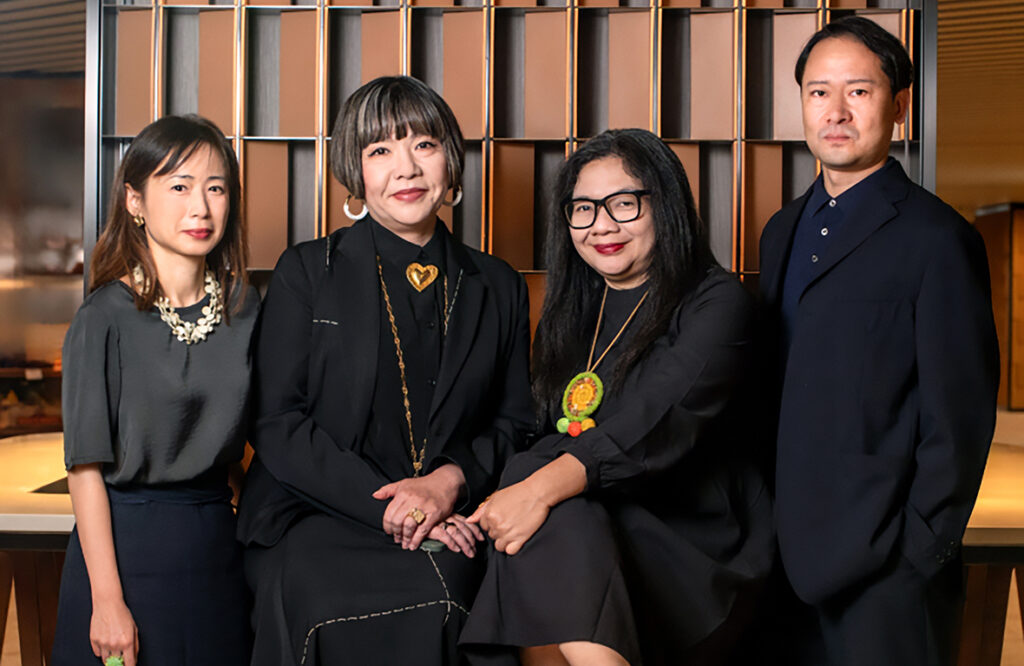
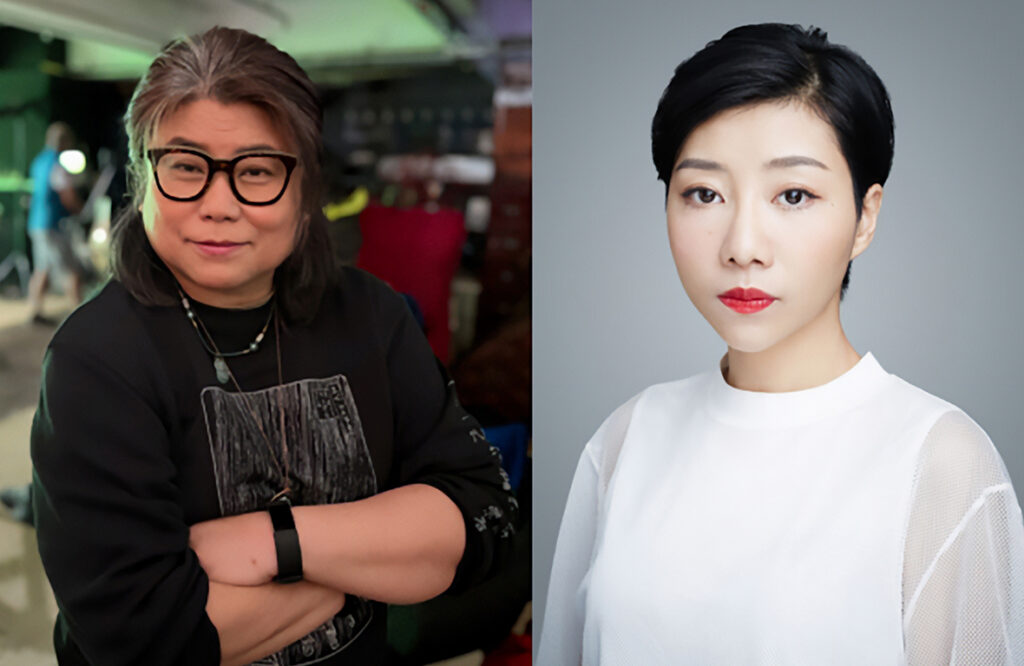
This year, Encounters adopts a collective curatorial model, bringing together voices from Hong Kong, Japan and Indonesia – namely M+ Visual Art Curator Isabella Tam; Director of Tokyo’s Mori Art Museum, Mami Kataoka, and her Senior Curator Hirokazu Tokuyama; and Jakarta-based researcher Alia Swastika. Instead of a singular curatorial narrative, the sector unfolds as a constellation of perspectives, sometimes complementary, sometimes deliberately dissonant.

The works here are expansive but not bombastic. Several projects are conceived specifically for the fair, underscoring a move away from transportable spectacle towards site-responsive thinking. Encounters feels less like an Instagram moment and more like a spatial essay, something to be read with the body as much as the eye.

Hong Kong Direction

The Asia-led approach, which continues with Hong Kongers Ellen Pau and Venus Lau overseeing the Film and Conversations programmes respectively, subtly reframes the fair’s centre of gravity. The language of East meets West has long outlived its usefulness, and Art Basel Hong Kong seems keenly aware of that. Rather than positioning Asia as a regional subset within a global hierarchy, the fair presents the continent’s art as a network of nodes that are internally diverse, outward-looking and fully entangled with global cultural currents.

With pioneering video artist Pau at its helm, Film showings position moving image as both artistic medium and historical document. The curation spotlights artists who use time-based media to examine memory, surveillance, displacement and collective authorship. The day of Conversations, meanwhile, leans away from market prognostication towards institutional exchange. Lau, who serves as Director of Jakarta’s Museum MACAN, presents panel discussions that feel refreshingly grounded.

Confident Curation

Across the fair, the most compelling booths among 240 galleries from 42 countries this year are those that resist the temptation to overdisplay. Fewer works, thoughtfully installed, tend to reward sustained attention – mirroring the fair’s broader shift toward depth over density. Several established galleries stand out for their curatorial ambition rather than sheer scale. Equally important are those that have matured through the fair’s earlier sectors and now occupy the main floor with renewed confidence. These presentations often signal long-term institutional investment and are worth watching closely.

Art Basel Hong Kong newcomers include Tokyo’s A Lighthouse called Kanata, showcasing Japan’s renewed interest in abstraction through works by postwar masters and emerging painters, and Sydney gallery The Commercial, debuting works that interrogate Australian identity and colonial history. Pilevneli from Istanbul presents AI-generated works, porcelain sculpture and mixed-media installations, and New York’s Uffner & Liu focuses on artists examining distortion, transformation and disguise.

Beyond the Booths

What truly distinguishes Art Basel Hong Kong is how seamlessly it extends into the city itself. During fair week, Hong Kong becomes a distributed exhibition space, with museums, heritage sites and public façades activated in conversation with the fair.

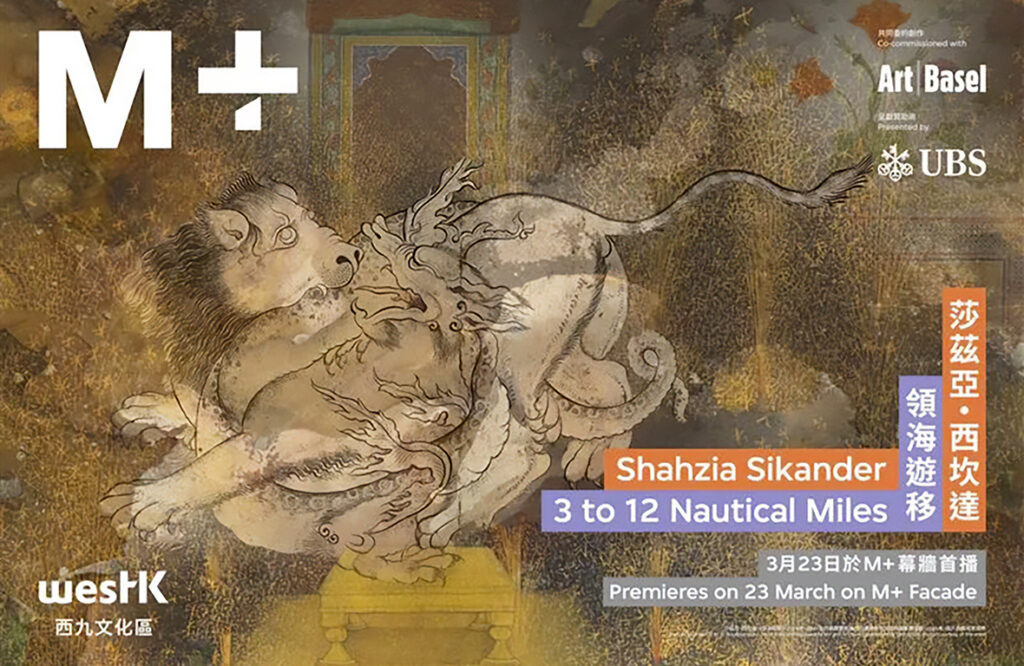
At M+, a major façade commission transforms the building into a luminous, city-scale canvas. This year, an animation of hand-painted watercolours by Pakistani-American artist Shahzia Sikander references historical trade routes and contemporary geopolitics, merging traditional visual languages with digital invention. Seen from a distance, it functions as both artwork and urban signal: a reminder that art here is not confined indoors.

Across the harbour, Tai Kwun pulses with energy during its annual Artists’ Night. Performances unfold across courtyards and corridors of the former Central Police Station, emphasising sound, movement and collective experience. In a counterpoint to the polished choreography of the fair, the atmosphere here is less formal and more experimental.

Meanwhile, independent spaces such as Para Site offer rigorously researched exhibitions that engage political, ecological and social questions head-on. These shows reward visitors willing to step off the main circuit, offering some of the most intellectually demanding and emotionally resonant experiences of the week.

Quiet Power

Taken together, Art Basel Hong Kong 2026 feels less like a market crescendo and more like a sustained conversation. Its power lies not in headline-grabbing sales or monumental gestures, but in its attention to process, authorship and context. The fair no longer asks viewers to marvel at scale alone; it invites them to listen.

For collectors, this means engaging with practices still in motion. For curators, it offers a snapshot of how Asia-based voices are shaping global discourse from within. For the culturally curious, it provides a rare opportunity to experience a city thinking out loud through art.

In March each year, Hong Kong does not simply host Art Basel; it becomes Art Basel. And in doing so, it reminds us that the most compelling art is not about predicting the future, but about understanding the present with clarity, complexity and care.

Blossom Bliss: Pastel palettes paint perfet spring scenes

Look 1

Embroidered maxi dress by Alice + Olivia

Look 2

(Left)

Blush lace maxi dress by Ulla Johnson

(Right)

Blush sheer with fringe maxi dress by Ulla Johnson

Look 3

(Left)

Green jumpsuit by Ulla Johnson

(Right)

Blue printed maxi dress by Ulla Johnson

Look 4

White cape, top and pants by Alice + Olivia

Look 5

Sheer top and pants by Alice + Olivia

Look 6

(Left)

Jacket, top and maxi skirt by Ulla Johnson

(Right)

Turtle neck top and brown suede jumper dress by Ulla Johnson

Look 7

(Left)

Printed maxi dress and printed top and skirt by Ulla Johnson

(Right)

Printed top and skirt and printed maxi dress by Ulla Johnson

Look 8

Floreal suit jacket, top and pants by Alice + Olivia

Look 9

Jacket, pants and shoes by Ulla Johnson

Look 10

Raffled mini dress and lace stockings by Ulla Johnson

Women’s Might: Fearless author and speaker, Sylvia Yu Friedman dedicates her life to redressing inequality and injustice

Relentless activist, best-selling author, award-winning journalist and documentary filmmaker, inspirational speaker, philanthropist, investment advisor – Sylvia Yu Friedman is running out of hyphens to add to her name, with each title building on the last. Yet none fully capture the woman who has dedicated her life to amplifying the voiceless while embracing her own multifaceted identity. Is it all too much of a mouthful? Maybe, but each one represents a layer of a life dedicated to impact.

As the aromatic scent of a perfectly blended coffee wafts temptingly over our alfresco breakfast setting at The Murray, she announces to the world: “I need my morning booster.” Twenty minutes later, her coffee remains untouched as she passionately discusses her transition from a safe corporate world to a fearless champion of women subjected to sex trafficking. Despite the glitz and glamour that sometimes surround her, it is clear there is more beneath the surface – a deeper purpose that drives her every move.

From Pain to Power

Born in Vancouver to Korean immigrant parents, young Sylvia faced racism “long before it was widely acknowledged”. “Adults and kids called me a ‘chink’, and I was mocked for my food and culture,” she recalls.  “I was mortified and ashamed of my heritage, which led me to disconnect from my roots.” At 12, she vowed to suppress her Korean identity and blend into a predominantly white society.

This early racial prejudice ignited her passion for social justice, but her journey of self-acceptance was a long and winding road. It was decades later, while living in Beijing and travelling to remote Chinese villages, that she rediscovered her roots: “It was a full circle, and I began to embrace my Korean heritage again, especially through the lens of Korean dramas and storytelling.” Her early anguish became her greatest superpower. “The area of your greatest pain is often your greatest strength,” she asserts.

Standing Up for All

Friedman’s relationship with her father was fraught with gender bias. “He treated me like the son he never had,” she explains. “I felt I had to prove my worth through achievement. It was exhausting, and I felt an ongoing identity crisis as a woman.” A breakthrough came when a mentor urged her to forgive her father and embrace her identity. That act of forgiveness kindled her determination to uplift women and fight gender inequality across Asia.

Her advocacy is rooted in her own experiences and her unwavering belief that – quoting US civil-rights activist Maya Angelou – “each woman standing up for herself is standing up for all women”. Her message to women everywhere: forgive, recognise your strengths, celebrate your unique identity, and pursue your purpose without fear.

Champion of the Oppressed / Empowerment Spools

Yu Friedman’s career reads like a daring adventure novel. She’s interviewed traffickers, followed undercover police, and risked her life infiltrating dangerous locales. “I’ve experienced the underbelly of human trafficking – criminals, pimps, victims – and lived to talk about it,” she says with a mix of awe and resolve. Documenting stories of suffering and resilience has taken her across China, Southeast Asia and beyond.

Her investigative journalism on modern slavery in China, Hong Kong and Thailand culminated in a documentary series, which earned her wide recognition and a 2013 International Human Rights Press Award in Hong Kong; her 2015 book, Silenced No More: Voices of Comfort Women, enabled survivors of Japanese military sex slavery to be heard. “Those encounters enlarged my heart and transformed my purpose,” she notes. “Helping the overlooked and the oppressed gives my life profound meaning.”

Each chapter of her 2021 memoir, A Long Road to Justice, detailing her front-line experiences in Asia, is a testament to fortitude and hope. One of her most harrowing moments occurred while filming in China. Surrounded by traffickers and thugs, she managed to delete incriminating footage just in time, her life flashing before her. “It made me realise what trafficked women go through daily,” she reflects. “That moment birthed my life’s mission: to use my influence to fight slavery and exploitation.”

Her resilience was tested during her investigations. During one terrifying night infiltrating a brothel, she recalls deleting footage under threat, feeling faint and experiencing her first miracle: the police arriving just in time. That event profoundly shifted her perspective. “True freedom comes from serving others,” she declares.

Money for Good

Beyond writing books and consulting for an investment company in Seoul, Yu Friedman serves as a strategic advisor to philanthropists and influential families, a role that requires balancing influence with responsibility. “Supporting philanthropists means providing honest feedback and respecting confidentiality,” she explains. “Some families impact me greatly – like the one that bought homes for their staff or the anonymous donors who give quietly but generously.”

She recounts meeting a Hong Kong family of limited means who exemplified genuine generosity. “Their happiness and humility touched me deeply,” she shares. “Discretion and authenticity are the true marks of leadership.”

Righting Gender Wrongs

Her latest non-fiction book, Fearless: A Guide to Freedom and Fulfilling Your Fullest Potential, published in 2024, is a heartfelt guide for young women and changemakers. Her core message: embrace your identity, learn from adversity, and dare to dream big. “I wish I had known these lessons earlier,” she confides. “Your most painful experiences are often your greatest teachers; suffering can build resilience, grit and wisdom.”

An unwavering advocate for women’s empowerment, she highlights the stark realities of gender inequality – pay gaps, underrepresentation and societal biases. “Women still earn less, have fewer leadership opportunities and face discrimination,” she says. “Feminism must evolve to ensure true equality, especially in Asia, where cultural norms often hinder progress.”

Legacy of Love

For this relentless campaigner, happiness is rooted in inner peace, purpose and compassion. “I’ve learned to slow down and prioritise relationships,” reveals Yu Friedman. “Forgiveness and self-love liberated me from the past.” She defines success as cultivating meaningful connections and giving back to the marginalised. “Success is about relationships, impact and leaving a legacy of love and hope,” she notes.

Throughout her work, she relies on her spiritual faith. “My Christian faith sustains me during the darkest moments,” she says. “It reminds me that light can overcome darkness, and love can conquer hate.”

Love plays a central role in her life, both personally and professionally. Her husband, Matt Friedman, an internationally renowned human-trafficking expert, is the founder of The Mekong Club, a Hong Kong-based non-profit organisation that engages the private sector to address modern slavery; she serves as its Ambassador and voluntary fundraiser. She believes that leading with love creates safe, empowering environments. “When we lead with kindness, we unlock potential,” she affirms.

Heroes for Today

Friedman aspires to continue transforming stories into powerful media, envisioning a future where the Korean entertainment industry leads the way globally. Her plans include producing films and TV series that challenge stereotypes and showcase Asian women as heroes and role models. Through such powerful stories, she hopes to inspire the next generation and motivate others to use their talents and influence for good.

Notably, she is quick to appreciate the good and hard work of others. During an outfit change during our shoot, she is fervent in her praise of a helpful member of the hotel staff, asking if she can write a commendation letter to their manager. “That’s my way of saying thank you,” she explains. “Even small acts of kindness matter.”

Sylvia Yu Friedman’s warmth, compassion and gratitude radiate through her entire being – mentally, emotionally and physically. And finally – after an hour or so of conversation – she takes a sip of her morning coffee.

Interview, Text & Art Direction: Joseff Musa   Photographer: Jack Law   Videographer: Iris Ventura   Venue: The Murray – Hong Kong

What’s on? Things to do this March in Hong Kong

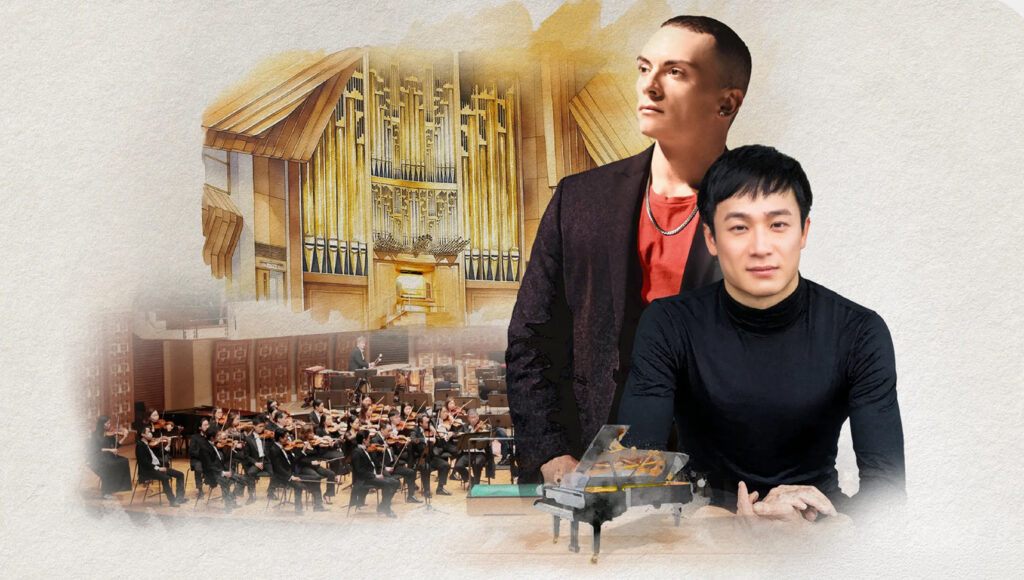
Chiyan Wong & Cameron Carpenter

Hong Kong-born piano prodigy Chiyan Wong and US organ iconoclast Cameron Carpenter stand as stars in the world of keyboard mastery. They breathe new life into classical masterpieces, transforming notes into visceral experiences. Joining hands in this highlight of the 54th Hong Kong Arts Festival, the pair unveil a daring double act with the Hong Kong Phil, each performing a demanding work that pushes their technical limits and ignites the stage. They promise to leave their audience in awe at the sheer power of keyboard brilliance.

When: 3 March

Where: Hong Kong Cultural Centre Concert Hall

How much: From HK$280

For more information: hk.artsfestival.org

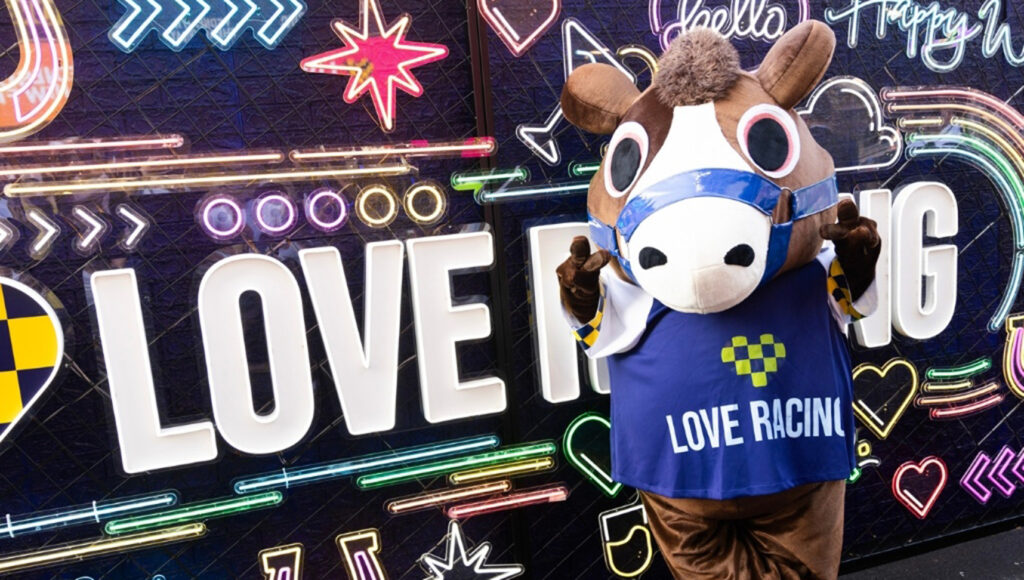
Happy Wednesday Neon Nights

The Neon Nights series transforms Happy Valley Racecourse into a dazzling hub of entertainment every Happy Wednesday. Race nights in March offer an electrifying mix of live music, themed parties and curated dining, with the stands illuminated by neon lights just as the streets were in the city’s last-century heyday. Each night pulses with the vibrant energy of modern dance floors as well as retro disco beats. Indulge in special offers, street food and photo zones while immersing in a lively atmosphere.

When: 4, 11, 18 & 25 March

Where: Happy Valley Racecourse. hkjc.co

How much: From HK$10

For more information: hkt.hkticketing.com

Liv Golf

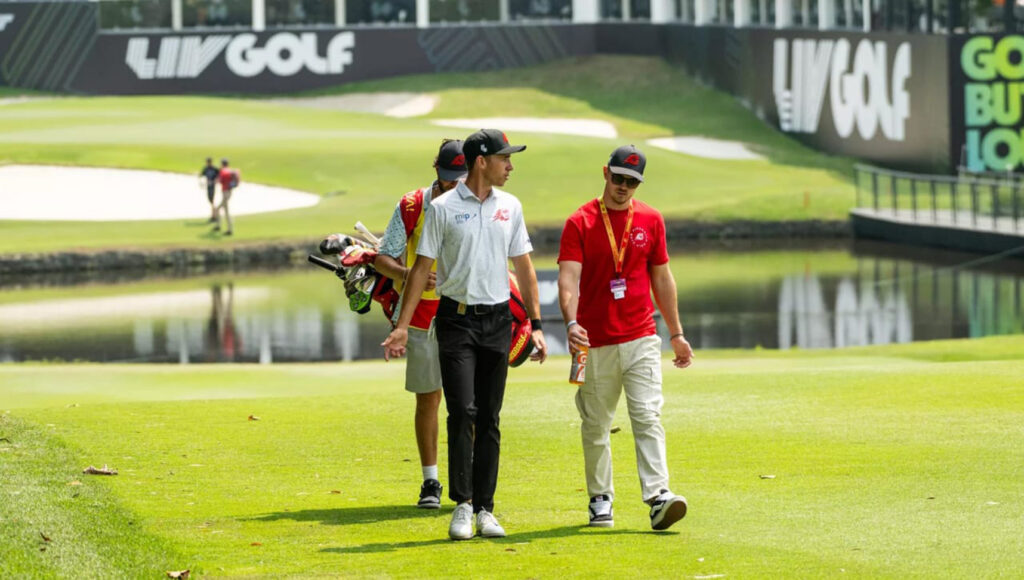
LIV Golf League lands in Hong Kong with a four-day competition over 72 holes. It features 57 top names in 13 teams with five wild card players. Immerse in curated dining experiences featuring local and international cuisines, DJ entertainment and family activities. With premium hospitality and unforgettable moments, it will be a celebration of sport, culture and community in Asia’s most dynamic metropolis. 

When: 5-8 March

Where: Hong Kong Golf Club, Fanling

How much: From HK$293

For more information: events.livgolf.com

300 Years of Cantonese Opera: The Transition

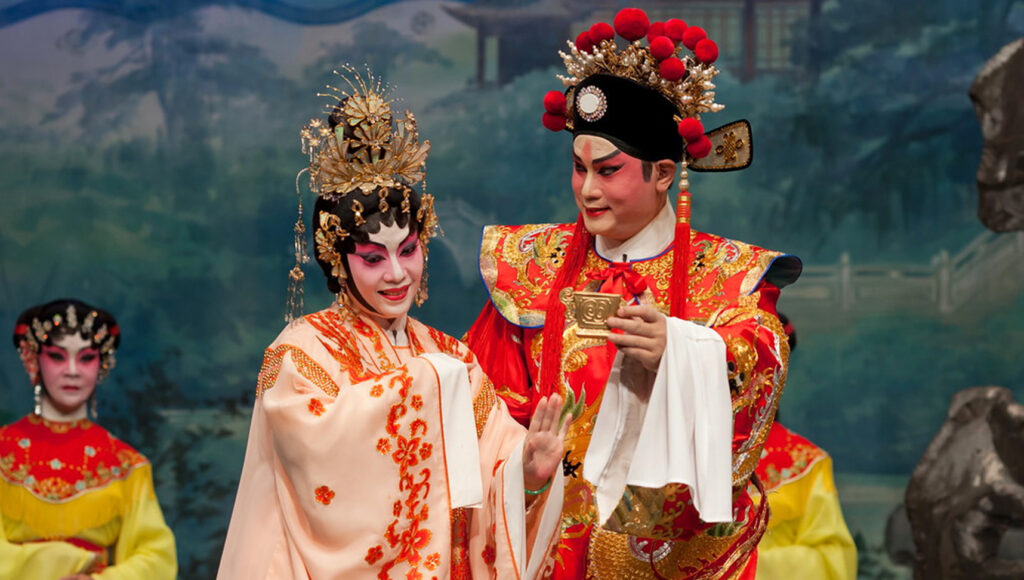
The Hong Kong Arts Festival stages the second instalment of its celebration of Cantonese Opera with another tribute to the 300-year-old cultural treasure’s golden age. Through The Story of Wu Zixu, a two-part historical epic crafted by legendary artist Yuen Siu-fai, audiences are transported into a world of vibrant costumes, expressive singing, stirring storytelling and spectacular fighting. Yuen also curates a fascinating selection of favourite zhezixi. Exploring Cantonese Opera’s evolution and enduring legacy, this three-year project honours a centuries-old tradition while embracing change.

When: 13-15 March

Where: Sha Tin Town Hall Auditorium

How much: From HK$140.

For more information:  hk.artsfestival.org

Hong Kong Flower Show

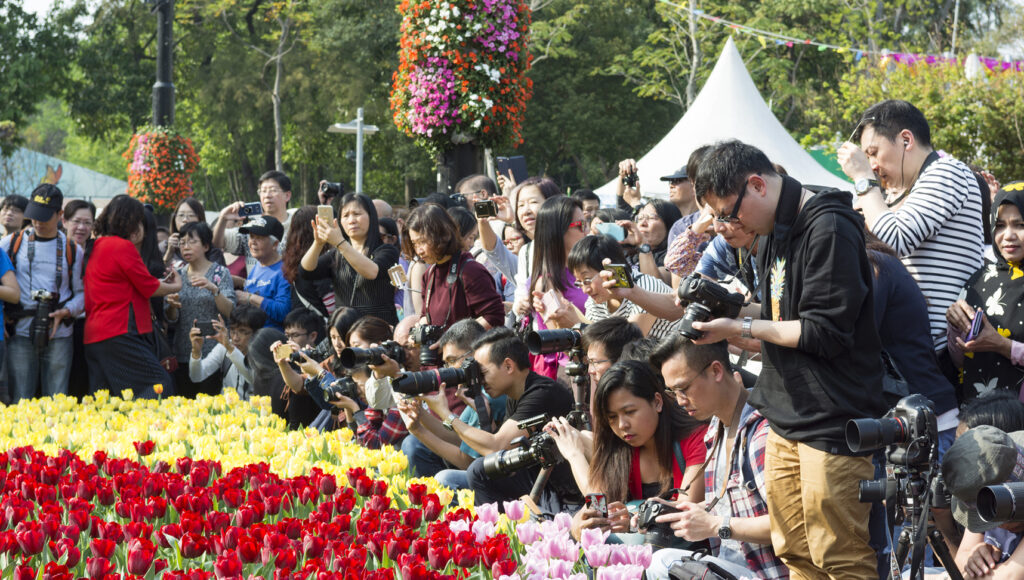
Tourists are visiting in Hong Kong Flower Show 2018 held in Victoria Park, Hong Kong

Blossoming with the theme of the stock flower, the 2026 Flower Show takes ‘A Fragrant Journey through Hong Kong’. Explore the enchanting displays of exhibitors from Hong Kong, the mainland and overseas, participate in cultural performances, and enjoy floral-art demonstrations. Workshops on sustainable greening, guided garden tours and lively games for families promise fun for all ages.

When: 20-29 Mar

Where: Victoria Park, Causeway Bay

How much: HK$14

For more information: hkflowershow.hk

ComplexCon

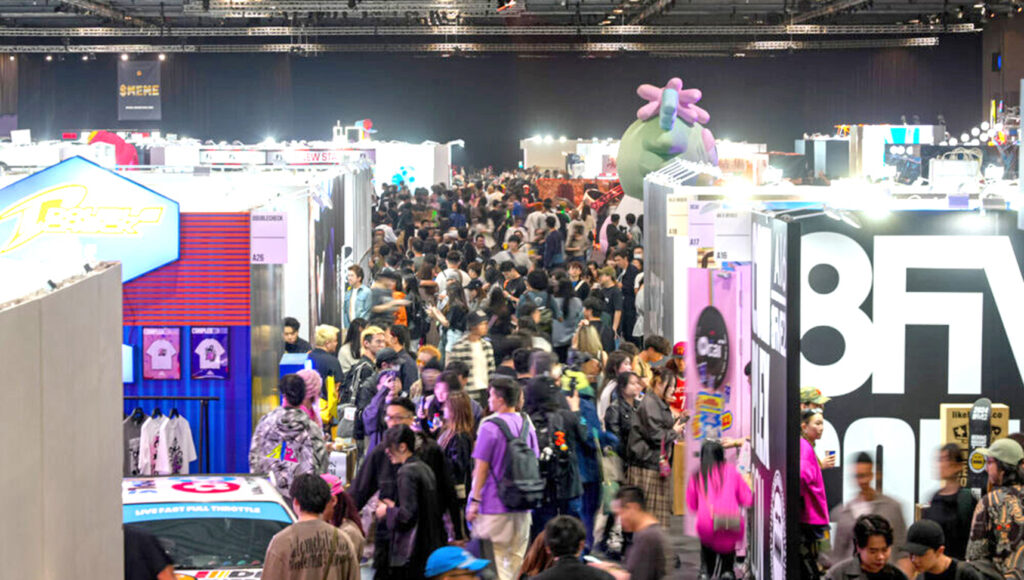
ComplexCon, with Labubu’s Kasing Lung at the helm as Artistic Director, fuses streetwear, music and avant-garde art, transforming the staid Chek Lap Kok venue into an immersive playground. Attendees can feast on culinary delights, engage in thought-provoking panels, and discover exclusive sneaker drops at the marketplace. US rapper Yeat and Korean stars Jay Park, Jennie and Crush will perform live.

When: 21-22 March

Where: AsiaWorld-Expo

How much: From HK$488.

For more information: complexconhk.com

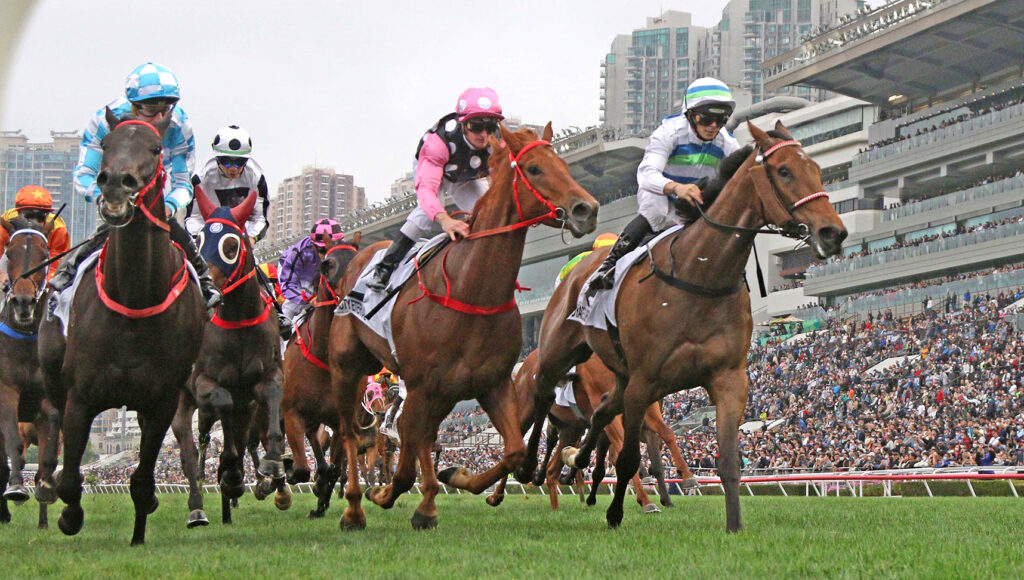
Hong Kong Derby

As the pinnacle of the Four-Year-Old Classic Series, the Hong Kong Derby is a fierce contest over 2,000 metres. Punters will be treated to an exhilarating race programme beginning with a lively musical performance and delectable food that will excite every sense. As jockeys push their steeds to the limit in a thrilling spectacle, a new Derby champion is born. Witness history in the making and be part of the premier event of the Hong Kong racing calendar!

When: 22 March

Where: Sha Tin Racecourse

How much: From HK$10.

For more information: hkjc.com

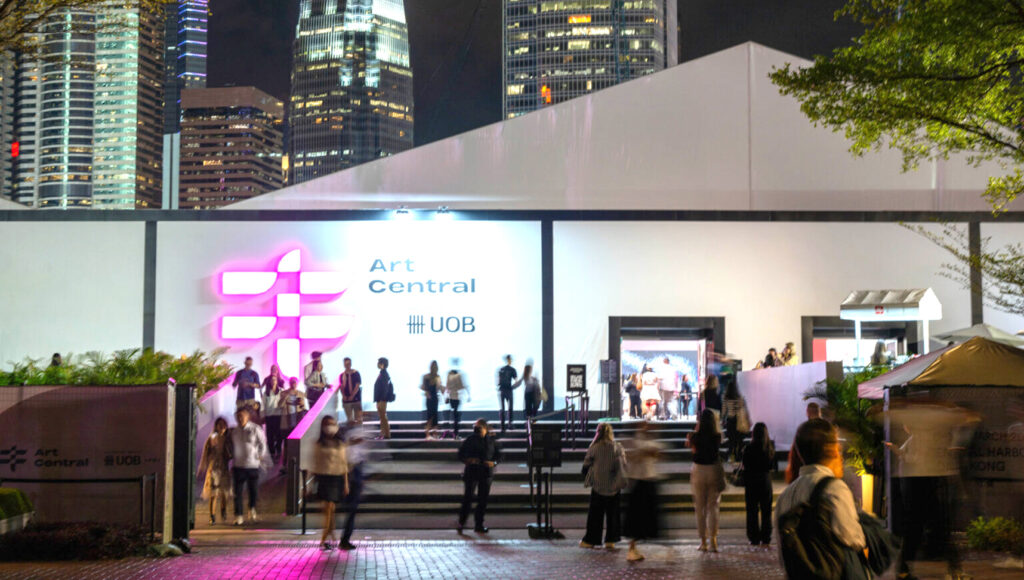
Art Central HONG KONG 2026

Art Central returns for its 11th edition, showcasing more than 100 galleries and 500 artists from Hong Kong, Asia and beyond. Visitors can immerse themselves in a dynamic five-day programme of performances, installations, video art and engaging talks, all complemented by exquisite dining experiences.

When: 25-29 March

Where: Central Harbourfront

How much: From HK$150

For more information: artcentralhongkong.com

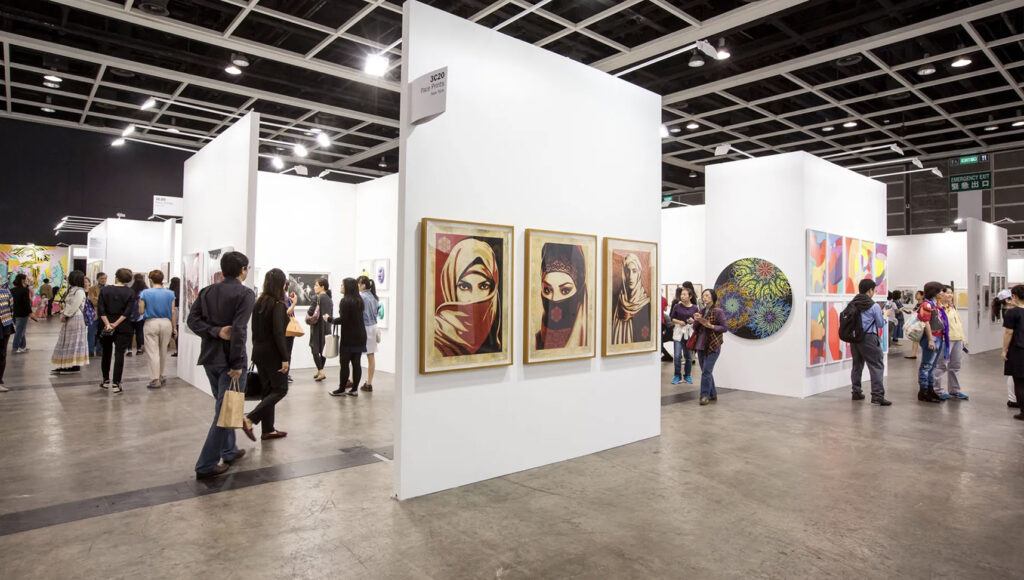
Art Basel Hong Kong

Hong Kong Art Week’s landmark fair brings the art world to our shores once more, showcasing an impressive 240 galleries from 41 countries and territories. With more than half of the galleries hailing from the vibrant Asia-Pacific region, Art Basel Hong Kong acts as a crucial bridge for cultural exchange. As galleries, artists and curators converge, the event exhibits the energy of a thriving art ecosystem, igniting passion and creativity on a global scale.

When: 27-29 March

Where: HKCEC

How much: From HK$350

For more information: artbasel.com

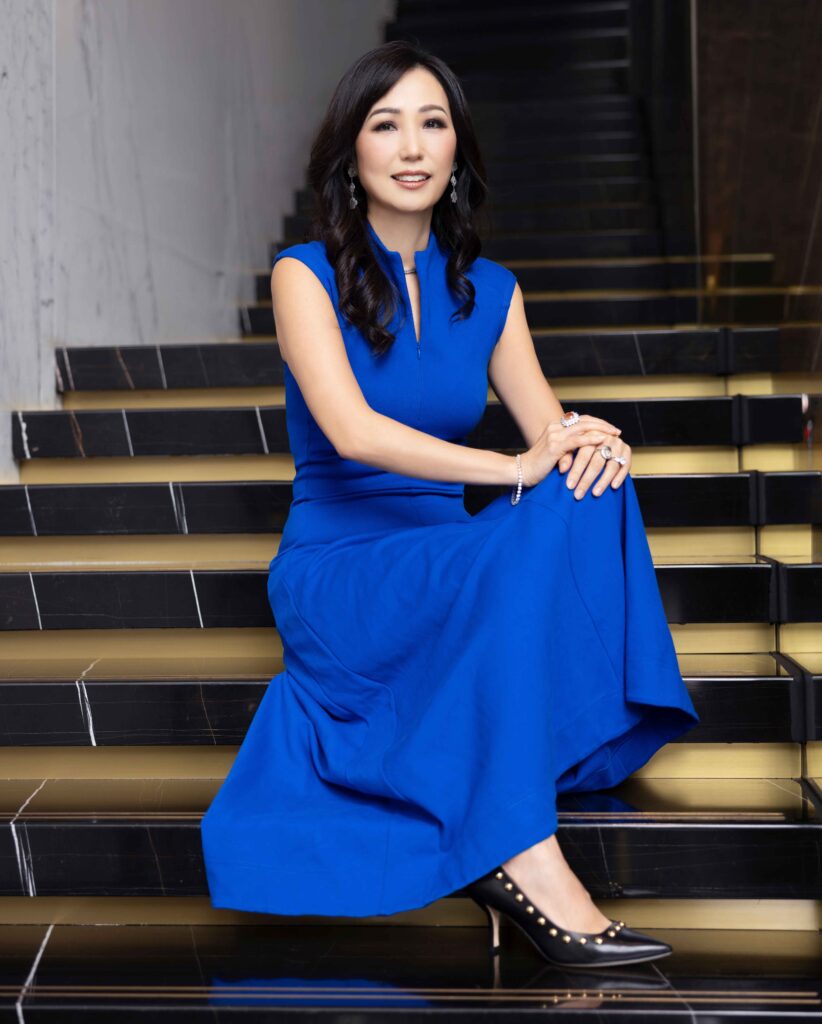
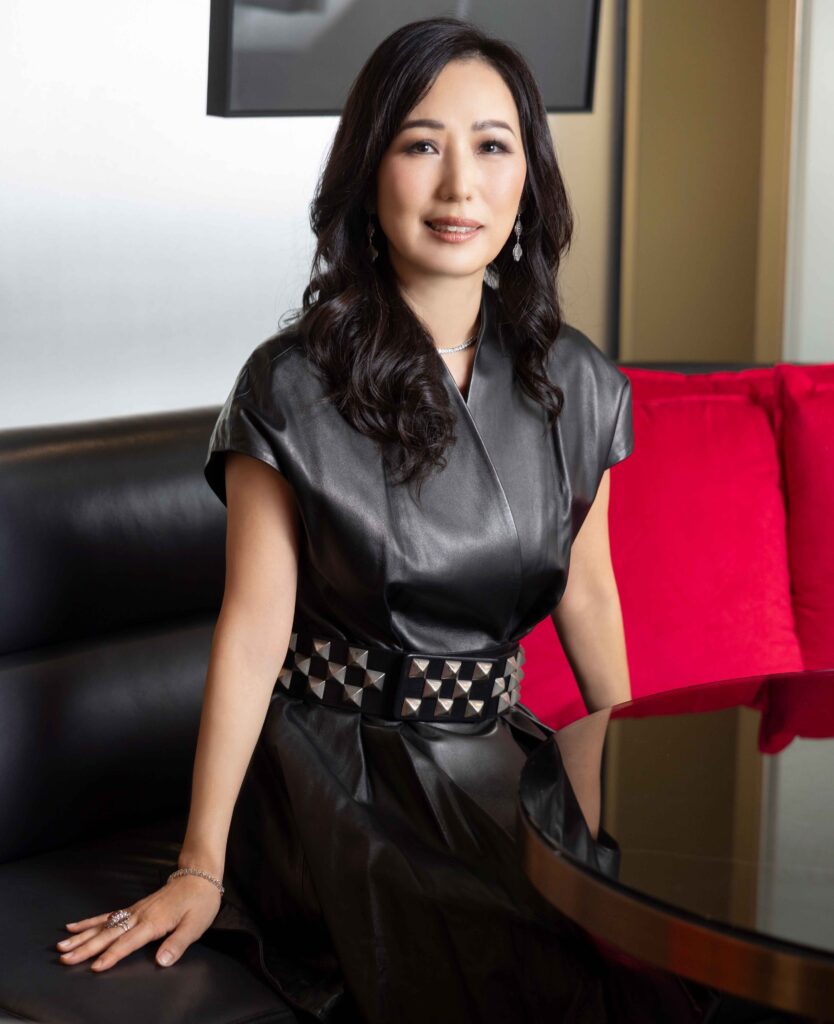
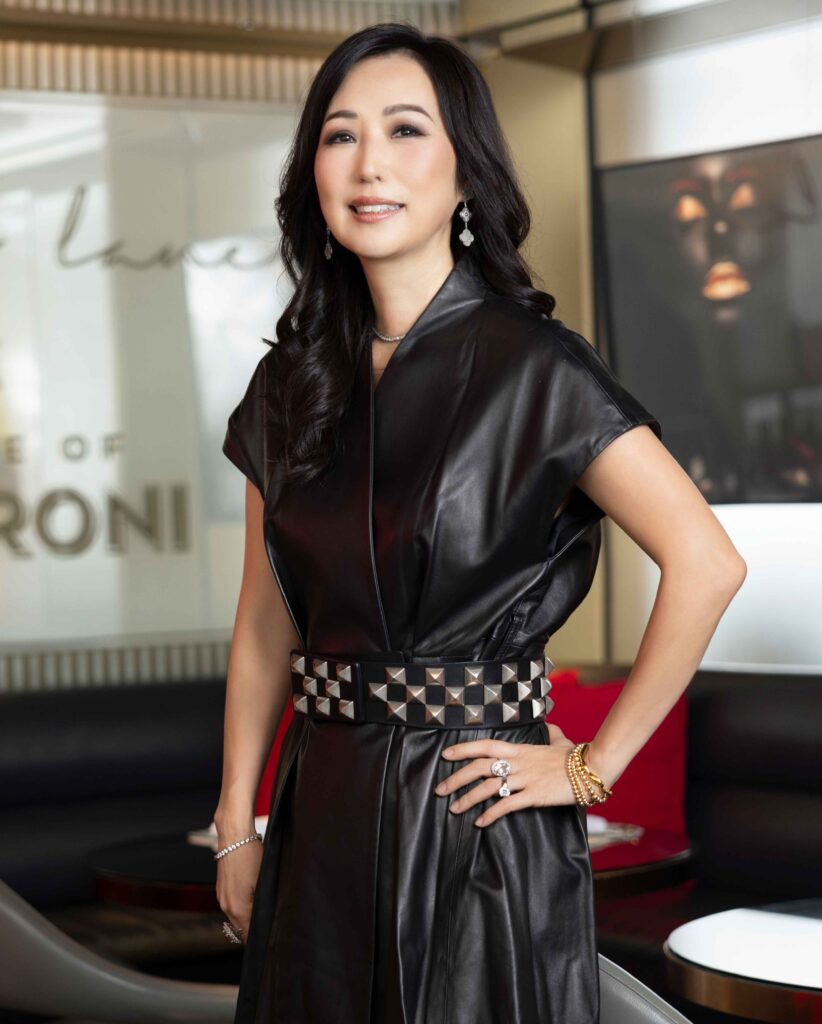
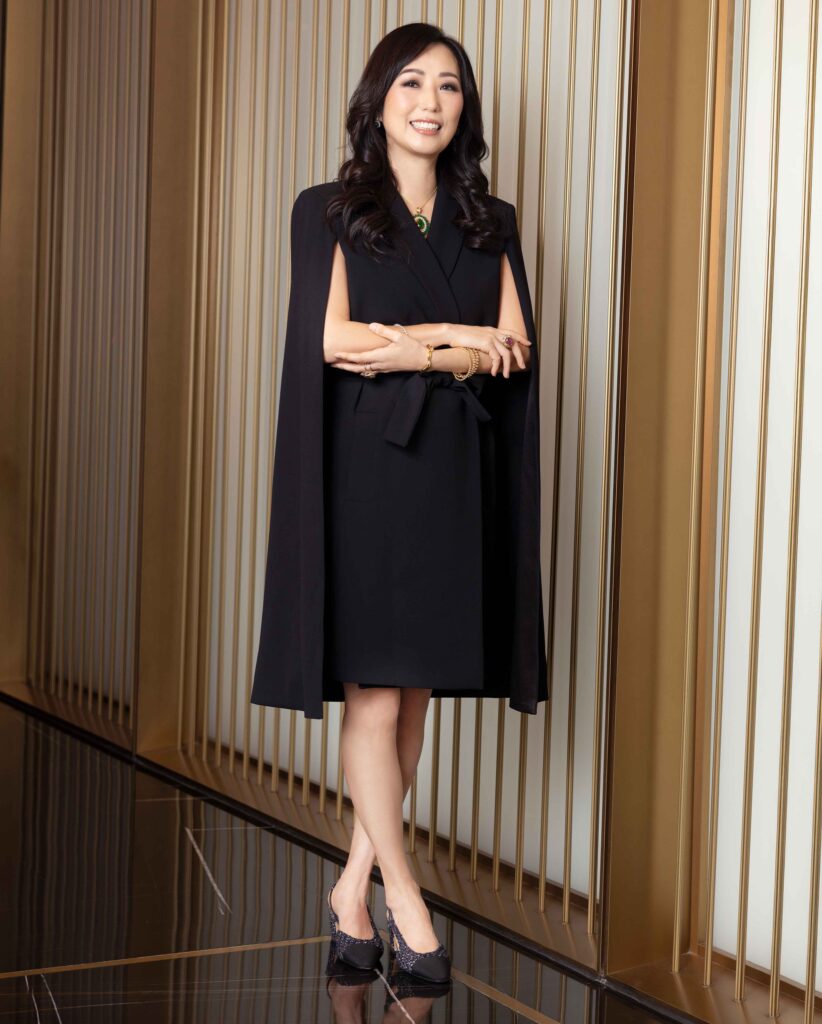
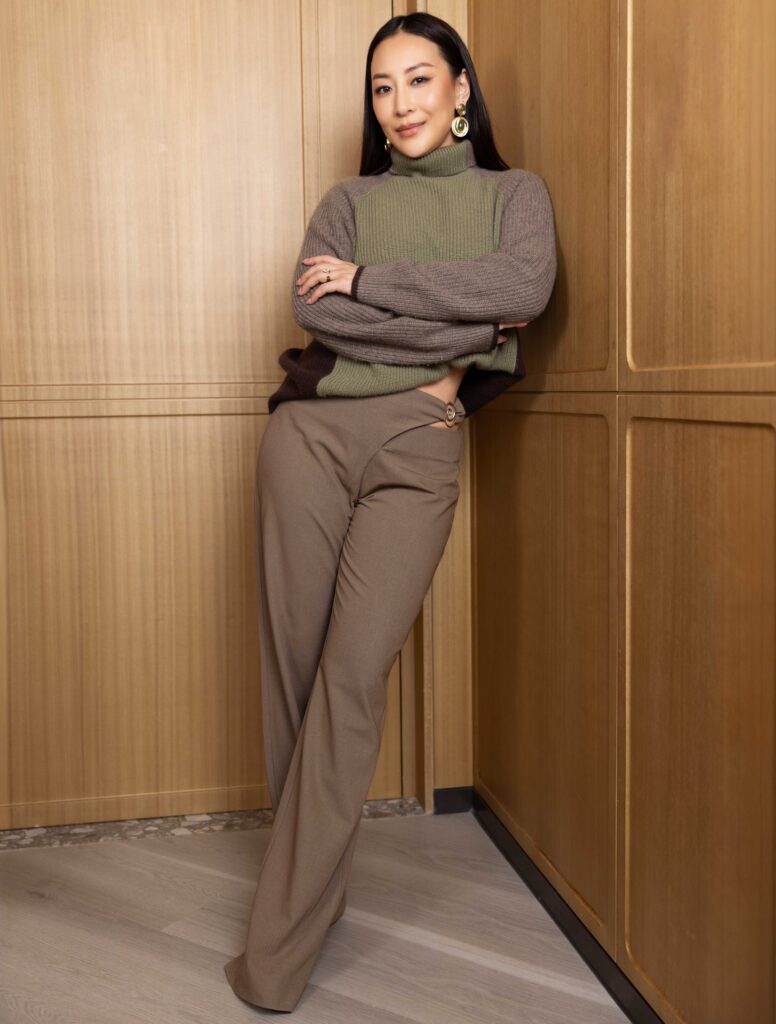
Mother Superior: Business strategies and bathtimes head the busy agenda of brand builder Jessi Chloe Chen

A joyful Jessi Chloe Chen shares her fervour for new motherhood, meaningful luxury and mental wellbeing

Jessi Chloe Chen breezes into the restaurant just a few minutes past the agreed time for our cosy pre-shoot lunch. Though no apologies are needed, the multi-industry brand consultant flashes a warm smile, explaining that she’s busy juggling a relatively new, incredibly meaningful role. She recently added being a mum to her many responsibilities. Over seasonal tasting plates, we dive straight into parenting advice, swapping stories about sleepless nights, first smiles, and the tiny everyday miracles that make the chaos worthwhile.

Chen is clearly committed to this new chapter in her multitasking lifestyle. Her face lights up at every mention of her baby daughter. Motherhood isn’t something she fits around her work; it’s the heartbeat around which everything else pulses. “My daughter just turned seven months old, and so much of my happiness comes from her,” she enthuses. “Seeing the world through her eyes, travelling together, experiencing firsts as a family are all very special.”

Boundless Horizons

Travel is second nature to Chen, and it shaped her own childhood. She grew up between Hong Kong and Melbourne, a true third-culture kid navigating two vibrant but vastly different worlds. “It meant learning two very different cultures and ways of living early,” she reflects. Melbourne grounded her with practical life skills and resilience in spaces where she didn’t always fit in, while Hong Kong instilled ambition, efficiency and high standards – “things can be done quickly and well here,” she affirms.

Attending international schools honed her ability to translate between worlds, adjusting her communication to connect with anyone from any background. This cross-cultural fluency informs her business approach today: “It really helped to shape my worldview and carry multiple perspectives at once, giving me a more global perspective.”

Curiosity Over Convention

Chen’s 15-year career in Hong Kong defies neat boxes, spanning fashion, property, luxury, floristry and advocacy. What drives her to leap across such diverse fields? “I’ve never followed a traditional path; it has always been about relationships,” she explains. “When an opportunity comes along, or I’m considering starting something, I ask myself: am I genuinely interested, can I be useful, and can I learn quickly? If it’s a yes to all three, I’ll usually give it a good crack.”

Building expertise in reading trends and momentum, she began leading sales and marketing at a contemporary fashion brand, then moved into real estate as Managing Director of Fuin, overseeing branding, operations and strategy. Entrepreneurship had come knocking in 2017 with Andrsn, the artisanal online florist that pioneered boxed roses in Hong Kong. As co-founder and Creative Director, she turned a passion for minimalist design and Australian-imported blooms into a market leader.

Meaningful Shift

In her current role as Asia-Pacific Director of Onda, the luxury membership platform, Chen is at the forefront of hospitality’s evolution. “Luxury has been shifting from ‘more’ to ‘meaningful’ for a while now,” she observes. “Time and health are the ultimate form of luxury.”

Onda curates access to the world’s most  desirable private members’ clubs and exclusive programming where you’re known before arrival. Members crave personalisation over excess, with wellness – longevity, recovery, everyday care – taking centre stage. “The sweet spot [in this field] is curated environments where the community fit feels natural, aligning members with places that match their taste and the experience feels effortless.”

How does she juggle the business hats of director, consultant and entrepreneur with those of wife and mother? “I don’t think balance exists. At least not all at once,” she admits candidly. “Anyone claiming they’re winning in every area, every day, is lying! Something always gives.”

Anchors That Matter

Her secret? Prioritising ruthlessly: “My anchors are family, health and top work priorities – the rest orbits around them.” She schedules self-care like she would a meeting – Sunday resets, evenings after her daughter sleeps – and guards her mental wellbeing fiercely. “When I’m in a good place, everything else flows.”

Since 2018, she has been Managing Partner at Talking Mental, a mental-health initiative founded by longtime friend Aaron Stadlin-Robbie. Her advocacy stems from personal experience: “I had experienced panic attacks and anxiety in the past, and I know how lonely the search for help can feel.”

She helps create approachable conversations, panels and partnerships to reduce stigma and improve access. “If we can make these conversations feel normal and easier to navigate, we’re doing something good,” she says.

Grace and Grit

What does being a leader mean in today’s tough environment? “Leadership for me is providing clarity, being prepared and accountable,” she explains. “Staying calm, not being reactive, and moving a team towards solutions.” Boundaries are essential, but so is being pleasant to work with – “one thing that is overlooked too often”.

Her advice to young women aspiring to lead is “just start, even if you don’t feel ready”. She elaborates: “You can’t perfect something you haven’t tried; you learn the most by being in the thick of it. And through that process, your definition of success will evolve as you do.”

For Chen, success is fluid and ever-evolving. “I rarely feel truly ‘successful’ and I’m comfortable with that. A little healthy dissatisfaction keeps me learning and ambitious,” she shares. What she chases most is daily gratitude and pride in progress across life’s facets.

Bringers of Joy

During challenges, she recharges through people. It’s no surprise when she declares, “I’m a people person. Speaking with my closest friends and mentors resets my perspective and keeps me moving.”

She finds happiness in “the small, consistent quiet moments that are closest to you. These are the ones that matter most.” It’s a beautifully simple philosophy, and right now, much of that joy flows from her daughter.

At the end of our shoot, jokingly reminding the crew to make her more elegant and eloquent, Chen’s candidness and excitement are palatable. She’s thrilled to head home to join her husband and be with their child. She arrived a touch late because of motherhood’s joyful demands, and she rushes off for the same reason. Her rhythm of life these days equates to one small, perfect milestone at a time.

Interview, Text & Art Direction: Joseff Musa     Photographer: Jack Law     Videographer: Iris Ventura