
Magnificent Manila: Life unfolds loudly in this vibrant metropolis of song, style and energy

Manila is a city that lives outwardly. It sings, dances, shops, performs and indulges with an ease that feels instinctive rather than curated. From the moment one steps into its rhythm, it becomes clear that this is not a place designed for passive observation – the capital of the Philippines demands participation.

The almost two million people who inhabit the eastern shore of Manila Bay thrive on energy, conversation, music and movement. This is one of the world’s most densely populated cities, and its pleasures unfold vividly. In the city itself and the wider Metro Manila region, the experience is urban, expressive and richly layered, revealing a megalopolis that understands entertainment not as spectacle alone, but as a shared cultural language.
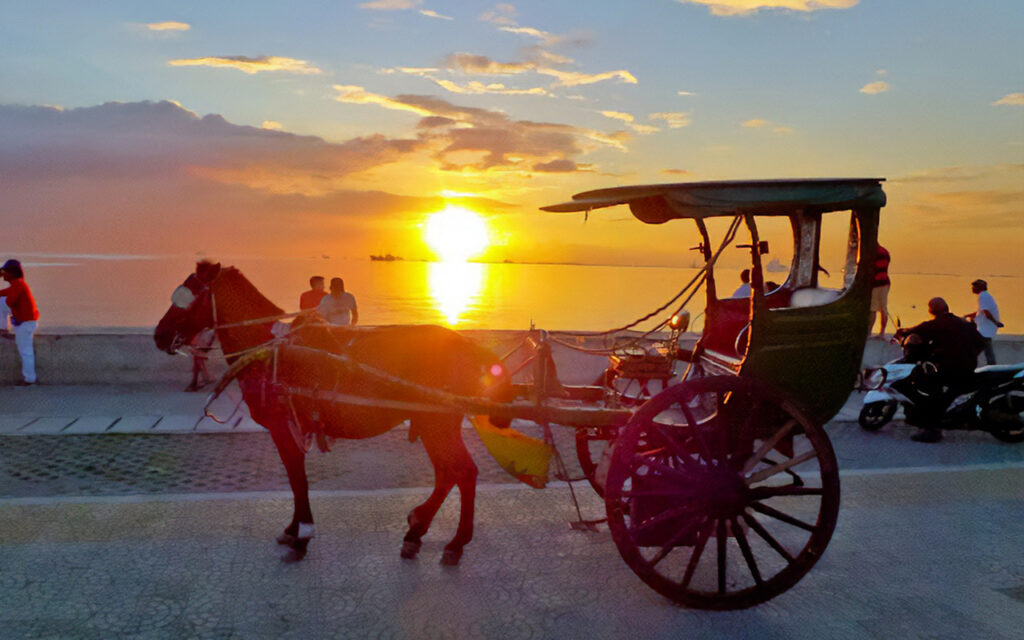
The City of Manila’s historic core provides an essential foundation for this vibrancy. Intramuros, the old walled district constructed by the Spanish conquistadors in the late 1500s, reminds of its long role as a cultural crossroads. Thick stone walls, grand churches and colonial courtyards speak to centuries of history that continue to inform the city’s identity.
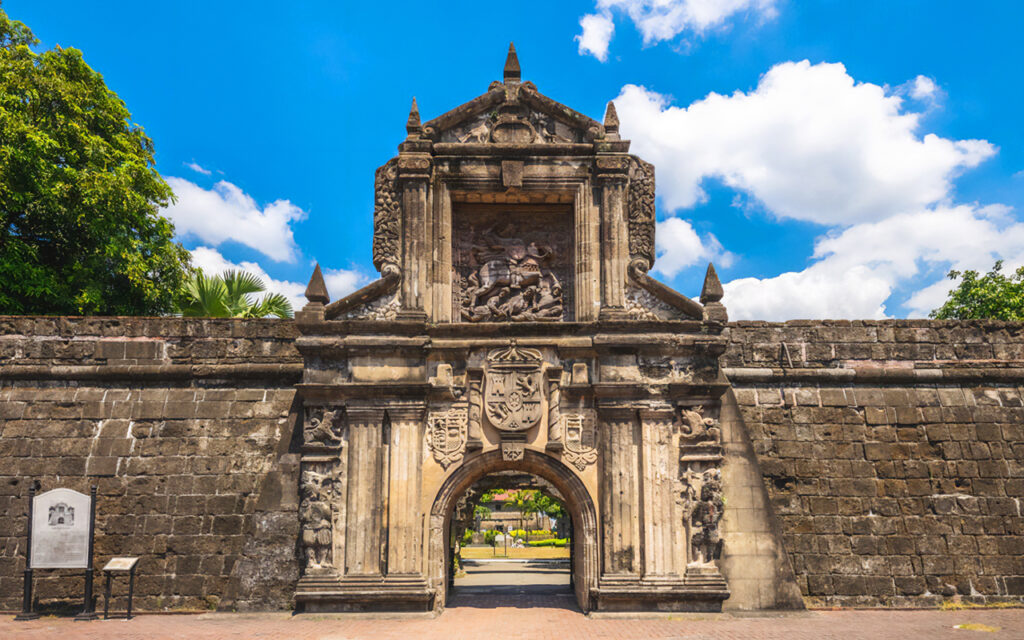
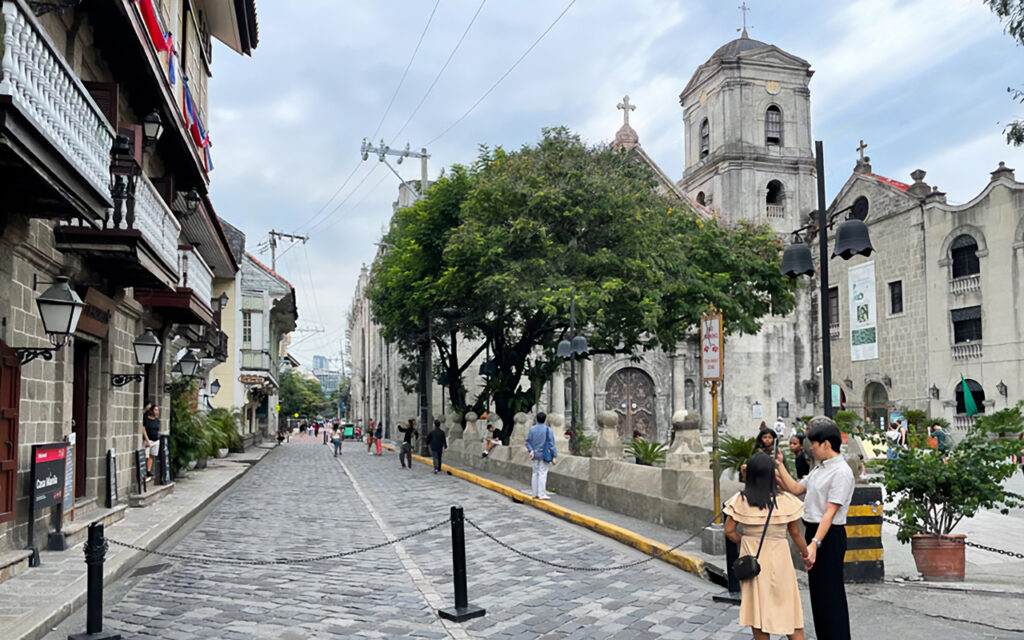
San Agustin Church, a Unesco World Heritage site, offers a moment of stillness amid the surrounding motion, grounding the experience in something enduring. Standing through earthquakes and wars since 1607, the country’s oldest stone church allows visitors to admire an ornate interior and remarkable preservation.
Going with the Flow

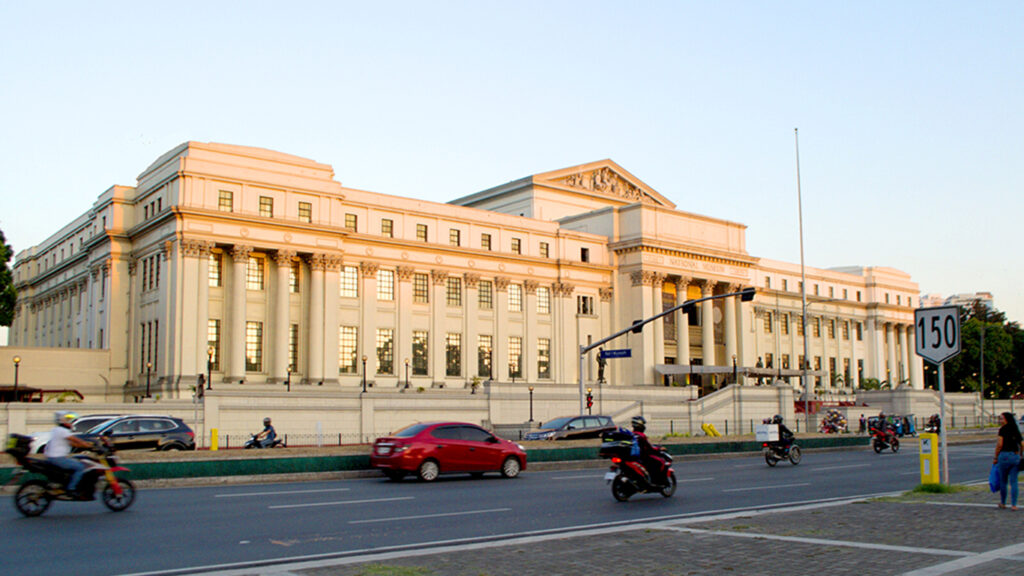
Sightseeing in Manila works best when integrated into the city’s natural flow. Architectural contrasts are constant, with colonial façades coexisting with modern towers and religious landmarks maintaining calm amid movement. Museums and cultural spaces provide insight into Filipino identity, shaped by resilience, creativity and adaptability.

From these quiet spaces, the transition back into modern Manila is immediate and exhilarating, as traffic hums, music floats through open doors, and the metropolitan pulse becomes impossible to ignore. Casual walks through the financial skyscrapers and shopping centres of nearby Makati or Bonifacio Global City (a.k.a. The Fort for its military heritage) in Taguig – where attractions range from the science exhibits of the Mind Museum to the 66-storey Metrobank Center, the tallest building in the Philippines – reveal layers of design, public art and daily life unfolding simultaneously.
Songs for Drinking and Dancing

Waterfront promenades invite reflection as daylight fades and the city lights begin to glow, offering a quieter counterpoint to the urban energy. As evening deepens, Manila’s nightlife reveals its range and confidence. Cocktail lounges transition naturally into dance floors, while live-music venues remain packed well past midnight. Nights rarely feel rushed; dining, drinking, music and conversation flow together seamlessly and without effort.
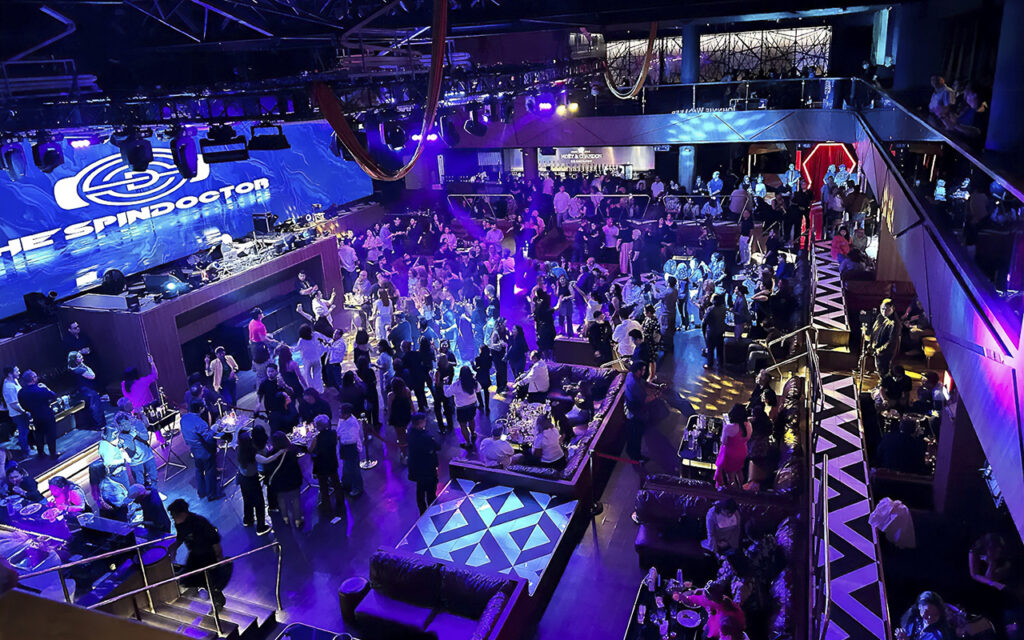
Music is everywhere in Metro Manila, not as background but as a central expression of social life. Singing is woven deeply into the culture, and upscale karaoke lounges elevate this tradition into a participatory, expressive, joyful and deeply social art form. Music 21 Plaza’s Makati branch remains a classic destination for karaoke, offering plush rooms, attentive service and an atmosphere designed for long, unhurried nights. In Bonifacio Global City, Rockstar KTV Restrobar presents a contemporary environment, with sleek interiors, advanced sound systems and private rooms for lounging.
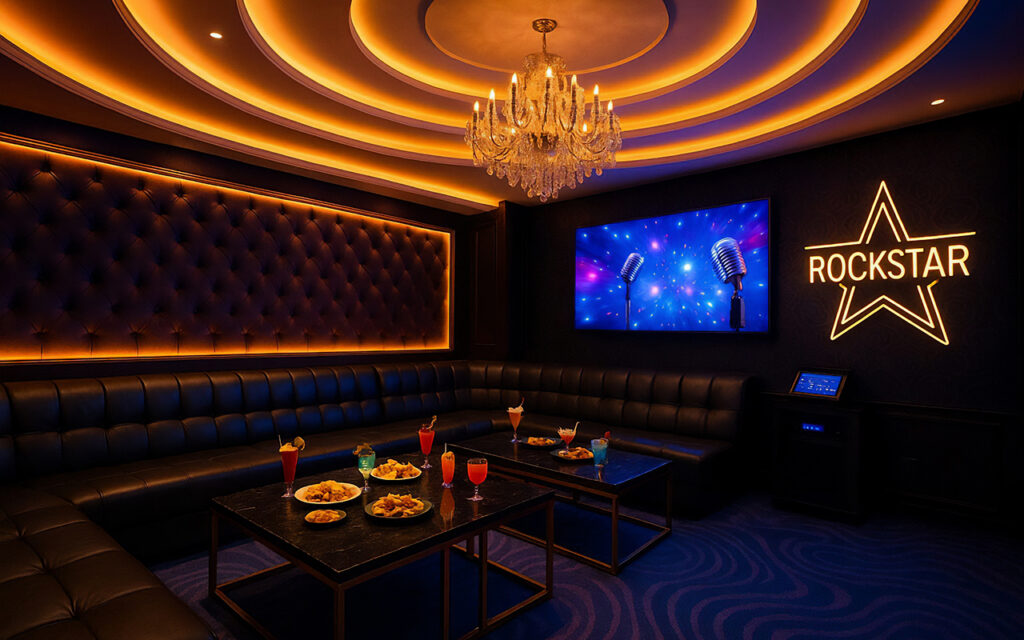
The city’s after-dark scene is energetic but rarely aggressive, and glamorous without being rigid. DJs blend international sounds with local influences, and dance floors fill organically. Even in the most vibrant spaces, there is an emphasis on conviviality and ease. Top clubbing draws include Royal in Poblacion, the nightlife heart of Makati, and the multiple-venue The Palace in Bonifacio Global City, led by the mass rush of XYLO and the more intimate Revel lounge.

Much Adobo in Dining

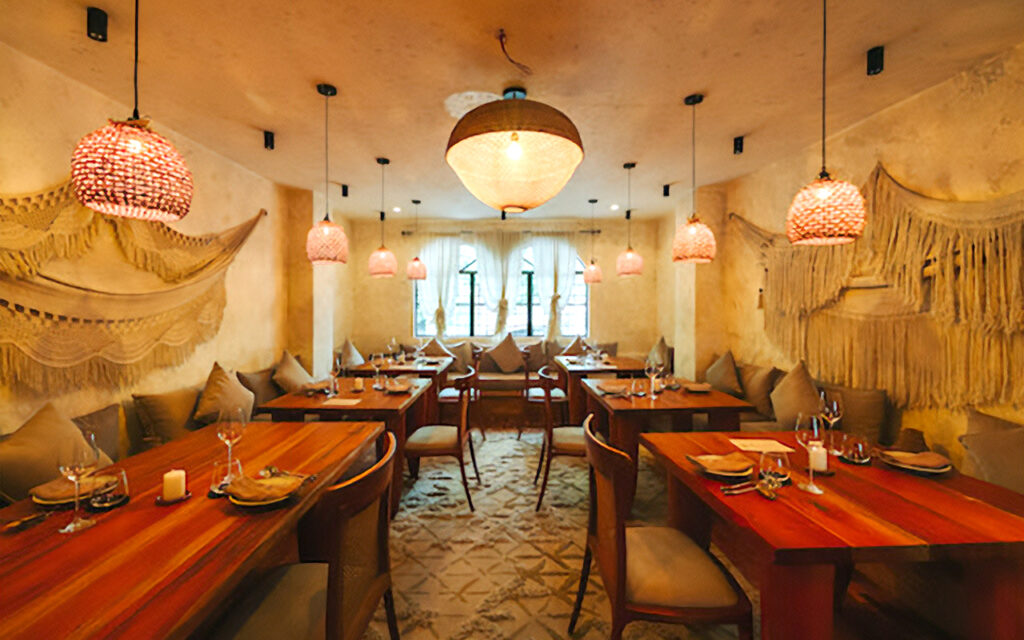
Food anchors daily life in Manila, and dining is treated as a social ritual. Filipino cuisine, a vivid statement of the city’s culinary identity, is increasingly presented with refinement. Traditional flavours built on garlic, vinegar and soy sauce – exemplified by the unofficial national dish of pork and/or chicken adobo – and citrus, particularly calamansi, are balanced through modern technique. The local delicacy of tinapa sees fish like blackfin scad or bangus (milkfish) brined, cooked and preserved through smoking.

Restaurants reinterpret familiar dishes without losing their essence. The Makati establishments of Hapag, Inatô, Kasa Palma and Toyo Eatery were honoured with a star in The Michelin Guide for the Philippines, which debuted this year. International dining options, meanwhile, reflect the city’s global outlook and openness. British-Filipino chef Josh Boutwood’s tasting menus at the two-star Helm are a must for serious foodies.

Meals in Manila are unhurried, extending naturally into drinks, music, or a short walk to another venue. Late-night dining is not an afterthought but an expectation, reinforcing the city’s rhythm of lingering and connection.
Glorious Gaming

Casino and entertainment complexes such as Okada Manila and Solaire Resort add another layer of urban glamour. Located in Entertainment City, these integrated destinations boast a confident, cosmopolitan atmosphere, combining gaming, dining, shopping, nightlife and top-notch accommodation within expansive, polished environments. Casino floors are lively and well-appointed, offering everything from energetic main halls to more secluded high-limit areas.
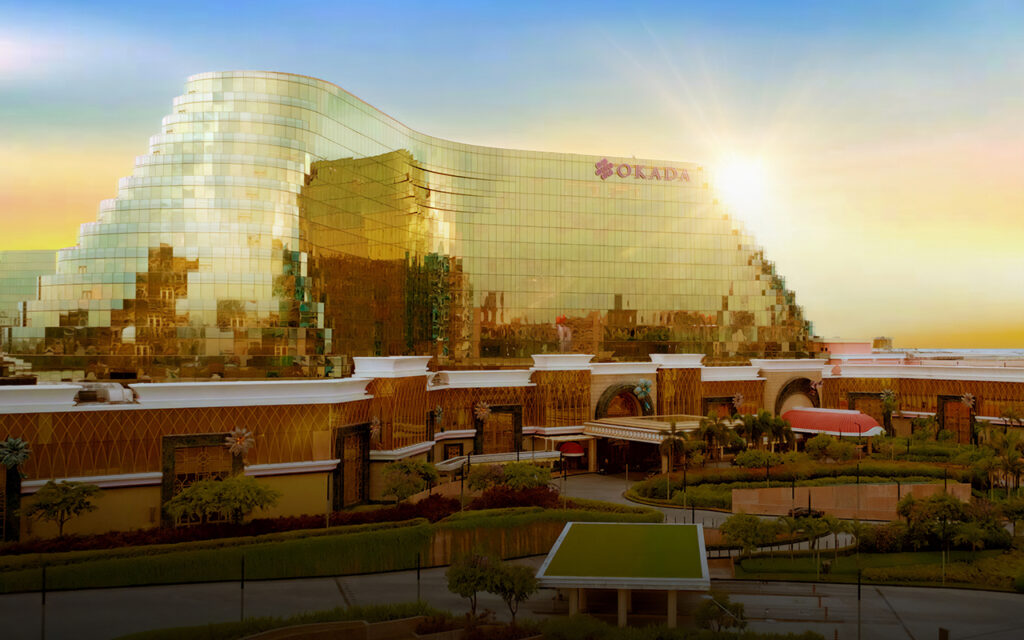
Beyond gaming, these complexes house internationally recognised restaurants and luxury boutiques, live performance venues, and lounges with sweeping views of the city or bay. An entire evening can unfold within their walls without repetition, moving fluidly from dinner to entertainment to late-night cocktails.

Dip into Designer Heritage

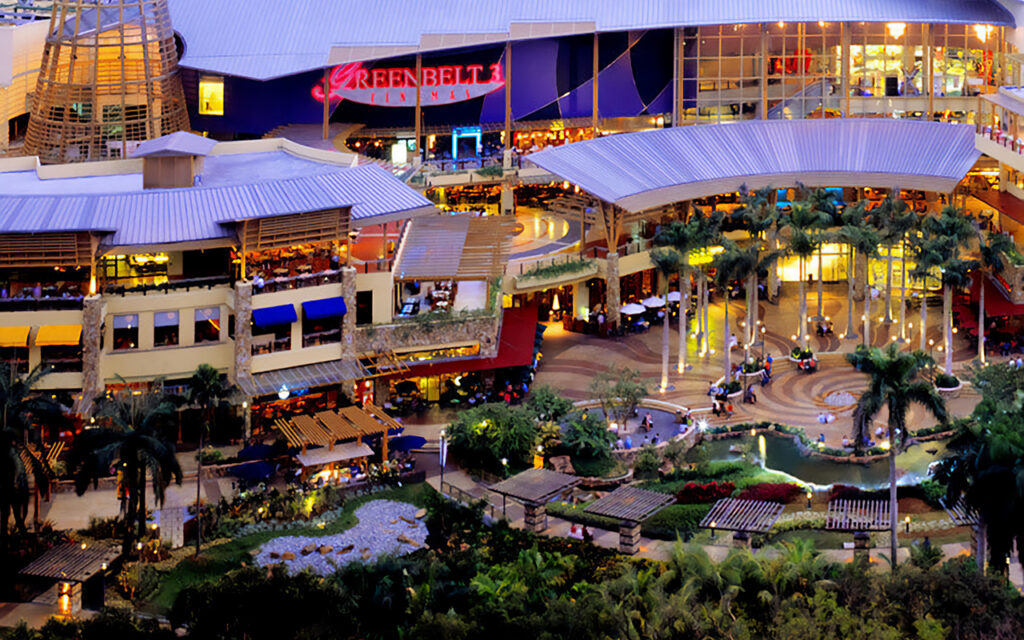
Shopping is another essential expression of Manila’s urban life. The city’s major retail districts are carefully designed to combine fashion, dining and leisure into cohesive experiences. Makati offers the most refined ambience, with international luxury brands sitting alongside Filipino designers whose work draws on heritage craftsmanship with modern sensibility. Bonifacio Global City presents a more contemporary, walkable aesthetic, where tree-lined streets, open plazas and public art frame boutiques and concept stores. Cafés and restaurants encourage long afternoons that move effortlessly between browsing and dining.
What distinguishes shopping in Manila is the access to exquisite Philippine products that carry both beauty and narrative. Handwoven textiles sourced from regional communities are transformed into modern fashion and home pieces, each reflecting generations of skill. South Sea pearls, among the finest in the world, are presented in understated designs that emphasise natural lustre. Capiz shell lighting glows softly in curated interiors, while finely crafted wood furniture and accessories showcase native materials shaped by artisanal expertise.

Cycle of Urban Life

Despite its intensity, Manila understands balance. Wellness spaces, spas and quiet cafés offer recovery between late nights and full days. Early mornings reveal a gentler city, where joggers move through clean streets, cafés open slowly, and the pace briefly softens before rebuilding. By afternoon, energy returns. By evening, it is unmistakable again. This cycle gives Manila its momentum, allowing indulgence and rest to coexist naturally.

What makes the city endure is not its polish but its vitality. It does not attempt to impress from a distance; it engages directly, asking visitors to listen, to participate and to stay present. Its pleasures are immediate but layered, and expressive rather than sterile; this is a place where culture is lived rather than displayed.

A stay in Manila does not offer escape from urban life – it invites immersion at its most animated. Those who give the city attention are rewarded with richness, warmth and unmistakable character. It is this lived energy, sustained across sound, movement, craftsmanship and social connection, that makes Manila not just memorable, but compelling long after the lights dim and the music fades.

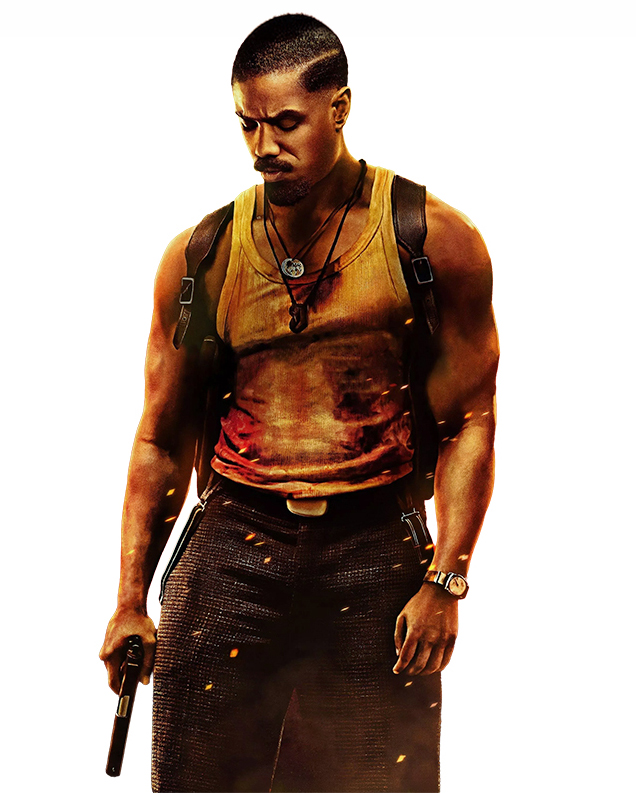
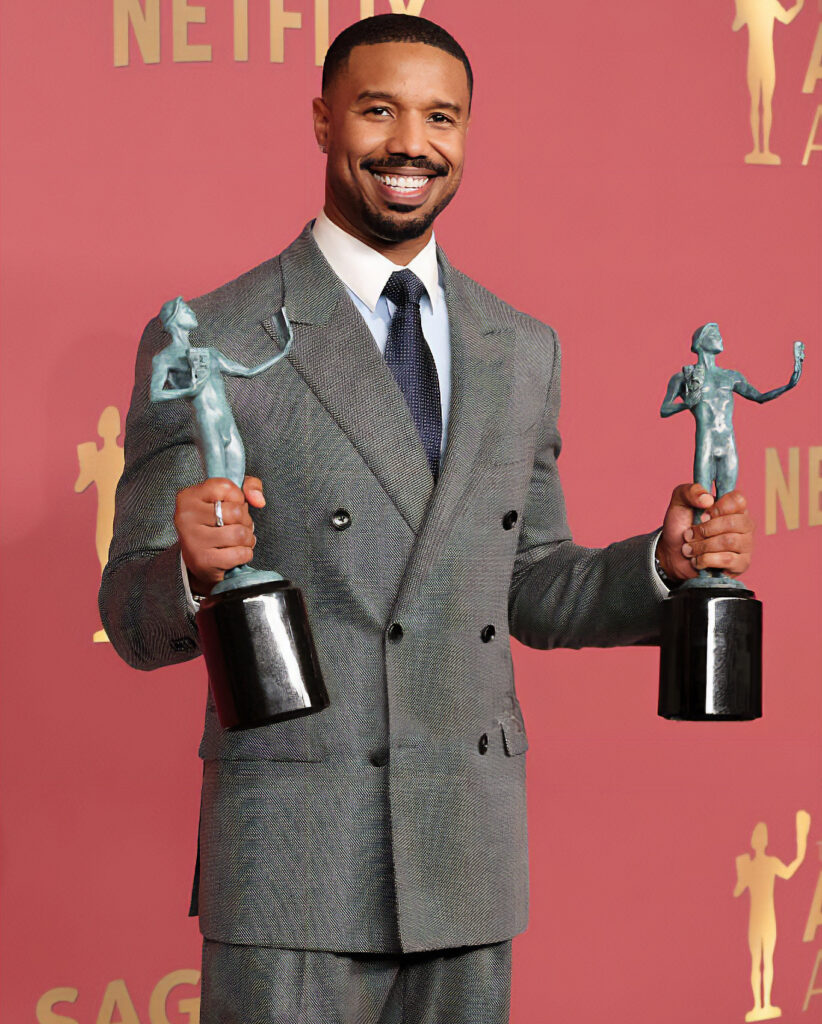
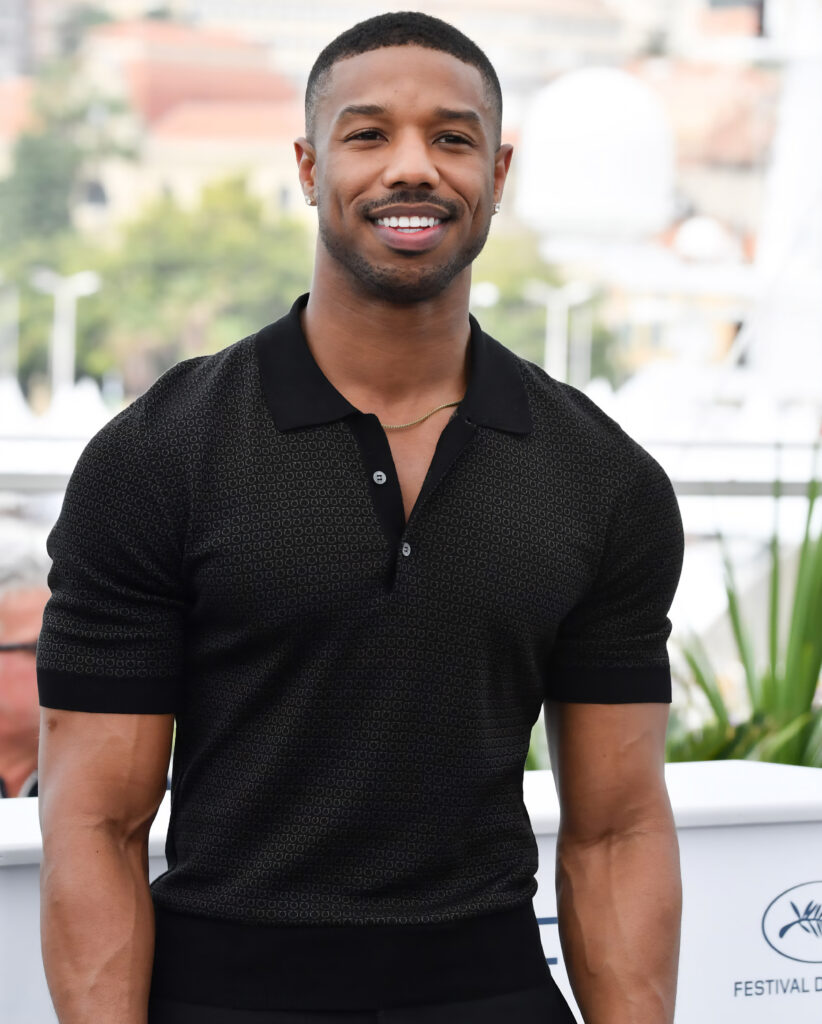
B Himself: From Wallace in The Wire to Oscar winner with Sinners, Michael B. Jordan scores big in Hollywood

Michael B. Jordan’s middle name, Bakari, means “noble promise” in Swahili, and in hindsight, it feels almost prophetic. The kid who grew up in a tight-knit family in Newark, New Jersey, guided by parents who emphasised education, humility and hard work, has become one of Hollywood’s most recognisable leading men – and picked up an Academy Award last month to boot. Parental expectations for Michael and his two siblings were clear: pursue excellence, but stay grounded.

The 39-year-old actor’s early dreams were not focused on stardom. He began as a child model, and acting opportunities followed naturally. Young Michael discovered he loved the process of inhabiting another life and bringing authenticity to the screen. Even as his résumé expanded, his parents ensured he maintained balance. Home was a refuge from the unpredictability of show business.

Young Gun

Jordan’s early television work included brief appearances on The Sopranos and Cosby (both in 1999), but his breakthrough came at age 15, when he was cast as teenage drug-dealer Wallace in The Wire (2002). The role was small in screen time but enormous in impact. He infused the character with vulnerability, making Wallace’s tragic fate one of the show’s most heartbreaking storylines. The performance revealed a rare emotional intelligence in a young actor.
Jordan then brought charisma and complexity to the role of Vince Howard, a gifted quarterback mired in poverty and family instability, in Friday Night Lights (2009-11). Later, in Parenthood, he played a recovering addict attempting to rebuild his life. These roles cemented his reputation as an actor capable of balancing strength with sensitivity. He was not interested in playing one-dimensional characters; he gravitated towards stories that reflected struggle, growth and redemption.

Building Up to Blockbusters

The turning point in Jordan’s career arrived in 2013 with Fruitvale Station, portraying the 2009 fatal shooting of Oscar Grant by an Oakland transit police officer. The film premiered at Sundance to critical acclaim, and his nuanced performance was widely praised. It was a defining moment that elevated him from promising actor to serious artist.

Fruitvale Station began a longtime collaboration with writer-director Ryan Coogler that transformed Jordan’s career. It was followed by Creed (2015), a continuation of the Rocky franchise, for which the dedicated actor underwent months of intense boxing training. He reshaped his body into that of a believable professional fighter, yet also grounded the boxing spectacle in intimate character work. Creed was both a commercial triumph and a critical success, establishing the 28-year-old as a bankable male lead.

If Creed positioned him as a star, the Marvel Comics’ vehicle Black Panther (2018) made him a global icon. Cast once again by Coogler, Jordan infused his villainous character with wounded intensity, reportedly staying immersed in the role throughout production. The film became a cultural milestone, grossing more than US$1 billion worldwide and redefining representation in blockbuster cinema.

Craft Commitment

Behind the scenes, Jordan’s approach to his career has been marked by discipline. For physically demanding roles, he commits to rigorous training regimens and strict nutritional plans. He often speaks about preparation as a form of respect – for the craft, for collaborators, and for audiences. He immerses himself in scripts, develops detailed backstories, and seeks to understand the psychological landscape of each character.
Reflecting on the variety of roles he has inhabited, Jordan has commented: “If I was only moving for profit, my résumé would look a lot different. It’d have six more projects on there. [Producers] will see you in something and be like, Oh yeah, you would be great for this… It’s like, you want me to do that again? That’s sometimes boring for us, you know?”

Dual Challenges

Having assumed producer duties for a number of films he starred in, Jordan further expanded his creative reach by making his directorial debut in 2023 in Creed III. Taking on dual responsibilities as director and lead actor was a formidable challenge, but he embraced it with confidence. The film showcased his evolving artistic voice, particularly in its stylised fight sequences that drew inspiration from anime – a personal passion.

His fourth Coogler outing yielded the multi-Academy Award-winning period horror film Sinners (2025), and a best-actor trophy for playing twin brothers, Smoke and Stack. “It definitely presented a challenge, and I had a little bit of anxiety, but I was equally excited about doing something that pushed me out of my comfort zone,” said the star in an interview. Of the two, he revealed that the charismatic Stack is closer to his own personality than the reticent Smoke.

Upcoming ventures include a solo lead actor-director-producer turn in a new remake of The Thomas Crown Affair. Jordan has shared that for a decade, he wanted to step into the suave suede shoes first worn by Steve McQueen, but “I hadn’t experienced enough to even play a character like that. So I got a chance to live a little bit. Now is the perfect time to do it.”

Inclusivity & Community

As his public profile has grown, so has interest in his personal life. Frequently named among Hollywood’s most eligible bachelors, he maintains a measured approach to romantic relationships and fame. In interviews, he has acknowledged that vulnerability and emotional awareness are essential to personal growth. This openness has endeared him to fans who see in him a model of modern masculinity – ambitious yet introspective, confident yet evolving.

Jordan’s production company, Outlier Society, champions inclusive hiring practices and advocates for greater diversity both in front of and behind the camera. Making these moves for inclusion permanent is important to him. “I think you have a lot of corporate America checking boxes to satisfy the people or outcry or a moment,” he has explained. “And sometimes that energy is lost, as people forget. You get back to business as usual.”

Despite global recognition, Jordan remains connected to Newark and the values instilled in him during childhood. He has invested in community initiatives and supported causes related to education and social justice. Through philanthropy and mentorship, he aims to expand opportunities for the next generation of storytellers.

Name to Watch Longer

Sharing a name with a legendary basketball player could have overshadowed his identity, but Michael Jordan, the actor, has carved his own path, building a legacy entirely separate from the hardwood courts he trod for leisure as a teen. Today, the name Michael B. Jordan evokes powerful performances, disciplined preparation and thoughtful leadership.

He chooses projects carefully, weighing their cultural resonance and personal significance. Although he has reflected on a desire to “spend time doing other things” and to “get to a place where my life … doesn’t change if I all of a sudden decide I may not want to work this year,” Jordan is unlikely to step back from the limelight any time soon.

“I spent more time struggling and trying to build something than I have been in a position where I can be moving,” he expounds. “I’m not content. I’m going to continue to build and grow.”

A Scent-sational Celebration: Parfums MDCI’s 20 Years of fragrant art; crafting memories, one bottle at a time

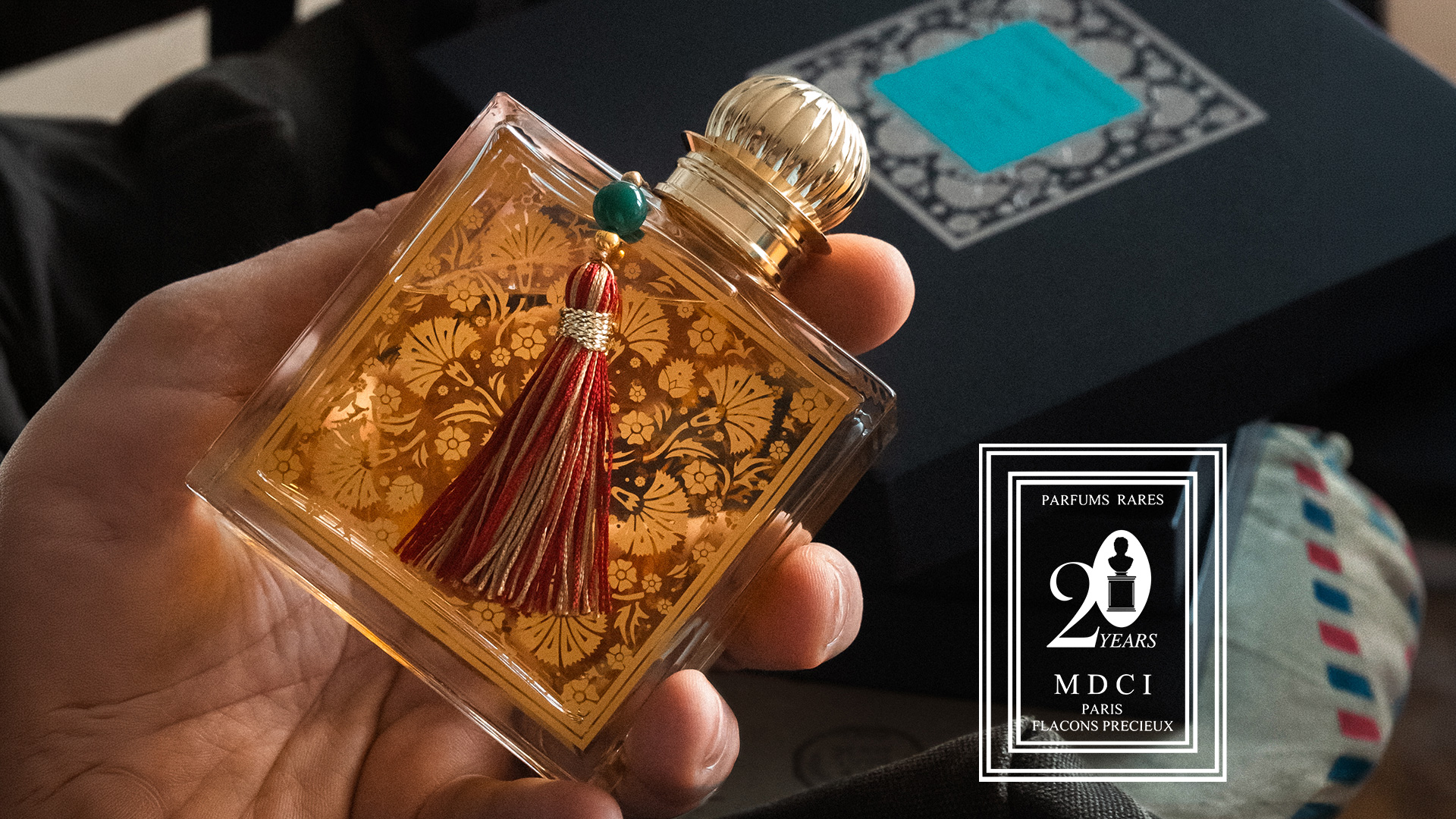
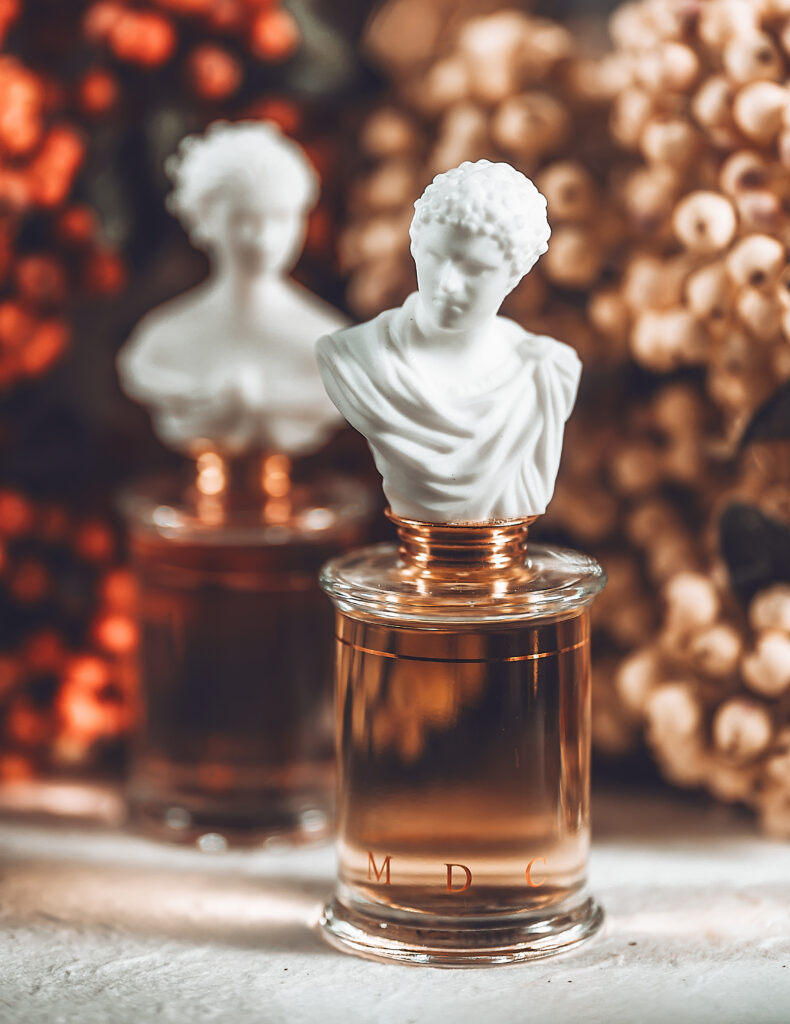
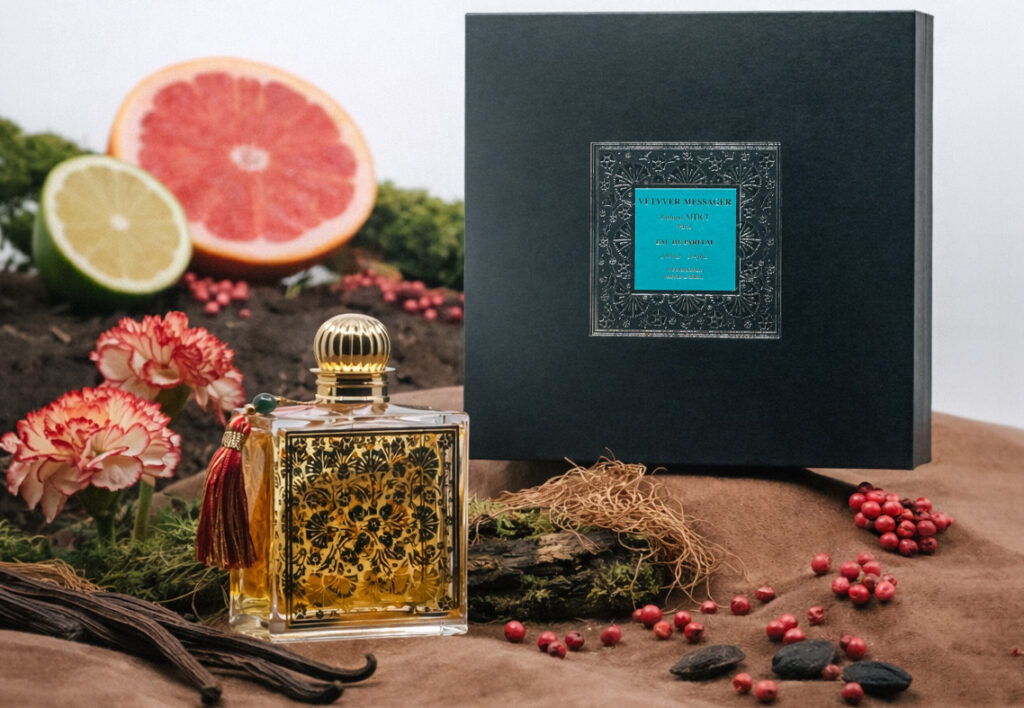
This year, Parfums MDCI, the independent perfumery house renowned for its dedication to craftsmanship, turns a glorious 20 with the unveiling of Vétyver Messager, a new woody aromatic masterpiece that encapsulates vitality and springtime joy. For two decades, MDCI has been forging a path of originality, collaborating with world-class perfumers and creating limited-edition jewels of scent, each bottle a tiny work of art.

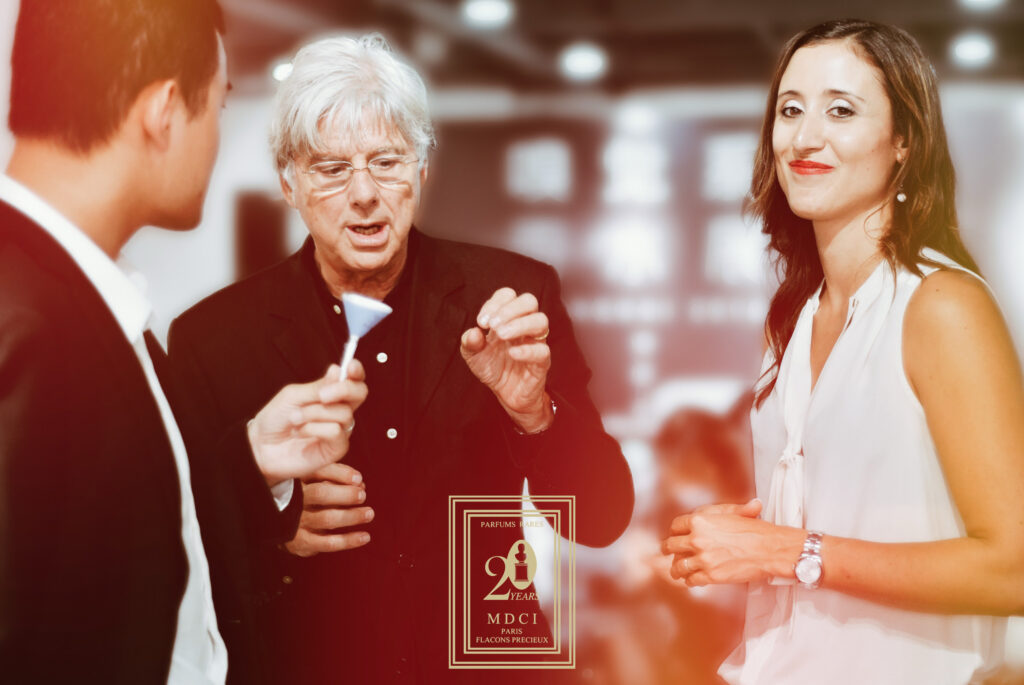
Founded by Claude Marchal, MDCI’s journey is rooted in a passion for quality over quantity. “When I started, the term ‘niche’ didn’t even exist,” Claude reflects. “We focused on slow, artisanal French craftsmanship, sourcing rare materials, and creating fragrances with true personality. Our goal has always been to craft beautiful bottles and perfumes that are wearable, timeless, and emotionally resonant.” Over the years, the house has released 24 distinctive fragrances, each meticulously handcrafted and refined, embodying the French tradition of perfumery as a luxurious art form.

“It’s a return to the essentials with a modern twist,” Claude explains. “Vetiver is a versatile note, capable of many interpretations, and in this fragrance, it’s infused with aromatic clarity that evokes vitali ty and optimism. It fills the gap in our vetiver line and captures the spirit of spring.” The fragrance’s green jade-like beads on its bottle symbolize freshness and renewal, echoing the lush vitality of nature.

In the world of MDCI, fragrances are divided into the Classic and the Painter and Perfumer collections. The Classic line features elegant tassels—red with blue beads for men, white with pearl beads for women—each detail imbued with significance. Vétyver Messager’s green beads pay homage to the brand’s dedication to meaningful artistry, a testament to its heritage.

The house’s dedication to beauty rituals extends to MDCI Beauté, launched in collaboration with Limoges’ renowned porcelain artisans. These limited-edition porcelain coffrets, inspired by the French Grand Siècle and painted with motifs reminiscent of François Boucher and Honoré Fragonard, elevate the act of self-care into an art form. Decorated with gold accents and delicate floral motifs, each piece is a collectible treasure—an exquisite vessel for your skincare routine.

Claude Marchal emphasizes, “Beauty is a ritual. It’s about slowing down and appreciating the exquisite details—touching a porcelain box, feeling its weight, and savoring the moment.” The luxurious boxes, crafted in limited, numbered editions, turn everyday self-care into a cherished ceremony, blending timeless art with modern elegance.

When asked about success, Claude responds, “It’s about legacy and staying true to our values. When a fragrance helps someone through a pivotal moment, that’s success. Happiness, for me, is found in simple joys—nature, quiet moments, and sharing love.”

Perfume, Claude believes, is a powerful vessel of memory. “A scent can transport you through time,” he says. “It’s a dialogue with the soul.” Whether it’s the nostalgic sweetness of Vêpres Siciliennes or the evocative familiarity of Le Barbier de Tanger, MDCI’s fragrances are designed to leave indelible impressions.

Shop Location

CAUSEWAY BAY

Shop 28, G/F, 11-19 Great George Street, Fashion Walk

info@scentedniche.com Tel: 2608 2206

TSIM SHA TSUI

Shop 210A, Level 2, 18 Salisbury Road, K11 Musea

info_k11musea@scentedniche.com. Tel: 2608 2205

Beaux Châteaux: The French countryside affords plenty of scope to be le roi of a castle

Some 400 years ago, an Englishman’s home was his castle. For the French, on the other hand, it would have been a château. Today, if the opportunity arises to live like a king in a stately, secluded setting in the French countryside, why not spoil yourself? Purchasing a château to savour a taste of royalty is entirely possible for those of means.

France is home to tens of thousands of châteaux, some of which are visited by millions of Instagram-obsessed tourists each year. The gilded Palace of Versailles near Paris and the mysterious Mont-Saint-Michel in Normandy have captivated visitors for centuries. While these icons are the property of the French government, there are plenty of less legendary castles on the books of luxury realtors that enable the wealthy to be shielded from the public eye, yet steeped in all the historical charm for which French châteaux are known.

Here we view two resplendent palaces that monarchs of business have called home, and visit an array of former French fortresses that have become more approachable for private buyers.

Cannes Chic

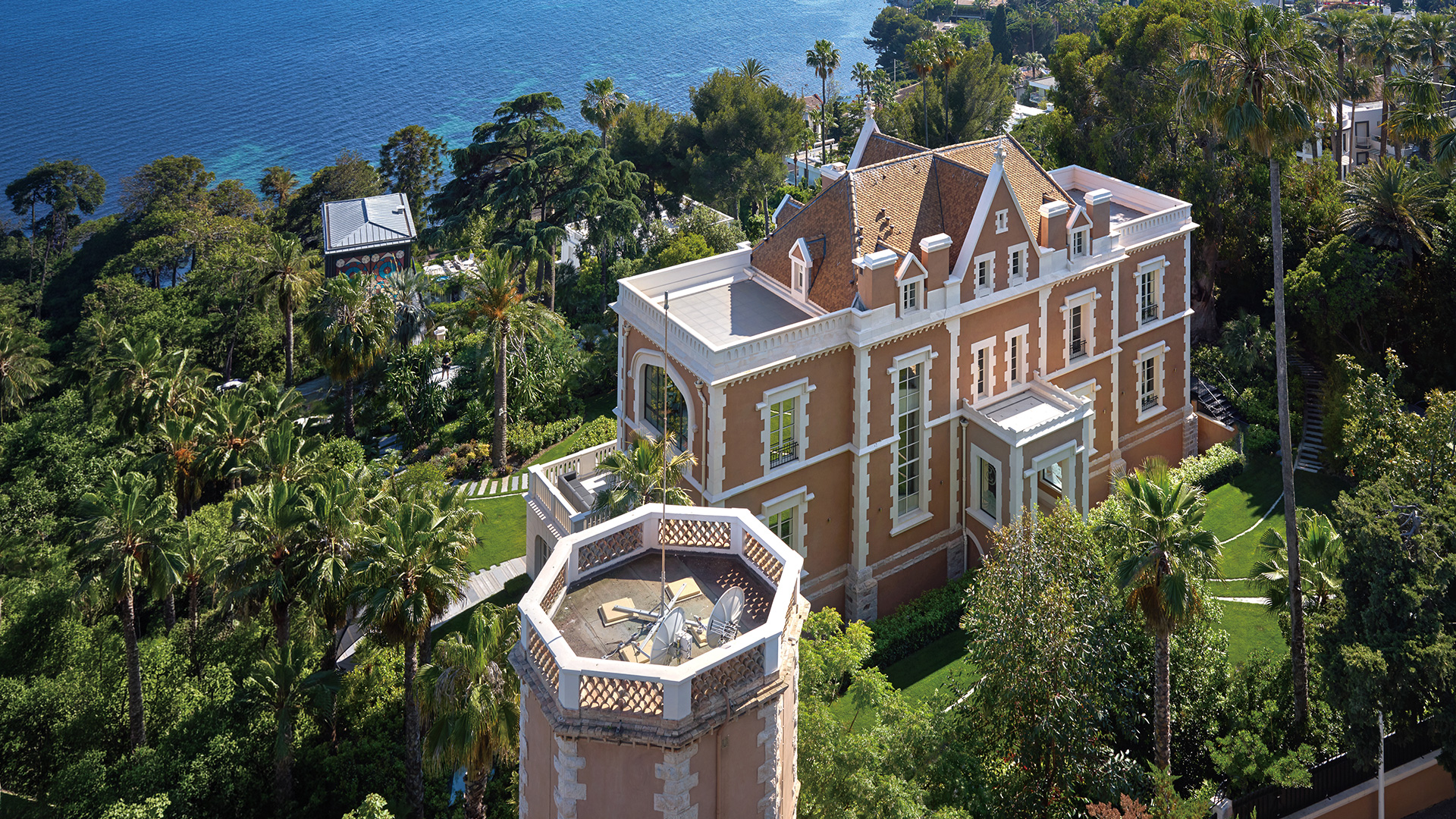
Occupying a piece of prime real estate along the Avenue du Roi Albert in Cannes overlooking the French Riviera’s sparkling waters, Château Soligny could not be more idyllically situated. Thought to have been built by architect Emile Raimbault around 1870, it soon became the home of Aristide Boucicaut of Le Bon Marché department store fame.

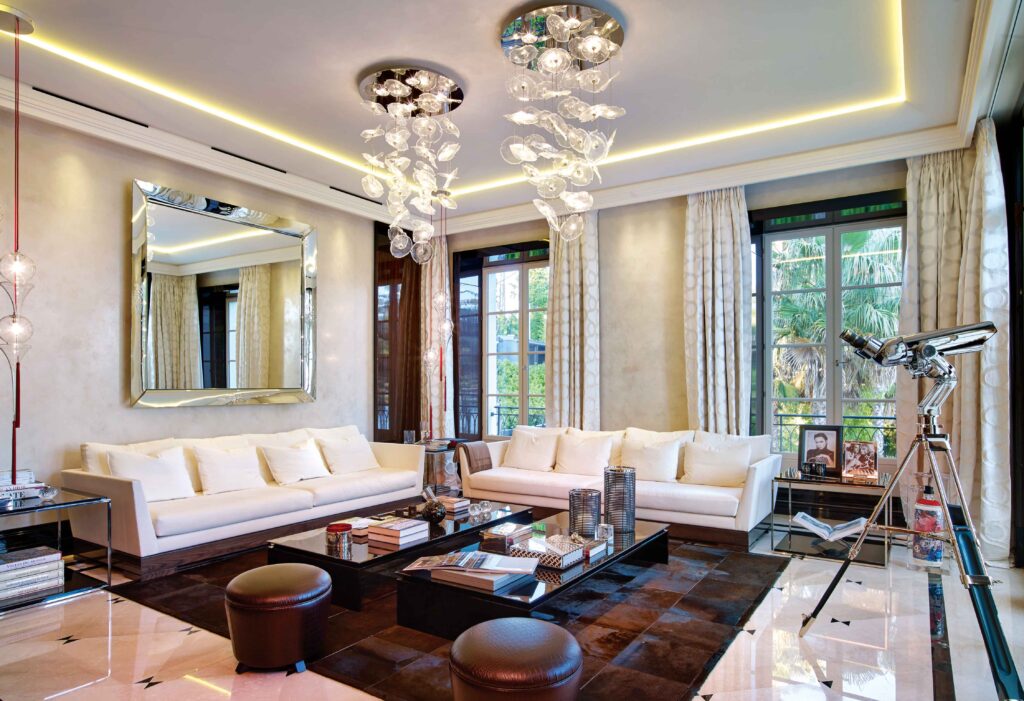
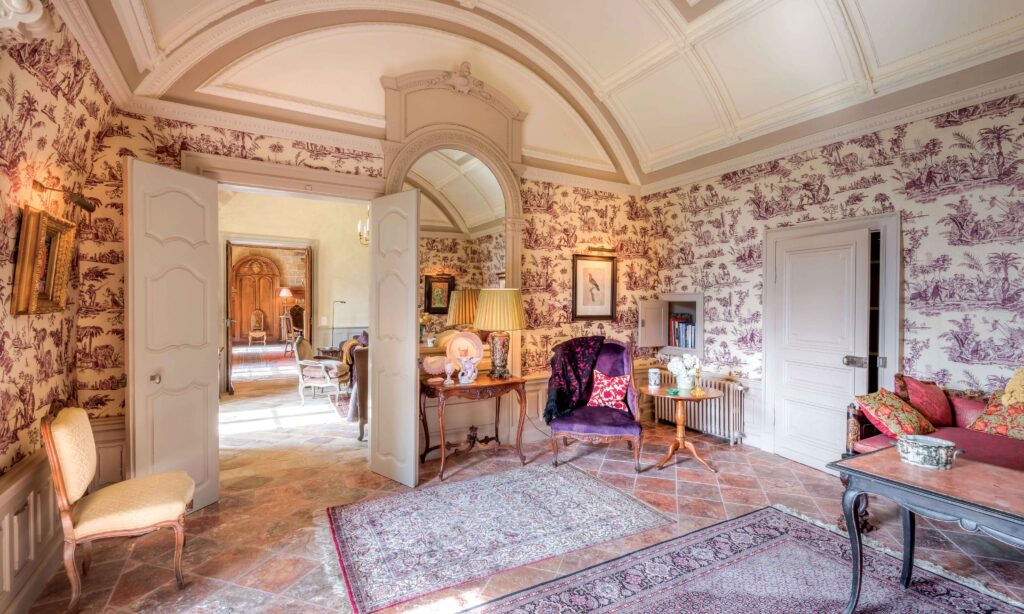
The peach-coloured Belle Époque mansion has since been expanded and revamped, while retaining its original character. Accessed via a Japanese pathway surrounded by rare trees, streams and waterfalls, plus an infinity pool and pool house, the residence spans five storeys. Interiors are sleek and polished, featuring materials like ebony, marble and mother-of-pearl. Modern conveniences include a lift, a six-car garage and a home cinema, and of course, it wouldn’t be a French castle without its own wine cellar. It was recently purchased for €55 million (HK$497 million) by a wealthy private individual through Christie’s International Real Estate.

Spellbound Splendour

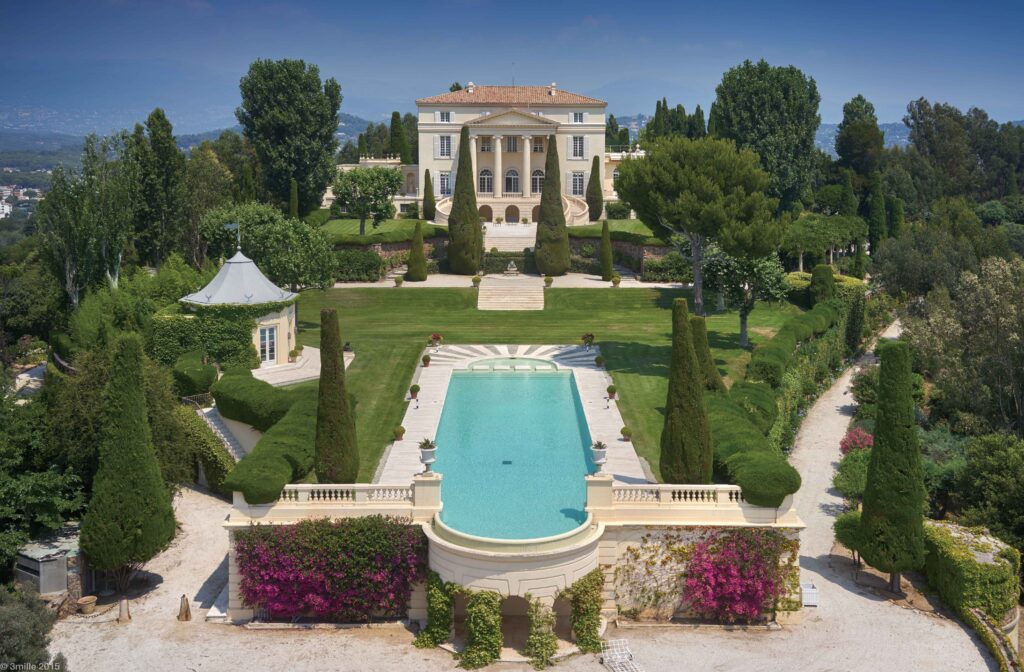
Hailed as the largest estate in the Cannes area, the Castle of la Croix des Gardes enchanted Hollywood actress Grace Kelly when she visited to film the 1955 Hitchcock thriller To Catch a Thief. Constructed in 1919, it has counted Swiss industrialist Paul Girod and Perrier owner Gustave Leven among its owners. Now with 25 acres of Italian-style gardens, a neo-Palladian-inspired façade, a 36-metre saltwater infinity pool, and stunning views of the Côte d’Azur and Estérel massif, it’s little surprise that those lucky enough to stay here fall under its spell.

The property currently affords temporary king-of-the-castle status – it can be rented out in its entirety by the week, along with a private butler, chef and security team, from Mandarin Oriental Exclusive Homes. Exquisite interior refurbishments throughout the 16 suites, including hand-stitched embroideries, bespoke cabinetry work and hand-painted wallpapers, are the work of London-based Katharine Pooley Design Studio.

Medieval Majesty

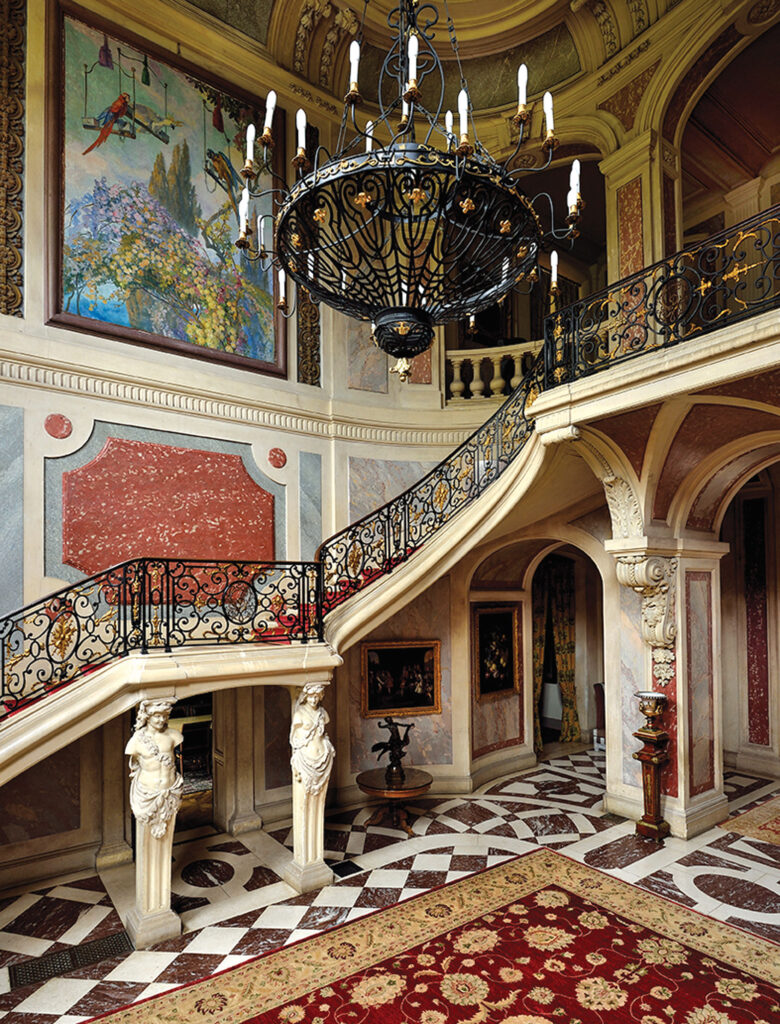
Built on Roman foundations in Uzès, near Avignon in southern France, is a 12th-century walled fortress originally intended to protect the duke and the land he ruled over – but you won’t find chamber pots in the bedrooms or cauldrons bubbling atop an open fire here. The 20-room castle was renovated in the 18th century, providing a bright, beautiful staircase, ample natural lighting through large windows, and polished woodwork that has been preserved to this day. It comes with a surfeit of amenities, including an expansive English garden, swimming pool, tennis court and artist’s studio.

Cinderella Castle

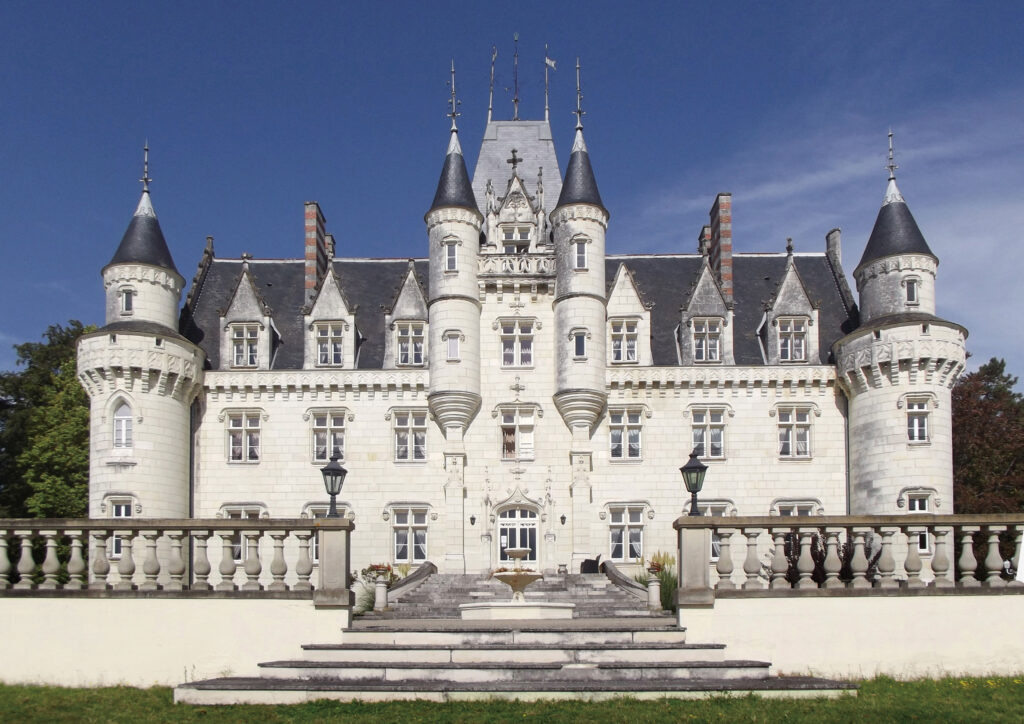
There’s a château located near Vienne, not far from Lyon, that’s fit for a princess. Attracting attention when it first came onto the market for its uncanny similarities to Disney’s Cinderella Castle, this former luxury hotel offers the chance to live your very own fairy tale. The 19th-century Renaissance-style dwelling now houses 10 en-suite bedrooms, two dining rooms, two reception rooms, a bar, an office and more. Its proud owner can step outside to pick fresh produce from the estate’s vegetable garden while taking in wonderful vistas of woodlands and distant rolling hills.

Moat Control

Equipped with a moat and stone-gated entrance, a 16th-century château in the verdant Loire Valley will inspire you to live out your storybook fantasies. A short drive from Tours, the castle was owned by French kings for 200 years and used by the crown’s tax collectors. For those with an aversion to driving, the 10-hectare estate is also equipped with a helicopter landing pad. In addition to the moat, some of the château’s original features are still intact, including large fireplaces, vaulted ceilings and a pigeon tower.

Treasure of the Earth

Lovers of Périgord truffles will adore a Renaissance-style château in Ribérac, a tranquil market town within the Dordogne, as its 57 hectares of woods and gardens include multiple spots for truffle-hunting. Other standout exteriors of this property marketed by Sotheby’s International Realty are a kilometre-long stream and an Olympic-sized riding arena. Interiors blend three different architectural expressions of 17th- and 18th-century grandeur. A total of 40 rooms and a separate 400-square-metre reception would allow the buyer to invite up to 50 guests for their château-warming party – or rent out the estate for special events.

Normandy Conquests

For those who want to experience a taste of the country without straying too far from Paris, a castle in Normandy would be ideal. One medieval pile comes with a spacious courtyard and a park filled with yews and laurels, as well as sweeping views of the green valley beyond. Although the site has undergone renovations, the interiors have stayed true to the style of the period. The master suite boasts a French Empire-style fireplace in turquin blue marble, while other bedrooms – there are 18 in total – feature Louis XVI panelling.

Look out, too, for another 18-bedroom Normandy château that has a beautiful aspect, sitting on 80 hectares of land with its own private lake. This one is comparatively more modern, though, having been built in 1867. The property is registered as a historic monument, but it has been restored to pristine condition and encompasses first-rate amenities. It would be hard for the king of this castle to feel bored: there’s a home cinema, a fitness room and spa, and an indoor swimming pool with – appropriately for this year – an image of five horses adorning the pool floor. 

Sevens Heaven: Five decades after Hong Kong’s first tournament, tries still excite and unite the community 

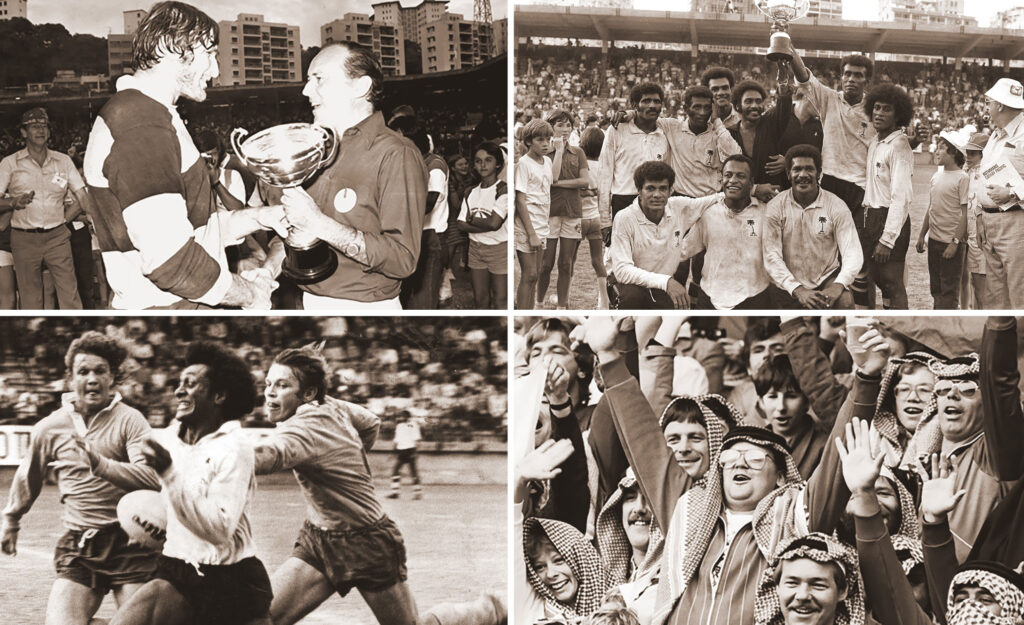
The Hong Kong Rugby Sevens did not start as a spectacle at kick-off in Happy Valley half a century ago. It began, as many enduring cultural institutions do, almost accidentally. Back then, the sport existed on the margins. Rugby was played largely within the expatriate community, sustained by club culture and social networks that operated somewhat apart from the city’s mainstream consciousness. In this context, the tournament’s role in bringing the city and people from around the world together over an oval ball for an exhilarating long weekend is a remarkable feat.

Hong Kong was a very different city in the mid-1970s; smaller, rougher at the edges, and still negotiating its identity as an international hub, it was defined more by transit and trade than by lifestyle. Skyscrapers had not yet fully asserted the skyline’s authority, and while finance was growing, it had not yet become the city’s dominant narrative. The prevailing mood was industrious rather than expressive.

When the idea of hosting a Rugby Sevens tournament was first proposed during discussions between the Hong Kong Rugby Football Union and then sponsors Rothmans and Cathay Pacific, it carried none of the ambition or theatrical scale that would later define it. There was no sweeping cultural blueprint, no strategic ambition to manufacture a global brand.

The shortened format of Sevens – seven players per side for rapid matches – appealed for practical reasons. It allowed multiple games to be staged across a single weekend, making travel worthwhile for visiting teams. It was efficient, compact and manageable. In a city that valued efficiency above excess, that practicality was sufficient justification.

Rugby Roar

Yet that modest premise proved quietly transformative. When the first Hong Kong Sevens took place in 1976, featuring teams from across Asia and the Pacific, it did more than fill a sporting gap. It positioned the city as a regional meeting point at a time when global connectivity had not yet entered everyday vocabulary. Hong Kong’s economic role as an intermediary between continents found a cultural parallel inside the stadium. Teams arrived from different countries; supporters followed; flags appeared in the stands. For a few days, the city’s outward-facing identity condensed into a shared physical space.

What distinguished the tournament in its early years was not only the quality of play but the atmosphere that began to form around it. The shortened format generated momentum. Matches were brief, intense and closely scheduled, leaving little room for inertia. The pace encouraged constant engagement, with spectators becoming animated participants. The crowd responded collectively to sudden tries and dramatic turnovers. Laughter, chanting and applause moved in waves.

Since the Sevens grew organically, it feels fundamentally different from other large-scale gatherings. Its character formed through repetition – staged on the same weekend, year after year – and through the steady layering of memory. Attendees learned the rhythm of the event almost instinctively. They knew when anticipation would peak and when energy would dip, and this shared familiarity reduced the distance between strangers.

Success and Fancy Dress

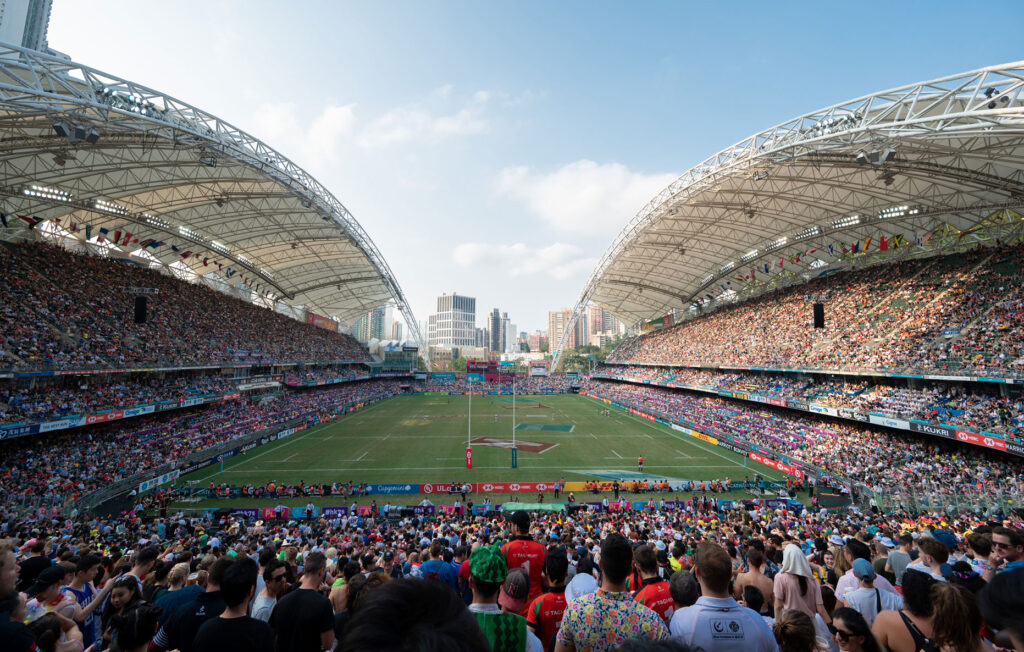
As Hong Kong established itself as a financial powerhouse and global crossroads in the 1980s and 1990s, the Sevens evolved alongside it. The tournament broadened its international reach and migrated venues – from the Football Club, where 3,000 spectators watched the debut one-day event, to the 28,000-capacity Government Stadium in 1982, which was modernised in the 1990s and renamed the Hong Kong Stadium, to the spanking new 50,000-seat Kai Tak Stadium last year. The Sevens embedded itself into the city’s annual calendar, becoming a fixed point in an environment otherwise defined by constant acceleration.

The tournament culture was shaped more by the people who attended than by official programming. Traditions accumulated gradually. Attending in fancy dress emerged not as orchestrated fashion statements but as spontaneous gestures among groups of friends. One year’s joke became the next year’s expectation. The humour was playful, and the visual chaos in the stands signalled collective belonging rather than curated identity.

This ethos was already cemented by 1997 when the tournament achieved global recognition – this was the year Hong Kong hosted the Rugby World Cup Sevens, and its success was instrumental in the launch of the World Sevens Series in 1999. Loud, irreverent and communal, the emphasis rested on a raucous collective mood – epitomised by the alcohol-fuelled party atmosphere of Hong Kong Stadium’s South Stand – rather than individual performance.

People were absorbed into a larger current of energy. Expertise in rugby was welcome but unnecessary. Enthusiasm was the only requirement, and the crowd functioned as a temporary community, unified by rhythm rather than background.

Communal Party

Until this day, exuberance coexists with inclusivity during the Sevens weekend. Families share sections with longtime supporters and first-time visitors. Colleagues temporarily suspend workplace hierarchies. Conversations unfold without formal introduction. Groups select shared costume themes that transform them into collective characters. The result is an egalitarian spectacle in which participation matters more than polish. The stands resemble a living collage, constantly shifting yet unified.

Beyond the stadium, the city subtly reconfigures itself. Bars and restaurants function as informal meeting points, encounters between strangers occur with unusual ease, and the streets feel even more vibrant. The tempo of daily life adjusts, if only briefly. The Sevens reframes Hong Kong’s intensity, and energy becomes celebratory rather than transactional.

While the tournament does not promise reinvention or transformation, it permits suspension of boundaries between economic status and cultural divide, between locals and expatriates, between residents and visitors. In a city known for discipline and efficiency, collective exuberance carries symbolic weight. The permission to relax, to cheer loudly and dress absurdly feels restorative – and because that permission is shared, it rarely tips into bad behaviour or mayhem.

Although social media captures fragments of the weekend, the memory of the Sevens resides in sensation: tired legs from standing, hoarse voices from chanting, sun-warmed skin or soaked to the skin – monsoon-like downpours are not uncommon on the tournament weekend – and the faint disorientation of Monday morning. These embodied traces anchor recollection more powerfully than photographs.

Inclusive Scores

As the Hong Kong Sevens has matured over 50 years, it has absorbed social change without abandoning its foundations. Women’s rugby has gained deserved prominence, and youth engagement has expanded. Local representation has deepened, reflecting Hong Kong’s evolving demographics. These developments extend the tournament’s inclusive spirit.

By Sunday evening, as final matches conclude and the crowd thins, the release subsides gently. Costumes are folded away until next year. Bars quieten, and the city resumes its habitual tempo. Yet a subtle recalibration lingers. The Sevens endures because it offers continuity within change. It is not spectacle engineered for consumption, but ritual sustained by return.

From 17-19 April this year, Hong Kong will gather once again over multiple rugby matches, heralding recognition of shared history, shared space and shared release. The Sevens is not about the self; it champions collective presence and community – and that enduring simplicity remains its quiet distinction and lasting relevance.

For many residents, particularly those who have witnessed Hong Kong’s rapid economic and political transformations, the Sevens acts as a temporal anchor. The city has weathered cycles of prosperity and uncertainty, demographic change and shifting global relationships. Neighbourhoods have been reshaped; industries have risen and receded. Through these fluctuations, the Sevens has remained. Its recurrence provides continuity in a landscape often defined by impermanence.

Building Futures: The key to unlocking prime property opportunities with Henry Wong

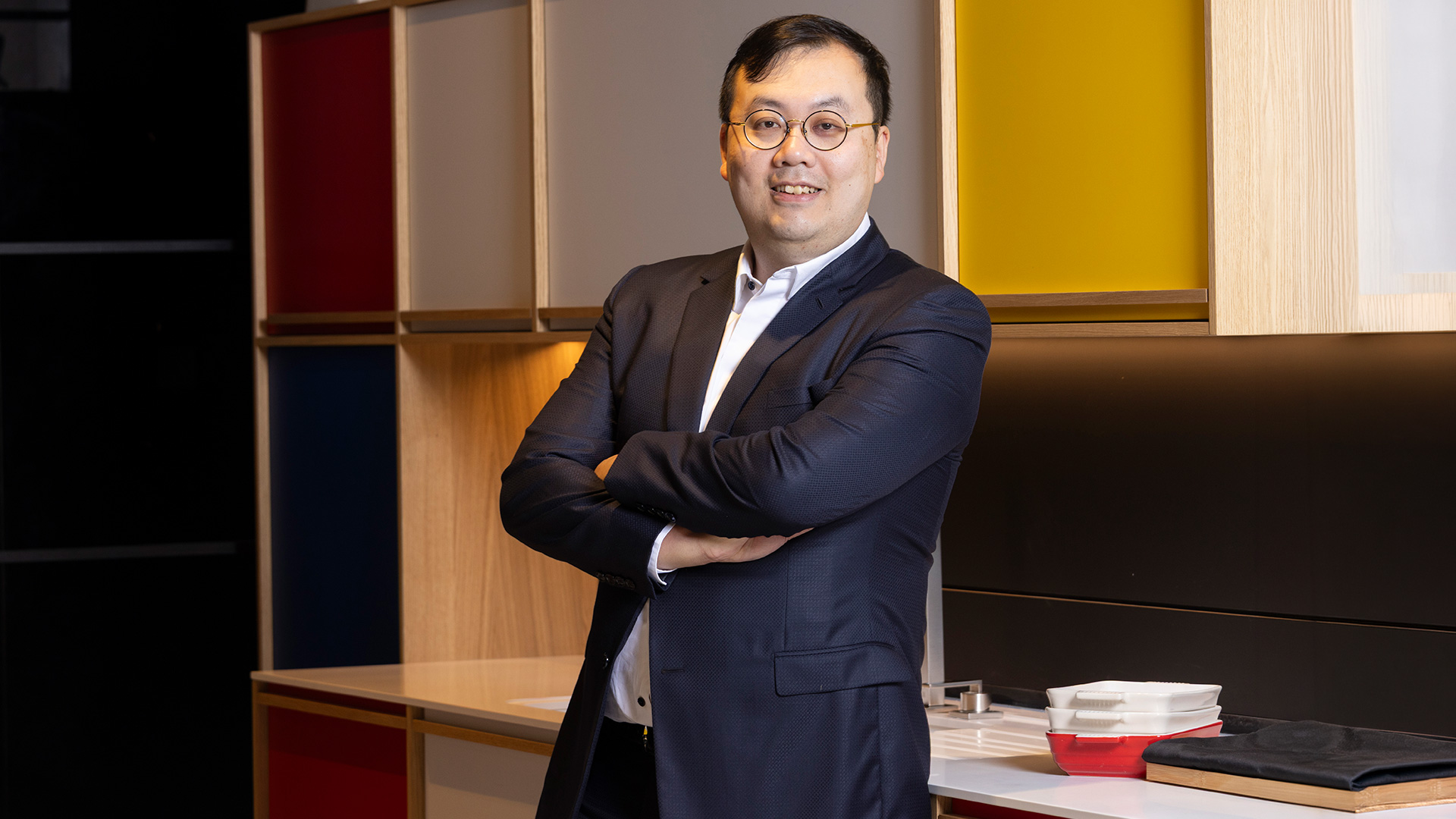
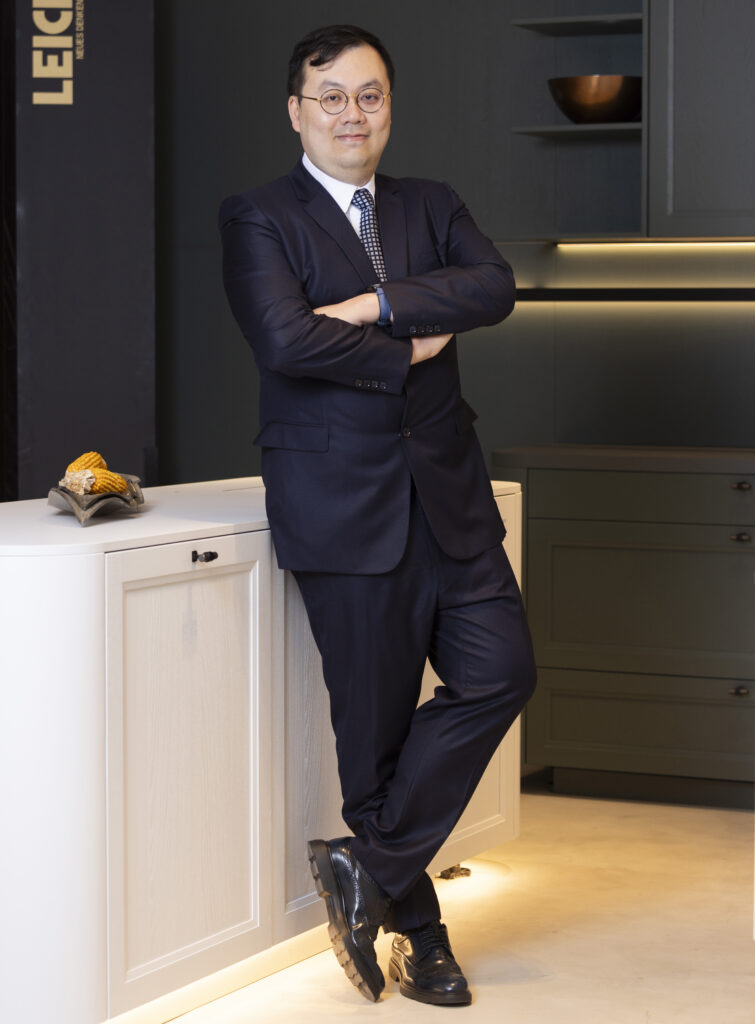
Ever wondered what makes a top-tier international property developer tick? Henry Wong, a visionary leader whose expertise, passion, and innovative approach are reshaping the Hong Kong and global real estate landscape. Whether you’re an investor or a homebuyer, his projects offer a golden opportunity to stake your claim in Hong Kong’s vibrant skyline!

How is your professional background suited to a career with an international property developer?

With years as an executive director at Top Spring Group, I bring extensive experience in boutique real estate investment, backed by a strong academic foundation in law, business, and arts. I understand legal transactions, navigate industry challenges, and lead multicultural teams to create high-quality, market-driven properties.

What attracted you to join The Top Spring Group in 2015?

Joining my family’s business, I was inspired by the company’s regional footprint and commitment to growing with Hong Kong’s community. Top Spring’s diverse projects and supportive culture fuelled my passion for innovative real estate development.

What are the main areas of commercial activity and expertise of the Group?

We develop luxury residential, retail, and property management projects across Hong Kong, China, and Australia. Notably, our 128 WATERLOO penthouse sold for over HK$241 million, cementing our reputation for excellence.

How does Top Spring navigate the recent upheavals in China’s property market?

We stay ahead by monitoring regulations, diversifying our portfolio, conducting rigorous market analysis, and implementing robust risk management plans to weather downturns effectively.

How do you foresee Hong Kong’s property market evolving?

We anticipate a gradual recovery driven by government policies, improved investor sentiment, and global economic stabilization—especially with dropped interest rates. Our developments, like 128 WATERLOO, are already performing well amidst these trends.

What makes your HK projects, such as 128 WATERLOO, stand out from other premium developments?

Our projects boast a sublime modern classic design inspired by British architecture, cutting-edge smart home features, and meticulous quality control. They are not just homes—they’re landmarks blending luxury, innovation, and sustainability.

Why are these projects such attractive investment opportunities?

They combine proven high sales with impressive rental yields—reaching HK$70 per square foot—and feature innovative designs and amenities. Our strong reputation and strategic partnerships ensure quality and investor confidence.

Why should investors consider putting their money into your Hong Kong residential projects?

Our track record speaks volumes—delivering record-breaking sales and high customer satisfaction. Coupled with attractive rental income, innovative features, and a robust network, our developments promise promising returns and long-term growth.

Comfort & Joy: Hillside meanders through Vietnam and Thailand to peak in a soulful cuddle of global flavours

If comfort food had a passport, Hillside at Kimpton Tsim Sha Tsui would be its international visa, stamped, approved and ready to take diners on a flavourful journey. Imagine fun and wit meeting the warm embrace of your favourite childhood meal, but with a sophisticated, global twist. That’s Hillside in a nutshell, an all-day dining spot where every bite feels like a hug from an old friend, but one who’s travelled the world and brought back souvenirs… of flavour, of course.

Perched on the 12th floor (because why not dine with a view?), Hillside kicks off each morning with a multicultural breakfast spread. Think crispy crêpes, spicy sambal and fresh tropical fruits. Kimpton Executive Chef Logan Hester, the maestro behind Hillside’s global comfort canvas, shares: “I like to bring in elements from different cultures to create a breakfast that’s both familiar and exciting.” Come lunchtime, there’s the playful Crab Cake Poppers, little bites that are basically seafood fireworks, and Honey Mustard Burnt Ends that are so tender, they practically melt in your mouth. For those craving a spicy kick, ‘Tom Yum’ Prawn Wontons are a spicy, herbaceous squeeze from Thailand, while Grilled Cabbage Caesar redefines the classic salad with smoky, charred and crunchy napa.

As the day progresses, Hillside transforms into a culinary playground for sharing. Pho Spiced Wagyu Beef Rib is a slow-cooked, spice-laden masterpiece. Seafood lovers will swoon over Khao Soi Lobster, where a Boston lobster gets cosy in a Thai red curry, and Pork Pad Kra Pao turns street food into a sit-down affair without losing its cred. For vegetarians seeking a little love, Mushroom Ragu pasta offers a plant-based punch of umami. Hester emphasises: “Creating dishes that evoke emotion involves understanding ingredients and respecting their natural flavours. That’s the core of my philosophy.”

Let’s not forget the grill section, because what’s a comfort-food experience without a little fire? Both the Wagyu Striploin Bavette and BBQ Lamb Ribs are glazed with a sticky, sweet-spicy char siu-like marinade. “Grilling adds a smoky depth that elevates comfort foods into something special,” notes the chef. “It’s about balancing heat and flavour to bring out the best in each ingredient.”

And just when you think Hillside can’t get any more charming, the desserts swoop in. Matcha Crème Brûlée balances bitterness and sweetness with a satisfying crack revealing velvety custard. Chocolate Basque Cheesecake is a fiery, fudgy love letter topped with jasmine Chantilly, a modern classic with a poetic twist.

American Hester, who spent five years working in Vietnam and previously helmed Chôm Chôm, focuses on fundamentals. “Vietnam taught me that flavour is layered with intention, letting ingredients speak for themselves rather than over-designing the plate,” he remarks. “Skill comes with time, but attitude defines your trajectory.”

Offering sound advice to aspiring chefs, he continues: “Take pride in your craft, invest in knowledge, and don’t confuse burnout with ambition. I have found my path by chasing challenge and investing in adventure and that’s not without a lot of risk.” He adds, with a wink: “When I’m on my deathbed, I would hate to look back and think ‘well, that was boring’.”

Hester’s approach to leading the team highlights clarity, respect and a dash of empathy, because, let’s face it, even chefs need a little TLC, especially when dealing with a soufflé that just refuses to rise. “Leadership is about understanding people as well as food,” he says. “Empathy, decisiveness and integrity are what make a chef a true leader. The best cooks don’t always make the best leaders, but the best leaders understand their team and connect with guests on a human level.”

His five-year goal? “Developing Hillside into a hallmark Hong Kong operation, one chapter at a time. From heritage-driven suppliers to sustainable fermentation programmes, we’re dreaming big and taking steady steps toward those dreams.”

Hillside is a gastronomic summit where flavours from Vietnam, Thailand, the US and beyond come together. As the chef concludes, “This is the hill I’d die on – because it’s delicious.” And it might be everyone’s new favourite spot for a global comfort cuddle; no passport required.

Hillside 12/F, Kimpton Tsim Sha Tsui, 11 Middle Road, Tsim Sha Tsui. Tel: 3919 6828. kimptonhongkong.com

Text: Joseff Musa    Photos: Kimpton Tsim Sha Tsui

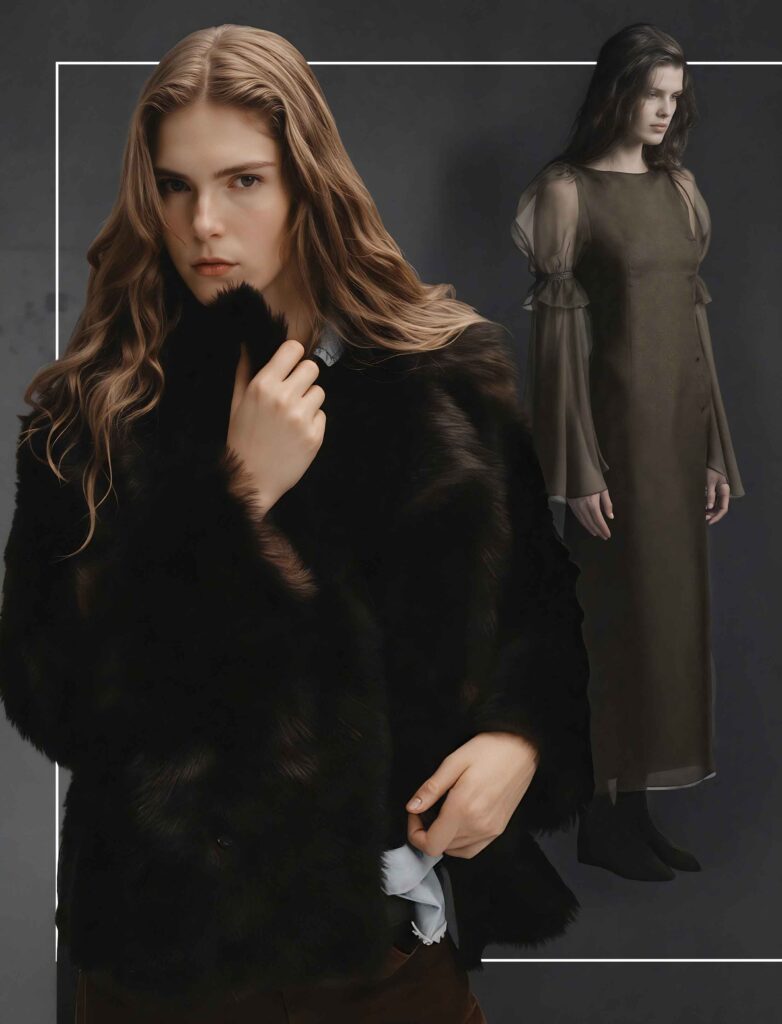
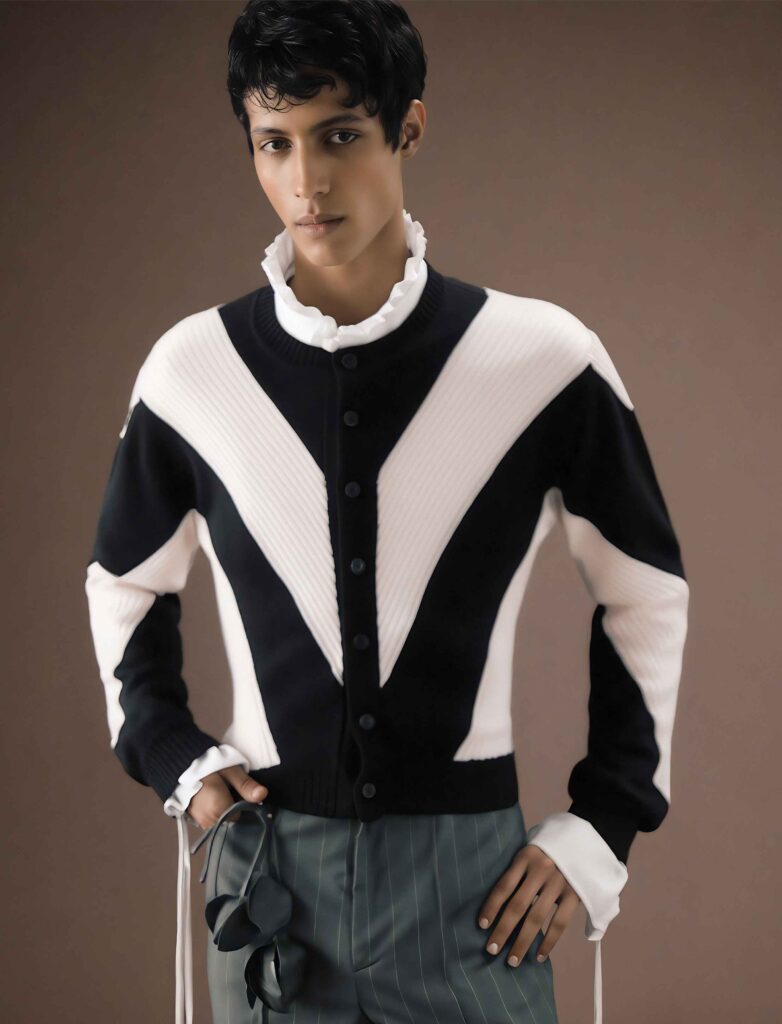
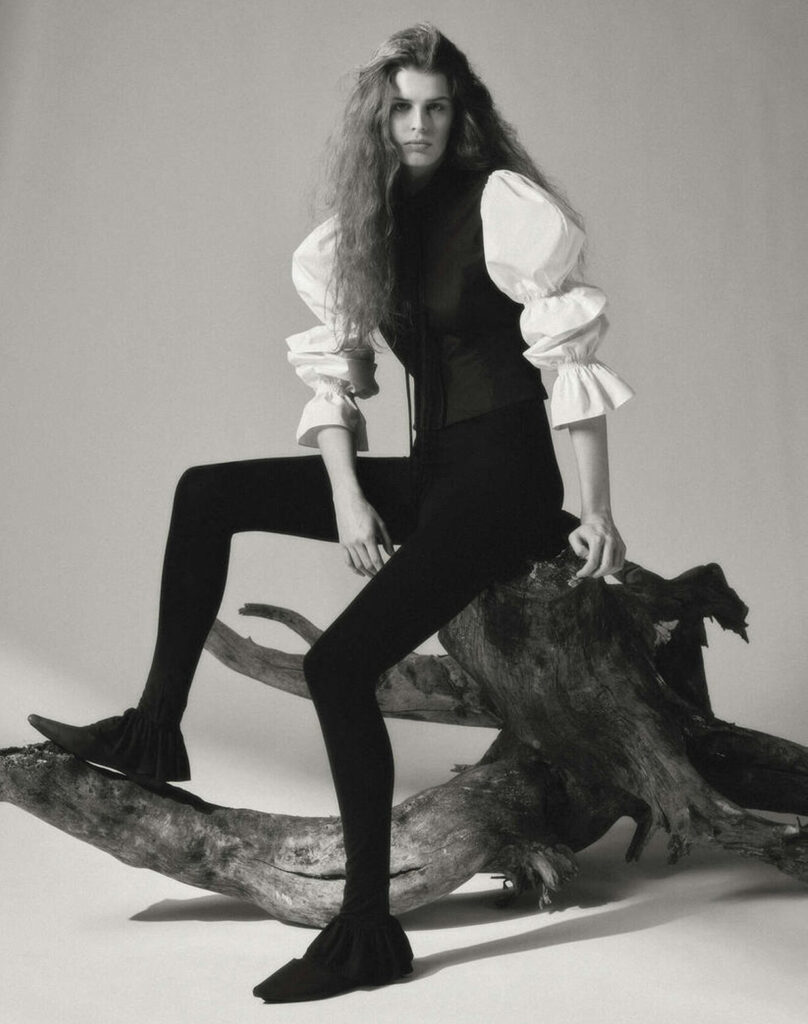
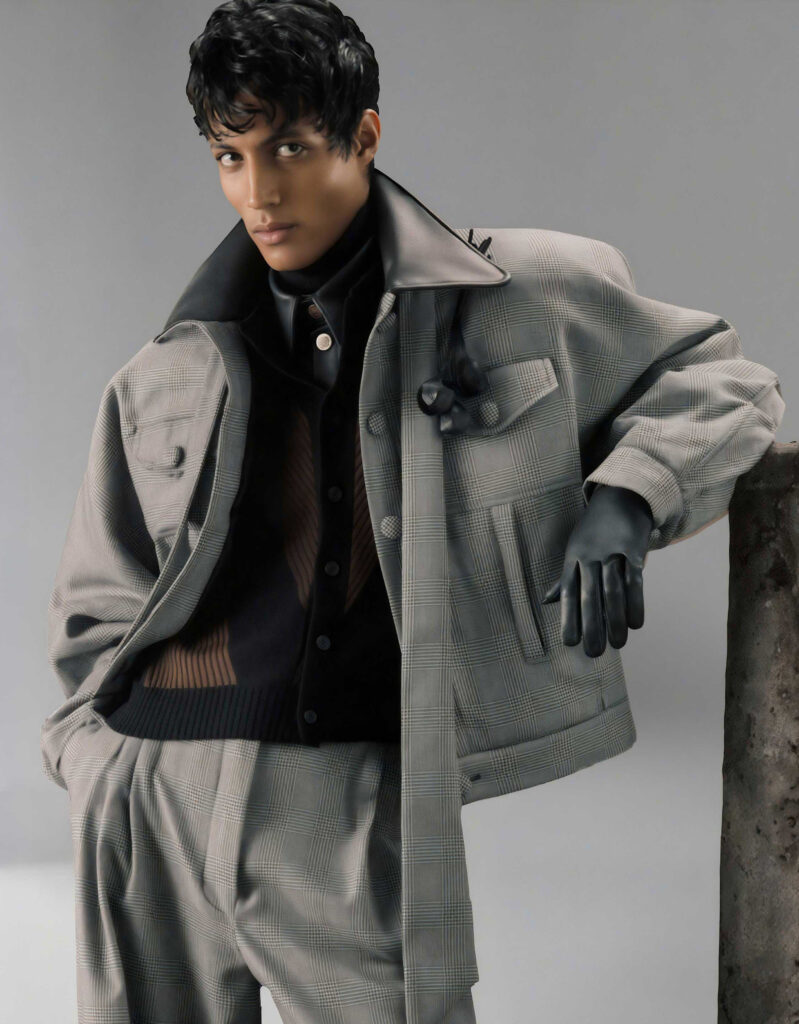
Shine On: Tailored trends turn heads from sunrise to sunset

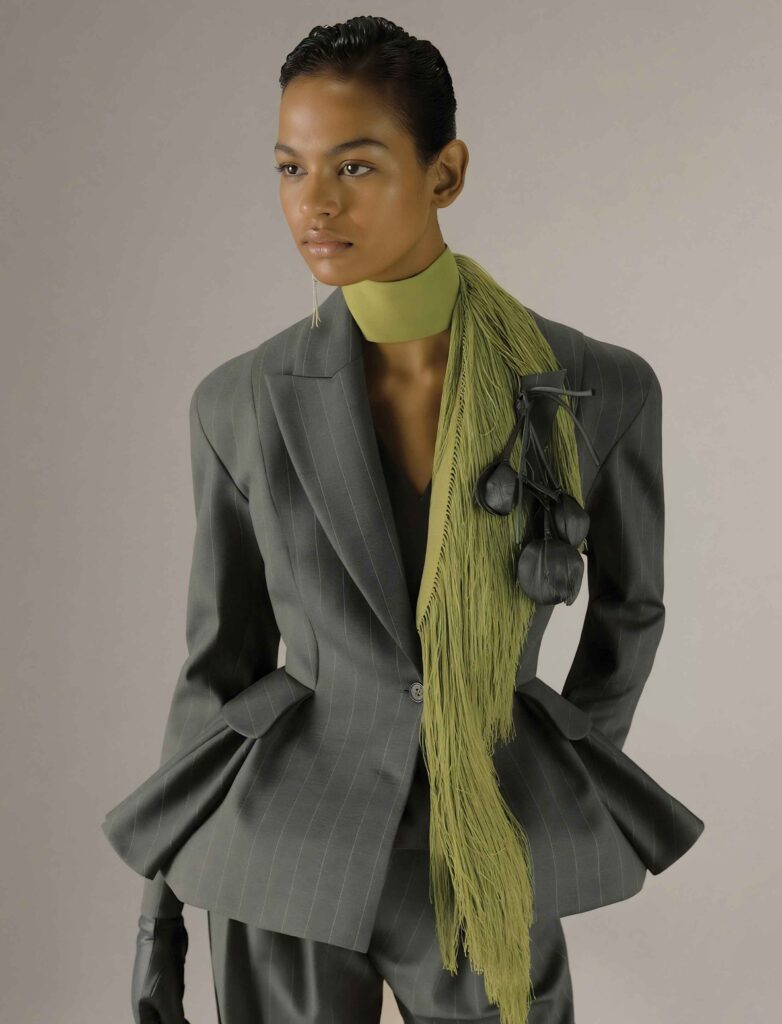
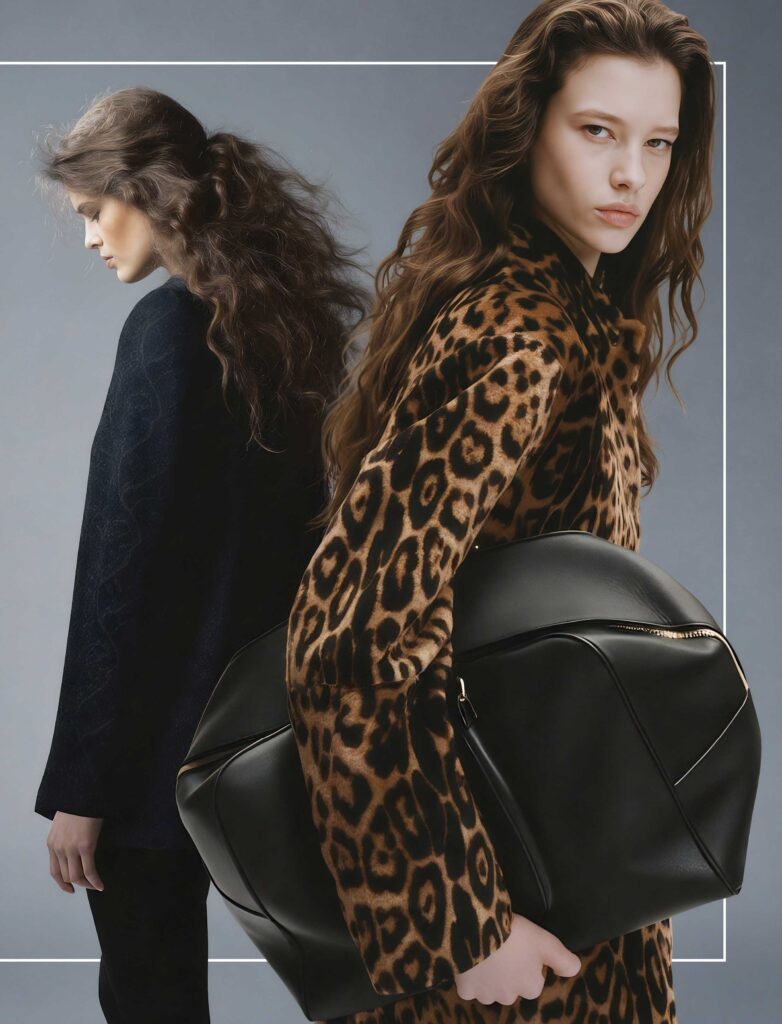
Look 1

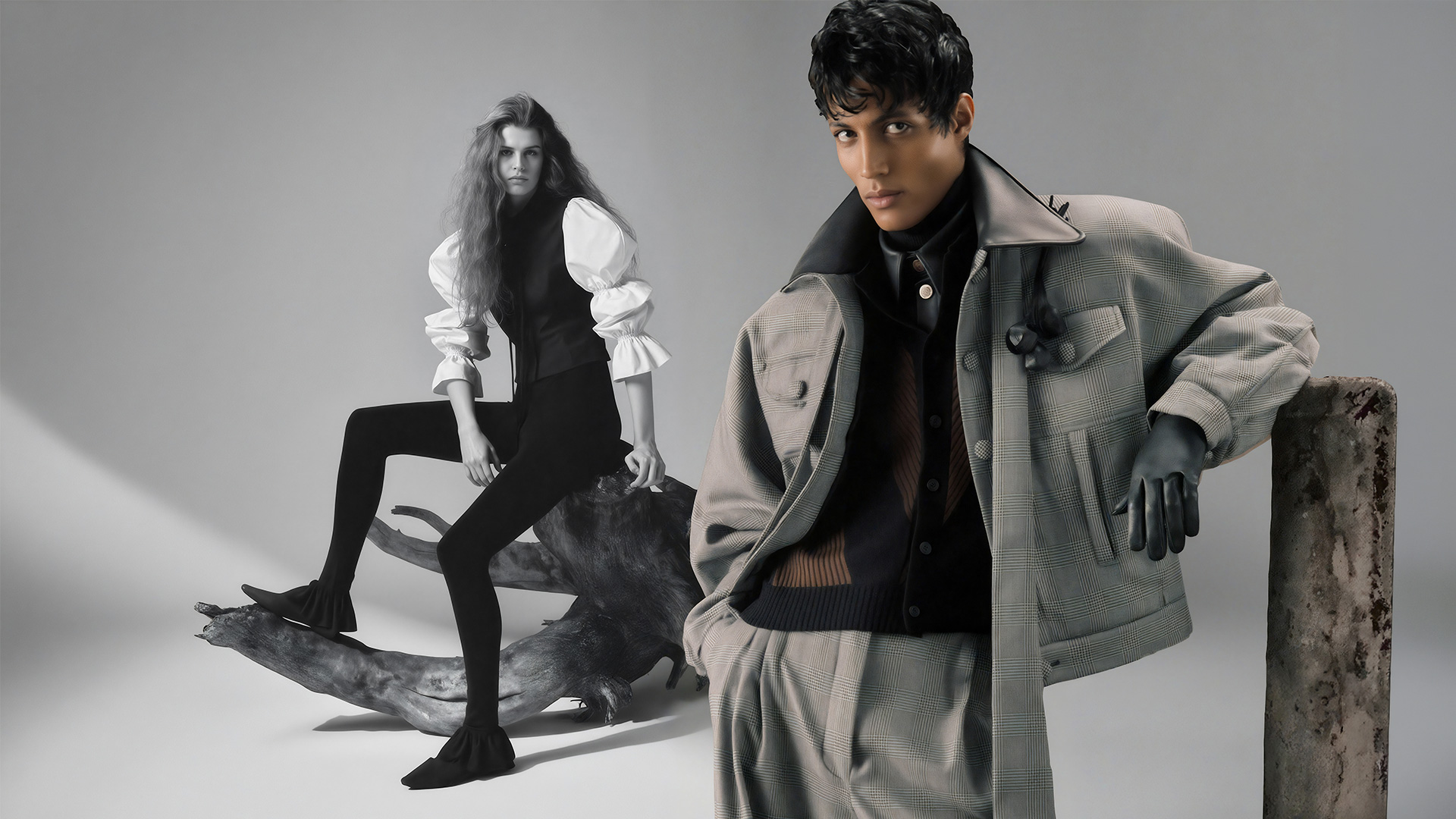
Pinstripe suit and fringe scarf by Palomo

Look 2

(left)

Black jacket by Mel Usine

(right)

Animal print coat by Nili Lotan

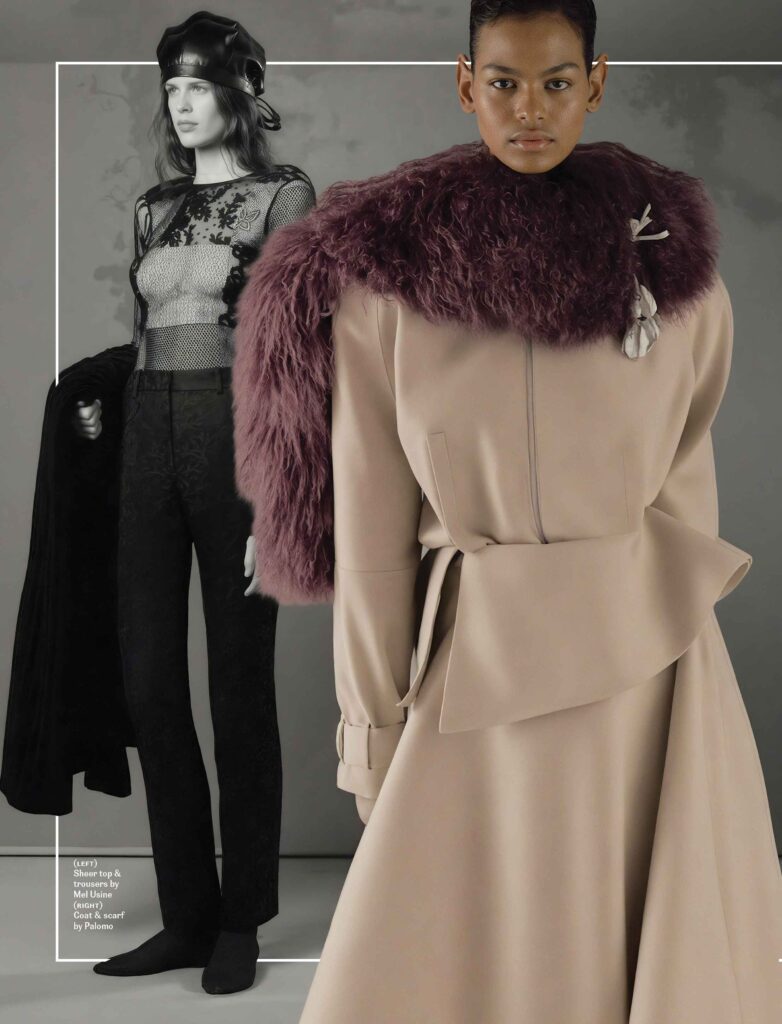
Look 3

(left)

Sheer top & trousers by Mel Usine

(right)

Coat & scarf by Palomo

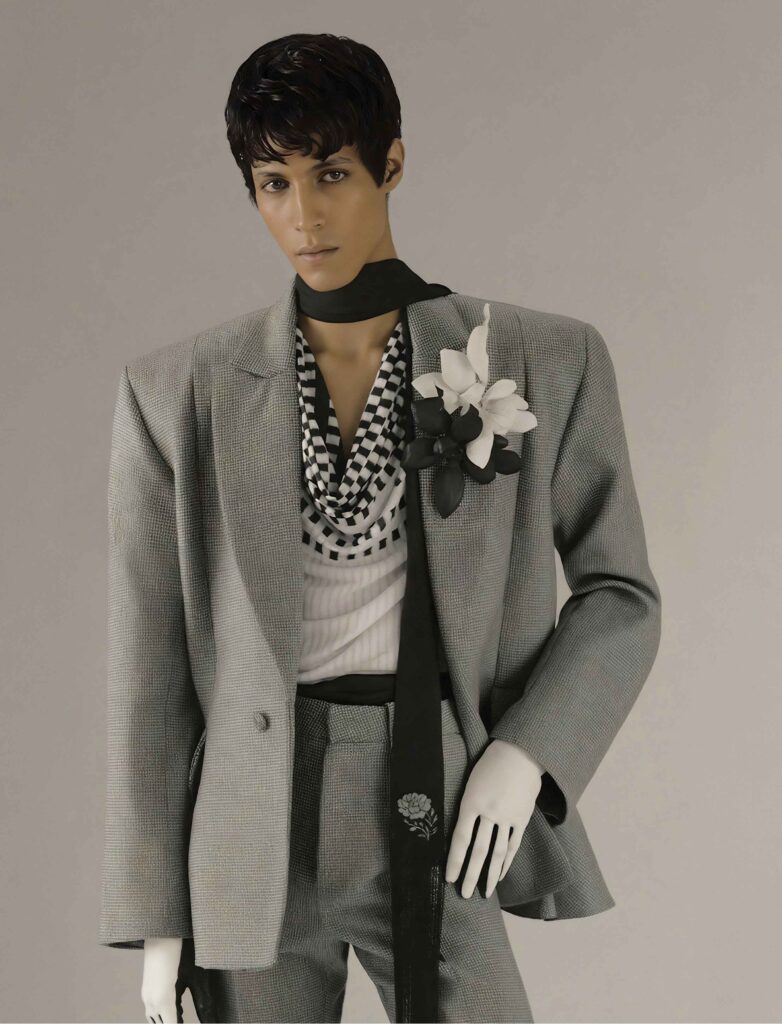
Look 4

Suit by Palomo

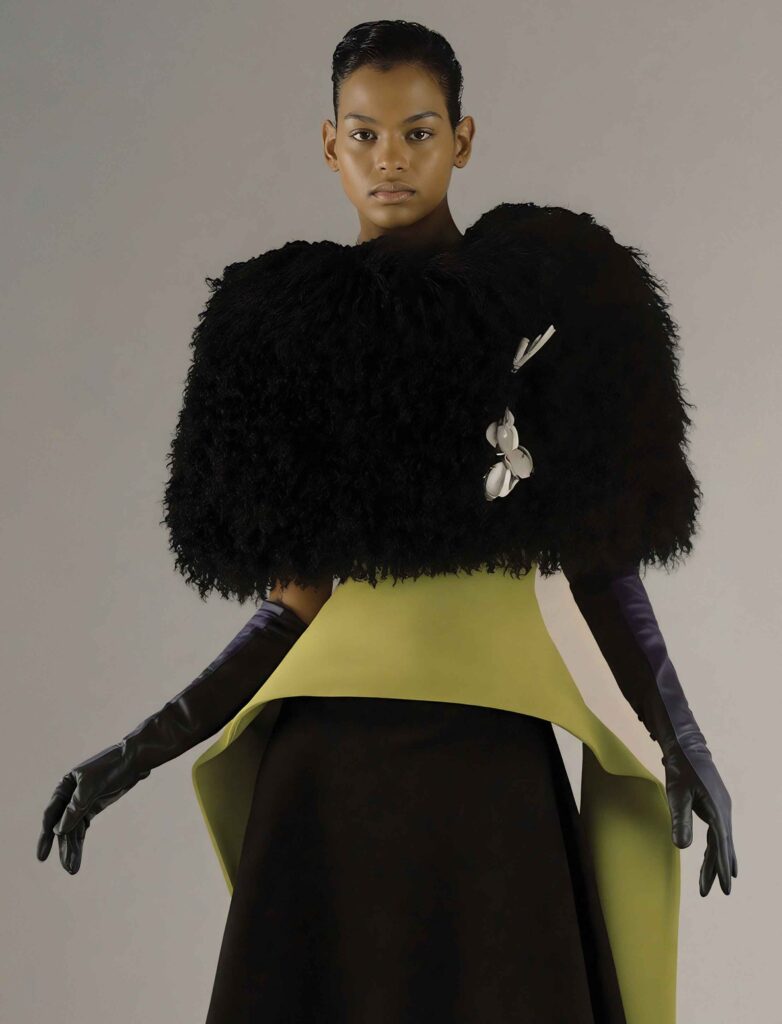
Look 5

Structured top by Palomo

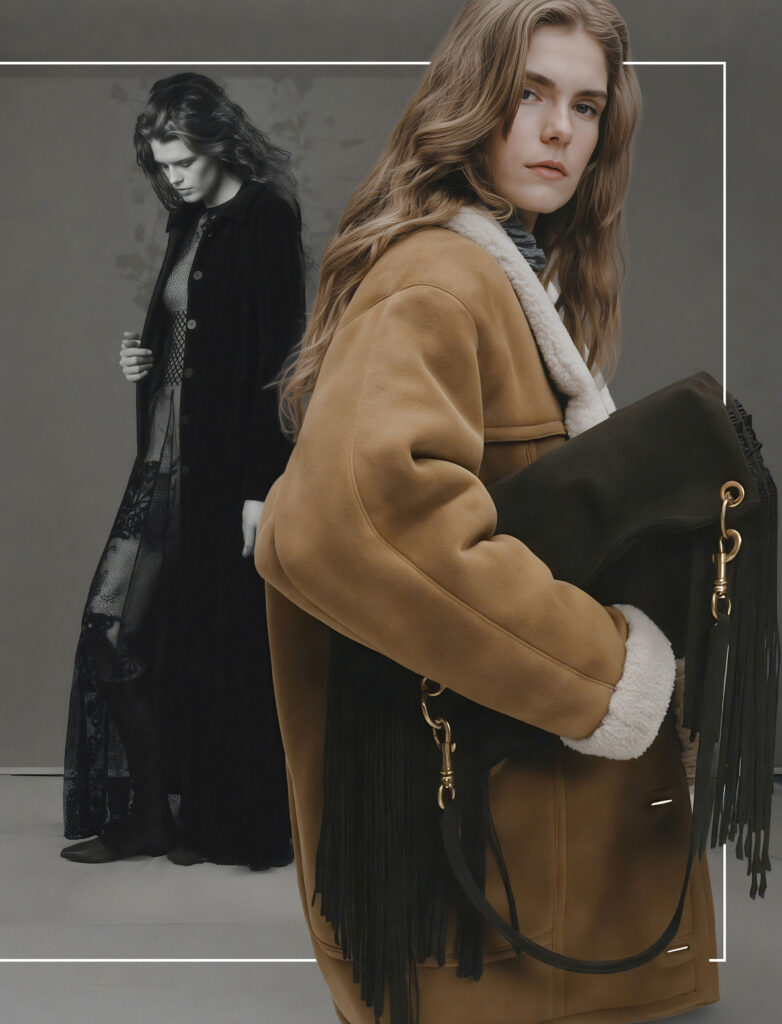
Look 6

(left)

Sheer maxi dress by Mel Usine

(right)

Padded jacket by Nili Lotan

Look 7

(left)

Fur jacket by Nili Lotan

(right)

Maxi dress by Mel Usine

Look 8

Cardigan by Palomo

Look 9

Blouse and flared trousers by Mel Usine

Look 10

Check jacket, cardigan and check trousers by Palomo

Theatres of Dreams: WestK performing tsar Paul Tam keeps the stage arts alive and inspiring for all

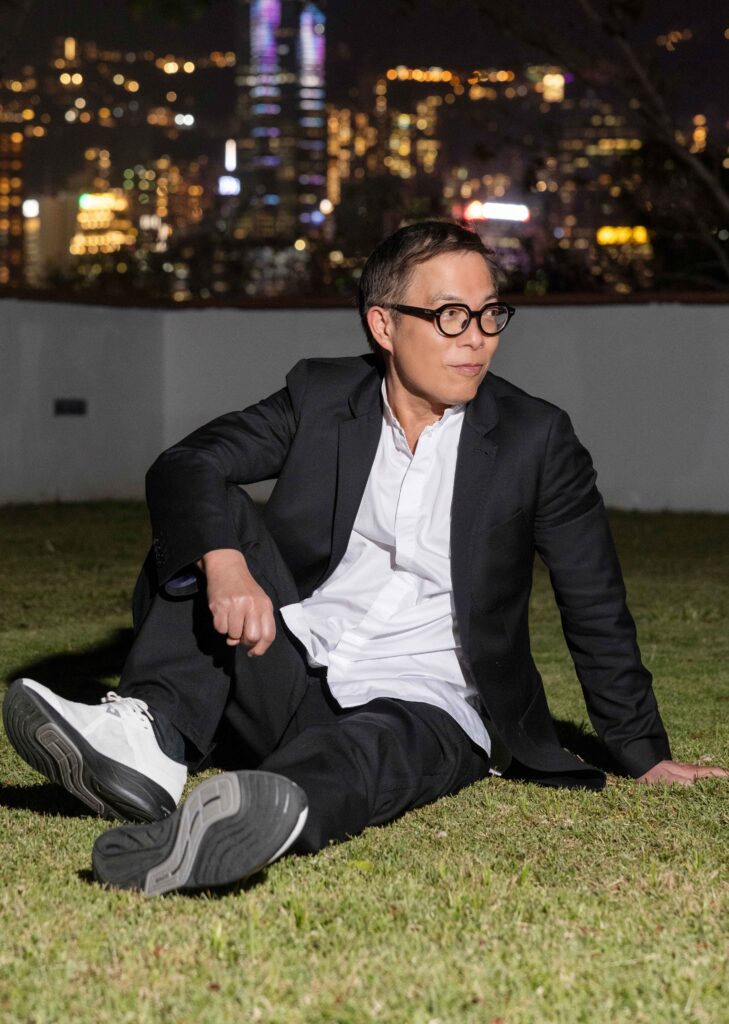
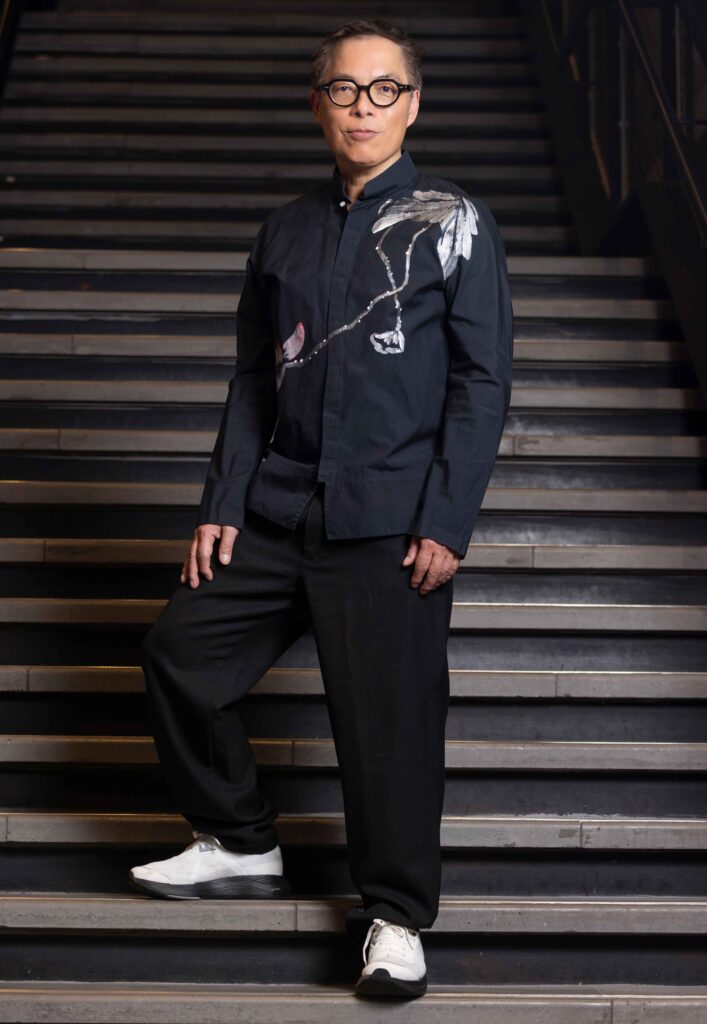
Our audience with Paul Tam, Executive Director of Performing Arts at the West Kowloon Cultural District Authority (WKCDA), takes place a day after this year’s Oscars ceremony. Outside, the breezy, insistently alive March weather makes you believe culture isn’t merely something you attend, but something you inhabit.

We begin with the controversial, viral hot take of that week: best-actor nominee Timothée Chalamet’s implication that “no one cares anymore” about performing arts like ballet and opera. This criticism of efforts “to keep [them] alive” offended many in the industry. We are expecting Tam to hit back, or perhaps diplomatically sit on the fence, but he does neither.

“I mean, did Chalamet lie though?” he asks. “Let’s be real – performing arts, ballet and opera have been here for ages and ages, and yes, it has been challenging for these industries. That’s why people like me have this responsibility of bringing fresh takes and ideas to make it still relevant up to this day and the years to come.”

After a beat, he continues, friendly, precise and almost coach-like: “I take his comment as a challenge more than offensive. It reminds us that when we discuss the future of these art forms, it’s important to frame our ideas thoughtfully and constructively, in a classy and decent way. ”

Classy and decent. It feels like a stage direction, and from there, the interview unfolds like a performance – part Q&A, part manifesto, part invitation to rethink what art institutions owe the future.

Curtain Up

When you meet arts leaders, you often meet the origin story of their taste. For Tam, it began long before he played a concert-hall piano. “I grew up in a traditional Chinese family,” he shares. “My father was a successful restaurateur, often out and about entertaining with my mother. He bought a piano for my sister, and out of a mix of sibling rivalry and natural curiosity, I started tinkering with it at 14. Within just a few years, I had completed all my grades.”

He majored in piano performance with a minor in composition at Canada’s York University and dreamt of becoming a “jet-setting concert pianist”. “I thought I was pretty good, until my final year, when my piano professor told me, ‘Paul, you’re good as a chamber musician, but you’ll never be good enough to be a concert pianist.’ Those words crushed me, but they also gave me clarity.”

Redirection was required. “I decided to pursue an MBA in Arts Administration. If I couldn’t be on centre stage, I thought at least I could help others get there – one of the best decisions I have ever made.” The phrase ‘help others get there’ echoes like a motif throughout our conversation. More than a career choice for Tam, it became a belief system.

Management Spotlight

Before joining WestK (West Kowloon Cultural District) in 2020, his many arts-management credits included a total of 10 years at the Hong Kong Philharmonic Orchestra, and six years as Executive Director of Hong Kong Ballet. “[In 2014] the company was emerging from a challenging period,” he explains of the latter. “My task was to reimagine this venerable institution with a renewed vision and a refreshed identity.”

From that effort came the slogan ‘Never Standing Still’, a mantra that embraces an intriguing rhythm, like choreography you still remember after leaving the theatre. An artistic inflection point followed: “Then came Septime Webre, the Artistic Director of Hong Kong Ballet, whose arrival in 2017 marked a bright, new chapter. With his bold vision of global expansion and a distinctive balletic style, both approachable and deeply expressive, the company took off quickly, growing from strength to strength ever since.”

By becoming approachable and deeply expressive, the venerable art form breaks free of its museum-ballet constraints, gaining relevance in the modern age.

Home and Art

Tam’s philosophy as an arts leader is expressed in warmer tones than the usual institutional vocabulary. Speaking of WestK Performing Arts Centre (WestK PAC), which is slated to open next year, he expounds, “I hope it becomes a true home for the arts; a place where artists can test ideas, refine their craft, create new works, and grow alongside our creative producers, while everyone – patrons or casual visitors, locals or tourists – feels a genuine sense of belonging.”

And then, the practical definition of a ‘true home for the arts’: “From our two museums to the WestK Performing Arts Centre, [these] are not just centres of entertainment, but hubs of inspiration and civic connection, [where] we create and present some of the finest artistic experiences from Hong Kong, the Chinese mainland and beyond.”

He describes the intended outcome in a near cinematic metaphor: “The vision is for a vibrant, year-round programme that attracts local audiences as well as visitors.”

Centre Stage

As WestK expands, Tam’s job becomes less poetic and more technical: as well as year-round programming, there are scales of theatre, transportation adjacency and audience-building pipelines to consider. “We’ll soon have three major venues, and within them, over 10 theatres of varying scales, all forming the backbone of our growing WestK theatre hub,” he says.

“With major transportation networks such as the High-Speed Rail terminal right at the doorstep, you could think of the hub as Hong Kong’s own mini-Broadway, or West End, stretching two kilometres from Xiqu Centre to Freespace, surrounded by restaurants, shops and a lively cultural buzz.” It’s urban design as programming strategy, and culture as a street-level experience, not a distant destination.

Audience for All

Some critics argue that the arts remain elitist, something for those who already have the cultural capital to feel comfortable in expensive seats. “There is some truth to that,” allows Tam. “Arts can feel exclusive and elitist: a top-tier Met Opera ticket can easily sit beyond a typical salaryman’s budget, and a highly abstract contemporary dance work can intimidate many first-time audiences who worry they ‘won’t get it’.”

His focus is on what institutions can do in response, through programming and accessibility design. “I believe in curating a programme that resonates with all the voices of our community. From The Impossible Trial [a Cantonese musical commissioned by WestK] and Freespace Jazz Fest to Hedwig and the Angry Inch [a Cantonese version of a very famous rock musical by John Cameron Mitchell] and cabaret, we embrace both mainstream and alternative voices.”

He also stresses inclusivity as infrastructure, not PR: “Inclusivity is everything we do, too. We’ve built accessibility into our programmes; for example, our WestK FunFest, the largest performing arts festival targeting family audiences, provides special access tours for visually impaired visitors led by sighted and visually impaired guides, and Hong Kong Sign Language tours conducted by deaf guides and interpreters.” So the question shifts: not ‘Who belongs?’ but ‘How can we design belonging?’

House of Applause

While Tam didn’t realise his concert-pianist dream, he still lives for the applause. “Every applause still touches me deeply and is the main source of my professional happiness,” he says. “I’ll never forget working off-stage at a concert at the Hong Kong Coliseum with Hacken Lee and the Hong Kong Philharmonic years ago. Almost 10,000 people were cheering for a truly memorable performance. I was in tears, tears of joy. That’s the magic that keeps me going every day.”

This is the emotional engine behind his optimism. It’s also a reminder that arts leadership isn’t only planning calendars; it’s planning moments when people feel something together. Asked if this will be his legacy, his answer is both modest and pointed. “Legacy is a big word. But if, in some small way, I’ve helped make Hong Kong’s arts ecology just a little richer, more connected and more alive, then that’s enough.”

It’s clear that Tam moves through his work with class, integrity and passion. He circles back to his earlier caution about the Chalamet controversy: ideas must be presented with dignity, like art staged to respect the audience.

Interview, Text & Art Direction: Joseff Musa   Photographer: Jack Law   Videographer: Iris Ventura

Marine Italia Asia: Steering Azimut’s Growth in Asia

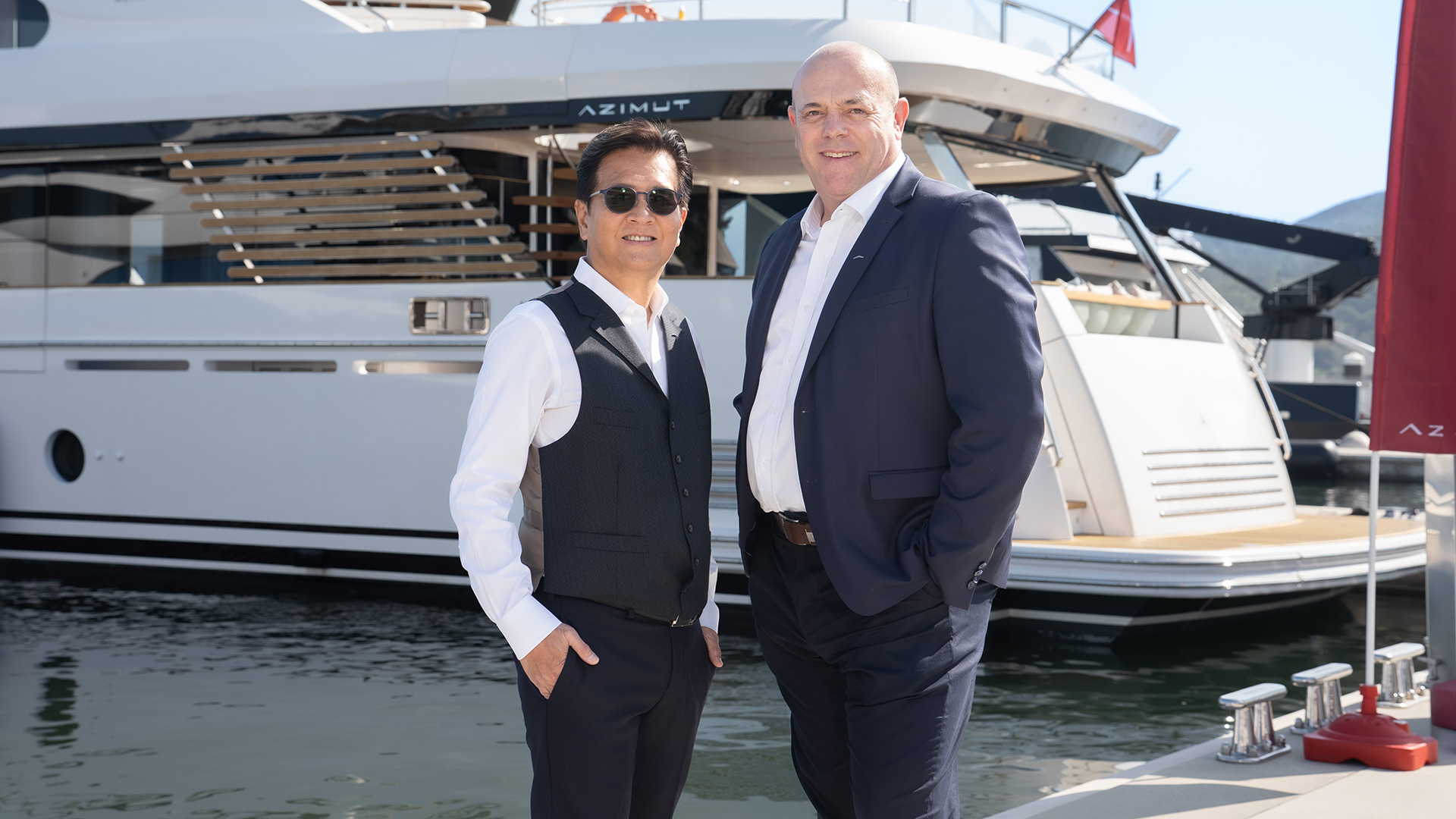
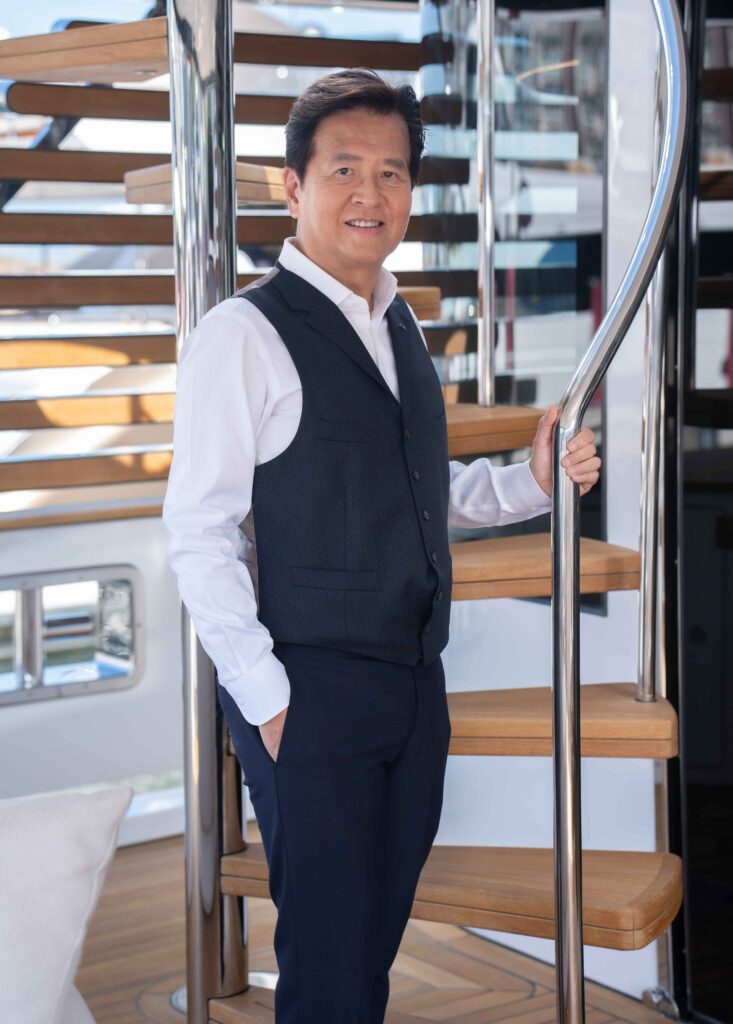
Marine Italia Asia has become synonymous with refined yachting. Established in 2015, they are the exclusive Azimut Yachts distributor across Hong Kong, Macau, Taiwan, Guangdong China and Singapore, and the authorised Aquila Power Catamarans dealer in Hong Kong. Founded in Hong Kong by Thomas Woo  and Paul Grange, the company translates more than 50 years of combined international yachting experience into personal, best in class advice and aftersales service for both first time owners and seasoned clients.

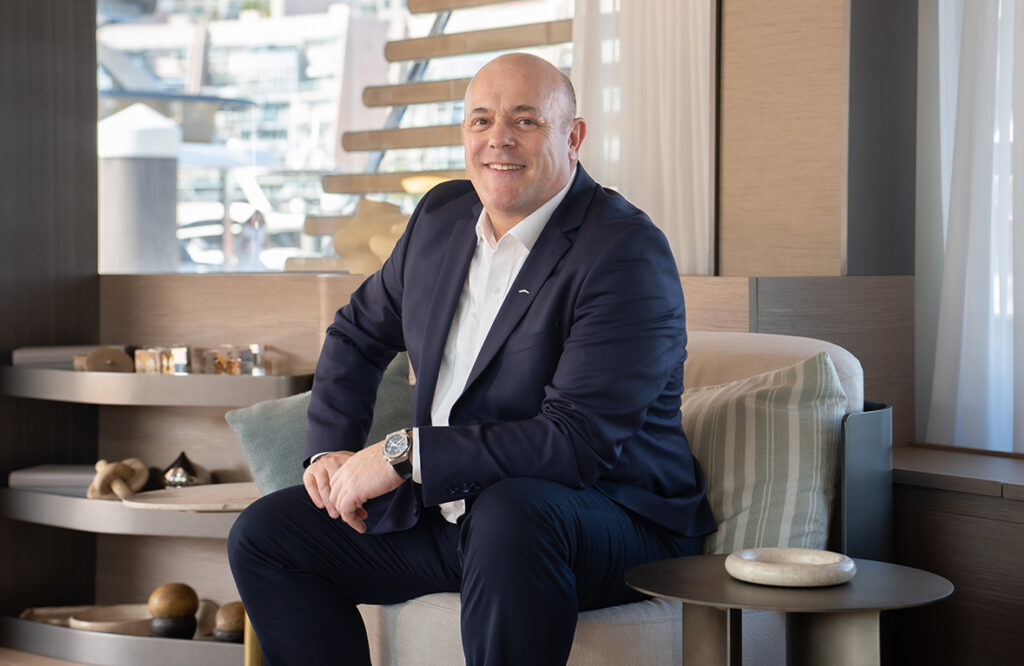
Questions for Paul:

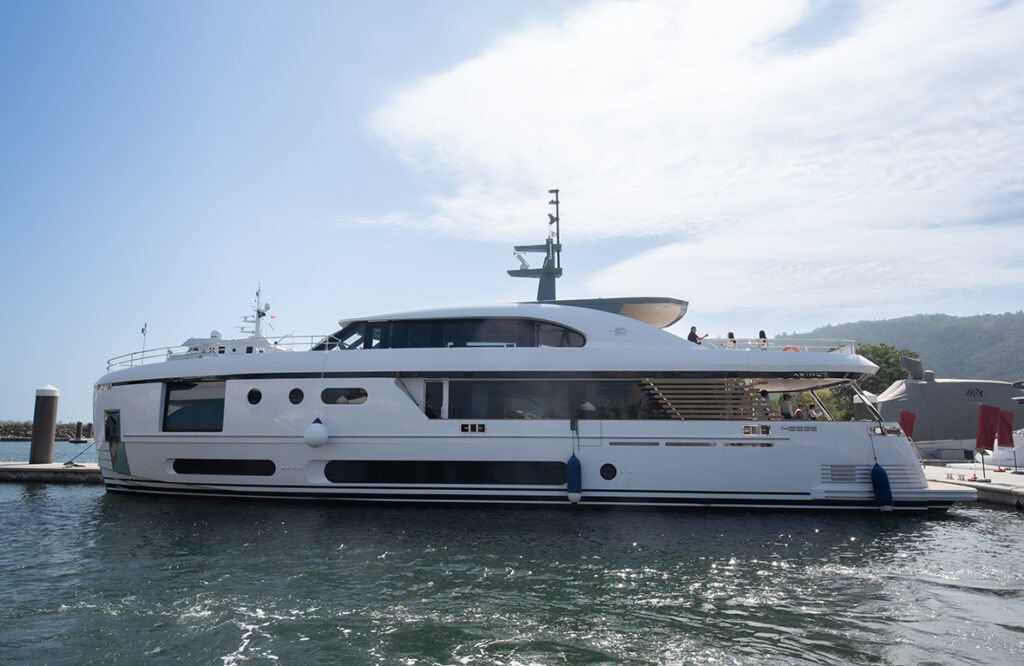
As COO for the largest Azimut dealers in Asia Pacific, how do you ensure that Marine Italia Asia maintains its reputation for excellence, especially with events such as the recent Grande 30M and Magellano 30M Premiers?

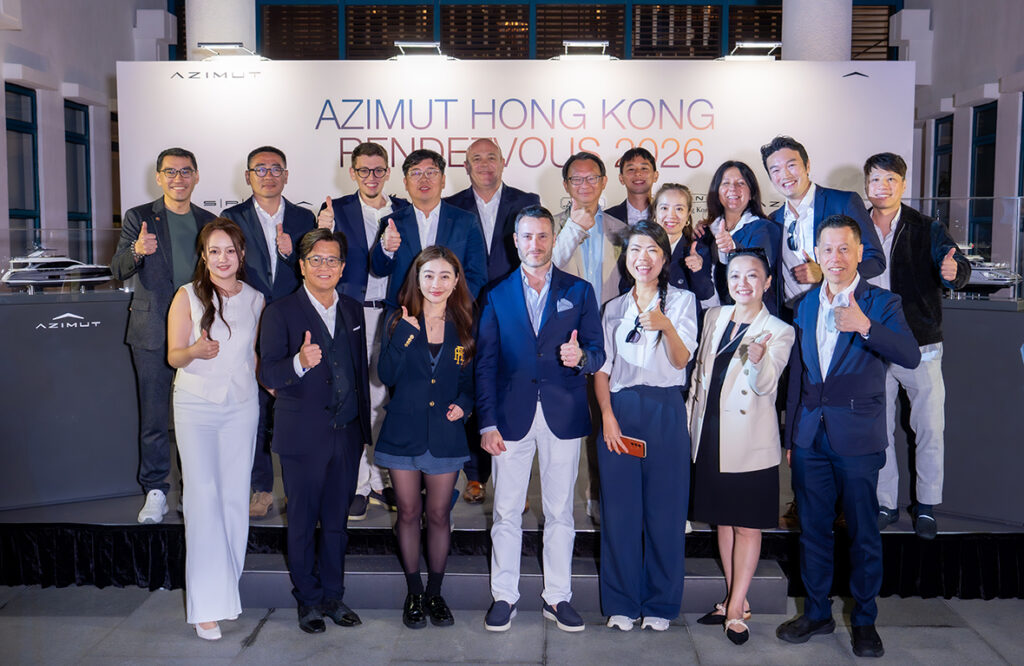
Azimut, quite rightly, set the highest standards and very clear operational and branding guidelines for their dealers, so we work closely with them to ensure our representation matches the brand’s leading status. Internally, we hold equally high standards for customer service, events, and communications. Our recent Hong Kong premieres—17 boats, 200+ guests, and multiple brand partners—required extensive planning to be engaging, on-brand, enjoyable for our guests, and represent Azimut Yachts appropriately whilst  helping us build our brand positioning. Honestly, none of it would be possible without the hard work of our extraordinary Marine Italia Asia team, the support from Azimut and importantly, some very special clients.

What specific qualities or skills do you believe are essential for success in the luxury yachting industry, and how do you cultivate these within your team?

For me, relationships are the key to success. Relationships with my business partner Thomas, our decade‑long partnership with Azimut, with our teams across Hong Kong, China, Taiwan, and Singapore, and above all, with our clients. Strong, trust‑based relationships let us navigate every situation—sometimes helping others, sometimes receiving support. Azimut is a large company, yet we regularly assist them in Asia, and when our clients need something special, they’re equally supportive of us.

It’s not always smooth sailing, but trust help us manage the ebbs and flows of relatiomnships. We pride ourselves on a personal approach that builds the best relationships across the business.

Questions for Thomas:

As CEO, what led you to co-found Marine Italia Asia with Paul, and how has your local background shaped the company’s vision and growth?

Paul and I met in Hong Kong in 2012 when he managed Azimut for the previous dealer. Over the next three years we calibrated on several Azimut Grande sales together. So, when the opportunity arose in 2015 to become the Azimut dealers, without hesitation, we partnered and founded Marine Italia Ltd.

The key to our partnership is its simplicity. Paul is very experienced at managing dealership networks for luxury European yacht brands and was already well established with Azimut and, myself, being from Hong Kong, I have been fortunate to build an extensive and loyal database of clients and contacts locally. Put those two simple elements together, add in professionalism and a passion for yachting and you have the perfect core ingredients for our business.

We also tailor everything to local needs—how we market, the events we host, and the models we promote—so the Azimut brand and products resonate easily with our Hong Kong and regional clients.

How do you see the Asia Premiere launches of the Grande 30M and Magellano 30M influencing the regional yachting market and customer preferences?

Azimut, part of the Azimut‑Benetti Group, has led the global large‑yacht rankings for 26 consecutive years, and Marine Italia Asia is among its most successful Grande dealers worldwide. It’s essential we keep bringing the latest large Azimut models to our region for clients to experience first‑hand, which is why events like the Azimut Hong Kong Rendezvous 2026 are central to our promotion and client engagement.

For yacht enthusiasts who missed the Azimut Hong Kong Rendezvous, Marine Italia Asia have a selection of yachts on display and available for immediate delivery in Hong Kong, Singapore and from Italy.

For more information and private viewings, please contact Marine Italia Asia at +852 2325 3355 or azimut@marineitalia.asia.