
Whisky Wonderlands: Distilling the very different essences of single malts crafted in Scotland, Ireland and Japan

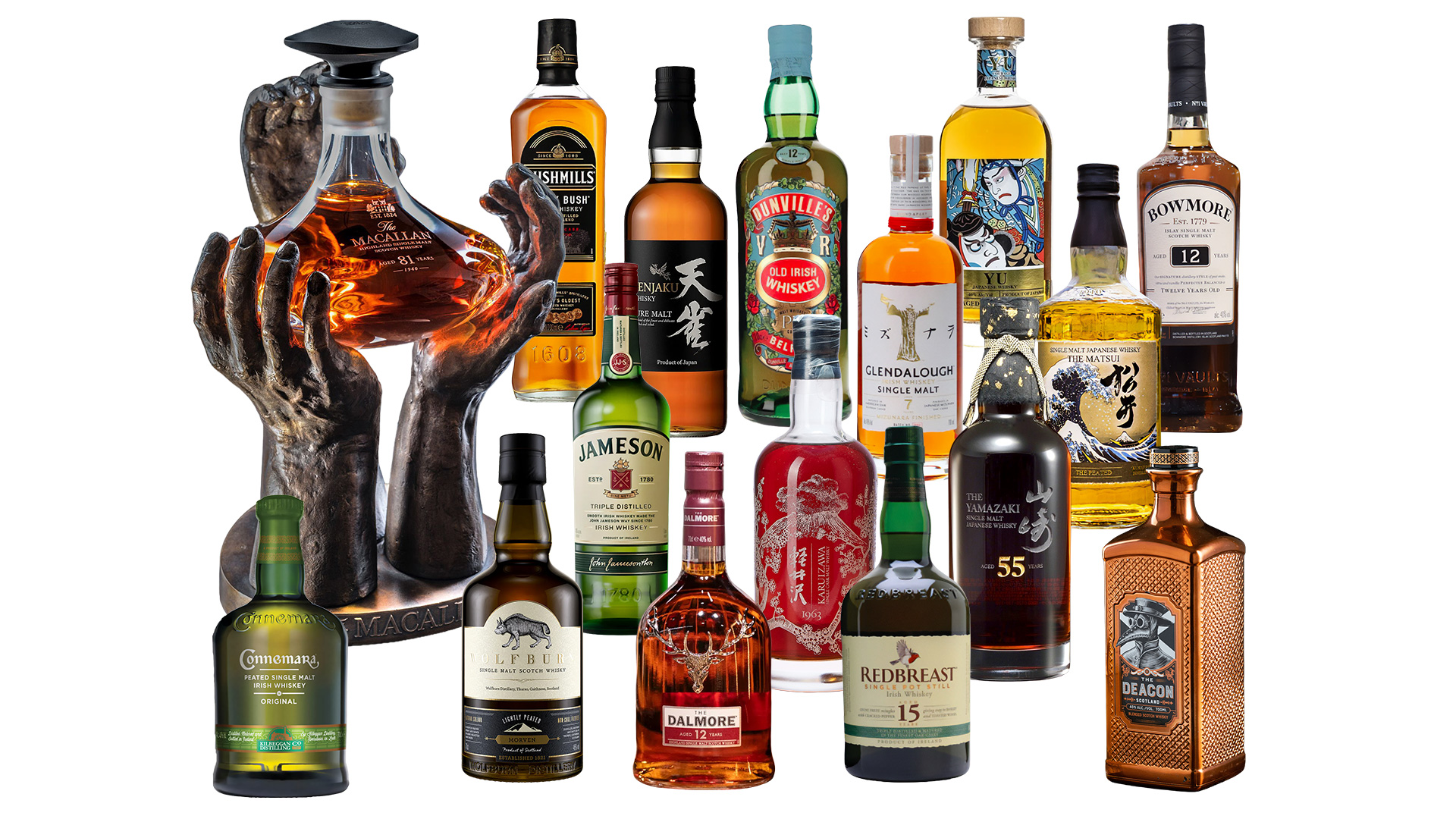
On a quiet evening, when the glass is poured with intention rather than haste, single malt whisky becomes more than a drink. It is a statement of taste, time and temperament. Among the many countries now producing single malt, three names dominate any serious conversation: Scotland, Japan and Ireland.

Each produces whisky of exceptional quality, while expressing profoundly different philosophies of craftsmanship and lifestyle. To understand them is to understand not just whisky, but the cultures that shaped it.

Great Scotch

Single malt whisky was born Scotland. Records of distillation reach back to the late 15th century, and over centuries the Scots refined a deceptively simple formula – malted barley, water and yeast in a pot still at a single distillery and three years in oak casks – into a deeply expressive art form. From the maritime smoke of Islay to the orchard-fruit elegance of Speyside and the muscular Sherry richness of the Highlands, single malt Scotch offers an unparalleled range.

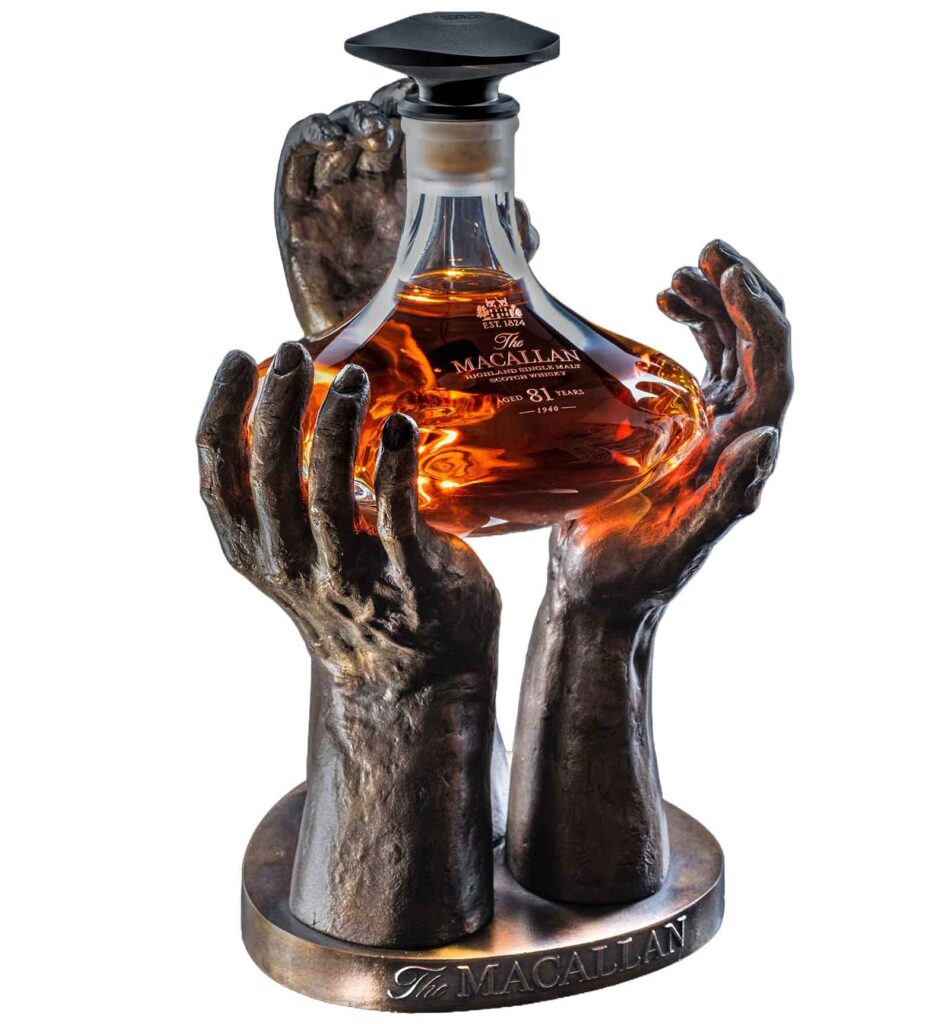
This diversity is driven by geography and climate. Scotland’s cool, damp weather slows maturation, allowing whiskies to age gracefully for decades without becoming over-oaked. It is the layered complexity of the older single malts that enables Scotland to dominate the world’s most expensive whiskies. Ultra-aged releases from historic distilleries, especially The Macallan, regularly command six- and seven-figure sums at auction. Single malt Scotch is not just whisky; it is heritage bottled, prestige poured and patience rewarded.
Japanese Respect

Japan, by contrast, represents precision rather than tradition. Explicitly inspired by Scotch, Japanese whisky began in the early 20th century, yet it evolved into something distinctly its own. Where Scotland embraces variation between distilleries, Japan often seeks perfection within them. Japanese producers are known for meticulous control over every variable: yeast strains, fermentation times, still shapes, cut points and cask selection. The result is single malt whisky that feels polished, deliberate and quietly confident.

Japanese single malts are celebrated for balance. Smoke, when present, is restrained. Oak is integrated rather than dominant. Fruit, malt and subtle spice coexist in harmony. This elegance has made Japanese single malts immensely desirable worldwide, particularly as supply has struggled to keep up with demand.

Scarcity has driven prices upward, and older Japanese bottlings are now among the most expensive on the market, rivalled only by Scotland’s elite. Yet even younger Japanese single malts often feel luxurious, reflecting a culture that values refinement over excess.

Irish Charm

Ireland offers a different kind of pleasure altogether. Irish single malt whiskey is rooted in one of the world’s oldest distilling traditions – first found in medieval monasteries – yet its modern identity is defined by approachability. Many Irish single malts are triple distilled, a process that produces a lighter, smoother spirit. Peat is used sparingly, if at all, allowing the natural sweetness of malted barley to shine. The result is whisky that feels welcoming rather than demanding.

Irish single malt is often described as creamy, honeyed and soft, with gentle fruit and vanilla notes. It may not possess the same intensity or range as Scotch, nor the razor-sharp precision of Japan, but it excels in drinkability. This is whiskey designed for conversation rather than contemplation.

From a lifestyle perspective, Irish single malt feels social, warm and unpretentious. While premium and aged expressions exist, Ireland generally remains the most affordable of the three prime distilling destinations, making it an ideal entry point into the world of single malt.

Mastery of Malt

So which of the three is best? The answer depends on what one values most. In terms of depth, diversity and historical significance, Scotland remains unmatched. It is the reference point against which all other single malts are judged.

For those who seek elegance, balance and modern luxury, Japan stands at the pinnacle. Its best single malts feel like carefully composed works of art, and their scarcity only heightens their allure. For smoothness, ease and everyday pleasure, Ireland offers something uniquely satisfying, proving that refinement does not always require intensity.

Grape  Awakening: Raise a toast to spring’s arrival with a fresh collection of crisp, zesty wines

Spring is the season when everything begins to feel lighter, fresher, and a bit more open. After the heavier foods and bold wines of winter, many connoisseurs naturally crave brighter, more aromatic pours. The best spring wines share a sense of freshness and vibrancy, boasting crisp acidity, moderate alcohol and flavours that echo the season – think citrus, herbs, flowers and fresh berries. They are inviting, food-friendly and uplifting.

Welcoming Whites

One of the most classic spring choices is Sauvignon Blanc, an ode to sunlight and fresh air. It’s hard to beat the lively acidity, grassy aromas and citrus-driven mouthfeel of this white wine when the weather warms up in March.

New Zealand Sauvignon Blanc exhibits bold flavours of passion fruit and gooseberry with a zesty punch that wakes up the palate. French styles, especially from the Loire Valley (like Sancerre or Pouilly-Fumé), offer more restraint, with notes of lemon, wet stone and subtle herbs. Both versions pair beautifully with seafood, goat’s cheese and asparagus.

Pinot Grigio is another seasonal go-to. It tends to be clean, crisp and uncomplicated, making it a perfect everyday spring wine. Italian Pinot Grigio is delightfully straightforward: light body, gentle citrus, apple and pear notes, and an easy, refreshing finish. It’s great for casual sipping, picnics or parties where guests prefer wines that slip down without comment. If you want a more flavourful version, look for Pinot Gris from Oregon or Alsace, which offers more texture and ripe fruit.

Pink Pleasers

No spring wine list is complete without rosé. Dry rosé, especially from Provence, has become almost synonymous with warm-weather drinking. These pours are pale, delicate and refreshing, with subtle red-berry notes, hints of melon, and clean minerality.

Beyond Provence, Spain makes excellent rosado (often a bit darker and fruitier), while California and Oregon offer rosés with lively fruit and a slightly more robust character. Rosé is one of the easiest spring picks because it fits almost any mood: casual, celebratory or spontaneous.

Sweet Surrender

For those who enjoy a touch of sweetness, Riesling is one of the most rewarding spring choices. It doesn’t have to be sweet; Germany, Austria and Washington State all produce dry Rieslings, yet even off-dry versions can feel bright and balanced thanks to the grape’s naturally high acidity. Expect flavours of lime, green apple and white peach, and sometimes floral or mineral notes.

Riesling pairs exceptionally well with spicy foods, making it a great wine to accompany Thai, Indian or Sichuan cuisine. A chilled glass of Riesling on a mild spring afternoon is both refreshing and comforting.

Red Chill

Spring isn’t only for white wines. Light, chillable reds shine at this time of year, and one of the best is Gamay, especially in the form of Beaujolais. These wines are fruity, juicy and low in tannins, with flavours of strawberry and cherry, and sometimes a subtle earthiness. Serving them slightly chilled brings out the lively acidity of the grape to the extent that they can be almost as refreshing as white wine. The Beaujolais-Villages appellation offers exceptional everyday value, while Cru options like Morgon, Fleurie, Brouilly and Moulin-à-Vent provide more structure and nuance.

Another solid spring red is Pinot Noir. While some versions can be too rich for warmer weather, many bottles from Oregon, Germany or the Loire Valley lean toward the lighter side. These wines offer gentle red fruit, subtle earthiness and bright acidity, making them an elegant choice for spring dinners. They pair beautifully with roasted chicken, salmon and vegetable dishes.

Fizz Finesse

For something sparkling, spring is an excellent time for Prosecco or Cava. Both offer floral and fruity aromas, delicate bubbles, and a celebratory feel without the price tag of Champagne. The Italian pour tends to be softer and fruitier, while Spain’s traditional sparkling wine has more structure and a slightly toastier character. They work well at brunch, as a complement to light appetisers, or simply for ringing in the first warm, sunny days of the year.

Touch of the Sun: Handcrafted Mediterranean reds are dazzling the wine world with their warmth and elegance 

There was a time when the hierarchy of fine wine seemed immovable, its upper tiers dominated by the grand classifications of Bordeaux and the polished precision of Burgundy. Yet over the past decade, a quiet revolution has taken root along the sun‑drenched coasts of the Mediterranean. From the llicorella terraces of Priorat in Catalonia to the volcanic soils of Mount Etna, a new generation of winemakers is redefining luxury, crafting reds of extraordinary depth, balance and identity. 

The Mediterranean, long romanticised for its cuisine and climate, is emerging as the cradle of a different kind of vinous sophistication – one that celebrates both heritage and innovation. Its wines are not shaped for the auction block but for the table, imbued with the light, warmth and character of their landscapes and boasting a distinctly modern elegance.

Priorat Perfection

The rise of Mediterranean reds mirrors a broader shift in the world of fine wine toward authenticity and terroir. Collectors and sommeliers now seek character over conformity, provenance over prestige. In the elite Spanish wine region of Priorat, this philosophy has matured into artistry. Once an austere, forgotten appellation of slate‑black soils and abandoned terraces, it has been reborn through visionaries like Álvaro Palacios of L’Ermita fame, and René Barbier of Clos Mogador, who saw potential in its rugged hillsides.

Today, Priorat wines – blends of Garnacha (Grenache) and Cariñena (Carignan) – exude intensity yet restraint: their black‑cherry darkness is scented with rosemary and graphite, their power balanced by minerality. They are wines that feel handcrafted by geography itself. The top cuvées have joined the ranks of the world’s most coveted bottles, appealing to collectors in Asia and beyond for their individuality and provenance.

Sicilian Sensation

Across the sea in Italy, the renaissance has been equally compelling. Today, some of the most exciting and prestigious Tuscan wines hail from the region’s southern coast, particularly small estates near Bolgheri in Maremma, while Mount Etna has become a connoisseur’s obsession.

On the black volcanic slopes of Sicily’s great mountain, vineyards climb near‑vertical ridges to capture the island’s fierce light and cool altitude. The native Nerello Mascalese grape produces wines of haunting nuance — pale in colour yet profound in personality, their aromatic lift has been likened to that of Pinot Noir and their vibrancy compared to Nebbiolo. Producers such as Tenuta delle Terre Nere and Passopisciaro are bottling reds of quiet seduction that linger on the palate like a memory.

Languedoc Luxury

Even France’s Mediterranean coasts have been recast as destinations for luxury reds. Languedoc‑Roussillon, for decades considered the workhorse of French viticulture, has found its haute‑couture voice. Estates such as Mas de Daumas Gassac and Château Puech‑Haut now rival their northern cousins in complexity and finesse, thanks to their old vines and oceanic breezes.

These wines convey richness without weight, sunlight without heat – a Mediterranean balance increasingly prized by sommeliers curating lists for Michelin‑starred dining rooms from Hong Kong to Dubai.

Provence Prestige

Further east, Provence, typically known for its summery rosés, is gaining respect for its polished reds. Blends of Grenache, Mourvèdre and Cinsaut from estates such as Château Simone, and Tibouren and Grenache from Clos Cibonne, are emerging with newfound gravitas.

Understated yet elegant, they embody what collectors now seek: authenticity anchored by craftsmanship.

The Mediterranean approach to winemaking feels markedly different from the traditional grands crus. Where Bordeaux is about classification, structure and cellar ageing, the Mediterranean defines itself by intimacy – the connection between land, artisan and moment. Many of these estates are small, family‑run and intensely personal, producing wines in quantities measured not by market demand but by what the soil will give each season.  If recent years have cemented Burgundy’s reign and the continued dominance of Bordeaux, 2026 might just belong to the Mediterranean. The upcoming vintages, shaped by balanced seasons and careful viticulture, promise refinement and longevity. Yet beyond their ageing potential, these wines deliver something increasingly rare in luxury – a sense of place, sunshine and story. 


Cuvée Cachet : Pop open the most exclusive Champagnes for the ultimate farewell to 2025

As the festive season unfolds, collectors and connoisseurs alike reach for the rarest cuvées: aged vintages, Grand Cru expressions and single-vineyard marvels that elevate celebration into ceremony. Encapsulating terroir, craftsmanship and patience, these seven standout Champagnes define the pinnacle of luxury.

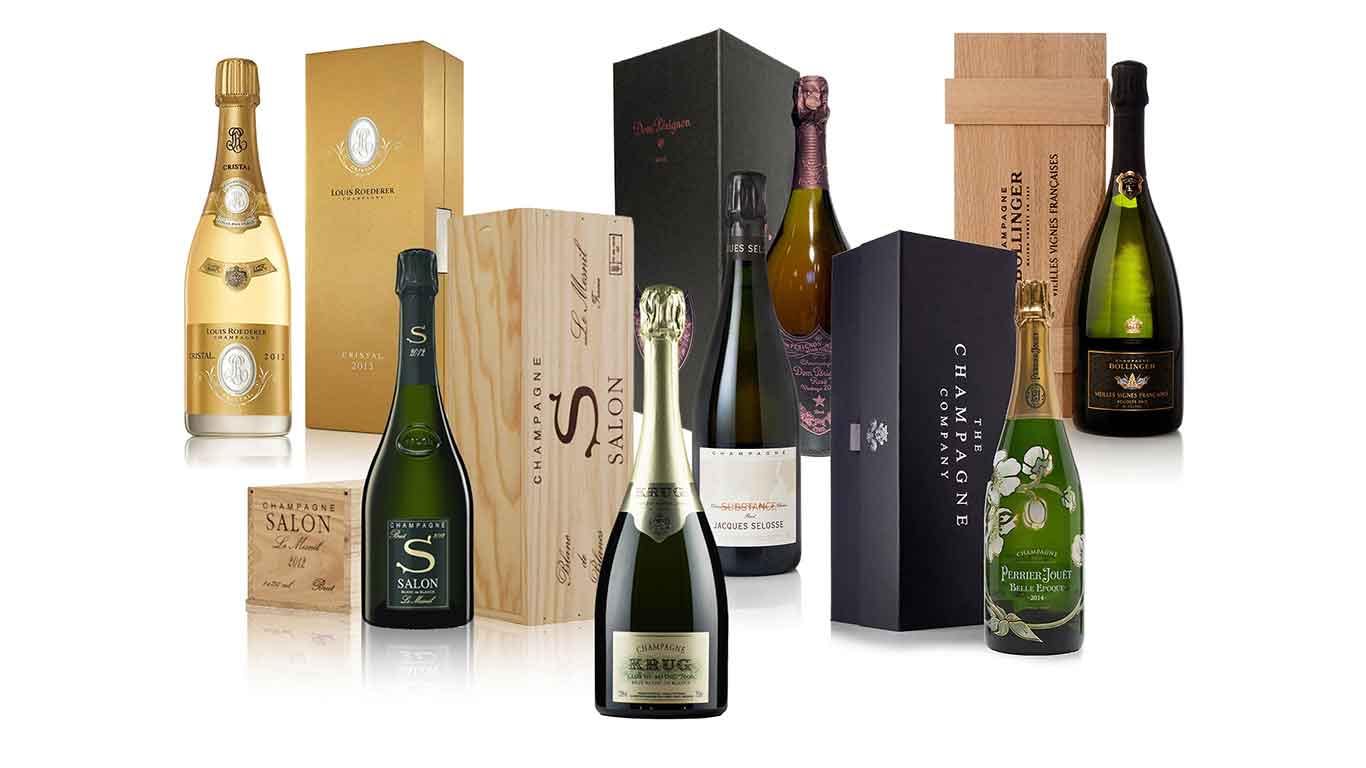
Dom Pérignon Rosé 2008

A masterclass in balance and boldness, the 2008 vintage is revered for a cool growing season that preserved acidity while allowing slow phenolic development. The result? A rosé that’s both vibrant and profound.

Grapes: Pinot Noir after brief maceration, blended with Grand Cru Chardonnay

Bubbles: Delicate yet energetic, forming a creamy mousse

Aromas: Wild strawberry, violet, cocoa, toasted brioche

Perfect pairing: Duck breast and truffle risotto – or sip in silence as fireworks light the sky

Krug Clos du Mesnil 2006

This Blanc de Blancs is the Champagne region’s answer to a single-malt Scotch – pure, precise and profoundly expressive. The 2006 vintage yielded grapes with ripe fruit and firm acidity, and after nearly two decades of ageing, the wine is a rich tapestry of aromas with a distinct chalky minerality.

Grapes: Chardonnay grown in chalk-rich soils within Krug’s walled vineyard in Le Mesnil-sur-Oger

Bubbles: Ultra-fine, slow-rising pearls

Aromas: Lemon meringue, dried fruit, candied ginger, chalk

Perfect pairing: Serve in a tulip glass alongside oysters, caviar or aged Comté

Salon 2012

The unicorn of Champagne, Salon is produced only in exceptional vintages and typically aged on lees for a decade before release. The 2012 is a study in purity and precision. It’s cerebral yet celebratory, rewarding patience and palate.

Grapes: 100% Grand Cru Chardonnay from Le Mesnil-sur-Oger

Bubbles: Razor-fine and electric

Aromas: Green apple, citrus, chalk, white flowers, hazelnut

Perfect pairing: Sea bass, langoustine, or simply raise a glass to life’s rarest moments

Louis Roederer Cristal 2013

The Champagne of royalty, Cristal was created for Tsar Alexander II in 1876, and it remains a symbol of opulence, age-worthy and immediately seductive. The 2013 vintage is a triumph of precision. Biodynamically farmed grapes, aged for six years on lees and another six in bottle, account for its crystalline structure and mineral backbone.

Grapes: Blend of Pinot Noir and Chardonnay from Grand Cru vineyards

Bubbles: Silky, with persistent effervescence

Aromas: Citrus, white peach, almond cream, buttery pastry

Perfect pairing: Lobster, scallops and foie gras in a feast that matches the wine’s grandeur

Jacques Selosse ‘Substance’

The rebel poet of Champagne, Jacques Selosse’s Substance cuvée is made using a solera system that blends vintages dating back to 1986. The result is a Blanc de Blancs of oxidative depth and philosophical complexity. Fermented in oak barrels and aged extensively, it has a whisper of Sherry-like salinity.

Grapes: 100% Grand Cru Chardonnay from Avize

Bubbles: Creamy and subdued; more texture than sparkle

Aromas: Baked apple, walnut, honeycomb, nougat, toasted bread

Perfect pairing: Aged cheese, mushroom dishes or roasted chestnuts

Bollinger Vieilles Vignes Françaises 2012

A tribute to pre-phylloxera viticulture, this is a rare and historically significant Blanc de Noirs Champagne. The 2012 vintage is powerful and structured, and over a decade of ageing, it shows remarkable depth.

Grapes: 100% Grand Cru Pinot Noir from ungrafted vines grown in two clos (walled vineyards) in Aÿ

Bubbles: Dense and luxurious, forming an almost velvety mousse

Aromas: Almond, hazelnut, candied pear, cooked apricot, gingerbread

Perfect pairing: Venison, duck confit and dark-chocolate truffles in a holiday feast that honours the wine’s legacy

Perrier-Jouët Belle Époque 2014

This Champagne is instantly recognisable by its hand-painted anemone-design bottle, but the wine inside is equally artistic. The 2014 vintage is beloved for its delicate, floral nose.

Grapes: Chardonnay, Pinot Noir and a little Pinot Meunier, sourced from Premier Cru villages

Bubbles: Soft and graceful

Aromas: White blossom, poached pear, honeysuckle, rhubarb

Perfect pairing: Sushi and sashimi. Also ideal for daytime celebrations and garden parties.

As 2025 draws to a close, these seven Champagnes remind us that celebration is an art form. Let your glass hold not just bubbles, but memory, meaning and magic.

Savoury Toasts: Elevate winter evenings in or out on the town with soulful red wines that shine

Our palates crave warmth, depth and comfort in winter – the season for red wines that offer not just body, but soul. Whether it’s the earthy whisper of Pinot Noir or the bold embrace of a Super Tuscan, wines delivering complexity and charm without overwhelming the senses are tailor-made for sipping when temperatures dip. Here are five varietals or styles that will resonate during the months ahead.

Earth and Elegance

With its earthy undertones and silky texture, Pinot Noir is the master of subtlety. Grown best in cool climates, the grapes’ thin skins and low tannins yield wines that are light in colour yet rich in nuance.

Key regions: Côte de Nuits and Côte de Beaune, Burgundy, France; Willamette Valley, Oregon, USA; Central Otago and Martinborough, New Zealand

Vinification: Gentle extraction, often aged in French oak to add spice and depth

Flavour profile: Red cherry, cranberry, forest floor, mushroom, clove

Pairings: Its savoury complexity pairs beautifully with roasted meat, mushrooms and root vegetables.

Top producers: Domaine de la Romanée-Conti (Burgundian legend), Cristom Vineyards (Oregon, elegant and structured), and Ata Rangi (New Zealand, vibrant and spicy).

Polished Perfection

Super Tuscans are the heavy hitters of winter reds. These blends – often combining Sangiovese with Cabernet Sauvignon, Merlot or Syrah – offer richness, depth and a velvety mouthfeel. Born from rebellion against DOC regulations, they now represent some of Italy’s finest wines.

Region: Bolgheri and surrounding areas in Tuscany, Italy

Vinification: Aged in French oak, often with extended maceration for depth and structure

Flavour profile: Red cherry, plum, tobacco, leather, dried herbs, espresso

Pairing: Their bold flavours and smooth tannins are ideal for grilled meats, aged cheeses, and meaty noodle and pasta dishes.

Top producers: Antinori (iconic), Tenuta dell’Ornellaia (polished and accessible), Sassicaia (legendary Bordeaux-style)

Savoury Sophistication

Cabernet Franc is a winter wine for those who love savoury, herbaceous reds with a touch of graphite and spice. It’s medium-bodied but layered, offering a balance of fruit and structure. 

Key regions: Loire Valley, France, especially Chinon, Saumur and Bourgueil; Napa Valley, California, and Finger Lakes, New York, USA

Vinification: Often fermented in stainless steel or neutral oak to preserve freshness; some producers use amphora for added texture

Flavour profile: Red currant, plum, bell pepper, violet, pencil shavings

Pairings: Its herbal edge and acidity cut through rich dishes like lamb, lentils and aubergine.

Top producers: Domaine Bernard Baudry (Chinon, earthy and refined), Clos Rougeard (Saumur, cult favourite), Lang & Reed (Napa Valley, juicy and aromatic), and Ravines Wine Cellars (Finger Lakes, crisp and mineral-driven)

Spicy and Structured

Blaufränkisch is a winter sleeper hit. With its dark fruit, peppery spice and vibrant acidity, it’s a bold and balanced wine that warms from the inside out.

Key regions: Burgenland, Austria; plus Württemberg, Germany, and Yakima Valley, Washington State, USA, where it is known as Lemberger

Vinification: Often aged in large oak barrels or crafted biodynamically

Flavour profile: Blackberry, black cherry, black pepper, earthy minerality

Pairings: Hearty fare – think sausages, lap cheong clay-pot rice and goulash

Top producers: Weingut Moric (benchmark for elegance), Weingut Heinrich (biodynamic and expressive), Kiona Vineyards (Yakima Valley, bold and fruit-forward)

Youthful Joy

Beaujolais Nouveau is often seen as a celebratory wine, released just weeks after harvest. But the bright fruit and low tannins of the Gamay grape make it a delightful winter red.

Region: Beaujolais, south of Burgundy, near Lyon, France

Vinification: Carbonic maceration – whole grape fermentation in a carbon dioxide-rich environment

Flavour profile: Raspberry, strawberry, banana, bubblegum, violet

Pairings: Serve slightly chilled with charcuterie or rich terrines. Its easy-drinking nature makes it perfect for casual gatherings and festive meals.

Top producers: Georges Duboeuf (classic Nouveau), Marcel Lapierre and Yvon Métras (natural Cru Beaujolais with more depth), Château Thivin (structured and age-worthy)

Winter Cheers

These five reds offer more than just warmth; they bring stories of place, tradition and craftsmanship. Whether you’re curled up with a book or hosting a festival feast, let these wines be your seasonal companions.

Autumn Appellations: Complement the new season with rich red wines, aromatic whites or earthy blends

As oppressive summer days give way to blasts of more pleasant autumn air, our palates and cravings undergo a subtle but significant shift. The light, crisp whites and rosés that refreshed us in the heat and humidity begin to feel out of place, making room for wines that mirror the season’s deeper, richer and more comforting qualities.

Autumn is a time of transition, and the best wines are those that bridge the gap between the bright energy of summer and the contemplative depth of winter. They are pours that offer warmth, complexity, and a perfect synergy with the heartier foods that begin to grace our tables.

When considering the ideal autumn wine, think of the sensory experiences of the season – the richness of mooncakes, the sweetness of hairy crab, and as colder weather strikes, the smoky scent of chestnuts roasting on the street and happy, bubbling hotpot. The wines that excel are those that can either complement or contrast these sensations beautifully.

Red Alert

For many imbibers, autumn is unequivocally red-wine time. But beware: the goal is warmth, not weight; complexity, not overpowering heaviness.

Grenache, Syrah, Mourvèdre – and the GSM blends – are quintessential autumn choices. Grenache offers a welcoming embrace of ripe red fruit – think strawberry, raspberry and red plum – but it’s the secondary notes that make it perfect for this time of year. Hints of white pepper, dried herbs (garrigue) and a subtle smokiness evoke a walk through an autumn forest. A Grenache-based Côtes-du-Rhône Villages or a Spanish Garnacha from Priorat offers fantastic value and versatility, pairing wonderfully with herb-roasted chicken, mushroom risotto and grilled sausages.

For cooler evenings, Syrah steps into the spotlight. The likes of Crozes-Hermitage or Saint-Joseph from the Northern Rhône present with dark berry flavours, black pepper, olive and smoky, bacon-fat notes. Australian Shiraz is juicier and more fruit-forward, often with a distinct liquorice and sweet spice character. Both styles have a warming, spicy core that is ideal with braised short ribs or barbecued meat.

As the undeniable king of versatility, Pinot Noir’s acidity cuts through the richness of autumnal dishes, while its earthy, fungal undertones are a direct echo of the season. A bottle from Oregon’s Willamette Valley or Burgundy’s Côte de Beaune has notes of cherry, cranberry, damp earth and clove. It is the ultimate pairing for a classic Thanksgiving feast, roast goose or wild mushroom dishes.

Crisp, Light White

To overlook white wine in autumn is to miss out on a world of profound pleasure. The key is to move away from lean, citrus-driven profiles toward wines with texture, weight and aromatic complexity. An oaked Chardonnay from California or Burgundy (Meursault, Puligny-Montrachet) is autumn in a glass. The tropical and stone fruit flavours are complemented by notes of toasted vanilla, baking spices and a creamy, buttered brioche quality. This is a magnificent match for roasted turkey with gravy, lobster bisque, or a simple, creamy pasta.

Don’t dismiss aromatic whites as solely summer sippers. A German Spätlese Riesling, with its balance of ripe peach and apricot against striking acidity, is sublime with sweet-and-sour pork. An Alsatian Gewürztraminer, with its explosive lychee, rose petal and ginger spice, can handle the most aromatic and complex dishes, from Moroccan tagine to Indian curry.

Orange Glow

Skin-contact orange wines offer a unique autumnal profile. White grapes fermented with their skins gain tannin, texture and profound flavours of dried orchard fruit, nuts, honey and tea. They are complex, earthy and incredibly food-friendly, especially with sweet potato or taro and hearty grains.

Ultimately, the best wine for autumn is the one that makes you feel content. It’s about finding a layered, intriguing pour that tells a story of the harvest and prepares the soul for the quiet introspection of winter. So, light a candle, uncork a bottle of something with a little spice and warmth, and let the autumn evening unfold.

Vintage Variables: The investment-worthy wines making a splash in the current climate

In a world of volatile markets and digital speculation, fine wine has emerged as a tangible, inflation-resistant and prestige-driven asset. According to the Fine Wine Investment Guide published by Cult Wines, wine offers low correlation with traditional markets, making it a hedge against economic downturns.

Cult notes that if your portfolio spread had been 35% Burgundy, 30% Bordeaux, 15% Italy, 10% Champagne, 7% Rest of the World and 3% Rhône held over five years, your best annualised return would have been just shy of 16%. From January 2004 to July 2024, the Bordeaux-heavy Liv-ex 100 grew by 272%, and the Liv-ex 1000 by 288%.

Whether you’re a seasoned collector or a curious newcomer, here are the top bottles to invest in at the moment, along with a snapshot of the broader wine investment landscape.

Choice Terroir

Top-tier labels have yielded consistent historical returns, with intrinsic value driven by rarity, ageing potential and global prestige. Climate volatility has impacted harvests in Burgundy and Champagne, increasing scarcity and driving up prices for desirable vintages.

While Bordeaux and Burgundy reds still dominate the market, investors are expanding their vineyard horizons. Tuscany and Napa are the emerging stars alongside Rhône Valley names like Château Rayas and Jean-Louis Chave, and forays are being made into white Burgundy from Côte de Beaune like Coche-Dury and Leflaive. Spanish and South American wines are also gaining traction for their value and ageing potential.

Top Bottles

1. Domaine de la Romanée-Conti This Burgundy estate represents the pinnacle of wine investing. Its grand cru wines like Romanée-Conti and La Tâche are produced in tiny quantities and command astronomical prices. Vintages like 2010 and 2015 have appreciated from 12% to 15% over the past 12 months, driven by demand in Asia and scarcity because of climate-affected harvests. Price range: US$20,000–$100,000+.

2. Screaming Eagle This cult Napa Valley Cabernet Sauvignon is a benchmark in American wine investing. With limited production and elite status, it’s a favourite among US and Asian collectors. Prices have risen 13% over the past year. Price range: US$3,000–$10,000+

3. Masseto Known as the ‘Petrus of Italy,’ Masseto is a single-vineyard Merlot with both luxury appeal and ageing potential. The Super Tuscan has recently recorded gains of about 10%, fuelled by strong allocations across Europe and Asia. Price range: US$800–$1,500+

4. Château Lafite Rothschild A First Growth Bordeaux with a legacy of excellence, Lafite is a cornerstone of any serious wine portfolio. The 2024 release saw a 27% price drop, creating a rare buying opportunity this year. Price range: US$600–$2,000+

5. Dom Pérignon A prestige cuvée with global recognition, Dom Pérignon Champagne offers a more accessible entry point into wine investing. Vintages like 2009 and 2012 have shown resilience, even during broader market corrections. Price range: US$200–$500+

Cellar Musts

Newcomers to wine investment are delving into a wonderful world that can reap rich rewards on the palate and the pocket. Give careful thought to your strategy: direct ownership or a managed portfolio via an online platform such as Vinovest or WineFi. These have democratised access to wine investing – fractional ownership, AI-driven portfolio management and blockchain-based provenance tracking are enabling new money, often from younger wine collectors, to pour into the market.

It is important to focus on long-term fundamentals rather than short-term gains since most investment-grade wines appreciate significantly after five to 10 years. Store your purchases professionally – use bonded warehouses with temperature control and insurance – and monitor market trends. The fun – or possibly the pain – comes with tracking the performance of your high-yielding favourites through indices like Liv-ex Fine Wine 1000.

Fine wine is more than a luxury; it’s a strategic, resilient and culturally rich asset class. Whether you’re investing in a bottle of Romanée-Conti for long-term appreciation or diversifying with Champagne and Super Tuscans, the key is to buy smart, store well and stay informed.

Exalted Malts: Showing intoxicating fruit, floral and peat, Scotch whisky is a wonder sipped the world over

Scotch whisky is more than a spirit—it is a storied emblem of Scotland’s heritage, craftsmanship, and character. Known as the ‘water of life,’ Scotch expresses centuries of tradition, shaped by landscape, lore and a tireless commitment to quality.

Its roots date back to the 15th century, with the earliest written record in 1494 noting the allocation of malt to a friar named John Cor for distilling. From humble beginnings, Scotch whisky evolved into a world-renowned category defined by depth and nuance. With official regulation introduced in 1933 and the establishment of the Scotch Whisky Association (SWA) in 1942, its standards have only been further safeguarded and refined.

Today’s producers continue the legacy with reverence and innovation, employing traditional methods alongside modern precision. According to SWA regulations, Scotch must be distilled in Scotland and matured in oak casks for no less than three years—though many are aged far longer.

Mash Hits

Scotch comes in several forms. Single malt whisky—made from 100% malted barley at a single distillery—is prized for purity and provenance. Single grain whisky includes other grains and may be distilled using continuous stills. Blended Scotch artfully combines malt and grain whiskies, achieving balance and approachability.

Production begins with malted barley, which is mashed in hot water to release fermentable sugars. The resulting liquid, or wort, is fermented into a low-alcohol wash. Distillation follows in traditional copper pot stills, separating impurities and concentrating flavour. The spirit is then transferred to oak casks—often ex-bourbon or sherry barrels—where time, wood and environment weave their magic.

Nuanced Notes

Scotch’s signature lies in its rich palette of flavours. Expect notes of dried fruits, vanilla, spice and honey, with smoky or peaty overtones in some regional expressions. The mouthfeel is typically silky, with a warming, lingering finish that invites contemplation.

Beyond taste, whisky connects deeply to Scotland’s terroir, traditions and economy. Each bottle is a snapshot of place and passion—something increasingly appreciated by whisky tourists who visit distilleries to savour the experience behind the dram.

Single Malt Supremacy

Among the many revered names in Scotch, these single malts embody heritage and acclaim:

• The Macallan: Celebrated for sherry cask maturity and notes of dried fruit, spice and chocolate.

• The Glenlivet: Benchmark Speyside smoothness, known for soft, orchard fruit character.

• Lagavulin: Intensely peaty and smoky, evoking the bold maritime soul of Islay.

• Laphroaig: Robust, with medicinal iodine tones and seaweed salinity.

• Glenfiddich: One of the world’s bestsellers, with floral, pear-like finesse.

• Oban: Balances coastal salinity with subtle smoke and stone fruit sweetness.

• The Balvenie: Honeyed and rich, made using traditional floor maltings.

• Highland Park: An Orkney gem blending heathered smoke with elegant sweetness.

• Ardbeg: Wildly peated, offering waves of charred oak, lemon and brine.

• The Dalmore: Luxuriously rich, with spiced fruit and sherry influence.

• Glenmorangie: Light, citrusy and often finished in innovative casks.

• Auchentoshan: Triple-distilled for an ultra-smooth, floral profile.

• Bruichladdich: From Islay with terroir at its core; styles range from delicate to powerfully smoky.

• Springbank: Campbeltown’s pride, known for earthy peat and restrained sweetness.

• Balblair: Focuses on vintage releases with deep fruit and balanced oak.

Personality Taste

To fully appreciate Scotch whisky’s depth, take time to explore the ritual of tasting:

Use a tulip-shaped or Glencairn glass to concentrate aromas. Swirl gently and nose the whisky, identifying layers of scent. Sip slowly, noting how it unfolds across the palate and lingers on the finish. A drop of water can open new aromas, softening heat and drawing out hidden notes. And for pairings? Consider complementary flavours like dark chocolate, salty cheeses or cured meats.

In every sip, Scotch whisky offers a journey—through history, place and craftsmanship. It is, quite simply, exalted.

Vinho Vidigueira: Often aged in amphorae, the pours from this part of Portugal are fresh and vibrant

Vidigueira in the Alentejo region of Portugal has been cultivating wines since the Roman times. Attesting to the deep-rooted nature of viticulture in this area, the name Vidigueira itself nods to the Portuguese word for vine (videira). This signifies how this beautiful area has wine enmeshed deep in its soul.

Vidigueira is the favourite Portuguese wine region of Pedro Ribeiro, a wine-industry professional for more than 20 years. “It’s a place where tradition and innovation meet in a very special way,” he says. “The landscape is typically Alentejan – warm, open, with gently rolling hills – but there’s a certain energy to the wines here that really stands out.”

His lifelong mission has been to understand the nuances of viticulture. “My focus has been on understanding how place, process and people shape the character of a wine – and few places demonstrate that as clearly as Vidigueira,” adds the winemaker.

Time of the Clay

Ribeiro points out that the area is particularly known for its use of clay amphorae, or talhas, a traditional method of winemaking dating back 2,000 years. Destemmed and crushed grapes are put into these large vessels to begin fermentation, a process which occurs spontaneously given the indigenous yeast in the fruit.

Their output is undoubtedly enriched by the underlying volcanic soils in the region, and the influence of the Atlantic Ocean to the west, which plays a powerful role in the sub-region’s microclimate.

Here, the warm Mediterranean climate is cooled, especially during harvest, by breezes off the Atlantic that are stopped in their tracks by the Serra do Mendro – the hills which separate the Alto Alentejo (high country) and the Baixo Alentejo (low). Ribeiro also notes the effects of a poor but well-drained schist and granite soil, and a long-standing tradition of winemaking that values both heritage and experimentation. “This balance allows for bold, expressive wines, but also for more elegant and refined styles – especially when traditional techniques like amphora ageing are used,” he says.

Branco and Tinto

Vidigueira produces both reds and whites, though as Ribeiro suggests, it is particularly known for its whites made from the Antão Vaz grape that “thrives in the heat and gives structured, mineral wines”.

“On the red side, grape varieties like Trincadeira, Tinta Grossa and Moreto are commonly used, often resulting in wines that are rich yet fresh, especially when aged in amphorae,” he enthuses.

Respect for Tradition

Ribeiro has no hesitation when asked to name his preferred Vidigueira tipple. “Without a doubt, my favourite is Herdade do Rocim Amphora Tinto,” he says, enthusiastically of the winery he co-owns located between Vidigueira and the municipality of Cuba in Baixo Alentejo.

He believes his blend of Moreto, Tinta Grossa, Trincadeira and Aragonez grapes is imbued with the qualities that make Vidigueira wines unique and the area so blessed with quality pours. “It’s a wine that captures the essence of the region – the purity of fruit, the respect for tradition, and the subtle complexity that amphora ageing brings,” he notes.

Ribeiro does raise a glass to other local wines, however. “I’m also a fan of amphora-aged wines from producers like XXVI Talhas who continue the legacy of talha winemaking with integrity,” he adds.

Fruit Forward

Describing his favourite wine, he identifies a distinct fruitiness in its aromas and taste: “The Herdade do Rocim Amphora Tinto offers vibrant red fruit – cherry, raspberry – but with an earthy, slightly herbal note from the amphora.”

Elaborating on how the soothing microclimate plays a part in the character of the wine, he says: “There’s a beautiful freshness, even in a warm region like Vidigueira, and a soft, almost clay-like minerality that makes it feel very alive. The texture is supple, the tannins gentle, and the finish often lingers with a slightly savoury, wild herb character.”

Kings of the Hill: The profile of Brunello di Montalcino’s special Sangiovese has been elevated in recent years

Brunello di Montalcino reds from picturesque Tuscany are now some of the most sought-after wines in the world. The region has a long-standing tradition of viticulture, but its reputation for quality has really blossomed in the last few decades. At the core of this output is the Sangiovese Grosso grape, a varietal which thrives in the unique microclimate and soils of the area.

In Montalcino, a small, scenic hill town south of Siena surrounded by about 30,000 hectares of rolling hills, cultivation of grapes and olives has been practised for centuries. “The vineyard area of Montalcino is relatively small, only about 3,000 hectares where Brunello and Rosso di Montalcino are produced,” explains Margherita Mascagni, Sales Manager of Argiano, one of the region’s traditional estates. “What is special about Montalcino is that the purity of Sangiovese has been preserved in the appellations and this gives the wines a distinctive character.”

Sangiovese Savvy

As with any winemaking region, there is a combination of factors which make Brunello di Montalcino so prized. These are particularly favourable for the preservation of the purity of the local Sangiovese grape, known for its larger (grosso) berries. “Montalcino is so good because it has a special richness and variety of soils and microclimate which can express the sensitivity of Sangiovese,” notes Mascagni. Though wines of different styles are produced in this small area, “all express the best potential of the Sangiovese varietal”.

The rich composition of the soil is key in the depth of the Brunello di Montalcino flavour profile – a mixture of clay, limestone and marl. It is on the southern- and southwestern-facing slopes of the region’s vineyards that the grapes can fully ripen. Many are located at high altitude – between 200 and 600 metres above sea level – and thus enjoy a cooler climate. This helps to preserve the natural acidity of the grapes, aiding the balance and natural longevity of the wines.

Age Matters

The area produces two main wines, the flagship Brunello, and Rosso di Montalcino. The Rosso di Montalcino DOC (Controlled Denomination of Origin) was only established in 1984, partly to generate cash flow for the local estates since this wine can be released onto the market earlier: only a minimum of six months in oak barrels and one year ageing in total are required. It is made from 100% Sangiovese grown in the same region as the longer aged (two years in oak, four years total), more established and more prestigious Brunello di Montalcino DOCG (Controlled and Guaranteed Denomination of Origin) reds.

According to Mascagni, Rosso boasts “the youngest, freshest expression” and is blessed with a “very easy drinking style”. On occasion, some producers will make only this wine instead of allocating some of their grapes to Brunello, especially in less than ideal vintages.

Similarly, Brunello comprises exclusively Sangiovese grapes, with no foreign varietals allowed in its production. Mascagni highlights how this wine has more structure and ageing potential, though she does point out that “most Brunellos are elegant and quite enjoyable when young”.

Brilliant Brunellos  

With its historic hill settlements, undulating terrain and dense lush forests, Mascagni not only adores the scenery in this part of Tuscany, but also the elegant Sangiovese wines that emerge from its cellars. Founded in 1580, Argiano is one of the oldest wine producers in Italy and she is partial to its style of Brunello particularly in recent years, with its “gentle extraction of tannins and expression of the limestone in the soil with a lot of savoury mineral taste and fresh fruit”.

After much deliberation, she names the estate’s Brunello di Montalcino Vigna del Suolo as her favourite wine. It has a special floral touch at the nose, which makes it “always very recognisable in tastings, even right after the harvest”.

She notes, enthusiastically: “Old vines of 60 years give the wine a unique complexity of aromas, like Mediterranean orange-peel notes. Its soil of oceanic marl imparts a long, savoury finish and very elegant tannic structure.”