Traders’ Winds: 10 high-performance timepieces suiting high-powered financiers for whom every second counts

For professionals navigating the hyper-accelerated landscape of modern finance, a timepiece is not a passive accessory or an inflated digital asset. It is a vital tool, built to handle intense daily friction while maintaining a smart corporate presence. It must possess elite mechanical specifications to withstand a rigorous workout on the trading floor, paired with a razor-sharp profile that commands absolute authority beneath a bespoke suit cuff.

Often referred to by collectors as a GADA (Go Anywhere, Do Anything) watch, today’s robust sports-dress hybrids occupy the ultimate sweet spot of high performance. Here we admire 10 exceptional timepieces engineered for maximum global-market success.
Scaling the Summit

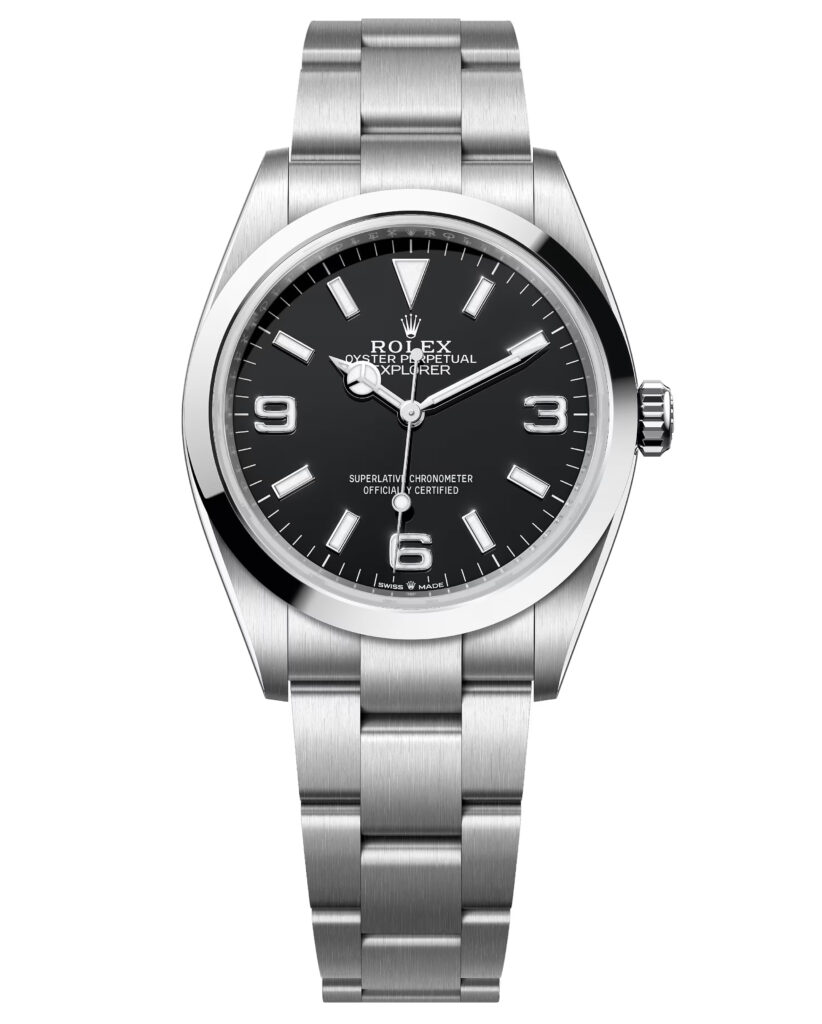
With its mountaineering heritage translating into modern structural dominance, the Rolex Oyster Perpetual Explorer 36 is stripped of a date window and all delicate components. The clean black lacquer dial, three, six and nine numerals, and Mercedes hands focus purely on absolute legibility. Built from corrosion-resistant Oystersteel and powered by the 70-hour self-winding Calibre 3230, it is the bedrock of high performance. Sharp, vintage proportions hide a Paraflex shock absorption system designed for extreme impact.
Captain of Industry

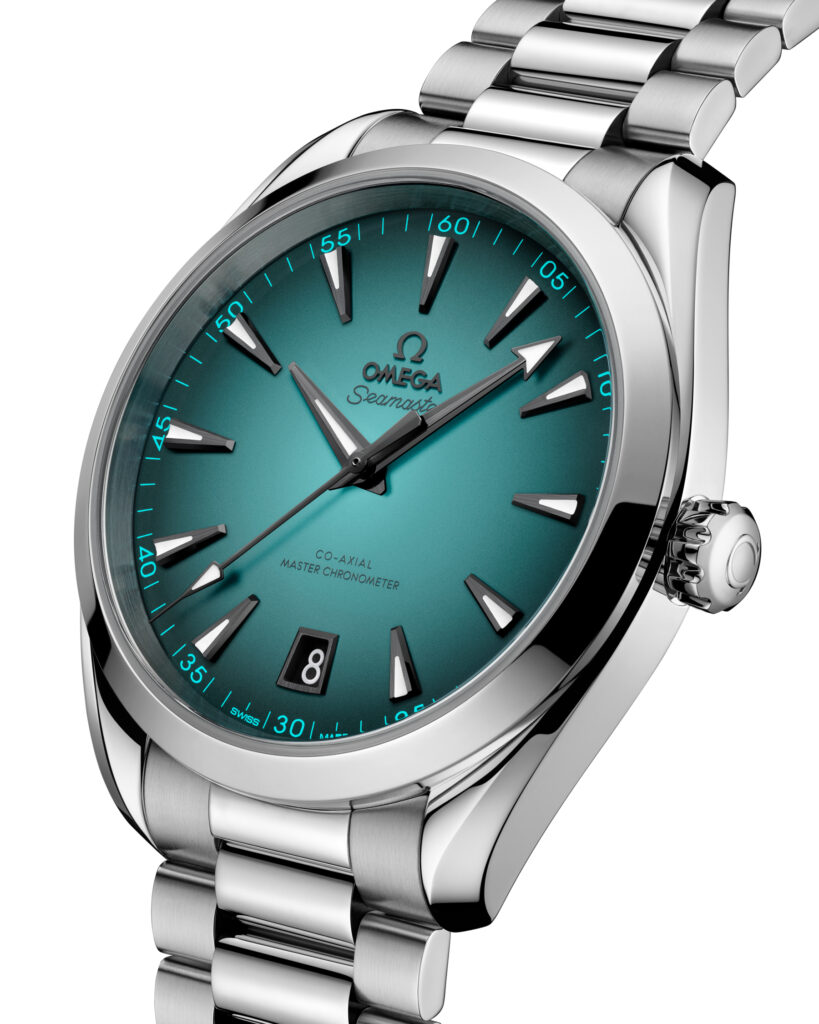
For peak mechanical resilience in the dealing room, Omega’s Seamaster Aqua Terra 150M represents a masterclass in anti-magnetic engineering. Within a symmetrical steel case, transparent caseback, and a distinctive dial inspired by maritime yacht decks, sits the Co-Axial Master Chronometer Calibre 8900. Protecting the hairspring from the heavy interference of modern multi-monitor setups, laptops and smart devices, this powerhouse is virtually immune to magnetic fields up to 15,000 gauss.
Corporate Titanium

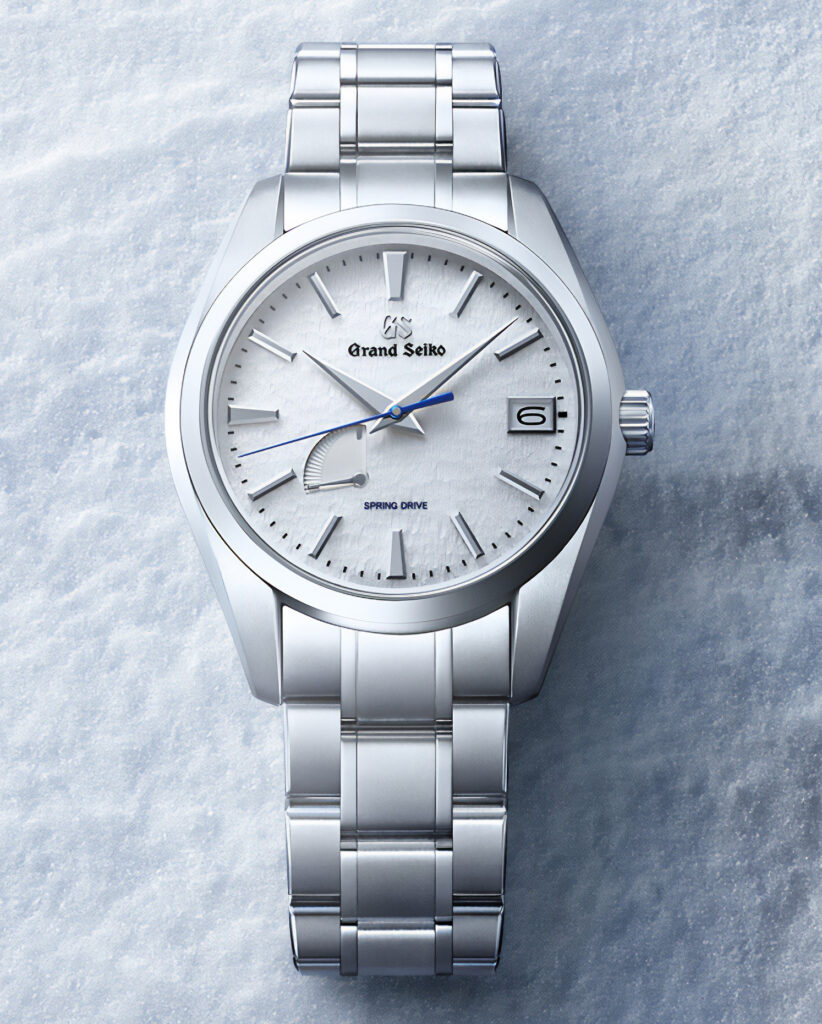
When an analyst values peerless manufacturing over traditional European branding, the Ref. SBGA211 ‘Snowflake’ from Grand Seiko’s Heritage Collection emerges as the ultimate intellectual tool. It is sculpted from a proprietary high-intensity titanium, which is 30 percent lighter and significantly harder than steel, and – earning its moniker – boasts a textured dial that mimics wind-swept mountains. Driven by a unique Spring Drive movement, the seconds hand moves in a continuous glide with an incredible accuracy of plus or minus one second per day.
First Class

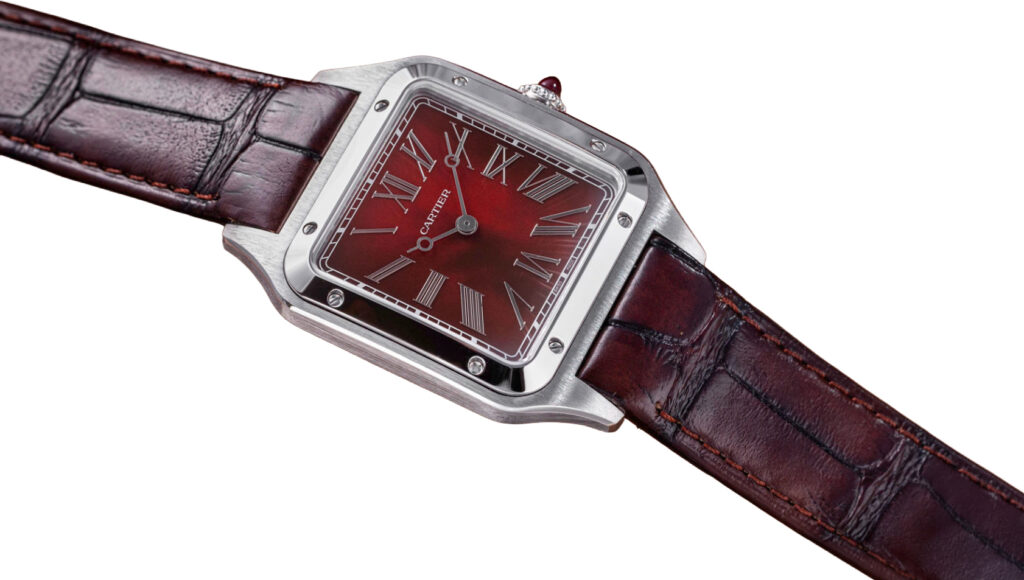
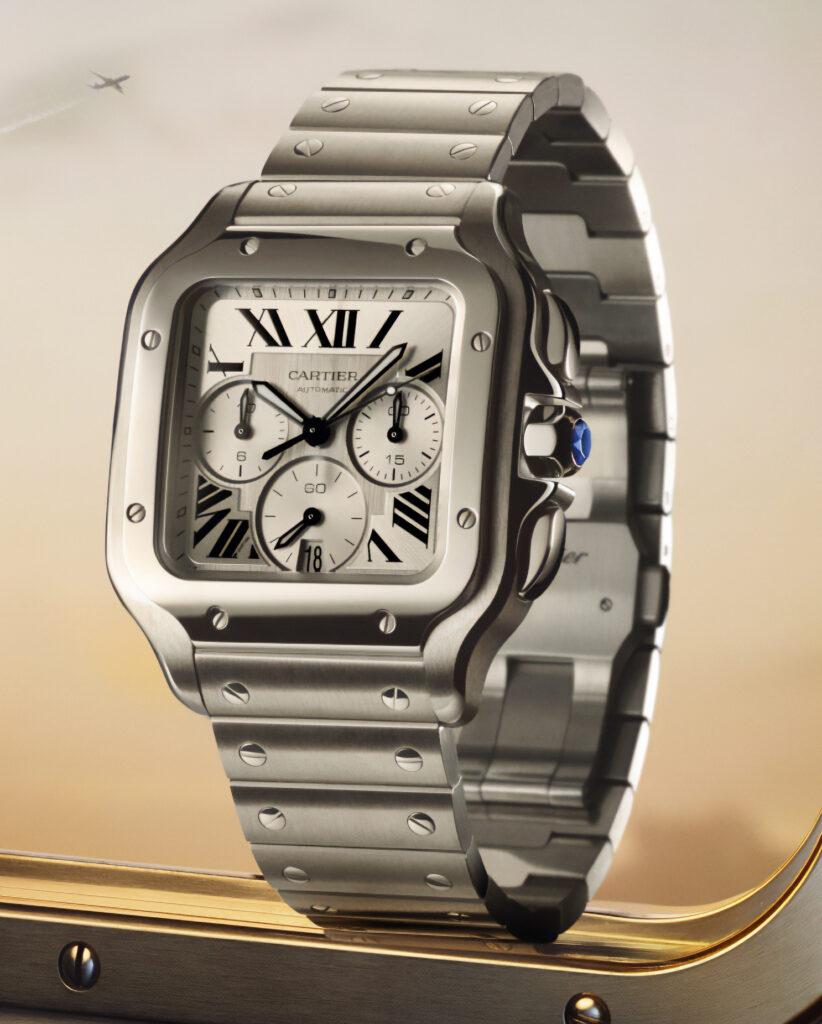
Moving beyond traditional round cases, serious executive style can be achieved through historic architectural geometry. The Cartier Santos de Cartier carries an unrivalled industrial lineage as one of the world’s very first wristwatches. Its square case and exposed bezel screws surround a highly symmetrical dial layout. The sleek medium-size model is the ideal discreet office companion. With Cartier’s integrated QuickSwitch system, the steel bracelet can be swapped for a suave leather strap in seconds, immediately modifying the watch’s corporate identity.

Hidden Asset

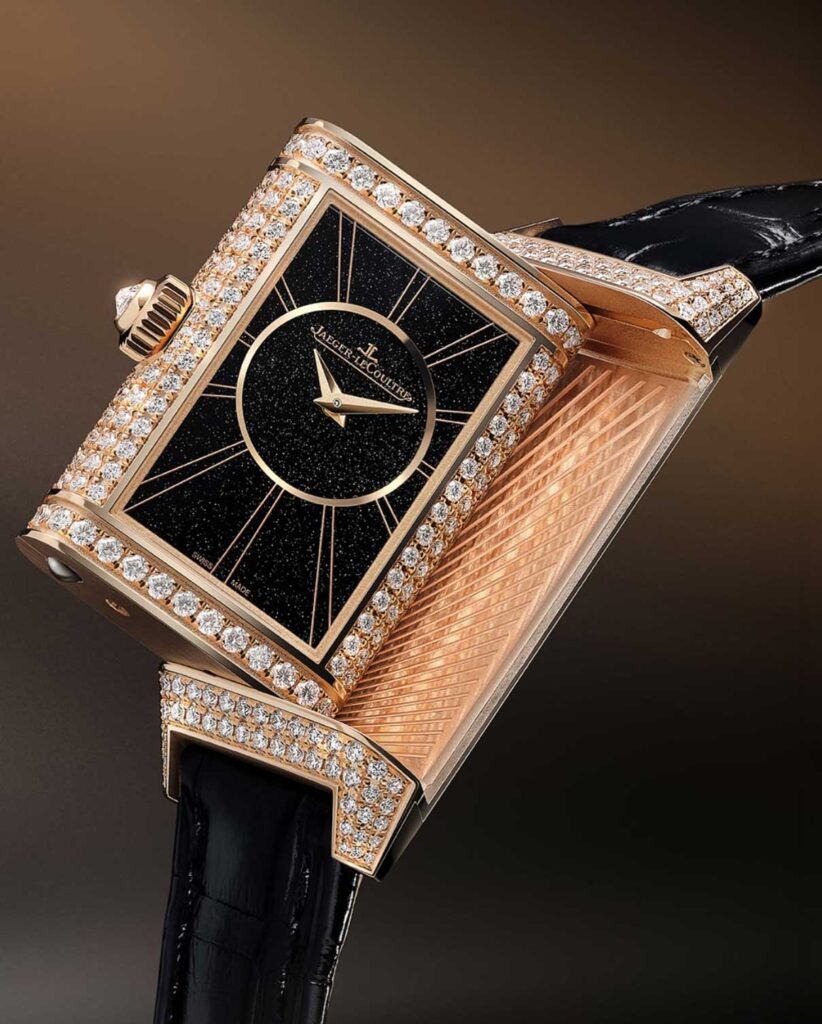
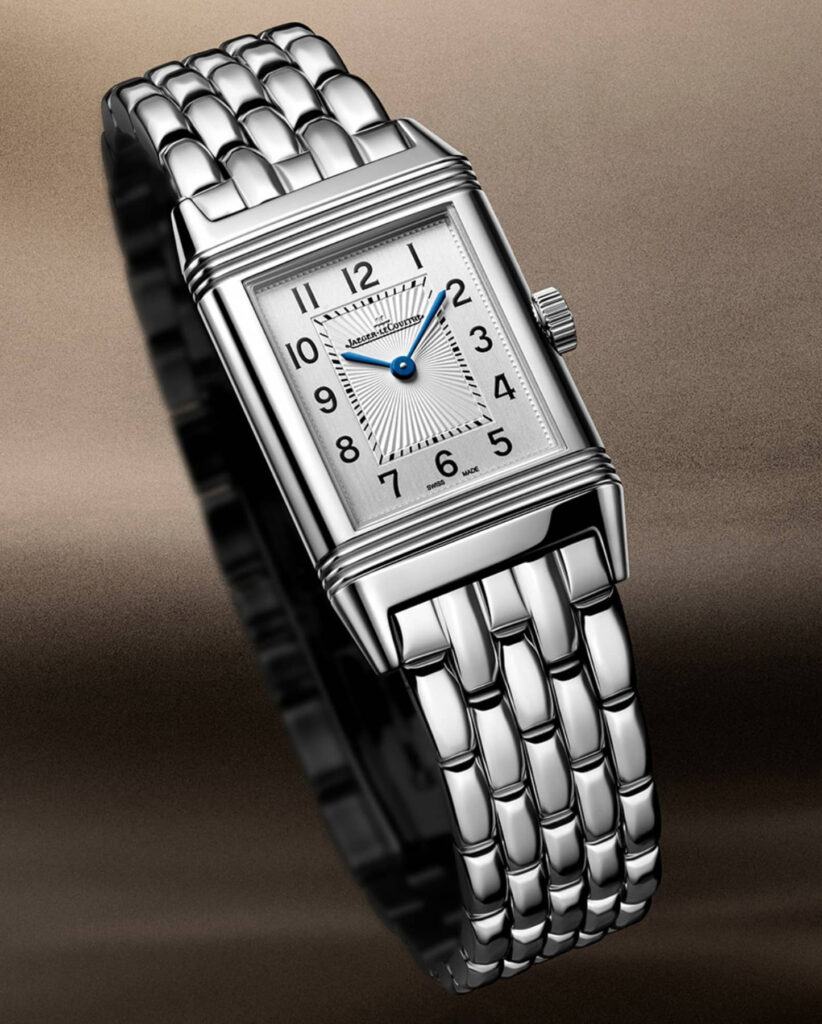
Similarly, Jaeger-LeCoultre’s Reverso Classic Monoface offers a sophisticated rectangular profile steeped in mid-century utility. Originally engineered in 1931 to protect watch glass during high-impact polo matches, the swivelling case with subtle Art Deco styling remains a triumph of industrial design. Flipping the dial reveals a solid-steel reverse side, providing a blank canvas for custom hand-engravings, monograms or institutional crests, keeping its true value completely private to the wearer.
Knight of Finance

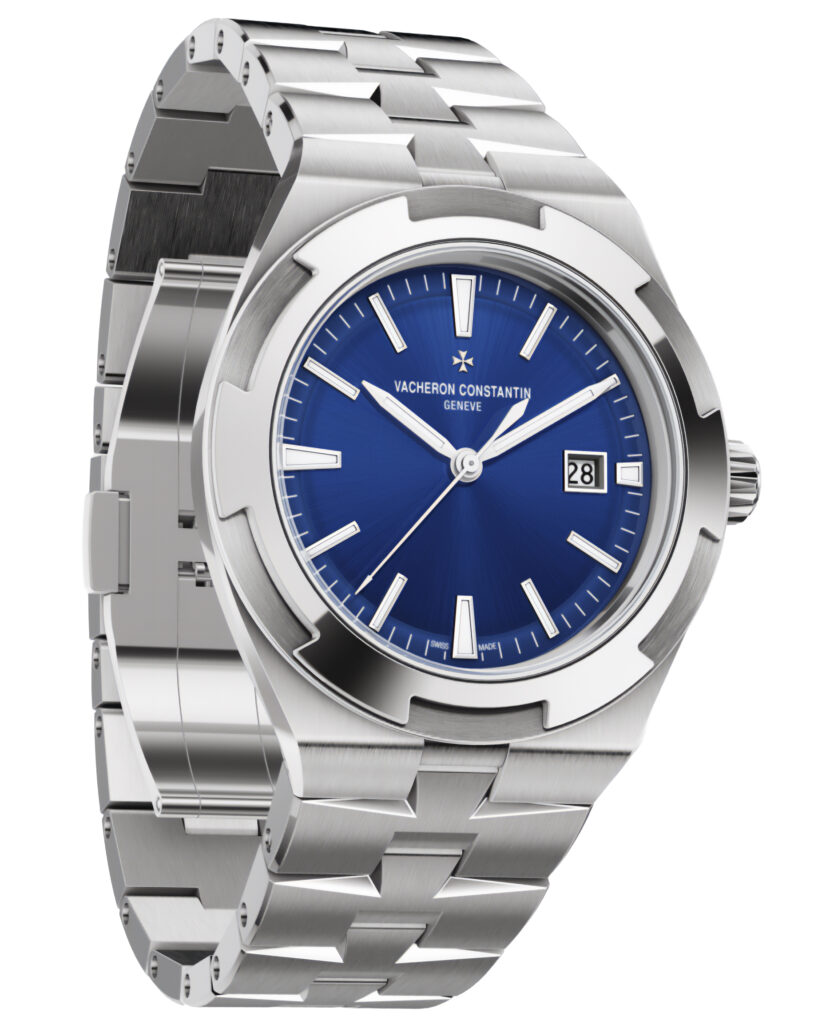
For those operating in the upper tiers of investment banking, the Vacheron Constantin Overseas Self-Winding delivers elite horology built for rapid global travel. Spanning a versatile mid-size profile (34.5mm), it features a distinct, ultra-slim layout in steel and a fixed bezel shaped like the brand’s Maltese cross. The translucent lacquered blue dial provides incredible depth, while a rapid-change interchangeable strap system effortlessly adapts to cross-continental flights.
Master of Understatement

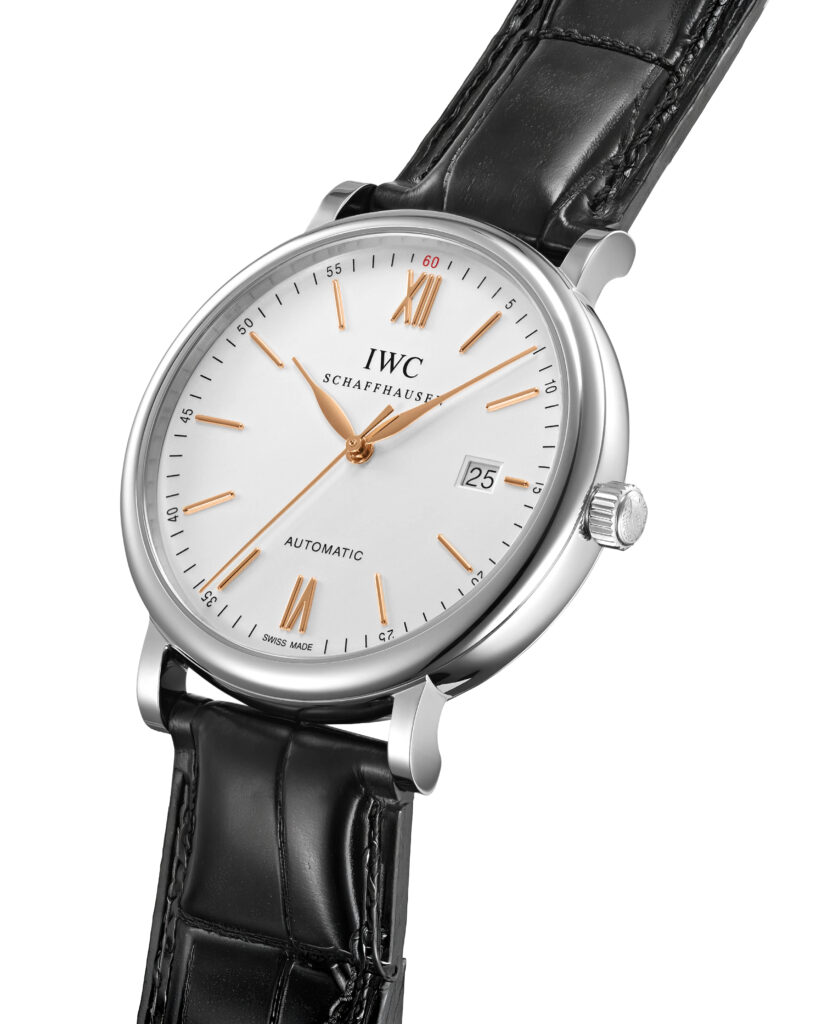
Focusing strictly on structural balance, IWC Schaffhausen’s Portofino Automatic 4 is perfectly round and clean, with slender leaf-shaped hands and simple stick markers on an unpretentious dial layout. Powered by the robust self-winding Calibre 35111 with 50 hours of power reserve, it remains a favourite among data-driven executives and architects who demand technical symmetry over loud, ostentatious branding.
Major Power

Stepping into Germany’s historic engineering heartland, the Glashütte Original Senator Excellence delivers exceptional Saxon precision. Encased in red gold with an exhibition caseback, the silver-grained dial displays a clean, clinical aesthetic of laser-engraved Roman numerals and slender railroad chapter ring. Its true utility lies in the innovative Calibre 36-01 automatic movement ¬– an impressive 100-hour power reserve ensures the watch keeps perfect time, even if left off the wrist over a long weekend away from the office.
Soaring Success

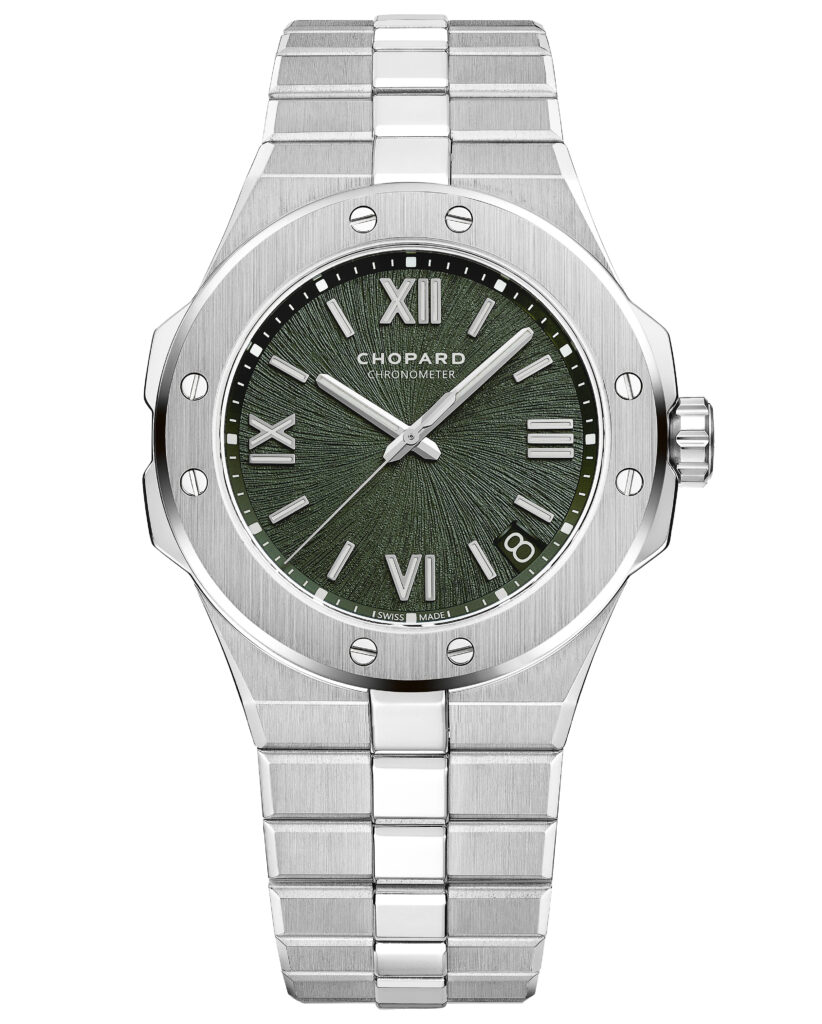
For a contemporary twist on metallurgy, Chopard’s Alpine Eagle 41 offers an extraordinary high-tech, sporty-chic option. The watch is sculpted from proprietary Lucent Steel, a specialised alloy largely composed of recycled material that undergoes a dual forge process, making it 50 percent more scratch-resistant than standard steel. Its stunning textured dial is inspired by the iris of an eagle, relying entirely on sharp metalwork and geometric light play.

Data Dive

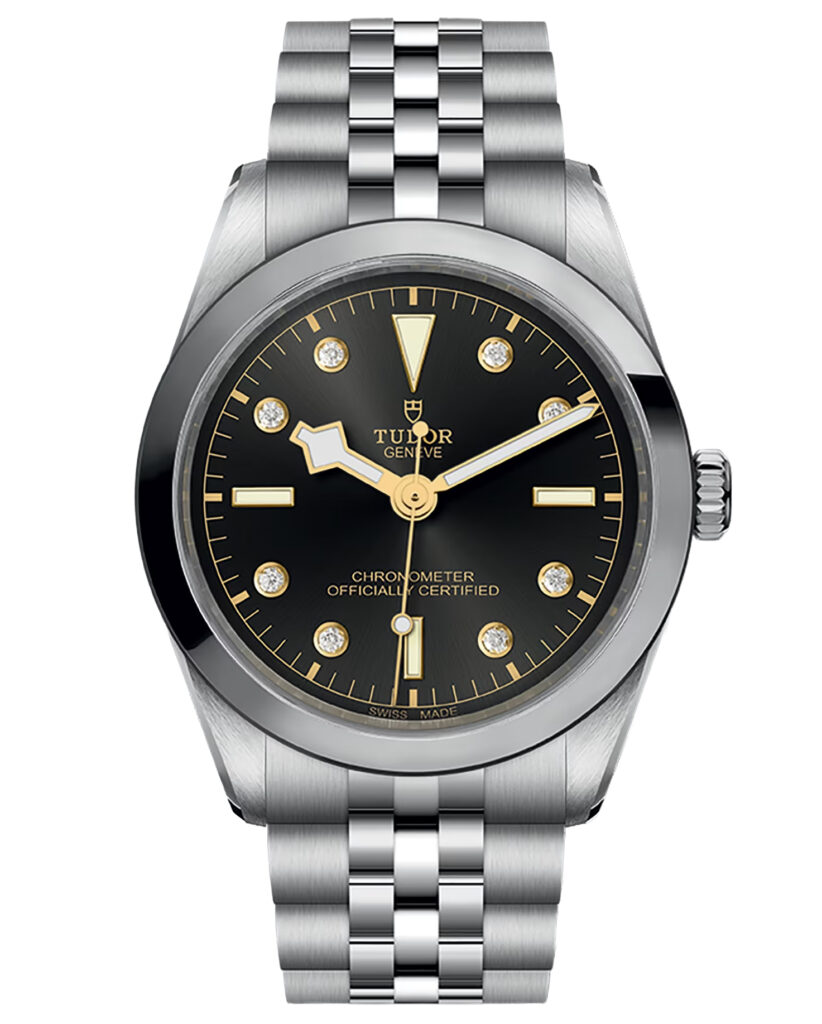
Rounding out this curated list is the Tudor Black Bay One 36, which brings massive technical value into the professional-watch conversation. By stripping away the bulky rotating bezel of the diver’s watch, this model reveals a sharp, polished steel silhouette. Its sunray anthracite dial with classic ‘Snowflake’ hour hand fronts an in-house, COSC-certified calibre with a silicon hairspring designed to boost long-term stability. It serves as an excellent entry point into high-performance mechanical horology.

Committing to a single, high-performance timepiece as a corporate companion is an exercise in editing one’s operational life. When a watch is worn every weekday, it ceases to be a speculative financial asset; it becomes a biographical tool, recording the exact milestones, time zones and pressures of a high-powered career.
Women’s Issues: This year’s more feminine novelties tick boxes for looks, legacy and long-term value

The women’s luxury watch market is no longer defined by scaled-down proportions or decorative afterthoughts. It has become one of the most dynamic and strategically important segments in horology. Latest launches reflect confidence: mechanical sophistication in refined sizes, archival revivals rooted in heritage, and bejewelled creations that blur the line between timepiece and objet d’art. Women are not only buying watches for style – they are collecting them with discernment, considering legacy and long-term value.

Among the most compelling releases is the Cartier Myst de Cartier high-jewellery watch. Drawing inspiration from the maison’s 1930s design language, the timepiece merges sculptural gold forms, gem-set architecture and a dial integrated within the fluid precious metalwork of a clasp-less bracelet. It feels more like wearable art than a conventional watch.

Cartier’s enduring authority in design gives this launch particular significance. Archival reinterpretations tend to perform well over time, especially when produced in limited quantities and executed at high-jewellery level. Cartier’s global brand strength and auction track record provide a strong foundation for future collectability.

Lady Likes

Rolex continues to dominate the conversation with new variations of the Lady-Datejust 28. Updated dial finishes and precious-metal options refine rather than reinvent the formula. That restraint is precisely the point. The Lady Datejust remains one of the most recognised women’s watches in the world.

The brand’s controlled production, unmatched demand and robust resale market make it one of the most stable acquisitions in luxury watchmaking. Rolex may not deliver dramatic short-term spikes, but it has historically preserved and gradually increased value with remarkable consistency.

Chanel’s new Première Galon model shows how far the fashion house’s watch division has evolved. Crafted in white gold and black lacquer set with brilliant-cut diamonds, the piece retains the iconic octagonal case inspired by Place Vendôme. As Chanel strengthens its watchmaking credibility, jewelled executions of the original 1987 Première design gain additional relevance. Limited production and strong brand identity suggest enduring appeal, particularly among collectors who value both couture heritage and horology.

Time Capsule

Bulgari’s Serpenti Tubogas Studs model injects vibrant energy into the market. Featuring dials in malachite, sodalite, carnelian and mother-of-pearl, this capsule release of the iconic coiled-bracelet watch remains instantly recognisable – the Serpenti is Bulgari’s defining symbol. Coloured stone dials are inherently limited due to natural material variation, enhancing their rarity. Capsule collections like this, especially those tied to a house icon, often perform well in the secondary market.

Hermès introduces the H08 Squelette in lightweight titanium, marking the first skeletonised version of this contemporary line. Architectural and modern, it demonstrates the maison’s expanding confidence in serious mechanical watchmaking. While Hermès is traditionally associated with leather craftsmanship, its watch division has steadily gained collector respect. First-of-its-kind releases such as this skeleton model carry niche long-term appeal.

The Ulysse Nardin Super Freak watch celebrates 25 years of the brand’s boundary-pushing Freak collection. Featuring advanced mechanical innovation, including a double tourbillon system, it appeals to collectors seeking technical distinction. Though less overtly feminine in aesthetic than many of the new releases showcased here, this watch resonates with women interested in high complications. Anniversary editions tied to mechanical milestones often become future reference points for collectors, though the category carries higher volatility than established icons.

Top Secret

Van Cleef & Arpels revisits its archival Ludo bracelet, transforming it into a refined Secret watch in yellow gold set with sapphires. The concealed dial reinforces the maison’s poetic approach to timekeeping. Secret watches occupy a special place within high-jewellery watchmaking; they are intimate, sculptural, and often produced in small numbers. Van Cleef craftsmanship and Place Vendôme heritage position the Ludo Secret as a potential heirloom piece.

The Joia de Baume & Mercier collection marks a renewed focus by Baume & Mercier on women’s horology, drawing inspiration from its early 20th-century jewellery watches. Elegant and accessible within Swiss luxury, Joia represents thoughtful design rather than aggressive experimentation. While Baume & Mercier does not typically command auction headlines, first-generation revivals of heritage lines can gain traction if the collection proves enduring.

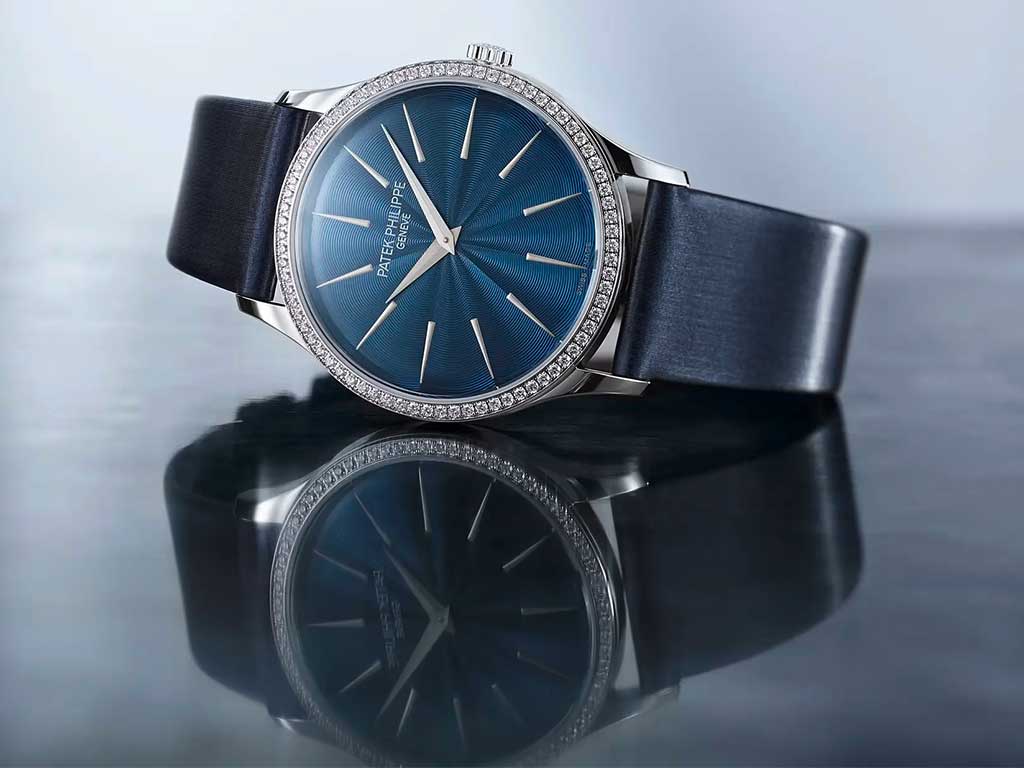
Patek Philippe continues expanding its mechanical offerings for women, including recent refined updates to the Twenty-4 line. Patek’s philosophy of restrained production and uncompromising craftsmanship keeps demand consistently high. Even simple time-only pieces benefit from the brand’s reputation as one of the most investment-grade names in watchmaking. Complicated models, in particular, tend to perform strongly at auction due to their technical rarity.

Stone Faced

Known for its mastery of thin movements and decorative artistry, Piaget presents new stone-dial creations for 2026. For an investment in sculptural elegance, choose the Swinging Pebble sautoir watch in a choice of tiger’s eye, verdite or pietersite, or the dazzling hand-engraved opal face at the centre of the Sixtie cuff model’s standout asymmetric trapezoid case. Andy Warhol iterations in blue quartz and bullseye (red tiger’s eye), and a Polo 79 in white gold complemented by the blue hue of sodalite are other appealing releases.

Hardstone dials are rendered exclusive by nature itself; no two are identical. This inherent scarcity supports long-term desirability, especially among collectors drawn to artistry as much as engineering.

The broader narrative here is not merely about aesthetics or mechanics. It reflects a maturation of the women’s luxury watch market. Women are choosing timepieces with the same strategic consideration historically associated with male collectors. They are evaluating brand heritage, production numbers, material rarity and long-term positioning. In short, the women’s watch is no longer peripheral. It stands confidently at the centre of horology’s future, combining beauty, engineering and investment awareness in equal measure.

Independent Movement: Nine visionary ateliers working on their own time

In the rarefied heights of horology, there exists a category so exclusive that even seasoned collectors pause before entering. This is the preserve of ultra-high-end independent watchmakers whose creations can climb well into seven figures. At this level, value is built on mechanical innovation, finishing executed at near-mythical standards, rarity and authorship.

Unlike conglomerate-owned manufacturers with global marketing machines and industrial production lines, these independent ateliers operate at a human scale. Their output is measured not in thousands but in dozens; their names are often on the dial, and their watches are less products than personal manifestos rendered in steel, gold, titanium and sapphire.

Top Finish

Greubel Forsey sits firmly at the summit of modern independent watchmaking. Founded by Robert Greubel and Stephen Forsey in 2004, the brand is synonymous with multi-axis tourbillons and obsessive finishing. Their movements are architectural sculptures, often angled dramatically within the case to improve chronometric performance. Collectors prize Greubel Forsey not only for technical audacity but for setting a benchmark that redefined contemporary haute horology. Limited to eight pieces, the sapphire Double Tourbillon 30° Technique was unveiled in 2016 for a cool US$1.1 million (HK$8.6 million).

If Greubel Forsey represents modern technical bravura, Philippe Dufour embodies the soul of traditional watchmaking. Widely regarded as one of the greatest living watchmakers, Dufour crafts an extraordinarily small number of pieces each year. His finishing – especially in models like the Simplicity – is considered among the finest ever achieved. A circa 2020 Simplicity in steel recently sold for HK$9.5 million at Phillips in Hong Kong.

Rexhep Rexhepi of Akrivia represents the new guard of elite independence. Still relatively young compared to his peers – he founded his atelier in 2012 aged just 25 – Rexhepi has already achieved extraordinary auction results. A first-generation Chronomètre Contemporain in pink gold sold at Phillips Hong Kong in 2023 for HK$7.24 million. Admired for immaculate hand finishing and restrained elegance, each creation reflects a balance between technical integrity and aesthetic refinement.

Inventor Class

F.P. Journe occupies a unique position, straddling insider prestige and broader recognition. Journe’s motto, Invenit et Fecit (invented and made), underscores the French watchmaker’s commitment, since 1999, to in-house innovation. His early brass-movement pieces have become especially collectable. Journe’s worth stems from technical originality and the fact that his work has already secured a place in horological history. A 2009 Grande et Petite Sonnerie Minute Repeater Souveraine sold for CHF 3.1 million (HK$30.3 million) at Christie’s in 2022.

Founded in 2005 by Maximilian Büsser, MB&F approaches watchmaking as kinetic art. Its ‘horological machines’ challenge conventional notions of what a wristwatch should resemble. Three-dimensional cases shaped like spacecraft or automotive forms house complex mechanical systems developed in collaboration with specialist artisans. Collectors value MB&F not only for rarity but for conceptual boldness, with each piece feeling like a sculptural experiment in timekeeping.

De Bethune blends futuristic aesthetics with deep technical research. Co-founded in 2002 by French watchmaker Denis Flageollet, the brand is known for mirror-polished titanium cases, spherical moonphases, and proprietary balance-wheel innovation. Sharp lines, heat-blued components and celestial motifs create an immediately recognisable identity. For collectors, De Bethune offers both innovation and continuity, merging avant-garde design with classical chronometry.

Virtuoso Vision

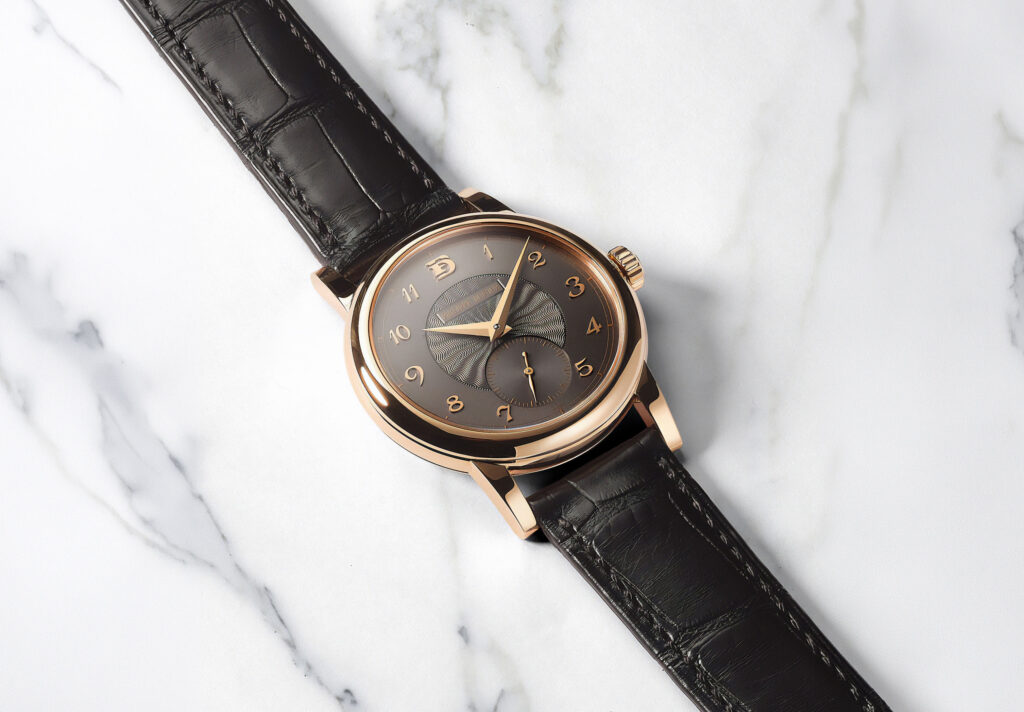
Since 2002, the eponymous Swiss workshop of Finnish watchmaker Kari Voutilainen has been revered for traditional craftsmanship elevated to extraordinary levels. His guilloché dials are often hand-turned in-house using antique rose engines. Movements display broad, hand-polished anglage and harmonious architecture inspired by historical pocket watches. Collectors appreciate the romanticism of his approach: every component feels considered, every finish intentional.

Laurent Ferrier offers a quieter expression of excellence. A former Patek Philippe watchmaker, Ferrier launched his independent venture in 2009, focusing on refined case design and technically sophisticated yet understated movements. His signature micro-rotor calibres and natural escapement designs reflect both innovation and restraint. For collectors seeking subtlety over spectacle, Ferrier provides enduring appeal.

Launched in 1997 by master watchmaker Felix Baumgartner and chief designer Martin Frei, Urwerk pushes boundaries through radical time displays. Satellite hour indications, revolving cubes and futuristic case forms distinguish its creations from traditional watchmaking norms. Urwerk’s worth lies in its uncompromising individuality. Owning one signals a willingness to embrace unconventional mechanical art.

Maximum Rare

These nine staunchly independent names are united by authorship – each brand is driven by a founder or small team whose philosophy guides production. Collectability is driven

by genuine scarcity. Many of these ateliers produce only 300 to 500 watches annually, with some like Philippe Dufour, Voutilainen and Akrivia creating fewer than 50. When production depends on manual finishing at extreme standards, scaling up is neither easy nor desirable.

Technical innovation flourishes in independence. Without corporate constraints, these watchmakers experiment freely. Multi-axis tourbillons, constant-force escapements and unconventional balance systems emerge from workshops willing to take risks. Finishing quality often surpasses that of large-scale luxury brands, too. Internal angles are executed by hand, requiring hours of labour for a single bridge, and surfaces are polished to mirror perfection. For collectors, this represents a preservation of artisanal knowledge that industrialisation cannot replicate.

Finally, there is the lure of emotional value. Owners frequently interact directly with founders. Commissioning a piece may involve conversations about dial colour, case metal or engraving details. The relationship between maker and collector fosters connection beyond transaction.

In a marketplace saturated with logos and marketing campaigns, ultra-luxury independent brands offer something quieter yet more profound: authenticity. They represent individuals devoted to mechanical perfection in an era increasingly defined by automation; they transform timekeeping into sculpture and engineering into poetry.

Million-Dollar Horology: Nine rare watches that cross seven figures in an exceptional showcase of prestige and precision

In the world of fine watching, value is not dictated by retail price tags or boutique waiting lists. It is forged in the secondary market – under the bright auction-house lights of Geneva, New York, Paris and Hong Kong – where history, scarcity and craftsmanship are tested in real time. When a timepiece crosses the US$1 million threshold at auction, it is not about extravagance, rather, it’s a recognition that it has transcended fashion and entered the realm of enduring cultural significance. Here we spotlight nine rare references that have achieved such reverence.

Patek Philippe Reference 1518

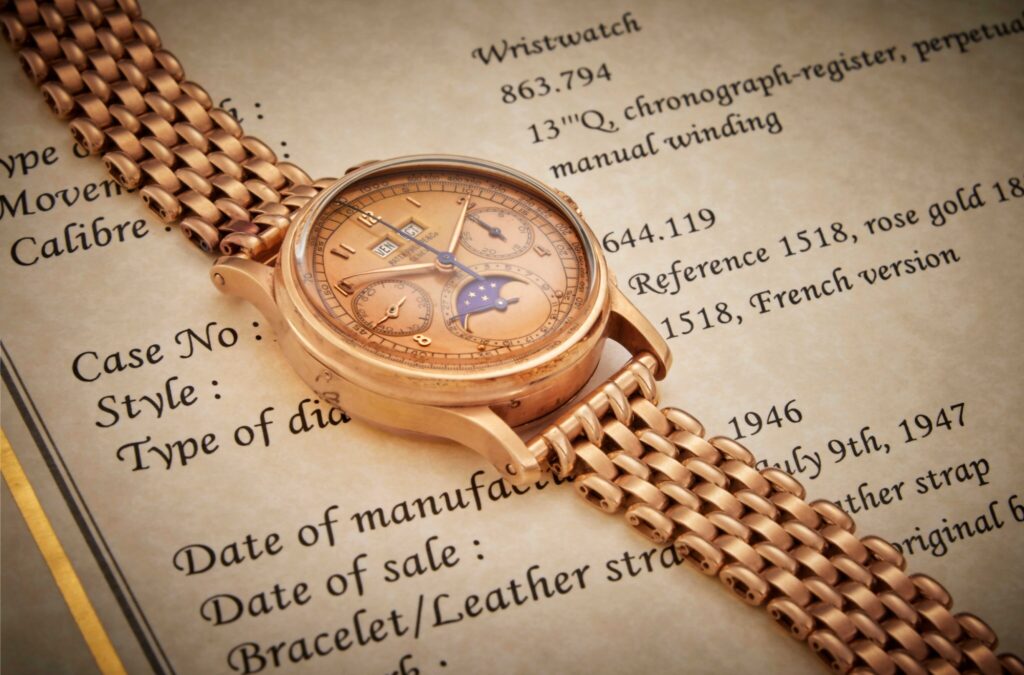
When a first-series example of a pink gold Ref.1518 sold for US$3.9 million (HK$30.6 million) at Sotheby’s in 2023, it reaffirmed the model’s status as one of the most important wristwatches ever created. Introduced by Patek Phillipe in 1941, the 1518 was the first serially produced perpetual calendar chronograph. Only 281 pieces were made, across all metals, with just 58 in rose gold, and fewer still with a matching pink dial. Its significance lies not just in rarity but in mechanical ambition. In the early 1940s, combining a chronograph with a perpetual calendar represented a technical breakthrough. The 1518 marks the moment complicated wristwatches entered the modern era.

Patek Philippe Reference 2499

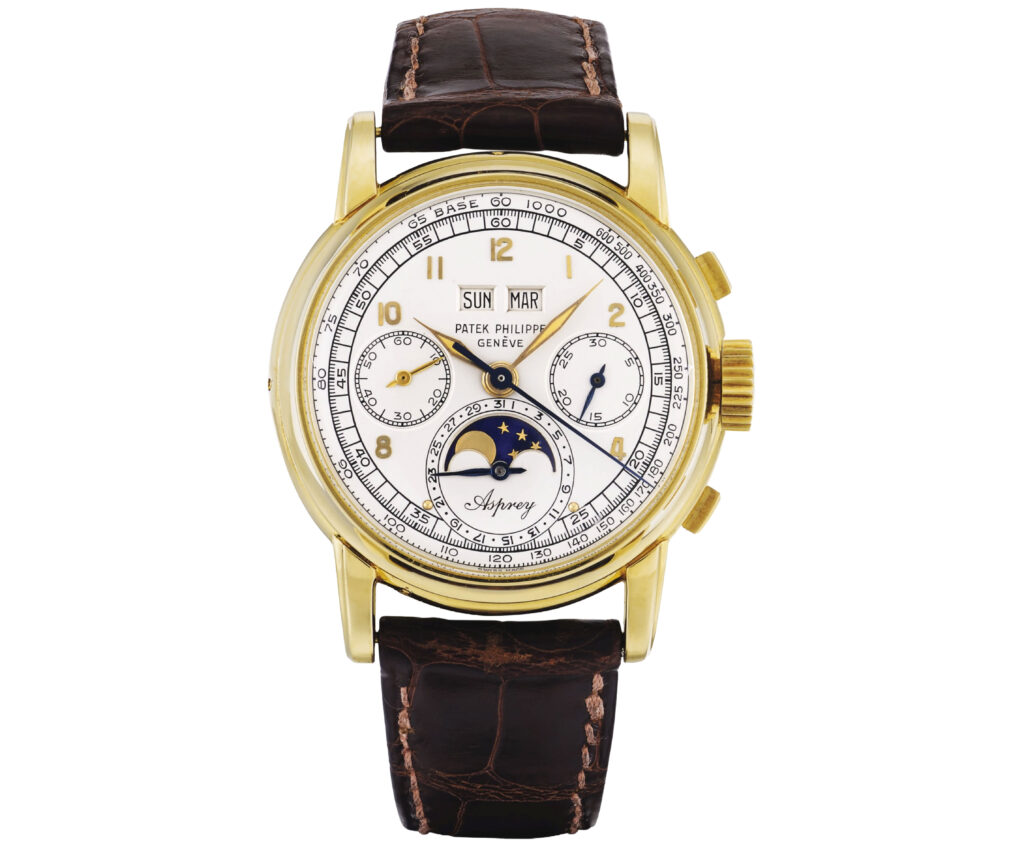
Produced from 1950 to 1985 in just shy of 350 examples, Ref. 2499 refined the perpetual calendar chronograph formula with a larger case and stronger visual balance. The movement’s architecture and finishing represent mid-century Swiss mastery. The Patek Philippe 2499 is often described as the archetype of complicated watch design – a timepiece that captures heritage and technical excellence in equal measure. A unique first-series model signed by both its maker and the retailer, Asprey, changed hands for US$3.9 million at Sotheby’s in 2018.

Patek Philippe Reference 2523 World Time 

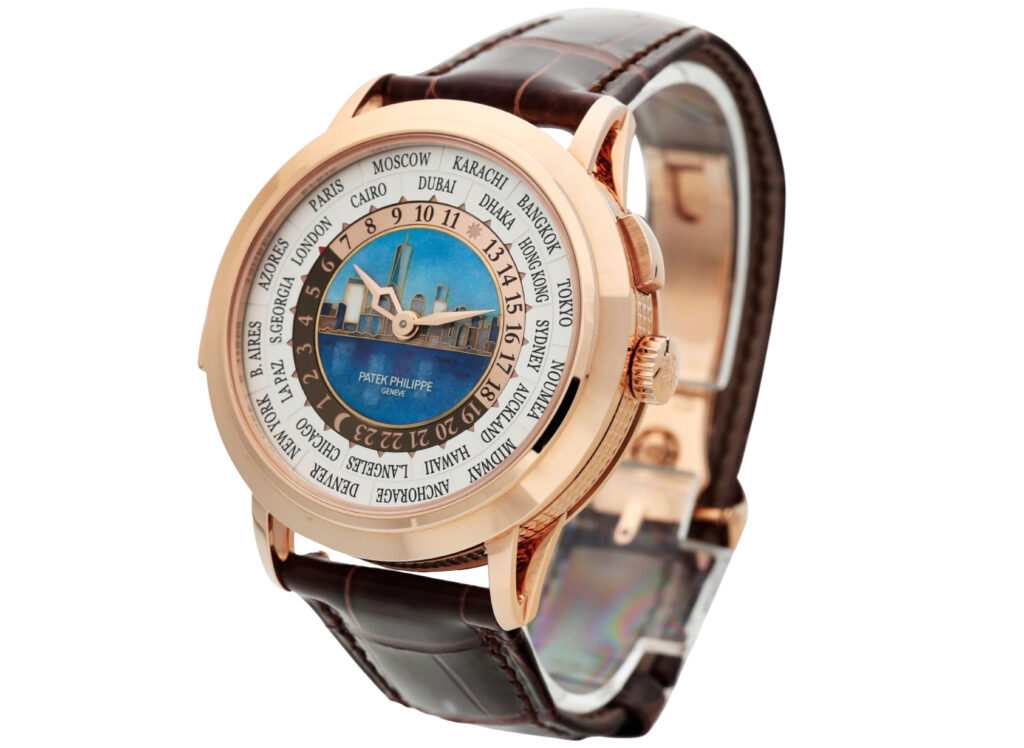
A world-time wristwatch with a cloisonné enamel dial, Ref. 2523, has set auction records due to its exceptional scarcity and artistry. Fewer than 30 examples are believed to exist, and its rotating city disc and hand-finished enamel map dial demonstrate that rarity combined with decorative craftsmanship can propel a watch into the highest echelon of collecting. A particularly rare 2017 Patek Philippe World Time Minute Repeater etched with the Manhattan skyline sold for US$2.2 million (HK$17.2 million) at Sotheby’s New York in 2021.

Rolex Reference 6062 ‘Bao Dai’

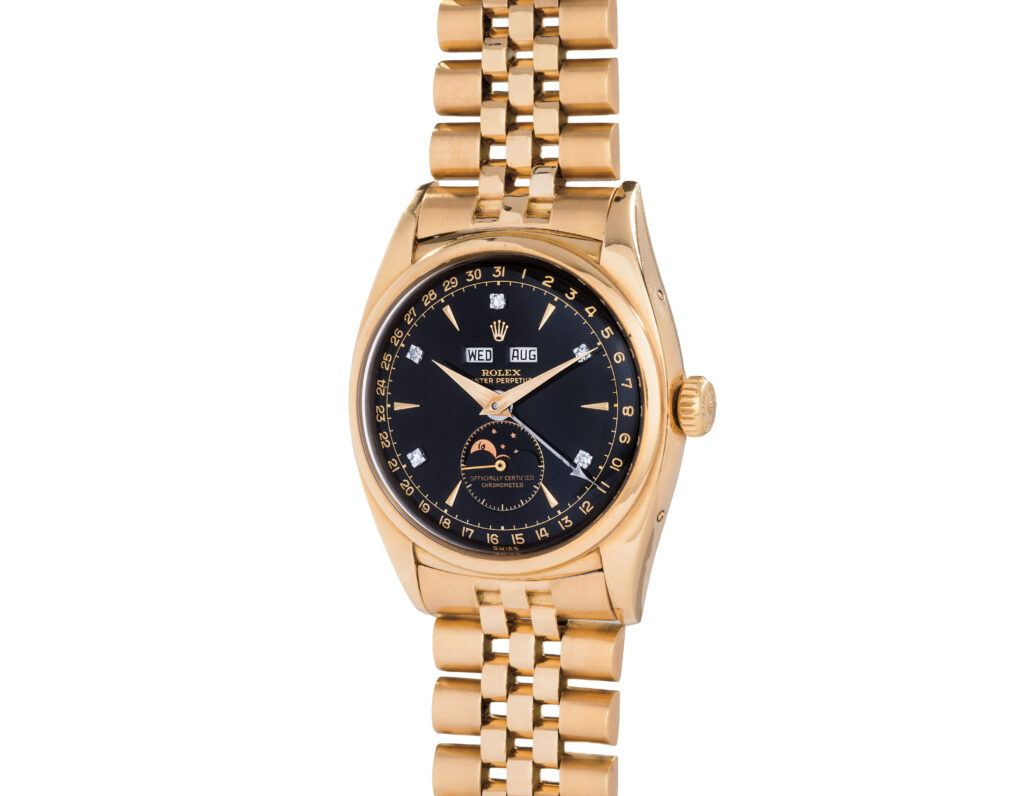
While Rolex is more commonly associated with sports models, Ref. 6062 is one of its rare complicated pieces. An iteration once owned by Bao Dai, the last emperor of Vietnam, and distinguished by a black dial and diamond hour markers, fetched a record-breaking US$5 million (HK$39.2 million) at a Phillips sale in Geneva in 2017. Produced in very small numbers in the early 1950s, the 6062 features a triple calendar and moonphase. It proves that even within Rolex’s robust production history, extraordinary exceptions exist.

Rolex Oyster Cosmograph Daytona Reference 6263 ‘Albino’ 

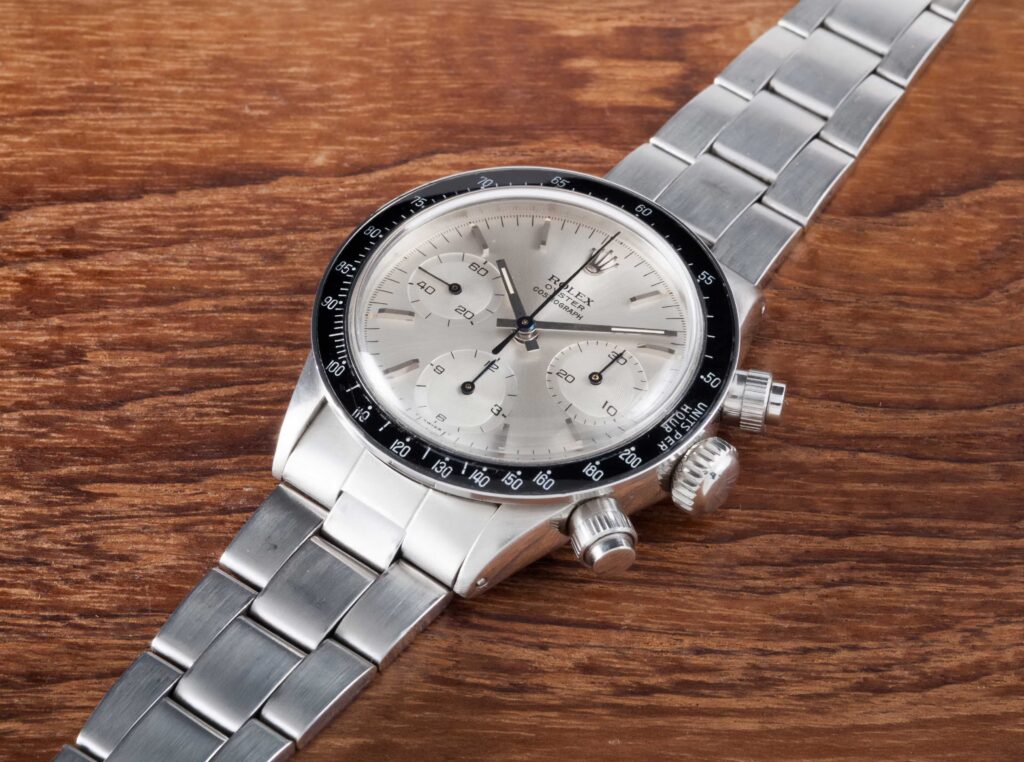
An extremely rare ‘Albino’ Daytona sold for US$1.4 million (HK$11 million) at Phillips Geneva in 2015, driven by both its monochromatic silver-dial configuration and its celebrity provenance – it had once belonged to rock guitarist Eric Clapton. The Daytona’s chronograph function is mechanically straightforward compared to grand complications, yet its cultural and design impact is enormous. Only a handful of the Albino variant versions are known to exist, illustrating how subtle dial differences can dramatically elevate value.

Audemars Piguet Royal Oak Reference 5402

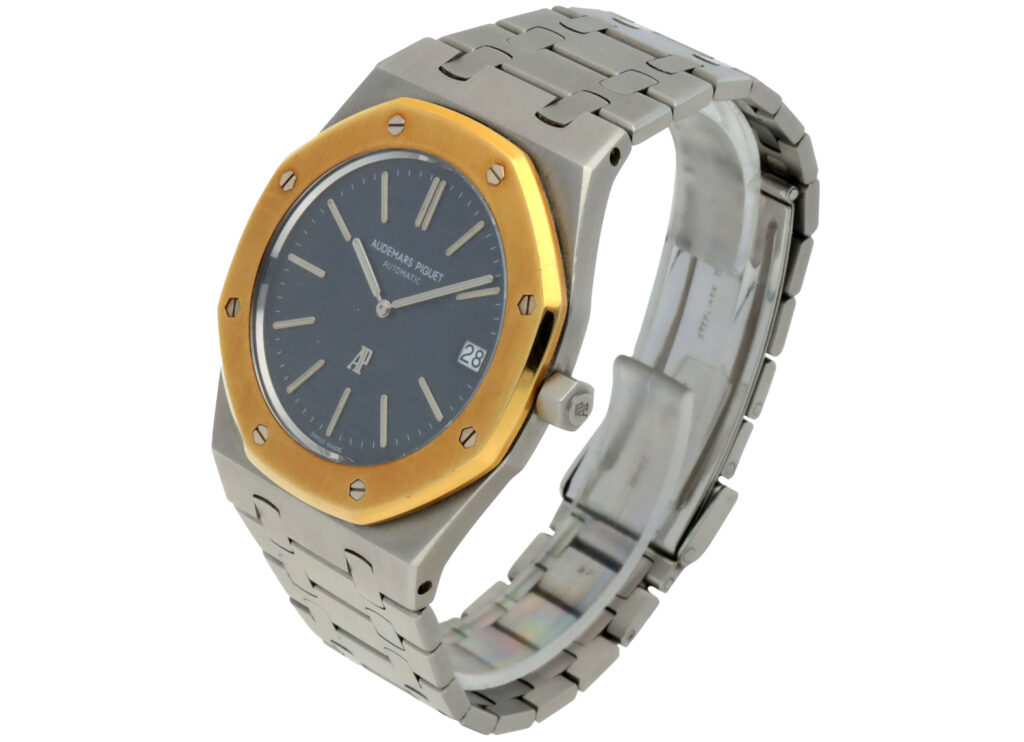
Early Royal Oak models, particularly first-generation, a Series examples from the 1970s, invariably perform well at auction. Designed by Gérald Genta, the Royal Oak introduced the radical idea that stainless steel could be luxurious. Its ultra-thin automatic movement and integrated bracelet changed industry norms. Bearing an exclusive 18-carat yellow-gold bezel, Genta’s personal Audemars Piguet Royal Oak became the most expensive vintage AP watch sold at auction when it scored US$2.1 million (HK$16.5 million) at Sotheby’s Geneva in 2022.

F.P. Journe Tourbillon Souverain ‘Souscription’

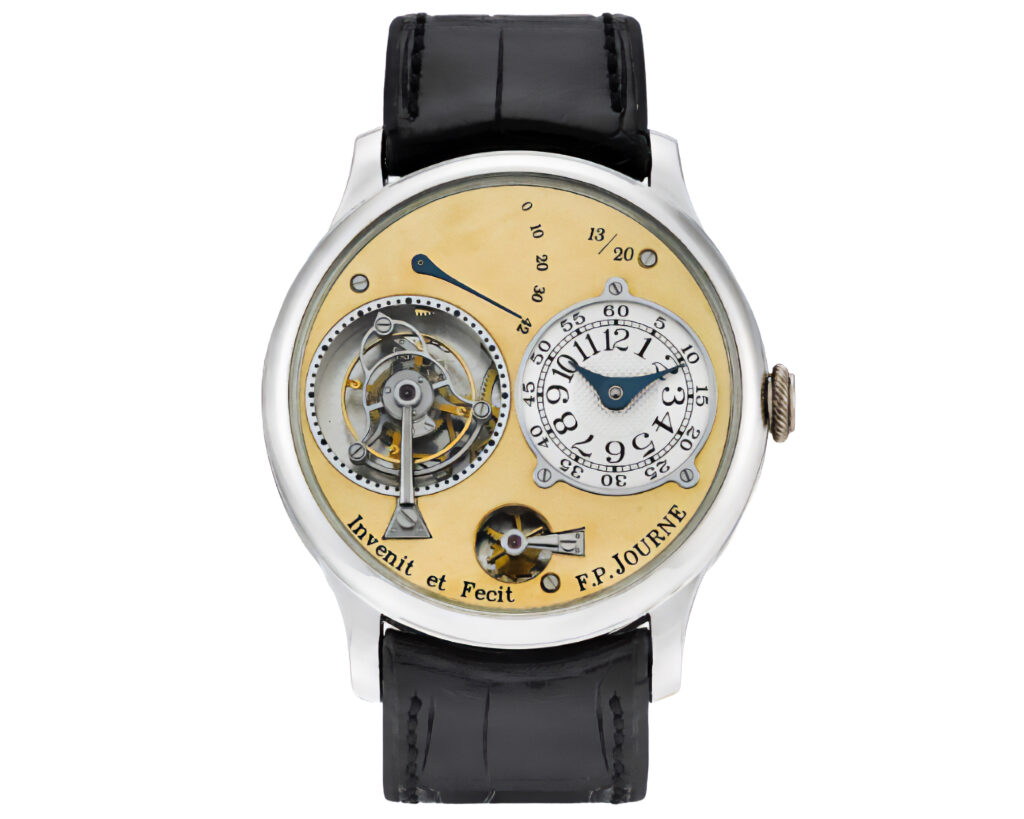
Sales of early Tourbillon Souverain watches from F.P. Journe reflect the growing reverence for independent watchmaking. Produced in extremely limited quantities during the brand’s early years, the model features a tourbillon paired with a precision-enhancing remontoire d’égalité and embodies modern artisanal horology at its most thoughtful. François Paul Journe’s direct involvement in early production adds to their collectability – crafted as part of a 20-strong subscription series to fund the brand launch, a 1999 Tourbillon Souverain Souscription in platinum with a yellow-gold dial and rhodium-plated brass movement secured HK$15.9 million at Sotheby’s Hong Kong in 2021.

Philippe Dufour Simplicity 20th Anniversary

Refinement can rival complication when it comes to value. Fewer than 200 examples of the Simplicity were made by Philippe Dufour, each finished largely by hand. The movement’s bevelling, chamfering and mirror polishing are widely regarded as among the finest in contemporary watchmaking. The first Simplicity in a series issued in 2020 to mark the model’s 20th anniversary was sold by Phillips for US$1.5 million (HK$11.8 million).

Cartier Crash

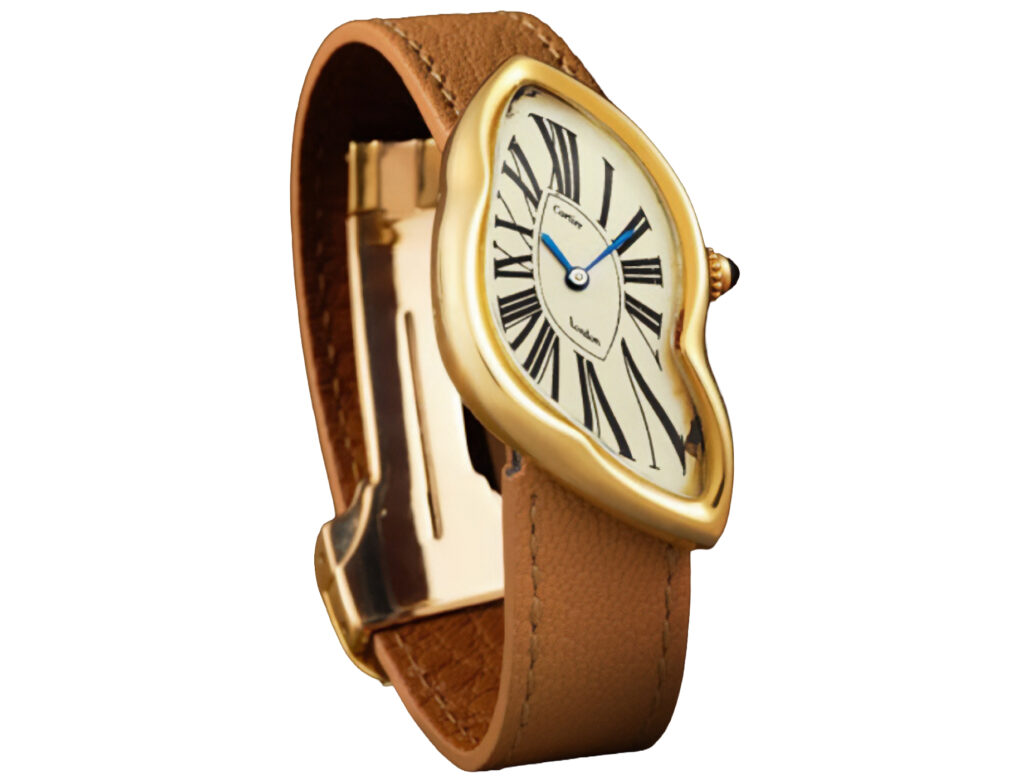
One of three Crash models believed to have been specially commissioned in 1987 smashed Cartier watch-auction records when it sold at Sotheby’s Hong Kong for HK$15.6 million in April this year. Produced in small numbers, the Crash is a design-led rarity defying traditional watch geometry with its asymmetrical, melted form. Mechanically simple but visually radical, it represents Cartier’s bold creative heritage. In a market often dominated by mechanical complexity, the Crash proves that artistic identity can be equally powerful.

Custom Calibre: Bring the luxury of bespoke to the wrist by making meaningful time for yourself

In the rarefied world of haute horlogerie, a level of watchmaking exists that transcends limited editions and boutique exclusives. This is a realm where time itself is commissioned, where mechanics are tailored like couture, and where a watch is not simply purchased but conceived.

Bespoke watchmaking represents the highest expression of craftsmanship, a deeply personal collaboration between collector and manufacture that can take years, and sometimes more than a decade, to complete. These creations may involve newly engineered complications, personalised astronomical displays, custom-case materials, or entirely original movement constructions developed for one individual alone.

Prices might range upwards from US$1 million to well beyond $20 million, depending on complexity and ambition. Yet, for the world’s most discerning collectors, a bespoke watch is more than a display of wealth; it is an extension of identity, intellect, legacy and enduring personal philosophy expressed through mechanics.

Complication Commission

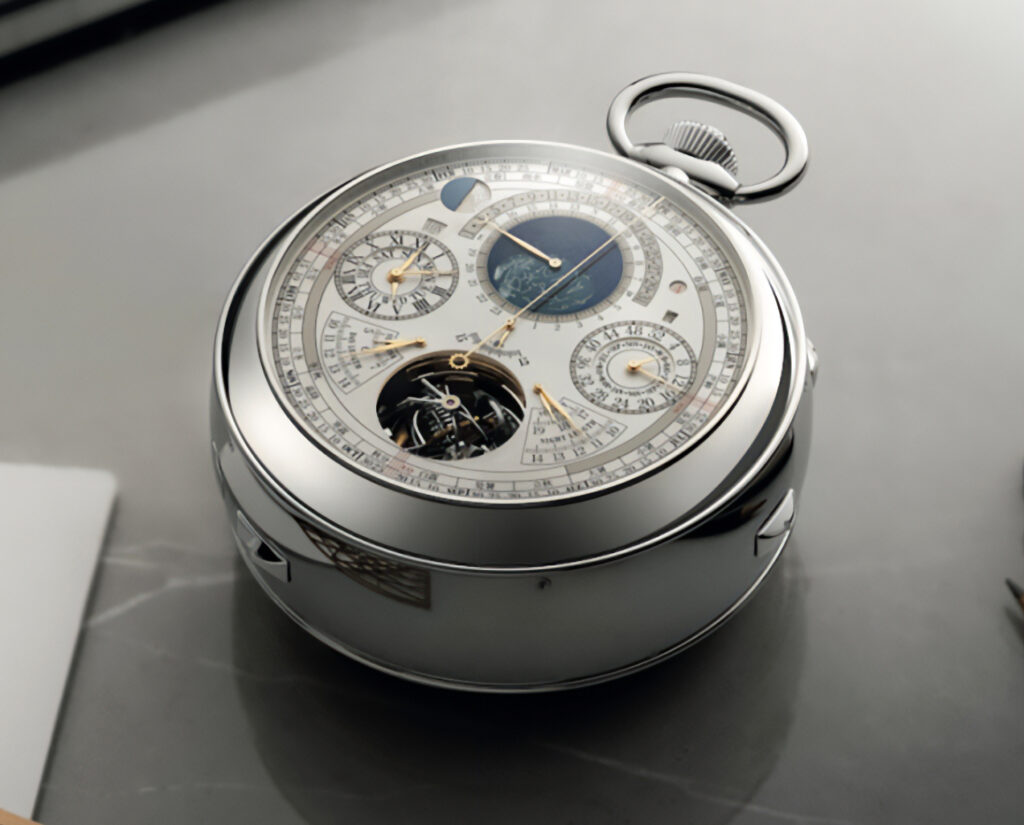
One of the most extraordinary modern examples is the commission by US insurance magnate William R. Berkley, who worked with Vacheron Constantin’s Les Cabinotiers division to create the Berkley Grand Complication. Completed in 2024 after 11 years of development, the watch features 63 complications, including a groundbreaking Chinese perpetual calendar system. One of the most complicated and expensive bespoke wristwatches ever produced, it is a feat of mechanical architecture as much as horology, combining mathematical mastery, astronomical precision and traditional Genevan finishing at the highest level.

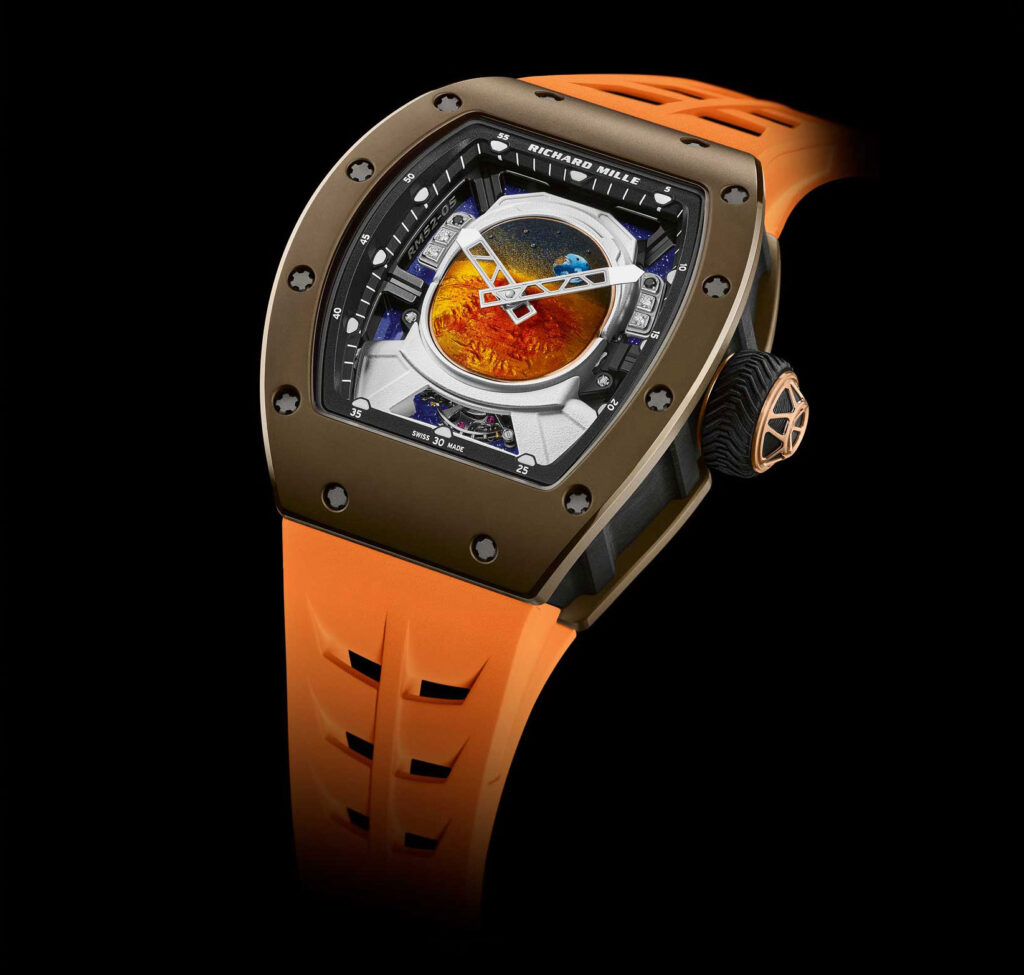
In a different but equally exclusive sphere, ultra-high-net-worth collectors can request bespoke complications from Richard Mille, pushing the brand’s signature skeletonised engineering and advanced material science into even more rarefied territory. Reportedly often valued between US$3 million and $5 million, Richard Mille’s private commissions focus less on classical ornamentation and more on aerospace materials, extreme shock resistance and avant-garde mechanical design. They redefine what modern bespoke luxury can look like for a new generation of collectors.

Personal Time

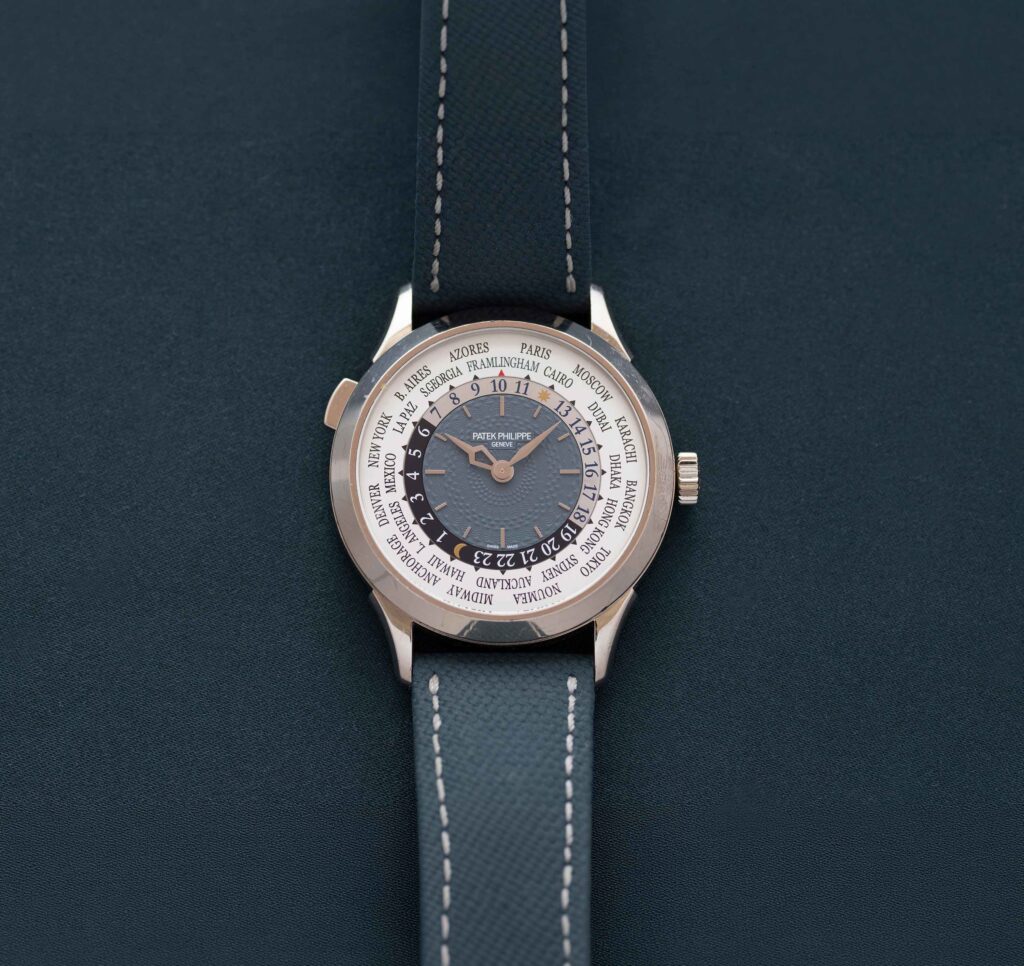
Personalisation does not always require dozens of complications to carry meaning. English singer-songwriter Ed Sheeran commissioned a customised Patek Philippe World Time with the name of his hometown, Framlingham, printed on the dial – a subtle but permanent tribute that transforms an already prestigious reference into something uniquely his own. American musician and serious collector John Mayer collaborated closely with Audemars Piguet to create an eponymous Royal Oak Perpetual Calendar limited-edition watch with a distinctive crystal dial chosen to reflect his personal aesthetic sensibilities.

These timepieces speak softly but carry profound personal significance. They demonstrate that bespoke elements can be intimate rather than extravagant, rooted in memory, identity and long-term appreciation rather than spectacle alone.

Celebrity Hands

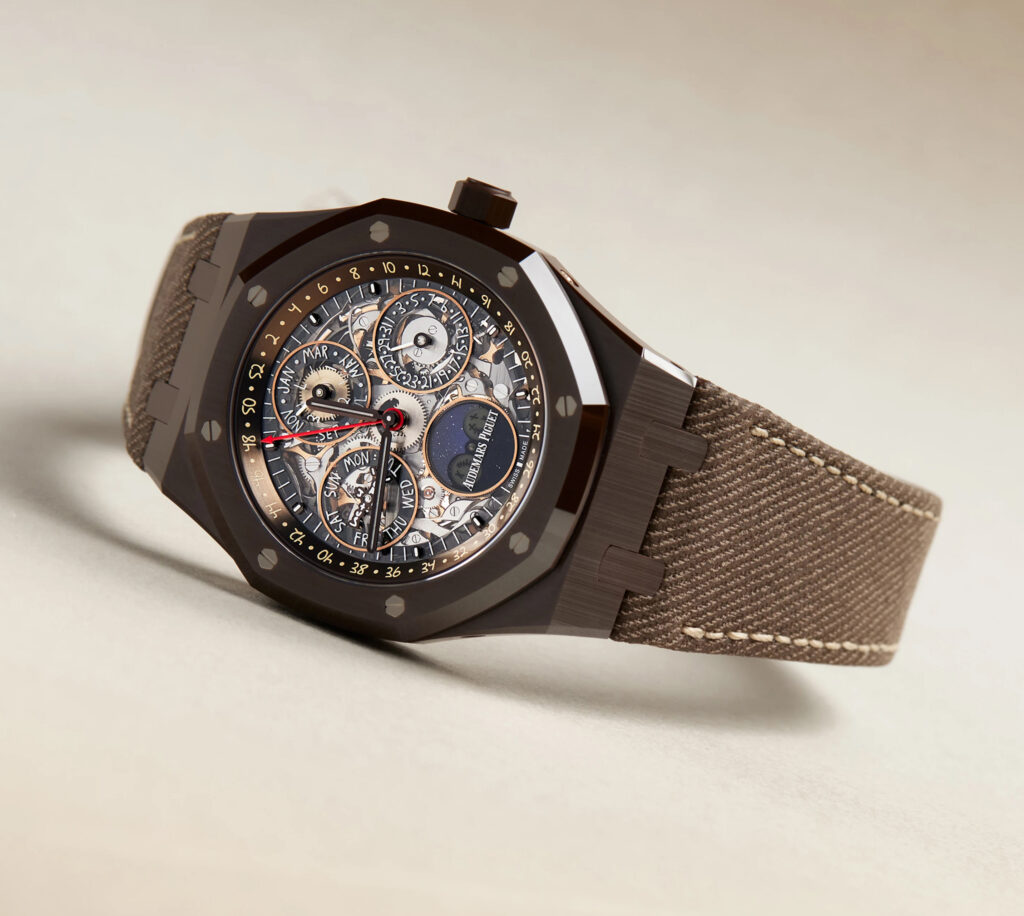
The intersection of culture and horology has produced other striking collaborations that blur the boundaries between artistry and engineering. Like Mayer, hip-hop artist Travis Scott took the time to integrate his creative identity into one of Switzerland’s most iconic sports watches, developing a brown ceramic Royal Oak Perpetual Calendar under his Cactus Jack label for Audemars Piguet.

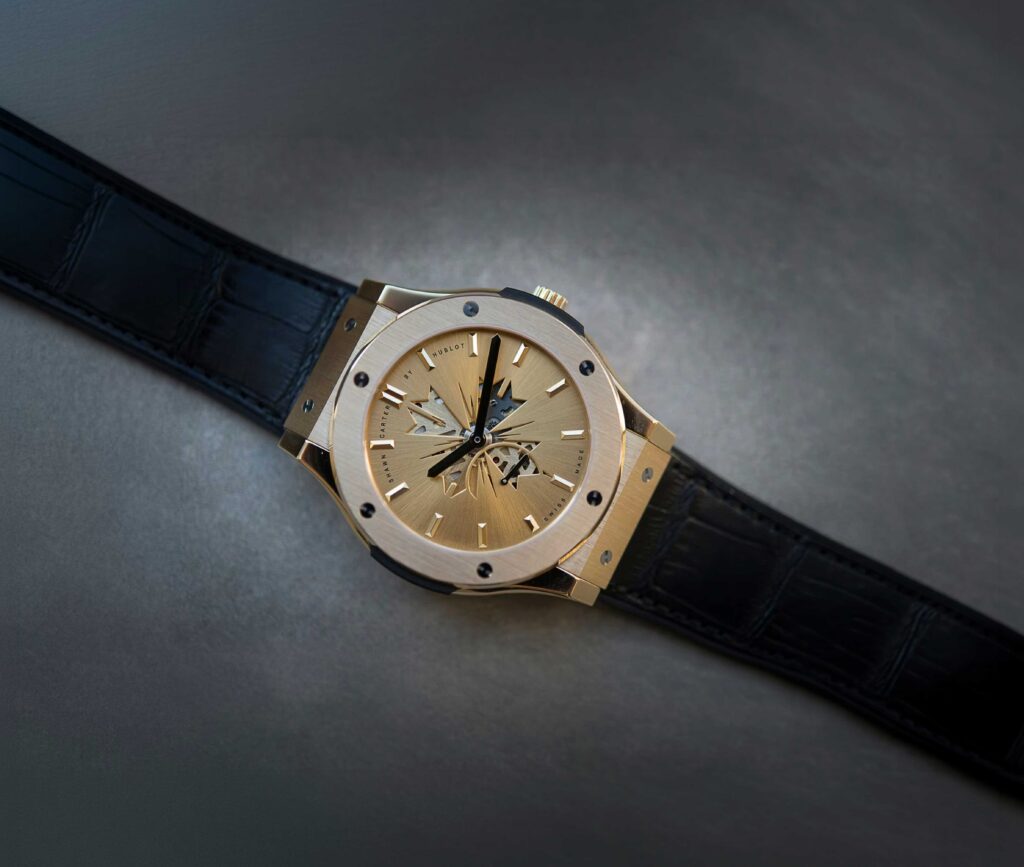
Fellow rapper Jay Z worked with Hublot on the Shawn Carter Classic Fusion editions, blending contemporary Swiss design with his own entrepreneurial legacy and global influence. Japanese artist Takashi Murakami infused Hublot’s sapphire creations with his signature smiling flower motif, thus transforming fine watchmaking into wearable contemporary art that merges pop culture with gem-set craftsmanship.

Sport and fashion have likewise left their imprint on bespoke and highly personalised watchmaking. Former NFL quarterback Tom Brady collaborated with IWC on championship-inspired editions of the Big Pilot’s Watch Perpetual Calendar, reflecting his career achievements through refined design details and commemorative engravings. Designer Victoria Beckham partnered with Breitling to reinterpret the Chronomat Automatic 36, bringing styling sensibility into the arena of precision sports watches.

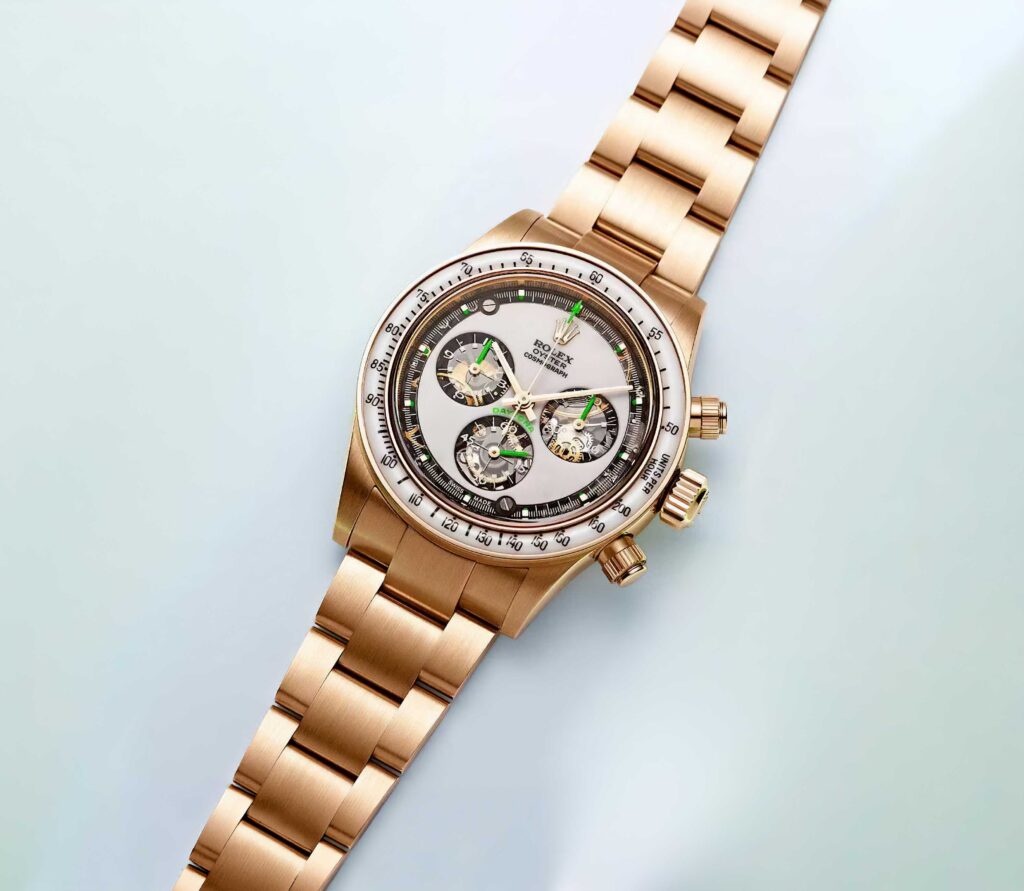
As a brand famously resistant to factory customisation, Rolex only enters the bespoke conversation through the whim of its devoted fan base and the acumen of independent ateliers. Musician Adam Levine commissioned Artisans de Genève to reengineer his Rolex Daytona into a skeletonised, highly personalised creation, illustrating how private craftsmanship can transform even the most established icons into singular mechanical statements.

One-of-a-Kind Drive

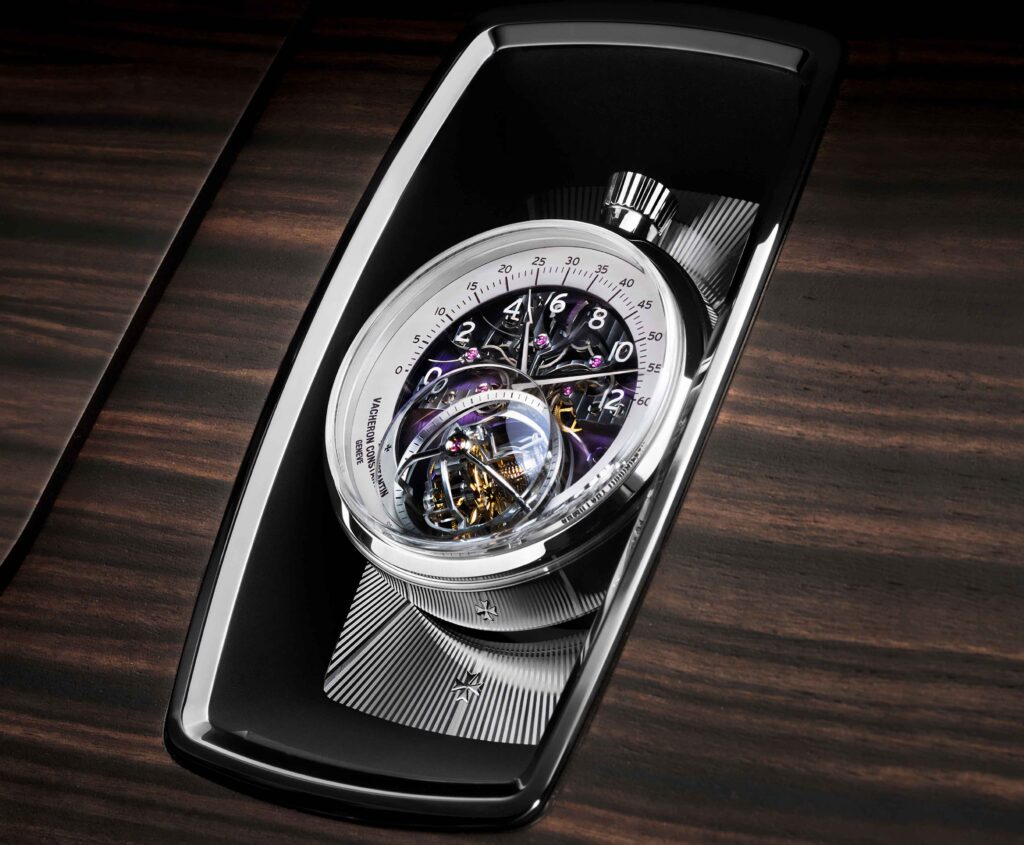
Perhaps one of the most imaginative commissions in recent years came from an anonymous Rolls-Royce client who partnered with Vacheron Constantin to create a unique Les Cabinotiers Armillary Tourbillon that could be mounted into their Droptail dashboard and removed to be worn on the wrist. This project blurs the lines between automotive engineering and haute horlogerie, demonstrating that bespoke watchmaking can extend beyond the wrist into entirely new dimensions of luxury design, where mobility, mechanics and personal storytelling converge seamlessly.

Across all these examples, the financial spectrum of bespoke watchmaking is vast and revealing. Culminating in the US$20 million-plus estimated value of the remarkable Berkley Grand Complication, the final cost depends on the number of complications, research and development time, the rarity of materials, volume of gem setting and ingenuity of astronomical programming. Perhaps most importantly, the heritage, discretion and technical capacity of the brand itself to execute uncompromising visions without limitation will also be reflected in the calculation.

In an era defined by instant gratification and algorithm-driven luxury, bespoke watchmaking remains defiantly patient and profoundly human. It demands dialogue, imagination and years of disciplined craftsmanship carried out by master watchmakers whose skills are measured in decades. Whether it is a billionaire commissioning one of the most complicated watches ever made or a musician adding a personal embellishment to a beloved model, each project represents the same essential pursuit: to create something that no one else on earth will ever own.

The cocktail Hour: Small, elegant watches return to grace wrists, telling of a timely preference for restraint

The cocktail watch is back, not as a relic, but as a rebuttal. In a culture long dominated by oversized sports watches and hyper-technical narratives, the revival of small, elegant timepieces signals a renewed appetite for restraint, intimacy and style. Closely aligned with the neo-vintage movement, cocktail watches today occupy a space where nostalgia meets modern confidence.

Historically, cocktail watches were never about performance. Rising to prominence from the 1930s through the 1960s, they were designed for evenings, interiors and proximity. Slim cases, precious metals, expressive dials and subtle movements defined the category. These watches were meant to be seen in low light, across a table or bar, not across a room. They were accessories first, instruments second.

Their fall from favour was almost inevitable. The late 20th century redefined what a serious watch looked like. Bigger cases, visible complications and rugged identities reshaped collecting priorities. Elegance was sidelined in favour of utility. Considered too small, too decorative and too quiet, cocktail watches were pushed into the trays of vintage dealers and forgotten archives.

Small Change

The neo-vintage revival has reversed that trajectory. As collectors reassess the excesses of modern watch design, attention has shifted back to proportion, wearability and emotion. Neo-vintage does not demand strict historical fidelity; instead, it values continuity. Watches from the late 1980s to early 2000s, along with contemporary designs inspired by earlier eras, offer modern reliability with lost sensibilities intact.

Cocktail watches thrive in this environment. Case sizes of 32 to 36mm that were once dismissed as obsolete now feel deliberate and sophisticated. On the wrist, these proportions read as elegant rather than timid, especially as fashion embraces tailoring, fluid silhouettes and gender-neutral styling.

Design language sits at the centre of the revival. Neo-vintage cocktail watches retain classic elements, including sunburst or lacquered dials, applied indices and leaf or dauphine hands, yet refine them through restraint. Branding is quieter, and typography feels considered. Colour palettes lean toward champagne, graphite, oxblood, petrol blue and muted gold, referencing the past without drifting into costume.

Quiet Power

Modern movements anchor the category firmly in the present. Improved calibres, extended power reserves and dependable accuracy remove much of the fragility once associated with vintage elegance. As a result, cocktail watches no longer exist solely for special occasions. They have become daily companions for wearers who value comfort, intimacy and discretion.

Culturally, the cocktail watch mirrors shifting ideas of luxury. In a marketplace saturated with logos, scale and algorithmic hype, understatement has gained currency. A cocktail watch communicates taste through proportion, finish and context, not volume. Often, it passes unnoticed by most, and that quiet invisibility becomes its greatest strength.

For collectors, this discretion encourages narrative collecting. Cocktail watches rarely dominate auction headlines or social-media cycles. Their appeal unfolds slowly, shaped by wear rather than hype. Many collectors describe how these watches change posture, mood and presence.

Champions of Elegance

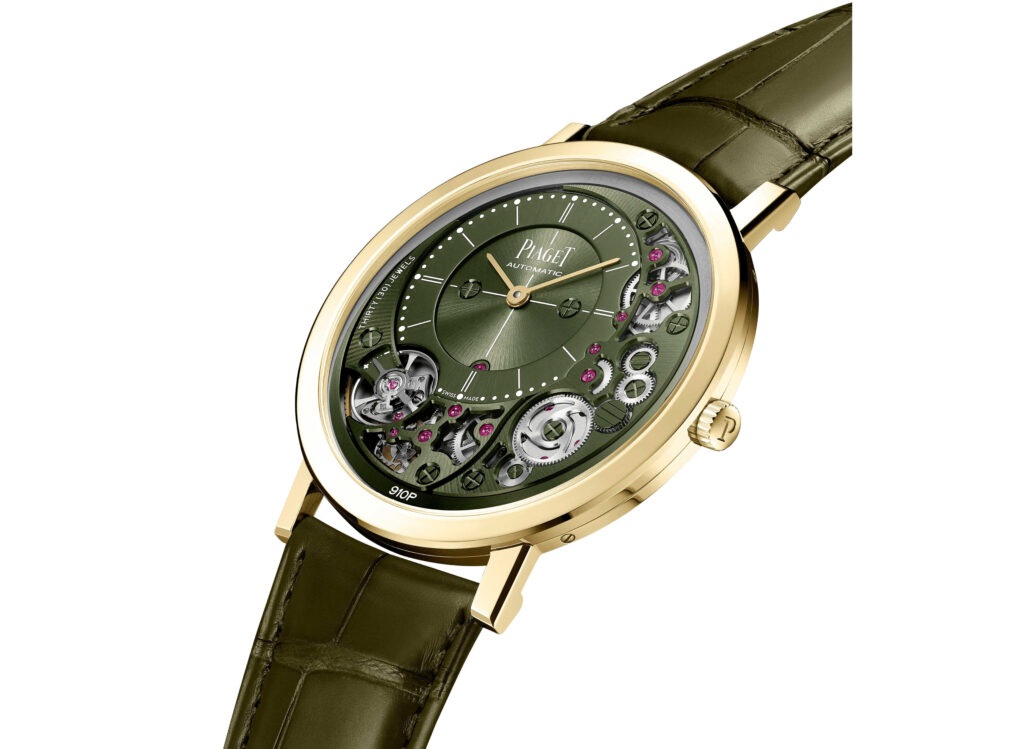
Several brands have emerged as neo-vintage reference points for collectors and fashion enthusiasts alike. Cartier remains foundational, with the Tank, Santos-Dumont and Baignoire defining timeless elegance. Piaget champions ultra-thin refinement through the Altiplano and archival dress models. Jaeger-LeCoultre balances heritage and modernity with the Reverso and Master collections.

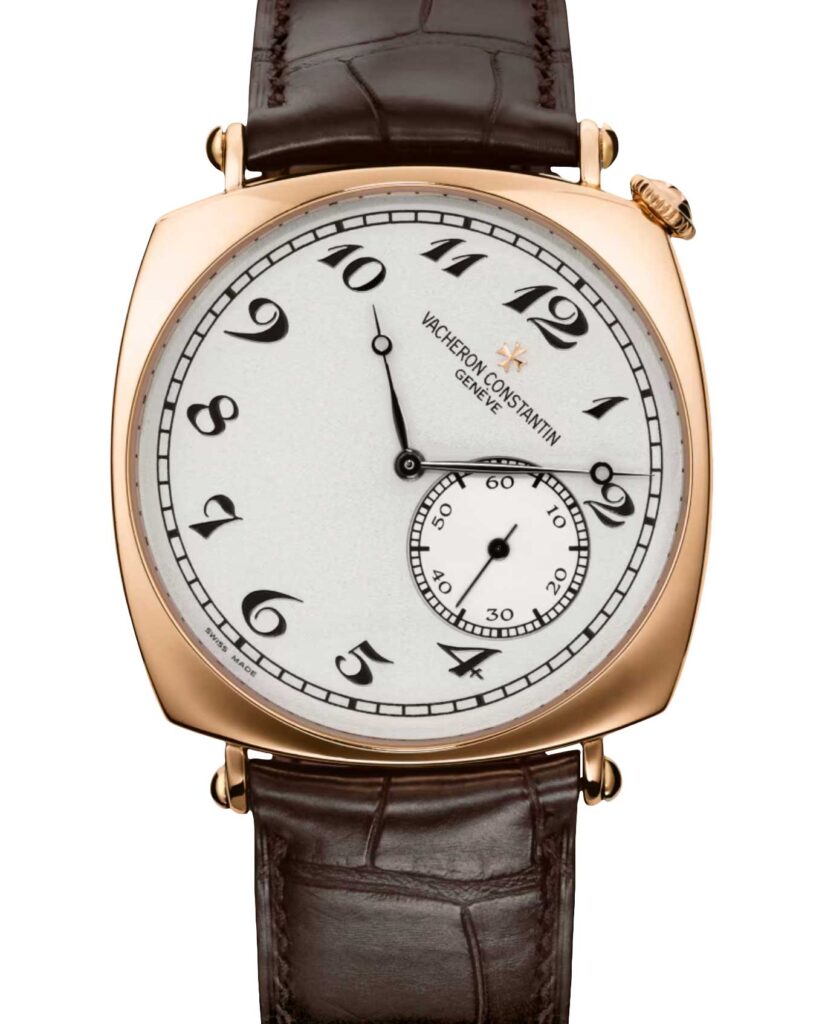
Vacheron Constantin offers classical restraint through the Patrimony and Historiques lines. Patek Philippe showcases understatement with the enduring Calatrava. Breguet brings guilloche, elegant numerals and old-world gravitas into contemporary relevance. The De Ville, in particular, represents the quieter, more refined side of Omega.

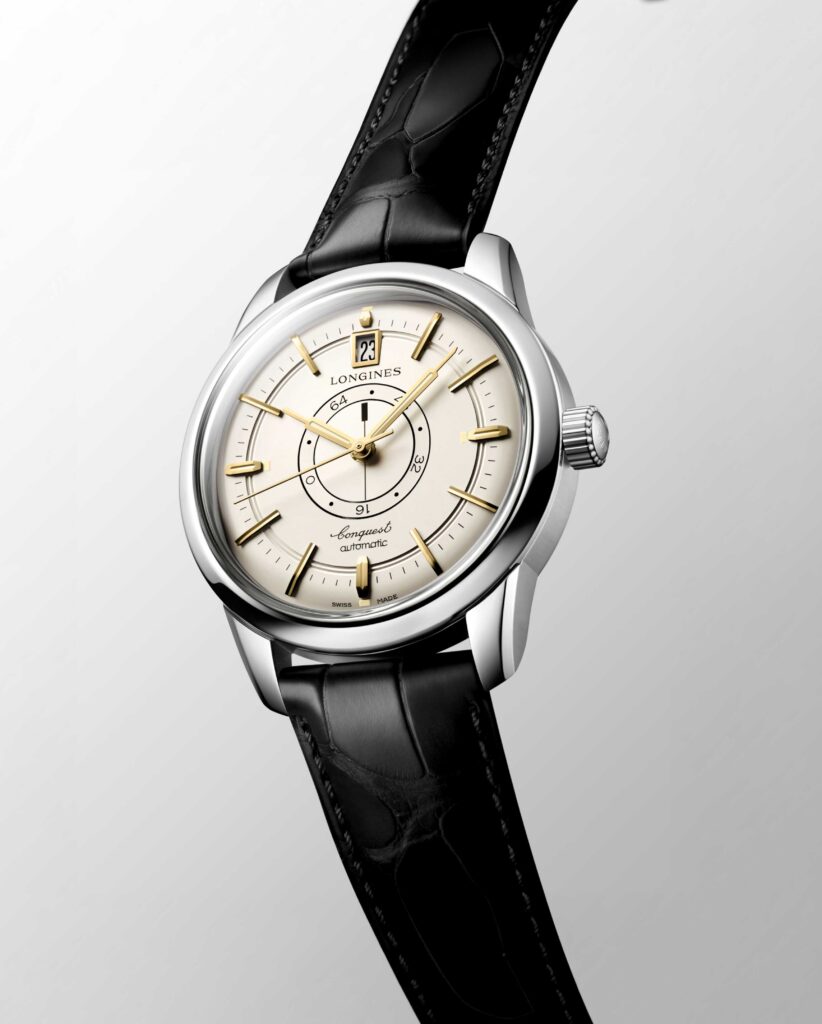
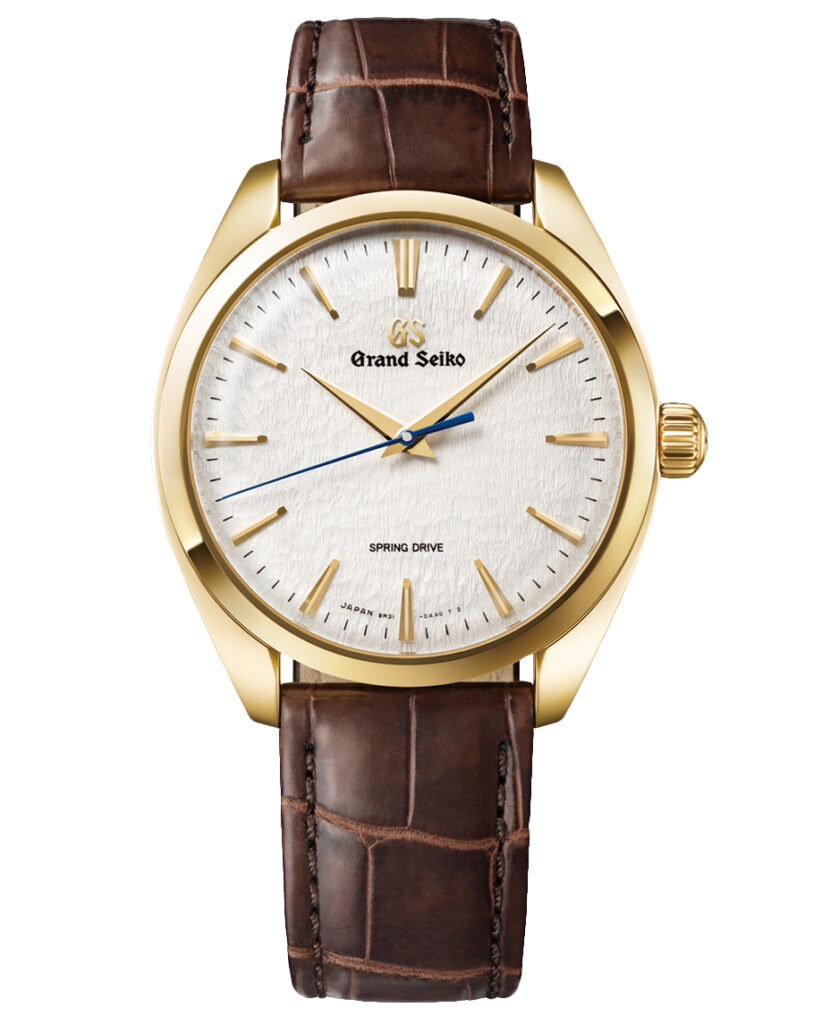
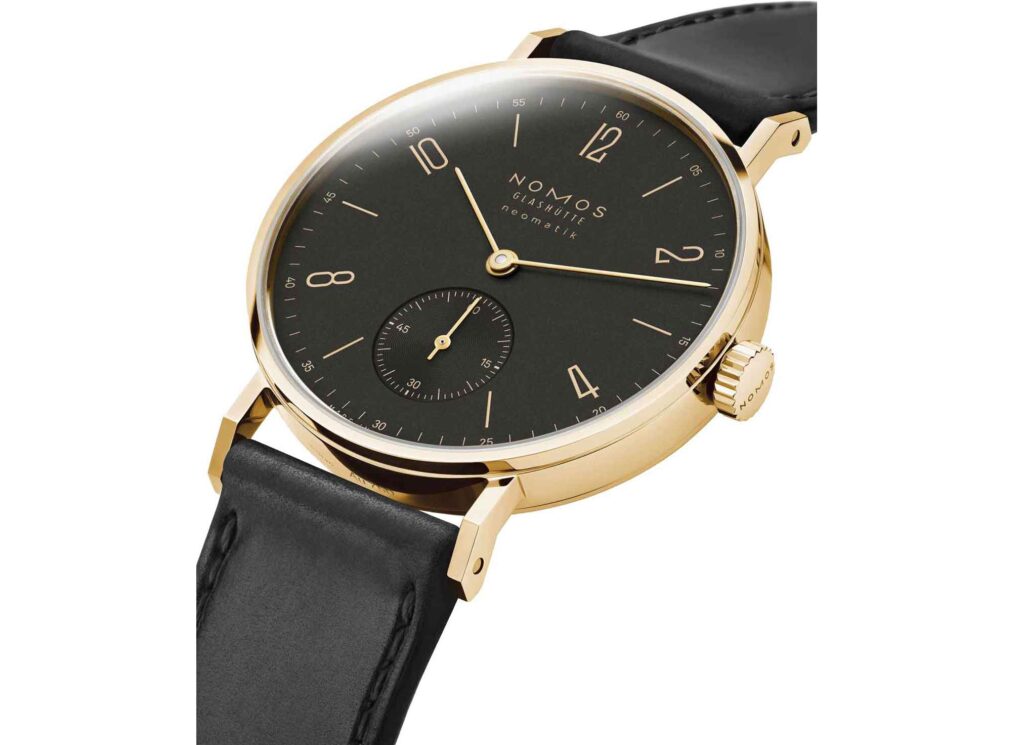
Longines translates mid-century proportions into accessible neo-vintage design through its Heritage line. Grand Seiko, within the Elegance collection, pairs disciplined sizing with exceptional dial craft. Nomos Glashütte completes the landscape with modernist clarity and fashion credibility.

For fashion-oriented wearers, the appeal is potent. Cocktail watches operate as jewellery, finishing an outfit instead of overpowering it. They pair easily with tailoring and eveningwear as well as denim, reflecting a broader shift toward personal styling over prescriptive dress codes. A slim watch worn with a knit polo, silk blouse or relaxed suit feels current precisely because it resists spectacle.

Proportional Appreciation

Ultimately, the neo-vintage cocktail watch reflects a maturing watch culture. After decades of escalation, the pendulum swings back toward proportion, elegance and presence. In choosing a cocktail watch, the wearer opts out of noise – a decision that feels increasingly deliberate in a culture driven by scale and speed. Quiet confidence becomes the statement. Time remains, but urgency dissolves.

This renewed appreciation signals a broader recalibration within horology itself. Mechanical watches are no longer judged solely by specifications, depth ratings or complication counts. Instead, value emerges through wear, proportion and emotional durability. Cocktail watches remind the industry that intimacy matters as much as innovation.

Neo-vintage sensibilities have also softened long-standing divisions within watchmaking. Cocktail watches were once marketed rigidly as men’s dress pieces or women’s jewellery. Today, proportions, straps and materials allow wearers to define the watch themselves. Gender becomes secondary to fit, feeling and expression.

Case for Humanity

As brands and collectors look ahead, the neo-vintage revival offers a roadmap forward. In smaller cases and quieter dials, watchmaking rediscovers its human scale. The cocktail watch, once overlooked, now feels essential. It asks not how much a watch can do, but how well it fits a life thoughtfully lived, deliberately paced, and attentively worn.

In that sense, the revival is less a trend than a correction, restoring balance between expression and excess. For those who understand it, the cocktail watch becomes a subtle yet unmistakable signature, marking time with grace, intention and restraint.

Icon Clad: Watches that remain truly relevant are rare and should be worn time and again

In a world driven by constant upgrades, viral trends and disposable technology, a truly iconic watch feels almost rebellious. These timepieces are not designed to be replaced, refreshed or endlessly optimised. Instead, they endure. They age with their owners, absorb memories, and quietly signal taste without ever demanding attention. For a lifestyle audience, iconic watches matter not because of complications or calibres, but because they sit at the intersection of design, culture and personal identity.

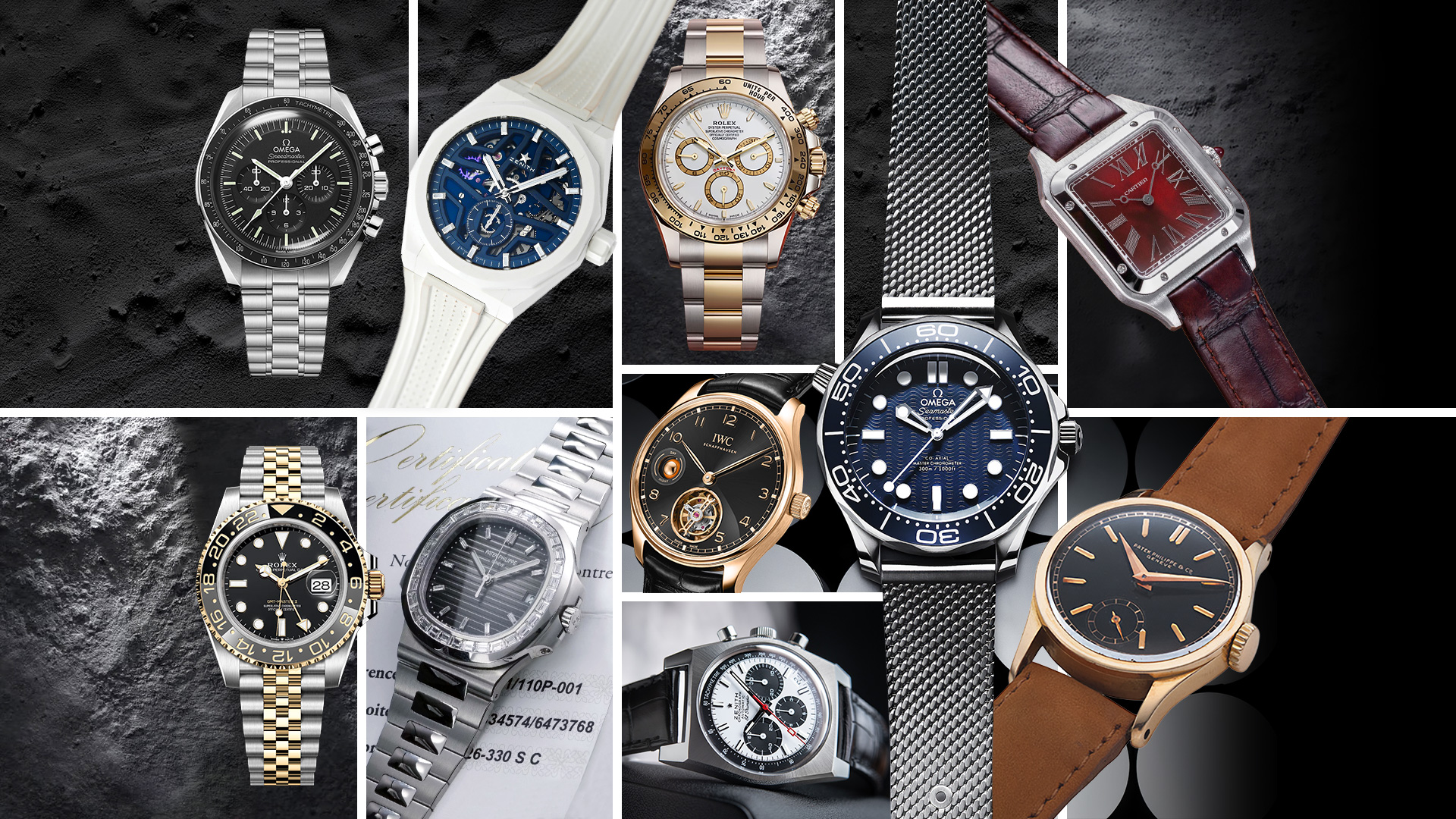
Among the many watchmakers shaping horological history, a select few have created designs so enduring that they transcend trends and generations. Cartier, Omega, Patek Philippe, Rolex, IWC Schaffhausen and Zenith represent different philosophies, yet each has produced watches that have become visual shorthand for excellence. These are not simply luxury objects; they are cultural markers, worn by artists, explorers, leaders and tastemakers across decades.

Shaping Time

Cartier’s contribution to the watch world begins with design rather than mechanics. From the very start, the maison treated the wristwatch as an object of style, proportion and elegance. The Tank, introduced in 1917, remains one of the most influential watch designs ever created. Its rectangular case, Roman numerals and chemin de fer minute track feel as relevant today as they did over a century ago.

First realised in 1904 for aviation pioneer Alberto Santos-Dumont, the Santos similarly underscores Cartier’s role in shaping modern wrist wear. With its square case and visible screws, it challenged traditional round forms and introduced a boldness that still resonates. Cartier icons succeed because they are effortlessly wearable, adaptable across genders, and deeply embedded in fashion, art and everyday life.

Moments of History

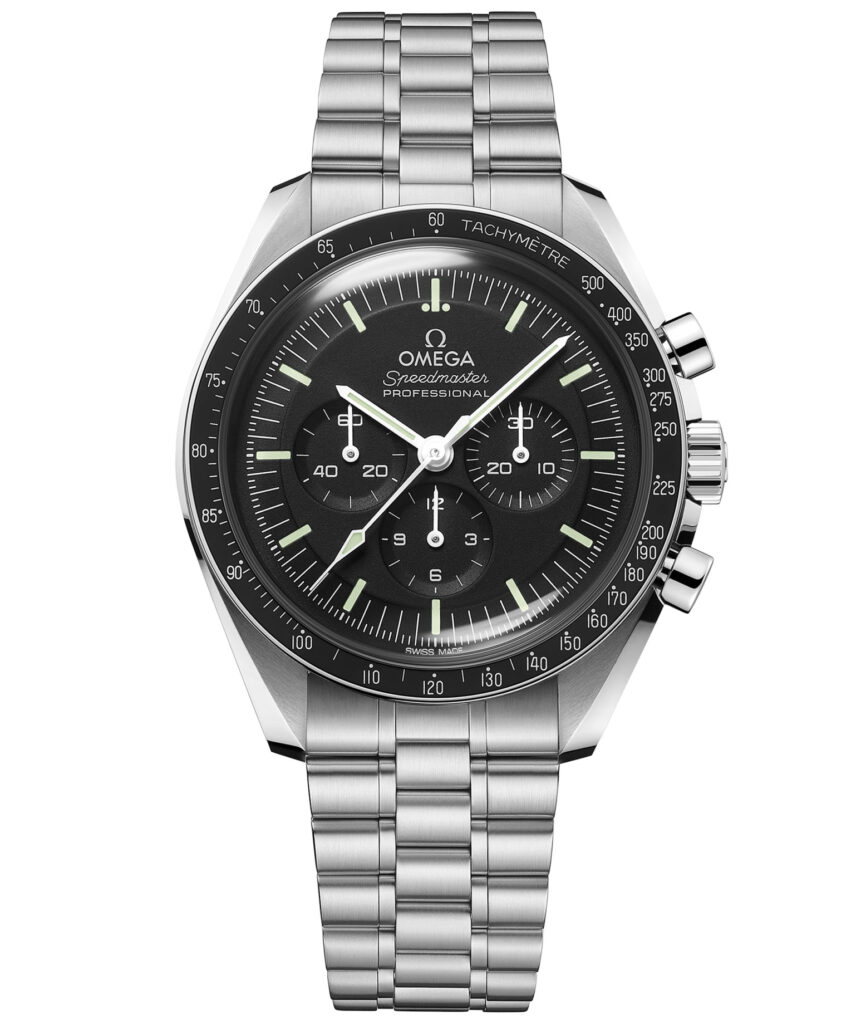
Omega approaches icon status through achievement. The Speedmaster Moonwatch is permanently linked to humanity’s greatest adventure, having accompanied astronauts to the lunar surface in 1969. Despite its extraordinary history, the watch itself remains refreshingly honest: legible, functional and timeless. It feels less like a museum piece and more like a trusted companion.

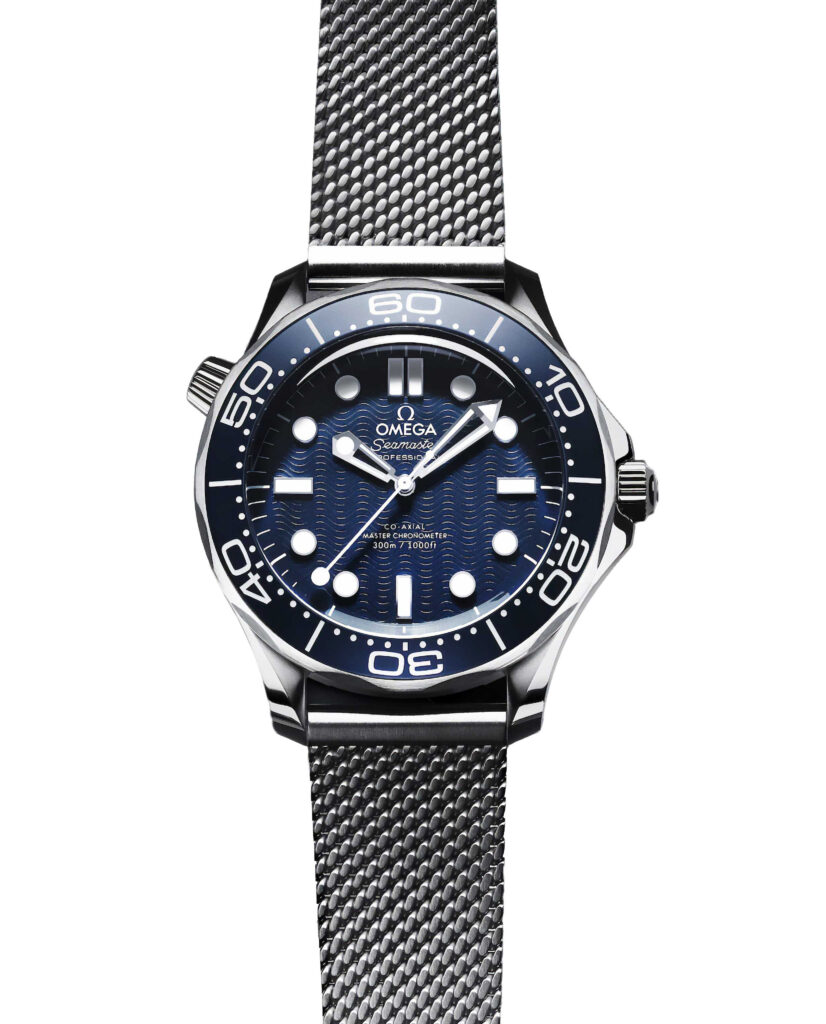
Designed for the water yet refined enough for daily wear, the Seamaster offers a different expression of Omega’s identity, blending performance with polish. The Seamaster Diver 300M’s long-standing association with James Bond has only reinforced the collection’s appeal, showcasing a watch that moves effortlessly between adventure and elegance.

Horological Heirlooms

Patek Philippe represents the pinnacle of traditional Swiss watchmaking. Its icons are built around continuity, craftsmanship and generational value. Launched in 1904 with the Ref. 96, the Calatrava defines classical restraint, offering perfect proportions and quiet refinement. At the other end of the spectrum, the Nautilus revolutionised luxury in 1976, proving that a steel sports watch could be just as desirable as a precious metal.

Patek Philippe watches are often described as heirlooms, and for good reason. They are designed to outlast trends, technology, and even their original owners. In a fast-moving luxury landscape, Patek’s icons offer reassurance, permanence and an unmatched sense of legacy.

Active Achievers

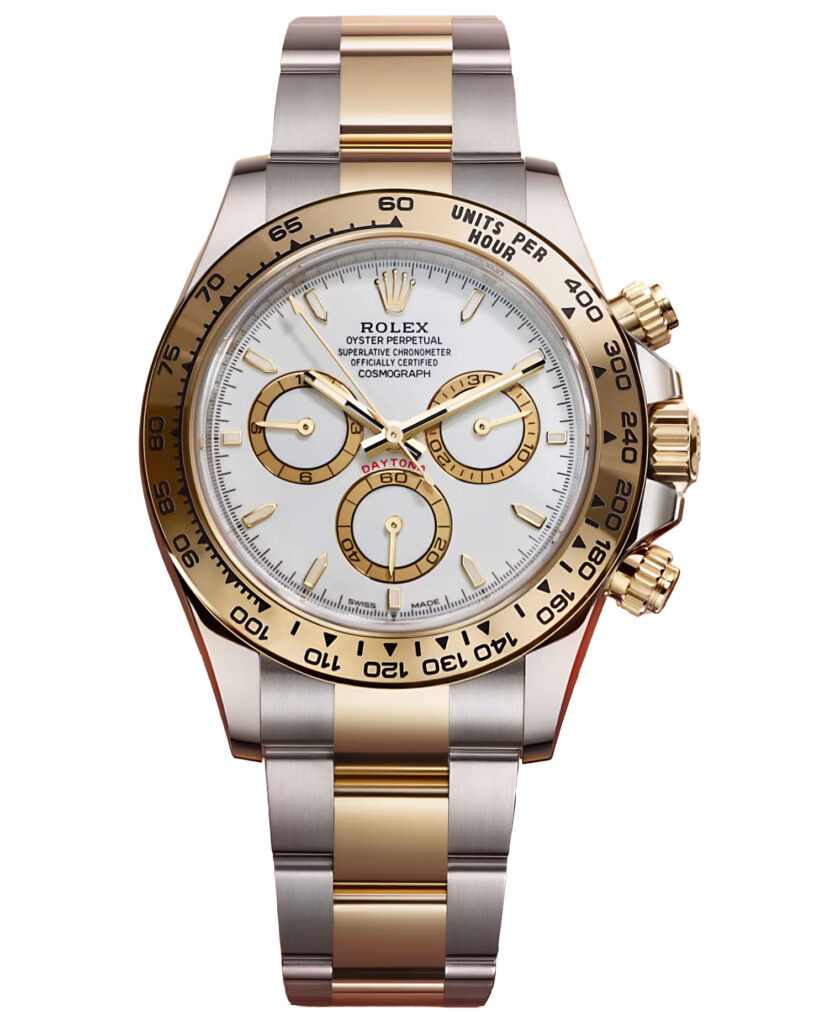
Rolex is perhaps the most universally understood name in watchmaking. Its designs have become global symbols of success, reliability and achievement. In 1953, the Oyster Perpetual Submariner established the blueprint for modern dive watches, while the Cosmograph Daytona, born a decade later, evolved from a professional racing tool into one of the most coveted chronographs in the world.

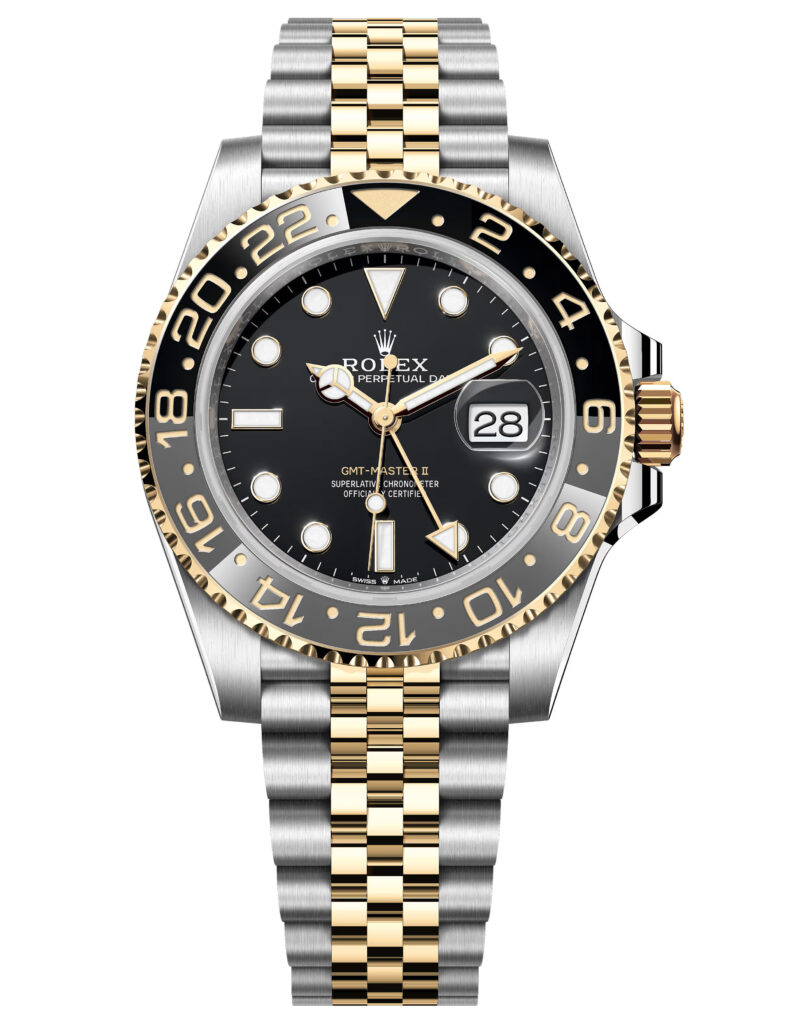
What makes Rolex icons unique is their evolution through refinement rather than reinvention. Changes are subtle, measured and purposeful. This consistency has turned models like the Datejust and GMT-Master II into cultural fixtures, equally at home in boardrooms, airports and deserts.

Dials of the Century

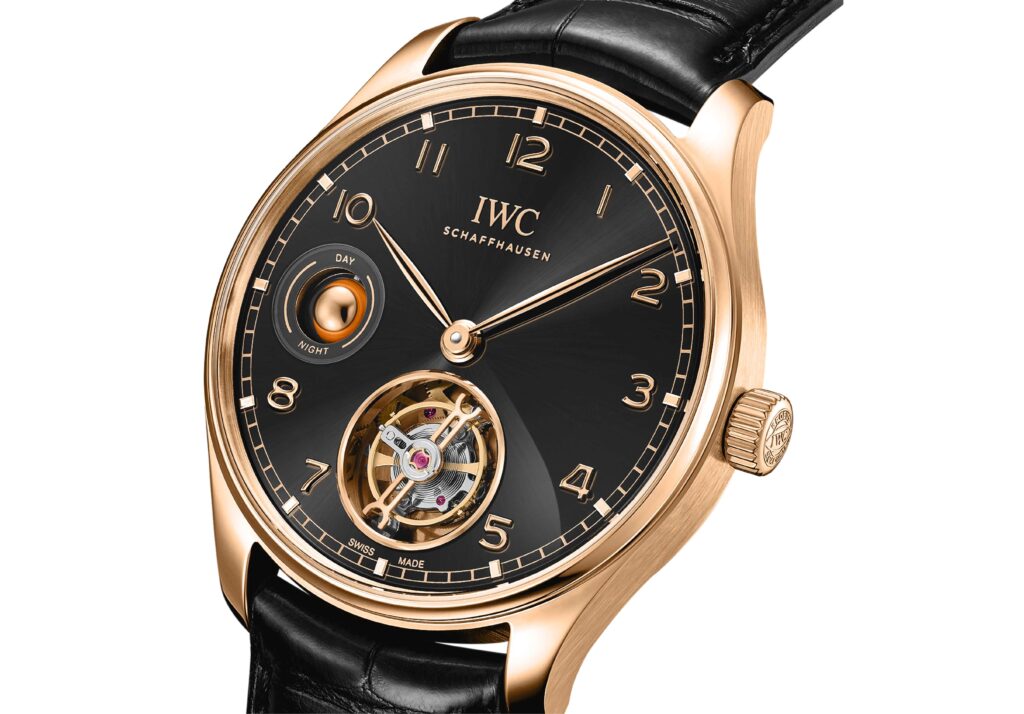
IWC Schaffhausen appeals to those who appreciate engineering expressed through clean design. Debuting in 2002 into a family originally created for aviators, the Big Pilot’s Watch is bold, legible and unmistakable. On the other hand, the Portugieser offers a more refined expression. Dating back to the late 1930s, the collection combines nautical inspiration with elegant proportions and balanced dials.

IWC icons reflect a philosophy of purposeful luxury. They are watches designed to be worn daily, valued for their usability as much as their beauty. For many wearers, they represent confidence without excess and sophistication without spectacle.

Power House

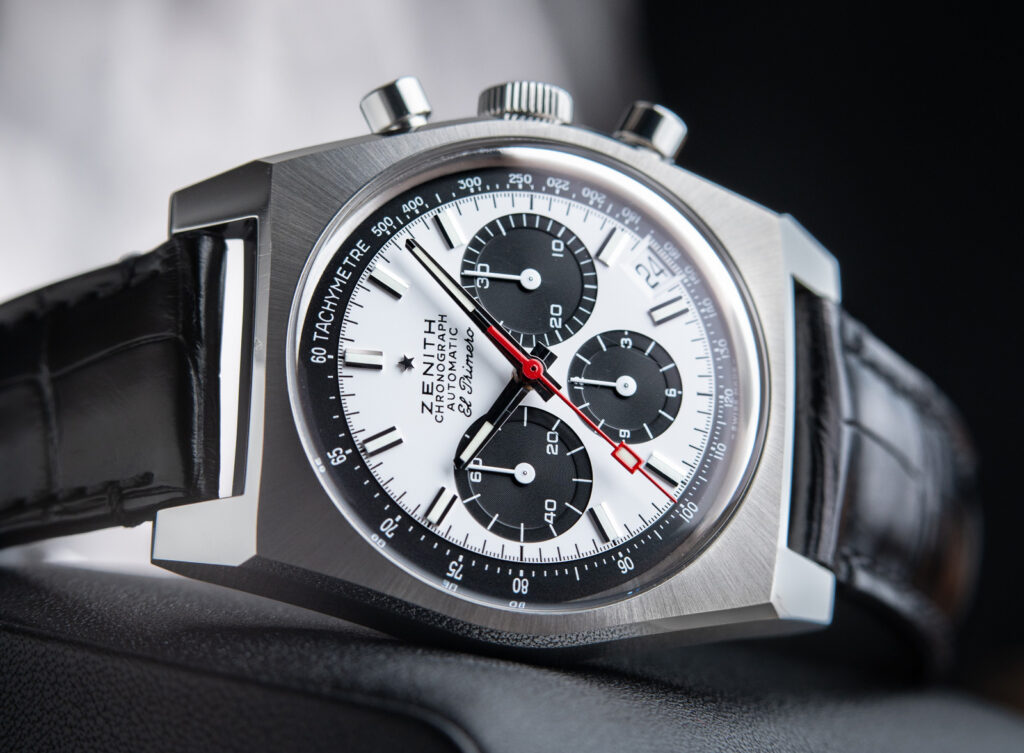
Zenith’s iconic status is rooted in technical innovation. The El Primero movement, introduced in 1969 as the world’s first high-frequency automatic chronograph calibre, remains one of the most precise and beautifully engineered. It has powered generations of watches admired by collectors and professionals alike.

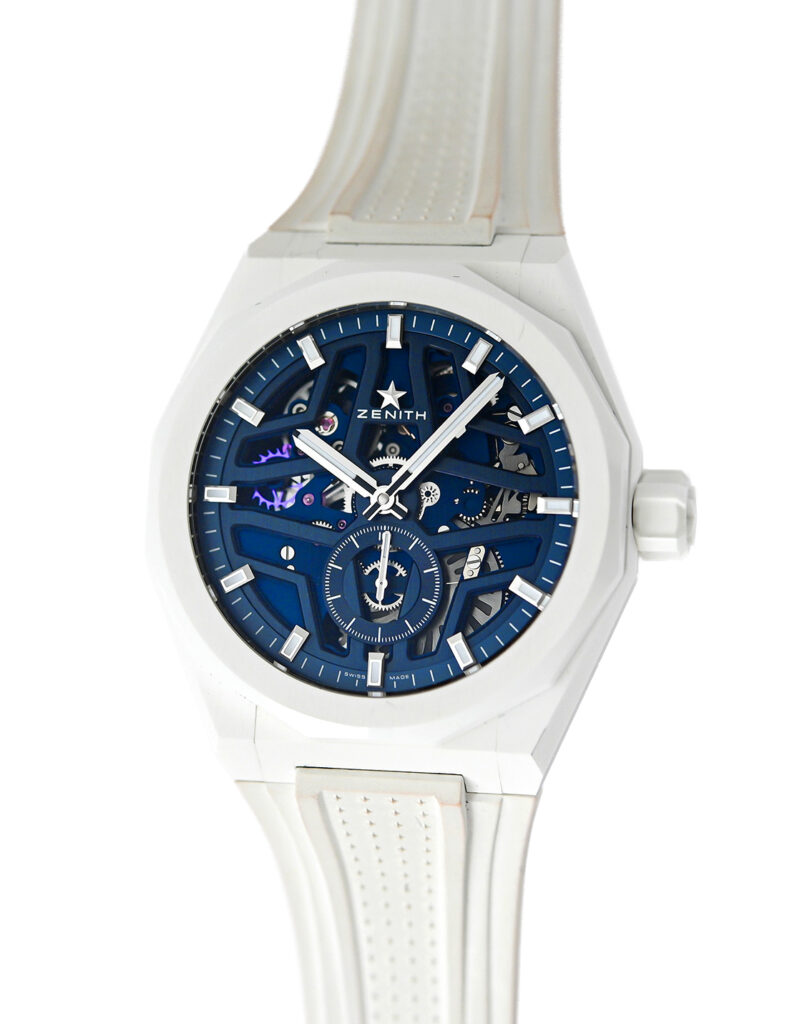
Today’s Zenith icons like the Chronomaster Sport and Defy Skyline blend vintage cues with contemporary execution, appealing to those who appreciate heritage with a modern edge. They celebrate what lies beneath the dial as much as what is visible on the surface.

Lifestyle Markers

Iconic watches move beyond the hallowed realms of collecting or connoisseurship. They function as daily accessories that shape how we present ourselves to the world. A Cartier Tank pairs as effortlessly with a tailored jacket as with denim. A Rolex Submariner feels equally appropriate at the beach or in the city. An Omega Speedmaster slips under a cuff yet carries cosmic history on the wrist. These timepieces become part of morning routines, travel rituals and meaningful moments.

Unlike disposable fashion, iconic watches encourage intention. They invite the wearer to slow down, choose carefully, and invest in something lasting. They also reflect values: craftsmanship over excess, longevity over impulse, and authenticity over trend chasing. Whether inherited, self-gifted or chosen to mark a milestone, an iconic watch becomes a personal signature. It is worn not to impress others, but to remind the wearer of time well spent.

Dial Control: Major manufactures have succeeded in swaying the market through boutique-led retail and certified resales

The global watch market has undergone significant transformation and structural change over the past decade, and these dynamics will continue to influence the industry in 2026. Strategies implemented by the leading brands, combined with broader market forces, have reshaped distribution, pricing, production and consumer behaviour.

Second-Hand Surge

One of the most striking shifts in the watch world is the expansion and institutionalisation of the pre-owned and certified pre-owned (CPO) market. Pre-owned purchases reportedly grew faster than sales of new watches in the early 2020s. Last year, the Deloitte Swiss Watch Industry Study noted a greater appetite among younger buyers for these retail channels, with 40 percent of millennials and Gen Z indicating they are likely to purchase a pre-owned watch within the next 12 months.

Not standing idly by as time ticks on, the big brands are exerting influence in this burgeoning secondary market. By certifying that their timepieces in the used-watch space are genuine, they are not only providing reassurance to loyal clientele wishing to own them, but also putting the trade into the hands of official retailers rather than unaffiliated second-hand watch sellers.

Rolex introduced its Certified Pre-Owned programme in 2022, offering a branded certificate of authentication and a two-year international guarantee for used watches sold through its authorised dealers. Last year, the minimum age of Rolex watches available for certification was relaxed from three years to two years, thus increasing the inventory of watches available for sale in this manner. Rolex’s entry into the space legitimised pre-owned retail and prompted other brands to take the segment more seriously.
Richemont, the parent company of Cartier, also played a role in this ecosystem. In an early signal that major luxury groups acknowledged pre-owned demand as a permanent phenomenon, it acquired leading UK pre-owned watch retailer Watchfinder & Co. in 2018. Likewise, Audemars Piguet partnered with online platform WatchBox in 2023 for authenticated resale, further reinforcing the trend of bringing CPO activities in-house and gaining more control over the secondary market.

In-House Push

Another key market dynamic is the move toward retail consolidation and brand-controlled distribution. Leading watchmakers are opting for mono-brand boutiques in place of multi-brand retail spaces, reducing wholesale presence, and increasing direct-to-consumer channels. Audemars Piguet is a case in point. By largely eliminating third-party authorised dealers, it now operates primarily through boutique-only retail. Further boosting the image of exclusivity, it launched AP House, a series of intimate luxury lounges in key cities for watch viewing and socialising with like-minded timepiece aficionados.

Heightened control over sales environments and pricing consistency are the industry orders of the day. In 2023, Patek Philippe announced that it would reduce its retail network by 30 percent, tightening up on authorised dealers and emphasising relationship-based distribution while concentrating on dedicated showrooms that elevate the customer experience.

Prime Players

Topping Swiss watch sales, Rolex remains the single most influential luxury watch brand by global market share. Although the company does not publish official production numbers, independent analysts have suggested it clocked some 1.24 million pieces in 2023, an output high over previous years. The launch of its CPO programme, consistent demand for its core models, and ongoing investments in authorised-dealer showrooms and new production facilities, including a massive new manufacturing site at Bulle scheduled to open in 2029, have reinforced Rolex’s central role in market dynamics.

Safeguarding its reputation for craftsmanship and legacy appeal, Patek Philippe maintains low, highly controlled production. Historically, this has been cited at about 60,000 watches per year, with a jump to 72,000 estimated last year. Soaring prices in the secondary market that followed the discontinuation of the Nautilus 5711 in 2021 were evidence of Patek’s enduring influence.
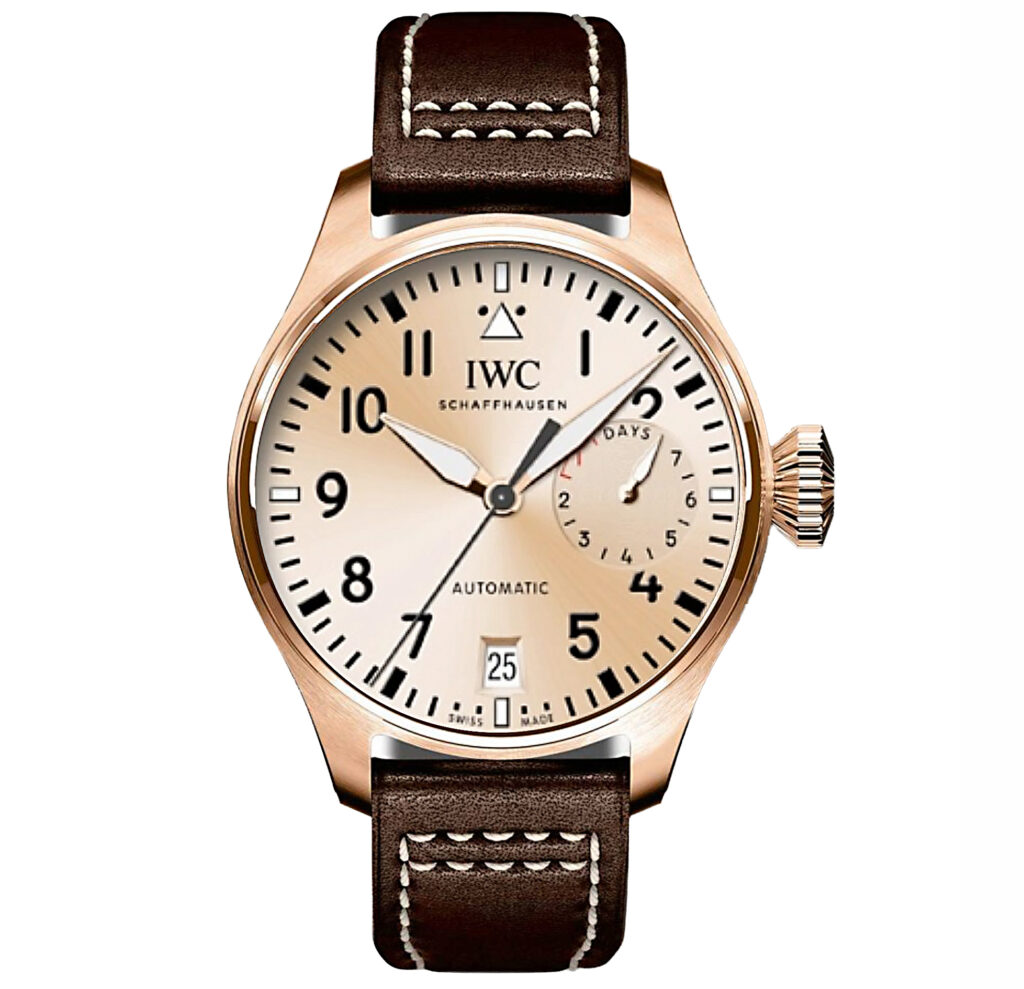
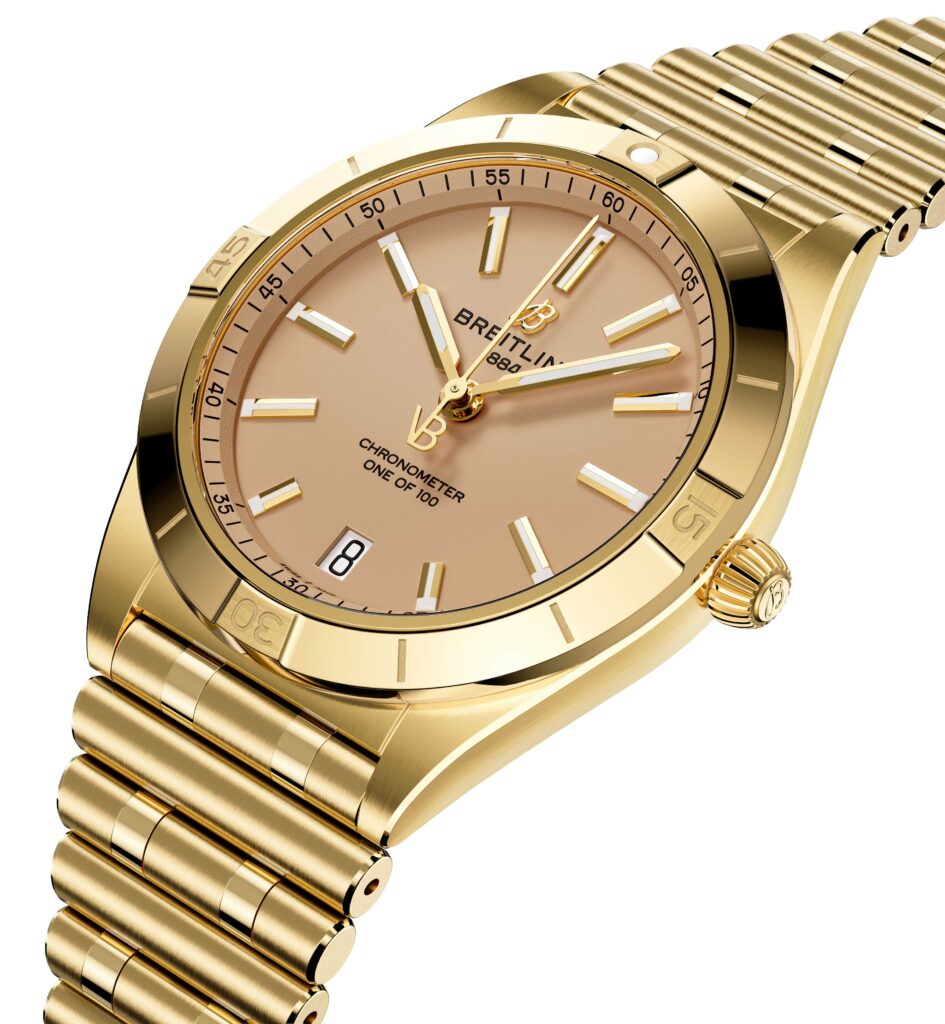
Beloved by collectors for the Royal Oak and Royal Oak Offshore models, Audemars Piguet has been strengthening its identity through vertical integration and investment in its Le Brassus facilities, as well as a boutique-dominant sales model.

Cartier ranks among the world’s largest luxury watchmakers by revenue, second only to Rolex. Lasting popularity of its iconic models, including the Tank, Santos and Ballon Bleu, is reflected in Richemont’s annual earnings reports.

By adopting Master Chronometer certification in partnership with the Swiss Federal Institute of Metrology (Metas) in 2015, Omega reshaped expectations for precision and anti-magnetic resistance across the industry. Part of the publicly traded Swatch Group, the brand also achieved global visibility from the MoonSwatch collaboration of 2022.

Tudor has strengthened its position through the development of in-house movements produced with Kenissi, the Swiss movement manufacturer it co-founded a decade ago. The adoption of Master Chronometer certification in 2023, starting with the flagship Black Bay line, represents a significant technical upgrade.

Known for its chronographs and motorsport partnerships, TAG Heuer is a key brand in LVMH’s Watches & Jewellery division, contributing to segment growth. Breitling underwent an organisational transformation after 2017 under private equity ownership. It has won plaudits for its sustainability commitments, such as the use of 100 percent recycled plastic bottles in watch boxes.

Founded as recently as 2001, Richard Mille is a leader in the ultra-luxury watch space. Its strategy of material innovation, backed by an extremely limited annual production – said to be less than 6,000 per year – has steered its remarkable rise as the sixth largest watch brand in the world by turnover.

The luxury-watch sector – models above CHF 3,000 (HK$29,000) – has expanded in recent years, while low-price mechanical and quartz segments have suffered a decade-long decline in volume. Despite a challenging year for the industry in 2025, strategies implemented by the leading brands are bearing fruit. Retail is more controlled and boutique-focused, certification standards are improving, and the pre-owned sector is fully established. Together, these changes are creating a more transparent, structured and stable environment for anyone interested in fine timepieces.

Winner Workings: Mechanical watchmaking continues to evolve, delighting collectors

As we move into a new year, the conversation between heritage and innovation continues to define the watch industry’s rhythm. Recent releases reveal a dynamic blend of technical ambition, aesthetic mastery and creative independence. From household names to boutique artisans, the world’s most respected manufactures are proving that mechanical artistry remains as vital as ever.

Among the powerhouses of modern horology, Omega stands out for its confidence in reinvention. The latest Seamaster Planet Ocean generation, launched late last year upon the 20th anniversary of the model, redefines a cornerstone of the brand’s professional dive collection. Its form remains robust and purposeful, but the refinement in proportion, materials and visual balance signals a mature design philosophy. Every surface feels more deliberate, and substantial updates – from improved movement architecture to modernised case details including a titanium caseback and a new bracelet – demonstrate Omega’s commitment to enduring functionality.

In contrast, TAG Heuer channels the energy of engineering through experimentation. The Monaco Split-Seconds Chronograph Air 1 presents a new horizon in the brand’s approach to construction and manufacturing. Using state-of-the-art selective laser melting – a type of additive manufacturing technology – it bridges traditional chronograph complexity with cutting-edge production methods. The titanium case, lightweight yet sculptural, reveals an almost architectural composition of layers and voids. It’s a declaration that the craft of watchmaking can evolve boldly without breaking its mechanical heart.

Rolex, ever masterful in translating heritage into contemporary relevance, surprises enthusiasts with a reinterpretation of an icon – not on the wrist, but on the desk. The newly introduced stainless-steel Submariner Desk Clock embodies both playfulness and prestige, bridging the universe of functional engineering with an unexpected form of décor. The piece is a reminder that enduring design language can transcend category; what defines a Rolex need not be worn to be admired.

Independence Movement

While large-scale brands refine icons, independent houses explore emotion through craftsmanship. Chopard’s L.U.C Grand Strike emerges as a symphony of complication, bringing together a grande sonnerie, petite sonnerie, minute repeater and 60-second tourbillon with stop seconds in a single, unified creation. Emerging as the brand’s most complicated chiming model, it’s an expression of artistry that transcends timekeeping itself. The mechanical chime – clear and poetic – captures not just time’s passage, but its voice.

Parmigiani Fleurier continues to master subtle innovation with the Tonda PF Minute Rattrapante Arctic Rose. Evocative in tone and graceful in construction, its soft-pink Grain d’Orge hand-guilloché dial is an appealing front to layers of technical intelligence beneath. The inventive minute rattrapante complication rethinks traditional time adjustment through intuitive interaction – with two superimposed minute hands remaining invisible until the press of a pusher.

Renowned for crafting serene expressions of mechanical purity, Laurent Ferrier continues his exploration of timeless proportion and quiet luxury. The Classic Origin Beige, released to mark the manufacture’s 15th anniversary, is cast in warm red-gold tones. The curvature of the lugs, the gentle beige hue of the dial, and the flowing hands combine into a calm equilibrium, while the watch is wound to the distinctive feel of the brand’s signature long-blade ratchet pawl. In a landscape dominated by visual excess, Ferrier’s watchmaking delivers the rare luxury of tranquillity.

Small and Great

Beyond these established names, smaller brands continue to redefine modern watch culture through collaboration and creativity. Bausele, an Australian watchmaker known for its innovative approach to materials and identity, unveils the Elemental collection, its first integrated sports watch designed with direct input from its community. This spirit of inclusion demonstrates a new dimension of passion centred not only on ownership but also on shared creation. The result is a robust yet elegant timepiece in Oceanic Blue or Inferno Black, each with sand preserved in its crown.

Artisans like James Lamb in the UK and Sweden’s GoS Watches have captured interest through timepieces handcrafted in distinctive materials and their imaginative storytelling. Each piece carries the imprint of its maker – a rare and increasingly precious quality in a digitised, automated age.

Ethical Ethos

One of the most compelling developments in modern watchmaking is the embrace of sustainability. Across the industry, manufacturers are integrating eco-conscious practices into their operations. Chopard’s leadership in this space – through its dedication to ethically sourced materials, recycled gold and transparent supply chains – sets a precedent that others are fast following.

Materials once dismissed as unconventional now define a new era of horological luxury. Case structures made from recycled carbon fibre, straps crafted from cactus leather, and components derived from renewable resources are becoming central to modern design. Sustainability has transformed from an aesthetic choice into a moral signature. The very act of buying a fine watch now resonates with environmental awareness and a respect for the artisanal process.

New Tech Time

While technology’s growing role in watchmaking carries both intrigue and caution, the latest wave shows how seamlessly modern tools can complement historic craft. New forms of mechanical integration, such as intelligent winding systems and digital-enhanced precision mechanisms, don’t replace traditional artisanship; they extend it. By uniting timeless engineering with modern problem-solving, watchmakers are demonstrating that progress and heritage can share the same dial.

Additive manufacturing is perhaps the most visible manifestation of this philosophy. The ability to print complex components with near-microscopic precision is revolutionising how cases and movement structures are imagined. Instead of disrupting tradition, new technology allows talent to redirect time and effort – focusing less on limitation and more on design. Yet the romantic heart of watchmaking endures; every innovation, however technical, still serves the poetic goal of measuring moments beautifully.

The landscape of contemporary watchmaking demonstrates one undeniable truth: the craft endures precisely because it evolves. The recent releases showcased here capture an equilibrium between invention and inheritance, while outlining that fine watchmaking is heading toward openness, creativity and conscience.

Block Party: Auction houses are rejoicing as watch collectors seek the purchase of a lifetime

As the clock ticks down to the end of 2025, this year and the last have proved instrumental in the world of haute horology. Auction houses in New York, Geneva and Hong Kong have witnessed record-breaking bids for timepieces that transcend function, presenting instead as creations of wearable art, mechanical genius and historical import. For collectors, these aspirational acquisitions represent the pinnacle of craftsmanship and rarity, and each has a story as intricate as its movement.

Just last month, the hammer fell at Phillips in Geneva on a steel Patek Philippe Ref. 1518 for an eye-opening US$17.6 million (HK$137 million). Manufactured in 1943 and widely thought to be the first of this model made in steel, the treasure entered the record books as the most expensive vintage Patek wristwatch ever sold. For those keeping stock, the highest auction-price paid for a vintage wristwatch is claimed by a Rolex Cosmograph Daytona Ref. 6239  – the personal timepiece of iconic actor and racing driver Paul Newman went for US$17.8 million in 2017.

Priceless Patek

The all-time best-selling list at watch auctions, meanwhile, is topped by a very special Patek Philippe; the multi-complication Grandmaster Chime Ref. 6300A-010 raised US$31.19 million for charity at the Only Watch auction in Geneva six years ago. While not attaining such lofty heights, a Ref. 6300G-010 Grandmaster Chime made headlines in June 2024 when it changed hands for US$5.4 million. The appeal of this highly collectible timepiece was undoubtedly boosted by film legend Sylvester Stallone, who had put it up for auction. Never having been worn, it was sold in a presentation box engraved with the actor’s name.

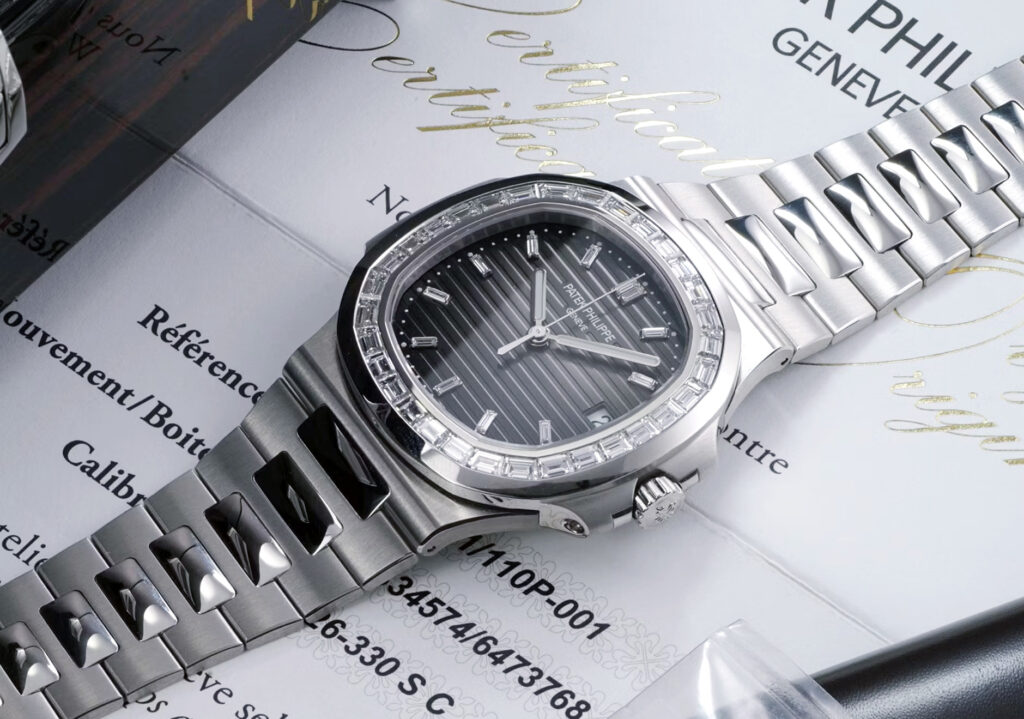
Stallone has an affinity for Patek Philippe. Two 5711 Nautilus models also featured in last year’s dedicated Sotheby’s sale, including a limited-edition Ref. 5711/1300A-001, in olive green with a baguette diamond-set bezel, which had been released as a farewell to Patek’s 5711 steel series.

Vintage Patek Philippe watches certainly excited collectors this year. The only known Ref. 3448 in 18-carat pink gold fetched CHF 2.7 million (about US$3.4 million) in May at a Phillips auction in Geneva. The world’s first automatic perpetual calendar wristwatch to be serially produced, this reference has been beloved for decades, and almost all examples are cased in yellow or white gold. To round out the Patek auction roll call, a Ref. 2499 ‘Second Series’ sold for US$4.3 million at Sotheby’s in June. This particular pink-gold perpetual calendar chronograph wristwatch with moon phases dated back to 1957.

Driving Records

The Rolex Cosmograph Daytona ‘Lemon Dial’ variant is one of the rarest configurations of the Paul Newman series. Known for its exotic dial layout and Art Deco numerals, it is a collector’s dream, especially since the vintage market for the brand continues to soar. In November 2022, the rarer 6263 model garnered US$3.4 million at Christie’s, racing ahead to become the second highest-selling lemon-dial Daytona. Two years later, a 6264 variant from 1970 sold at Phillips Hong Kong for US$2.8 million, becoming the most valuable 6264 to date.

History unfolded in Geneva in November last year when the second-ever watch made by François-Paul Journe went under the hammer at Phillips for US$8.4 million. The Tourbillon Souverain à Remontoire d’Egalité heralded the launch of the F.P. Journe brand in 1999. This prototype tourbillon in platinum, with rhodium-plated brass movement and early design cues, is a cornerstone of independent watchmaking.

Rare Beauties

A Richard Mille RM 56-02 Sapphire Tourbillon watch was sold at Christie’s New York in June last year for US$3.02 million. Crafted entirely from sapphire crystal and boasting a cable-suspended movement and ultra-light construction, this limited-edition luxury timepiece offers full transparency. Released in 2014 and one of just 10 pieces worldwide, the model’s rarity is matched only by its technical audacity.

Gérald Genta’s personal 1978 Audemars Piguet Royal Oak Jumbo Ref. 5402, a one-of-a-kind collectible, achieved a hammer price of CHF 2,107,000 (US$2.6 million) at Sotheby’s in May 2022. Designed by Genta in 1972, the 5402 is considered the blueprint for modern luxury sports watches.

Sold in Hong Kong

Combining a tourbillon, chronograph and fusée-and-chain transmission, the A. Lange & Söhne Tourbograph Perpetual Pour le Mérite is a technical tour de force. This 2017 limited-edition release reflects Lange’s commitment to precision and artistry. An iteration in platinum was auctioned in Hong Kong in May 2022 for HK$2.9 million (about US$386,000).

Greubel Forsey works on a strictly limited philosophy. The rarity of its hand-worked watches – like the Quadruple Tourbillon which uses two double tourbillons to enhance timekeeping accuracy – is compounded by the brand’s exclusivity, which in turn fuels desirability among collectors and impressive auction results. A Quadruple Tourbillon à Différentiel Sphérique with power reserve indication circa 2021 became a Christmas present for one lucky collector last December when Sotheby’s Hong Kong listed it at a high estimate of HK$2.5 million. 

Pulse of the Market

Whether it’s a prototype, a celebrity-owned piece or a limited-edition complication, scarcity drives value at auction. Design matters, too – not just aesthetics, but innovation. Collectors are no longer satisfied with tradition alone; they want watches that challenge convention.

Provenance plays a growing role. A watch with a story – be it tied to an icon or horological history – adds emotional and cultural weight. These aren’t just timekeepers; they are narratives on the wrist. And finally the rise of independent watchmakers like F.P. Journe and Greubel reflects a shift toward individuality and craftsmanship over mass prestige.

Over the past few years, the auction world has made one thing clear: the value of time is rising not just in dollars, but in meaning. The watches that ignite collectors’ frenzy at auction – each a marvel of design and rarity – remind us that time is not only measured. It’s crafted, collected and cherished.