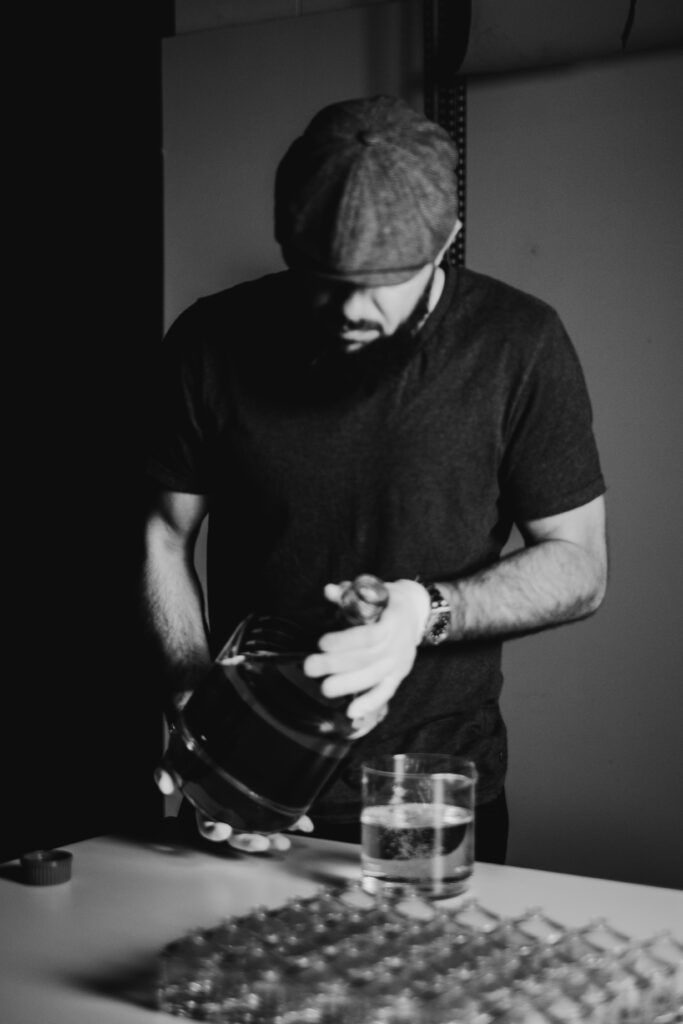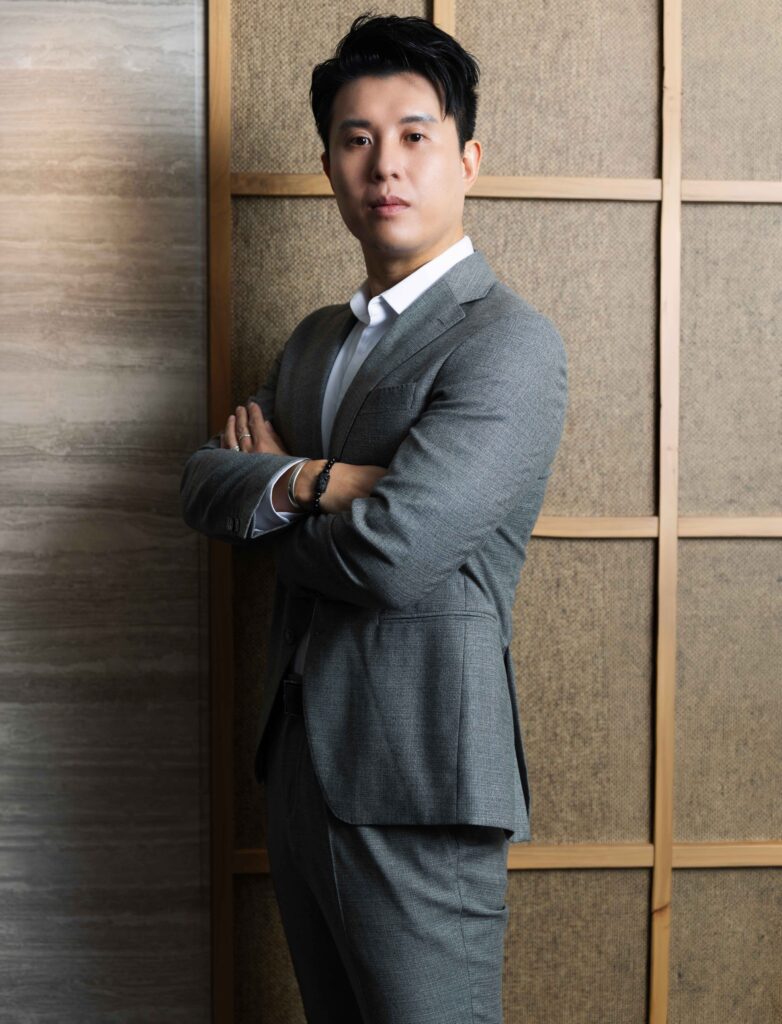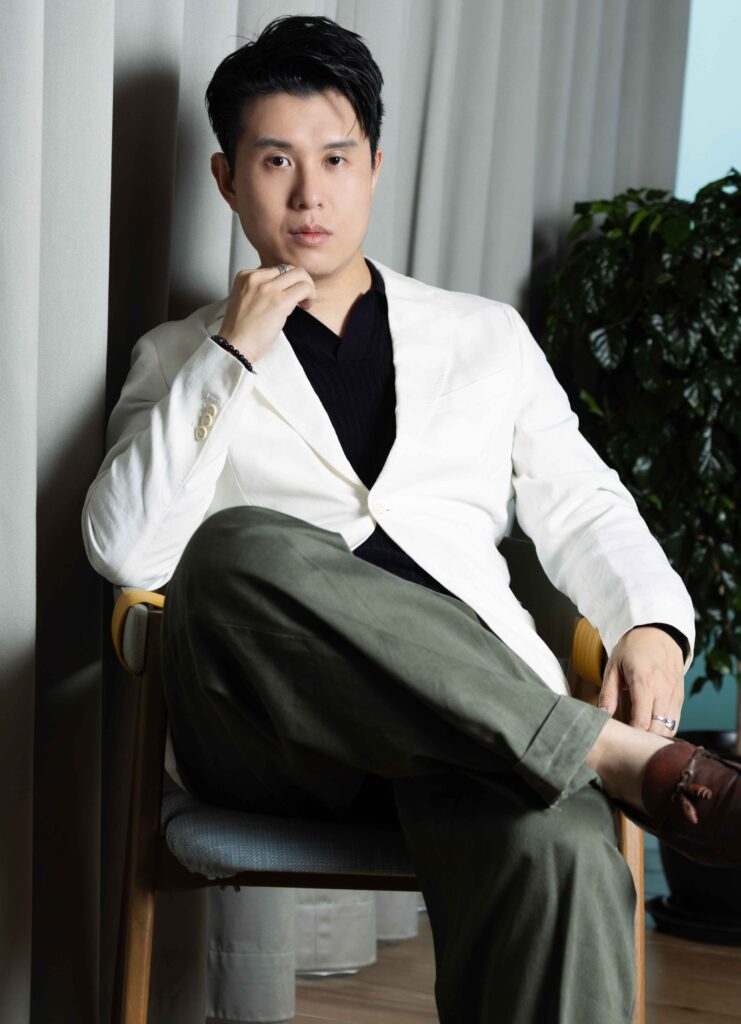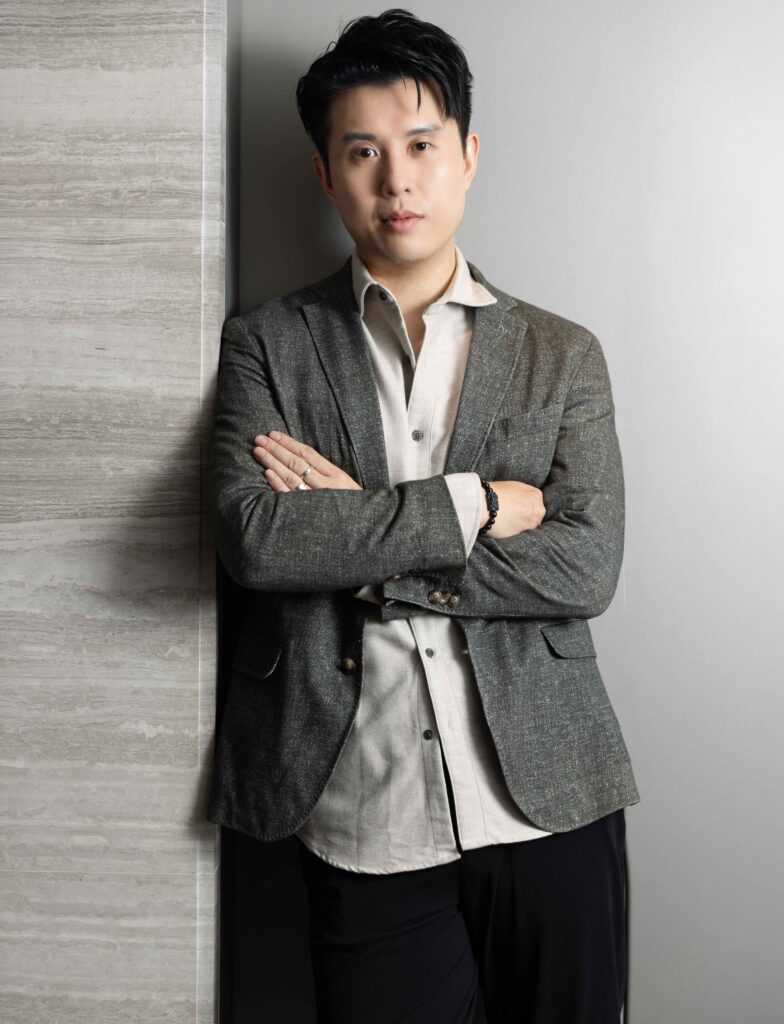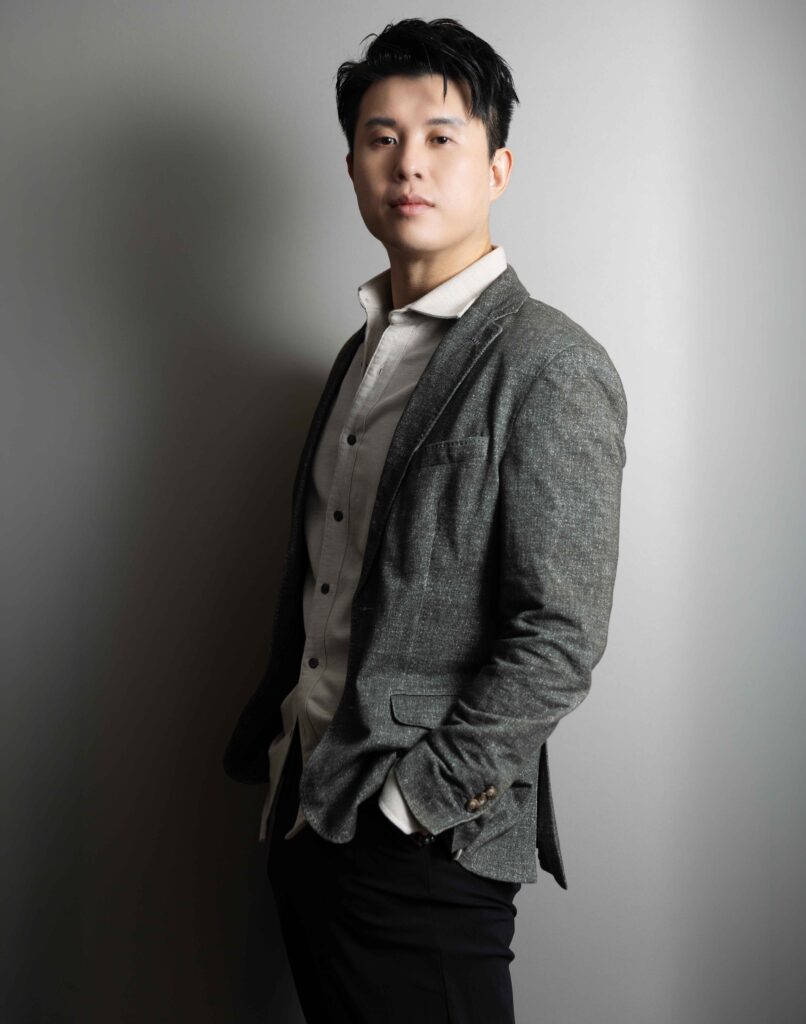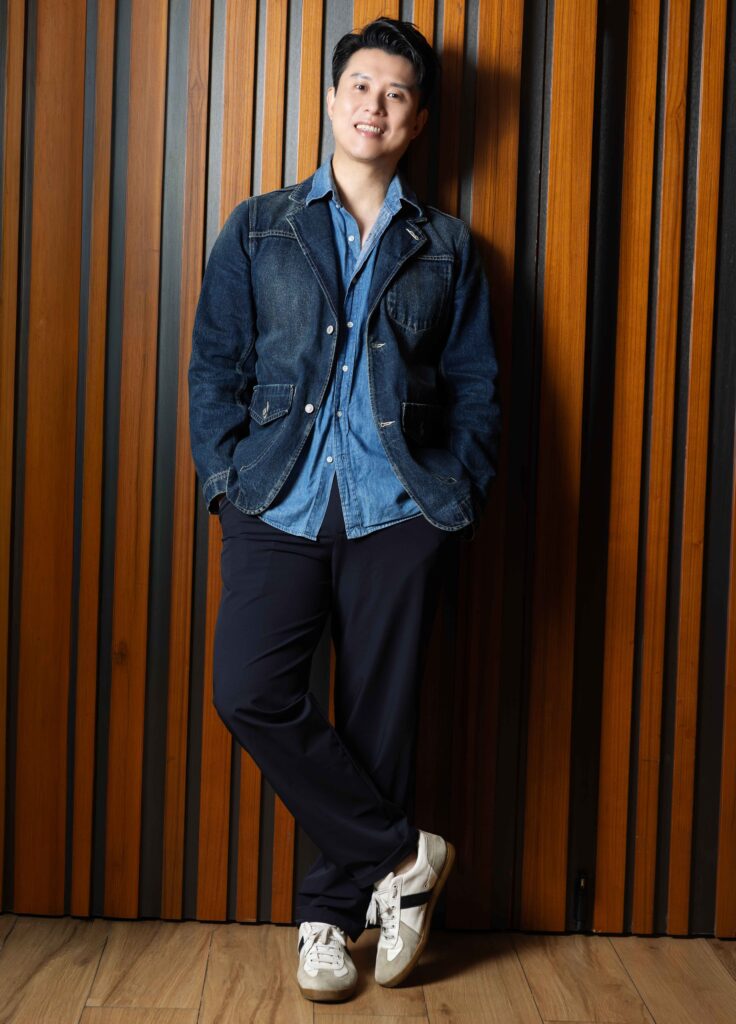
Family Code: NDN Group honcho Andy Ann’s ventures in AI are designed to see humanity thrive

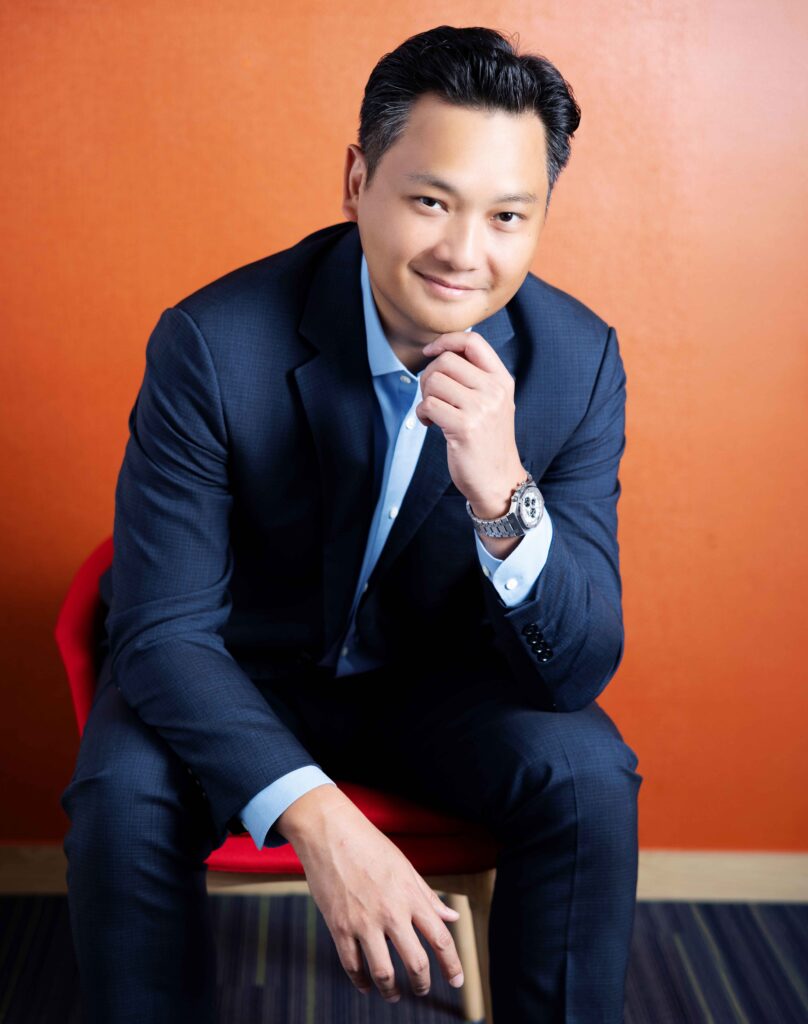
Andy Ann looks a little more tanned than usual, sporting that rosy glow you get when you’re living your best life and your calendar has absolutely refused to let you be boring. “I’ve been making the most of the last days of summer, travelling, hiking, golfing. You know, the things that remind you the sun still exists outside of boardrooms,” says the serial architect of digital ventures as he settles into a chair in his Admiralty headquarters.

The walls around him are covered in paintings, some by rising local artists, others by more established names. He points to an abstract canvas with obvious pride: “This one was made by my daughter.” He lingers on another piece, created without any intention of traction by an artist whose work caught fire years later. “It’s the same way I handle work,” he affirms. “You put something honest into the world. You don’t force the hype. Sometimes the impact finds you. It’s all about giving back.”

That philosophy runs through every chapter of Ann’s backstory, leading to the AI-driven ecosystems he builds today as the founder and Chairman of NDN Group, and father of countless online portals.
Childhood Circuits

He follows a strong family code. His grandfather, Dr T.K. Ann, textile king and a drafter of the HKSAR Basic Law, dreamed of promoting the Chinese language so strangers around the world might reply “Ni hao ma” instead of “Hello”. His father, the industrialist James Ann, harnessed that vision, helping to design one of the first Chinese-input computers. Dad and uncles also bolted Japanese red LED lights onto radios, creating the clock radio.

“Technology and innovation are kind of in the family’s bloodstream,” says the 21st-century digital-tech pioneer. “Each generation has been thinking about the same thing: how technology and business can drive impact for the world. That’s what I grew up inside, and it’s what I’ve carried into everything I build.”

Laughingly, he says he’s no boomer; born in 1979, he’s on the end of Gen X. Which, if you think about it, is the generation that grew up learning computers were powerful and also learning how to fix things manually, because no one was going to help you.

A family legacy was appreciating the value of the calculated risk. “Innovation is risk itself. Without risk, you don’t innovate. I’ve watched many businesses fail not because they run out of ideas, but because they stop wanting to take risks. Protecting the numbers becomes the goal, and innovation quietly dies,” he explains.

Click Wait

Ann’s entrepreneurial switch flipped in the summer of 1999. While studying economics at the University of British Columbia, he was interning at a pre-YouTube streaming-media startup in Silicon Valley, taking a Stanford telecom course, and writing a paper on how 3G could elevate new media. Beijing had just been awarded the 2008 Olympics and he visualised digital billboards that could live-stream ads and content across a wireless network with a single click. He and a college buddy built WAP pages and prototypes on their Nokia phones – food finders, games, early ads.

While that enterprising spirit didn’t race as far as the Games, by 2002 Ann was back in Hong Kong and heading NDN, now a digital conglomerate in data, mobile and media technologies. The ambition to found his own company was fuelled by the realisation, two months into his first corporate job, that the youngest managing director there was 38. He quit immediately. “If I don’t build my own dreams, someone will hire me to build theirs,” he reasoned.

The serial ventures began – digital display network Hot Media launched in 2004, and two years later came Hot Mob, one of the first mobile ad networks on iOS and Android. He chuckles: “[My 2008 dream] didn’t end up as mega digital billboards in Beijing, but we did build a massive digital out-of-home network, a Wi-Fi hotspot network, and a mobile ad network for Hong Kong.”
Wedding Gift

His entrepreneurial journey was not without setbacks, though. As he and his wife, Gretchen King-Ann, planned their nuptials in 2006, he was inspired to raise 60 million renminbi in seed capital to build Darizi, one of China’s largest luxury wedding platforms. Then a term-sheet clause was triggered, and overnight his equity was diluted to 0.006 percent and he was promptly removed by the board.

“That kind of loss teaches you things winning never can,” he shares. “I’m genuinely grateful it happened when I was young. Every venture I’ve built since, how I think about growth, control, cash, and the terms I put my name to, carries the fingerprints of that year. I lost a company, but I gained the judgment that built everything after it.” He stopped chasing single companies and started engineering ecosystems with multiple reinforcing streams.

No Meme Policy

He determines what to build by first deciding what he will never do: games, crypto meme coins, virtual land, anything that doesn’t create genuine value for humanity. He then follows the classic Chinese sequence of responsibility: self, family, community, world. Responsibility was never abstract in the Ann household. “When people trust you – your team, your clients, your investors – you hold something that isn’t only yours,” he notes.

YAS Digital was born from personal frustration with insurance agents who pitched everything and covered almost nothing; XN Insight stemmed from relationship managers pushing underperforming funds. GoImpact, which empowers startups to create social, financial and environmental change, grew from watching global warming reshape boardroom decisions. He advises: “Rule out what has no value. Start with the problem in front of you. Then let the circle widen.”

AI Captain

Being a venture architect means building a network of companies that share infrastructure, data and an AI backbone. “The old way to grow was linear,” he says. “Now, with AI and AI agents, everything gets to 10X [10-fold exponential increase], sometimes 100X, because time-to-delivery is compressed, cost is compressed, and you’re able to change the entire company architecture and make it AI-native.”

YAS, the risk intelligence for the machine economy, newly launched embedded micro-insurance partnership for corporate robot deployments is the clearest example: one risk-intelligence data layer connecting EVs, robotaxis, drones and eventually satellites, turning live data into real-time risk scores: “10X growth doesn’t come from working 10 times harder. It comes from designing a system where AI and a network of ventures do the compounding for you.”
Metrics of Success

The underlying goal of Ann’s AI-driven ecosystems is to help Hong Kong become the place where Chinese innovation goes international and global ideas enter Asia. “Success isn’t a number for me personally,” he emphasises. “It’s seeing more Hong Kong and China founders shine on the world stage – a new generation of founders who believe this city is where you come to build the future.”

Professionally, pride comes when team members become entrepreneurs themselves, when the next generation of founders creates real value and refuses to quit, and when a little support helps them through their own process. “Success isn’t the money you make… it is who you become, and who you help become.” He urges the Gens Y and Z to “dream big. Why? Because it’s free! Help one person at a time, and leave the world a little better than you found it.”

As we finish the shoot, Ann – always finding a reason to be in a good mood, whether by inspiring the next wave of founders or collecting paintings and memories with his daughter – suggests a few lunch spots around Admiralty. Supporting other people’s businesses is just another way of connecting the dots. The same principle that started with a grandfather’s dream of “Ni hao ma” and a father’s clock radio still holds: put something honest into the world, keep taking the hard path, and watch the network compound.

Interview, Text & Art Direction: Joseff Musa   Photographer: Jack Law   Videographer: Iris Ventura 

Court of Appeal: Wok-fired wonders and daring wines paired in the Rose room make Ming Court supreme

Enter Ming Court, and you get drafted into a full-on, perfectly choreographed Cantonese show. The Cordis Hong Kong’s Chinese fine-dining room hums with quiet confidence. Executive Chef Li Yuet-faat, the man behind the magic, knows exactly how to conjure impeccable Cantonese dishes. In his nimble hands, simple ingredients are transformed into unmistakable flavours through purity, precision and wok hei, the breath of the wok.

He says: “Cantonese cooking does not require heavy use of sauces to hide flavours. Instead, it is about bringing out the natural, fresh taste of the ingredients using precise cooking skills and wok heat (high-heat stir-frying).” That mindset is all over the menu like a signature on a masterpiece.

Whiskey‑infused Charcoal Bun with Egg Yolk Custard

Then there’s Ming Cellar, which is where the evening gets dangerous, in the best way. Over 300 wine labels from more than 100 regions might seem over the top until you realise the point isn’t variety for its own sake. It’s curation. The sommelier offers intimate daily tastings, because why settle for your usual pours when someone can guide you towards a pairing that makes you stop mid-bite?

Roasted Crispy‑Skin Chicken

Since Ming Court aims for aura as well as exceptional flavour, you can also step into the Lalique private room inspired by the famed French crystal brand’s Iconics Rose Nebula collection. This is a truly iconic dining table that makes you sit up straighter and suddenly remember you’re capable of being impressed. The pairing here isn’t just wine and food; it’s also atmosphere and artistry.

Crispy Deep-Fried Soft-Shell Crab with Crab Roe and Egg, Served with Bun

Chef Li explains how teamwork between the kitchen and the sommeliers informs the wine pairing at Ming Court. Cantonese food is all about umami and texture, so they don’t simply match seafood with white wine because that’s the norm. Highlighting their more nuanced philosophy, he reveals: “We try using lighter red wine to bring out the seafood’s freshness.” In other words, they don’t follow rules; they understand them.

Eight-Treasure-Soup

Now, the heart of it: the Ming Court Dégustation Menu, which we have on one rainy Saturday. As its grand billing suggests, this is a guided tasting of signature creations and cherished classics, crafted from top-quality local and global ingredients.

Supreme Honey-Glazed Barbecued Pork Loin

The amuse-bouche arrives as a small, bright and undeniably deliberate union of drunken notes and decadence: Magnolia Lab Roselle liqueur and foie gras terrine with passion fruit. Then comes a duo of honey-barbecued supreme pork loin and sliced suckling pig with black-truffle paste and pineapple.

Chef Li’s example of innovation built on tradition hits home right here. He notes how they keep the classic suckling-pig roasting technique for that crispy perfection, then modernise the experience with sweet pineapple and earthy black truffle. That’s exactly what you taste: classic craft, upgraded imagination.

Sliced roasted suckling pig with pineapple and black truffle paste

The menu then turns rich and comforting. There’s stuffed crab shell, deep-fried with creamy depth and a sweet seafood pop, followed by Eight Treasure soup. This broth of abalone, fish maw, chicken, shiitake, bamboo pith, black fungus, layers of dried tangerine peel and ginger character lands like a warm, luxurious hug.

And the “okay wow” dish? Chinese spiny lobster from Sai Kung and crab roe are melded with braised elegance. Striking a chord with even the most seasoned of lobster lovers, this presentation reminds you there’s a difference between eating seafood and experiencing seafood.

Stir‑Fried Soft‑Shell Lobster with Mushrooms in XO Sauce

Served in a clay pot, the meaty main of A5 Wagyu is a showcase of soy sauce-driven, pan-seared finesse, while chilled mango, pomelo, coconut and sago cream deliver a textural, sweet-smooth finish that makes you feel like the chef carefully orchestrated your exit.

Clay‑Pot‑Braised Wagyu Beef Cheek with 15‑Year‑Old Dried Tangerine Peel

Maestro Li shares that success means consistent quality and frequently returning guests because that’s the real reward: trust built over time. So come to the Mong Kok Ming Court hungry and curious. And if you think Cantonese dining can’t be both traditional and thrilling, well, their wok hei will humble you fast.

Ming Court, Level 6, Cordis Hong Kong, 555 Shanghai Street, Mong Kok, Hong Kong. Tel: 3552 3300. cordishotels.com

Photos: Cordis Hotel Hong Kong

Scent-sational Milestone: Fort & Manlé Hits Its Scent-ennial Ten years of notes, nuance, and pure perfume perseverance and the sweet smell of a limited-edition celebration

It is difficult to write the words “ten years” without feeling something stir. For Fort & Manlé, those two small words carry the weight of a quiet, fragrant revolution. What began not from certainty but from pure, unfiltered admiration has blossomed into a decade of independent perfumery that refuses to shout, yet somehow fills the room.

Rasei, the founder and nose behind the house, never set out to conquer the industry. He set out to stand, however humbly, beside the great masters whose bottles had once lined his own shelves like sacred relics. Christopher Laudamiel’s bold architecture, Christopher Sheldrake’s oriental dreamscapes for Serge Lutens, Jean-Claude Ellena’s airy, travel-soaked Jardins for Hermès, these were not just inspirations. They were teachers. Rasei studied them the way a painter studies the Old Masters: not to copy the brushstrokes, but to understand why certain compositions refuse to fade.

For years the quiet fear lingered. Would his own work ever feel finished? Polished enough? Elegant enough to sit beside the giants without looking like an earnest understudy? That fear became fuel. Every formula was measured against immortality rather than trends. The result was a body of work that never chased attention and somehow earned devotion anyway. Amber Absolutely tipped its hat (respectfully) to Laudamiel. Certain orientals carried the ghost of Sheldrake’s magnificent worlds. The sense of place and story that Ellena bottled so effortlessly found its way into Rasei’s own atmospheric compositions. Even Under Which Rivers Flow and Kolonya read like love letters to a slower, more beautiful era, perfumes made for legacy, not for the algorithm.

And then came the ladybird.

Portrait of a Ladybird is the house’s tenth-anniversary statement, and it could not be more perfectly chosen. The ladybird is small, delicate, and quietly resilient. It lands on flowers without fanfare, moves through gardens largely unnoticed, and still manages to leave beauty in its wake. In many ways it is Fort & Manlé itself: never the biggest house, never the loudest voice on the shelf, simply a stubbornly independent atelier devoted to exceptional materials and uncompromising craft. While larger luxury brands calculate cost-per-drop, Fort & Manlé has spent a decade pouring in the good stuff; the rare, the costly, the almost-unjustifiable, because that is the only path that feels true.x

The perfume is more than a fragrance. It is a portrait of the journey itself: the late nights, the discarded formulas, the moments of doubt, the slow accumulation of confidence, the customers and collectors who believed long before the wider world caught the scent. It is a portrait of a young perfumer searching for his own voice in the long shadows of masters. Most of all, it is a portrait of gratitude.

Only three hundred bottles will ever exist. Three hundred small, gleaming reminders that great things are rarely built overnight. They are built the way a ladybird builds its quiet reputation; patiently, flower by flower, year after year, with devotion, perseverance, and an almost stubborn love of beauty.

Ten years have passed. The bottles of Portrait of a Ladybird are ready to leave the atelier and find their permanent homes. Long after the last one is gone, they will remain markers of a particular moment in time: the decade when admiration slowly, beautifully, became something of its own.

The journey continues. And for that, Fort & Manlé, and everyone who has walked any part of the path with it, remain profoundly, scentsibly grateful.

Shop location

Causeway Bay

Shop 117, 1/F, Lee Garden Two, 28 Yun Ping Road

info_leegardens@scentedniche.com Tel: 2608 2060

Tsim Sha Tsui

Shop 210A, Level 2, 18 Salisbury Road, K11 Musea

info_k11musea@scentedniche.com

Tel: 2608 2205

Causeway Bay

Shop 28, G/F, 11-19 Great George Street, Fashion Walk

info@scentedniche.com

Tel: 2608 2206

www.scentedniche.com

Hue Knew: Bold hues for autumn days and nights

Look 1

Black top, bag, black pants and shoes by Berluti

Look 2

Jacket, pants, bag and shoes by Berluti

Look 3

Brown leather jacket, brown pants, bag and shoes by Berluti

Look 4

Trench coat, bag and shoes by Berluti

Look 5

Blue top, pants and shoes by Berluti

Look 6

Casual suit jacket and pants by Berluti

Look 7

Beige jacket, denim pants and shoes by Berluti

Look 8

Knitted suit jacket, pants, handbag and shoes by Berluti

Look 9

(left)

Beige jacket and

white pants by Berluti

(right)

Green jacket and

khaki pants by Berluti

Look 10

(left)

Pink maxi dress by Valentino

(right)

Sequinned jacket, pants and boots by Valentino

Inner Joyce: Echoing her most soul-stirring hit, singer-songwriter Joyce Lee loves life every day without regrets

Befitting her award-winning singer-songwriter stature, Joyce Lee arrives at the Cordis Hotel in Mong Kok with an entourage – her glam team, who promptly proceed to finish her hair and makeup. She also brings along her handy speaker for sounds to transport her into photo-shoot mode. “No, please don’t put on my music,” she exclaims, laughing. “I don’t like listening to myself!”

So we blast upbeat ’80s hits, among them Madonna’s Like a Prayer, and the Canadian-born Cantopop pioneer dances while striking her signature poses: arms raised, head tilted, that knowing half-smile that has been selling records since the mid-’90s. The hotel suite suddenly feels like a living room where someone decided that the only appropriate response to life is to groove.

Before the platinum plaques and the theme songs that became Hong Kong’s unofficial background music, there was a teenager in Toronto hammering out scales at the Royal Conservatory of Music. As Lee notes, the conservatory drilled discipline and technical skills into budding musicians until they were muscle memory.

“After all those hours of practice, you will master the mechanics of it,” she affirms as her hair stylist battles a particularly rebellious strand. “Once you have that foundation down, the real magic happens when you stop thinking about the rules and start putting your heart into the music.”

Singing in the Shower

That heart first oozed melodies about age 16, usually when she was in the shower. English lyrics arrived uninvited, tagging along with the tunes. Looking back, she’s grateful for the Hong Kong lyricists who turned those early, half-formed feelings into Cantonese that still landed with the force of a quiet confession. The Canadian conservatory gave her the hands; the shower gave her the soul. The rest was just timing, and a mother who refused to let a good song die as a B-side.

After decades of drowning in Cantonese covers of American and Japanese hits, by the early ’90s, Hong Kong radio and television started championing original songwriting. Into that opening walked a 19-year-old with a piano who cooed Western-accented Cantonese that made people smile. It was in 1994 that everything clicked. Her single, One Day I Will Touch Your Heart – which her mother insisted the record company push – made the Jade Solid Gold list of the year’s top 10 songs; her first, second and third solo album went double platinum, and she was serenaded as TVB’s Singer-Songwriter of the Year.

Performing Spirit

Lee’s producer had pushed her to write as well as sing and play, but the real spark for her compositions was loneliness. Fresh from the Toronto suburbs, newly signed, friendless and culturally adrift, she wrote English lyrics because the Cantonese words for “I feel lost and I need my voice to be heard” hadn’t arrived yet. The finished song carried that wish. “I just really wished to be understood through music,” she recalls.

Her popularity was underscored the following year when she performed the theme song of A Kindred Spirit, one of TVB’s longest-running dramas. For 1,128 episodes over four years, people let the ballad Love Your Life Without Regrets into their living rooms the way they let in the evening news. Fans still stop her on the street to tell her what was happening in their lives when the first notes hit.

“It feels so lovely and humbling to realise that my music became a part of their personal stories,” she says now. It confirmed that vulnerability with a piano heartbeat travels farther than any manufactured karaoke anthem.

Notes of Emotion

Three decades later, the process looks different. Experience has piled up: personal heartbreaks and career highs; surviving cancer; and the ordinary miracles of raising three boys with husband Ted Lee. She sits with close friends, talks the ideas through, and takes their honest feedback into the studio. Producer and piano become co-conspirators. The goal is no longer just a good melody; it’s one that matches the emotional core of the story she’s trying to tell.

Trends change fast, but Lee has grown braver. “When you’re younger, you worry so much about fitting into a specific mould,” she reflects. “But looking back now, there is really nothing to be afraid of anymore because, creatively speaking, anything goes.”

Since the release of her seventh album, Fantasy, in 2005, her impact has been measured through deep connection with the community – performing at charity events, local concerts, masterclasses, even with a choir for people who simply want to sing together. If her music makes someone feel less lonely and more seen, it is exactly as it was meant.

Scene & Heard

Hong Kong’s pop scene still has that 24/7 pulse she loves – a raw energy you can’t find anywhere else. What needs work, she says without hesitation, is infrastructure: more affordable rehearsal spaces, independent gig spots where young artists can experiment without booking a commercial venue that costs more than a month’s rent. The talent is here. The rooms just need to open.

As one of the first female Cantopop singer-songwriters, Lee remembers the scepticism. Producers handed her songs and images. As a young woman carrying her own compositions, production choices and lyricism, she had to work twice as hard in the studio to prove the doubters wrong. Today, aspiring female stars face different traps – social-media scrutiny, hyper-sexualisation, the relentless demand to be ‘relatable’. Her advice is characteristically direct: “You just have to out-sing the noise.”

Empowerment, for Lee, is not a slogan. It is internal clarity – the freedom to know your worth and act on it even when society prefers boxes. It is the daily resilience of getting back up after life knocks you down; the quiet decision to keep going and find your voice again.

That same clarity fuels her work as an ambassador for OneSky (formerly Half the Sky Foundation), which trains caregivers in Chinese orphanages to meet each child’s unique needs, and the Hong Kong Breast Cancer Foundation, where sharing her story of early detection, treatment and recovery is worth it if just one person listens. When she sits at the piano now, she is simply thankful that she is still here, breathing, creating.

Quiet Applause

Lee’s success used to be gauged by chart position, awards, airplay and applause. Today attainment comes from watching three boys grow, hearing them laugh, being with Ted – “my partner in crime and my biggest fan” – and the deep gratitude of still being healthy enough to share her music. “Happiness is waking up with peace in your soul, knowing that you survived,” she shares. “Realising every day you get to create, love and give back is an absolute gift.”

One of the keys to Joyce Lee’s triumphant journey through life is finding a reason to express gratitude and finding peace in her heart. Be it by being an inspiration to others, setting an example to society, or tuning into uplifting pop songs. Shoot completed, she heads home for some much-needed swimming therapy-cum-me time. It’s a passion she picked up from Ted, another kind of baptism, of letting the body move until the mind quiets.

The woman who danced to Madonna’s Like a Prayer in a hotel suite will soon be cutting through the water with the same quiet determination that once turned a shower melody into a double-platinum career. Through her music, we feel her power; it touches our hearts, drawing us into her world.

Interview, Text & Art Direction: Joseff Musa   Photographer: Jack Law   Videographer: Iris Ventura   Venue: Cordis Hotel Hong Kong   Stylist: Cecilia Yiu   Make-up: Gaby Makeup   Clothes: Zeemo at Walk in Closet   Jewelleries: K.S. Sze & Sons Jewels

Wellness Informed: How Mandy Pao’s nervous-system energy fosters corporate health and wealth

Humidity hovers at 91% on the typical summer morning we meet Mandy Pao. The city feels like it’s holding its breath: air thick, sunlight bright, and even casual movement requires a little extra effort. Yet for Hong Kong’s ‘Woman of Wellness’, the energy and enthusiasm to share her story don’t flinch. If anything, the weather seems to suit her.

“Having lived in London, I’d say this weather is far better. I’d choose this over that. Always,” she laughs, partly at the contrast, partly at the confidence that runs through everything she says. Pao joined ATLAS Chiropractic as Chief Operating Officer in 2023 to help with her husband, but her influence extends far beyond clinic walls. Drawing on both lived experience and operational outcomes, she champions corporate wellness by prioritising employee health, arguing that wellness drives profits and strengthens organisational performance.

Blending holistic expertise with executional clarity, her mission is to implement strategies that can be scheduled, measured, maintained and sustained. Her importance as a local leader in chiropractic care boils down not just to what she advocates, but how clearly she explains why it matters. Wellness, for her, isn’t a lifestyle poster. It’s a nervous system-backed operating system for human performance.

Entrepreneurial Blood

Pao’s upbringing shaped her understanding of resilience and stress long before she had language for nervous-system regulation. “I grew up with two sisters and parents who were entrepreneurs, so home life was dynamic,” she says. “My parents would sometimes bring us along on business trips and meetings, and as a family, we experienced plenty of ups and downs together. In our family, ‘health’ was approached in a very relaxed way. To my parents, health mostly meant happiness; if I was happy, then I was healthy.”

Even her later perspective on food and physical health carries that nuance. “I indulged the foods I loved, which in hindsight gave me a very healthy relationship with food and mental wellbeing, though probably not the strongest foundation for physical health. I can laugh about it now,” she giggles.

Growing up around entrepreneurship, she absorbed a definition of success that wasn’t rooted solely in status and external factors but internal rather. “My mom and dad taught me that success means being able to take care of myself independently – financially, emotionally and physically,” she expounds.

Suffering in Success

Pao has clocked up more than a decade in brand communications, an environment known for glamour, precision and image management. She has consulted for global entities such as LVMH, PepsiCo, Forbes and Unesco, and founded her own firm, Eloquence International. If that sounds like a world far removed from wellness, she would disagree. Pao credits that early landscape with teaching her how people truly behave, especially under pressure.

“In luxury fashion PR and brand strategy, everything is curated. The image, the narrative, the perception. I learned how quickly people can be seduced by status and how easily someone’s sense of identity can become tied to external validation, titles, recognition, being seen in the right rooms,” she shares.

She also witnessed the human cost hiding behind curated success: people who looked untouchable yet felt depleted, disconnected, or trapped in performance. “What stayed with me most is this: identity isn’t something you construct for the world. It’s something you return to. That experience deepened my respect for authenticity and inner work.”

Leap to Wellness

As with many entrepreneurs, Pao’s story includes a leap of faith, one that wasn’t glamorous at the time, even if the results later look ‘successful’. She says: “My biggest turning point was the moment I left my 9-to-5 job to believe in myself. I still remember how nervous and uncertain I felt about what would come next, but I was crystal clear about one thing: I didn’t like what I was doing.”

Assuming a new role, she brought along her insights into clarity about performance, how people pretend, how they project, and how they can become disconnected from themselves. What she shed: the belief that burnout is an acceptable toll for ambition.

“What eventually fell away was the constant chase for what success must look a certain way,” she notes, reflecting on how long she tolerated the pace of proving. “Over time, I realised that kind of success was exhausting and unsustainable. I let go of the need to prove myself, and I stopped believing that burnout was the price of ambition. I now measure success by sustainability and genuine impact, not by how impressive things look from the outside.”

Positive Energy

If Pao’s work at ATLAS Chiropractic feels holistic, that’s because it is. But she’s cautious about the word ‘soft’ in soft wellness, because in corporate settings that can become an excuse to ignore wellness entirely.  “Wellness is not about being gentle or lowering standards; it’s about mastering the balance between pushing and recovering,” she stresses.

“We run an energy-infused business. We treat energy as a strategic resource,” she says of ATLAS Chiropractic. “Our team [of chiropractors] spends 30 minutes before every shift to prepare, physically, mentally and emotionally, so they can bring their best energy to each other and to our clients.”

Framing wellness as ownership, she explains: “Every team member is responsible for managing their own energy, because we know that how we show up directly impacts the quality of care we deliver and the sustainability of our work. When people operate from a place of balanced energy rather than depletion, they perform better, think clearer and stay longer.”

Back Just the Beginning

Pao’s philosophy of chiropractic care isn’t narrow. She rejects the ‘back pain only’ stereotype of the profession, positioning chiropractic care as a whole-body life approach: the body’s innate intelligence plus a nervous-system facilitator. “Chiropractic care is about creating the internal conditions for a life that feels aligned and sustainable, not just the absence of pain, but the presence of vitality,” she says.

“The nervous system is the master control centre of the body, and when it is clear and functioning well, the whole body works better. That’s why I see chiropractic care as foundational. Beyond the clinic, this philosophy shapes how I approach my own life and work.”

Pao is also an avid yoga practitioner and long-distance runner, disciplines that demand consistency, attention and respect for the body’s feedback loop. And perhaps most grounding of all, she’s an animal-welfare advocate – reflecting the same theme running through everything: care is a practice, not a performance.

Humidity Takeaway

As our shoot winds up, the Hong Kong morning hasn’t changed much. The air remains warm and heavy, still urging you to slow down, breathe deeper and accept that some days you don’t win by pushing harder. Pao, meanwhile, seems to understand something more fundamental than comfort. She’s built a philosophy where wellness isn’t a reward for finishing work; it’s an input that makes better work possible.

The simplest message Mandy Pao lives by in a humid city that tests everyone’s patience is that when the weather feels thick, your body needs regulation, not just willpower. You don’t have to sweat burnout to beat it. Sometimes you just need to get your system back in balance to feel 100%.

Interview, Text & Art Direction: Joseff Musa     Photographer: Jack Law     Videographer: Iris Ventura   Venue: Island Shangri-la Hong Kong     Clothes: COS  

Sicily Artistry: Tosca di Angelo’s soulful tasting menu plays out to a chorus of approval

Some restaurants impress with volume – bigger portions, louder sauces, flashier theatrics. And then there’s Tosca di Angelo, the Italian Mediterranean restaurant at The Ritz-Carlton where the real drama is how much flavour can be smuggled into something that looks almost too calm. The plates arrive looking unfussy, even modest at first glance. But give it a moment: the refinement isn’t trying to show off; it’s quietly flexing its muscles.

Burrata Cheese with Trio of Organic Sicilian Tomatoes, Anchovies and Fresh Italian Pesto

The result is one of those rare tasting experiences where every bite feels obvious in hindsight, like you’ve always known it should taste this good, but only Tosca di Angelo has done the homework.

Ethically Sourced and Certified Fassona Beef Carpaccio with Light Mustard, Parmesan 24 Months and Arugula

Culinary Director Angelo Aglianó, a Sicilian by instinct and a modernist by craft, seems to believe that the best kind of ‘wow’ is the kind you don’t have to shout about. His signatures, house-made pasta and blue lobster, are proof. Even before the mains, you can tell he’s building from the ground up: ingredients first, then technique, then precision, and finally that elusive ingredient most people can’t teach but only chefs can protect – soul.

Mezzi Paccheri Pasta with Sicilian Red Prawns and Organic Basil Pesto Sauce

Raised along the Sicilian seafront, he says, shaped his relationship with seafood and ‘umami’ long before anyone put a name to it. “I remember watching fishermen bring in their daily catch and enjoying family meals made with the freshest seafood. Those experiences taught me that great food starts with great ingredients and respect for nature,” says the Michelin-starred son of a fisherman.

Sicilian Artisanal Busiate with Hokkaido Sea Urchin and Sardinian Artichoke

He adds that what people now call umami wasn’t a buzzword; it was something he tasted naturally in sea urchin, anchovies, shellfish and homemade broths – flavours that taught him balance and depth. “I follow the same philosophy… create dishes that are elegant, authentic and full of flavour without being too complicated. I think about how to present [the best ingredients] in a fresh and modern way while staying true to Italian cooking… I never change a dish just to make it look modern.”

Risotto with Hokkaido Sea Urchin and fresh Wasabi

The opening act of our seasonal tasting menu is Mediterranean tuna and langoustine with marinated eggplant and Kaluga caviar. It’s the kind of combination that on paper could easily become messy – ocean richness, creamy caviar, tender fish, then eggplant bringing a smoky-savoury angle. But it lands clean. The marinated eggplant acts like a quiet conductor, letting the seafood sing without competing. The caviar doesn’t just sparkle; it punctuates.

Sanniti tubettini with caramelised cod and chives follows. The pasta here isn’t an accessory to the dish; it’s the architecture. The fish is skilfully caramelised, offering warmth and gentle sweetness, while the herbs cut through with that bright, green snap. It’s simply comforting and clever.

Red Star Grouper in Matalotta Soup with Olives, Tomatoes and Capers from Salina

Monkfish can be heavy if mishandled, but Tosca treats it with respect. Courgette blossoms bring a delicately perfumed lift, while a rice bud crust gives crunch without stealing attention. It’s a fish course that somehow tastes both powerful and weightless.

Then the menu tilts toward pork, but in true Sicilian fashion – sweet-sour, bold and sharp-edged with flavour. Iberian pork pluma with sweet and sour ratatouille and black pepper sauce is one of Chef Angelo’s deceptively unfussy plates. It is composed with restraint, but the layers are intense: tangy caponatina energy, juicy pork precision, and a black pepper sauce that warms you like a whisper turning into a conversation.

Australian Black Angus M5+ Ribeye with Parsnip and Pearl Onions and Cardamom Sauce

And then, dessert: Earl Grey cake with tonka bean coulis and raspberry sorbetto. Think sophisticated perfume, then a cool, tart interruption. The flavours don’t just match, they argue in the best way.

Traditional Tiramisu with Coffee Granit

“Creativity and discipline are not opposites,” notes Aglianó of the technique required to deliver Michelin-level consistency. “Inspiration can come from travel… but transforming an idea into a Michelin-level dish requires testing and refinement. Every recipe goes through detailed evaluation. A guest should receive the same exceptional experience whether they dine with us on a Tuesday or a Saturday night.”

Ricotta Cream Cannoli with Candied Fruits and Chocolate Sorbet

No matter the day or the occasion, our bet is that diners will remember it for something better than a splashy foodie fantasy. At Tosca di Angelo, it turns out that Sicily, its sea, its markets, and its home-cooked depth do not need shouting to feel legendary. A menu like this persuades you. And on a night with those sweeping 102nd-floor views? Consider us completely convinced.

Tosca di Angelo, Level 102, ICC, 1 Austin Road West, Kowloon. Tel: 2263 2263. toscadiangelo.com

Text: Joseff Musa    Photos: The Ritz-Carlton

Spaceship Odyssey: Chi Lam’s courier platform charts a clear course through logistics chaos

Having pulled up to JW Marriott in a grey Tesla, AI-powered logistics platform dynamo Chi Lam strides into the room in a uniform of white T-shirt and jeans, wrists accessorised by Chinese beads and a smartwatch flashing quietly with notifications, and leather loafers that say practical, but never sloppy. Our conversation with the commander of Spaceship begins where most logistics stories begin, at the edge of something complicated, and ends up at the opposite: simplicity.

“We had to,” he says of the company’s decision to move its operations and technology presence from Hong Kong to Shenzhen. “It was just the right thing to do. It’s a strategic and practical decision.” Then he smiles, like he’s about to reveal a number that sounds too good to be true. “I’m not even exaggerating that it’s a 20-times saving with just our rent changes. It’s crazy, I know.”

True to the logistics empire he is building, even big decisions have to make sense in the real world of cost, capacity, speed and stability.

Ready for Take-off

Lam frames Spaceship like a mission: make logistics easier to use and accessible to everyone, by using big data and AI to help business customers save shipping costs and time. Since launching in 2019, the one-stop international courier comparison and booking platform has soared. Internal numbers are impressive: more than 130,000 members who can “with just a few clicks” find global delivery services that fit their needs, and 2.5 million-plus items shipped.

But his focus isn’t only growth; it’s growth that is scalable, repeatable and operationally sound. Looking forward, the company co-founder and CEO eyes the US and its opportunities as a major e-commerce market with complex multi-warehouse, multi-carrier needs. “That complexity fits Spaceship’s strengths,” he notes.

Logistics is a business where competition and service expectations are unforgiving, though. “Customer-acquisition costs can be high and operational mistakes can become expensive very quickly,” he states. So Spaceship is validating with selected merchants and partners before scaling aggressively. Localisation, reliable partnerships and consistent service quality is the current flightpath.

Fuelled by Loss

Before Spaceship had metrics, it had a personal foundation. Lam doesn’t romanticise his youth. He reveals that his understanding of work, responsibility and success changed dramatically when he was in secondary school. “My father passed away during that period, and from that moment, I felt that my role in the family had changed,” he shares. Success became something heavier and clearer than just achievement. “It became much more connected to responsibility. It meant being able to take care of the people around me.”

He expounds: “Losing my father was one of the moments that changed the way I looked at the future. I realised early that I couldn’t simply wait for opportunities to appear. If I wanted to create a better future, I had to actively build it.”

Lam chose to study nursing at the Hong Kong Polytechnic University. Then life handed him another classroom: e-commerce. He founded cross-border e-commerce platform Kaiser Bloc in 2010, and added to his portfolio in 2017 by co-launching Shopkyo, a site focusing on Japanese goods.

“I originally thought selling the product would be the hardest part. In reality, operations were often much more difficult. Logistics was one of the most painful and fragmented parts of the entire process,” he recalls. Spaceship was thus born – not from abstraction, but from lived frustration.

Humanising the Mission

His nursing degree shows in his emphasis on outcomes instead of only workflows. “Studying nursing taught me that behind every system, process and decision, there is a real human being,” he says. That human angle matters because logistics can look cold from the outside.

“In logistics, people often focus on parcels, routes, prices and delivery times. But behind every shipment, there is a merchant serving a customer or an individual waiting for something important.

A logistics delay may look like only a data point inside a system, but for a small merchant, it could mean an unhappy customer, a refund, a negative review, or the loss of future business.”

He labels logistics as stressful because merchants often feel that they don’t have control or visibility once an order has been shipped. Spaceship’s goal is to deliver visibility, options, better service choice, earlier risk detection and confident responses.

Flying Beyond Fear

Every business founder has a story about fear. Lam has a story about clarity. “During difficult periods, I believe the most important thing is to be transparent without creating unnecessary panic,” he says.

There was a time their startup had roughly two months of capital left. “It was a very stressful situation. The company, the employees, the customers, and many families were depending on the decisions we made. We became much more disciplined about costs, priorities, revenue and execution. We focused on activities that could directly improve the business.”

Today, he validates his earlier, smaller experiments. “Shopkyo taught me that perseverance is important, but perseverance alone is not enough,” he admits. He learned the difference between courage and stubbornness. “Continuing in the wrong direction for a long time is not necessarily courage. Sometimes it is simply an unwillingness to accept that an assumption was wrong. You can remain committed to solving a meaningful problem while changing the product, business model, or approach.”

As a leader, he focuses less on titles and more on substance and readiness. “I don’t think responsibility comes from a job title. It comes from being willing to step forward when people need you, especially when the situation is difficult. I focus on whether someone has relevant experience, strong judgment and the willingness to be honest.”

He adds: “Great leadership is often visible in small daily actions rather than major speeches. I don’t believe leadership means having all the answers. It means creating an environment where the team can find better answers together. All of those outcomes matter, but reducing uncertainty is one of the most meaningful impacts we can create.”

Automation Helps, Humans Lead

Logistics is chaos dressed up as spreadsheets, and Lam, it seems, has always been the kind of person who hates that disguise. “We begin by accepting that logistics will never be a completely controlled environment,” he says. In Spaceship’s orbit, AI helps with prediction and consistency while humans handle context and accountability. “The objective isn’t to remove people from logistics; it’s to remove repetitive work and give people better information so they can make stronger decisions.”

Echoing the kind of philosophy that would sound poetic if it weren’t also practical, he says: “Technology only creates value when it improves the real experience of the person using it. AI has made communication faster, but faster communication doesn’t automatically create deeper understanding.” It doesn’t replace trust-building. “Real connection still requires empathy, honesty, attention, and the willingness to understand another person’s situation.”

Lam believes AI’s biggest value is connected decisions, not isolated improvements. It can analyse more variables than people can handle manually, a benefit that can be used to improve customer experience. Instead of ‘Your parcel is delayed’, the system should help explain why, what’s likely next, and what to do. “The biggest value of AI will be turning fragmented logistics data into useful decisions,” he concludes.

Clear Landing

Lam glances at his smartwatch from time to time during our shoot, like the device is another tool in an already thoughtfully built system. And when he talks about AI at Spaceship, it comes back to that same attitude – intelligence that improves real experiences, not intelligence for its own sake. For Chi Lam, the future of logistics isn’t just faster shipping; it’s clarity, predictability and better decisions made possible by technology.

As we wrap, he lands on a principle that ties everything together: “At Spaceship, we want AI to make people more capable, not less responsible.”

Interview, Text & Art Direction: Joseff Musa   Photographer: Jack Law   Videographer: Iris Ventura   Venue: JW Marriott Hotel Hong Kong

Tee Off @ Two: Chip Chip Golf founder Martin Liu on starting young and acquiring the resilience to finish strong

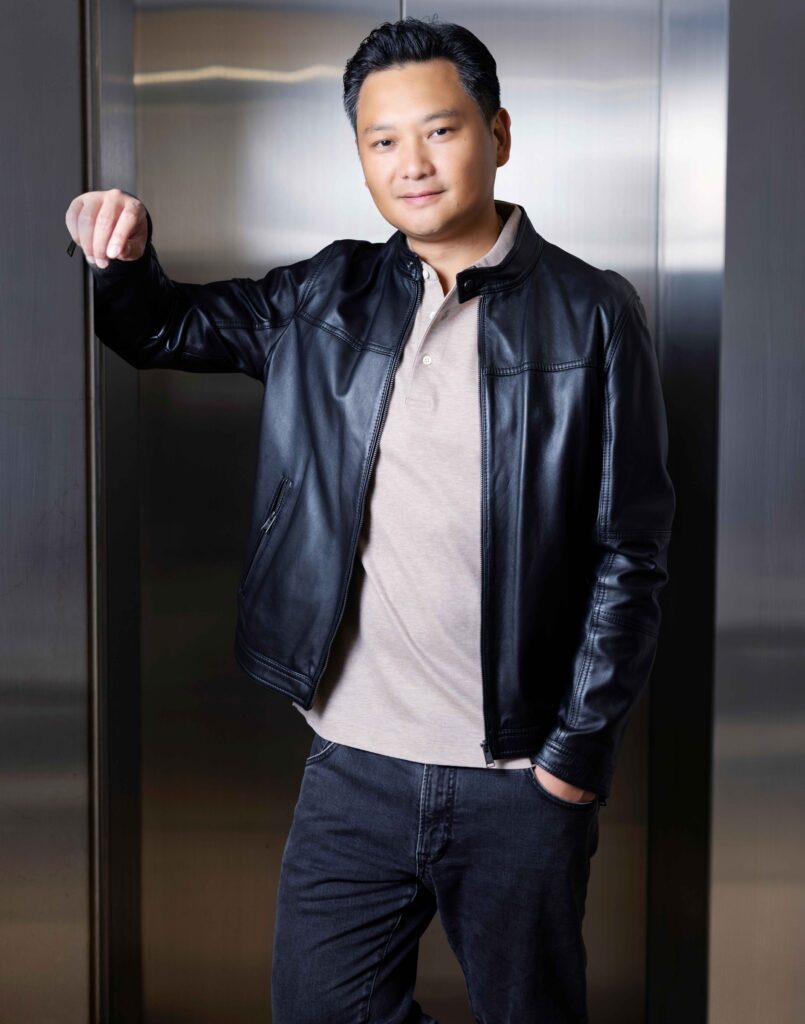
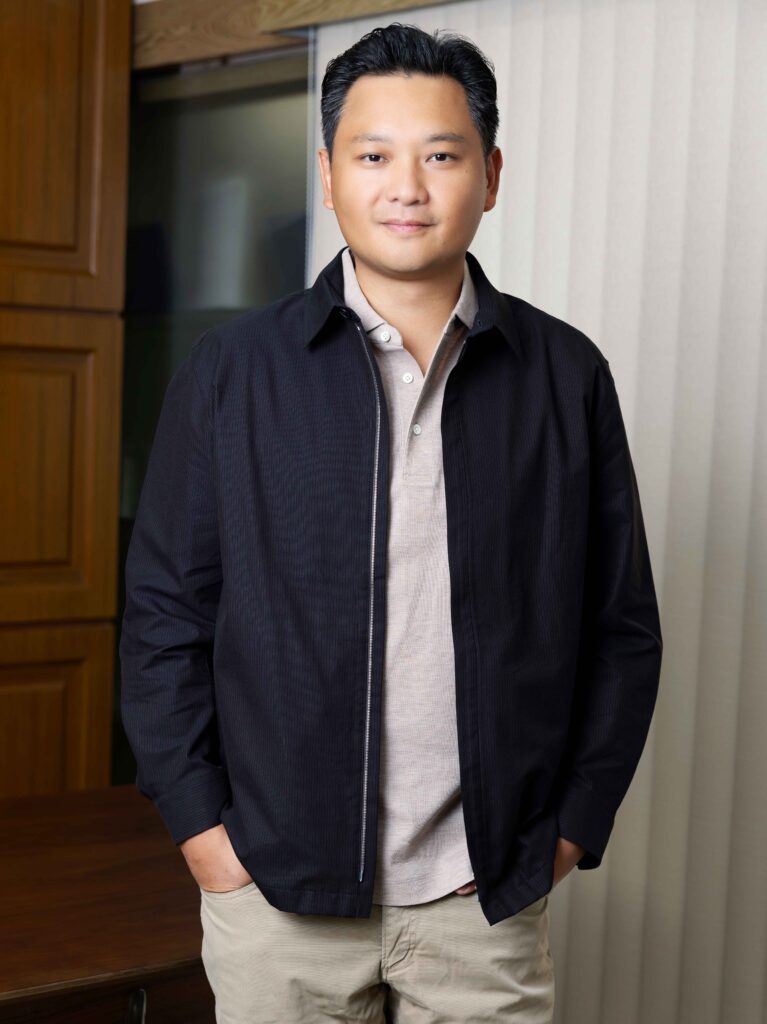
Martin Liu arrives at his Wong Chuk Hang office, where golf bags are stacked neatly and shelves lined with an array of familiar paraphernalia: clubs that look professionally polished, mini training tools that belong in a budding golf star’s dream, and equipment that seems to hum with possibility.

The founder of Chip Chip Golf Academy appears a little under the weather today – as evidenced by his husky voice – but the passion in his eyes moves faster than his throat. He leans forward and, with the patient warmth of someone who has taught countless eager juniors, begins sharing the joys of golf and how the sport shaped his perspective from a very early age.

“I started playing and learning about golf when I was only two years old,” he says. “Do you play?” he inquires of our team. When the majority of the crew admit they don’t play often enough, he doesn’t tease for long. Instead, he challenges us the way only a golf mentor would, by igniting ambition through friendly one-upmanship.

“There’s no age limit or starting point in life and in sport. Perhaps you can enrol your son when he turns one,” he says, laughing lightly, like the idea was obvious, like his sport was built for beginnings, not gatekeeping.

And in that moment, it becomes clear: Liu’s energy doesn’t need a fully rested voice to resonate. It comes from deeper places: research, resilience, people development, storytelling, and a business mindset sharpened through years of growth strategy.

Chip Off the Old Block

Golf for Liu wasn’t introduced with a club brochure. It was handed down through proximity: being around professionals, learning by absorption, and feeling the culture of the sport early enough to make it personal.

“My father [Daniel Liu] was a former professional golfer,” he shares. “Looking back, I realise golf gave me much more than a sport. It taught me discipline, resilience, and how to stay composed under pressure at a very young age. As I sometimes say, ‘Golf raises you before it rewards you.’”

Even as a child, Liu was doing something many adults struggle to do: reflecting. Not just dreaming, but choosing. He explains: “Being immersed in that environment gave me an early understanding of both the beauty and the demands of the game. It was certainly an advantage to learn within that world, but it also prompted me to reflect early on about what kind of path I wanted to create for myself, both within and beyond golf.”

In Hong Kong, golf can feel like a well-kept secret; popular, respected, yet still not equally accessible. Young Liu found a way through it by moving with his family and learning through sacrifice.

“My parents operated a golf merchandise and consulting business across the border in China,  working closely with clubs and training facilities, so we spent most weekends and school holidays travelling there for training. Those journeys taught me adaptability and commitment at an early age, while also giving me invaluable exposure to competitive golf beyond Hong Kong.”

Green Approach

Liu’s career is a route built from experiments. He studied business at The George Washington University in the US capital – where he captained the golf team – and over the span of a decade teed off as a financial analyst, swung into business management for film and video production companies, and ventured onto the greens of venture capital. He founded Chip Chip Golf three years ago. On paper, his CV might look scattered; in practice, it sounds like a continuous education.

“Despite the contrast of working for a multinational corporation with 300,000 employees to a four-person media production start-up, the one consistent lesson across every industry was the importance of creating tangible value,” he states.

His pivot away from corporate life was instinctive once he realised what kind of environment he truly thrived in. “I found myself reconnecting with golf through my involvement with the Golf Association of Hong Kong, China, particularly through the Junior and International Development Committee, which plays a key role in shaping the city’s next generation of athletes, and later as captain of the Hong Kong men’s national golf team.”

Fun First, Skills Second

When people imagine golf academies, they might expect performance metrics and pressure-driven progression. Liu built the Chip Chip Golf programme, which teaches juniors aged two to 14, with a different ordering of priorities. “Our philosophy is simple: fun comes first, skills come second,” he explains. “Too often, youth sport becomes overly focused on performance too early. We believe children first need to enjoy the process. Children do not stay in sport because they are talented; they stay because they fall in love with it.”

His ethos echoes the sport itself: you miss, you recover, you return. That principle becomes a life lesson. “While we place great emphasis on developing strong technical fundamentals, we believe the golfer’s mindset is equally important, perhaps even more so in the long run.”

It’s an environment in which juniors learn how to cope with disappointment. “We teach our students that setbacks are not something to fear or avoid, but something to navigate with confidence and perspective. Life, much like golf, rarely unfolds perfectly. The ability to remain calm, adapt positively and recover gracefully is a skill that extends far beyond the fairway.”

Fairway for All

Liu’s aim is to make the sport more welcoming and inclusive for families who may never have previously considered golf. “One of the most common misconceptions is that golf is an exclusive sport reserved only for the wealthy or those with access to private-club memberships. The sport itself is far more approachable than many people realise,” he says.

“We guide children from their very first swing all the way through to playing on-course and competing in tournaments, all within an environment centred around learning, friendship and enjoyment.”

His experience as Hong Kong team captain gave him a macro view: what’s improving, what still needs system-level strengthening, and where belief must be rebuilt. “We now have players winning at the highest levels internationally, and golf has earned Tier A elite-sport status at the Hong Kong Sports Institute. Golf teaches accountability fast, because there’s nobody else to blame. That’s why character development isn’t optional; it’s built into the sport.”

Game for Life

Liu’s ultimate goal is to cultivate lifelong relationships with the sport, so children feel empowered long after the lesson ends. “Ultimately, I hope every child who comes through our programme develops a positive and lasting relationship with golf,” he says. “If we helped cultivate genuine passion, confidence and enjoyment through the experience, I would consider that a success.”

Although Liu feels below par today, this is a man who keeps showing up. As we conclude our chat and move on to the photo shoot, he offers our crew some energy drinks. “I think I might need these the most,” he quips. Martin Liu may sound croaky, but he has certainly found his voice in life.

Interview, Text & Art Direction: Joseff Musa     Photographer: Jack Law     Videographer: Iris Ventura  

Chinese Blessing: Man Ho daringly perfects the delicate in an auspicious classical setting

The moment we enter Man Ho Chinese Restaurant, a wash of calm elegance engulfs us, hushing any idle chatter. While this aura of refinement raises the tone of the dining room, we lower ours. The fountain near the entrance, decorated with lotus sculptures, is straight out of a classical Chinese garden. Quietly auspicious, it’s almost like it’s there to deliver a blessing before the first dim-sum rolls by.

Man Ho – Main Entrance

Then the space opens up. Cue huge wood-framed moon gates, cloisonné panels depicting spring and autumn, and chandeliers constructed from thousands of morning-glory glasses cascading in tinted Champagne gold.

Steamed Egg with Lobster, Dried Fish Roe and Saffron

The fine-dining quality of the Cantonese food matches the theatrics. Jayson Tang, the JW Marriott Hotel Hong Kong’s Executive Chinese Chef, says his philosophy is “refining the rustic, perfecting the delicate”. This is visible in everything the kitchen does – from the way ingredients are treated like royalty to how humble dim-sum concepts become dainty masterpieces without losing their soul.

Pan-Fried Crab Claw with Spring Onions in Ginger Foam

“Each morning, I personally inspect all incoming produce [and] if anything falls short of our standards, I would rather remove the dish from the menu than compromise on quality,” notes the chef, explaining how this ethos controls the whole process, from start to finish.

First to arrive at our table is Steamed Minced Garoupa and Shrimp Dumpling, a goldfish-shaped marvel. It looks playful, but it doesn’t taste like a gimmick. The garoupa is marinated in homemade Japanese soy sauce, then carefully blended with mushrooms, scallion whites and sesame oil. When it’s wrapped in its starchy skin and hits the steamer, you get that clean, plush seafood sweetness – soft, fragrant and unmistakably Cantonese in spirit.

Minced Garoupa and Shrimp Dumpling

Then comes the house signature Barbecued Pork using mui tau (pork collar) marinated in homemade honey sauce and roasted three times. The result is tender, succulent and deeply fragrant.

Signature Barbecued Pork

Sweet-savoury balance lands like a confident handshake. If you go for Shredded Duck Meat Soup with Shredded Fish Maw, Chicken and Fungus, a modern take on the winter-warming snake-soup tradition, you’ll understand why diners regularly return. It’s fragrant, layered and soothing without being boring. The shreds of duck meat, chicken, fish maw, mushrooms, bamboo pith and fungus create a broth that tastes composed, like every ingredient has its own job and shows up to work on time.

Shredded Duck Meat Soup

“Above all, a dish must first be exceptionally delicious,” says Chef Tang, describing how he tells the story of his cuisine through technique. Yes, narrative matters, but only if the flavour earns the right to speak.

His seafood specialties, on the other hand, are fancy but also seriously engineered. Braised New Zealand Abalone is an example of patience becoming pleasure. It’s wild, sustainably caught, cleaned, braised for three days, then dry-braised with abalone sauce for smoky umami depth.

Baked Whole Dried South African Abalone

And then there’s Deep-Fried Fish Maw Stuffed with Shrimp Mousse in Chicken and Rice Stock with Caviar. Crispy outside, luxurious inside. The caviar’s briny pearls swim in a Chinese broth, giving you a warm, savoury hit that feels daring without tasting confused.

Deep-fried Fish Maw Stuffed with Shrimp Mousse

Chef Tang explains his logic about integrating Western ingredients like caviar into Chinese technique: “Caviar is typically served chilled, but I chose to pair it with a hot Chinese rice-congee stock. The heat coaxes out the rich fish oils and intensifies the caviar’s umami notes.” That’s not luck – that’s culinary nerve.

Our final dish is Roasted Goose with Aged Dried Radish. The radish is aged in stages: three, 12 and 25 years, then stir-fried with shallots, preserved plums and tangerine peel. It tastes complex and naturally sweet in a way that makes you pause mid-conversation. That’s what timeless means at Man Ho.

Roasted Goose with Aged Dried Radish

The JW Marriott’s Chinese restaurant is Michelin-level for a reason: it’s not just refined. It’s consistent, it’s disciplined, and it treats flavour like a craft that deserves respect. You come for one dinner, then you catch yourself planning the next one before the bill arrives. And good luck leaving the table without ordering an extra something “just to try”. This place will make you try, and then make you addicted.

Handcrafted Dim Sum

Text: Joseff Musa    Photos: JW Marriott Hotel Hong Kong