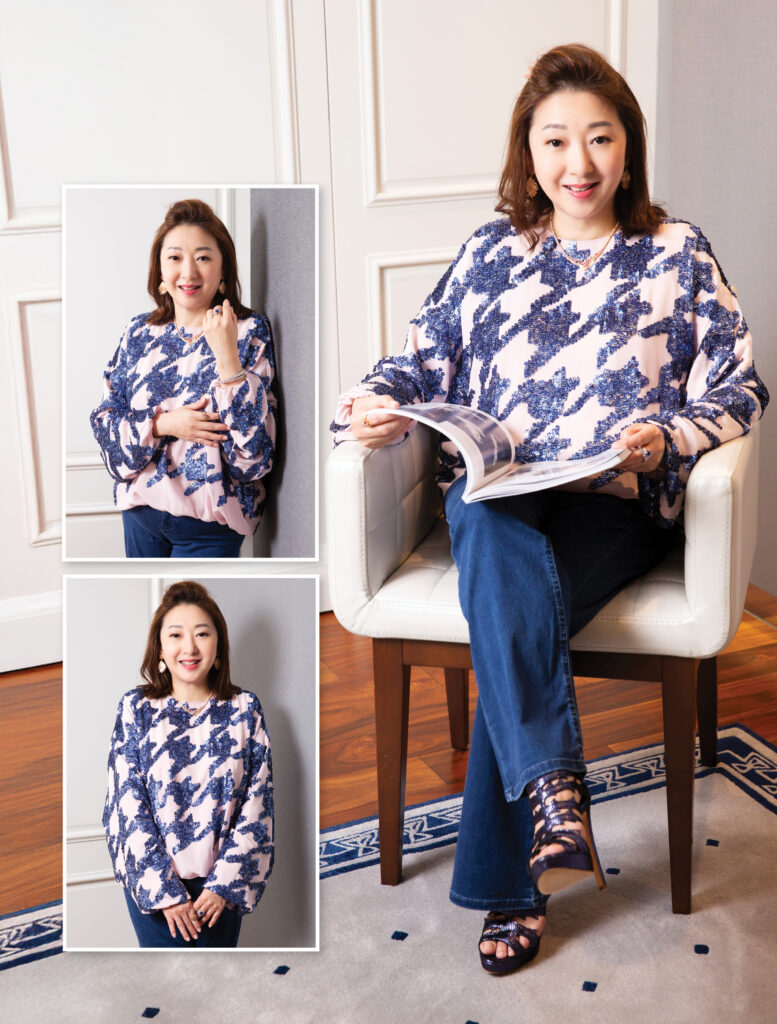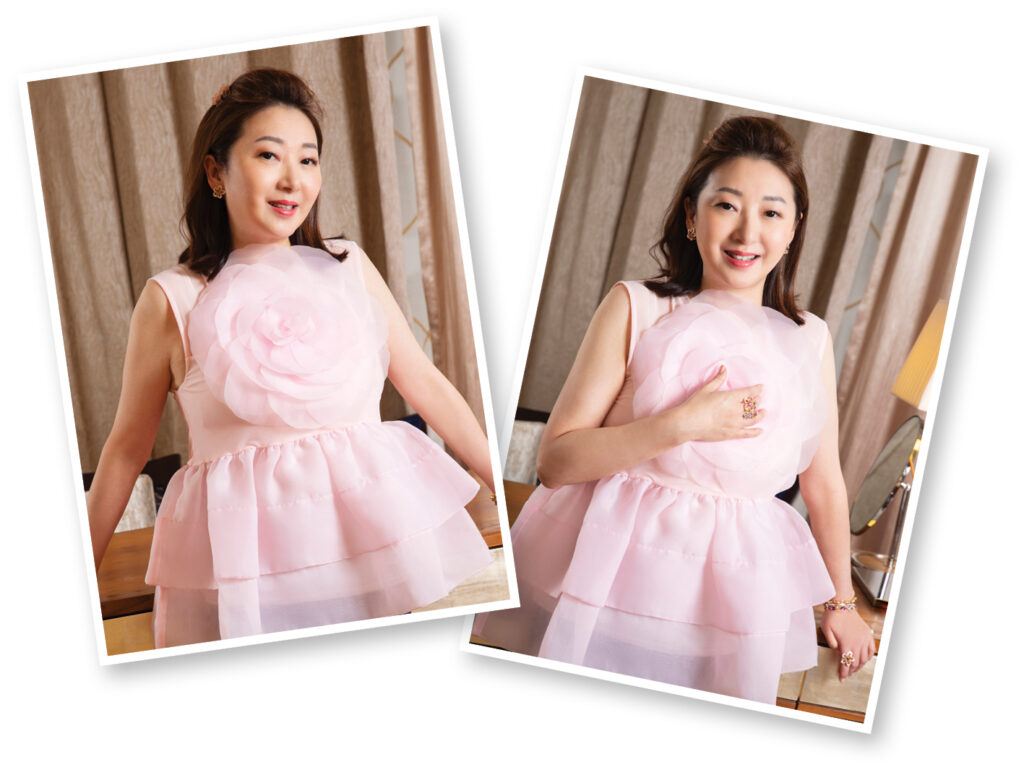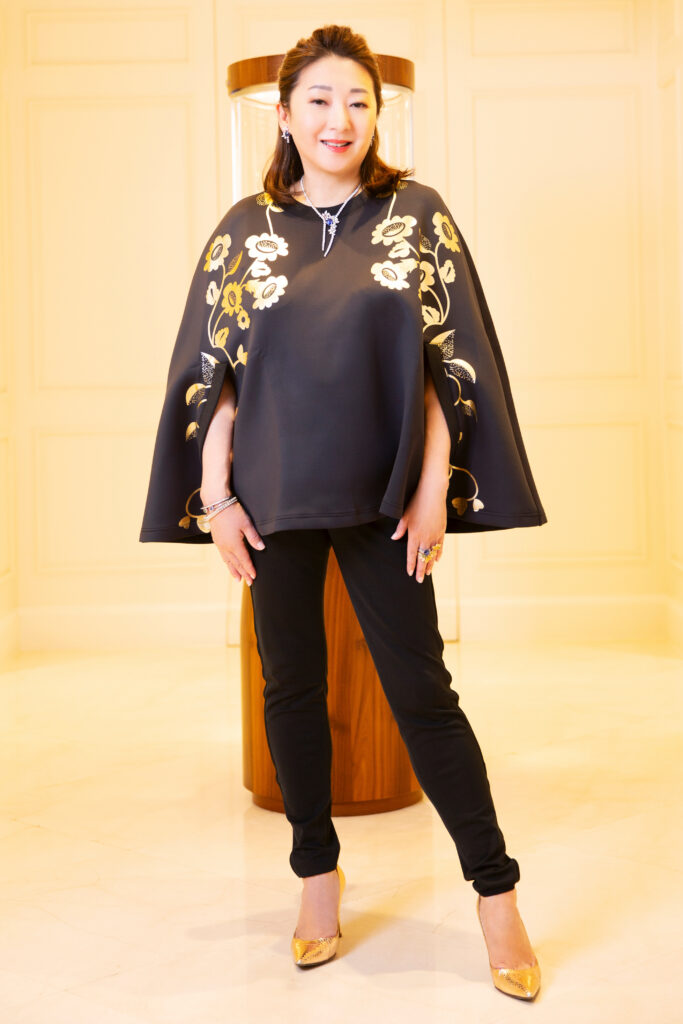
Creative Thinking: Educator and entrepreneur, Joanna Hotung shapes the next generation with an inquiring mind and eye

You know you’ve arrived at Joanna Hotung’s studio-meets-testing-ground slash office when you see paintings and digital artworks plastered across the muted walls of a quiet corner in Wong Chuk Hang. “These are made by my [younger] daughter [Sophia], who is an artist,” she says with a warm smile. Inside, a large room bursts with shape and colour, every surface crammed with books and journals – a testament to the insatiable curiosity and diverse interests of the educator-cum-entrepreneur slash advocate for young people, healthcare and the arts.

Despite Hotung’s fastidious approach to art, which she admits is wholly intuitive, the space radiates creative freedom. “It’s very chaotic and very colourful. You guys might have a hard time finding a spot [to set up for the shoot],” she laughs.

Surveying her domain, her eyes twinkle with pride. “Two months from now, I’ll be celebrating my 60th birthday, and I’m looking forward to becoming a grandma next year,” she shares, her voice tinged with excitement. “It’s milestone after milestone, and I’m super proud of these.”

Hotung’s warmth and zest for life are palpable, blending seamlessly with her many accomplishments and her ongoing journey of growth. “I’m not a fashionista,” she insists as we begin shooting, but her wardrobe of carefully curated pieces from international and local designers suggests otherwise. Each outfit is a statement of her multifaceted identity. Her style subtly echoes her broader approach to life: bold, eclectic and unapologetically authentic.

Artistic Roots

“I remember as a child I always wanted to be a teacher,” she recalls. “I would organise my friends into groups, and we would do arts and crafts or try to sew or knit together, following patterns from a manual my grandma sent me from England.” Her early creativity was complemented by a love for visual and performing arts, nurtured by her parents, who took her to exhibitions and performances. She also participated eagerly in speech and music festivals, learning the piano, clarinet and ballet along the way.

Her family played a pivotal role in shaping her values and approach to leadership and social impact. “I was brought up very much with a can-do attitude and to be self-sufficient,” she says. “Going to boarding school in England at age 10, I learned that it’s okay to come first, last, or somewhere in between, as long as I tried my best.” Her father told her ‘whatever you try your hand at, you’ll be grateful for the experience later, and it will turn out to be useful in some way’. This wisdom has stayed with her, guiding her through successes and setbacks alike.

Her worldview was enriched by attending international schools in Hong Kong, Geneva, London and Beijing. “The diversity of those experiences shaped my outlook,” she notes. Being Eurasian, she felt like she could fit in anywhere, though she admits there were moments of culture shock, especially in Beijing during the 1980s. “That year was one of the most impactful of my life,” she reflects.

Vivid Vision

Hotung’s foray into entrepreneurship was born out of her desire to fill a gap she observed firsthand. “My two daughters were studying in a local kindergarten, mainly to learn Cantonese,” she recounts. “I appreciated the skills, respect and discipline they learned, but when my four-year-old was told by a teacher she couldn’t paint an elephant orange because elephants can only be grey, I saw a huge gap in creative learning.” That incident sparked her decision to start her own art school, Kids’ Gallery, focused on developing creativity and inquiry-based learning.

“I was lucky in 1996 to be early to market,” she says proudly of KG Group, which expanded from arts and crafts to drama and dance, English-language centres and a production company, all dedicated to fostering confidence, curiosity and communication. “It was about nurturing a love for arts and empowering children to be curious,” she explains.

This holistic approach laid the foundation for her lifelong commitment to education and social impact. In 2013, she established the Mills International Preschool in Yau Tong, and sits on the boards of Youth Diabetes Action, the Hong Kong Arts Festival Society and Gleneagles Hospital, among others.

Cultural Fusion

Prior to dedicating herself to education and social causes, young Joanna had stepped onto the corporate ladder. “I started out in the Marks & Spencer graduate training programme in London, then I moved into management consulting at PwC.” But with her children’s arrival, she sought more control over her time and choices. “It’s never easy juggling both,” she admits. “I was lucky to run an education business that my children could participate in after school; they took every course on offer!”

Her multicultural background deeply influences her approach to education and mentorship. “I believe I can understand and curate the best of both worlds,” she says. “I’m a big believer in the discipline and hard-work mentality of Asian culture, and I also admire the confidence and individuality of Western culture.” Her goal is to provide opportunities that allow young people to balance these qualities, creating well-rounded individuals prepared to navigate a complex world.

She notes that young people are remarkably resilient. “Sometimes, we overprotect our children,” she says. “But facing challenges and discomfort helps them develop resilience and critical skills.”

Empowering Expression

Hotung has been a passionate advocate for the vital role played by the arts for almost 30 years. Although she has sold the KG Group, her commitment continues today. “In a world of constant change and AI, the arts and creativity are more important than ever,” she asserts. “They help develop critical thinking, empathy and problem-solving skills. Engaging with the arts encourages confidence and self-expression, empowering children to find their unique voices.” She emphasises that arts are not just entertainment, they are essential tools for shaping resilient, innovative and compassionate future leaders.

Her future plans involve expanding her educational initiatives through the Hotung Mills Education Foundation. “It supports arts, healthcare and education,” she explains. Her vision for mentoring the next generation centres on fostering adaptability, creativity and ethical decision-making amid technological revolutions. “I want to empower young leaders to embrace innovation while staying true to their values,” she says.

For her, happiness is rooted in her family and purposeful work. “Seeing the growth of those I work with gives me joy,” she shares. Her definition of success has evolved from achievements and recognition to making a lasting impact and maintaining balance. “It’s about impact, learning and wellbeing,” she emphasises.

Her work with initiatives like Youth Diabetes Action has brought countless rewarding moments. “Seeing young people gain confidence in managing their condition and watching families find a supportive community is incredibly fulfilling,” she says. “We’ve sponsored life-saving tech and helped shape brighter, healthier futures.”

Future Force

Her legacy, she hopes, will inspire a culture of lifelong learning, empathy and innovation, particularly empowering women to challenge the status quo. She dreams of a future where young people are brave and creative, ambitious yet grounded, and ready to shape a more inclusive society.

“I want them to be hardworking, courageous, adaptable and compassionate,” she says. “They have the potential to build a better, more equitable society.” She implores the older generation to listen more to young leaders and give them space to share their ideas, blending lessons from the past with visions for the future.

Indeed, Hotung’s output is about more than aesthetics. Beneath the quirkiness lies a purposeful knack for making a difference. The choice of ’90s-boyband tunes during our shoot, her display of Chinese ceramics, and her Scandinavian and European furniture reveal her deep love for her Eastern and Western backgrounds. She fully embraces both, weaving them into her life and work: vivid, ever-evolving, deliberate and meaningful. True impact comes not just from the boldest strokes but from the thoughtful blending of diverse influences, creating a masterpiece that inspires and uplifts generations to come.

Gene Genius: Prenetics dynamo Danny Yeung envisions a world where health converges with wealth

The hallmark of Danny Yeung is his dedication. At 46, the healthcare honcho remains fiercely passionate about his multiple business ventures, blending a relentless work ethic with an insatiable curiosity for innovation. His office at Prenetics’ Hong Kong headquarters in Quarry Bay is a reflection of his vibrant personality, featuring a large poster of himself in a boxing stance and the unofficial title of ‘Chief Honey Badger’ on the door. He explains with a grin: “It’s from this viral video about this creature that does anything to get things done, no matter the obstacles. That’s me.”

Yeung’s hair is tinged red, a symbol of his commitment and faith in IM8, a red powder supplement drink he launched in 2024. “The T-shirt I wear every day, even during high-stakes meetings, is my way of showing that I believe in what we’re building,” he says. “It’s about consistency, passion and showing my team and partners that I’m all in.”

Throughout his journey, Yeung exemplifies how resilience and dedication can transform industries and lives. His philosophy is simple but profound: “Your attitude, not your aptitude, will determine your altitude.”

Dynamic Dan

Growing up as an immigrant in the United States, Yeung’s early experiences shaped his relentless pursuit of success and good health. “Moving from Guangdong, China, when I was five, we had little,” he recalls. “That hunger, knowing that you have to build your future, drives me still.”

As a 12-year-old, he sold baseball cards, not for profit but for the thrill of the hustle. “It was my first taste of business, understanding what people want and how to give it to them,” he says. This early lesson in supply and demand laid the foundation for his entrepreneurial mindset.

He worked as a telemarketer at age 15. “Rejection every day taught me resilience,” he recalls. “In my teens, I was managing people in their 30’s. I learned how to persuade, listen and build trust. Business isn’t just about products; it’s about connecting with people on a human level. ‘You don’t need to be the first, but you need to be the best’ is something I live by.”

His first business venture, a Hui Lau Shan dessert shop franchise in the US, stemmed from recognising a market for authentic Asian flavours among the Chinese diaspora in California. “It was about sharing our culture and creating a space for connection,” he explains. Remembering early mornings at the fruit market, he adds: “If you want to succeed, you have to do what others won’t.”

Progressing from providing hospitality furniture for MGM’s luxury towers to establishing e-commerce platform UBuyiBuy, Yeung’s diverse startups broadened his skill set. “Each industry taught me something: quality, data, scalability,” he reflects. “My varied background allows me to connect dots others might miss. It’s about adaptability, a growth mindset, and relentless curiosity.”

New Gen Genetics

A personal health scare at 37 marked a turning point. The discovery that he carried a gene mutation that increased his risk of colon cancer came with the realisation that health isn’t just reactive but proactive. “That moment ignited my mission – to empower people with knowledge about their health,” he shares. “Healthcare should be about prevention, not just treatment.”

Yeung pivoted, co-founding Prenetics in 2014, a genomics-driven healthcare company which empowers people with personalised health information. “It’s about providing tools for a healthier, longer life,” he emphasises. “That’s a mission worth risking everything for.”

Prenetics’ path to becoming Hong Kong’s first Nasdaq-listed unicorn was marked by obstacles, including public scepticism about genetic testing, complex regulations, and a global pandemic. “In the beginning, many didn’t understand genetic testing,” he admits. “We invested heavily in education and building trust.”

When Covid-19 hit, they reacted swiftly. “We transformed our labs, retrained staff and developed testing kits,” he recalls. “Working 20-hour days, we performed over 28 million PCR and home tests, our finest hour.” The pandemic solidified Prenetics’ reputation as a health-services leader. “In chaos, there’s opportunity. Our team showed the world what dedication can achieve.”

The goal of their prevention arm, CircleDNA, is to “put the power of health into every individual’s hands” through a comprehensive at-home genetic test providing insights into disease risk, food sensitivities and personality traits. “Knowledge is power, but only if you use it,” notes Yeung, envisioning a future where proactive health management becomes the norm and each person understands their unique blueprint.

Authentic Partnerships

Yeung’s personal brush with cancer risk fuels his passion for Insighta, a cancer-screening joint venture with scientist Dennis Lo. “Detecting cancer early means more treatment options and higher survival rates,” he says. “Our goal is to make early detection a routine part of health checks.” Expanding from lung and liver cancer tests this year, they plan to screen for more than 10 cancers by 2027. “It’s about turning the tide against one of humanity’s deadliest diseases,” he asserts.

IM8, meanwhile, has star power. Co-founded by football legend David Beckham, its science-backed, nutrition-rich formula is intended to disrupt the supplement industry. “David’s genuine belief in IM8’s mission made him a true partner,” shares Yeung. “His family uses our products daily, a level of commitment that’s rare in celebrity collaborations.”

Tennis champion Aryna Sabalenka, who started using IM8 for energy and recovery, is now a brand ambassador and shareholder. “Proof that real results lead to real partnerships,” he concludes.

Health in Our Own Hands

Yeung sees a future where smartphones serve as personal health assistants. “Technology will enable us to understand and manage our health proactively,” he predicts. From genomics to AI, the tools are here. “We’re leading the charge, turning science into everyday solutions.” Then comes the integration of health with financial wealth. “Holdings of Bitcoin and cash enable us to prepare for the future. The convergence of health and wealth is the next frontier.”

For Yeung, however, success isn’t just financial; it’s about impact. “Building something meaningful that improves lives is success,” he says, while underlining that happiness, for him, comes from family, purpose and balance. “Without health and loved ones, nothing else matters,” he reflects.

His greatest influences are his parents, immigrants who sacrificed everything for a better future. “Their work ethic, perseverance and humility are my guiding principles,” he states. Beyond family, he idolises disruptors like Jack Ma, who faced rejection but persisted. “Ma’s belief that ‘the opportunity lies where the complaints are’ has always resonated with me. It’s about identifying pain points and creating solutions, whether in e-commerce or healthcare.”

Yeung maintains an iron grip on a vision of such breadth and depth that, from afar, it seems almost singular. His self-stated greatest strength is his belief in his ideas and the determination to see them through. “Innovation is a mindset – curiosity, experimentation and learning. The future belongs to those who create it. Think big, work hard, and surround yourself with people smarter than you,” he urges. “That’s how you go far.”

With his fiery red hair and unyielding commitment to revolutionising healthcare, the Chief Honey Badger embodies the essence of innovation and purpose. There are a few creative minds that have this kind of drive. It’s quintessentially, unmistakably, irreplaceably Danny Yeung.

Interview, Text & Art Direction: Joseff Musa   Photographer: Jack Law   Videographer: Iris Ventura

Elegance Personified: Having turned us on to the high table, Wendy Siu is coaching refinement in all aspects of life

Wendy Siu’s admiration for French culture has helped spawn a successful lifestyle business and seen her recognised with that nation’s top honour. The Hong Kong champion of the refined art of living has long shared her expertise through master classes on etiquette and entertaining. Her latest enterprise unites her innate elegance and effortless propriety in an empowering programme to help a new generation of leaders achieve personal growth. 

How has your background influenced your personality and outlook on life?

The heritage passed onto me by my mother has definitely shaped who I am. She was very proud of her noble Manchu ancestry and instilled in us the core values of respectfulness, subtlety, elegance, etiquette and protocol as well as the alertness of knowing where you stand, whether in the family, society or other social circles, and the kind sensitivity this engenders. Yet, at the same time she taught her daughters to be brave, dynamic and independent. I appreciate the quiet elegance of my mom who never bothered to compete for unnecessary limelight.

Another key message she imparted was that we are different. In the 25 years since her passing, I have gradually come to understand her meaning – it is not arrogance to think you are different; it’s about respecting and preserving one’s unique background. To be your true self, you must refrain from blindly following the crowd without considering your own values. 

As for my father, he was a quiet scholar and a very disciplined man, practising Chinese calligraphy daily. I believe that my disciplined character, my desire to get things done precisely, and my aesthetic interests – appreciating beauty, the fine things in life, arts and culture – stem from my father’s influence.

I guess I was fortunate to be born into a family with interesting roots and heritage. Also, having dynamic interaction in my parents’ varied social circle explains my openness to embrace people from different walks of life.

What made you decide to establish a retail and lifestyle company and what’s your brand ethos?

I founded Heather & March in 1998 after my intense corporate life working for major US and UK multinationals [GE and the BT Group]. The goal was to bring beauty and joy to people’s homes – what the French refer to as art de vivre, the art of living, or joie de vivre, the joy of living.

Due to our quality in terms of brand positioning, image and value-added services with proven business results, French tableware and home-interior companies asked us to be their exclusive agent. We gradually built up a nice portfolio of refined homeware and tableware from the likes of Ercuis, Raynaud and J.L Coquet, which led us into the hospitality sector, since these are key suppliers to the world’s five- and six-star hotels and the Michelin chefs.

Besides being a distributor of high-end French homeware, we developed our own characteristics as a lifestyle brand. The ethos of Heather & March is elegance, beauty and sophistication. This is disseminated through the programme we offer our clients such as lifestyle workshops in gastronomy, entertaining and etiquette. We have partnered with top names such as Institut Paul Bocuse, Mandarin Oriental, Ritz-Carlton, Comité Colbert, Baccarat and Hongkong Land to deliver bespoke and creative experiences.

When and where did your love of French culture begin?

Although I was very fond of watching French movies as a teenager, and I went to a French convent school in Hong Kong, St Paul’s Convent School, I think my infatuation with French culture really began when I started sourcing for Heather & March. I used to travel to different countries to learn about their style of homeware and home decoration. When I spotted some special French tableware at General Trading Company in Sloane Street in London – then the favourite shopping destination of the British royals – I felt such overwhelming joy and internal peace appreciating these beautiful and whimsical pieces.

It was then that I began to explore the French table art culture and fell in love with its refined craftsmanship, beauty and creativity. In the beginning we sold a variety of European products at my boutique, but as my appreciation of French know-how grew deeper, we gradually focused on brands from France. 

Is a full understanding of ‘Les arts de la table’ essential to create the perfect dining experience?

Since it is an important part of French culture, having this knowledge and understanding is precious in order to continue our sophisticated society and cultural fabric, especially as people are living more simply these days. Creating a harmonious and stylish dining experience with that extra touch beyond the norm is always exciting for guests. Somebody has to do it! 

What has been the defining moment in your life?

If I can only share one defining moment, it will be the bestowal of the Légion d’Honneur lifetime honour in 2023. Légion d’Honneur is the top-ranking national honour in France; it was established by Emperor Napoleon Bonaparte in 1802. Some Knights in the National Order of the Légion d’Honneur risked their lives in the battlefield, thus I received this honour with pride and yet also with total humility. Although I’m not in a continuous physical battle as these brave knights were, I’m fighting against continuous hurdles and challenges in life’s mental battles. 

It was a defining moment as it restored for me a basic belief in life – one that many of us may think no longer exists – that you will be rewarded fairly if you do your best. I can now better encourage others to never stop trying, doing, growing and giving of your best with sincerity, kindness, dedication, truthfulness and enthusiasm.

You are described as a great friend of France – what aspects of French culture do you particularly admire?

The depth and intensity of their culture, no matter in literature, philosophy, arts, culture, craftmanship, gastronomy or wine, and their standard of precision and accuracy. I adore this refined spirit and particularly the beautiful French language – which explains why I’m pleased to have remained in my role as Vice-President of the Alliance Française de Hong Kong for 20 years now!

What are your future ambitions?

In March, I set up Elegance Institute with the mission to bring a paradigm shift in life and help others reach full success through the application of inner and outer elegance. We are a coaching-based institute, a ‘how’ institute, and we are here to empower the next generation of business leaders. 

A full spectrum of skills and knowledge can be transferred in the four key aspects of life – personal, professional, social and family – through my coaching. The target audience of Elegance Institute is high-calibre business executives, entrepreneurs and women – with men welcomed, of course – who are driven and motivated to further their personal growth in order to achieve solid success.

What voluntary and charity projects are close to your heart?

I had the privilege to lead the Hong Kong Chapter of Les Lumières de Paris, a voluntary non-profit organisation promoting the heritage, crafts and savoir-faire of the French capital – I was President for five years and have served as Honorary President since 2024. It is also my wish, in the future, to contribute part of the profits of my newly founded Elegance Institute to charity.

Do you see your role as a bridge between East and West?

Definitely, and I enjoy it very much. I believe in contributing my talents to doing good. Bridging people internally brings peace and harmony, making our world a better place. This is also the mission of the Elegance Institute. I love to transmit ‘the how’ – the values and behaviours – that connect people.

Photographer: Jack Law  Videographer: Iris Ventura Ventura  

Fintech Finesse: From Startup to Scaleup. WeLab’s founder Simon Loong and his AI Revolution in Fintech

At the summit of creativity and corporate ambition, the WeLab headquarters stands proudly atop a busy commercial building in Quarry Bay. It’s a vibrant hub where finance meets fun – if Pixar had a branch for fintech, this would be it. The office could easily be mistaken for a lively café or a playground for grown-ups, and it reflects WeLab Founder and Group CEO Simon Loong’s personality as a leader – one who is building one of Asia’s largest independent fintech platforms with panache, and quite possibly, a cheeky grin.

Bright walls adorned with brash slogans like “Work Smart, Not Harder,” “Get Shit Done but Do it Right,” and “Get Uncomfortable” merge seamlessly with artwork and memorabilia symbolising company milestones. Television monitors flash snippets of Loong’s recent interviews where he outlines ambitious plans to navigate into a future brimming with AI-driven innovations. It’s as if every corner of this colourful office whispers, ‘Yes, we’re in finance, but why not enjoy the ride while we’re at it?’

Loong’s personal journey began far from this high-tech haven. “When I was young, I was never a very good student,” he confesses. “I didn’t have an impressive academic track record, and I struggled with homework.” The candidness with which he speaks of his childhood challenges – a topic often whispered about in hushed tones – is both refreshing and endearing.

It was this early struggle that sparked his insatiable intellectual curiosity, a trait that would ultimately serve him well in the notoriously staid world of finance. And from these humble, formative years emerged a fearless innovator who took professional leaps that many wouldn’t dare consider, culminating in the game-changing 2020 launch in Hong Kong of digital-only WeLab Bank, which is now leading the digital banking industry in Hong Kong.

Learning Through Failure

Loong’s memories of being in the “bottom third” of his secondary-school class usher in a profound perspective on failure. “With little expectation from my parents, I was free to experiment,” he explains. “I found many things interesting. I’d dive into libraries to learn beyond the curriculum.” This resourcefulness awakened in him a kind of entrepreneurial spirit and resilience that would later become the cornerstones of WeLab.

After moving to Australia at the age of 13, he faced a fresh set of challenges, but the experience taught him adaptability – a skill crucial for any pioneer. “Adapting to a new culture can be intimidating,” he reflects. “But it also teaches you how to think outside the box. I embraced it.”

After university he returned to Hong Kong and held various leadership roles at Citibank and Standard Chartered Bank, but it wasn’t long before he felt his toolbox was lacking once again. To remedy this, in 2011 he made the decision to pursue a Master degree at the Stanford Graduate School of Business, a move that would reshape not only his career but also his approach to leadership.

Stanford State of Mind

“Going back to school after 15 years of work was like recalibrating my compass,” says Loong. “I was tackling challenges daily, and I felt stuck, like I was running out of tools to solve problems.” Stanford was the antidote; he learned both leadership and the art of entrepreneurship, and developed an eclectic blend of skills that would later fuel his success with WeLab.

Breaking New Ground

Under Loong’s stewardship, WeLab has transformed from a 2013 startup co-founded with his wife, Frances Kang, and university friend Kelly Wong, into a leading pan-Asian fintech platform with over 70 million individual users and more than 700 enterprise customers across Hong Kong, mainland China and Indonesia. The innovative surge continues as it embarks on a new frontier: “AI is changing everything,” he states. “We’re actively pursuing AI-driven financial innovations to enhance our services and accessibility.”

This vision for AI is exemplified by a recent strategic investment from the government-owned Hong Kong Investment Corporation Limited (HKIC) aimed at “pioneering AI finance”. Announced amid fanfare in April, and followed by a summit that brought together financial industry leaders, this collaboration focuses on accelerating AI-driven fintech services.

“It’s about elevating the digital future in Asia,” elucidates Loong, embodying the same passion he has for his team – a culture where innovative ideas flourish. “For over a decade, WeLab has thrived due to the support of local governments and the tech community. Our ambition is even bigger.” With its second digital bank, Bank Saqu, launched in Indonesia two years ago, and plans in motion for Thailand, the group envisages establishing the first leading regional digital bank catering to 500 million users by 2032.

Leading with Empathy

As a pioneer, Loong isn’t just focused on numbers; he understands the human element in finance. “The biggest lesson from banking is that people often struggle to let go of their titles and the prestige that comes with them.” He believes that this impediment stifles innovation. “In fintech, you need people who are willing to shed their positions to explore new opportunities,” he says, underscoring the commitment to cultivating a culture of experimentation at WeLab.

He emphasises the importance of resilience and resourcefulness, traits he wants his two daughters to master. When prompted about his parenting philosophy, he says: “I encourage my girls to be intellectually curious and resilient. Education isn’t just about grades; it’s about developing character.”

Vision Beyond Numbers

As we continue our engaging conversation, it becomes evident that Loong is not just focused on immediate results; he’s keen on building a legacy. “Seeing my colleagues grow and rise through the ranks here gives me a lot of joy,” he reflects. “When people come back and share how much they learned and how it shaped their careers, it’s profoundly fulfilling.”

This nurturing of talent is reflected in WeLab’s emphasis on upskilling its workforce and promoting talent development in fintech. “As we expand into new regional markets, we are also passionate about sharing knowledge with the next generation through educational programmes and workshops,” adds the CEO.

Commitment to Innovation

Ultimately, Loong is a quintessential leader in the fintech space. Mirroring the sleek and vibrant atmosphere of WeLab’s headquarters, he is serious about business yet playful in his approach. His commitment to innovation, inclusivity and constant improvement illustrates his unique approach to transforming the financial services industry.

As we wrap up our interview, we both reflect on how his ethos – treating challenges as games to be played rather than battles to be fought – not only propels WeLab toward new heights but also redefines what leadership can be in this fast-paced world. While his office might be painted in bright colours, Simon Loong’s vision for the future of fintech is deep, innovative and resolutely forward-thinking. After all, he has always played it right – from the get-go and every moment since.

Interview, Text & Art Direction: Joseff Musa      Photographer: Jack Law     Videographer: Iris Ventura   

Bright Lotus: With warmth and humility, yoga maven Hersha Harilela Chellaram champions a path to compassion

In the lobby of The Hari Hong Kong hotel, nestled in Wan Chai, Hersha Harilela Chellaram embodies the kind of warm-heartedness and approachability that would make anyone feel at home. “Please help me with these poses; I am not used to this,” quips the yoga therapist self-deprecatingly as we begin our cover shoot, laughing as if sharing an inside joke with the universe.

As the CEO of YAMA Foundation, she believes in the power of yoga to transform lives. “I started doing yoga because I believe it’s for everybody. No specific body types are required,” she says, her eyes sparkling with passion for her craft. She aims to dismantle barriers in an industry often criticised for promoting exclusivity.

This scion of Hong Kong’s renowned Harilela family balances her prominent background with a refreshing sense of humility. The pressure of privilege hasn’t altered her charmingly down-to-earth nature; instead, it has amplified her commitment to meaningful non-profit work, proving that true success is not measured by wealth, but by impact.

Amid the merriment of our photo session, Harilela Chellaram stresses that there’s no shame in wearing a loose top and stretchy trousers; for her, comfort is key. “Shake what your mama gave you,” she chuckles, a mantra she champions both on and off the yoga mat.

Breath of Life

Reflecting on her childhood, she shares poignant memories that served as the foundations for her career. Yoga was not merely a form of exercise but a bond of togetherness. “I have very key memories as a young child of being with my father when he practised yoga,” she recalls. Her father, Michael Harilela, would sit in full lotus, exuding serenity while his daughter playfully attempted to mimic his poses.

This familial appreciation for yoga was complemented by her mother, Kamilla, a karma yoga devotee, who introduced Hersha to community service and the essence of selfless giving. “I remember my birthday parties being spent serving food to the needy rather than receiving gifts,” she shares, recounting moments that shaped her vision for inclusivity. The seeds of compassion were sown early, establishing a lifelong connection to yoga’s core principles of acceptance, grace and giving back.

From the very beginning of her journey as a yoga teacher, Harilela Chellaram recognised the importance of adaptability. After obtaining her yoga teacher certification in 2002, she found herself in New York City, eager to teach. One particular encounter sparked a transformative epiphany: “A woman walked in with a prosthetic leg. I was terrified and told her I wasn’t sure I could accommodate her needs. She confidently replied, ‘I know how to accommodate myself. Just watch and learn.’”

This moment crystallised the Hong Kong wellness pioneer’s realisation that yoga is about meeting individuals where they are. “It’s about putting a pose into the body that you have. Yoga should be accessible to everyone,” she asserts.

Challenging the Narrative

Returning home, she faced complications implementing this philosophy, especially in Hong Kong’s rigid societal framework where differences are often stifled. “I’ve taught everyone from infants with special needs to octogenarians recovering from strokes; each student brought unique challenges,” she says. Her mission is not just to impart yoga poses but also to nourish the body and soul through empathy and understanding. “People often equate children being noisy with bad behaviour, but that’s not always true,” she notes.

Her commitment to accessibility extends beyond the mat as she strives to create welcoming spaces irrespective of physical limitations. It is her ongoing aim to transform the perception of yoga as an elitist practice into a universally embraced philosophy.

To change this perception, she stresses the importance of diversifying the representation of yoga within the media. “We need to showcase different body types and challenge the narrative that yoga is only for the already flexible or fit,” she asserts. By showcasing real people of all shapes and abilities, the narrative can shift towards an all-encompassing message: yoga is for everyone.

Celebrating Individuality

In a world that often pressures individuals to conform, Harilela Chellaram advocates self-expression and individuality. “There’s no right or wrong way to practise yoga,” she emphasises, championing the beauty of imperfection. “Each person’s journey is unique, and we must embrace that.”

This ethos ripples through her work with the YAMA Foundation, which inspires countless individuals – especially those from marginalised backgrounds – to embrace their own journeys. Each day, she strives to cultivate a space where all bodies can feel comfortable, uplifted and accepted.

Founded in 2016 by Harilela and her husband, Shaman Chellaram, the foundation has blossomed, providing yoga, art and meditation to some of Hong Kong’s most vulnerable communities. “Our mission – making Yoga, Art and Meditation Accessible – has evolved over the years,” she shares enthusiastically. It has empowered those with disabilities, living in poverty and other underrepresented populations, showcasing the profound impact these practices can have on emotional and mental wellbeing.

Recognition for the foundation’s work has come in the form of prestigious awards, including being named the 2020 Accessible Yoga Organisation of the Year. “It was an honour and a huge motivation,” she reflects. Her drive to serve continues to shine brightly, even amid challenges, urging her forward to create lasting change.

Mindfulness in Motion

Cultivating mindfulness is a cornerstone of her philosophy. “Breath connects us to ourselves,” says the influential educator, reflecting her own daily practice of meditation and yoga. She believes in the power of presence, connecting mind and body to foster emotional regulation. By effectively integrating breathwork into her teachings, she helps foster a sense of calm and connection without judgment or preconceived notions.

 “Seeing children no longer having meltdowns during everyday outings due to breathing exercises is a testament to our work,” she adds, radiating excitement as she recounts the organisation’s growth. Through her dedication, the foundation has expanded to offer more than 100 classes a month, evidence of a thriving community embracing wellness.

She dreams of creating a dedicated wellness centre that prioritises accessibility, ensuring that everyone – from wheelchair users to caregivers – can partake in holistic practices. “We’re launching a purpose-built facility so the community can come together and feel welcomed,” she says, her eyes gleaming with hope.

As we contemplate the future, she shares her aspirations for the next five years – expanding YAMA and providing mentorship to aspiring yoga educators. “I want to empower the next generation to carry forward this mission of inclusivity,” she confides with enthusiasm.

Authenticity Over Achievement

Asked about her definition of success, she pauses thoughtfully before uttering: “To be courageous and authentic in everything you do, both personally and professionally.” She highlights the importance of letting go of perfectionism and embracing the ordinary. “If you can roll with the punches, it sets you up for less stress and more happiness,” she explains.

Even as a prominent figure in the community, Harilela Chellaram remains grounded and relatable. “Although I like to think I am a modern, independent Indian woman in a big world, I still need my mom by my side,” she laughs, her smile broadening. As a mother of two herself, she is quick to credit her own mother as both her stylist and cheerleader, reminding us all of the importance of familial support in navigating life’s challenges.

 “I cannot do this by myself, especially when dressing up and looking glamorous. It’s always mom to the rescue,” she concludes with a twinkle in her eye. Her laughter, commitment and compassion serve as a call to action, inviting all to embrace their authentic selves while gracefully moving through life’s challenges.

Interview, Text & Art Direction: Joseff Musa   Photographer: Jack Law   Videographer: Jack Fontanilla  

Captain Culture: Hing Chao steers the Wah Kwong family ships through heritage values into a modern world

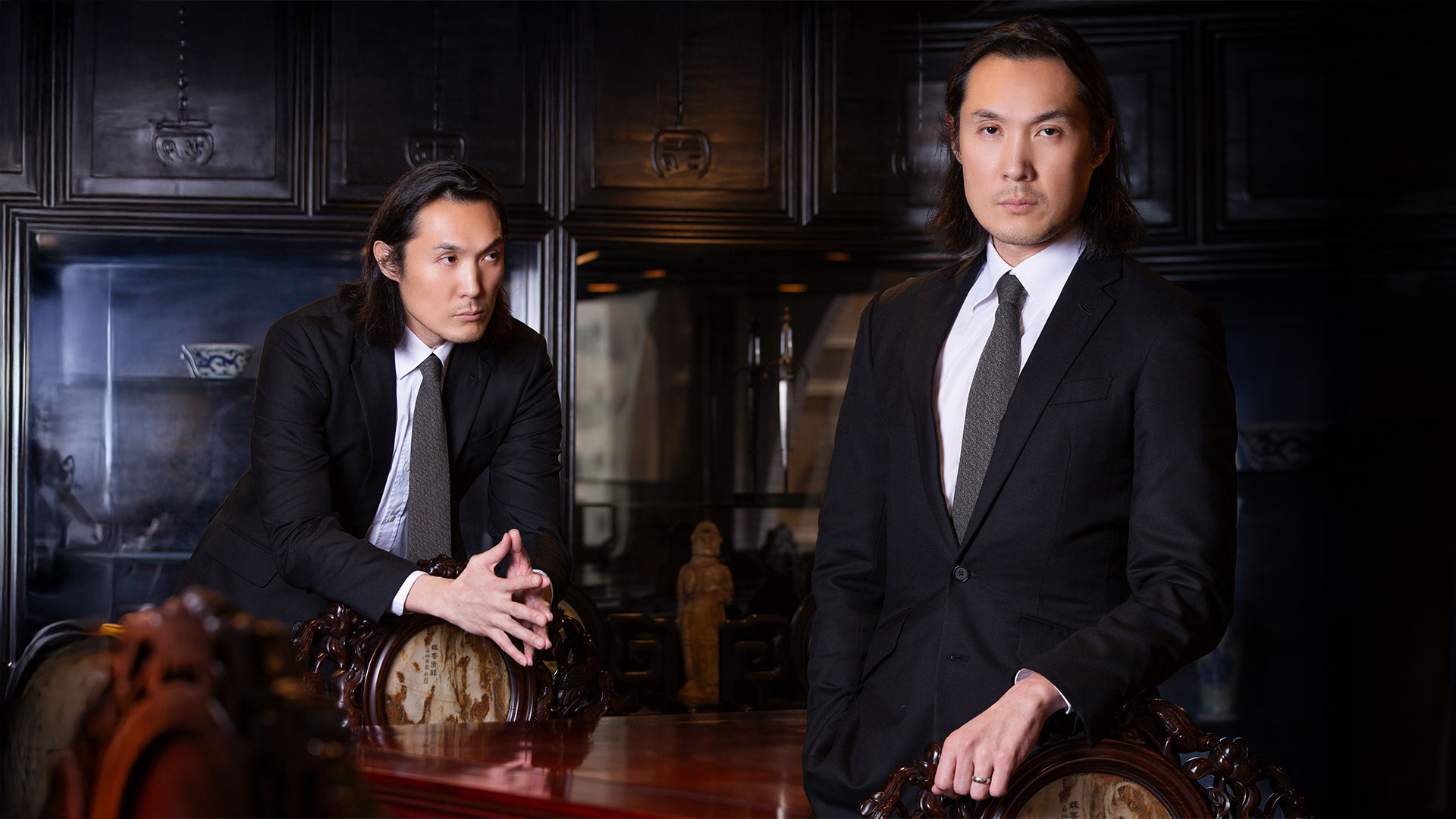
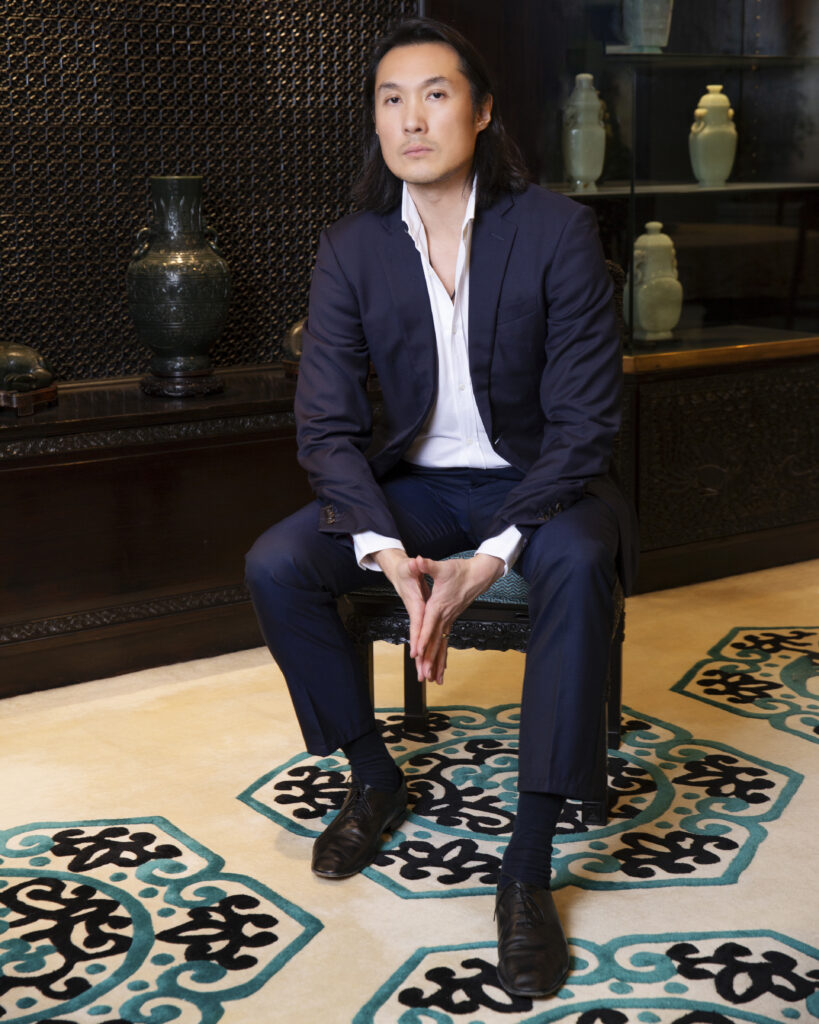
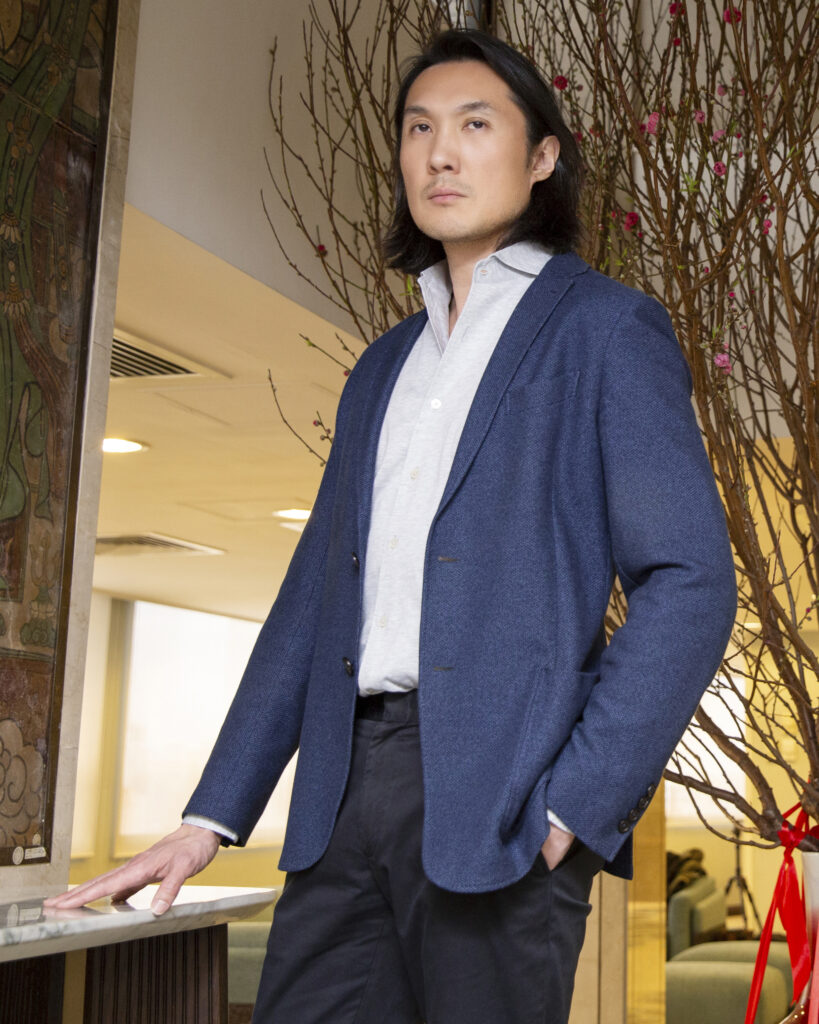
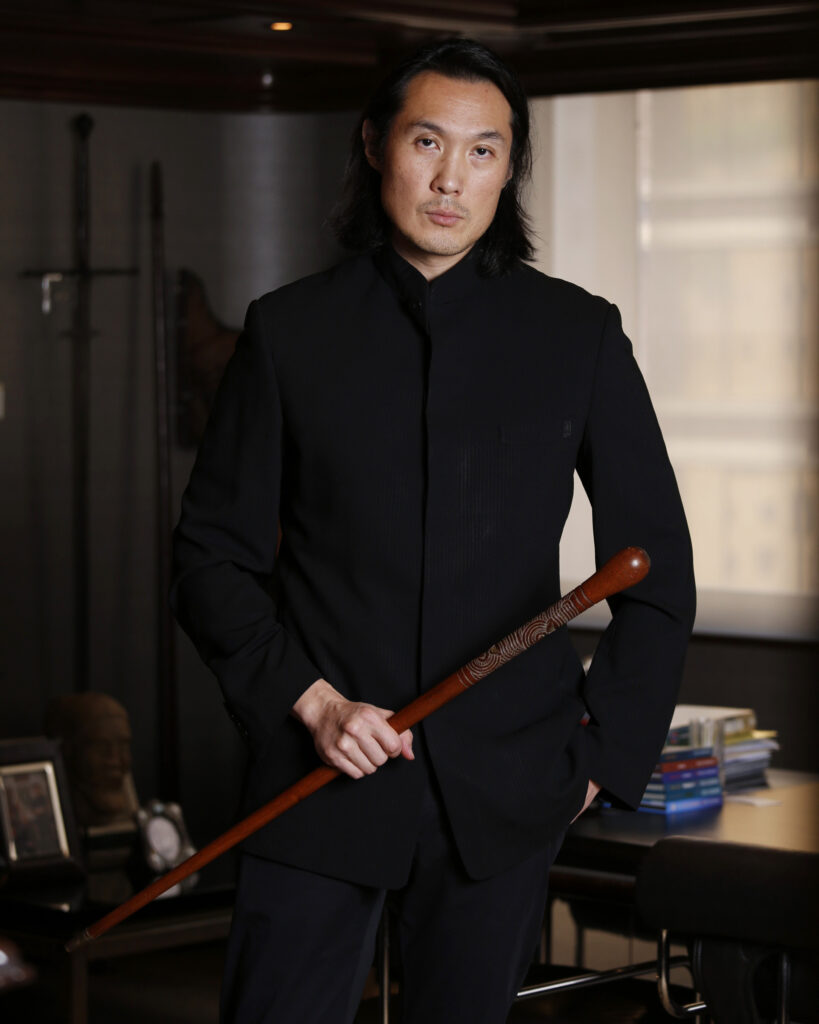
“Welcome to my armoury,” says Hing Chao, as he gestures toward his office located in the heart of Wan Chai. The walls are adorned with century-old art pieces, a striking blend of literary art in the form of books and journals, formidable props reflecting his deep-seated passion for various forms of Chinese martial arts, and heavy rosewood chairs replacing the standard conference seating.

Each object tells a story, resonating with a shared history that Chao, Executive Chairman of Wah Kwong, the global shipping company founded by his grandfather, seems determined to protect. It is evident that in his world, tradition and culture are not simply relics of the past; they are living, breathing elements essential for navigating the future.

For Chao, the maritime industry is more than a career; it is a family legacy. “My father, who inherited the company from my grandfather, set the foundation, so it runs in the family,” he says. “This inheritance is a responsibility I take seriously.”

His childhood was steeped in the maritime ethos, yet his formative years also diverged from the family path. After completing his education at Durham University in the UK, he dedicated 15 years to the cultural and philanthropic sectors of society. It was in northeast China, working with ethnic minorities, that his passion for heritage and education sprouted. Reflecting on these early experiences, he says, “I learned about preservation before it became a buzzword. Back then, issues of sustainability were rarely discussed.”

When he assumed the chair of Wah Kwong Maritime Transport in 2019, he came armed with the unique perspective that cultural heritage and business operations can coexist harmoniously. The pivotal lessons from his early adulthood now underpin his strategies, allowing him to re-envision the maritime business landscape.

Scholar at the Helm

Chao’s admiration for his grandfather, T.Y. Chao, a “gentleman scholar” with a profound appreciation for Chinese culture, shapes his own leadership style. “I want our company to not only excel in business but also represent and celebrate our cultural values,” he states emphatically.

Elders in the industry recognise his commitment to marrying business efficacy with a consequential grasp of cultural stewardship. “My aim isn’t merely to lead in shipping but to also lead in preserving cultural heritage,” he reiterates. His involvement with the Hong Kong Maritime Museum, and the Institute of Seatransport, which promotes professionalism in the Hong Kong shipping industry, reflects this ethos – nodding to the past while embracing innovation.

Chao is dedicated to educational initiatives aimed at shaping future maritime leaders. He nurtures talent through a corporate-school partnership programme that extends to the northern seaboard provinces of Liaoning and Shandong as well as Shanghai and the Greater Bay Area. This commitment to education embodies his philosophy that preserving cultural identity requires investing in the minds of tomorrow. As he puts it, “Real change requires layers of understanding, and that starts with our youth.”

His fervour for learning and professional excellence further extends to his work with the Maritime Services Training Board of the Hong Kong Vocational Training Council. “Education is not just about textbooks; it’s about understanding our heritage while preparing for the future,” he adds.

Philosopher in Business

Incorporating philosophical thinking into his leadership, Chao asserts that “philosophy is about asking the right questions”. Modern business environments shift rapidly, akin to tides, and adapting requires reflective enquiry and agility. “Understanding the market as a system helps us read the signs and position ourselves wisely,” he elucidates.

It is this adept adaptation rooted in cultural understanding that sets Wah Kwong – founded as a bulk cargo transporter in the 1950s – apart three generations on. Chao advocates for utilising technology as a conduit for preserving traditions. “Look around Hong Kong; it is steeped in rich traditions, yet we are equally at the forefront of modernisation,” he says. By pioneering new media techniques, he melds tech with the arts, viewing this as a valuable intersection for cultural expression.

He relishes the opportunity to reshape how cultural narratives are portrayed and preserved. As a founder and convenor of the Greater Bay Maritime Forum and an instigator of the Hong Kong Chamber of Shipping, launched last year, he lays a framework for collective industry collaboration that spans both culture and business.

His efforts in working with universities to promote cultural documentation and expression further highlight this integration. He strongly believes that understanding culture within a broader ecosystem is vital, warning against isolating events and attempting to preserve them without connecting to the dynamic, living culture surrounding them.

Martial Arts Mentality

Chao’s dedication to cultural preservation is most apparent when it comes to martial arts. Recognised as a significant figure in promoting traditional martial arts in Hong Kong, he has spent the last decade creating pathways between martial arts styles and modern artistic expressions. “At first, many viewed martial arts through a lens of violence,” he recalls. “I sought to change that narrative and instead highlight its cultural significance.”

His initiatives, including the Hong Kong Culture Festival, have infused martial arts with contemporary relevance, bridging gaps between tradition and modern performance. “I dare say no one has done more to preserve martial arts in this city than I have,” he asserts with a discernible note of pride in his voice.

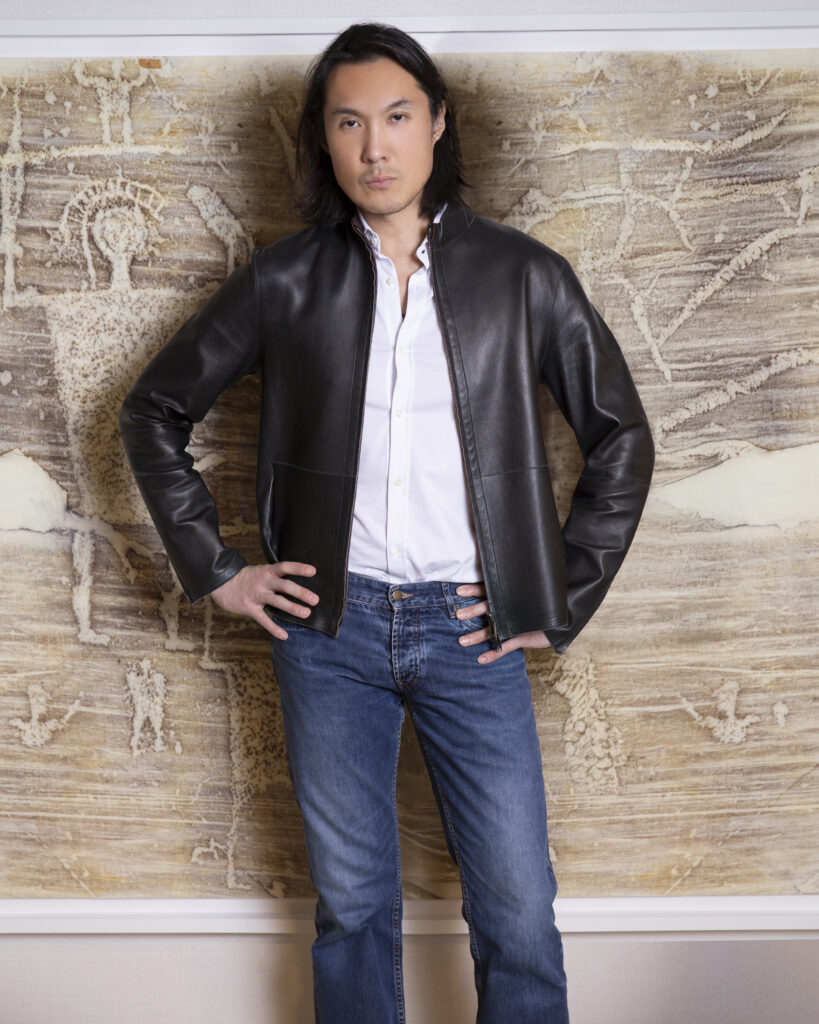
As described by his colleagues and assistant at his wide five-storey office, Chao is a quiet and serious person. And while that may be true – he barely smiles at the beginning of our encounter – he soon reveals a multi-faceted character. He is keenly aware how perceptions through expression and attire can alter narratives. “Yes, I wear suits for important meetings and whatnot, but beneath, I’m just a guy who prefers leather jackets and jeans. This is basically my everyday go-to look,” he chuckles, imbuing a sense of relatability.

His office is lined with family photographs, showcasing a softer side that illuminates his commitment to loved ones. “Seeing my kids happy brings me true fulfilment,” he shares. “My life is a woven tapestry – personal and professional threads intertwined.”

Steering Forward

Chao’s blueprint for success is a long-range vision. He believes achievements today will equate to stepping stones for a more expansive purpose. “We must ensure that the values we instil lead to something sustainable for future generations,” he emphasises. This viewpoint keeps him grounded as he navigates the complexities of maritime operations infused with cultural resonance.

With a forthright perspective on his path, both past and forward, Chao shares the notion that success, particularly in cultural preservation, requires collective stewardship. “If I were to stop, what would happen to all I’ve initiated? Sustainability should be our priority – not individual legacy.”

In a moment of levity interwoven amid serious discussions about legacy, he admits with an infectious laugh that he is not a fan of Game of Thrones, despite displaying an impressive array of war tools reminiscent of characters from popular fantasy shows. “It’s just unrealistic,” he declares, revealing a light-hearted sensitivity that humanises him amid a world often constrained by expectations of seriousness.

Hing Chao stands as a stalwart guardian of the past, a champion of the present, and a visionary architect of an inclusive cultural future. As the interview concludes, we are reminded that beneath his stoic exterior lies an individual driven by profound values that fuse work with cultural preservation. His efforts ensure that while he steers the maritime industry into new waters, he simultaneously upholds the anchors of tradition and heritage that define who we are.

Interview, Text & Art Direction: Joseff Musa|Photographer: Jack Law|Videographer: Jack Fontanilla   

Woman To Watch: The queen of timepieces, Christy Wo, crowns a kingdom of kindness and innovation

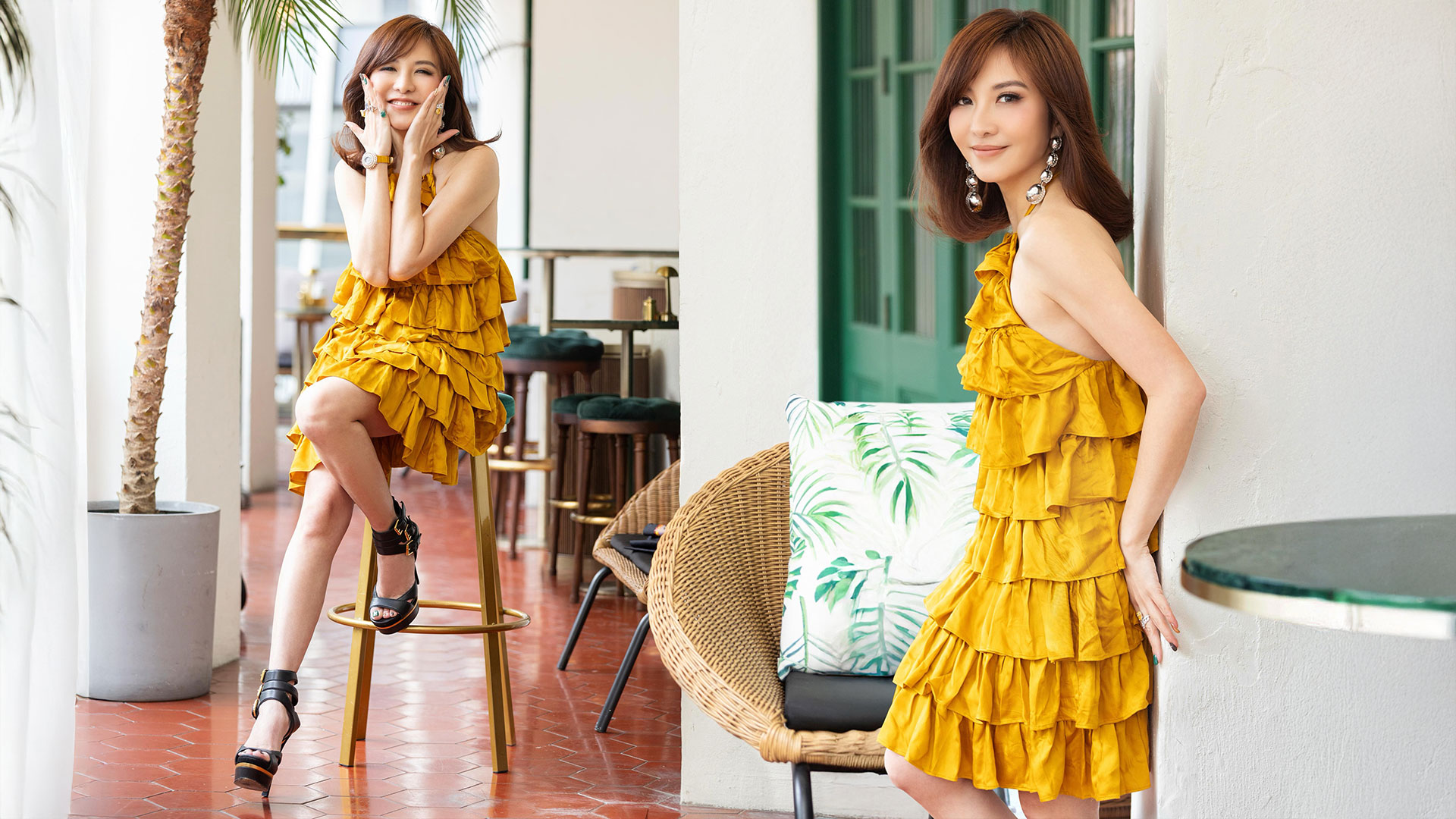
Our cover shoot begins with Christy Wo, rather than a flurry of stylists and assistants, laying out her chosen outfits, watches and accessories herself – an instinctive ‘power’ for aesthetics that she has demonstrated over 20 years in the limelight. Each piece is carefully considered, a testament to her meticulous eye and innate understanding of style. “Do you like these clothes?” she enquires, a playful glint in her eye. “They are some of my designs. Pretty, huh?” It is a statement, not a question, delivered with the confidence of a woman who knows her worth and her talent.

Entrepreneur, celebrity model, designer of watches, jewellery and fashion, columnist, philanthropist – in short, Wo is a force of nature who has carved a unique path through multiple industries with a blend of vision, ambition and genuine compassion. Pose after pose, click after click, she nails each shot with the practised ease of a seasoned professional. There is no doubt she is comfortable in front of the camera, a natural performer who commands attention with her charisma and captivating presence.

Style By Design

But her journey wasn’t always so clear-cut. “Initially, my dreams were quite different. I envisioned myself as a dancer, a pianist, a fashion designer, and even a singer,” she shares. This multifaceted ambition led to her first job as a model, fronting various TV commercials and serving as a brand ambassador. “I worked for Pond’s skincare, as a Cathay Pacific flight attendant, and as the main talent for Vitasoy,” she recalls.

Even amid this fledgling fame, Wo’s entrepreneurial spirit was taking root. “During this time, I also worked part-time as a fashion designer for my mom’s garment business. I designed several styles, and to my surprise, her clients loved my designs so much that one of them opened a shop dedicated to my brand,” she explains. “That’s how I started my entrepreneurial journey.”

It was a serendipitous beginning, a spark ignited by her own creativity and validated by the enthusiastic response of the market. This early experience fuelled her passion for fashion and gave her the confidence to pursue her own ventures. She founded her first company, Charmonde Luxury Limited, in 2004, where her keen eye for trends and knack for identifying promising brands led to European timepiece brands under Charmonde Luxury like Philip Stein and ToyWatch entering the Asian market, and the well-deserved title of ‘Queen of Timepieces’

Limited Edition, Unlimited Appeal

One highlight of Wo’s long time in watches was the launch the first Bloc28 Mickey Mouse, Hello Kitty and Transformer limited-edition watches. Capitalising on the popularity of iconic characters and tapping into the desire for unique and collectible timepieces, these collaborations were a resounding success. She further amplified her business by working with Chinese celebrities as brand ambassadors, including Angelababy and William Chan, effectively leveraging their star power to reach a wider audience.

She even worked in television, hosting a lifestyle programme on Now TV called Christieland, for which she interviewed her many celebrity friends as well as the occasional politician. Her show was sponsored by a plethora of prestigious brands – from Bugatti to Cartier and Christian Louboutin to Loewe – further cementing her status as a tastemaker and influencer in the luxury world.

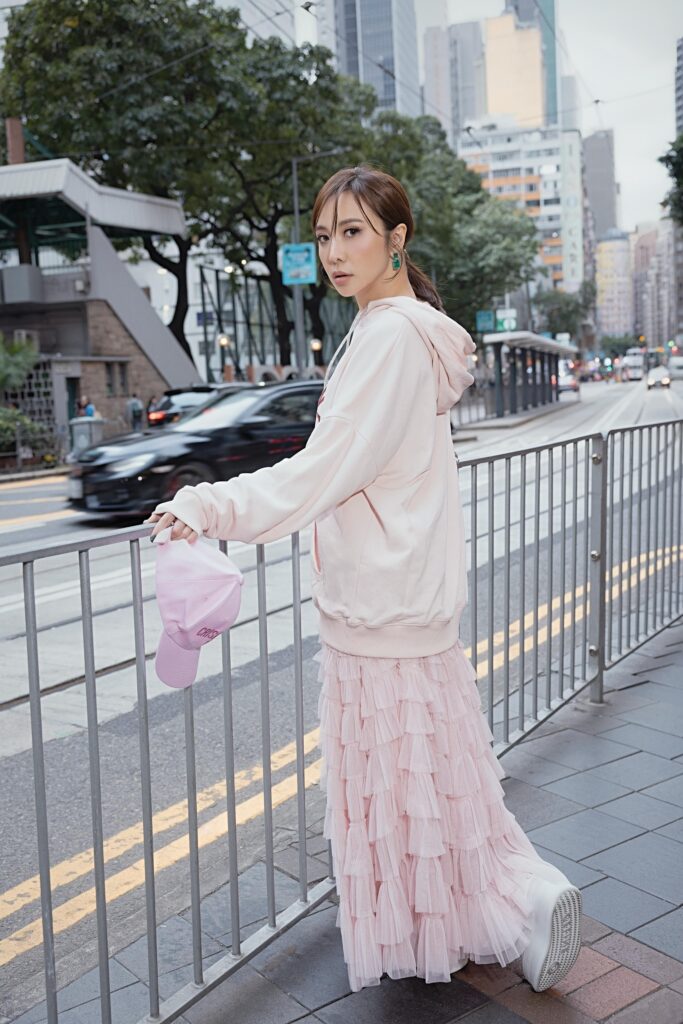
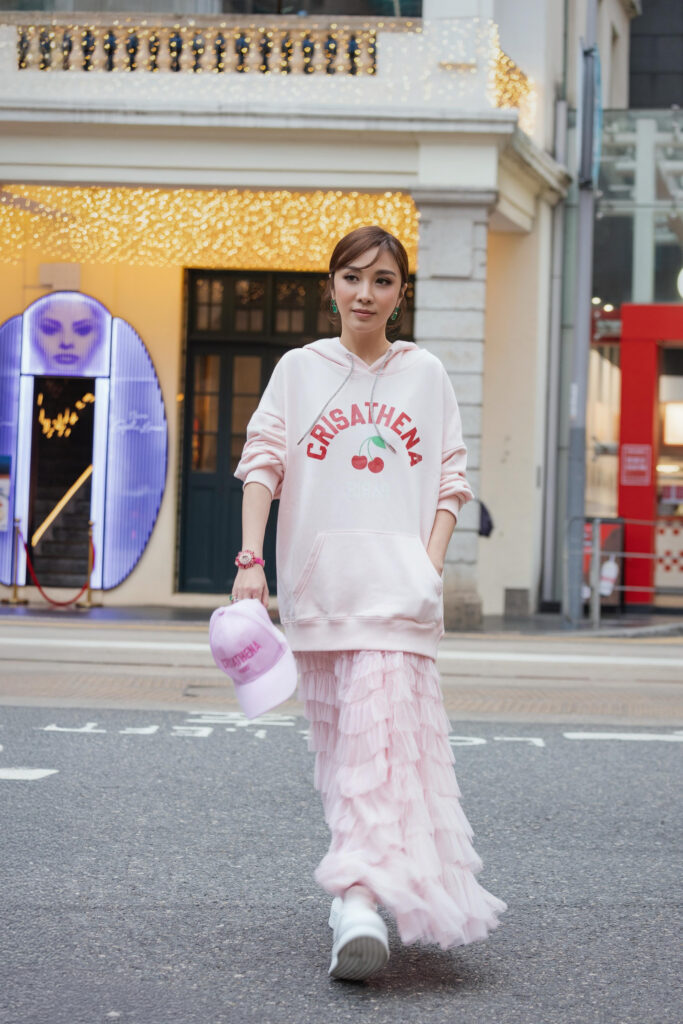
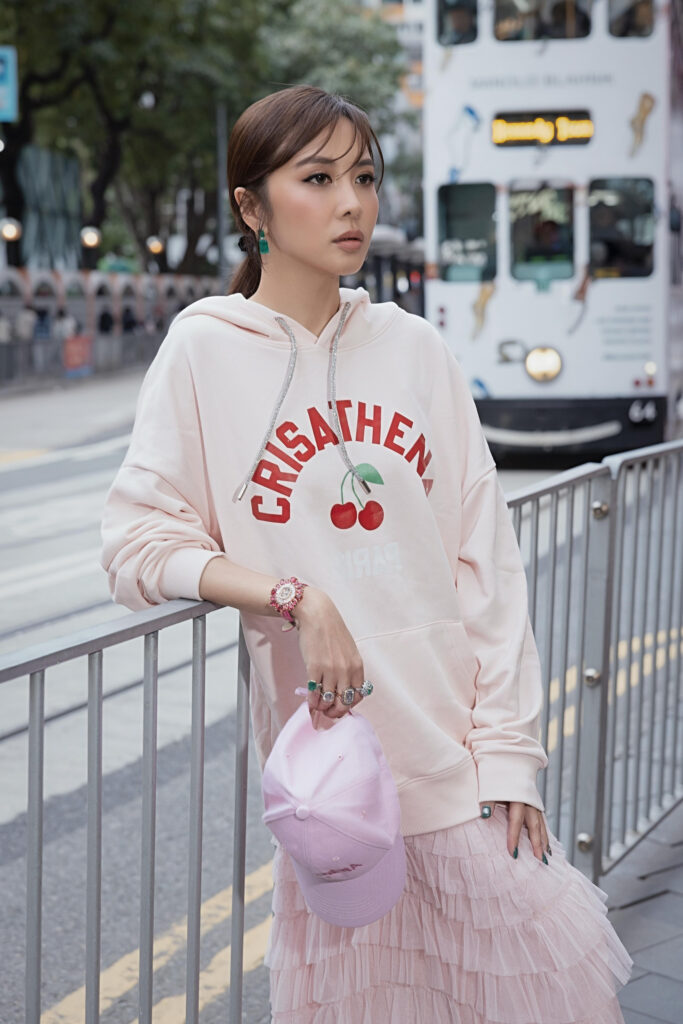
Pink hoodie and cap by Crisathena

A joint venture with the Italian government led to the manufacture of jewellery for prominent houses like Cartier and Bulgari. She also secured the Apec distribution rights for Christian Bailly’s Automata watches and became the sole distributor of Sevan Bicakci jewellery.

Pink hoodie and cap by Crisathena

In 2019, she launched Crisathena, whose statement watches combine her design savvy with Parisian savoir-faire. The brand includes jewellery pieces showcasing exceptional quality and value for money, and a tote bag designed with popular Hong Kong actress Nancy Wu.

Pink hoodie and cap by Crisathena

“Collaborating with iconic characters like Hello Kitty and Mickey Mouse, international singer Ava Max, Nancy Wu, and Maye Musk – who wore my watch as a necklace for different magazine covers – has significantly boosted my brand visibility and credibility,” says Wo. “These partnerships help me reach a wider audience and inspire creative marketing strategies. The stories behind these collaborations enhance brand authenticity, allowing me to connect more deeply with consumers.”

Fashion Forward and Onward

She recognises the ever-changing nature of the fashion industry and has ambitious plans for the future of her brand. “Over the past two decades, fashion trends have undergone significant changes, with a growing emphasis on sustainability and diversity. The rise of streetwear has made casual styles mainstream, while nostalgia has brought back trends from the ’90s and 2000s. Technology has played a crucial role in this evolution, particularly through e-commerce and social media, allowing brands to quickly reach a wide audience,” she says.

“Artificial intelligence is also key in design and market forecasting, helping brands analyse consumer preferences and optimise product development. Additionally, virtual reality and data analytics enhance the shopping experience, providing consumers with more personalised services. I hope that in five years, Crisathena will surpass traditional luxury brands by integrating AI and technology into our offerings. We aim to have over 10,000 sales points globally.”

Her accomplishments have been underscored by numerous accolades. To name just a few, she was Mediazone’s first Business Woman of the Year in 2007; claimed the World Outstanding Chinese Award in the same year; and was Distinguished CEO of the Year in 2005 and 2011. “Initially, I found it surprising and validating – awards serve as recognition and promotion within the business world,” she says humbly. “However, I believe that continually striving to excel in my work and pursuing innovation is what truly matters. While these achievements provide recognition, real success lies in the ongoing challenge and growth of oneself.”

Heart of Gold

Beyond her professional achievements, Wo is deeply committed to philanthropy. In 2019, she co-founded the JC Happiness Charity Foundation, with a mission to instil peace, love, wisdom, health, and wellbeing in the world. “Happiness comes from strong relationships with family and friends, pursuing meaningful goals, appreciating the good in life, maintaining good health, and living in the moment. Helping others and enjoying nature also enhance our sense of wellbeing,” she opines.

Black dress by Crisathena

She shares her daily practices for cultivating joy and wellbeing: “Call a loved one, prepare a favourite drink, listen to music, get a sunshine break, and move when stressed.”

Black dress by Crisathena

Mental health is a particular issue on her radar. “Mental-health advocacy is very important, but society today still faces several barriers to addressing this, particularly stigma, lack of awareness, and the fast-paced nature of life,” she emphasises. “Through our charitable foundation and the International Mental Health Association, we plan to leverage technology to assist over a hundred million people with mental-health issues,” she reveals.

The Secret to Bliss

Wo’s own personal journey has been guided by a blend of faith and practical wisdom. “In my career, luck brought early successes, but as I grew, I realised that true success requires a solid foundation and unwavering confidence,” she explains. “I draw inspiration from Buddhist wisdom, understanding the laws of cause and effect in the universe, while also being deeply moved by the love of Jesus. These teachings from different religions have profoundly influenced me, helping me find balance in my professional journey.”

She concludes by offering advice: “Always maintain a thirst for knowledge, practise mindfulness, and stay humble. Set positive goals, act with integrity, and never compromise your principles. Pursue the work you love and boldly chase your dreams. This way, you can make a genuine impact in your community.”

Black dress by Crisathena

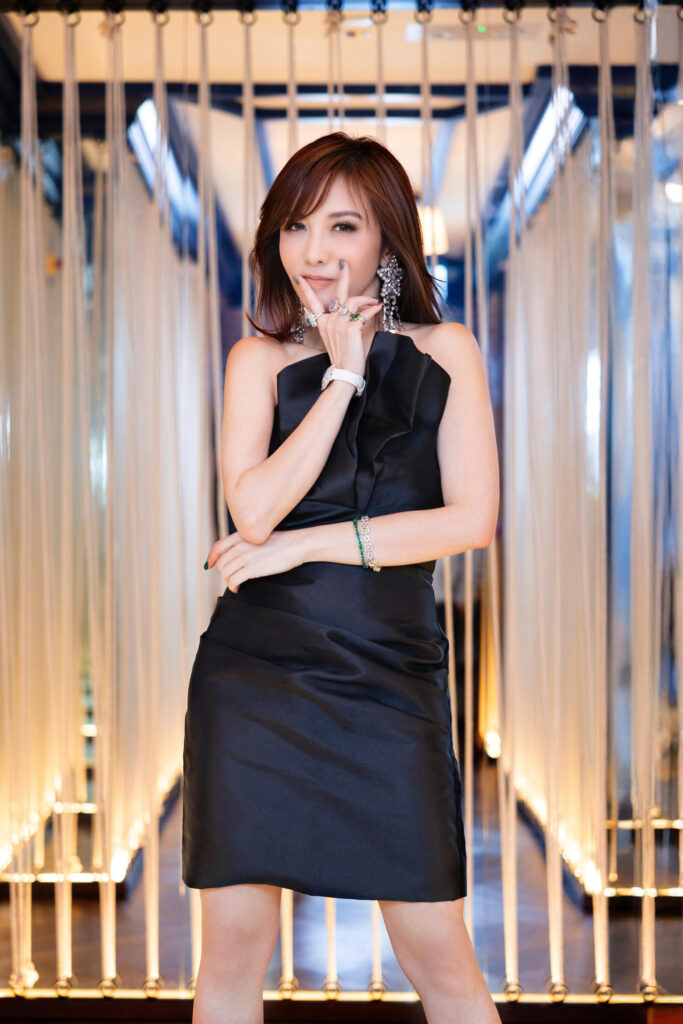
At one point during the shoot, our cover star takes on the role of director, offering her input on poses and angles. When she suggests doing a shot in the lift, we are initially sceptical, unsure if such a confined space of harsh metal surfaces can provide an appealing backdrop. But with her inherent sense of style, Wo knows exactly how to make it work. Posing effortlessly, she transforms the mundane into something captivating. It is really no surprise that she pulls it off.

As our time together winds down, she strikes a final pose. With a wink and a cascade of air kisses, her hands form a heart. It is a simple gesture, but it speaks volumes about Wo’s belief in the power of kindness and love.

Photographer: Jack Law|Videographer: Jack Fontanilla|Venue: Sophia Loren House/ The Stage Hong Kong/Hair Stylist: Tomo @bellus_salon/Make up: @littlewhite_makeup/ Stylist: Christy Wo

Living Legend: Building communities for Millennial tenants is a basic tenet of Dash Living founder Aaron Lee’s success 

When we meet Aaron Lee, the man behind Dash Living, we cannot help but chuckle at his bewilderment over generational labels.

“Am I a Boomer? Gen X? Or maybe a Millennial?” he ponders, faux-pensively scratching his chin. After a little sleuthing, we conclude he’s an “older Millennial”, though grappling with the existence of Gen Alpha and Gen Beta sidetracks him momentarily. “Who comes up with this stuff anyway?” he cries. “I thought generations were just, you know, a thing!” And if the exuberant CEO is looking for a way to connect with the future generations, he has already built a bridge with Dash Living.

Lee founded the company in 2014 to tackle the challenges today’s mobile Millennials face when finding affordable accommodation. Nestled in two of the most expensive cities in the world, Hong Kong and Singapore, and now making waves in Tokyo and Sydney, with operations across 33 different locations to date, Dash Living serves up serviced-living solutions with a side of community spirit.

“Dash is all about simplifying life for young professionals,” says the avid boxing fan, with a grin that suggests he’s perpetually ring-ready for the entrepreneurial smackdown.

Boxing Clever

Spending his early years in Hong Kong, then relocating to the United States, Lee was surrounded by big dreams and even bigger role models.

“I used to watch Mike Tyson fights and Bruce Lee movies with my dad,” he reminisces. “Watching the smaller guy overcome adversity? That inspired me in a way I didn’t even realise back then.”

Although the ring never saw him as a contender, he did manage to fulfil a childhood ambition by participating in a white-collar boxing match for charity.

“I wasn’t the biggest guy in the ring, but I managed to nab a win,” he recounts with a triumphant beam, much like a boxer holding up a championship belt.

He was just 17 when he started his first company, and it’s been a punching match ever since.

“Building a business is like stepping into the boxing ring; you need strategy, grit and the ability to bounce back from tough blows” is how the University of Southern California alumnus outlines his entrepreneurial journey. Those formative experiences taught him to be resilient – the perfect temperament for navigating the often-tumultuous rental property market.

Solutions Evolution

After that early boxing match called entrepreneurship, Lee’s career kicked off with a venture called uBuyiBuy, which was acquired by Groupon.

“I learned everything I needed to know about sales in that role,” he says, a glint of pride in his eye. “It taught me how to pitch solutions, not just products.” It was this experience that informed the early success of Dash Living.

When it comes to finding opportunities, Lee’s strategy is as simple as building a Lego house: start with the right foundations.

“I don’t just see the dollar signs; I see the problems that need solving,” he shares.

With rising housing prices being a glaring concern for urban professionals, he sensed the perfect opportunity to create a living environment that would resonate with young people.

A Dash of Connectivity

Enter Dash Living, Lee’s brainchild to revolutionise short-term and serviced accommodation in Asia-Pacific’s key cities.

“We focus on what matters – community, convenience and connection,” he explains, tooting his company horn a little. “With our centralised operations, we provide tenants with consistent service no matter where they are.”

The magic lies within their mobile app, which isn’t about reserving an apartment in a particular area, but mainly a lifestyle app to access community events, chat with customer service, redeem perks and discounts, and access their digital key. Think of it as Tinder for rentals.

“We connect tenants who live across different locations, empowering them to engage in various activities together,” he explains.

While you may not find love, you might just find a yoga buddy from the other side of town, as their tenants can actually join a yoga session remotely. And truly, the vision for Dash Living stretches beyond just providing a rental roof over your head.

“We want to create a global accommodation community,” emphasises Lee, almost as if he’s rallying a team for the next big match. Whether layering on mentorship opportunities or facilitating networking events, the goal is to build a supportive environment that feels like home rather than just another accommodation unit.

Beyond A Box

But isn’t a home simply about having four walls? Far from it, admonishes Lee.

“A home should align with modern lifestyles, be functional, and facilitate community interactions,” he asserts.

The communal spaces that Dash Living provides aren’t just an afterthought – they are crucial to life in the city. He points out that the pandemic reshaped not only how tenants live but also what they require from their living spaces.

He notes: “Now more than ever, people look for homes that cater to flexibility and a sense of belonging.”

His goal for Dash Living mirrors the collective consciousness of his generation – providing value in property and making a difference. But with big ambitions come even bigger challenges, especially during the Covid years when Lee had to pivot as swiftly as a professional fighter dodging a punch.

“We lowered rental prices and extended leases to offer stability during uncertain times,” he explains. “Ultimately, it’s about ensuring that our tenants feel safe and supported, which I think is vital, especially in urban settings.”

Man of the House

As our interview winds down, Lee shares an anecdote that highlights his new role as a family man; he is a doting father to a spirited two-year-old.

“Being a dad is tougher than I thought, but I’ll be the best dad I can be!” he exclaims with a light laugh.

In his mind, the essence of time is more than just schedules; it’s about moments, memories, and yes, a little bit of luxury as evidenced by his watch collection, which he whimsically showcases throughout our shoot, and as we wrap up an afternoon of delightful banter.

“Time has always been of the essence,” he muses, eyes sparkling. “No matter what generation you belong to, the value of time remains constant. It’s gold.”

The irony drips musically from his words; for a man who challenges traditional housing models, he embraces time with the same dedication that he offers his tenants. On a side note, he currently serves as Board Chair of Time Auction, a charity encouraging professionals to volunteer at NGOs which need their particular skills and advocating mentorship to the youth.

“By then, I hope to have fulfilled my purpose of empowering our next generation through Dash Living and rental housing. As a father and a philanthropist, it would be meaningful to solve the other scalable and meaningful social issues for the next generation in line,” he adds.

Bolder Dash

Lee has a vision much broader than Dash Living. He wants to solve larger social issues, perhaps through various initiatives over the next decade.

“Living sustainably and creating accessible housing for professionals should be a norm, not a luxury,” he argues passionately.

As Lee and Dash Living pave the way for a new kind of living, perhaps we should all rethink how we define home. It’s not just about the walls enclosing us, but the connections we forge, the experiences we share, and the dreams we dare to realise. Wouldn’t it be grand to live where living really begins?
“For me, there is no personal and professional success,” he says. “There is only ‘life’ and ‘purpose’. The more relevant these solutions are to society, the more successful I feel in life.”

So, while generations may come and go, Dash Living remains a steadfast home base for those seeking a better, more dashing way to live.

Photographer: Jack Law|Videographer: Jack Fontanilla 

Gems of Resilience: Gübelin’s Director Asia Winnie Chan talks clarity, carat, charity and Sex and the City

It was a delay worth the wait. When our scheduled interview with Winnie Chan, the illustrious Director Asia of Gübelin Jewellery, had to be postponed due to her bout with Covid, we were left momentarily rattled. However, our prospective cover personality’s perspective on the situation sparkled with resilience. “I must admit Covid these days doesn’t bother me anymore,” says Chan, reflecting on the shared experience that has shaped many lives. “Gübelin has been hit hard by it too since the peak, but thankfully, especially due to my team and the people who continually support us, the collective effort is still there. Nothing is impossible if we really work together for the better.”

This battle against the pandemic only seems to have strengthened her resolve, echoing the tenacity that marks her leadership in one of the world’s most prestigious jewellery houses. Chan’s journey may be adorned with challenges, but like the exquisite gems she curates, it’s also filled with brilliance, and more brilliance.

Spark of Passion

Winnie Chan’s journey began in Hong Kong, but her upbringing took her across the Pacific to Hawaii and California. Her father, garment manufacturer Star Chan, would “conduct market research through shopping” and this early exposure to the world of fashion ignited her passion for aesthetics. Her mother’s love of jewellery further deepened this fascination. “She would frequently visit different jewellery and I’d come along. This constant exposure nurtured my love for the finer things in life,” she reflects.

Her upbringing instilled an ideology that intertwines luxury with a sense of purpose. “My philosophy is to live and enjoy my life to the fullest in line with God’s plan,” she explains. With such a foundation, it is no surprise that Chan has dedicated her career to luxury, from fashion to high jewellery.

A degree in business administration with a focus on marketing from Loyola Marymount University in Los Angeles – a choice guided by her father’s desire for quality education and a solid path for his only daughter – equipped her with invaluable skills. “Throughout my experience representing luxury brands, I learned that it is crucial to use different marketing approaches to appeal to the targeted audience,” she says. This understanding of market dynamics has proven essential; she previously spent eight years as General Manager of watchmaker Roger Dubuis in Hong Kong, and now oversees Gübelin’s operations in the vibrant South East Asia market.Her pivotal career moment came in 2012 when the Gübelin family approached her to establish their first retail presence in Asia. “Oh my gosh, yes! Building the Gübelin Hong Kong Salon in 2013 was a significant step,” she exclaims.

Bezels of Success

What draws her to Gübelin is its unique position in the luxury market – the Swiss house, which began in 1854 as a Lucerne watchmaker, became a leader in gemmology, renowned for its authenticity and expertise. “Gübelin jewellery sources only the rarest and highest quality gemstones, accompanied by our Gemmological Reports [issued by the Gübelin Gem Lab],” she explains. This commitment to excellence stems from a 170-year heritage founded on the values of authenticity, expertise and inspiration. She believes that Gübelin differentiates itself through its family ownership, innovative spirit and holistic gem expertise. “No other house has a renowned gem lab, which sets us apart,” she asserts with a mindful smile.

Chan’s responsibilities extend beyond retail; she also leads the Gübelin Academy in Hong Kong, sharing knowledge of coloured gemstones. She comes armed with GIA certificates for Diamond and Coloured Stone Essentials and extensive training at the Gübelin Academy in Lucerne. “The academy allows me to improve my knowledge in gemmology continuously,” she says, underscoring her commitment to education and community engagement.

In an industry known for its challenges, she identifies sourcing high-quality coloured gems as a significant hurdle. “People want to know where the stones come from,” she notes, referencing Gübelin’s pioneering Provenance Proof initiative that enhances traceability in the gemstone market. The demand for bespoke services is also rising as clients seek emotional connections to their jewels.

Dazzling Retail Landscape

With changing consumer preferences, especially in Asia, Gübelin has adapted its strategies. “Consumers now want experiences, not just products,” she explains. This shift has led to innovations like the Gübelin Museum in Lucerne, where visitors can learn the history and artistry of coloured gemstones. Locally, they conduct ‘Gem Bite’ sessions to share quick insights about gems, fostering a deeper appreciation.

Chan reflects the ethos of Gübelin in her personal life. “Dr Eduard Josef Gübelin once said that the shapes, colours and light within gemstones create optical realities,” she shares, illustrating her belief in the intersection of beauty and knowledge. She strives to contribute to society using her unique talents, paralleling the company’s dedication to craftsmanship and education.

As a frequent traveller, she draws inspiration from different cultures to ensure Gübelin meets the diverse tastes of its clientele. “Europeans often prefer high-quality, classic designs, while Asians lean towards vibrant colours and striking elements,” she observes. This cultural insight informs her approach to customer engagement. At Gübelin, the philosophy “deeply inspired” is imbued with profound meaning. “Real beauty lies not just on the surface; it also stems from understanding and appreciating its qualities – both external and internal,” she explains of an ethos that permeates all aspects of the brand’s operations.

She believes that true luxury transcends mere possession; it is about understanding the essence of the items one holds dear. With this tenet, she leads the way, ensuring that each piece of jewellery is not only stunning but tells a compelling story, weaving through the threads of its origin and craftsmanship.

A Lifestyle Embellished

Following in her own family’s footsteps, Chan is actively involved with Yan Chai Hospital – Chan lu Seng Primary School. Her father is a former Chairman of the charitable hospital and she has participated in fundraising efforts and served on the School Management Committee. “I saw real needs there, and it moved me to contribute,” she says, espousing that luxury brands can enrich their communities by fostering cultural appreciation and education, and empowering individuals through knowledge.

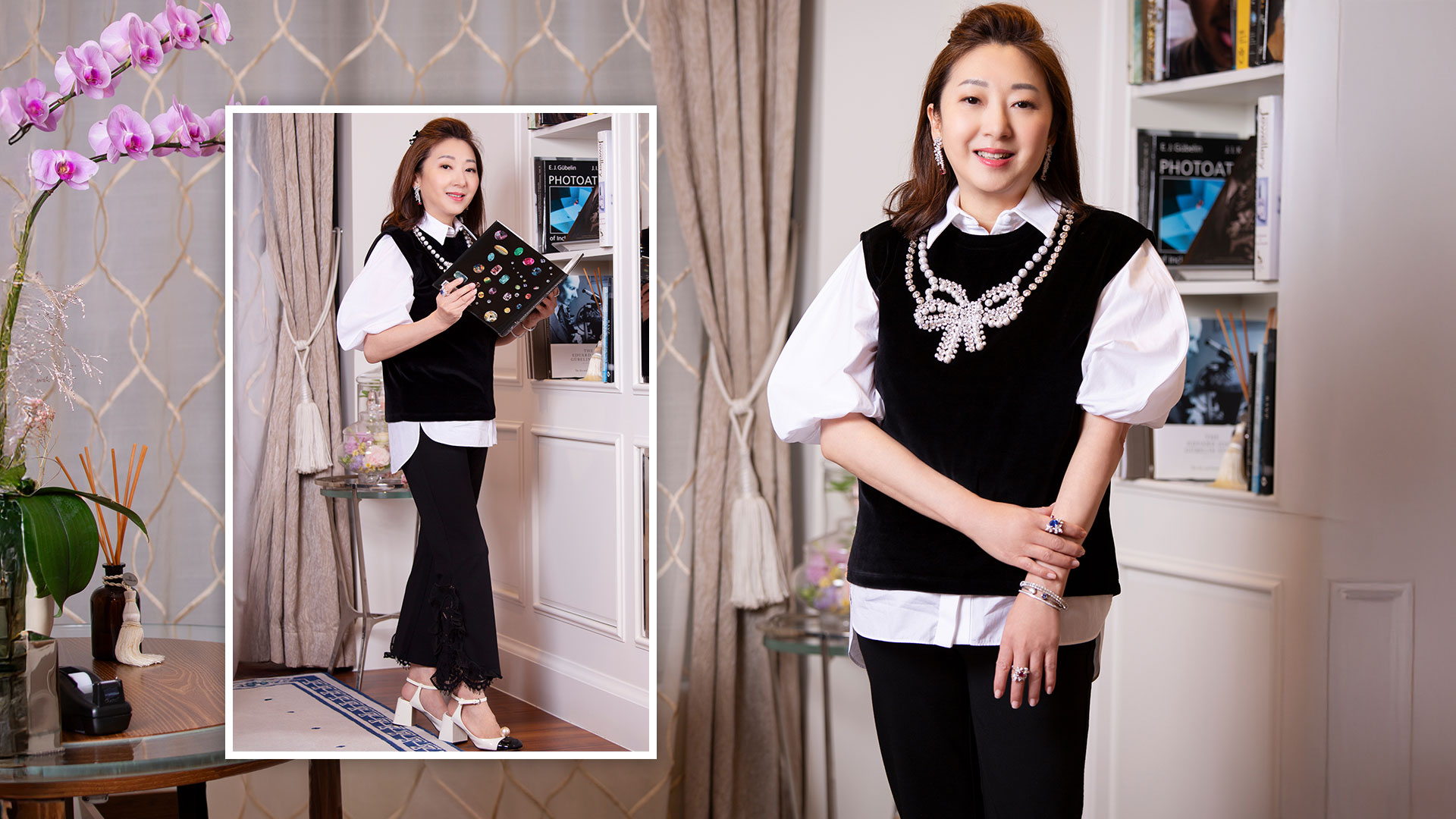
She cannot be pigeonholed merely as a business leader; she is also a fashion aficionado who embodies the essence of luxury she promotes at Gübelin. As a lover of glitzy shoes and sophisticated attire, she curates her own wardrobe from high-end brands, as seen when we choose from the array of clothes and shoes laid out on her office conference table for the shoot.

Also resonating with pop culture, she is a fan of the celebrated TV series Sex and the City. “I relate to those characters; they represent powerful women adept at navigating life’s complexities, all while maintaining style and grace,” she articulates. Drawing parallels between herself and such fictional icons, she demonstrates how she balances glamour with substantive leadership in the luxury space.

Future Full of Sparkle

As Wu-Tang Clan would say, “Protect Ya Neck” – and that’s precisely what Chan aims to do with Gübelin over the coming years. Envisioning a bright future for the brand in Greater China, her aspirations include “promoting high industry education standards through the Gübelin Academy, focusing on enriching learning experiences for aspiring professionals, and deepening our brand identity”. She also emphasises the importance of customer engagement and innovative retail experiences, believing that personal interactions and exclusivity will forge lasting connections with the region’s jewellery big spenders.

The luxury-sector expert envisions a future where women in leadership positions will grow exponentially. “Women are often detail-oriented and sensitive to customer preferences. I believe they will have an increasingly vital role in the industry,” she remarks.

In Winnie Chan, we find a radiant example of resilience, passion and dedication – a true gem in the world of luxury jewellery. In her world, every gemstone is a narrative, every piece of jewellery reflects a journey and every challenge faced can ultimately lead to resplendent triumphs. In the luxurious realm of jewellery, she doesn’t merely function – she shines.

Photographer: Jack Law|Videographer: Jack Fontanilla 

2024 Power List: The 300 Most Powerful People in Hong Kong

Unveiling the heartbeat of Hong Kong: Gafencu’s annual Power 300 list shines a spotlight on the titans shaping our skyline and our future. From influential business magnates to visionary social entrepreneurs, discover the extraordinary minds driving innovation and redefining success in a city of ambition. Who made it in this year’s list? Click here to explore the elite ensemble that makes Hong Kong thrive!