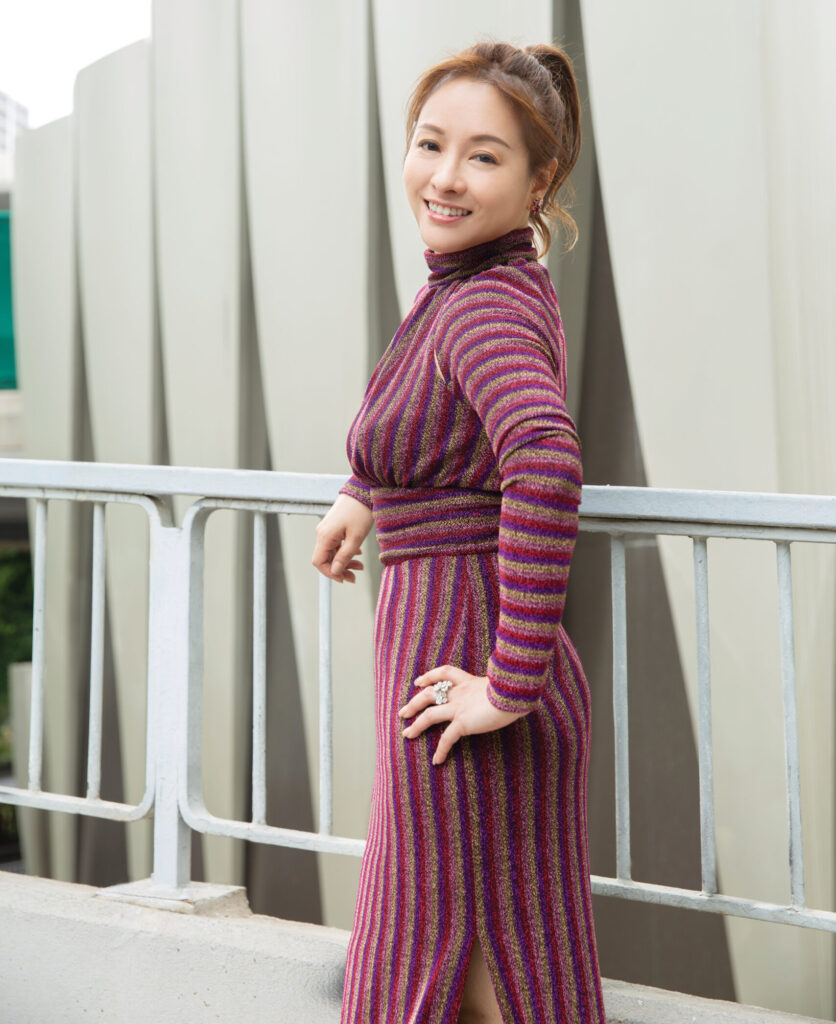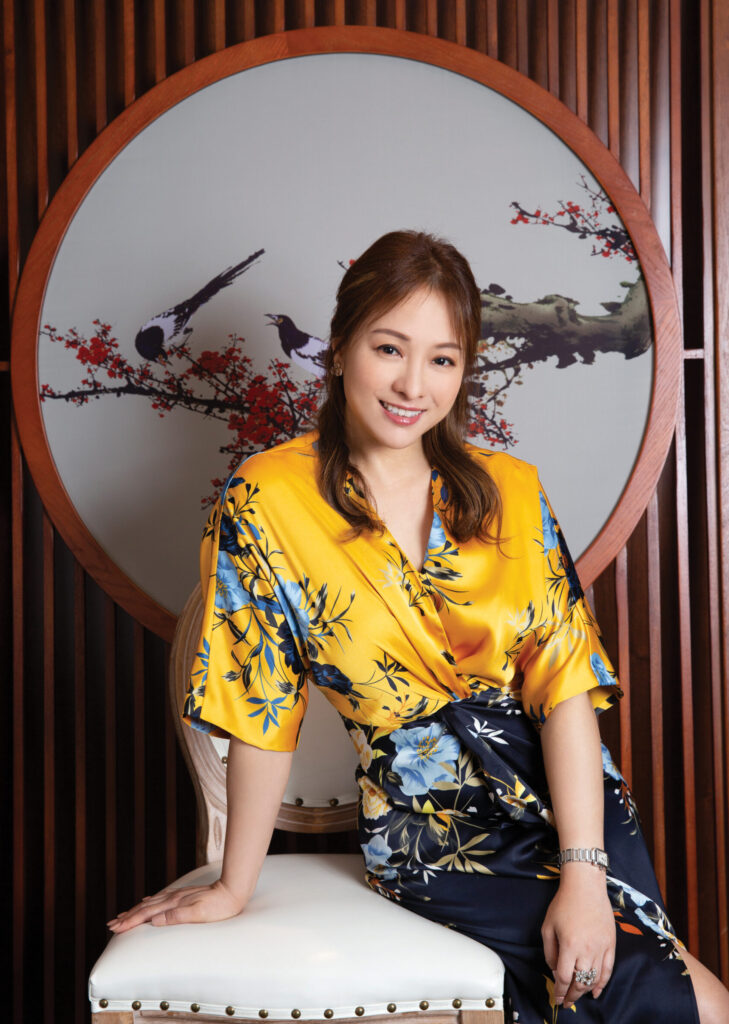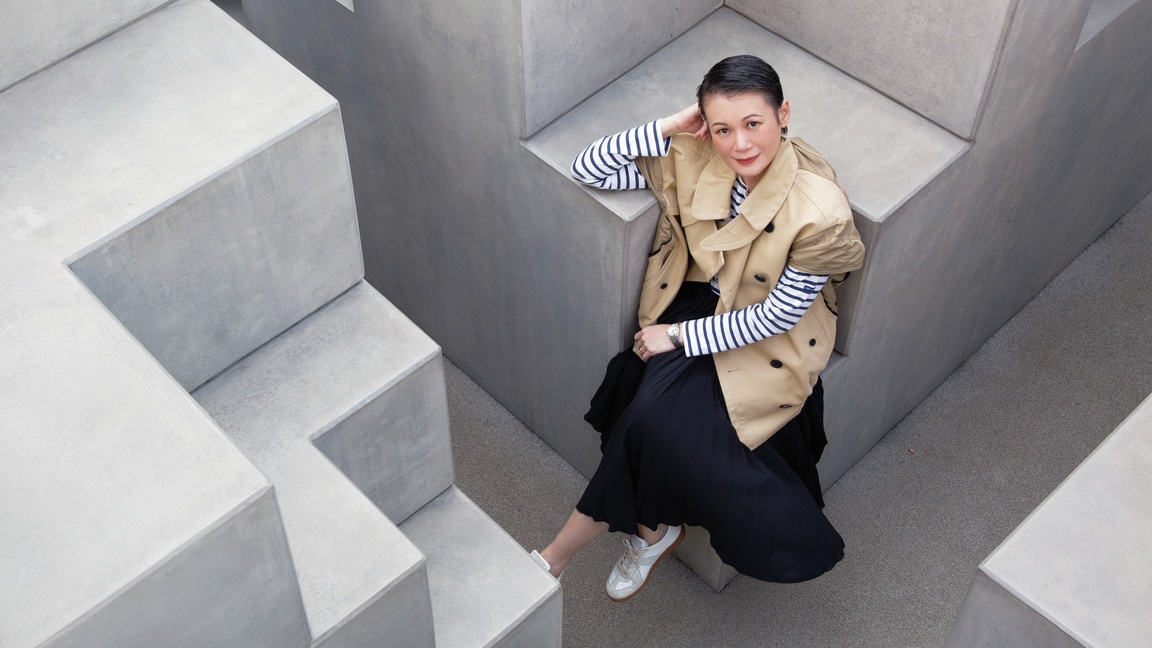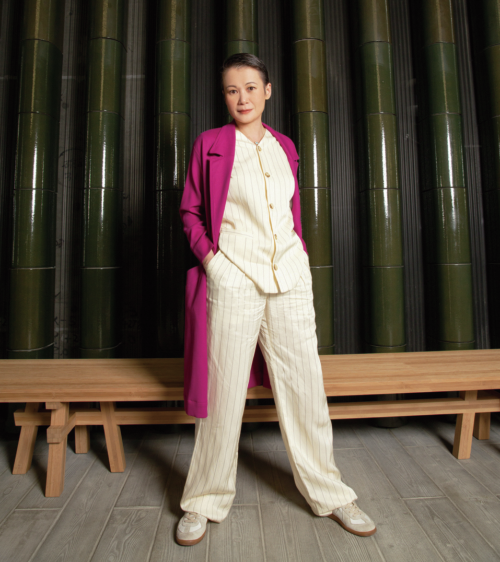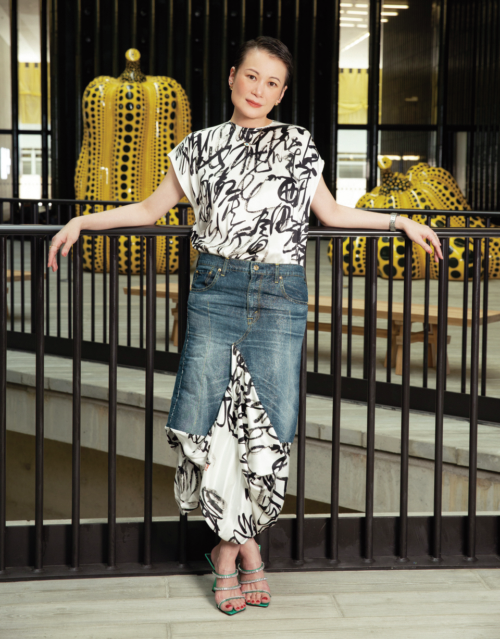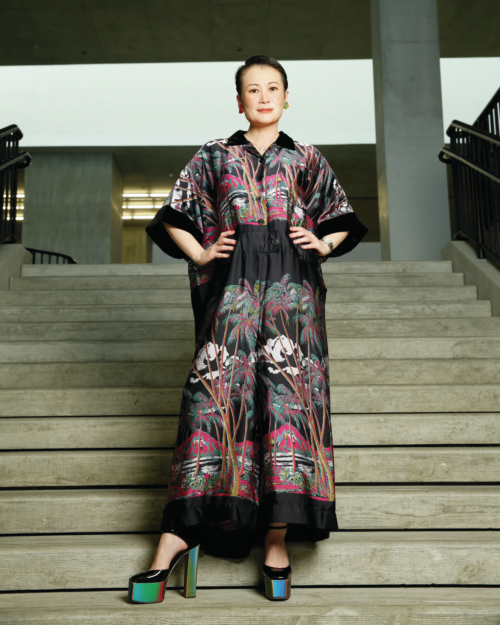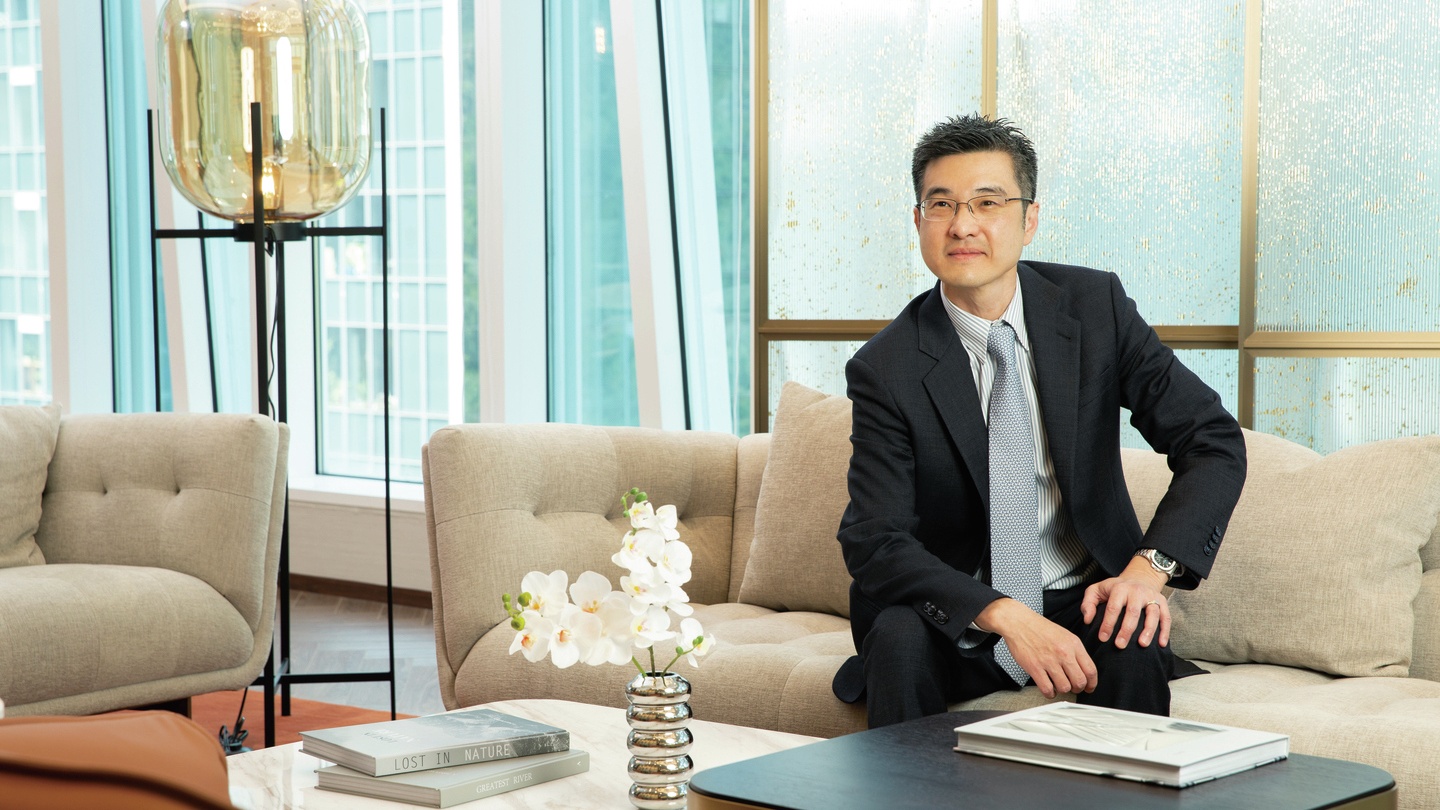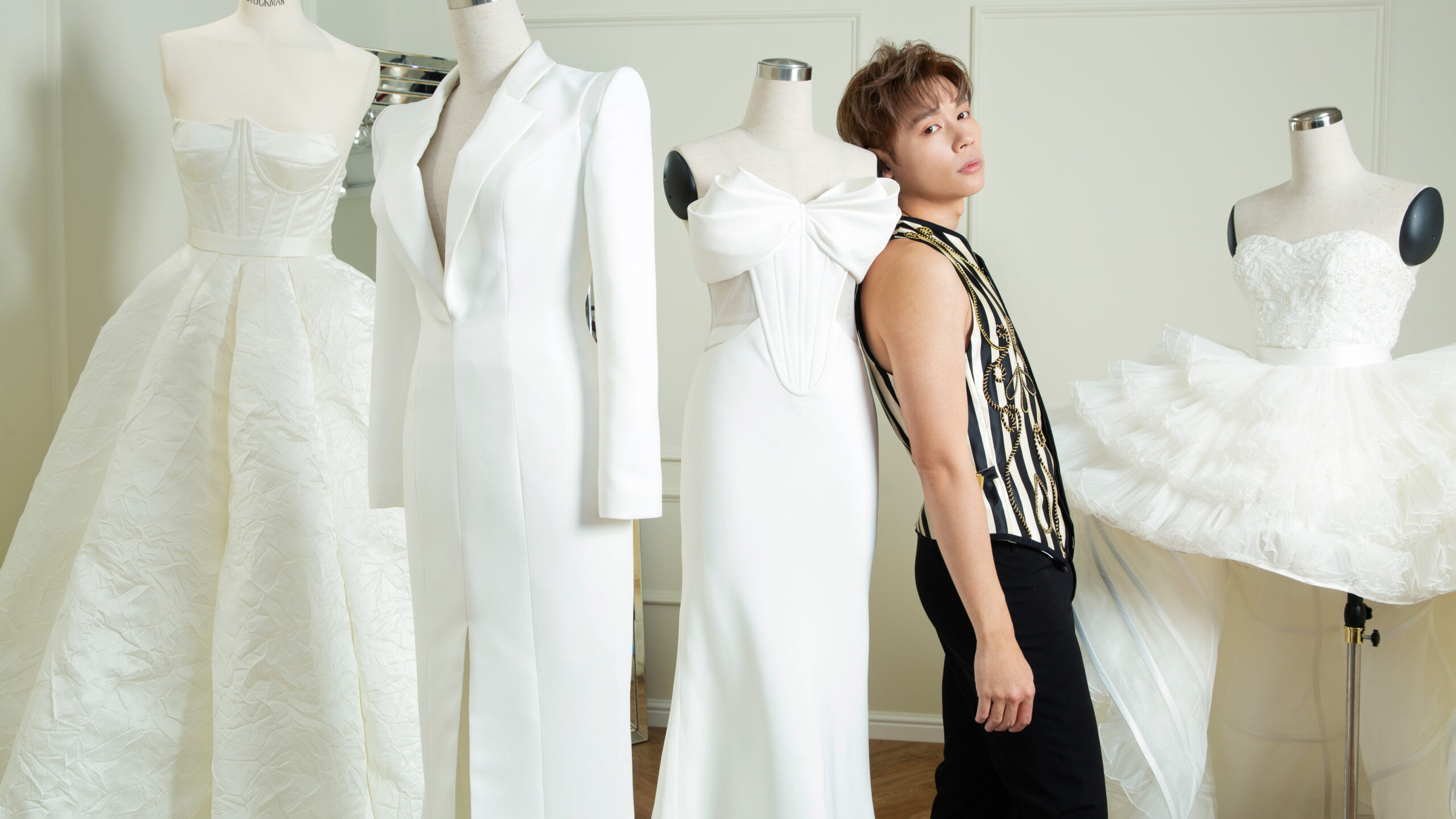
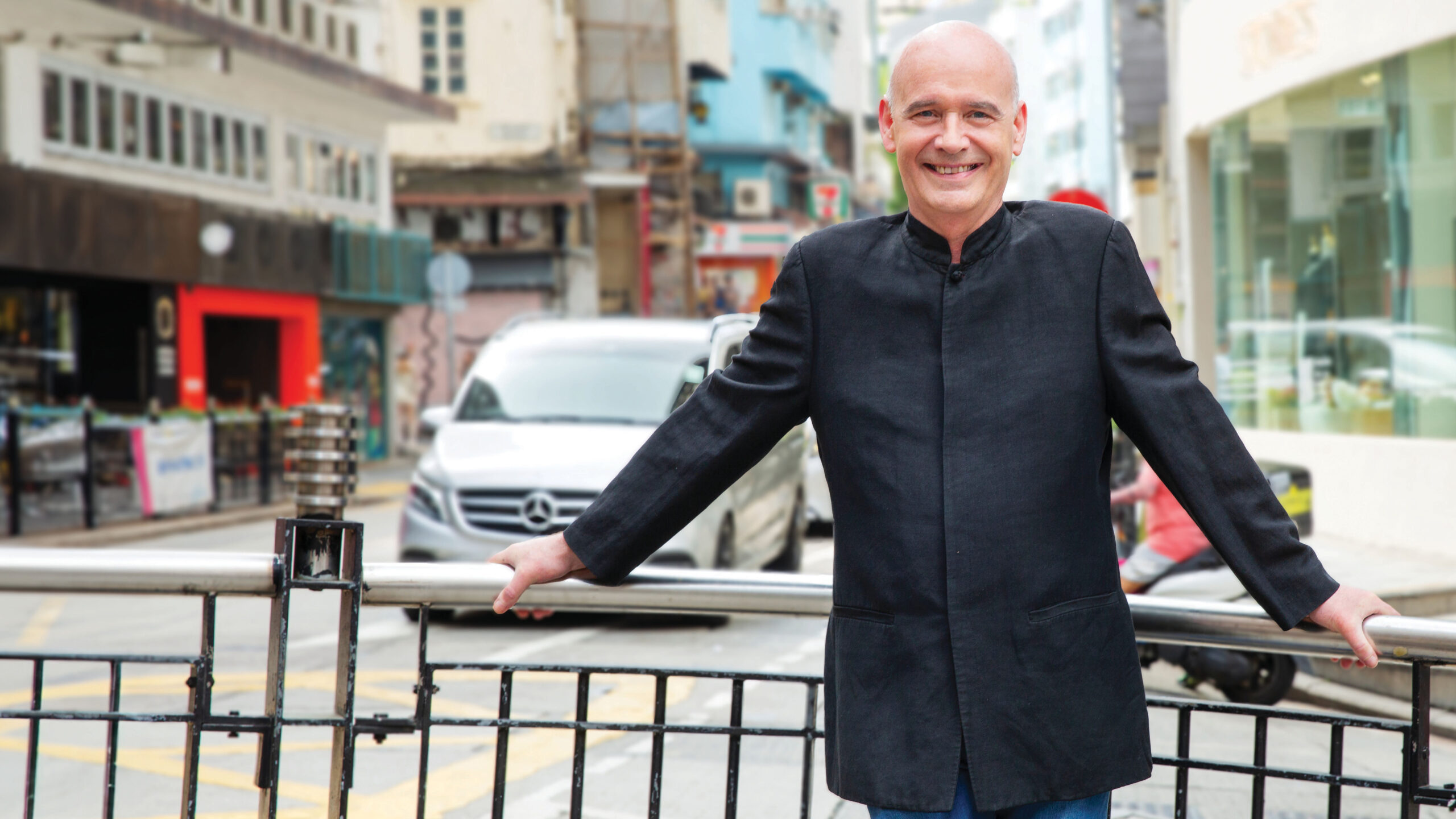
A Fine Romance: Candles and wine come hand in hand for Ian Carroll through his two successful shops in Central

Ian Carroll laughs when asked about the similarities between his two seemingly unrelated but highly successful enterprises – Carroll&Chan, a purveyor of candles, and Soho Wines & Spirits. After some reflection, he says: “Candles and wine – romance, what else?”

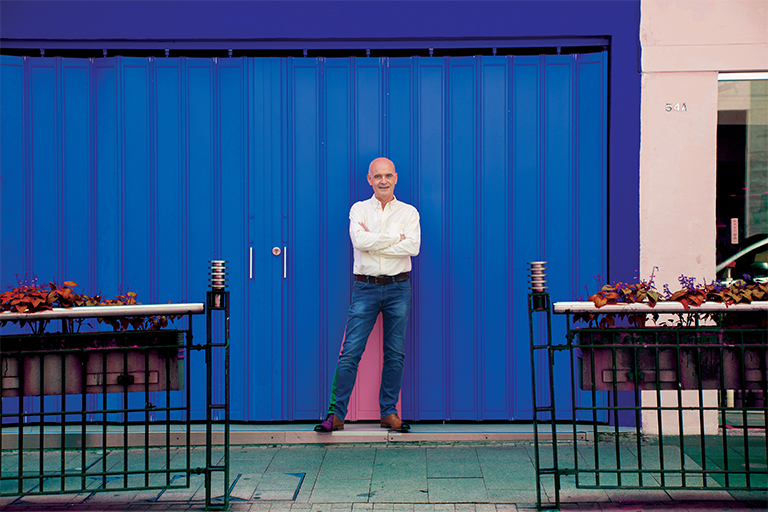
In reality, there were different reasons for the inception of these companies. Having arrived in Hong Kong in 1999 with his wife, Liana, who was posted to the territory with the European Union diplomatic mission, Carroll needed a visa to extend his stay and so decided to set up a business. His wife had noticed there were few places to buy candles and suggested opening a candle shop. The Candle Company was launched in Central in 2002.

Carroll had already succeeded in various entrepreneurial ventures. Born in Dublin, the amiable Irishman’s early business activities involved buying and selling various goods. During a buying trip to Hong Kong in the mid-’80s, he was blown away by the dizzying spectacle of traders and hawkers in Nathan Road selling watches and myriad electronic products and knew one day he would return.

Booking ahead

His first major business success came during his time in Brussels, where Liana worked at the European Commission. Establishing one of the first online hotel reservation websites, he benefitted immensely from first-mover advantage and an element of good fortune.

Speaking from the Carroll&Chan candle store in Lyndhurst Terrace, he says, “I was lucky because I got an agreement with a couple of people in big hotel groups, and one of them had a hotel in Havana. Americans could not book Cuban hotels in America at the time, and because my website was European, I used to get Americans booking trips to Havana regularly.”

He also struck gold with a hotel on the top of Machu Picchu.
Perseverance pays

He sold this business after moving to Hong Kong. The candle shop also proved a huge success almost from the outset, though it was not without its early teething problem. Initially, it was challenging to get anyone to supply to his embryonic enterprise.

Using a phone book, he literally turned up at companies in Kowloon and the New Territories that claimed to be candle manufacturers. No one wanted to know when they discovered he was selling the candles for the Hong Kong market. Then, finally, one supplier asked him if he was selling to the US market. “I said yes. They said – come in!” he recounts.

Carroll later owned up to the lie, but the supplier still agreed to honour the deal and a 20-foot container lorry soon arrived outside the store’s original Lyndhurst Terrace address. Having no staff at the time, he started unloading the 100 boxes from the container himself whereupon the police showed up and told him to remove the vehicle as it was obstructing the street. The lorry driver drove off and they ended up unloading the candles at a factory in the New Territories – not exactly the most convenient location for his fledgling shop.

Hive of activity

Business boomed during the store’s first Christmas and as the years passed, he noticed customers were increasingly asking about the adverse effects of burning paraffin. In 2017, he decided to create his own candle brand, Carroll&Chan, with a focus on natural and environmentally friendly products.

Now all his candles are made from beeswax. “Beeswax is the only wax that is not actually made in a factory,” he says. “It is not processed; it is made by bees in the beehive. The beeswax is melted and made into a candle.

“It is a natural product; it does not create soot when it burns. It burns brighter because it has a higher melting point, and because of the structure of the wax it burns longer, too.”
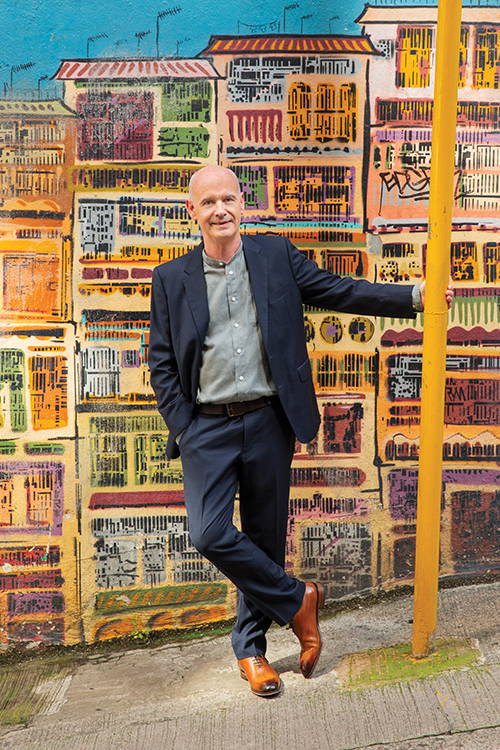
Carroll enjoys educating people about environmental matters and highlights the fact that his fragrances are approved by the International Fragrance Association.

He stresses how harmful other candles made in factories are to the environment: “The forests of Malaysia or the jungles of South America are burned down to grow oil palm trees or grow soy beans. For soy wax candles, the beans are taken to factories and mixed with chemicals and made into wax.”

Asia affinity

All of Carroll’s candles and most of his other products are made in a small workshop in Kwai Fong, though some are produced in the Netherlands for the European market.

Carroll&Chan has a shop in Amsterdam and there are plans to expand to the China and US markets. Carroll&Chan fragrances and reed diffusers are inspired by the scents of Asia. The reeds are made from rattan, a natural product, and the oil flows up via the reeds and diffuses into the air. “They offer a flame-free experience of lemon grass or lavender or whatever scent you want,” he says.

“Another important thing about the brand is that it is an Asian brand and inspired by Asia. Asia is home to so many beautifully fragrant flowers and spices.”

The ‘Chan’ part of the brand name comes from the birth surnames of the Carrolls’ two children, who were adopted in Hong Kong.

He is particularly fond of the scent of sampaguita, the national flower of the Philippines. “It is a form of jasmine and produces an amazing smell,” he notes.

Another favourite flower is white michelia, a type of magnolia cultivated in Southeast Asia. “I thought that would be a fantastic scent and we should start it, so I got a French perfume company to take that flower and develop a fragrance. It is very popular.”
Wine growth

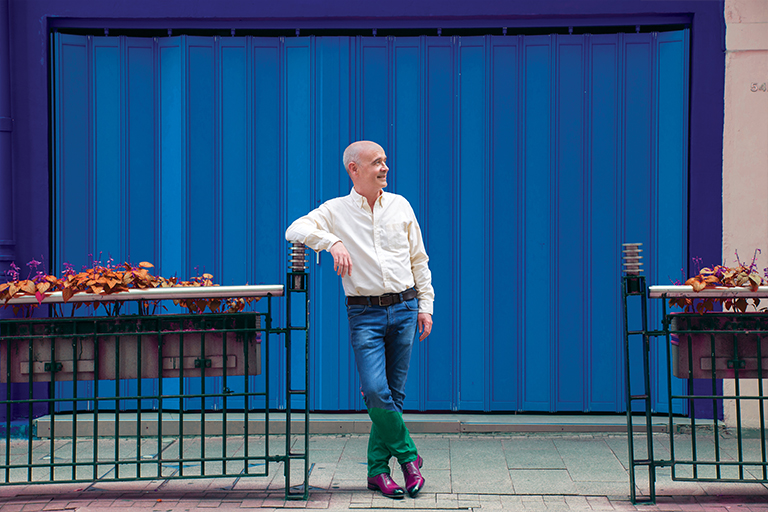
Carroll’s wine business, which also dates back to 2002, grew out of a grocery store that had formed part of a deal to buy out a candle company in Staunton Street. Initially, he wanted to dispense with the grocery store but saw the opportunity to develop a wine business when he noticed customers were coming in for the wine.

At the time there were few wine merchants in Hong Kong and it was not considered an attractive business. “It wasn’t difficult, but there was licensing and all sorts of paperwork required,” he says.

In 2008, the government abolished the duty on imported liquor with an alcohol content under 30%. “So suddenly you could import wine, Martini [Bianco and Rosso], Baileys [Irish Cream]and beer without any paperwork. All you needed was an invoice. Everybody, I think, in Hong Kong who went to Spain, Italy or Portugal became a wine importer,” he recalls.

Running two successful enterprises is time-consuming, so Carroll recently brought in a local business partner, who mostly handles the wine store. Soho Wines & Spirits is handily located near the Central-Mid-levels escalator and stocks a carefully curated selection of wine. He does not claim to be a wine expert – at first he imported wines that were inappropriate for the Hong Kong market. Now he has the good judgment to let others make the decisions.

Photographer: Jack Law Art Direction: Joseff Musa Fashion Stylist: Jhoshwa Ledesma Videographer: Jack Fontanilla Hair & Make Up: Heti Tsang Venue: Carroll&Chan

Run the World: Diana Chou, Chairman of Dragon General Aviation Group, packs her bag with lessons in empowerment and owning one’s choices

Prior to the day of our shoot and interview, Diana Chou was flying in and out of Hong Kong on business trips. She is, after all, the founder and Chairman of Dragon General Aviation Group and bespoke private jet charter broker L’VOYAGE. Now in the last season of a soaring aviation-centric career, she knows what she wants and ensures that her actions reflect who she really is. No less, no more. From the wardrobe and makeup to the interview questions, Chou is all about empowerment.

From the get-go, her strong will is apparent. “I want the interview to focus on my career as a woman in a man’s world,” she instructs us beforehand over the phone. “I want nothing too pretentious where the wardrobe and makeup would not be my style. I want to include my successor, Jolie [Howard, L’VOYAGE CEO], in at least one of the photos. Please.”

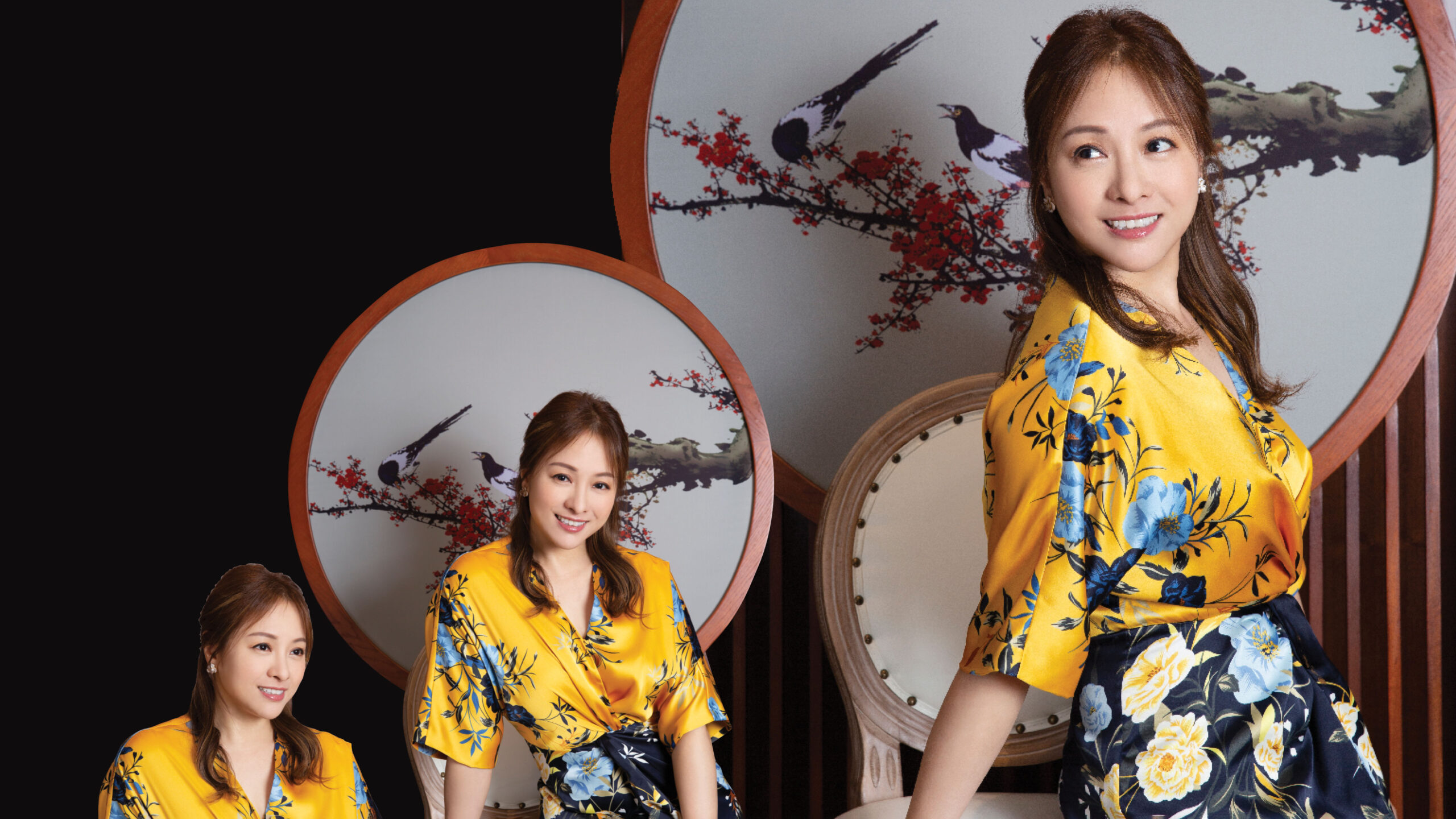
With that settled, Chou is the embodiment of professionalism and enthusiasm as our photo session proceeds as discussed. Dressed in a bright yellow power suit and flashing a firm, warm, sunny smile, she manages to shatter stereotypes of how women should present themselves. She is a potent example of how femininity and authority go hand in hand. Above all, women should not have to shed parts of their identity that they treasure in order to be taken seriously at all times – an ethos that she repeats throughout the day.

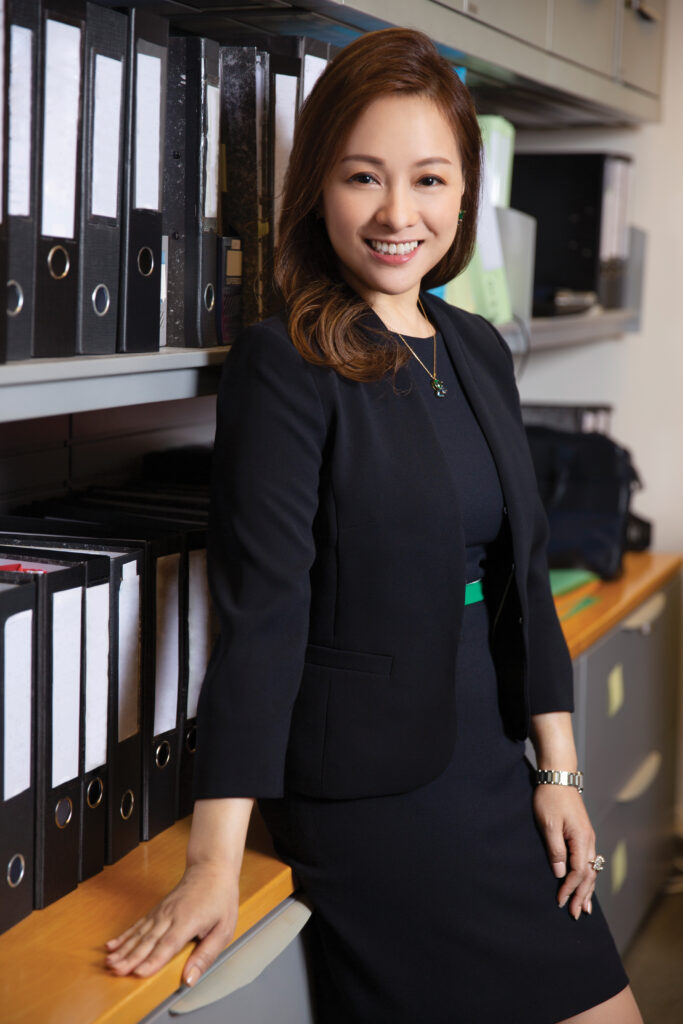
Revealing another facet of her character before sitting down for the interview, she shows us around her office and her own wardrobe of outfits collected on many varied travels. This is her softer, social-butterfly, fashion-loving side, which many might see as a conflict with her forceful, serious, top-flight business persona. Brushing this erroneous, man’s world-imposed contradiction aside, she champions freedom of choice, complexity and the right to be herself without question or scrutiny.

Independent Woman

Diana Chou was born into aviation royalty. Her brother, Silas Chou, instigated the alliance between Sino Private Aviation (founded by the family in 1998) and Canadian business jet manufacturer Bombardier that continues to this day. Her father, textile magnate K.P. Chao, co-founded Dragonair in 1985.

“The Chous are visionaries, we have mindsets of our own and like to take risks,” she declares. “When I was a child, I always looked at the sky and imagined I can fly and visit exotic places, meet people and savour different culinary delights. Well, I never dreamt that I could be in the jet-selling business. I guess, when we dare to dream, our dreams do manifest in our lives in one form or another.”

Growing up in Macau, young Diana had a wholesome, uncomplicated childhood. She attended an all-girls Catholic school where her competitive and studious traits flourished – characteristics that she has carried with her into the present. Significant growth came as part of life’s journey too. A jump from the cosmetics industry to the world of private jets is no usual career path. As radical a shift as beauty to aircraft might have been, she advises young professionals that the world is their oyster. No one else gets to decide their path and they can forge it in whatever direction they want.

“Before all of this, I was working for Clinique as a Brand Manager, but my brother asked me whether I would like to take up the challenge. I accepted it as it is a lot sexier to sell jets than lipsticks and the basic selling skills and marketing principles are the same. I never looked back.”

Business Class

She founded Aerochine Aviation in 1999, adding L’Voyage in 2013 and consultancy Jet8 Aviation five years later. Her groundbreaking role as the first woman to sell private jets in Asia has significantly impacted the rapid rise of the aviation sector over the past 20 years. She recalls that back then, the market was a blank canvas, the stakes were high and the potential was enormous.

“I told myself if I sell two jets, I will have doubled the market 100%, so I relentlessly started cold-calling all the potential clients on the Forbes list. There was very little information on private jets and the internet was just beginning to take shape,” she says. “Every manufacturer was watching me with curiosity like how this tiny dame with no aviation knowledge can sell a plane. I developed educational tools and came up with an elevated pitch – ‘no money in the world can buy or save you time, but a private jet can’.”

And so, she took advantage of those years when the Chinese economy began to take flight on its own and incubated a group of new billionaires. She also ventured into helicopter dealerships in China and opened the first wholly foreign-owned helicopter MRO (Maintenance, Repairs and Operations) business using the CEPA (Closer Economic Partnership Agreement) scheme for Hong Kong companies. It proved to be an inspired move and she sold the business to US aerospace manufacturer Bell Textron in early 2020 just before the pandemic struck.

Dream Big, Fly High

Even as she steps back from her high-flying career, Chou still has her sights on steering Dragon General Aviation to even greater heights. Her knowledge is vast, her intuition immense and her resilience astounding. She may be petite, but she displays incredible strength. Deserving of respect, her achievements have been duly recognised by her peers. She was named Woman Entrepreneur of the Year by the All-China Women’s Federation in 2010 and 2012, and the 2015 Businesswoman Leader of the Year by the Asian Business Aviation Association. She was also the EY Entrepreneural Winning Woman Asia Pacific Class of 2020.

She is a natural mentor to the next generation of women entrepreneurs. Stressing the important role mentors play in the business world, she notes how they can foster the growth and leadership qualities of talented aspiring individuals.

“Mentors can also help the mentee to get a fuller picture of their personal life, particularly with budding female entrepreneurs, because mentors have been there, done it and lived through similar family and work challenges,” she says. “We all know subconsciously what is best for us, however having a sounding board like a mentor validates our thoughts and actions. My motto to my mentee is ‘Dream big and fly high’.”

Quizzed about her greatest strength, Chou answers with characteristic directness: “My greatest strength is my positive view towards life and everything around me. I view failure and challenges as an opportunity to learn and grow. I don’t waste time lamenting the past because I know I can’t change the past, but I can determine my future.”

In a society where the choice of profession defines people’s life, Diana Chou truly is an inspirational woman. Her ability to ‘fly high’, in what was not so very long ago a man’s world, is a lesson in empowerment and owning one’s choices.

(Interview & Art Direction: Joseff Musa Photographer: Jack Law Videographer: Jack Fontanilla Hair & Makeup: Joenny Lau Venue: L’VOYAGE Office Jet: Gulfstream G100 – exclusive aircraft of L’VOYAGE)

Also Read: On the Wings of Luxury: Private jet-setting in elevated style is the hot ticket across a reopened world

Off the Book: Passion for books shelved teaching aspirations of Bookazine owner Arti Mirchandani

John Lennon famously said, “Life is what happens to you while you’re busy making other plans.” This piece of wisdom from a former member of the Fab Four could be a perfect summation of how Arti Mirchandani’s life and career in books have unfolded. Coming from the entrepreneurial family behind Hong Kong retailer Bookazine, her youthful passion was art, not books, and this love of visual creativity drove her to study art at the Royal Melbourne Institute of Technology (RMIT University).

Her parents, Mohan and Nisha Mirchandani started the family business in 1985 with a bookstore in the Hopewell Centre at a time when there were no “big” English-language bookshops in Hong Kong. Mohan had previously moved to Hong Kong from Nepal to work with his uncle and they started off as distributors of books and magazines, initially selling to street hawkers and chain stores.

Young Arti was never much of a reader even though her father would come home with boxes full of books. “He would sigh and say, ‘I am the king of books, and my daughter doesn’t read!’” she relates with a laugh.

The art of teaching

Before heading to Melbourne to study, she worked as an assistant teacher at the Peak School. She mainly tutored a boy who had meningitis as a newborn leaving him about two academic years behind his peers. “While it was a very challenging role, it was also incredibly rewarding when we had little breakthroughs and I felt really good leaving work every day like I had achieved something,” she recalls.

This sense of fulfilment was a light-bulb moment for her first choice of career. “That is when I decided that combining my two passions – art and kids – would be the ideal job for me. I wanted to become an art teacher.”

Early ambition shelved

With nine months to kill before starting a teaching certificate in the UK, she joined the family business “with no real role”. Her father made her start at the bottom, unpacking boxes of books, shelving them and even dusting the shelves. “He told me in order to be successful, you have to learn the A-Z of your business – so as to not be afraid to get my hands dirty. What he meant by that was, ‘Don’t think just because you are the boss’s daughter, you don’t need to do all aspects of the job!’”

Checking invoices, arranging books in beautiful displays, interacting with customers, taking orders, working behind the till, and tallying up the cash at the end of the day were all part and parcel of her learning process.

“It was hard work, but it was the experience I needed in order to gain the respect of my staff today. When I ask them to do something, they can’t say to me, ‘Oh, she doesn’t know what she’s talking about’!” After three months, she started to enjoy working in the bookstore and dropped any idea of teaching.

Also Read: Indra Banga on being one of Hong Kong’s foremost philanthropists

Storybook magic

It was only upon joining the family business that Mirchandani truly discovered the magic of stories and books. She has a special affinity for children’s books, saying: “I think this comes from my love of kids and my teaching experience. I have always loved the illustrations and fun rhyming text. I used to love watching children’s faces light up or hearing them giggle when we read books to them at school. How can you not love something that brings that much joy?”

As she sits in front of crammed shelves in a corner of Bookazine’s flagship store in Landmark Prince’s, she speaks enthusiastically about her role as a buyer of books, toys and gifts. “It’s like going shopping everyday….with a corporate card. I do really enjoy seeing all the new products before they hit the market; I get very excited like a kid in a toy store. I also love watching my customers’ reactions when the products hit our stores.”

Bookazine has seven shops in Hong Kong and has been in Prince’s Building for more than 30 years. The company hosts most of its book launches there and the space is also used to showcase local authors and designers.

She particularly enjoys receiving proof copies of new books ahead of their release – that feeling of having access to privileged information. “It’s like we belong to a very exclusive club; it’s also just really nice to be able to read a book right away after the publisher has just told you a story. You do not have to wait a couple of months to find out how it ends.”

Also Read: Seven must-read books about Hong Kong

Sharing the passion

Mohan Mirchandani established Bookazine to share his love of reading with a vision to become a family-friendly community bookstore. “My father wanted it to be a place where families came and everyone left feeling happy or inspired. I think we have achieved this, or so I have been told,” says the daughter fondly.

His death aged just 58 taught her that life is very fragile and to be grateful for every day, to live for the moment and never plan too far ahead.

Customers (and daughter) know best

Mirchandani is at ease throughout the interview, articulate and well-spoken. It is no surprise that she loves interacting with customers in the store, citing it as one of her favourite aspects of the job.

Many customers have been loyal for 38 years and she feels immense gratitude for their support and invaluable feedback. Her daughter has also been a useful barometer of the latest toy trends, helping her increase the toy offering at Bookazine. “Even though she is aged 14 now, I still ask her opinion on some new trending toys and plush. She has got a real knack for knowing what will do well – except now she asks me if I will pay her!”

Family matters

Like with most family businesses, relationships can become strained. Her mother, Nisha, is the company chair, while her sister, Shonee, is also part of the management team. “Sometimes it’s really hard, and definitely in the early days we used to clash a lot,” she says candidly. A copy of Spare by Prince Harry is prominently displayed on a nearby shelf.

However, business matters now run smoothly within the family, possibly due to maturity or finding the right rhythm to make it work. “I am very close to my family; they are my pillars of support and I feel very lucky to be able to work with them.”

Reading the future

Mirchandani remains confident in the future of their business. She no longer feels that e-books pose the existential threat to traditional bookstores that appeared to be the case when they entered the market. Fortunately for them at Bookazine, the initial drop in book sales did not last long as people returned to reading in the traditional print.

“There is something quite special about flipping the page or the smell of books,” she says. “And then with some bigger online bookstores, the threat is that they can be quite competitive on pricing and things like that. But, you know, at the end of the day, I think everyone needs a good bookstore. I can’t imagine a world without bookstores.”

Photographer: Jack Law Art Director: Joseff Musa Fashion Stylist: Jhoshwa Ledesma Videographer: Jack Fontanilla Hair & Make Up: Owen Ko Venue: Bookazine, Landmark Prince’s

Colour Harmony: Andrew Yuen’s Evolution From Boyhood Treasure Hunter To Guardian Of Culture

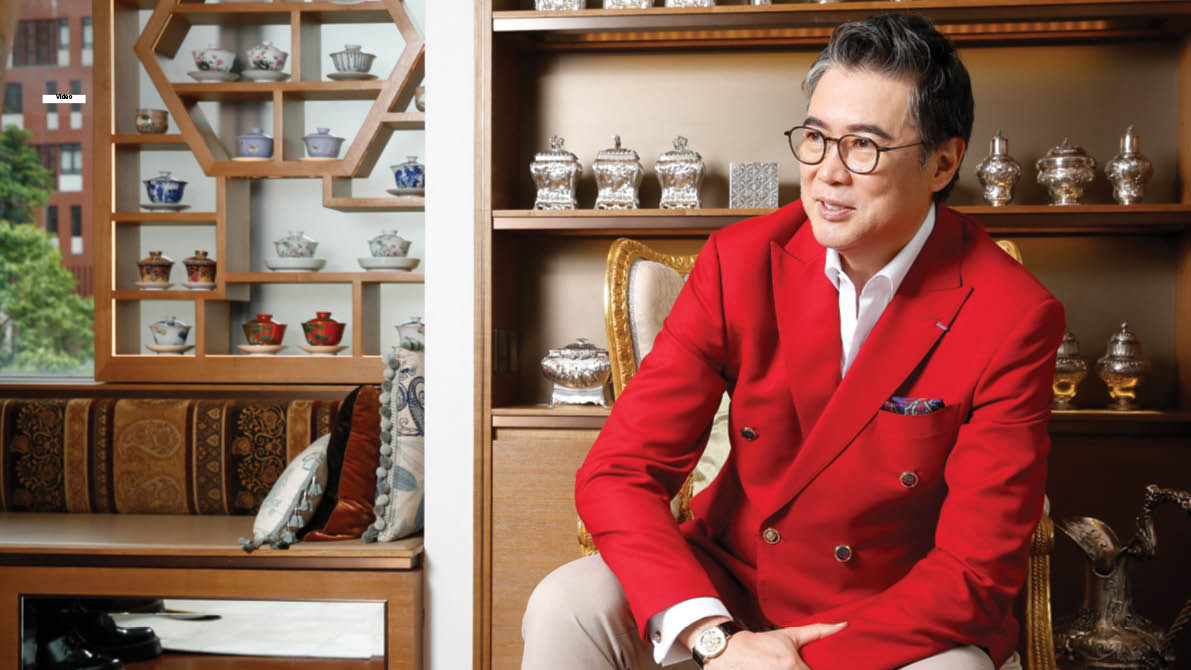
It is a typical rainy, grey May day in Hong Kong, but inside Andrew Yuen’s luxurious Central apartment, clashes of gold, silver and everything in between envelop the cosy space. Silverware and sculptures from his many travels around the globe are gracefully displayed with personal touches like portraits of his parents and son, Anthony.

Among the many roles he has inhabited over a long and fulfilling career – Deputy Managing Director of Dayton Group, CoChairman of the Hong Kong Cancer Fund, Vice-President of the Society of the Academy for Performing Arts and Chairman of Le French May, which led to the title of Chevalier (Knight) of the National Order of the Legion of Honour, awarded by the French government – is a new commitment as Director of the Board of the Hong Kong Palace Museum.

“The thing about this new role is that I didn’t apply for it. I was appointed,” he says humbly, shrugging his shoulders as if it is some small matter. “Why me? Well, maybe because of my art collection?”

andrew yuen

Indeed, Yuen is a long-time supporter and champion of the arts, all types of it, from visual to performing. His fascination with all things artistic was ignited at a very young age when he and his father would go “treasure hunting” – as young Andrew would call it – in antique shops along Hollywood Road and at auction houses as one of their weekend activities. Despite having pioneered the electronics industry in the city, his parents raised him and his four siblings to be self-effacing. A sensibility that he applies when bringing up a teenager of his own.

“I am always proud to say that I have the best parents. They just let us do what we want to do in life and explore whatever we like. But I think they also have this magic to bring us all back together. All five of us are now living here in Hong Kong,” he says, laughing.

Kendy Enterprise, the empire which Jack and Daisy Yuen built, was founded in 1958 as one of the early makers of transistor radios. Dayton Industrial was born in 1972 and nurtured into one of the world’s leading manufacturers of micro-electronic products such as heart-rate monitors, altimeter watches, e-bike HMI, sensors and parts for smartphones.

andrew yuen

Shades of Success

“I feel very much at home when I am at the [Hong Kong Palace] museum. I could just talk about art all day,” says Yuen, grinning as he sips water from one of his collectable china cups. Later, on our way to the photo shoot location, he divulges that he and now Academy Award-winner Michelle Yeoh are good friends, and he was close to Princess Diana.

“These people are my contemporaries, not just in terms of age, but also as fans of the arts. However, my parents advised me that in order to look young and feel young, I must expose myself to younger connections. This way, I can keep up with change and not be stuck in my comfort zone.” he says.

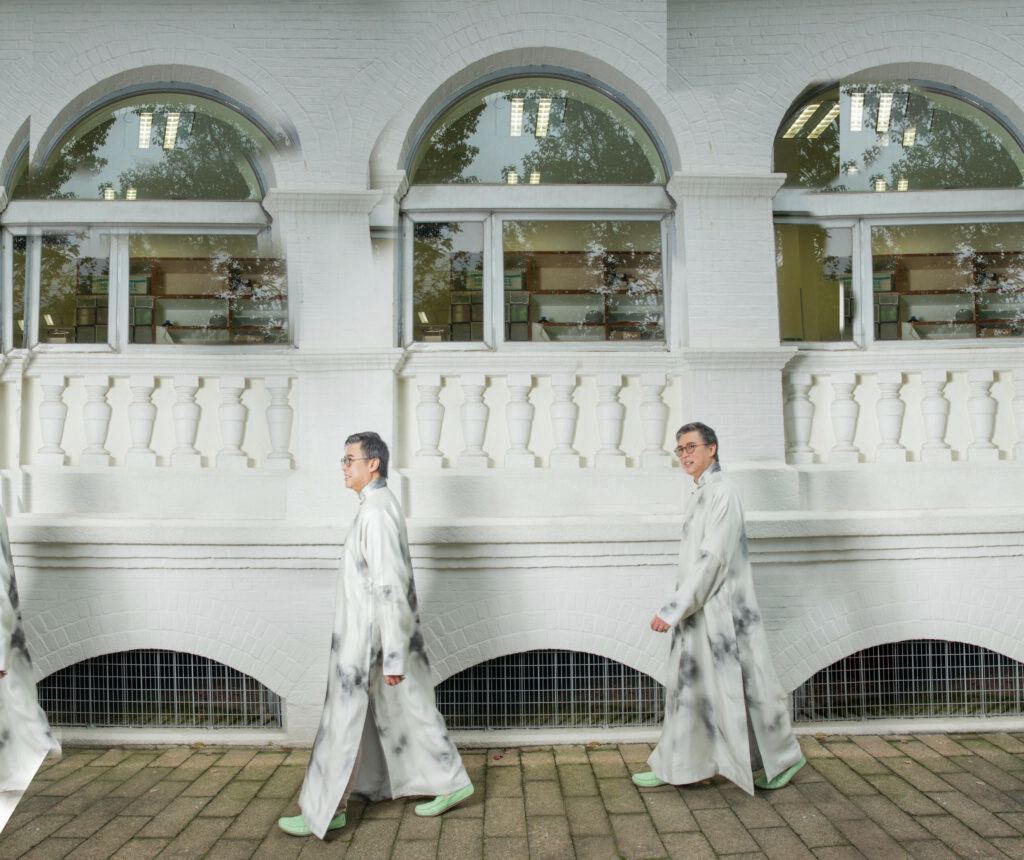
He wears a traditional changsan, noting that he needs a birdcage and a fan to fully embrace the look. It is evident that while he is open to the current landscape, he still pays homage to his roots and appreciates his own culture. As a newly minted museum director, Yuen reflects on the evolution of the arts scene, particularly in Hong Kong.

“The hit musical Hamilton is a perfect example that art is inclusive and ever-evolving. Musicals now explore pop and rap styles of music. We really have to make art accessible everywhere, that’s the most important part. Hopefully, I can play a role in that. That’s why we are more ambitious than ever with the line-up for the French May Arts Festival.” he says.

He also shares that beneath the foundations of the Hong Kong Arts Centre in Wan Chai is a time capsule put there by six people – one of whom just happens to be him.

andrew yuen

Hues of Happiness

Yuen’s vision for the Hong Kong Palace Museum vibrates with colour, movement and textures – just like a work of art. He says: “There are only three Palace museums in the world – in Beijing, Taipei and now in Hong Kong. So I hope that the one in Hong Kong will be the bridge between the other two “Palace-tinians” – between China and Taiwan.”

As a seasoned art collector, he reiterates that it is important to do your own research before purchasing. When you don’t know the market, it’s easy to fall for things just because they are buzzed about, especially on social media. “I recommend learning about art and artists online so the choices become your own,” he explains.

The adage that new collectors should spend a year looking and not buying rings truer than ever. While that may seem extreme, taking time to develop your eye is essential. Like many other things in life, it should be quality over quantity, too. He encourages art lovers to invest in fewer pieces that are of higher quality. Art is, after all, a purchase for life, so it is better to collect slowly with focus rather than to rush and take a more decorative approach. “Art should be something that talks to you,” he adds.

Also Read: Your Guide to Purchasing an Art Piece That You Won’t Regret

He is clearly very proud of the Hong Kong Palace Museum, and on a smaller, though still substantial level, the art in his home. His collection delves deep into a style and an artist through gorgeous masterpieces. Works of art, more generally speaking, impact society, fostering economic, racial and social justice and educational advancement.

andrew yuen

His own Covid chronicle was both impactful and life-changing. Yuen caught the initial strain of the virus during the frightening pre-vaccine era. As many others who pull through serious illness would attest, it made him appreciate life even more than ever.

“Other than material things, I think what matters most is that we collect memories – memories that are precious yet priceless,” he says. “I am thankful that I always have the chance to be surrounded by family and friends. Above all the things here that glimmer and shimmer, the memories that I have, and am still collecting, will always be my number-one prized possessions.”

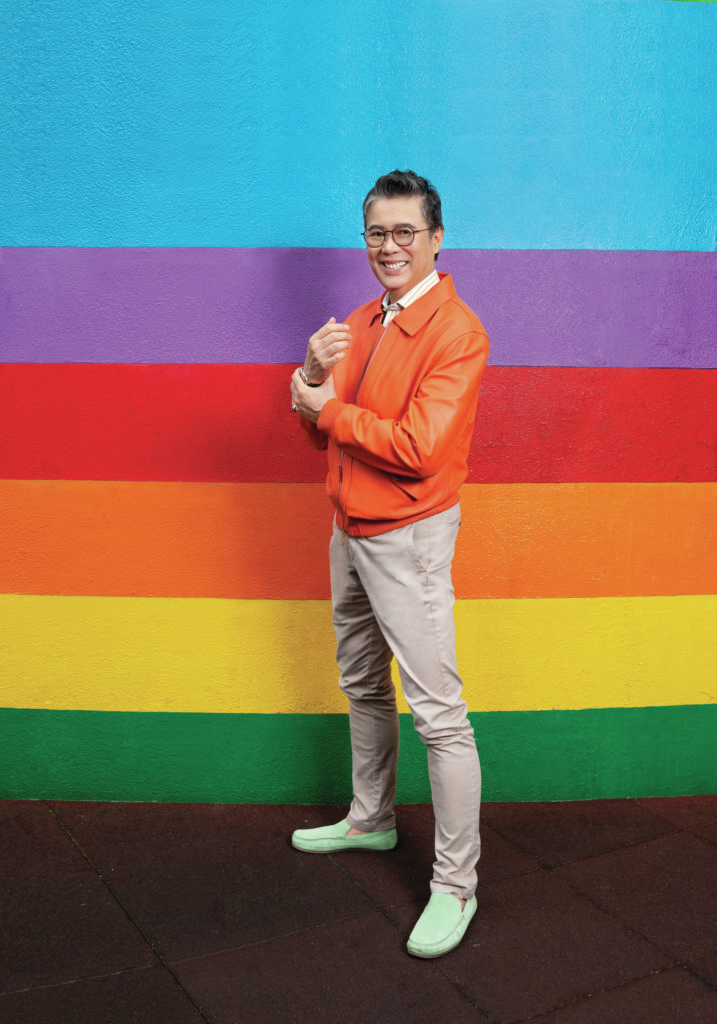
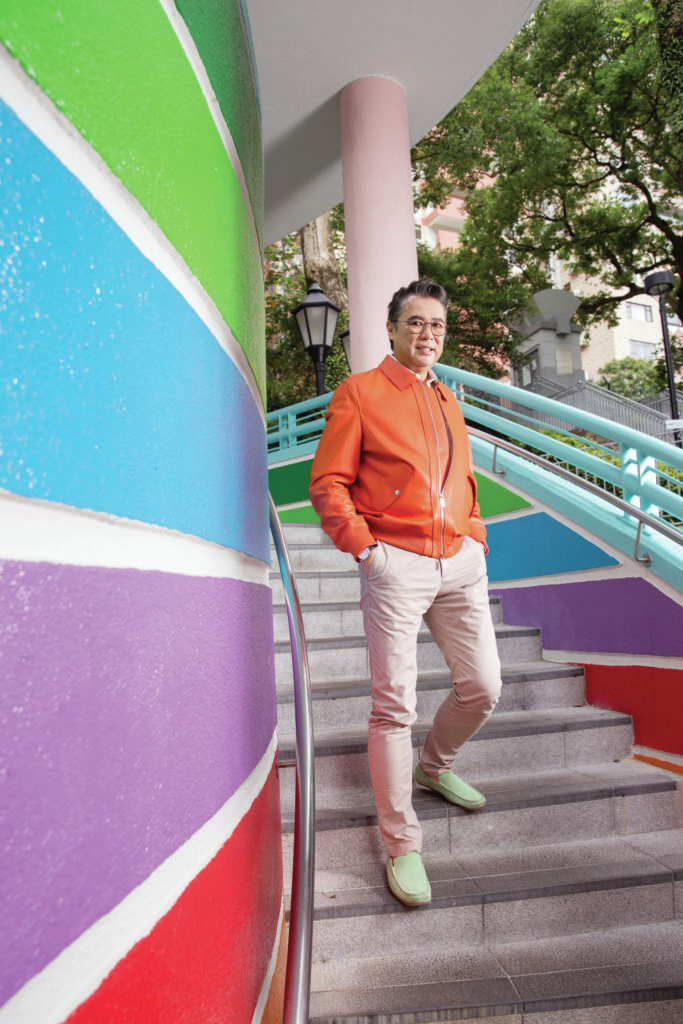
And so, like a rainbow in the sky, Andrew Yuen continues to colour his life with pure bliss and happiness.

Interview & Art Direction: Joseff Musa Photographer: Jack Law Fashion Stylist: Jhoshwa Ledesma Videographer: Jack Fontanilla Hair & Makeup: Heti Tsang

All about Yve: Through Dawn Jewellery, Yve Chan unites a passion for craftsmanship and connecting cultures

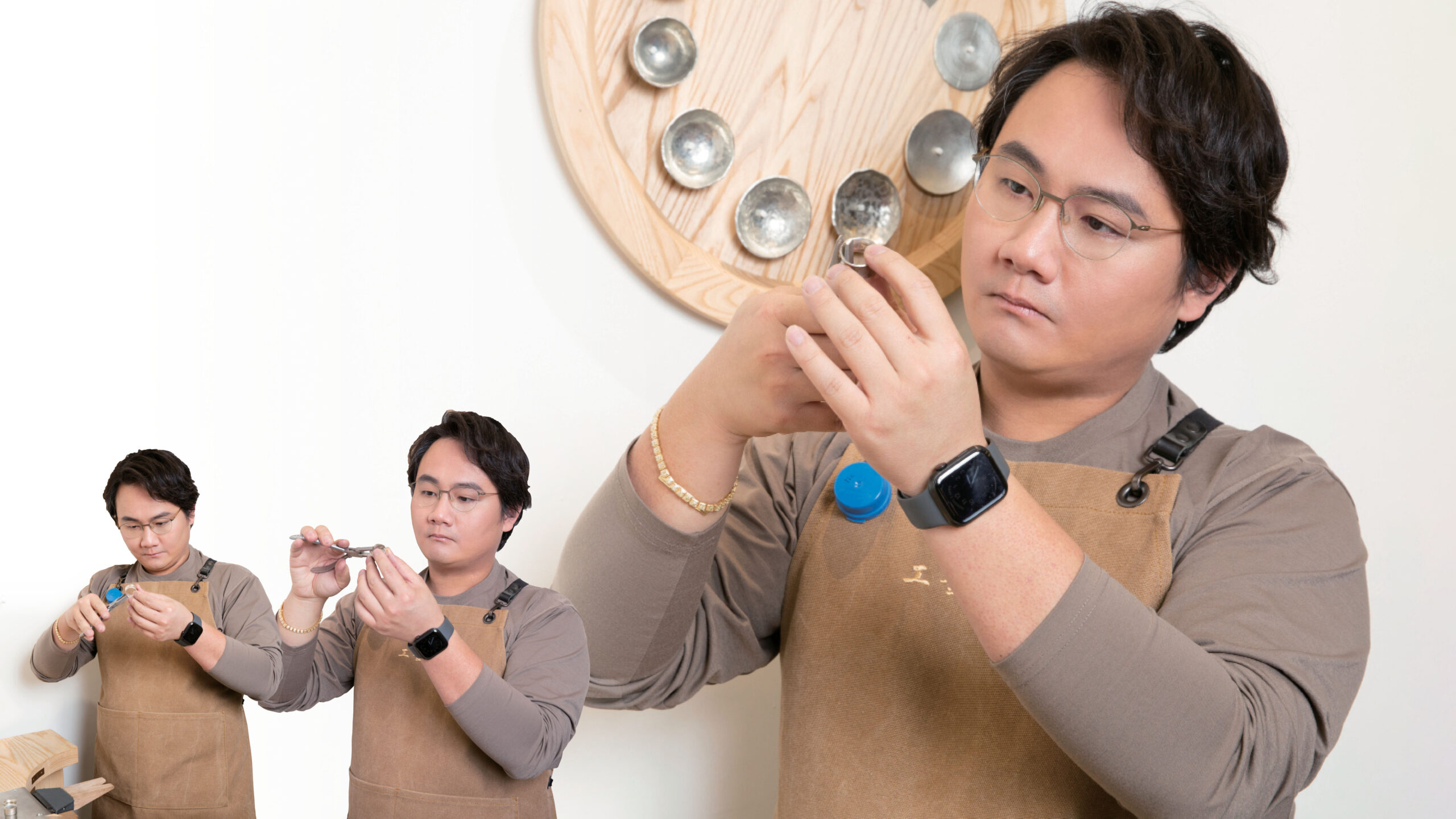
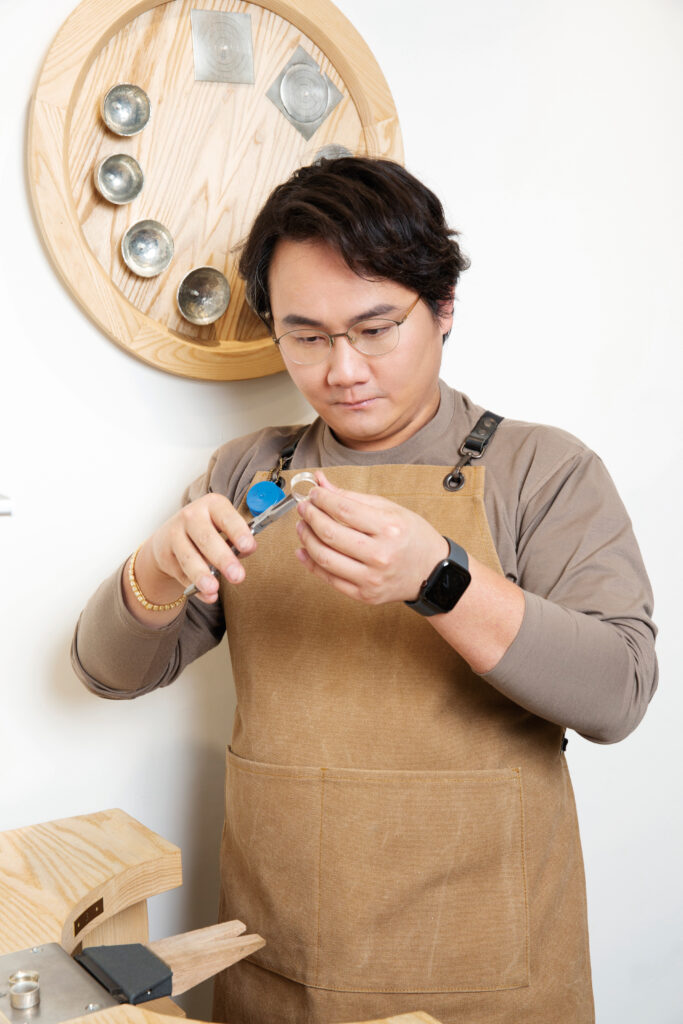
Yve Chan is a man with a deep-rooted value system honed by growing up in a town in China filled with craftsmen who made their living from jade. These artisans painstakingly cut jade in their small workshops and then every morning at 3 am went to the local market set up by his father to sell their wares. Years later, when Chan established a jewellery business in Hong Kong, he named it Dawn Jewellery in tribute to his father and this heritage.
What struck him was how these craftsmen would communicate jade through the telling of traditional stories, and he knew from a young age he wanted to be involved in this industry. His early career in Hong Kong saw him working for a major US advertising agency, Leo Burnett, but his interest in craftsmanship and the desire to “realise the creativity” was too strong. He soon quit advertising and went to the UK to achieve the necessary qualifications.

Chan shone during a jewellery and silversmithing course at Birmingham City University. He received the Assay Office London Technology Award from The Goldsmiths’ Company and was a Silver Award winner at International Jewellery London’s Special Award for Fine Jewellery. He further studied at the Gemological Institute of America in Los Angeles to achieve his certificate as a gemologist.

A thoughtful man in his late 30s with a passion for his craft, Chan says these years have defined the rest of his life. Sitting in his Causeway Bay workshop and retail gallery, he flashes back to his final year in the UK when it dawned on him that he was actually quite good at his chosen craft. “At that moment I realised this is maybe my lifelong career,” he says. In another fond memory, he also notes that his time as a coxswain in a university rowing team forged his team spirit.

Following his return to Hong Kong, he gained valuable experience working in product development for a large retailer before setting up Dawn Jewellery in 2014. He originally just sold jadeite jewellery but soon gained international partners for his Tsim Sha Tsui flagship store following exhibitions at international shows. Dawn specialises in bridal jewellery, selling an array of wedding rings and exquisite pearl and diamond creations, and holds workshops in the craft.

Telling international stories
Chan reveals that one of the first major partners for his platform was a famous wedding ring maker from Germany with a history spanning 150 years This had been one of his “idol” companies from his time as a student in the UK.

“I think we both realised that we share the same thoughts towards craftsmanship, towards business models, towards what is going on in the market,” he says. “We were at a good point to introduce them to Hong Kong.”

“They are very picky in choosing the retailer, because there can be a lot of very big retailers, but they are not necessarily able to talk through the philosophy of the brand. I think we are good storytellers. So, one by one I am inviting these artists to tell their stories,” says Chan, who now has more than 20 partners from across the world.

True value of craftsmanship
From the outset of Dawn Jewellery, Chan has wanted his clients to appreciate the true meaning of the products they purchase and the artisanship involved. “When we asked what sort of elements of this brand you like, I realised most of the audience could not tell me,” he says.

His desire is for customers to grasp a product’s intrinsic value; he encourages them to touch the jewellery and examine very carefully what they are looking for, stirring an appreciation of the elements added and how many hours have been spent to make such a ring.

A Japanese partner makes jewellery using traditional mokume-gane techniques that have their roots in samurai weaponry; a German partner applies machinery techniques to perfect their rings and make them stronger. “This is the value; this is the story,” he says, outlining the ethos of Dawn Jewellery. “Each of the craftsmen, when they make things, each mark left – it means something, either perfections or aesthetic judgment.”

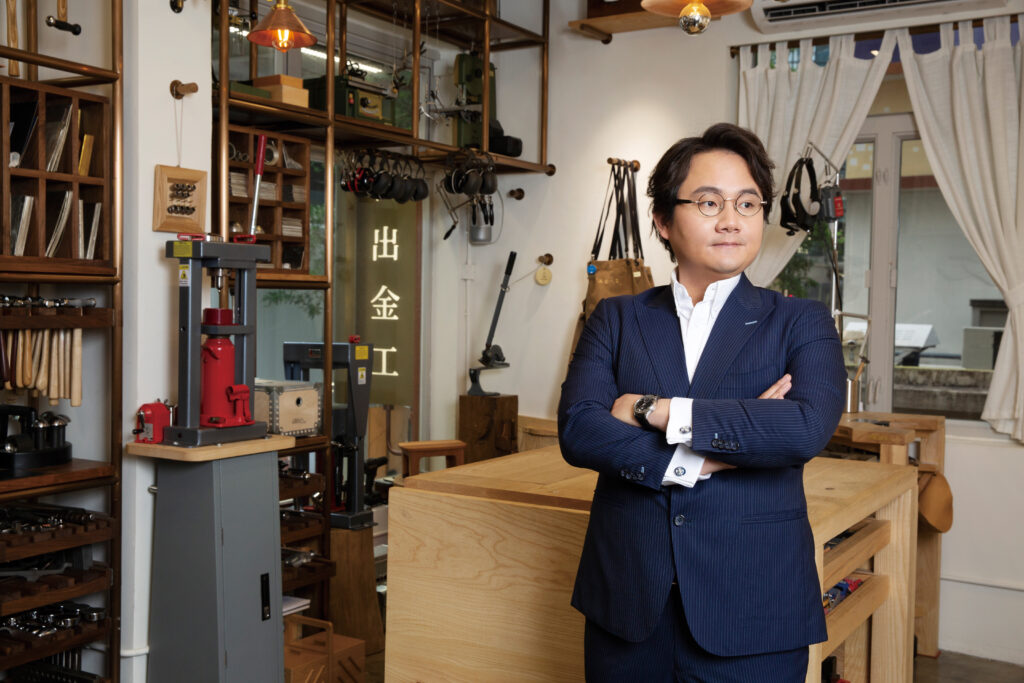
Photographer: Jack Law Art Direction: Joseff Musa Styling: Jhoshwa Ledesma Videographer: Jack Fontanilla Hair & Make Up: Owen Ko Venue: Sunsmith workshop

Read the full interview in the May 2023 issue (pg: 100). Available on the Gafencu app on Android and Apple.

Brief Encounter: Wellington Legal partner Olivia Kung is a law unto herself

Live, laugh, and love – three things that, according to Olivia Kung, make the world go around and a better place. As the daughter of a former Chief Investigator of the Operations Department Independent Commission Against Corruption, her fate was somewhat determined at the age of five when she put on her father’s barrister’s gown one night. She laughs from her gut, the way you would with family, as she recalls this significant moment in her childhood, and delivers the verdict that it made her into the woman she is now.

“I wish I had that power over my child,” says Kung, reflecting upon her father’s influence in shaping her life. “But things are just different now, aren’t they? People in 2023 create their own path, for better or for worse, defying the ‘norms’ the society or what their family might believe in. The determination of my teenage son really inspires me to do more and be the best version of myself.”

The walls of her office at Wellington Legal, where she is a partner and sits on the board of founders, are filled with watercolour paintings by her son, juxtaposing with the grey and glass walls of the skyscrapers within the heart of Central. With decades of legal experience under her belt, Kung has litigated expertly in a wide variety of areas including complex property ownership disputes, fraud cases, debt recovery and bankruptcy as well as personal injury claims. It’s no surprise that these cases, which she has successfully defended, attracted media attention.

The many charms of her life, of course, have not arrived without solid background work. Before the day of our interview and photo shoot, she did her due diligence on the magazine, the lawyer’s instinct for discovery taking hold. It was, however, the entertainment industry that gave her the confidence and wit, as well as the time-management skills, needed to present legal cases – growing up she had juggled academic studies with extra-curricular activities in showbusiness.

“I did acting and hosting stints at RTHK for their children’s TV programs. I am not sure how I managed it, but I did,” she says. “Sometimes, life really surprises us.”

Her honour
Questions of destiny and volition have trailed Kung through her life. At a young age, she already knew how to distinguish a great lawyer – by their creativity. With an eye for making connections and an ear for deft persuasion, it is a quality that she has been judged to possess.

“As a lawyer, I think it’s crucial to act not only by the book but also with a heart and mind for justice. Common sense, though not so common these days, has to be played in order to win a case,” she emphasises.

For the self-confessed goal-getter, a diminutive frame belies a commanding presence. The Queen Mary University of London School of Law alumnus completed her Legal Practice Course at the University of Exeter and attained qualifications to be a solicitor in England, Wales and Hong Kong. Prior to Wellington Legal, she worked for several top-tier firms in the UK, a leading local practice in Hong Kong and as in-house counsel for a listed financial company.

Marcus double-breasted wool-blend felt blazer by Sandro (courtesy of The Outnet), One-shoulder stretch jersey top by Helmut Lang (courtesy of The Outnet), Le Sylvie cropped highrise straight-leg jeans by Frame (courtesy of The Outnet)

No objection
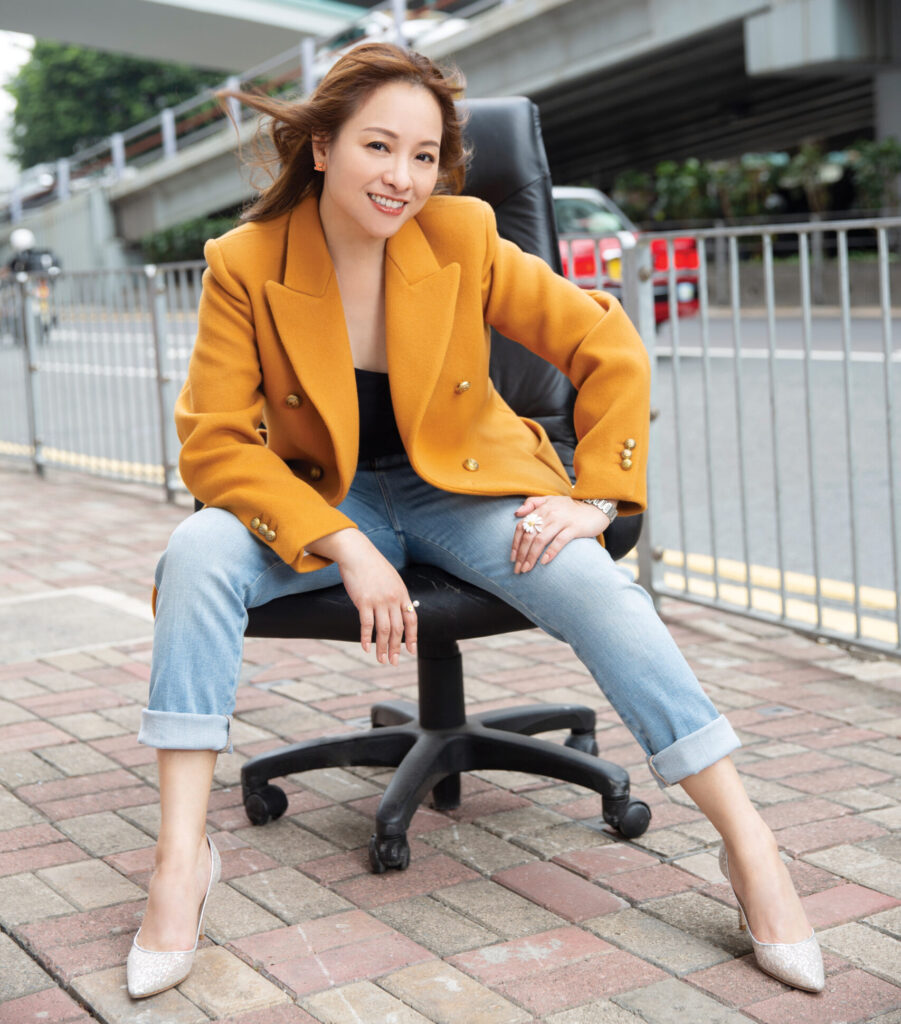
While as poised as you might expect from an established lawyer, Kung defies other stereotypical traits that are applied to the legal profession; she is neither solemn nor uptight. After a few clicks for the test shots and a quick pointer on how to pose, she is nailing the photoshoot, lounging in a lazyboy in the middle of the bustling city traffic.

“I taught myself to be adaptive to any kind of situation. Whatever background you may have, school you graduated from or clan you belong to, it is important to adapt to the situation you are put into,” she says. “We must never say no easily and be done with it. We find the solution there possibly is, no matter how small or big, and we take that and make it work.”

Undeniably, this flexibility guides her as a lawyer, as does her capability to be fair and rational. Dignity is another word she often brings up. She says she has been defending a person’s right to dignity from day one and she still holds herself to that standard.

“Dignity can also mean having the right balance in every aspect of our lives. It’s not just about self-love anymore. It’s about making the most out of the situation we’re put into. I don’t function merely from 9 am to 5 pm. I am working 24/7. As a lawyer, as a mom, as a daughter, as a friend.”

Aisha cutout striped lurex gown by Rebecca Vallance (courtesy of Net-a-Porter)

Love before money
She expounds on the idea of “happiness” many times, too. It isn’t surprising language from the girl who worked in the entertainment industry, was raised by a well-off family and grew up as an only child. “I always tell my son to love what you do and do what you love. And this may also apply to everyone. Once you become good at it, then money will come in. Consider money as just a bonus. Happiness should always come first,” she says.

“Career choice is extremely important,” she continues. “If you pick something you hate, you’ll be spending so many hours torturing yourself, no matter how much a company would pay you. It’s the one thing in life that I think is the biggest determinant of happiness.

“I don’t really aim to leave a legacy once my time here on Earth is passed, but I hope I make people around me happy because I actually enjoy helping people. I help people because it makes me happy. It’s as simple as that.”

By her own rules
So what’s next for Kung? Optimism is the fuel driving every legal fight she has been in and will be involved in, and she is cooking up something exciting, yet again, in the coming months. “I cannot disclose it just yet, but it’s something that I am very passionate about. In life, you have to put in passion and dedication in order to achieve happiness and reach your full potential,” says the woman who is habitually positive about life – to the point that she is able to laugh even at the biggest of problems.

This time, though, she confesses that she might be setting up herself for criticism given the size of her ambition. Yet, there would be more people in life setting lofty targets for themselves if they had been taught to know what they believe and how to fight for it from when they first learned to speak.

Ultimately, the next chapters of her life are reading just the way she and her parents have planned, with a few tweaks and additions along the way. If there’s anything we know about attorney Olivia Kung, it is that when it comes to happiness, she will fight.

(Interview & Art Direction: Joseff Musa Photographer: Jack Law Styling: Jhoshwa Ledesma Videographer: Jack Fontanilla Hair & Makeup: Joenny Lau Venue: Wellington Legal Cover look: Janie one-shoulder cape-effect sequined crepe mini dress by Safiyaa, courtesy of Net-A-Porter)

Matters of the Art – Amid the ever-changing world of art, Adeline Ooi has stayed true to her heart

How does one represent the Asian art scene? According to Adeline Ooi, Director Asia of Art Basel, it has come a long way, but there’s still a long line to take. “The art scene is ever evolving, so it’s really hard to claim that this is it, we’ve made it,” she says. “But we celebrate each win and I think over the past 10 years, some of the most rewarding aspects of it is watching the art sector grow not only in Hong Kong but across Asia as well.”

With just six weeks before the official opening of Art Basel in Hong Kong [held from 23-25 March], Ooi takes a break in mid-February to talk about matters of the art and of the heart. Arriving in casual clothes and sneakers, it is evident that she does things by her own rules, bringing and selecting clothes from her own wardrobe for the photo shoot. “No heels for me, please,” she advises the production team.

Adeline Ooi
Cetina pinstriped woven vest and nata pinstriped woven wideleg pants by LOULOU STUDIO (courtesy of Net-A-Porter)

Of Malaysian descent and raised by parents who worked in the plantation industry, Ooi confesses that her love for art was more slow-burn than an immediate fiery passion. Growing up in rural Malaysia, she wasn’t particular about what she wanted to be – as long as she didn’t end up in a 9-to-5 job. “Gosh, I wanted to be a flight attendant, because as a kid I thought that’s the only way that I’ll get to fly everywhere,” she says with a smile. It was only in her teenage years that she decided to study fine arts at Central Saint Martins in London and ultimately returned to Asia to pursue an art-centric career. Staying true to herself is an Ooi ethos. Although her parents first disagreed with her decision to build a career in the arts, she persisted, working at Valentine Willie Fine Art and co-founding the RogueArt cultural agency in Kuala Lumpur.

Adeline Ooi
Heels by Giuseppe Zanotti

She was appointed as Director Asia for Art Basel on Boxing Day 2014. “Was it like a Christmas gift? I can’t really tell because it meant landing with my skates on. It was both scary and exhilarating,” she says.

For her, in hindsight, a media interview with someone from the art sector was not necessarily imaginable during the late ‘90s, and a sit-down one-on-one chat is already a big indication that the Asian art scene is progressing. She says: “This interview is already a big feat. I remember in my 20s, a job in the art world means you have to be willing to do it with hardly any or very little pay and everything was in DIY set-up. There were just fewer opportunities for us Asians in general.”

Adeline Ooi
Heels by Giuseppe Zanotti

Art imitates Life

It is often said that life imitates art, but for Ooi, it works the other way around. “Art may not be for everyone, so it’s really hard to say that our lives are the main inspiration of art,” she says. “I think that is something that we all need to understand. More than anything, I believe that art really documents the human story.”

Looking at the etymology of curating, it is hard to imagine how it ever became the profession that it is now. It was only in the later years of the 20th century that the term curator was applied to exhibition makers, eventually becoming the title for some of the art world’s big players – Ooi now among them. Now in a globalised digital age, she is redefining her own profession as it evolves once again and how art fits within today’s creative scene. “I personally don’t believe in the notion that collecting art has to relate to a great investment. Sometimes we love something, but we don’t necessarily have to own it. The best way to experience art is in the chance encounters at a museum.”

(Interview by: Joseff Musa, Photographer: Jack Law, Art Direction and Styling: Jhoshwa Ledesma,
Videographer: Jack Fontanilla, Hair & Makeup: Heti Tsang and Venue: M+)

Read the full interview in the April 2023 issue (pg: 100). Available on the Gafencu app on Android and Apple.  

William Dollar Game: William Chan’s global swing to real-estate riches

William Chan, Chairman and CEO of Rykadan Capital Limited, has swung success from a local driving range into a property investment empire spanning Hong Kong, London, LA and Bhutan.

“I always dream Rykadan can move to the next level and especially go global. That is what we are doing right now,” says William Chan of his property development and investment business, Rykadan Capital. 

A likeable family man in his late 40s, Chan has the DNA of a serial entrepreneur. He is Chairman and CEO of a burgeoning international property empire providing capital growth for investors – a venture built up over 20 years, as the group website neatly proclaims, from the ground floor to the penthouse. 

Chan started quietly, spending the early phase of his career working for NGOs after returning to Hong Kong from the US with a master’s in business administration. He served as a board director of Yan Chai Hospital and the Tung Wah Group of Hospitals. He says these posts, along with Home Affairs Department roles, inspired him to create businesses that can improve people’s livelihood. 

The managerial and soft skills he picked up during those years and his impeccable sense of timing were to prove key factors behind the success of his first business project: a golf driving range in Sai Wan Ho called Island Golf. Chan, an enthusiastic golfer, could not fail to notice that just after Sars in 2003, golf had become a popular sport in Hong Kong. 

“At that time in Hong Kong there were only one or two driving ranges,” he recalls. “I saw there was so much demand I came up with the idea but where to get the land?”

William Chan

Via data research of the Hong Kong Government Lands Department, he noted there was suitable land on Hong Kong Island for a driving range next to two buildings. He won the bid to lease the land but still needed to raise the capital to build the driving range. His persuasive abilities needed to be at their best to sell the concept to like-minded directors he met through NGO projects. 

“Fortunately, they loved it,” says Chan. “It became very successful. It was the only one on Hong Kong Island. I remember the South China Morning Post even hired a helicopter to take a shot of the driving range!” 

The success of this venture undoubtedly gave Chan the confidence to build up future businesses and experience he would draw upon in later years. “You need to find land and raise capital, this all helps with what I need to do now,” he says. “This first business venture really attracted me to the idea of lifestyle and leisure and how this fits into the lifestyle of different people.” 

William Chan

Macau moment 

Later he saw another opportunity. Following deregulation in the early 2000s, many casinos and hotels were popping up all over Macau. Chan identified a company called Sundart with a good track record as a fitting-out contractor. He acquired Sundart and secured his first project – the Venetian Macao for the Sands group. “We rode the growth momentum in Macau for many years, enabling us to lead Sundart to IPO.” 

It was at this point that Chan’s sense of timing once again proved a masterstroke. During 2008 and 2009 the global financial crisis was stifling investment decision making and many IPO (initial public offering) applications were being withdrawn, meaning to take Sundart public was a tough call.  

But fate intervened. It turned out that as others were bailing out of IPOs, this created an unusually high demand for the one that went ahead.  

“I still remember the day, August 21, 2009. Sundart is not a tech stock; we are a traditional fit-out construction business. But why did it become 700 times oversubscribed? Because there is only one IPO in August. I am the only stock… all the money was just subscribed on my stock,” says Chan. 

Though Chan’s education and background can help him pick the right projects, he believes this sense of timing is essential in the investment field. He eventually transformed Sundart into Rykadan Capital and acquiring businesses at a reasonable price with attractive returns became the company’s mantra.  

“Nowadays, we apply this idea to everything Rykadan does, including property development, investment and asset management,” says Chan. 

Initially, the company started with property in Hong Kong. Since then, it has diversified into projects in California and the UK. 

William Chan

Asset class 

Chan’s passion for lifestyle-related businesses is what drove him to open a hotel in Bhutan, which he describes as a unique place that appeals to those seeking adventure and luxury. Bhutan is now changing fast and others are piling investments into the country, but in about 2012 when the resort complex was acquired, it was considered an alternative asset class and costs were far from going through the roof.

“Since our resort was a new one and pretty high class, we set our room rate high. So you can see the cost is pretty low, and the price high, so you have a very big margin on that,” says Chan. 

As of 2023, Rykadan has invested US$1.6 billion in total assets and has completed more than 18 projects, exiting a number of these with good returns. Its thesis is to identify a good investment opportunity and exit within a five- to eight-year horizon. 

Dismissing any suggestion he is a risk-taker, Chan has yet to make a decision he regrets. He has gained a lot of experience in the importance of risk management, especially given that he has negotiated three major financial upheavals: Sars in 2003, the global financial crisis of 2007-2009, and, more recently, the Covid-19 pandemic. 

William Chan

“The first thing we underwrite on any deal or project is how to mitigate the risk, then we think about how much we are going to make,” he says. “My own view is no matter if you invest in a new business or in a new country, you always have to pay the tuition.” 

(Interview by: Neil Dolby, Photographer: Jack Law, Art Direction and Styling: Jhoshwa Ledesma, Videographer: Jack Fontanilla, Venue: Rykadan One, 23 Wong Chuk Hang Road, Hong Kong 98 igafencu.com)

Read the full interview in the April 2023 issue (pg: 92). Available on the Gafencu app on Android and Apple.  

In his Yiuniverse: Kev Yiu on building his personal brand and fulfilling his fashion design destiny

One of Hong Kong’s foremost fashion designers, Kev Yiu has headed several leading couture brands and is now focussing on his own label – Kev Yiu Couture.

Take us back to the day you knew you wanted to be a fashion designer. What had drawn you into it? 

Well, it all began when I was still in primary school and I started making clothes for my younger sister that were inspired by the lights and toys on show at the arcade that was home to our family business. I remember going straight there after school and just starting to design. Back then, though, my family – especially my father – saw fashion design as essentially a female thing, so no one took my interest all that seriously. If you have a passion for something and if you really want to excel at it, though, you will know deep down that that is what you are destined to do, regardless of what anyone else might think.

Kev Yiu
Blazer by Balmain, Necklace by Chanel

How did your family respond when you confirmed you wanted to pursue that particular passion? 

Well, here’s the thing… I took up fashion design but I didn’t tell them, trying hard to keep it from my dad in particular who was a policeman. Ironically, though, it was also because of him that I got to study in the UK on account of a scholarship programme, especially on offer to the children of Hong Kong policemen. It was only when they got my report card for the first semester that they found out what was I really studying. My dad was furious and that was really no surprise.

I wouldn’t necessarily advise any kids who find themselves in a similar situation today – with many families in Hong Kong still not particularly progressive-minded – to follow my example. While I was fortunate and it all worked out for me in the end, that may well not be the case for everyone. Ultimately, we all find our own route to success and that just happened to be mine. 

Kev Yiu
Jacket, pants and shoes by Dolce & Gabbana

Given the sector is famously saturated and intensively competitive, how did you first make your mark in the Hong Kong fashion world? 

I just kept going. When I first came back to Hong Kong, I just took a 9-5 job as a way of making enough money to live. Fast forward two years and I was hired by a major mainland brand to design handbags for them. This, in turn, led me to me becoming one of 18 contestants in a reality TV design challenge. While I was the first to be eliminated, even that didn’t discourage me. My competitive nature just kept me going and going. In the end, it took me another six months of doing the same thing over and over – looking for the right assignment, knocking on doors and taking on whatever I was offered. It’s a daunting process, but I believe it will always pay off eventually. In my case, I’m now working with my fourth investor as we look to expand the Kev Yiu Couture brand. 

If fashion design hadn’t worked out for you, did you have a Plan B? 

Designing is the only thing I’m good at. It is very much part of my nature to want to tell a story and so I am forever visualising how people should look. My mind is always racing ahead in that regard, so there really was no Plan B for me. This was always my ultimate and only career goal. 

Kev Yiu
Top by Versace, Pants by Balenciaga

How do you respond to those who denounce the fashion industry as wholly impractical and fixated on excess? 

Well for me, I’d never want to be deemed a practical designer. I see focusing on practicality as certain to compromise the quality of any work. Essentially, I believe couture is inherently excessive. It is, after all, quite literally wearable art. As a couturier, then, it’s really hard to restrict yourself to the solely practical. 

Walk us through your design and creative process. 

It’s all about lines and structure. I want to create something that’s both classy and complementary to any client’s own look and style. I’d like to think that it’s very much part of my job to help women define what makes them unique and beautiful and then accentuate those qualities with whatever I create for them. My first question to any client is always: “What are your body insecurities?” I then want to factor in those insecurities and also emphasise their best assets. It’s really all about explaining to the client what looks best on them. As a designer, I always want to make women feel as beautiful as possible. Fashion, after all, is about feeling good in whatever you’re wearing. Essentially, that’s its function. 

Kev Yiu
Suit jacket by Lanvin

In career terms, what was your punch-in-the-air moment? 

Ultimately, I’d have to say it was the first time a celebrity picked one of my designs and wore it on stage. It was Sammy Cheng [the renowned Hong Kong singer and actor] and I remember every little detail. I was completely overwhelmed…

(Interview by: Joseff Musa Photographer: Jack Law Art Direction and Styling: Jhoshwa Ledesma Videographer: Jack Fontanilla)

Read the full interview in the March 2023 issue (pg: 96). Available on the Gafencu app on Android and Apple.  

Lo and Behold… The highlights of the life of Jennifer Cheng Lo never do less than impress

Jennifer Cheng Lo is the founder and chair of the NewChic Capital Family Office and JennClub.com DAO and a pivotal player in the emerging technology, beauty tech, fashion tech, Web 3 and social enterprise spaces. 

Also Read:  NFTs: Future of investment or another bubble waiting to burst?

What was it like growing up in the US? 

Born and raised in the US, I grew up on the East Coast and spent most of my childhood in Brookline, Massachusetts. My parents realised that, while I was young, they could inculcate in me a lot of the early core educational elements. 

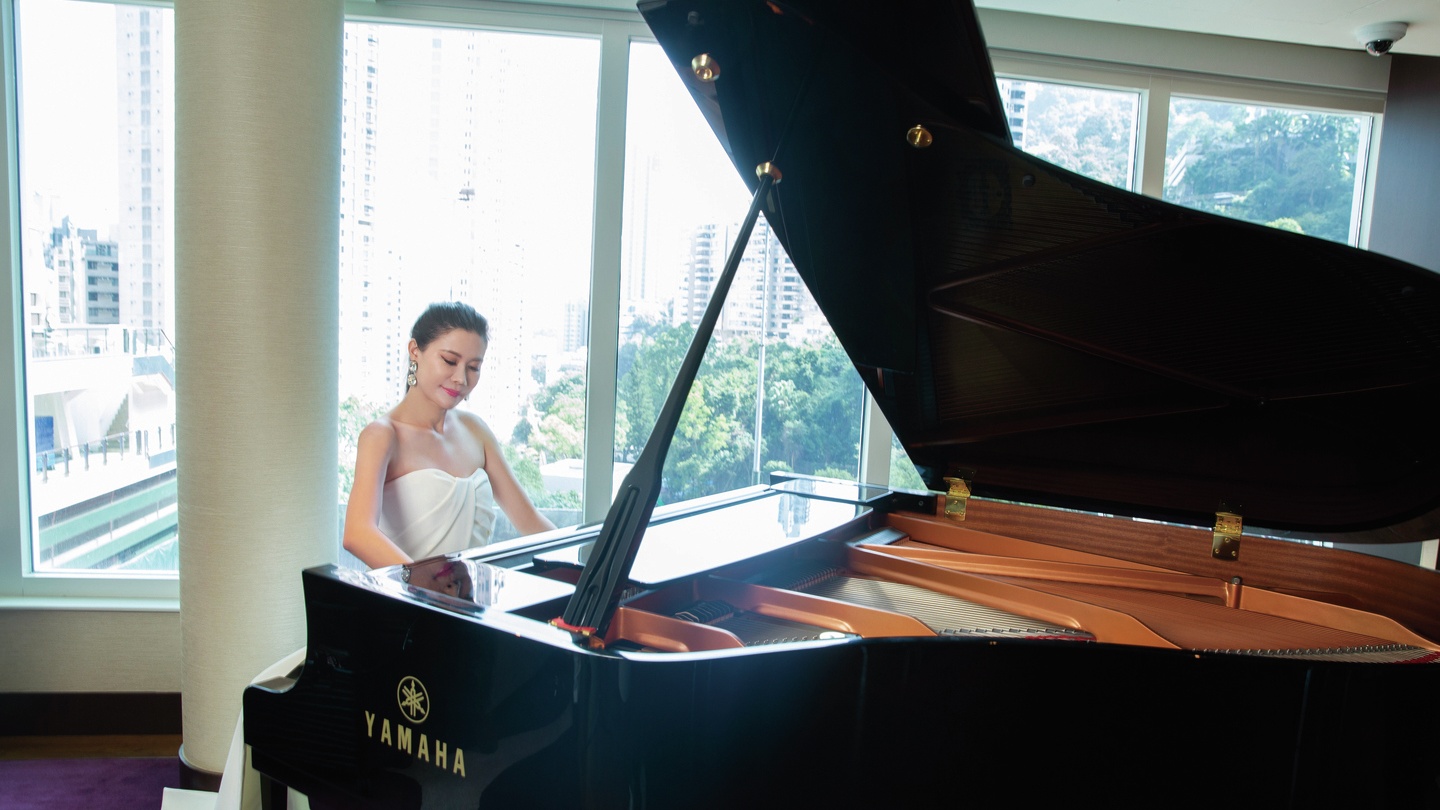
My subsequent love of learning and a yearning to play the piano while I was just two years old – a desire fostered by hearing It’s a Small World during a trip to Disney World – led to me becoming something of a child prodigy. I was then accepted into one of the country’s top music schools, the New England Conservatory, at the age of nine, before being accepted into the PhD Piano Performance Studio and Seminar program at Boston University when I was just 12. 

Although I didn’t make a career out of playing the piano, it is something that has given me many years of pleasure and that has also helped with my charity fund-raising activities. 

Jennifer Cheng Lo
Earrings by YSL Vintage, Bracelets by Dilys Collection, Didis Jewellery and Maria Gaspari, Watch by Corum, Rings by Dilys Collection, Didis Jewelry, Layered strapless crepe jumpsuit by Safiyaa (courtesy of Net-A-Porter), Heels by Giuseppe Zanotti, Venue: Ladies Recreation Club

Why did you move away from a career path dedicated to playing the piano? 

I hurt my finger in a piano competition and, consequently, did not do as well as I expected. At around the same time, I failed to secure the role in the US movie adaptation of Memoirs of a Geisha that I had set my heart on. I realised then that I might have to rethink my career plans. 

Whilst continuing to model and audition for acting roles in New York and Los Angeles, I also took on a business development role for a hedge fund company with a particular focus on finance and new media. It proved quite the revelation and I soon realised that I was quite good at it. I went on to work in partnerships with different Google competitors and new media companies, enterprises which eventually became multi-million businesses. 

I did, however, feel like I was beginning to hit the glass ceiling in the US. This prompted me to enrol in an MBA scholarship program at the Hong Kong University of Science and Technology (HKUST), which inevitably led me to move to Hong Kong. My “ticket to Asia” I would like to call it. After honing my skills, my career really started to take off and I was soon working with start-ups, investing in companies, and immersing myself in cutting-edge technology. 

Also Read: Rebecca Chung on female empowerment and self-love

Jennifer Cheng Lo
Earrings by Dilys Collection, Necklace by Mikimoto, Bracelet by TAYMA Fine, Jewellery Watch by Elini, Rings by Dilys Collection, Mikimoto and Didi’s Jewellery Scarlett strapless gown by Rebecca Vallance (courtesy of Net-A-Porter), Heels by Giuseppe Zanotti

Throughout your career and personal life, where would you say you have found inspiration? 

While many people have influenced me along the way, my parents and wider family inspired me the most while growing up. My mum and dad were both from Hong Kong and had a robust entrepreneurial work ethic, something I was keen to emulate from an early age. 

Later, when I arrived in Hong Kong, I was forever in the company of strong, influential and ambitious people from a wide variety of tech, investment, and entrepreneurial backgrounds. I inevitably took inspiration from them and their many achievements. I derive a form of constant inspiration from them because they are always moving forward and able to make an impact in whatever they are doing. 

Was it their successes that inspired you to launch NewChic Capital Family Office?

That launched just over 10 years ago, shortly after I had exited an e-commerce business that had evolved into a listed Web 3 company. My share of the profits from that venture left me with sufficient funds to set up my own Family Office, one with a particular focus on investing in and inspiring the next generation of entrepreneurs. 

As I like to put it “we are building the world we wish our children to inherit.” Feeling newly empowered, I wanted to put capital, resources and advisory into businesses I believed could make a positive impact. 

To this end, we set out to identify the next generation of change-makers and influencers – the kind of people who were committed to making good on their ambitions in both the personal and corporate spheres. 

Also Read: #NoFilter: The unseen side of social media ‘influencers’

Jennifer Cheng Lo
Tiara by Virginia Lam for Glam-it! & JennClub DAO, Earrings and necklace by Shan Stones, Bracelets by Cartier, Watch by Elini, Rings by Dilys’ Collection, Top by C.For.Crayon featuring NFT “The SOM Legendary Collection #1 @JenniferChengLo by @WuntonSoup for JennClub DAO”, Jacket and shorts by Saint Genies Heels by Giuseppe Zanotti

With that in mind, what are you looking for when you are considering which businesses to back?

I have a team of core partners – lawyers, research, and finance people – who routinely carry out due diligence on every proposal we consider as a way of evaluating its viability. For my part, I ask myself: “Do we resonate with this entrepreneur and their mission? Is this company set out to solve a universal challenge with an innovative impactful solution?”

While it would be easy just to look at their track record and evaluate their supposed successes along the way, I see it as just as important to determine whether our prospective partners are every bit as tenacious and hardworking as we are ourselves. In the case of one particular investment, while its most senior executive did not have much of a track record, he had run an ultra-marathon across three continents. For us, that showed the strength of character. Another criterion we consider is whether the company in question actually ‘moves the needle’…

Jennifer Cheng Lo
Earrings by Christian Dior Vintage, Necklace by Antique via Etsy, Bracelet by Cartier & Bulgari, Watch by Cartier, Rings by Dilys Collection (Didis Jewellery), Cecily gown by Rebecca Vallance (courtesy of Net-A-Porter), Heels by Giuseppe Zanotti, Venue: Ladies Recreation Club

(Interview by: Peter Chan, Photographer: Jack Law, Art Direction and Styling: Jhoshwa Ledesma, Videographer: Jack Fontanilla, Hair & Makeup: Owen Ko)

Read the full interview in the March 2023 issue (pg: 88). Available on the Gafencu app on Android and Apple.