
Thai & Mighty: Nuanced Niras presents powerful and exquisite fine dining from Asia’s number-one chef 

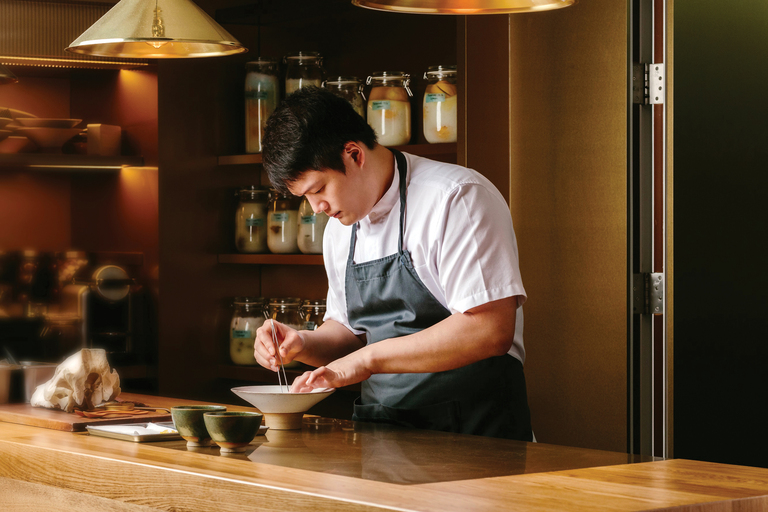
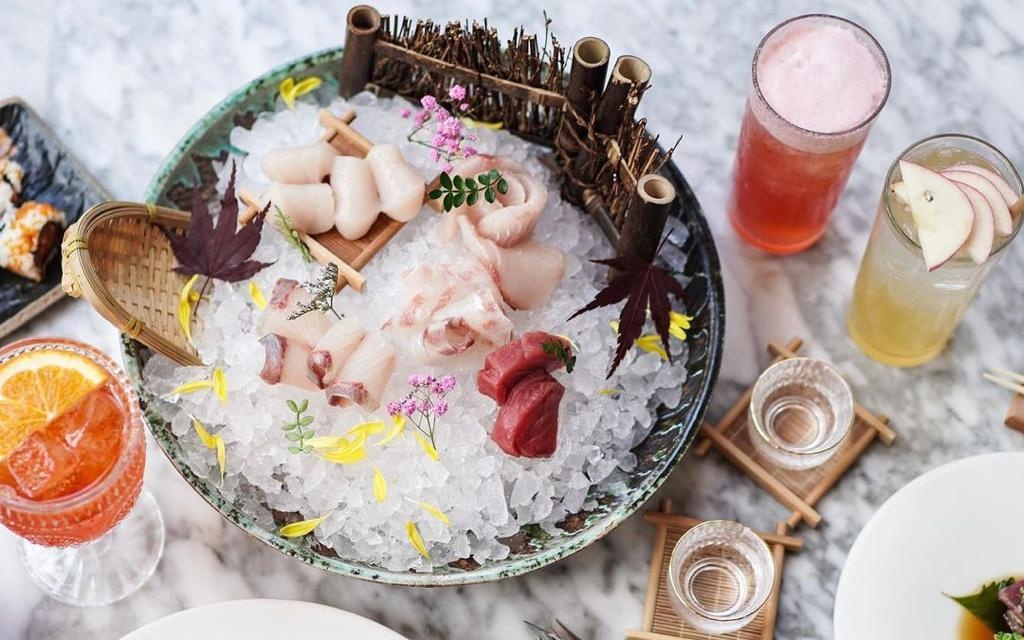
You might not find the go-to Pad Thai on the menu at Niras, but you will be rewarded with the finest seafood, meat and seasonal vegetables enlivened by Thai herbs, spices, paste and sauces. This is inventive modern Thai gastronomy. and while the ingredients are all locally sourced, the core essence comes from the heart of Thai cooking.
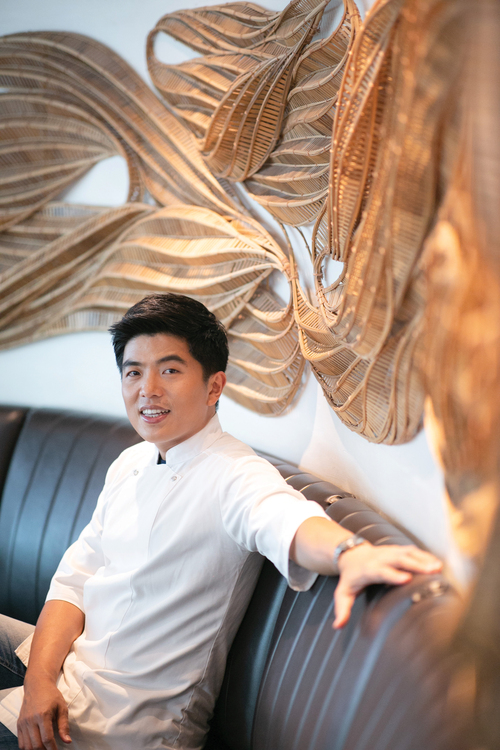
Niras is Thai for poetry that celebrates travel, adventure and romance; fittingly enough as this is the first time Thai culinary pioneer Thitid ‘Ton’ Tassanakajohn and his team have left their native land. Chef Ton is the creative culinary mastermind behind Le Du and Nusara in Bangkok, which secured first and third spots respectively in Asia’s 50 Best Restaurants 2023 rankings to reiterate his status as one of the most successful chefs in the region. After earning a degree in Economics and working in the banking industry for a short period of time, Chef Ton swapped his corporate suit and tie for his chef apron and uniform. And the rest, as they say, is history.
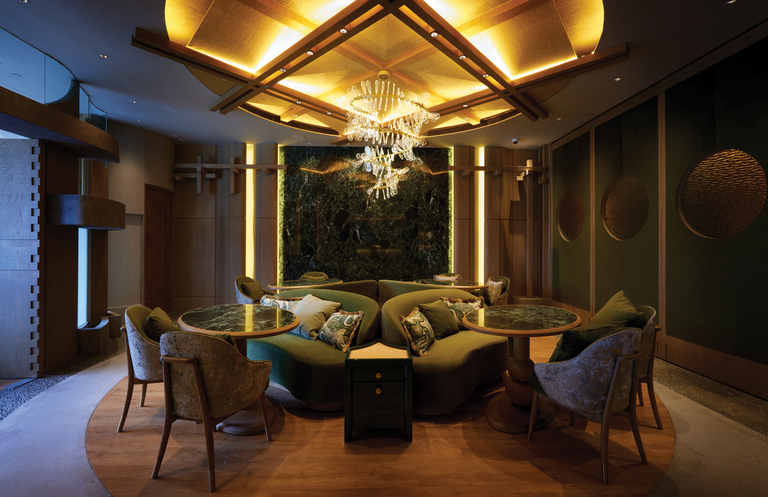
Now, by bringing his renowned modern and inventive cooking to Hong Kong, he aims to redefine Thai cuisine from fiery street food to refined, powerful and layered expressions of beloved flavours.

“While I must admit that Hong Kong has one of the best culinary offerings amongst the top cities in the world, it is missing a Thai fine-dining element,” says Chef Ton. “I want to fill that gap because I believe what we do here at Niras is a good introduction to what Thai food in an upscaled style is all about.”
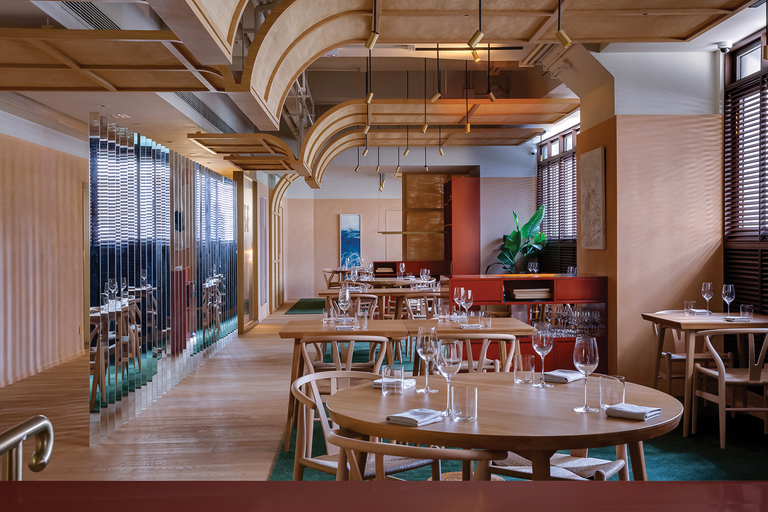
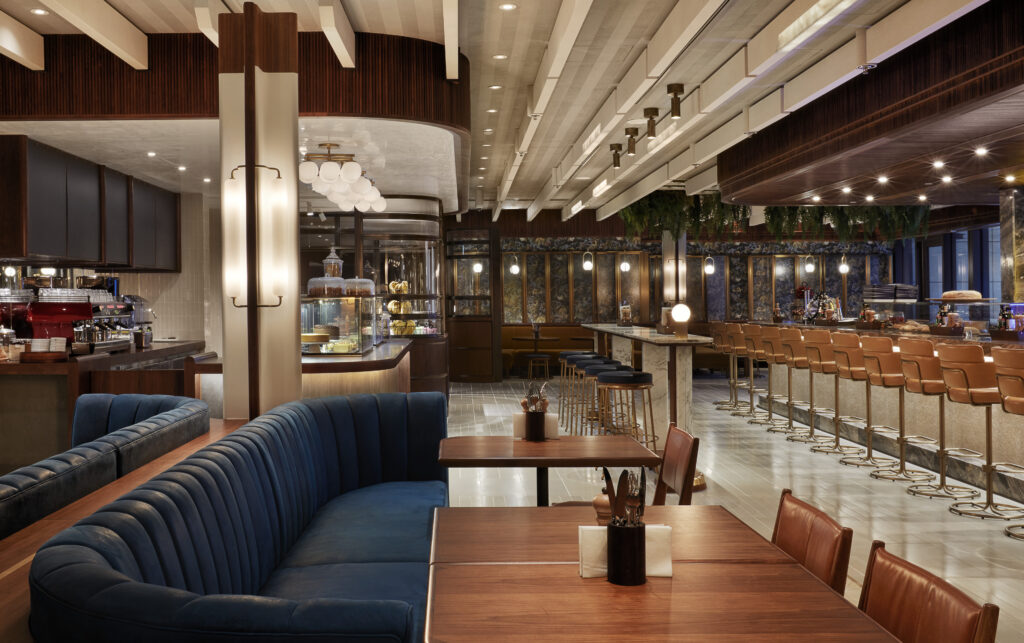
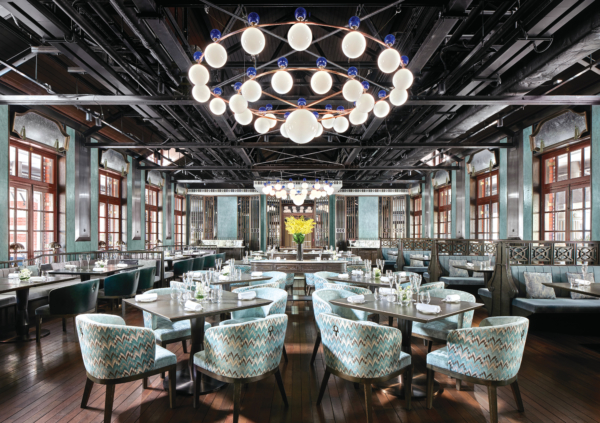
Green and glass are the key interior statements of a chic yet relaxed restaurant where white tablecloths are eschewed in favour of sleek marble and granite tables. Witty framed artworks, created in collaboration with an artist from northern Thailand, also balance the refinement of Chef Ton’s culinary delights – one depicts a drunken Mickey Mouse in the shape of the Michelin mascot; another is a figure inspired by The Simpsons, Baht Sin Son.
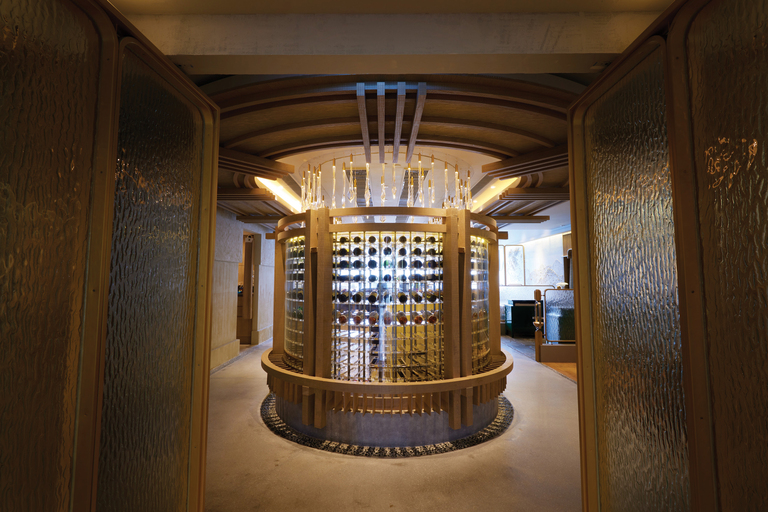
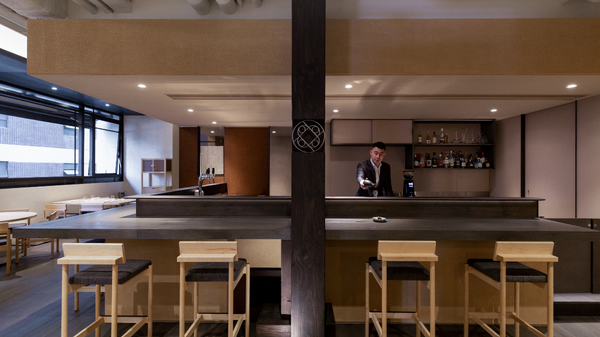
A large oval bar is the focal point upon entering Niras. Given that Chef Ton is also a certified sommelier, wine pairings and beverages play a significant role in the dining experience. Whenever he is in town, the acclaimed chef is also the face of his own restaurant – often spotted serving food and talking to guests.
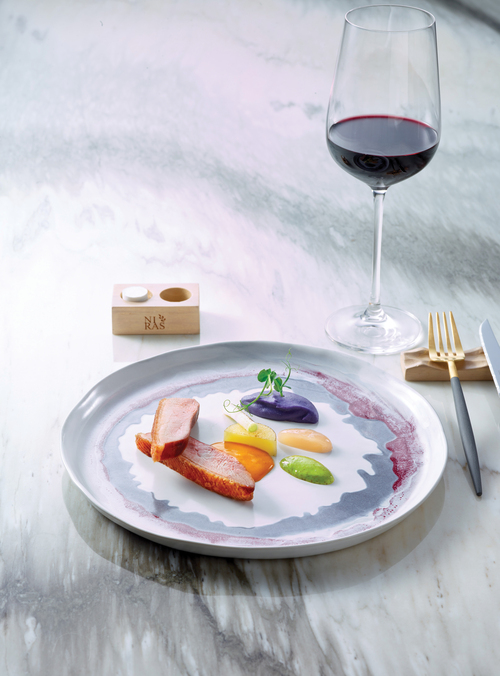
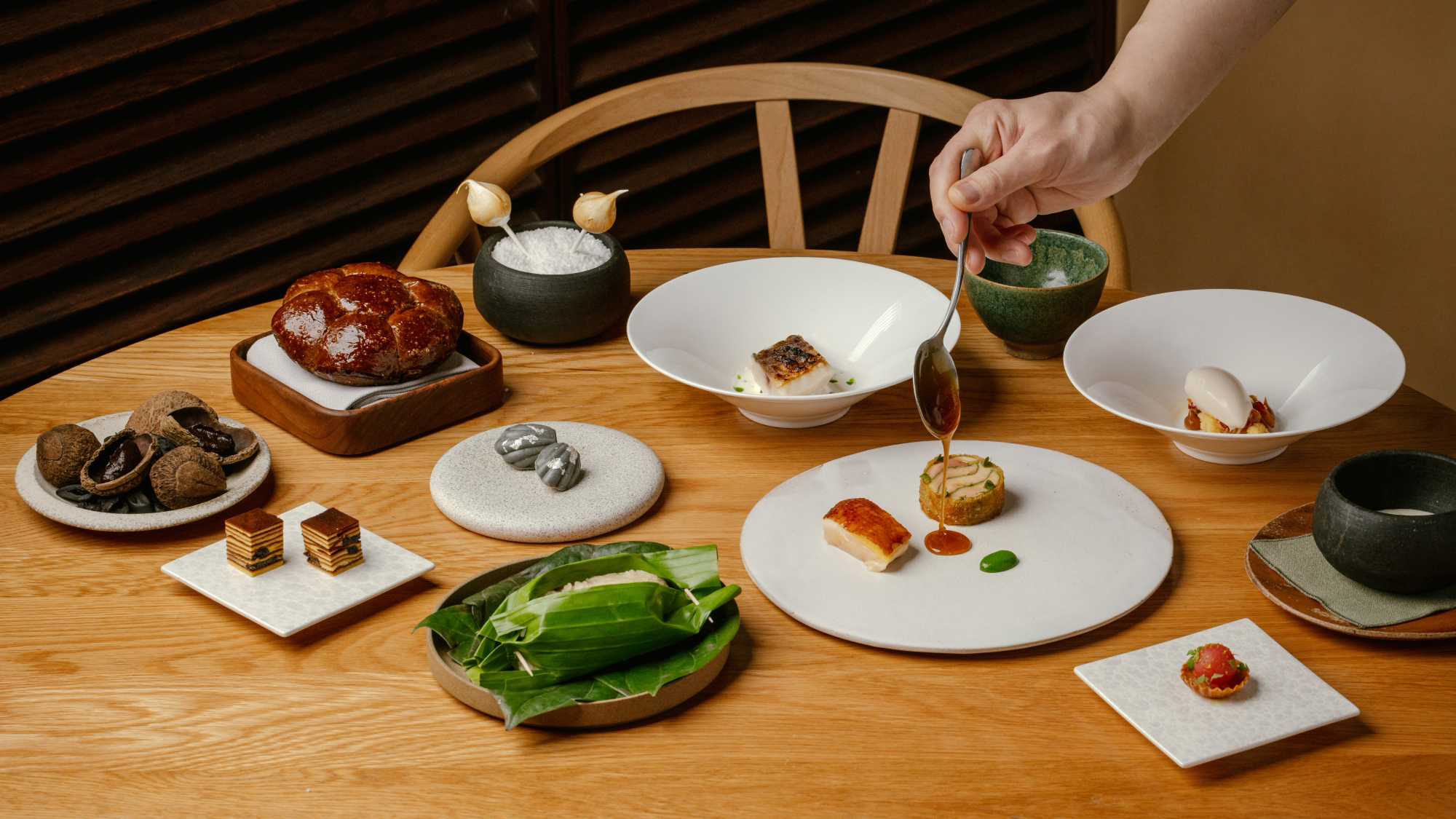
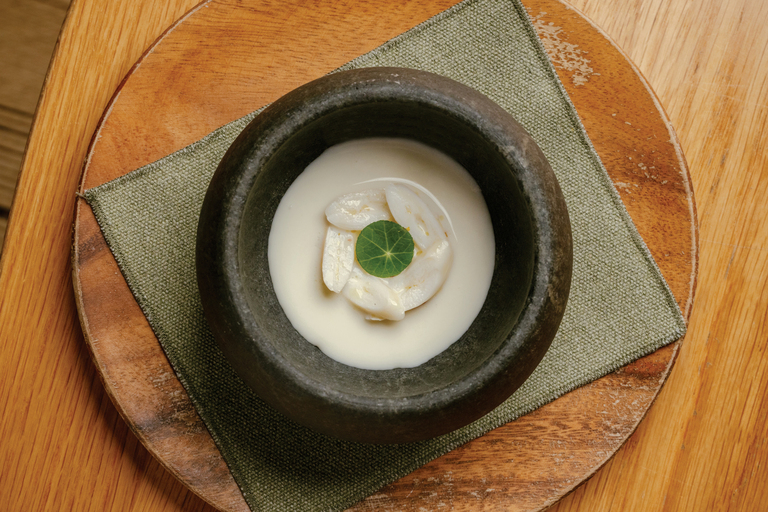
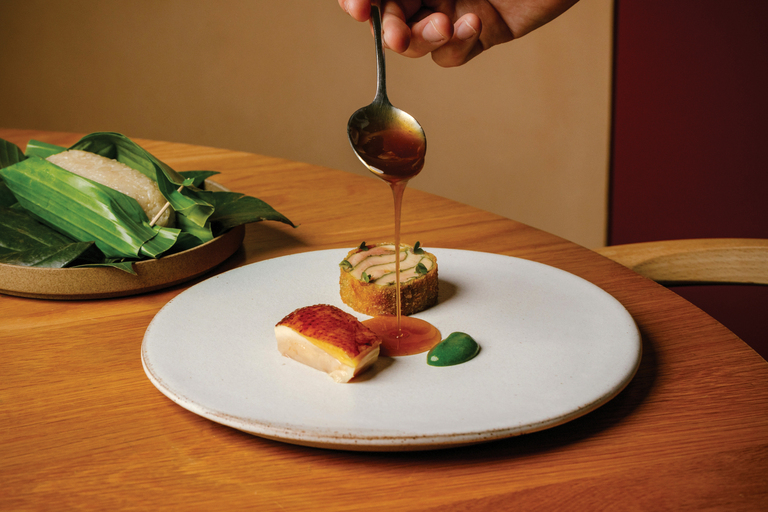
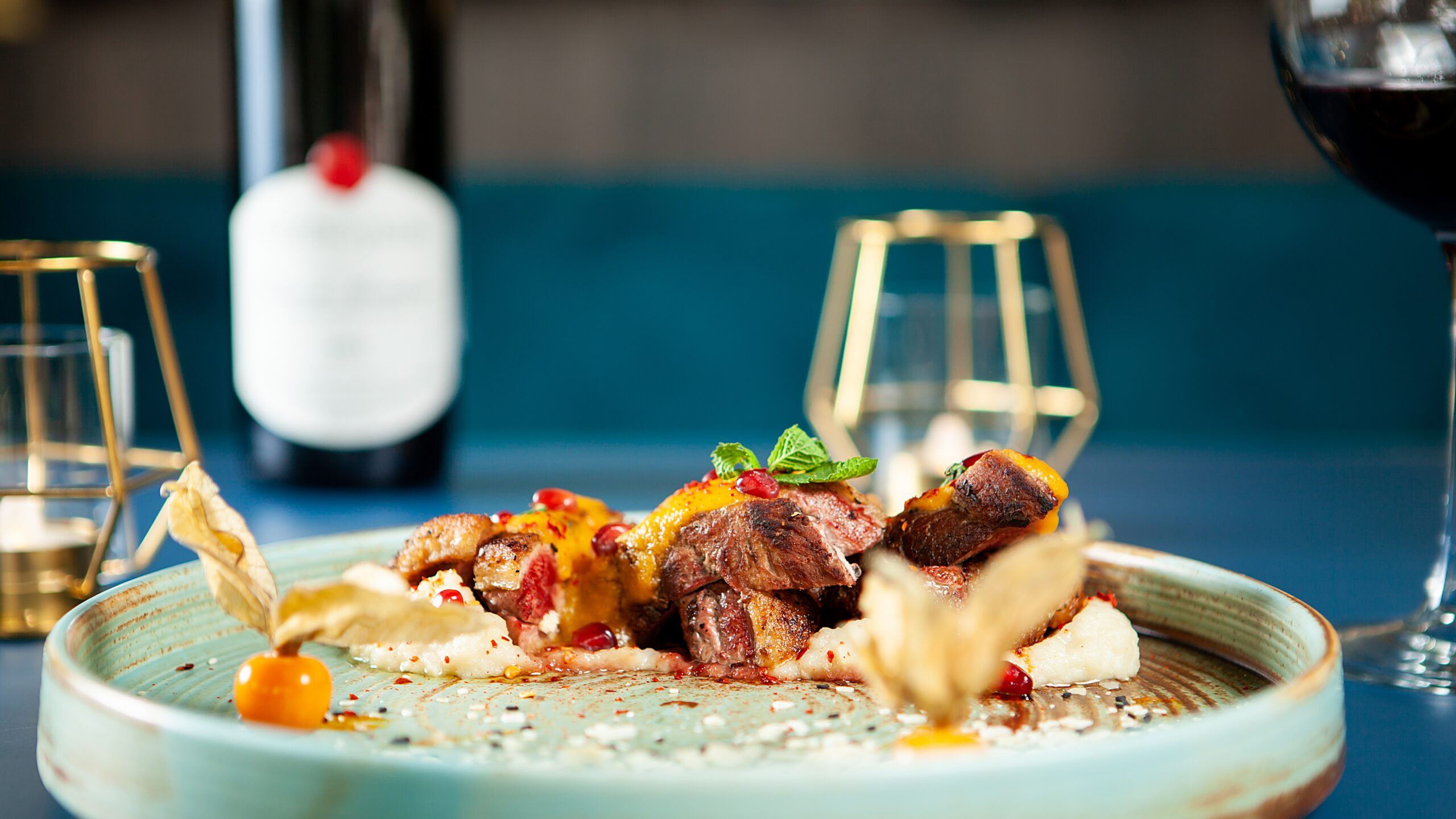
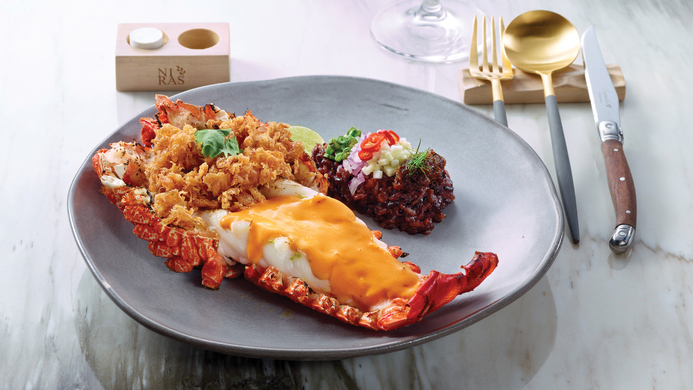
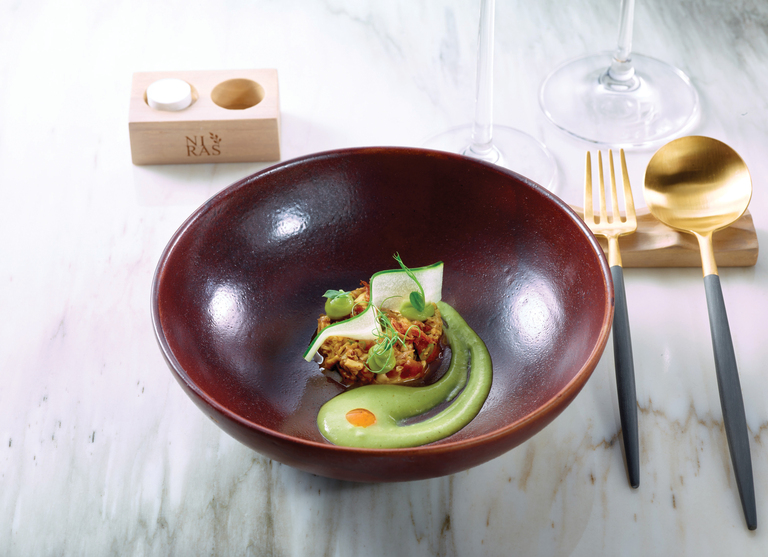
The tasting menu is a plated set of four or six courses. At one moment, you are being served River Prawn with Rice and Tom Yum and Duck with Potato in Massaman Curry, and the next, a fresh, palate-cleansing presentation of Beetroot Sorbet with Tiger Prawn alongside different types of seaweed.
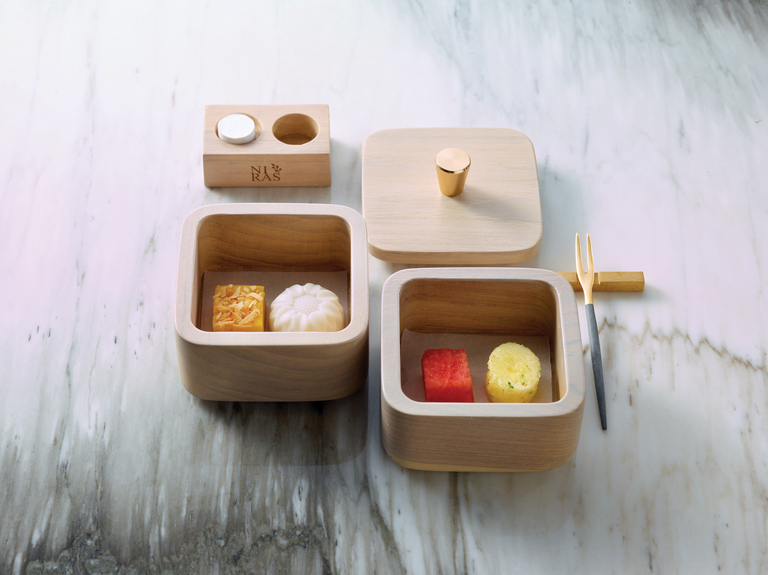
Subtle and sophisticated, the tastes of each individual ingredient in every dish stand out in their own right rather than becoming one overpowering flavour. Case in point, the two follow-ups of Grouper with Thai Kale in Choo Chee Curry and Oyster with Pork Blood and Northern Spice.

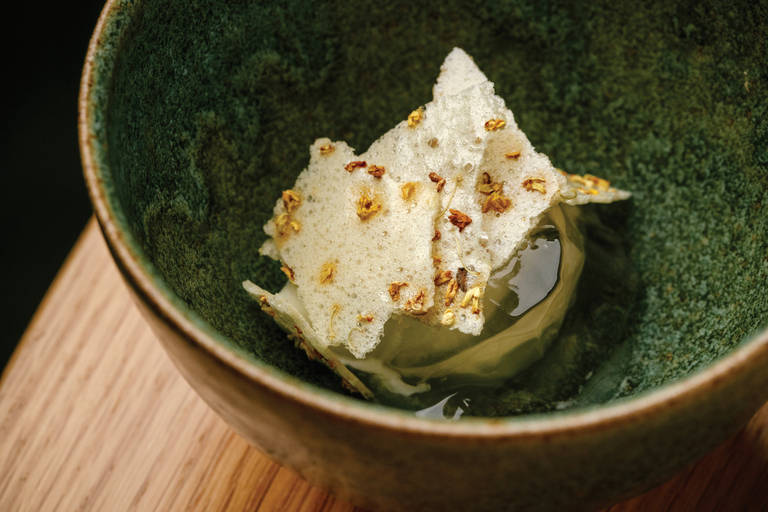
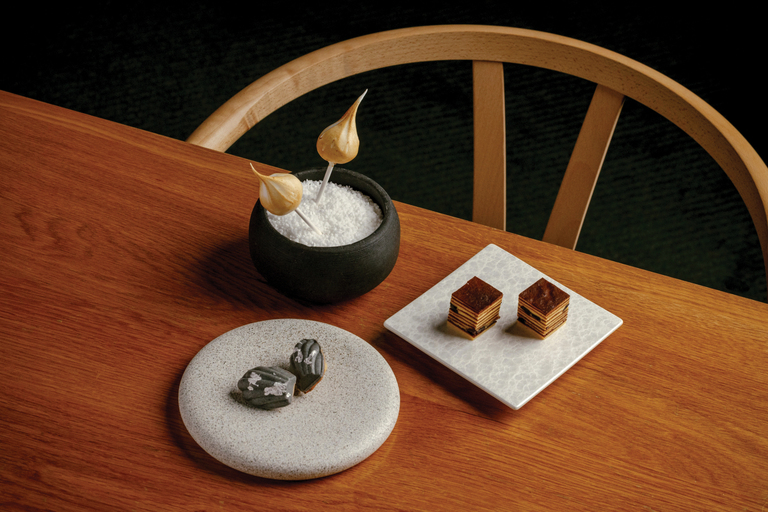
The Hong Kong parade of Le Du’s iconic signature dishes is rounded off by Beef with Fennel and Holy Basil and Crab with Mushroom and Homemade Sriracha. The tasting menu, which casts Thai cuisine in an exquisite new light, changes regularly to reflect the local availability of seasonal ingredients. As if there are not enough reinventions, the divine Niras version of the all-time favourite Thai dessert Mango Sticky Rice appears as a final flourish – the perfect ending to the modern and polished Thai gastronomic experience.
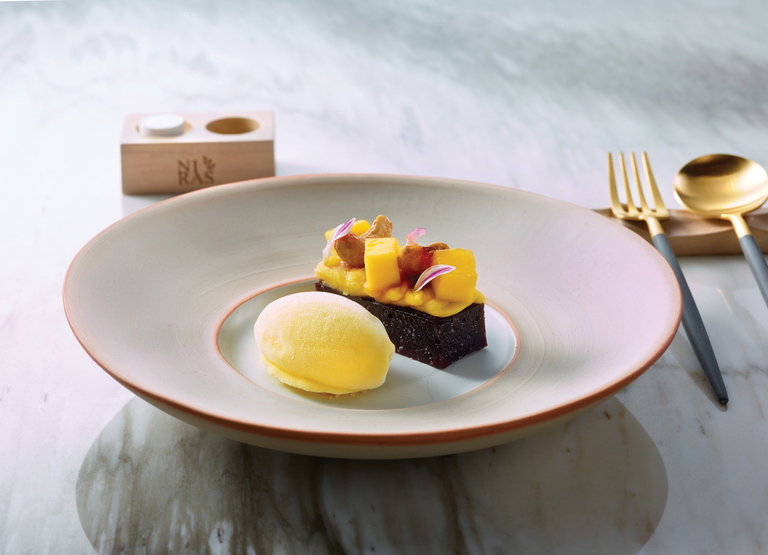
Niras is the spot for locals who want their Thai flavour fix in a ritzy setting. Drawing in an eclectic crowd of creatives, foodies and wine connoisseurs as well as more casual diners, since opening in June, it has become the place to be for inspirational and social exchanges over bold, aromatic dishes and refreshing lime-infused gin and tonics. Chef Ton’s vision for Niras is full of character, from the food he serves to the art on his walls.

Niras, Shop 704, 7/F, K11 MUSEA Victoria Dockside, 18 Salisbury Road, Tsim Sha Tsui. Tel: +852 3905 3022.

Photos: Niras Video: Jack Fontanilla
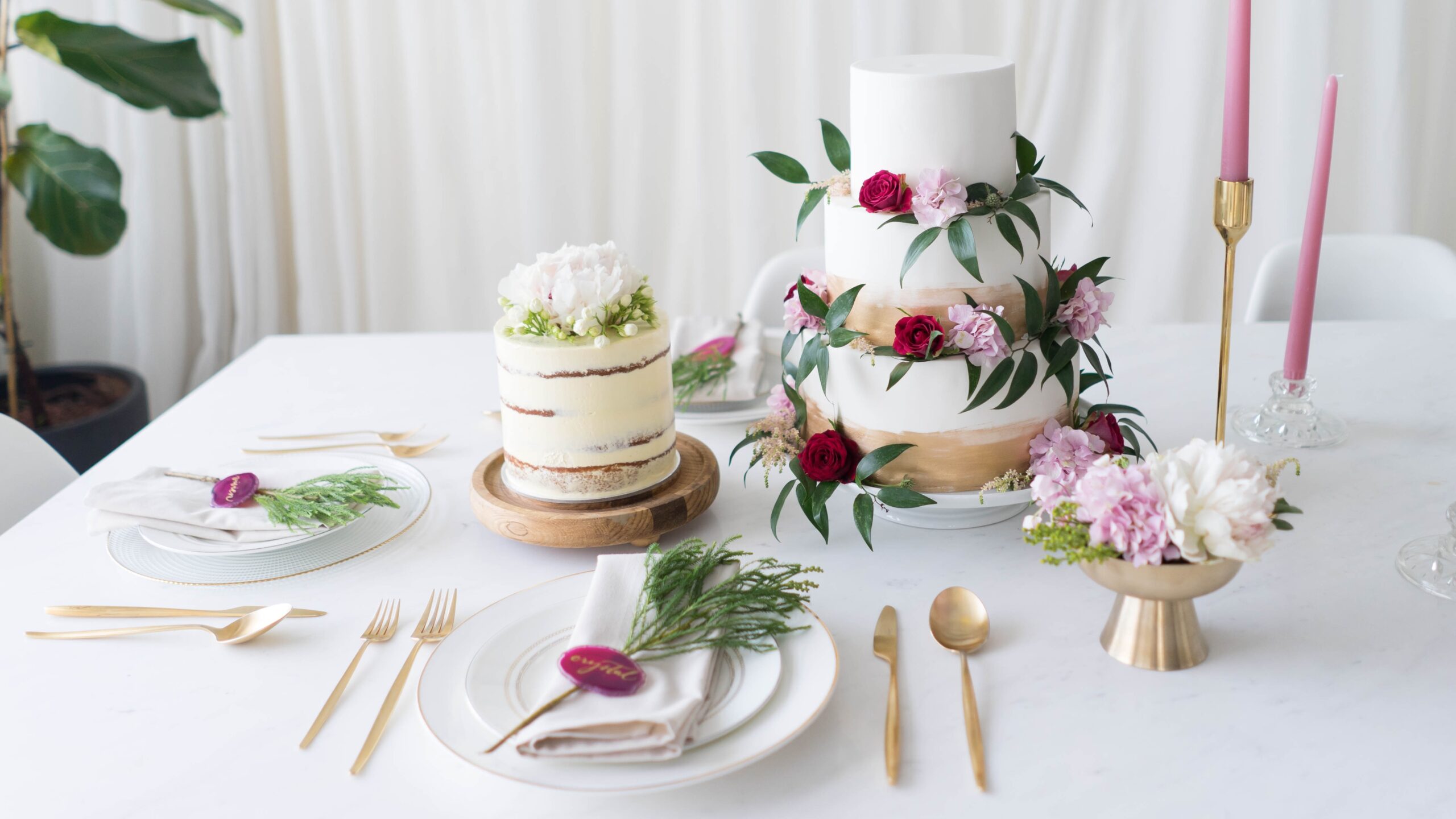
From Elegant to Extravagant: Hong Kong’s Best Cake Shops for Bespoke Cakes

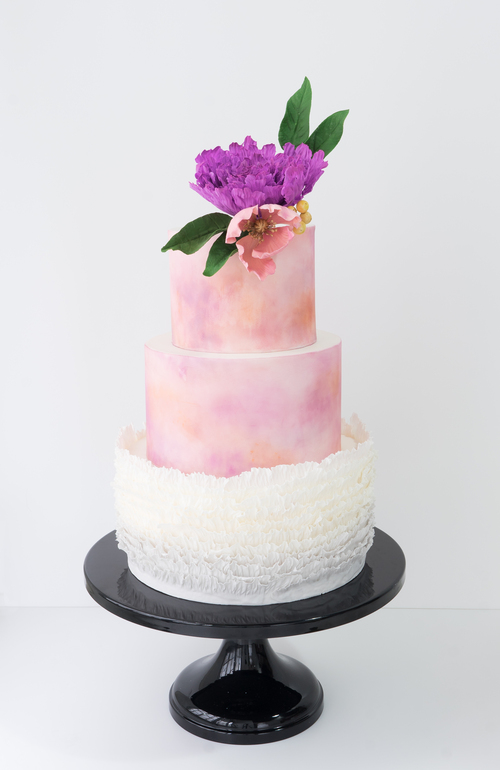
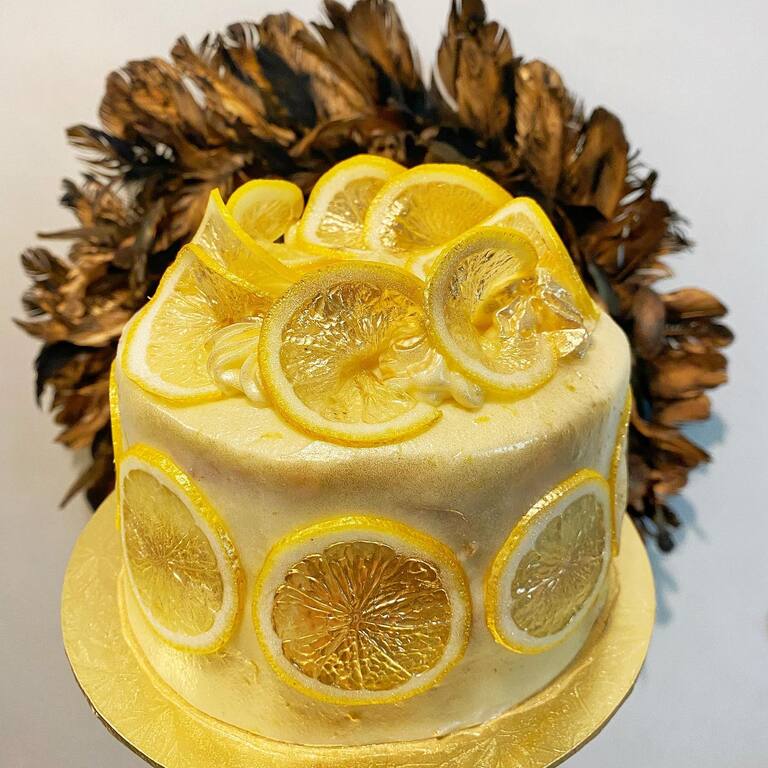
Whenever there is a special occasion to be celebrated, we are always on the lookout for an extraordinary cake that will most probably be the centre of attraction, and we don’t even have to mention the number of photos that will be taken, so, of course, the cake should be aesthetically appealing and impress the crowd.

To match such visual requirements and the sort of deliciousness you would expect to enjoy on any special day, Gafencu has curated a list of the best cake shops in the city, renowned for their exquisite craftsmanship and ability to create bespoke cakes that are sure to impress. Whether you’re celebrating a birthday, anniversary, or any other milestone, these cake shops are guaranteed to offer you a delightful and delectable experience.

Vive Cake Boutique

When it comes to deciding on the right celebratory cake, the best options are the ones the main person of the event would love – both looking at it and eating it. Vive Cake Boutique specialises in making such bespoke cake that matches whatever theme you want. Whether you want a cake that depicts your close ones’ favourite cartoon character or any other interest of theirs, this cake shop can make hyperrealistic cakes. To date, Vivien Lau and her team have designed novelty cakes and buttercream cakes of various themes including Kaws, unicorns, afternoon teas, golfing and many more. If you wish to get a custom cake for an upcoming event, the high-end bakery shop based in Central recommends that you order yours at least two to three weeks in advance.

For orders, email info@vive.hk or call and pick up at 12 Gough Street, Central.

The Cakery

The Cakery’s custom range of baked goods doesn’t just stop with large-sized birthday or other celebratory cakes, they also make cupcakes with personalised toppers and other sweet treats like macaroons. The best thing about shopping for bespoke cakes here is the pre-available range of cake designs, that fall under different themes such as florals, cartoons, fashion and more, which can be customised to match your taste. They are best suited for people who can easily get overwhelmed with coming up with ideas for their cakes. But, if you want something completely unique, then, you can opt for that too.

For orders, call (852) 2816 1838

Baking Maniac

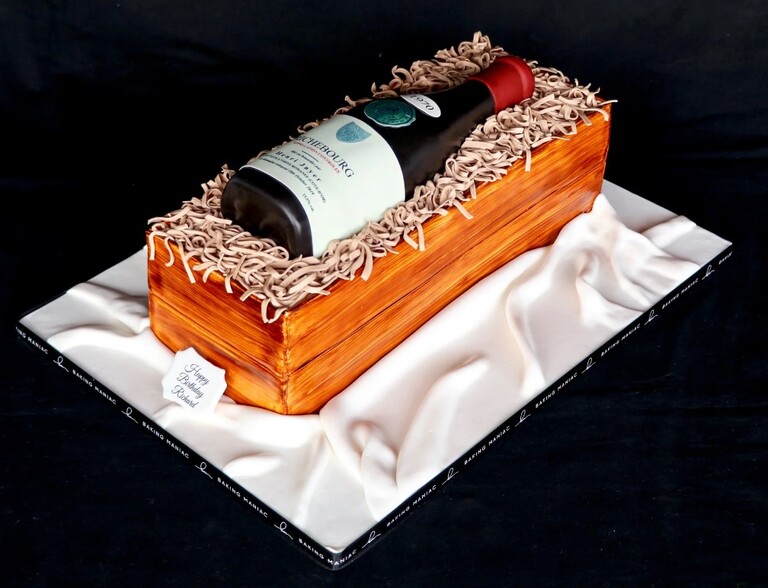
Baking Maniac is certainly a fitting name for this cake shop run by a mother and son duo, who are both baking aficionados with a combined experience of nearly 40 years in the industry. All you have to do is let them know your ideal cake design and they will deliver you a dessert that is visually appealing and very delectable, thanks to their use of the finest organic ingredients and a variety of flavour options that range from common ones like chocolate, strawberry and red velvet to rare picks like green tea, chilli bomb and bubble tea. To top that off, Baking Maniac donates 10 per cent of the price of your cake to local charities, making your celebrations even more memorable.

For orders, email bakers@bakingmaniachk.com or Whatsapp (852) 6699 8093.

Illibakes

Like all the aforementioned cake stops, this establishment also makes Instagrammable cakes but what makes them stand out is the range of custom-made alcohol-infused cupcakes and cakes they have to offer. Some of the many flavours they have made so far include whisky chocolate, gin and tonic, marsala wine and coffee, and Bailey’s chocolate. Of course, there are non-alcoholic options too.

For orders, email illianafbh@gmail.com or Whatsapp (852) 6200 1093.

Ms B’s Cakery

Think luxury but in the cake world, that would be the exact way to describe Ms B’s Cakery which was founded by Bonnae Gokson with the determination to rise the bars when it comes to decorative cakes, and she was certainly successful with her goals as the cakery is now described as Asia’s finest. All the cakes from Ms B’s Cakery look so photogenic due to the choice of vibrant colours for the fondants. As impressive as their appearances, these sugar arts also taste fantastic with the cake shop making desserts using mouther-watering flavour combinations like Carrot Cake With Walnuts, Cream Cheese & Pineapple; Vanilla Butter Cake & Blueberry Marble Cake With Blue & Blackberry Jam; Signature Beetroot Red Velvet Cake With Cafe Au Lait Buttercream, Chocolate Chips & Pecan, and other pairings.

For orders, email info@msbscakery.hk or call (852) 2815 8303

Whey Ahead: Chef Barry Quek puts an astonishing new spin on Singaporean fusion at Whey

With one Michelin star under his belt, or apron, Barry Quek is one of a new generation of Asian chefs trained in European cuisine who are reclaiming the tropes of Singaporean fusion food. By honouring the various cultures that coexist in his homeland, incorporating new ingredients and embracing the curiosity of crossover, Quek’s reinterpretations of traditional fare celebrate his Lion City heritage in exciting, emotional and unexpected ways.

An elegant play on the humble rattan as a reflection of his regionally inspired cuisine is unmissable upon stepping into Whey, his smart restaurant in Central. The woven expanses of rattan represent the craft, the human touch and the vernacular – all qualities that resonate with his dining concept. Domed rattan along the ceiling is juxtaposed with brass accents, and oak veneers compliment the overall tonality while bringing a sense of intimacy to the space.

“The idea for this restaurant is to pay homage to my Hokkien roots,” says Quek. “Growing up, I really enjoyed eating my mom’s homemade food. Both the ambience and the food I prepare here are reflections of my own upbringing.”

Echoing the interior design conviction of realising new, meaningful encounters with old, modest materials, the recently launched spring menu is the real star of this gastronomic show. Its prologue, Ang Mo Kio, which is Hokkien for tomatoes, is presented as a tomato tartlet. Inside a thin, crispy shell are layers of semi-dried tomatoes and fermented tomato jelly, a whole, softly pickled cherry tomato, and basil oil. The tart is then garnished with a variety of herbs and edible flowers, such as oregano and ginger flower powder.

The restaurant also considers sustainability, and this eco-aware ethos is perfectly exemplified by its name. The liquid leftovers after milk has curdled is called whey and is frequently thrown away. Chef Quek, however, sees it as just the component to modify and enhance dishes and cocktails. Food waste is reduced by using every possible ingredient in inventive creations and unheard-of combinations.

Enter Spring Peas and Mackerel. Plated in a wooden bowl and surrounded by fresh and raw vegetable garnishes, this dish showcases fresh spring peas and unripe strawberries. These are paired with slightly torched mackerel, whose salty, flaky meat further amplifies the delicate sweetness of the produce and the accompanying creamy whey sauce. A drizzle of leek oil brings it all together with a subtle earthy undertone.

Most notable for the smoke wafting from the dry ice used in its presentation, Di Har is stacked to let diners experience textures in each bite, from the calamansi jelly and mousse base to the shrimps and caviar on top. It is followed by a creamy soup of White Asparagus, which is given a jolt of texture from the chewy bamboo clams and the roasted candlenuts.

Asked how Whey stands out from its competitors, Quek confidently claims that Whey’s Brioche makes his kitchen distinctive. He says: “When eaten together with the rich, silky buah keluak emulsion, the combination is a one-of-a-kind experience that keeps diners coming back for more.”

Served on a no-fuss white porcelain plate, Threadfin Fish is grilled over charcoal until the skin is crispy. A velvety layer of potato mousse, spring-onion oil, coconut XO sauce and sambal chilli acts as a surprise number underneath.

Ji Fan, Whey’s interpretation of Hainanese chicken rice, is a new main addition inspired by his grandmother’s Chinese roots. A refined version of a Singaporean staple, Dry Curry Laksa Mee is elevated by baby shrimp and grilled abalone, with each noodle strand soaking up the rich, aromatic laksa sauce.

Peanut Ice Cream reimagines essential components of achar salad to produce an unconventional flavour combination from fresh and fermented pineapple, peanut praline bits and chillies.

Through these edible cultural elements, its modern glass-panel partitions and Scandinavian blinds, Whey captures the sophisticated confluence of East and West. It is this well-executed convergence that not only bestows its unique flair but also cleverly represents the diverse cultural makeup of the Central neighbourhood.

Location: Whey, UG/F, The Wellington, 198 Wellington Street, Central. Tel: +852 2693 3198.

Photos: Whey, Video: Jack Fontanilla
Tapas Territory: The Spanish mains shine at Bayfare Social, where dining is a lively moving feast

Spanish food is a vibrant testament to the country’s diverse heritage. Hong Kongers just can’t seem to get enough of this spirited cuisine, as countless new concepts have come to join the fray, injecting the landscape with a fresh, youthful spirit. At Bayfare Social, the tapas-inspired neighbourhood bar-cum gastro market that is a part of Rosewood’s throng of restaurants, it is easy to overeat. Trays of flavourful and colourful dishes are continually carried about by servers. It has the same impact and effect as sushi served on a conveyor belt, mobile churrasco and dim-sum carts. Ensconced in tall chairs at the gleaming marble dining counters, you will continue to gather morsels and much more to munch on.

As far as culinary traditions go, Spain has plenty to offer. Known for being outgoing and sociable by nature, Spaniards have a deep affinity for centring joyous occasions around a table full of food. Many would agree that a celebratory feast is an integral part of Mediterranean culture. Safe to say, there are no restrictions here, besides perhaps your budget.

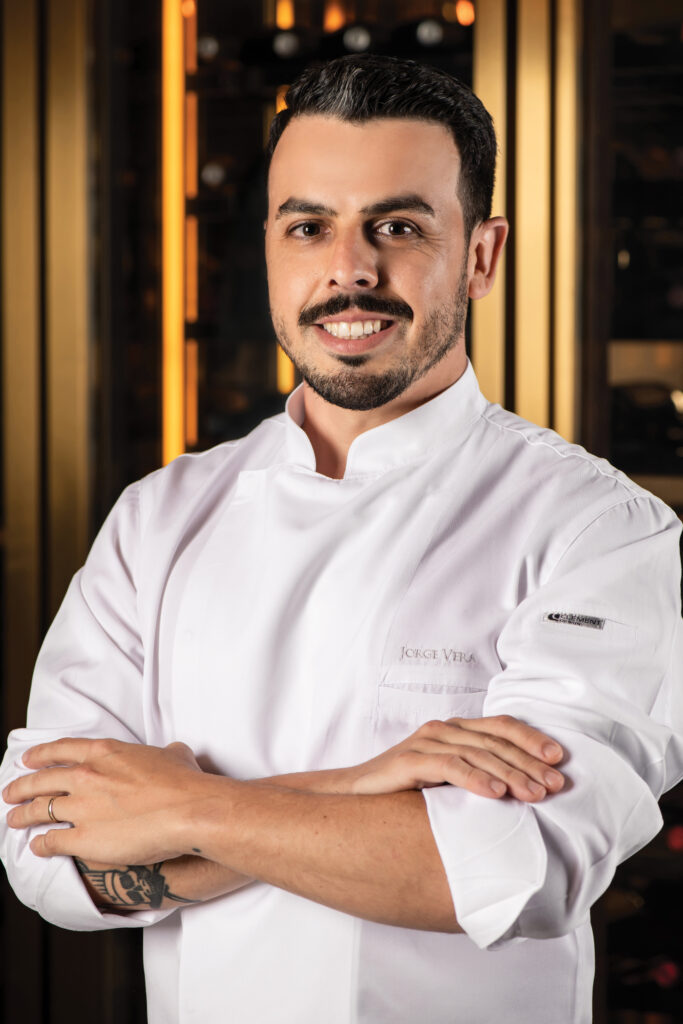
Yet, even with that particular concern, Head Chef Jor ge Ver a Gutiérrez’s offerings are as authentic as they can get without spending above one’s allotted budget. He says: “We assure our customers that the high quality of Spanish food we serve is value for money. People can really take a breather here, relax and enjoy the Spanish vibe.”

Gutiérrez has developed a dining experience unlike any other in his lively restaurant – as much about the food as it is an immersion into the simple, thoughtful, self-effacing temperament of his homeland. In their efforts to build a food commune in a bustling city location, let alone in a hotel adjacent to a shopping mall, Gutierrez and his team just happened to have also created the finest place to eat Spanish food.

This vibrant enclave is emphasised by the use of dangling ferns and wild leaves on the ceiling and the strategic placement of separate open preparation counters dedicated to wines, mains and other gastronomic offerings. It also plays with balance, from the traditional brown clay pot displays and the Machuca tiles to the edgy geometric accents and the quirky yet nostalgic menu.

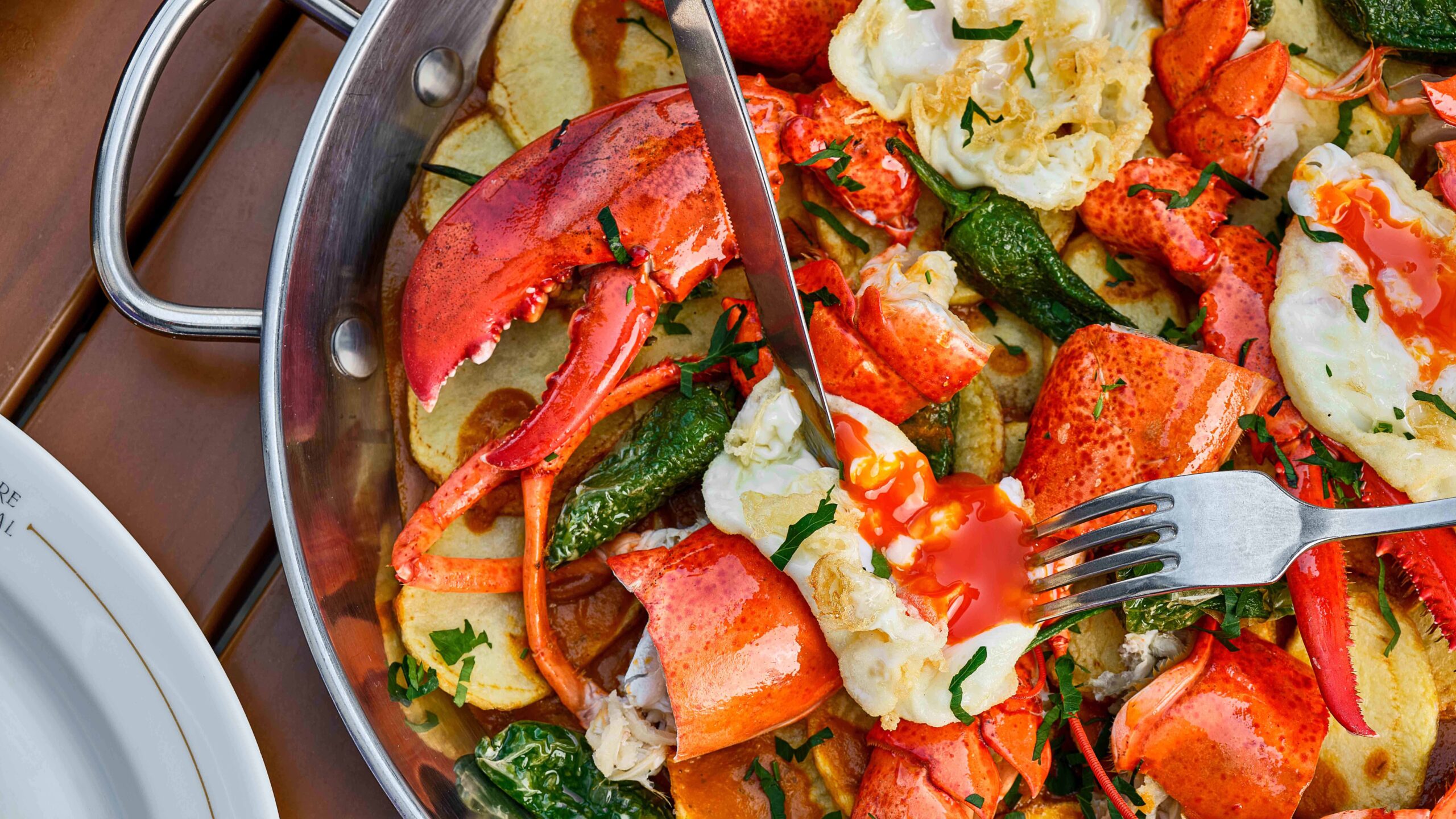
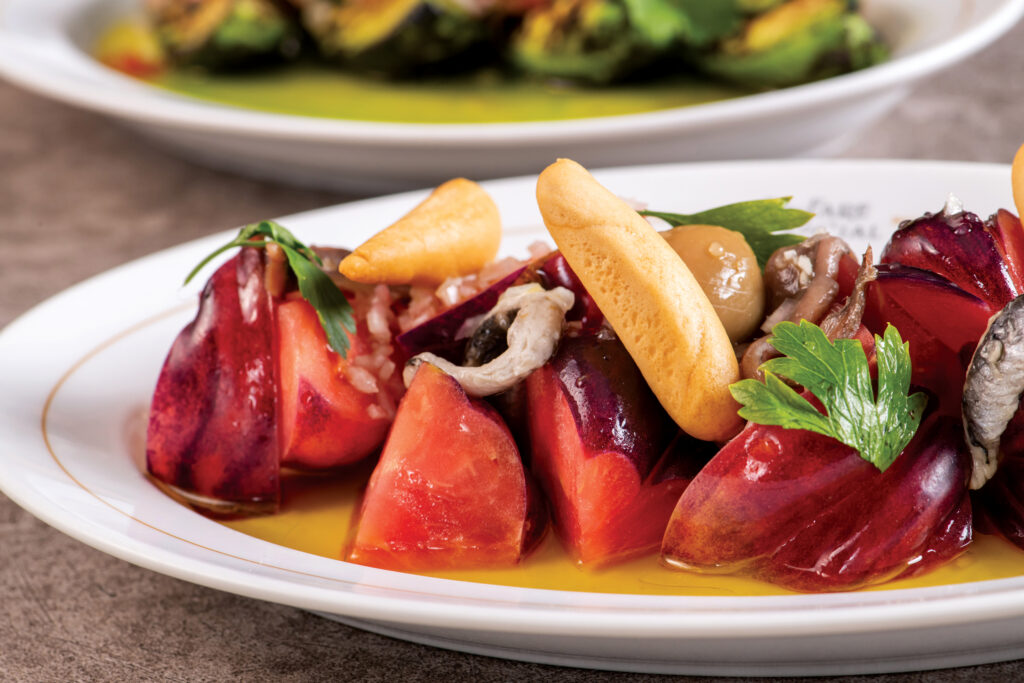
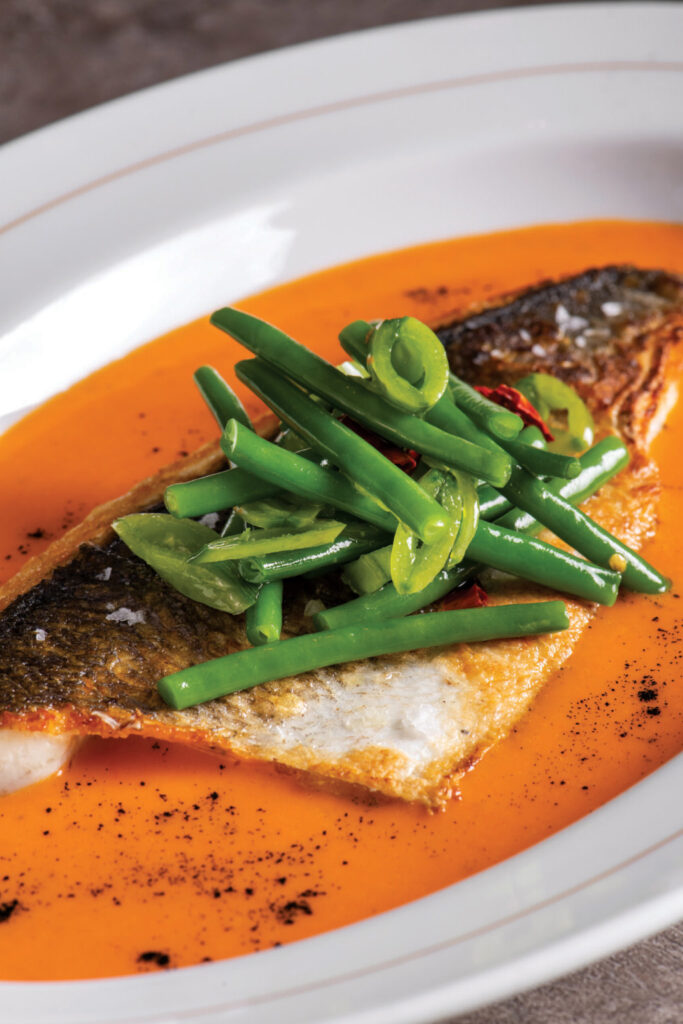
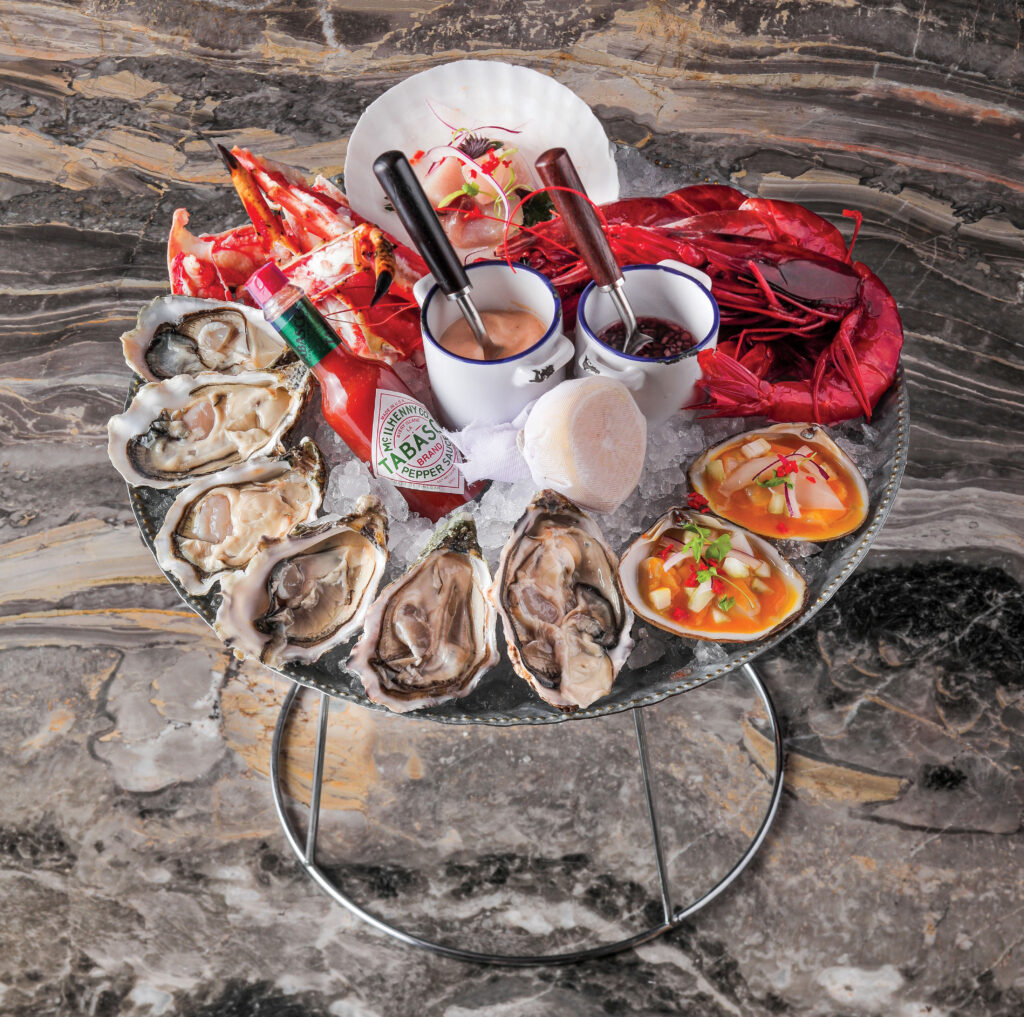
In true Spanish dining style, the elaborate spread is sure to enliven every celebration. There is charcuterie, tapas and a variety of paella. Everything is as splashy as the restaurant itself and hits a level 10 on the flavour scale. The new brunch menu, for example, begins with a refreshing and decadent seafood platter with jet-fresh Boston lobster, oysters and tiger prawns. The juicy Hokkaido shellfish in Scallop Tiradito – a Peruvian-inspired preparation – are enhanced by Spanish-style escabeche dressing and avocado.

Even the lighter options make a bold impact. Starters are followed by traditional tapas of Ibérico Ham Croquetas with aioli, Padrón Peppers sprinkled with sea salt, and Chorizo a la Sidra, a classic appetiser of chorizo braised in cider.

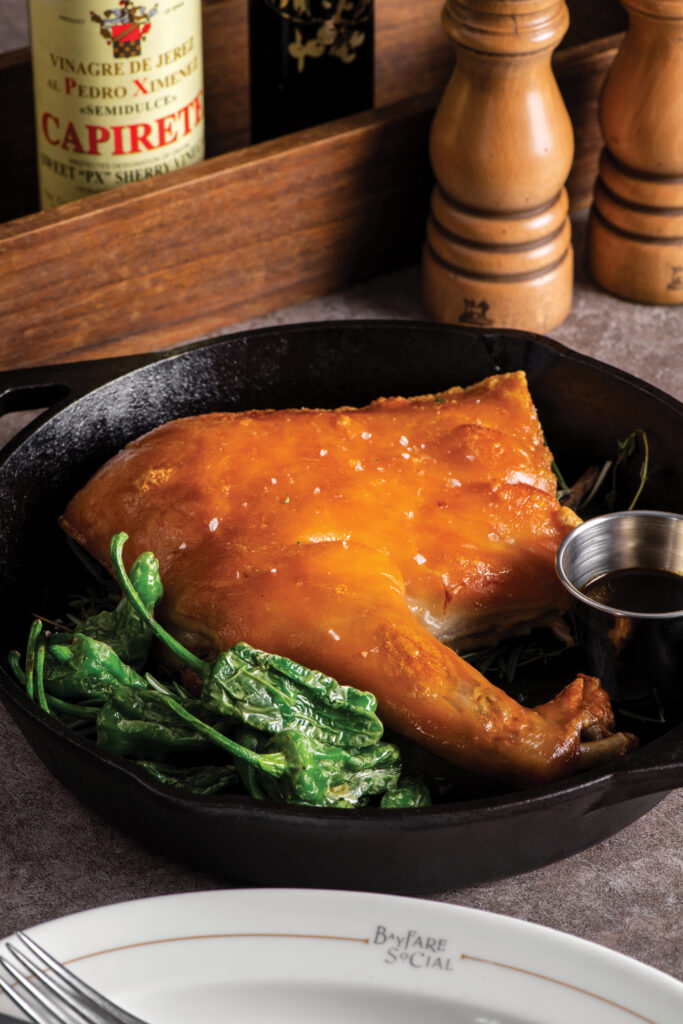
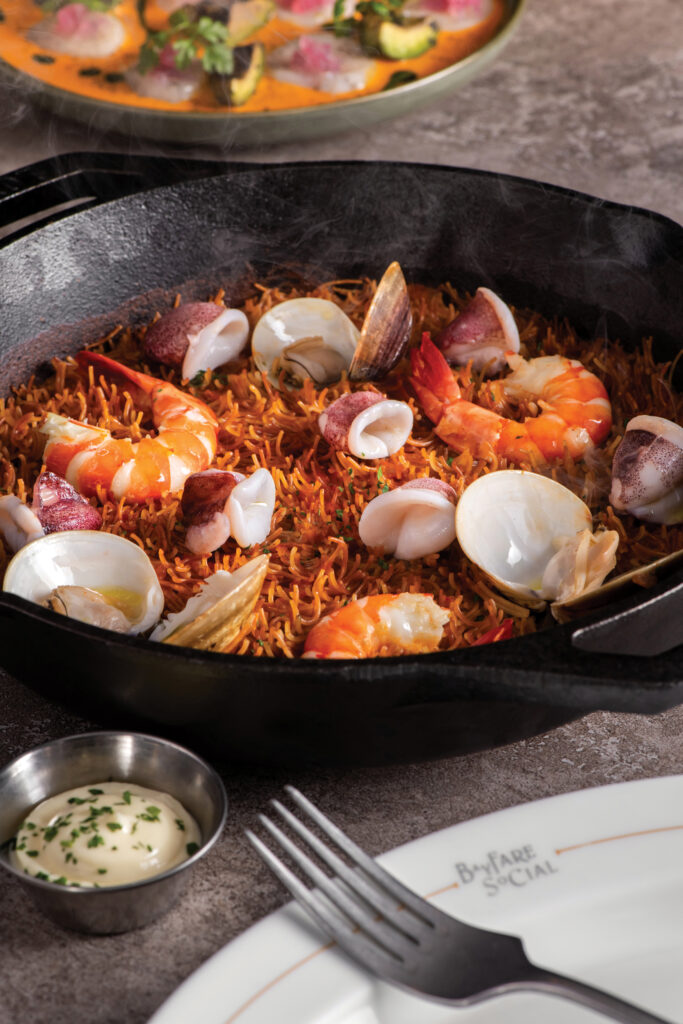
Following this eminently intriguing preamble are the hearty mains. Cochinillo Asado, the chef’s famous crispy-skinned roasted Spanish suckling pig with fried potatoes and homemade pork sauce, is smartly paired with a pan of Seafood Paella laden with clams, prawns, squid and aioli.

The best finale to this exceptional weekend spread is an indulgent dessert, courtesy of the traditional Spanish treat of Churros dipped in chocolate or tart of the day.

In Spain, gathering with friends and family to share food is a way of life that keeps people connected and is regarded as beneficial to mental health. Without fail, at the core of each gathering is a delicious spread, a tradition that Bayfare Social is committed to upholding. It not only delivers an authentic Spanish dining experience to Hong Kong but also surprises and delights with innovative twists and a huge helping of national pride.

BAYFARE SOCIAL 5/F, Victoria Dockside, 18 Salisbury Road, Rosewood – Hong Kong, +852 3981 8732

Photos: Bayfare Social

Video: Jack Fontanilla
Spice Fixing – The inventive dishes at the Gaylord Indian Restaurant keep getting better

Ask an Indian friend where to find the best Indian food in Hong Kong and the prompt answer will be: “At our house.” It is not feasible, though, to show up at a friend’s home, let alone unannounced, whenever we crave Indian food. Within the bustling cityscape of Tsim Sha Tsui, the thriving local Indian community has unabashedly and generously shared its culinary heritage with those of us who can’t get enough of the country’s spice-infused favourites. A standout among all of these establishments is the Gaylord Indian Restaurant, which has been operating since 1972.

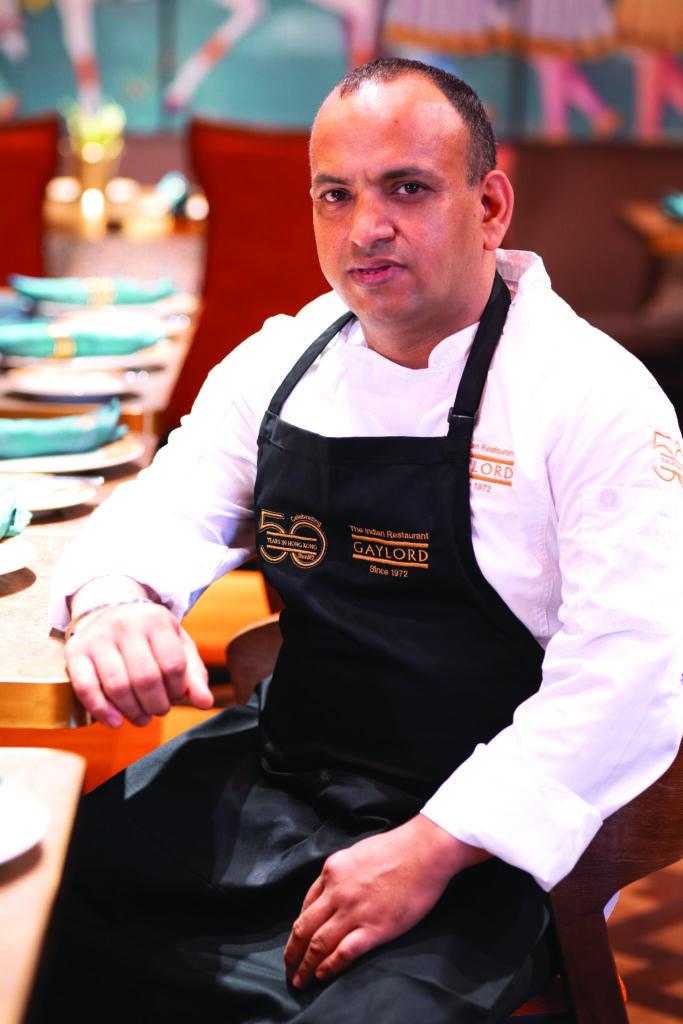
“We have kept our menu true to its Indian roots while also adapting to the change of times in food trends,” says owner and general manager Rajeev Bhasin. “It makes my heart full when I see frequent customers now have grandkids that they also bring here. I hope we’ll have another 50 years to celebrate with them.”

indian restaurant gaylord

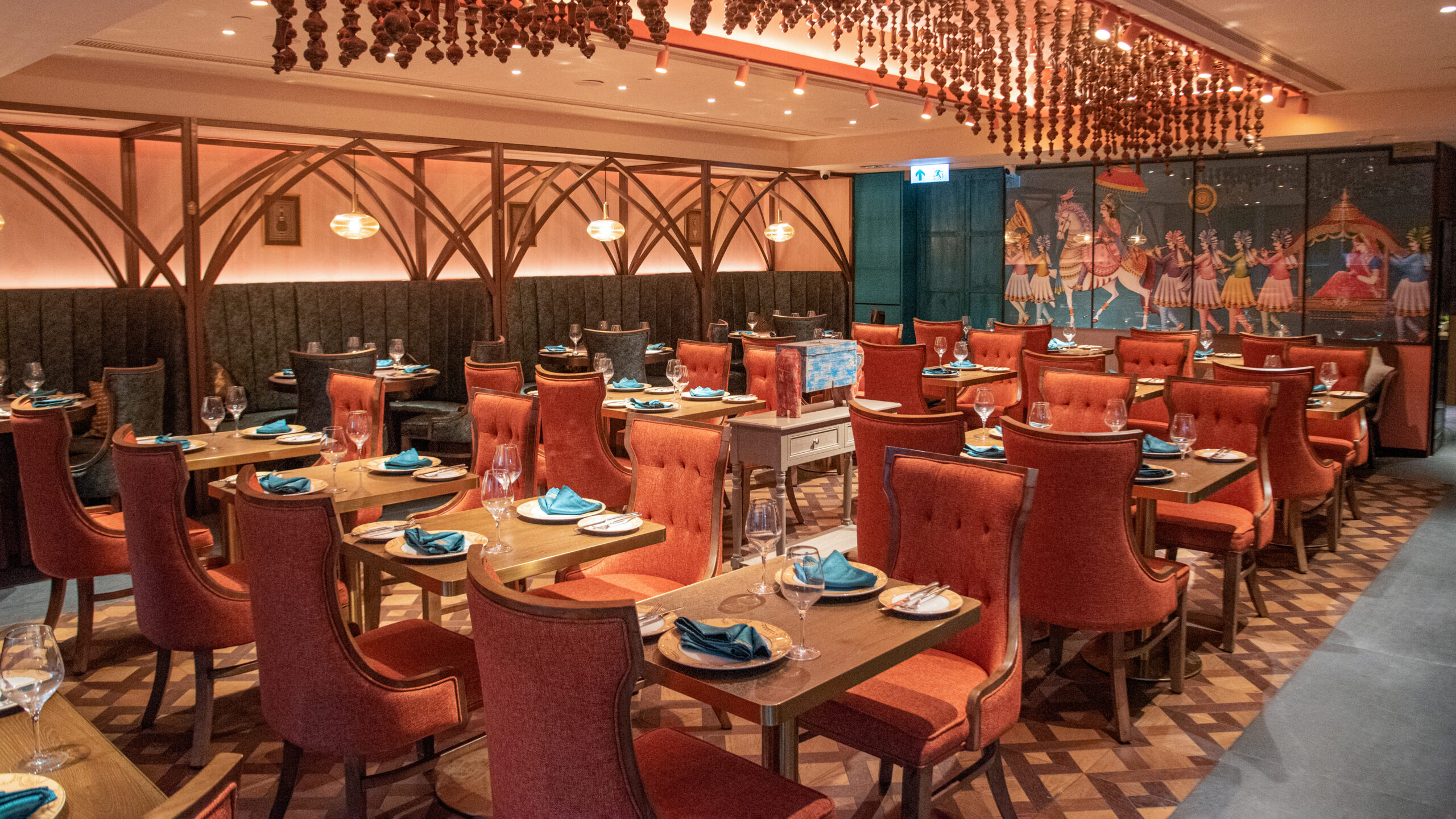
Like its palatable offerings, Gaylord’s interior design makes a lasting impression. A wall of art and gold photo frames and a golden Ganesha greet diners, beckoning the way into what is seemingly a two-room design. The restaurant proudly displays a dazzling new façade via peacock teal and bright orange upholstered booths and chairs that contrast with the salmon-pink walls. Envisioned to be a place with a lot of colours, the overall effect pays tribute to both India’s history and modern culture. The previously wood-carved pillar partitions now breathe new life, dangling as accents to the already exceptional ceilings. It is with this consideration of detail that diners will encounter the intimacy of Gaylord’s India with a touch of Hong Kong influence. The space is, indeed, a veritable feast for the eyes and any Instagram feed.

indian restaurant gaylord

Of course, it’s the food that is the real star here, where authentic recipes have been tweaked to perfection for a one-of-a-kind Indian dining experience. Indian cuisine is, after all, among the world’s most enticing due to its vibrant colours and unusual spices. It has alternatives that suit every palate and diet and is distinctive while still being diversified. Such is the wonder of the 50th-anniversary tasting menu created by guest Master Chef Sanjeev Kapoor, which is unassumingly divided into categories like Relish, Amuse Bouche, Appetisers, Tandoori & Kabab Course, Main Course and Dessert.

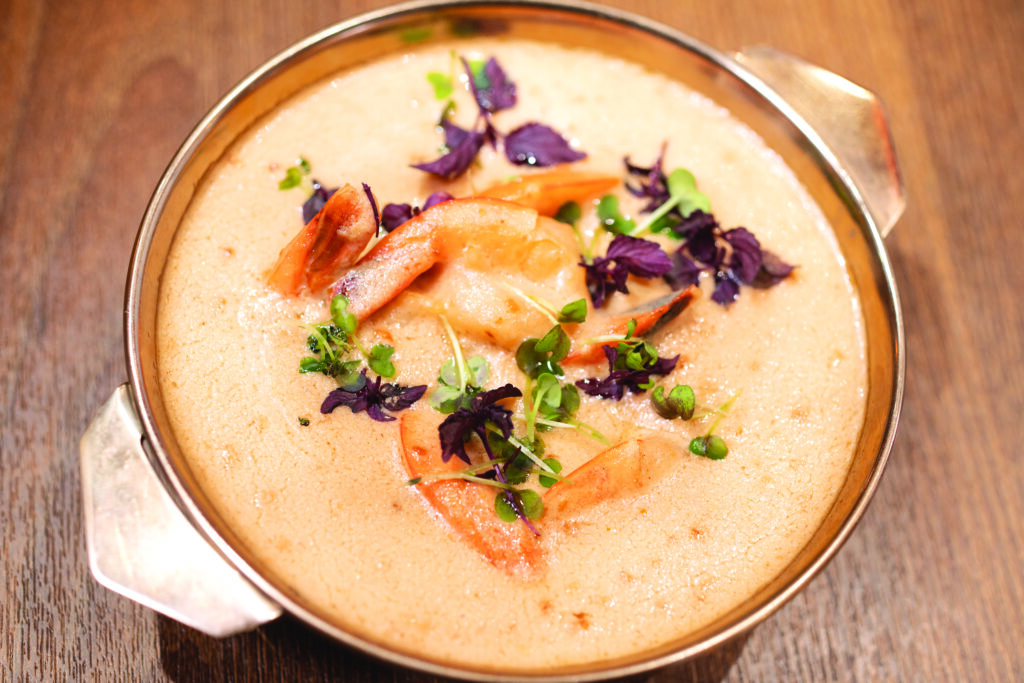
Chilli Pineapple Sambal and Poppadum paired with Prawn Balchao Puri with Solkadhi [note: the menu online says Mushroom] make a great introduction to this spice-centred show. The soft, hollow dough balls are stuffed with prawns sprinkled with Goan spices and ooze with kokum-flavoured coconut milk. Vegetable Samosa, the ubiquitous Indian street snack that is a Gaylord classic, makes a cameo, its fried coned pastry filled with spiced potatoes and green peas.

indian restaurant gaylord

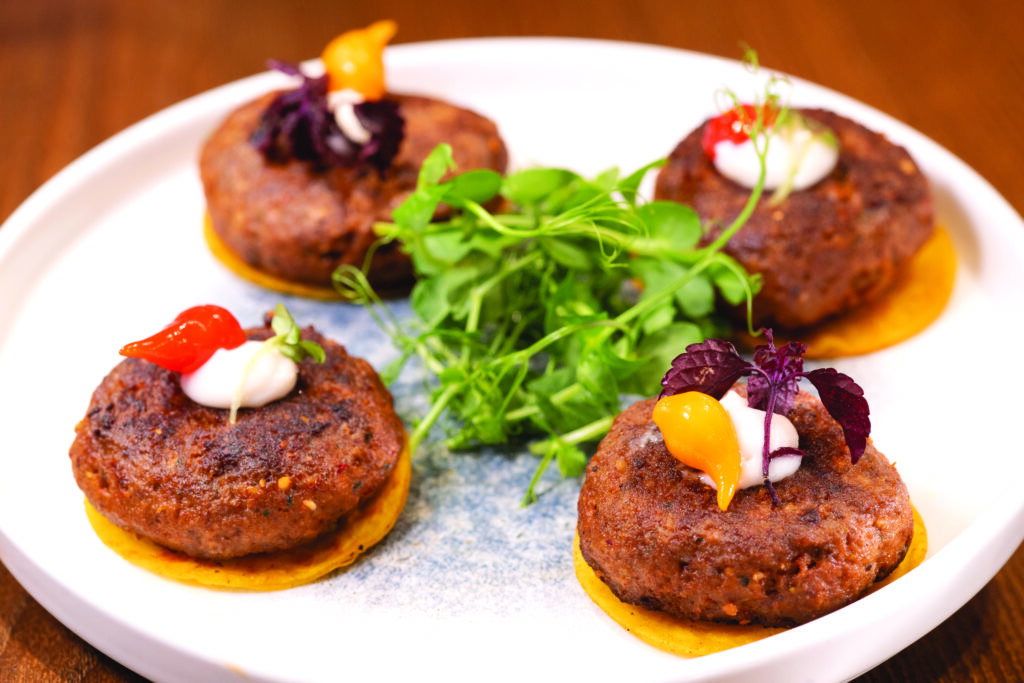
The harmony of both flavour and fragrance continues with Lemongrass Paneer Malai Tikka. Chunks of tandoor-grilled homemade cottage cheese with a hint of lemongrass and cream complement the stuffed kidney-bean cakes blended with aromatic spices of Rajma Bean Galouti Kabab, which come atop masala-baked bread.

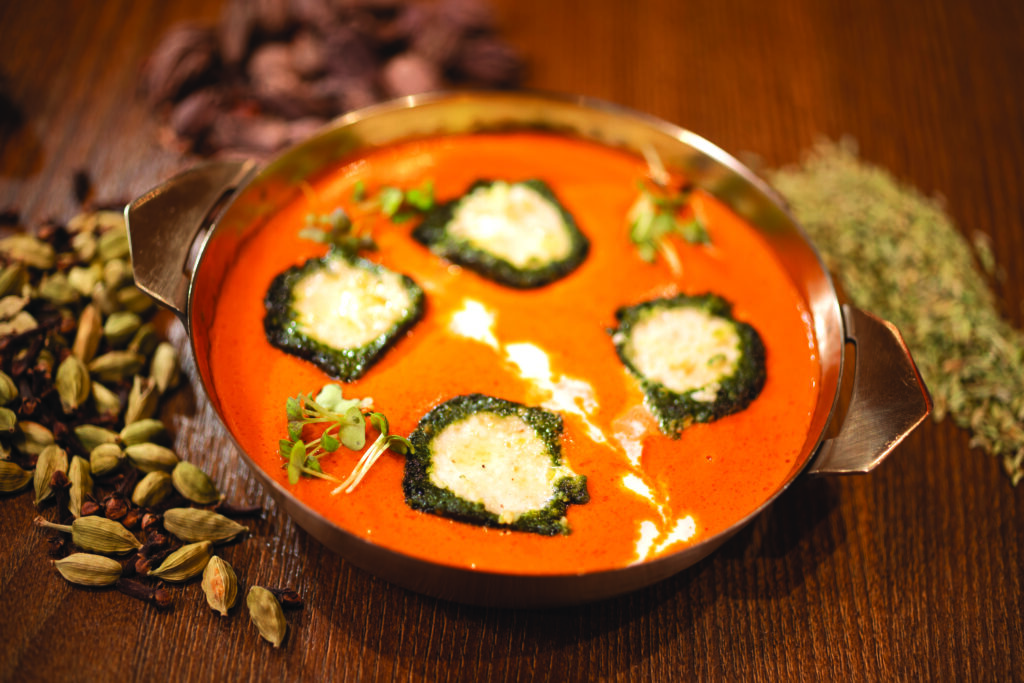
Like many Indian dishes, the renditions at Gaylord often come in pairs. Truffle Dum Jackfruit, subtly spiced and slowly cooked with coconut milk and truffle cream, is accompanied by Saffron Basmati Pulao Rice. Another flavourful favourite pairing is Shaam Savera with Smoked Pepper Makhani and Baby Beetroot and Walnut Raita. A signature main of the celebrity chef, the creamy balls are rolled in spinach purée and presented on a bed of smoked pepper sauce. Also of note are saucy Indian staples like black dal, which Kapoor elevates in Lalla Mussa Dal. The 36-hour slow-cooked green and black lentil dish, enlivened with a blend of aromatic herbs, is best enjoyed with freshly baked naan stuffed with ricotta cheese and truffle pâté.

indian restaurant gaylord

To satisfy anyone’s sweet tooth, Baked Jaggery Yogurt with Peach and Walnut ends this degustation demonstration with a wow. If that still isn’t enough, then make sure to save a little space for the cardamom- and saffron-infused homemade ice cream, Kesar Kulfi – one of the original offerings from the restaurant’s launch just over 50 years ago.

GAYLORD INDIAN RESTAURANT, 5/F, Prince Tower, 12A Peking Road, Tsim Sha Tsui, Kowloon, Hong Kong, +852 2376 1001

Photos: Gay Lord Indian Restaurant

The Best Food and Wine Pairings: Which wine goes well with which dish?

Both chefs and food lovers would agree that a dish must be relished and people should be able to appreciate the food’s different flavours, and wines have often been a trusted way to bring out a dish’s optimal taste. Case in point, many tasting menus created by fine dining restaurants will serve a glass of white or red that would complement the dish on the plate.

While you can pair food with a drink from your personal wine collection or the one you newly bought from the store, some of these connoisseur-picked food and wine combinations will certainly impress your taste buds.

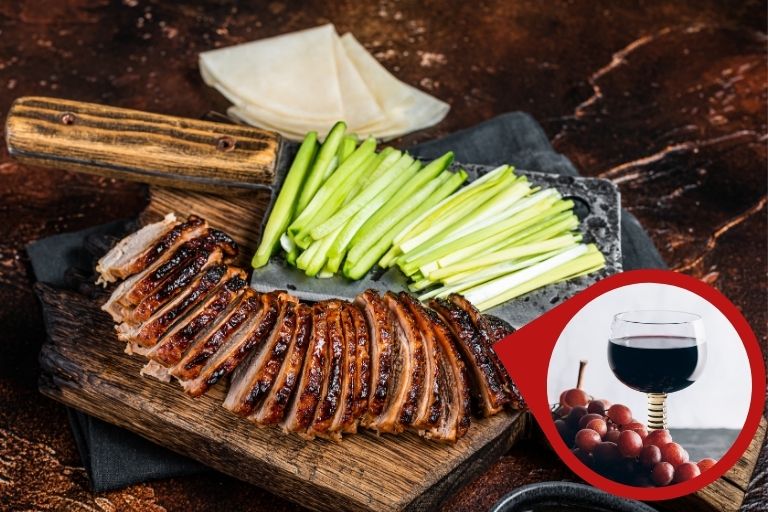
Peking Duck and Pinot Noir

Food enthusiasts have different opinions when picking a wine bottle that matches perfectly with this popular Chinese dish, but the most common pick has always been Pinot Noir. This is because Peking Ducks have a rich salty and savoury taste to them due to the hoisin sauce that is added to the crispy duck meat. So, a wine like Pinot Noir which has a relatively high amount of acidity to it balances out the roasted duck’s intense flavours, making this one of the most favoured food and wine combinations.

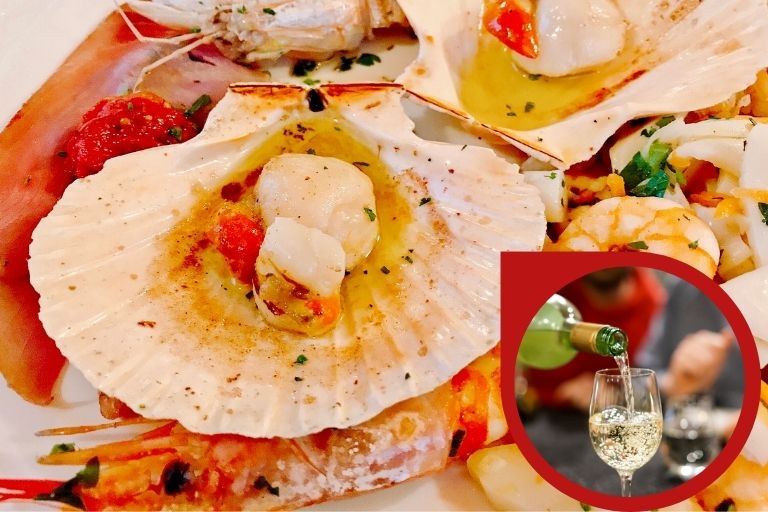
Shellfish and Japanese Koshu Wine

This wine variety that originates from Japan has subtle notes of fruitiness allowing people to feel the refreshing taste of white grapes and apples in each sip with the Koshu wine being produced at a specific altitude and temperature. Such flavours, in combination with its low acidity, make this white wine variety a perfect drink to pair with shellfish dishes, which are often cooked with a thick layer of butter, as the food and the wine balance each other out. To enjoy the best of this wine pairing, you may want to try the Michelin-starred restaurant Arcane’s Lightly Cured Hokkaido Scallops with a glass of the Grace Wine Gris de Koshu 2021 which Chef Shane Osborn has featured in Arcane’s limited-edition menu in collaboration with CulinArt 1862 that is exclusively only available on the 17th and 18th of May.

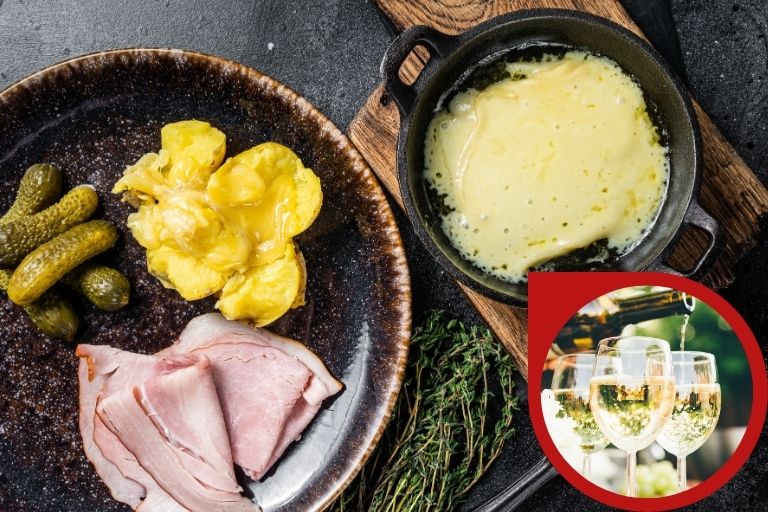
Raclette and Burgundy Chardonnay

Another food and wine pairing that has been recommended by top chefs for the light texture of the wine to balance out the heaviness of the dish is the Raclette paired with a glass or more of Burgundy Chardonnay. For those unfamiliar, the Raclette is a classic French dish that is made by melting the Raclette cheese and eaten in combination with boiled potatoes, meat, pickles and spices. With the dish obviously being packed with calories and rich in flavours, a French wine like Bourgogne blanc has citrus notes and a subtle saltiness that make it go well with something heavy like a traditional Raclette.

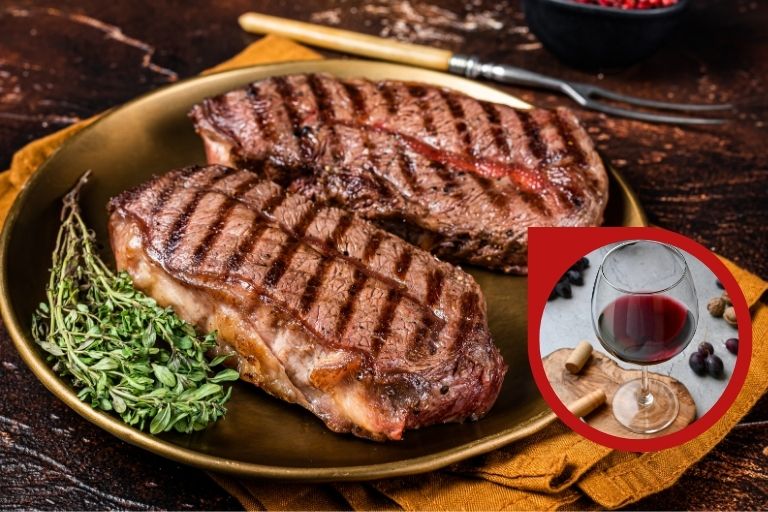
Wagyu Steak and Rioja Red Wine

Red wines have often been voted as the best wine to be paired with steaks, and apparently, there is a scientific reason for it. Red wines have a substance called tannins, particularly strong in the younger wines, which has a molecular structure that helps to melt fats, thus when paired with a dish like steak, it brings out the taste to the fullest by cutting into this thick layer of meat. True to this technique is Chef Stanley Wong’s recommended pairing – Binchotan-Grilled Australian Wagyu Striploin with Finca La Emperatriz Las Cenizas 2018 which can also be enjoyed at CulinArt 1862’s six-course tasting menu that has been created alongside Arcane.

The Roe Down: Handcrafted with feeling, Artifact presents artistic yet approachable caviar-infused Japanese cuisine

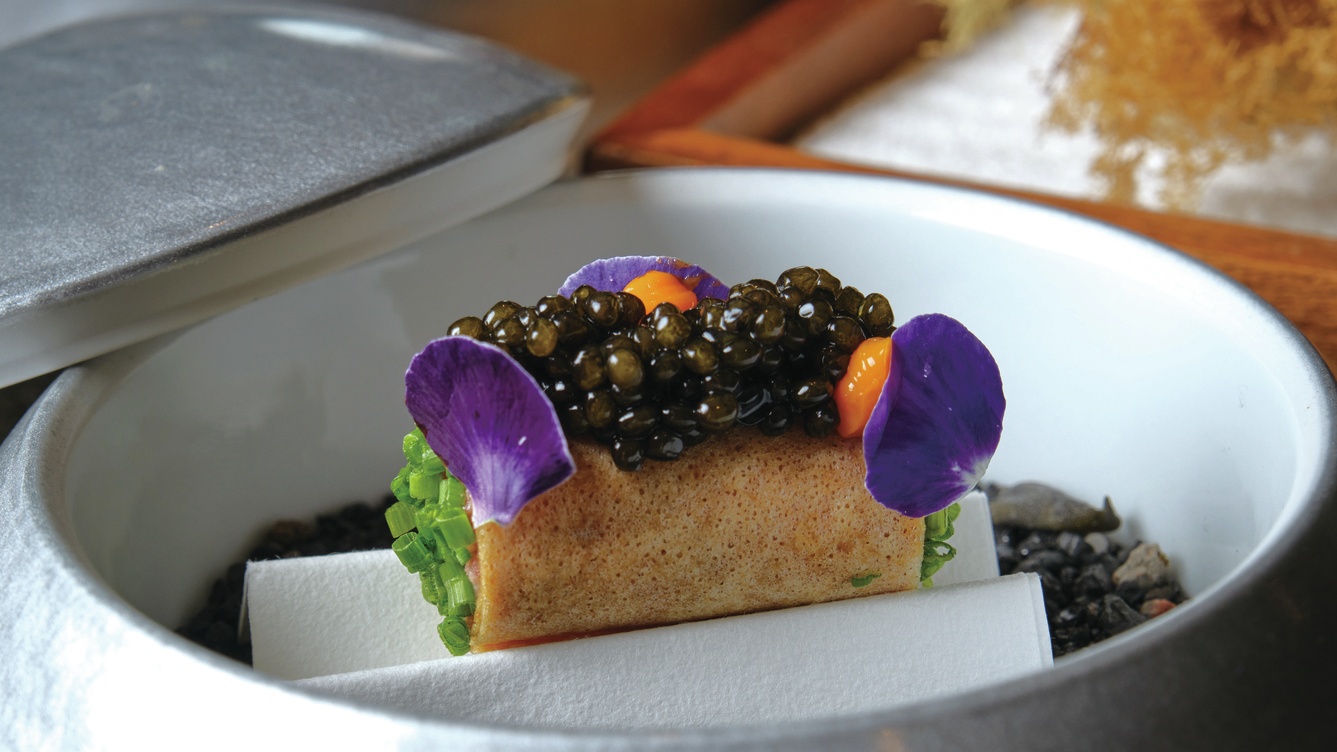
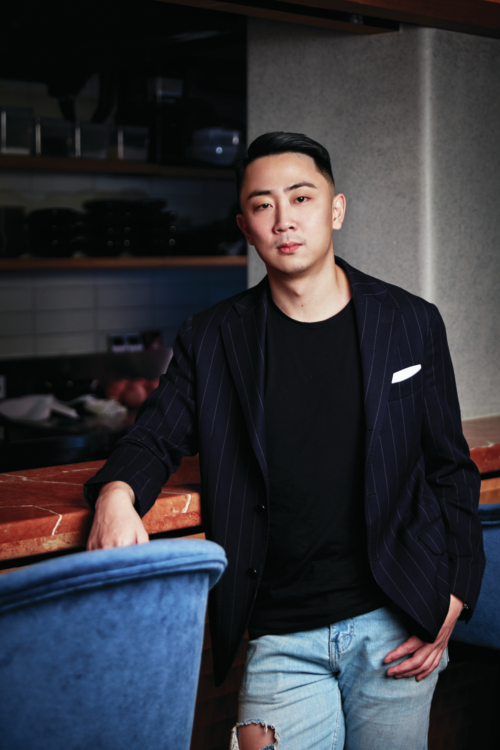
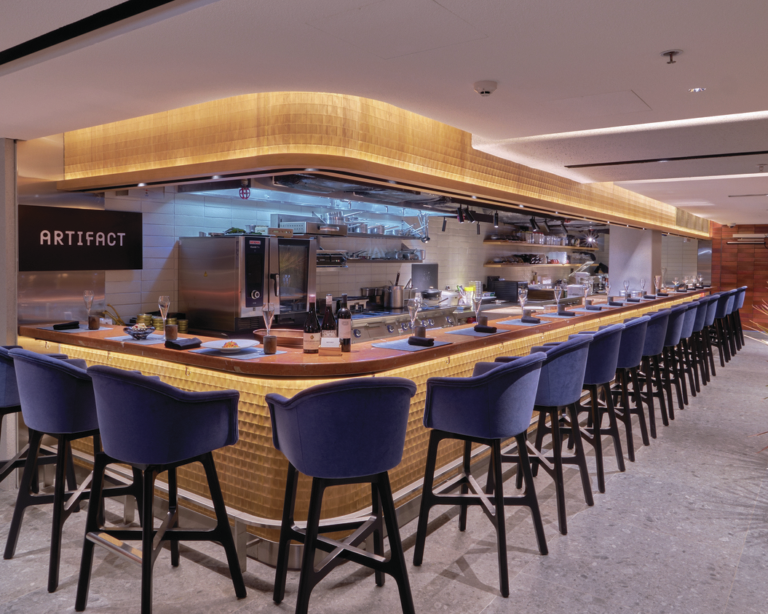
Tucked away below Central’s traffic horns and meandering pedestrians – along what has become the go-to canteen of people in stilettos and navy suits – is Artifact, a newly opened upscale chef’s table Japanese restaurant uniting the different variations of caviar with fine dishes. Paired harmoniously with jet-fresh ingredients flown directly from Japan, this whole caviar experience is savoured at a deep-blue upholstered 14-seat dining counter and ultra-sleek contemporary speakeasy bar set within a casual basement food hall. These diverse concepts converge in the creative mind of Chef Sato Kiyoshi, whose vision has brought eccentric Japanese cuisine to the energetic epicentre of Hong Kong – in the depths of BaseHall 02 in Jardine House.

It is the quality of food and ingredients presented in a delectable style that sets Artifact apart from the hundreds of other Japanese restaurants scattered around the city. In true Japanese fashion, calling in an artisanal expert like Chef Kiyoshi was an important puzzle piece in its realisation. Scrimping on quality is never an option for the head chef, who says of his edible masterpieces: “It’s a combination of texture, foundation, ingredients and balance. For me, a perfect dish is always driven by a feeling or an inspiration.”

artifact

The speakeasy bar offers separate and interchangeable menus; it is only at the chef’s table that a single menu is strictly adhered to, omakase-style. However, with an intricacy based upon ‘shun’ – the Japanese philosophy of seasonality – the menu adapts constantly to fold in the finest produce on the market. “We are an ingredients-focussed restaurant, so the menu changes according to what is the best for the season,” says Kiyoshi. “From the first menu to the next one, for instance, we changed chocolate and coffee dessert to milk and ginger, and wagyu to tenderloin.” It is often said that we eat with our eyes first. At Artifact, the food looks just as good as it tastes and all the dishes are pretty spectacular. And so, the caviar chronicle begins. With a name defined as a handmade object or the remains of one, Artifact takes pride in the craftwork that goes into the construction of each tasting menu – both for its four-course lunch and eight-course dinner.

Also Read: Omakase Code: Understanding is the key to enjoying Hong Kong’s hottest Japanese food fad


The four-course set embraces appetisers of Miso Cheese with Baerii Caviar, and Namerou, Goma and Kaluga Caviar, followed by a choice of entrée between Polmard Beef with Kaki Potato and Obsiblue Prawn with Ginger Orange Ponzu and Oyster. For the main course, there are options of Hokkaido Pork, Carrot and Wakami; Toothfish, Kabocha and Razor Clams; or Wagyu with Maitake and Soy, along with a traditional Tamago Kake Gohan (Japanese egg and rice) to accompany the meal and a seasonal dessert to wrap it up.

Caviar is central to the dinner journey, where the dégustation menu includes highlights such as Namerou and Goma with Kaluga; Takoyaki and Rakkyo with Ossetra; and Carabineros with Smoked Miso Cream and Baerii. Kinmedai, Kabu and Yuzu is another wonderful course. If the caviar rush becomes too much, a carefully curated wine list spans an international selection of Champagnes, rosés, whites and reds to cool racing minds and calm overworked taste buds.


The ambience is chic and bustling, catering to smart mid-towners in need of a Japanese fix. The act of sitting around a counter enhances the Artifact experience, as Kiyoshi elaborates: “We aim to offer the best dining experience as we can with the counter dining setting. It gives me and my team more opportunities to interact with customers. Diners can also see what’s brewing behind the kitchen and the preparation that goes into each dish.”

The truth of these words is evident as human connections extend from those relaxed at the counter enjoying their food to everyone labouring diligently within to create it. In a city like Hong Kong, where life whizzes by at almost twice the speed of a watch’s tick, Artifact stands apart because warmth, style and artfulness abound throughout the entire place. It lives in the buzzy dining room, the service, the interiors and, above all, in the sumptuous, well-considered meals. It is a scene and a dining room you want to lean into, linger over and – without question – indulge in.

artifact

Artifact, Shop 5 and 7, LG/F, Jardine House, 1 Connaught Place, Central, Hong Kong. +852 6468 8762. artifactbar.com

(Text: Joseff Musa Photos: Artifact)

Pazzi Isshokenmei- Fine dining with a cultural blend

Celebrate the festive season and your special occasions by indulging in the Japanese-Italian fine dining experience at Pazzi Isshokenmei. Merging Japanese ideals with Italian culinary traditions, the restuarant offers a unique take on a cuisine that blends Asian and European flavours. Located in the heart of Hong Kong, the amazing ambience makes meals all the more enjoyable. Relish their UNI FEAST UMAKASI, a 7 course meal, each paired with the Japanese thick, creamy delicacy UNI freshly imported from Japan. Delectable dishes with artistic food presentation will make for a perfect celebration and enviable photos.
 

Address: 2/F, Queen’s Road Central

Traditional Italian recipes combine deliciously with modern techniques in Cantina

In Hong Kong, gourmands will never find themselves short of new flavours, new hotspots and even new mixes of cultures. The list of Italian restaurants alone is long enough to stretch the length of Hollywood Road and beyond. Still, we find ourselves going back to the warm, hearty cuisine of Italy – always determined to find the best pastas, the tastiest pizzas and the most mouth-watering gelato and tiramisu.

gafencu-dining-taste-italian-traditional-modern-sicilian-tai-kwun-hongkong
Photo courtesy of Aqua Restaurant Group​

Over at Tai Kwun, the former Central Police Headquarters, the site serves as no better a place to bring traditional and modern together. This is exactly what Aqua Group has done with Cantina, a new addition to its stable of restaurants. Cantina, which translates to canteen, is perfectly situated within the location’s former dining hall.

gafencu-dining-taste-italian-traditional-modern-sicilian-tai-kwun-hongkong-Luca Schiavone
Photo courtesy of Aqua Restaurant Group​

Here, classic Italian dishes are served with the occasional surprising twist – “wow-factor” is what Luca Schiavone, Cantina’s executive chef calls it. Having only landed in Hong Kong in February, Chef Luca brings the flavours of his native Sicily to this warm, casual eatery. “We try to stay traditional but we also play with consistency and presentation. The goal is to have an explosion of flavours with every bite”, says Chef Luca.

gafencu-dining-taste-italian-traditional-modern-sicilian-tai-kwun-hongkong-red-prawn-carpaccio
One example is the Sicilian Red Prawn Carpaccio. The dish features sweet Southern red prawns, complemented by fruity pomegranate jelly and further elevated with dollops of sumptuous caviar and Italy’s finest Bronte pistachios from Mount Etna, before finishing with lemon zest. Light but savoury with a hint of sweetness, this was just enough to rouse us for the next dish.

gafencu-dining-taste-italian-traditional-modern-sicilian-tai-kwun-hongkong-clams-mullet-bortarga-pasta (2)

Impressively, the majority of pastas on the menu are homemade to respect the Italian culture of cooking al dente. However, the Linguine with Clams & Mullet Bortarga we had sampled was cooked with a dry pasta sourced from Italy, which to our surprise still offered a perfectly chewy and firm texture. Its starchier content (compared to freshly made pasta) gives the dish a creamier texture that perfectly complements the simplicity of its white wine, chili, garlic and butter sauce. The driving force of its rich flavours though was the clam juice which was filtered out and mixed into the sauce – rounding up the dish with a savoury punch of umami.

gafencu-dining-taste-italian-traditional-modern-sicilian-tai-kwun-hongkong-breaded-veal-cutlet

The pièce de résistance of our experience was the theatrical table-side service that came with the Breaded Veal Cutlet and Salt Baked Sea Bass with Vegetable Caponata. The scrumptious deep-fried Milanese veal cutlet hovered over on a charcuterie board and was cut table-side – crisply crunching with every slice. Cooked in clarified butter and garnished with fried rosemary, the dish was then drizzled with a squeeze of lemon juice for piquancy, oozing with a combination of sweet and nutty flavours.

gafencu-dining-taste-italian-traditional-modern-sicilian-tai-kwun-hongkong-salt-baked-seabass

The fish was a showstopper. Arriving within a thick layer of salted pastry that was set ablaze, then skillfully doused and cracked open to reveal the sea bass that was expertly deboned and delicately plated. It was served alongside a sweet and sour caponata, a traditionally Sicilian vegetable appetiser. The plate’s mix of eggplants, olives, onions and sweet red pepper seasoned with herbs, olive oil and sweet and sour dressing (agrodolce sauce) perfectly balanced the freshness of the sea bass with fruity and tangy notes.

gafencu-dining-taste-italian-traditional-modern-sicilian-tai-kwun-hongkong-tiramisu (2)

No Italian fare is complete without a sweet ending. In this case, it was the Table Side Tiramisu. Literally meaning pick-me-up in Italian, tiramisu was the perfect finale to a satisfyingly carnivorous meal. When it comes to beloved classic recipes that have travelled beyond its borders and endured centuries of reinvention, some dishes are best kept as its original form, delighting the palate with a sense of home and momma in the kitchen. Thankfully this classic tiramisu was just that.

gafencu-dining-taste-italian-traditional-modern-sicilian-tai-kwun-hongkong-tiramisu

Moist with coffee, its savoiardi (ladyfingers) is delicate and fully absorbed with the creamy mixture of eggs, sugar, and mascarpone cheese before being dusted with cocoa powder. Perhaps the only blip in the sensational experience was that after a couple of bites, it was a tad too sweet to finish off; but given the calories we had happily consumed by that point, it might have been for the best.


Cantina. 1/F, Block 1, Tai Kwun, 10 Hollywood Rd., Central. aquarestaurantgroup.co.uk/cantina


(Text & Photos: Roberliza Eugenio)

Han Sweet Han: Hansik Goo celebrates its 2nd anniversary with a Michelin Star

What takes a food experience into the next realm, is the emotion it evokes and the stories it tells. A truly special dining experience can bring to mind the first bite of a fondly remembered dish, or the ambience of a simple, cosy dining room can recall family meals at home.

dining-taste-hansikgoo-michelin-star-korean-cuisine-kangmingoo-hongkong-interior

At Hansik Goo, the idea of sharing a meal and serving authentic Korean flavours are two pillars that bring together a holistic dining experience. So much so that it had earned its first Michelin star this year, making it the first Korean restaurant into the Michelin Guide Hong Kong & Macau. It is also head chef Steve Lee’s first Michelin star since taking over the helm from successor and founding chef Mingoo Kang two years ago. The third pillar to this fast-rising local favourite is a modern touch that completes the circle.

dining-taste-hansikgoo-michelin-star-korean-cuisine-kangmingoo-hongkong-chef-steve-lee

Despite being Korean, Hansik Goo is chef Lee’s first Korean culinary experience. “Korean cuisine is my home food – I have the background, the memory and the palate. These help me bring together authentic Korean flavours, while my experience in western cuisine allows me to add a modern twist to it”, says Lee. Celebrating its second anniversary, we tuck into the restaurant’s tempting seasonal Korean flavours and the signature dishes that have won over the hearts of their diners over the last two years.

dining-taste-hansikgoo-michelin-star-korean-cuisine-kangmingoo-hongkong-fish-mandu

Kicking off our tasting menu with a delicate start, the Fish Mandu arrived with an intriguing composition. Serving seasonal blackthroat seaperch stuffed with pork and a generous layer of pork floss in cho-ganjang sauce, each bite offered an interesting combination of sweet, tangy and rich umami – gently delivered by the tender fish meat, and finished with the sensational pork floss that dissolves in the mouth.

dining-taste-hansikgoo-michelin-star-korean-cuisine-kangmingoo-hongkong-entrance-KFC-korean-fried-chicken

Next to the table was the Korean Fried Chicken, a popular add-on to the seasonal menu and the hero dish that carried the eatery through the Covid-19 pandemic’s dining restrictions. At first bite, we understand why. Simple and homey, yet perfectly juicy and tender with the right balance of batter and meat – a rarity in the city. The deep fried chicken was paired with sparsely battered eggplant and drizzled with yuza jang which gave the dish a refreshingly deep flavour that remained light and not overwhelming to the palate.

dining-taste-hansikgoo-michelin-star-korean-cuisine-kangmingoo-hongkong-entrance-sangyam-risotto-2.0

We then shifted attention to the signature Samgye Risotto 2.0. Welcoming the season of morel mushroom in its iconic chicken roulade, the dish was completed with slices of steamed South African abalone sumptuously brushed with house-made Korean prickly-ash butter and coriander, and a serving of Ginseng infused glutinous rice. Cheekily referred to as ‘the risotto’, the rich flavours of each component stands out but also comes together in a harmonious combination of flavours.

dining-taste-hansikgoo-michelin-star-korean-cuisine-kangmingoo-hongkong-pork-duo

Following up with the last main dish, the Pork Duo is laid across the table complete with a brass bowl of Yukhweh Bibimbap and a series of house-fermented and house-made condiments that added depth in flavour to the overall dish. Showcasing two types of grilled pork: ganjang Iberico pork chop and gochujang marinated pork neck, and served alongside a refreshing Dallae (wild rocambol, or garlic leaves), the house-made sauces recalls childhood and family dinners around the grill. A tender memory elevated by the bibimbap that was served with an assortment of fresh vegetables and mouth-watering beef tartare.

dining-taste-hansikgoo-michelin-star-korean-cuisine-kangmingoo-hongkong-entrance-jang-trio

The best was saved next to last, with the arrival of chef Mingoo’s sensational signature dessert, Jang Trio. A creative composition of sweet crystallised Doenjang crème brÛlée, an ultra-light and airy home-made vanilla ice cream, and ganjang glazed pecan and gochujang powder as garnish – a perfect marriage of textures and flavours.
dining-taste-hansikgoo-michelin-star-korean-cuisine-kangmingoo-hongkong-entrance-dagwa

For the finalé, we were treated to Dagwa, a delicious assortment of refreshments to end the meal – with a touch of finesse to elevate the array of sweets. A warm sip of Korean mulberry leaf tea perfectly complimented a plate of savoury black sesame dasik, sweet yakgwa and strawberry jeonggwa. We ended our charming dinner at Hansik Goo with the kind of contentment that brings back the comforting warmth of home.


Hansik Goo. 1/F, The Wellington, 198 Wellington Street, Central. (852) 2798 8768. hansikgoo.hk

(Text & Photos: Roberliza Eugenio)