Black Magic: Sleek silhouettes and bold statements redefine urban style for the modern muses
Look 1
White coat and black skirt by Annakiki
Look 2
Sheer top and black trousers by Barbara Hui
Look 3
Black sleeveless top and beige pants by Barbara Hui
Look 4
Leather jacket and leather skirt by Pressiat
Look 5
Black top and leather skirt by Pressiat
Look 6
Black top, leather skirt and black trousers by Barbara Bui
Look7
Black leather coat and handbag by Barbara Hui
Look 8
(left)
Black vest and trousers by Barbara Bui
(right)
Fur coat by Pressiat Leather jacket and leather skirt by Annakiki
What’s on? Things to do this May in Hong Kong
May heralds entertainments galore, including the beautiful Cheung Chau Bun Festival and world-famous Dragon Boat Festival, the Affordable Art Fair and Soccer Sevens, as well as superb arts and theatrical productions.
Cheung Chau Bun Festival
Celebrate this wonderful festival steeped in cultural tradition by joining the happy throng of visitors heading to the beautiful island of Cheung Chau. The key days of the festival are filled with lion dances, Taoist rituals and the amazing piu sik parade. Here, village children on stilts seem to float through the narrow streets, a spectacle made even more memorable as they are dressed as deities in brightly coloured attire. There is also the famous bun scrambling competition to enjoy, followed by the pomp of the presentation ceremony. This fun-filled festival always leaves lasting memories.
When: 5-6 May
Where: Changzhou Island
How much: Free
For more information: cheung-chau.com
Choi Sown le Plays Chopin
Chopin’s piano music is utterly enchanting. His works stand between the Classical and Romantic eras – both romantic yet retaining the purity of Classicism, deeply moving while preserving the timeless elegance of the classical tradition. He composed many captivating pieces without titles, only categorized by genre, such as nocturnes, waltzes, impromptus, mazurkas, and polonaises. During his time, the hallmark of Romanticism was the use of ‘programmatic titles,’ so strictly speaking, Chopin was not entirely a Romantic composer.
When: 5-6 May
Where: Concert Hall, Hong Kong City Hall
How much: From HK$280
For more information: lcsd.gov.hk
Soccer Sevens
As it has done for more than 20 years, the Hong Kong Football Club has once again invited teams from prestigious clubs in the world of professional football, including a clutch of giants from the English Premier League and stalwarts from Japan, the Netherlands and Australia, to show their skills on a smaller pitch. Under 21 stars from defending champions Brighton & Hove Albion and rivals Aston Villa and Newcastle United, among others, will do battle in a series of highly competitive seven-a-side games. Women’s and masters’ tournaments also kick off during this action-packed weekend.
When: 16-18 May
Where: Hong Kong Football Club
How much: Various prices
For more information: hksoccersevens.com
Affordable Art Fair
First conceived in London in 1999, Hong Kong’s annual version of the Affordable Art Fair pops up for a 12th airing and is certain to arouse intense interest from art lovers in the city and beyond. More than 90 local and international galleries will gather to present a wide range of works, all with the proviso that they cost below HK$100,000. Workshops, food and beverage stalls will keep visitors amused.
When: 22-25 May
Where: Hall 1D-E, Hong Kong Convention and Exhibition Centre
How much: From HK$157
For more information: affordableartfair.co
Dragon Boat Festival
A joyous spectacle luring crowds to the waterfront, the Tuen Ng Festival is embedded deep into the fabric of Hong Kong’s cultural life. It pays homage to Qu Yuan, a famed poet in ancient China who threw himself into the Miluo river, spurring villagers to race out in their boats in a vain attempt to save him. Traditional cuisine in the form of joong or zongzi – sticky rice dumplings wrapped in bamboo leaves – is served to mark the occasion and celebrate his life and times.
When: 31 May
Where: Various locations
How much: Free
For more information: dragonboathk.com
China-France Cultural Encounters
Grab your final chance to admire a cultural collaboration of the highest order. To mark six decades of diplomatic ties between France and China, the Palace of Versailles, the Palace Museum in Beijing and Hong Kong’s Palace Museum linked arms in stunning style last December to present an extraordinary exhibition featuring almost 150 objects from their esteemed collections. The treasures will return home soon.
When: Until 4 May
Where: Gallery 9, Hong Kong Palace Museum
How much: HK$150
For more information: hkpm.org.hk
Buddha Bathing Ceremony
Soak up a soul-cleansing ceremony imbued with huge religious significance. Marking the Buddha’s birthday, this tradition is founded on the belief that nine dragons appeared and sprayed fragrant water over the newly born infant. To honour the significance of this act and reach a higher state of purity, the Buddhist faithful assist in the ritual bathing of a statue of the baby Buddha at Lantau’s Po Lin Monastery. Eating bitter green cookies before and after the birthday is thought to aid spiritual healing.
When: Until 5 May
Where: Hall of the Great Hero, Po Lin Monastery
How much: Free
For more information: plm.org.hk
Cézanne and Renoir Looking at the World
Take yourself on an immersive journey into the realms of the inner worlds of two celebrated artists whose works offer unparalleled depths of expression. This awe-inspiring exhibition showcases the output of French Impressionist masters Paul Cézanne and Pierre-Auguste Renoir, and invites attendees to unearth their own hidden meanings from beautifully crafted pieces which explore the pair’s enduring friendship. The eclectic range of 52 paintings will inspire contemplative thoughts and lift the spirits.
When: Until 7 May
Where: The Special Gallery, 2/F, Hong Kong Museum of Art
How much: HK$50
For more information: hk.art.museum
Tonight with the Impressionists – Paris
Billed as an immersive expedition in virtual reality, this experience marries cutting-edge science with superb historical and cultural heritage for a sublime voyage of discovery. Created to commemorate the 150th anniversary of the first Impressionist exhibition, it employs technology to bring to imagination the places and works of a movement led by Monet, Renoir, Degas, Morisot, Cézanne, Pissarro and more.
When: Until 11 May
Where: Hong Kong Design Institute
How much: HK$80
For more information: hkdi.edu.hk
Minority Generosity: The Ruttonjees, a Parsi family, exemplify the diversity of Hong Kong benevolence
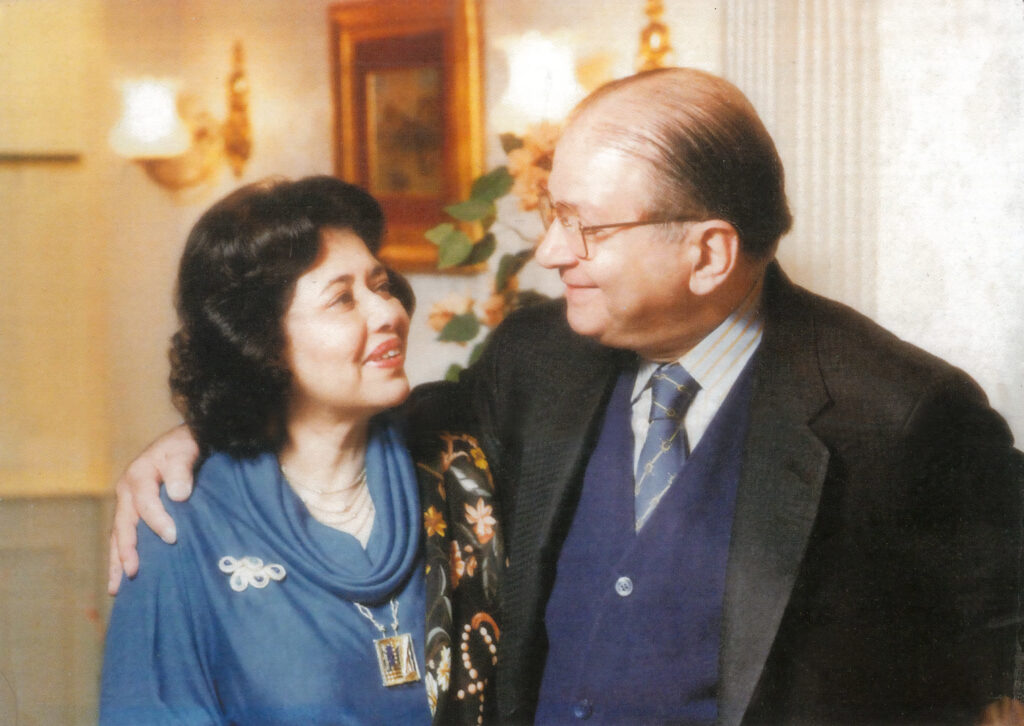
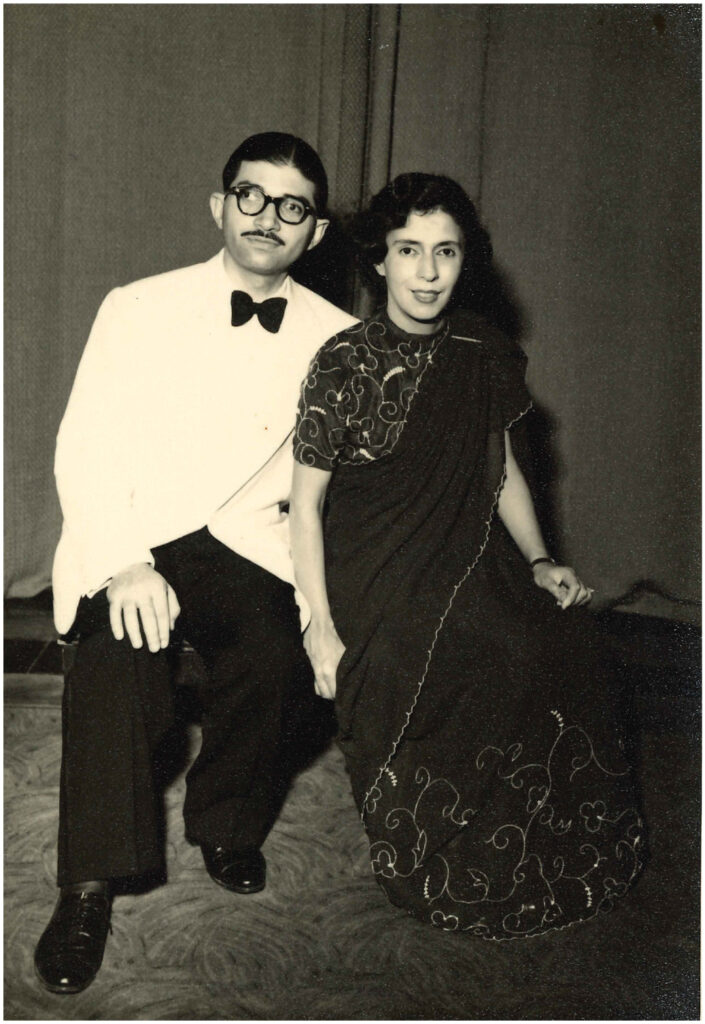
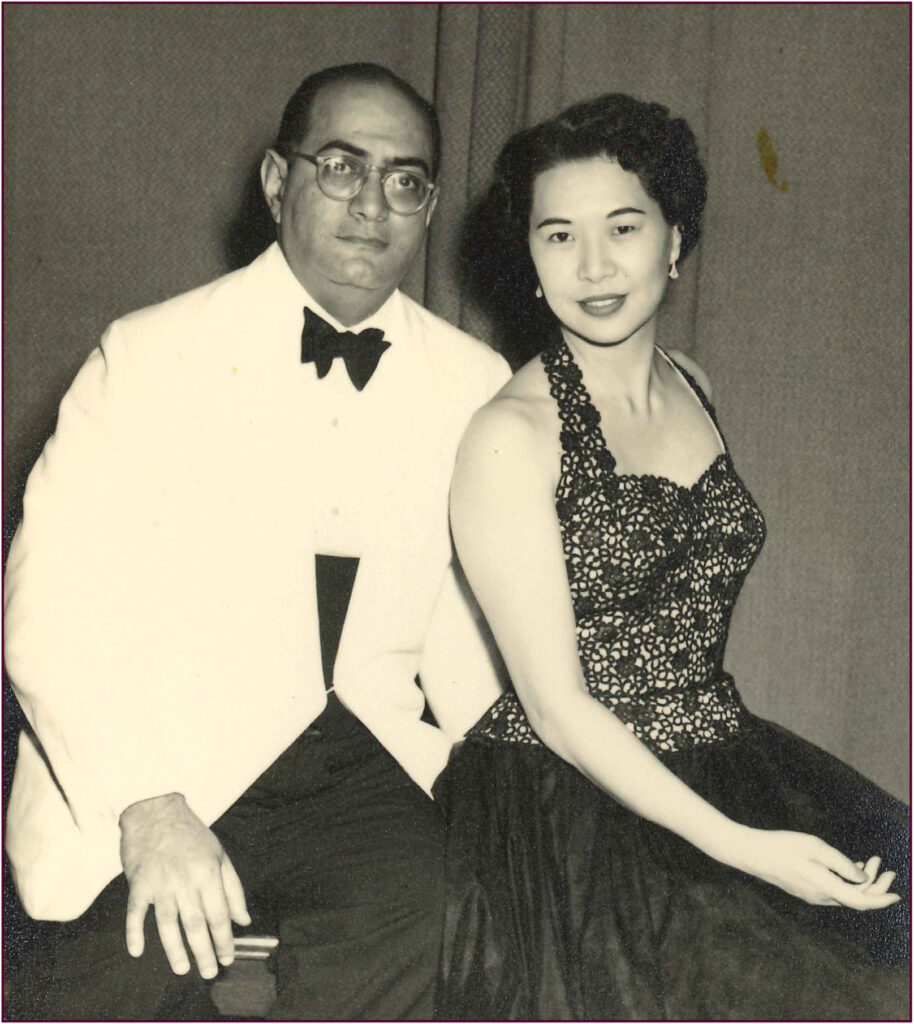
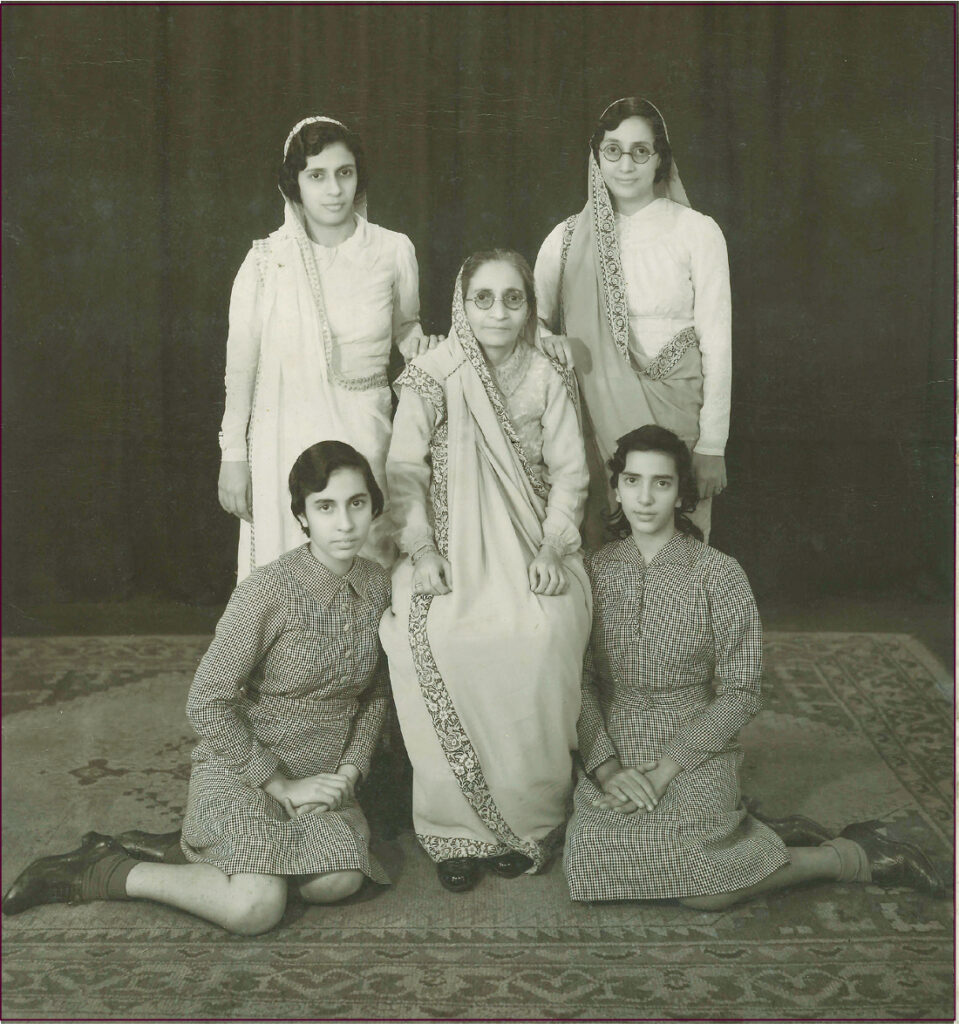
Along with other great philanthropic families in Hong Kong history, the Ruttonjees have left an indelible mark on the city. Their legacy has been amazing acts of giving and the establishment of vital charitable foundations. Through their generosity, their footprint on the social fabric is wide, deep-rooted and continues to this day.
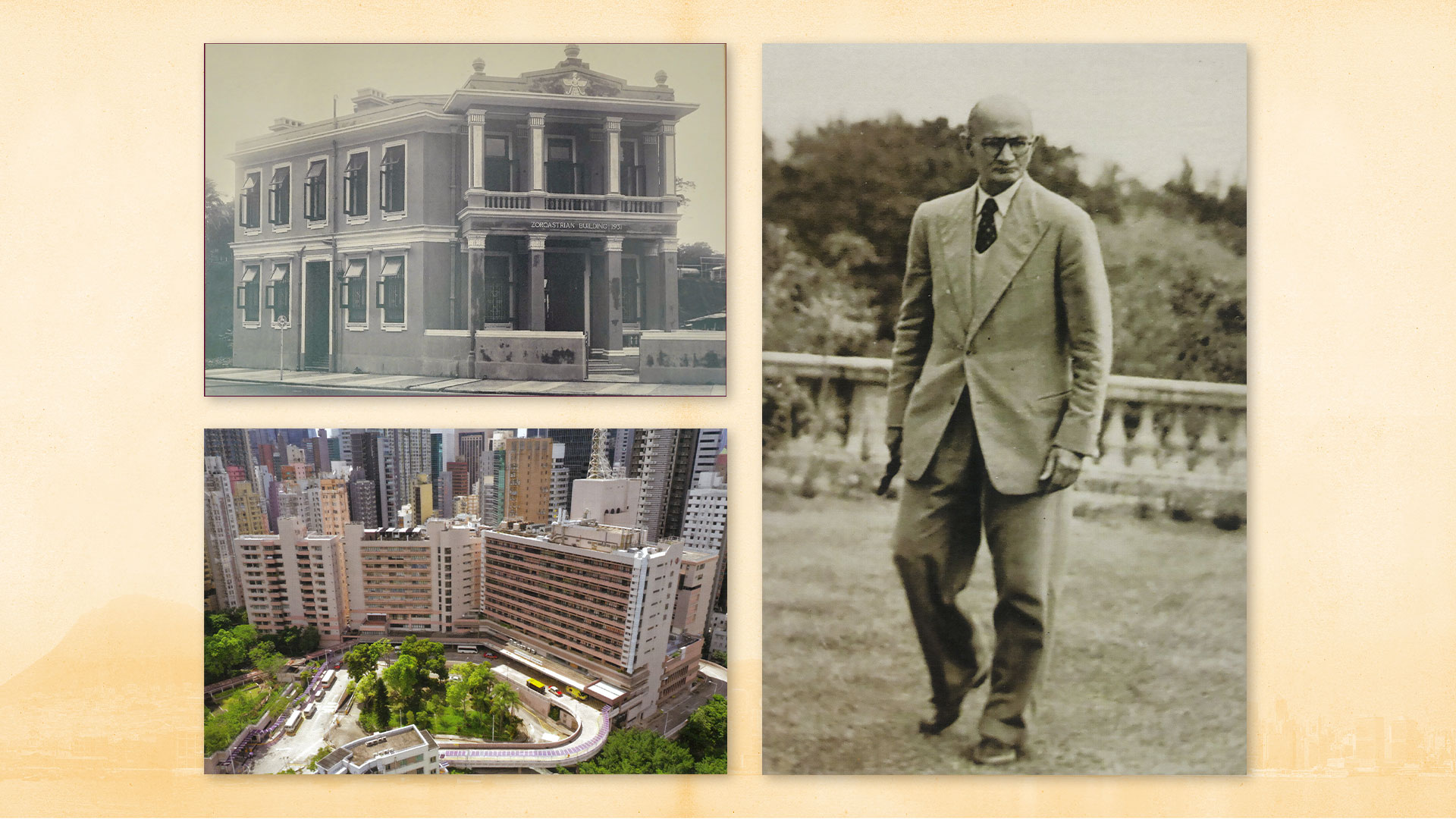
The story of the Ruttonjee family, in many ways, mirrors that of Hong Kong – an epic tale of trade, entrepreneurship, philanthropy and, sometimes, overcoming huge adversity. They are Parsis, an ethnoreligious group originally from Persia (now Iran) that migrated to India, and their patriarch, Hormusjee Ruttonjee, arrived in Hong Kong from Bombay in 1884. He soon began trading in wine, spirits and provisions and founded the family company, H. Ruttonjee & Son, Ltd. Ruttonjee Hospital in Wan Chai, formerly Ruttonjee Sanitorium and dating back to 1949, is the most visible of the family’s many gifts to the city.
The Ruttonjees: Industry, Foresight & Charities, a coffee-table book launched earlier this summer, superbly documents their contributions to the success and well-being of the community. Aside from preserving their own family history for future generations, the tome is intended as a celebration of all those industrious families who have enabled Hong Kong’s rise, no matter their ethnicity or background. It will be placed in public libraries, providing insight to all on how and why the city has thrived.
Ethnic diversity
“Since 1842, numerous ethnic groups have contributed [to Hong Kong] and this should be highlighted to the young local population,” says fourth-generation family member Noshir N. Shroff. He cites the fine examples of many other Parsis in the early years of Hong Kong such as Sir Hormusjee Mody of brokerage company Chater and Mody, and Dorabjee Naorojee Mithaiwala, founder of the Kowloon Ferry Company (forerunner of the Star Ferry).
“The Indians have been traders for a long time and have contributed to the robust Hong Kong economy,” notes Shroff, while stressing that other ethnic minorities, including the Filipinos and the Nepalese, were also instrumental in Hong Kong’s growth over the last century, working alongside the local Chinese population and the British.
Entrepreneurial drive
It was Hormusjee Ruttonjee’s determination to succeed that most impresses Shroff as he surveys his rich family history. He particularly admires his great-great-grandfather’s entrepreneurial spirit, coming to Hong Kong by ship and venturing into segments of the market where he saw opportunities but had little knowledge.
This flair for business was inherited by Hormusjee’s son, Jehangir H. Ruttonjee, who struck out on his own, founding the Hong Kong Brewery and Distillery Ltd. The Sham Tseng brewery he opened in the 1930s was subsequently acquired and operated by San Miguel until 1996.
Noshir Shroff is proud of how Jehangir overcame the many obstacles standing in the way of his vision. He was able to gain not only the necessary water rights from the government but also the support of the villagers. In a testament to his business ethics, he rented their land, one parcel at a time, rather than buying it outright, thus affording them a regular annual income.
Winning hearts
Indeed, it was Jehangir’s sympathetic interactions with the locals all those years ago that, in part, initiated the family book. When its author, Carl Lau, was conducting his doctorate research in the Sham Tseng area, the Ruttonjee name was repeatedly mentioned by village elders.
Shroff retells the story: “The villagers recalled how they wanted a piece of land for a school and clinic, and were prepared to purchase this, but Jehangir told them he would not sell – he wished to give them the land.”
When Lau eventually met Shroff and his family, it was agreed that he would write a book about their history – not just their connection to Sham Tseng but their wider business and philanthropic endeavours.
Enduring hardship
The Japanese occupation of Hong Kong during the Second World War counts among the biggest challenges the Ruttonjee family would face. In these dark times, they housed and fed many fellow Parsis in their two Duddell Street buildings, with all welcome to shelter in the basement during air raids.
Although Jehangir’s prominence and reputation initially earned him the ear of the Japanese, his activities soon began to raise their ire. “Jehangir orchestrated a fundraising campaign for the maintenance and relief of British [civilians held in the internment camps],” relates Shroff. “That was a step too far for the Japanese and resulted in him and his son, Dhun, being imprisoned and brutally tortured.”
Following a turbulent post-war period with the collapse of the stock market and crop failures, Jehangir sold the brewery business to San Miguel ¬– and in characteristic fashion steered the money into numerous charity projects.
Charity after tragedy
The tragic passing of his two daughters, Tehmi in 1944 from tuberculosis, and some eight years later, Freni of cancer, shaped the direction of the family’s charitable legacy. “Despite the grief [of Tehmi’s death], Jehangir provided funds for setting up the Ruttonjee Sanatorium for those affected [by TB]. This building is now the home of Ruttonjee Hospital, a part of the Hospital Authority,” says Shroff, who is exceedingly proud of this project.
Establishing the Hong Kong Anti-Tuberculosis Association in 1948 – now named the Hong Kong Tuberculosis, Chest and Heart Diseases Association, and involved in the management of the Ruttonjee and Grantham Hospitals – has, Shroff believes, made a huge difference to the people of Hong Kong. “Commitment to the association has become a [Ruttonjee-Shroff] tradition with several family members serving on the board of directors,” he says.
After the death of his second daughter, Jehangir erected the Freni Memorial Convalescent Home for the rehabilitation of tuberculosis patients. “Decades later, once TB was in permanent decline, this building became the Freni Care and Attention Home for the aged,” explains Shroff. The 250-bed nursing home, the Rusy M. Shroff Dental Clinic and four Chinese medicine clinics come under the remit of the Hong Kong Tuberculosis, Chest and Heart Diseases Association.
Passing the baton
Jehangir Ruttonjee was also President of the Hong Kong Society for the Protection of Children from 1950-1955, patron of the Family Planning Association of Hong Kong and chair of the Hong Kong Model Housing Society. “He died in 1960, having donated HK$2 million over his lifetime, a considerable sum in those early days,” says Shroff.
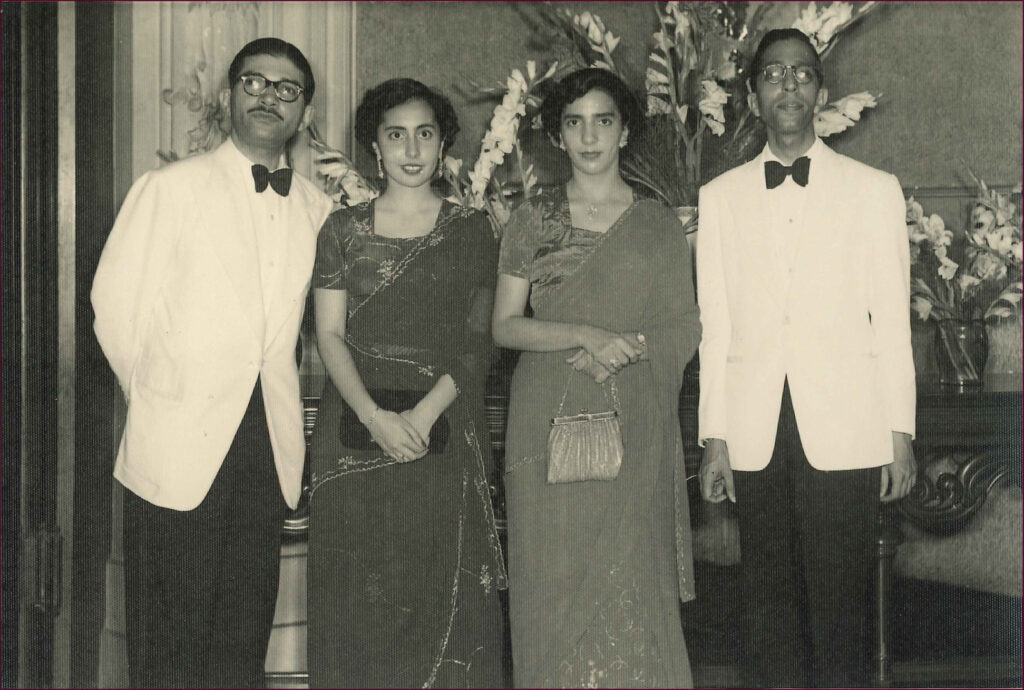
Following the death of his son Dhun in 1974, the mantle as head of the family passed to Rusy Shroff, the nephew Jehangir had adopted along with siblings Beji and Minnie after their father was lost at sea during a typhoon in 1931.
Good deeds
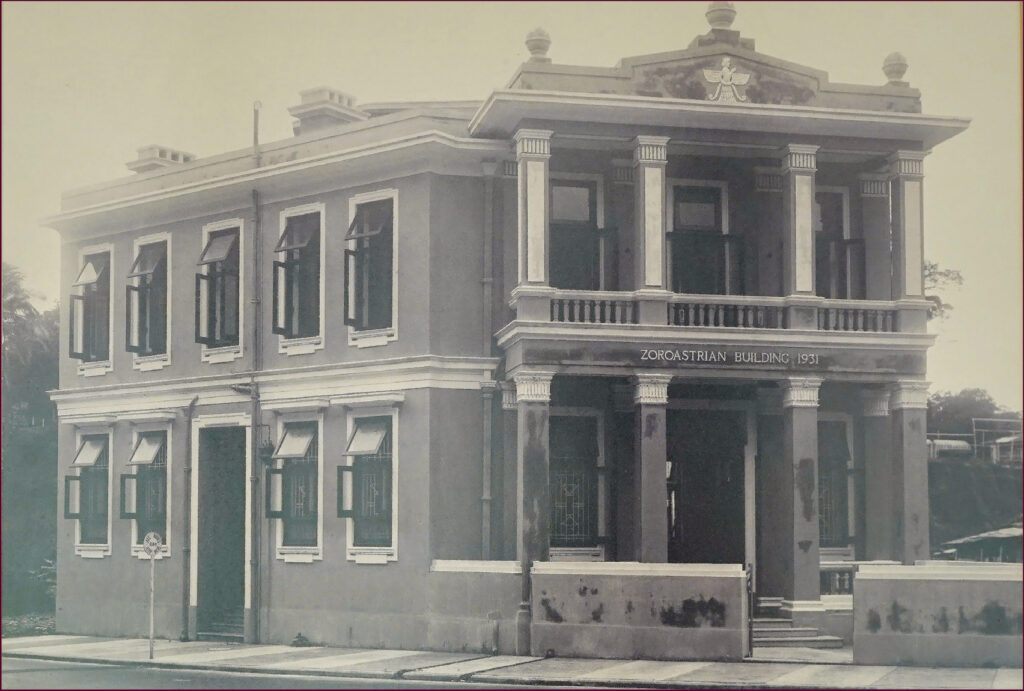
The importance of religious faith cannot be underestimated in the family story. The Parsi community practise Zoroastrianism, one of the world’s oldest monotheistic religions. “The core teachings of Zoroastrianism are good thoughts, good words and good deeds. Charity plays a very big part here,” says Shroff.
Other Parsi families who came to Hong Kong in the 1800s used their fortunes for the good of the city. Hormusjee Mody’s largesse, for example, enabled the founding of the University of Hong Kong.
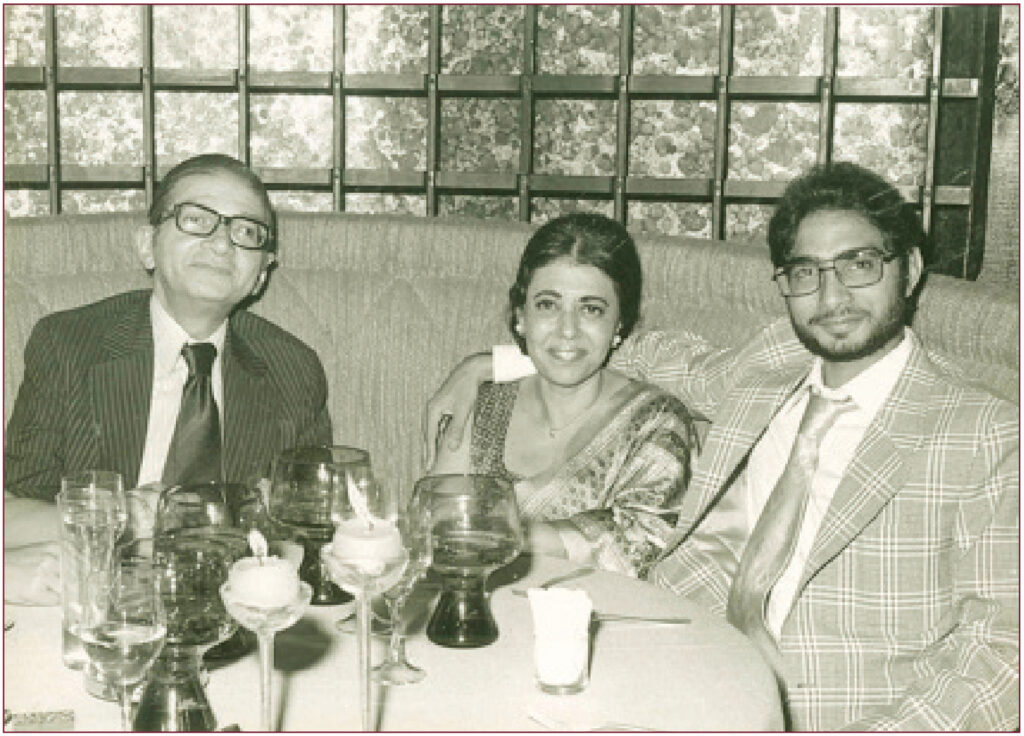
Shroff believes such acts of benevolence are the Hong Kong way. “Look at the number of charitable foundations established by our local tycoons,” he says. “They have profited by Hong Kong and are giving back. The favourite saying of my uncle, Rusy Shroff, was ‘To live is to give and forgive’.” In 2017, three months before Rusy Shroff passed away at age 100, he established the Rusy and Purviz Shroff Charitable Foundation, which has since given more than HK$200 million to charities in Hong Kong, mainland China and India.
Essense of Home: Live in uplifting harmony with a personalised fragrance pervading the air
Home scents play a significant role in enhancing our living spaces and overall well-being. They can add a sensory layer to our décor, creating a cosy and inviting ambience that makes each room feel more welcoming.
Fragrance is known to influence mood. Certain smells can evoke feelings of happiness, relaxation or energy, which in the home creates a positive vibe. The essential oils at the heart of home fragrances also have therapeutic benefits, such as reducing stress, promoting sleep or boosting immunity. These aromas can easily permeate indoors through reed diffusers and humidifiers as well as candles and sprays.
For bespoke home-scent enthusiasts, we have curated a list of exceptional Hong Kong brands and other dedicated shops in the city that craft unique, personalised fragrances able to turn ordinary spaces into exquisite sanctuaries. In these olfactory havens, artistry and expertise converge.
Maison 21G
Founded by scent designer Johanna Monange and boasting a flagship boutique in Paris, Maison 21G is a perfume house that redefines the art of bespoke fragrances. At two intimate outlets in Hong Kong, in IFC Mall and Hysan Place, customers collaborate with expert perfumers to create their signature scent. When dipping into an extensive library of premium ingredients sourced from trusted producers, the possibilities are endless. From the initial consultation to the final blend, the team guides clients through a sensory journey, ensuring a truly personalised fragrance that resonates with their essence.
Maison 21G also empowers you to craft unique home scents from a choice of more than 20 perfume extracts. Whether encapsulated within a scented candle, a reed diffuser or oil burners, your home fragrance becomes an extension of your style and personality. All of their reed perfumes have high levels of natural essences and are clean, vegan, cruelty-free, CMR-free and without parabens, phthalates or preservatives. Handcrafted with a 100% biodegradable base of Augeo Crystal, the diffuser is safe to be breathed by the whole family, including any furry friends. maison21g.com
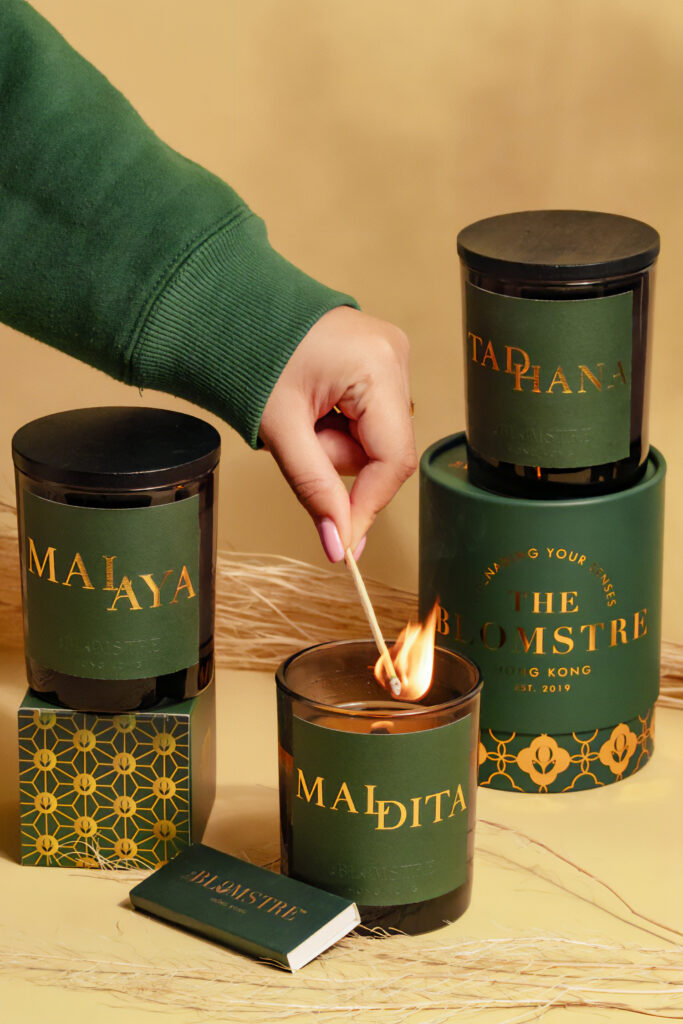
The Blomstre
Purveying handcrafted soy-wax candles, fragrance sprays and essential oils, all carefully crafted to evoke emotions and create an ambience, The Blomstre shines as a beacon of bespoke home scents. From their studio in North Point, husband-wife duo Jerwine Bonafe and Aaron Que channel their Filipino artisanal heritage into curating a selection of contemporary fragrances that transport clients to serene environments – the brand name is Norwegian for to bloom or flourish. Inspired by a love of botany and aromatherapy and focusing on sustainability and eco-friendliness, their products not only delight the senses but also align with clients’ values. The charming collection is available at selected local shops including Bookazine. theblomstre.com
Fragrance House
A veritable treasure trove of bespoke home scents, Fragrance House is a family-run business whose extensive collection of fragrances ranges from fruity and floral to woody and oriental, all handmade in Hong Kong. Playful Polaroid-style packaging in Pantone colours extends the pleasures of their creations from olfactory to visual. These aromatic delights are available at gift shops throughout the city, including Log-on and CCCCCc Select.
Whether you are a fragrance connoisseur seeking a signature perfume or a unique gift, or just curious about scents, Fragrance House invites you to embark on a journey of discovery. With a commitment to quality and customer service, the team offers personalised consultations, guiding clients through their vast selection of more than 30 aromas to find the perfect scent. By embracing the art of perfumery and the science of scent, they create unique experiences that elevate the senses and transform spaces. fragrancehousehk.com
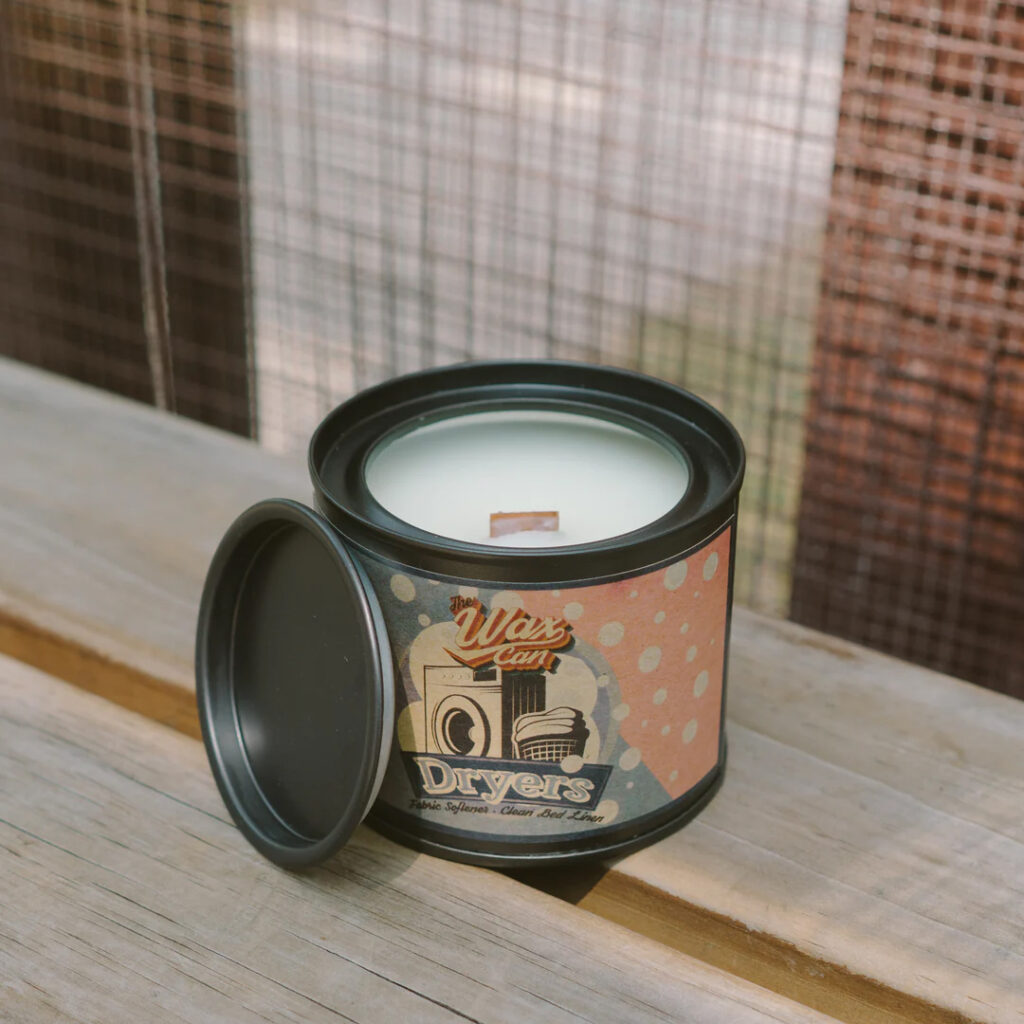
The Wax Can
Founded by a self-proclaimed fragrance rebel, The Wax Can stands out as a must-have for those seeking truly unconventional fragrances. The innovative brand, available from the Fingers Work x The Wax Can boutique at Airside in Kai Tak and CCCCCc Select stores, offers eccentric collections of scented candles, incenses, room sprays and diffusers, each paired with a Spotify playlist to create a multisensory experience that redefines the concept of home scents. With aromas evoking Hong Kong experiences – think Iced Lemon Tea, Chungking Curry ¬and Tuen Mun Ferry Pier – it pushes the boundaries of traditional perfumery, experimenting with unexpected ingredients and collaborations with local artists.thewaxcan.com
Truly, these bespoke home scents captivate the homes and offices here in Hong Kong. This new breed of bespoke home scent shops are captivating locals and visitors alike with their unique blends and customisable offerings.
These niche fragrance boutiques have tapped into a rising demand for individualised scents that can transform a space and evoke a mood. Gone are the days of generic, mass-produced candles and reed difusers. In their place, Hong Kong’s discerning consumers are seeking out small-batch, artisanal home fragrances that tell a story.
People these days are looking for scents that reflect their personal style and lifestyle. They want to create a sensory experience in their homes that is unique to them. Whether it’s the carefully curated natural ingredients or the traditional Chinese medicinal blends, Hong Kong’s bespoke home scent shops are offering something unique.
Ill Feeling: Hypochondria is a living hell for those whose profound fears about their health cannot be relieved
Anxiety, an increasing concern in recent years particularly among young people, is detrimental to health, but what if it is excessive worry about your health that troubles you? Exaggerated feelings of unease about having or developing a serious undiagnosed medical condition are nothing new. The Greek physician Hippocrates first used the word hypochondria in the fifth century BCE, and it has been the subject of discussion and study through every era since, with a vast and bewildering literature dedicated to the subject.
Around the 17th century, hypochondria had come to denote a mysterious and melancholy condition thought to result in an imbalance in the organs of the abdomen; then gradually, it was used to refer to any illness without a detectable cause. It is generally considered shorthand for an illness that is all in your head.
Hypochondriasis is a psychiatric disorder with very specific diagnostic criteria. Health anxiety is a much broader term used today to describe such conditions, which can encompass depression, various anxiety disorders, chronic illness and pain, among other problems.
A diagnosis of hypochondriasis or illness anxiety disorder usually entails the following: a preoccupation with a fear of having a serious disease based on misinterpreting the meaning of physical symptoms, which persists despite medical tests showing nothing is wrong and reassurance from doctors, is present for at least six months, and is not focused exclusively on a concern about physical appearance; and an awareness on some level that this fear may not be 100% accurate.
Personal battle
British writer Caroline Crampton lives in constant fear that there is something seriously wrong with her. In a moving and heartrending story of a hypochondriac in the throes of despair, she details her personal battle with the debilitating condition.
It all began when she was 17 and developed blood cancer, which was only discovered after a tumour had appeared on her neck. Following several gruelling rounds of chemotherapy, she was given the all-clear, but even though she was cured, she became ever-alert to potential new symptoms, constantly worrying that the cancer may have returned. “The fear that there is something wrong with me, that I am sick, is always with me,” she says in a BBC podcast of her memoirs called A Body Made of Glass.
She tells of a bus journey “half listening to somebody else’s phone call, when I suddenly went deaf”. Her heart beat faster and faster as the fear grew stronger, and her vision blurred into “a sparkling circle of refracted rays”. This sudden loss of hearing and sight happened three more times that week. “There was no pattern to it. I saw a nutritionist, a neurologist, a urologist, a cardiologist, a psychiatrist and an endocrinologist,” she shares.
Contradictory fears
None of her tests showed anything unusual, so she had an MRI. As she lay motionless in the machine, she oscillated between two contradictory hopes: “I really wanted the scan to find something, so that I would have a name to put to my symptoms, and I was terrified that it would deliver the devastating news that I had some life-altering illness.”
Another disturbing thought niggled at her, could she even be satisfied with the results, or would her impulse toward hypochondria convince her that there was something else lurking unseen just out of reach?
The scan revealed nothing of concern, and this was the end of the road diagnostically. The answer to the baffling question of her hearing and vision problems was never discovered. She was given a small daily dose of a medication for low blood pressure, which reduced the number of episodes from several a week to just a few a year. “I still take this pill every day, dutifully refilling the prescription every month, despite having no idea why I am doing so or what malfunction of my body it is treating,” she says.
Nothing is wrong
Crampton has lost count of the number of times that she has been to the doctor only to be told the best thing to do is nothing at all. “This is hard advice to receive; the human craving for satisfying narrative demands an explanation for our suffering. Do something it screams – make an appointment, swallow a pill, take a test.”
It took her a long time to entertain the idea that she might be a hypochondriac. It was much easier for her to see in hindsight. She had been encouraged by doctors to pay close attention to how she was feeling, in case she could pick up on an early warning sign of recurrence of her cancer.
Following her all-clear, she gradually came to realise that her level of interest in her fluctuating state of wellness was far from the norm. The sheer variety of procedures she had undergone had given her a level of comfort with the rarer elements of medicine that was unusual.
Good at being unwell
“More than that though, the awareness crept up on me that I spent much more time and effort on this aspect of life than anyone else I knew, even though I supposedly had no active conditions requiring treatment. At some point, my responsible cancer survivor behaviour had morphed into something else. Rather than worrying about actual developments with my illness, the worry itself had become the problem,” she reveals.
“And it feels at times like having cancer for real was the training I went through so I could have a dozen other illnesses in my imagination. I am now very good at being unwell. I have had a lot of practice.”
She believes most people have some legitimate concern about at least one aspect of their health, whether it is a prior condition, a family history or an environmental factor. “Hypochondria creeps in when this justifiable anxiety expands well beyond the boundaries of the verifiable health concern. For example, when someone with a chronic back injury becomes convinced that they have mouth cancer.”
Safety and avoidance
People with elevated levels of health anxiety are known to rely on safety behaviours or often avoid feared situations. Safety behaviours may include seeking reassurance from family and friends, doctors, medical books or the Internet; requesting frequent unnecessary medical tests; and monitoring physical symptoms, such as pain, racing heart, dizziness or blurred vision.
Alternatively, some people with a form of health anxiety avoid feared stimuli, which keeps their fear alive over the longer term. They may put off medical tests or seeing a doctor, or talking to others about health, illness or a feared disease. Experts suggest these strategies are counterproductive and advise confronting feared situations directly, and accepting feelings of anxiety and fear rather than trying to control them.
Symptom management
There are no straightforward answers to this chronic mental illness. Cognitive behavioural therapy, stress management and mindfulness techniques, such as meditation, may help manage symptoms.
The impact of the Covid pandemic has lifted already rising rates of hypochondria, and a study in Norway has shown that high levels of anxiety about one’s own health can increase the risk of heart disease by up to 70%. As Crampton observes: “It would seem that worrying about being ill can, in fact, make you ill.”
Dragon’s Breadth: From the Tardis to the Iron Throne, Matt Smith is an acting ace on fire
Matt Smith has cemented his status as one of the most versatile and captivating actors of his generation. Beginning with his breakthrough role as the Eleventh Doctor in the beloved British sci-fi series Doctor Who, he soon gained plaudits for his portrayal of Prince Philip in Netflix’s The Crown, and now he’s bringing down the house (no potential spoiler intended) as another royal consort, Daemon Targaryen, in the slow-burning HBO blockbuster House of the Dragon.
Smith’s ability to inhabit complex, larger-than-life characters has earned him critical acclaim and a legion of devoted fans. Born in 1982, in Northampton, England, the young Matthew Robert Smith was a passionate athlete, excelling in sports like football and golf; he captained the Leicester City youth team before an injury put paid to his professional soccer dream. He had to be pushed by a teacher to participate in a school drama, but this discovery of the performing arts would ultimately shape the course of his career.
“I was always a bit of a performer as a kid,” he reflects. “I loved being on stage, entertaining people. It just felt natural to me, like it was something I was meant to do.”
Even before completing his Drama and Creative Writing degree at the University of East Anglia, Smith was treading the boards with the National Youth Theatre. More stage roles and a sprinkling of television credits followed, but when he caught the eye of the Doctor Who production team in 2009 and was announced – at just 26 years old and a relative unknown – as the Eleventh Doctor, the startled British entertainment media quipped “Doctor Who?”
Right on Time
Smith’s tenure as the iconic Time Lord (2010-2014) proved pivotal and it was a test he passed with flying colours. Tasked with stepping into the shoes of revered actors like Patrick Troughton, Jon Pertwee and Tom Baker, and more latterly Christopher Eccleston and David Tennant, he brought a unique blend of youthful energy, quirky charm and dramatic depth to the role.
“When I got the call to be the Doctor, I was over the moon,” he recalls. “It was a dream come true, but also a huge responsibility. I knew I had to make the part my own while respecting the legacy of the character.”
His portrayal was widely acclaimed – he even secured the Doctor’s first Bafta TV nomination for Best Actor. Smith quickly became a household name, and his memorable performances and eccentric wardrobe were the stuff of pop-culture legend.
Jewel in The Crown
After leaving Doctor Who in 2013, Smith continued to showcase his versatility, tackling a wide range of roles in film, television and theatre. In 2016-2017, he earned critical praise for his portrayal of Prince Philip, opposite Claire Foy as Queen Elizabeth II, in the first two seasons of The Crown. He captured the complexities of the Royal consort with remarkable depth and nuance, receiving an Emmy nomination and an unexpected response from Philip’s grandson, Prince Harry.
“I met Harry once, at polo, which sounds a bit grand, but it wasn’t that grand,” remarks Smith. “And he walked up to me and went, ‘Granddad’.”
The actor adds: “It was a fascinating challenge to bring such an iconic historical figure to life. I wanted to explore the man behind the public persona, to understand his motivations and the weight of his responsibilities.”
Fire Starter
More recently, Smith has assumed the mantle of a very different prince – Daemon Targaryen in the highly praised and watched Game of Thrones prequel series, House of the Dragon. Channelling his signature blend of charisma and intensity, he has wowed audiences with his dynamic turns as the complex and often-controversial Targaryen prince.
The spin-off was a big gamble, considering the somewhat divisive reaction to Thrones’ series finale. It began promisingly, with many judging its 2022 pilot better than the entirety of GoT Season 8 – in no small part due to Smith’s presence as an arrogant swashbuckler – and has matured in the second season into a satisfying and occasionally terrifying battle of wills between, and within, the Greens and the Blacks.
Woke Bloke
The actor was recently hailed online for gently correcting a red-carpet exchange in which a reporter misgenders his House of the Dragon co-star Emma D’Arcy. During an interview at the Season 2 premiere, he discussed the climactic moment in the first-season finale when Daemon notifies Rhaenyra (D’Arcy) of the loss of her son, Lucerys. Sue Perkins, the host of Sky’s fan programme House of the Dragon: War Room, had earlier spoken to D’Arcy and used the wrong pronoun when telling Smith that “she gave you all the credit” for the scene.
“I can’t take the credit, [but] I have to say, aren’t they brilliant?” he answered smartly, using D’Arcy’s preferred ‘they/them’ pronouns. “They are absolutely brilliant and you’re in for a real treat with Emma this year, I think Emma’s put in … a really great performance.”
Smith has always lauded his co-star, and he recently confessed that part of what made filming Season 2 so tough was that he didn’t get as much on-screen time with D’Arcy. “It was difficult to do it without them because I love them – a person with real depth, sardonic humour and fierce intellect,” he remarked on losing D’Arcy as a scene partner.
Matt the Master
Smith’s ability to immerse himself fully in his characters is the result of meticulous preparation and a deep understanding of the material. “I don’t just memorise the lines and show up on set,” he explains. “I do extensive research, delving into the character’s backstory, their motivations, and the historical context of the story. I want to bring authenticity and depth to every role I take on.”
This dedication to his craft is evident in his performances, as he seamlessly transitions between the ranging emotional beats required of complex characters like the Doctor, Prince Philip and Prince Daemon. As he continues to captivate audiences, it’s clear that he is a master of his craft – a versatile and compelling actor who has left an indelible mark on the entertainment industry.
“Matt is an absolute masterclass in acting,” agrees The Crown creator Peter Morgan. “He has the rare ability to convey the full spectrum of human emotion, from the light-hearted and playful to the deeply haunting and introspective.”
Vanishing Whispers: Many thousands of minority languages have fallen silent. Can other last words be saved?
Of the some 7,000 languages currently spoken around the globe, it is estimated about half will cease as everyday spoken vernaculars by the end of this century. Indeed, many languages previously spoken are now no longer in use. Part of the issue is that historically most of the world’s languages have not been written and this intangibility hinders their preservation.
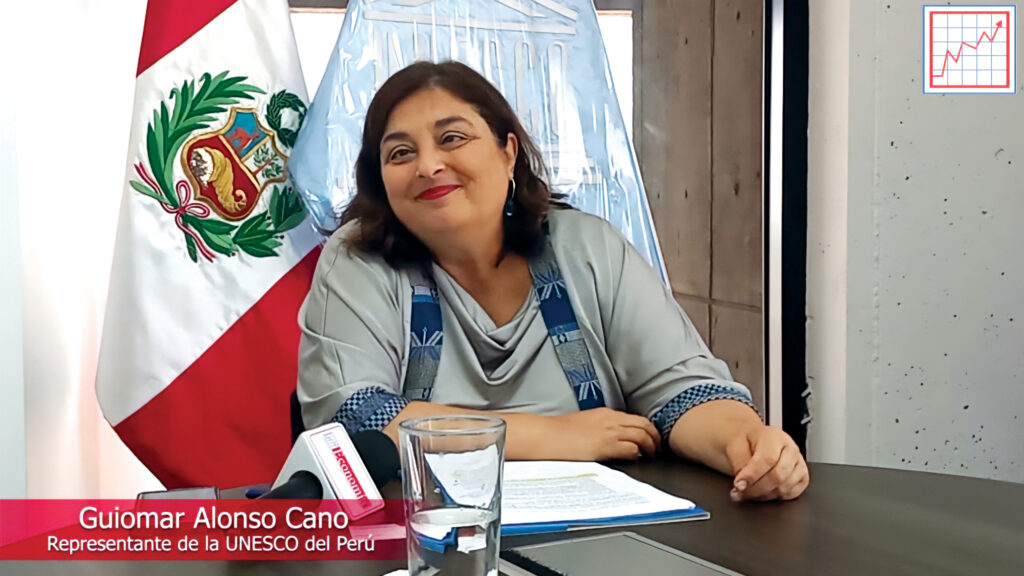
“With each language that disappears, a part of human life goes away with no possibility of return,” says Guiomar Alonso Cano, the Unesco Representative in Peru. “Not only a vehicle of communication is extinguished, but also a culture, a repository of knowledge, a system of thoughts, a way of seeing the world, a system of family relationships and values, and a force of citizenship.”
Unesco’s World Atlas of Languages indicates that about 250 languages have disappeared since 1950 alone. The majority of those in serious danger of vanishing now have less than 100,000 speakers – it is thought about 10,000 people is the minimum required for the intergenerational transmission of a language. Ultimately, this means some 2,500 languages could be lost out of the current international tally.
Power talks
Language shifts have occurred through the ages, with smaller languages often frozen out by those that are politically dominant. Indeed, following the Norman Conquest of England in the 11th century, English was hardly used for official purposes for about 350 years. Scholars suggest the sudden elevation of its status coincided with the rapid development of the written language. Other turning points in supplanting the interloping French lingo include Henry V’s shift to English in his correspondence, and the arrival of England’s first printing press in 1476, which afforded the publication of copious volumes in standard English.
Similarly, the languages of former colonial masters like Dutch in Indonesia and Portuguese in Goa are now hardly discernible as they are no longer perceived to have value.
According to anthropologist Mark Turin, an Associate Professor at the University of British Columbia, minority or local languages tend to fall away by design rather than accident. “They are often steamrollered out of use by government policy, by nationalism, by colonialism,” he says. “There’s a real sense that the cultural processes of complex societies put pressure on local languages in service of global or national languages.”
Turin champions the need to preserve as many languages as possible. “It’s important that we have as good a snapshot of linguistic diversity as we can to get a sense of how different languages express the human condition, what they see in the environment and things around them,” he says. “We also owe it to future generations to have a comprehensive document of the expressive range of human language.”
Silent threats
While pressures on indigenous and minority languages have been weighty for some time, Turin believes a combination of technology and supranationalism is placing them under greater threat. Often the people themselves, while living on together as a community, stop speaking their native tongue. “They shift to another language,” he says. Natural, political or cultural disasters, or even genocide and disease, have historically devastated communities.
The twin but distinct forces of colonialism and capitalism have played a key part in marginalising local languages, according to Turin. Where settler colonialism was at its most pernicious – in places like North America, Australia and New Zealand – indigenous communities were uprooted, relocated or in some cases annihilated. The colonists then introduced an external language through administration and education.
He cites his own country, Canada, which has been widely applauded for its federal commitment to English and French bilingualism, as a prime example. “[This is] great in some ways; at the same time, how curious and perverse that this country celebrates and accords a lot of resources to two languages, neither of which are from here, both of which came from somewhere else.”
Capitalism has not been particularly supportive of minority languages since at its core is the need for a central language to facilitate the free flow of commerce. While most of the world has throughout history spoken more than one language, the utility afforded by an international tongue explains why people start dropping their local language. “Capitalism and colonialism often reinforce the ideology of a single language for all, promoting monolingualism,” notes Turin.
Right to speak
He believes people should not have to fight for the right to speak their own language: “This is a fundamental human right, enshrined by the United Nations and many other organisations.” The UN has shown symbolic and political leadership by introducing an international decade (2022-2032) of Indigenous languages.
Research in Canada has indicated that in areas where local languages are still spoken and cultural continuity is strong, the rate of indigenous youth suicide rate drops to zero. “That’s a really interesting, powerful correlation,” says the anthropologist. “What the causation is, we’re not quite sure.”
Many communities in North America have sought support for the preservation of their indigenous and minority languages, and Turin says a combination of support mechanisms is needed to turn the tide: money and resources, as well as positive public policy and governance, and systems-administration legislation.
Shout-outs of hope
Although many languages remain under threat, extraordinary stories of resurgence, of languages bouncing back against all odds, give some grounds for optimism. The work of Jessie Little Doe Baird, founder of the Wôpanâak Language Reclamation Project in the indigenous Wampanoag communities of Massachusetts, in particular, has been singled out for praise. Such was its success in reviving a language which had not been spoken in 150 years that Baird was named in 2020 as one of USA Today’s Women of the Century.
Linguist Daryl Baldwin is also to be commended for his support of the Native American Myaamia people and their language in the Midwest. His focus has been on developing culture- and language-based educational materials to boost the numbers of native speakers in the community.
As Turin has cited, successful language revitalisation programmes need the marriage of money, resources and accommodating public policy. Among the best examples of language uptick are in the US state of Hawaii and among the ethnic Māori of New Zealand. “You can do a PhD in Hawaiian and a PhD in Māori, and defend [a court case] in Māori,” he says, while highlighting the plethora of newspapers, poetry and songs in these local languages.
Other language revitalisation projects across the Himalayas and North America are producing amazing results. “The Mohawk community [in southeastern Canada] has done incredible work, documenting their own language and producing new generations of speakers,” he says.
Voice for change
New technology such as WhatsApp and other forms of audio and video messaging can be hugely powerful in preserving and revitalising minority languages. The availability of podcasts through the radio is another formidable tool. “I’m excited by how minoritised communities and languages are making use of technology in powerful and compelling ways,” says Turin.
Ongoing globalisation and its technical interconnectivity can provide opportunities for languages to flourish. A recent book, Language City by Ross Perlin, co-director of New York-based Endangered Language Alliance, spotlights how globalisation has produced diaspora communities who carry their languages with them when they move and migrate. His organisation has identified about 700 languages spoken in New York and many of these communities resist pressure to stop using their local tongue in a bid to preserve something of their culture.
“There are now, in New York City, more speakers of some languages from northern Nepal than there are in the homeland villages from which they originated,” says Turin, highlighting how languages are highly mobile and can become reanimated in very different areas when a density of people settles there.
Help Wanted: Not all jobs will be for life as technology shapes the skills employers want
The employment market is seeing a radical change of jobs in demand – a movement driven by technology and global trends that will only intensify in the next five to 10 years. For those starting their career or determined to keep their rise to the top on track, an understanding of the future skills sought by employers is essential.
Tech advancements, automation and the onset of artificial intelligence are transforming industries, leading to the need to acquire new skill sets to succeed. In addition, the march of globalisation is ushering increased interconnectedness and trade patterns, which will affect future jobs. Another key factor is climate change which is driving the push for sustainability and demand for so-called green jobs that require a sound knowledge of environmental issues and policies.
The pandemic has also shifted work patterns towards remote and hybrid models in many parts of the world. Juan Pierre Dorfling, Gough Recruitment’s Managing Director for Asia, says remuneration will always play a part in the career paths and jobs people seek. However, he has noted that top-quality candidates are increasingly seeking roles where there is a better work-life balance and more flexibility.
On the flip side of employees seeking flexible work is the major disruption to skills required in the workplace that has occurred already and will continue. The Future of Jobs Report 2023 compiled by the Swiss-based think-tank World Economic Forum estimates that 44% of workers’ skills will be disrupted in the next five years. The report is based on survey-based data covering the expectations of a wide cross-section of the world’s largest employers and relates to the years 2023-2027.
Tech-savvy hiring
The survey suggests cognitive skills such as the creative thinking required for complex problem-solving in the workplace are growing in importance more quickly than analytical skills. Technology literacy is the third fastest-growing core skill.
Talent acquisition expert Dorfling concurs. “STEM skills will increase in demand, with a global emphasis on science, technology, engineering and maths, and soft skills such as adaptability, emotional intelligence and creative problem-solving will be crucial as automation handles routine tasks,” he says.
Like many analysts, he expects AI tools will be integrated into the daily workflow to perform routine processes. Indeed, the World Economic Forum indicates that more than 75% of companies are looking to adopt big data, cloud computing and AI feature technologies in the next five years. Education and workforce technologies are also a high priority for many companies surveyed.
Data-driven
The good news is that the impact of most technologies on jobs is expected to be a net positive over the next three years, according to the World Economic Forum. Big data analytics, climate change and environmental management technologies, and encryption and cybersecurity are expected to be the biggest drivers of job growth.
“Data scientists who analyse big data to inform business decisions will be in demand,” says Dorfling, adding: “As digital transformation progresses, protecting data will be paramount. Skills related to green-energy solutions will also see growing demand. Healthcare workers, particularly those specialising in mental health and geriatric care, will also grow in demand.”
Roles of the future
Professions in demand now and for the future include AI ethicists, whose role is to ensure AI systems are developed and used ethically, and cybersecurity analysts dedicated to protecting systems and data from cyber threats. The latter’s job description may span ethical hacking and penetration testing to identify vulnerabilities, monitoring and analysing network traffic for suspicious activity, and managing and mitigating security breaches.
Other desirable new tech jobs are IoT (Internet of Things) architects, who design interconnected systems and devices, and AR/VR developers, who create immersive virtual and augmented reality experiences. Renewable energy consultants who advise on the implementation and optimisation of sustainable energy solutions also possess highly marketable skills.
Secure jobs
Despite the technological advances and macroeconomic developments affecting job prospects, certain types of employment are unlikely to go out of favour. The education sector will continue to attract teachers and staff to develop future generations, while chefs, farmers and food service workers will remain in demand. Healthcare professionals such as doctors, nurses and carers, for instance, will always be needed as the global population ages, and trade skills such as plumbers and electricians will remain essential.
Conversely, of course, many jobs will be threatened over the ensuing years as technology and digitalisation begin to bite. The World Economic Forum report predicts the fastest-declining roles will be clerical or secretarial, with the employability of bank tellers, postal service clerks, cashiers, ticket clerks, and data-entry clerks most at risk.
Hong Kong adaptability
Not only is the Hong Kong labour market affected by these global structural changes, emerging local and regional economic policies such as the Greater Bay Area initiative will also impact job opportunities, says Dorfling. He believes there will be a growing local need for tech-savvy workers as more industries digitalise, and many will require training so they are better able to adapt to technology. “Proficiency in Chinese and English will become increasingly valuable,” he notes.
Given Hong Kong’s established role as a financial hub, he forecasts FinTech knowledge will be crucial. He also foresees the healthcare and biotechnology sectors playing an increasingly important role due to the city’s ageing population and increased health awareness.
Growth in these areas of the local economy will drive the need for in-demand specialist skills like artificial intelligence and machine learning. Dorfling also sees sustainability consultants enjoying an uptick in fortune as businesses transition to eco-friendly practices.
Barriers to success
He is concerned, however, that there may be a lag in Hong Kong education systems adapting to the new skills required. As companies face challenges in navigating new regulations in areas of embryonic technology development, he suggests other jurisdictions may have adapted to innovation and regulations rather more effectively. Another worry is that both employees and companies may struggle with the cultural shift towards remote work.
Inequities in technology access can create a digital divide. According to the World Economic Forum survey, only half of workers are seen to have access to adequate learning opportunities.
Change to thrive
As a seasoned HR specialist, Dorfling advocates lifelong learning and embracing innovation. “Continuously updating skills and knowledge is crucial,” he says, advising those in the workforce to “build and maintain professional connections within and outside your industry”.
He also recommends being open to change and willing to pivot careers if necessary, plus maintaining a strong online presence and professional brand. A focus on well-being is increasingly important, too. He notes: “As the lines between work and personal life blur, prioritising mental and physical health is essential.”
Gold Rush: With the precious metal surging to record highs, future investments look golden
Gold has held a captivating appeal through the ages, from the pharaohs with their golden masks to the limited-edition gold smartphones of today. The precious metal is a symbol of wealth, prestige and power, and both nations and individuals crave it. Traditionally it has been seen as a hedge against inflation, and over the last year its desirability has been exceptional.
China’s glittering prize
China is the largest producer of gold, followed by Australia, Russia, Canada and the US. The mainland topped the gold-mining charts with an output of 370 metric tons last year – from a worldwide total of about 3,000 metric tons. Its consistency in this regard is treasured, with the country unearthing over 300 metric tons annually for more than a decade. In the past two years, it has also overtaken India as the world’s biggest consumer of gold.
Gold reached a record high of US$2,450 (HK$19,132) per ounce on 20 May this year. According to many analysts, Chinese demand is one of the chief factors behind the recent price hikes. “China has been showing the biggest increase in demand for gold with a year-to-year increase of 68% in their purchases of physical gold in the first quarter of 2024,” says Joshua Rotbart, founder and Managing Partner of precious metals trading firm J. Rotbart & Co.
Rotbart opines that the weak Chinese currency during the first two months of 2024 was a major factor, motivating locals to preserve their wealth in a so-called safe-haven asset. An added dimension to the situation in China is that both the property and equities markets have been underperforming and showing instability. Its central bank added a whopping 225 tonnes to its gold reserves last year, easily surpassing actions of its peers.
Sam Kima, Senior Vice-President of bullion services provider First Gold, says profit-making options available to local investors have become very limited on the mainland, and that the Shanghai Gold Exchange benchmark price has been rising faster than international prices for the past couple of years, highlighting intense Chinese demand.
Jewellery bling
The Chinese middle class has perhaps taken reassurance from its central bank and is eyeing gold as a way of preserving fortunes in the absence of alternative overseas options, such as buying US dollars or US-denominated products. Many are turning to gold jewellery. The World Gold Council reported that sales of gold jewellery in China last year reached a record high of 282 billion yuan (US$39 billion).
Some analysts speculate that the increased demand for gold jewellery on the mainland is partly due to the rise of the guochao or ‘China chic’ trend, as a way of celebrating Chinese heritage and identity. The ancient goldwork techniques and skilled craftsmanship are appealing, as well as the long tradition of gold being a valuable commodity to hedge against currency devaluations and collapsing property prices.
This trend is having some interesting consequences in China, as the Gen Z turns to gold in increasing numbers. “Young consumers, disillusioned by non-performing promises for making a quick buck, are moving back to a traditional asset that has proved its value,” says Rotbart.
“Jewellery investments have their own advantages such as using it as accessories or passing down wealth to the next generation, which is very common in the Chinese culture. However, gold jewellery comes with high fees charged by the makers and the retailers,” he adds, while pointing out the need to melt jewellery into gold bullion.
Raising the bars
Owning physical bars and coins provide the advantage of pure 24-carat gold investments with minimal fees, whether buying or selling. “Physical bar and coin investment would definitely be recommended in order to preserve your wealth for the long term,” he notes.
Kima says many gold jewellery brands in China are adopting innovative marketing approaches to capture the attention of young consumers attracted by the traditional Chinese aesthetics and cultural elements of the jewellery. He also points out gold is hypoallergenic, does not tarnish, and retains its value over time, presenting promising appreciation compared to other jewellery.
There have been some reports in China of jewellery scams, such as pieces containing large amounts of silver and rhenium. “Gold extracted by amalgamation or cyanidation contains a variety of impurities, including zinc, copper, silver and iron, and all of these metals are rising together on an acclivity trend,” says Kima of jewellery made with impure gold.
Economic stability
The bulk of the recent huge demand for gold came from purchases made by central banks, according to Kima, despite periods when the US dollar and Treasury yields were rising. “By holding gold, countries can instil confidence in their economic stability, especially during financial uncertainty,” he says.
“While the gold standard is no longer widely used, some countries still view gold reserves as a means to maintain currency stability. Gold is a tangible asset; by holding it in their reserves, countries can diversify their overall portfolio. This diversification helps mitigate the risks associated with fluctuations in the value of other assets.”
Alongside China, the world’s largest gold consumer, Kima says India and Turkey have also been players recording recent strong demand. “Traditionally, India is also a helping hand during the first few months of the year, as demand in the world’s second-largest consumer for the precious metal increases due to the wedding season,” he shares.
Global uncertainty
Rotbart attributes the “phenomenal” ascent in the price of gold to a culmination of circumstances, including higher levels of debt around the world due to increased expenses on security; geopolitical uncertainties, especially the Russia-Ukraine war, the Iran-Israel conflict, the war in Gaza, and the looming elections in the US; record net purchases by central banks around the world; and expectations of lower interest rates. “Gold performs better in a low-interest environment,” he notes.
Likewise, Dr Vineet Agarwal, Reader in Finance at Cranfield School of Management, cites several interlinked factors behind the recent rapid price upswing. He notes that sanctions on Russia saw several countries (led by China and Russia) attempting to switch bilateral trade to their own currencies from the US dollar, sparking increased demand.
Agarwal believes the “hedge against inflation” argument for buying gold is an oft-repeated claim without much basis in fact. However, he foresees an increasingly important role for gold in global trade as certain countries try to move away from the US dollar for geopolitical and strategic reasons. He says efforts by the BRIC countries – Brazil, Russia, India and China – to try to come up with an alternative currency “will lead to a move back towards something on the lines of the Bretton Woods system and an increasingly important role of gold in global trade”.
Under the Bretton Woods Agreement of 1944, the convertibility of independent states’ currencies to US dollars was guaranteed within fixed parity rates, alongside the rate of convertibility of the dollar into gold bullion.
Go for gold
Rotbart echoes this point by stating that the top three gold-producing countries – China, Australia and Russia – are less dependent on the US dollar as they have trusted reserves in the form of gold during trade wars or geopolitical conflicts. He believes the demand for gold in terms of central bank purchases looks set to continue upwards despite record-high gold prices, reflecting the attractiveness of gold as a safe-haven asset.
He also reveals funds are being diverted to buy “physical gold” as opposed to “paper gold” due to its desirability and lack of counterparty risk, and the fact it’s not a financial product.
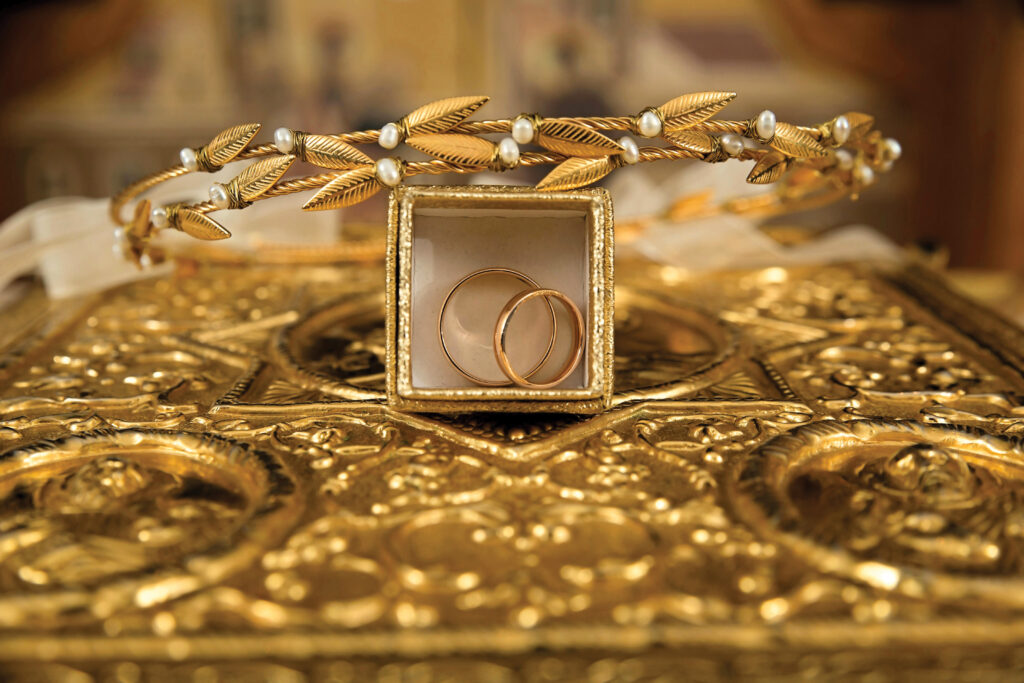
Photos: 3D-GOLD Jewellery (HK) Ltd
Treasure Chess: Play it close to the heart with handcrafted customised sets fit for your King and Queen
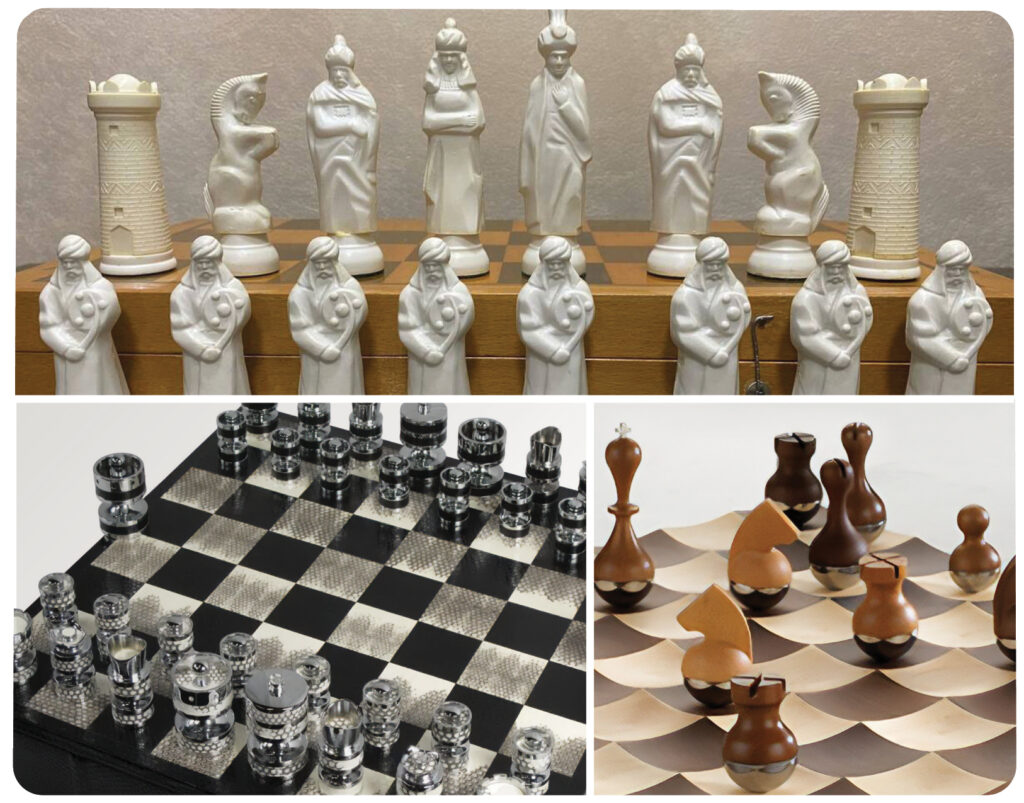
The game of chess has been played and loved since its known origins circa sixth-century India, and it remains to this day as a metaphor for dynamic strategy and intellectual prowess. What can make the challenge even more special is plotting your next move with chess pieces moulded according to your taste, whether through material, shape or size.
Bespoke chess sets have become a sought-after luxury item for chess enthusiasts and collectors alike. These unique, custom-designed offerings offer a level of personalisation that goes beyond mass-produced, generic sets. Different motivations drive the demand for bespoke chess pieces. For some, it’s the desire to express their love of craftsmanship or individualism. For others, it’s the opportunity to create a family heirloom or special gift.
Whatever the reason, bespoke chess sets have become a status symbol and there are specialised companies out there ready to make your personal chess ambitions a reality.
Neochess
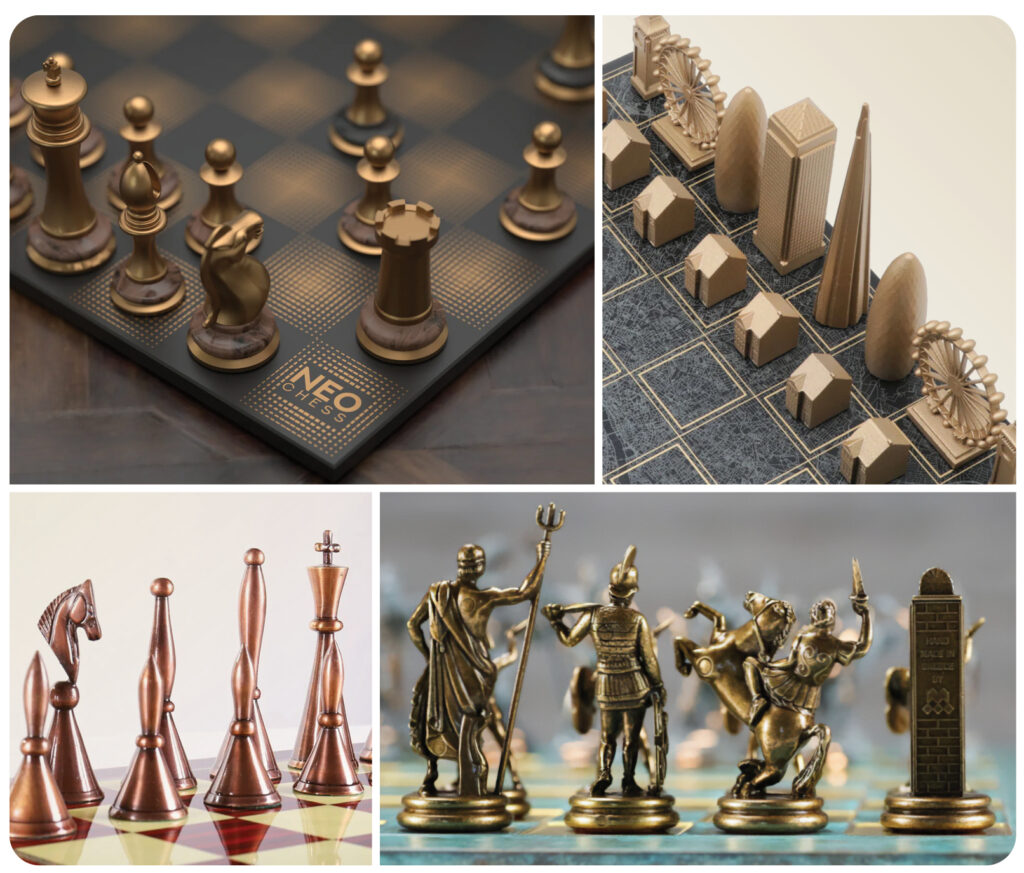
Founded by London-based architectural designers Ian Flood and Chris Prosser, Neochess offers an exclusive bespoke service allowing clients to customise every aspect of their chess set so that it reflects their personality. From the material, which embraces options like wood, steel and bronze, to the design, the bespoke possibilities are endless. Alternatively, keen players can adapt the company’s classic Staunton set according to their preferred colour and feel to own personalised pieces that glide stylishly across the board.
Neochess believes that chess is more than just a game – it’s an art form. Which is why it is committed to creating chess sets that are not only functional and practical but also beautiful and inspiring. neochess.com
Skyline Chess
Skyline Chess is Flood and Prosser’s original venture, which saw the light in 2013 following a discussion about architectural masterpieces over a game of chess. Using their design acumen, the pair created chess sets featuring iconic city skylines and buildings. They began with London; Paris, New York, Dubai, Tokyo, Singapore and others followed. Crafted in stainless steel or bronze with the option of a marble or wooden board, the sets make perfect gifts or keepsakes of a memorable stay in a world city. They offer a way to capture a city close to your heart and keep it with you at all times. The board and packaging can be customised with company logos and messages.
Replete with intricate pieces, these collections will have the city’s tallest buildings as King and Queen, while Knights and Bishops are usually historical landmarks of the respective location. Special editions pitch one place against another for a two-city chess challenge. skylinechess.com
Geoffrey Parker
Having crafted luxury leather board games by hand in Essex, England, since 1958, Geoffrey Parker is recognised for making the finest chess sets in the world. The family legacy is steeped in chess history; their master craftsmen made the leather boxes and chessboards for the iconic 1972 World Championship match between Boris Spassky and Bobby Fischer in Reykjavik, Iceland. This momentous event cemented the company’s reputation for unwavering quality, innovative design and unparalleled craftsmanship.
Combining tradition with innovation, their exceptional customised chess set begins with a leather box of sumptuous hide selected from a wide range of colours. The high-quality, hand-carved chess pieces come in a choice of sizes and styles. These beautiful sets provide the most pleasurable of games or a standalone interior-design feature ¬– they can become an ornament in any space.
Geoffrey Parker brings a touch of fun and nostalgia to chess sets for children, utilising its printing machine to recreate a series of themed watercolor illustrations onto the leather and featuring pieces of hand-painted crushed stone and resin. Themes include J.R.R. Tolkien’s Lord of the Rings, Beatrix Potter’s The Tale of Peter Rabbit, and Arthur Conan Doyle’s Sherlock Holmes. vv.com
Chess Clubhouse HK
Founded by James Ho, this Hong Kong-based venture combines a chess club that encourages the game to flourish in the city with an online shop. It offers a range of bespoke chess sets combining traditional craftsmanship with modern design. The Chess Clubhouse HK collection caters to diverse tastes and preferences, from handcrafted wooden pieces to digital electronic chess sets. Top-of-the-range boards come with additional features and pair handmade artistry with artificial intelligence. chess-clubhouse.com
Whether you are a chess enthusiast, a collector or someone who appreciates the beauty of bespoke craftsmanship, the unique chess sets of these four names are sure to impress. Each is a work of art, meticulously crafted to offer an unparalleled playing experience. Indeed, chessboards are more than just a game for these artisans; they are a statement of sophistication and a showcase of bespoke artistry where creativity knows no bounds.
Customised chess sets are designed to be cherished for generations, offering a timeless appeal that transcends trends. So why settle for an ordinary chess set when you can own a masterpiece tailored to your individuality?
Step into any of these meticulously curated shops and you’ll be transported to a realm where every detail matters. The air is thick with the scent of polished wood and the faint sound of pieces clicking against ornate boards. This is where the true aficionados of the game congregate, seeking out the perfect set to complement their playing style and personal aesthetic. Truly, you can’t help but feel a sense of connection to the city’s vibrant past and the endless possibilities that the future holds. For in Hong Kong, the art of chess piece is not just a game – it is a testament to the city’s unwavering passion for craftsmanship, tradition and the timeless allure of the world’s most captivating strategy game.