




In the rarefied circles of global wealth, privacy has always been the final frontier of luxury. Long before the digital age, it was expressed through geography – private compounds tucked into alpine valleys; villas hidden behind ancient stone walls; islands accessible only by invitation. Today, however, the notion of privacy has evolved. In a world defined by data trails, algorithmic surveillance and constant exposure, true luxury is no longer about where one lives, but about how invisibly one moves through the digital world.
As artificial intelligence advances beyond utility and into orchestration, a new paradigm is taking shape: ultra-private AI-driven concierge services and ultra-private digital lifestyles. Together, they signal a profound shift in how the world’s most discerning individuals will live, interact and remain unseen in the decade ahead.
Concierge services have long been synonymous with refined living. Whether in the grand hotels of Europe or within the private offices of high-net-worth families, the concierge has served as a discreet intermediary between desire and fulfilment. Their value lay not only in access, but in anticipation – the ability to know what was needed before it was asked.
AI is poised to inherit and expand this role. The next generation of concierge will not replace human refinement, but amplify it through intelligence, memory and scale. These systems will be trained in deeply personal data preferences, habits and rhythms of life, yet will operate entirely within encrypted, closed environments designed for absolute discretion.
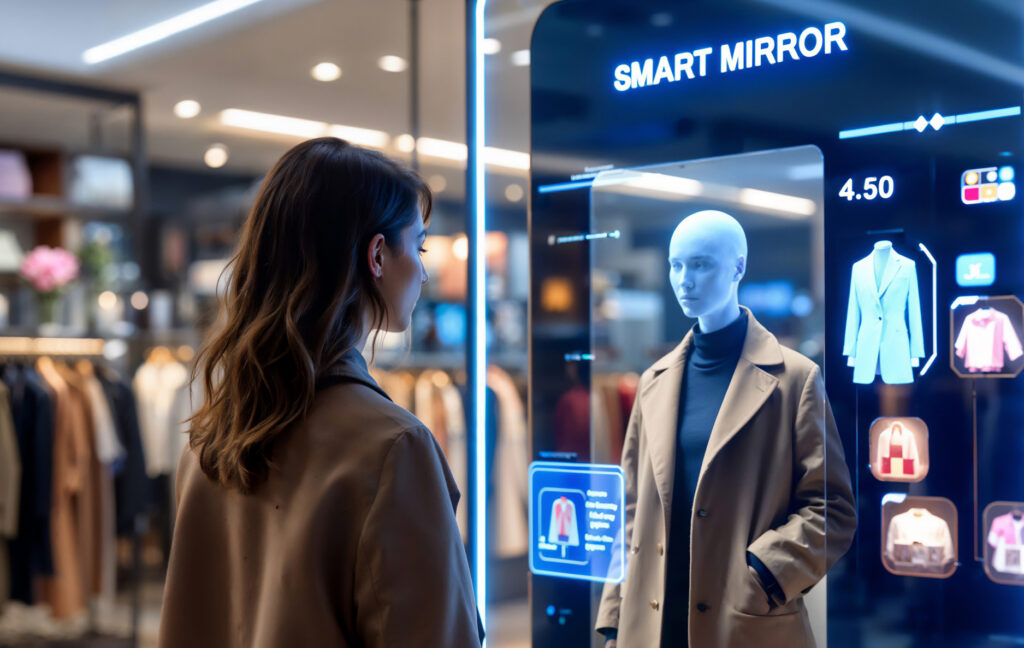
Self-Curated Control
Unlike mass-market digital assistants, ultra-private AI concierges will never ‘learn’ from the public cloud. They will be bespoke, sovereign systems, commissioned and controlled by their owners. Their function will be less about answering questions and more about safeguarding continuity, ensuring that life unfolds seamlessly, without interruption, explanation or exposure. In this future, the AI concierge becomes a digital custodian of lifestyle itself.
For the ultra-wealthy, discretion is no longer simply a preference; it is an expression of power. Ultra-private digital lifestyles will be built upon bespoke technological infrastructures: private servers, encrypted identity layers, AI-mediated communications and data vaults inaccessible to third parties. These systems will not be products one subscribes to, but environments one inhabits.
Digital footprints will be treated with the same care as physical ones. Just as a collector chooses provenance and rarity, individuals will curate their online presence or absence with intention. Transactions, travel, health data and correspondence will exist behind layers of intelligent obfuscation, visible only to systems designed to serve, not surveil. In this world, exposure becomes a choice rather than a risk, and invisibility becomes a mark of distinction.
Anticipated Appointments
Perhaps the most transformative promise of AI-driven concierge services lies in their ability to enable anticipatory living – a state in which life is not managed reactively, but orchestrated proactively. Through the integration of calendars, biometric indicators, behavioural patterns and contextual intelligence, these systems will quietly predict needs before they surface. A subtle rise in stress levels may trigger a recalibration of commitments. A lull in energy might prompt a change in environment. The AI does not intrude; it adjusts.
Travel becomes effortless. Flights are booked before wanderlust is articulated and villas are prepared before arrival is confirmed. Preferences follow invisibly, with lighting, temperature, cuisine and even scent ensuring continuity across continents.
Wellness, too, becomes seamlessly integrated. Nutrition plans adapt in real time. Sleep environments adjust automatically. Preventative care replaces intervention, guided by insights only an ever-present intelligence could synthesise.
Culture and social life are curated with similar precision. Invitations appear at the right moment. Conflicts dissolve before they form. Life begins to feel like a finely composed score rather than a series of discordant decisions.
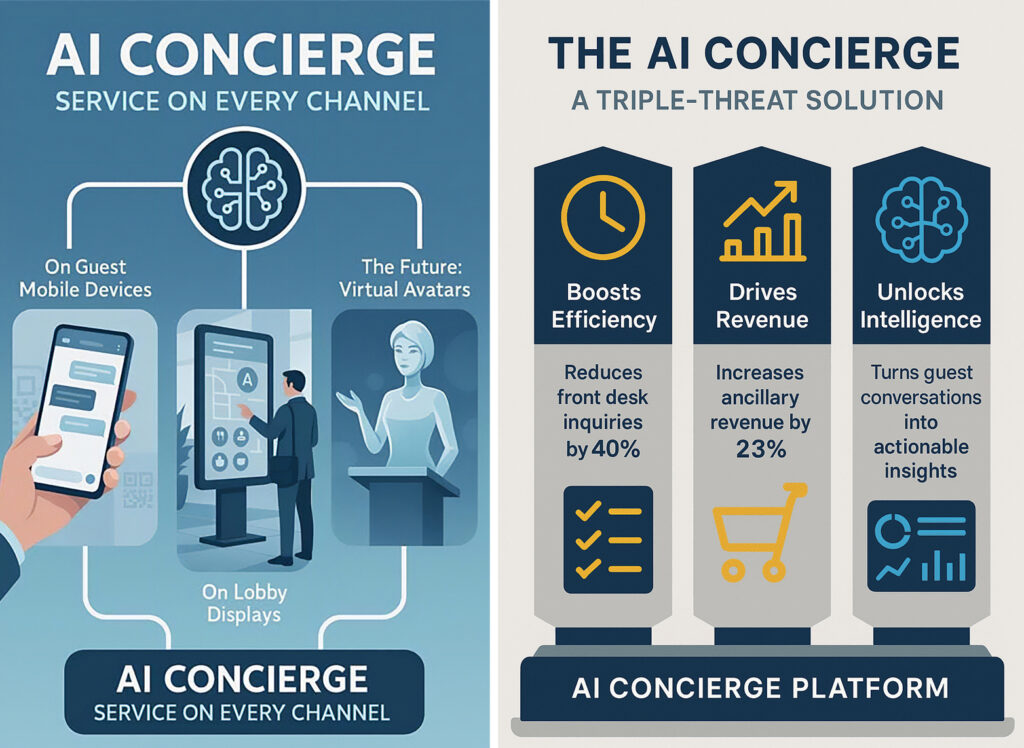
Castles in Cyberspace
To support such a lifestyle, digital architecture itself must be reimagined. The future will belong to personal digital fortresses – sovereign ecosystems where data is owned, contained and defended. These cyber citadels will function as encrypted vaults, housing everything from financial records to personal preferences. AI concierges will operate within these environments as trusted stewards, drawing insights without ever exporting identity.
When interaction with the outside world is required for the likes of booking travel, coordinating services and engaging with institutions, it will occur through anonymised, AI-mediated channels. The individual remains abstracted, protected by layers of intelligent distance. This model mirrors historical power structures. Just as castles once shielded nobility from physical threats, digital fortresses will protect modern elites from intrusion, exploitation and unwanted visibility.
Tailored Individuality
Luxury has always been defined by craftsmanship, rarity and intention. Technology, by contrast, has traditionally emphasised speed, scale and accessibility. The future of ultra-private AI lies at its convergence. Bespoke AI models will be commissioned much like tailored garments, trained exclusively on an individual’s values, history and worldview. No two systems will be alike. Each will evolve alongside its owner, refining its understanding with time.
Luxury brands will quietly integrate into these ecosystems, offering experiences and access layers unavailable to the public. Private collections, invitation-only releases and discreet services will surface only through secure AI channels.
Most importantly, the technology itself will fade from view. Screens will disappear and interfaces dissolve into gesture, presence and ambient intelligence. The highest form of luxury will be technology that does not announce itself at all.
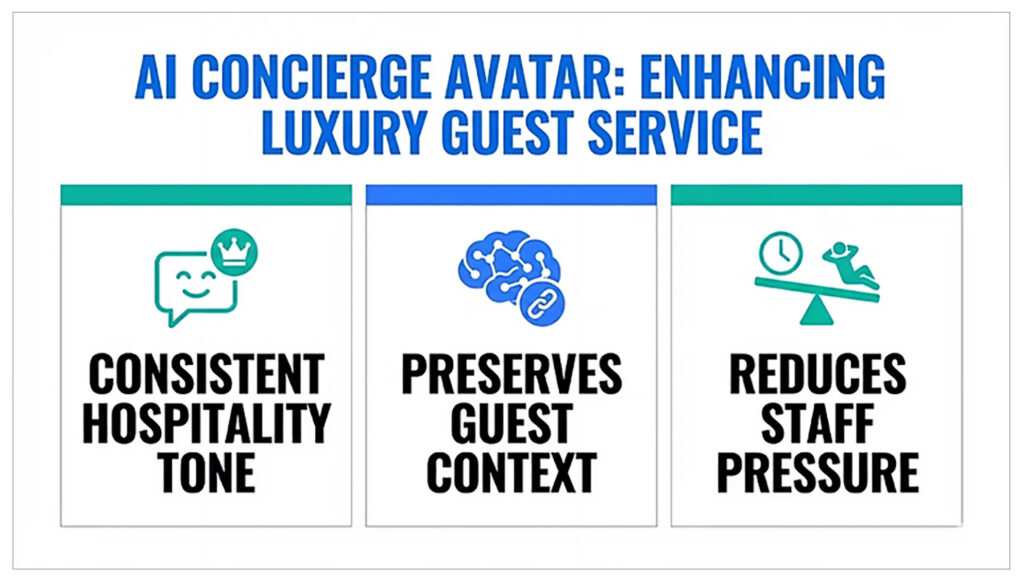
Digital and Ethical
The rise of ultra-private AI inevitably raises ethical questions. Who governs these systems? How is trust maintained? What safeguards exist against misuse? For the ultra-wealthy, solutions will emerge through private governance structures: contractual guarantees, independent audits, and specialised firms dedicated exclusively to digital discretion. Ethical frameworks will be embedded directly into system design, prioritising consent, sovereignty and accountability.
Yet a larger truth remains unavoidable. As privacy becomes increasingly commodified, it risks becoming stratified. Just as access to rare materials or exclusive locations has long separated the elite from the masses, so too may digital invisibility. This reality challenges broader societal norms, but within luxury culture, exclusivity has always been part of the equation.
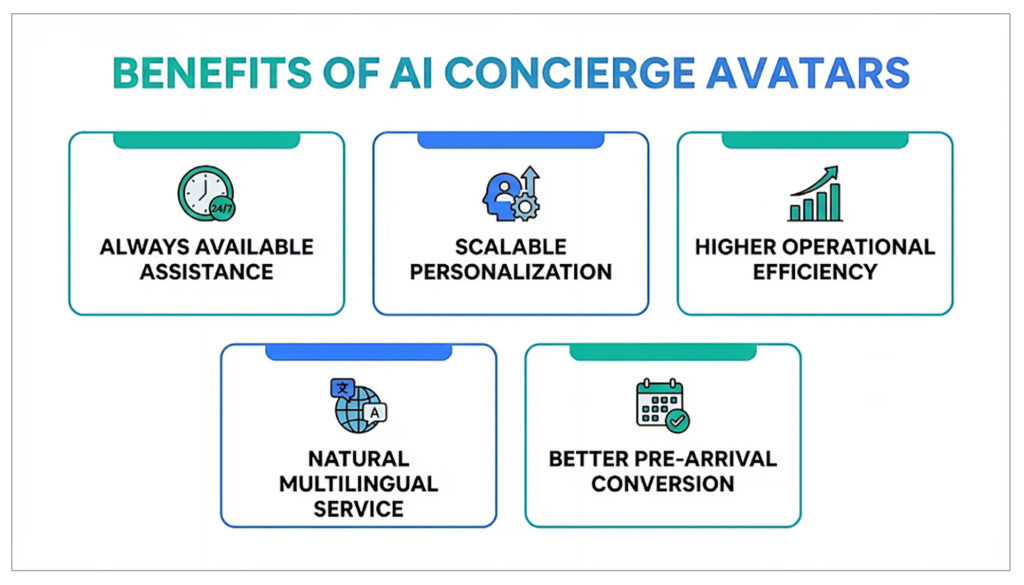
Rarely Seen, Selectively Known
As ultra-private AI lifestyles mature, cultural values will shift. Visibility, once synonymous with success, may begin to feel gauche. Influence will migrate away from public platforms and into private networks curated by intelligent systems.
Public figures may retreat from constant exposure, opting instead for controlled presence. Business leaders may operate entirely within encrypted ecosystems. Social life may reorganise around invitation-only digital salons where participation itself signals belonging. In this new hierarchy, status will not be measured by how widely one is seen, but by how selectively one is known.Looking forward, the future of ultra-private AI-driven concierge services appears both inevitable and quietly radical. These systems will not merely make life easier; they will fundamentally reshape how luxury is experienced. Privacy will become an active design choice rather than a defensive posture; technology will evolve from a tool into an invisible collaborator. Lifestyle will no longer be managed; it will be continuously composed. For those able to afford such environments, life will unfold without friction, exposure or interruption. Desires will be anticipated, boundaries will be respected, and presence will be intentional. In the end, the greatest luxury of the AI age may not be access, speed or intelligence, but the freedom to live beyond observation, within a world that understands you completely, while revealing nothing at all.