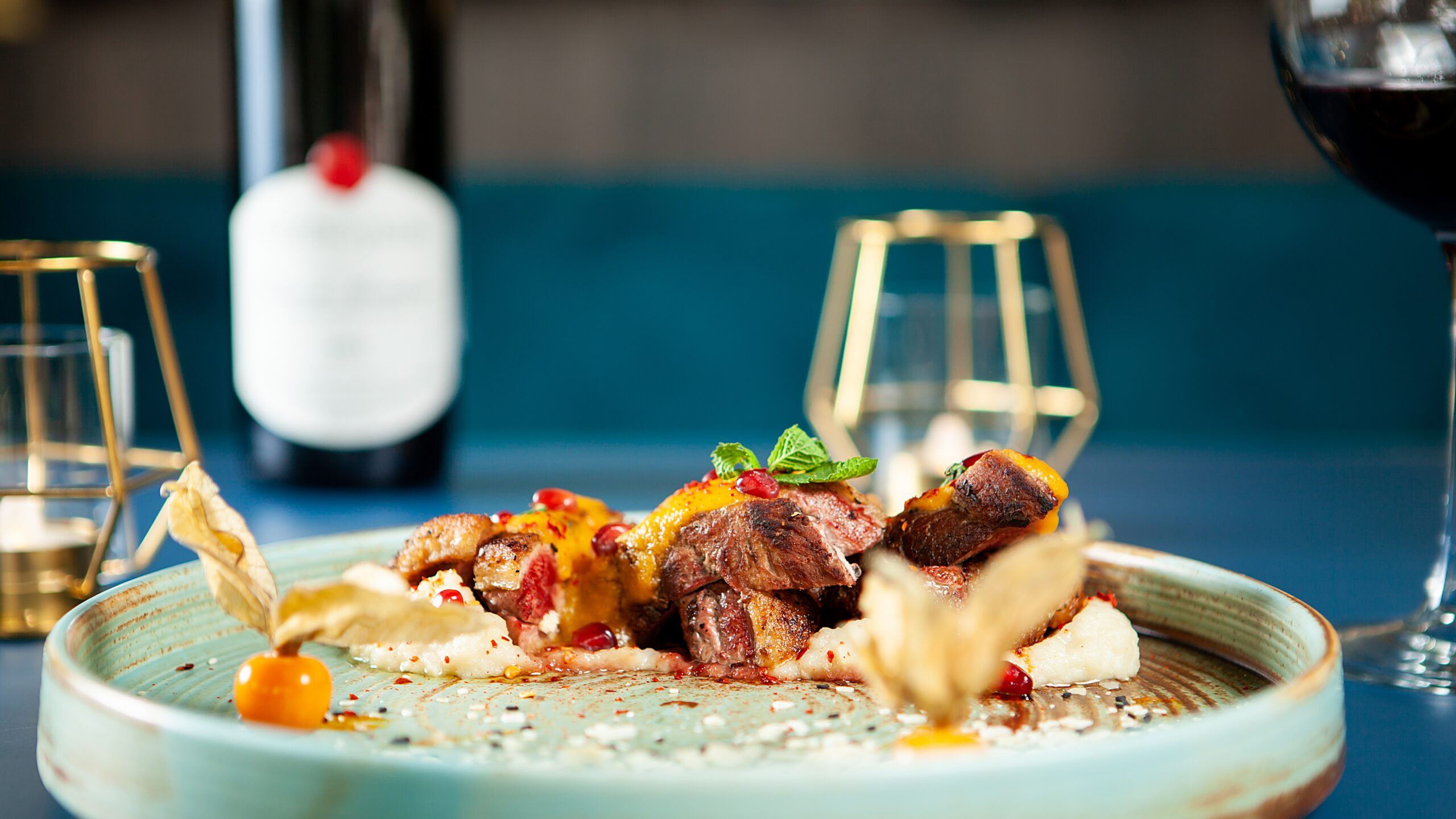

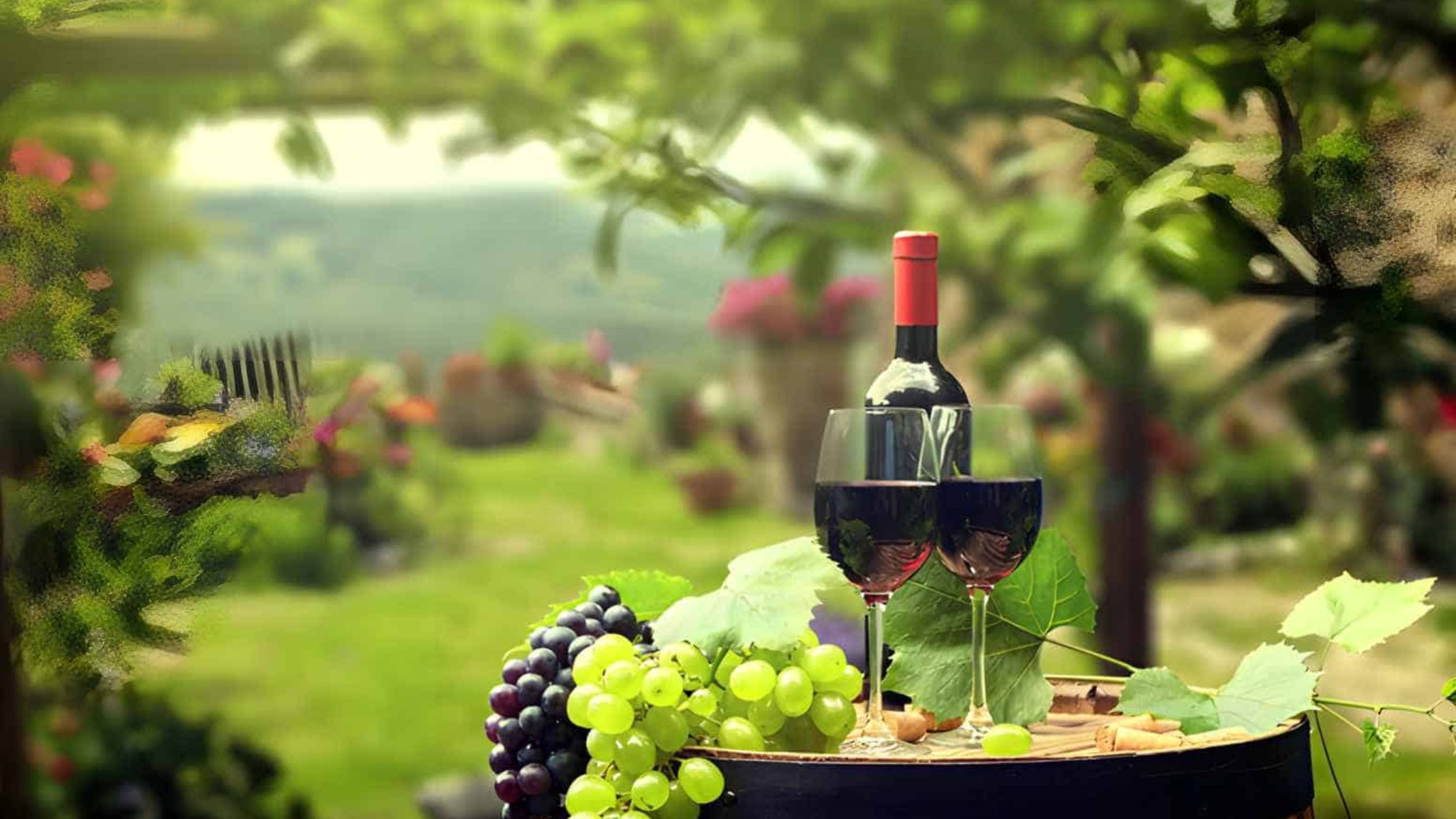
Touch of the Sun: Handcrafted Mediterranean reds are dazzling the wine world with their warmth and elegance 

There was a time when the hierarchy of fine wine seemed immovable, its upper tiers dominated by the grand classifications of Bordeaux and the polished precision of Burgundy. Yet over the past decade, a quiet revolution has taken root along the sun‑drenched coasts of the Mediterranean. From the llicorella terraces of Priorat in Catalonia to the volcanic soils of Mount Etna, a new generation of winemakers is redefining luxury, crafting reds of extraordinary depth, balance and identity. 

The Mediterranean, long romanticised for its cuisine and climate, is emerging as the cradle of a different kind of vinous sophistication – one that celebrates both heritage and innovation. Its wines are not shaped for the auction block but for the table, imbued with the light, warmth and character of their landscapes and boasting a distinctly modern elegance.

Priorat Perfection

The rise of Mediterranean reds mirrors a broader shift in the world of fine wine toward authenticity and terroir. Collectors and sommeliers now seek character over conformity, provenance over prestige. In the elite Spanish wine region of Priorat, this philosophy has matured into artistry. Once an austere, forgotten appellation of slate‑black soils and abandoned terraces, it has been reborn through visionaries like Álvaro Palacios of L’Ermita fame, and René Barbier of Clos Mogador, who saw potential in its rugged hillsides.

Today, Priorat wines – blends of Garnacha (Grenache) and Cariñena (Carignan) – exude intensity yet restraint: their black‑cherry darkness is scented with rosemary and graphite, their power balanced by minerality. They are wines that feel handcrafted by geography itself. The top cuvées have joined the ranks of the world’s most coveted bottles, appealing to collectors in Asia and beyond for their individuality and provenance.

Sicilian Sensation

Across the sea in Italy, the renaissance has been equally compelling. Today, some of the most exciting and prestigious Tuscan wines hail from the region’s southern coast, particularly small estates near Bolgheri in Maremma, while Mount Etna has become a connoisseur’s obsession.

On the black volcanic slopes of Sicily’s great mountain, vineyards climb near‑vertical ridges to capture the island’s fierce light and cool altitude. The native Nerello Mascalese grape produces wines of haunting nuance — pale in colour yet profound in personality, their aromatic lift has been likened to that of Pinot Noir and their vibrancy compared to Nebbiolo. Producers such as Tenuta delle Terre Nere and Passopisciaro are bottling reds of quiet seduction that linger on the palate like a memory.

Languedoc Luxury

Even France’s Mediterranean coasts have been recast as destinations for luxury reds. Languedoc‑Roussillon, for decades considered the workhorse of French viticulture, has found its haute‑couture voice. Estates such as Mas de Daumas Gassac and Château Puech‑Haut now rival their northern cousins in complexity and finesse, thanks to their old vines and oceanic breezes.

These wines convey richness without weight, sunlight without heat – a Mediterranean balance increasingly prized by sommeliers curating lists for Michelin‑starred dining rooms from Hong Kong to Dubai.

Provence Prestige

Further east, Provence, typically known for its summery rosés, is gaining respect for its polished reds. Blends of Grenache, Mourvèdre and Cinsaut from estates such as Château Simone, and Tibouren and Grenache from Clos Cibonne, are emerging with newfound gravitas.

Understated yet elegant, they embody what collectors now seek: authenticity anchored by craftsmanship.

The Mediterranean approach to winemaking feels markedly different from the traditional grands crus. Where Bordeaux is about classification, structure and cellar ageing, the Mediterranean defines itself by intimacy – the connection between land, artisan and moment. Many of these estates are small, family‑run and intensely personal, producing wines in quantities measured not by market demand but by what the soil will give each season.  If recent years have cemented Burgundy’s reign and the continued dominance of Bordeaux, 2026 might just belong to the Mediterranean. The upcoming vintages, shaped by balanced seasons and careful viticulture, promise refinement and longevity. Yet beyond their ageing potential, these wines deliver something increasingly rare in luxury – a sense of place, sunshine and story. 

Vine Glorious: Bordeaux producers bank Left and Right on their ability to craft complex collectable wines

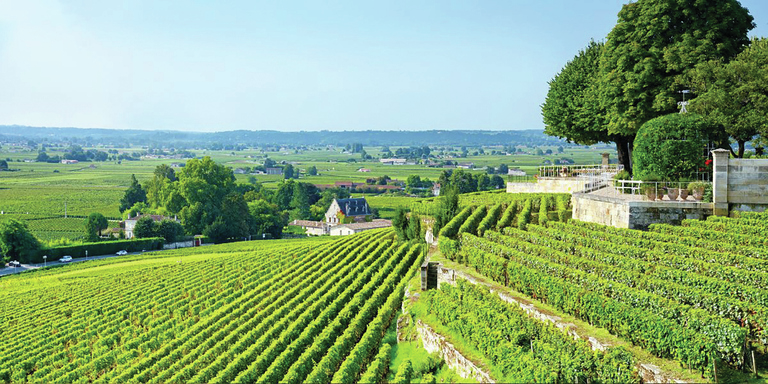
Bordeaux is considered a benchmark in the world of fine wine. Located in southwest France, the region is known for its exceptional terroir that is home to more than 7,000 wine-producing châteaux. Talented winemakers craft compelling wines within the red, white and sweet categories.

Michelle Chan, Christie’s Head of Wine in Asia Pacific, identifies Bordeaux’s unique geographical location situated between the Atlantic Ocean and the Gironde estuary and its diversity of soils as key factors behind its acclaimed output. She adds that the region’s long history of winemaking expertise has resulted in the development of specific winemaking techniques, such as blending multiple grape varieties to create complex and balanced wines.

Divide and conquer

bordeaux wine

Bordeaux is positioned at the centre of the confluence of the Dordogne and Garonne rivers, which flow into the Gironde, and Chan stresses that understanding the difference between the ‘Left Bank’ and ‘Right Bank’ of Bordeaux is essential in grasping the region’s varied wine offerings. The area to the west, on the left bank of the Garonne, and between the Garonne and the Dordogne, “is famous for its powerful and structured red wines, predominantly made from Cabernet Sauvignon. Notable appellations include Médoc, Graves and Pessac-Léognan. These wines are full-bodied with firm tannins, ideal for long-term ageing,” she says.

bordeaux wine

East of the Dordogne is the Right Bank “renowned for its Merlot-based blends, which are typically more approachable and supple when young. The most prominent appellations are Saint-Émilion and Pomerol, producing rich, opulent wines with velvety tannins and exceptional balance.”

Chan also notes that the region produces outstanding white wines and is hailed for its sweet wines.

Pick of the best

bordeaux wine

Such is the quality of wines the region has to offer, Chan finds it difficult to choose a favourite.

First on her list is Château Latour à Pomerol 1961. “This opulent and refined Merlot-based wine from Pomerol has enticing aromas of black cherries, truffles and hints of tobacco. The palate displays a velvety texture with well-integrated tannins and flavours of ripe dark fruits, earth and sweet spices.”

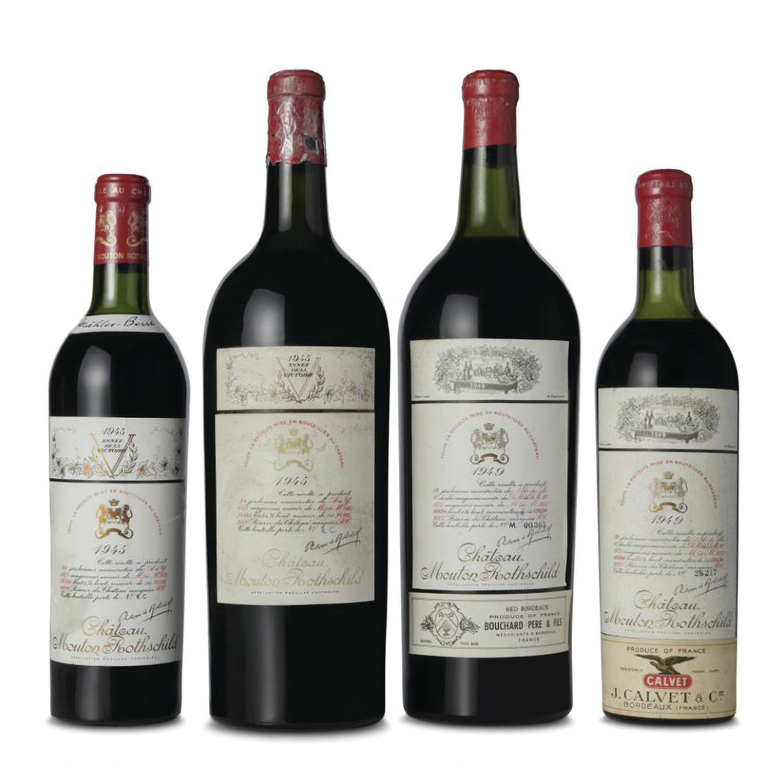
Next is Château Mouton Rothschild 1945 of which she says: “This iconic vintage features a complex and captivating bouquet of cassis, pencil shavings and cedarwood. The rich and full-bodied palate showcases layers of dark fruit, leather and tobacco, complemented by a firm tannic structure and exceptional balance.”

bordeaux wine

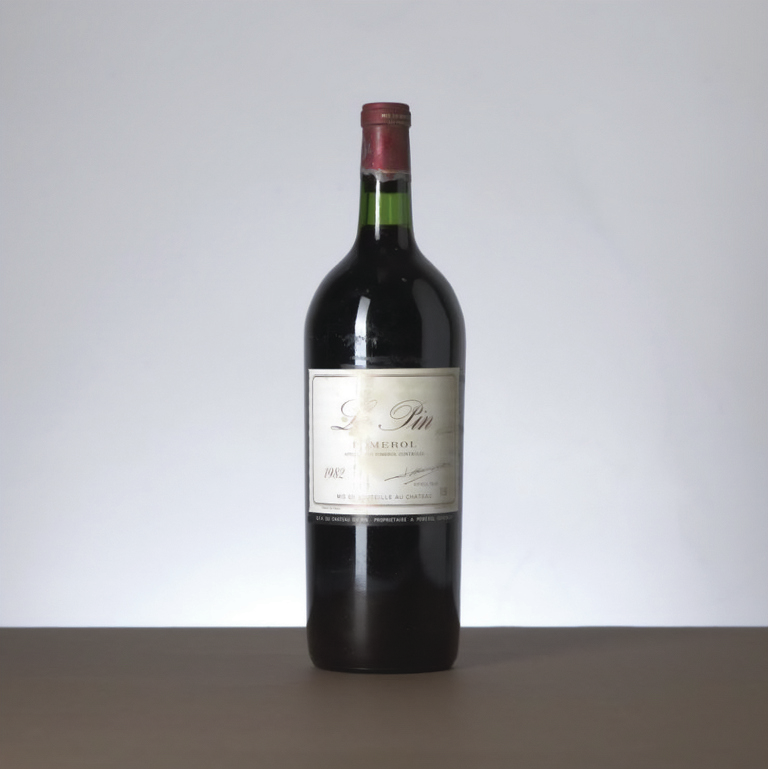
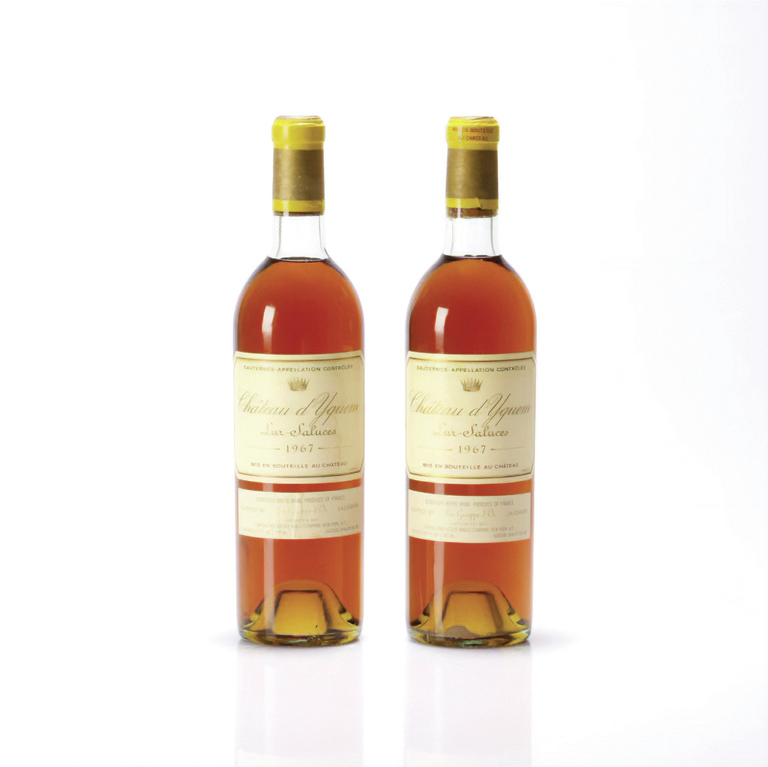
She also adores large-format Bordeaux wines and highlights the magnums of Le Pin 1982 – expressions of lush, seductive character and incredible depth – auctioned by Christie’s in Hong Kong in May. For sweet wines, she plumps for Château d’Yquem 1967. “This golden-hued sweet wine, made from a blend of Sémillon, Sauvignon Blanc and Muscadelle grapes, has an incredibly complex nose with aromas of honey, apricots, candied orange peel and botrytis spice.”

Collectors’ tips

For those beginning a Bordeaux wine collection, Chan stresses it is essential to educate oneself on the various appellations, châteaux and vintages. Her recommended vintages are 1945, 1947, 1949, 1959, 1961, 1982, 1989, 1990, 1996, 2000, 2005, 2009, 2010 and 2015.

Also Read: The Best Food and Wine Pairings: Which wine goes well with which dish?

The Best Food and Wine Pairings: Which wine goes well with which dish?

Both chefs and food lovers would agree that a dish must be relished and people should be able to appreciate the food’s different flavours, and wines have often been a trusted way to bring out a dish’s optimal taste. Case in point, many tasting menus created by fine dining restaurants will serve a glass of white or red that would complement the dish on the plate.

While you can pair food with a drink from your personal wine collection or the one you newly bought from the store, some of these connoisseur-picked food and wine combinations will certainly impress your taste buds.

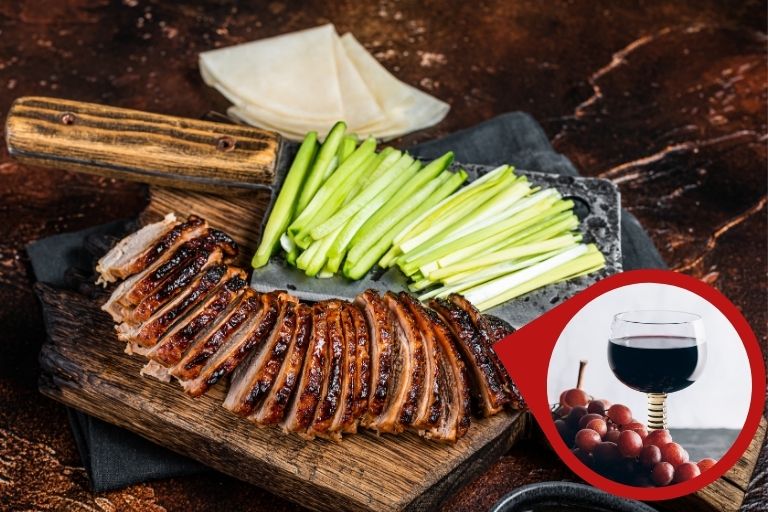
Peking Duck and Pinot Noir

Food enthusiasts have different opinions when picking a wine bottle that matches perfectly with this popular Chinese dish, but the most common pick has always been Pinot Noir. This is because Peking Ducks have a rich salty and savoury taste to them due to the hoisin sauce that is added to the crispy duck meat. So, a wine like Pinot Noir which has a relatively high amount of acidity to it balances out the roasted duck’s intense flavours, making this one of the most favoured food and wine combinations.

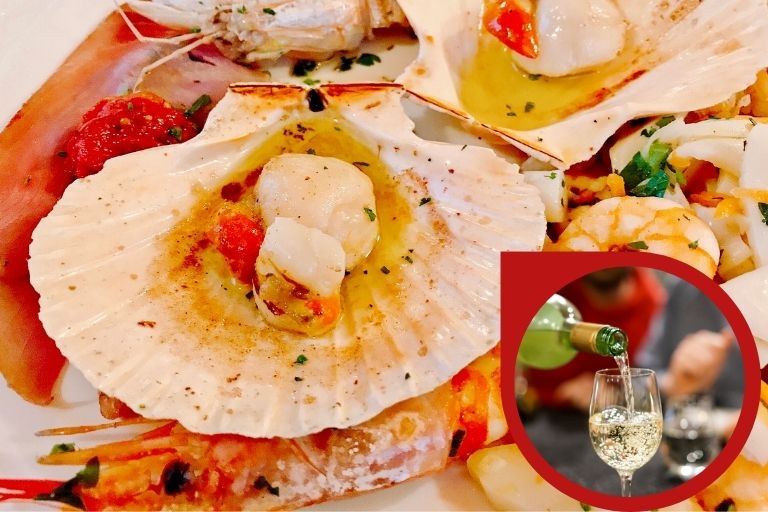
Shellfish and Japanese Koshu Wine

This wine variety that originates from Japan has subtle notes of fruitiness allowing people to feel the refreshing taste of white grapes and apples in each sip with the Koshu wine being produced at a specific altitude and temperature. Such flavours, in combination with its low acidity, make this white wine variety a perfect drink to pair with shellfish dishes, which are often cooked with a thick layer of butter, as the food and the wine balance each other out. To enjoy the best of this wine pairing, you may want to try the Michelin-starred restaurant Arcane’s Lightly Cured Hokkaido Scallops with a glass of the Grace Wine Gris de Koshu 2021 which Chef Shane Osborn has featured in Arcane’s limited-edition menu in collaboration with CulinArt 1862 that is exclusively only available on the 17th and 18th of May.

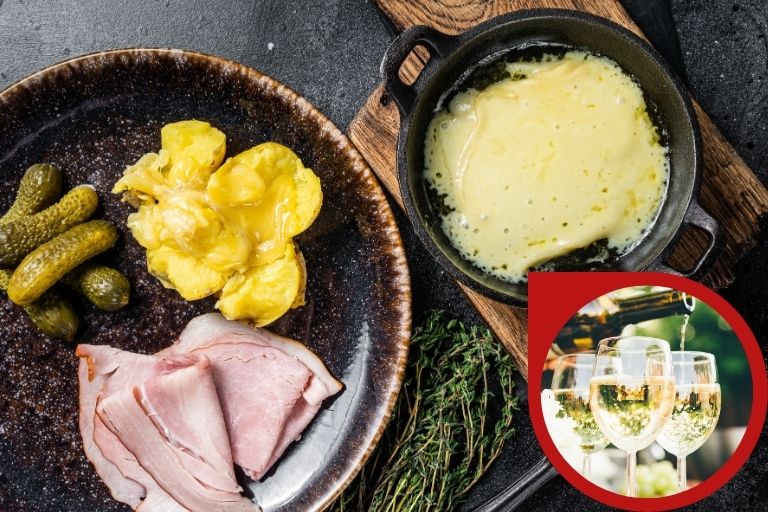
Raclette and Burgundy Chardonnay

Another food and wine pairing that has been recommended by top chefs for the light texture of the wine to balance out the heaviness of the dish is the Raclette paired with a glass or more of Burgundy Chardonnay. For those unfamiliar, the Raclette is a classic French dish that is made by melting the Raclette cheese and eaten in combination with boiled potatoes, meat, pickles and spices. With the dish obviously being packed with calories and rich in flavours, a French wine like Bourgogne blanc has citrus notes and a subtle saltiness that make it go well with something heavy like a traditional Raclette.

Wagyu Steak and Rioja Red Wine

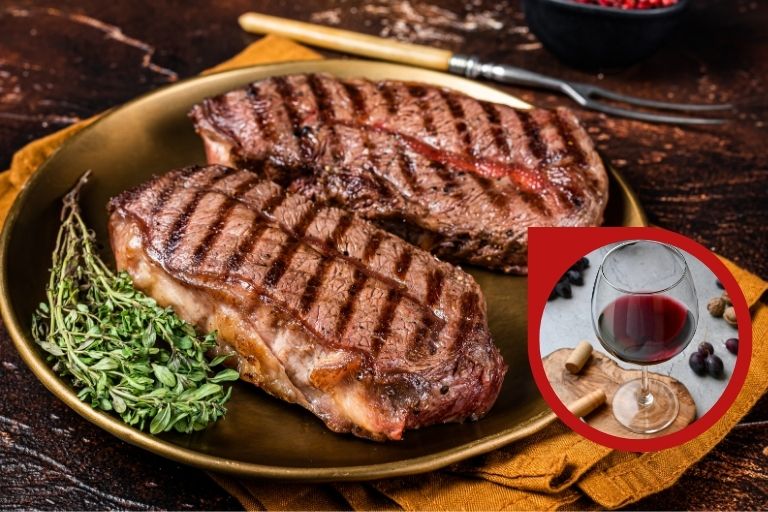
Red wines have often been voted as the best wine to be paired with steaks, and apparently, there is a scientific reason for it. Red wines have a substance called tannins, particularly strong in the younger wines, which has a molecular structure that helps to melt fats, thus when paired with a dish like steak, it brings out the taste to the fullest by cutting into this thick layer of meat. True to this technique is Chef Stanley Wong’s recommended pairing – Binchotan-Grilled Australian Wagyu Striploin with Finca La Emperatriz Las Cenizas 2018 which can also be enjoyed at CulinArt 1862’s six-course tasting menu that has been created alongside Arcane.

Chianti – The Perfect Wine Pairing for Any Dish

Chianti wine

As a wine, Chianti is as essential to Italian cuisine as extra virgin olive oil. Indeed, there are few pleasures as distinct as a tart, spicy, herbaceous Chianti wine paired with a plate of sliced prosciutto (cured ham) or one of your favourite pasta dishes. 

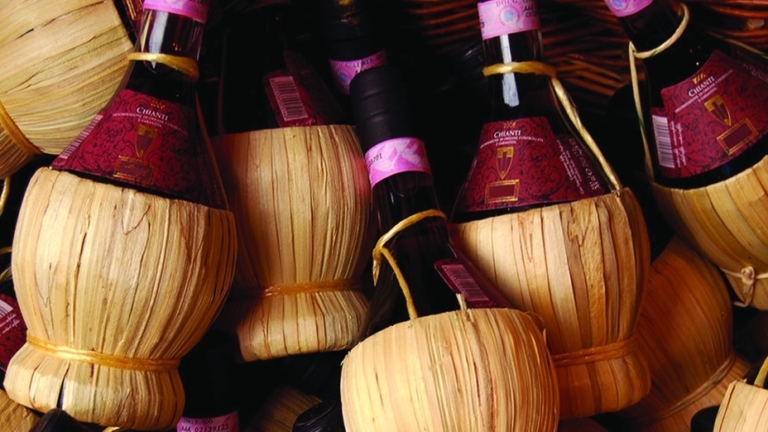
Once traditionally served in a basket-encase bottle, the Chianti is considered to be one of the best wines to be served with a meal. A blended red from the Chianti region of Tuscany, it is made primarily with a thin-skinned grape called Sangiovese, which is found only in this particular part of central Italy. 

Known for its mouth-watering acidity and coarse tannin, the grape bestows a transparent ruby hue and flavours of black and red cherry. With such a savoury blend, the wine can be paired easily with food as its high acid level cuts through the richer fatty dishes and stands up well to tomato sauces. Other popular Chianti pairings include pizzas and such meaty fare as a well-seasoned steak.

Also Read: Organic, natural, biodynamic wines, explained

Chianti wine

In addition to the Sangiovese grape, Chianti may contain traces of other red grapes, notably Canaiolo and Colorino, as well as such white grapes as Trebbiano and Malvasia. It is, however, the Sangiovese grape that dominates while also being seen as the most authentic embodiment of the Chianti terroir.

As with many fine wines, Chianti is subject to many requirements and has spawned a number of variations. There are, for instance, several categories of Chianti that vary depending on how long it has been aged as well as in accordance with the precise sub-region of Tuscany it originated from. 

Also Read: Sustainable Wines: Ethically sourced ingredients offer imbibers healthier options

Chianti wine

Ageing and Classification of Chianti Wine 

In many ways, it is the ageing process that determines exactly how an individual Chianti might taste. For example, “Chianti” is aged for six months and has a young and tart taste, while “Superiore Chianti” is aged for a year and has a taste that is smoother and more acidic. “Riserva”, meanwhile, is aged for two years, and the “Gran Selezione” is aged for more than two years and is used in such top-of-the-range Chianti wines as “Chianti Classico”. 

Chianti wine

Chianti wine also has several sub-regions. The original is Chianti Classico. Each subregion or subzone has different minimum ageing requirements, which is said to be an indication of quality. Variations in soils and elevations; and proximity to the sea also give rise to the distinct flavours of a particular wine.

  • Colli Senesi: Aged for 6 months
  • Colline Pisane: Aged for 6 months
  • Montalbano: Aged for 6 months
  • Montespertoli: Aged for 9 months (minimum)
  • Classic: Aged for a year (minimum)
  • Rufina: Aged for a year (minimum)

With its highly acidic, tarty-juicy attributes, this ruby red wine with flavours of cherry and earth, Chianti is the ideal accompaniment for a diverse array of dishes. To fully appreciate this, though, it is highly recommended that you try it for yourself.

Also Read: Champions of the Cape: Spotlighting South African Wines

(Text: Peter Chan)

Beyond Port: Dipping into Portugal’s formidable red wines

Port, the fortified wine, may be Portugal’s most famous alcoholic export, but don’t let that fool you into thinking that it’s the only one available. In fact, for a relatively small country, the range of red wines produced in this European nation is quite remarkable. If you want powerful red showstoppers, heading to the Douro Valley is your best bet. For rich, fruity styles, the Alentejo is a solid option, and those in search for softer reds with plenty of fresh acidity should peruse the offerings from Dão.

gafencu magazine Beyond Port Dipping into Portugal’s formidable red wines the duoro valley
This breadth of grape varietals is, perhaps, unsurprising when you consider that the region has been producing wines for over four millennia. The Tartessians are believed to have cultivated the first vineyards along the Tagus river around 2,000 BC. When the Phoenicians reached the area, they brought with them grape varieties and winemaking techniques from the Middle East and Carthage.

gafencu magazine Beyond Port Dipping into Portugal’s formidable red wines_Portuguese_red_Vinho_Verde_wine
The Douro in the north is Portugal’s flagship red-wine region, but while it is the oldest demarcated wine region in the world, its fame has historically been due to it being the home of Port. Over the last two decades, however, the Douro’s red table wines found huge favour with discerning oenophiles across the globe – all without relying on the big-hitting red grape varietals like Cabernet, Merlot and Syrah commonly favoured by illustrious French winemakers.

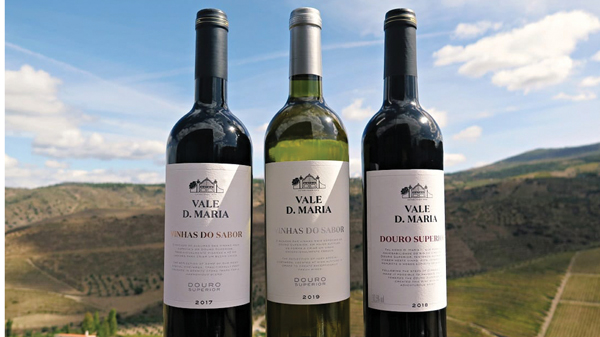
No, in the Douro you’ll find intense, characterful wines with an almost inky richness made from local varieties such as Touriga Nacional, Tinta Roriz and Touriga Franca. An excellent example is Vinhas do Sabor 2017 from Vale D. Maria – the recipient of a silver medal from the International Wine & Spirit Competition (IWSC) that year – which displays hefty black fruit and a hint of cedar.

gafencu magazine Beyond Port Dipping into Portugal’s formidable red wines vale-do-sabor-douro-superior
Other regions in the country are also making their presence felt, however. There’s been a shift in recent years towards wine drinkers looking for more freshness and elegance, and few regions do this better than Dão, which boasts a dramatic landscape of granite mountains and pine forests.

gafencu magazine Beyond Port Dipping into Portugal’s formidable red wines lua cheia
In recent years, the global reception of this European nation’s vintages has experienced a staggering surge. Just in the US alone, the ten-month period between January and October 2020 saw sales volume increase by 17 percent, while market value also soared some 15.9 percent from the same time frame in 2019. The UK saw even more phenomenal growth, with a whopping increase of 28.4 percent in volume and 24 percent in market value, according to the country’s promotional body, ViniPortugal. If you’re eager to sample some of Portugal’s fine wines yourself, the following recommendations are a good place to start…

gafencu magazine Beyond Port Dipping into Portugal’s formidable red wines quinta d s fransisco

RED ALERT
Vinhas do Sabor 2017, Vale D. Maria, Douro
A supersized wine with enormous fruit and a fantastically integrated massive tannic structure offset by wonderful acidity. Prune, black fruits and a whiff of cedar.

Quinta de S. Francisco 2017, Sanguinhal, Óbidos
Attractive sour cherry and wild strawberries with floral hints. The fresh, wonderfully delineated palate enjoys a long fine finish with a charming lead pencil and savoury fruit character.

Barca-Velha 2011, Casa Ferreirinha, Douro
Elegant and complex, with prominent spices such as pepper, balsamic notes, cedar and tobacco box, red fruits such as ripe plum, slate and high quality, well integrated wood.


Royal Aperitif: Carbernet Sauvignon the king of red wine grapes

Tracing its roots to the Ancient Roman Empire, Cabernet Sauvignon enjoys the stature of ‘King of Red Wine Grapes’

World-renowned Cabernet Sauvignon intriguingly enjoys the stature of “King of Red Wine Grapes” in California as well its native home in Bordeaux, France, where it can trace its roots back to ancient Roman times. But in almost the same breath, it has also been resented ironically in different parts of the world as a “great coloniser” after it displaced indigenous and less popular grape varieties.

Royal aperitif carbernet sauvignon gafencu magazine king of red wine grape (11)

The Cabernet Saugivnon grape that serves as the raw material for this wine is not grown exclusively in Bordeaux and California, but is in fact also found in other parts of the world. Originally from France and Spain, it found its way to different countries across Europe and, eventually, even to such far-flung corners of the world as South Africa’s Stellenbosch region, Australia’s Margaret River, New Zealand’s Hawkes Bay and Chile’s Maipo Valley.

Royal aperitif carbernet sauvignon gafencu magazine king of red wine grape chilien

The countries that are reputedly the biggest producers of this grape variety are France and Italy, both of whom also enjoy the distinction of being the world’s top wine producers. France is the world’s largest producer of Cabernet Sauvignon, with over 55,000 hectares planted to this particular vine plant. Production is centred in the grape’s native Bordeaux, particularly on the Left Bank of the Gironde Estuary, in the well-draining soils of Médoc and Graves. Other major growers of this grape type, who are also amongst its most prodigious producers, are Spain, the United States, Argentina, Australia, Germany and South Africa.

Royal aperitif carbernet sauvignon gafencu magazine king of red wine grape (2) copy

Cabernet Sauvignon’s prevalence and popularity across the world has ironically proven to be both a boon and bane. Though it has risen to global prominence and stature as a premier red wine, it has also earned a rather darker reputation for being a rabid coloniser, particularly as its global spread caused the displacement and disappearance of countless indigenous grape varieties.

Royal aperitif carbernet sauvignon gafencu magazine king of red wine grape (3)

Its origin is riddled with numerous fascinating myths and conjectures, including one that claims that it dates back to the Roman Empire. The term Sauvignon is said to have been derived from the French term ‘sauvage’, which means “wild” and refers to the grape being a wild Vitis vinefera vine that is native to France. The grape was also recently rumoured to have ancient origins and may be the Biturica grape used to produce ancient Roman wine, known as Pliny the Elder, a belief that was widely held in the 18th century when it was also known as Petite Vidure or Bidure. Another popular belief was that the grape vine originated in Spain’s Rioja region.

“Unwanted notoriety once hounded the world’s most popular red wine varietal”

According to records, Cabernet Sauvignon was a popular Bordeaux planting in France’s Medoc region during the 18th century. The Chauteau Mouton and Chateau Armailhac in Pauillac were among the first estates known to have actively grown the varietal, as well as the likely source of Cabernet vines for other grape-producing areas in the region.

Royal aperitif carbernet sauvignon gafencu magazine king of red wine grape

For most of the 20th century, Cabernet enjoyed the distinction of being the world’s most widely planted premium red wine grape, before finally being overtaken by Merlot – yet another popular French wine – in the ’90s. Despite this setback, Cab-Sauv (as it is colloquially dubbed) went on to regain pole position and proudly reclaim its past past glory in 2015, when it was recorded that a total of 341,000 hectares were planted to this variety across the world. A small part of its undeniable popularity among growers stems from the fact that it is easy to cultivate and grow.

Stock up on top quality wines now! gefencu magazine - 4

DNA analysis of the Cabernet Sauvignon red grape variety has shown that it was a product of the accidental crossing in the 17th century in southwestern France of two Bordeaux grape varieties, namely the Cabernet Franc grape plant and the white Sauvignon Blanc grape plant, prompting grapevine historians, or ampelographers, to believe that it originated in Bordeaux. The proof of this supposition came in 1996, when wine researchers at UC Davis proved the crossbreeding of the two grapes.

Royal aperitif carbernet sauvignon gafencu magazine king of red wine grape (4)

In its most traditional form, this grape variety, known for its thick, durable skin, produces full-bodied wines with strong tannins and acidity which account for this tipple’s incredible ageing ability. The best and most luxurious fine wines are typically served in special occasions and other major gatherings. It’s always best to savour one with the most prestigious, colourful and centuries-old royal history, specifically Cabernet Sauvignon.