
Family-Friendly Fun: Discover Asia’s Top Cities for an Epic Vacation

Asia is a continent blessed with diverse cultures, mesmerizing landscapes, and unique experiences that make it an ideal destination for a memorable family trip. Whether you seek thrilling adventures, historical wonders, or simply want to relax on beautiful beaches, Asia has something for every family to enjoy. In this article, we put together the top five destinations in Asia that offer a perfect blend of fun, adventure, and cultural exploration for families of all ages.

Chiang Rai, Thailand
family trip

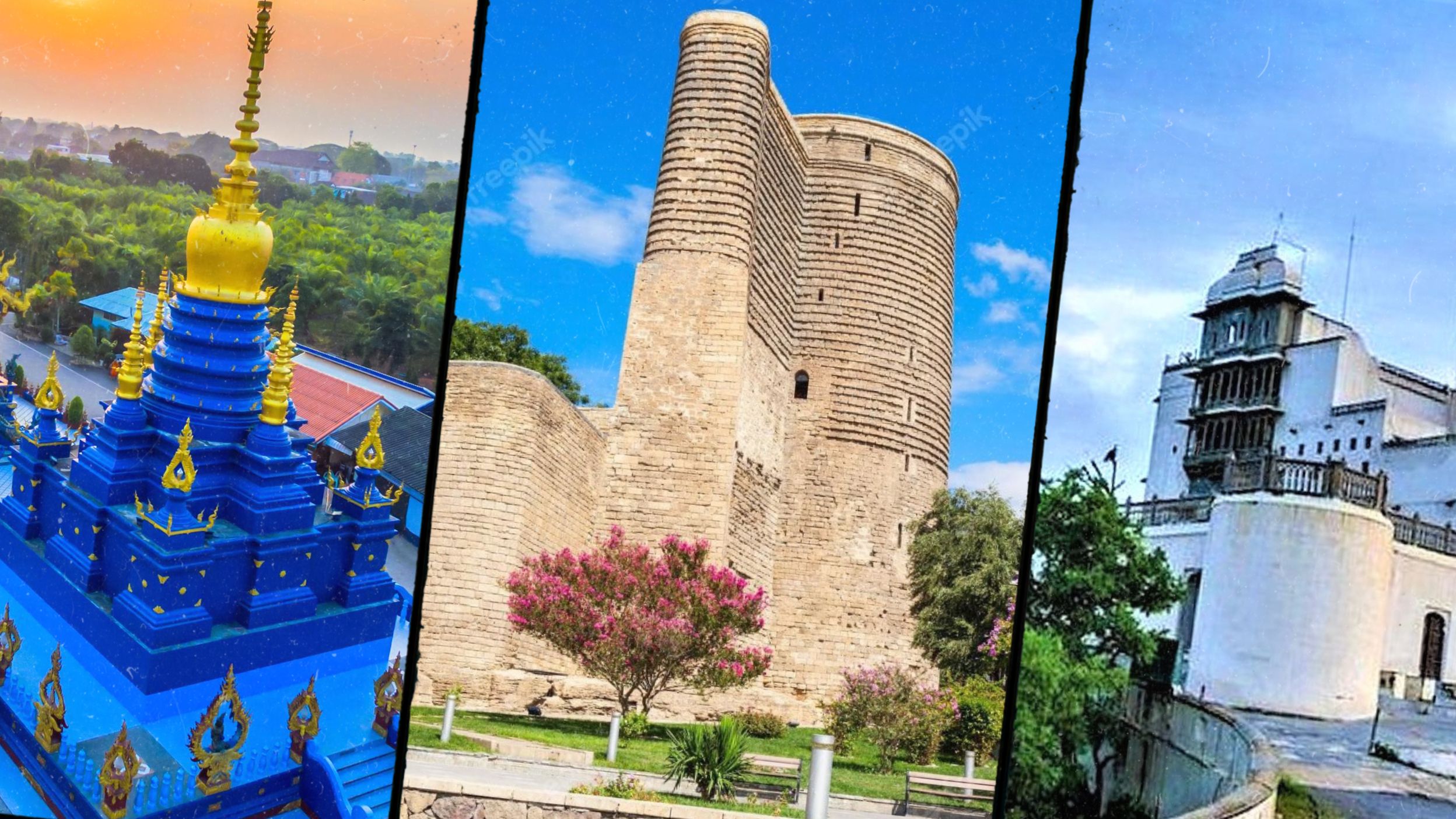
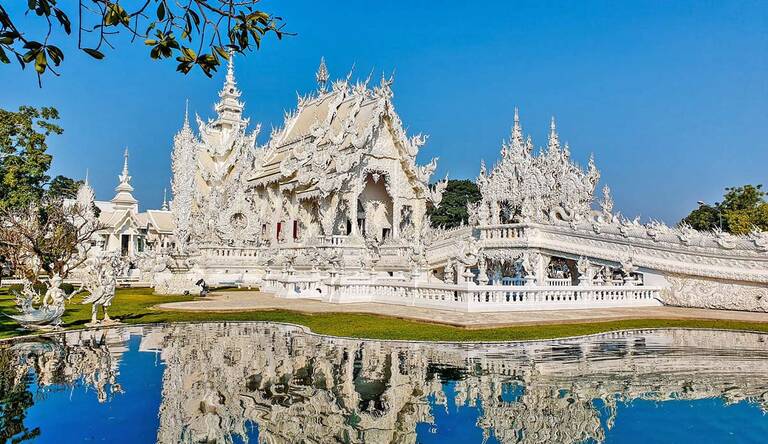
Rarely mentioned as one of Thailand’s tourist destinations, Chiang Rai is undoubtedly an underrated city that locals would recommend you visit for all the hidden gems you can see at this place located on the Northern side of the country. Particularly, the White Temple (Wat Rong Khun), the Blue Temple (Wat Rong Suea Ten) and the Black House Museum (Baan Dam Museum), which are all architectural wonders constructed with such attention to detail, will leave you admiring the building for minutes before you can even enter. There is also the historical Mae Fah Luang Art and Cultural Park which houses a plethora of ancient artifacts ranging from Lanna art to 19th-century mural paintings. Some of the other spots you should visit during the family trip include scenic standouts like Doi Hua Mae Kham, Mae Fa Luang Garden, Singha Park and Doi Chang, which are all spacious enough for the kids to play around and beautiful enough for the grownups to take as many pictures.

Baku, Azerbaijan
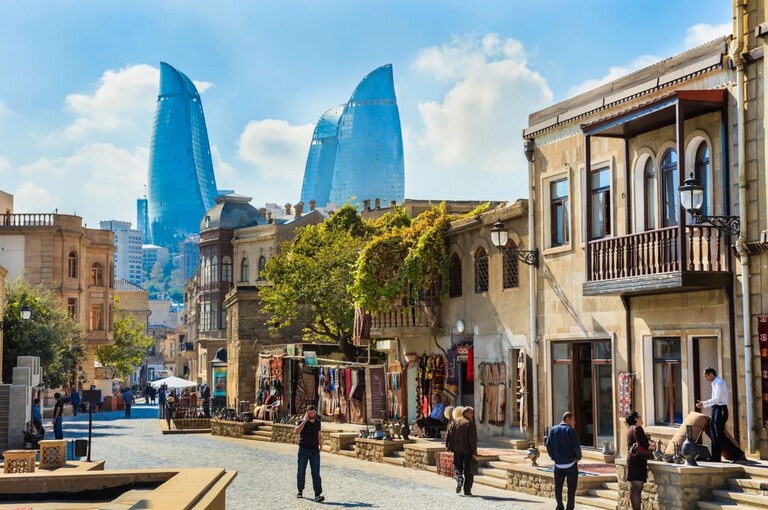
family trip

Baku is surrounded by a magnificent seaside view and has pleasant weather with the city being windy most of the time – it is literally nicknamed the city of winds. The city is perfect for witnessing both modern skyscrapers and archaic buildings. In fact, you may want to set aside a day just to explore the UNESCO Heritage site Old City (Icherisheher) which has many fascinating places where you can look at the culture and history of different civilizations that go back to the 12th century. A few such areas include The Palace of the Shirvanshahs, The Maiden Tower and The Museum of Miniature Books. Plus, while you are there on your family trip, don’t forget to take some family photos because you cannot ask for a better backdrop than the alleys of this walled city. For something more contemporary, you can take the kids on a fun riverboat ride after sunset and look at the iconic Flame Towers, or if you and your family love to go swimming, you can do that on private beaches surrounded by the Caspian Sea.

Udaipur, India
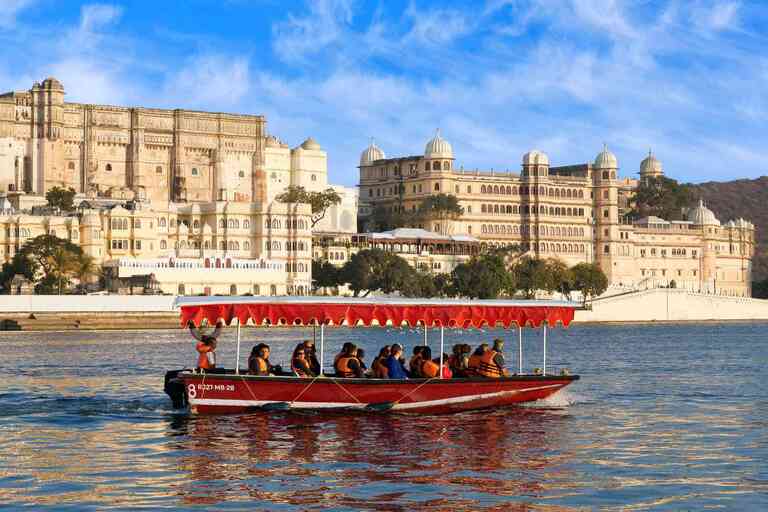
family trip

Ardent travellers often look back at Udaipur as one of the most stunning cities, even comparing it to Rajasthan’s capital city Jaipur and choosing Udaipur as an alternative for its much more peaceful and less bustling presence. Udaipur has an array of marvellous places that you should add to your itinerary like the City Palace, Monsoon Palace, Fateh Sagar Lake, Lake Pichola and more. Aside from these tourist attractions, there are also several exciting activities that you can enjoy as a family such as watching puppet shows at Bharatiya Lok Kala Mandal, rafting in the Gomati River, helicopter rides over the city and many more. You can add more extravagance to your trip by staying at the coveted palace-turned-hotel Taj Lake Palace and devouring a hearty meal at the Jagat Niwas Palace. You should also stop by some nice antique shops where you will surely find something incredible to take back home.

Jeju Islands, South Korea
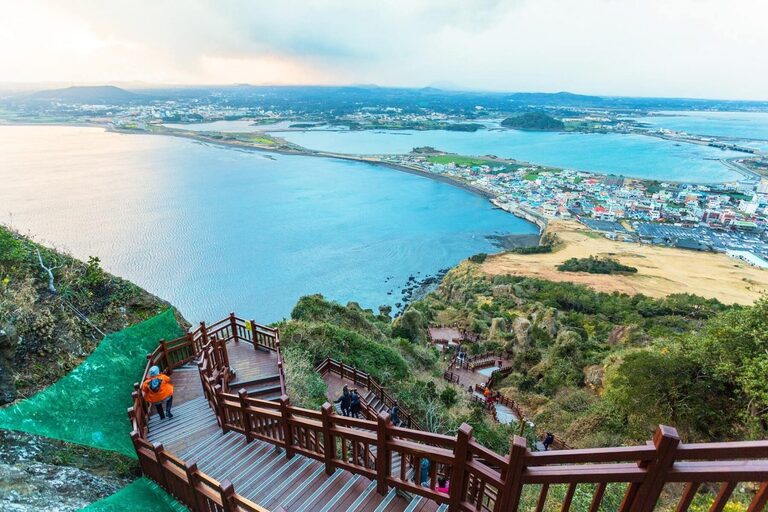
family vacation

For families that love partaking in fun activities in the waters and are always fascinated by the many wonders of nature, Jeju Island is certainly a paradise. There is so much you can plan to do here to keep the family trip fun and exciting throughout. You can climb the Seongsan Ilchulbong Volcano; watch performances by women divers who will bring back fresh fish from the sea and cook them right there for you to eat; or visit one of the beaches. Also, the entire family can challenge themselves to find their way out of the human-sized Gimnyeong Maze Park which can apparently take less than five minutes or an hour to complete. Also don’t forget to visit the UNESCO World Natural Heritage Manjanggul Lava Tube, Osulloc Tea Museum and the Aqua Planet.

Malé, Maldives
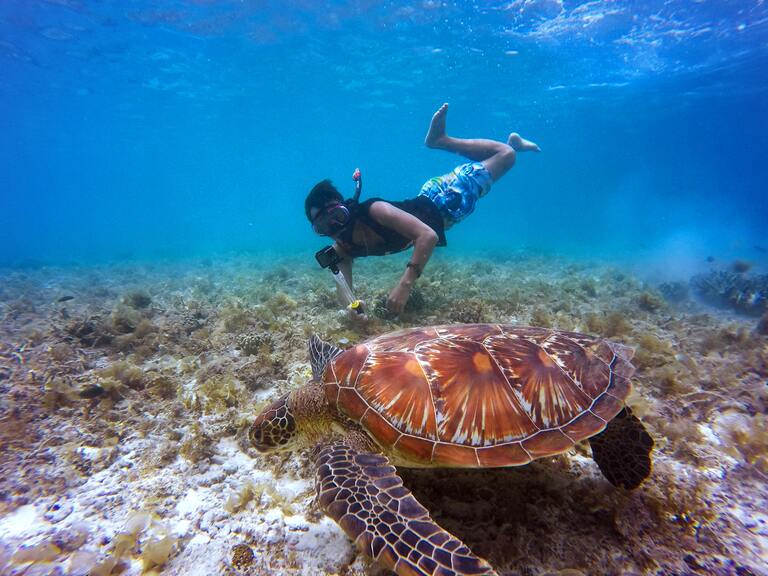
family vacation

Another top-class destination for an amusing and luxurious vacation is Malé, an island in the Maldives. It offers a wide selection of hotels, shops and accommodations. There are a couple of family-friendly resorts like the frequently applauded Banyan Tree Vabbinfaru and the Angsana lhuru where your entire family can relax. Simultaneously, if you are looking for something adventurous, you can try surfing, diving, snorkelling and more. Besides, as the capital city of the archipelago situated over the Indian Ocean, you can even book a submarine tour to explore the marine ecosystem there. When you are looking to explore the city, there are places like the Victory Monument, Sultan Park & National Museum, Tsunami Monument and more.
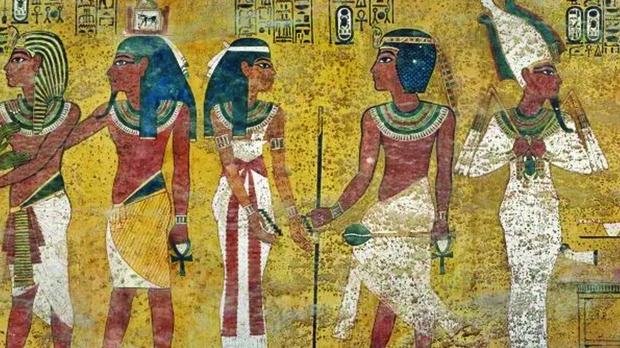
The Archaeological Discovery That Unravelled The Story of A Lost Pharaoh

Tutankhamun

It was 1923 when Howard Carter, a British archaeologist and adventurer, had come across a burial site that had lain untouched since it had been dedicated to the memory of its revered occupant more than 30 centuries earlier. He had uncovered the tomb of the boy king Tutankhamun in the Valley of the Kings. 

Tutankhamun, an 18th dynasty King thought to have died around 1323 BC, was buried with many of the accumulated testaments to his wealth and power in a royal necropolis. Its eventual uncovering delivered a unique treasure trove of past wonders.

Among the 5,000 priceless artefacts were a huge collection of ancient jewellery, commemorative statues, a disassembled chariot, weapons and royal regalia. There was a perfectly preserved mummy, with the long-embalmed body of the prince the first intact example ever to be found.

Also Read: Van Cleef & Arpels historic 1925 Egyptian-style jewellery

Tutankhamun

Long after the opening of the tomb, researchers completed a DNA analysis of the king’s body, allowing them to create a family tree spanning back five generations. The genetic tests also identified links with other mummies, including establishing that Akhenaten was his father, Amenhotep III his grandfather and Queen Tiye his grandmother. It was also determined that he ascended to the throne at the age of just nine following the death of his father. He also died young, being laid to rest in his entombment place when he was just 18.

Tutankhamun

Applying contemporary scientific techniques, including x-rays, CT scans and DNA testing, it was determined that Tutankhamun suffered from malaria as well as a number of other illnesses, while also having a cleft palate. He had also broken his leg shortly before he died. 

It has also been speculated that the boy-king had died in a chariot accident, largely as parts of his chest wall and ribs were missing. While he was tall, he was physically frail, with a crippling bone disease in his clubbed left foot. He was the only pharaoh shown to have been depicted seated while engaged in such physical activities as archery.

Unlike most mummies, whose hearts were preserved for the afterlife, Tutankhamun has no heart. Instead, he was provided with an amuletic scarab inscribed with a funerary spell. It could be a sign that Tutankhamun died far from home. By the time his body arrived at the undertaker’s workshop, his heart may have been too decayed to be preserved.

Tutankhamun

There were also rumours of a curse afflicting the tomb. Indeed, the locals popularised the notion of the “Curse of the Pharaohs,” claiming that the hieroglyphs on the tomb walls promised swift death to all those who disturbed King Tut. Giving some credibility to this, Carter’s patron, Lord Carnarvon, died four months after first entering the tomb, while a dozen more deaths were later attributed to the curse. 

Despite this, artefacts from the tomb have toured the world in several hugely popular museum shows, including the worldwide 1972-79 “Treasures of Tutankhamun” exhibition. 

(Text: Zaira Abbas)

Read the full version of the article in the February 2023 issue (pg: 116). Available on the Gafencu app on Android and Apple.  

Easter Getaways: Get your fill of culture, entertainment and history

The Easter holidays – lurking barely a month away – may just offer stressed out Hongkongers with the perfect opportunity to escape the coronavirus-laden confines of the Fragrant Harbour. Be it a solo trip to explore an ancient city, dancing the night away at Coachella or relaxing with a delicious glass of port in Portugal, here are some of our top recommendations for stress-free Easter getaways.

Istanbul, Turkey

Easter Getaways
Topkapi Palace

A city bustling with a strong historical presence is just one way to describe the Turkish capital city Istanbul. From the exquisite Topkapi Palace – where you can witness the enduring legacy of the Ottoman Empire – to Byzantine highlights like Aya Sofya, Basilica Cistern, Kariye Museum and Hippodrome, these ancient monuments offer an unforgettable experience for any self-confessed history enthusiast. Beyond just its ancient allure, there are some quintessential things that cannot be missed out. For instance, ride the Bosphorus ferries – connecting from the Eminönü district to the Black Sea – to enjoy a view filled with alluring parks, mansions and palaces. Similarly, there are hammams where you can enjoy a warm and soothing Turkish bath to loosen all your muscles – isn’t relaxing one of the main purposes of a vacation. Lastly, make sure to go to Beyoglu at least once – a district known for its best dining and wining options among locals and tourists. 

Toulouse, France

Easter Getaways

Located in the Southwest of France, Toulouse – also known as La Ville Rose (The Pink City) – takes something of a backseat to the more popular Paris. With beautiful pink bricks that give it its aforementioned nickname and colourful flowers blooming around the region, it is an ideal destination for both solo and group travels. The Occitane region’s capital also boasts some of the world’s best museums, cathedrals, monuments. Place du Capitole – the city’s main square, which abuts the city hall as well as the building that houses Salle des Illustres (Hall of the Illustrious) and Vieux Quartier (Old Quarter). The town’s friendly and flat lanes make it safe and easy to skate or cycle around – an activity enjoyed by many tourists and locals. With artistic churches and cathedrals like Basilique St-Sernin, Cathédrale de St-Étienne and Église Notre Dame du Taur, it is a promising destination to celebrate Easter.

Coachella Valley, California

Easter Getaways

What better time to visit California’s Coachella Valley than for Easter, which perfectly coincides with the dates of the art and music festival Coachella. Apart from that, venture onto the Palm Springs Aerial Tramway, serving a 360° aerial view of the valley from more than 8,500ft, or try your hand at hiking the Indian Canyon trails, which vary from 1.2 miles to 12.3 miles. For a show-stopping experience, there is the Marvyn’s Magic theatre – described as “world-class entertainment” – to witness some phenomenal shows. Moreover, fauna aficionados will surely love The Living Desert Zoo and Gardens for its numerous interactive experiences, including feeding a giraffe and petting a kraal.

Porto, Portugal

Easter Getaways
Douro River

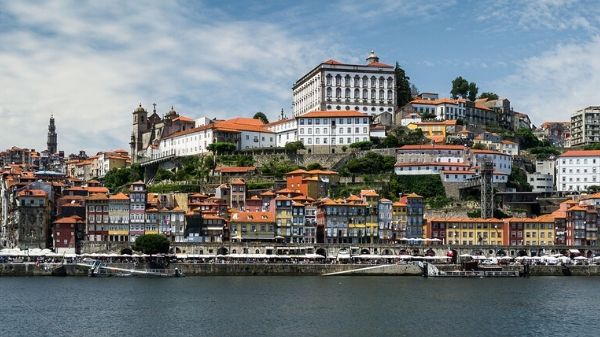
Porto – an up-and-coming touristic destination that makes the final entry on our list of Easter getaways – is where you can witness the perfect fusion of classic heritage and modern architecture. Known for manufacturing port (a type of fortified wine that takes its name from the national name), lining the banks of the Douro River are countless city’s cellars where you can get a first-hand tasting of this famous beverage. If you’re looking to explore the location’s ancient ruins, Ribeira district – a UNESCO World Heritage site – is well worth a detour, while Oporto’s Casa da Musica’s peculiar geometric construction and the 5D theatre – Look at Porto – let you view and experience Porto in a more contemporary light. Literature buffs, meanwhile, should head to Livraria Lello, a delightful bookshop famed as much for its neo-gothic and magic-inducing aura as its books. Moreover, don’t forget to grab a Francesinha – Porto’s emblematic sandwich.

Aires Apparent: Make the time to get a little Argentine….

Ah, the delectable aroma of empanadas and alfajores wafting from every café on every corner… jacarandas in full bloom on the Palermo and Recoleta…. the sizzle of chorizos mingled with the rising notes of a near by Tango…. Buenos Aires seldom disappoints. Variously known as La Boca, the Paris of Southern Buenos or even Tangopolis, the Argentinian capital is an artful blend of European legacy culture and contemporary Latino ease. Within its sprawl are spacious parks, plazas, prime examples of Italianate architecture and old cobbled roads, making it the ideal choice for travellers looking to explore beyond the confines of Europe or North America.

While it enjoys a steady influx of tourists through out the year, it is spring (locally, from around mid-September to mid-November) when the city is at its very finest. This is the sweet spot when the air has lost its chill and the scorching summer heat is still just about at bay. It is also the time when the jacaranda flowers paint the city in most vibrant of hues, draping entire roads in shades of purple-blue.

Buenos Aires

Every recent arrival will inevitably be tantalised by the city’s rich colours. At times, it seems to have been daubed with varying shades of every possible hue, whether that’s courtesy of nature’s palette or down to the artfully fabricated fascias on many of the buildings and shops.

For its part, downtown Buenos Aires is fiercely European, with its gigantic structures and imposing façades a direct testimony to its multi-cultural heritage. From west to east lie the Plaza Congreso and Plaza de Mayo, the twin nerve centres of the city, home to its celebrations and equally riotous demonstrations alike.  Then it’s just a brief stroll to the pink-washed Casa Rosada (Balcarce 50), the presidential palace and a repository of local metropolitan history in one.

While this, as well as a number of neighbouring attractions – including the Museo de Arte Moderno and Museo de Arte Contemporáneo  – in the bustling Palermo area will be high on the agenda for any vising art aficionados, they should also schedule time to take in the sombre grace of the Recoleta cemetery and its labyrinthine Graeco-Roman architecture. This necropolis, built in 1822 on the ruins of its predecessor,boasts a morbid opulence in every nook and corner, with its marble and graphite cherubs, angels and saints seemingly raising their hands skywards in silent rebuke.

Buenos Aires

The final resting place for many of the city’s once most influential people –its presidents, military generals, artists, socialites and beef barons –exploring these stately catacombs could easily take an entire afternoon. With its white marble gleaming in the spring sun, the steely coldness and unnerving silence of site inevitably inspires reflection on both the fleeting nature of earthly achievement and personal mortality.

Perhaps, ironically, the Recoleta and Palermo districts are also home to the best places in the city for living it large – from five-star hotels to haute couture boutiques. During many of the spring and autumn weekends, this area is also the epicentre for the many festivities that frequently animate the city, with pretty much all the principal parks hosting tango demonstrations or impromptu sax performances.

With commodious green spaces commonplace within the city limits, it is rare for Buenos Aireans to be found indoors, except when inclement conditions make it unwise. When not parading, locals and visitors alike can probably be found indulging in a little retail therapy in the Palermo Soho district, the natural haunt of keen shoppers and the fashion focused. As well as such premium vendors as Maria Cher, Jasmin Chebar and Las Pepas, this purchasers’ paradise is also home to a number of smaller, quirkier shops, with many said to sell the finest leather products to be found anywhere in the world.

Buenos Aires

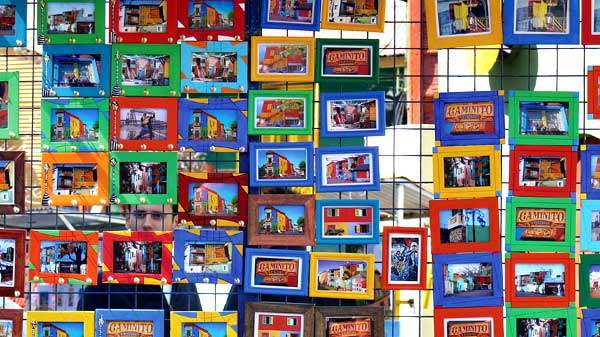
With shopping duties discharged, it’s probably wise to head to the he southern part of the city and the old port district of La Boca. As well as the proximity of the home stadium of the Boca Juniors – one of Argentina’s most popular football teams  – making it a Mecca for soccer fans, it’s a bustling shanty area that’s alive with tourist-friendly tango shows, welcoming cafes, human statutes and, sadly,  pickpockets. Just as Recoleta and Palermo impress with their stately opulence, La Boca warms the heart with its resplendent colours and homely ambience

With no building permitted to be more than three storeys high, each structures’ brightly-coloured feature façade sports images that range from the agreeably gorgeous to the grotesquely outré. Essentially, La Boca is a psychedelic paradise, complete with quaint cobbled alleys that lead nowhere, the ever-present expectation of a tango flash mob and the chatter of unwary tourists failing to secure a bargain in Pidgeon Spanish.

Buenos Aires never seems to sleep, with its nightlife every bit as disparate as its days. Indeed, it is not uncommon to find restaurants opening at around 8pm in the evening and not reaching peak occupancy until 3am.

Buenos Aires

Buenos Aires, of course, has also proved itself to be a place of pilgrimage for many globetrotting gourmands. As more than 75 per cent of the city’s residents are of Italian extraction, there is a little bit of the culture of this far-distant Mediterranean nation to be found on every street corner – with street-side cafes serving home-made pasta, pizzas or provoleta (pungent sliced cheese slices grilled and topped with chili flakes and herbs).

With beef and cheese the mainstay of any true Argentinian’s diet, the country, understandably, excels in the production of both. While there is an undeniable taste of Europe in much of the local cuisine, there are also few days in the life of a local when they don’t tuck into a tray of delicious alfajores – dual-layered Arabian crumbly shortbread-like cookies, served with jam, mousse or dulce de leche. The delicacy found its way to Argentina courtesy of its onetime Spanish overlords, but it has now become such apart of the native culture that it is almost wholly synonymous with the city itself.

Buenos Aires

The city’s food, however, is just one of the many delights that await travelers. With its picturesque plazas, its large expanses of green dotted with vivid jacarandas, European architecture, Latino swag, liquor and bustling nightlife, visitors to Buenos Aires are best advised to be open to a veritable tango of possibilities…

Text: Kasturi Basu

Museum Mile: Exploring 5 must-see Washington DC museums

Despite being the capital of one of the world’s wealthiest and most powerful nations, Washington DC’s stature as a cultural hub is often dwarfed by the vibrant reputations of  sister cities such as New York and Los Angeles. However, the 600,000-plus-strong city of DC is actually home to a plethora of experiences that pay homage to the country’s history, art and culture. Nowhere is this more evident than in the treasure trove of museums that punctuate its acreage. Below we outline five must-see DC museums that should feature on any itinerary.

DC Museums - National Air & Space Museum

National Air & Space Museum

Officially the world’s fifth most popular museum in the world by visitors, the National Air & Space Museum welcomed 6.2 million guests in 2018 alone. Built in 1976 and overseen by the Smithsonian Institute, it traces the evolution of flight, starting with the original 1903 Wright Flyer – the first successful airplane, built by the Wright brothers – to artefacts from the Apollo 11 moon landing and beyond.

DC Museums - National Gallery of Art

National Gallery of Art

Perched near the US Capitol Building lies the National Gallery of Art. Constructed in 1937, the museum comprises two wholly separate wings – the West Building, modelled after the Pantheon in Rome, and the East Building, designed by notable architect IM Pei. Within their expansive walls, art aficionados can discover a seemingly never-ending parade of masterpieces by such majestic maestros as Leonardo da Vinci, Johannes Vermeer, Rembrandt, Picasso and more.

DC Museums - National Museum of African American History and Culture

National Museum of African American History & Culture

The latest addition to the DC museums list, the National Museum of African American History & Culture (NMAAHC) stands as a tribute to the bittersweet African American experience. Thoughtfully organised in a chronological fashion, the tour begins in the basement by outlining the start of the slave trade and its subsequent spread throughout colonial US. It then proceeds upwards through the building, concurrently tracking the subsequent rise of African Americans during the civil rights movement towards emancipation and equality, and ultimately concluding on the triumphant appointment of the country’s first black president.

DC Museums - Newseum

Newseum

Standing as a physical ode to freedom of press, speech and religion, the Newseum’s arresting facade features a 75ft slab of pink marble engraved with the words of the First Amendment, which canonised these precepts into the United States Constitution back in 1791. Within its seven storeys reside memorials to some of the most iconic moments in journalistic history, be it the 9/11 gallery – replete with a portion of the communications antenna that was salvaged from the ruins of the World Trade Centre – or the Berlin Wall exhibit, which boasts the largest segment of the original wall outside of Germany.

DC Museums - International Spy Museum

International Spy Museum

Unlike the more sombre DC museums, the International Spy Museum – forefronted by a huge, completely non-clandestine neon sign that reads “Spy” – offers a fun and light-hearted romp through the history of spycraft. Rather aptly, each visitor is issued a cover identity upon entering the International Spy Museum. From there, they can explore the nearly 10,000 espionage-related artefacts on display, uncover the lives of such notorious spies as Mata Hari, or even test their own spy skills in a series of interactive quizzes.

Text: Tenzing Thondup