
Triathlon – the triple-sporting challenge open to everyone

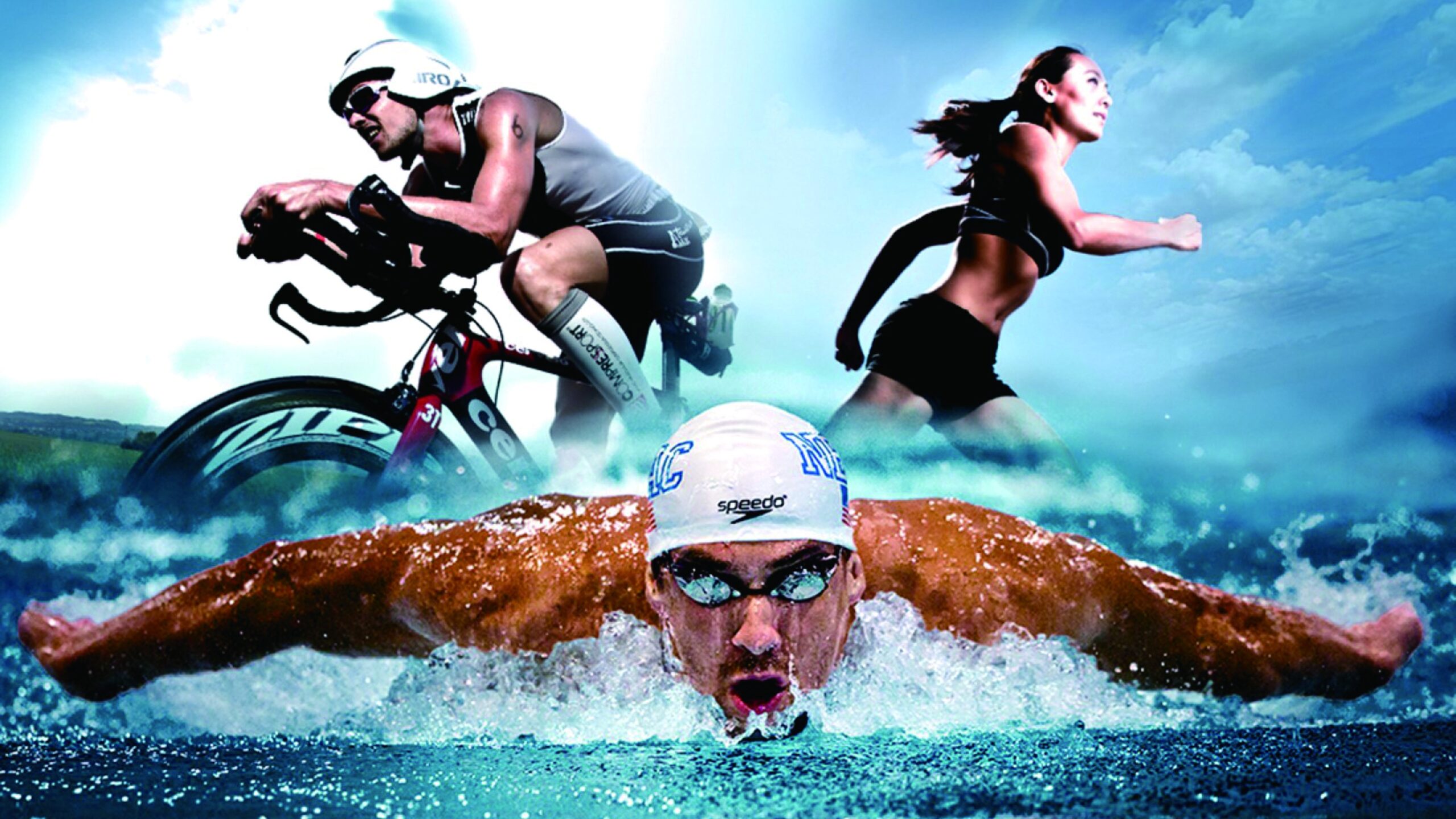
The triathlon is a sport that will push you to your limits of endurance and test your competitive spirit to its maximum. For many, the very thought of doing three different sporting activities in one go is simply too off-putting, too much of a test of physical stamina. But for others, the sense of overcoming great odds and of facing a supreme test of character is its great attraction. And it’s also a sport for all ages.

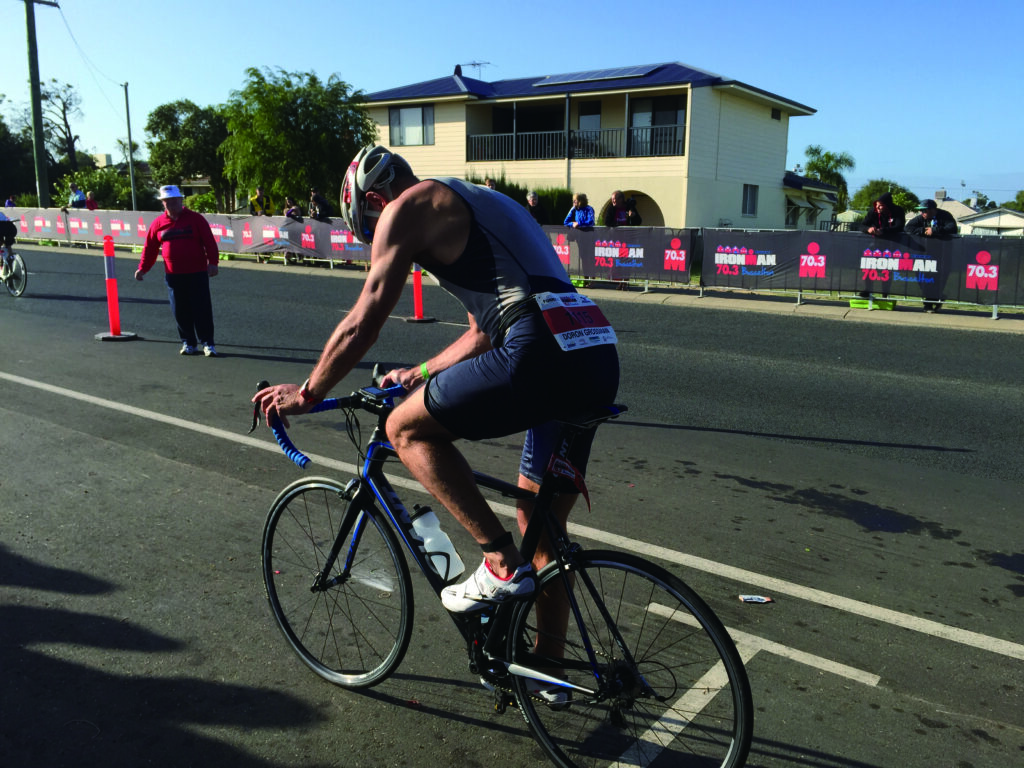
“Anyone can challenge themselves, regardless of age, I have seen people in their 80s participating,” says Doron Grossman, an Australian in his 60s and a veteran of several Singapore triathlons, as well as the Busselton and Bintan half ironman events. Such is his sense of achievement from these activities that he would actively encourage anyone to participate in triathlons.
What is a triathlon?

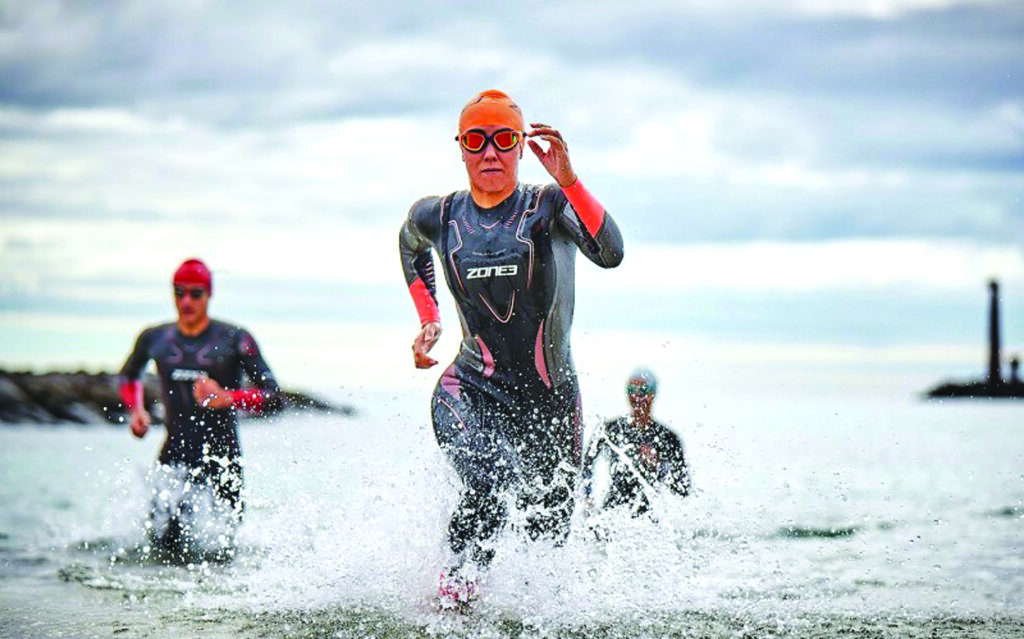
The standard triathlon combines swimming, biking and running, usually in that order, although any multi-endurance event in which three different sports are completed consecutively can be considered a triathlon. There are common triathlon distances for different categories, from the supersprint, which in total equates to about seven miles, up to an Ironman, which is even harder and totals around 140 miles. The first recorded triathlon took place in San Diego in 1974 and it became an Olympic Sport in 2000 in Sydney.

Why do people do it?

There are known to be considerable physical, health and other benefits from training for and participating in triathlons. As you train for a triathlon, your body will adapt to increased workloads and upgrade its cardio-respiratory function.

And this produces knock-on benefits. “I believe being physically fit assists in being mentally healthy and alert. Also, the endorphins that are produced really make you feel great about yourself. Participation also forces you to eat more healthily in order to fuel your body,” says Doron, who is also the managing director of a company involved in the insurance sector in Hong Kong.
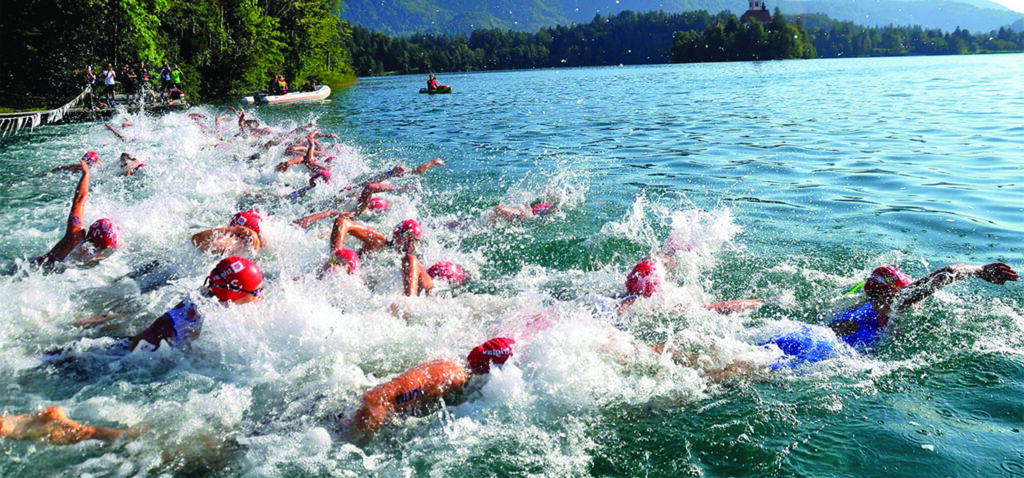
Some competitors experience a strong emotional charge during training and competitions. Others report an intense almost spiritual feeling of overcoming adversity and struggle and of feeling a great sense of achievement.

Beyond that, there are a multitude of potential health benefits – lower bad (and higher good) cholesterol levels, reduced chance of strokes and heart attacks, lower blood pressure, reduced chance of diabetes, better overall body composition, and stronger bones to name but a few.

There is also a social aspect, with Doron saying: “You also meet a lot of people as training partners or coaches that create a like-minded social circle.”
The benefits of cross-training

Triathlon involves three sports so inherently training for such an activity involves crosstraining and includes a variety of exercises in the training routine.

This is also what makes training for triathlons so appealing for some, with the variety in the training routine reducing the burnout typically caused by concentrating on one type of exercise. Fitness can then become enjoyable and a lifestyle option. “The fact that it involves three disciplines makes training interesting. Many people get bored if they just run, bike or swim. By mixing it up, it keeps you motivated to train,” says Doron.

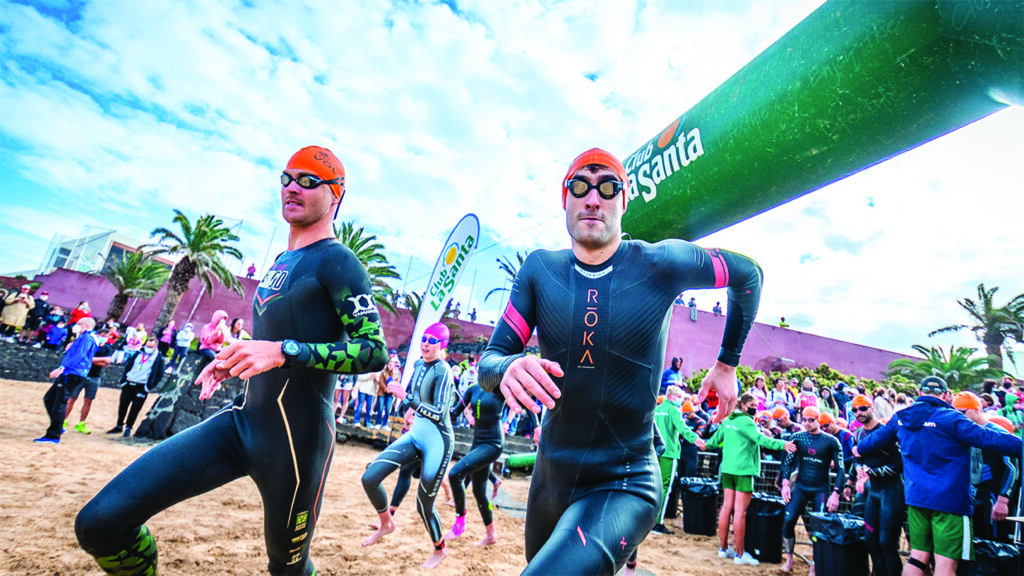
Obviously, to compete in triathlons you need a certain level of competence in swimming, biking and running. For newcomers to the sport, it is the swimming part which often appears the most challenging, including for Doron, who actually had to learn to swim before he could take part in his first such event.

Irrespective of any competitor’s individual goal, it is actually the training which is the most important aspect of a triathlon.
Time – the biggest commitment

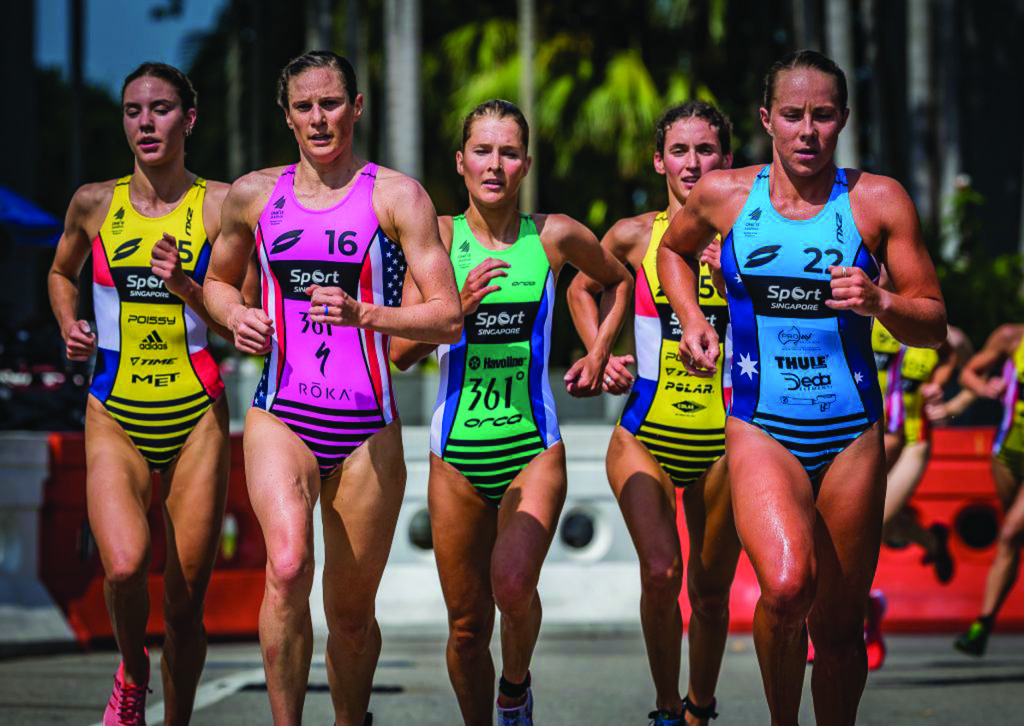
“The biggest commitment is time. Training involves spending time training in all three disciplines as well as training for the transition, which is where you change gear from one discipline to another,” says Doron.

The transition is the stage where competitors drop off equipment they no longer need and pick up equipment they require for the next stage of the triathlon. Some experts suggest bringing along more items rather than potentially missing something.

Each individual athlete naturally has different strengths which affect their training routine. Training programs can be tailor-made to suit individual circumstances. “Personally, most of my training is concentrated around running, which is my greatest strength and I find that the cardiovascular fitness really helps with the bike. I also spend a few days a week swimming as that is my weakest sport and have to force myself to improve my technique as the fitness for swimming is already there.”
Doron believes anyone considering participating will need to have a good level of cardiovascular fitness and be prepared to participate in some form of activity for approximately one hour at least five days a week.

Obviously, there is the equipment necessary for the competition, which should be purchased with the idea of maximising comfort and efficiency for your training program and lifestyle. This equipment includes the right swimsuits, bike types, helmets and glasses, pedals, shoes, running apparel, nutrition belts, hydration systems and GPS watch amongst others.

Ultimately, top-tier triathlon competitors can be driven people, the prime example being Leslie Paterson. She used every skill she learnt competing in the triathlon, sometimes overcoming great pain and adversity, to raise funds for an adaption of All Quiet On The Western Front (which recently won seven BAFTAs) after years of it being rejected by Hollywood. She even completed a triathlon in Costa Rica with a broken shoulder to help fund the project. Now, that’s dedication.
Five things to do to recover after running a marathon

So you’ve just ran your 10km marathon and are on an adrenaline high about your triumph. After months of training crossing that finish line makes it all feel worth it, but it doesn’t end there…Running long distances can put any body under a lot of stress. It is crucial that runners be aware and mindful of their post-marathon recovery plan to avoid the risk of injury and reduce the symptoms of muscular, skeletal and cellular damage and post-marathon fatigue.

If you feel unwell or have abnormal coloured urine, it might be best to seek medical advise. However for general muscle recovery post-run,  here are five things to do to recover from a marathon

Gafencu_post_run_marathon_recovery_healing_2

1. Keep it moving
The moment you cross that finish line, your legs will go from running to barely able to move. But this isn’t the time to stop. Bringing your body to an abrupt halt after putting it through heavy exertion can cause severe cramps in the muscle. Instead, try brisk walking or walking at a casual pace — whatever your body can take — just keep it moving.

2. Grab a recovery snack / drink
Within 20 minutes of your hard run, hydrate your body with water, carbohydrates and protein. Protein shakes, electrolite tables in water, and protein bars help nourish the body with a quick and effective muscle restoration. As for your post-run recovery meal, put carbohydrates and starchy food ahead of anything else for a much needed refuel in energy, then protein for muscle repair. Don’t forget to stay hydrated with water throughout the day!

Gafencu_post_run_marathon_recovery_healing_1

3. Go for a light massage 
Your legs have just completed a 10km run and is in need of some tender love and care. At this point, going for a light massage just to encourage the blood circulation throughout the body, warm up the muscle fibers and remove any built up lactic acid in the body which can cause muscle tension. Above all, don’t forget to stretch!

4. Try cryo- , heat, or float therapy
Once you get home, you may be tempted to jump in the shower. However, between the debate between cold or heat therapy, you might be contemplating between an ice bath or hot shower to alleviate muscle soreness. While ice baths, otherwise known as cryotherapy, constrictsblood vessels and decreases metabolic activity helping bring down the swelling and the breakdown of muscle tissue, heat therapy, on the other hand, helps relax the muscle and allow fluids to flow more freely through your body.

Alternatively, float therapy also provides a great and tranquil session for the body to recover. The sensory deprivation chamber is filled with about 454kg of Epsom salt, making the water dense with magnesium sulfate, thus promoting the increase in magnesium in the body which is ideal for muscle recovery. 

Gafencu_post_run_marathon_recovery_healing_3

5. Take two-weeks off
Whether you are an amateur or professional marathon runner, after any long distance marathon, it is always important to give your body a rest and avoid cross training. It takes 10 to 12 days for muscle, cellular and skeletal damage from marathons, while the compromised immune system takes 3 days to recover, though professional runners can take up to a month of rest just to recover.

Not having a proper recovery plan can lead to injuries, an increase in total recovery time and decrease in over all performance in the long run. But for those who cannot go a week without activity, perhaps light activity such as swimming and yoga will satisfy your yearnings. 


Also Read: Unusual alternative therapies to try in Hong Kong


February Events: Highlights for Hong Kong’s upcoming month

With health and safety being the top priority in Hong Kong right now, many events have been either cancelled or postponed events. If, however, you are willing to brave a little uncertainty, the city still has an array of – surely welcome – diversions on offer.

February events

Comic World Hong Kong

2 Feb

If you are a fan of the comics or simply in the mood to explore the genre, the biannual Comic World Hong Kong is one event you should certainly add to your calendar. From creating the best character to how to draft a truly-gripping one-page strip, the event is the perfect introduction to this irresistibly modish medium.

Kowloon Bay International Trade & Exhibition Centre – Hall 2 & 3.

February events

Disney on Ice – Live Your Dreams

19-23 Feb

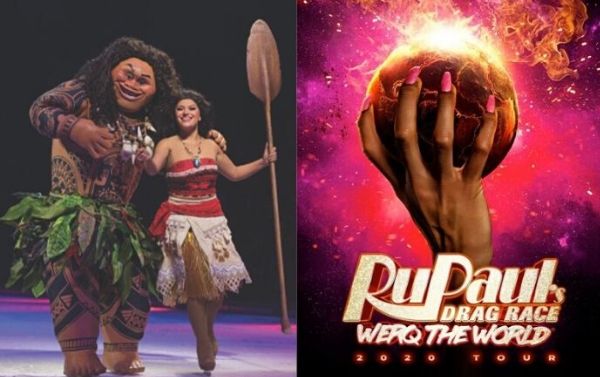
In the unlikely event your dreams largely revolve around talking mice, petulant ducks and lions lip-synching to Elton John then the wonderful world of Disney is definitely for you. If you like all of the above, plus winter sports, then boy – or girl – are you in for a treat. As you might expect, Let It Go will be belted out at least once and we’d put money on a snowboarding Baloo or two delivering the Bear Necessities before the night is out. While legend has it that Uncle Walt had his head cryogenically frozen in the hope of one day being resurrected that is not a regular part of the show. Shame that.

Hong Kong Convention and Exhibition Centre.

February events

Werq The World

21-22 Feb

Speaking of sass and style, the stars of top-rated reality show RuPaul’s Drag Race – a series that has notched up 10 Emmy wins out of a total of 30 nominations – are returning to Hong Kong as part of the Werq The World global tour. Taking all things intergalactic theme as the suitably out-of-this-world theme, the cast includes some of the show’s most notorious former contestants, including Yvie Oddly, Kim Chi, Monet X Exchange and Aquaria. This titanic team-up, of course, is on a mission to save the galaxy, so expect laughs by the light year and truly cosmic costumed capers.

AC Hall.

February events

Kidsfest! 2020

15 Jan-23 Feb

While billing itself as “World Class Theatre for Young People” may not make itself sound the coolest of happenings – here’s a hint organisers: only maiden aunts and superannuated politicos ever use the term “young people” unironically, Kidsfest! is actually a blast. With nearly a month’s worth of on-stage shenanigans to be had, the standouts here are likely to be pretty much anything Gruffalo-related. Also, worth a peek are the worryingly gender-specific Mr Men and Little Misses and couple of favourites – notably Stick Man and The Snail and the Whale.

Drama Theatre, The Hong Kong Academy of Performing Arts.

February events

Translantau 2020

28 Feb-1 March

If you didn’t give yourself a coronary or irretrievably twist something vital at the beginning of last month in the Ultra-Trail, the ever considerate organisers of the Tranlantau 103km I cant-believe-that’s-anybody’s-idea-of Fun Run are giving you a second chance to commit jogacide.. Now in its ninth edition – and with no sign of a published casualties list  – it may actually be safer than it sounds. So, should you take part? Well, let’s put it this way, no-one not enjoying an exclusive Make-A-Wish early preview has ever died during a Star Wars movie. And that’s coming up next.

February events