

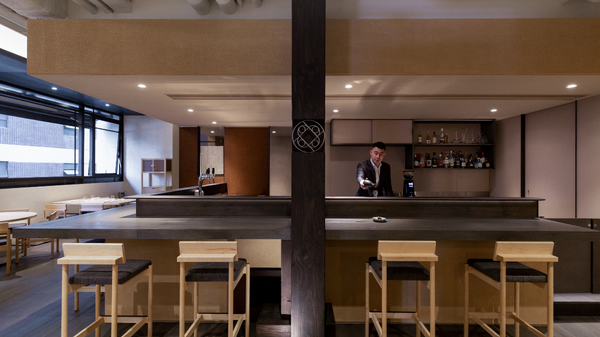
Han Sweet Han: Hansik Goo celebrates its 2nd anniversary with a Michelin Star

What takes a food experience into the next realm, is the emotion it evokes and the stories it tells. A truly special dining experience can bring to mind the first bite of a fondly remembered dish, or the ambience of a simple, cosy dining room can recall family meals at home.

dining-taste-hansikgoo-michelin-star-korean-cuisine-kangmingoo-hongkong-interior

At Hansik Goo, the idea of sharing a meal and serving authentic Korean flavours are two pillars that bring together a holistic dining experience. So much so that it had earned its first Michelin star this year, making it the first Korean restaurant into the Michelin Guide Hong Kong & Macau. It is also head chef Steve Lee’s first Michelin star since taking over the helm from successor and founding chef Mingoo Kang two years ago. The third pillar to this fast-rising local favourite is a modern touch that completes the circle.

dining-taste-hansikgoo-michelin-star-korean-cuisine-kangmingoo-hongkong-chef-steve-lee

Despite being Korean, Hansik Goo is chef Lee’s first Korean culinary experience. “Korean cuisine is my home food – I have the background, the memory and the palate. These help me bring together authentic Korean flavours, while my experience in western cuisine allows me to add a modern twist to it”, says Lee. Celebrating its second anniversary, we tuck into the restaurant’s tempting seasonal Korean flavours and the signature dishes that have won over the hearts of their diners over the last two years.

dining-taste-hansikgoo-michelin-star-korean-cuisine-kangmingoo-hongkong-fish-mandu

Kicking off our tasting menu with a delicate start, the Fish Mandu arrived with an intriguing composition. Serving seasonal blackthroat seaperch stuffed with pork and a generous layer of pork floss in cho-ganjang sauce, each bite offered an interesting combination of sweet, tangy and rich umami – gently delivered by the tender fish meat, and finished with the sensational pork floss that dissolves in the mouth.

dining-taste-hansikgoo-michelin-star-korean-cuisine-kangmingoo-hongkong-entrance-KFC-korean-fried-chicken

Next to the table was the Korean Fried Chicken, a popular add-on to the seasonal menu and the hero dish that carried the eatery through the Covid-19 pandemic’s dining restrictions. At first bite, we understand why. Simple and homey, yet perfectly juicy and tender with the right balance of batter and meat – a rarity in the city. The deep fried chicken was paired with sparsely battered eggplant and drizzled with yuza jang which gave the dish a refreshingly deep flavour that remained light and not overwhelming to the palate.

dining-taste-hansikgoo-michelin-star-korean-cuisine-kangmingoo-hongkong-entrance-sangyam-risotto-2.0

We then shifted attention to the signature Samgye Risotto 2.0. Welcoming the season of morel mushroom in its iconic chicken roulade, the dish was completed with slices of steamed South African abalone sumptuously brushed with house-made Korean prickly-ash butter and coriander, and a serving of Ginseng infused glutinous rice. Cheekily referred to as ‘the risotto’, the rich flavours of each component stands out but also comes together in a harmonious combination of flavours.

dining-taste-hansikgoo-michelin-star-korean-cuisine-kangmingoo-hongkong-pork-duo

Following up with the last main dish, the Pork Duo is laid across the table complete with a brass bowl of Yukhweh Bibimbap and a series of house-fermented and house-made condiments that added depth in flavour to the overall dish. Showcasing two types of grilled pork: ganjang Iberico pork chop and gochujang marinated pork neck, and served alongside a refreshing Dallae (wild rocambol, or garlic leaves), the house-made sauces recalls childhood and family dinners around the grill. A tender memory elevated by the bibimbap that was served with an assortment of fresh vegetables and mouth-watering beef tartare.

dining-taste-hansikgoo-michelin-star-korean-cuisine-kangmingoo-hongkong-entrance-jang-trio

The best was saved next to last, with the arrival of chef Mingoo’s sensational signature dessert, Jang Trio. A creative composition of sweet crystallised Doenjang crème brÛlée, an ultra-light and airy home-made vanilla ice cream, and ganjang glazed pecan and gochujang powder as garnish – a perfect marriage of textures and flavours.

dining-taste-hansikgoo-michelin-star-korean-cuisine-kangmingoo-hongkong-entrance-dagwa

For the finalé, we were treated to Dagwa, a delicious assortment of refreshments to end the meal – with a touch of finesse to elevate the array of sweets. A warm sip of Korean mulberry leaf tea perfectly complimented a plate of savoury black sesame dasik, sweet yakgwa and strawberry jeonggwa. We ended our charming dinner at Hansik Goo with the kind of contentment that brings back the comforting warmth of home.


Hansik Goo. 1/F, The Wellington, 198 Wellington Street, Central. (852) 2798 8768. hansikgoo.hk

(Text & Photos: Roberliza Eugenio)
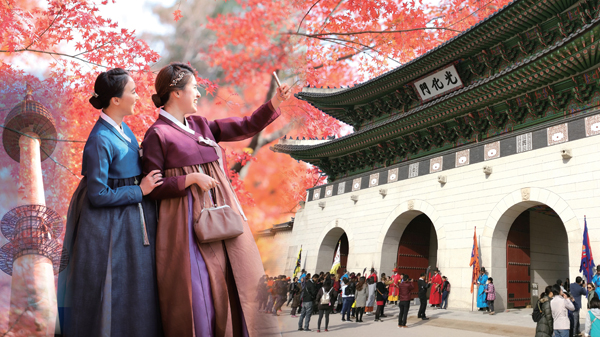
Seoul Searching: Exploring the countless sights of South Korea’s capital city

Despite boasting a population of just over 50 million souls, the nation of South Korea has in the past four decades, become something of a cultural powerhouse, with its music, electronics, cuisine, cosmetics and TV shows entering the mainstream and developing a legion of fans across the globe. Indeed, it’s no stretch to say the world is now obsessed with South Korea. This, in turn, has turned its capital of Seoul into one of Asia’s most visited destinations, drawing over 17.5 million intrepid travellers in 2019.

Gafencu Magazine Seoul Searching South Korea’s capital city national palace
Sadly, the coronavirus pandemic has brought all travel to a sudden halt, but that doesn’t mean you can’t plan ahead to better days when borders once again open up and you can visit this unique destination once more. In preparation, we highlight some of Seoul’s most visit-worthy sights to put on your itinerary…

Gafencu Magazine Seoul Searching South Korea’s capital city changing of the guard gyeongbokgung
Gyeongbokgung

Perhaps the most iconic of Seoul’s five palaces, Gyeongbokgung is also the largest. Built in 1395 during the Joseon Dynasty as its main royal residence, it was destroyed during World War II by Japanese occupiers, but the Korean government has painstakingly rebuilt and restored the complex – which encompasses some 330 buildings in all – back to its original glory. Visitors here should not miss the changing of the guard ceremony, which occurs at 10am and 2pm daily. For a truly culturally immersive experience, you can also explore the National Palace Museum and National Folk Museum that are on the grounds. The entrance fee is even waived for guests dressed in the traditional hanbok robes, which can be rented at various outlets in the city.

Gafencu Magazine Seoul Searching South Korea’s capital city trees


Changdeokgung
A short walk to the east of Gwanghwamun – the main gate of Gyeongbokgung – is Changdeokgung, the city’s second-largest palace. Dotted with a plethora of leafy pathways, ancient temples and picturesque pavilions, it affords travellers a tranquil reprieve from the urban jungle just beyond its boundaries. Changdeokgung is a particularly popular hotspot for tourists and Seoulites alike during the spring and autumn seasons, with cherry blossoms blooming during the former and spectacular fall foliage on display during the latter.

Gafencu Magazine Seoul Searching South Korea’s capital city autumn

Bukchon Hanok Village
Nestled between the two palaces atop the hill, you will find the traditional Korean village, also known as a hanok, of Bukchon. Once inhabited by nobility and high-ranking government officials, in all, some 400 old-fashioned houses comprise the mini-town. Many have since been transformed into cultural centres, guest houses, tea houses, shops and eateries. Perhaps among the city’s most Instagrammable locales, it’s not unusual to see its rustic streets thronged by crowds dressed in hanbok couture.

Gafencu Magazine Seoul Searching South Korea’s capital city food

Cheonggyecheon Stream
Amid the skyrise-laden buildings of Seoul’s business district runs a 10km-long stream lined with pedestrian promenades – Cheonggyecheon Stream. Popular throughout the year as a getaway from the hustle and bustle of city life, it’s a particular draw during such holidays as Buddha’s Birthday, the Lantern Festival and Christmas, when the waterways are punctuated with various artworks and illuminations. As you meander along the river, keep an eye out for sign posts for Gwangjang Market, the city’s oldest traditional market. Laden with everything from kitchen appliances to dummy food props, the key highlights here are the array of culinary treats on offer at its centre. Here, must-try dishes include mandu (Korean dumpling) soup, bibimbap – rice topped with various vegetables and meats and presented in a hot stone pot – and, of course, the famous Korean mung bean pancake, or bindaetteok, a deep-fried concoction fronted by such ingredients such as mung beans, bean sprouts, onions, peppers and egg.

Gafencu Magazine Seoul Searching South Korea’s capital city hanbok robe

Namdaemun Market
Another must-visit destination for foodies is Namdaemun Market, the largest traditional market in the country. Frequented by locals and tourists alike, you’ll find everything from fresh produce to clothing in the many stalls on display. Alongside these are a veritable treasure trove of cheap eats, ranging from spicy tteokbokki rice cakes and meat skewers to kimchi stews and seafood. Retailers here open through the day, while wholesalers and food vendors work through the night from 11pm to 4am. The best way to cover most ground here is to graze sparingly, taking small portions as you walk through the market in order to save some appetite for other culinary treats you may discover.

Gafencu Magazine Seoul Searching South Korea’s capital city cable car

N Seoul Tower
For a change of scenery, perhaps a visit to N Seoul Tower – perched atop the 243m Namsan Mountain – is the way to go. Adventurous and athletically inclined explorers can actually scale to the peak via a 2km trail, while those in search of a more sedentary option can head to the cable car instead. The tower measures some 236m in height, and the observatory platform there affords some of the city’s best panoramas. To prolong your visit, drop by the revolving restaurant, and for couples in love, don’t forget to add your own ‘lock of love’ to lock-laden gates here.

Gafencu Magazine Seoul Searching South Korea’s capital city shopping

Gangnam
Heading back into town, no visit to Seoul is complete without visiting the bustling neighbourhood of Gangnam. Made famous with singer Psy’s viral 2012 hit, Gangnam Style, it’s brimming with trendy restaurants, upscale cocktail bars and much more. The area is also home to the COEX Mall, the world’s largest underground shopping complex, where you’ll find hundreds of stores, a mammoth book store, a Megabox movie theatre and even the COEX Aquarium. Fans of K-pop should also head to SM Town, a museum dedicated to the country’s modern musical culture. Here, you can even watch full hologram renditions of past concerts – a wonderfully quirky way to experience the modern side of South Korea.