

The Best Food and Wine Pairings: Which wine goes well with which dish?

Both chefs and food lovers would agree that a dish must be relished and people should be able to appreciate the food’s different flavours, and wines have often been a trusted way to bring out a dish’s optimal taste. Case in point, many tasting menus created by fine dining restaurants will serve a glass of white or red that would complement the dish on the plate.

While you can pair food with a drink from your personal wine collection or the one you newly bought from the store, some of these connoisseur-picked food and wine combinations will certainly impress your taste buds.
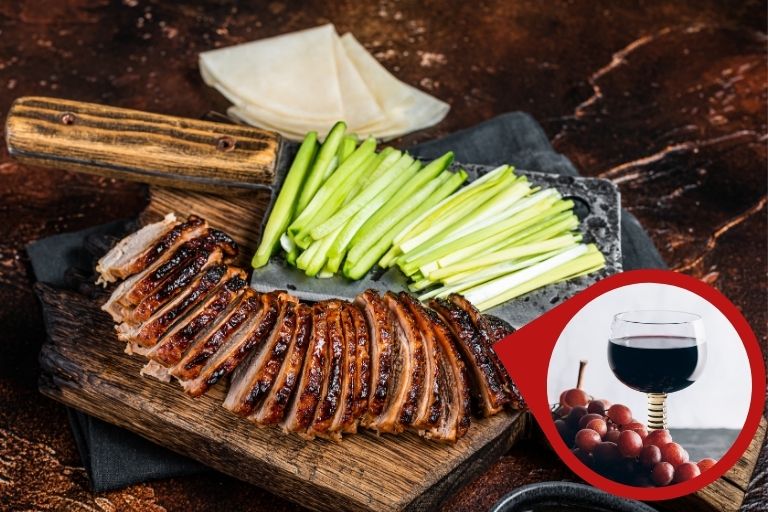
Peking Duck and Pinot Noir

Food enthusiasts have different opinions when picking a wine bottle that matches perfectly with this popular Chinese dish, but the most common pick has always been Pinot Noir. This is because Peking Ducks have a rich salty and savoury taste to them due to the hoisin sauce that is added to the crispy duck meat. So, a wine like Pinot Noir which has a relatively high amount of acidity to it balances out the roasted duck’s intense flavours, making this one of the most favoured food and wine combinations.
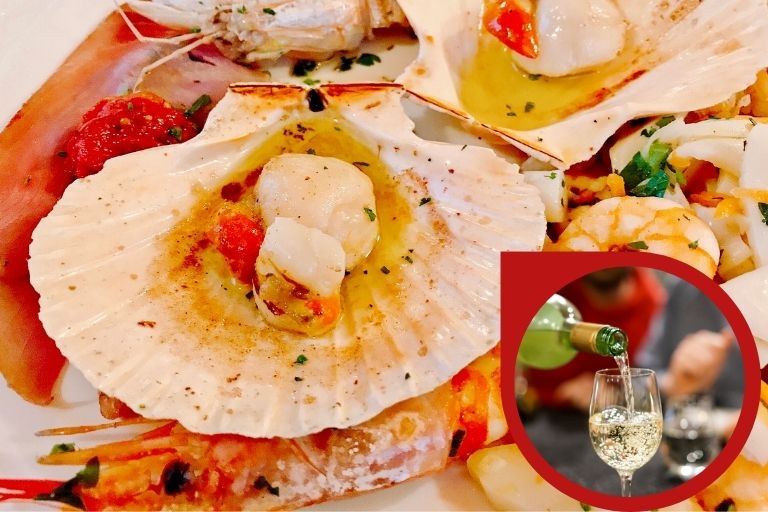
Shellfish and Japanese Koshu Wine

This wine variety that originates from Japan has subtle notes of fruitiness allowing people to feel the refreshing taste of white grapes and apples in each sip with the Koshu wine being produced at a specific altitude and temperature. Such flavours, in combination with its low acidity, make this white wine variety a perfect drink to pair with shellfish dishes, which are often cooked with a thick layer of butter, as the food and the wine balance each other out. To enjoy the best of this wine pairing, you may want to try the Michelin-starred restaurant Arcane’s Lightly Cured Hokkaido Scallops with a glass of the Grace Wine Gris de Koshu 2021 which Chef Shane Osborn has featured in Arcane’s limited-edition menu in collaboration with CulinArt 1862 that is exclusively only available on the 17th and 18th of May.
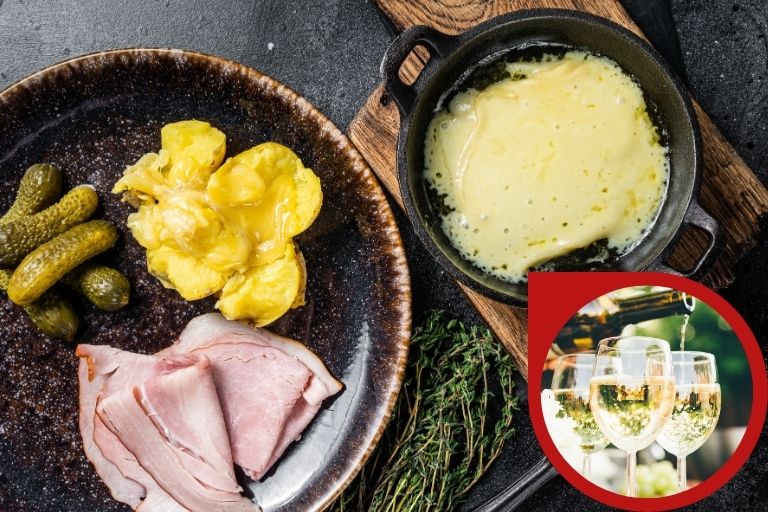
Raclette and Burgundy Chardonnay

Another food and wine pairing that has been recommended by top chefs for the light texture of the wine to balance out the heaviness of the dish is the Raclette paired with a glass or more of Burgundy Chardonnay. For those unfamiliar, the Raclette is a classic French dish that is made by melting the Raclette cheese and eaten in combination with boiled potatoes, meat, pickles and spices. With the dish obviously being packed with calories and rich in flavours, a French wine like Bourgogne blanc has citrus notes and a subtle saltiness that make it go well with something heavy like a traditional Raclette.
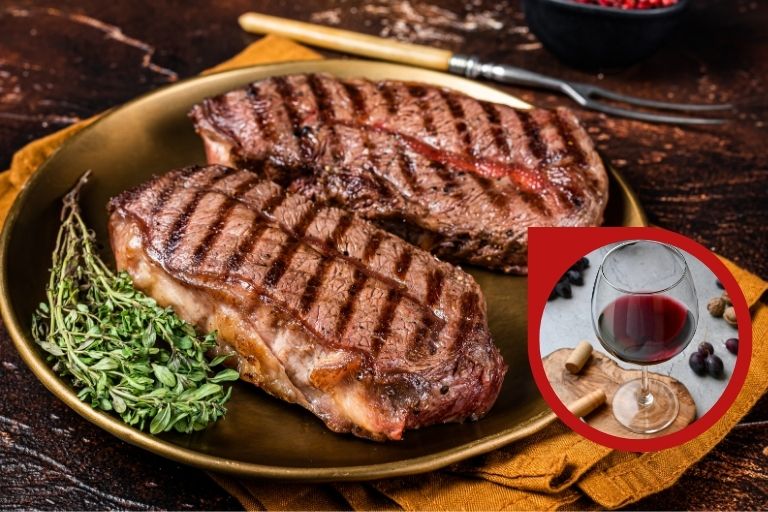
Wagyu Steak and Rioja Red Wine

Red wines have often been voted as the best wine to be paired with steaks, and apparently, there is a scientific reason for it. Red wines have a substance called tannins, particularly strong in the younger wines, which has a molecular structure that helps to melt fats, thus when paired with a dish like steak, it brings out the taste to the fullest by cutting into this thick layer of meat. True to this technique is Chef Stanley Wong’s recommended pairing – Binchotan-Grilled Australian Wagyu Striploin with Finca La Emperatriz Las Cenizas 2018 which can also be enjoyed at CulinArt 1862’s six-course tasting menu that has been created alongside Arcane.
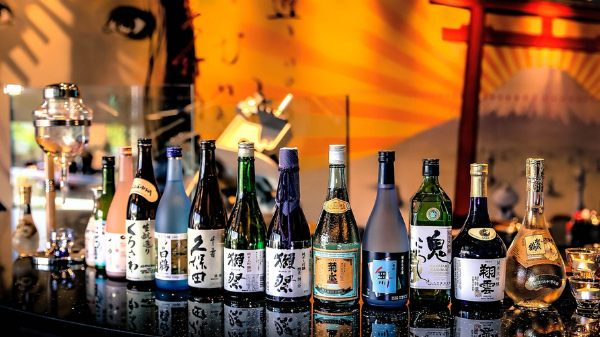
World Sake Day: Gafencu’s definitive guide to choosing Sake

Celebrated annually on 1st October, World Sake Day is the mark of the first day of sake making season in Japan – an alcoholic beverage that has, over the last few years, grown in popularity around the world. Despite its “Japanese wine” translation, it is crafted with a method more akin to beer by use of fermenting polished rice, yeast and water, but the result is a beverage that is as elegant as wine.

Curious to which jump on the bandwagon of sake drinking? Gafencu breaks down the five major types to try, what are the differences and how they are served… 

Gafencu_world_sake_day_japanese_wine_alcohol_drinks

Junmai Gingo and Junmai Daigingo
Junmai, a premium-tier that is, as its name suggests, made with pure rice wine, referring to its unadulterated treatment of using additives like distilled alcohol or any additional starch or sugar to fortify the contents. The polished rice used, which to put simply, is a necessary process of turning starch into sugar in order to brew alcohol, stays 50% to 70% in tact, offering a full bodied tipple that is higher in acidity and alcohol level as well as richer in umami flavours. 

Ginjo
Ginjo is, unlike Junmai, a more delicate, light and fruity flavour that comes from using a cultured Gingo yeast that lands on the fruity and floral side of the aromatic spectrum. Its polished grains retain about 60% of its original size, but unlike Junmai, it is topped up with a small amount of brewer’s distilled alcohol to give it a distinctive aromatic flavour that is delightful when served chilled.

Daiginjo
Like, Gingo, Daiginjo, nicely served chilled, is a more delicate alternative to its purer Junmai counterpart thanks to its use of milled rice that retains only 35% to 50% of its original size, and topped with a modest amount of distilled alcohol towards the end of the process, resulting in a more fragrant, cleaner and lighter texture followed by a brief tail that is easy on the palate.  

Also Read: Ginjoism: Why Japan’s beloved sake is riding high on a wave of popular demand

Gafencu_world_sake_day_japanese_wine_alcohol_how_to_choose

Honjozo
An easily misunderstood type; it is commonly mistaken as a fortified sake. However, not too differently from blended whiskies or Ginjo and Daiginjo, Honjozo’s blending is largely regulated and features a stylistic way of incorporating brewer’s alcohol to pure rice wine at the end of the process. This is, contrary to popular belief, not to raise alcohol content, but rather to enhance the notes of non-soluable Gingo yeast. The outcome? a lighter, brighter and more palatable flavour profile for sake enthusiasts and beginners. It is ? ideally served warm, although not a rule.

Namazake
Nama is a type of seasonal brew that is unpasteurised. While sakes are usually heated before fermenting and bottling to deactivate live enzymes that would feed the lactic bacteria in the yeast that ruins the contents. Namazake, which can be any brew that is not pasturised, is brewed and bottled immediately without being treated with heat, giving it its refreshing and lively notes. However, to prevent its contents from changing and going bad, it needs to be refrigerated. 

Gafencu_world_sake_day_japanese_wine_alcohol_guide

Hot vs Cold
While premium sake are typically served hot at 43-degrees, the hot-or-cold debate is more of a preference than a definitive rule; unless it is unfiltered or cloudy, in which case it needs to be refrigerated. Sake is a versatile beverage that can be served at any temperature, so don’t be afraid to experiment while finding the perfect temperature that suits your taste.

While serving temperature varies, mannerisms and etiquette when drinking sake is quite set. It is a traditional beverage that is steeped in culture and traditions, such as using two hands to serve a bottle and pouring for seniors before anyone else. Find out more, read here.

Also Read: Kampai! A definitive guide to sake-drinking etiquette

Gafencu_world_sake_day_japanese_wine_alcohol_5

Which sake bars to try:

Sake Central
PMQ, Aberdeen Street, Central
Located right in the artisanal craftsmanship and cultural building PMQ, it is home to the widest range of sake in Hong Kong, backed by the team behind the trendiest yakitori hot spot in the city, Yardbird. 

The Aubrey
Mandarin Oriental, Central
There is little better spots to visit for an exclusive Japanese wine and cocktail-focused spot than The Aubrey’s Champagne and Sake bar. Limited to only four seats, the bar serves as a stage to an intimate and interactive omakase sake experience that discerning drinkers are sure to enjoy.

Sake Beya Masu
Sun Street, Wan Chai
Nestled behind Wan Chai’s star street, is a speakeasy sake bar that gives off a picturesque classic Kyoto vibe. It’s a cosy place that offers a full range of premium sake selections that go perfectly with its culinary offerings. Continuing its service only until next January (2022), patrons can enjoy exploring the flight of Japanese wine and food pairing here for the next six months.

Godenya
Wellington Street, Central
Widely recognised for its sensational sake food pairing, Godenya by Master Chef Goshima Shinya offers a cosy omakase experience. Each course is served complete with an accompanying sake labeled with the beverage’s name, grade, and the ideal serving temperature – for a fully immersive Japanese wine-and-dine experience.

Also Read: Enso Good: Delicious Japanese yakitori and stunning ocean views…