
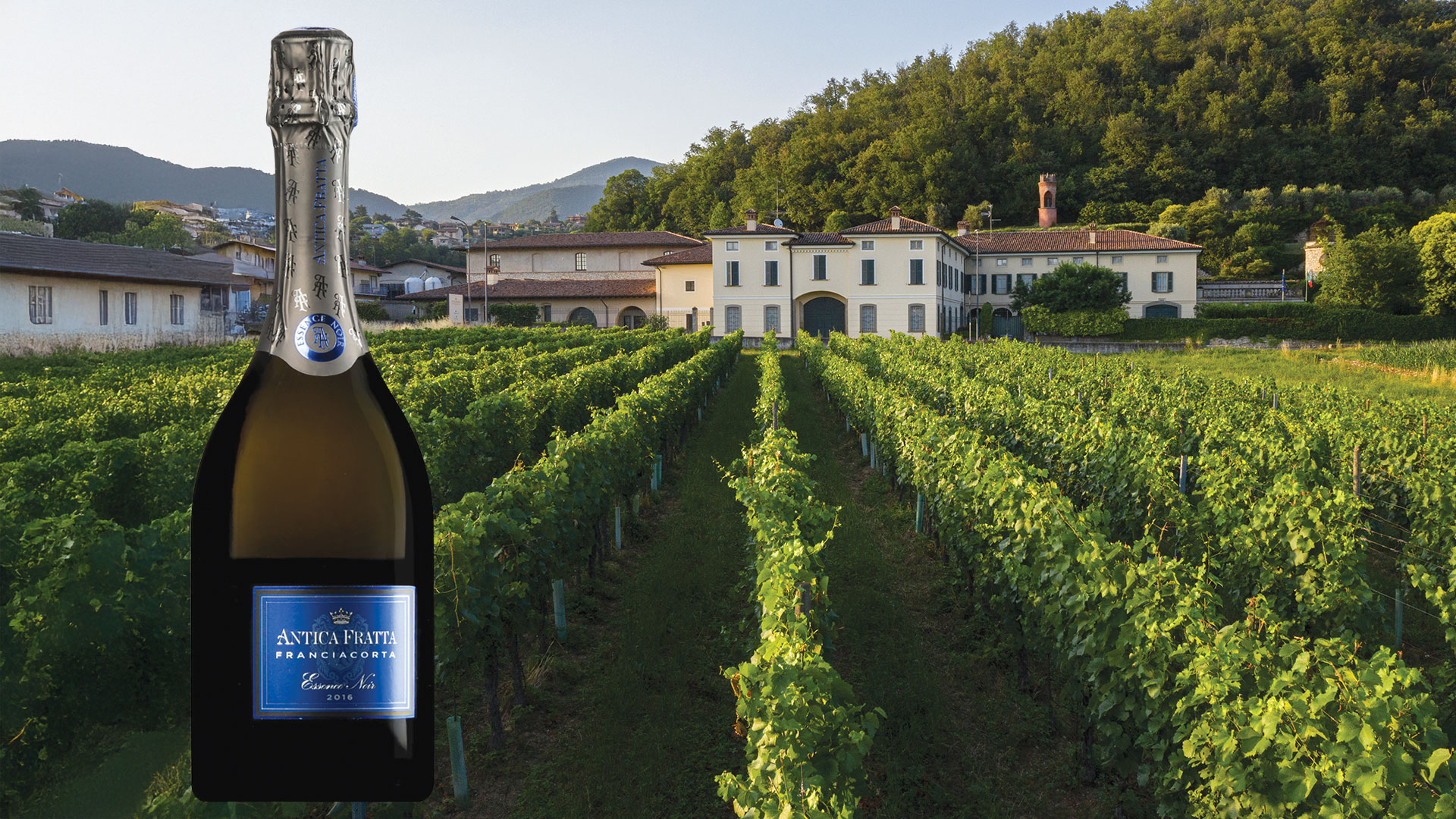
Lombardy Sparkle: Franciacorta’s quality bubbles are sparking a real buzz in the wine world

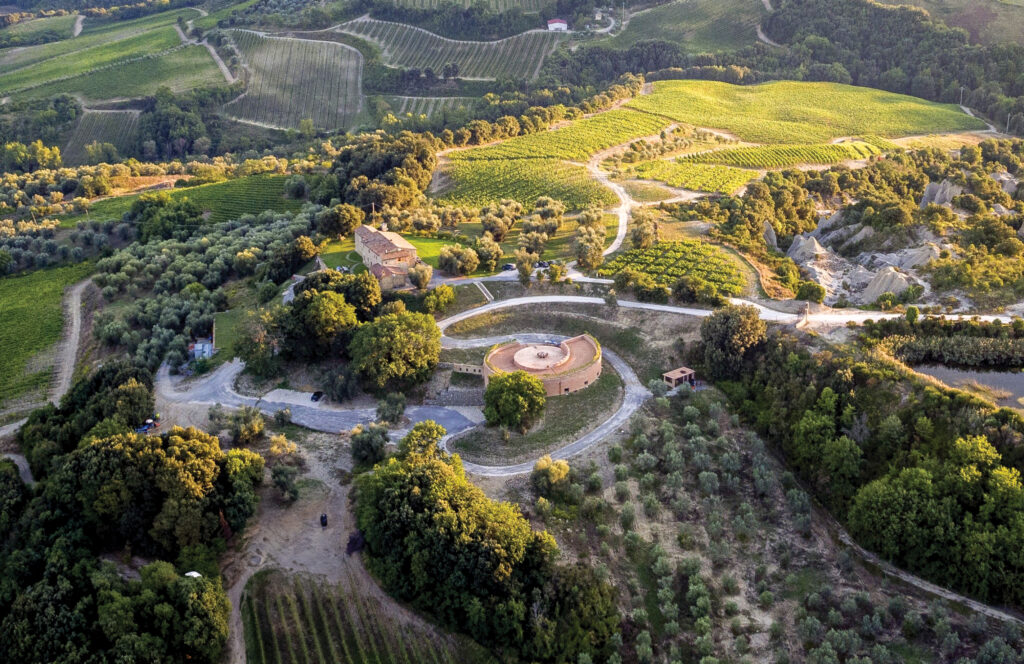
Located in the province of Brescia in Lombardy, Italy, the spectacular wine region of Franciacorta has blossomed into one of the gems of global viticulture. This tiny area is famed for the quality of its sparkling wines, whose most enthusiastic devotees say are a match for some of the finest Champagnes. It is exactly 30 years since these remarkable bubbles – produced using the traditional method – were awarded full DOCG classification, Italy’s top rank of wine-producing regions.

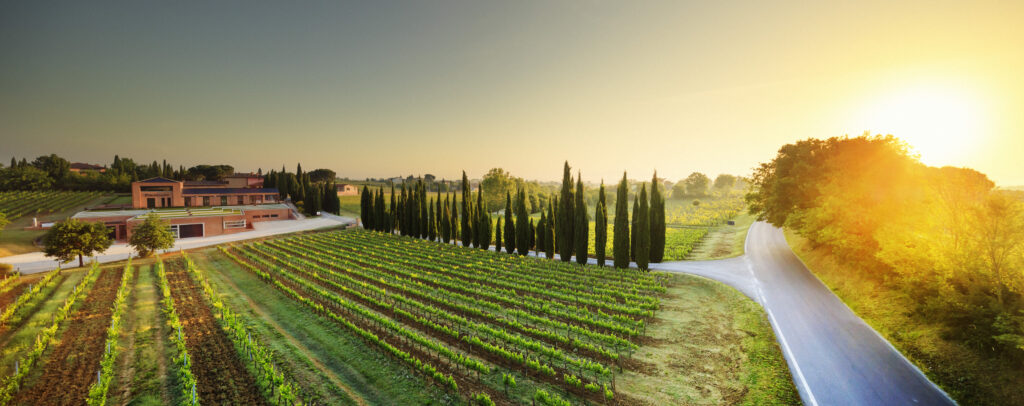
Though the area is situated in southern Europe, which is generally blessed with a warm climate, many of the vineyards are planted near the southern shores of Lake Iseo in the foothills of the Alps. Temperatures here are dampened by cold air descending from the mountain slopes, preventing the fruit from over-ripening in the sun. The lakeside locale is crucial in moderating this effect, providing a micro-climate suited to making some of the world’s best sparkling wines. Ultimately, the unique geography of the area enables the high level of acidity required for top-quality fizz.

Sparkling star

Alex Wai, Sommelier at Grissini, one of Hong Kong’s most prestigious Italian restaurants, reveals the area’s rolling hills were shaped by glacial action. He praises its glacial moraine soil, comprising gravel and sand over limestone, as ideal for the cultivation of grapes.
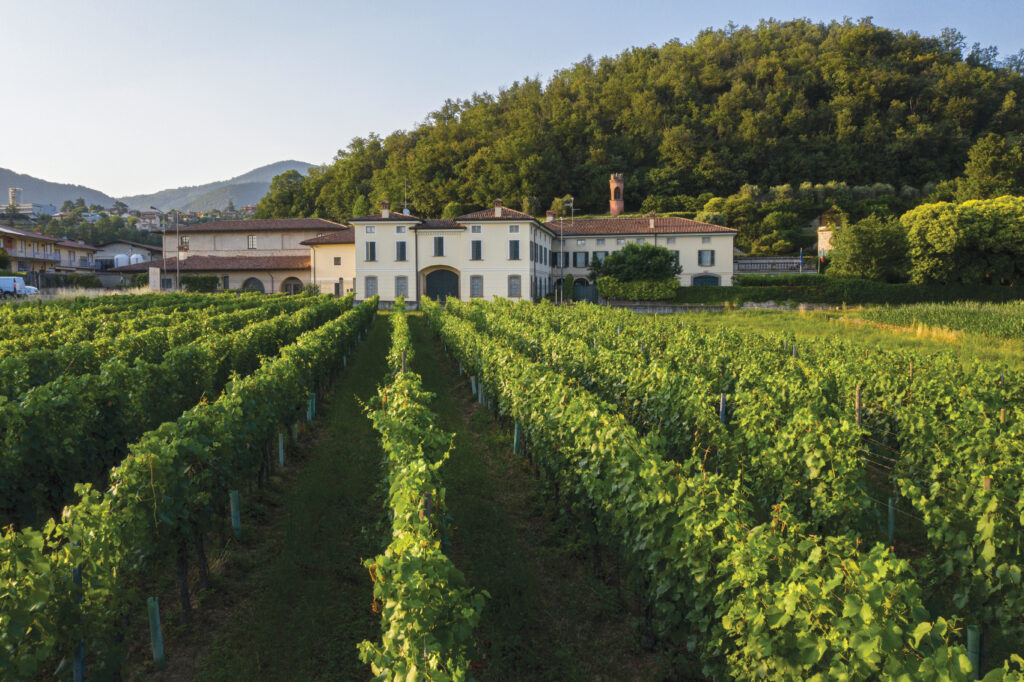
Wai says the reputation of the Franciacorta wine region has surged over recent years. He is fond of Franciacorta’s graceful ‘blanc de blancs’ style bubbles, which showcase the unique regional style. His favourite, though, is Essence Noir produced by Antica Fratta.

Describing the character of this wine, he notes: “It is a pure expression of Pinot Nero from the Franciacorta area – complex on the palate but offering an underlying elegance in style.”

Ancient modernity

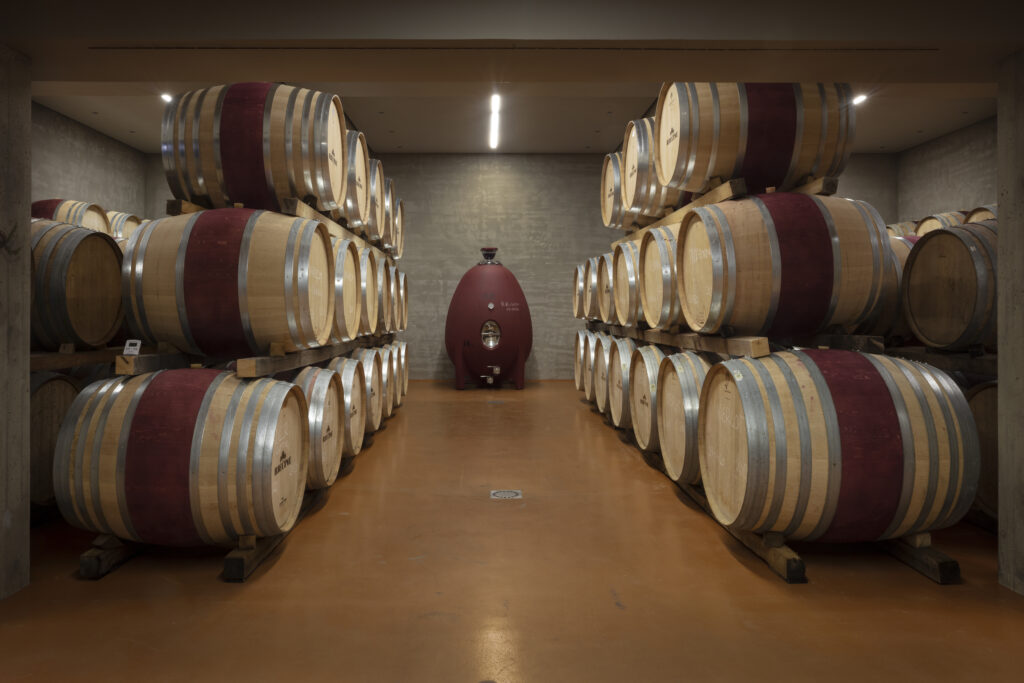
The Antica Fratta project was launched in 1979 by Franco Ziliani, who pioneered the first Franciacorta winery, Guido Berlucchi. Desiring to create a new high-quality sparkling wine that would be distinct from the original estate and not interfere with existing operations, Ziliani drew upon the splendours of the newly renovated 19th-century cellars of a beautiful villa in the Fratta area of Monticelli Brusati.

Realising his vision, Antica Fratta has evolved to produce superior sparkling wines. The delicate Essence Satèn is particularly noteworthy, being made entirely from white grapes – Chardonnay, albeit with the allowance of some Pinot Bianco.
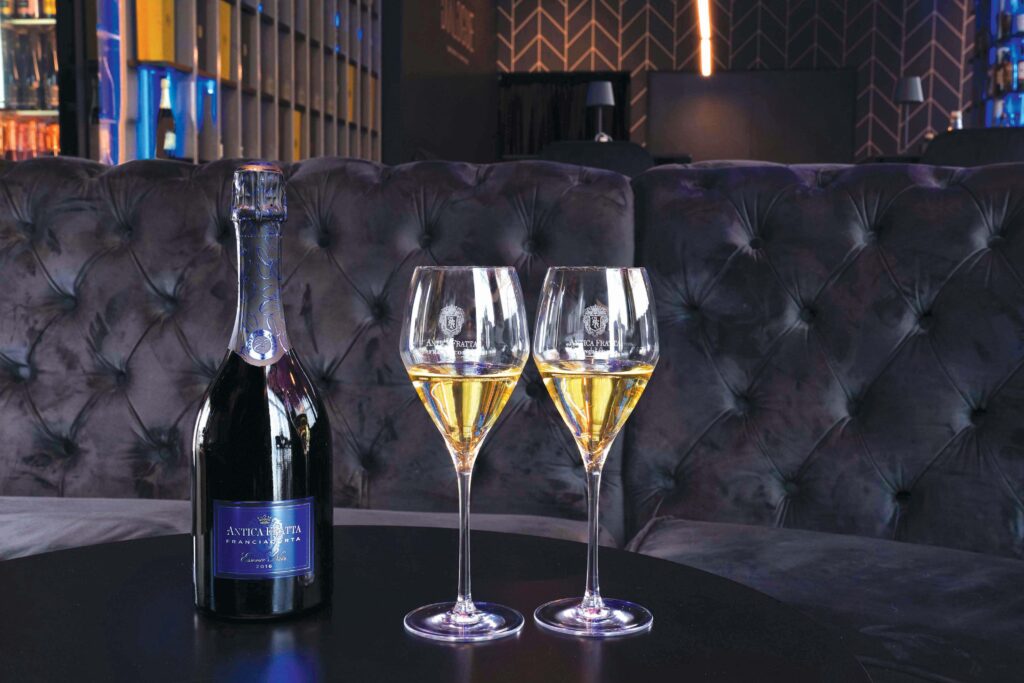
“Our Essence line is a vintage wine that has spent a minimum of three to four years in contact with the yeast before its dégorgement, and more than a year in bottle,” says Cristian Maddelana, a leading Italy-based wine consultant who has long advised the estate.

Black magic

In Franciacorta like other regions around the world, the pervasive effect of climate change and warming temperatures is threatening the fine balance that enables great wines to be produced. Careful management of the vines and harvest times has been necessary to maintain quality, but one side effect has been that black grapes such as Pinot Nero now fare better than before. Antica Fratta now produces a ‘blanc de noirs’ style made entirely from this famous Bourgogne varietal (where it is called Pinot Noir), the aptly named Essence Noir.

Maddelana says the production at the Antica Fratta estate is now focused on this style made from 100% Pinot Noir grapes. “This technical characteristic, combined with the terroir-driven expression of the Pinot Noir from our region, makes the wine creamy and structured on the nose, with a golden colour, yet expressing with freshness and finesse on the palate – all of this underpinned by its minerality and acidity,” he enthuses.
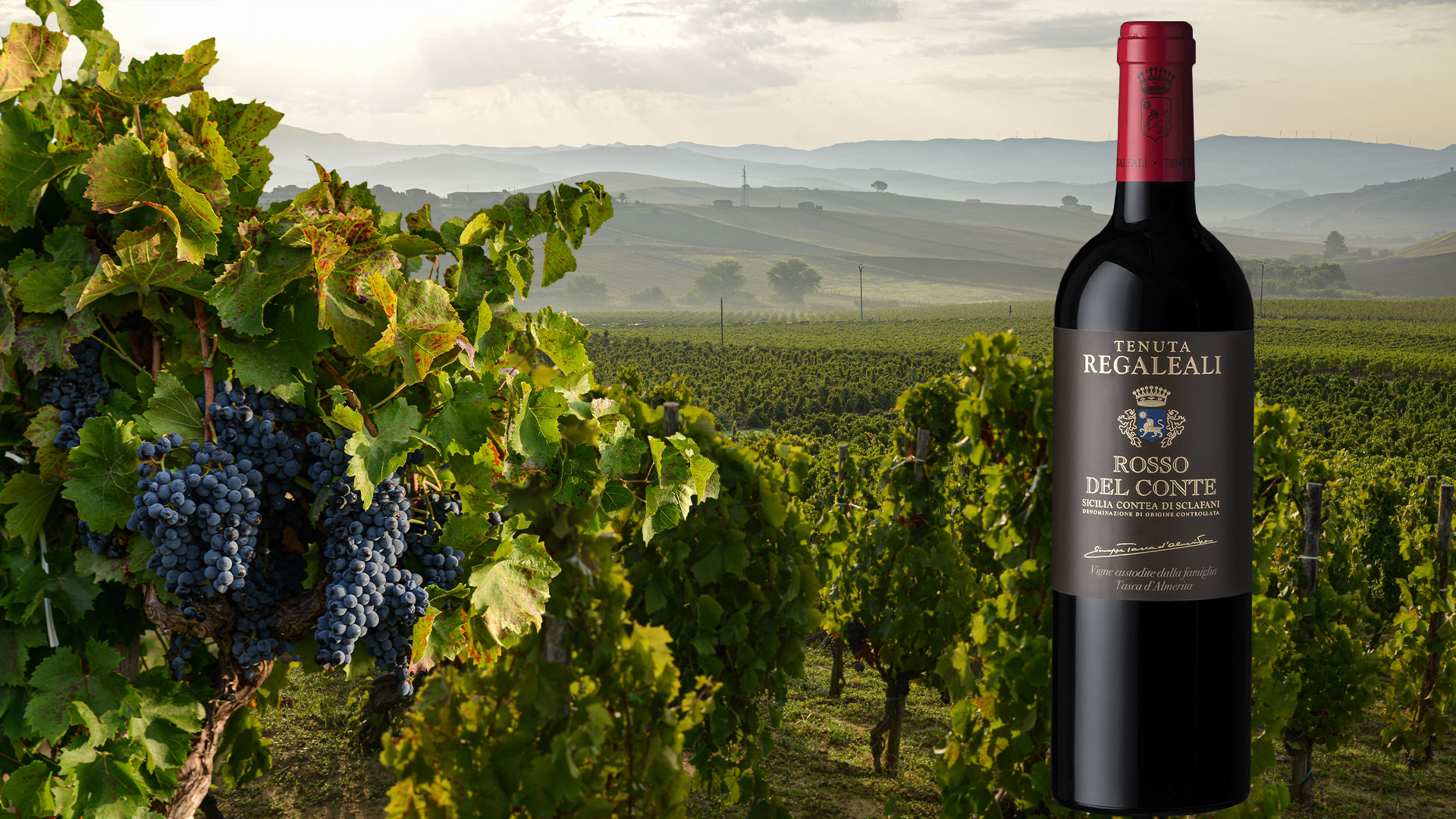
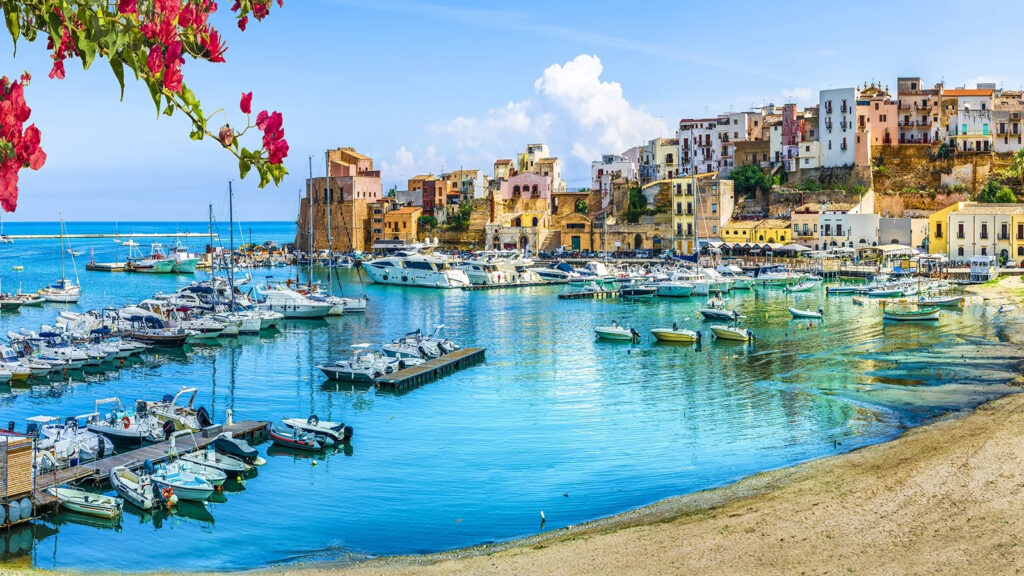
Super Sicilian: Springing from vineyards aplenty, Sicily’s splendid indigenous grapes are setting the wine world alight

The island of Sicily has become one of the most important wine-growing regions of Italy. It is the country’s largest in terms of planting with some 98,000 hectares under vine. A total of 4.8 million inhabitants make it the most populous island in the Mediterranean Sea.

It is known throughout the world as the home of Mount Etna, one of Europe’s most active volcanoes – whose soils happen to be ideal for the growth of Nerello Mascalese, Nerello Cappuccio (both red) and Carricante (white) grapes. Indeed, Sicily’s indigenous grape varieties are now widely appreciated by connoisseurs, who decades ago would only look to the island for Marsala, its famous fortified wine.

Island of extremes

“If you had to sum up Sicily in just a few words, it’s an island of extremes,” says Italian wine specialist Keti Mazzi, founder of Certa Wine Club. “Rocky volcanic coastlines give way to white sandy beaches. Crumbling architectural treasures of the ancient world sit next to some of the most theatrical and perfectly preserved paintings of the Baroque. It’s a cliché, but in Sicily, there’s truly something for everyone.”

Already a top-tier wine region in Italy, a country which itself is the largest producer of wine in the world, Sicily is poised for a new phase of expansion, believes Mazzi, as wine enthusiasts look for new territories and unexpected flavours.

Volcanic boost

Its fertile soil is primarily the result of an ongoing series of volcanic eruptions, and this, coupled with a pleasant climate, means it is perfect for making wine. Mazzi notes: “A true microcosm of Italy, Sicily can be described as a ‘viticultural continent’. Sicily is a continent for wine!”

Today, Sicily is primarily recognised for its Nero d’Avola and Grillo grapes, two local red and white varietals respectively that thrive across the diverse soils and growing conditions of the island.

Creamy white

Grillo had been used exclusively to produce Marsala in the past – in northwestern Sicily, an area granted Protected Designation of Origin (PDO) status – but now stars in some of Sicily’s most recognisable labels. “It delivers a refreshing, fragrant white wine with aromas of tropical fruit and a rich, creamy structure,” says Mazzi.

She says the Nero d’Avola grape variety is similar in style to Syrah: “It is Sicily’s most prolific red grape and produces a medium-bodied elegant wine with red fruit flavours, notes of pepper and a nice acidity.” Other common grape varieties on the island include Catarratto, Inzolia (both white) and Frappato (red).

Red beauty

Having spent several wonderful years in Sicily, the island is close to Mazzi’s heart and she is fond of many of its wines. Her ultimate tipple from the region, though, is Rosso del Conte, a flagship red from eighth-generation producer Conti Tasca d’Almerita in the central highlands. Its grapes originate from San Lucio, the first ‘grande vigna’ (large vineyard) created on the Tenuta Regaleali estate in 1959.

Mazzi loves the aromas emanating from this Sicilian beauty, indicating it retains a certain subtleness to its offering. She says: “On the aromatic level, Rosso del Conte never exaggerates in overripe notes while guaranteeing full phenolic ripeness.”

She believes the wine is a faithful expression of its terroir, recalling the high hills in the heart of Sicily, while a special signature appeal is that two grape varieties, Perricone and Nero d’Avola – which have a similar vegetative root – coexist.

Mazzi admires how the wine develops over time. “It is exuberant, vibrant and energetic in its youth, and with ageing develops a velvety touch without losing structure and flavour,” she says.

Exultantly Tuscan: Hilly terroir, plentiful rain and super wines characterise the beautiful Italian region

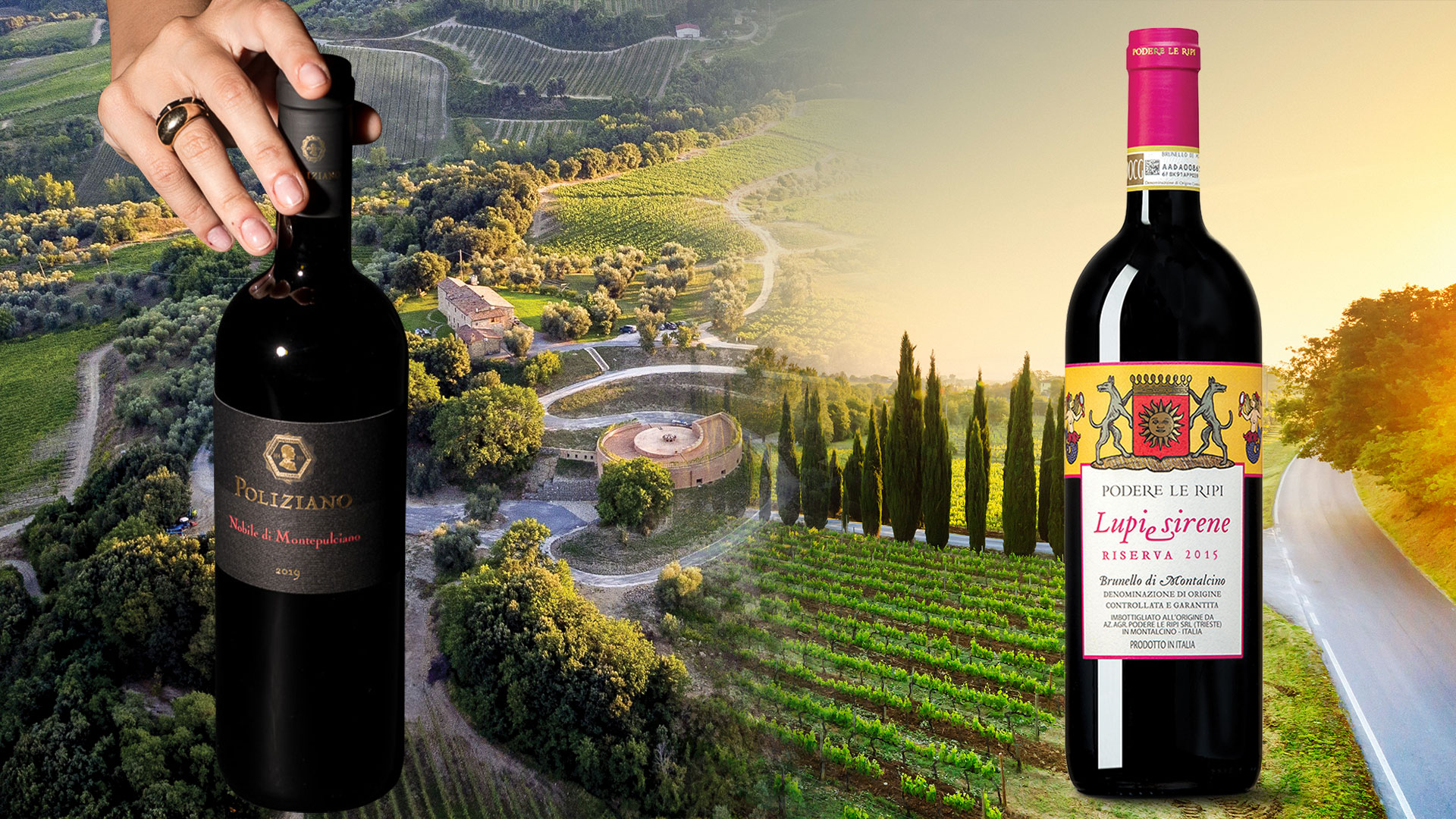
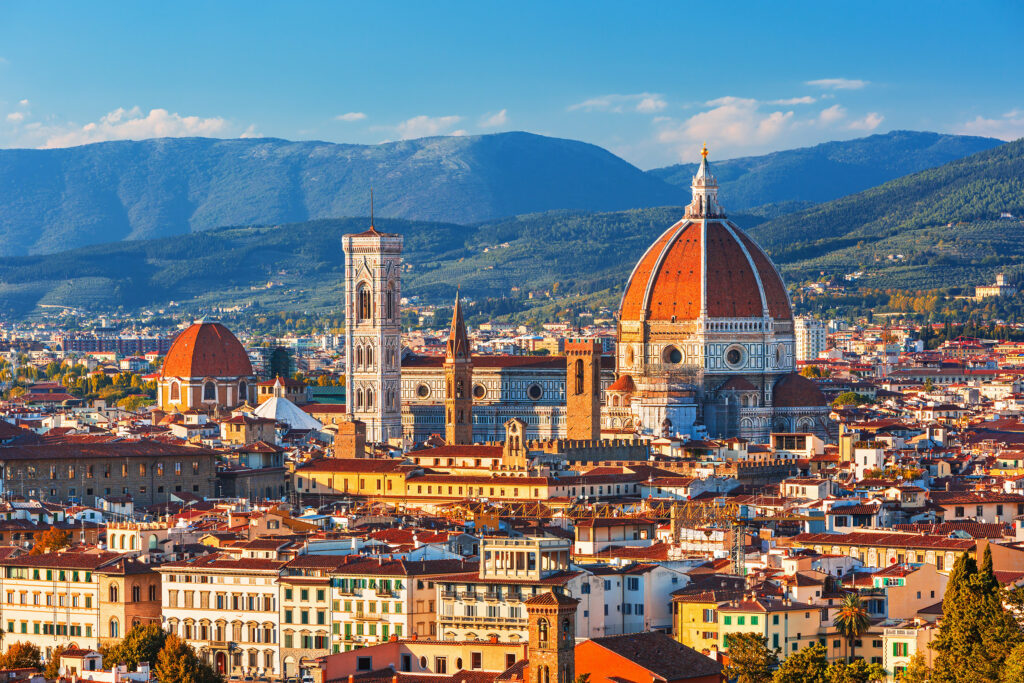
Regarded as the birthplace of the Italian Renaissance, Tuscany is steeped in culture and boasts a beautiful landscape and climate that is ideal for making wine. With a strong regional identity, the capital is the magnificent Florence, while other fantastic places in this tourist haven include Pisa with its leaning tower, Siena, Lucca and Grosseto. With a long-established winemaking tradition, famous wines in Tuscany include the Brunello di Montalcino, Vino Nobile di Montepulciano, Chianti and Morellino di Scansano reds and the white Vernaccia di San Gimignano.

Tuscany is a very hilly region, with elevated land constituting about two-thirds of the total area, much of which is used for agriculture. The western shoreline touches the Ligurian and the Tyrrhenian seas. It has a fairly mild climate, though further inland there are greater fluctuations in temperature and it can be very rainy at times, which has helped to develop fertile soil.

Magical landscapes

David Reali, who works for Italian food and wine importer Certa, hails his Tuscan homeland as his favourite wine region. He says: “It is named for the pre-Roman Etruscan inhabitants, and has magical inland and shore landscapes with amazing sandy or rocky beaches, mountains, hills and flat areas.”

He recalls fondly the area’s outdoors lifestyle, with locals relaxing over good food and wine, and explains why Tuscany, being packed with cultural attractions, draws so many tourists. “The weather is what I love most about my native region. Plus, the history of Tuscany, especially Florence; my city is called la Culla del Rinascimento [the cradle of the Renaissance].”

As Reali points out, winemaking is a world with infinite variants determined by soil, climate and vinification. Tuscany is a stellar Italian wine area for a variety of reasons. “It is a region with a temperate climate that has significant differences between areas, including variations in soil and various landscapes, which is really suitable for grapes,” he says.

Top crop

He highlights the topography as an important factor. “In Tuscany, 67% of the region is hilly, 25% mountainous and 8% flat. Numerous precipitations, mostly concentrated in spring and autumn, are perfect for the vineyards, although it is starting to be a challenge considering the world climate change.”

The proud Tuscan outlines the region’s wine crop. “The main red wines in Tuscany are Sangiovese, Merlot and Cabernet Sauvignon, while white wines produced here are Trebbiano, Vermentino and Vernaccia.” The native Sangiovese grape – one of the 10 most planted grapes in the world – is the singular star of Brunello di Montalcino and the main component of Chianti Classico and Nobile di Montepulciano, three top wines to which Reali is particularly partial.

Sensational Sangiovese

Describing the tastes and aromas of his favourite wines from Tuscany, he elaborates: “The main characteristics of Sangiovese are red and black cherry, liquorice, black tea and nuances of violet aromas. If aged, it can offer aromas of leather, undergrowth and tobacco. It is typically dry with chalky tannins.”

The region’s famed Super Tuscans, which first emerged in Chianti in the 1970s, embrace non-indigenous grapes, often boldly blending Sangiovese with international varieties like Merlot, Cabernet Sauvignon, Cabernet Franc and Syrah to create complex and highly structured wines.

Roman Legacy: Exploring the breathtaking sights of Italy’s capital city

As the centre of one of the most powerful ancient civilisations, Rome has fascinated and enchanted people the world over for millennia. Aptly dubbed the Eternal City – its founding dates back some 2,800 years to 753 BC – this UNESCO World Heritage Site is brimming with historic monuments and artefacts that illuminate its importance and relevance through the ages. Indeed, even today, it wouldn’t be a stretch to say that elements of ancient Rome continue to impact our daily lives, be it through culture, healthcare, education or even democratic rule. 

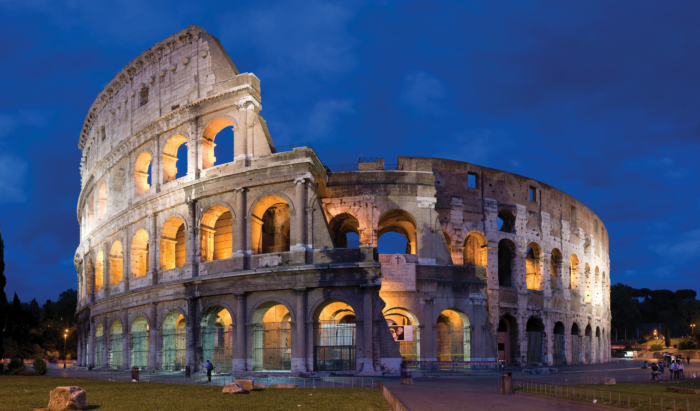
Colosseum_in_Rome,_Italy_gafencu_travel

Unsurprisingly, then, its modern-day incarnation consistently tops the must-visit lists of travel publications across the globe, with the metropolitan city’s 4.3 million inhabitants annually overrun by nearly double their number in tourists during pre-Covid times. So what, exactly, draws these intrepid travellers? Ancient wonders? Majestic artworks? Delicious food? A vibrant culture? The answer: all of the above. Here are some of the most iconic sites to feast your eyes upon when in Rome…

roman italy gafencu art architecture

Glory & Gladiators

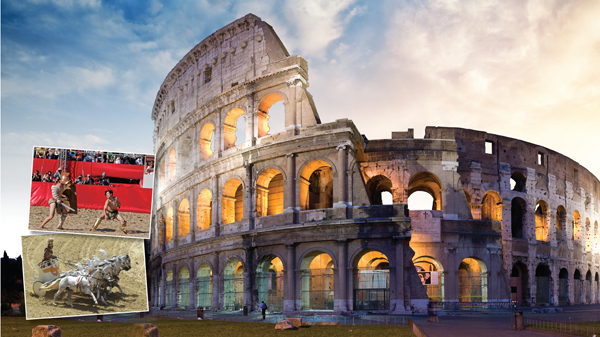
Perhaps the most instantly recognisable tourist destination in Rome, the oval amphitheatre known as the Colosseum lies at the heart of the city. So intrinsically linked is it to the Italian national identity that it even graces the country’s five-cent coin. Construction of this massive arena was completed in 80 AD under the rule of Emperor Titus, and during its heyday, the structure – originally dubbed the Flavian Amphitheatre – could hold as many as 50,000 eager spectators.

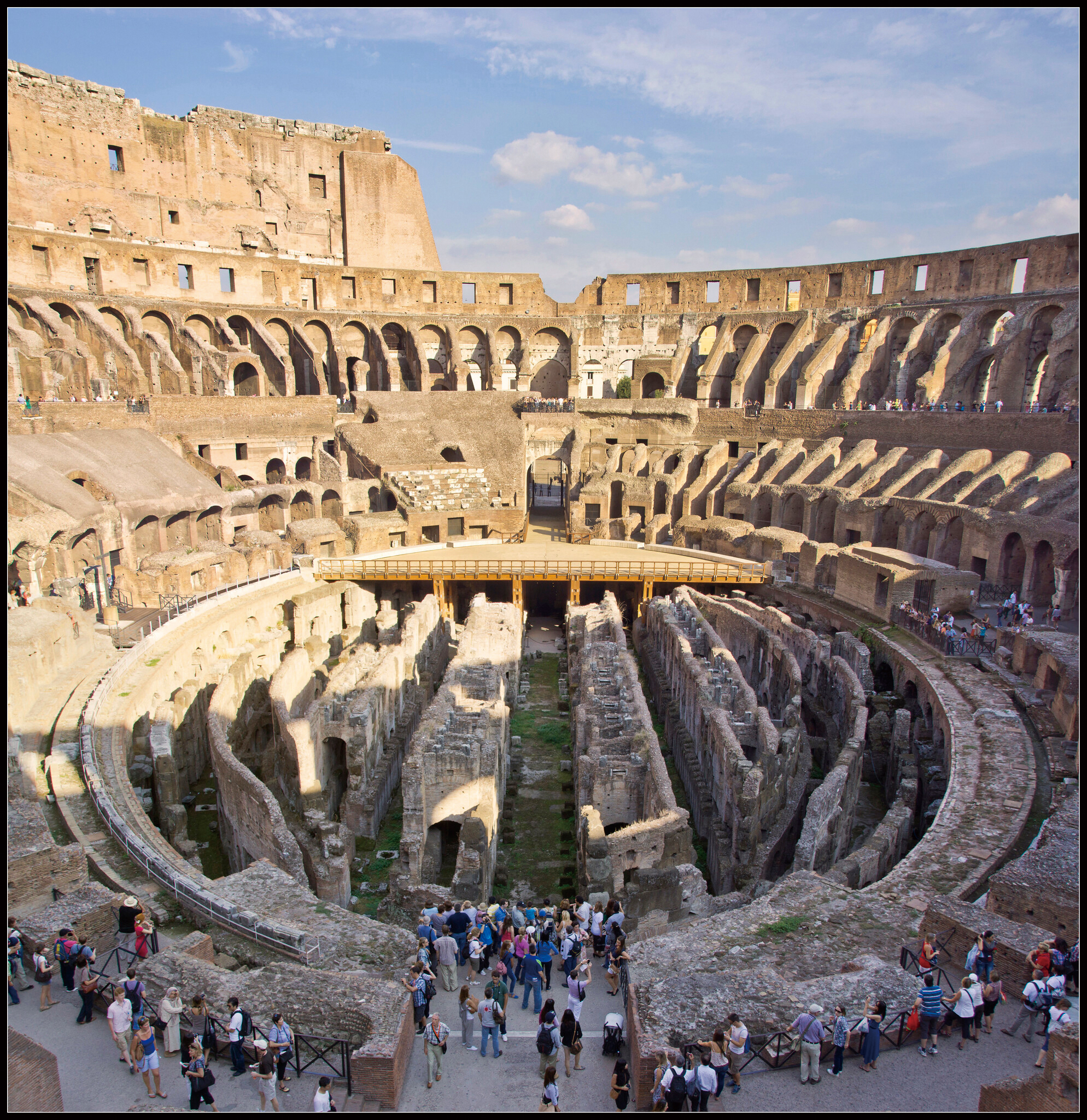
Today, the massive limestone, tuff and concrete building may be devoid of the skilled gladiators, exotic animals and roaring crowds that occupied it some two millennia ago, but its historic and dramatic aura remains palpable. The venue boasts countless items of interest, but the time-pressed traveller should make sure to visit the morbidly named ‘Gate of Death’ – through which the dead and injured were carried out of the Colosseum – the arena floor where matches took place, and the hyper exclusive hypogeum, the complex labyrinth of tunnels that competitors and staff used to navigate the edifice’s length in ancient times. While the former is open to general-admission ticket holders, the latter two are only accessible via guided tours.

roman italy gafencu art architecture

Epicentre of the Empire

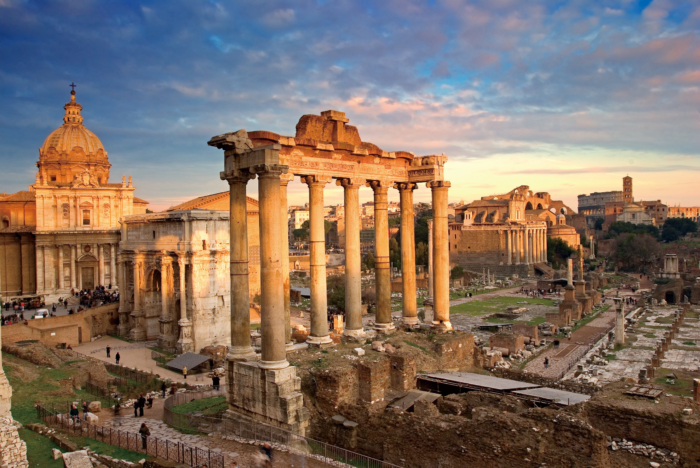
Located a stone’s throw from the Colosseum is the Roman Forum. For centuries, this rectangular plaza dictated the rhythm of life in the city. It was the venue where triumphal processions ended along the Sacred Way, where commercial affairs occurred, where elections, trials and public speeches were held, and where Rome’s politicians decided the fate of all those living within its far-flung empire. Despite the fact that much of the original structure has since crumbled with the passage of time, an air of importance and solemnity still marks the remaining temples and pillars.

To get an insight into how it originally appeared, head to the Curia Julia. The former home of the Roman Senate – centuries before being converted into a church – remains one of the most intact structures at the Forum. Further on, you’ll find the Arch of Septimius Severus, which was constructed in 203 AD by the eponymous emperor to celebrate his victory over the Parthians (whose ancient empire lies in modern-day Iran). One of the largest arches in Rome, it stands some 23m high and boasts intricately carved reliefs. Among the temples venerating various deities on site, the Temple of Caesar (dedicated to Julius Caesar) is perhaps of foremost importance.

roman italy gafencu art chapel

Eye for Art

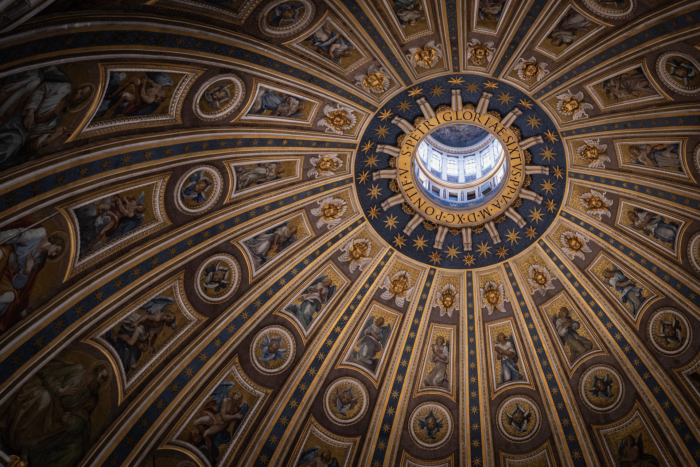
In a city awash with ancient ruins, it is perhaps the Pantheon that stands today as the most complete. Thought to be over 2,000 years old, the temple – originally believed to be dedicated to pagan deities like Neptune, god of the sea – became a Catholic church in 609 AD and features stunning works by some of Italy’s most renowned Renaissance painters. This includes the legendary Raphael, who would eventually make the Pantheon his final resting place, and whose tomb can still be visited. Perhaps even more impressive, though, is its dome, a 43m-high perfect half-sphere with a central open-air oculus. An impressive architectural feat for its age, the majesty of its soaring walls continues to thrill travellers to this day.

roman italy gafencu art sight seeing

Stairway to History

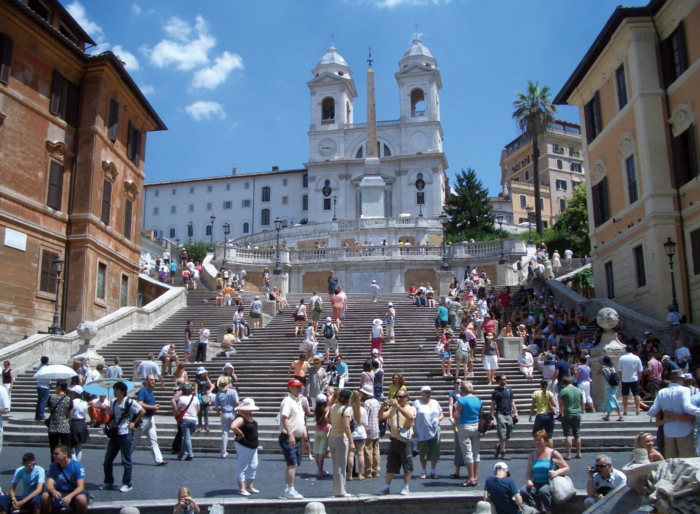
Having featured in such notable movies as Roman Holiday (1953) starring Gregory Peck and Audrey Hepburn, 1999’s The Talented Mr Ripley and more recently in 2015 spy-thriller The Man from U.N.C.L.E., the Spanish Steps are one of Rome’s most popular sights. First constructed in 1725, the stairway immediately became a hotspot for English visitors stopping in the city during their Grand Tour. Today, its popularity remains undiminished, and the top of the 135-step climb remains a great space to take in the city’s sights and people.

roman italy gafencu art culture

Appetite for Piazza

Past splendour and modernity meet in spectacular fashion at the Piazza Navona, a capacious open-air square punctuated with classic architecture, Baroque water features, historic churches alongside street artists, contemporary eateries and even a selection of retail outlets. At its centre stands Bernini’s iconic Fountain of Four Rivers, while underneath, you’ll find the Stadium of Domitian, a UNESCO site that was once an ancient athletics stadium seating some 20,000 spectators. Some of the city’s best culinary offerings can be found in the square, including traditional Roman-style pizza and mouth-watering pasta dishes such as cacio e pepe.

For a peek into local life, venture forth to Campo de’ Fiori, another open-air plaza just to the south of Piazza Navona. Since 1869, it has hosted a daily fish and vegetable market, and city dwellers gather to peruse the copious fresh, locally sourced produce. Once the sun dips below the horizon, the market gives way to outdoor cafes, where you can mingle with locals and toss back a well-deserved espresso – or beer – or several. Saluti.


The full version of this feature appears on Gafencu Magazine’s February 2022 print issue as ❝Roman Legacy❞ by Tenzing Thondup. Download the free app (iOSAndroid) for digital editions of the magazine.


Verdura: The Perfect Spot for a Family-Golfing Getaway

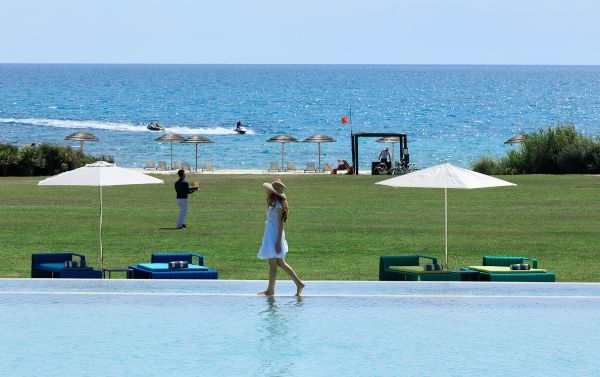
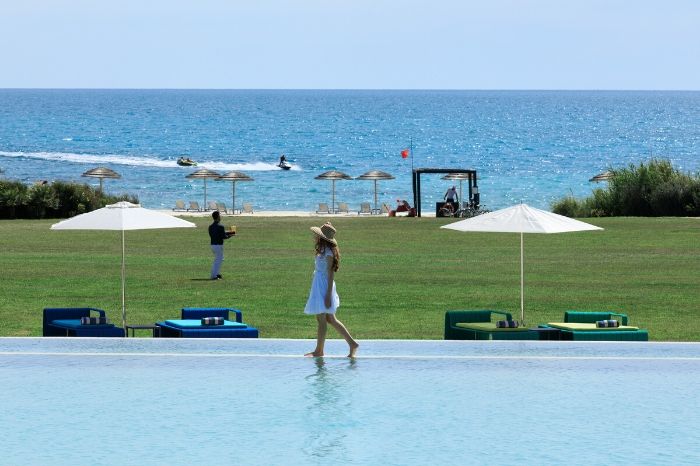
Set on the southern Italian island of Sicily, Verdura – UK-headquartered Rocco Forte Hotels’ first golf and spa resort in the region – has an ideal view looking out across the Mediterranean. Perhaps more crucially, it also boasts three luxury golf facilities – two 18-hole courses and one-nine-hole variant – making it the dream destination for the family that likes to tee-off together.

Verdura

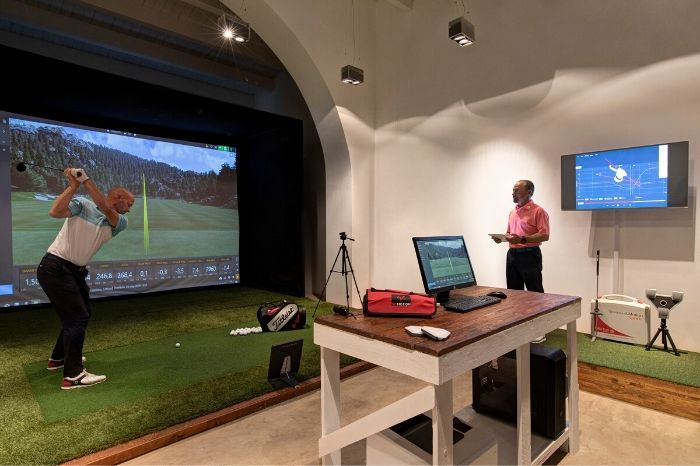
With European Tour Performance Institute also close at hand, it is also the perfect locale to improve your posture and streamline your swing under the expert tutelage of obliging professionals. It additionally delivers access to much of the game-enhancing technology favoured by many of the current generation of peerless pros.

Verdura

It’s also a resort that has won a number of awards, not least Best Golf Hotel (Italy) at the 2015 World Golf Awards and the Golden Award for Golf at the 2015 Voyages & Hôtels Readers Awards.

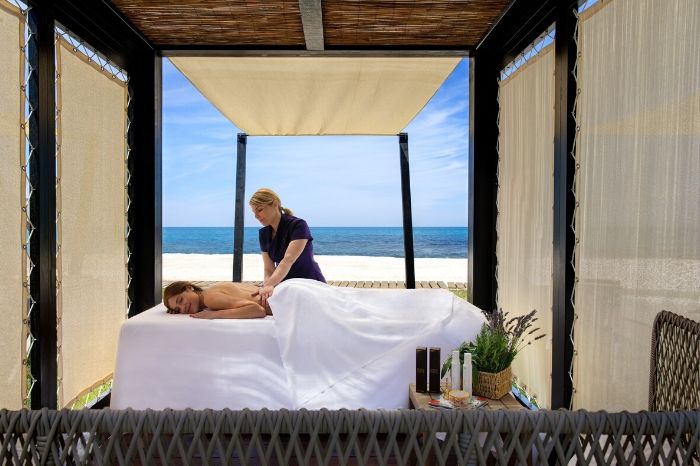
Of course, there is more to the resort than just golf, with a range of other five-star experiences – including spa treatments, wine tasting, cooking and mixology classes and a six-day lifestyle wellness programme – also on offer. For the culinary inclined, there’s also an opportunity to be initiated into secrets of the region’s most renowned recipes and to sample some of the finest local produce.

Verdura

It goes without saying, of course, that all the rooms and amenities are absolutely the last word in comfort, luxury and sheer indulgence.

Aosta’s Aperitif: Cottage Vineyards hosts a night of suburb Italian wine

With oenophiles starting to explore the French region of Bordeaux, from 2011 onwards, Burgundy wines have grown into prominence worldwide, particularly in Asia. No surprise then that the Valle d’Aosta, which lies just 400kms northeast of this prized province near Italy’s north-west border with France and Switzerland, is coming into its own as a premium winemaking region. Here, top-notch grapes suitable for viticulture are grown along the slopes of Mont Blanc, one of Europe’s highest peaks, at an elevation of 1,200 metres above sea level. 

With the temperature fluctuating between warm and freezing, the region produces longer-lived and healthier wines of great character and purity.

However, so far the wines produced in this region had not reached worldwide fame despite their quality and uniqueness, due to the region’s inherent inaccessibility until recently. Thankfully, in 2015, all that changed as the Skyway Monte Bianco opened a cable car in the Alps, linking the small Italian town of Courtmayuer with the mountain’s southern side Pointe Helbronner, giving travellers and wine lovers the chance to visit the Alps and Cave Mont Blanc‘s new elegant tasting room.

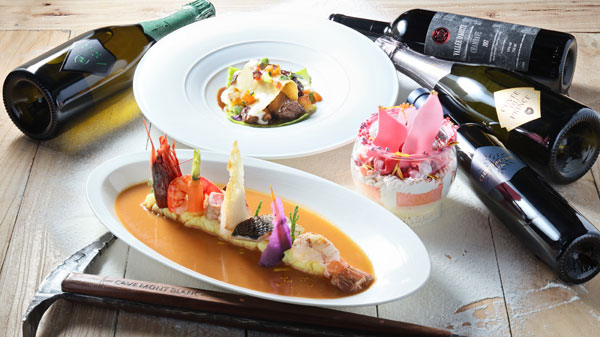
Now, thanks to Cottage Vineyards and the Consul General of Italy in Hong Kong, oenophiles were treated to a night of tasting of five of Cave Mont Blanc’s best bevvies, accompanied by regional dishes to celebrate The Pride of Aosta: A Royal Sabrage on the Mont Blanc, the fifth in its Pride of Italy series to celebrate the 36th anniversary of Cave Mont Blanc at Cucina in the Marco Polo Hong Kong Hotel.


Cave Mont Blanc Recommendations  

‘Glacier’ Metodo Classico Pas Dosé Blanc de Morgex et de la Salle DOC 2016: Sporting notes of apple and medlar, the wine also features aromas of almond and pineapple, with a slight taste of coffee. 

Cuvée du Prince Metodi Classsico Brut Nature Blanc de Morgex et de la Salle 2011: With fine persistent bubbles, this straw yellow wine is a classic designed especially for those who prefer warm spices and honey.

‘Chaudelune’ Vin de Glace Morgex et da la Salle DOC 2016 (Ice Wine): Best served with dessert, this ice wine offers a fresh finish with candied fruits and honey aromas.

‘1187’ Me-todo Classico Exgtra Brut Blanc de Morgex et de la Salle SOC 2016: Another bottle best for those who prefer it bubbly; the wine features hints of mandarin, pear and white flowers.

Blanc Blanc de Morgex et de la Salle DOC 2018: With the slightest note of sage, this light straw yellow wine with green highlights is splashed with the delicate aromas of mountain herbs.


Text: Bailey Atkinson

Mad for Motoring: The M Racing Team celebrates its first anniversary in style

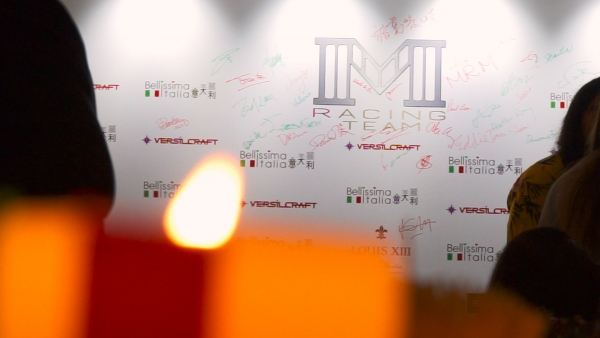
Aberdeen Marina Club hosted the first anniversary of the M Racing Team over a dinner of modern European cuisine, complete with the announcement of a new partnership between honorary M-Racing member Edwin Chuang and Italian yacht builder Versilcraft.