
Goa Glow: India’s west-coast paradise entices with its colonial churches, beaches, spices and intoxicating nightlife

Goa is rightly considered one of the most desirable destinations in India. It boasts beautiful long, palm-fringed beaches, tranquil backwaters, a slew of historic buildings emanating from its Portuguese colonial past and amazing parties. Its unique blend of the East and West differentiates the state from the rest of the vast expanse of the Indian subcontinent.
This melting pot of influences borders the Arabian Sea on India’s west coast and is located some 500 kilometres south of teeming Mumbai. Its favourable coastal location made it an ideal trading location over the centuries; before the Portuguese arrived in 1510, Hindu merchants flourished, trading spices, silk, pearls and horses. Arab, South Asian, East African and Mediterranean cultures have been fused into the Goan identity.

Rome of the East

The Portuguese added a significant layer to the architectural landscape, not least because the new rulers forcibly converted many Hindus and Buddhists to Catholicism. Old Goa, the site of Goa’s former capital before it was moved to Panjim (now Panaji), is dotted with ornate structures dating from the 16th to the 18th centuries. Such was its grandeur that it was once known as the ‘Rome of the East’ and many of the imposing churches and cathedrals are still in use or have been converted to museums.
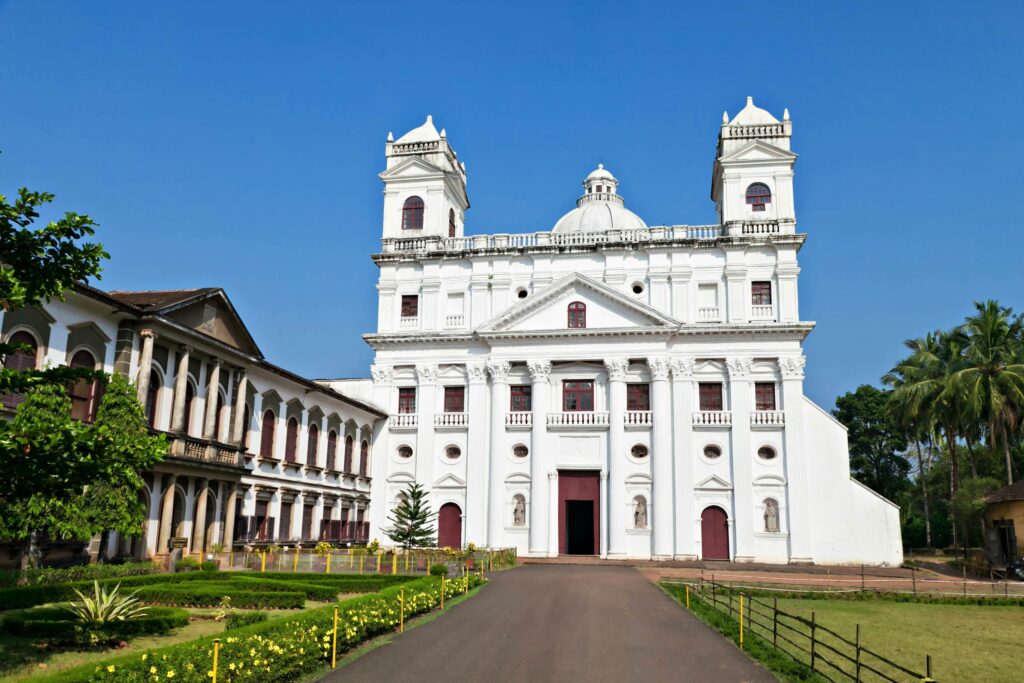
The standout is Se Cathedral (Sé Catedral de Santa Catarina), one of the largest cathedrals in Asia, measuring an awesome 76 metres long and 55 metres wide. Construction began in 1562 under the auspices of King Sebastian I of Portugal, and it took 90 years to complete. The building is noted for its plain, Tuscan style and a lopsided look resulting from the loss of one of its bell towers after a lightning strike. The other tower contains the Golden Bell (Sino de Ouro), famed for the richness of its tone. Inside are several fine carvings and splendidly decorated chapels.
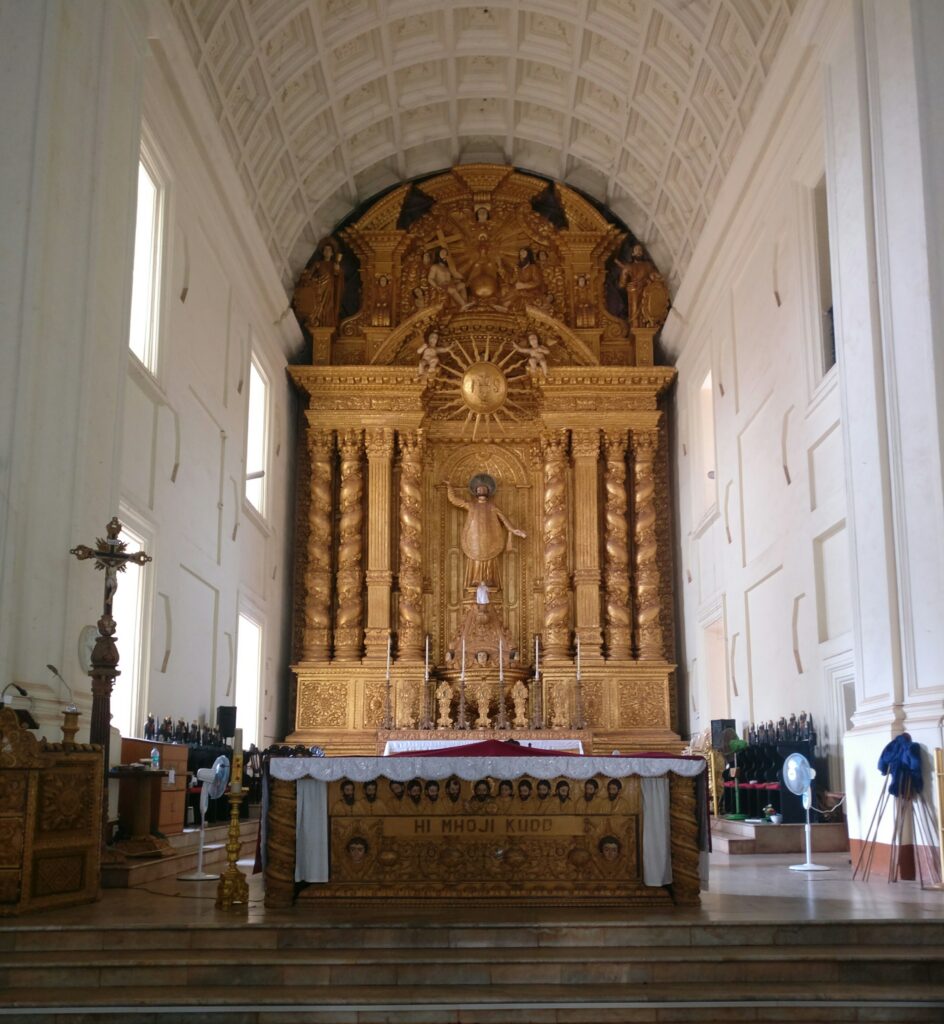
Perhaps one of the most famous buildings in the Christian world, the Basilica of Bom Jesus was completed in 1605 and contains the tomb of St Francis Xavier, the patron saint of Goa. The saintliness of this missionary was such that his mostly incorruptible body has miraculously survived – so the story goes ¬– for almost 500 years. His remains are kept in a silver casket and viewed by the public once every 10 years. The next decennial exposition of the Sacred Relics of St Francis Xavier takes place between 21 November 2024 and 5 January 2025 and will undoubtedly draw thousands of awestruck pilgrims from across the world.

Capital gains

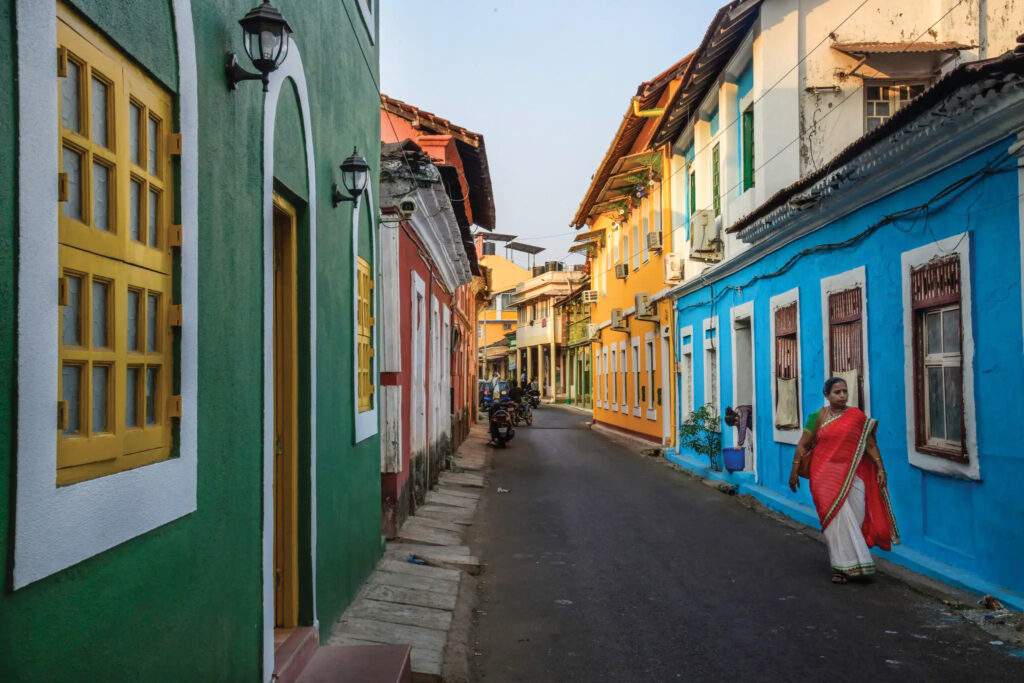
The modern-day capital of the most laid-back state of India is wedged between the Mandovi and Zuari rivers in central Goa, just a 20-minute drive from Old Goa. Exploring Panaji’s historic Latin Quarter of Fontainhas, home to quaint, narrow streets and ochre-coloured mansions with terracotta-tiled roofs, is a delightful and photogenic experience. The pretty Chapel of St Sebastian holds a striking crucifix harking back to the time of the Goa Inquisition.
Panaji hosts a slew of other cultural attractions including the Goa State Museum, housed in the oldest Portuguese-era building in Goa. Elaborately carved furniture used during the brutal 250-year inquisition as well as beautiful Hindi and Jain sculptures decorate its halls. Visitors to the capital will also discover plenty of superb galleries, temples, restaurants and nightlife establishments. A popular walking-tour operator, Make It Happen, offers local insight into Goan history and culture through guided peeks into heritage homes, and for lovers of Portuguese music, a fado performance.

Spice and all things nice

After a stroll around the Latin Quarter, relax and enjoy the wonderfully diverse local cuisine. Goan food is influenced by abundant seafood from the Arabian Sea, the enclave’s historic location along the spice route, and Portuguese cooking techniques. Sorpotel, for instance, is a Portuguese stew made of liver, heart, and tongue of pork or other meat that was adopted by Goan Catholics.
Hotel Venite, with its balcony tables overlooking charming cobbled streets, presents authentic Goan cuisine, with vegetable vindaloo served with Portuguese-spiced sausages and rice, fish curry rice, pepper steak and bebinca, a traditional sticky, seven-layer cake made of eggs, coconut, sugar, ghee and flour. The balcony of the cosy Riverfront restaurant overlooks the creek and Old Patto Bridge and its sister pub – called Down the Road – makes for a nice nightspot with occasional live music.

Trance of a lifetime

Cruises along the Mandovi River may afford a glimpse of a dolphin gliding through the water or a mugger crocodile basking in the estuary. Such tourist excursions are often accompanied by live bands and renditions of Goan folk songs and dances, with some private operators running what can best to described as ‘party’ cruises. Panaji is also noted for its floating casinos, operating ‘offshore’.
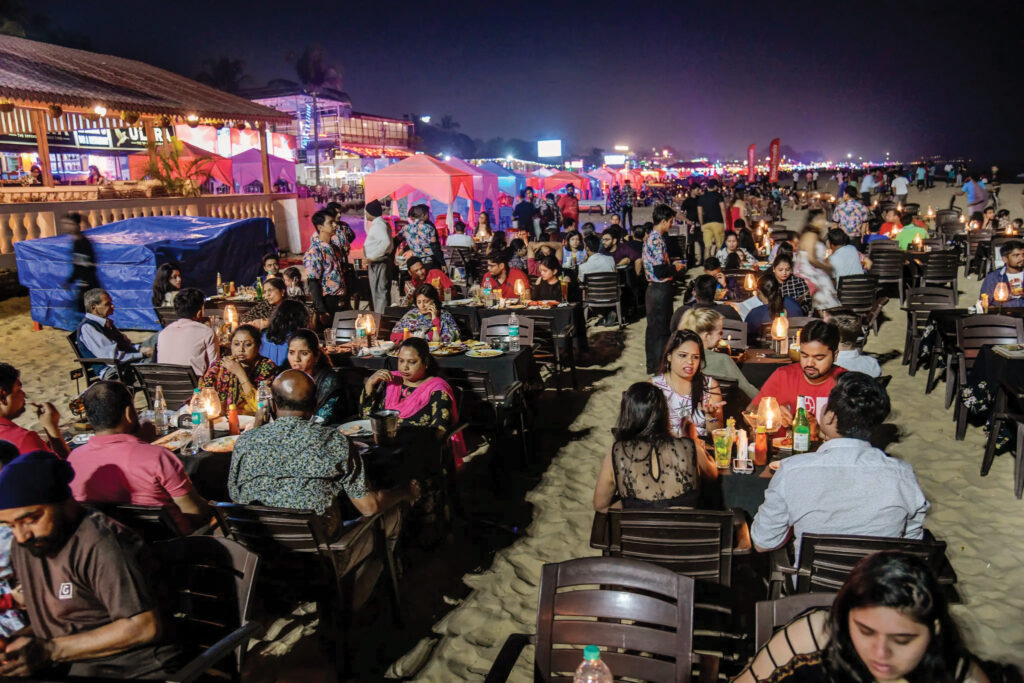
Anjuna in North Goa was once the epicentre of the hippie party scene. Indeed, as far back as its 16th-century boozy Portuguese sailors, Goa acquired a reputation for all-night drinking parties, much to the consternation of the locals. Infamous drug-fuelled trance parties in the 1990s led to a government crackdown, and now the psychedelia takes place on special occasions such as Christmas, New Year or full-moon nights. The legendary Anjuna dive of Curlies received a demolition notice, but you can still get your party fix at Hill Top in Vagator and venues in and around Morjim.
Anjuna is also famous for its weekly Wednesday flea market, where exotic merchandise sourced from all over India delivers a fascinating injection of local life. The Friday market at Mapusa provides fresh produce, spices and textiles.

Natural pleasures

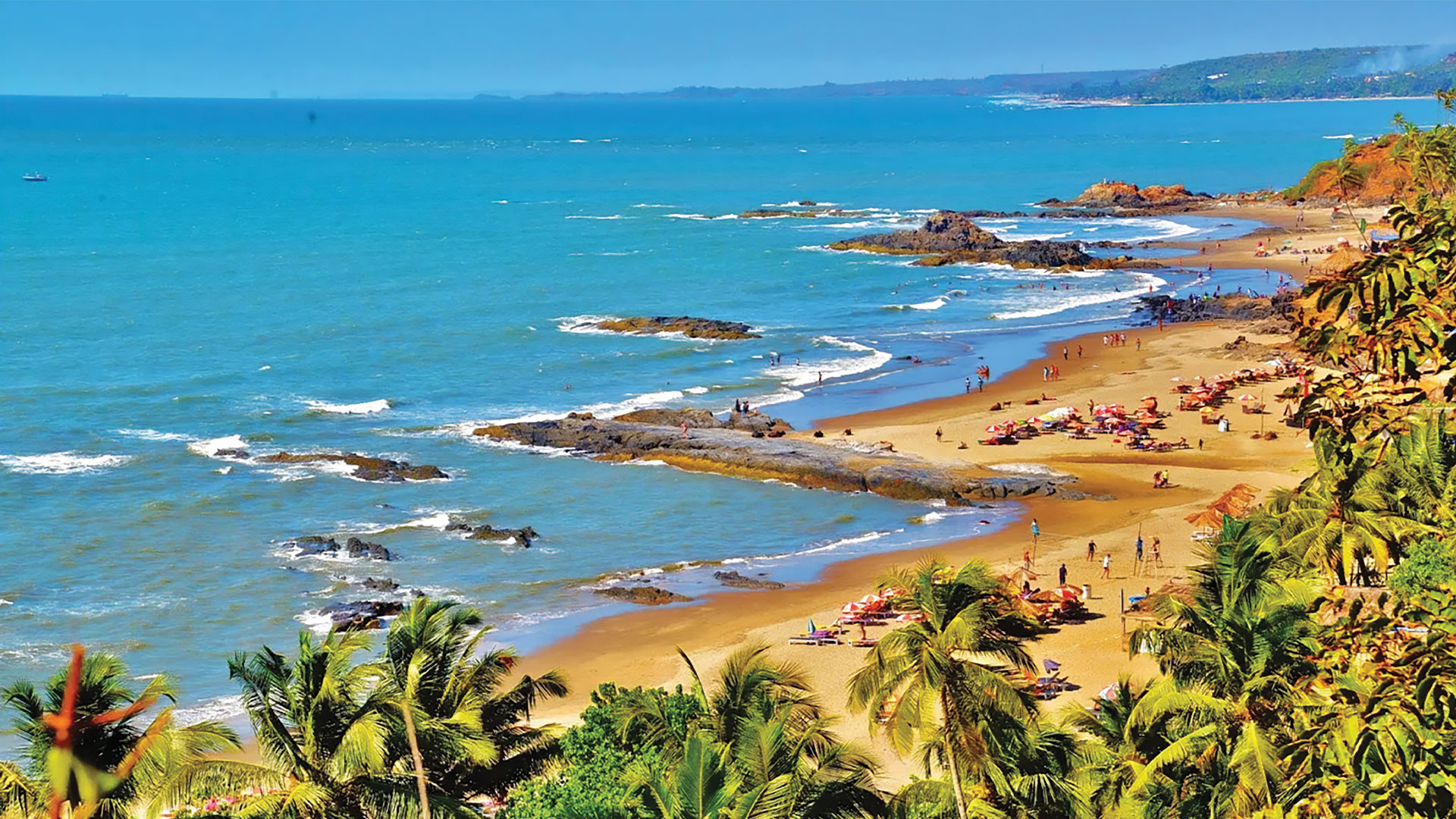
Goa has become world famous for its beaches, and the sandy stretches of North Goa, particularly at Baga and Calangute, draw the biggest crowds. There is a booming nightlife scene, trendy bars and restaurants, yoga retreats and easy access to water sports, such as parasailing, jet- and water-skiing, scuba diving and snorkelling.
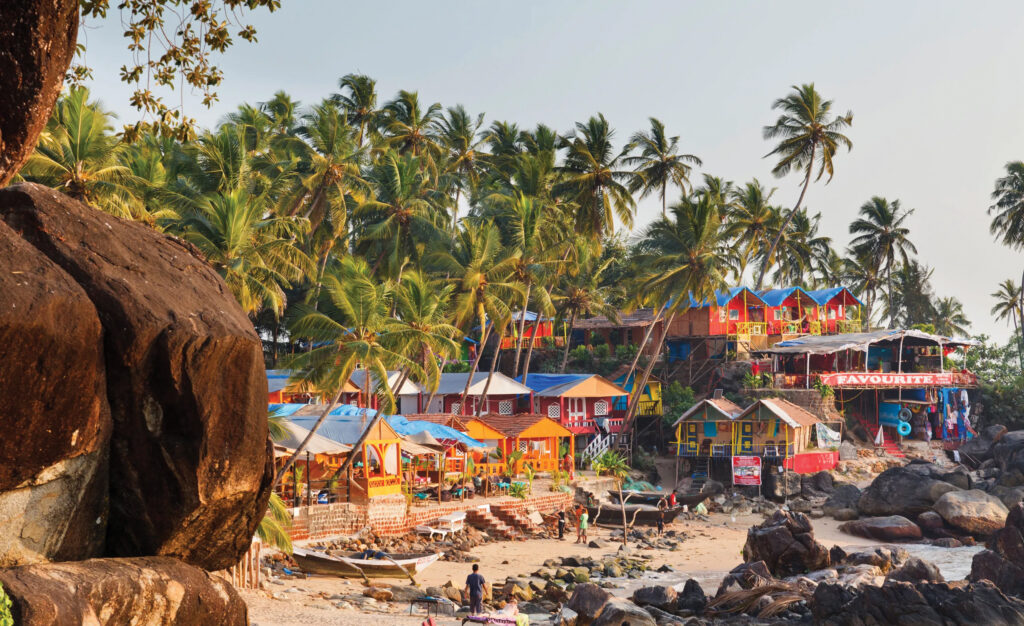
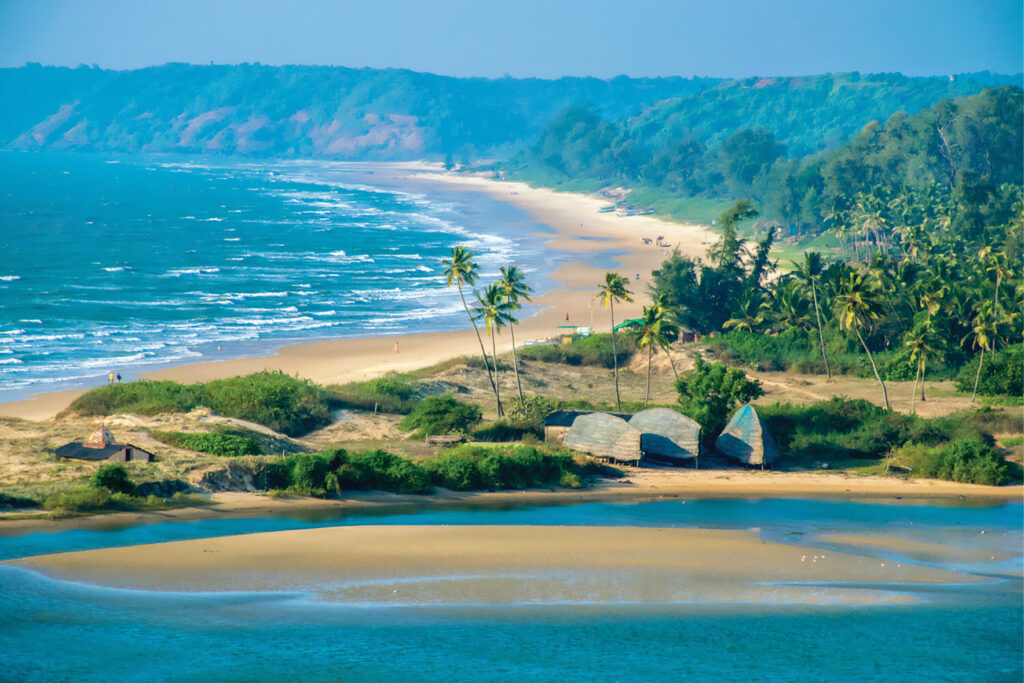
In South Goa, the curved, palm-fringed beach at Palolem, with its golden sands, balmy waters, gentle-swaying palm trees and water sports in the sheltered bay, is one of Goa’s most postcard-perfect spots. Even quieter beaches at Patnem and Agonda are not far off, and beautiful Butterfly Beach can be reached by hiring a boat from Palolem while taking in an unspoilt coastline.

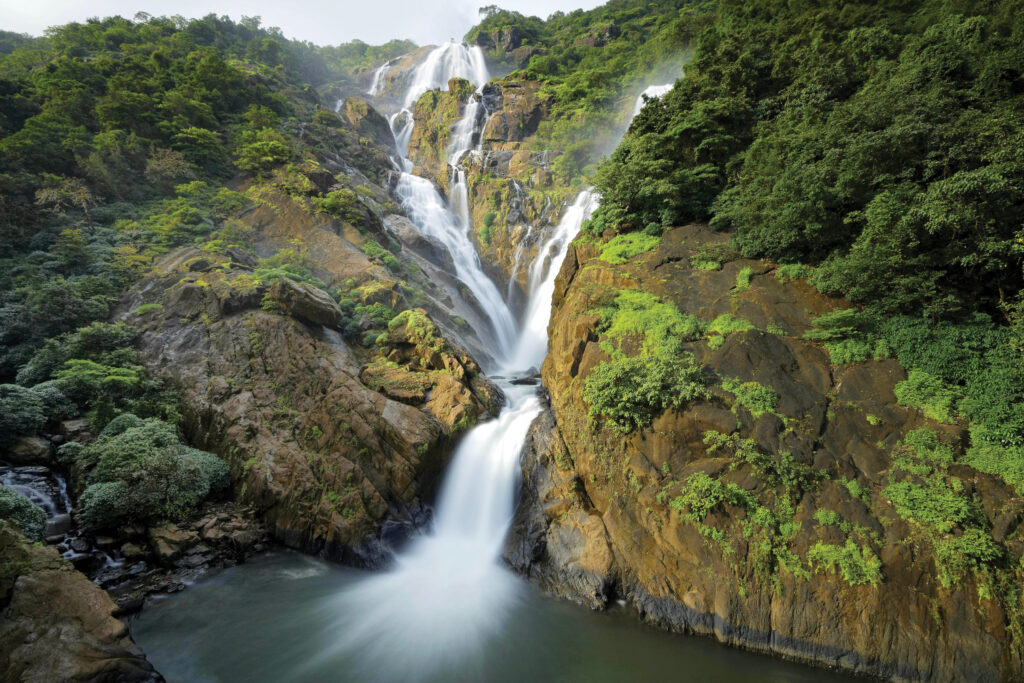
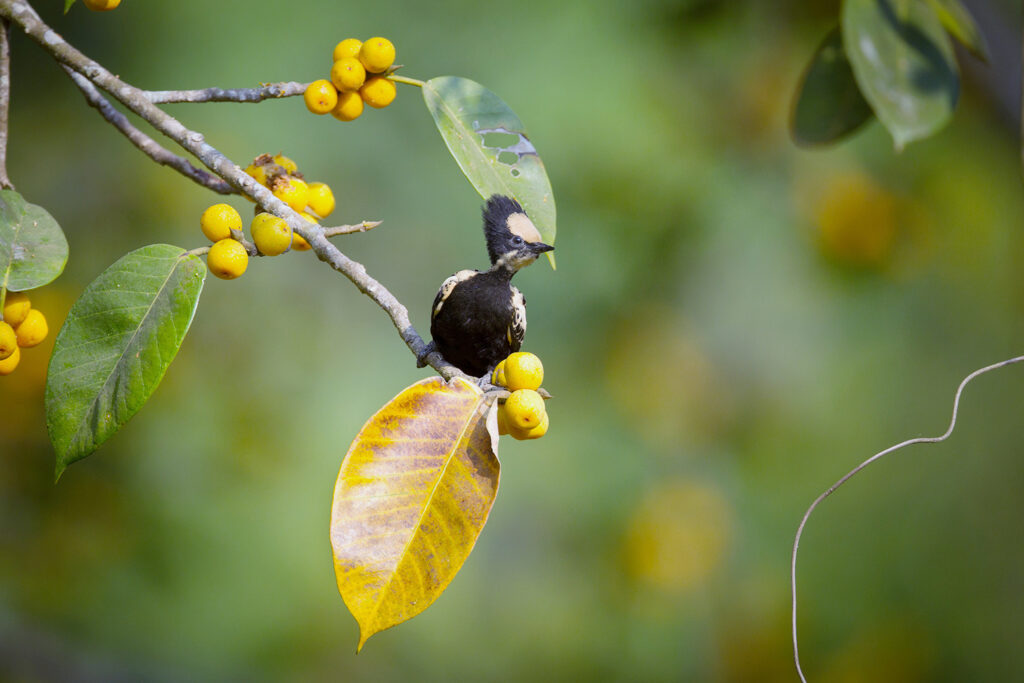
Just nine kilometres southeast of Palolem is Cotigao Wildlife Sanctuary, where an overnight stay increases the likelihood of spying on various species of monkey, deer and the occasional panther. Goa offers numerous other natural attractions, such as bird sanctuaries, spice plantations and the mountainous splendour of the Western Ghats.
This hedonistic state loves to put on a colourful festival and indulge in nonstop revelry. Aside from the many Catholic feast days, traditional Hindu celebrations such as Diwali and Shantadurga are celebrated, as is the International Film Festival of India, held in Goa, generally in November, since 2004.
Jewel of the World: Can the newly crowned most populous country finally become a global superpower?

According to the UN, the teeming, colourful expanse of India is now home to more people than any other country on Earth. Could this herald its breakthrough as a top-tier nation with global clout?
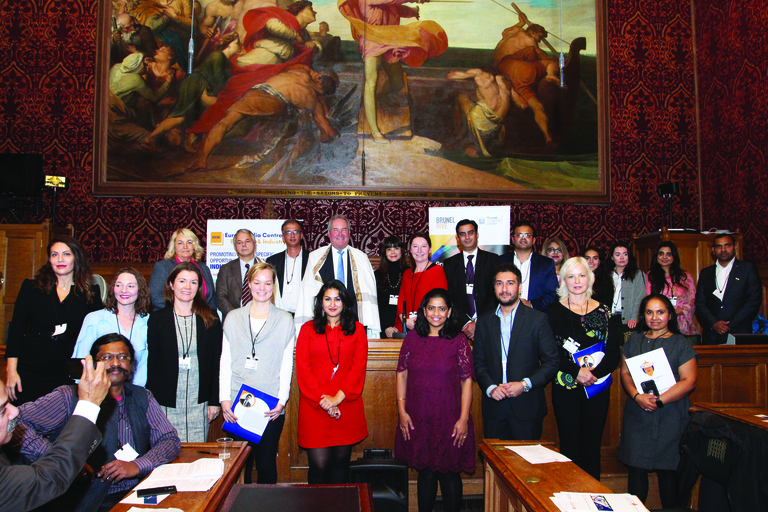
“I do feel a sense of pride because of the fact that India is the most populated country, but I cannot explain why,” says Gia Karamchandani, an Indian student at the Hong Kong University of Science and Technology. “I think it is because it makes me feel like there are many people that I can connect to on a cultural level.”

India’s vast mass of people of different ethnicities and religions has long been a source of strength as well as a potential weakness. During the time when India was known as the ‘Jewel in the Crown’ of the British Empire, its pool of manpower was considered essential to help run and police a global empire.

Superpower Revival

Some academics now view India during that time as an Asian superpower within the structures of the British Empire, so perhaps talk of the country now becoming a superpower is just a return to the status quo. Go back even further, circa 1700, and it was certainly an economic might, accounting for a fifth of the global economy.

“I wish India could return to its former glory,” says Aditi Jhaveri, Senior Lecturer at the Hong Kong University of Science and Technology. “Despite being one of the oldest civilisations in the world, we haven’t been able to convey how modern, cultured, developed and scientifically and economically advanced we were before colonisation.”

And yet, India’s modern relationship with Britain is revealing. People of Indian ethnicity number about 1.4 million in the UK and are high achievers with some of the greatest levels of education and proportion of professionals. The ascent of Indian-origin Rishi Sunak to the British premiership was met with glee in India and by Indians the world over. “It also stoked the nationalistic sentiments of many Indians who really want to believe that the future can be ours,” says Jhaveri.

In deference to diplomatic niceties between the UK and India, the magnificent Koh-i-Noor diamond, in British hands since 1849 when the 10-year-old Maharajah of Punjab was compelled to hand it over to Queen Victoria, remained firmly locked in the Tower of London during last month’s coronation of Charles III. Recent speculation suggests that the Indian government is planning to campaign for the repatriation of the diamond and other artefacts.

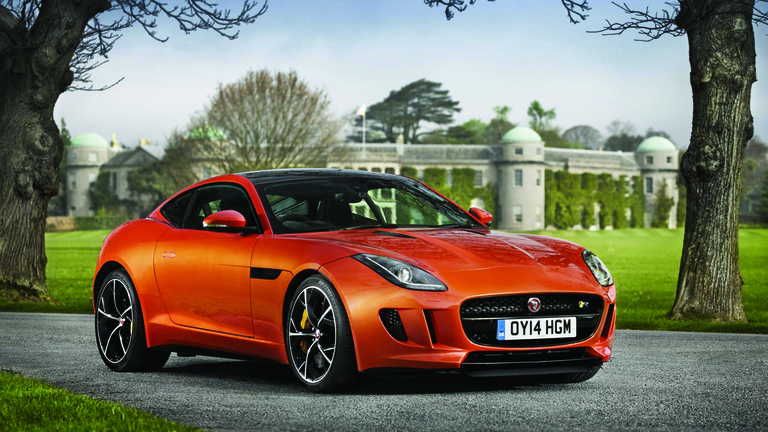
Economic Drive Britain’s largest carmaker, Jaguar Land Rover, has flourished under the benevolent ownership of Tata, India’s largest conglomerate. This company has come a long way from its initial beginnings as a textile-trading business in 1868 and has diversified into many sectors of the Indian and global economy.

“Tata existed even when I was a child,” says Jhaveri. “Since then, there should have been many more Tata-like companies for India to showcase. But unfortunately, for a country its size, India does not have enough Tatas.”

She believes India’s age-old (and much-discussed) problem of economic resources being misallocated is to blame: “Part of the problem is the very high level of corruption in the politicoeconomic sphere.”

India overtook the UK to become the fifth largest world economy in 2022, so now, having become the most populous nation, calls are growing for the country to wield its influence on a wider scale; this includes gaining a permanent seat on the UN Security Council. Geopolitics, however, suggests this goal will not be straightforward.

India can already claim superpower status in some areas. Its domestic cricket contest is now the most lucrative in the world after America’s National Football League; its film industry churns out more productions than Hollywood; and the sprawling Indian diaspora fills powerful commercial positions.

“Indians living abroad are go-getters who have done very well in different sectors around the world,” says Jhaveri. “Their contribution to the IT sector, medicine, literature and education is most notable.”

Youthful vigour

Some academics heap praise on India for the way it has managed the decline in birth rate through population policies. A virtuous path has led to a growing workforce and declining fertility, coupled with rising incomes and improved access to healthcare. Smaller families have more to spend on consumption, a so-called ‘demographic dividend’.

Indian economist Shruti Rajagopalan believes the fast rate of growth in the Indian economy and the rich pool of young talent – 47% of Indians are below the age of 25 – places the country in a hugely favourable position that will reap immense benefits. “This generation of young Indians will be the largest consumer and labour source in the knowledge and network goods economy,” she notes. “Indians will be the largest pool of global talent.”

High-tech achievers

India’s growth story since its liberalisation policies of the early 1990s is unique in the sense that it has not been based on the export of labour-intensive manufactured products. Its leading export sector is technological services, with India accounting for 15% of global IT services spending in 2021 according to The Economist.

But one downside is that this area generates few jobs compared to other sectors. According to Ashoka Mody, a Visiting Professor of International Economic Policy at Princeton University, India possesses vast pools of unproductive labour and much of India’s growth in the financial and property sector has failed to create enough jobs.

“India has to continue focusing its efforts on job creation, especially for people with university degrees who struggle to find stable employment,” says Jhaveri.

India faces other substantial challenges. Parts of the country may soon become unliveable because of climate change, and climate migration could be an issue of the future. There remain marked differences in the performance of different states across India and, even more worrying, religious and ethnic tensions can spill over into conflict. In just one example of this, ethnic violence left more than 55 people dead in the north-eastern state of Manipur last month.

States vs The Nation

Few large developing economies have had smooth, trouble-free growth stories – so India is no exception here. But some Indian states have ambitious goals. In a recent interview with India Today, Tamil Nadu chief minister M.K. Stalin said he wanted to treble his economy to trillion-dollar levels by 2030, an aspiration backed up by a raft of investment in power plants, electronics, auto components, information technology and pharmaceuticals. He is proud of the performance of his state and had some harsh words to say about the central government for not respecting the interests of individual states.

In any functioning democracy, tensions will often arise between central and devolved levels of power. Take education – the Indian Institutes of Management produces some of the best business graduates in the world and many top students now prefer to study in India. However, some academics believe dictates of the central government are preventing these institutions from competing with leading Western universities by failing to give them full autonomy and freedom.

Force of the Future

Underscoring the dynamism of India’s economy, the country is home to well over 100 “unicorn” companies – classed as privately held start-up businesses valued at over US$1 billion – a total only surpassed by the US and China. In luxury fashion, Indian designers are now featuring at Paris Haute Couture Week. The BBC recently reported the “premiumisation” of the Indian economy – whereby wealthier consumers move towards more expensive products – in such sectors as luxury cars and smartphones, although the report also noted ongoing inequalities.

“India has a long way to go before it can catch up with China,” concludes Jhaveri. “But this is not to say that it cannot in the future, especially if we can focus on eradicating of poverty, tackling illiteracy, bridging the gender divide, and stop obsessing about religion. There is a lot that India has to offer that most people don’t know about. India business communities are intelligent and enterprising but the government needs to reward the more ethical businesses that demonstrate social responsibility with many more opportunities that are currently available,”

India of Imagination: The most mesmerizing place in the subcontinent is Varanasi

varanasi

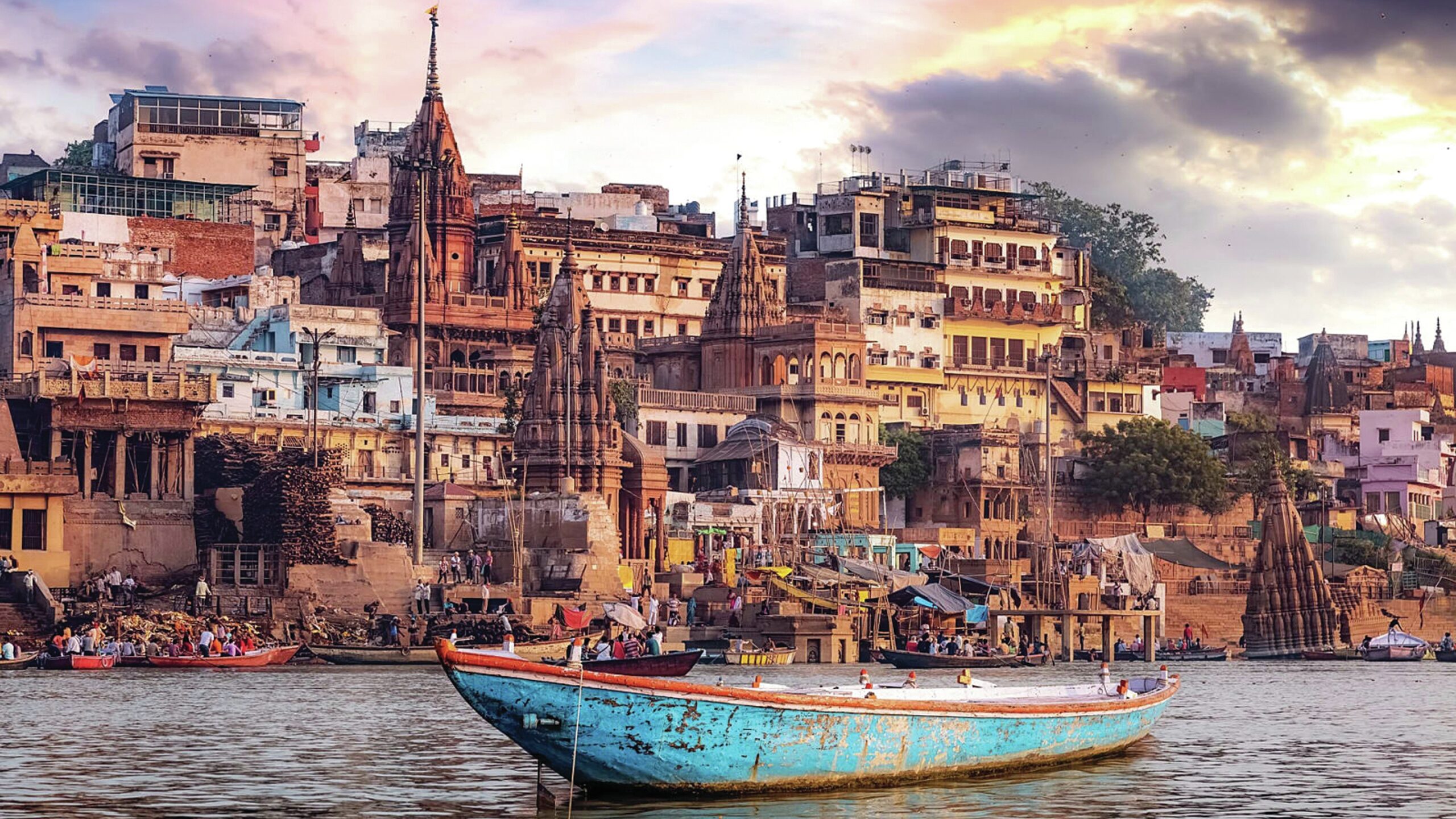
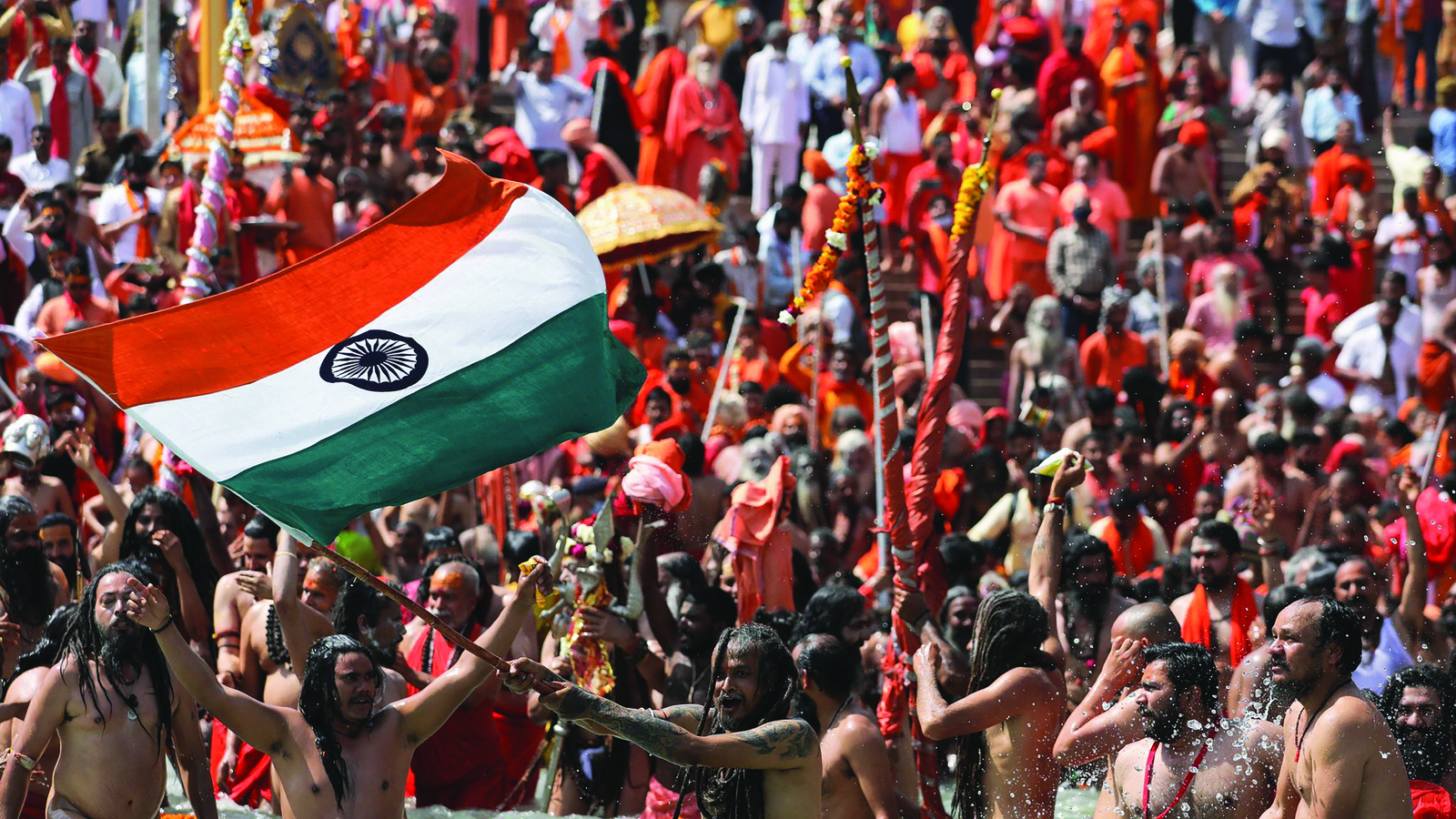
January this year saw the launch of a new luxury river cruise service, one set to ferry high-end tourists to some of the most mystical destinations in India. Fittingly, Varanasi, where the cruise commences, is one of the oldest continually inhabited cities in the world and, perhaps, the most iconic and memorable location in the whole of India.

To the initiated, it is Kashi, the Luminous – the City of Light said to be founded by Shiva, one of the most significant of all the Hindu deities. Regardless of your religious affiliations, it is a truly magical place and one where, for thousands of years, pilgrims have come to wash away their sins in the River Ganges’ cleansing waters.

varanasi

In all, around 85 ghats (riverfront steps) line the west bank of the Ganges as it passes through the city, making it a popular choice for both devout Hindus taking an early morning purifying dip and for washer folk to beat their clothes. Among the steps are burning ghats, holy sites where bodies are cremated in public, often watched at a respectful distance by boatloads of mourners. Beyond that, many ghats also have their own historical or ritual significance and lingam, a symbol of divine generative energy.

Overall, the best time to visit is dawn when the early morning sun rays light up the myriad temples and ghats while pilgrims perform puja (prayers). Alternatively, dusk offers an ideal opportunity to watch devotees at worship, with viewing these mesmerising daily rituals from a passing rowing boat one of the quintessential Varanasi experiences.

varanasi

The city itself has more than 700 temples and is a maze of alleyways, with many day tours available for those who want to take in many of the special sites the city has to offer as possible. Particularly popular are the confined alleyways of The Old City, the most famous attraction being the Vishwanath Temple, the main Shiva sanctuary that features 800g of gold plating on the tower and dome. Non-Hindus can climb surrounding buildings to see the gilded dome. Another busy temple is in the south of the city – the monkey temple – and is home to hordes of red macaques and is dedicated to Durga, an exceptionally fierce goddess.

varanasi

Varanasi also boasts excellent dining opportunities, including some of the best Indian food around and a wide variety of European dishes. Of particular note is the Darbhanga restaurant, which is set just inside the Brijrama Palace Hotel, a structure with striking architecture along the banks of Darbhanga Ghat. Its most popular dishes include palak chaman (paneer in spinach and spices) and allot chaat (fried pieces of parboiled potato mixed with chickpeas and chopped onions, and garnished with spices and chutney).

For a more informal snack, tucked away in a narrow side alley in the Old City is Blue Lassi, a famous hole-in-the-wall yoghurt shop that has been churning out every kind of gorgeous fruit-filled lassi since 1925. The dairy-intolerant, meanwhile, may prefer the nearby Brown Bread Bakery and its singularly fabulous menu.

Also Read: Indian street food-inspired Chaat opens its doors at the Rosewood Hong Kong

varanasi

If you’re more fashion-minded than food focussed, you may also want to prioritise a visit to the Mehrotra silk factory. It can be found nestling in the labyrinth of lanes behind Lal Ghat and has built up a fine reputation for selling quality silk at reasonable prices.

As is the case on any visit to India, visitors are reminded to be wary of unscrupulous rickshaw drivers who will ferry you off to some inauthentic lookalike place (where they get a cut of everything you spend) rather than your preferred destination. Be insistent and you should be okay.

These considerations aside, no one who has been to Varanasi ever forgets the sheer spectacle of this stunning site’s worship and devotion to the Hindu gods. For those left wanting more of India after such a magnificent introduction – and, really, who wouldn’t – this could just be the first stopping-off point on a luxury cruise, one where far more wonders may well be yours to explore.

(Text: Neil Dolby)

Read the full version of the article in the March 2023 issue (pg: 128). Available on the Gafencu app on Android and Apple.

Most famous Asian royals to follow on Instagram!

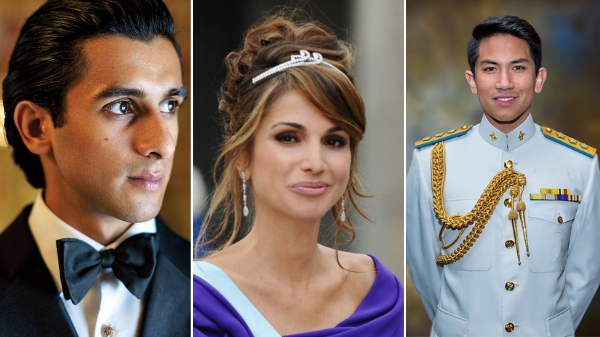
He has Hollywood movie star looks, lives the perfect life of yachts, castles and horses, People and GQ line up for his interviews, looks every bit like Prince Charming, he is real and lives in Brunei. Meet Prince Abdul Mateen of Brunei, a trained pilot, animal lover and Instagram sensation amongst others – he is the son of His Majesty Sultan Hassanal Bolkiah, Sultan of Brunei, with a net worth of US$28 billion – Mateen enjoys a luxurious life in one of the richest countries on Earth. 

If that comes as a surprise because you were busy keeping a tab on the British royal family and all the drama surrounding Harry and Meghan, it’s time to get you up to speed with the charming, young royals, the blue blood of Asia. 

Prince Abdul Mateen, Brunei
2.3M Instagram followers | @tmski

Not much is known about Brunei – a tiny nation of 2200 square miles on the northern shore of the island of Borneo in the South China Sea – but one thing we do know it has a sensational 30-year-old Prince, not shy of flashing his stinking wealth or stylish lifestyle. His Royal Highness Prince Abdul Mateen, the 10th son of Sultan Hassanal Bolkiah, the longest-reigning monarch (after Queen Elizabeth II) and Prime Minister of Brunei, is quite the over-sharer on Instagram. From posting shirtless selfies to flying a chopper, riding a horse, cruising the Mediterranean, playing with leopard cubs, wearing insanely expensive watches or just being a handsome soldier in the military – the Prince has amassed a massive 2.3 million following on Instagram at par with some Hollywood celebrities. 

With a super-rich father, the apparent estimated net worth is upwards of US$20 billion, the prince lives a pretty incredible, opulent life. A trained helicopter pilot, he earned the rank of second lieutenant after completing a gruelling 44-weeks course at UK’s Royal Military Academy, Sandhurst, where he hiked seven mountains within a day during a challenge! His love for sports is well known – an ardent David Beckham fan, he excels in snorkelling, skiing, golfing, boxing, rowing, polo, badminton, amongst others. The royal even represented Brunei at the Southeast Asian Games in 2017. 

Queen Jetsun Pema, Bhutan
237k Instagram followers | @queenjetsunpema

In October 2011, the beautiful Jetsun Pema, daughter of a pilot, married the ‘Dragon King’ of Bhutan to become the youngest living queen in the world at the tender age of 21. Often called the “William and Kate of the East”, the royals recently celebrated their tenth wedding anniversary. Her husband, King Jigme Khesar Namgyel Wangchuck indulged in PDA at the elaborate celebrations and joined the media to praise his effortlessly elegant wife, “I am very proud of her,” he said to the press. “She is a wonderful human being.”

According to The Washington Post reported that “in one version of events, the two met at a picnic when she was seven and he was 17; she reportedly came up to him and gave him a hug.” The queen’s family ties with the royals go back several generations. Though she’s the daughter of a pilot, her paternal great-grandfather was lord of the eastern province of Tashigang, and her maternal grandfather was the half-brother of the wife of Bhutan’s second king.

Often seen in limelight without a hint of makeup, brandishing her flawlessly radiant complexion, the queen is a mother of two boys, Gyalsey Jigme Namgyel, born in February 2016 and Gyalsey Ugyen Wangchuck, born right at the start of the pandemic in March 2020. Before stepping in the royal life, she studied international relations, psychology, and art history London’s Regent’s University whereas her husband received his education at the Oxford University. The couple share a common love for art.

Maharaja Padmanabh Singh, India
234k followers | @pachojaipur

Padmanabh Singh, the 23-year-old Maharaja from India makes headlines even without intending to. From traipsing in his magnificent palace in Jaipur (India), to hiking the terrains of Machu Picchu or having the time of his life blowing out birthday candles in an enviable Roman castle, the dashing royal knows how to make headlines even without trying. He shot to international intrigue and fame after walking the ramp for Dolce & Gabbaba at the Milan Fashion Week in 2018 – several magazine covers and fashion collaborations later, the polo-playing royal commands the world’s attention. 

Fondly called Pacho by friends and family, a name bestowed upon him by his grandmother, Maharani Padmini Devi, Padmanabh Singh’s title is not officially recognised by the Indian government given that the country’s federal parliamentary democratic republic. His love for polo runs in the blood. Pacho’s great-grandfather, Sawai Man Singh II, brought international recognition for India after winning the first Polo World Cup championship held in France in 1957. At just 18, when most teens are recklessly enjoying life, Pacho even after living a life of riches and opulence represented India as the youngest member of a World Cup polo team. A winner of several sporting accolades, the young royal is known to be dedicated and disciplined to a fault and has never missed a day of training in his life. 

Queen Rania, Jordan
 6.3M followers|@queenrania

Influential in her fashion choices and her advocacy for public health and education, ever since her husband Abdullah II, became the King of Jordan in 1999, the stylish Jordian has been serving us incredibly tasteful looks. Breathtakingly beautiful, the 51-year-old Queen Rania is renowned the world over for her contemporary elegance, unique sartorial style, philanthropy efforts and her open support for the native tradition. 

Fluent in Arabic and English, Queen Rania earned a degree in business administration from the American University at Cairo. Before joining the royal ranks, she worked at Citibank and even for Apple Inc in Amman, Jordan but destiny had other plans as she bumped into her future husband then-Prince Abdullah,  the son of King Hussein of Jordan and his second wife Princess Muna at a dinner party. Six months of dating and they were engaged. 

Princess Sirivannavari Nariratna, Thailand
84.2k followers|@royalworldthailand

The daughter of the current king of Thailand, King Vajiralongkorn, has every accomplishment on her resume – from fashion designing, professional badminton, equestrian accolades to writing love poems – the young princess lives and breathes creativity. Trained in top fashion houses like Armani, Ferragamo, Bulgari and Christian Dior, she’s the designer of her popular namesake label (Sirivannavari) and often regarded as one of the most creative royals in the world. Her badminton team won gold at the prestigious 2005 South Asian Games. 


Ajanta and Ellora: India’s iconic religious caves

A treasure trove of historical monuments, the Ajanta and Ellora Caves number among UNESCO’s World Heritage Sites and are two of the Seven Wonders of India. A monument to human ingenuity and perseverance, they took centuries to finish.

Settled some 9,000 years ago, India is not only one of the world’s oldest civilisations, it also boasts one of the richest cultural traditions. Nowhere is this more evident than in its religious history. After all, the nation was the birthplace for four now-iconic faiths: Hinduism, Buddhism, Sikhism and Jainism. Although worshippers spread across the globe, there is one region in particular that remains an enduring hallmark of their inception.

Ajanta and Ellora India's iconic ancient caves gafencu magazine travel 19
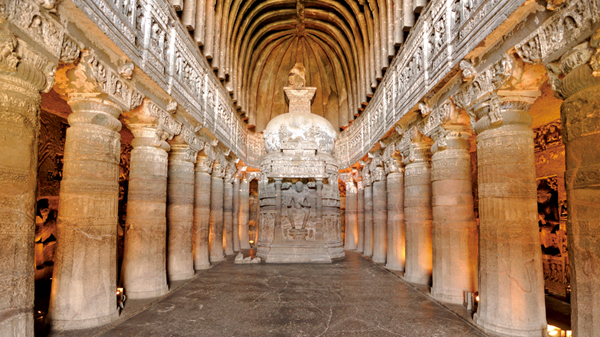
Ajanta Cave no. 19

The Ajanta and Ellora Caves are celebrated as one of the best examples of rock cave architecture in India, the Ajanta and Ellora Caves – lying some 95km apart from each other – are situated in the state of Maharashtra near the city of Aurangabad and have been worshipped for over a millennium.

Ajanta and Ellora India's iconic ancient caves gafencu magazine travel (2)
Ajanta caves in Aurangabad

The Ajanta Caves boast roughly 300 rock-cut Buddhist cave monuments across 29 caves, all of which were constructed between the 2nd century BC and 6th century AD. Using only chisels and hammers, Buddhist monks carved directly into the cliff face of the Sahyadri Hills. These caves include paintings, murals, sculptures that illustrate the previous life of Buddha. This form of literature is known as the Jataka Tales, and is primarily native to India.

Ajanta and Ellora India's iconic ancient caves gafencu magazine travel (3)

The Ajanta Caves, comprising solely Buddhist caves, stood unknown until it was accidentally rediscovered in 1819 by a young British cavalry officer, John Smith. Spotting the mouth of a cave above the Waghora (Tiger) River, he entered and discovered the statue of a Bodhisattva, a figure representing one of the past lives of the Buddha before he achieved Nirvana. On it, Smith carved his name. Since then, thousands of tourists have followed suit.

Ajanta and Ellora India's iconic ancient caves gafencu magazine travel (7)
Ellora Cave no.9

While the Ajanta Caves have some of India’s most sophisticated ancient paintings, the Ellora Caves are renowned for their extraordinary architecture, having been crafted entirely by hand. It occupies a flat rocky region on the Western Ghats, where the geology of the landscape was shaped by volcanic activity, creating a multi0layed basalt formation known as the Deccan Traps. The resulting steep vertical surface layered with rock formations enabling the architects of the time to carve the stone for more detailed sculpting.

Ajanta and Ellora India's iconic ancient caves gafencu magazine travel (8)
Ellora Cave no.12

The area comprises 34 caves in total featuring a mixture of 12 Buddhist (caves 1–12), 17 Hindu (caves 13–29) and 5 Jain (caves 30–34) caves, as well as monasteries dedicated to each religion. The Buddhist caves were built during the Chalukya dynasty (500-1100 AD), the Hindu caves by the Rashtrakuta dynasty (500-900 AD) and the Jaina caves by the Yadava dynasty (860-1317 AD). Though the earliest caves may have been built during the dynasties of the Traikutakas (388 and 456 AD) and the Vakataka (250-270 AD), the latter also being known for sponsoring the Ajanta caves.

Ajanta and Ellora India's iconic ancient caves gafencu magazine travel (9)
Kailasa Temple also known as Kailasha Temple

A key draw here is undoubtedly the incredible Kailasa Temple (also known as the Kailasha Temple), dedicated to Lord Shiva and his sacred abode at Mount Kailasha. Its immense size covers twice the area of the Parthenon in Athens and is one and a half times as tall. So great is its acreage that its true size can only be taken in when viewed at a distance.

Ajanta and Ellora India's iconic ancient caves gafencu magazine travel (10)
Bibi Ka Maqbara, lying between the Ajanta and Ellora caves in Aurangabad

Lying between the two ancient religious cave complex lies yet another stunning example of Indian architecture, albeit one from a more recent era – the Bibi Ka Maqbara. Loosely translating to “Tomb of the Lady”, it was commissioned by Mughal emperor Aurangzeb in 1660 as a tribute to his chief wife, Dilras Banu Begum. Dubbed by some as a miniature Taj Mahal, the similiarities are undeniable, and perhaps understandable when you consider the fact that the Taj Mahal was similarly commissioned by Aurangzeb 30 years previously upon the death of his mother.

The central marble-dominant mausoleum, featuring four towering turrets, is further ringed with a tranquil open garden, standing in stark contrast to Ajanta and Ellora’s dimly-lit caverns – a fact that visitors are sure to enjoy.

Ajanta and Ellora India's iconic ancient caves gafencu magazine travel (4)
Ajanta Cave no. 26

Although there are a handful of accomodations on site near all three locations, many offer only basic amenities. For a more luxurious option, a handful of high-end establishments can be found in Aurangabad city. While this does mean several hours of transit time to and from the Ajanta and Ellora Caves, hotels such as, Vivanta Aurangabad, a five-star outpost of the venerable Indian luxury brand, Taj Hotels & Resorts will offer well-heeled travellers with a more luxurious experience.


Into the woods in style: Our top picks for luxury safaris

For those looking to escape the urban jungle for a boscage – especially one that extends for miles – there is no short supply of luxury safaris curated in style in all the remotest corners of the earth. But lest you think their fur-flung locale, vast stretches of greenery, exotic wild animals, all come at the expense of true-blue luxury, you couldn’t be more off the mark. Thanks to these carefully-crafted glamping experiences, all luxuries of modern civilisation would be at your beck and call, even in the deepest of forests. So check out our top picks for the most luxurious safaris and let your wild spirit take over…

Banjaar Tola 

& Beyond

safaris

Luxury safari company &Beyond invites you to lose yourself in the natural wonders of India’s Kanha National Park, located just 252 kms north east of Nagpur. Those with an affection for larger felines will find themselves smack dab in the middle of tiger territory, as Kanha is one of the first areas in the world to provide sanctuary to the magnificent cat.

Travellers may enjoy an enchanting tent lodge near the heart of the National Park, at Banjaar Tola. Located next to the Banjaar River, the safari lodge immerses its guests into the natural habitat of the jungle, but within contemporary rooms. After a day of exploring, relax in mystical confines of your room, replete with porcelain bathrooms and pressed bamboo wall panels, before savouring a campfire dinner while enjoying dance performances by the local people.

South Australia

Wild Bush Luxury

If certain jokes are be believed, one could not simply leave their homes in Australia without some type of animal plotting their end. But in defence of Aussie eco-inhabitants, most safari goers do not want to wrestle with a crocodile. Wild Bush Luxury offers travellers an experience that not only explores the natural aspects of Australia’s rain forests and national parks, but also the cultural and spiritual aspects of aboriginal culture.

With their signature experience, Arkaba delights guests with plenty of time for discovering the hillsides of the rolling hill country, complimented of course with spectacular views of South Australia’s sunsets and a taste of the renowned wine country. 

Chilean Patagonia

& Beyond

safaris

Not limiting themselves to the East, &Beyond offers a wild twist on the iconic vistas of Chile. Explore the South American country famous for succulent red wines and its devilish Pisco, in a 8-nights package, journeying across the beautiful coastal and mountainous landscapes. 

In what would be a sure delight to bird lovers, the safaris apparently provide enough opportunities to spot the most famous feathered friends of the region. With executive access of only six guests, you’ll be spoilt for attention by the knowledgeable guides. 

Sossusvlei Desert Lodge

Go2Africa

safaris

The serene oasis of the Sossusvlei Desert Lodge lies amid the extensive desert dunes of Namibia’s Namib-Naukluft Nature Reserve. Here, the dramatic landscape and picturesque surroundings are complemented ably with moon-roof villas, perfect for stargazing in this ‘dark sky reserve’. 

Nature lovers are in for a treat as expert guides will help safari-goers navigate the terrain, while imparting useful tips about local plants and other species found solely in arid areas. Complimenting these eco-talks are astronomers who provide guests with fascinating insight into the secrets of the solar system.

Text: Bailey Atkinson

Pastel Planet: Our roundup of the five most colourful places on earth

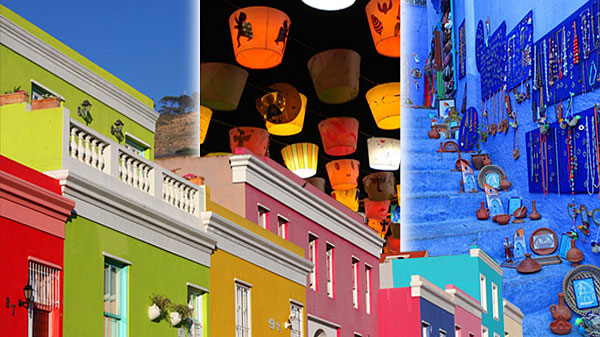
From multi-coloured lamp-lit streets of Hoi An to a beautiful blue city in Morocco, here’s our countdown of the top five most colourful places in the world.

colourful places

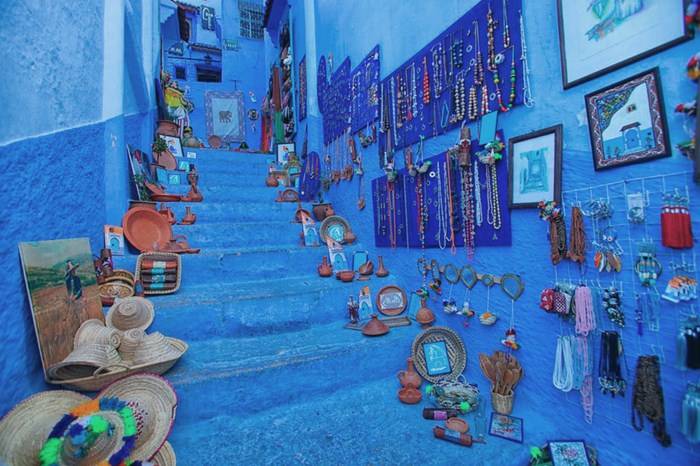
 Chefchaouen, Morocco

Every street and building in Chefchaouen in Morocco is coloured in some shade of blue, as in Islamic culture, blue symbolises wealth and happiness. The city was closed off to foreigners for 500 years, but now it welcomes travellers into its blue paradise with open arms. Blue is indeed the warmest colour here as it reflects the importance of the nearby Ras el-Maa Waterfall from where citizens get their drinking water.

colourful places

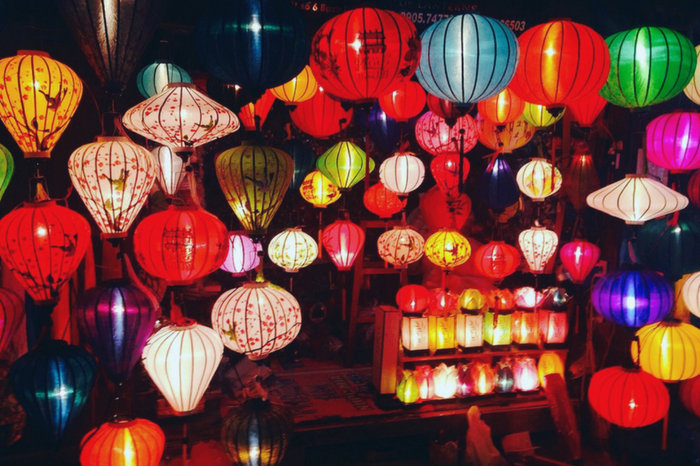
Hoi An, Vietnam

While Hoi An is romantic with its 18th century wooden buildings, street food and narrow alleys, the true highlight is the beautiful coloured lanterns that line every street. Perfectly blending elements of Chinese, Japanese and Vietnamese cultures, the lanterns and lamps of every size, shape and colour hang over the streets, illuminating the special rustic charm that characterise Hoi An.

colourful places

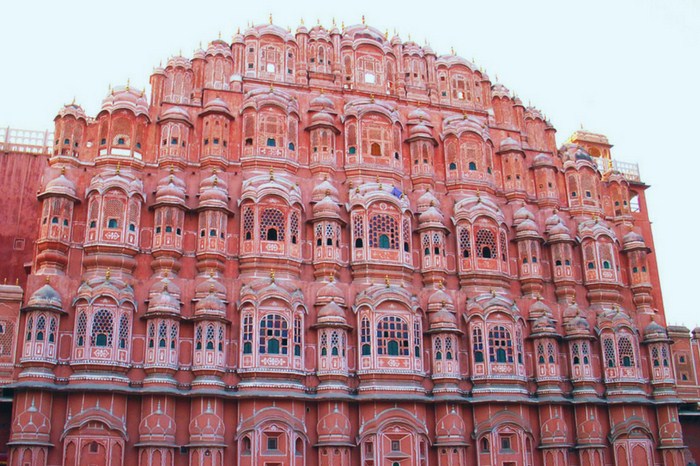
Jaipur, India

No list of colourful places can be complete without featuring Jaipur, the Pink City of India. All forts and historical buildings in this ancient city are painted with a terracotta pink colour, which is especially produced from calcium oxide and is extremely durable in the arid desert conditions of Jaipur. What was originally a welcoming gesture by Maharaja Sawai Ram Singh II to please British monarch Prince Albert in 1876 still continues to draw throngs of guests every year to this desert city.

colourful places

Painted Desert, Arizona, the US

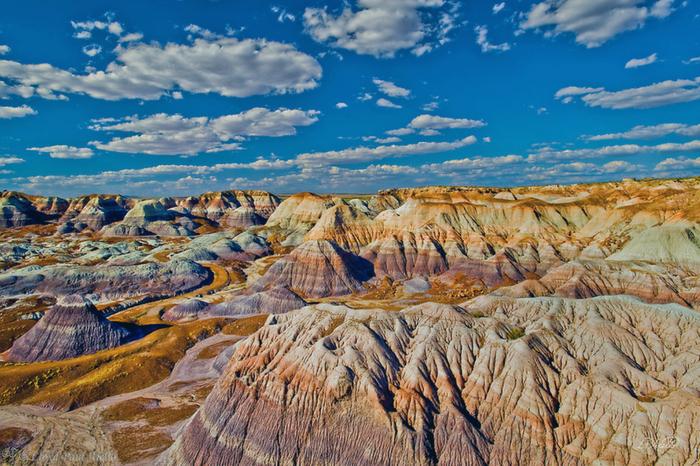
It’s difficult to imagine deserts as colourful places, but the Painted Desert in Arizona is a multi-coloured exception to the rule. Deriving its name for the multitude of colours like lavender, orange and pink, it is a vast expanse of hillocks and buttes that stretch for over 160 miles. This massive sandstone formation is also brushed in places with brick red and golden yellow, which changes colours during different times of the year.

colourful places

Bo Kaap, Cape Town, South Africa

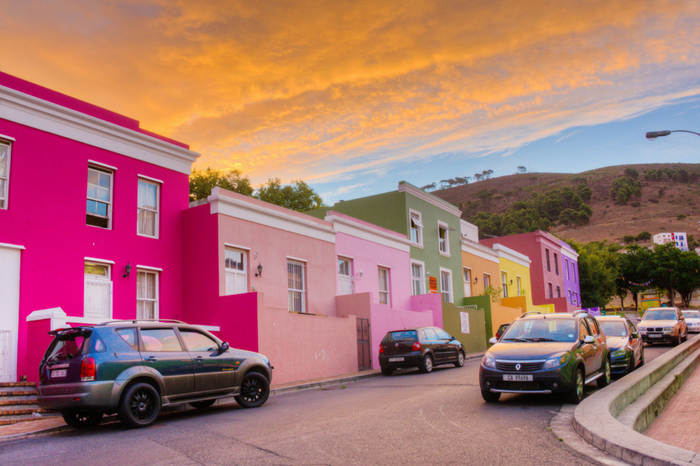
Bo Kaap in Cape Town, South Africa, is one of the trendiest neighbourhoods with lots of restaurants and bars. What stands out, however, is its rows of coloured houses. The houses are a mix of Cape Dutch and Georgian architecture, standing in distinctive multi-coloured rows on cobbled roads. Of all the other colourful places on this list, Bo Kaap’s history is perhaps the most inspiring. All the houses in this neighbourhood were originally white, but when slaves were allowed to buy their own houses, they coloured them in the brightest of hues to mark their freedom of expression.

If all these colourful destinations have you daydreaming, click here to plan your next vacay with Flight Centre.

Text: Suchetana Mukhopadhyay

Land of Extremes

A road trip through Ladakh, India, is the ultimate adventure

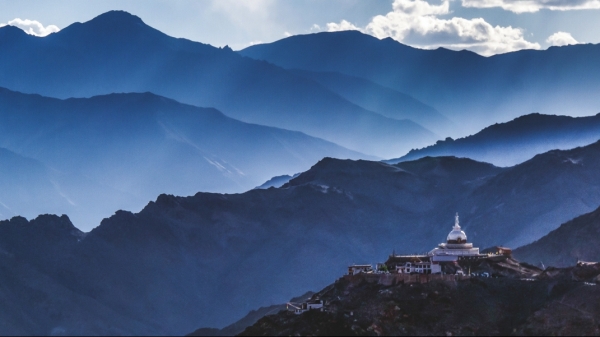
The mountains are so barren and devoid of green that the landscape could be mistaken for the moon’s surface. Streams trickle down the mountains like liquid serpents, snaking their way around treacherous curves. The lakes, glimpsed through the mountain passes,are placid and of the bluest hue possible.

This land of extremes is Ladakh, India – and it’s every bit as breathtaking as it sounds. Located in the northern state of Jammu and Kashmir, which stretches from the Kunlun mountain range to the Himalayas, Ladakh is certainly not easy to reach.

An airport services the state’s capital city, Leh, and vehicles are available for rent upon arrival. Foreign travellers must also obtain permits to visit certain areas, which can be secured through their hotels or through government offices in Leh.

It may sound arduous, but those willing to put in the effort and brave the winding roads will be rewarded with otherworldly views.

The first glimpse of the majestic mountains from the plane promises an epic adventure just waiting to unfold. When the pilot announces that the plane will begin its descent, there’s a buzz among passengers, who wonder aloud where exactly the pilot will land amidst so many mountains.

Indeed, Leh airport is one of the world’s highest airports at more than 3,200m. Planes land and take off only in the mornings because it’s an exceptionally risky runway, with fierce winds and the mountainous terrain acting as dual challenges for pilots.

The other way to reach Ladakh is by road via the Srinagar-Leh highway or the Manali-Leh highway. Both offer spectacular views of the Himalayan mountain range, and they’re as thrilling as one can expect from an extreme road trip.

In the midst of these barren, indifferent mountains, little monasteries and palaces have been built, as if to challenge nature. Most have been gnawed at by the passage of time, but still they stand as resilient symbols of the persistent nature of humans. The Leh Palace, for example, still remains a towering architectural feat. Inspired by the Potala Palace in Lhasa, it stands at nine storeys tall. Though mostly in ruins now, it’s easy to imagine how it must have flourished as the centre of the Namgyal dynasty in the 17th century.

Another great architectural wonder is the Thiksey Monastery. Built in the 15th century, the monastery is 12 storeys and is by far the largest monastery in Ladakh. Several hundred monks and their trainees still reside there, and during the annual Ladakh festival in September, the monastery truly comes to life.

But in the midst of life, there is also death. A village called Khalsar was swept away by a cloudburst a few years ago, and only a giant prayer wheel remained standing in the rubble.

Look a little closer, though, and you’ll see that the intimidating barrenness is dotted with hubs of thriving, pulsating life. Take Leh, for instance. For such a tiny place, it’s packed to the brim with people of all ethnicities. At a height of 3,500m, Leh is as modern as any major city in the world. Tourists from across the globe flock here for adventure sports such as mountain biking, white water rafting and trekking. The annual marathon in September also draws a crowd.

For a city that’s surrounded on all sides by mighty mountains, Leh does a commendable job of providing amenities and activities to fit every budget and interest.

Even the most discerning of guests will be able to enjoy quiet luxury in a premium hotel such as The Grand Dragon Ladak, or a sustainable boutique property such as Nimmu House. Both offer all the comforts one would expect, all while retaining a quaint, rustic charm.

Where Leh is throbbing with life, Diskit in the Nubra Valley is a sleepy little hamlet. The major attraction is the double-humped Bactrian camel,which is almost unique to the region.

Even more fascinating, though, is the landscape itself, which is starkly different from other parts of Ladakh. A cold desert stretches across the valley as far as the eye can see, with the Karakoram mountains towering above it on one side and the Himalayas on the other.

To reach Nubra Valley, one has to cross the famous Khardung La Pass, which is an adventure in itself. At about 5,350m above sea level, it is one of the highest motorable roads in the world. It is also historically significant, as it was once a major caravan route that ran from Kashmir to Kashgar in modern-day Xinjiang, China.

For many tourists, it’s a real thrill to be on the Khardung La Pass, but it’s not advisable to loiter there for more than 30 minutes. The shortage of oxygen starts to get to you, and “dizzying heights” can take on a literal meaning. That’s why, upon arriving in Ladakh, it’s best to give yourself time to relax and acclimatise to the low oxygen levels.

However, this is a contingency that all vehicles in Ladakh are prepared for. Every car has spare oxygen cylinders for emergency situations. It’s advisable to rent sturdy SUVs while travelling Ladakh’s roads, which are patchy in places despite the Indian army’s efforts to enhance road conditions.

If a death-defying drive along the mountain pass proves to be too much excitement for one day, head to Pangong Lake near the Chinese border for some peace and tranquillity. Few words can suitably describe the splendour of the lake’s pristine blue waters, which seem to be untouched by civilisation.

Several semi-permanent camps are set up at the edge of the lake, and they’re rented out to tourists who feel they can brave the cold. For those who want something cosier, log cabins are set up slightly further away. Meal options are frugal and limited,but in a place that seems to be straight out of a fairy tale, physical discomforts can be overlooked.

Travellers who continue their ascent will ultimately reach Tso Moriri, or Mountain Lake, which is situated at a height of 4,500m. The 235km drive from Pangong Lake to Tso Moriri through the remote Changthang region is one of the most beautiful and jaw-dropping drives on Earth. There are no petrol pumps along this stretch of road, so stocking up on fuel and food is imperative.

Despite these extreme conditions, it’s a popular route and people flock to Tso Moriri, seemingly drawn by the force of nature. Like Pangong, Tso Moriri is a stunner in the looks department, and is one of the few places surrounded by green grass.

The entire Ladakh region is beautiful year-round, but the peak tourist season is from April to September. Tourists come and go, but the people who call Ladakh their home wage a battle against nature every day. In a land so arid that hardly any vegetation grows, and so remote that its few roads have to be maintained by the army, the fight to live is real.

Yet, Ladakhis go about their business matter-of-factly and without resignation, because to live is to hope, and the next day is both a challenge and a miracle. For travellers looking to experience the extremes of nature in all its tremendous and taxing forms, there are few better destinations than Ladakh.

Text: Suchetana Mukhopadhyay