
Going Places: GoGoX CEO Steven Lam’s wild ride from frustration to freight fortune

Rewind to 2013 in Hong Kong, and Steven Lam is staring at a stack of takeaway boxes, sweating bullets because booking a van feels like negotiating with a secret society. “We needed vans to deliver our takeaway boxes to restaurants, and the process was a nightmare,” he recalls, flashing his trademark grin. “We’d call a radio-dispatch centre, get a ridiculously high quote, and have no idea if the driver would even show up. It was inefficient and opaque.” Having heard the same story from others, he realised “everyone had a van-hailing horror story. That’s when the lightbulb went on: if we could fix this for ourselves, we could fix it for the entire city.”

This is the origin of GoGoX – formerly GoGoVan – Asia’s answer to Uber but for delivery, boxes and basically anything that needs to move without the drama. Lam, co-founder and self-proclaimed ‘Cheap Everything Officer’ (CEO), has turned that headache into a logistics powerhouse operating in 370 cities – from China and South Korea to Singapore, Vietnam and India. It was Hong Kong’s first unicorn, born from a 2017 merger with Chinese freight giant 58 Suyun, and now boasts 7 million registered drivers.

But Steven Lam’s story is no overnight success. It’s a tale of grit, gaffes and going all in, told with the kind of humour that makes you laugh while learning.

Kowloon Cram

It starts in Kowloon public housing, a concrete jungle where life was more shared spoon than silver spoon. “Growing up in a public-housing estate teaches you two things very quickly: resourcefulness and the importance of community,” says Lam, chuckling like he’s reminiscing about a quirky family reunion. “You learn that nothing is handed to you, and that if you want something, you have to figure out a way to earn it or build it. Space is limited, resources are shared, and you see firsthand how small efficiencies can make a big difference in people’s daily lives.”

It’s the kind of upbringing that turns kids into mini-entrepreneurs. Lam’s business vibe is frugal, folksy and focused on fixing real messes. “Business wasn’t some abstract concept I learned in a classroom; it was about solving real, practical problems for real people,” he adds. “It taught me to be frugal, to be scrappy, and to never underestimate the power of a simple solution to a common frustration.”

High school didn’t end with confetti for young Steven. After bombing Hong Kong’s public exams, he ditched the script and headed to the US for community college. “My results weren’t what I had hoped for, and for a moment, it felt like the traditional path to success was closed to me,” he admits, with the honesty of someone who’s turned lemons into a logistics empire. “But instead of seeing it as a failure, it became a crucial turning point. It forced me to be honest with myself and realise that there had to be more than one way to build a future.”

American Hustle

Stateside, it was all about reinvention. “Nobody there cared about my past exam scores; all that mattered was the effort I put in each day,” he notes. “It was incredibly humbling and empowering at the same time.” He later funded his degree in business administration at the University of California, Berkeley by flipping second-hand iPhones and bikes – pure hustle. “That experience taught me that your starting point doesn’t define your destination. It taught me resilience and proved that with hard work, you can create your own second chances.”

Enter GoGoVan co-founders Reeve Kwan and Nick Tang, his university ride or dies. “Looking back, the most important thing was that I wasn’t facing these financial pressures alone,” he shares. “The key to overcoming them was the friends who were right there with me.”

Reselling iPhones “was our first real business together, our way of earning our first pot of gold,” he laughs. “That experience taught us so much more than just how to make a profit. It taught us how to hustle, how to solve problems on the fly, and most importantly, how to trust each other completely when the stakes were high.” Three guys in a dorm, haggling over gadgets, forged the trust that built GoGoX.

At Berkeley, Lam soaked up big ideas, but real lessons came from slinging food at a San Francisco Chinese restaurant. “They were two sides of the same coin,” he quips. “UC Berkeley gave me the framework – the theories, the economic principles. It taught me what was possible. The Chinese restaurant, on the other hand, taught me raw, unfiltered business. It was about customer service, inventory management, cash flow and teamwork under pressure, all in real-time.” It’s where the GoGoX seed sprouted – delivering food, spotting gaps.

Thinking Beyond Boxes

Back in Hong Kong, Lam launched BoxAd, selling adverts on takeaway meal boxes. “BoxAd was my real-world MBA,” he says. “It taught me essential lessons about sales, rejection, and the hustle required to get that first ‘yes’.” But the gold was in the grit: dealing with van bookings exposed logistics lunacy. “Every day, I was on the street, not just selling ads but also hiring vans to deliver the boxes. I spent hours talking to drivers, hearing directly about their struggles.”

Thus, with HK$20,000 in savings, GoGoVan was born. “Those conversations and relationships were the true foundation of the company, and I’m still in touch with some of the very first driver-partners,” reveals Lam. “My philosophy is that every step in your journey has a purpose. BoxAd wasn’t a setback; it was the catalyst.”

Scaling was epic. “First, convincing the first 100 drivers … [but] once we had that initial critical mass, the network effect started,” he recounts. Funding, merger, IPO – boom. As Cheap Everything Officer, he balances bargains with brilliance. “The title started as an inside joke [reflecting early penny-pinching]. But ‘cheap’ doesn’t mean low quality. It means being relentlessly efficient.” AI routes keep costs low, and quality high.

GoGo Further

“In the beginning, success was survival. Today, my definition [of the concept] is about impact.” Being named a World Economic Forum Young Global Leader last year widened his worldview. “It connects you with leaders. This has influenced my vision for GoGoX to be more than just a logistics company.”

What fuels him? “The world of logistics is still incredibly inefficient. That puzzle continues to fascinate me,” he says. Plus, responsibility to stakeholders. Happiness? “For me, happiness is the feeling you get when you are engaged in solving a meaningful problem with people you trust.”

His plan for GoGoX is to innovate with AI, expand in Southeast Asia, and go green with EVs. “Within the logistics industry, I hope our legacy is that we proved technology could democratise access. In the broader community, I hope my story serves as an example. [Given] the sheer scale of the opportunity [though], we have only scratched the surface.”

And there it loops back: from that van-booking nightmare to reimagining Asia’s moves, Lam turned frustration into fortune, proving that sometimes, the best way to go forward is to fix what’s holding everyone back. In Hong Kong, where deliveries seem endless, he’s the guy who made “go” mean something magical.

Interview, Text & Art Direction: Joseff Musa   Photographer: Jack Law   Videographer: Iris Ventura

Quiet Strength: Practical, nurturing ways to combat loneliness and create meaning during the January lull

New Year often arrives wrapped in fresh expectations, a wave of social engagements and the buzz of fulfilling new resolutions. For many, January brings a sense of renewal, connection and hope, especially with the excitement of Lunar New Year celebrations to come. But for others, the month can be a letdown, and the Chinese New Year holidays a dread.

The weeks that unfold from the turn of the calendar may feel like a magnifying glass on loneliness, especially if you’re grieving, far from loved ones, going through a life transition, or simply feeling out of sync with the energy around you. But you are not alone. Loneliness during January and February is more common than we often admit. And while it can feel isolating, it doesn’t have to be endured in silence.

There are gentle, compassionate ways to care for yourself during this period. It is possible to honour your emotions, create meaning, and discover comfort in small, intentional acts.

Confronting Loneliness 

The first step in navigating loneliness is to acknowledge it. Loneliness is not a flaw or a failure; it’s a deeply human emotion that signals a need for connection, understanding or comfort. Instead of pushing it away or pretending it doesn’t exist, try to meet it with curiosity and compassion.

1.         Name the feeling: Say it out loud or write it down. Sometimes simply identifying what hurts can begin the healing process. 

2.         Accept its presence: Allow yourself to feel without judgment. 

3.         Reflect on its message: What might your loneliness be trying to tell you?

Since unstructured pockets of time can make loneliness feel more intense, creating a gentle plan for your days can help bring rhythm and intention. You might watch a nostalgic film, cook a favourite dish from your childhood, or take a walk somewhere peaceful. Small rituals can offer a sense of purpose and help you feel more grounded.

Reaching Out 

Calling or messaging people you trust is a powerful way to counteract loneliness. Connection doesn’t have to involve large gatherings or social commitments that feel overwhelming. The smallest gestures can spark warmth and remind you that you are part of a larger web of humanity. Begin the year by sending a thoughtful message to someone you’ve lost touch with, joining an online community or support group, or sharing a lighthearted video with a friend. You may be surprised by how many people are also feeling the weight of this stretch between Christmas and Chinese New Year, and would welcome a moment of connection.

Giving can also be an antidote to loneliness. When we shift our focus outward – toward helping someone else – we often rediscover our own sense of meaning, belonging and capability. You might volunteer at a local shelter, food bank or community kitchen, or support a cause that feels significant. Even the smallest acts of kindness can ripple outward, creating warmth for others and for yourself.

Creating Your Own Rituals 

If traditional gatherings or festive expectations at this time of year feel painful, inaccessible or simply don’t resonate with you, consider creating your own rituals. These personal traditions can be grounding, healing and empowering. Rituals don’t need to be elaborate – they only need to feel meaningful to you.

Some ideas include: 

•          Reflecting on a memory, thought or intention at the end of each day. 

•          Writing a letter to someone you miss. 

•          Creating a gratitude list and adding to it each day. 

•          Starting a creative project such as painting, knitting or photography. 

•          Curating a playlist of music that soothes, energises or uplifts you.

Reframing New Year 

Instead of seeing the start of 2026 as something you must experience in a certain way, consider what it could mean for you personally. Could this be a moment for rest, reflection or renewal? You might use the quieter pace of the weeks ahead to reconnect with your values and what genuinely matters to you. This could mean exploring spirituality, beginning a journal, deepening a creative practice or cultivating self‑compassion.

Be gentle with yourself. Loneliness can affect both emotional and physical well-being, so support your body with nourishing meals and avoid habits that can impact mood. Try to step outside daily for fresh air and movement; practise mindfulness, meditation or deep breathing; and prioritise rest. Ask yourself what you would do for a friend who feels as you do, then offer the same kindness to yourself.

Seeking Support 

If your feelings of loneliness become persistent or overwhelming, or if they begin to affect your daily functioning, it may be time to seek professional support. Therapists, counsellors and mental‑health professionals can offer tools and guidance to help you navigate this time of year with more ease. You deserve care, support and understanding; you don’t have to face this alone.

If you’re feeling low right now or over Chinese New Year, try one of these gentle, grounding actions. These small comforts can offer a moment of peace and remind you that you’re cared for – even by yourself: 

•          Text a friend to say you’re thinking of them. 

            Rewatch a beloved TV series or film. 

•          Visit a neighbourhood or area you enjoy and take in the lights, scenery or atmosphere. 

•          Write a letter to your future self. 

•          Make a list of things you’re proud of, or moments when you showed strength. 

•          Try a five‑minute guided meditation or calming breathing exercise.

Finding Comfort

There is no one ‘right’ way to experience the early months of the calendar. New Year – Western and Chinese – doesn’t have to be one long, wild celebration. Your version can be just as meaningful: quiet, reflective or hopeful. While the holidays can come with pressures or expectations that feel heavy, remember that it is temporary. New opportunities for connection, growth and joy will come.

In the meantime, make small plans for the weeks ahead. Sign up for a class or workshop; plan a day trip or local adventure; explore a new hobby or return to one you’ve missed. Having something to look forward to can ease emotional weight and help you step into spring with a renewed sense of hope and possibility.

Game Changer: Journeying through the many wondrous worlds of great escape-room entrepreneur Rick Woo

When we arrive at LOST’s Causeway Bay outlet on a sunny autumnal morning, the atmosphere is unexpectedly peaceful. Nuzzled among the mass of commercial and retail buildings that converge into a narrow path, the space exudes an almost surreal calm. Rick Woo, co-founder of the rapidly expanding escape-room enterprise, welcomes us with a warm smile and an unusual offer: a shot of whisky, his go-to drink, to give the production team a liquid-energy boost. We laugh, accepting the toast to creativity, and step inside.

As Woo leads us up a steep set of stairs and along deserted rooms on the upper floors, it’s easy to feel like we’ve entered an alien laboratory or a Wild-West hideout. The walls are alive with colours, evoking a sense of wonder and curiosity. One escape room resembles an American diner, nostalgic and lively; another hints at a prison cell, dark and mysterious.

Dressed in a loose black-and-white ensemble, Woo is effortlessly chic, embodying the spirit of a lively storyteller and innovator. Though now approaching 50, he could pass for someone 20 years younger, perhaps due to all that cardio (see his content on Strava and Instagram), or maybe because of his surroundings, a playground of imagination, where every corner tells a story.

Young Puzzle Master

Woo’s journey into the world of immersive entertainment began long before LOST’s 2013 launch. His childhood in Hong Kong revolved around a love for problem-solving. “I grew up fascinated by puzzles and mysteries, and I loved solving problems that seemed impossible,” he recalls. “As a kid, I often created small games for my friends using paper clues and homemade locks. I didn’t realise it then, but I was already designing ‘escape games’ in my own way.”

His parents, small business owners, played a significant role in shaping his mindset. “Watching them taught me perseverance, responsibility and creativity in finding solutions when things didn’t go as planned,” the University of South Australia alumnus says. “That blend of curiosity and entrepreneurial thinking is what set the foundation for everything I’ve done.”

By 2013, after working in the telecommunication industry in Hong Kong and Melbourne, Woo’s ambition was clear – to bring the thrill of escape rooms to his home city and beyond. “Escape games were almost unheard of in Asia back then,” he explains. “I wanted to create something that didn’t just entertain but challenged the mind and connected people. The idea was simple: bring stories to life through immersive experiences where players could feel like the heroes of their own adventures.”

LOST was born from this vision: a space where people could ‘get lost’ in the moment, forget about their phones, and rediscover the joy of teamwork and problem-solving. The concept resonated quickly, and the brand burgeoned; it now operates 14 outlets worldwide. Yet, Woo’s journey was only just beginning.

Power of Curiosity

Travelling and engaging with diverse cultures broadened his perspective. “Meeting people from different backgrounds taught me that curiosity is universal,” he notes. “Whether in Hong Kong, Taiwan, Australia or the Philippines, people love to explore and challenge themselves.”

His personal transition from a tech enthusiast to an entrepreneur helped bridge the physical and digital worlds. “LOST keeps evolving because we respect local culture but also use global creativity to connect everyone through play and storytelling,” he explains. This blend of cultural sensitivity and innovative technology has been key to the brand’s global success.

Building an international chain had its hurdles. “In the beginning, many didn’t understand what an escape room was,” he admits. “We had to educate the market from zero.” Scaling the business across different countries, maintaining quality, and ensuring creative consistency were daunting tasks. “The key was building a passionate team who shared the same belief: to let the world fall in love with creative problem-solving,” he says.

Every obstacle was turned into a puzzle, each challenge an opportunity to innovate. “We approached every difficulty with the mindset of a game designer,” he laughs. “If you get stuck, you just need to find the next clue.”

New Realities

LOST’s evolution into a multifaceted ecosystem was driven by a simple question: how can the experience become more meaningful? This led to the birth of LOST Junior, LOST Studio and LOST Island. Each initiative embodies Woo’s core philosophy of creativity, learning and connection. Looking ahead, he envisions a future where entertainment, education and technology are seamlessly integrated.

“The future lies in blending worlds,” he says. “AR, blockchain and interactive storytelling will make learning experiential, engaging and personalised. Imagine classrooms where students create and live their own adventures.”

He is most excited about innovations in AI, AR and mixed reality. “Games that adapt to your behaviour, puzzles that evolve with your intelligence – these will transform how we learn, teach and connect,” he predicts, viewing technology as a tool to expand creativity and foster a new era of immersive storytelling.

His vision for LOST has expanded from physical spaces to ecosystems that merge online and offline worlds. “Our mission remains the same: to make the world fall in love with creative problem-solving,” he affirms.

For Woo, joy comes from seeing people smile after solving a puzzle, or witnessing a child’s confidence bloom during a LOST Junior adventure. “The moment of ‘Aha!’, that’s happiness,” he says. Success, he believes, is measured by impact. “When LOST inspires people to think differently, learn creatively and connect meaningfully, that’s true success.”

More to be Found

Woo harbours plans for further expansion across Asia and onto other continents, aiming for 30 branches within three years. R&D investments in digital tokens, creator tools and AR experiences are already underway. “LOST will evolve into a global hub for creativity, education and innovation,” he envisions.

His advice to aspiring entrepreneurs? “Start with why. Don’t chase trends. Solve real human problems and never fear failure. Every mistake is just another puzzle to solve.”

He believes the most important skill participants gain is creative problem-solving. “In life and business, there’s rarely a single right answer,” he says. “LOST trains you to observe, think laterally, and work with others under pressure – skills that are vital in the real world.”

The Final Scene

He finds fulfilment in inspiring others; seeing children design their first game or a team rediscover the power of collaboration. “My legacy? I want LOST to be a global symbol of creativity, education, and unity,” he declares. “I hope more people fall in love with solving problems, not avoiding them.”

As we both utter “that’s a wrap!”, Woo’s world feels like stepping into a movie, an experience as meta as that sounds. It’s reminiscent of the final scene in Steven Spielberg’s Raiders of the Lost Ark, where the golden chest is sealed inside a wooden crate, wheeled through a cavernous warehouse, and stored away from enemies. The end credits roll, and the adventure pauses, waiting for the next chapter.

In Rick Woo’s universe, every game, every puzzle, every story is an invitation to enter a world of infinite possibilities, where imagination is the only limit, and the journey of discovery never truly ends.

Interview, Text & Art Direction: Joseff Musa     Photographer: Jack Law     Videographer: Iris Ventura  

128 Waterloo:  Exclusive High-end Unit

Superbly designed flat in desirable location

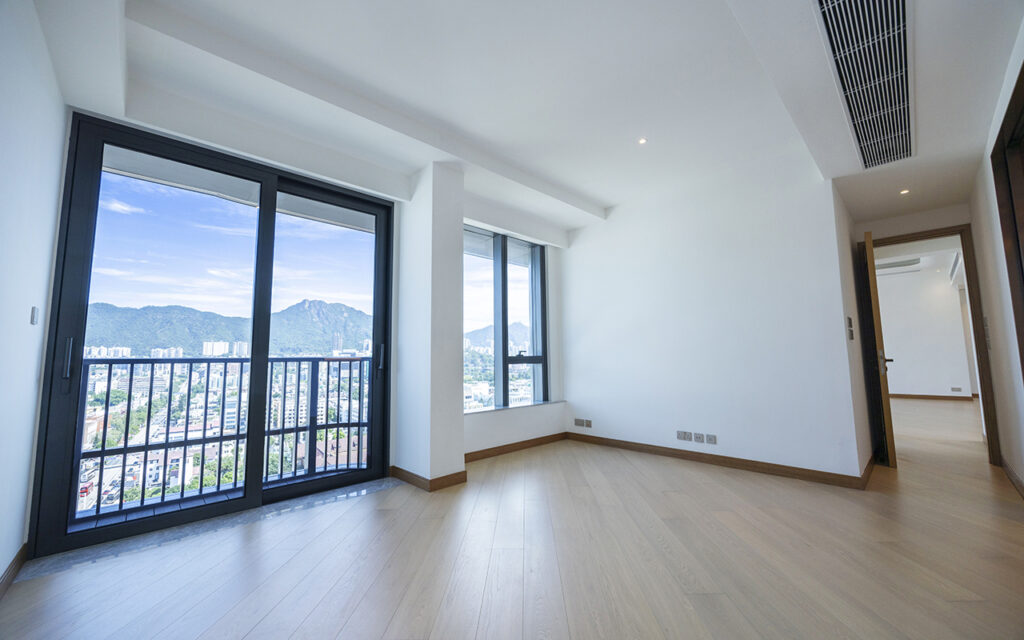
128 WATERLOO is located in one of Hong Kong’s most elite neighbourhoods. Like all the outstanding units in this magnificent complex, Apartment 19G and H offers extraordinary attention to detail and superb interior craftsmanship, the result of meticulous planning and architectural vision of the highest order.     

The 4-bedroom apartment has been designed with the concept of spaciousness at a premium. For instance, the original bedroom 1 of the H unit has been combined with the living room to increase the living space, creating a cozy private area beside the window. The ceiling features a unique design integrated with recessed lighting, highlighting the unit’s high ceiling and enhancing the overall sense of space.

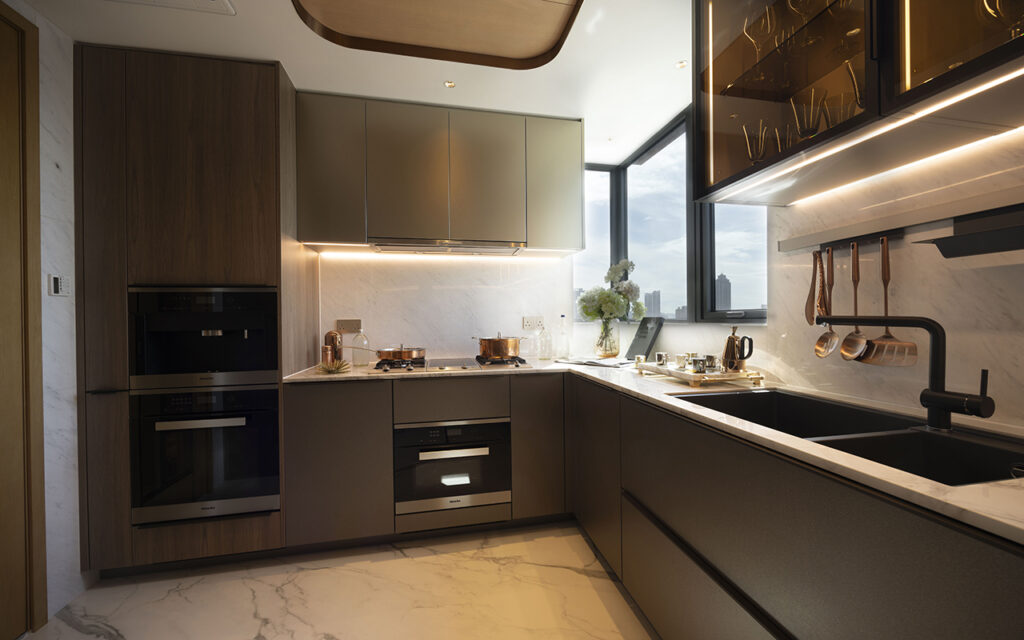
Meanwhile, in the kitchen, the original worker’s room has been removed to enhance the kitchen’s practicality and spatial feel. The kitchen door and cabinets have been replaced with transparent glass to create a more open atmosphere and the kitchen comes equipped with Miele dishwasher, Sub-Zero double-door refrigerator, wine cooler, oven, and an independent air conditioning system.

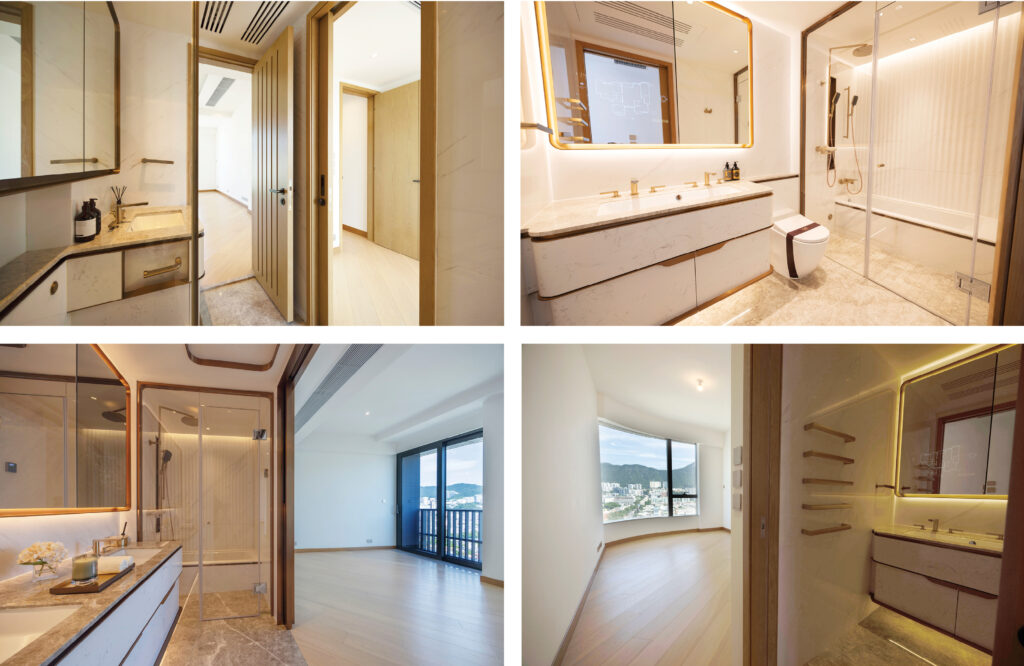
The master bedroom features semi-transparent tempered glass sliding doors for increased natural light and transparency. The design incorporates separate wet and dry areas, improving space allocation and enhancing family living functionality. The shower area is equipped with a steam machine for relaxation, and features a heated towel rack and underfloor heating system.

The bedrooms 2 and the bedroom 3 in the H unit have been combined. The attached bathroom has two doors to enhance convenience.

Twin Purpose: Two neighbours, two energies – how Hong Kong and Shenzhen converge as a powerful modern metropolis

The skyline looks almost identical from a distance. Lights shimmer across the Pearl River Delta, mirrored on both sides of the narrow border that once signified two entirely different worlds. Yet as the Greater Bay Area matures, the divide between Hong Kong and Shenzhen begins to look more like a connection – a glittering artery of finance, creativity and ambition. 

Hong Kong has long been the elder statesperson of elegance: cultured, composed and globally admired for its seamless fusion of East and West. Shenzhen is its brash, magnetic younger sibling, born out of China’s 1980 Special Economic Zone experiment that turned fishing villages into an innovation powerhouse – futuristic, fearless and fluent in the language of tomorrow. Together they form a single story of contrast and convergence, one built on the rhythm of two very different hearts beating in perfect time. 

Hong Kong still wears its heritage like tailored silk. Its streets may adjust to new tempos, but beneath the glass and steel lies a city of ritual and refinement. Business meetings unfold over dim sum at the China Club, contemporary art is admired at M+, and jazz floats beneath the dramatic ceiling installation of the Rosewood’s DarkSide. What was once loud luxury has softened into quiet confidence. For the world’s well-heeled, success here is discreet, delivered through serviced apartments, club memberships and unspoken access.

Across the water, Shenzhen gleams like possibility incarnate. Since its 1980s uplift, it has matured into China’s Silicon Valley and maybe its purest experiment in aspiration. The city’s skyline shifts faster than stock charts, each new tower an architectural declaration that the future can be built overnight. Corporate campuses for Tencent, Huawei and BYD spread across acres, coated in high-tech materials and optimism. Coffee shops function like brainstorming labs; industrial warehouses double as art galleries; and youthful designers hold exhibitions that merge robotics with calligraphy. Where Hong Kong polishes, Shenzhen prototypes. 

Sophistication / Adrenaline

Hong Kong’s nightlife has long been shorthand for sophistication. Rooftop terraces crown skyscrapers with celestial accuracy. At Cardinal Point or Fayy, evenings unfold in warm light and restrained laughter. The soundtrack is house music softened by the breeze sweeping off Victoria Harbour, one hand on a Martini glass and another scrolling through global markets. Lan Kwai Fong still dazzles, but the modern elite prefer their pleasures quieter: a DJ set that ends before midnight, a cigar paused between discussions about art auctions and philanthropy. 

Shenzhen, by contrast, hums with the urgency of youth. Its clubs pulse with LED dreamscapes and the adrenaline of creation. Crowds form without invitation, united by curiosity. There’s something liberating about the lack of hierarchy – designers, engineers, expatriates and artists sharing the same dancefloor. Rooftop decks overlook Fujian’s futuristic skyline, the air brimming with techno buoyancy. For a generation raised on progress bars, the beat of Shenzhen is a form of language: energetic, unfiltered, brilliantly alive. 

Both cities are driven by ambition, yet style distinguishes them. In Hong Kong, luxury is heritage – the craftsmanship of a shoe, the patina on a leather briefcase, the familiarity of a maître d’. It seduces through quality and service refined over time. Shenzhen’s luxury, however, is immediate and digital; it exists in smart living, curated gadgets and spontaneous design. There, the concept of premium lies in connectivity – homes that respond to mood, cars that drive through intuition rather than instruction, and retail spaces that dissolve the boundary between online and tactile. The two cities approach desire differently: Hong Kong recalls it, Shenzhen reinvents it. 

Investment / Invention

Finance strengthens one; innovation fuels the other. Hong Kong remains among the world’s top financial centres, its skyline a monument to global trust. Its banks and legal systems still anchor Asia’s capital flows, the place where international investors find both transparency and tradition. Shenzhen, on the other hand, produces value rather than stores it. Its laboratories and incubators push boundaries in electric mobility, robotics, biotech and digital art. Yet, the border between invention and investment narrows each year until they appear as two sides of a single page. 

That same duality defines their art and architecture. Hong Kong’s creative spaces carry restraint – think of the repurposed colonial courtyards of Tai Kwun, or the marble-lined calm of Asia Society. Shenzhen treats art as oxygen. Oil paintings spill out of Dafen Village; light installations wrap around skyscrapers; exhibitions explore artificial intelligence as performance. In Hong Kong, art asks for reflection. In Shenzhen, it demands participation. 

Refinement / Results

Living between the two cities feels increasingly seamless. The high-speed train between West Kowloon and Futian takes only 14 minutes, collapsing geography and state borders into the inconvenience of a coffee queue. Many executives now maintain dual lives: homes on Hong Kong Island for refinement, offices in Shenzhen for results. Designers commute daily with prototypes in one hand and an espresso in the other. The Greater Bay Area has changed behaviour from cross-border to cross-lifestyle. The question is no longer “Where do you work?” but “Where do you wish to wake up?” 

The culinary language of both cities expresses this new synergy beautifully. Hong Kong continues its reign as Asia’s fine dining capital: the deft French technique of Caprice and the poetic flair of Tate Dining Room remind diners that precision and patience are still the ultimate luxuries. Shenzhen answers with experimentation. Its chefs blur boundaries between science and flavour. Ensue’s Californian Cantonese tasting menu transforms local ingredients into abstract art, while dishes at Orbit One arrive by magnetic levitation technology. One conserves mastery; the other builds new languages for taste. 

Heritage / Horizon

Even property tells a story of philosophy. Hong Kong’s addresses whisper heritage: Peak mansions looking down on a glittering harbour, Mid Levels apartments carved into hillsides, Repulse Bay homes guarded by banyan trees. Compact yet composed, they signal prestige through history. Shenzhen stretches outward instead, its luxury measured in square footage. The contrast mirrors the inhabitants’ mindset: Hong Kong refines space; Shenzhen expands it. 

Culturally, their energies wrap around each other like yin and yang. Hong Kong sips aged whisky to piano music; Shenzhen downs craft gin amid digital art. Hong Kong collects, Shenzhen creates. Yet they share the same pursuit: a hunger for meaning in experience, beauty anchored in intelligence, and connection forged through creativity. 

The bridge linking them, both literal and figurative, shows that difference need not divide; it can define a dual identity capable of steering an entire region. The finance meeting in Central funds the technology written in Shenzhen. The art conceived in OCT-Loft is unveiled at a Hong Kong auction. Together, they are becoming the world’s newest metropolis of merged energies: heritage meeting horizon, probability meeting poetry. 

Two Stories, One Dream

While ferries cross Victoria Harbour, trains glide under the Sham Chun River, carrying passengers who no longer think of leaving one city for another. The Elder City of glass and manners meets the Younger City of algorithms and courage, both aware that their partnership could redefine how urban luxury looks and feels. 

Hong Kong and Shenzhen are no longer rivals but realms of a shared empire of ideas. One looks at tradition through the eyes of experience, the other at the future through the lens of invention. Yet the more they collaborate, the more those labels blur. Perhaps that’s the essence of the modern Asian metropolis: multiplicity, movement and grace. As the lights blend on the horizon, the skyline becomes a mirror rather than a border, reflecting two faces of the same dream. 

Dough to Dusk: Pizza on the crest of a Kai Tak wave – La Baia’s laid-back Italian vibe delights

Sun and sea breeze, the scent of freshly baked bread and vibrant plates of pasta and pizza beckon you to unwind at La Baia. This all-day dining oasis on the Kai Tak Sports Park waterfront is all about creating a laid-back, family-friendly atmosphere that makes every meal feel like a holiday.

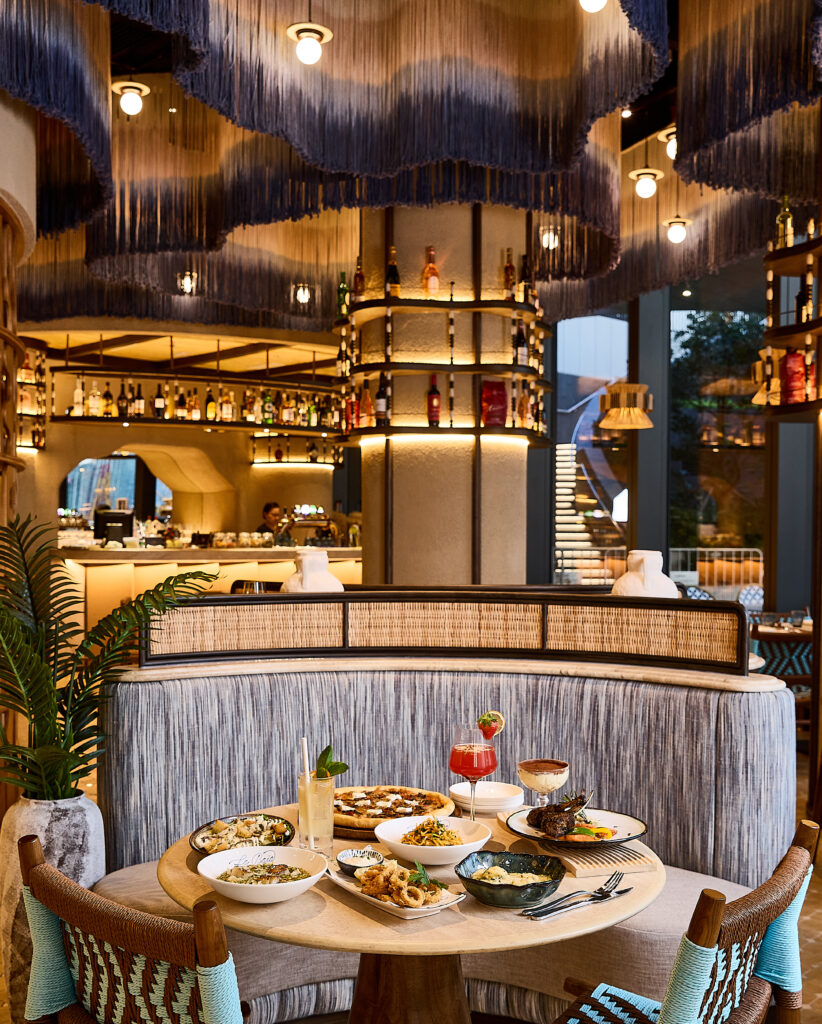
At your first few steps into La Baia, you will be transported: walls are painted with ocean hues; cosy banquettes invite lingering conversations; and the gentle sway of a woven fabric installation overhead mimics the waves. The interior is a coastal dream of curved lines, natural materials like wood and stone, and lush greenery that bring the seaside indoors. As day turns to dusk, the space glows with bamboo-inspired pendant lamps, casting a golden, island-vacation vibe that instantly relaxes you.

Chef Sidhu Lakhveer Singh, the culinary maestro behind La Baia, shares his passion: “We cook as if feeding our own family – small batches, no shortcuts, olive oil poured generously.” It’s this genuine approach that shines through in every dish. With more than a decade of experience in European kitchens, Chef Sidhu’s philosophy is simple: “Less is more, if the less is perfect.” His signature dishes are honest, flavourful and rooted in tradition, yet approachable for modern diners.

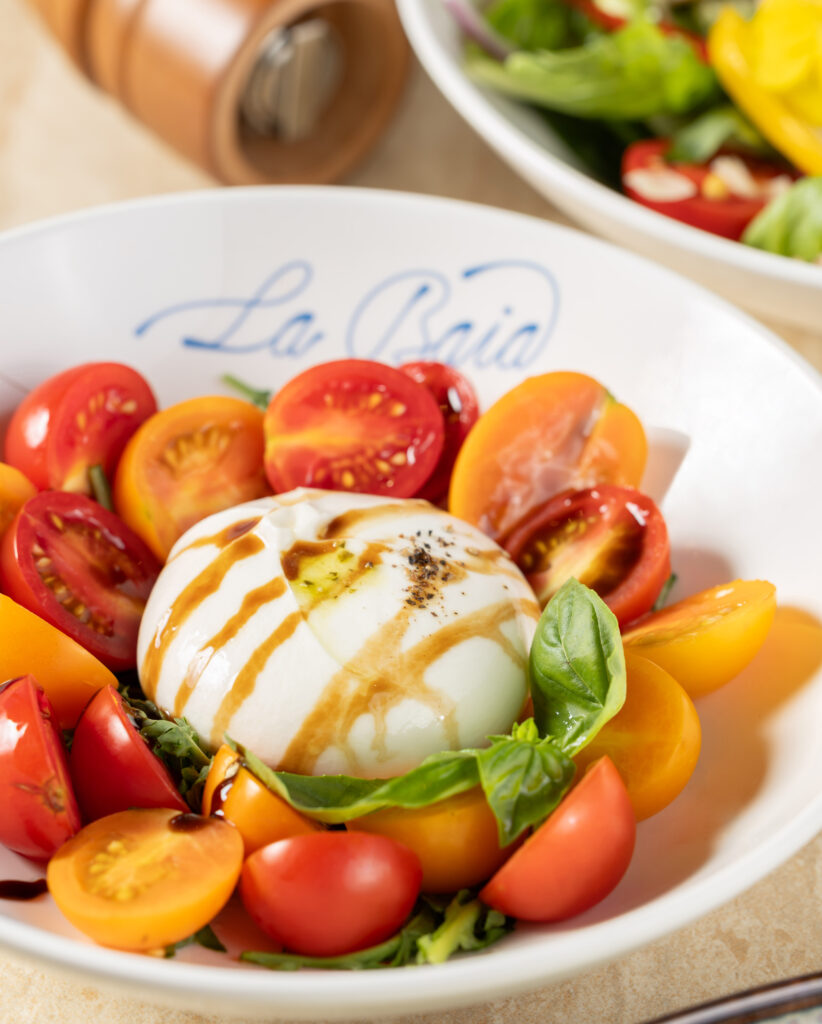
The menu is a celebration of Italy’s heart and soul, with a Mediterranean twist. Starters like Calamari Fritti come with zesty lemon aioli, and Salmon Tartare is a fresh medley of avocado and pickled fennel, perfect for sharing and kicking off the meal with style. The hearty, house-made pastas are a revelation. Sea Urchin Aglio e Olio Linguine, coated in a rich sea-urchin emulsion and garlic confit, is decadent without being overwhelming, a true umami bomb that highlights the chef’s mastery of seafood.

He explains, “Every Tuesday and Friday, I wake up early to pick the best ingredients from wet markets. Tomatoes that smell like summer? They go straight into tonight’s sauce.” This dedication to freshness and seasonality ensures each dish is vibrant and authentic. Imported essentials like Parmesan and anchovies are complemented by locally sourced vegetables and herbs, creating a menu that is both authentic and sustainable.

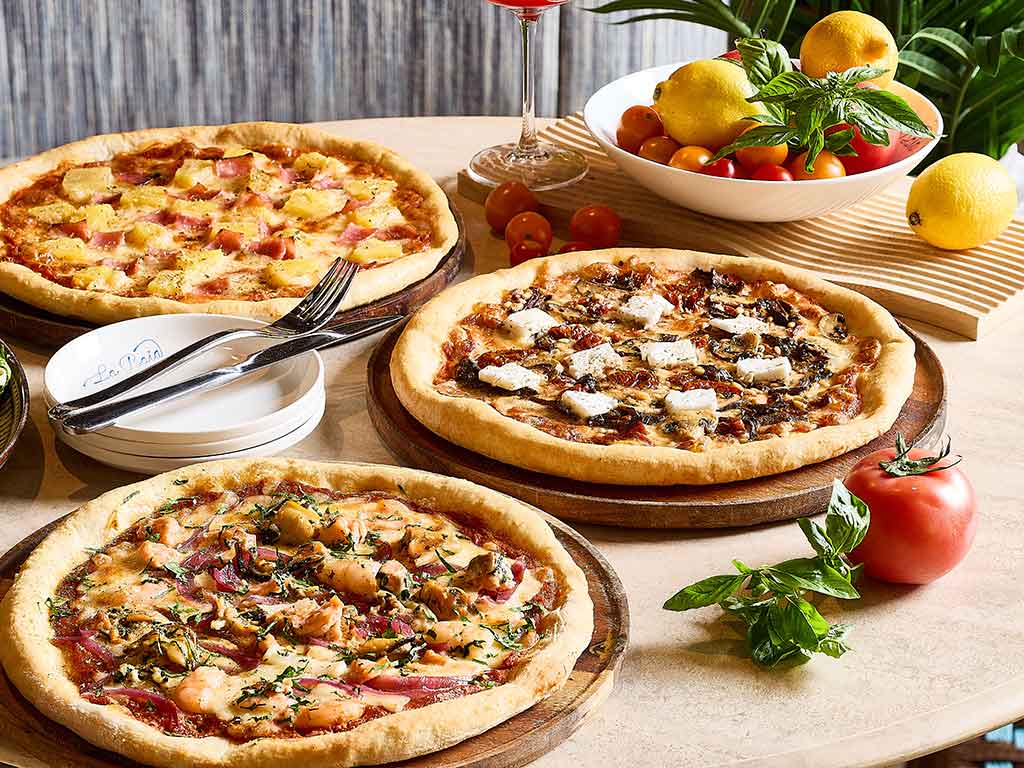
Pizza fans will be delighted with La Baia’s Neapolitan-style pies, crafted from Italian ‘00’ flour and fermented for 24 hours. Diavolo Calabrese, topped with spicy Italian salami and a hint of spicy honey, is a fiery delight, while Tropicana, with ham and pineapple, adds a sweet tropical twist. Chef Sidhu emphasises, “Our dough is all about craftsmanship – slow fermentation, careful baking – to achieve that perfect chewy crust.”

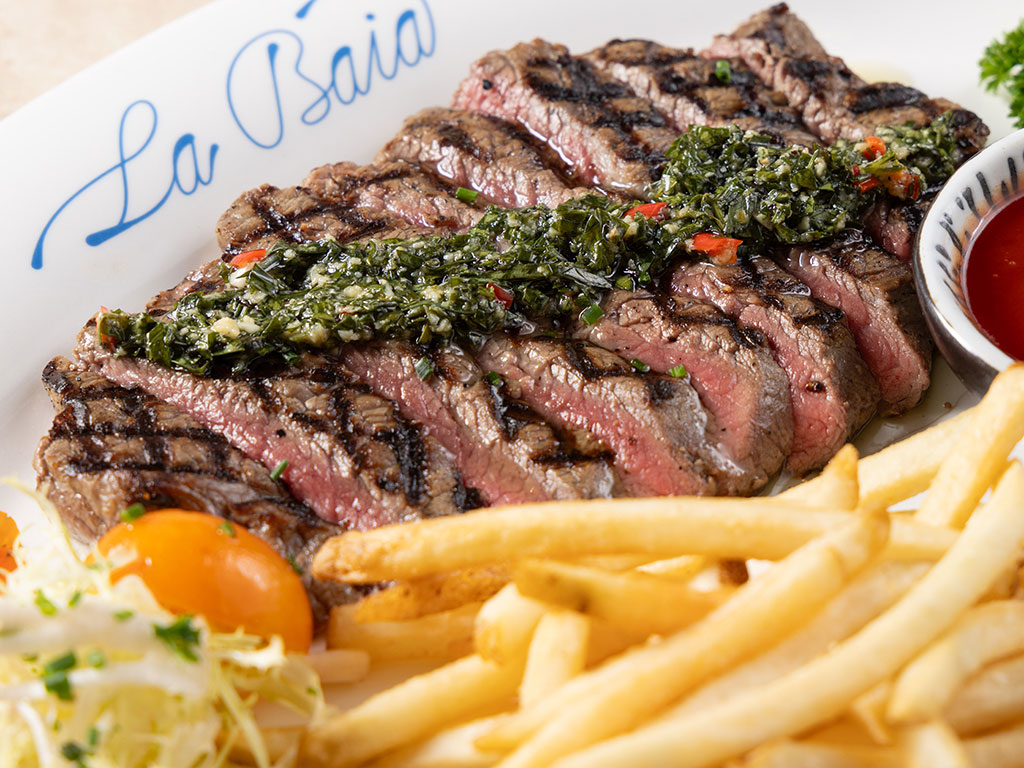
For mains, Herb Roast Chicken, dry-aged for three days, is a standout, served with lemon-rosemary sauce and creamy Parmigiano polenta. Beef Short Ribs, so tender they fall off the bone, come with roasted baby carrots and a rich sauce. And don’t miss the Grilled Octopus: succulent, smoky and paired with pickled red onions for a tangy contrast.

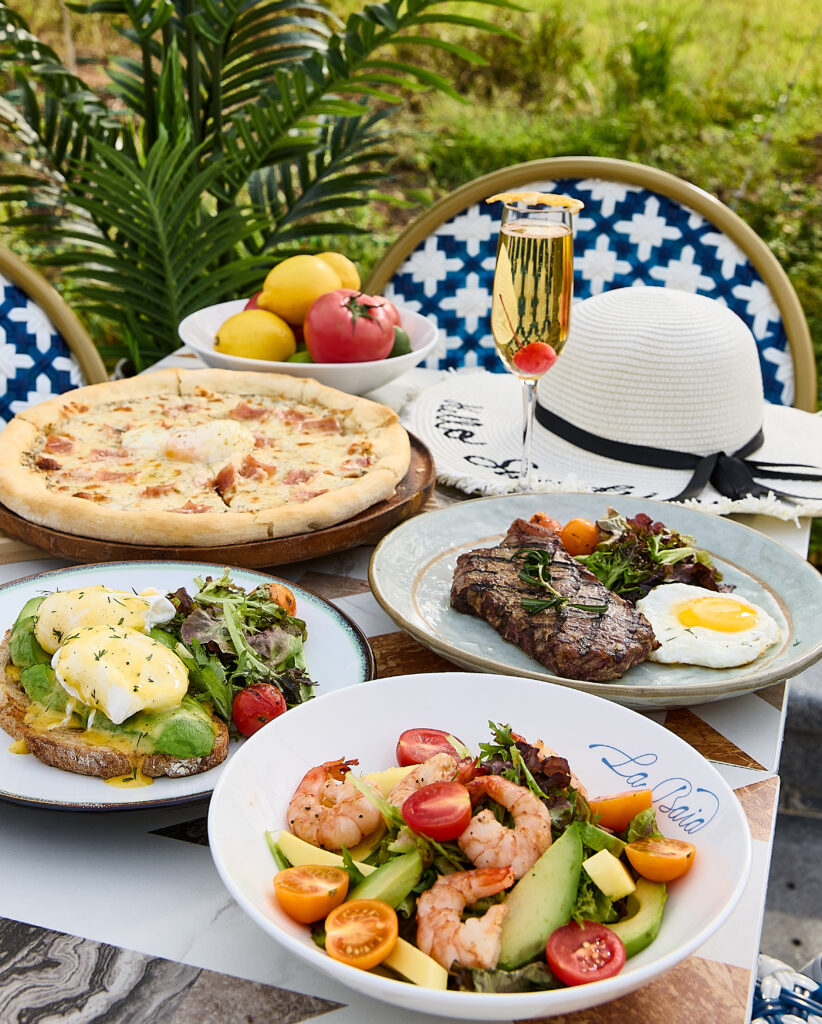
La Baia also caters to the lively, family-oriented crowd with weekend brunches. From Eggs Benedict on sourdough to a juicy Steak & Eggs, the menu is flexible and fun. Want to elevate your brunch? Opt for a refreshing Spritz or a classic Bellini. The relaxed pace and pet-friendly outdoor patio make it perfect for leisurely mornings with loved ones, furry friends included.

Chef Sidhu’s advice? “Slow down, taste everything, and enjoy the moment.” His team shares his passion, starting each shift with a tasting to ensure every dish meets their high standards. “Happiness is seeing a three-year-old clap for gnocchi and grandparents asking for the recipe,” he says with a smile.

Looking ahead, the chef envisions La Baia as an extension of the neighbourhood’s living room. He plans to stay connected with the Kai Tak community, offering early mornings for espresso and late nights for limoncello. His goal? To keep the kitchen lively and the spirit of family alive for generations to come.

La Baia DC-010, G/F, Dining Cove, Harbour Front, Kai Tak Sports Park, 38-39 Shing Kai Road, Kowloon City. Tel: 2253 6686

Text: Joseff Musa    Photos: La Baia

What’s on? Things to do this January in Hong Kong

January brings entertainments galore with Hong Kong Tennis Open, Four Peaks Race, Blackpink World Tour and many more…

Hong Kong Tennis Open

Some of the best men’s tennis players on the professional tour emerge on court for the new year at the Bank of China Hong Kong Tennis Open. The ATP 250 tournament has lured the likes of world number eight Lorenzo Musetti, 11th ranked Alexander Bublik, and number 16 Andrey Rublev, alongside Hong Kong star Coleman Wong, who enjoyed a stellar 2025 season, reaching the third round at Flushing Meadows. Live broadcasts on a giant screen at the Tournament Village and free access to qualifying rounds make it a must-visit for local tennis fans.

When:  4-11 January

Where: Victoria Park Tennis Centre Court, Causeway Bay

How much: From HK$270

For more information: hkmenstennisopen.com

Tomorrow X Together in Concert

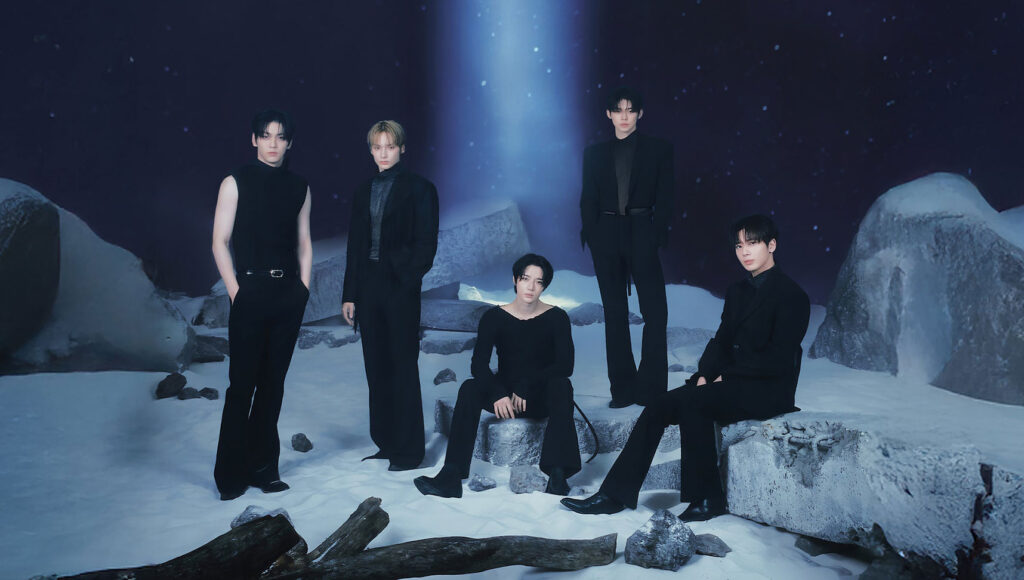
Tomorrow X Together has become the voice of Gen Z, resonating with their catchy tunes and relatable lyrics. Their fourth EP, Minisode 2: Thursday’s Child, made waves by debuting at number four on the Billboard 200 in 2022, while their most recent, 2024’s The Star Chapter: Sanctuary, entered at second spot, Not only did they become the first K-pop group to headline Lollapalooza, they also shattered another record by rocking two sold-out nights at Madison Square Garden.

When: 9-11 January

Where: AsiaWorld-Arena, Chek Lap Kok

How much: From HK$799

For more information: hkt.hkticketing.com

On Time: On Chan Live

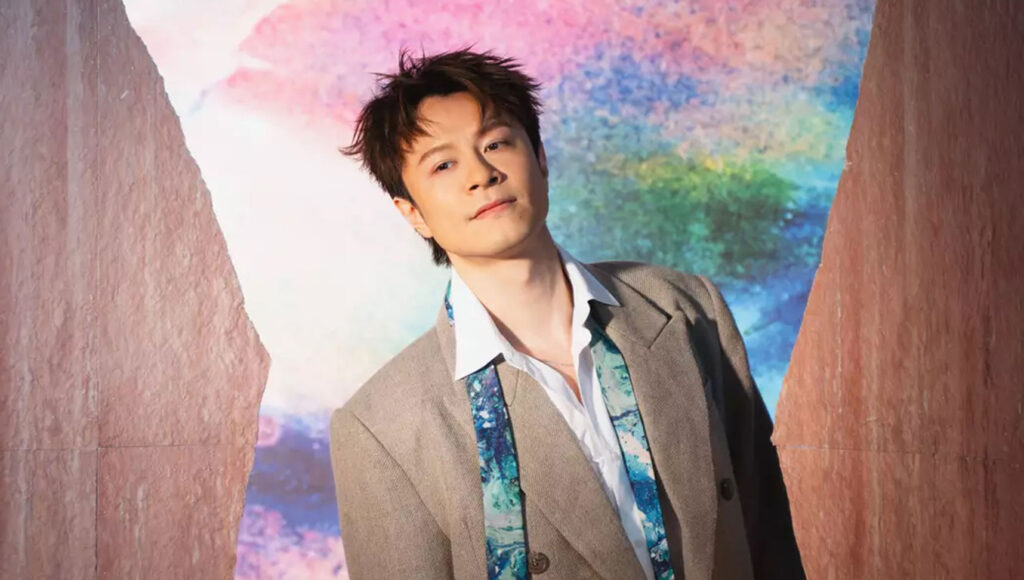
A magical evening under the stars will unfold as popular Hong Kong singer-songwriter On Chan amps up his first outdoor solo concert. This enchanting event invites fans to embrace the flow of time through heartfelt melodies, including hits from Chan’s award-winning debut studio album, Arche, from 2019 and 2024 release Project Reject, notably The Death of a Lovestruck Brain.

When: 10-11 January

Where: AXA Wonderland, West Kowloon

How much: From HK$580

For more information: hkt.hkticketing.com

Jay Fung: Blue Moon Wanderlust

Combining the rarity of a blue moon with the thrill of wanderlust, this duo of solo concerts by Jay Fung are his first staged outdoors. The singer-songwriter is set to deliver a cosy, heartfelt experience beneath the night sky. Blending Western pop with Cantopop, Fung’s dynamic anthems resonate deeply, littering albums over a dozen years, from his 2012 debut, Brand New Start, to Emo in 2024.

When: 17-18 January

Where: AXA Wonderland, West Kowloon

How much: From HK$580

For more information:  hkt.hkticketing.com

Day6 10th Anniversary Tour

Celebrate a decade of music magic with K-pop stars Day6 as their Asian concert series stops in Hong Kong for two nights. The band has accrued a string of accolade over the years, underscoring their individual talent and a unique collective sound that melds pop, rock and hip-hop. Expect an unforgettable show filled with heart, energy and pure musical joy.

When: 17-18 January

Where: AsiaWorld-Arena, Chek Lap Kok

How much: From HK$799

For more information: cityline.com

Four Peaks Race

Gear up for adventure at the Four Peaks Race 2026, where thrill-seekers unite for an unforgettable multi-sport challenge. Participants will embrace the great outdoors as they sail, kayak and trail-run their way to conquering four iconic peaks – Ma On Shan, Violet Hill in Tai Tam, Lantau Peak and Mount Stenhouse on Lamma. Whether you’re a seasoned athlete or a weekend warrior, the race promises camaraderie, extraordinary feats of endurance and exceptional highs.

When: 17-18 January

Where: Starting at Tai Tam Bay

How much: From HK$2,299

For more information: 4peaksrace.com

Hong Kong Marathon

Lace up your running shoes for the annual Hong Kong Marathon. Amid an enrolment total of 74,000 competitors, local runners and elite athletes choose their challenge: there’s an exhilarating 10km run, the half marathon and wheelchair races, as well as the full marathon. A new Youth Run, held the day before as part of the inaugural Marathon Expo at Kai Tak Sports Park, enables young athletes to join in the fun.

When: 18 January

Where: Various venues

How much: Free

For more information: hkmarathon.com

Blackpink World Tour

Prepare to be blown away as Blackpink returns to Hong Kong – this time as the final act of their electrifying Deadline world tour. Join the Blinks for one (or more) of three nights filled with energy, as Jisoo, Jennie, Rosé and Lisa light up the stage. The much-anticipated concert promises to be a sublime spectacle, featuring jaw-dropping performances, stunning visuals, and all your favourite hits. From Ddu-Du Ddu-du to How You Like That to Jump, get ready for an indelible experience that will have you singing and dancing wildly along. Don’t miss your chance to witness K-Pop royalty live.

When: 24-26 January

Where: Kai Tak Stadium, Kowloon City

How much: From HK$899

For more information: cityline.com.

Hong Kong Winter Fest

Rev up your style for Gentlemen’s Raceday at Sha Tin Racecourse. This glamorous occasion invites dapper gents to showcase their finest outfits and vie for the coveted Best Dressed Award. Picture a vibrant atmosphere where fashion meets adrenaline as you soak up the excitement of horse-racing amid stunning surroundings. It’s more than just a day at the races; it’s a celebration of elegance, musical entertainment and equine power

When: 25 January

Where: Sha Tin Racecourse

How much: $10 (free for tourists)

For more information: hkjc.com

The Artful Alchemist: A journey from childhood sketches to global glamour, Leta Ng’s life is with a touch of jade and a dash of daring

Leta Ng brings her polished poise to balancing beauty, bridging cultures and the Venice Biennale

Leta Ng has just finished her hair and makeup when we step into her suite at the Grand Hyatt. The celebrated Hong Kong-based Singapore-born jewellery designer is adjusting a lighter shade of hosiery that doesn’t quite match her outfit; a detail most wouldn’t notice, but Ng is all about precision. Sunny afternoon light spills through the window, casting a gentle glow on her flawless features. Today, she’s dressed in a fully embroidered, beaded gown that whispers luxury, accessorised with a vintage watch, a striking necklace and earrings that could tell stories of centuries.

Ng is poised, yet her energy radiates a playful confidence. As she adjusts her hair absentmindedly, we realise this is someone who embodies the art of meticulousness, someone for whom every detail matters, and yet, she radiates effortless grace.

Jewels of Inspiration

Growing up, young Leta’s world was filled with glamour and creativity. “My parents always encouraged creativity,” she recalls. “But my greatest inspiration was my uncle, the renowned artist Jimmy Lin Chong.” The Taiwanese actor, who passed away last summer, would design exquisite party and evening dresses for his young nieces, sparking her love for aesthetics. “I loved drawing from a young age,” she shares, eyes twinkling. “Winning a kindergarten prize for a cat drawing felt like the start of everything.”

Her childhood memories are a mosaic of art and glamour, woven through her upbringing. These early influences laid the foundation for her passion. She emphasises how being surrounded by beauty and artistry from an early age made her view the world through a creative lens. It wasn’t just about aesthetics; it was about storytelling, identity and self-expression.

Her nomadic childhood, living in Singapore, Canada, Belgium, Bermuda and beyond, further shaped her perspective. “Each culture I’ve experienced has added unique styles and traditions to my creative toolbox,” she explains. “My work naturally becomes a bridge; mixing, translating and creating something new that feels both fresh and deeply familiar.”

From Finance to Finery

Ng’s journey was anything but linear, though. She chose to study finance and investment, a training that now informs her design process. “I blend artistic vision with analytical discipline,” she explains. “It’s about balancing beauty with structure, ensuring each piece is both stunning and enduring.”

 “Life’s journey is full of joyful surprises,” she admits. “Trading financial spreadsheets for gemstones was a twist of fate. But it made sense, as precision is everything. In finance, a decimal point changes everything; in gemmology, a fraction of a millimetre transforms how light dances within a stone.”

Her lifelong passion for gemstones was reignited when her husband, Paul Lau, then Legal Director, Europe of GE Capital, was posted to Belgium. Antwerp’s legacy as the diamond-cutting capital of the world drew her into a new realm, one of sparkle, precision and age-old craft. She pursued formal studies at GIA and the HK Institute of Gemmology, deepening her understanding of the stones she now crafts into art.

Crafting Conversations

Ng’s jewellery is renowned for its boldness and innovation. Unapologetically expressive and fiercely authentic, it is meant to empower the wearer. “Every piece tells a story,” she affirms. “My collections are built on a simple truth: you are one of a kind.”

Her early ‘Big, Bold and Beautiful’ collection in 2012-13 epitomised this philosophy. “It was about confidence in oneself,” she affirms. “A modern classic rooted in heritage and earth.” Jadeite carved into statement pieces, set with diamonds and semi-precious stones, became her signature. The choice of jadeite is no accident. “Beyond its beauty, jadeite carries centuries of belief in luck, healing and protection,” she notes.

The ‘Blossoms of Joy’ collection was inspired by the delicate fleeting beauty of natural blooms. “Joy in the natural world,” she states. “A poetic whisper of fleeting beauty.” Her ‘Love is Ultimate’ collection, crafted in trinity gold – white, yellow and rose – symbolises faith, hope and love. “Love is the greatest gift,” she emphasises. “From confidence to intimacy, these collections deepen and expand the celebration of beauty, connecting the physical, emotional and spiritual.”

Weaving Heritage into Modernity

Travel is a vital part of Ng’s creative process. “Travel sparks my creativity,” she says. “Immersing myself in local art and traditions gives me a rich palette of techniques, symbols and aesthetics.” She reinterprets ancient motifs, be they from the emerald kingdoms of Colombia, the exotic orient of Istanbul, or the Byzantine isles of Greece, blending them into contemporary designs that honour heritage while embracing innovation.

To Ng, jewellery is both art and investment. “The artistic value lies in the uniqueness of the design, the heritage behind each piece, and the craftsmanship,” she explains. “As an investment, the quality of gemstones and metals matters most.” She favours the exclusivity of one-of-a-kind pieces, which “makes them precious, both in value and sentiment”.

Her approach is rooted in passion. “My artistic voice always leads,” she affirms. “Commercial sense informs but never dictates. I create for the love of beauty and craft, trusting that passion will find its audience.” For newcomers to jewellery design, she advocates gaining formal gemmological knowledge, studying auction trends and consulting experts.

Art, Culture and Community

Ng’s role as Vice-Chair of the Friends of the Hong Kong Museum of Art underscores her belief in art’s power to foster community. “A gemstone is a canvas, and design is the artistry,” she reflects. “A finished piece is a story of culture, worn close to the heart.” She sees jewellery and art as vessels of collective memory, tangible links to heritage, identity and shared values.

Exemplifying her dedication to elevating Hong Kong’s cultural presence, she is involved in the Hong Kong exhibition for May’s Venice Biennale, which the Hong Kong Museum of Art is co-organising. “Supporting this milestone is about showcasing Hong Kong’s artistic journey,” she shares. “It’s exciting to be part of a global dialogue that celebrates our city’s creative spirit.”

Looking ahead, she is eager to explore new collections and collaborations. “I want to push boundaries and celebrate individuality,” she states. Her personal definitions of happiness and success have evolved. “Fulfilment and purpose are key,” she says softly. “Having navigated different chapters, I now find joy in giving back to the community that gave me so much. Hong Kong has been my home for over 18 years, [thus] I choose to invest my time and energy back into this vibrant city.”

Ng’s membership in La Confrérie de la Chaîne des Rôtisseurs underscores her appreciation for culinary culture. “It’s about fellowship, excellence and service,” she explains. Her father-in-law, Dato Lau Foo Sun, was the founder Bailli Délégué (president) of the association’s Malaysian chapter, and she upholds the Lau family heritage of conviviality and shared passion.

Parting Reflections

Before leaving, we share a leisurely high tea, discussing pastries, motherhood and life’s puzzles. “Motherhood, it keeps puzzling me,” admits the mum of 1, Katarina, smiling. “It’s a very complex job, but a very rewarding one, definitely.”

Humour is her secret weapon; during the shoot, she tries goofy poses, laughs at herself, and admits she’s not a fan of public speaking. “I apologise, really,” she deadpans. “I will never get used to talking in front of a camera.”

Her eyes, her expressions, her laughter – these are her true bling, revealing a soul that is as rich and layered as her jewellery designs. Leta Ng is a luminous example of how art, humanity and authenticity can intertwine. And as she would say, with a wink and a smile, “Keep shining, and never forget to enjoy the bling.”

Interview, Text & Art Direction: Joseff Musa   Photographer: Jack Law   Videographer: Iris Ventura

Hang Lung’s Art-Infused Mansion Sells for HK$450 Million on New Year’s Day 2026

New Year, New Record-Breaking Sale. On the dawn of 2026, Hang Lung Properties has once again captured the spotlight with a stunning achievement in Hong Kong’s luxury real estate market. The company’s flagship project at 23-39 Blue Pool Road made headlines by selling its largest, art-themed residence, the detached house number 31, for approximately HK$450 million, setting a new benchmark for opulence and exclusivity.

Spanning an impressive 9,186 square feet, this masterpiece of design and artistry was sold at an astonishing average of HK$48,682 per square foot. The residence boasts six spacious bedrooms, five of which are ensuite, a maid’s room, and an array of luxurious amenities, including a wine tasting area, entertainment room, home theater, gym, and a dedicated study. The highlight? The grand master suite, a sprawling 1,850 sq. ft. sanctuary with a private walk-in closet of over 580 sq. ft., thoughtfully divided into men’s and women’s sections, exemplifying meticulous craftsmanship and sophisticated lifestyle.

Designed by the renowned American interior firm Hirsh Bedner & Associates (HBA), this home is a harmonious blend of architectural excellence and artistic brilliance. Every element reflects a global palette of premium materials and curated artworks from world-famous artists including Picasso, Andy Warhol, Damien Hirst, Elsa Jean de Dieu, and Danhôo. Residents are immersed in an environment that feels like walking through a private gallery, a living space where art and luxury converge seamlessly, creating an inspiring ambiance at every turn.

The Blue Pool Road properties have rapidly become the focus of Hong Kong’s luxury scene. Following the recent sale of house 33A in December 2025, the sale of house 31 less than a month later underscores the extraordinary demand for these exclusive estates. With limited supply of new bungalows in Jardine’s Lookout, each tender is met with immediate market enthusiasm, affirming the status of 23-39 Blue Pool Road as the pinnacle of luxury living.

As 2026 begins, this groundbreaking sale not only signifies a new chapter for Hang Lung Properties but also elevates Hong Kong’s reputation as a haven for art-infused, ultra-luxury residences. Whether you’re a connoisseur of fine art or an aficionado of refined living, this residence epitomizes the ultimate in elegance, sophistication, and exclusivity.

Speed Into The Future: Unleash the Power of Innovation with BMW i7

Experience a revolution on wheels, where cutting-edge technology meets breathtaking design in the BMW i7, Hong Kong’s all-electric luxury flagship sedan. It’s a statement of the future, crafted for those who crave speed, elegance and the thrill of innovation.

Since 1977, BMW’s legendary 7 Series has been synonymous with opulence and avant-garde engineering. With BMW i7, the brand takes a giant leap forward, blazing a trail in the electric vehicle arena while setting new standards of performance and prestige. Whether you choose the sleek BMW i7 eDrive50, the sporty M Sport Edition, or the fierce BMW i7 M70 xDrive, one thing’s clear: the future is here, and it’s electrifying.

Design That Dazzles and Commands

The BMW i7 is a masterpiece of modern elegance. Its body, measuring 5,391 mm in length, boasts bold lines and a commanding stance that exudes confidence. The optional Swarovski-crystal headlights, a collaboration with Swarovski, glimmer with every approach, creating a spectacular “Great Entrance Moment” that announces your arrival with grace and grandeur. The floating crystals and dynamic lighting turn every journey into a show-stopping event. And with options like BMW Individual Two-Tone paintwork and exclusive Frozen Grey metallic shades, you’ll stand out in every crowd.

Craftsmanship and Comfort Beyond Compare

Step inside the cabin, where luxury reaches new heights. The BMW i7’s interior is a sanctuary of sophistication—Merino leather seats, optional Wool-Cashmere trims, and handcrafted wood accents blend seamlessly with state-of-the-art BMW iDrive 8.5 technology. The panoramic Sky Lounge sunroof, an option on eDrive50, floods the cabin with natural light, while the ambient lighting can be tailored to match your mood. Rear passengers can indulge in an optional 31.3-inch 8K Theatre Screen with Bowers & Wilkins “Diamond”surround sound, transforming every ride into a private cinema.

Power and Performance That Accelerate Dreams

Under the hood, or rather, beneath the floor, the BMW i7 packs a punch. The eDrive50 boasts 455 horsepower, accelerating from 0 to 100 km/h in just 5.5 seconds. For those who demand even more thrill, the M70 xDrive roars with 660 horsepower and 1,100 Nm, hitting 100 km/h in a mere 3.7 seconds. With a range of up to 611 km and ultra-fast charging capabilities, this flagship ensures you’re always ready for the next adventure, speeding through city streets or cruising along open highways with ease.

Smart Tech for a Smarter Drive

Features like the optional Augmented View on eDrive50, BMW Digital Key Plus, and remote software upgrades keep you connected, safe, and ahead of the curve. Advanced driver assistance systems, including the Driving Assistant Professional and Parking Assistant Professional, make every journey effortless and secure.