
Ankoma Chameleon: Intimate bistro meets refined izakaya at the fine-dining counter manned by local chef Frankie Wong

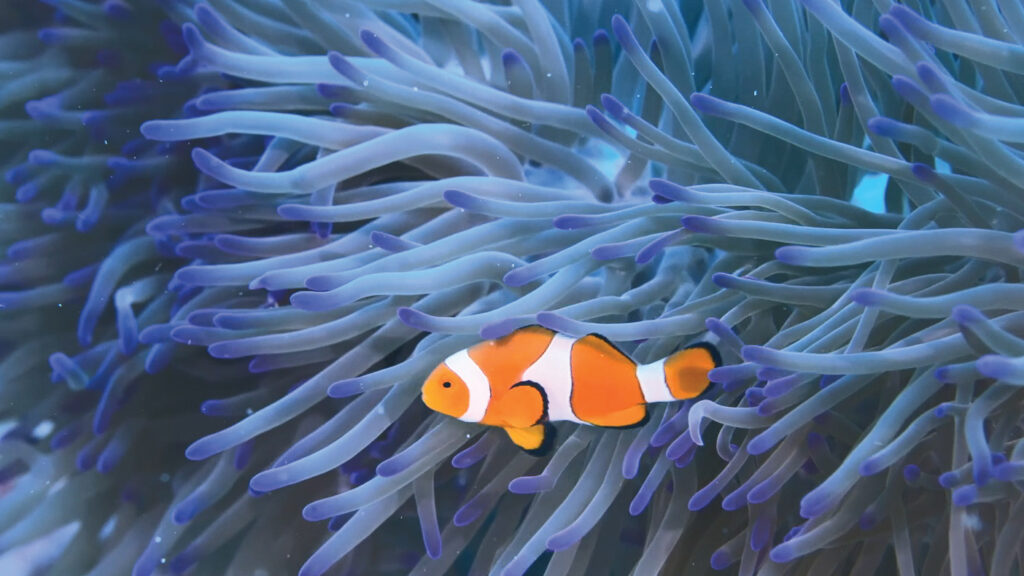
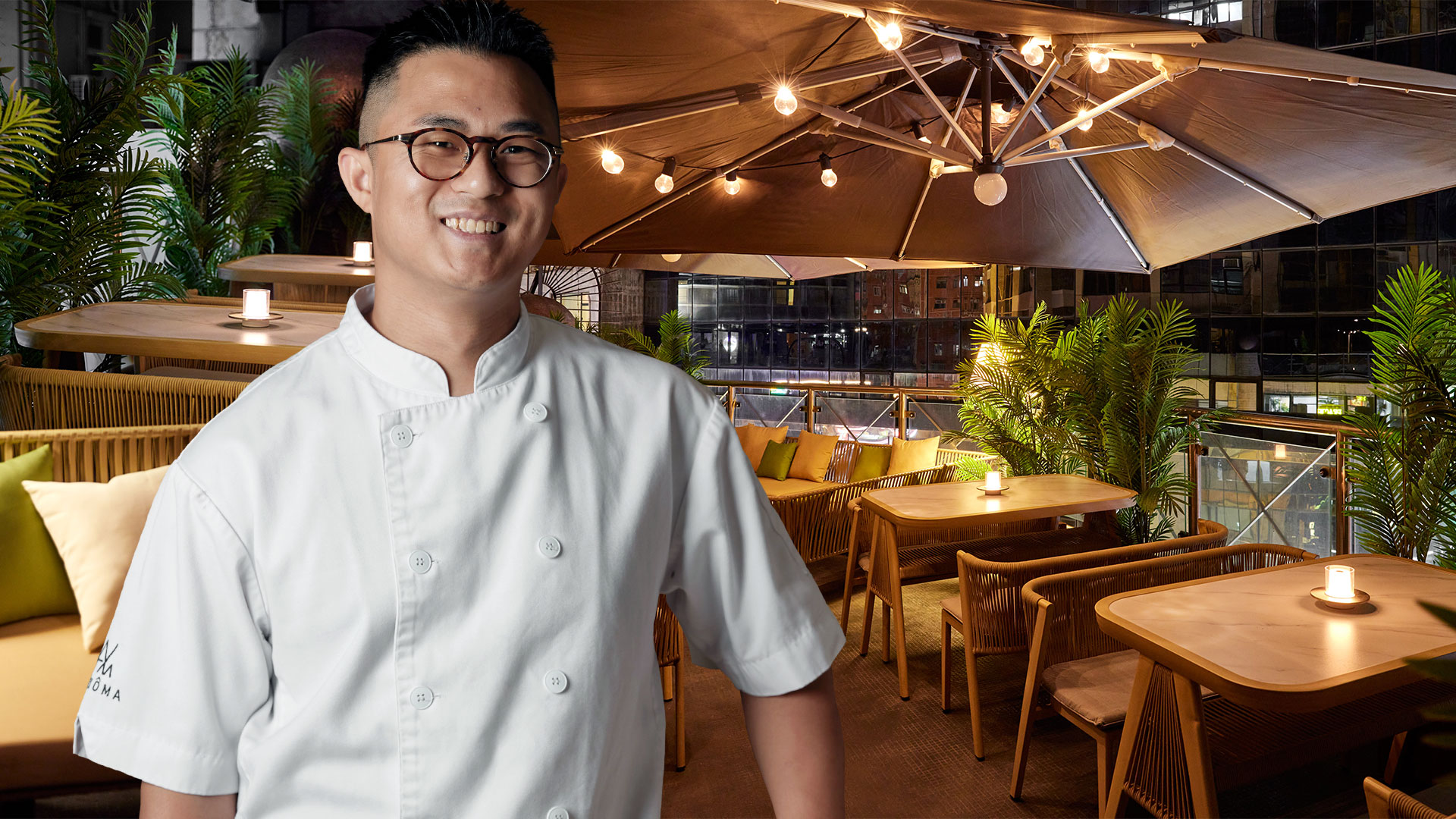
Exceptional chefs are like chameleons. They may be acknowledged for their mastery of a certain dish or their own cooking style, but what really distinguishes them from their contemporaries is their capacity to transfer and modify their refined method from one culinary endeavour to the next. A range of vast and varied experiences is also often necessary, as well as humility, patience and innate talent. Such is the case for Hong Kong’s very own culinary rising star, Chef Frankie Wong, who is making a breakthrough performance via Ankôma.

“My inspiration comes from all channels – sometimes it is through suppliers explaining ingredients, or me casually browsing on Instagram, and sometimes in my dreams!” laughs Wong of his French-Japanese cuisine. “Each creation goes through much trial and error and many versions.”
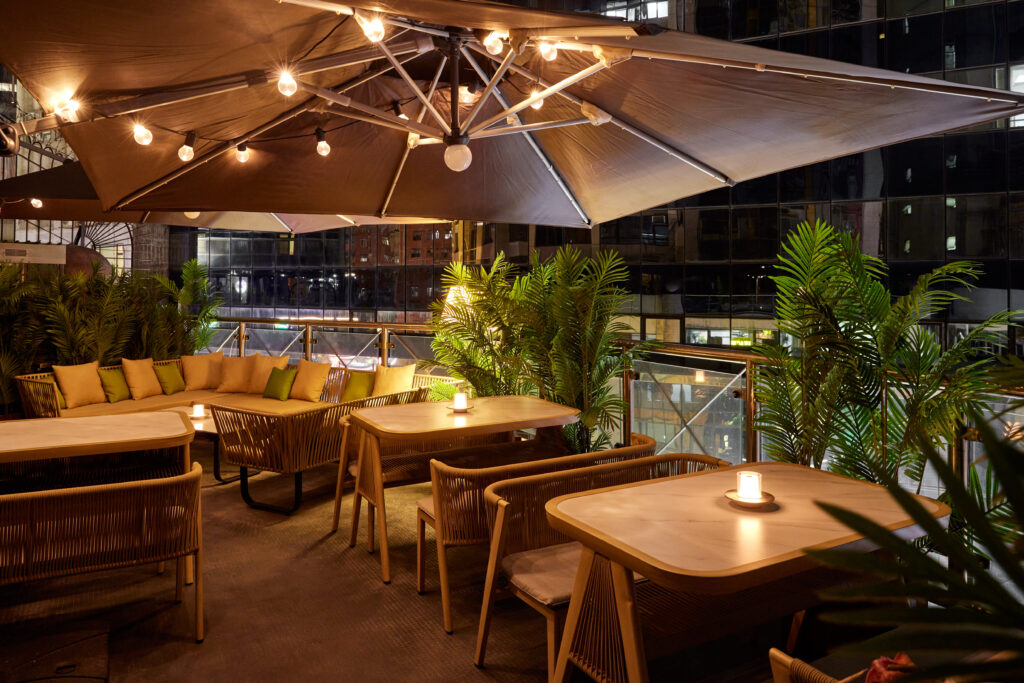
A juxtaposition if ever there was one, the fact that fine-dining haven Ankôma is located in the heart of Tsim Sha Tsui’s bustle has amplified just how versatile Wong is and has pronounced the range in his unrestrained perspective. Unlike the busy scenes on the streets below, the fifth-floor restaurant’s eight-seat marble counter, elegantly set with linen napkins, handsome wine glasses and no-fuss flatware, looks into a modern kitchen of the latest chef’s toys and gadgets. The scene is complemented by Wong’s fabulous talent and a menu focusing on local ingredients.

“Fine dining usually has an image of being very proper, not very commonly accessible and can be quite intimidating for some guests,” says the chef. “In Ankôma, guests can enjoy fine-dining-quality dishes but in a casual environment, like a bistro or izakaya. For those who frequent fine-dining restaurants, it can be a change of scene, a different and refreshing experience from what they are used to.”
Each plate is easy on the eye and tasty on the palate. As Wong personally explains each dish – an essential component of the Ankôma experience – diners will discover that the restraint and simplicity which appear to be the defining characteristics of his cuisine may be more colourful and complex than they first thought.
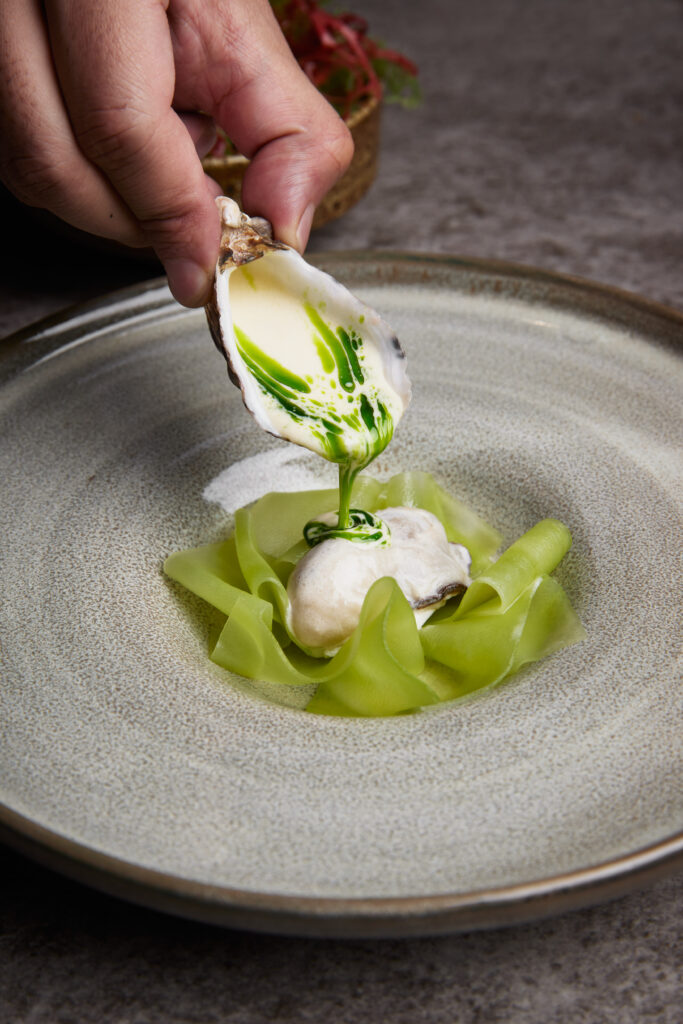
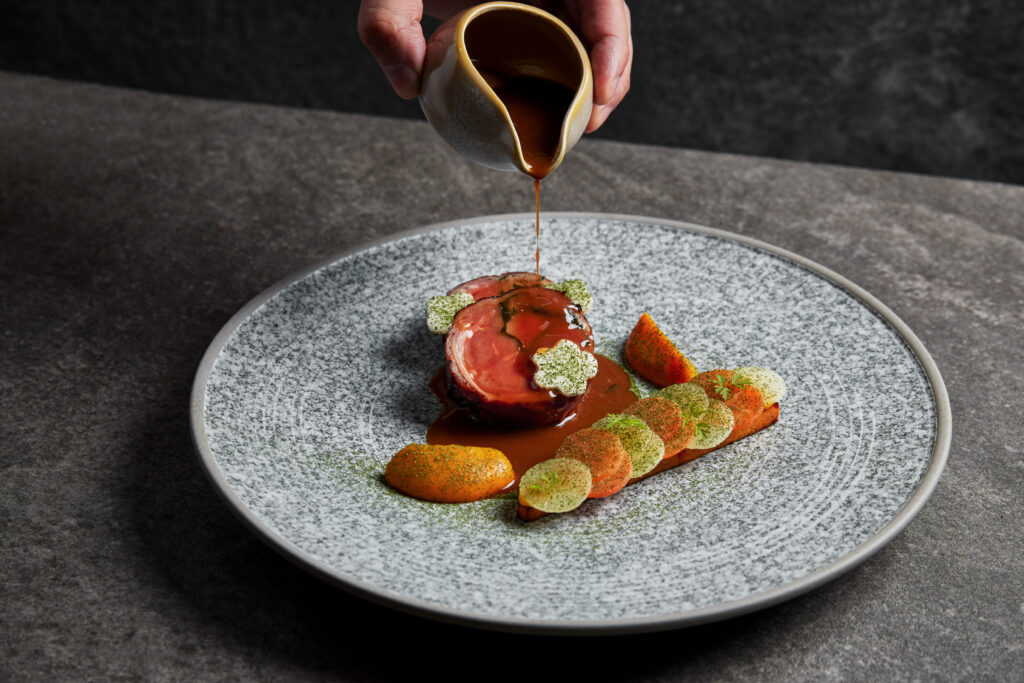
Our tasting parade begins with zuwaigani, a snow crab tartlet with sherry vinegar sheet and battera kombu floss. The unagi course showcases smoked eel with foie-gras mousse on brioche French toast, while saba, a fatty mackerel cured with apple cider vinegar, kombu and mirin, is complemented by a zesty green apple and jellyfish salad, finished with a kick of wasabi emulsion. 
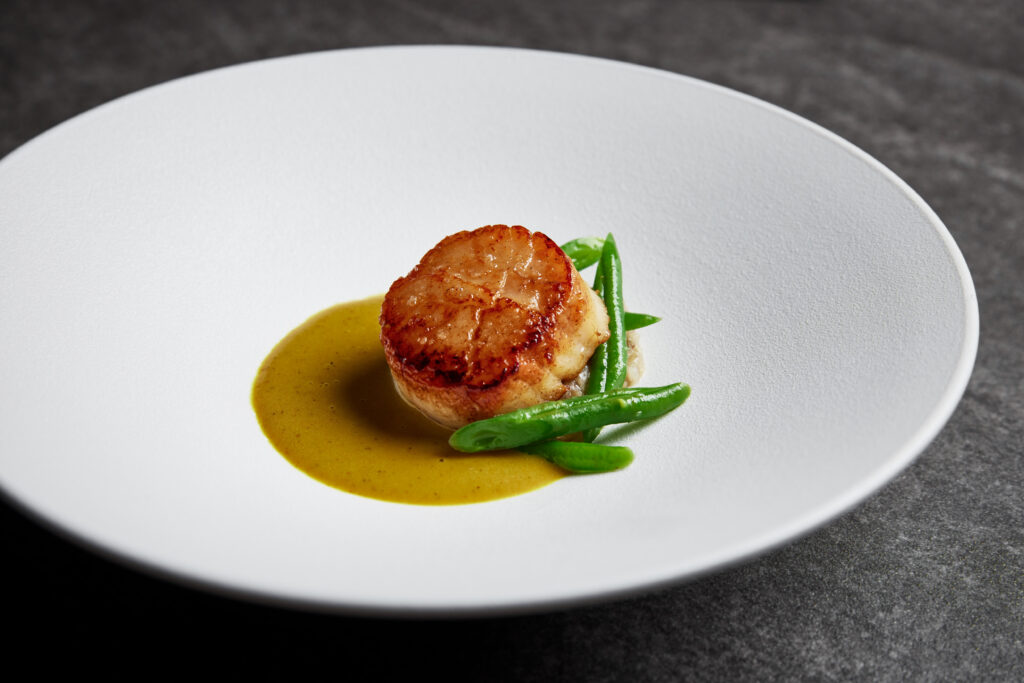
The seasonal hokkigai, a lightly torched surf clam with homemade fish cake, is accompanied by ratatouille consommé, chipolata sausage and coriander. The scallop dish consisting of a buttery pan-fried Hokkaido scallop paired with a cool French bean purée, eggplant purée and vadouvan sauce is the chef’s French take on Indian masala. 

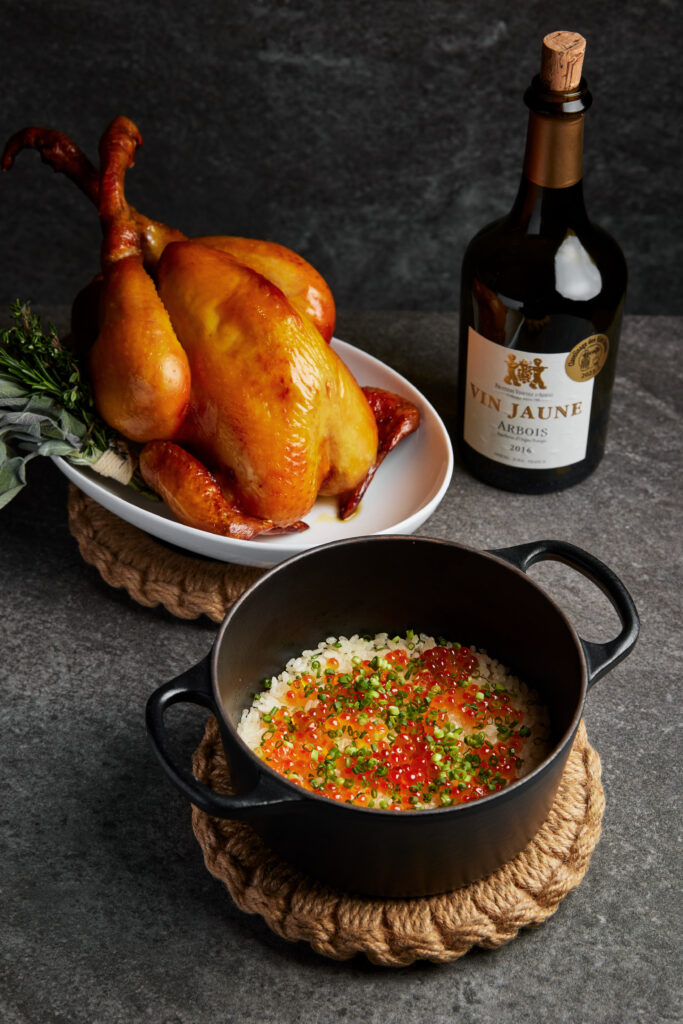
The standout dish comes in the form of a roasted piece of the most tender three yellow chicken. Inspired by his Hong Kong upbringing, the local poultry is artistically served with bannonegi (scallion), ikura (salmon roe), creamy vin jaune (yellow wine) sauce and Hokkaido Nanatsuboshi rice.
Other revelations of this tasting menu include how well angel hair pasta pairs with wakame, shiso blossoms and caviar when it has been flavoured with white truffle paste. The next dish presents butter-aged lobster tails cooked over lava stones and topped with daikon oden (simmered radish stew), handmade chilli oil and a sauce of sakura-ebi (shrimp) and kabocha (winter squash). 
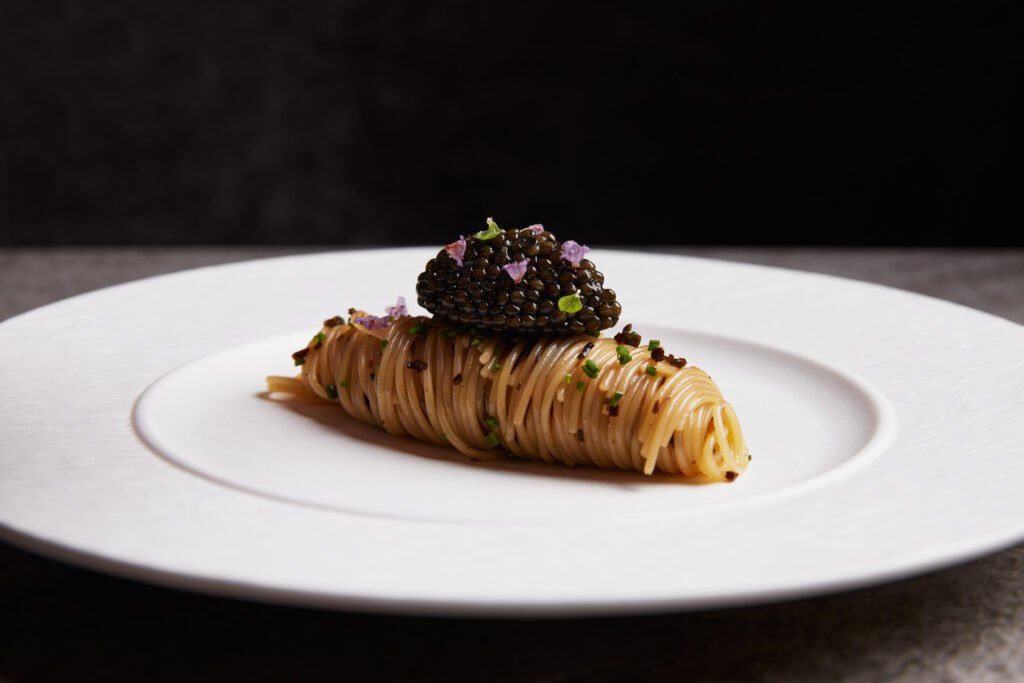
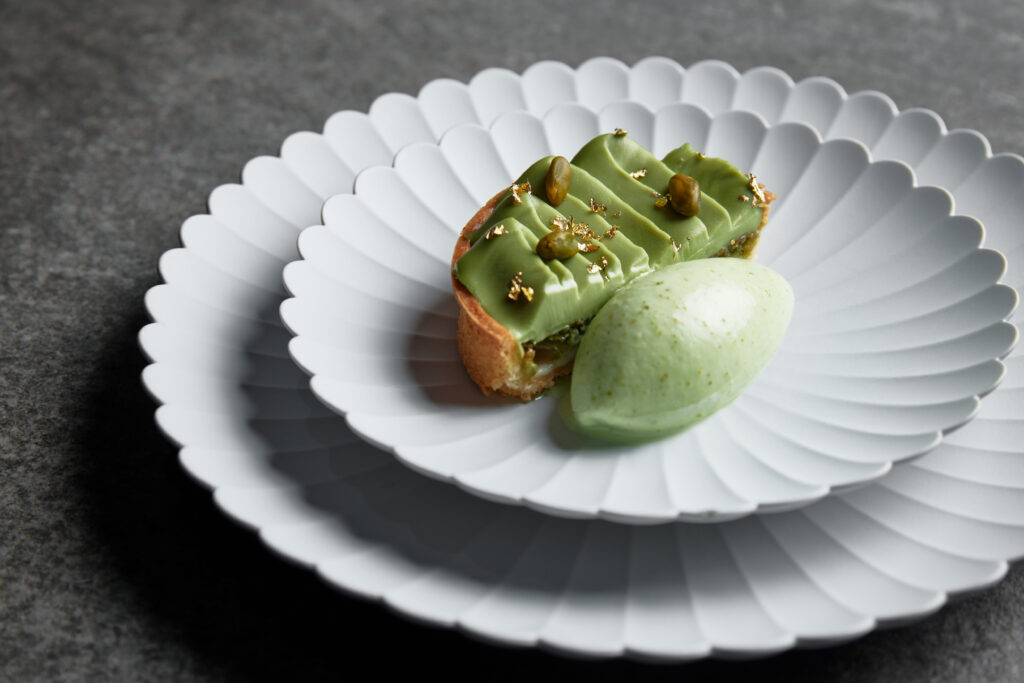
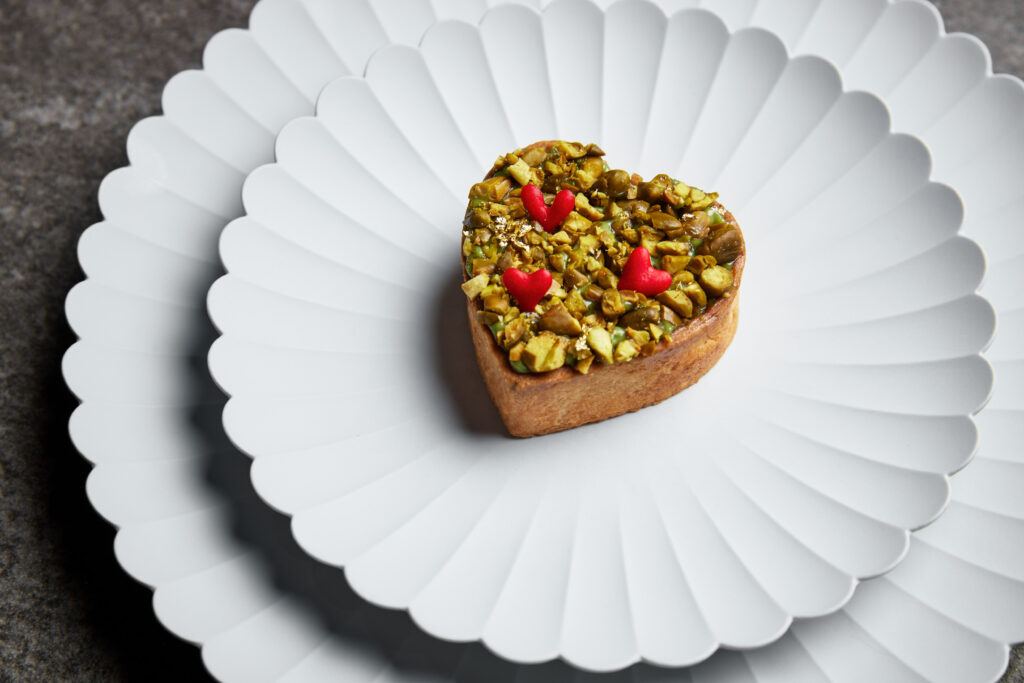
The dessert of pistachio almond crunch, ganache, mochi and ice cream, as well as offerings of seasonal fruit, make the perfect ending to this sumptuous dinner.

 Ankôma’s tasteful contemporary French-Japanese approach proves that striking a balance between revolutionising traditional cuisine and creating an inviting restaurant is a worthwhile pursuit. A collaboration among generations helps heaps, but it’s a collective passion for serving a unique, delicious experience that lights the match. 

Ankoma, 5/F, Kam Lung Commercial Centre, 2 Hart Avenue, Tsim Sha Tsui, Hong Kong

Photos: Ankoma  Video: Jack Fontanilla  

Set for Life: Hong Kong insurers’ policy of attracting mainland buyers is paying dividends

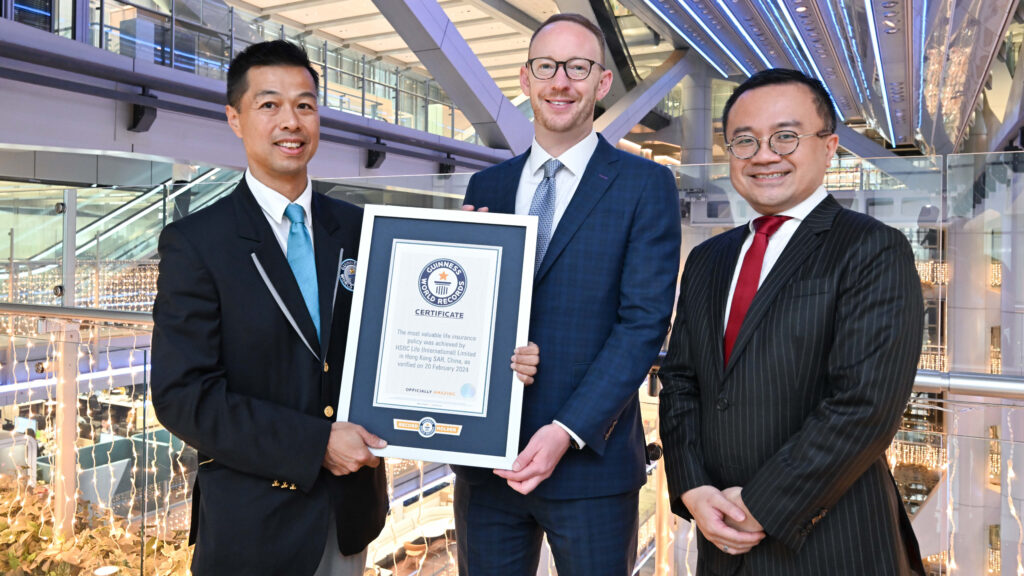
Selling the world’s most valuable life insurance policy earlier this year was undoubtedly a major coup for Hong Kong. Paying an astronomical US$250 million to the beneficiary upon the holder’s death, it was issued by HSBC Life to an ultra-high-net-worth individual (UHNW) whose identity understandably has not been disclosed. The cover surpassed the previous Guinness World Record for life insurance, a US$201 million policy to a US billionaire facilitated by advisory firm SG, LLC in 2014.  

The 10-year wait to break the world record is relatively short, considering the previous interval spanned almost a quarter of a century – it was back in 1990 that British life insurance agent Peter Rosengard sold a US$100 million policy to a prominent figure in the US entertainment industry. 

To the surprise of many industry insiders, this latest record-smashing policy is fully underwritten by HSBC Life. But what is certain is that it represents a huge vote of confidence in Hong Kong’s financial services industry, and particularly the insurance sector. 

The attention-grabbing sale in question was an HSBC Life Paramount Global Life Insurance Plan, a type of life insurance that offers whole-of-life protection with wealth preservation and legacy planning features. According to HSBC Life, the demand for such policies among UHNW individuals has ballooned over the past year, with a further 10 valued at US$50 million or above issued by the insurance firm to clients seeking facilities for wealth transfer and legacy planning. 

High penetration

Hong Kong has been a major player in the world of insurance since the early 20th century, a feat commonly attributed to its relatively stable sociopolitical environment, advanced finance infrastructure, and open-door policy to foreign investment. Given its strong, high-income per capita economy, there is a high life insurance penetration in the territory. Insurance companies eye further expansion via a proliferation of new policies and the city’s rapid growth as an Asian hub, particularly its close ties with mainland China.  

“Asia is home to one of the fastest-growing UHNW populations in the world, and as such we are seeing a substantial increase in demand for insurance solutions to address business succession, estate management and legacy planning needs,” says Edward Moncreiffe, CEO of HSBC Life Hong Kong and Macau. He stresses that the issuance of these high-value life insurance policies proves that Hong Kong has reaffirmed its position as both a preferred destination for wealth management and a leading international insurance hub. 

“The Hong Kong life insurance market has a number of characteristics that puts us in a strong position to capture this growth in regional UHNW wealth-transfer demand,” he says, citing Hong Kong’s deep talent pools across intermediaries, underwriters and actuaries, strong competition among international banks, brokers and insurers, well-capitalised insurance companies with strong credit ratings, and sound regulatory regime as contributing factors to the thriving insurance services.  

Massive sector

According to recent research by GlobalData, a UK-headquartered data analytics and consultancy company, the Hong Kong life insurance market was worth HK$478.2 billion (US$61.1 billion) in 2023 and is expected to grow by more than 3% per annum from 2024 to 2028. 

The high level of financial literacy and digitalisation has spawned a diverse range of products in Hong Kong. Major developments have included the growth of finance technology such as insurtech and Environment Social and Governance (ESG) related products, as well as inclusive insurance products aimed at the excluded or underserved market.    

The industry’s leading line of business in Hong Kong last year was whole life insurance. Demand in this area is driven by an ageing society, increased life expectancy and a falling fertility rate. It is also buoyed by inclusivity elements to reflect these societal changes, such as whole-life protection for senior citizens and expanding the package of death and dementia-related benefits.  

Mainland surge

Many Hong Kong-based life insurance companies have experienced a surge in interest and sales since the reopening of the border with mainland China in early 2023. Prudential, one of the top three life insurers in Hong Kong, has cited border flow from the north as a major contributor to the vast boost in sales last year. Its annual report stated that mainland customers were looking for “diversification of currency and asset class, professional financial advice across a broad product spectrum, and access to high-quality medical care available in Hong Kong”.

The border reopening came not a moment too soon for Ryan Lam Leong Sing, a Licensed Individual Agent of an insurance company with nearly 15 years of experience. He shares that about 80% of his life insurance business emanates from mainland buyers, adding that sales have rocketed by 30% and the pent-up demand from mainland Chinese eager for Hong Kong life insurance policies is huge. “It’s not difficult – the demand is there,” notes Lam of the influx of mainland buyers, pointing out that they need to be physically present in Hong Kong to sign the policy.  

Mainland Chinese are attracted to Hong Kong to buy life insurance policies for a plethora of reasons, including its status as a leading financial centre and its legal system. More specifically, they are limited to US$50,000 per year in currency exchange and transfer out of China “If their money is in Hong Kong, they can exchange whatever they want and transfer it to any country,” says Lam. 

Vehicle for growth

Due to Hong Kong’s highly developed financial services sector, life insurance policies here can offer mainland customers a far better vehicle for the growth of financial assets. “The growth of their money is what they are seeking,” affirms Lam. “They maybe want to put it in a trust, and life insurance is an important part in the trust.” 

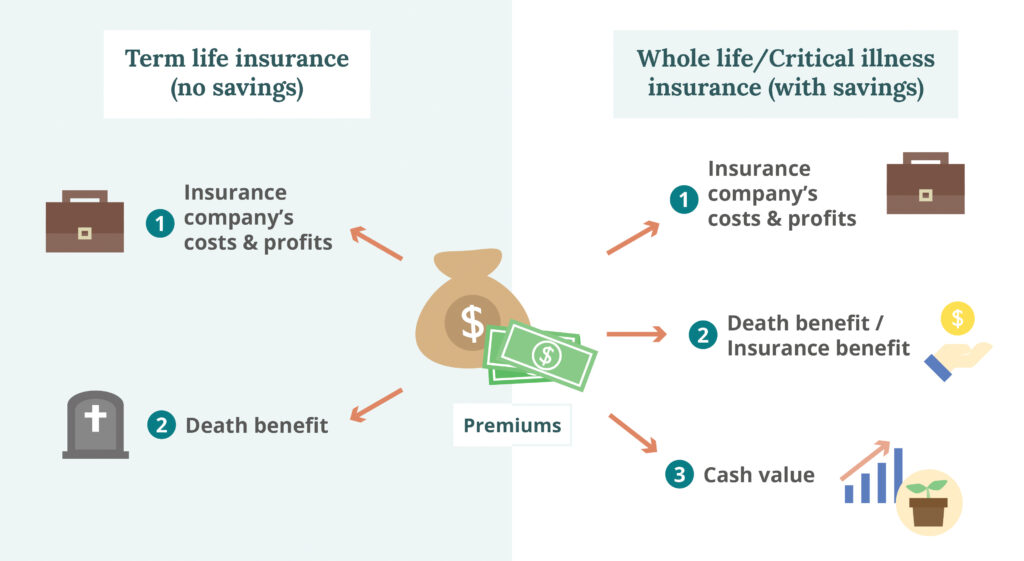
Their life insurance policies fall into three categories: risk management, such as life, accident and medical insurance, and critical illness; savings management, such as savings plans for retirement and educational funds; and investment plans, offering customers a passive income and a fund manager to monitor their money.  

Hong Kong attraction

According to Lam, Hong Kong policies have an advantage over those offered on the mainland for paying dividends on the likes of critical illness cover. “In Hong Kong, after 30 years, even if you don’t become ill, you still get money paid out. On the mainland, there is no dividend at all,” he says.

“Then, for some savings plans, like an educational fund or retirement planning, the yearly return is under 3% on the mainland. But in Hong Kong, you can get like a maximum of 6-7%.” 

This is important, stresses Lam, as the key component of these types of policies is maximising return for educational or retirement provision, while the insurance part acts purely as the foundation of the plan. 

Lam adds that higher operating costs and taxes on the mainland are factors in limiting the level of return there. “Also, in Hong Kong, premiums are reinvested, and they can be put in any market around the world. In China, it is limited to the mainland market.”

The Covid years were difficult for life insurers in Hong Kong as business dropped by as much as 70%. Confidence in the Hong Kong insurance sector hinges on three factors, says Lam – “trust, ability and integrity” – and it appears this is now paying off. While it is not every day that a new policy smashes a world record, the industry has rebounded and sales are soaring.   

Light Source: Amplify the ambience of your home with a personalised lamp

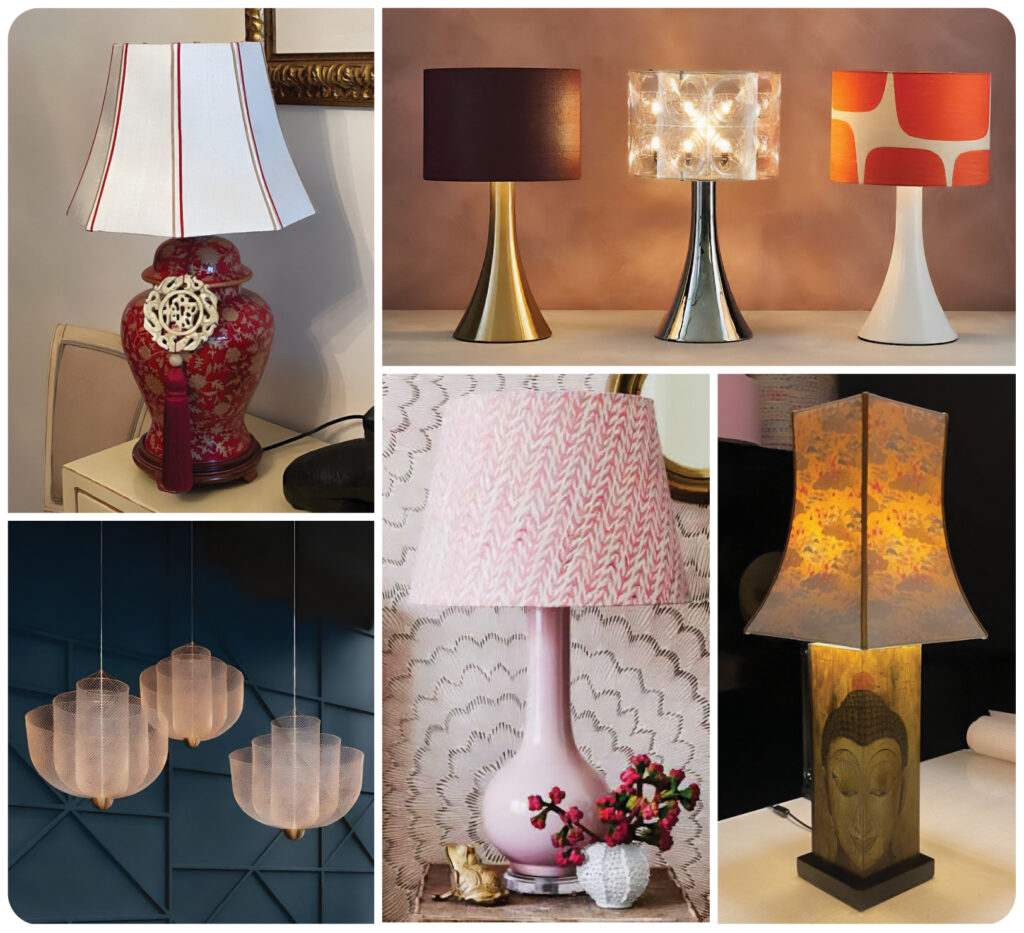
Lamps are a powerful medium to evoke emotions and a popular choice for bringing both functionality and style to a room. Whether you are looking to create a cosy reading nook or simply want to add some ambience, table lamps offer a range of benefits that can enhance your décor and improve your overall living experience.

Essential as task lighting for reading in bed or working at your desk, a pendant lamp or side lamp provides the necessary illumination to help you see clearly and avoid eye strain. Plus, with adjustable options like dimmer switches or adjustable necks, these lights can be customised to specific needs. Larger light sources, meanwhile, are central in spaces that bring people together and celebrate the social side of life.

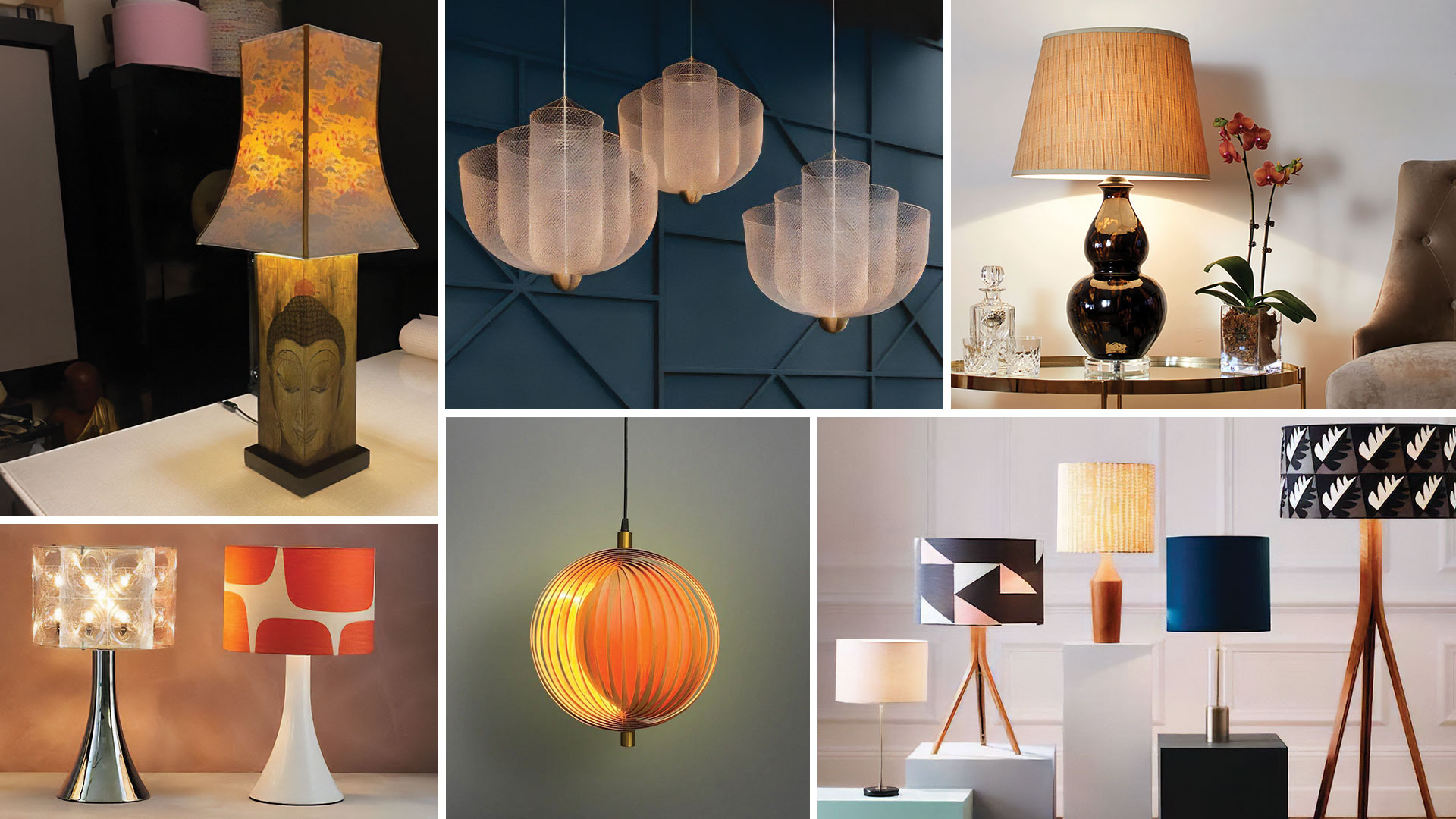
Whatever the practical purpose, a bespoke, outstanding or cutting-edge light casts the personality of its owner into the spotlight. Here, we single out some of the shining stars in lamp design.

Light with Shade

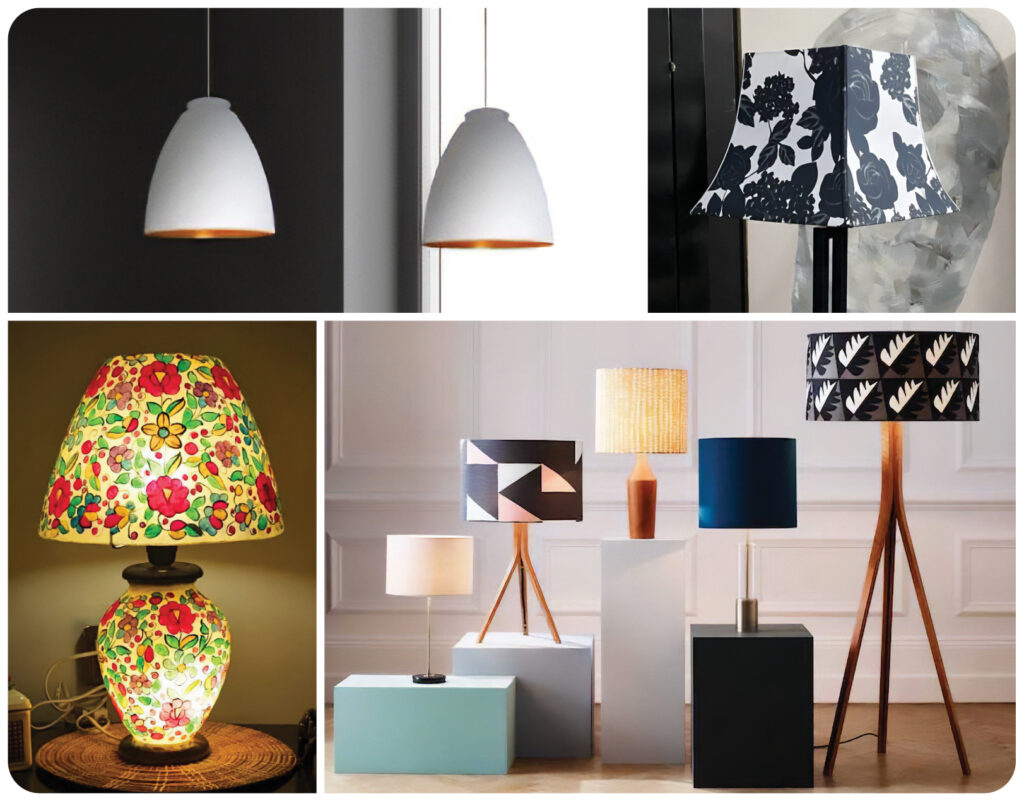
A Hong Kong business passionate about vintage and industrial-style lamps, Light with Shade facilitates the creation of personalised lamps for unique interior themes. It offers a variety of quality designs and materials at affordable prices for DIY projects at home as well as fixtures for offices, shops and restaurants.

As a member of the band Living Disco Head, company founder Lo Yat-ming had firsthand experience with multimedia visual arts and how lighting builds drama and atmosphere. The advertising and product designer established Light with Shade a decade ago and boasts an impressive track record of designing lights for clients in Hong Kong, the US, Europe and Indonesia. lightwithshade.com

Innermost

UK design-led lighting expert Innermost has been synonymous with quirky and daring innovation for 25 years. Guided by a desire to rebel against the norm, and backed by manufacturing experience that allows the repurposing of conventional approaches, the company’s curated collection of lights defies expectations. It works with some of the best-known modern lighting brands to offer incredible original designs.

Passionate about each design, the Innermost team explores how illumination can be used as a raw material and pays close attention to every detail that goes into its manifestation. Their designers travel around the globe sourcing the best materials and the most suitable producers for each component – from prototyping in Hong Kong to using hand-blown glass by artisans in the Czech Republic and bespoke engineering at their factory in the UK.

With a focus on sustainable design, their lights and lamps are a blend of high-quality materials and a genuine care for the environment. They work with clients to ensure that each piece is cutting-edge and classy. Their Foundry line of spun-metal pendant lights is a staple for any modern interior and can be ordered in customised colours to suit all spaces. innermost.net

The Home Stylist

Launched in 2013 with a vision to illuminate spaces with class and elegance, The Home Stylist sees lighting as one of the most important parts of the home. Whether a lamp for the table, floor or ceiling, the right colour and shape can bring a whole room together. After years of struggling to find innovative lamps in Hong Kong, the company saw the light when award-winning Australian interior designer Adelaide Bragg came on board. Bragg’s timeless pieces in the elegant Classic or vibrant Colour Pop ranges are available in hand-picked colours to fit beautifully in all kinds of spaces.

Stunning lamp bases from Bragg & Co. can be complemented by bespoke lampshades. The Home Stylist founder Alex Sheldon crafts handmade shades from her Hong Kong home, finding the perfect fabric for clients and tailoring it to an elegant base of their choice. thehomestylist.org

The Ginger Jar Lamp

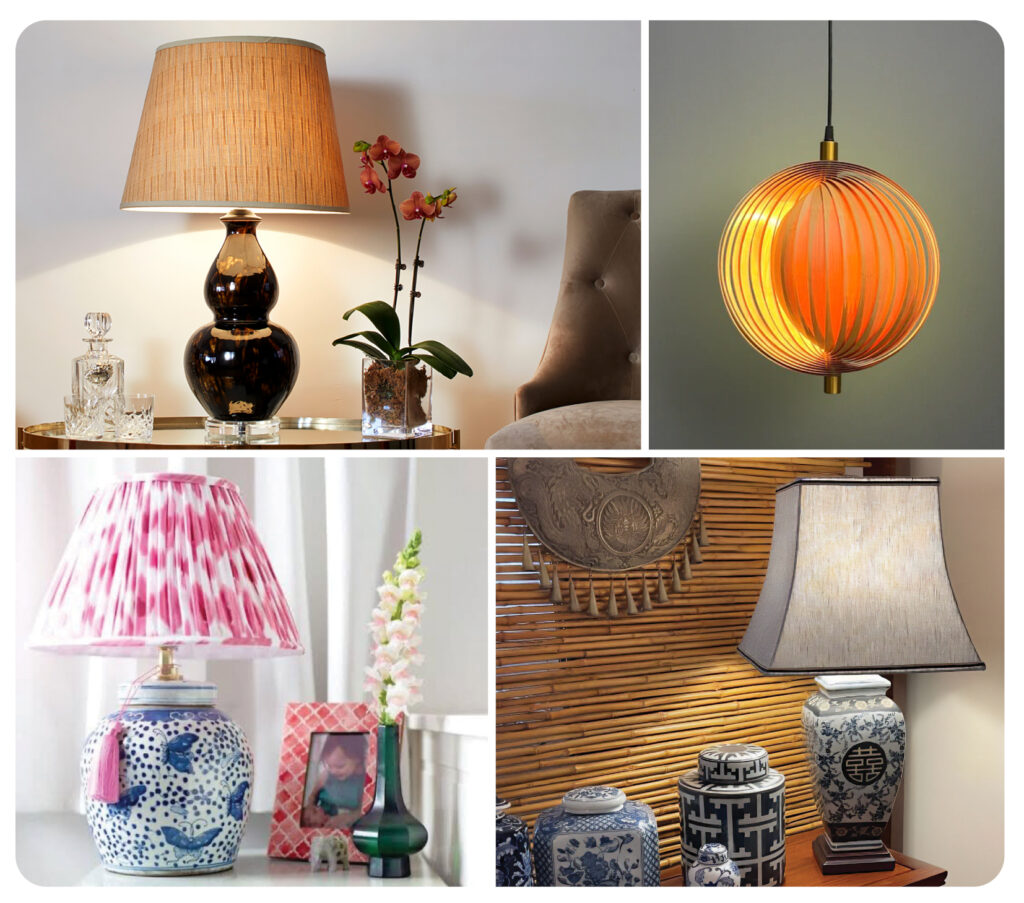
For a touch of class emanating from Imperial China, The Ginger Jar Lamp Co. pairs vintage Chinese ginger jars with artisanal lamp shades to create contemporary, limited-edition table lamps. Hand-painted pieces adhere to traditional Qing dynasty methods, with each jar design having an auspicious meaning. Their signature lamp shades are made by skilled craftspeople using a range of vibrant fabrics sourced across Asia.

Vintage blue-and-white glazed jars handmade in Jingdezhen and featuring flora and fauna patterns, Ginger Jar Mini lamps are perfect for smaller spaces such as slim consoles and bedside cabinets, or a dining table or sideboard with a less expansive footprint. These diminutive beauties are harder to source than their more common, larger counterparts. A jar- less alternative, Classic Faux Bamboo wooden lamps are an attractive addition to any home. Available as a table or floor lamp, the versatile design fits smartly into any interior space.

Another top collection, Hong Kong Homage, celebrates the city’s iconic skyline. Depicting daily life against the backdrop of Victoria Peak, this specially commissioned design is available in imperial blue or jade green as a ginger jar table lamp, a ginger jar or a limited-edition art print. gingerjarlampco.com

In a bustling metropolis like Hong Kong, where captivating sights and sounds abound, and tradition meets modernity, a unique industry has been quietly thriving – bespoke light lamp shops offering a haven of artistic expression and craftsmanship. These ateliers, with their dedication to personalised creations, bring the magic of light into our lives, while preserving the beauty of traditional craftsmanship. As we navigate an increasingly digital world, these establishments serve as a reminder of the enduring allure of handmade artistry and the importance of cherishing our cultural heritage. So, the next time you find yourself in Hong Kong, make sure to step into one of these bespoke light lamp shops and let the radiance of their creations illuminate your soul.

Heart & Sole: The shoe fits KIBO’s Natalie Chow very well as she kick-starts zero-waste Hong Kong retailing

In the vibrant city of Hong Kong, where consumerism has long been synonymous with high-rises and luxury malls, one woman is revolutionising the shopping landscape by infusing sustainability into the heart of retail. Natalie Chow, the visionary co- founder of sustainable sneaker-maker KIBO (K!BO in branding parlance), is leading the charge to redefine the shopping experience, placing environmental consciousness at the forefront.

From the get-go, it was important to Chow that her marketing and message did not make consumers feel bad about their shopping and lifestyle choices while offering them a guilt-free planet-friendly alternative. The savvy businesswoman is aware that there are a lot of unexpected implications associated with the food, clothing and accessories we use and own – consequences that affect not just animals but also society and the environment. She is keen to stress that the objective isn’t guilt, even when discussing the appalling circumstances people endure in fast-fashion factories or the catastrophic effects of animal husbandry on the planet.

“I was always drawn to beautiful things and advertising was actually what I really wanted to get into; hence, I started studying marketing,” says the University of Melbourne alumnus. “I did both marketing and psychology, which are extremely correlated. I think the human brain is fascinating, and quite often we make irrational choices, and I wanted to understand how people make choices every day, and what influences them to do so.”

Equal footing

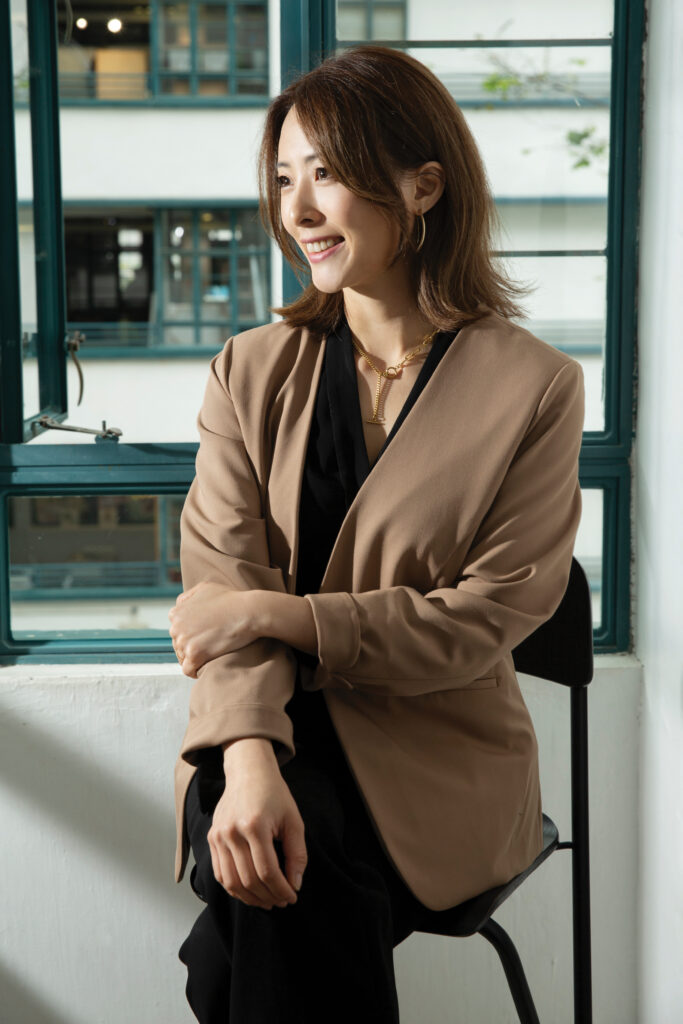
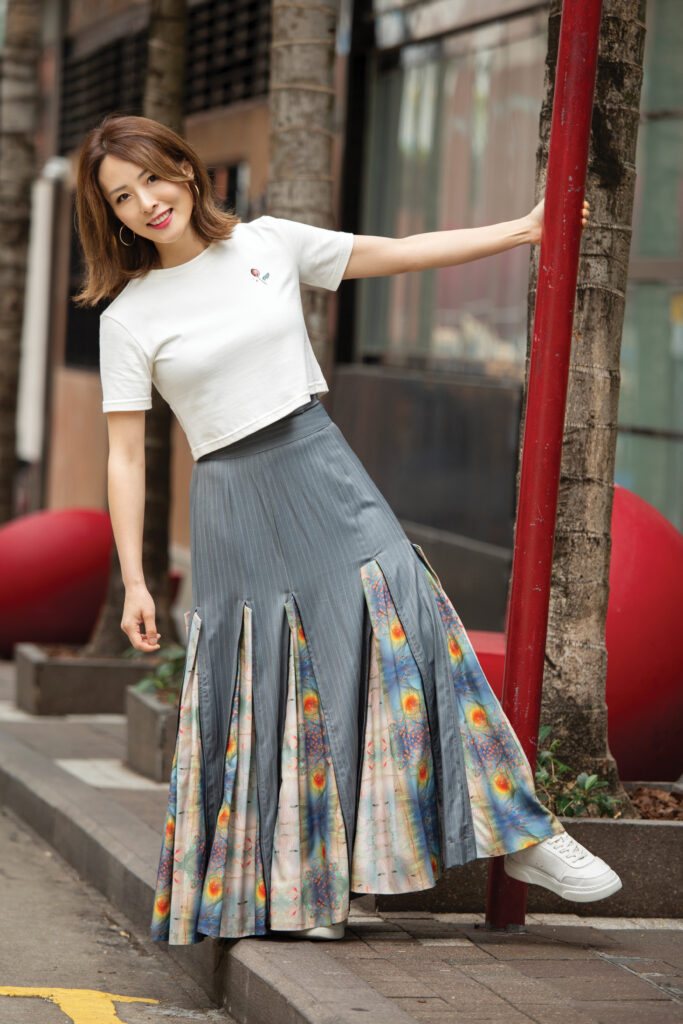
Chow chooses to wear independent brands for our shoot, as a way to support the local creative scene. Arriving back from a 4-hour Singapore-to-Hong Kong flight, she looks fresh and ready to pose in the hallways of PMQ, where fellow start-up projects and businesses reside.

“Was I there for Taylor Swift? I wish!” she exclaims, breaking into laughter. “But no, I was in Singapore for a sneaker convention. The sneaker world is still a man- dominated industry – surprise, surprise! When I started my own business, I realised how big of a gender gap there is out there in other industries, especially in the start-up space.”

Denim top and skirt by Vincent Li Studio & sneakers by KIBO

While the majority of sneaker firms were started by men, KIBO was conceived, is run, and the products are designed, by women. Men have long controlled the shoe industry, which is reflected in the preponderance of masculine designs and styles. Conversely, KIBO was created with a heavy emphasis on equality, which is understandable given that it is backed by a sizable female community.

Green path

Chow’s journey towards becoming a trailblazer in sustainable fashion is rooted in her early life and background. Born in Hong Kong, she and her two sisters were raised in Australia by their mother, and she developed a deep appreciation for the unique blend of culture, energy and commerce in the city they lived in. She traces her connection with nature back to her childhood, recalling that she separated the household recyclables from the age of seven.

“I believe this is a journey for myself, and for everyone out there too,” she says. “When I started there was no such thing as ESG (environmental, social and governance) and now it’s mandatory for many companies. The framework and the bar have become clearer over the years, so in both the corporate world and schools, there are standards to comply with and a goal to achieve. As for myself, I have learnt the different credentials in material sourcing, GRS (Global Recycled Standard), BSCI (Business Social Compliance Initiative), FSC (Forest Stewardship Council) and so on, and how to make decisions in production.”

Driven by a desire to effect change, Chow dedicated herself to understanding the complexities of sustainability in fashion. She immersed herself in extensive research, exploring alternative materials, ethical production methods and the concept of circular fashion. Through her studies and personal experiences, she realised she had a unique opportunity to create a brand that could challenge the status quo and inspire others to embrace sustainable fashion.


One step at a time

KIBO, meaning hope in Japanese, was founded in 2019 and was officially launched in 2020, with the goal of giving life and waste new hope. ‘Kind to the planet and kind to your feet’ is their promise, as Chow and her team employ materials that would otherwise end up in landfills, such as leather scraps from manufacturers, recovered post-consumer plastic waste, and most recently, imitation leather made from apple waste.

“I was on maternity leave when my husband [KIBO co-founder Simon Chow] and I started to brainstorm. At that time, we noticed there really was a gap as well as an opportunity in the sneakers space and I guess that’s how the seed was planted,” she recalls. Her husband’s family runs a shoe- manufacturing company.

“Moreover, as a mother of two, I wanted to pursue something meaningful and purposeful that my kids would grow up and be proud of. Sustainability has to encompass ethics and transparency, otherwise, it’s quite meaningless. Since we have an edge of having relevant backgrounds in this industry, we decided to take this leap of faith.”

As the introductory lines on the KIBO website spell out, ‘the ! is a reminder to do things differently. The fashion industry needs to change and tackle big issues such as climate change and modern slavery.

And that’s only possible if we adapt ourselves and unite as a community. Because we know that every small step goes a long way.’

Walk the walk

Through her brand’s ethical practices and commitment to transparency, she has successfully challenged the conventional notion that fashion and sustainability are incompatible. But she is far from settling, and will continue to improve.

“Problem-solving has been a skill that I was fortunate to have adopted with my previous work experiences, but being a brand founder has taken it to the next level just because we have problems to solve every single day. From production hiccups to liaising with partners, both soft skills and hard skills are required such as managing my own time and analytical skills,” she says.

T shirt by KIBO, skirt by Vincent Li Studio & sneakers by KIBO

By making conscious consumerism accessible and stylish, KIBO has inspired a broader movement towards a more sustainable future for Hong Kong’s retail industry. Its success serves as a testament to the power of idealists to effect meaningful change, reminding us that a person can go into an industry they are passionate about without compromising their beliefs.

As Chow emphasises throughout our conversation, sustainability and style can indeed go hand in hand. But behind it all is a drive to connect with consumers through her shoes. She considers fashion a service industry. When she’s working on a collection, she is thinking about how a KIBO piece should make you feel: confident, comfortable, alive and effortless.

“It’s timely that this is for the April issue,” she says, her eyes lighting up. “Earth Month; let’s do it right!”

Interview, Text and Art Direction by: Joseff Musa Photographer: Jack Law Videographer: Jack Fontanilla Brands: KiBO and Vincent Li Studio
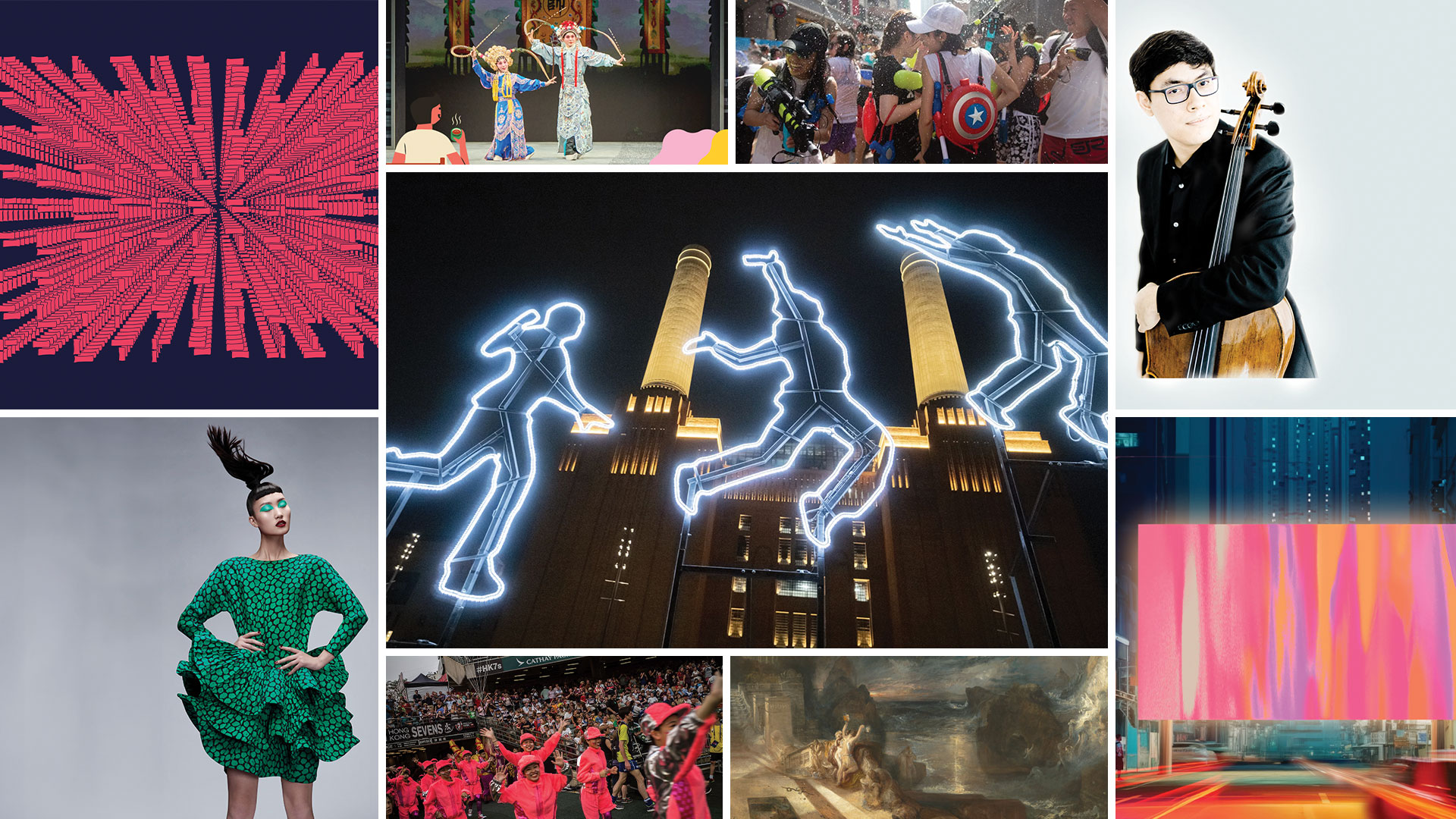
What’s on? Things to do this April in Hong Kong

Enjoy a fantastic range of events to have fun and soak up some culture, from the Hong Kong Sevens to the film festival, masterpieces on display and so much more.

Illuminate! Run Beyond

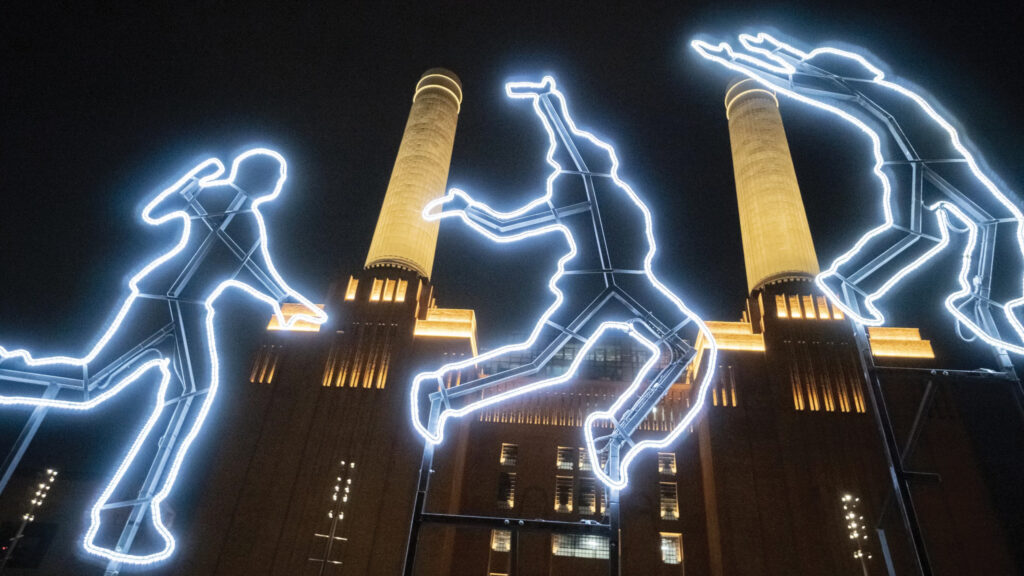
Following the successful hosting of this immersive installation in global cities such as Washington DC, Toronto, London and Amsterdam, Italian artist Angelo Bonello brings his much-acclaimed light show to the majestic backdrop of Victoria Harbour. Visitors to his shows often tell of a surreal experience in which visions of silhouetted figures appear to leap almost magically from the installation creating a dreamlike, mystical ambience. Expect to be enchanted as Illuminate! Run Beyond heralds the launch of the Wan Chai Harbourfront Event Space. Bonello’s Art Light display will then continue until 28 April.

When: Until 4 April

Where: Wan Chai Harbourfront Event Space

How much: Free

For more information: wches.com.hk

Songkran

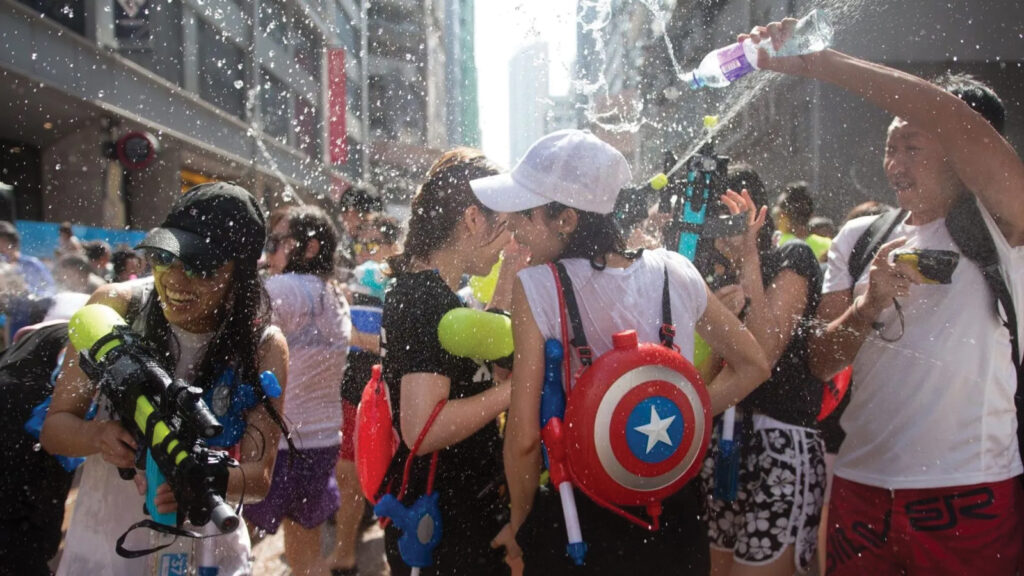
Running in conjunction with celebrations to mark the Thai New Year, the Songkran Festival is a riotous, fun- filled occasion in which a good time is always had by all. Certain streets of Hong Kong become a veritable battlefield as participants endeavour to soak each other with water and thereby cleanse their spirits of all misfortune amassed over the previous year. The festival also marks a way for Thais in the city to promote community integration. Events at Songkran HK 2024 include dance performances, a market, food stalls and the Nang Songkran Parade.

When: 4-8 April

Where: D2 Place and Cheung Yee Street

How much: Free

For more information: songkran.hk

Hong Kong Sevens

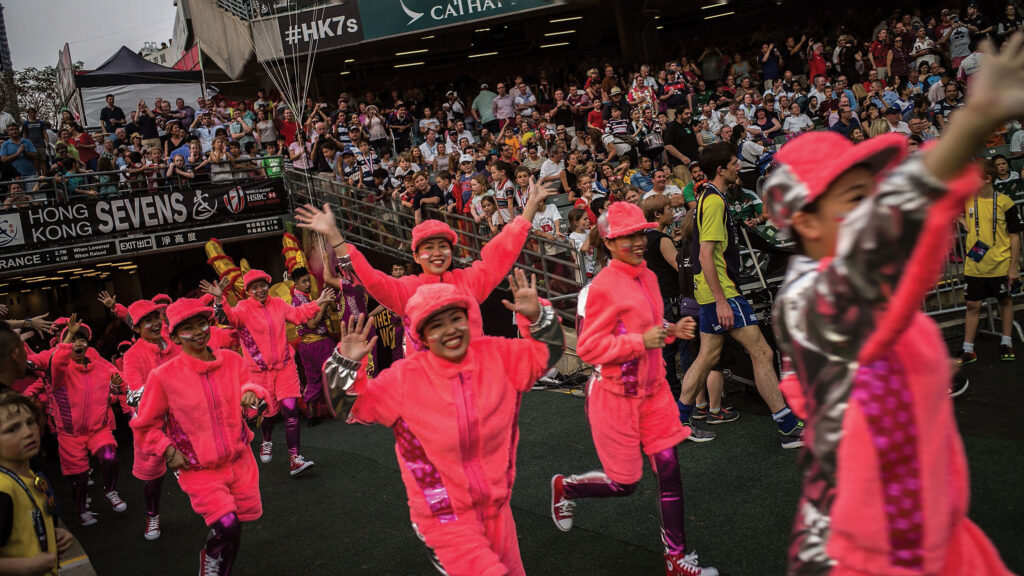
This fantastic festival of fun and sporting excellence makes its swansong at Hong Kong Stadium before moving to Kai Tak Sports Park in 2025. For three decades, the iconic venue has provided magical moments and thrilling rugby for fans who flock to Hong Kong for the party atmosphere. A streamlined competition sees 12 men’s and 12 women’s teams competing for the coveted trophy, while China, Japan and Hong Kong (men) and China, Thailand and Hong Kong (women) battle in the Melrose Claymores competition.

When: 5-7 April

Where: Hong Kong Stadium

How much: Three-day pass HK$1,950

For more information: hksevens.com

Zlatomir Fung

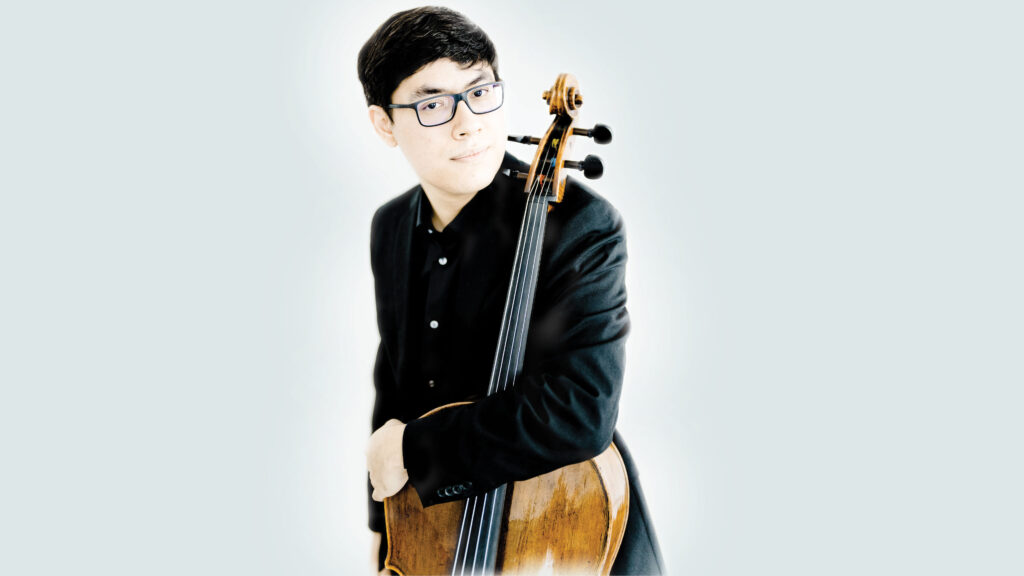
A precociously gifted musical talent, at age 24 cellist Zlatomir Fung has performed with some of the world’s leading orchestras and is a hot property in the classical music industry. In 2019, he was the youngest-ever cello gold-medal winner at the International Tchaikovsky Competition. The US-raised Chinese-Bulgarian prodigy makes his Hong Kong debut, ably accompanied by local star Rachel Cheung on piano.

When: 17 April

Where: City Hall Concert Hall

How much: From HK$180

For more information: cityhall.gov.hk

Beyond the Singularity

The final exhibition of the Arts Development Council’s TECH 2.0 series, which has shone an interactive light on the connection between arts, technology and the community, focuses on the topic du jour – artificial intelligence. It asks participants to venture into the world of AI and explore the deeper meaning of its revolutionary impact on technology and the creative arts in general. This is the first major exhibition in Hong Kong where artists have used AI tools to create new works.

When: Until 7 April

Where: Showcase, Wong Chuk Hang

How much: Free

For more information: arts-tech.hk

Westk Funfest

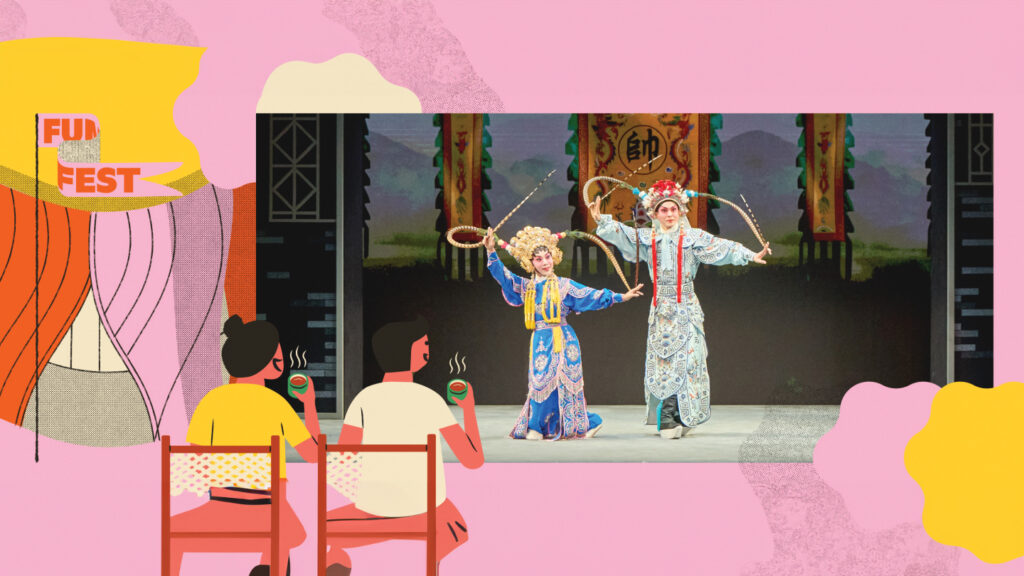
Let your imagination run wild at this family-oriented arts extravaganza that allows visitors to explore and participate in a multitude of interactive experiences indoors and out. Try Ephemeral, the immersive public art installation created by award-winning Sydney-based design studio Atelier Sisu, which lands in Hong Kong for the first time and includes a ‘Colossal’ new element. Alternatively, 10-Minute Dance Parties is an unforgettable celebration of dance.

When: Until 7 April

Where: West Kowloon Cultural District venues

How much: Free or various prices

For more information: westkowloon.hk

Hong Kong International Film Festival

Now in its 48th edition, the Hong Kong International Film Festival (HKIFF) has garnered an outstanding reputation for the breadth and quality of the movies it screens. A major cultural event in its own right, it has become the template for other Asian film festivals keen to replicate this success to their film- loving public. This year the Hong Kong programme spotlights the works of directors Fruit Chan, Martin McDonagh and Hamaguchi Ryusuke.

When: Until 8 April

Where: Various venues

How much: From HK$55

For more information: hkiff.org.hk

Masterpieces from the National

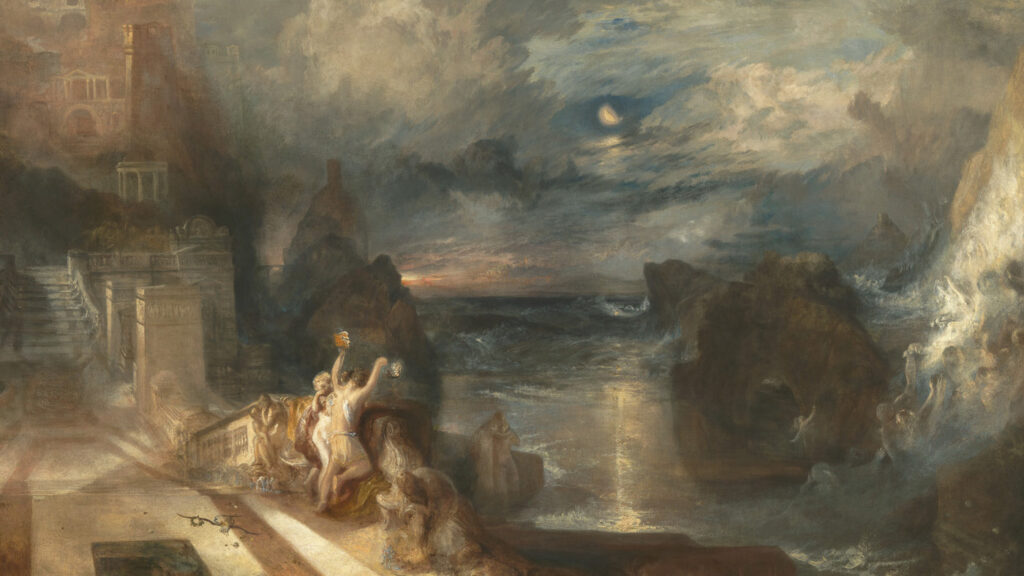
Take advantage while you can of this fantastic museum collaboration in which amazing works of art usually residing in London’s National Gallery have been loaned out to the Hong Kong Palace Museum. This is the first time paintings from the National Gallery have been made accessible for the public to view in Hong Kong. In total, 52 masterpieces by some of the art-world greats can be contemplated.

When: Until 11 April

Where: Hong Kong Palace Museum

How much: HK$150

For more information: hkpm.org.hk

Madame Song

Immerse yourself in the magnificent world of Song Huai-Kuei by spending some time at this major exhibition dedicated to the life and works of the Chinese cultural pioneer. The multitalented Madame Song touched and shaped Chinese art, film, music and fashion, and her influence spanned decades, from the 1950s to the early 2000s when China itself changed dramatically. The curators have gathered more than 320 objects for visitors to admire.

When: Until 14 April

Where: West Gallery, M+ Museum

How much: HK$140

For more information: mplus.org.hk

Arrival Notice: In a tactical change, Hong Kong is rolling out new local attractions. Will more tourists roll up?

Hong Kong’s ability to attract tourists and stage major events featuring international stars has dominated the headlines over recent months. Just when visitor numbers began to rebound following the devastating Covid years, the Lionel Messi saga put Hong Kong in an unwelcome global spotlight and undoubtedly left many unanswered questions. Negativity about visitors reducing their spending while on our shores has also threatened to derail efforts to lure more.

It wasn’t always difficult, of course. Hong Kong has been a beacon for tourists through the ages. The stunning harbour set against the backdrop of a forest of skyscrapers and majestic hills has long captivated the imagination, and there are positive signs pointing to a return to the days of abundant incomers.

Cruise high

In an indication of rising arrival rates, cruise ship visits are now buoyant. Hong Kong Tourism Board (HKTB) shares that from November 2023 to April 2024, the number of international ship calls exceeded pre-pandemic levels. No doubt many of those luxury-cruise travellers would have been mesmerised by the engrossing view of the fragrant harbour as their ship slowly moored at Ocean Terminal or the Kai Tak Cruise Terminal.

Tourism is big business. Government economists have calculated that each batch of 1.5 million tourists contributes HK$3 billion to Hong Kong’s gross domestic product.

In the recent Budget, HK$1.09 billion was allocated to help boost tourism, which will enable the HKTB to increase efforts in four strategic directions: developing diversified tourism experiences; staging and supporting large-scale international events; developing diverse visitor source markets and stepping up promotions; and enhancing service quality and providing continuous support for the travel trade. A new dedicated team at the HKTB, the Mega Event Development and Advancement division, has been tasked with helping global event organisers navigate their way into the city more easily.

Shift in emphasis

HKTB spokesperson opines that Hong Kong’s tourism offerings do not necessarily need to be improved, but there should be a shift to cater to changing consumer preferences.

Government estimates suggest tourism numbers in Hong Kong will recover to 50 million visitors this year – a figure encouragingly revised from an earlier HKTB forecast of about 46 million. While this is up from 2023, it still represents a significant shortfall from pre-pandemic levels; about 65 million tourists flocked to Hong Kong in 2018, with nearly four in five arriving from mainland China.

Today’s tourists from the north, though, do not seem to splurge on luxury items as before. “Changes in consumer behaviour and travel demands have undergone a paradigm shift from consumption to higher demand of immersive and in-depth experiences,” says a HKTB spokesperson. “[So] our tourism offerings are also gradually shifting the focus from tactical offers such as discount and brick-and-mortar shopping experiences to arts and culture, wellness and green tourism, together with digital experiences and quality, customisable services.

Reconnecting tourists

HKTB research suggests recent HKTB campaigns like ‘Hello Hong Kong’ and ‘Hong Kong Night Treats’ have been hugely successful in re-engaging with world travellers. The goal for the upcoming year is to convert tourists interested in visiting Hong Kong into actual arrivals, and secondly, to get them spending in town.

Just the first step in the diversified tourism experience will be a revamped version of the nightly light-and-sound show ‘A Symphony of Lights’. Monthly pyrotechnic and drone shows, another of HKTB’s new initiatives, have been in the firing line though, as an environmentally aware segment of public opinion suggests these should be switched to drone-only.

Financial Secretary Paul Chan has indicated the pyrotechnic shows would encompass different monthly themes in line with mega events. He also suggested publicity measures to promote Hong Kong would include producing reality TV shows and rewarding outstanding frontline staff in the hospitality sector.

Local flavour

The HKTB recently leveraged its year-round promotional platform, ‘Arts in Hong Kong’, to showcase international art and cultural events, including Art Basel Hong Kong, Art Central and ComplexCon Hong Kong, in a bid to create a wider buzz. Through its research after the pandemic, the tourism body has gleaned that visitors are particularly drawn by local culture. A cha chaan teng-style cafe, for example, was set up at Art Basel to add local flavour and enrich visitor experiences.

“That’s why we will continue to promote the local neighbourhoods to offer authentic experiences and launch a second phase of the Temple Street promotion,” says a HKTB spokesperson. “Our East-meets-West festival calendar is also unique in Asia, and we will devote tangible resources to amplify the ambience of these festivities through events, promotions and city-wide décors to appeal to visitors.

Events capital

Much debate of late has centred on Hong Kong’s capability to promote and stage world- class events and bring big stars to the city. That Singapore held an exclusive deal to hold the Taylor Swift concert with plenty of carrot involved in the form of government monetary assistance caused some consternation here. Whether taxpayer’s money would be best served by such inducements is the source of heated argument in Hong Kong. There has been much talk of the ‘Swiftonomics’ effect of her performances in Singapore.

The government did inject HK$16 million into last month’s LIV Golf tournament, which duly attracted global attention and some of the best golfing professionals. The fact that this widely- praised event proved such a success has gone some way to alleviating disappointment over the Messi no-show.

In terms of courting international mega acts, the 50,000-capacity stadium at Kai Tak Sports Park is expected to open next year. Hoteliers hope this facility will help entice stars to perform in the city and fans to stay overnight, especially if multi-night performances can be scheduled. The authorities also intend to release details of mega events in a timelier manner so commercial entities can best capitalise on business opportunities.

Quality count

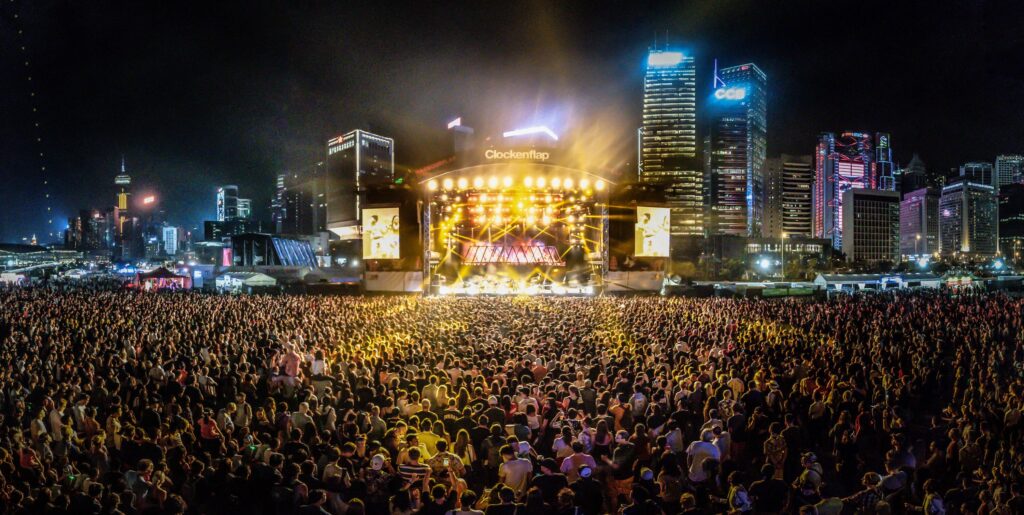
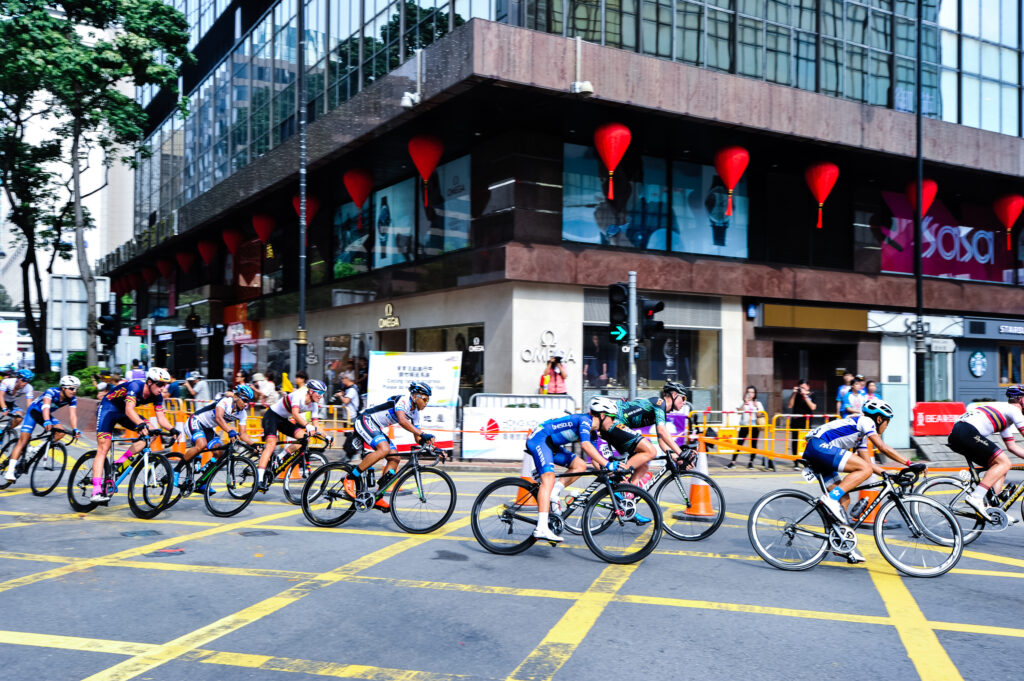
What the city can be proud of is the breadth and quality of the events it holds. Underscoring Hong Kong’s intention to remain Asia’s event capital, the HKTB spokesperson reeled off a number of major events organised or partnered by the HKTB that will “contribute to soliciting high-yield and high-value visitors”. These include the Hong Kong Sevens, Hong Kong Tennis Open, Art Basel, Clockenflap, Hong Kong International Dragon Boat Races, Hong Kong Cyclothon and Hong Kong Wine & Dine Festival.

The five Art March installations running until 2 June are expected to attract more than two million visitors. Despite an estimated combined staging cost of about HK$50 million, they are free to the public, and the government has stressed the idea is to bring fun and happiness to the city.

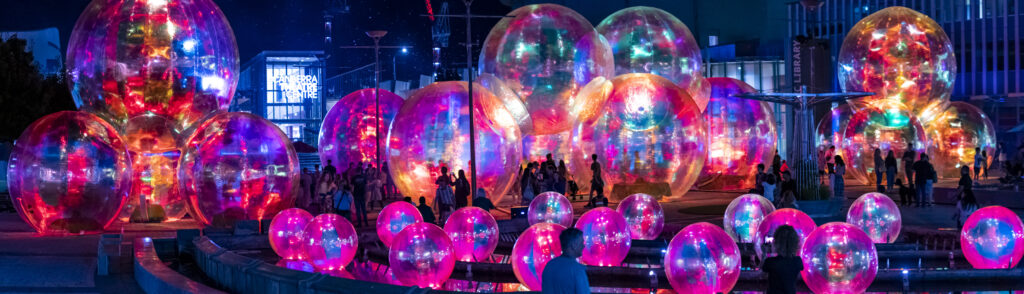
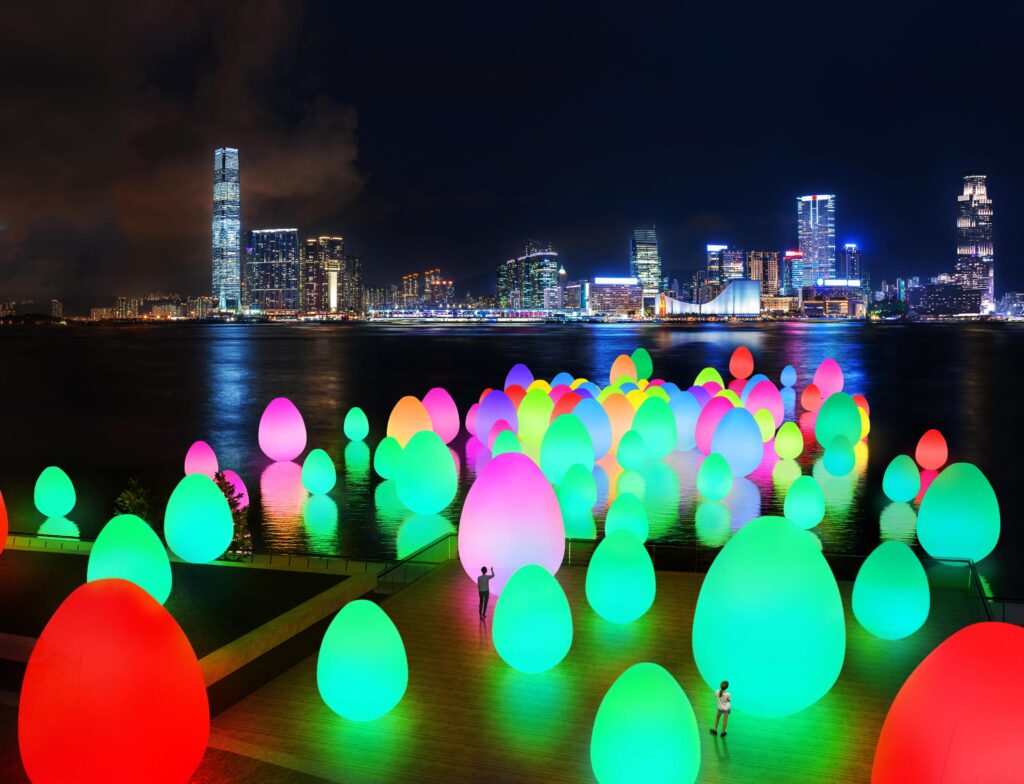
One particularly innovative offering, teamlab: Continuous, features more than 200 luminous eggs sitting in Tamar Park and dotting Victoria Harbour. The hues and acoustic outputs of this mesmerising display of ovoids will transform upon interaction with visitors.

Art March spanned a diverse range of activities from exhibitions of art and culture to television and film festivals. These were part of 80 events scheduled for the first half of 2024, as Hong Kong slowly but surely woos back the gone but not forgotten tourists.

Ace of Space: Led by owner Rasheed Shroff, social consciousness and sustainability flourish at Banyan Workspace

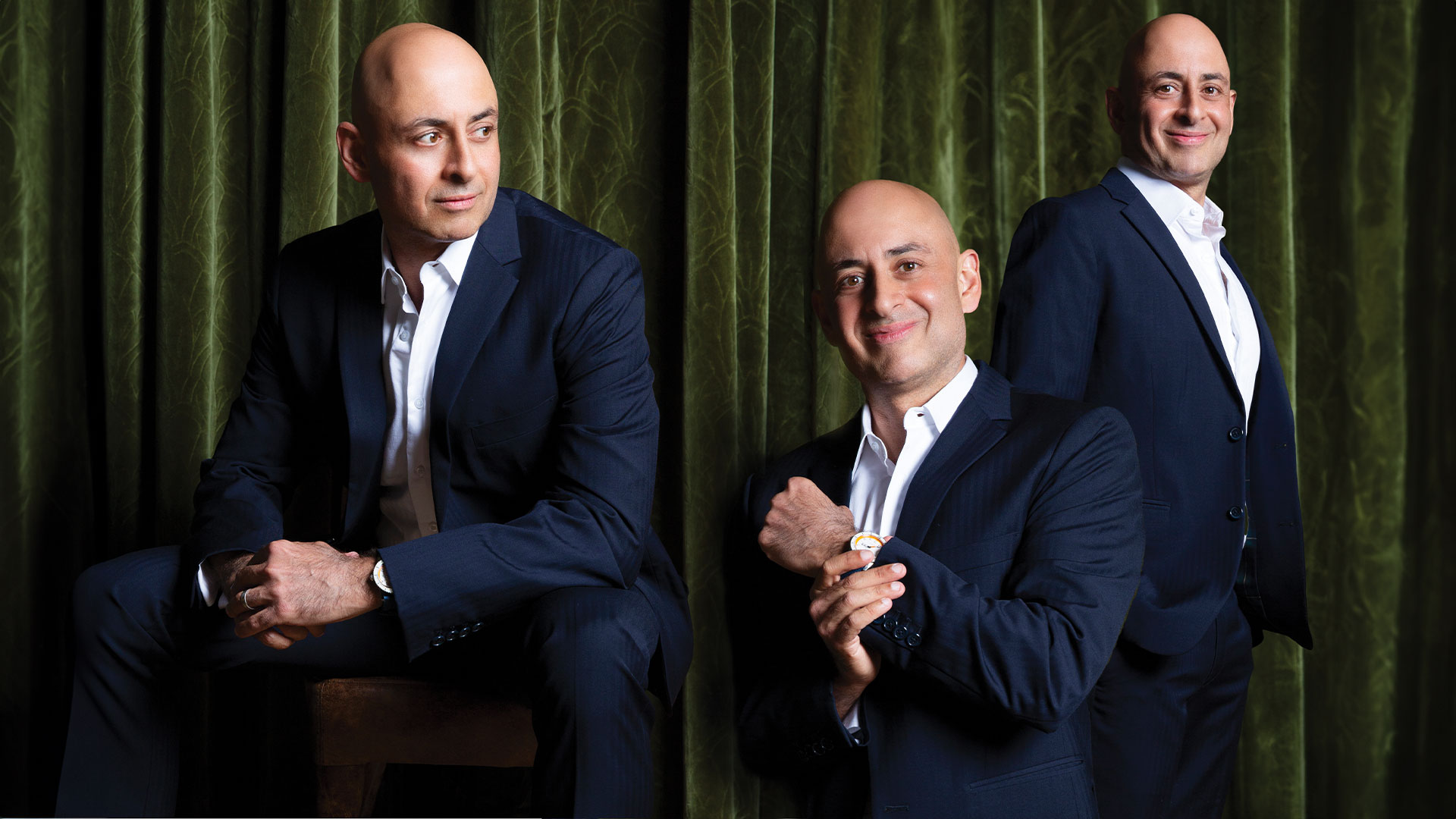
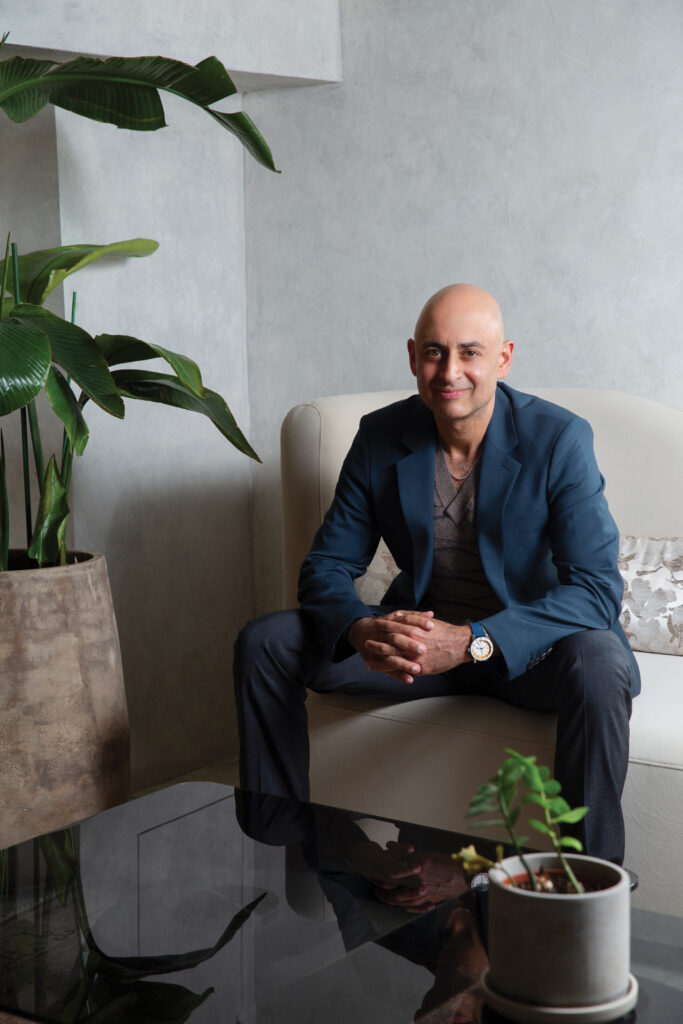
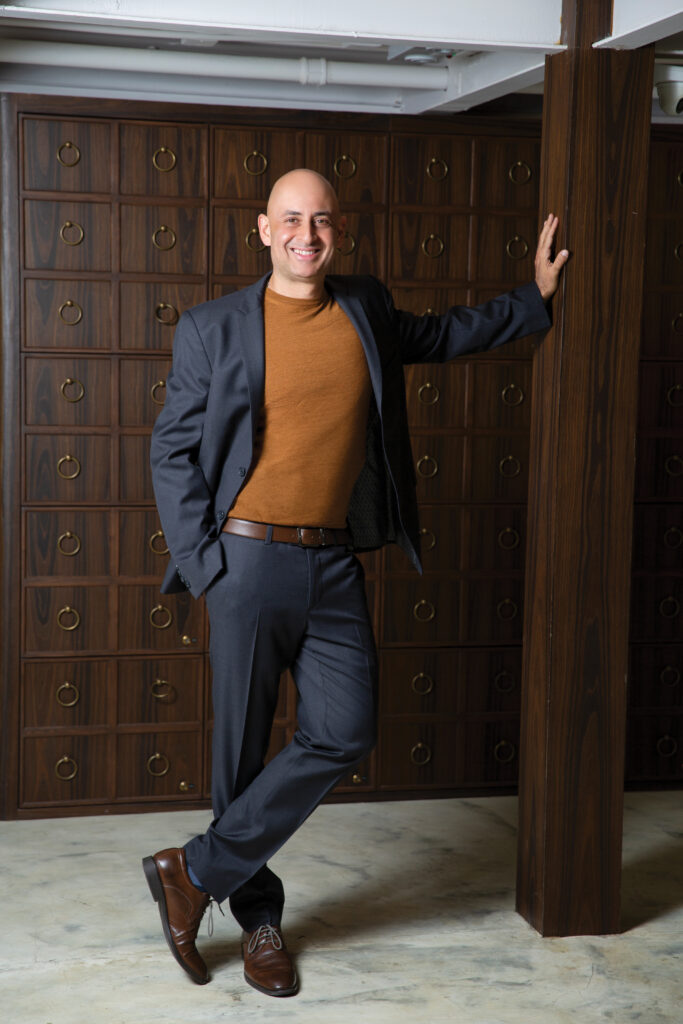
Rasheed Shroff’s co-working space is located in a three-decade-old industrial building in Quarry Bay. But inside, it’s a blueprint of what a modern office should look like, with a feel of zen and a killer harbour view. As we ring the bell, Shroff joyfully hops into the office’s cavernous foyer. There’s something undeniably adolescent about his demeanour – like that of a teenager left alone in a grown-up’s house. Throwing open the door, he says hello, and leads us past a marble reception counter and a hard-to-miss framed letter B – the company logo, Banyan Workspace.

“I guess this is what a positive working environment does? Less stress means looking young?” he laughs. “At the peak of the pandemic years, there was a time when I was the only person in this space. That was hard and mentally exhausting. Thank god that’s over!”

As a visionary entrepreneur with a deep understanding of the evolving landscape of work and business, Shroff recognises the limitations of traditional office spaces. Thus, he set out to create a new paradigm that fosters collaboration, creativity and productivity. With a clear vision and an entrepreneurial spirit, he and his wife, Amy, founded Banyan Workspace in 2019 to offer a fresh, socially conscious perspective on shared workspaces.

Knit V-neck gilet in two-toned dove grey geometric jacquard by Emporio Armani, Melange wool blazer and wool pants by SANDRO and watch by Zodiac Watches

Amy Shroff stays close during our photoshoot in the space’s sumptuous library and lounge – ideal for companies to hire for their own sessions – and ably fulfils her role as Head of Creative by suggesting how her husband should pose and smile. “The whole idea of Banyan Workspace is to come to work with a smile,” he says with gusto. “It’s always a first-name basis here with an enthusiastic good morning and/or hello. We strive to provide a comfortable working environment that feels like it’s a home.”

Apple and the tree

Rasheed Shroff’s family has long been recognised in the city. His grandfather fled from Shanghai with his family during the Second World War, beginning a profound bond with Hong Kong spanning four generations. His path of success left an indelible mark on the commercial landscape and ultimately shaped the destiny of the family. For Rasheed personally, this meant a law degree at the University of Sussex in the UK, two decades in the brand and marketing corporate world, then co-founding his own brand- distribution company, Dragonfly Asia-Pacific, the year before Banyan Workspace was born.

Knitwear top by ZEGNA and Alpha wool-twill suit jacket and trousers by SANDRO

“We call it Banyan Workspace for a couple of reasons,” he says. “Banyan trees were historical places where merchants traded goods while traversing the old Silk Road. Both my grandfather and father ran a trading company which started with sourcing silks in China and shipping them to India, so we thought that was very analogous to us.”

Sustainable force

As a true-blooded Hong Konger with deep roots in and love of his birthplace, Shroff not only showcases the city’s spirit through the design of the co-working space but also embraces a noble cause – giving back to the community. They have officially partnered with five local non-profit organisations to date.

Companies have been drawn to the allure of the space for their offsite meetings and events, captivated by a sustainable luxury office that seems to defy convention. This served as the catalyst for the Green Office Project in 2022, a Banyan Workspace undertaking that encourages companies to embrace sustainability.

“Its purpose evolved beyond a mere educational initiative,” he explains. “This project is for companies to understand the consequences of the decisions they make every day, and to show decision-makers that viewing each decision through a sustainability lens is good for their company, their customers, their business and our planet. We would love to take our impact beyond the four walls of our workspace and inspire and support the next generation of entrepreneurs.”

Words to work by

Shroff also possesses a rare sense of discipline and drive for perfection, qualities that were born perhaps of his awareness that he has a name to live up to. In the corner of the office pantry, three placards hang on a rattan board: ‘Inspire Impact, Engage Minds, Transform Action.’

He adds: “It’s absolutely critical to be in an environment that you are comfortable in and that is conducive to being as productive as you can be. This is not about the set-up, though obviously it’s important that the technology works, whether that be the wifi, the printer or the lights.”

50 and beyond

He is entering his sixth decade and a new phase of life, but behind a youthful visage that only shows wear when a smile draws minuscule wrinkles around his brow, his humility and his honesty are what shine the most.

“Almost every interaction is an opportunity to learn and develop. The key is staying humble, being open to learning, growing, developing and being self-aware,” he says. “Setting up two distinct businesses across three countries is probably my most significant achievement career-wise. But honestly, I don’t feel we have accomplished what we set out to do yet. I am cautiously optimistic about what 2024 will bring.”

Settled into an equilibrium, Shroff appears to have a genuine enjoyment of his place in the ecosystem. His most overwhelming and rewarding job seems to be as a family man – a husband and a father of two. “Parenthood is a gift, but it is also something that nothing can prepare you for,” he shares. “It makes you want to be better and show your kids the very best that you can be, while striving to give them every opportunity to become the best version of themselves.”

Valuable support

He adds with a knowing wink: “But the young need to make their own mistakes and learn from them – finding that balance is not always very easy. My parents always encouraged us to work hard and play hard. I worked hard yes, but I played harder! “My family as well as my team are an incredible support system and they allow me to do everything that I love to do. Nothing that I do today would be possible without them,” he confesses.

It was the desire to give every child the support system they deserve that saw Shroff accept an invitation to sit on the global board of OneSky, an NGO providing early childhood care and safety environments for vulnerable children.

Space, the future frontier

There is an earnest, sometimes quivering sense of excitement in his voice when he discusses what lies ahead. His mindset retains an ethos that anything is possible. Sustainability has been a core value of the co-working movement since its inception, and while this commitment is not always easy, it is a crucial step towards creating a more equitable and sustainable future for all.

“I firmly believe that resiliency is one of the most important qualities an entrepreneur needs to have,” he stresses. “The last few years have certainly taught me that being resilient, staying in the game and putting one foot in front of the other is the only way to progress.”

Ultimately, the right blend of autonomy, resources and community lies at the heart of an empowered and happy team — one that wants to come to work, wherever that happens to be.

Interview, Text & Art Direction: Joseff Musa Photographer: Jack Law Videographer: Jack Fontanilla Venue: Banyan Workspace Brands: Emporio Armani, ZEGNA and SANDRO Cover: Chore jacket by ZEGNA, Neil cotton-twill suit pants by IRO and shoes by ZEGNA
KEF Listening Room: Immerse yourself in the joy of KEF’s wireless speakers at Pedder Arcade

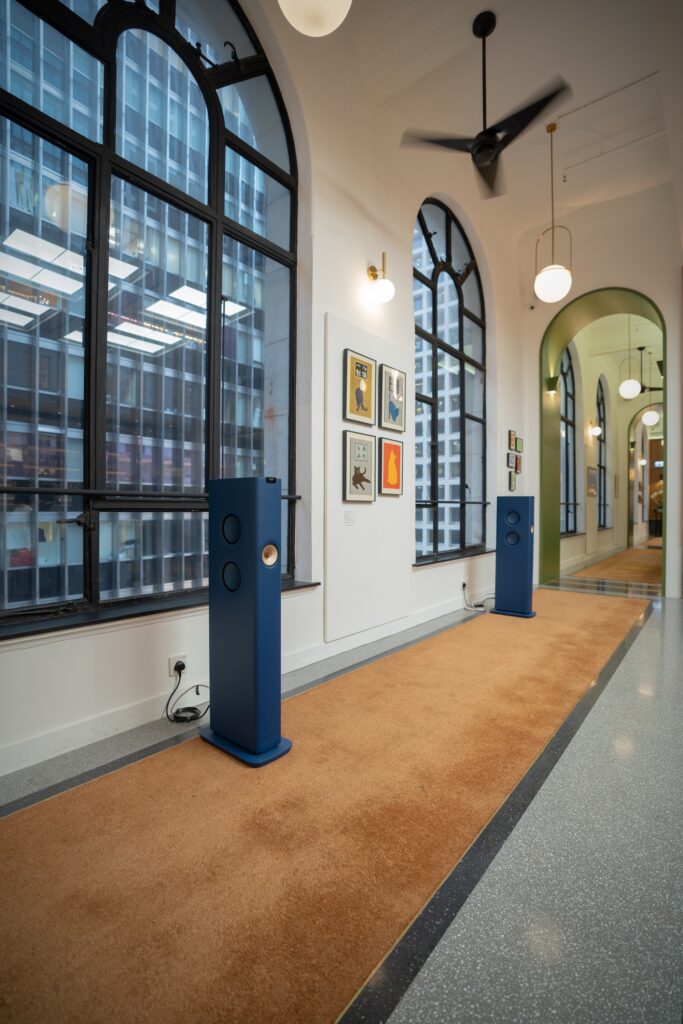
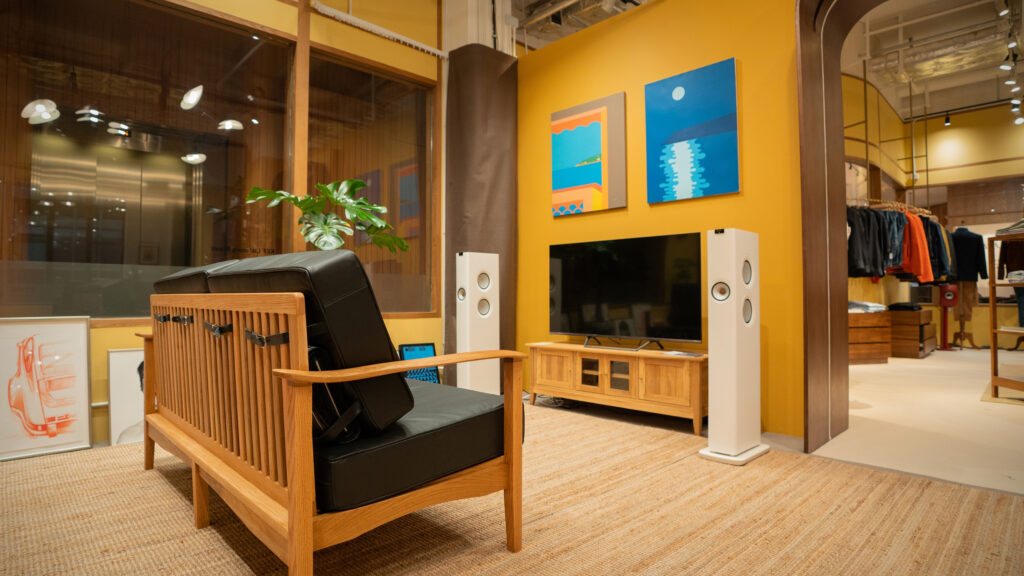
Renowned British audio brand KEF, with its unwavering dedication to audio excellence, announces an immersive partnership with Pedder Arcade.

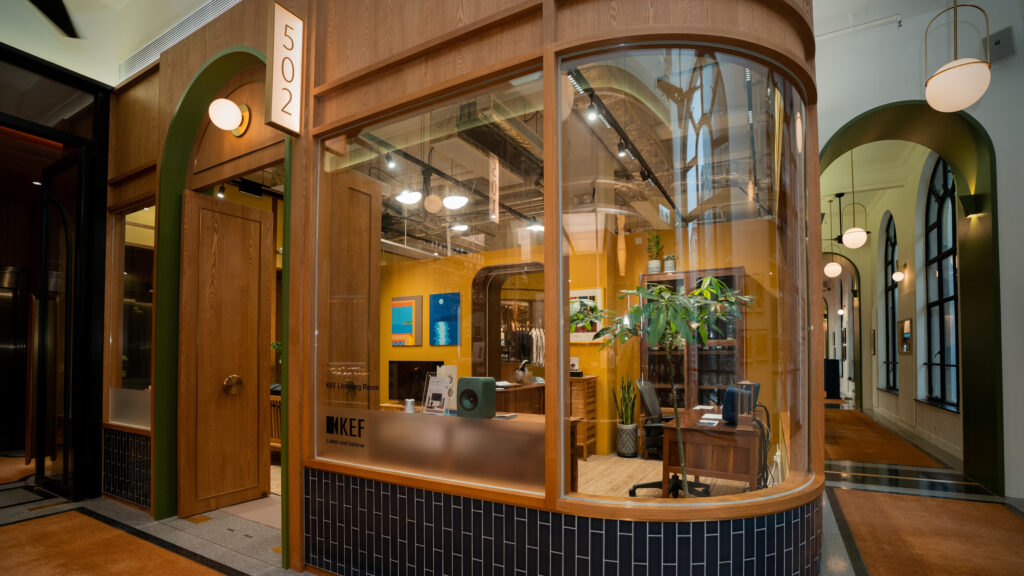
From today to 30 April, KEF Listening Room will be open to visitors of Hong Kong’s sanctuary for the refined shopper, and promises a captivating journey into the world of KEF’s wireless speakers.

Multi-sensory experience

Visitors will embark on a multi-sensory exploration through dedicated zones showcasing KEF’s curated collection. KEF Listening Room, Drake’s Dressing Room, and The Armoury Study all form part of this unique experience.

Rooted in craftsmanship, innovation and tradition, each brand brings its distinctive identity and heritage to the space, which will feature KEF’s signature wireless speakers throughout.

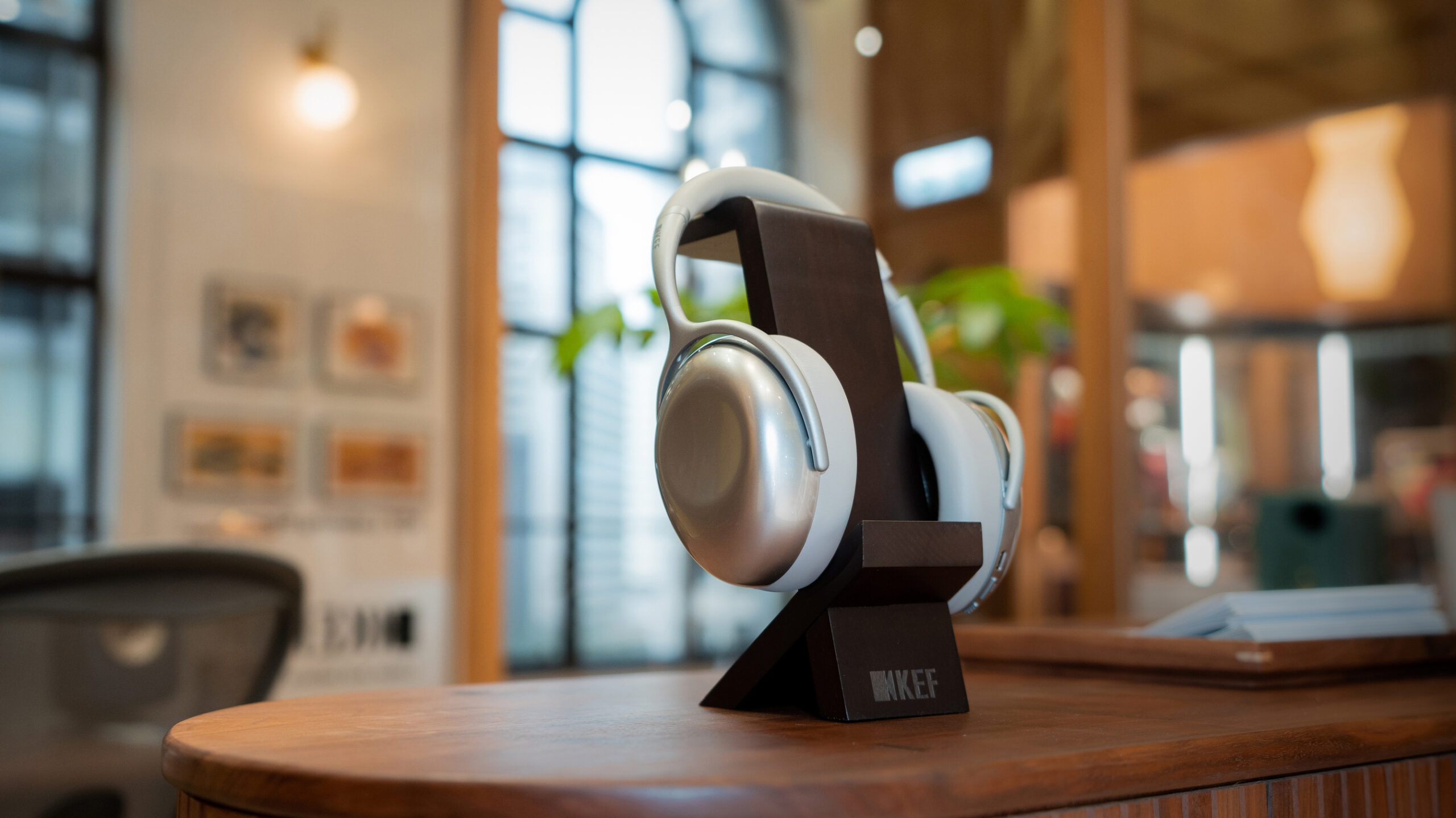
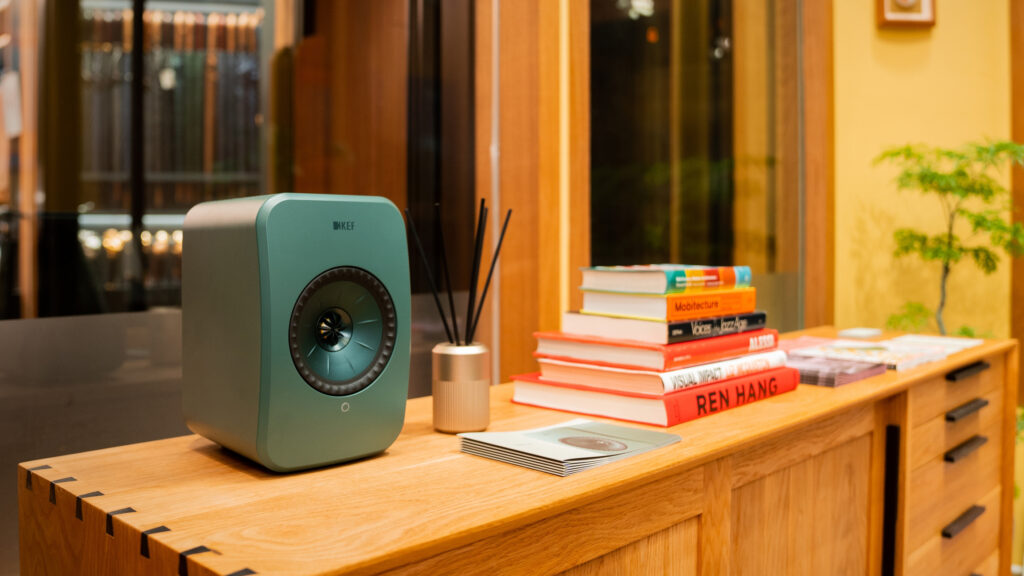
Connoisseurs seeking the finest in British design will be treated to unparalleled sound quality from a number of KEF products. Within the space, guests will get to experience LS60 Wireless, LS50 Wireless II, LSX II, the newly-released LSX II LT, Mu7 Wireless Headphones and KC62 Subwoofers.

Transformative power

“We are thrilled to partner with Pedder Arcade, a destination that embodies the same values of quality, craftsmanship, and innovation that define KEF,” says Grace Lo, KEF’s President and Head of Global Marketing, “This collaboration allows us to connect with Hong Kong’s discerning clientele and introduce them to the transformative power of our wireless collection.”

About KEF

Since 1961, KEF has firmly established itself at the forefront of audio excellence. From the early adoption of synthetic materials to the pioneering Reference Series that now determines industry standard, a foundation of technological innovation, design, and craftsmanship has led the brand to produce bar-setting products in speaker design.

Pedder Arcade

Pedder Arcade is Inspired by London’s Burlington Arcade and features a curated selection of high-end brands, art installations, and experiential spaces. Pedder Arcade is a destination for discerning shoppers who appreciate quality and craftsmanship. This is a haven of opulence and refinement nestled in the heart of Central.

Basel Blooms: Fine art flowers once more at Hong Kong’s foremost art event

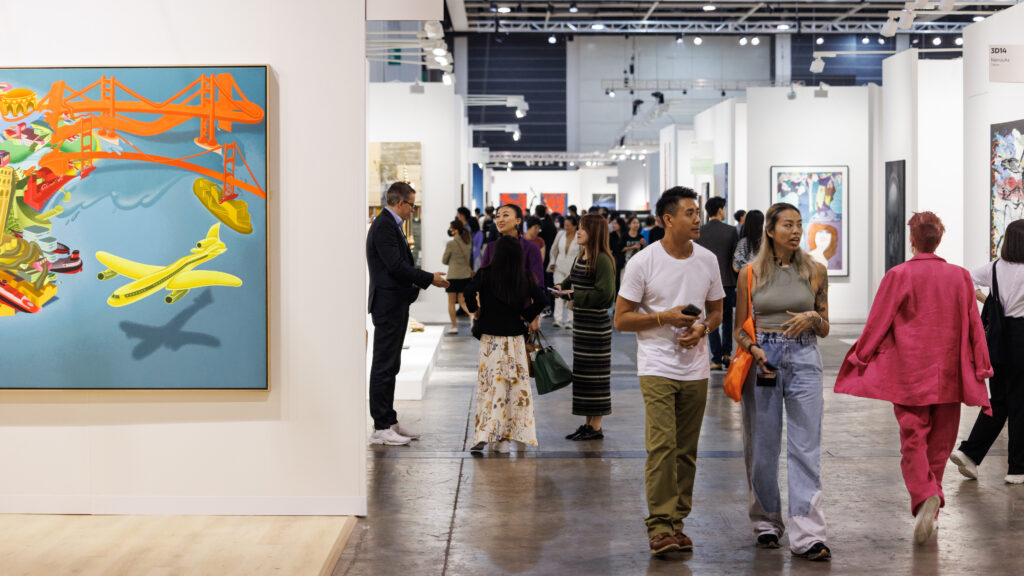
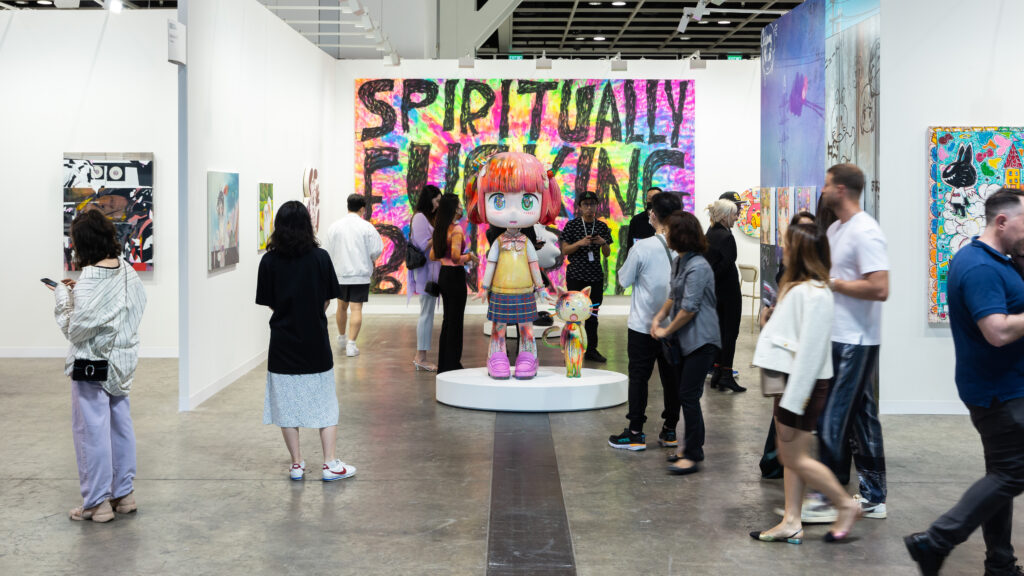
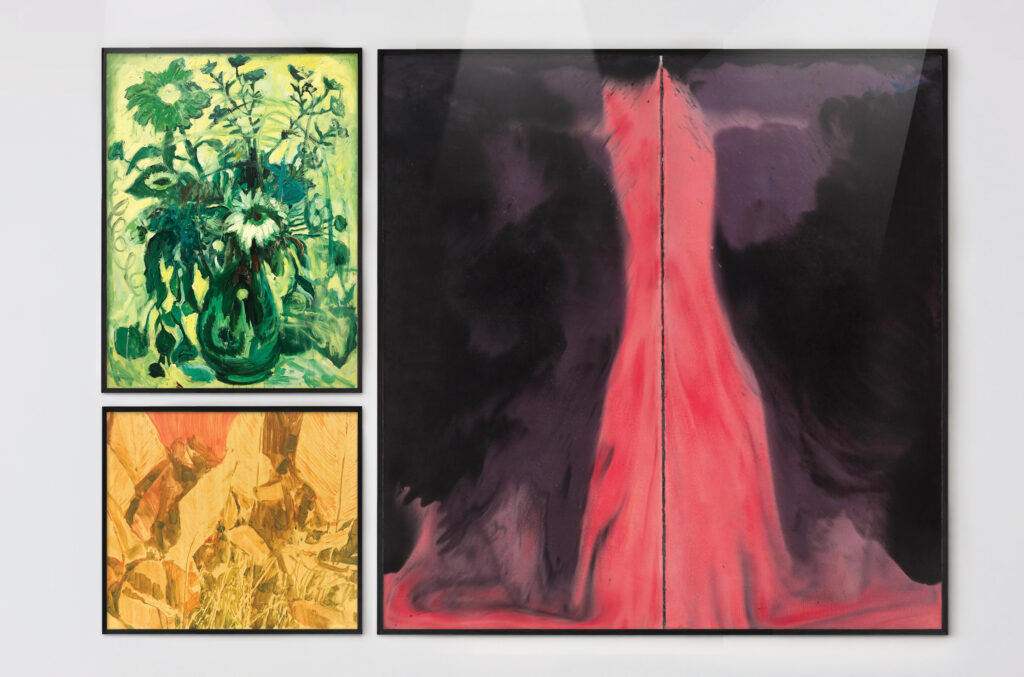
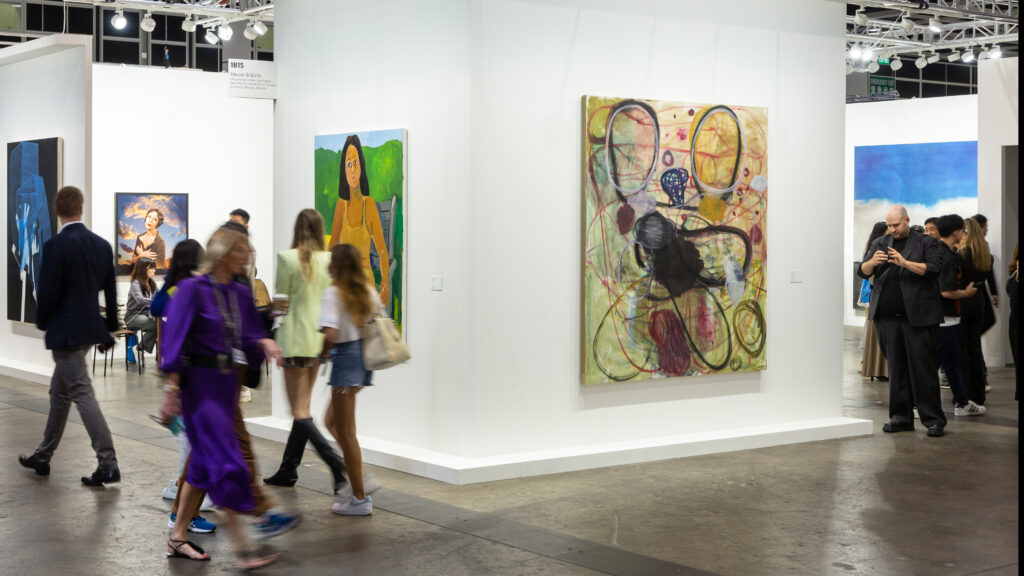
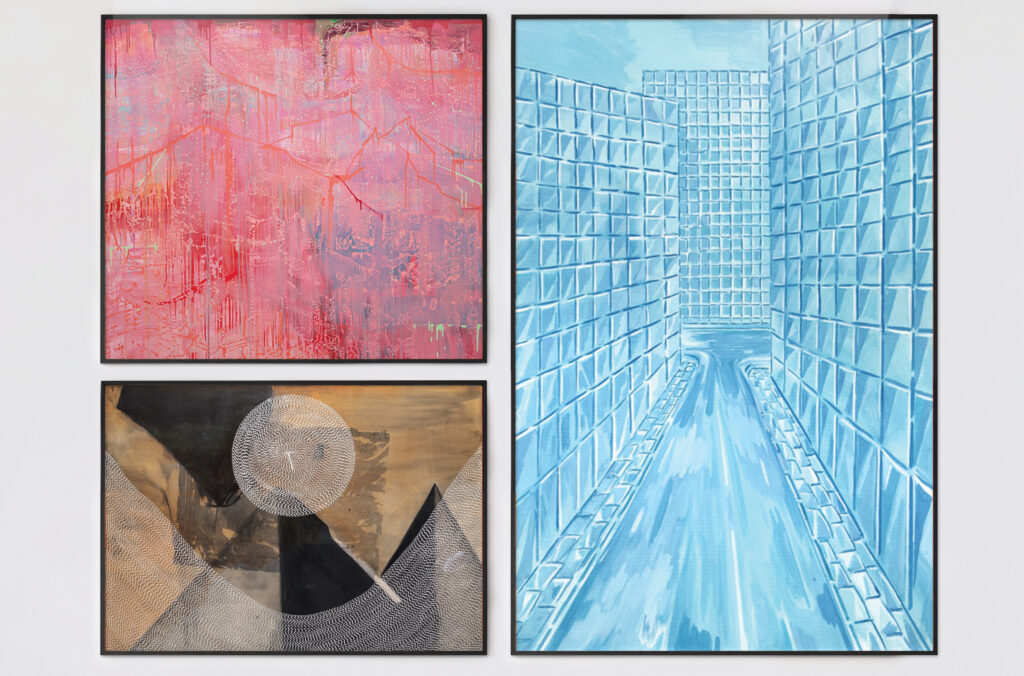
Art Basel Hong Kong 2024 promises to be an extravaganza marking a return to its pre-pandemic glory years. Boosted by a huge uptick in exhibitor numbers, this year’s fair is the perfect vehicle to shine a spotlight on the region’s art scene and beyond, from collectable rediscoveries to works by contemporary practitioners. The social side of the art fest, an inspiring mingling of artists, curators, gallerists, connoisseurs and general enthusiasts, will also be back to its upbeat best within the cavernous environs of the Convention and Exhibition Centre.

Exemplified by a strong presence of galleries from Hong Kong, mainland China, Taiwan, South Korea, and Japan, more than half of exhibitors operate spaces on the Asian continent. Notable galleries from Australia, New Zealand and India, among other countries, will showcase their artistic talent too. Art Basel will also present a city-wide programme of events and activities in collaboration with galleries, world-class institutions and cultural partners during show week – from 26-30 March including two preview days before the fair itself.

“Our goal is to connect guests from all around the world in our home, Hong Kong, by offering possibilities of collaboration and innovation inspired by art and artists,” says Art Basel Hong Kong Director Angelle Siyang-Le. “As the key strategic cultural hub in Asia and Asia-Pacific, the city plays a more important role than ever in bridging the evolving art landscape across regions.”

Broad strokes

To put this year’s offering into perspective, there is a 37 percent increase in exhibitor numbers compared to 2023. This equates to 243 international galleries including more than 65 names that didn’t pitch up last year, a participation level that matches numbers before Covid took its toll on the event. Galleries from 40 countries and territories across Asia, Europe, North and Latin America, the Middle East and Africa will present artworks spanning all market segments, from 20th-century masters to established contemporary artists to emerging voices that are making waves on the scene.

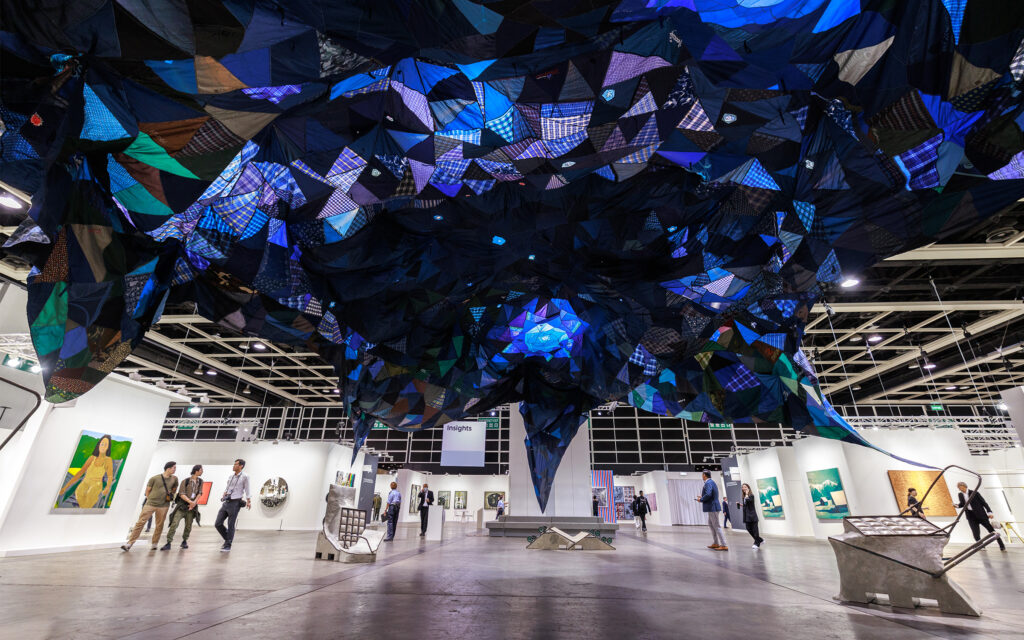
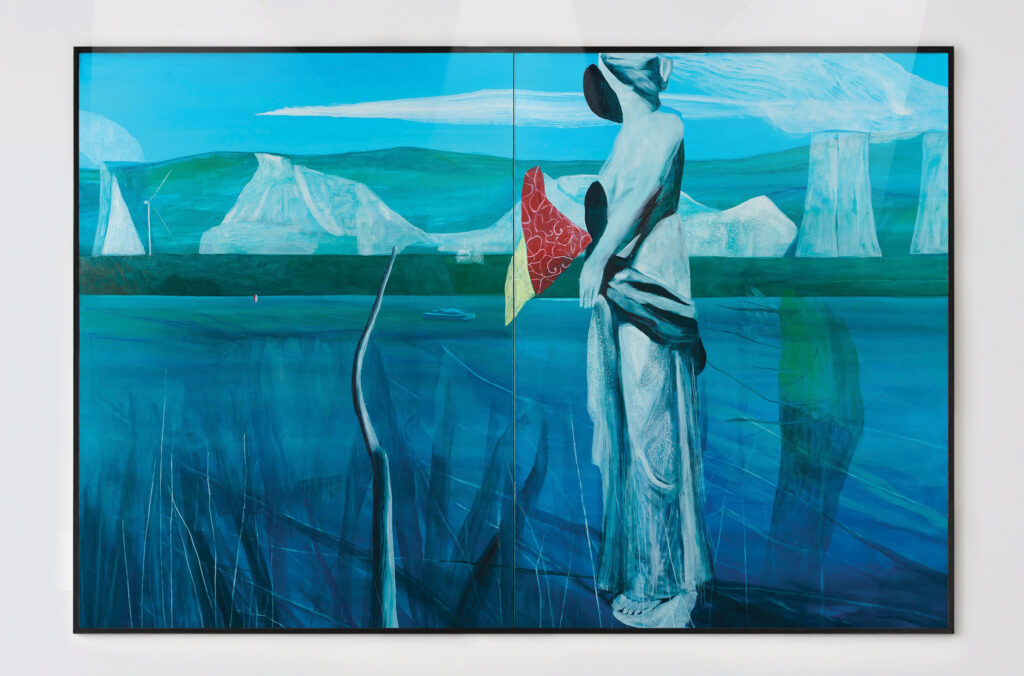
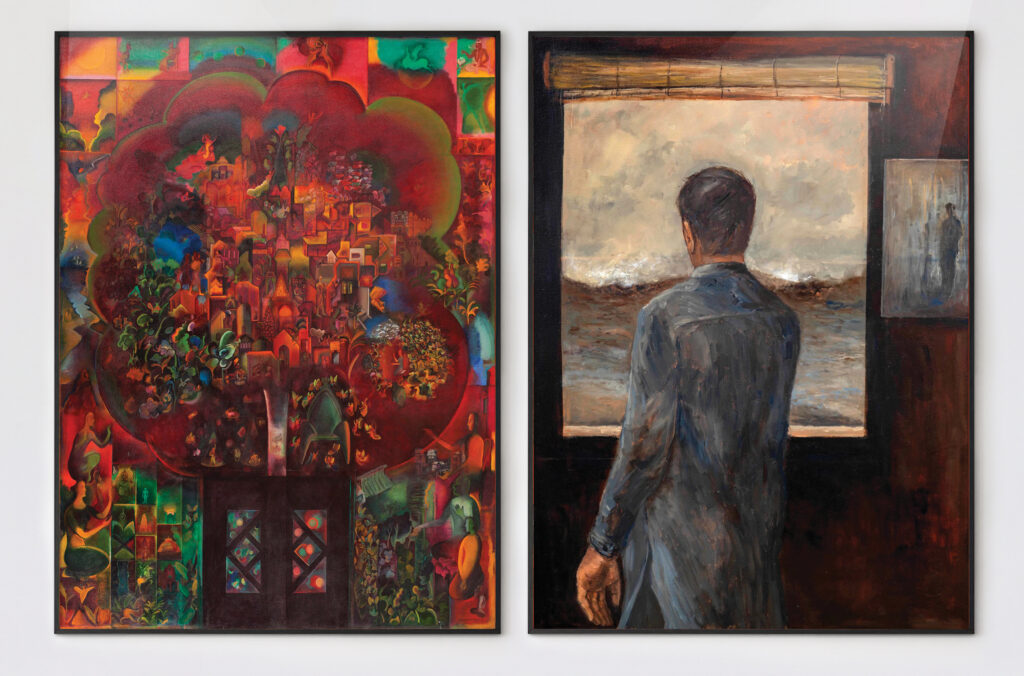
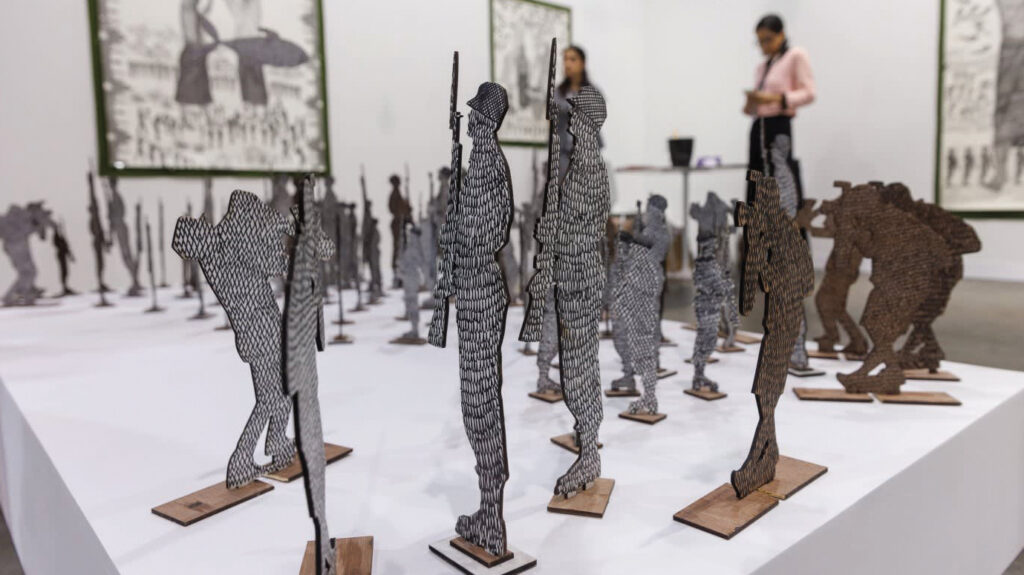
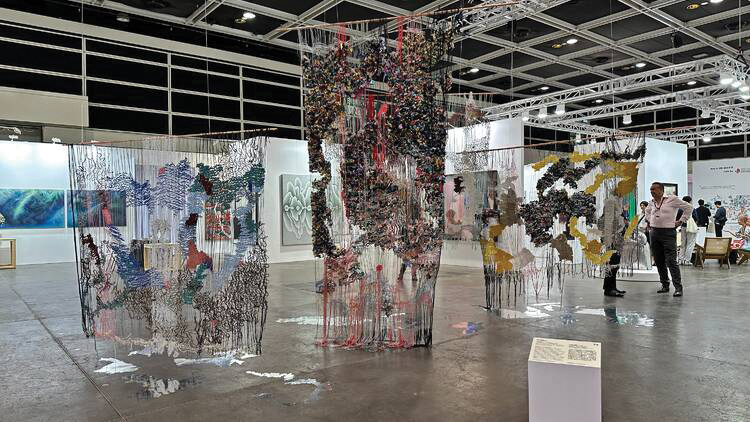
Organisers promise that diversity will be paramount, with textile art one of the key inclusions. In just two standouts dealing in this medium, London gallery Alison Jacques dedicates its booth to Sheila Hicks’ pioneering use of fabric and thread, and Shanghai’s Bank showcases the works of Bulgarian artist Maryn Varbanov, who influenced Chinese avant-garde.
Return to the fold

Respected names returning after a hiatus include Galerie Lelong & Co. Known for showing works by internationally established artists, the gallery was founded in Paris in 1981 by Daniel Lelong, Jacques Dupin and Jean Frémon, and opened a New York sister space four years later. Also making an appearance are Italian heavyweight Galleria d’Arte Maggiore and Kurimanzutto from Mexico.
Another returnee, India’s Experimenter, won the 2023 Frieze London Stand Prize for best gallery representation. Based on a grid concept, it showcased the abstract works of an intergenerational group of eight women artists in a perfect reflection of the passage of time. Frieze hailed Experimenter’s programme a “pace-setter” for the South Asian region.

Other notable attendees from the Indian subcontinent include Vadehra Art Gallery from New Delhi, and Tarq and Jhaveri Contemporary, both from Mumbai. Tarq will present art by Mumbai-born Sameer Kulavoor that explores the effects of the Indian megalopolis’ urban growth on its inhabitants, while Jhaveri’s space displays paintings, drawings and sculptural garlands that function as decorative devices.

New blood

A total of 25 galleries from across Asia, Europe, Africa and the Americas will join the fair for the first time. One such is Station, which debuted in Melbourne in 2011 and expanded to Sydney in 2019; it is dedicated to presenting engaging, conceptually-driven exhibitions and bringing Australian contemporary art to an international audience.

Another first-timer, Tim Van Laere Gallery, was founded in Antwerp in 1997 and represents international and emerging contemporary artists. Linseed is not only a newcomer to Art Basel Hong Kong, but also to the art world in general. Launched in 2022, the Shanghai gallery supports a new generation of forward-looking artists from a multitude of backgrounds and invites cutting-edge conversations.

Digital diversity

Digital art – highly prominent during the pandemic years – retains its important presence now the fair can resume human contact and tactile appreciation. Highlights include a presentation by Tokyo gallery Taro Nasu of works by visual and sound artist Ryoji Ikeda, and from Galerie nächst St. Stephan Rosemarie Schwarzwälder of Vienna, an AI-created film conceived by New York-based Miao Ying that was shortlisted for last year’s Sigg Prize.

Among galleries focusing on the 20th-century masters and exceptional historical works, Liang Gallery from Taipei pays tribute to the late abstract painter Hsiao Chin. Axel Vervoordt Gallery, which has spaces in both Antwerp and Hong Kong, participates in the main fair for the first time with a showcase by multi-disciplinary conceptual artist Kimsooja that combines performance, film, photographs and site-specific installation using textiles, light and sound.

Creations and curations

Supplementing the rich line-up of participants is the Discoveries section, where 22 galleries this year have been singled out to present solo works by emerging artists specifically created for the fair. Topics tackled here include urban development and the shifting nature of public space in the modern age.

Embracing 20 galleries, the Insights programme of curated projects spotlights artists from Asia-Pacific active from 1900 to the present day. First-time exhibitor √K Contemporary of Tokyo brings Nankoku Hidai, an influential figure in avant-garde 20th-century calligraphy, to the fore. Taipei gallery PTT Space shows works by the late master Shiy De-Jinn, whose oeuvre openly explored the theme of desire, testifying to his status as a queer pioneer in East Asia.

Close encounters

Last year’s Art Basel Hong Kong saw the return of all special sectors, including Kabinett, Encounters, Film and Conversations. Displayed in a separate section of selected galleries’ booths, Kabinett showcases a record 33 thematically-focused projects for 2024, focusing on modern and contemporary solo presentations from the region.

Encounters, curated for the third time by Alexie Glass-Kantor of Artspace Sydney, is dedicated to large-scale projects and spans 16 artworks, 11 of which were made especially for the fair. An off-site installation by Sydney-based artist Daniel Boyd will be on view at Pacific Place.

Free to the public, the Conversations and Film programmes give audiences a unique opportunity to partake in discussions and enjoy artists’ films in a dedicated auditorium at the Convention and Exhibition Centre. The pick of the latter is probably A New Old Play (2021) by Shenzhen-based artist and filmmaker Qiu Jiongjiong. Presented by Star Gallery of Beijing, it depicts a prominent clown reminiscing about his life, set against the backdrop of China’s tumultuous 20th-century history.

What’s on? Things to do this March in Hong Kong

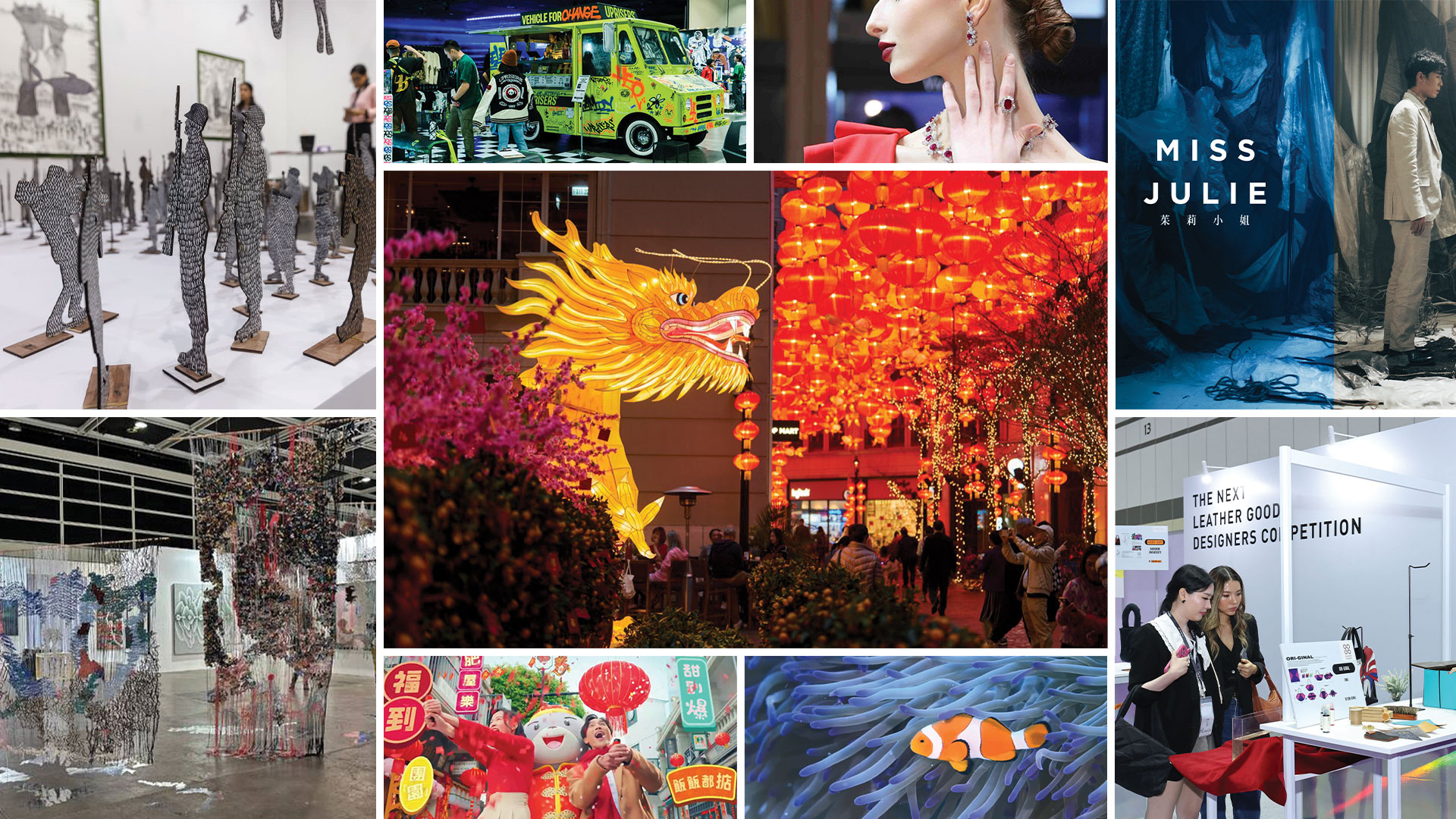
March has a string of sensational experiences to keep you entertained – from amazing shopping in lantern-lit streets to world-class art and cultural events to magnificent theatre and much more besides!  

Lanterns-lit

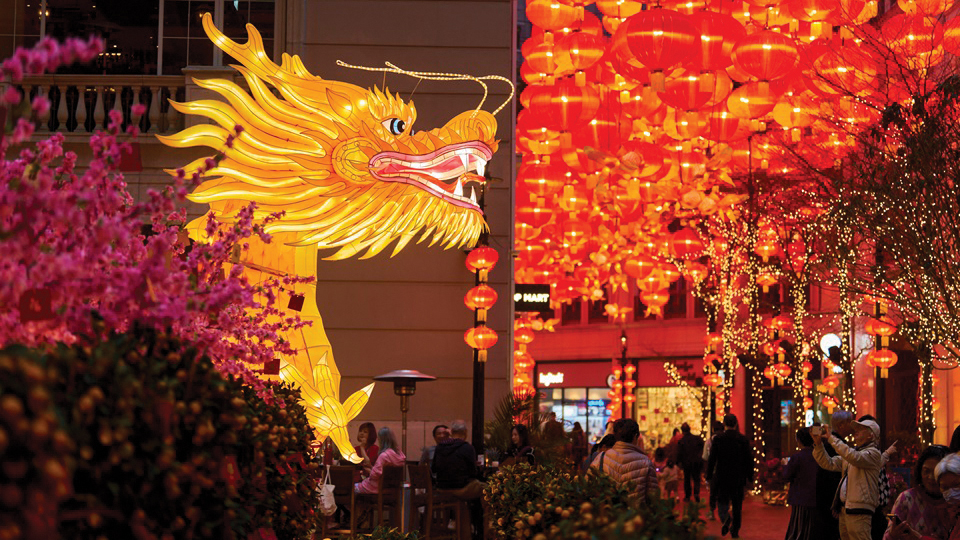
Soak up the ongoing ambience of the Year of the Dragon when strolling down Wan Chai’s popular shopping and dining street of Lee Tung Avenue made magical with hundreds of iconic red lanterns. Gleaming goldfish lanterns add extra colour to the display as they swim among the red lanterns – a beautiful touch signifying abundance. Positioned at the Central Piazza, an eight-metre-long golden dragon will further delight visitors, and limited-edition red packets stamped with the Chinese name of the avenue will be available until the early part of the month. Enjoy the vibe of a street in which East meets West.

When: Until 10 Mar

Where: Lee Tung Avenue

How much: Free

For more information: leetungavenue.com.hk

Miss Julie

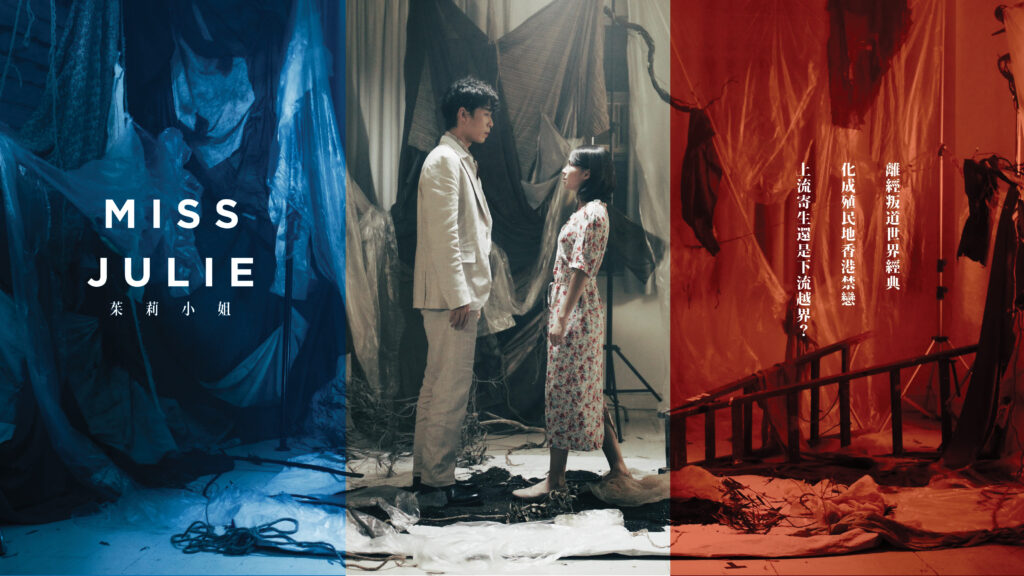
August Strindberg’s masterpiece of theatre takes on a new dimension in this compelling local production adapted by British-Hong Kong playwright Amy Ng. Originally set in the seemingly more placid 19th-century Swedish countryside, the storyline exploring universal themes such as sex, power play, racial divides and social hierarchies has been reimagined into the post-war colonial Hong Kong landscape. The play follows the trials and tribulations of a mixed-race daughter from an elite family who seduces her Chinese chauffeur.

When: 1 Mar – 17 Mar

Where: Hong Kong City Hall Theatre

How much: From HK$340

For more information: hk.artsfestival.org

Fashion Access

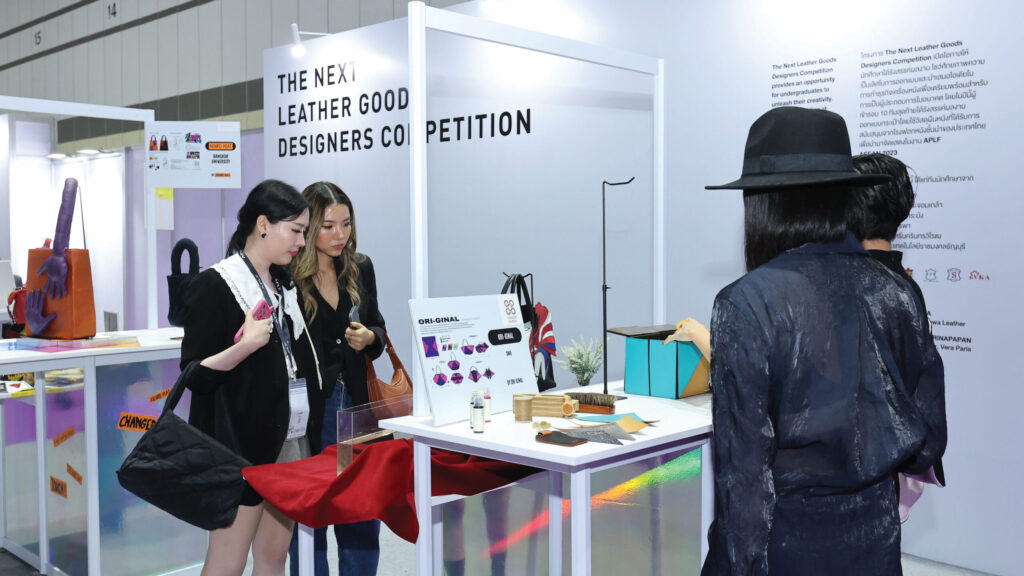
Anyone connected to the world of fashion should consider a visit to Asia’s premier fashion accessories trade show. All sorts of accoutrements will be on display, including the latest collections of bags, footwear, gloves, scarves, small leather goods and leather garments. Many of the unsung movers and shakers in the fashion world will be present – buyers, retailers, wholesalers and other players in the mid-to-high-end range. The fair offers savvy visitors the chance to see some top-notch brands up close in Hong Kong.

When: 19 Mar – 21 Mar

Where: Hong Kong Convention and Exhibition Centre

How much: From HK$200

For more information: aplf.com

ComplexCon

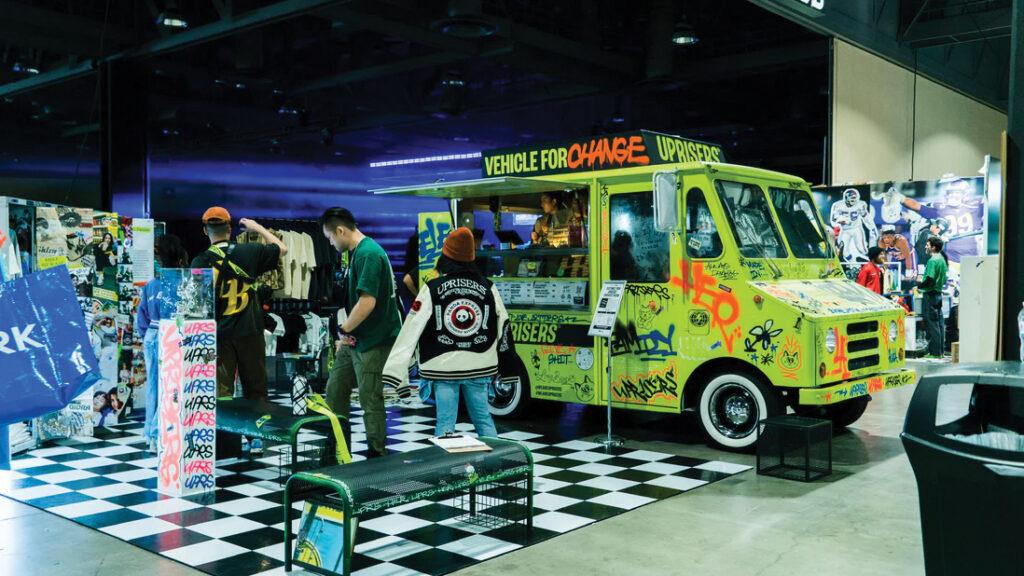
Leaving the shores of the US for the first time is the huge cultural fair known as ComplexCon. Garnering a fine reputation over recent years, it features a fusion of pop culture, music, art, food, sports, innovation and educational activities, and Hong Kong’s success in capturing this event is considered key in broadening the appeal of Hong Kong Arts Month. Expect a host of expertly curated events.

When: 22 Mar – 24 Mar

Where: AsiaWorld-Expo

How much: From HK$380

For more information: complexchinese.com

Art Basel

Widely acclaimed as the largest international celebration of arts in Hong Kong, Art Basel brings together a vast and incredibly diverse range of contemporary works over three days. It celebrates the creativity of big-name artists from the Asia-Pacific region and globally as well as those striving to make their mark. There will be galleries to explore, curated and large-scale projects to browse through and films by and about the artists to view.

When: 28 Mar – 30 Mar

Where: Hong Kong Convention and Exhibition Centre

How much: From HK$340

For more information: artbasel.com

Art Central

Running in conjunction with Art Basel, this four-day event features an eclectic mix of artworks and programmes from some of Asia’s most inventive and inspiring galleries. Having commenced in 2015, the fair has grown in stature as the years have passed, with this edition promising to be the best; the range of exhibitors has expanded and some are taking part for the first time. The magnificent harbourfront location adds to the ambience.

When: 28 Mar – 31 Mar

Where: Central Harbourfront

How much: From HK$175

For more information: artcentralhongkong.com

Ocean Park Lunar Fiesta

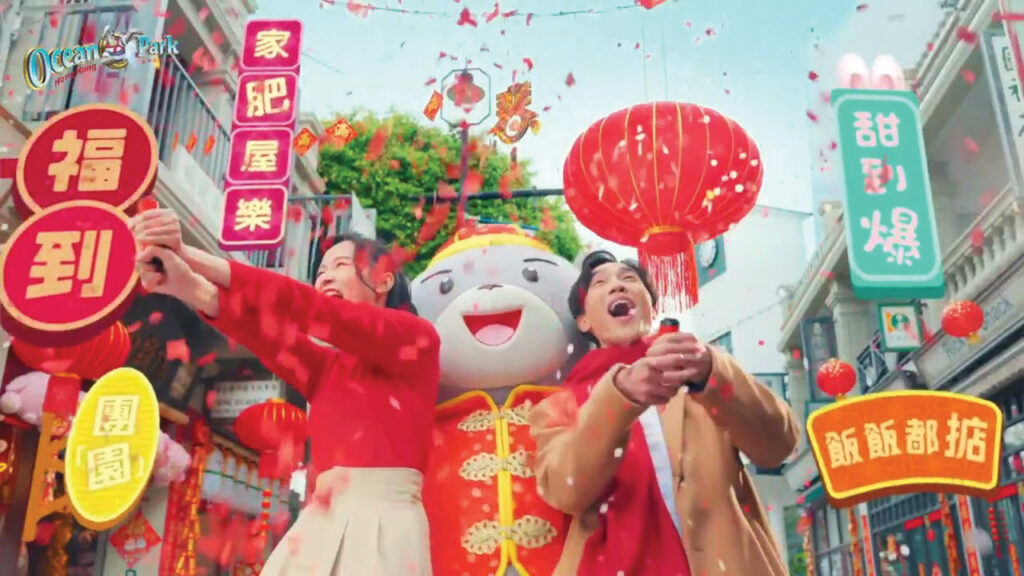
Let the celebrations roll on a journey through old Hong Kong in a New Year neon-lights extravaganza. Amid traditional lion dances and drumming performances, the nostalgic ambience can be enhanced by snacks that bring the memories of yesteryear flooding back. There are plenty of other activities to keep families amused, too, as the Year of the Dragon continues to make waves at the park. Youngsters will be entertained by the Ocean 6N1 band.

When: Until 3 Mar

Where: Ocean Park

How much: From HK$498

For more information: oceanpark.com.hk

International Jewellery Show

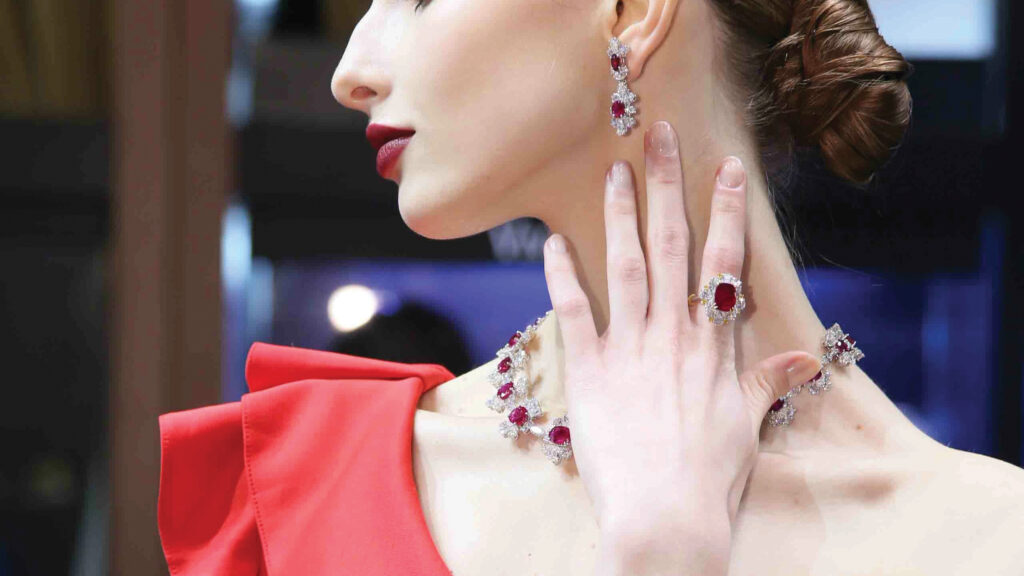
Following the success of last year’s post-Covid exhibition, some of the biggest players in the world of gemstones and jewels gather again at a glittering trade fair that appeals to a global audience. This 40th edition of Jewellery & Gem World Hong Kong is an ideal opportunity to glean the latest developments in the sector.

When: Until 4 Mar

Where: Hong Kong Convention and Exhibition Centre

How much: $100

For more information: hktdc.com

Legend of the Enchanted Reef

Immerse yourself in the joy of watching the underwater world come to life via the fantastic hemispherical screen of the Space Museum. This under-the-sea tale revolves around three little fish whose natural habitat is devastated by the ruthless actions of fishing trawlers. Their journey to the so-called ‘enchanted reef’ forms the basis of the plot, which is depicted in 3D glory on the dome screen utilising the latest NanoSeam technology.

When: Until 31 Mar

Where: Hong Kong Space Museum

How much: From HK$24

For more information: hk.space.museum