

Retro Revolution: Old and new harmonise in contemporary re-editions with a vintage vibe

For many avid collectors, there is a timeless charm about watches with the look and feel of classics. Couple that with a desire for the increased sophistication of modern technology and you have the underlying demand worldwide for vintage-inspired timepieces.

Some watchmakers tap into this combined love for the old and the new by reissuing cherished models with technical tweaks that add finesse and superior performance. Take Vacheron Constantin’s reissue of the famous 222, which itself was launched in 1977 to celebrate the 222nd anniversary of the manufacture. This contemporary reinterpretation nevertheless maintains the cultural heritage of the original model which heralded entry into the ‘sporty- chic’ watch category.

Vacheron Constantin 222

The Historiques 222 ‘Jumbo’ re-edition keeps the 1977’s monobloc tonneau-shaped countenance and 37mm diameter but comes with minor changes. Certain modifications have better readability and increased comfort in mind, such as offsetting the date window from the outer rim of the dial, or the Super-LumiNova coating of the hands and hour-markers, while the 18-carat yellow gold vertical satin-finished bracelet promises enhanced ergonomics. With a caseback designed to reveal its operation, Vacheron Constantin’s own Calibre 2455/2 movement was specially developed for this Historiques revival and delivers superior precision; the calibre’s oscillating weight has been etched with the original 222 logo.
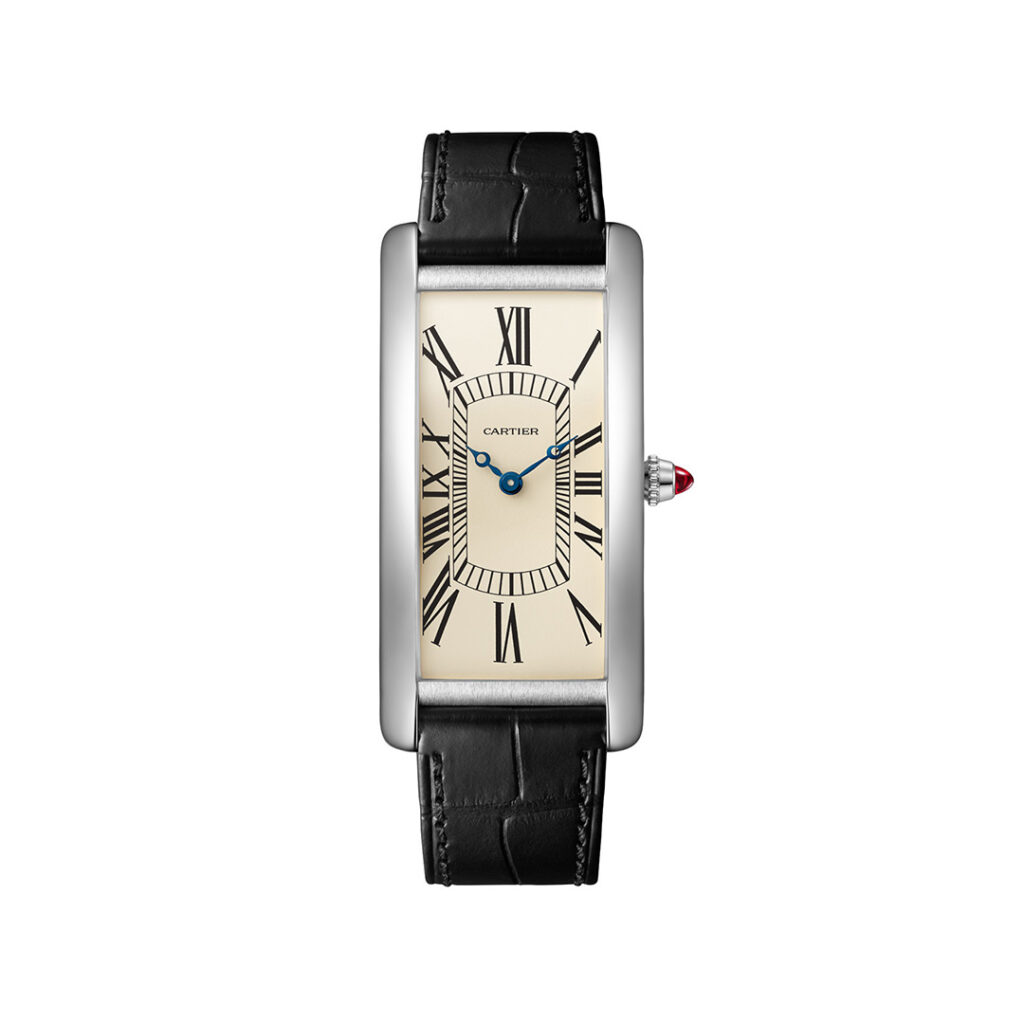
Cartier Tank Cintree

Cartier’s famous Tank was launched over a century ago and the Maison has various collections that pay homage to a watch that dispensed with the traditional round-shaped dial. In 1921, the Tank Cintrée stunned the watch-buying public with slender, slightly curved rectangular lines that hug the wrist. Cartier has released several so-called Rééditions of past watches that mimic the original format as much as possible.

A centenary edition of the Tank Cintrée in yellow gold was released in 2021, and now Cartier is returning with another re-edition of the elegant original in platinum. Refinements are numerous; amongst others, a 6.03mm-thick case and brancards with finishes that are polished on the verticals and matte on the horizontals. The watch retains its faith in the Cartier heritage, sporting a movement with manual winding, rail tracks, Roman numerals, an eggshell dial and apple-shaped blued hands.

Breitling is another watchmaker that has released vintage-inspired models that hark back to earlier timepieces. This year sees new iterations of the 1953 Ref. 765 AVI, an aviator’s watch that famously came with a rotating 12-hour bezel for recording flight times. The original AVI incited a 46mm timepiece – the Super AVI – released in 2021, and now the beloved predecessor spawns another complicated imitation, the Classic AVI Chronograph 42.

Breitling Classic AVI Chronograph 42 P-51 Mustang

The new watches retain the distinctive colour schemes and design codes of the original that nod to classic aircraft in aviation history. The Classic AVI Chronograph 42 P-51 Mustang in 18-carat red gold is the standout.

The mysteries behind the wandering hours mechanism inspired Audemars Piguet to introduce the Starwheel watch in 1991. With interesting historical roots, the unusual timekeeping system stems from a request in the 17th century from the insomnia-suffering Pope Alexander VII for a silent, easy-to-read night clock. The solution presented to the pontiff involved a device lit from the inside where the quarter-hour marks appeared in a semi-circle in an aperture. Progressively, the silent wandering hours system developed in pocket watches with the minutes being graduated for greater precision. The mechanism remained hidden and its popularity waned. Upon being rediscovered by Audemars Piguet in 1989, intense development saw the wandering hours complication return from 1991 to 2003 in a watch that revealed its magnificent mechanism on the dial – named the ‘star wheels’.

Code 11.59 Audemars Piguet Starwheel

A revived Starwheel reference in splendid black ceramic and 18-carat white gold joined the bold Code 11.59 by Audemars Piguet collection late last year, utilising the next-generation self-winding Calibre 4310. An ultra-contemporary tribute to traditional watchmaking, and equipped just with a seconds hand, the Code 11.59 by Audemars Piguet Starwheel indicates the time using three discs that point to a 120-degree scale graduated with 60 minutes.

Patek Philippe Ref. 5261R- 001 Aquanaut Luce Annual Calendar

The recent release of the Ref. 5261R-001 Aquanaut Luce Annual Calendar by Patek Philippe adds another dimension to the Aquanaut Luce collection and hints at the past by featuring the manufacture’s patented Annual Calendar mechanism from 1996. Rooting back to the 1990s Aquanaut, this most recent addition to a line styled for women’s wrists is powered by the self-winding Calibre 26-330 S QA LU. The inversion of the annual calendar creates an unusual display: date at 6 o’clock, moon phases at 12 o’clock, both in apertures, while day is displayed at 3 o’clock and month at 9 o’clock in subdials. Among other Patek Philippe watches rocking a retro vibe, the Ref. 5172G Chronograph Salmon Dial oozes vintage charm with its opaline rose-gilded dial and gold hours/minutes hands.

Rolex Perpetual 1908

Taking inspiration from one of the first Rolex watches to be fitted with the Perpetual rotor, the newly released Perpetual 1908 is another timepiece paying homage to traditional watchmaking. Its 9.5mm-thick case, crafted from 18-carat yellow gold, houses a Calibre 7140 mechanical movement offering bidirectional self-winding via a perpetual rotor.

Omega Speedmaster Moonwatch 321 Stainless Steel

The release of the Omega Speedmaster Moonwatch 321 Stainless Steel brings with it a connection the watchmaker’s past and its moon- landing legacy. The recreation of the Calibre 321 movement has the specifications of the original.
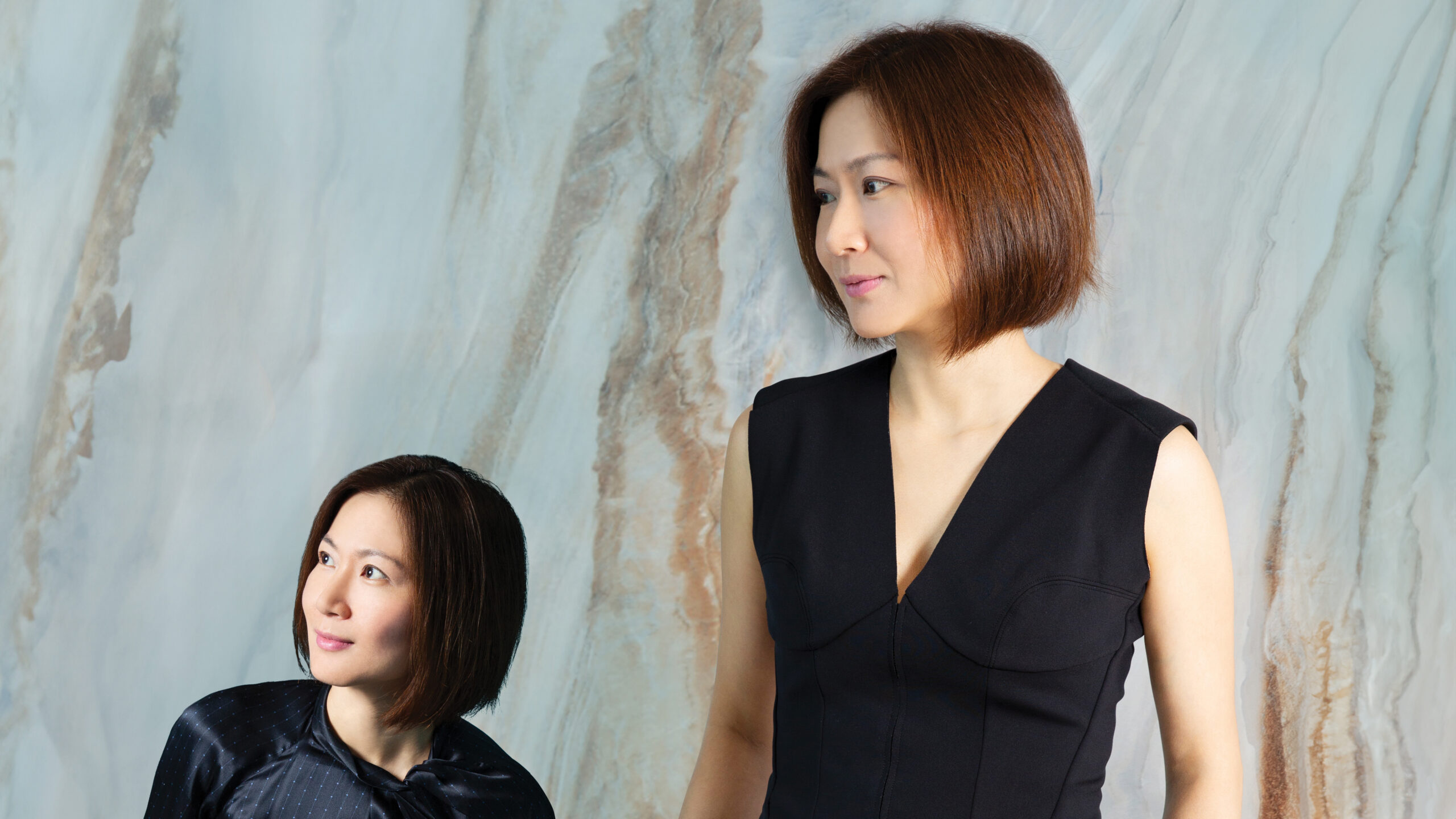

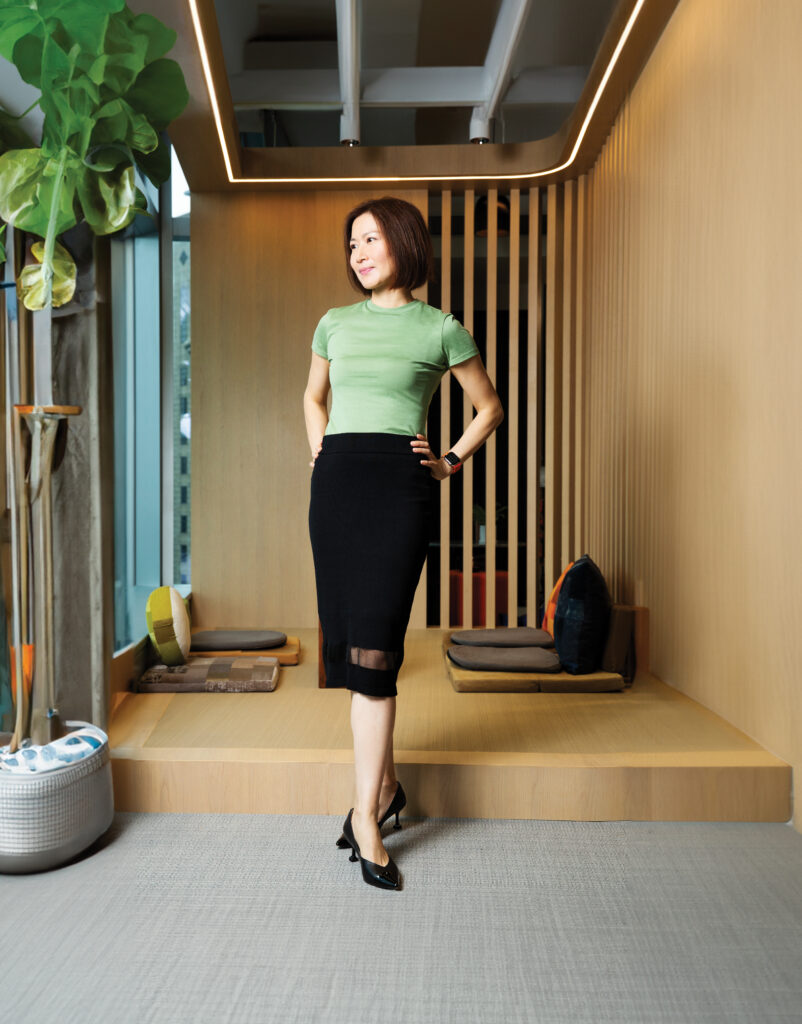
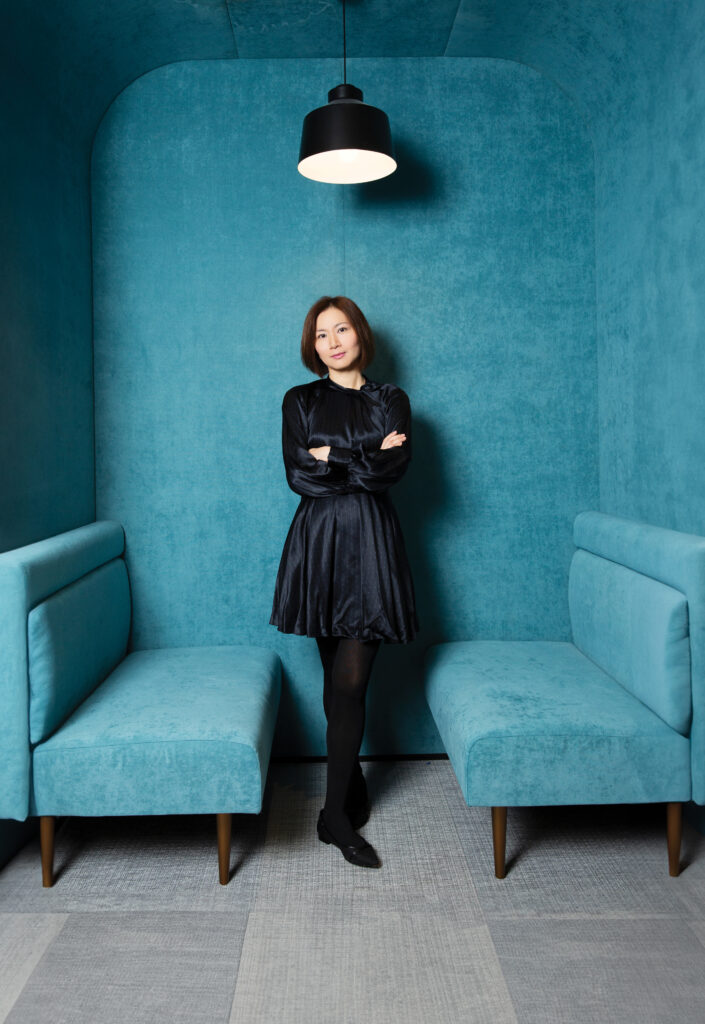
Agent Of Good: Arts for Good’s Amanda Hong Sun is on a mission to inspire and connect the next generations

For the Founder and Director of Arts for Good Foundation, a value-driven social enterprise established in 2020 to foster inclusion through the power of the arts, appreciating treasured moments comes top of the list.

“Time has always been the most beautiful thing in my life, personally or professionally. I always see things first on time value, and how things change,” she says as we meet at the recently opened ESG Innovation Hub in Central and contemplate life against the backdrop of superb city and harbour views. Time transcends materialistic worth as it can never be replaced, and this intangible aspect undoubtedly appeals to her altruistic nature. “I value quality time, quality connection, quality relationships, which are all my priorities,” she shares.

Sun has spent her own time wisely as she embarked on a “self-discovery path” through life. Her family in China had a great passion for sports and wanted her to start her career by working for the Beijing Olympics in 2008. Perhaps with this seed implanted in her mind, she pursued recreation and leisure studies at a university in Canada.

A deeper love

Her time spent in Canada fostered another, deeper interest: art. Though her early years had spawned a love of a “making culture”, art had never been considered a career, not even as a hobby. “I developed my deeper love [for art] in Canada; there were many international arts festivals and great museums that connected me with nature and communities’ stories that I grew up with,” she explains. “I started knowing and building connections with artists, some from Hong Kong as well.”

Her love of the arts blossomed over the years, but making it her career was never her first thought. She just kept searching for what made her feel fulfilled at each stage of her life, perhaps changing her perspectives and making new decisions. “I think life brings arts to me, or the other way round,” she says wistfully and rather philosophically.

Giving back

During her 12 years in Hong Kong, Sun has been involved in education. As a researcher at the Education University of Hong Kong and later the Hong Kong Academy for Gifted Education, she worked in programme evaluation and learned the theories that underpin it and how arts play a key role in education. She has also undertaken a multitude of voluntary and charity work. “Giving and serving others is important to me,” she says. “Someone once told me, ‘life has no meaning if we can’t serve others anymore’. I found it matters a lot to me.”

All of this work and life experience played an embryonic role in her Arts for Good social enterprise. From daily observations of people she met from diverse demographic backgrounds – including children and youths from subdivided housing, expat families and local school students – she would endeavour to understand the deep- rooted causes of social issues and imagine a different future.

Art in society

“Through Arts for Good, we bring new perspectives of looking at social issues and how we can sustainably and multidimensionally create differences through and with the arts,” she says, expressing her mission statement. The foundation aims to provide high-quality value-based and age- appropriate art viewing, art-integrated learning projects and community service experiences for students aged from 9 to 22 in Hong Kong. Children and youths – society’s future leaders – are the target and projects are organised throughout the year, all tailored to the students they serve, as well as meeting stakeholders’ needs.

More generally, she is a passionate advocate of the power of art in society. “The arts raise perspectives of how we perceive each other, and how we interact with each other. We look at art in a civic landscape; it builds communities and helps to find our commonalities and inspire connections,” she attests.

Agent of change

Sun believes the timing of her venture was spot on. “Compared to 13 years ago when I came to Hong Kong, I think young people are now seeking more than just a paid job. For example, they want career diversity, maturity of our cultural offerings, diversity of life choices; young people are more seeking meaning and purpose in life compared to a decade ago.”

She stresses that she does not feel there is a general deficiency in cultural learning and arts appreciation in Hong Kong; it is the relevancy and agency of this learning that are her prime considerations. Her enterprise has raised fresh viewpoints on the social power of art and brought with it a new definition of social inclusion.

“We are a change agent; we need to keep changing in order to meet the needs of the young people we serve together with our stakeholders. That is [one] reason why we wanted Arts for Good to be a social enterprise, not an NGO,” she says.

Common humanity

Her enterprise educates and advocates that young people be respectful of any differences in our communities and ethical in the treatment of others. Part of its mission is to foster common cultural identities for future generations, and engage children and youths to seek common humanity values and make positive changes together. She notes: “They are not told or taught by us or by any experts. They are the ones to tell their stories for their own future in Hong Kong. We are here to support and to facilitate.”

Arts for Good is possibly the first social enterprise to aim for sustainability goals through and with the arts in Hong Kong. “We have specific sustainable goals that we hope to achieve with our key stakeholders in a long timeframe,” she says.

Inspiring fellows

Having been accepted for the Singapore International Foundation Arts for Good fellowship last year, Sun gained deeper and broader insight into how art has helped people living in less developed countries and communities. “I heard many inspiring stories, like one of my fellows from Vietnam who is a young hip-hop dancer. His story of saving lives of street children through hip-hop dancing, and reducing the crime rate within his community is inspiring and touching,” she reveals.

Stories such as these have made her more aware of the privileges that come with living in Hong Kong. “There are many children and youths who have suffered from all sorts of challenges and even threats in this troubled world, which is just heartbreaking. We just need to do our bit to make it a better place,” she says with a natural warmth that radiates from deep inside her soul.

Having now found her own niche in the arts and social impact, would she recommend it as a career choice? Flashing a winning smile, she says: “I advocate career diversity and choices no matter what [a young person wants to do in life]. I advocate arts in a beautiful life and to see life as pieces of beautiful art.”

Line Managers: Our pick of skincare using new technology to target an age-old situation

Of the many remedies marketed for ageing skin, those that target fine lines and texture make the most difference over time. Creams for mature skin, according to experts, differ from other formulations in that they focus exclusively on preventing and treating fine lines and texture – the direct results of the natural ageing process – compared to formulae that tackle all visible indicators of advancing years (think dark spots and dullness).

Along with retinol, peptides, growth factors, vitamin C and hyaluronic acid are key components of what specialists call the greatest creams for aged skin. It will take time for products enriched with these ingredients to improve the skin. However, overall, you will see less texture, more radiance and more bounce – as long as you exfoliate and moisturise regularly – making skin look more youthful. Most importantly, it is still crucial to use sunscreen frequently to protect your skin from damaging UV radiation.

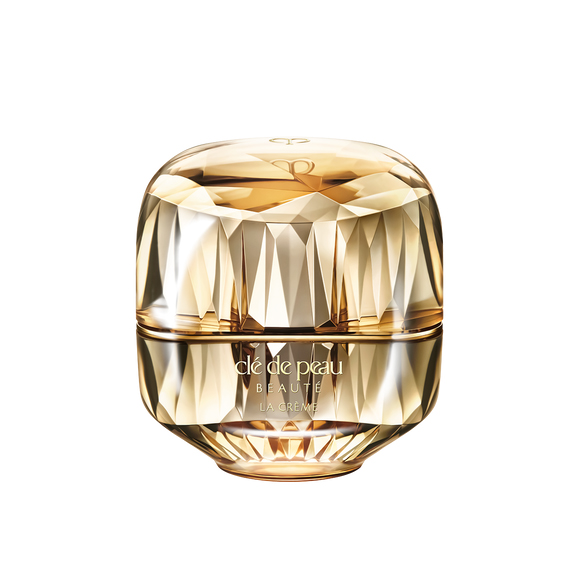
Clé de Peau Beauté La Crème

With over 60 carefully chosen ingredients and the Japanese brand’s youth-enhancing Skin-Empowering Illuminator, Clé de Peau Beauté’s La Crème goes above and beyond the average night cream. It works while you sleep to plump, regenerate and reveal luminous, supple skin by sunrise. It was created using more than 100 precise processes to refine its texture and is based on significant research into the behaviour of the complexion as you sleep. It reacts to variations in skin temperature and enhances blood flow throughout the night to improve density.

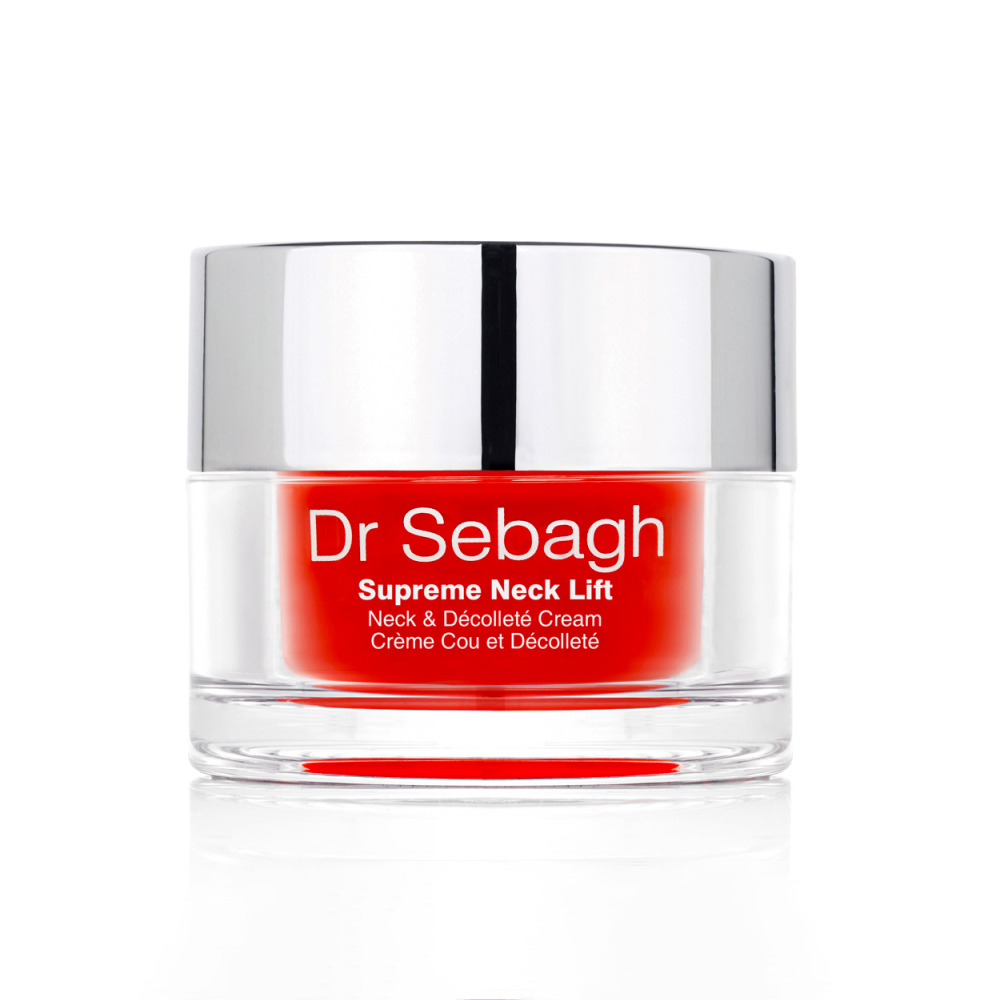
Dr Sebagh Supreme Neck Lift

Supreme Neck Lift’s amazing recipe contains a wide variety of preventive and skin- boosting moisturisers and active substances that protect, firm and lift the skin. It was created by Jean-Louis Sebagh, the French cosmetic doctor, to help restore firmness and elasticity at the neck and décolleté. With regular application of Supreme Neck Lift in the morning and at night, skin will look and feel tighter overall, and the neck and décolleté will be smoother and cleaner with greater suppleness.

Evidens de Beauté The Day Moisturizer

This luxurious cream imparts instant softness and relaxation to the skin, with its effectiveness the outcome of a balance between internal stimulation and external protection. The Day Moisturizer revitalises skin while minimising both fine and more severe wrinkles. Infused with the French- Japanese brand’s proprietary Qai Complex, Triple Collagen and moisturising and revitalising ingredients, it gives the face more youth, radiance and firmness.

Helena Rubinstein Powercell Night Repair Cream

This night-time boost from Helena Rubinstein’s Powercell line is a rich yet lightweight defence against daily damage. It is formulated with a core of native plant cells, aqua keep and glycerine, a combination that works to restore vitality and the skin’s natural hydrolipidic film. A plump, well-hydrated complexion with fewer symptoms of ageing greets you in the morning.

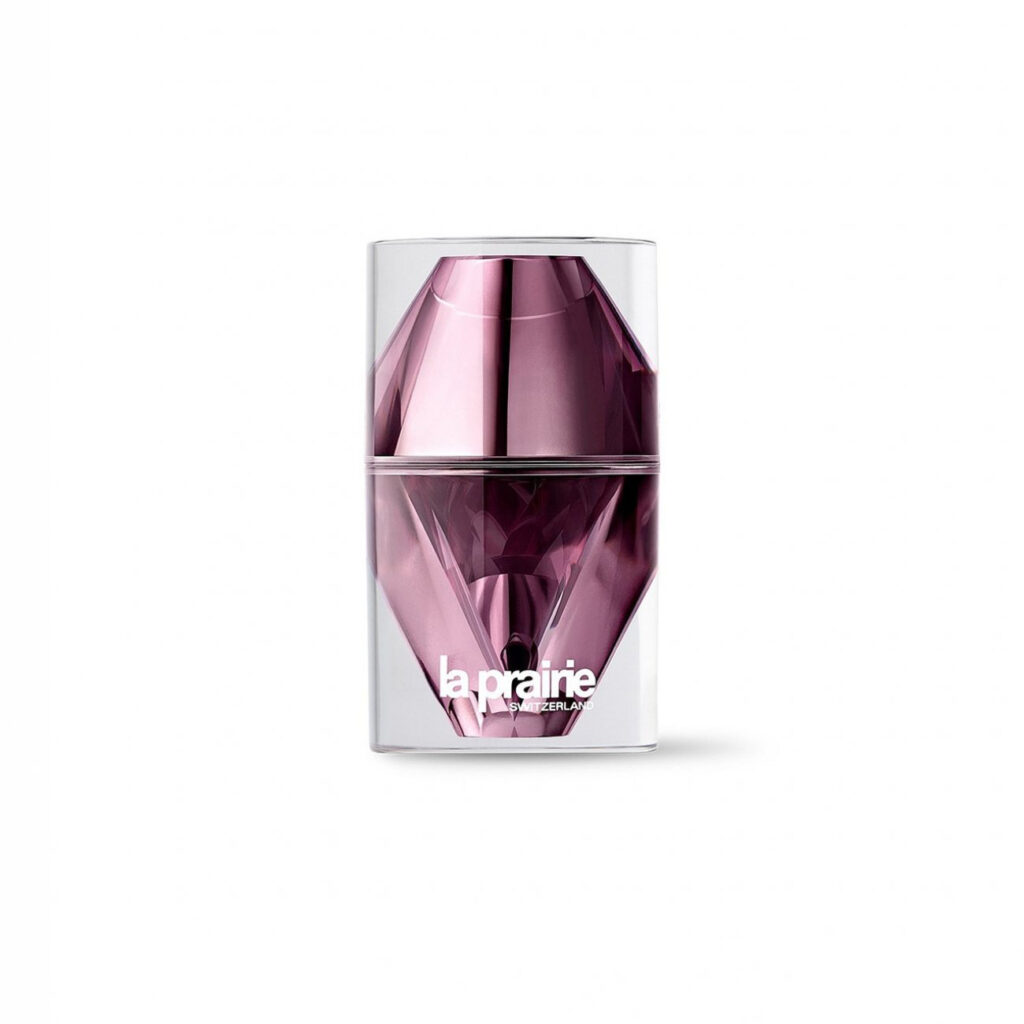
La Prairie Platinum Rare Cellular Night Elixir

Platinum Rare Cellular Night Elixir is a potent skin-rejuvenating product from the storied Swiss brand that promotes the four processes essential for the skin to fully regenerate – detoxification, nutrition, breathing and immunity boosting. For the first time, a single, remarkable recipe embraces a special combination of rare, active substances to address these four crucial roles.

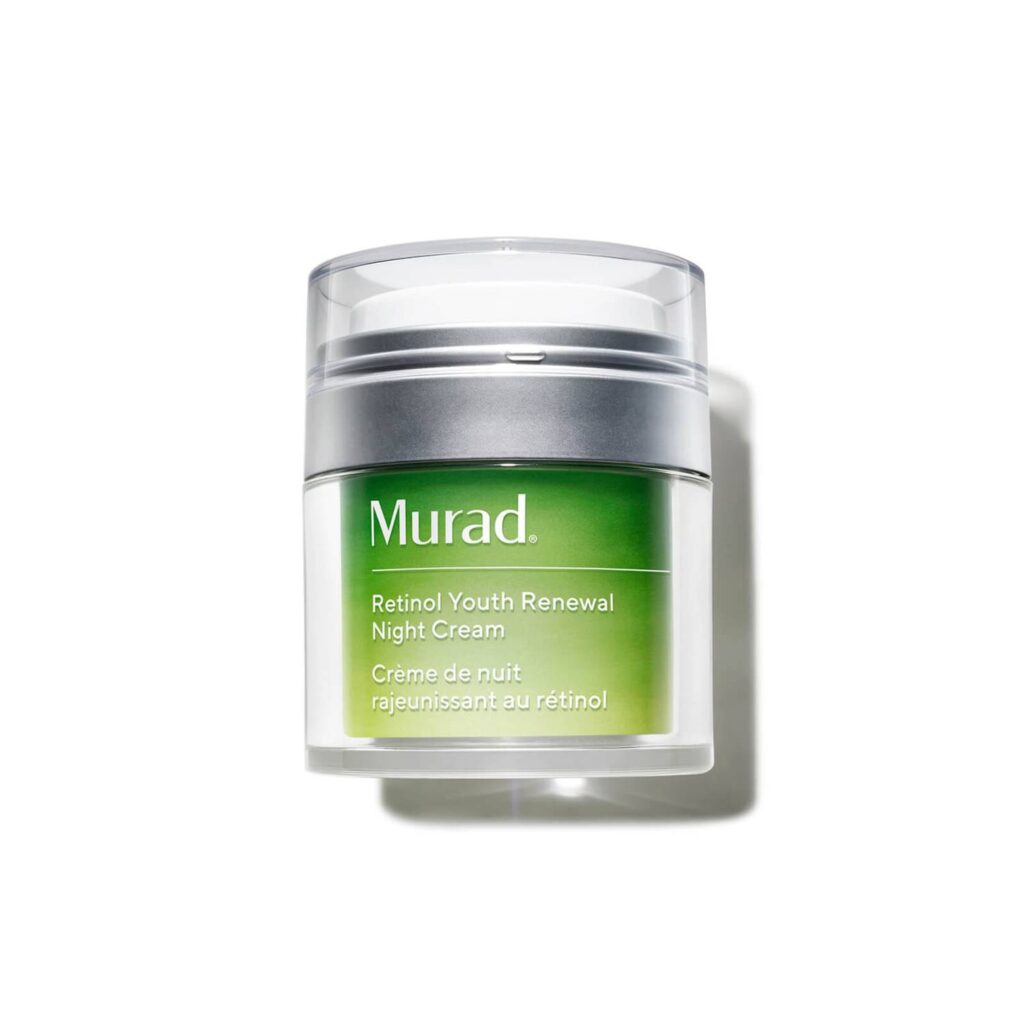
Murad Retinol Youth Renewal Night Cream

This nourishing retinol night cream from one of the first clinical skincare brands significantly enhances firmness and brightness. It also minimises lines and deep wrinkles, evens skin tone and moisturises. Founder Dr. Howard Murad uses Retinol Tri-Active Technology, which has niacinamide and picolinamide to reinforce the skin barrier and smooth texture, in a product that quickly renews your face while being gentle enough for nightly use.

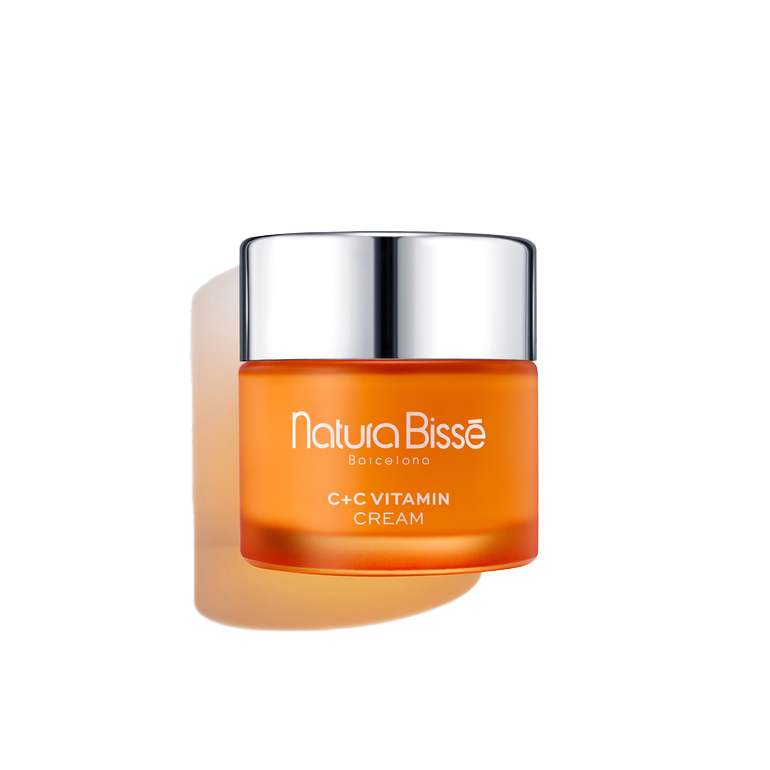
Natura Bissé C+C Vitamin Cream

This outstanding cream, which is made with a remarkable quantity of vitamin C, gives superficially or thoroughly dry skin back its elasticity, tone and firmness. As an added bonus, Barcelona-based Natura Bissé blends three types of vitamin C antioxidants and collagen with revitalising components that serve to strengthen the effect against free radicals.

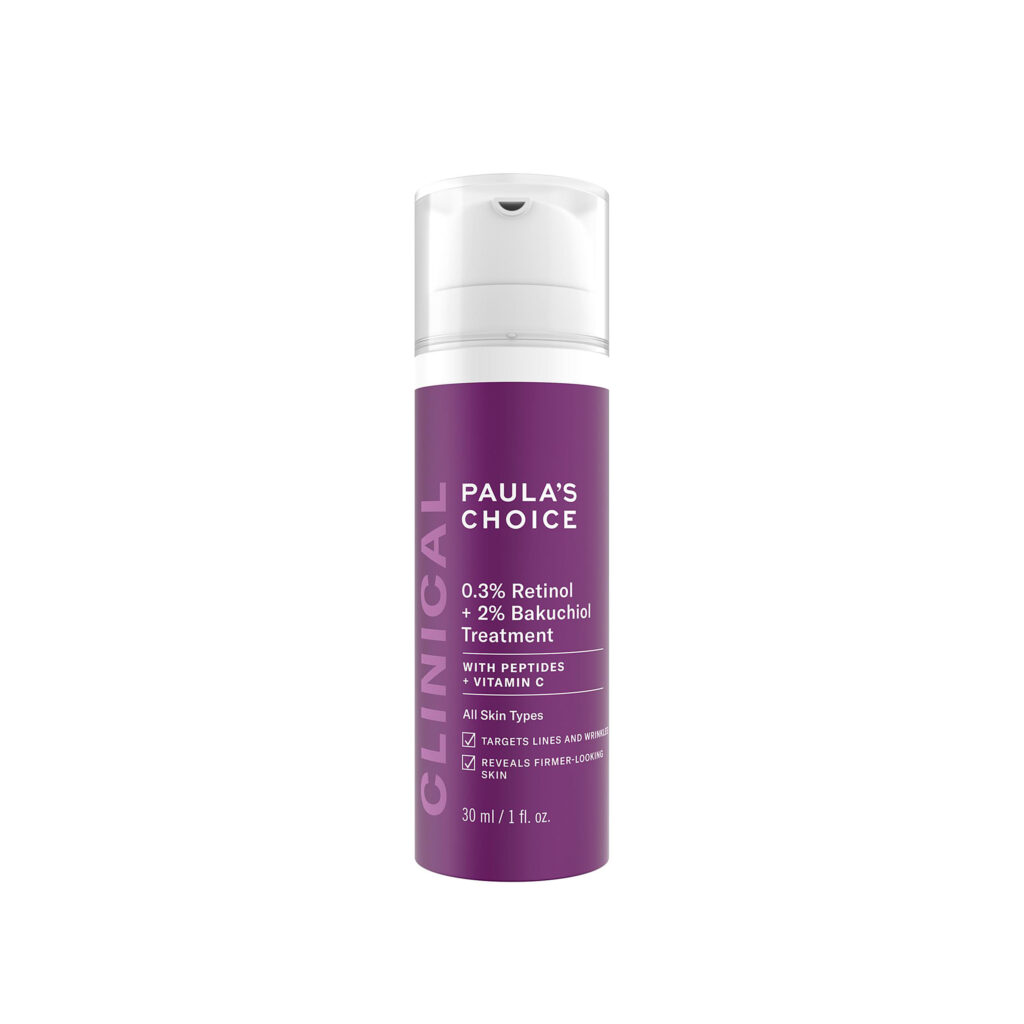
Paula’s Choice Clinical Retinol + Bakuchiol Treatment

The choice of US personality Paula Begoun, this product from the Clinical treatment line is ideal for intermediate retinol users. Triple-action retinol, plant-derived bakuchiol and peptides support collagen-depleted skin to target fine lines, deep wrinkles, enlarged pores and loss of firmness. A moderate retinol strength of 0.3% and 2% bakuchiol works to achieve multi-level repair and rejuvenation.

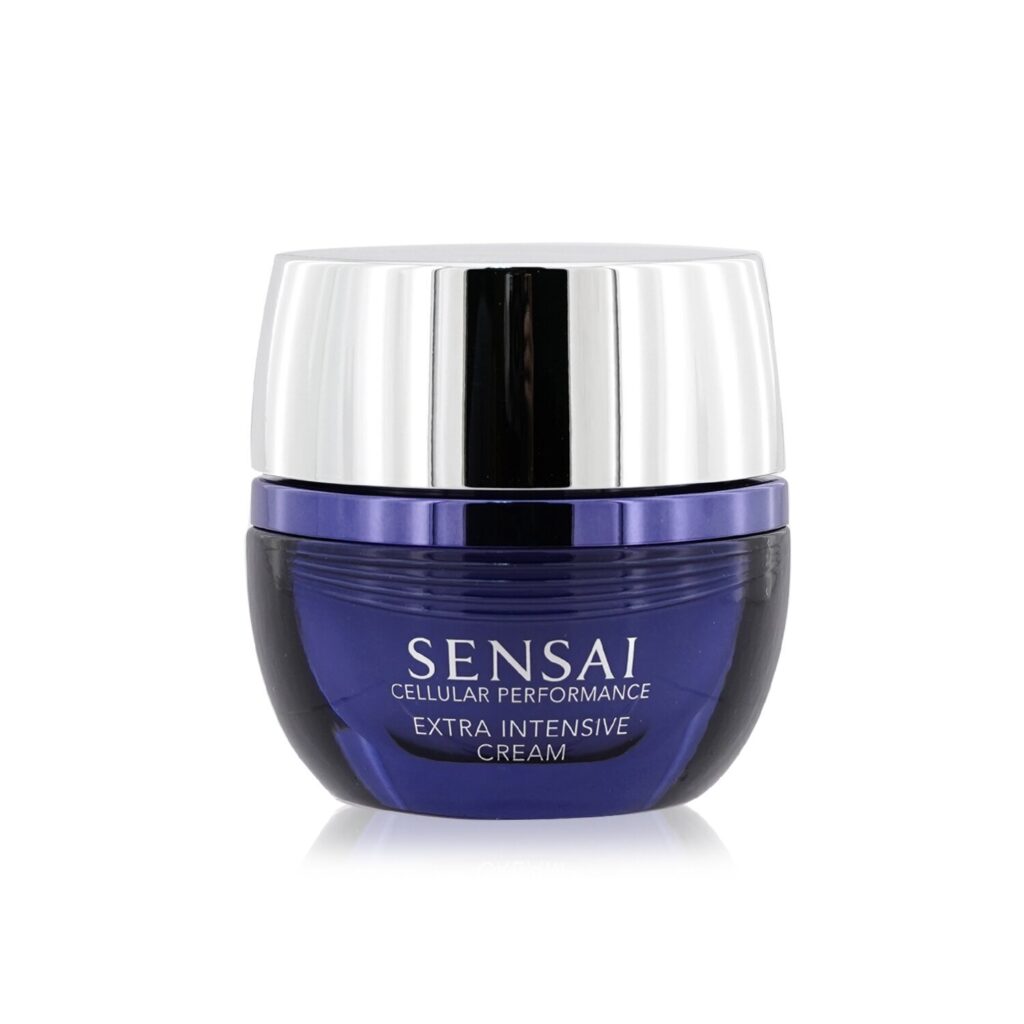
Sensai Cellular Performance Extra Intensive Cream

Endowed with high-end oils that meld with the skin to revitalise its appearance and feel, Sensai’s new Extra Intensive Series is billed to help regain lost suppleness, hydration and translucency after just one day. Then, month after month, it encourages the skin to maintain its natural beauty, becoming silkier and more luminous. A high concentration of Hyaluronate/ Collagen Booster – part of the Japanese brand’s Advanced CPX Vital Extract – provides additional hydration for firmness.

Out Of Money: We stand on the cusp of a cashless society but will it be welcomed by all?

Cash was once king, but talk of a cashless society has been doing the rounds for decades. Recent global developments have brought that state of play even closer, casting a heavier pall on the usefulness of cash – banknotes and coins – in daily commercial activities.

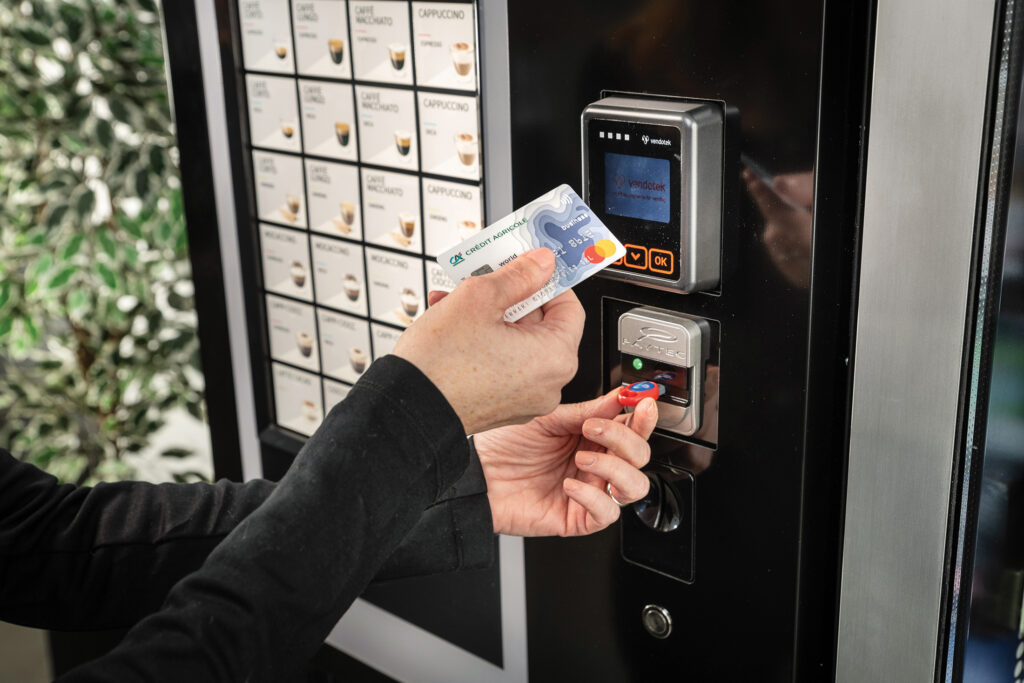
Among its lesser known consequences, the Covid-19 pandemic affected consumers’ payment habits– for some it instilled a fear of handling cash. Research into the impact of Covid on European payment habits by Cranfield University suggests the virus had a dual effect: not only did it push people to use cashless payments in shops, but it also increased online cashless transactions.

Covid cash crash

Andrea Moro, Professor of Entrepreneurial Finance at the Cranfield School of Management, who was part of the research team, believes the global pandemic accelerated pre-existing trends. “Concerns about Covid transmission via touching banknotes or coins that can be infected and the desire to reduce physical contact with others to the bare minimum reinforced and amplified a previous trend towards cashless transactions by increasing the use of cashless payment methods,” he says.

Moro, who previously worked as a senior financial advisor at a consulting firm owned by a group of Italian banks, adds their research suggests the change away from cash payment is longterm or permanent. For many, there came a realisation that concerns about personal information being misappropriated or that “money can be stolen from their bank” were not grounded in fact. “In some way people discovered an alternative way for paying for their shopping and they liked it,” he says.

Intriguingly, it was mainly members of the older generation whose payment habits shifted. Prior to Covid, this age group had demonstrated an affinity for traditional cash-based transactions; they were less prone to credit card usage and quite resistant to innovative payment services such as Apple Pay and Google Pay. As Moro points out, younger people were already using cashless payments before the outbreak.

In essence, reveals Moro, the pandemic consolidated the growing trend of cashless payments, which had begun in the ’80s and ’90s with the increased use of debit and credit cards and exploded with the introduction of mobile payment services. Recent data suggests 21 per cent of global retail purchases this year will take place online.

Cashless drivers

The arrival of technology allowing for the implementation of transactions that are perceived to be secure is a key driver towards a cashless future, notes Moro. “The fact that even if someone steals my phone, they will not be able to use the payment system set up on the phone because of the password/finger protection, has reassured users who nowadays find this approach even more secure than cash,” he says.

Moro favours the move to a cashless society: “It reduces costs, simplifies our life, speeds up transactions and makes them more secure and can also have a positive environmental effect.” He cites the risks of losing cash or receiving fake banknotes, and warns that cash has historically been used for illegal transactions where buyer and seller do not want the exchange to be trackable.

He links the desire to cling onto cash to those who struggle with technology or work jobs that are traditionally paid in cash.

China e-payment push

In many places including China, which has been quicker than most to embrace electronic payment, digital platforms will undoubtedly continue to erode the percentage of cash-based transactions. According to Professor Jack Poon of the Hong Kong Polytechnic University (PolyU), a fintech expert who advises artificial intelligence and blockchain startups, the prerequisites of a cashless society are smartphone penetration, availability of wireless broadband networks (4G, 5G), and the inadequacy of existing payment infrastructure within the country.

The demographic of the population also plays an important role. Younger generations, higher income groups and well-educated segments are more receptive to technology adoption than older generations, lower income groups and less educated segments, respectively.

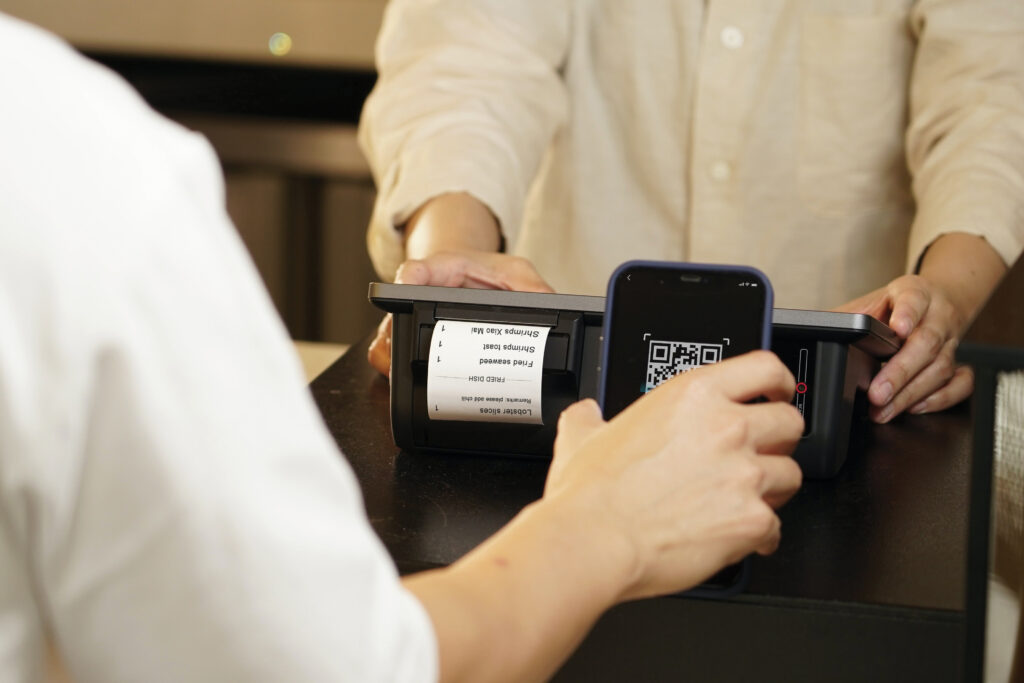
Developing economies like India are also showing a huge uptake in mobile cash payments to the benefit of many marginalised communities with platforms like the Unified Payments Interface (UPI) allowing for fast account-to-account transfer using fintech apps such as PhonePe or Google Pay. China’s Alipay and WeChat Pay models, where the consumer scans a QR Code and payment is debited directly from the balance or through an affiliated bank account or another form of payment (like a credit card), have proved extremely popular.

Digital wallets are pervasive in China. “From a business standpoint, digital wallet providers are incentivised to acquire more customers because a larger customer base enables other forms of business models for additional revenue streams,” says Poon. Though by law, cash must be accepted as a legal tender in mainland China, he points out e-payment lowers the cost and risk of cash management, increases transaction efficiency and scales a business across multiple geographies (within a country) faster.

Kent Matthews, professor of banking and finance at Cardiff University, says so much of officialdom in China leans on technology that is only natural that this would eventually extend down to transactions at street markets as well as shops.

Hong Kong digital delay

Here in Hong Kong, the recent adoption of different forms of cashless payments is widely perceived to have been driven by their widespread implementation across the border. Certainly, the consumption voucher scheme has accelerated the use of digital payments by WeChat Pay, Alipay and Octopus.

But according to one local banking professional, the territory still lags far behind other places in terms of becoming a cashless society. “There are a lot of limitations and regulations regarding the implementation and promotion of developing cashless transactions in Hong Kong,” he says.

From his perspective as a banker, he believes the financial regulators in Hong Kong are conservative in implementing cashless methods because there is a lot of risk inherited, especially fraud and data leakage. “For most people in Hong Kong, cashless transactions are just for minor transactions like transportation, buying daily supplies and paying bills,” he says.

There is an apparent unwillingness to change consumption behaviour, particularly among the older generation, fuelled in part by numerous recent fraud cases. Ada Chung Lai-ling, Hong Kong’s Privacy Commissioner for Personal Data, recently voiced fears about online shopping platforms, citing evidence of data security incidents and phishing attacks.

Despite the many challenges in Hong Kong, a fintech adoption survey conducted by PolyU revealed that 91% of the 2,000-plus respondents had adopted e-payment in Hong Kong.

Disruptive fintech

The credit card model of payment in the West is strongly built, according to Poon, and is unlikely to be dismantled. He does suggest there are multiple fintech companies trying to break into this ecosystem and fill the gaps “like payments among friends when you share a lunch meal, or the buy- now-pay-later (BNPL) disruption to the traditional card model”.

He believes crypto is only an alternative to cash or e-payment in countries where the sovereign currency is experiencing significant devaluation.

Heritage Pilgrimage: Restored and ordinarily repurposed, Hong Kong’s remaining old buildings prompt trips down memory lane

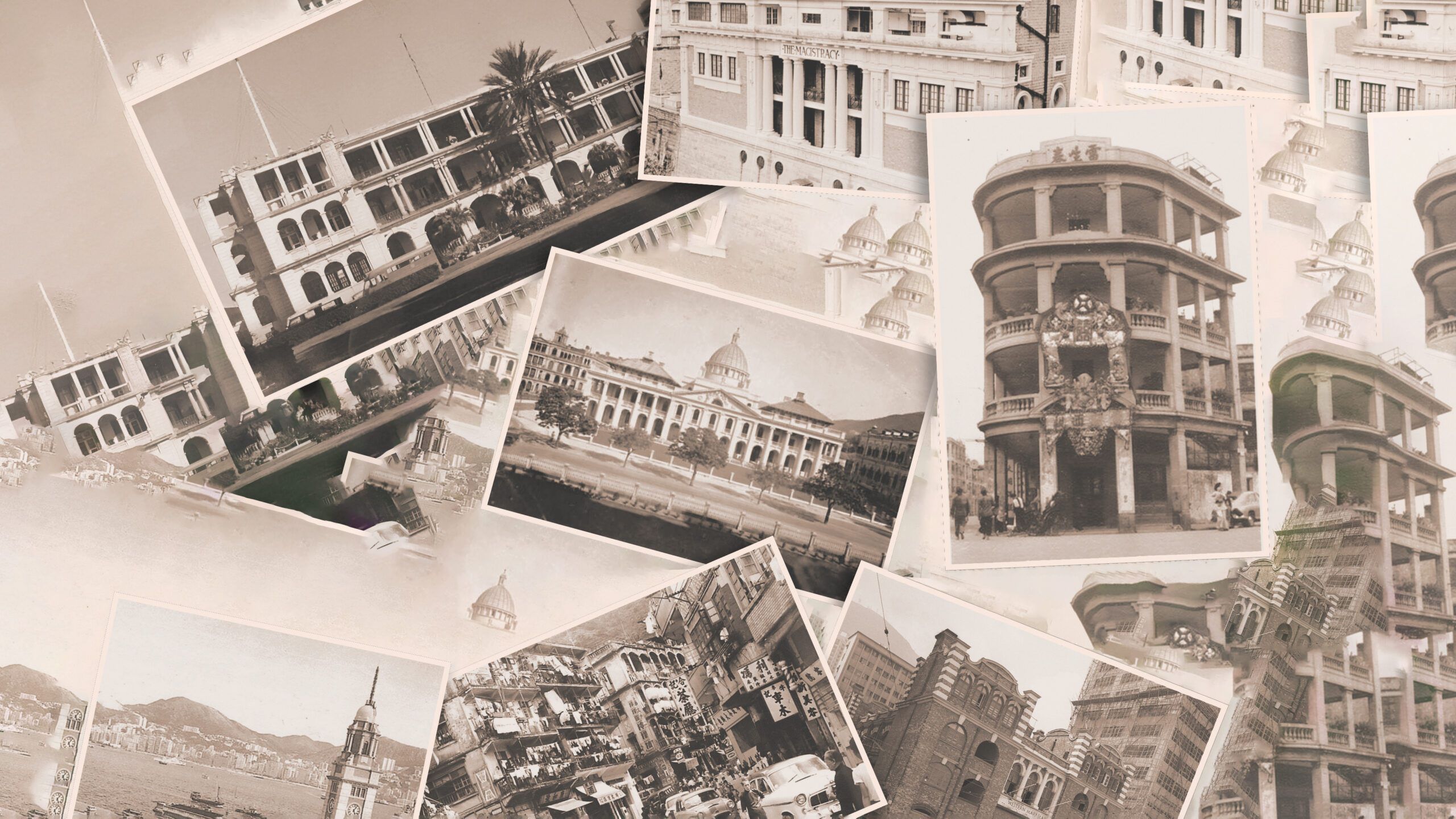
In Hong Kong, it is not uncommon to demolish buildings that are only 30 years old (or younger) in order to make room for dazzling new office towers or public housing blocks. However, a new trend has evolved – turning grand buildings constructed during the 150 years of British colonial rule into hip places to dine, stay, and oddly enough, take in some culture. Escaping the fate of countless others that were destroyed, some historic buildings have survived to the present day and are prospering with a new life and purpose. While Hong Kong is famous for its contemporary skyscrapers, the city has more to offer.

Privately owned old buildings, on the other hand, might be difficult to preserve since owners may be able to request their demolition or redevelopment regardless of their historical legacy. Unless the property is declared a monument, the owner has the right to demolish it even if it is a graded building or demonstrates exceptional value. The government typically stays out of legal disputes between conservationists who want to preserve Hong Kong’s heritage and owners who can make money by replacing old with new. As a result, protecting these structures requires the help of the public who must stand up to stop heritage buildings from coming down.

Successful preservation projects are those that match the neighbourhood, do not cause an undue disturbance, and help society learn more about the past. The onus is on the government, the courts and the community to act more responsibly, recognise historic structures as a form of publicly owned treasure and take steps to prevent them from being hijacked by developers. We stop by seven restored buildings whose legacies can still be appreciated today.

1881 Heritage

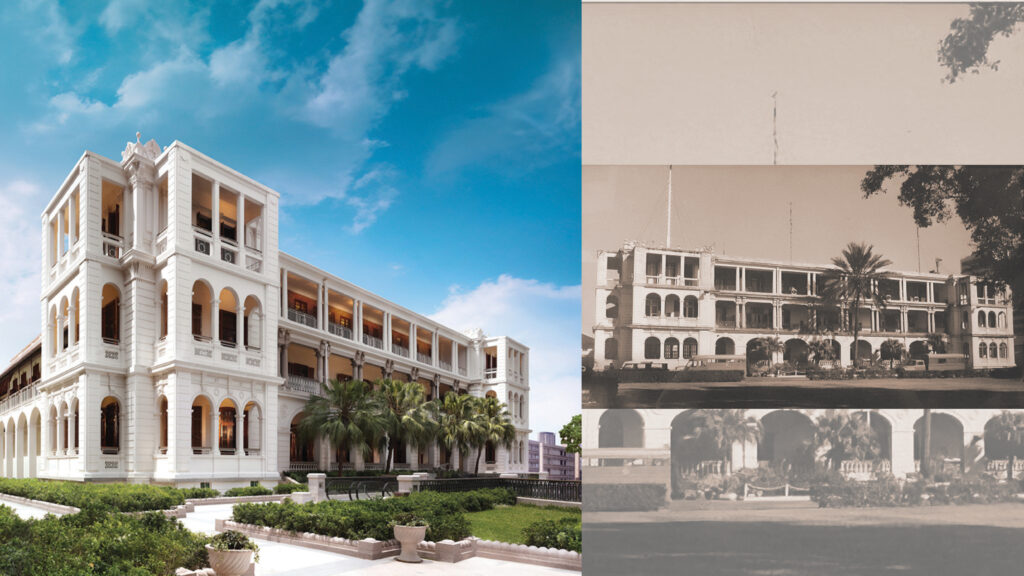
The former Marine Police Headquarters that stood atop a hillock in the centre of Tsim Sha Tsui from 1884 to 1996 has been revitalised and reincorporated into the modern urban fabric of the neighbourhood. After considerable restoration and conservation work, a cultural and shopping landmark called 1881 Heritage, was created. Opened in 2019, it is home to upscale stores and restaurants, trendy bars, a heritage hotel and an exhibition hall where visitors can learn about the site’s history.

Blue House

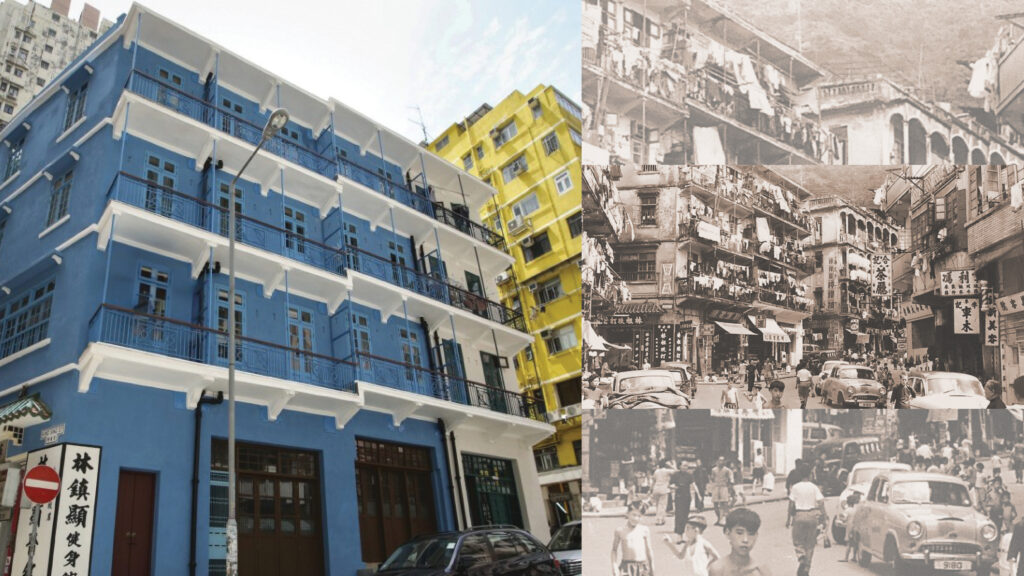
A historic group of structures distinguished by their vivid colour has withstood the test of time. One cannot miss the Blue House, a four-house, four-storey balcony-type tenement block with a blend of Chinese and Western architectural elements situated in Stone Nullah Lane in the city’s Wan Chai neighbourhood. Built in 1922, this grade-one historic structure is an eye-catching example of a tong lau, or tenement building, commonly constructed in southern China and Southeast Asia in the late 19th century. The stunning blue exterior inspiring its moniker, the Blue House has come to represent a relatively uncommon Hong Kong success story in urban conservation. It received a Unesco Asia-Pacific Award of Excellence for Cultural Heritage Conservation in 2017.

Court of Final Appeal

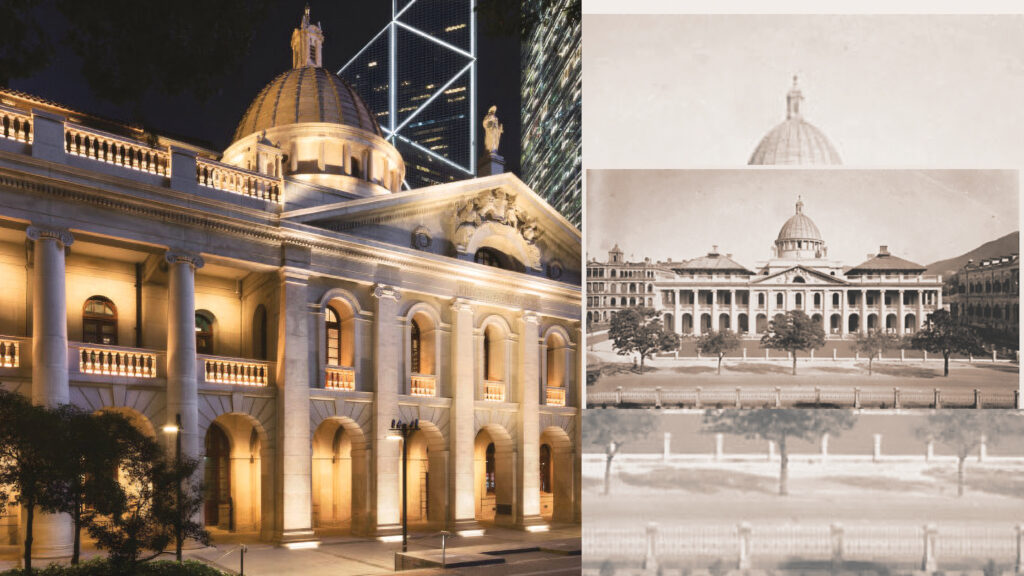
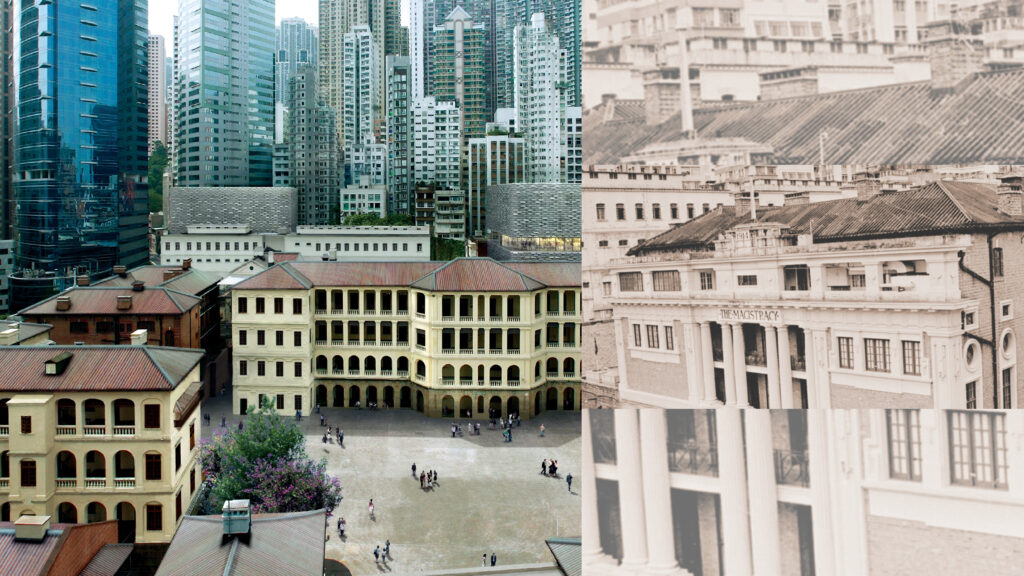
One of Central’s most recognisable structures provides a neo-classical visual contrast amid a sea of high-rises. Constructed in 1912, the Court of Final Appeal Building – also known as the Old Supreme Court Building – has been designated as a monument. The two-storey granite structure supported by ionic columns is also noted for the 2.7-metre-tall, blindfolded statue of Themis, the Greek goddess of justice and law, that surmounts its central pediment; below is a semi-circular window topped by a carving of the British Royal Coat of Arms. One may take a tour of the premises and watch court proceedings.

Lui Seng Chun

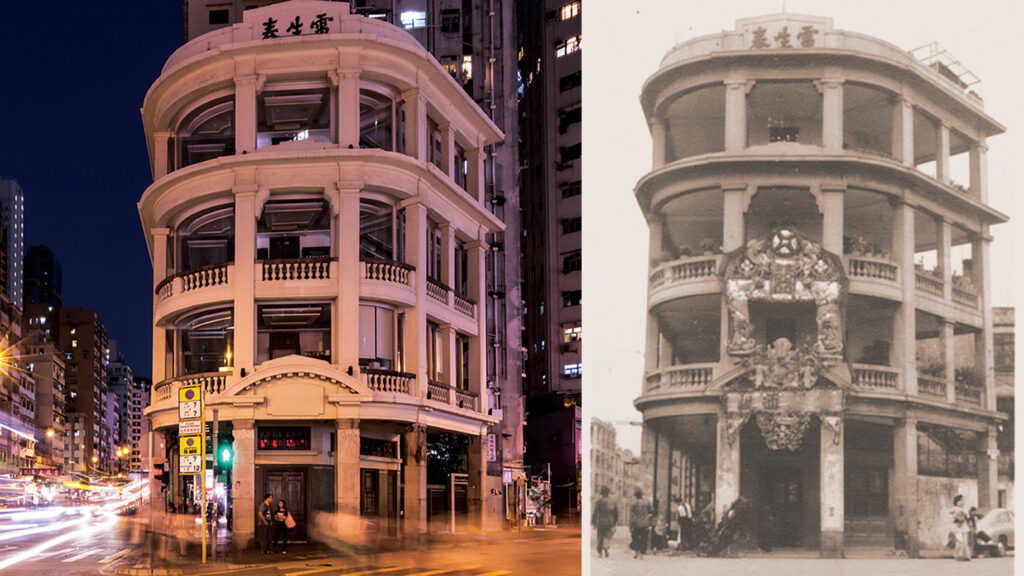
This magnificent corner tong lau shophouse, designed by architect W.H. Bourne, once housed a bone-setting business and the Lui family’s private dwelling. It is now a Declared Monument. Its architecture is characteristic of the period’s hybrid Chinese-Western design, with large verandahs that made it possible to live indoors and outside in the absence of air conditioning. Even though all of its neighboring structures were renovated, the home managed to endure. In 2012, it underwent restoration and was turned into a Chinese medical center. Don’t overlook the exhibition and herbal tea shop on the ground floor.

Tai Kwun

As one of the most expensive real-estate markets in the world, Hong Kong doesn’t waste any space – which is why finding a location like the Tai Kwun Centre for Heritage and Arts is so refreshing. This historic heritage regeneration project, which officially opened in 2018 along Hollywood Road in Central, boasts a sizable courtyard encircled by 16 buildings from the colonial era and lush trees set over six acres. The following year it won the Unesco Award of Excellence for Cultural Heritage Conservation. A unicorn in Hong Kong, it is a free, open and laid-back area that more than lives up to its promise of offering engaging artistic, cultural, culinary and shopping experiences. Arriving at Tai Kwun on any given day, one will find a calendar of events that includes changing exhibitions, art installations, performances, films, concerts and storytelling spaces as well as regular tours.

The Clock Tower

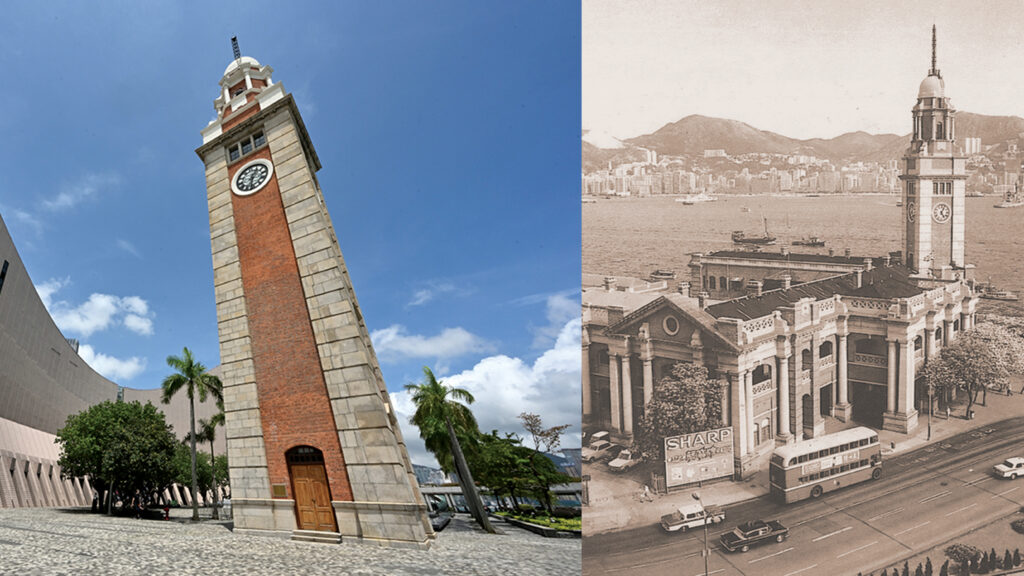
Standing 44 metres high, the Clock Tower was built as part of the Kowloon-Canton Railway terminus in Tsim Sha Tsui in 1915. The once-bustling station is now gone, but this red brick and granite tower is still standing as a graceful relic of the Steam Age. It was declared a monument in 1990, and certainly, the millions of Chinese immigrants who passed through the terminus on their way to start a new life in Hong Kong or another part of the globe would have found it a memorable landmark. The bronze bell that had chimed from 1921 to 1976 was restored to its rightful place in the tower in 2021 in honour of its centennial.

Western Market

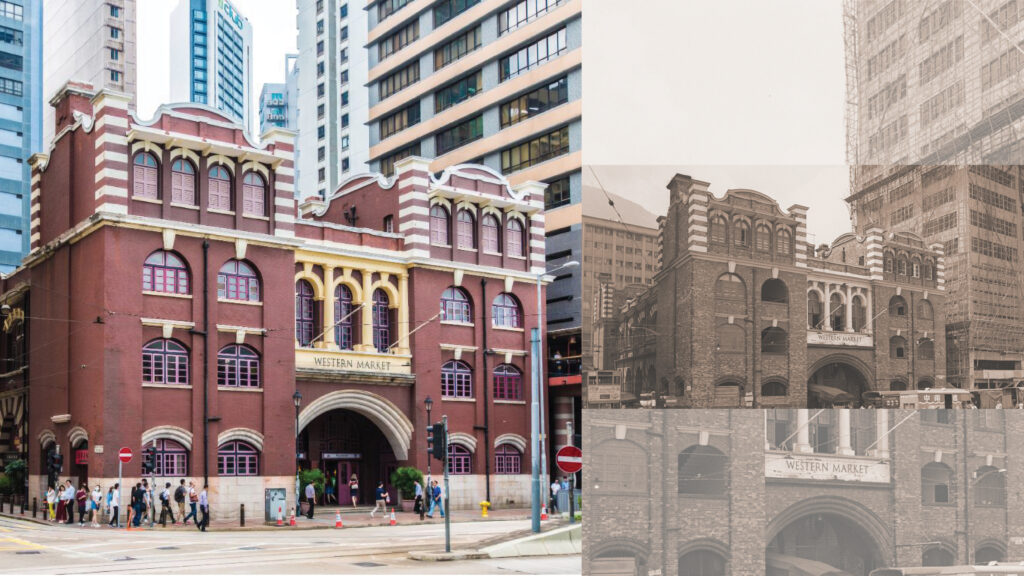
The oldest market building still standing in Hong Kong, Western Market occupies a whole block between Connaught Road Central and Des Voeux Road Central in Sheung Wan. The red-brick Edwardian-style structure has a granite entrance and prominent corner towers; it was completed in 1906 and sold produce until 1988. Today, it is home to cafés, restaurants, curio shops and fabric merchants who were relocated from stalls in adjacent lanes after it was refurbished and reopened in 1991. Visitors to this historic site may want to travel here by another still thriving vestige of Hong Kong heritage – Western Market is one of Hong Kong Tramways’ seven terminuses.

Mono Modernity: Less is more for the quiet luxury trend

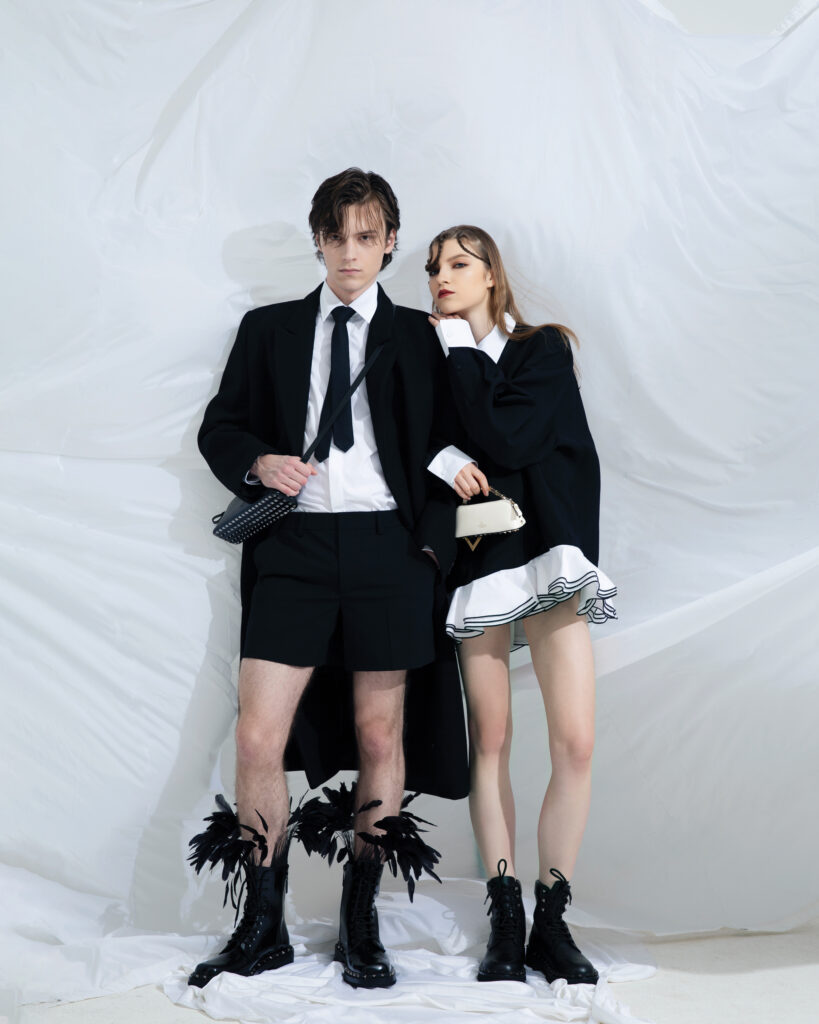
Look 1

On Her
Dress, tie, mini handbag and boots by Valentino

On Him
Trench coat, top, tie, cross- body bag, shorts and boots by Valentino

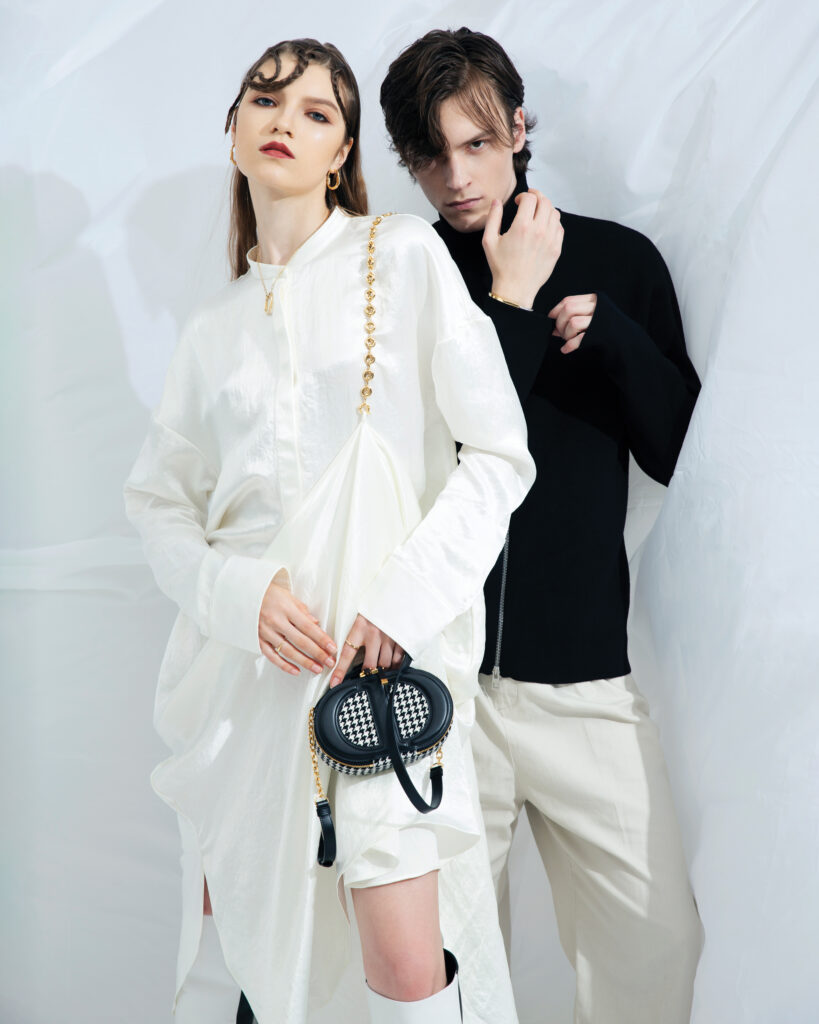
Look 2

On Her
Necklace and rings by Chopard
Dress and handbag by Miu Miu

On Him
Sweater, belt and pants by Zegna
Handbag by Ferragamo Scandals by Christian Louboutin

Look 3

On Her
Necklaces and ring by Messika
Turtle neck sweater, jacket and pants by Isabel Marant Handbag by Maison Margiela
Slingback pumps by Roger Vivier

On Him
Rings, bracelet, jacket, top and pants by Gucci

Look 4

On Her
Earrings and rings by FRED Jacket, handbag and pencil skirt by Prada

On Him
Bracelets by FRED Cardigan, jacket, handbag and pants by Prada

Look 5

On Her
Earrings, necklace and rings by Tiffany & Co. Dress by Loewe Handbag by Dior
High knee boots by Christian Louboutin

On Him
Bracelet by Tiffany & Co. Jacket and pants by Loewe

Look 6

On Her
Scarf, trench coat, pants and boots by Hermès

On Him
Top, vest, pants and boots by Hermès

Look 7

Earrings and ring by Chopard Torin strapless feather-trimmed sequined crepe
mini dress by RETROFÊTE, courtesy of Net-A-Porter Heels by Christina Louboutin

Look 8

On Her
Earrings, necklace and ring by Messika Dress by Chloé

On Him
Jacket and pants by Dolce & Gabbana

Look 9

Ring and bracelet by Chopard Jacket and pants by Diesel

Photographer: Jack Law Art Direction & Styling: Jhoshwa Ledesma Videographer: Jack Fontanilla Female Model: Iris F (Quest Artists & Models) Male Model: Kostya D (Quest Artists & Models) Hair and Make-up: Owen Ko & Joenny Lau

Also read: Park Keepers: Outré outwear you will never ever want to part with

What’s on? Things to do this October in Hong Kong

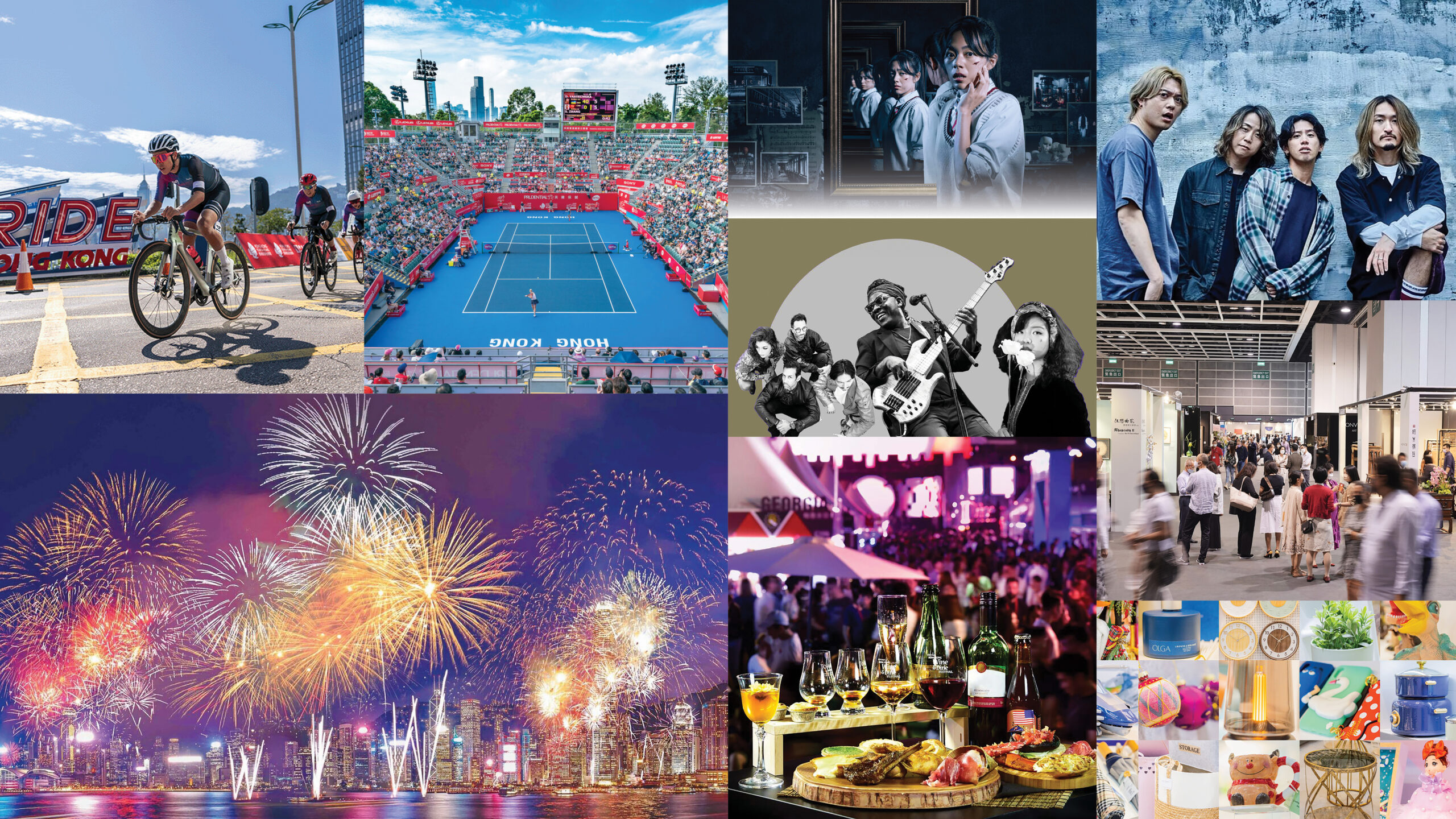
Make October more fun and entertaining with all the cultural events ranging from Sports events to trade shows and concerts that are taking place this month. Gafencu has picked the ones you should not absolutely miss.

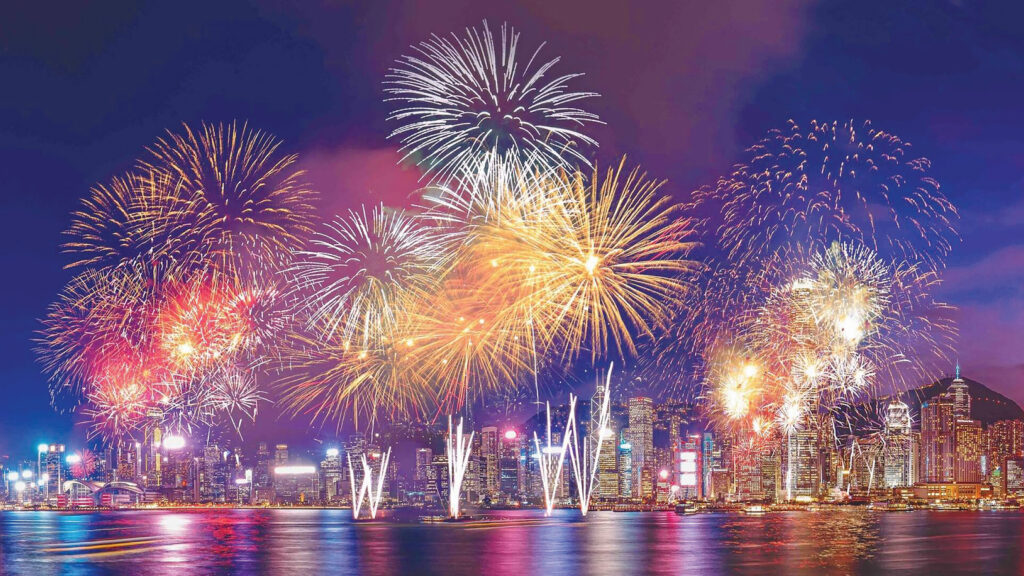
National Day Fireworks

The traditional fireworks display in Victoria Harbour makes a welcome return to celebrate National Day. Taking place for the first time since 2019 following the lifting of Covid restrictions, the spectacle is sure to draw huge crowds keen to see colourful fireworks displays set against the amazing backdrop of the Hong Kong skyline. Whatever the weather, this world-class event is always an unforgettable experience. The event celebrates the 74th anniversary of the founding of the People’s Republic of China, and the extravaganza is a goodwill gesture intended to bring happiness and prosperity to the city.

When: October 1-2

Where: Victoria Harbour

How much: Free

Ocean Park Halloween Fest

If ghoulish goings-on during Halloween appeal, hasten to Ocean Park this month as it celebrates the horror show in style. There will be monsters galore, ghostly apparitions and lots of shows to keep you scared stiff but wanting more. The large site contains haunted houses and amazing interactive experiences to make sure your visit to the park is a memorable one. Favourite themes should return such as Ghost Tours, Survivor of the Undead and Treasure Hunts. Holders of Halloween Terror Trio Tickets can present the ticket and experience the thrill of three designated Halloween attractions.

When: October 1-31st

Where: Ocean Park

How much: From $388

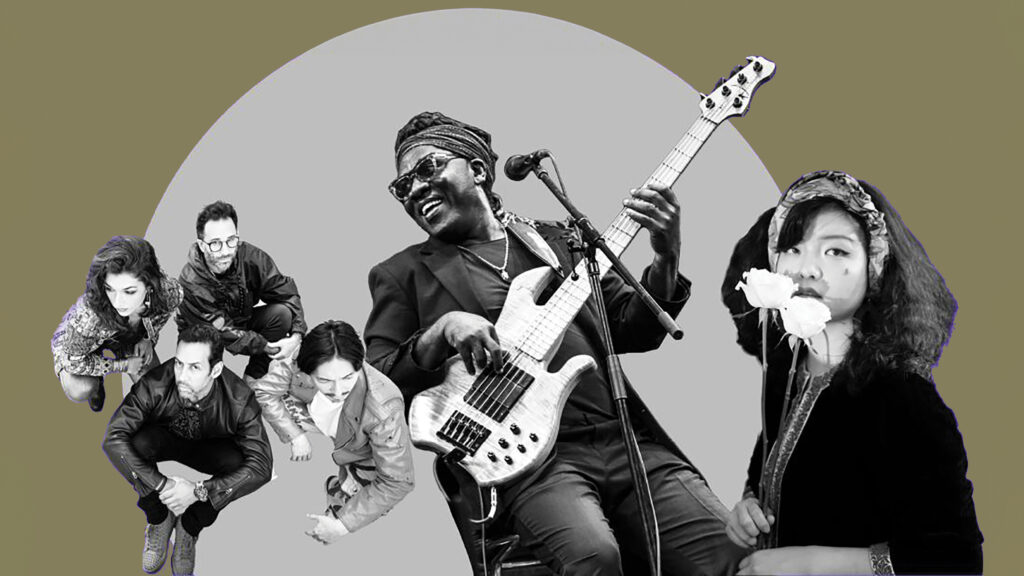
Freespace Jazz Fest

A fantastic cocktail of different jazz styles will be on offer at Jazz Fest 2023, which will feature more than 500 musicians from across the world. The festival includes Jazzscapes, a series of one-hour concerts held over three consecutive evenings with musical genres ranging from punk and electronica to fusion and world music. Arts, DJ booths, interactive activities and plenty of food and drink will be available. Jim Tomlinson and Stacey Kent headline on the final night.

When: October 3-8 / 26th October

Where: West Kowloon Cultural District

How much: From $160

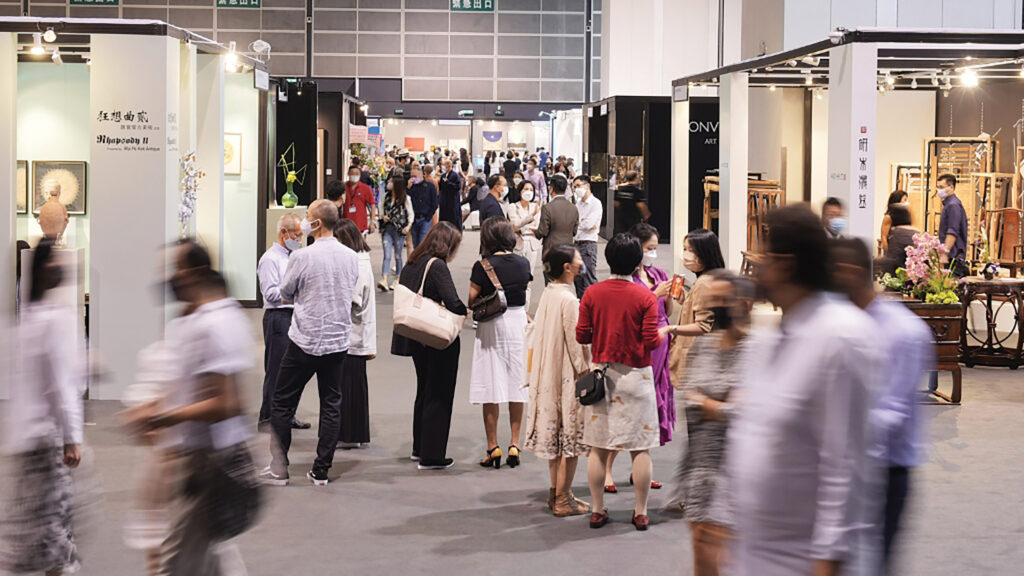
Fine Art and Ink Asia

Running alongside each other, Fine Art Asia and Ink Asia are returning to Hong Kong in their traditional guise with the much-missed overseas exhibitors also present, promising to make the four- day event one to remember. Various exhibitors and collection categories will highlight the dynamics between East- West artistic interaction and showcase new trends in collecting.

When: October 5-8

Where: Hong Kong Convention and Exhibition Centre, Wan Chai

How much: $15

One Ok Rock Luxury Disease Asia Tour In

Japanese band One Ok Rock finally gets to perform in Hong Kong after the cancellation of their scheduled concert in 2020 left many fans in a state of despair. The group first hit international music headlines with their superb 35xxxv album, released in 2015 to much acclaim. Since that breakthrough moment, they have toured the world. The superstars’ current tour is named for their 10th studio album, Luxury Disease.

When: October 7

Where: Central Harbourfront

How much: From $599

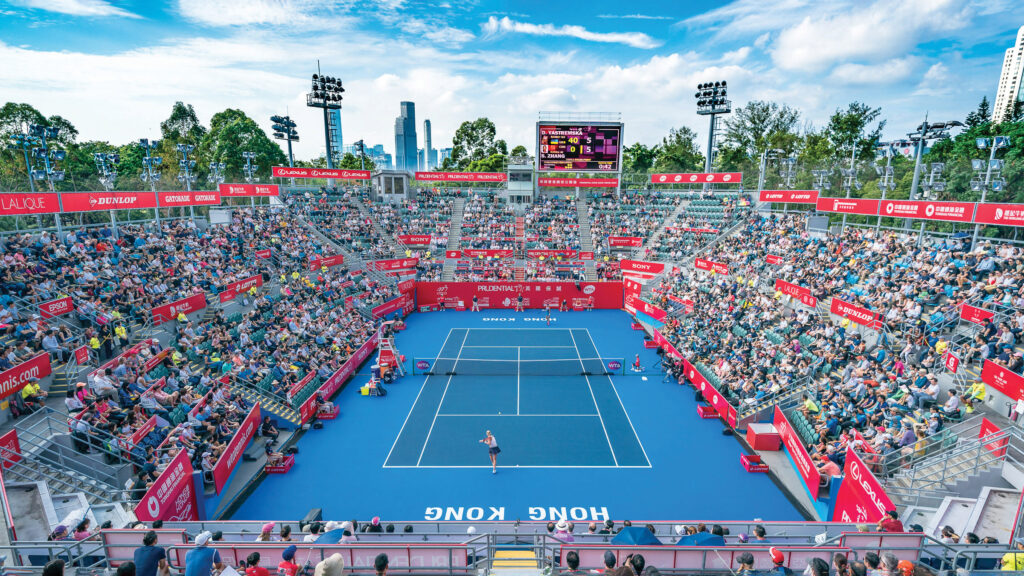
Hong Kong Tennis Open

Sports enthusiasts will be delighted to see the return of world-class tennis to our shores in the form of the Prudential Hong Kong Tennis Open 2023. Previous tournaments attracted top- ranking players such as Venus Williams and Caroline Wozniacki. Huge crowds are expected to watch the stars of the women’s game expertly serve, volley and lob to get their hands on some of the US$250,000 (HK$1.96 million) prize money.

When: October 7-15

Where: Victoria Park Tennis Stadium

How much: From $160

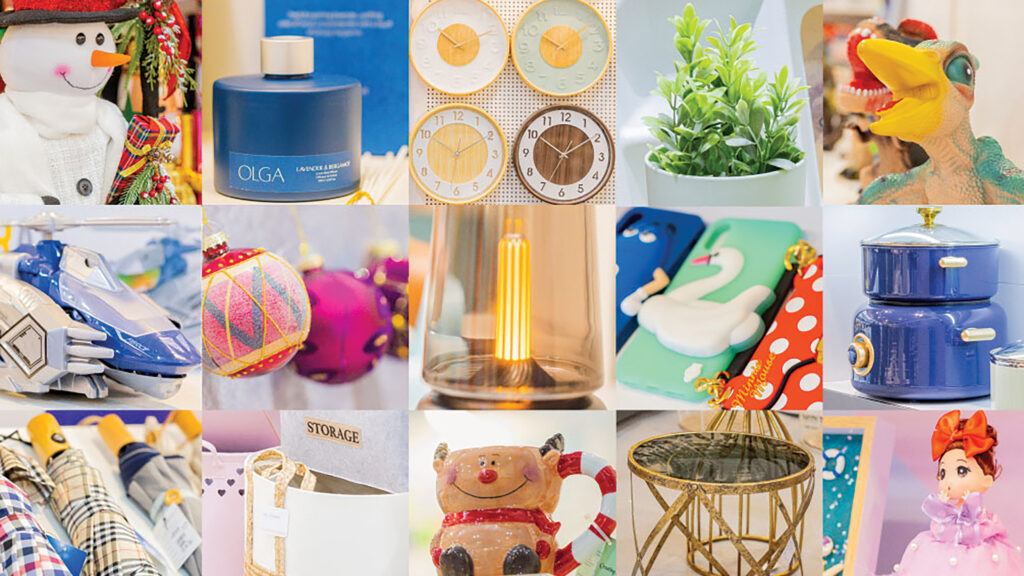
Mega Show Part 1

This annual trade show is notable for the wide range of household goods, gifts and toys on display. Exhibitors from around the world will flock to show off their wares and countless buyers will congregate for an amazing sourcing extravaganza. On offer will be houseware and kitchenware, lifestyle products, toys and baby products, plus arts and crafts and Christmas-themed items. There are special sections gathering the latest sporting products, and design and tech gadgets.

When: October 20-23

Where: Hong Kong Convention and Exhibition Centre, Wan Chai

How much: Price varies

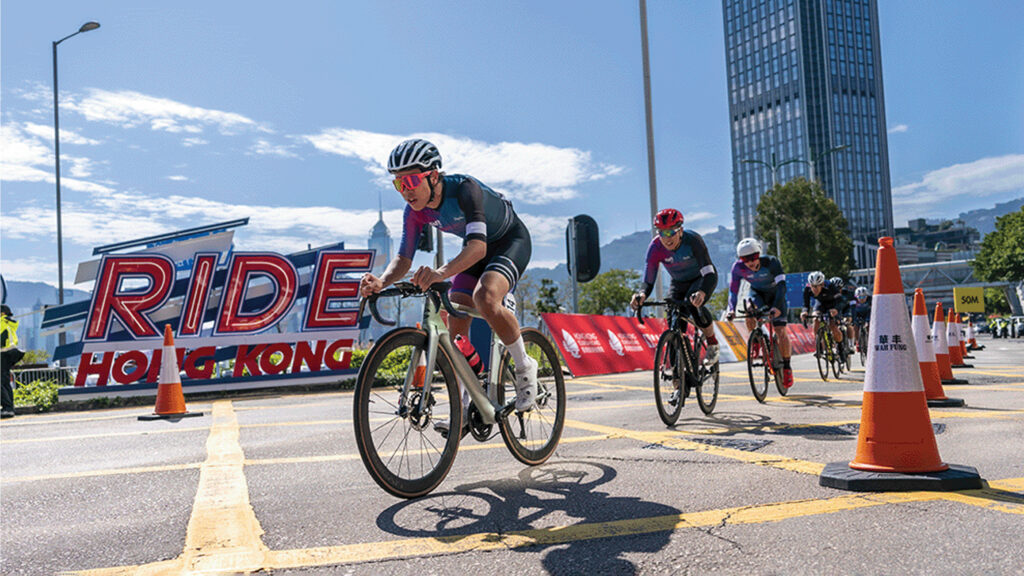
Hong Kong Cyclothon

The 2023 Sun Hung Kai Properties Hong Kong Cyclothon will whizz through the streets late in the month, with places for 5,200 biking enthusiasts. There are multiple races being staged, ranging from 30 km to 50 km, the more leisurely Family Fun Ride and for top-tier professional cycling teams, the UCI Class 1.1 Road Race.

When: October 22

Where: Start / finish in Salisbury Road, Tsim Sha Tsui

How much: Free for spectators

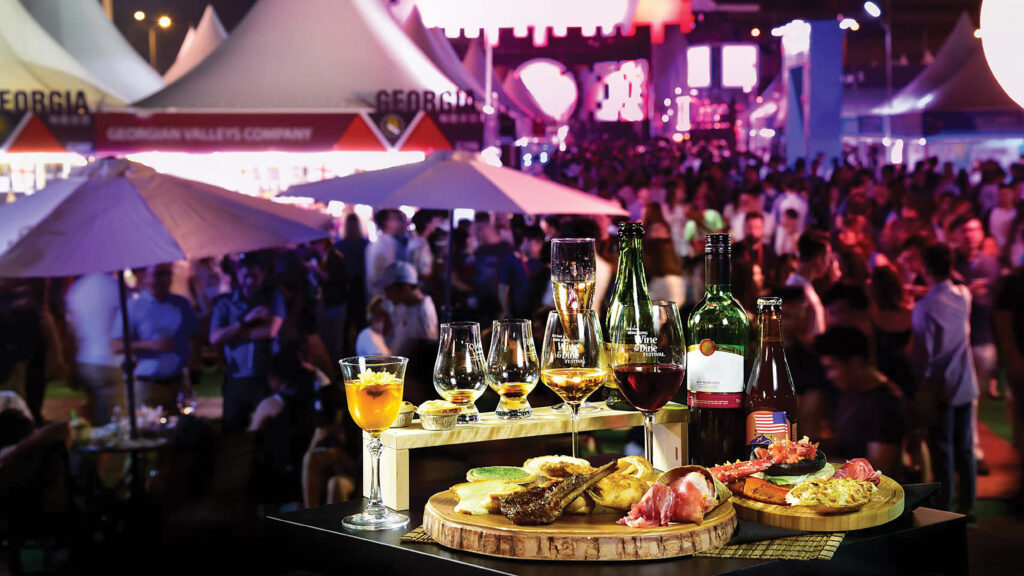
Hong Kong Wine & Dine Festival

Foodies and wine connoisseurs will rejoice in anticipation of the Hong Kong Wine & Dine Festival, which promises to cater for all tastes and sweet spots. This is a never-to-be-forgotten outdoor dining experience set against the stunning skyline and ambience of Victoria Harbour. Coming to the party are wineries and brewers from around the world who will bring some of the best beverages available and masters of culinary delights serving sensational dishes.

When: October 26-29

Where: Central Harbourfront

How much: Price varies

Kings And Aces: Mark Cho, the visionary co-founder of The Armoury, tailors an entire floor of luxury shopping in Pedder Building

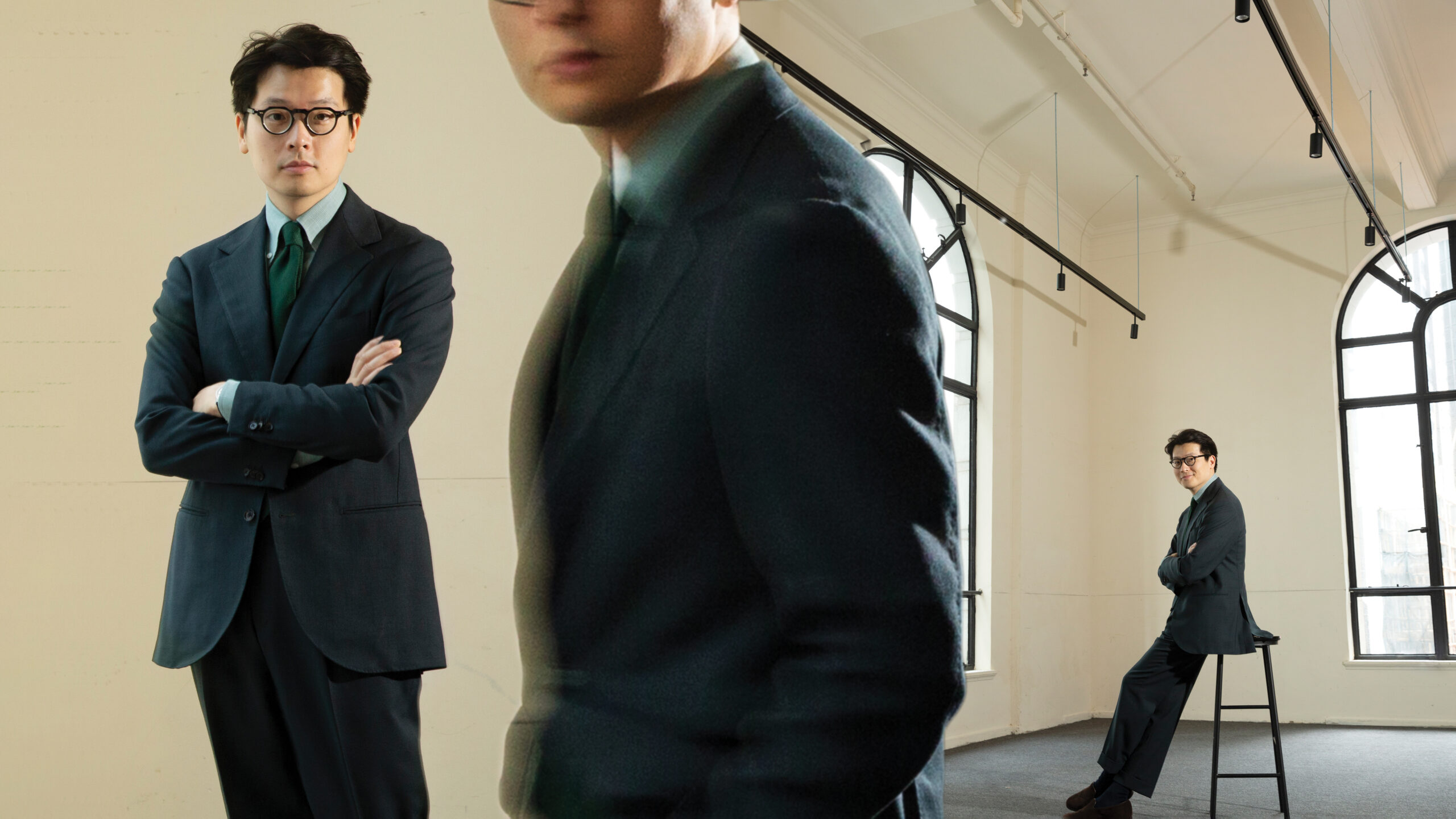
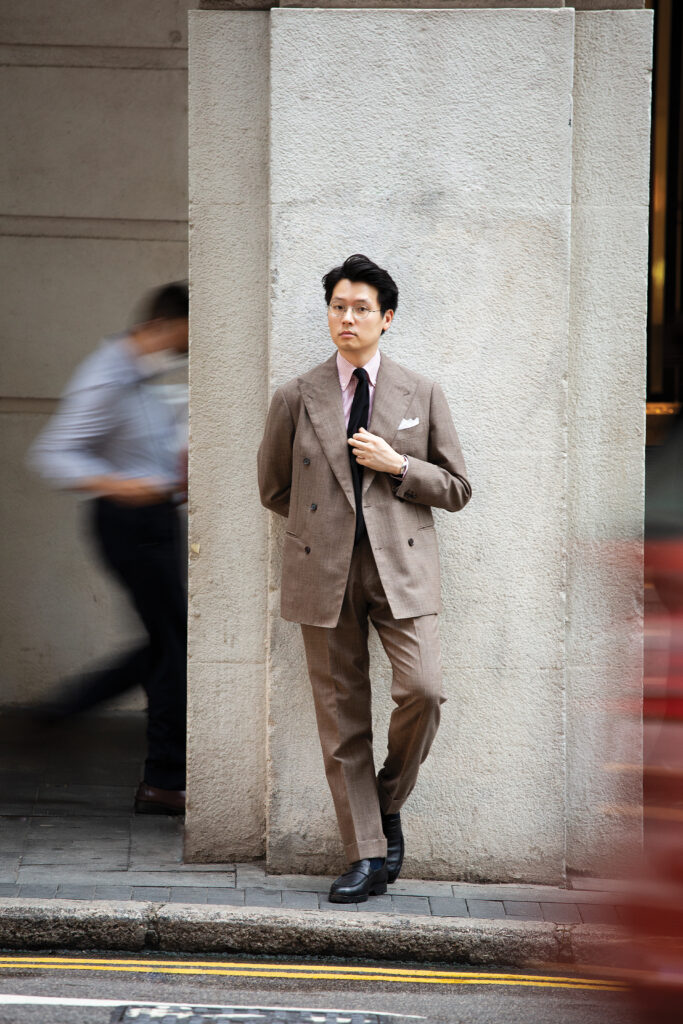
Two consecutive weekends of typhoon and heavy rain have halted The Armoury team who were working non-stop to finish their new home on the fifth floor of Pedder Building in Central. It’s close to 3 pm and Mark Cho moves along his shelves and racks of canvassed Savile Row-style suits, bench-made shoes, crisp shirts, neckties and much more in a kind of reverential awe. The 40-year-old, internationally known as the co- founder of The Armoury, co-owner of Drake’s haberdasher and director of the Pedder Arcade, meticulously checks the smallest of details, including the spacing between the textile canopy of the shop ceiling.


“Give me 10 minutes,” he says. “I just need to finalise a few things with our interior designer, then we can start [the cover shoot].”

It feels like a tacit invitation to explore the whole floor of what will become the Pedder Arcade. Cho is the director of the much- anticipated project – a pitch he delivered to the Pedder Building landlords during Covid – to create a shopping arcade that will resonate with the ones in the UK, complete with a café and dapper essentials boutiques that will become a one-stop destination for lounging and shopping.

Scrolling along the floor-to-ceiling shelves, Cho pulls out, using one hand, his selection of six different looks for our cover shoot, and in the other hand holds his go-to energy booster, a Venti Iced Americano.

At first, Cho may look like your typical businessman – oftentimes he puts on a serious face and dresses like a geezer. He has a cool composure that could read as seriousness, or perhaps he’s just drained from the weight of arcade preparation he and his team have shouldered over the past two years. Yet, he pushes through, like he has always in his life, and makes things work despite the situation.

“I was originally a womenswear designer, but my parents wanted something more of a conventional career path for me. It’s an Asian thing, I know,” he says. “And so, for a few years, I worked in the banking industry. But then life has its way of bringing you to where you are supposed to be. A place where your passion really thrives. And 13 years later, I am still doing what I am really passionate about – tailoring and dressing people.”

King of uncool

Born in the UK and simultaneously calling Hong Kong, the United States and the UK his homes, the Brown University alumnus confesses he was a bit of an outsider during his formative years. On his Instagram account, one can read and question the bio line that says ‘Making uncool uncool again’. Giving a very vague explanation, he says: “Perhaps that’s what I do best?” he gives a side smirk and at the same time a little shrug. “Growing up, I was like a mongrel because I moved around a lot.”

Moving to a more serious note, he passionately articulates the inspiration he derived from the Japanese fashion entrepreneurs and creative directors of the ’70s to the ’90s, such as Hirofumi Kurino, Yasuto Kamoshita, Osamu Shigematsu, Kenji Kaga, Issey Miyake, Yohji Yamamoto and Rei Kawakubo. He sees them as a sort of God-tier in the world of style – strong personalities with no existing playbook to follow who basically figured things out on their own and set the tone for the fashion of their entire country, as well as having a knock-on effect throughout Asia.

Tailored approach

For Cho personally, though, it was the other way around – from Asia to New York. In 2013, having successfully become classic menswear retailers in Hong Kong, with their initial 2010 shop in Pedder Building joined by another in The Landmark, he and co-founder Alan See established The Armoury New York. They honed their abilities to design collections in-house and now have a unique selection of products that are exclusively under their brand.

“Our vision is to teach people to appreciate classic style and tailoring, to offer an enjoyable and personal customer experience, and to encourage people to buy less, buy better and appreciate their clothing,” he recaps.

Taking the fifth

The Pedder Arcade passion runs deep. Almost part of Cho’s branding at this moment, it subtly informs the classic yet stylish aesthetic he has steered at The Armoury. And just as the Pedder Arcade will orbit around different players housed along the length of the fifth floor, Cho is the centrifugal force of his own creative team. His sense of dialogue and open-mindedness are evidently what makes him and his brand tick. Moreover, his ultra- responsiveness makes him the greatest ally on both strategic and creative fronts.

“Expressing yourself through clothing is very important,” he says. “People need to be who they want to be. Expressing yourself through fashion is difficult because it changes faster than you yourself might change. You can be in fashion for a moment and then out of fashion the next. Or, you can be a slave to fashion and chase it forever.”

The entire floor, best described as somewhat similar to the hallmarks of the tailor shop in the film Kingsman, is poised to be elegant, modern and romantic, with prices in the upmarket apparel boutiques ranging from HK$10,000 to $30,000. But as a thinking millennial, Cho is pragmatic, too.

He says: “I don’t see fashion as exclusive to the rich and famous. If anything, there are so many wonderful deals to be had if you’re willing to use second-hand or old stock. If life is going to be a competition, then you can always compete with your imagination instead of your wallet.”

Time is prime

A man of many interests, Cho is in a permanent state of doing. Just recently, he was on a Discord chat about watches hosted by an international publication, in addition to the challenges of making a curated shopping arcade come to life before mid-October. He works at weekends too, which is why, he thinks, he could use a little help via a superpower to freeze time.

“Ah! It must be nice to stop time even for a while. I never had enough time,” he says, while wiping his glasses, finger-brushing his hair and straightening his suit and tie ready to face our camera.

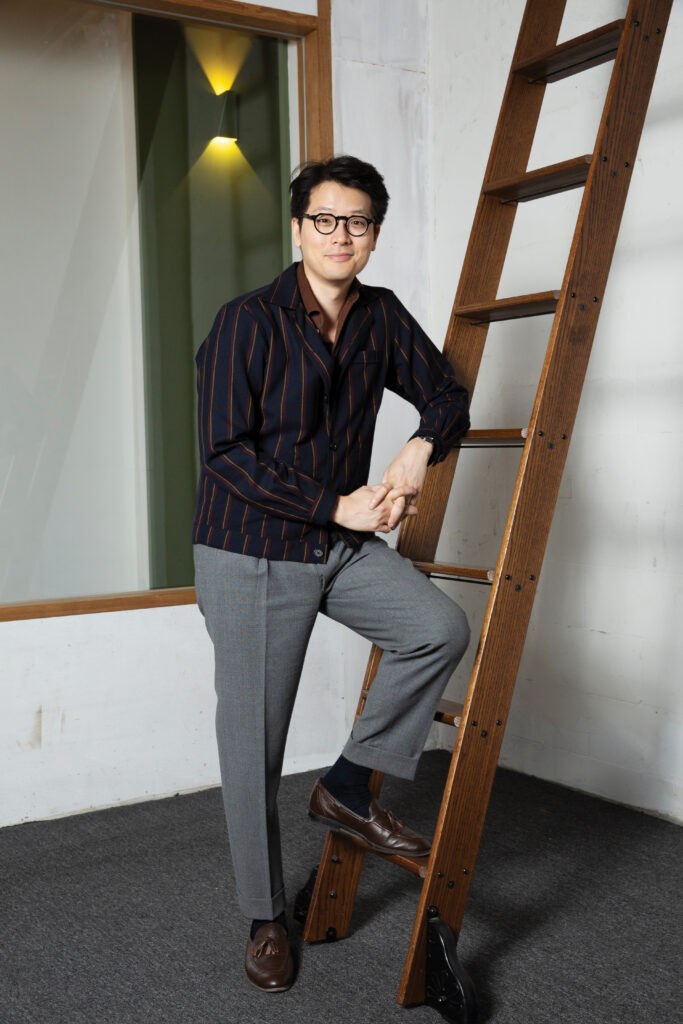
With the help of his takeaway iced coffee, Cho negotiates our six-spread photoshoot without a single flinch, even suggesting which lens would work best for each angle.

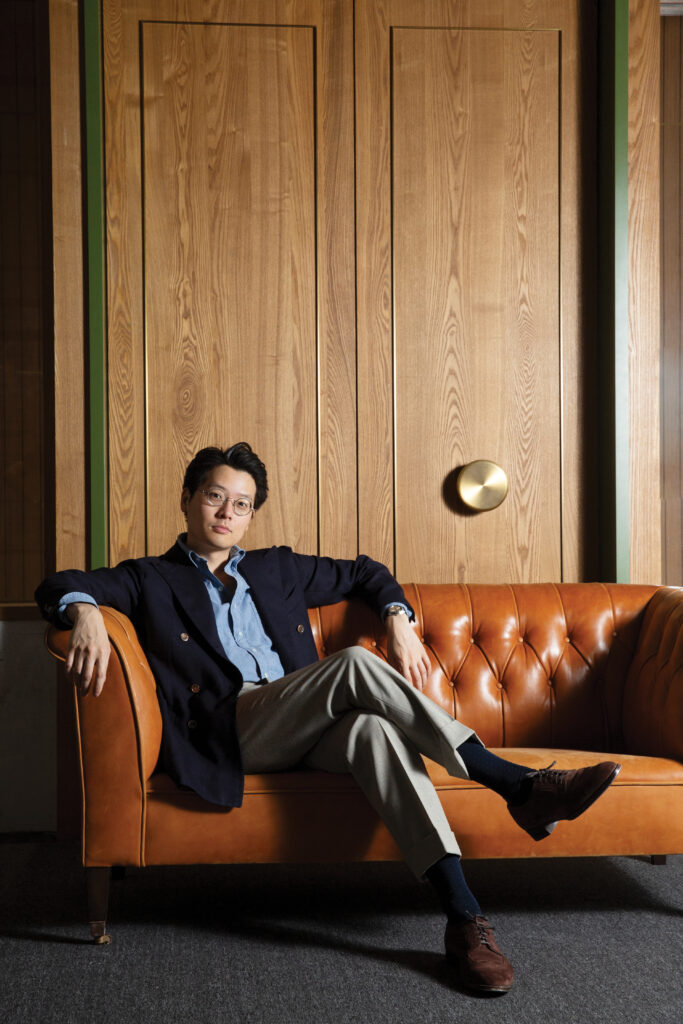
In between effortlessly poses, including lounging on a newly delivered leather couch, he has a word of encouragement for our production team: “When you have a vision, you just have to stick to it and make it work.” As the camera clicks its last shot, he immediately shakes everyone’s hand before attending to another appointment.

And unlike Kingsman’s heroes, Cho, The Armoury and the Pedder Arcade’s services are now far from being a secret. They all ace the dapper gentleman lifestyle with the right attitude, commitment and excellence.

Interview & Art Direction: Joseff Musa Photographer: Jack Law Videographer: Jack Fontanilla Venue: The Pedder Arcade

Living the life: Vienna stays top, but Asian cities are rising in the ranks of the best places to be

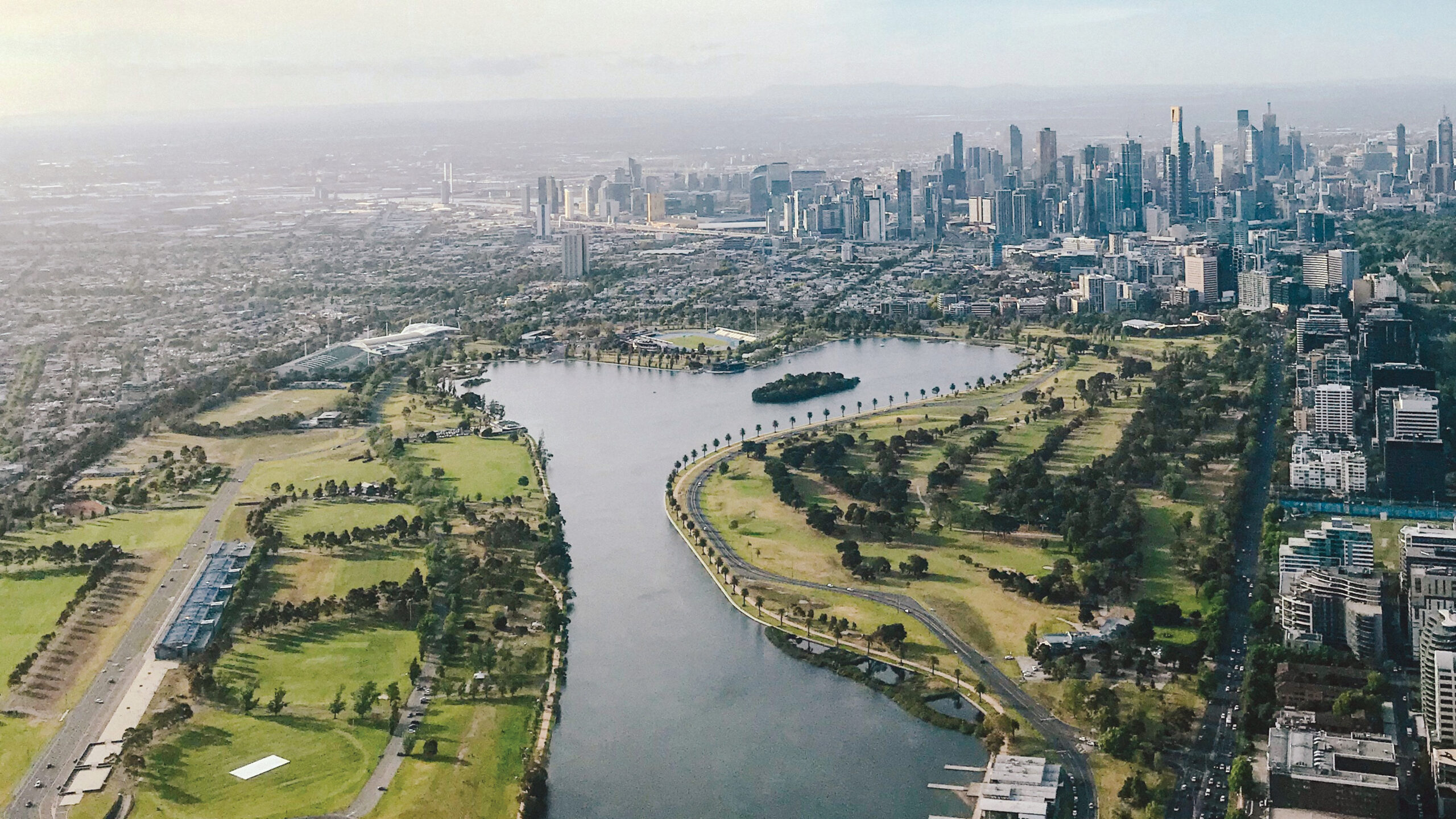
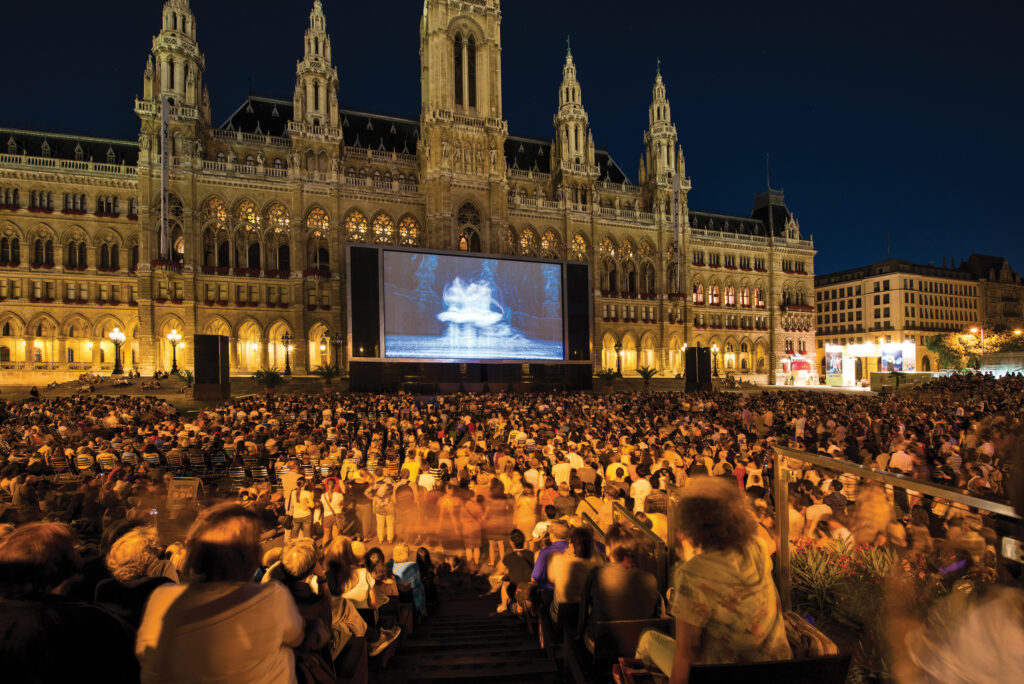
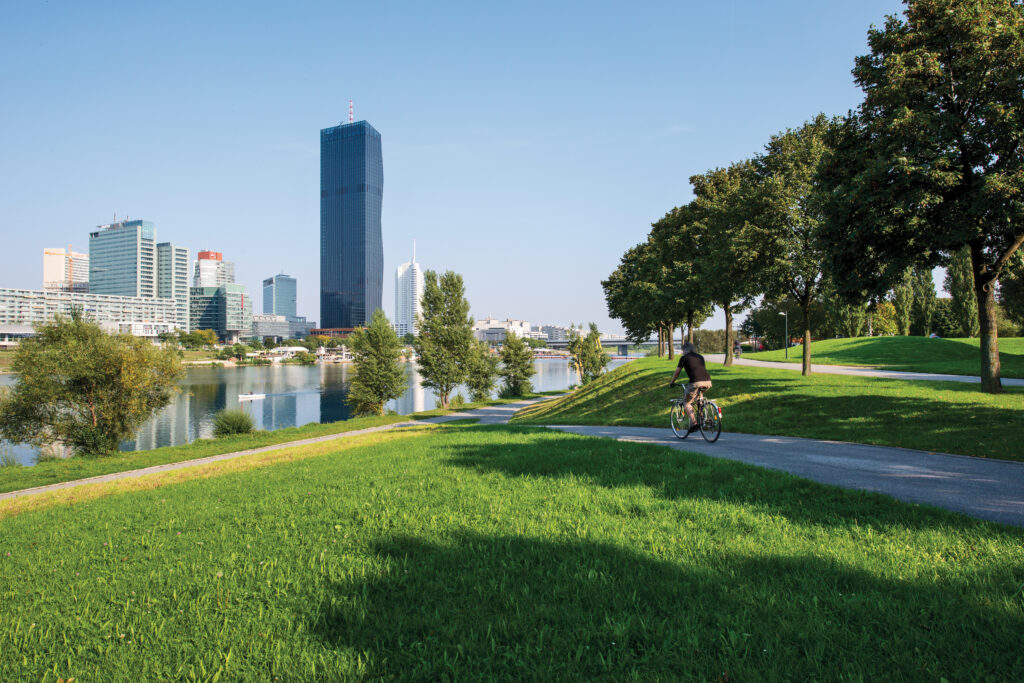
Famed for its magnificent imperial palaces and love of opera and classical music, Vienna has retained its crown as the world’s most liveable city. That is according to the Economist Intelligence Unit’s (EIU) latest Global Liveability Index, which ranks Vienna in the top spot owing to its “winning combination of stability, good culture and entertainment, reliable infrastructure, and exemplary education and health services”.

Another European city, Copenhagen, takes second place, while third and fourth positions go to Melbourne and Sydney respectively. This represents a return to form for Australian cities which were particularly badly affected by the restrictions imposed as a result of the pandemic. Three cities in Canada, two in Switzerland, and two in Asia (Auckland and Osaka are joint tenths) comprise the rest of the top 10. The rise of Asian cities among a total of 173 ranked this year is particularly striking.

The EIU is the research and analysis division of The Economist Group and provides forecasting and consulting services on an international level. The first survey was conducted in 2004 and Vienna, in 2018, was the first European city to win the coveted ranking.

This year’s edition of EIU’s Global Liveability Index has notched up the highest average score in 15 years for the original comparable list of 140 cities. The ranking process is determined by a number of criteria: stability (25%), healthcare (20%), culture and entertainment (25%), education (10%) and infrastructure (20%). Assessment is based on a mixture of quantitative and qualitative performance measures.

Viennese waltz

The authorities in Vienna were naturally cock-a-hoop about the results of the latest survey. “We are delighted to have been named the most liveable city twice this year, by Monocle and the Economic Intelligence Unit,” said a spokesperson for the Vienna Tourist Board, also referring to a separate survey.

This city certainly has a lot going for it in terms of arts and cultural experiences, catering to traditional and contemporary tastes alike. In the luxury sector, it has it all – five-star hotels, fantastic dining experiences, superb coffee houses that made the Unesco Intangible Cultural Heritage list, and marvellous shopping with top – brand retailers – while private concerts and tours of magnificent museums are available.

Aside from low crime and efficient trams, living within the splendour of this beautiful cultural cocktail is also enhanced by more simple pleasures: the quality of its drinking water. Fresh water flows into the city’s homes from 30 natural sources emanating from the nearby Alps. Water fountains are dotted around the city to top-up supplies free of charge.

Despite these undoubted attractions, the typical Viennese is characterised as being grumpy with a dark sense of humour. It is thought about a quarter of Austria’s residents hail from outside the country, making for a cosmopolitan mix.

Melbourne reemergence

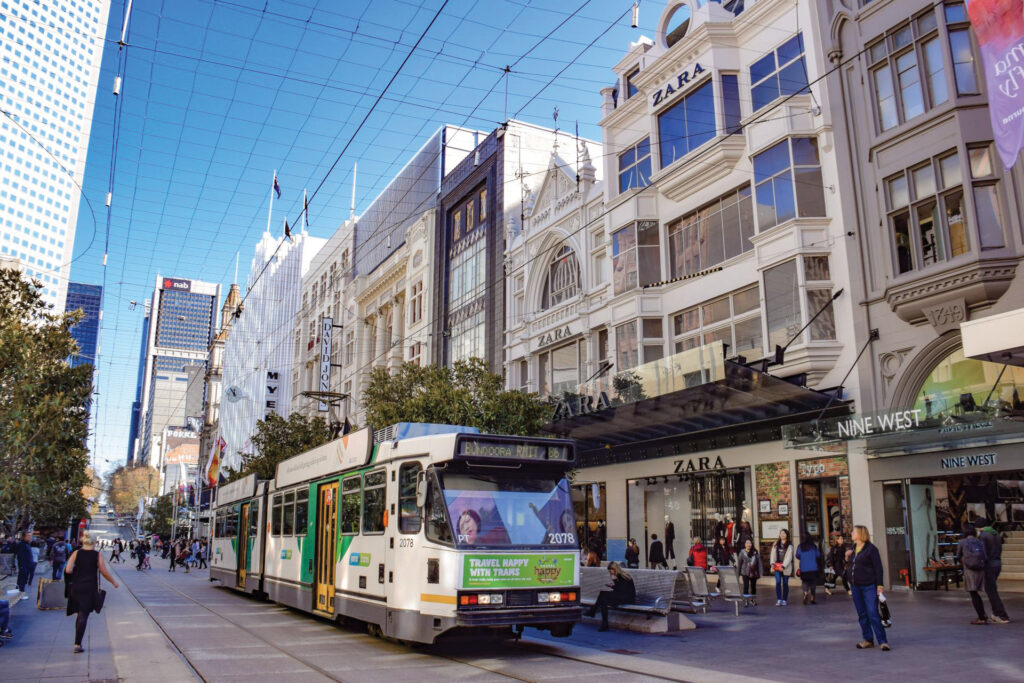
Melbourne is also another famously cosmopolitan city, with people noted for their sense of irony. The capital of Victoria has traditionally been a strong performer in the Global Liveability Index, with this year’s third-ranked city previously winning the top spot seven times.

Melbourne’s climb back up the rankings comes as no surprise to journalist Robert Blain, whose family migrated to the city from Scotland when he was three years old. Blain, who has lived and worked between Melbourne and Hong Kong for more than 30 years, notes how it is such a safe and stable city, mirroring broader Australia.

“There is an excellent subsidised and affordable healthcare through the Medicare scheme,” he says. “Primary and high-school education is practically free for all, and there are excellent private schools. Tertiary education is also of a high standard with the University of Melbourne regularly featuring highly in global university rankings, and Monash University has one of the world’s top medical faculties.”

Though Melbourne is a relatively high-taxing jurisdiction with a high cost of living, Blain believes this delivers certain advantages – outstanding infrastructure, including roads, public facilities and hospitals. He also considers the city’s culture and environment to be among its strengths; it offers thriving live-music and arts scenes and is one of the world’s great sporting cities.

“Restaurants and cafés are also varied and of the highest quality due to Melbourne’s cosmopolitan makeup,” he says. “For example, yum cha in the city rivals anywhere in the world due to the number of Hong Kong-trained chefs, combined with high-quality and fresh ingredients.”

He blames “one of the longest lockdowns in the world” for the city’s 2022 ranking when it attained 10th position. “Melburnians are indeed proud of the city’s high ranking – especially if it finishes above Sydney, with which there is a keen rivalry!”

A spokesperson for the EIU said that Australian cities are traditionally high performers and the transition away from the pandemic has been the biggest factor in restoring their status. They also noted that all cities in Canada received perfect scores for healthcare and education.

Asian risers

Interestingly, the Europeans dominate the list of top 10 fallers in this year’s rankings. Though their overall index scores did not necessarily drop sharply, other cities particularly in Asia made great strides in their scores and rose up the table. Indeed, eight of the top 10 risers are from the Asia-Pacific region, with Hanoi in Vietnam and Kuala Lumpur in Malaysia climbing impressively.

The EIU spokesperson said the liveability of a city is often connected to its economic success and vice-versa and it was this that helped explain the incremental structural improvements in cities across developing economies of Asia. “Economic growth has enabled many of the cities to push forward structural improvements in areas such as education and healthcare,” they noted. “As the world’s political and economic axis continues to shift eastwards, we expect the cities in these regions to move slowly up our liveability rankings.”

Tenth-place Osaka got a perfect score in three out of the five categories covered by EIU’s liveability index – stability, culture and environment, and education. According to the spokesperson, the city’s slight uptick in culture and environment ratings in this edition was due to the removal of pandemic restrictions.

The survey has added 33 cities since last year, many of them in China. These cities dominate the middle of the rankings, with healthcare reforms having aided their liveability scores.

Stability slips

Further to this, the spokesperson revealed global average healthcare scores had improved the most, with smaller gains for education, culture and entertainment, and infrastructure. “However, scores for stability have slipped backwards, amid several instances of civil unrest around the world.”

Inflation fuelled by high petrol and food prices and shortages of goods have sparked unrest and dissatisfaction in many cities. High-ranking Melbourne was not immune from the turmoil with supply chain issues caused by the pandemic and war in Ukraine.

Blain cites manpower shortages, especially in the retail sector, the escalating cost of living and high property prices as areas of concern. “It will be interesting to see how these challenges affect Melbourne’s ranking in the future,” he notes.

Best Games Ever: While covering themselves in glory, Hong Kong’s medal heroes also spread sporting joy throughout society

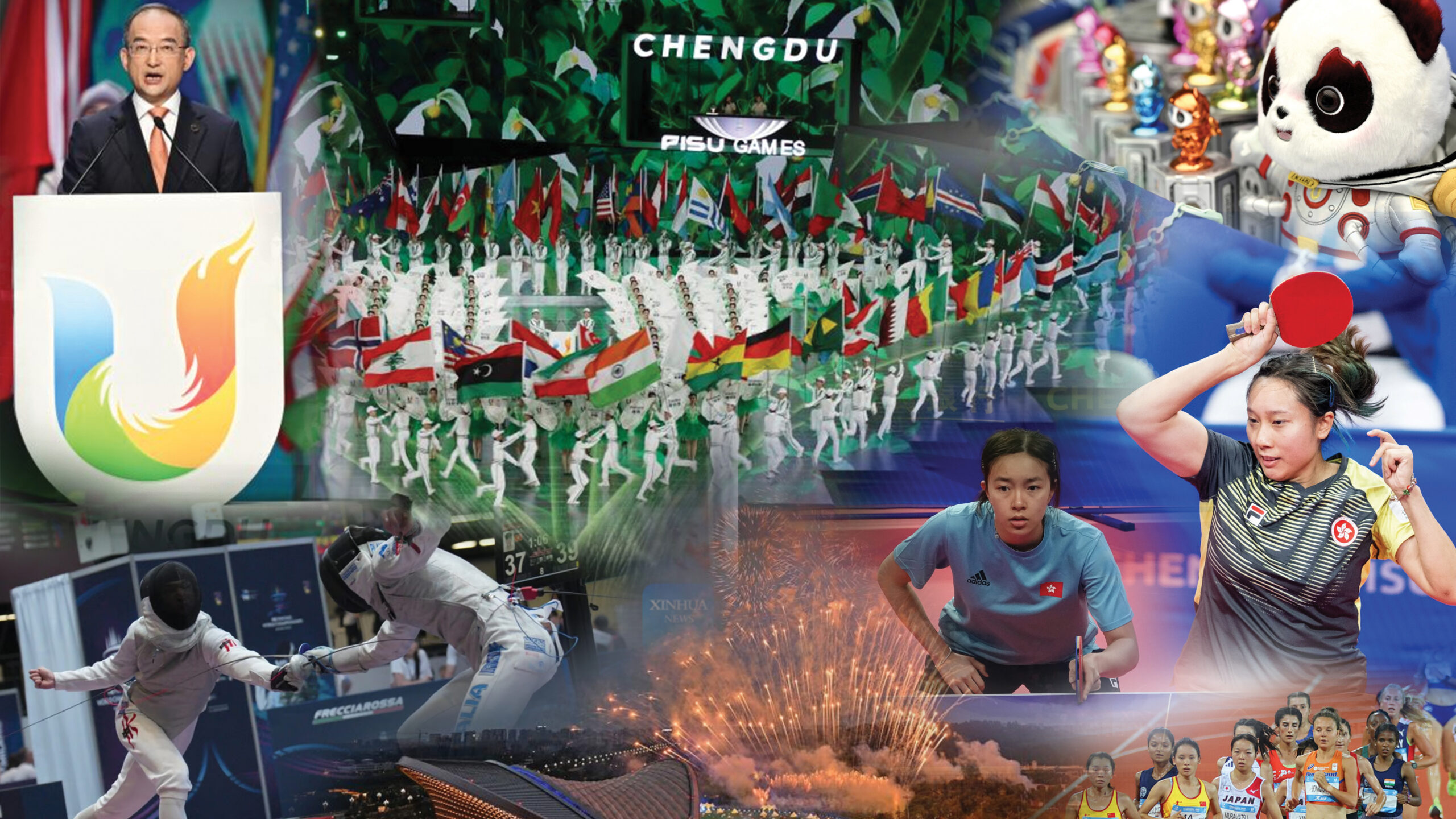
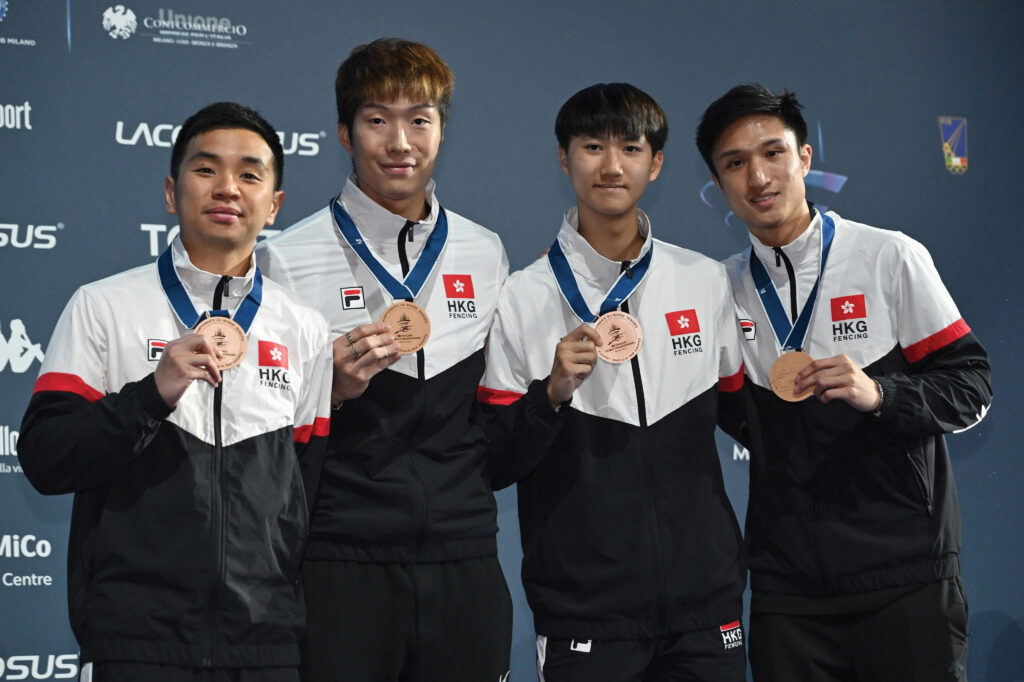
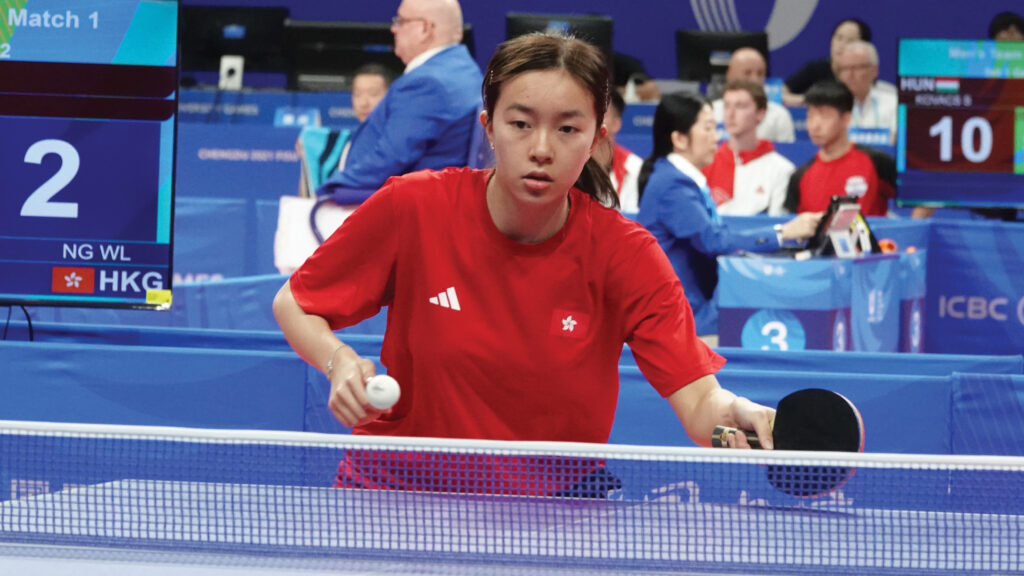
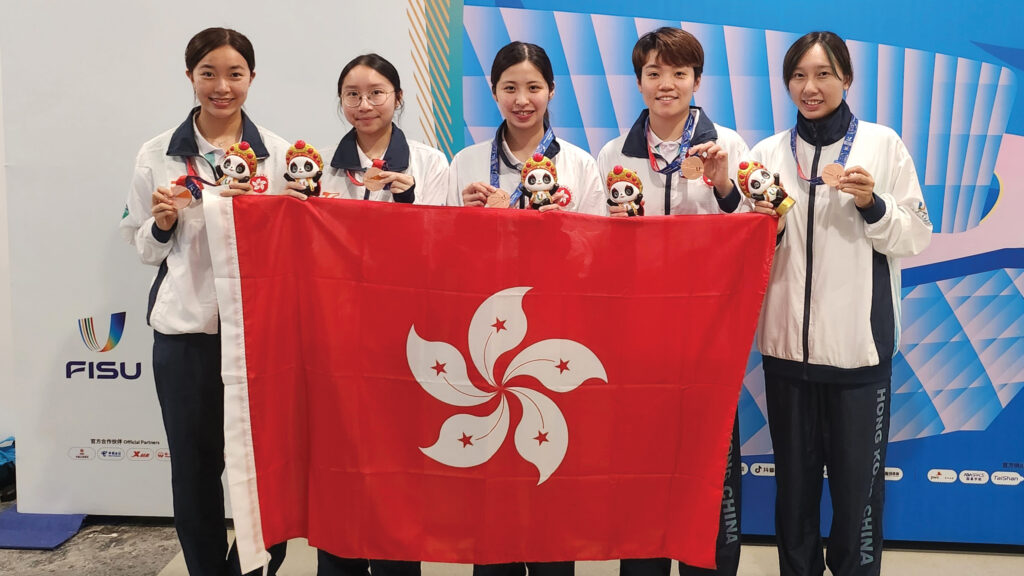
The FISU World University Games in Chengdu, China, were ones to remember for Hong Kong and its athletes. Astonishingly, their medal haul – 12 including 4 golds – matched Hong Kong’s combined total at all previous games. While friendships were forged and great individual and team battles played out, this summer’s edition of the biennial world student games will undoubtedly leave a lasting sporting legacy for the city. There were moments of supreme personal achievement and performances representing the pinnacle of sporting excellence.

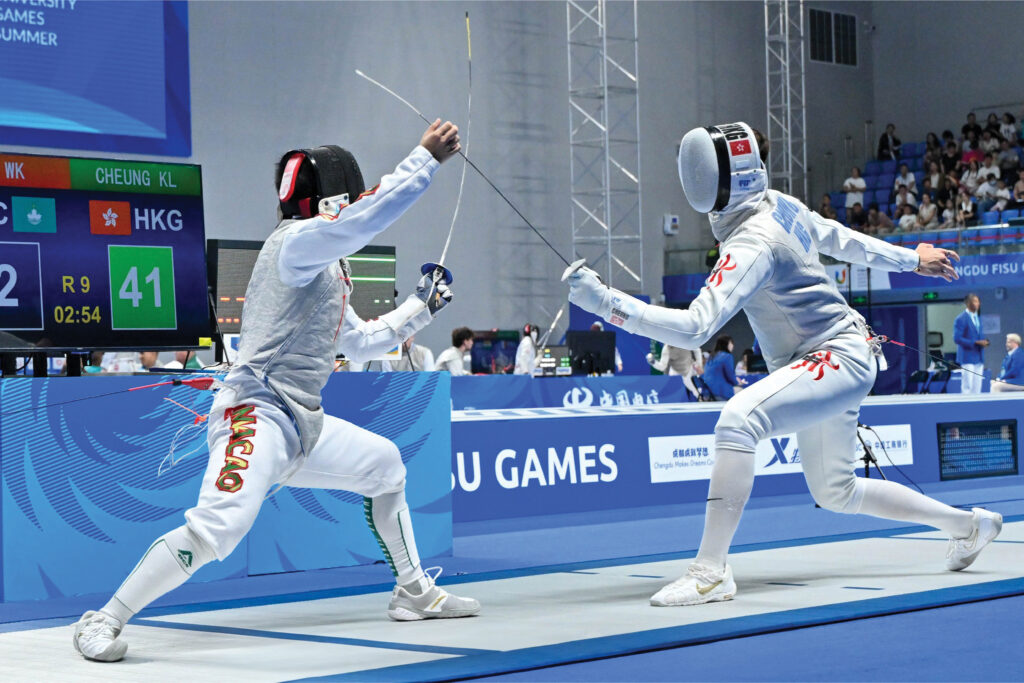
Most impressive was the achievement of Hong Kong fencing superstar Edgar Cheung Ka-long, who notched up double gold, in the Men’s Individual Foil and the Team Foil. The 26-year-old, who is studying for a bachelor’s degree in Physical Education and Recreation Management at Hong Kong Baptist University (HKBU), is no stranger to the winner’s podium, having bagged the gold medal at the 2021 Tokyo Olympics in the same individual event.

Professor Alexander Wai, President and Vice- Chancellor of HKBU, expressed immense pride in his student’s unwavering perseverance and determination, further stating: “His exceptional performance has solidified his position as one of the world’s top fencers, and we are all expecting him to reach new heights in the field.” Cheung’s achievement in winning two gold medals at a single World University Games was last matched by Hong Kong swimmer Siobhan Haughey at the 2017 edition in Taipei.

Win win for Hong Kong

In total, Hong Kong won four gold, one silver and seven bronze medals in Chengdu. Dr. Hon Sze-Sze of the HKBU’s Department of Sport, Physical Education & Health believes the success of Hong Kong athletes at the 31st University Games will enhance the perception of sports and boost participation in a city where traditionally it has ranked low in the public consciousness. “It is important for people to see that Hong Kong athletes could compete in high-level sports competitions and find success there, proving that it is not just a wild dream for young kids wanting to reach the Olympics one day,” she says.

Hon is convinced successful role models are much needed for aspiring young athletes and children alike. Regarding its value for sporting exposure, she places the games organised by the International University Sports Federation (FISU) just second to the Olympics in terms of the number of participants and the level of sporting excellence. “In terms of spectatorship, it is undoubtedly very successful in drawing a good audience,” she stresses, adding: “The World University Games is seen as a platform where young student-athletes can learn from peers of diverse culture and background; it is not merely a gathering to demonstrate athletic prowess.”

Beyond sporting excellence

The stated aim of HKBU’s Physical Education and Recreation Management degree is to provide students with sufficient depth and breadth of knowledge, skills and practical experience in the discipline. While the course is not focused on training elite athletes in technical sports skills per se, it would certainly support student-athletes in pursuing their sporting goals while studying. “In addition, under the ethos of ‘whole person education’ of HKBU, our students will receive a strong liberal arts education to prepare them for a variety of careers,” says Hon.

Other notable student-athletes studying at HKBU have competed in major games. Recently retired top track cyclist Sarah Lee Wai-sze, who won two bronze medals at separate Olympics, graduated from its Creative and Professional Writing programme. The university also had other athletes at the World University Games who performed well, such as wushu star Lau Chi-lung, who won a silver medal in the Men’s nanquan. His achievement represents triumph over adversity as he suffered a serious knee injury a couple of years previously. Hon says Lau’s example will inspire others to overcome setbacks through hard work and self-discipline.

University support

She points out that HKBU and other local universities offer different categories of scholarships to encourage current and retiring athletes to engage in academic programs which help to expand their future career prospects. Cheung, for instance, was one of the scholarship awardees under HKBU’s Talented Athletes Direct Admission Scheme last year.

According to HKBU’s website, the scheme provides funding for eligible applicants who have sport talent and achieved outstanding results in sport at admission. Funding is renewable for the normal duration of the course, subject to the student’s academic results, good progress in sport training and performance, as well as contributions to the Sport Leadership Programme.

The Hong Kong University of Science and Technology (HKUST) also provided medal winners at the Games and encourages students with exceptional athletic abilities to enrol through various admission programmes. A spokesperson indicated that as part of this commitment, HKUST has enhanced its Student Athletes Admissions Scheme to offer special admissions consideration based on sport achievements, as well as flexible study arrangements, scholarships, living allowances, academic accommodation and other relevant assistance, allowing student-athletes to pursue their sporting and academic goals simultaneously.

Citywide, the University Grants Committee of Hong Kong, which embraces eight universities, paves the way for sports stars to gain tertiary education. It maintains the Student-Athlete Learning Support and Admission Scheme to promote sport achievement-based university admissions for local athletes.

Power of sport

HKUST says it recognises the wider personal and developmental benefits of sports and its ability to foster a sense of belonging, dedication and enjoyment among students. To this end, there are more than 30 sports clubs at the university and over 50 HKUST sports teams participating in intercollegiate, local and international competitions. All new undergraduates are required to take the sports skill class within its Behavioral Foundations of University Education: Habits, Mindsets and Wellness course in their first year of study to learn how to maintain a well- balanced and healthy lifestyle.

The Hong Kong Jockey Club’s Athlete Incentive Awards Scheme rewarded those athletes who achieved success at the World University Games. Monetary bonuses provide extra incentives for top- level performance, according to Hon, who points out that many athletes devote a great deal of time to training and competitions. “However, I do not think many athletes are aiming to earn big money through their sports endeavours,” she says. “Most of them do it because of the pure love of the sport itself.”

Hon also notes many are driven by a continual desire to improve their performance levels. Hong Kong’s world-class fencer is a classic example of a person driven to succeed. Soon after his latest gold medal triumph, Cheung told the assembled media: “I don’t think about anything. My mind is just ‘be a warrior, just fight’.”

The Asian Games in Hangzhou, which begin on 23 September, is the next opportunity for the city’s sports warriors to shine.