
Lonely Planet: Social isolation is on the rise and can be as dangerous to your health as smoking

A quarter of the world’s population may suffer from social isolation and loneliness, according to the World Health Organization (WHO). Alarmingly, this epidemic of solitude now appears to be affecting the younger generation at a higher rate than the elderly. Whatever age it strikes, its prevalence has dire implications for wellbeing, both physically and mentally.

WHO points to the potential for early mortality increasing by 14 to 32 percent among those who are lonely and socially isolated, and likens the health risk to that posed by smoking, excessive drinking or physical inactivity. Increased instances of stroke and cardiovascular disease, as well as depression and the onset of dementia have been noted.

The organisation created a Commission on Social Connection in 2023 to raise awareness of loneliness and social isolation as a global public-health priority. Its experts believe the pandemic was instrumental in highlighting the importance of relationships and that these social connections are the foundation of well-functioning families, communities, societies and economies. Their aim is to ascertain the nature of the problem through global evidence on interventions to reduce isolation and loneliness, and make the case for taking action, succouring support and implementing proven solutions.

Dementia danger

The risk of cognitive decline puts this perilous issue into perspective. While noting the subtle difference between the two conditions, the Alzheimer’s Society in the UK highlights how both loneliness and social isolation can elevate the chance of getting dementia. Loneliness is how a person perceives their circumstances. It is possible, for instance, to be in a crowded room and feel lonely. Social isolation, on the other hand, refers to whether a person lives alone and how often they see their friends and are involved in social and community activities. This isolation itself could be a direct cause of dementia, though physical inactivity and depression may also play a part.   

A nine-year study of participants aged 65 or older, which was described in the Journal of the American Geriatrics Society in 2023, found the risk of developing dementia to be 27 percent higher among socially isolated older adults compared with those who were not socially isolated. One of the study’s researchers, Alison Huang of the US National Institute of Aging, noted that older people may live alone, have smaller social networks, and limited participation in social activities. She suggested that having fewer opportunities to socialise may decrease cognitive engagement and could contribute to the increased risk of dementia. 

Communication disconnect

Interestingly, a study published a month earlier in the same journal indicated that older people (aged 65 and above) who used modern technology to communicate had a reduced risk of social isolation. The use of mobile phones and computers for texting and emails was found to lower the risk of social isolation by 31 percent. Researcher Mfon Umoh of the Johns Hopkins University School of Medicine commented that basic communication tools can protect older adults against social isolation and its significant health risks, and felt encouraged by the fact that simple interventions to combat social isolation may be meaningful.

Modern communication technology could be a double-edged sword, though. Some commentators blame the proliferation of smartphones and excessive use of social media for the marked rise in loneliness among people in their 20s in Europe, the US and probably elsewhere. As WHO points out, it is not just older people who are affected by social isolation – anyone, anywhere, can be lonely or socially isolated, and suffer all its serious impacts.

Financial Times columnist John Burn-Murdoch has linked the declining mental health among young people in many parts of the world to time spent alone and its associated lower life satisfaction and levels of happiness. In his eyes, the chief culprit is the pervasive use of modern technology, and he believes young adults have a sense of powerlessness: they are aware of the problem but cannot stop idling their time away. American journalist Derek Thompson of The Atlantic has coined the phrase “the anti-social century” to describe this situation.

Social saviours

The flip side to all this gloom is that there are considerable health benefits to having a vibrant social life. According to a New Scientist report, studies have shown that being part of a non-digital social network could reduce your risk of premature death by 30 percent. For those living alone, such connections can help soothe life’s stresses through emotional support and practical means. Even such mundane activities as giving a friend a lift to see the doctor or helping with childcare may prove to be a lifeline.  

There is also an evolutionary throwback as to why being socially connected is so important. Our prehistoric ancestors needed to stay in groups to reduce their chances of being attacked by predators. The bodies of those who were alone may have adapted by producing inflammatory chemicals that reduce the chance of infection from injury. In the past, this may have had the beneficial effect of increasing short-term survival rates, but nowadays the presence of such chemicals in the bloodstream is more deleterious – they could increase the chance of a stroke or heart attack.

Relationship inhibitors

Given the importance of social connections for health and wellbeing, it is baffling why some people don’t put more effort into building stronger, more meaningful relationships. Researchers are now throwing light on this conundrum. In his book The Laws of Connections: 13 Social Strategies That Will Change Your Life, David Robson outlines the psychological biases that can sabotage our social lives. He points to research by Erica Boothby and Gus Cooney that suggests people can be too preoccupied with thinking they have made a bad impression and are overly pessimistic about their ability to connect with new people. Boothby and Cooney have dubbed this social-interaction inhibitor – whereby people underestimate how much another person liked them – as the “liking gap”.

Other psychological barriers to social connection are also being discovered. Ultimately, says Robson in the New Scientist, many people are afraid to converse with others, not realising others would welcome the chance of doing so.

Fostering friendship

Research carried out by Maya Rossignac-Milon at the University of Navarra in Spain highlights the importance of developing a “shared reality” in fostering strong social relationships and new friendships. This is where trust is built up through seeing the world in the same way as the other person. This sense of shared reality becomes relevant when considering close friends, romantic partners or passing acquaintances, and it can be smoothed by sharing intimate thoughts or even worries at work.

Another good technique for building friendships is to show gratitude and appreciation of others. Many people hold back from doing so.

Power of solitude

Another side to the coin is that not all time spent alone can be considered a bad thing. Being alone can have its upside, aiding the likes of emotional relaxation and creativity. In their book Solitude: The Science and Power of Being Alone, Heather Hansen, Netta Weinstein and Thuy-vy Nyguyen explain how beneficial moments of solitude can be, and how vital they are for health and wellbeing. Indeed, they postulate that alone time may be essential for a balanced, happy life.

In a study involving thousands of participants in the UK, the researchers found that having a psychological distance from people, though not necessarily a physical one, can help free you of others’ expectations and be very relaxing. In addition, a “non-fearful” preference for solitude – that is, time spent willingly in social isolation, balanced with moments of interaction – is key to fostering creative thinking.

[Feature Story by Lantau Yacht Club] Hong Kong’s latest outdoor wedding venue – Where sea meets sophistication

Lantau Yacht Club – A Wedding Venue Like No Other in Hong Kong

Lantau Yacht Club offers the city’s most exclusive and picturesque wedding venue

Step into a world where luxury yachts and crystal waters create your wedding’s perfect backdrop. Lantau Yacht Club offers an exclusive outdoor sanctuary where maritime elegance meets celebration, setting a new standard for waterfront weddings in Hong Kong.This hidden gem offers couples a personalised experience to craft a timeless, alluring ambience as they embark on a new chapter of life together.

Timeless Memories

Immerse yourself in our stunning marina environment, where the gentle lapping of waves and magnificent yacht displays create an atmosphere of unparalleled luxury. With capacity for up to 150 guests, our venue seamlessly accommodates all your wedding day requirements in one extraordinary location.

Create timeless memories along Hong Kong’s only 100-metre marina berthing area, with a backdrop of pristine waters and luxury vessels offering unprecedented photo opportunities. Adding to your convenience, enjoy complimentary use of our exclusive wedding golf cart service throughout Discovery Bay on your wedding day. This will gracefully guide you through meticulously crafted pathways enveloped by our Mediterranean-inspired gardens.

Our dedicated wedding specialists orchestrate every detail with precision, offering you a seamless celebration that exceeds expectations. From venue styling to catering coordination, your vision comes to life effortlessly in our care. Trust our professional team to handle all aspects of your special day while you focus on creating memories that will last a lifetime.

Saying Your Vows at a Mediterranean-Inspired Haven

Immerse yourself in an idyllic haven as you exchange vows in our picturesque Clubhouse Lawn or Marina Lawn, nestled amidst lush greenery and a scenic superyacht marina with a dramatic backdrop of the South China Sea. Celebrate your special day with your family and friends as they witness your wedding vows and create cherished memories together filled with overflowing joy and love.

Culinary Masterpieces

Indulge in a gourmet journey curated by our exceptional culinary team, where each dish is meticulously crafted to tantalise your taste buds. Experience expertly grilled dishes at our barbecue station, the freshest seasonal seafood, and an array of grilled gourmet delicacies.

Let the Celebration Continue Under a Starry Night with Jazz Music

As the sun sets over our marina at the golden hour, let soulful melodies of jazz fill the air, inviting you and your guests to dance the night away, creating cherished memories of love and joy beneath the twinkling canopy of stars.

The Clubhouse Lawn, set against the backdrop of a stunning superyacht marina and a boundless sea, offers an enchanting atmosphere for your celebration. This expansive lush greenery comfortably accommodates up to 150 guests, providing ample room for your beloved ones to share the joyful moments of your special day.

If you seek for a cosier setting, the Marina Lawn awaits. With the endless ocean as its backdrop, this inviting space creates a tranquil ambience perfect for weddings of up to 80 guests.

Celebrate your special day at our stunning venues with professionally arranged packages.  For more information and bookings, please contact our Event & Marketing Team at

event@lantauyachtclub.com.

https://www.lantauyachtclub.com/events

Waste Away: CHOMP’s Carla Martinesi champions a world where leftovers are consumed not binned

Standing at an impressive 5’11” – or a full six feet with heels – Carla Martinesi’s height can’t help but draw the eye. “I used to be a model, but that wasn’t paying the bills,” she jokes as she prepares for our photoshoot, reflecting the playful yet indefatigable spirit of someone who has navigated the world of food and beverage to carve her name as the founder and CEO of food-saving app CHOMP.

While exuding a perky charm as she candidly discusses the awkwardness of her modelling days, it’s evident that Martinesi’s real passion lies in making the world a better place. “Don’t get me started because I can really talk a lot,” she laughs. “We can go on and on and on.” Though she teases about the endless flow of inspiration that fuels her award-winning food-waste initiative, her steely determination to take the venture further is also apparent.

Checking her makeup in the DIY mirror she’s fashioned out of her phone, she swiftly proceeds to model the garments selected from local brands. “Wow, this is really pretty; I could never afford this!” she exclaims, admiring one piece. Her infectious energy, inventiveness and down-to-earth demeanour blend beautifully into the mission she has embraced ¬– a perfect fit for an April Earth Month issue.

Roots and Revelations

Between the bustling streets of Hong Kong and the serene Swiss Alps, Martinesi’s upbringing intricately shaped her worldview. “I was born in Hong Kong and moved around quite often due to my father’s job,” she recalls. Her childhood was punctuated with stints in Italy, the Middle East, Israel and France, but it was in Switzerland that she found her love for nature.

“Snow sports were part of our schooling, and every winter, I spent time skiing and snowboarding in the mountains,” she says, eyes gleaming with nostalgia. “Sitting at the top and taking in the panoramic views was when I knew I wanted future generations to experience that, too.”

Yet, it wasn’t just the breathtaking landscapes that instilled a love for the environment. Martinesi reflects on how her unique Swiss-Chinese household fostered a heartfelt commitment to sustainability. “My mother was resourceful in the kitchen, always finding ways to repurpose ingredients and leftovers,” she shares. “When herbs wilted, she’d make compound butter. We never ate the same food twice.”

Through the lens of the familial tradition of minimising waste, the seeds for CHOMP were sown.

Serving Up Solutions

The idea for the app sprouted in 2015 while the hospitality management student worked in a prestigious hotel restaurant and witnessed a shocking amount of food waste tipped into bins. “I felt compelled to do something,” she says. Having returned to her Hong Kong roots in 2019, she landed a creative job in marketing, but the pandemic struck and her career path stalled. “I realised many friends in the F&B industry were facing challenges, too,” she relates. “Conversations about food waste bubbled to the surface, and I decided to take action.”

Thus, the birth of CHOMP in 2020, a platform that connects F&B businesses with customers at home wishing to enjoy discounted meal boxes filled with unsold food. Martinesi quickly made waves in the industry, saving more than 20,000 kilogrammes of edible food from landfills in the app’s first three years of operation and partnering with renowned names like Maxim’s and the Shangri-La hotel group.

But for her, success goes beyond numbers. “It’s intertwined,” she asserts. “I’m proud when we save even a single croissant; it shows that we’re making a difference. Through our app and events like The Rescued Feast, we’re transforming an uncomfortable conversation about waste into one that generates intrigue and knowledge. People realise how engaging and impactful sustainability can be.”

Her sense of fulfilment is rooted in CHOMP’s community impact, whether it’s the young girl asking about starting her own animal welfare business or the conversations ignited at workshops and events. “You can gauge success through tiny moments,” she reflects. “When a stranger walks up to me and shares they’ve used our app, or a restaurant says we’ve helped alleviate their waste problem, that’s when I know we’re on the right track.”

Vision for Change

Martinesi’s ambitious vision for the future includes reaching a target of 100,000 kilogrammes of food saved and engaging 500 F&B partners by the end of this year as part of CHOMP’s expansion plan. “We want a larger-scale reduction of waste,” she emphasises, focusing on education initiatives that introduce sustainable practices to the next generation. “Workshops and social media campaigns like #TuesdayTips impart practical advice for minimising household food waste. I want to see community engagement become a cornerstone of our mission.”

She admits: “Food waste isn’t a pretty subject. How do you make garbage a compelling conversation starter?” Yet, through inventive initiatives like The Rescued Feast – a series of dinners where top chefs create dishes from surplus food – and educational outreach to schools, she has successfully made this conversation accessible and engaging to the community.

Despite her accolades, including being named on the Forbes ‘30 Under 30’ list, the young Millennial boss remains humble, always looking ahead. “Recognition helps open doors, especially as a woman in a male-dominated field, but we’re still grappling with challenging issues like food waste and climate change,” she shares.

“Our app is just one piece of the puzzle; social media helps raise awareness and educates the community. In the global conversations about sustainability, I see CHOMP’s role as a door-opener – showing that impactful initiatives are possible.”

Breath of Fresh Air

Martinesi’s passion is palpable, almost overwhelming. “I need water. Whew!” she laughs, during our conversation, her excitement evident. “I can’t help but be invested in what CHOMP does. It’s a mission I take to heart.”

To the outside eye, she has already achieved so much, making a difference at such a youthful age, but she sees it otherwise. With a hint of pride that those who are even younger will take on the environmental mantle and do even better, she stresses: “I cannot do this alone. I rely on the younger generations to continue this work. It’s really a team effort.”

Wise beyond her years, Martinesi concludes by reiterating her desire to leave a legacy for a brighter, more sustainable future. “We may not end food waste on our watch, but we aim to ignite a flame of awareness and action for those who follow. The next generation holds the answers; I’m here to pave the way.”

Photographer: Jack Law   Videographer: Jack Fontanilla   Venue: 1880 Hong Kong – The Double    Brands: Fenxiang & Emma Wallace 

Perfect Landing: Kai Tak flies high again as home to a world-class sports park and magnet for mega events 

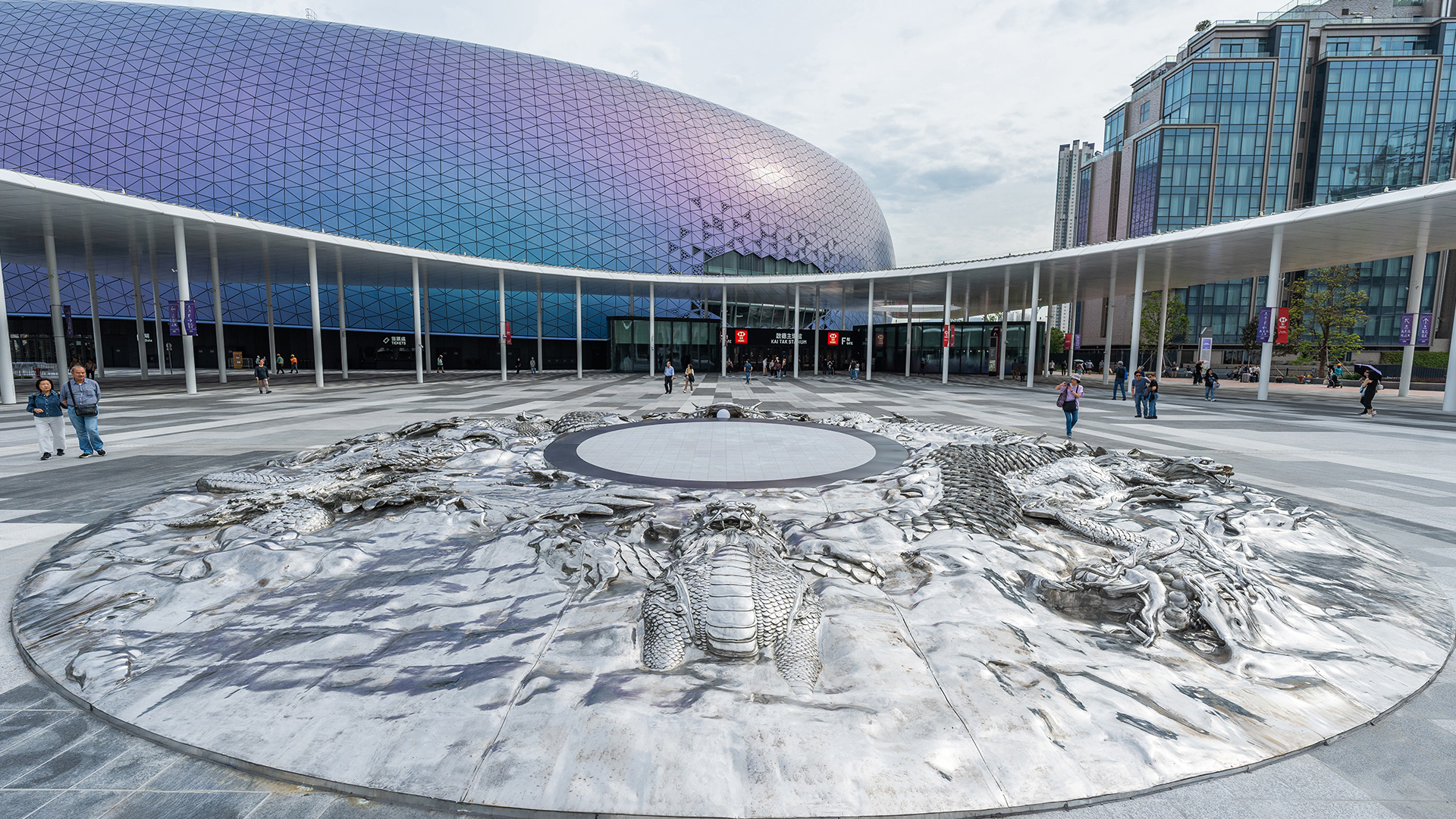
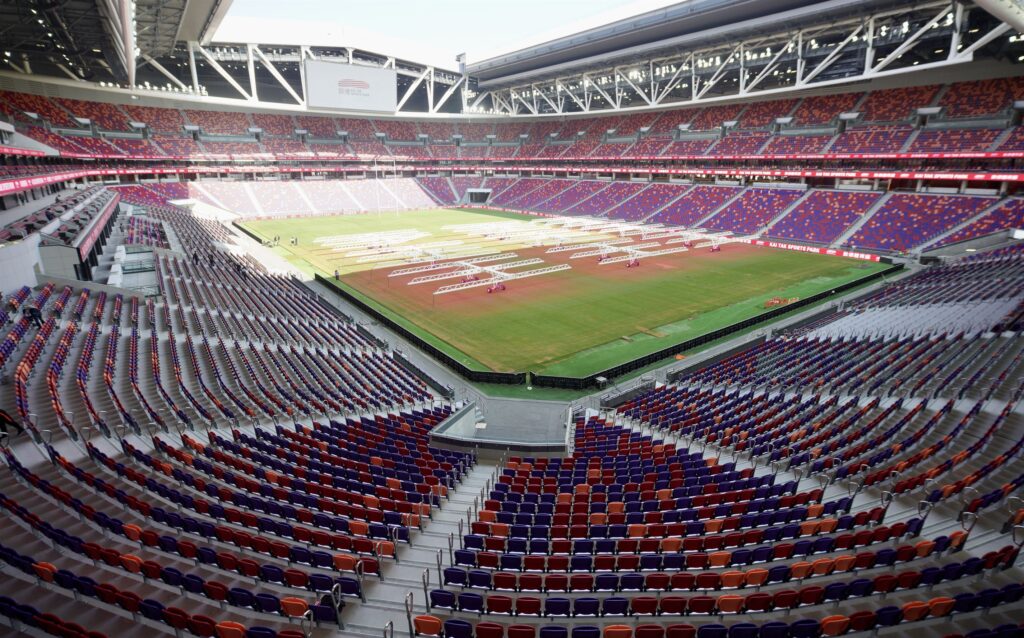
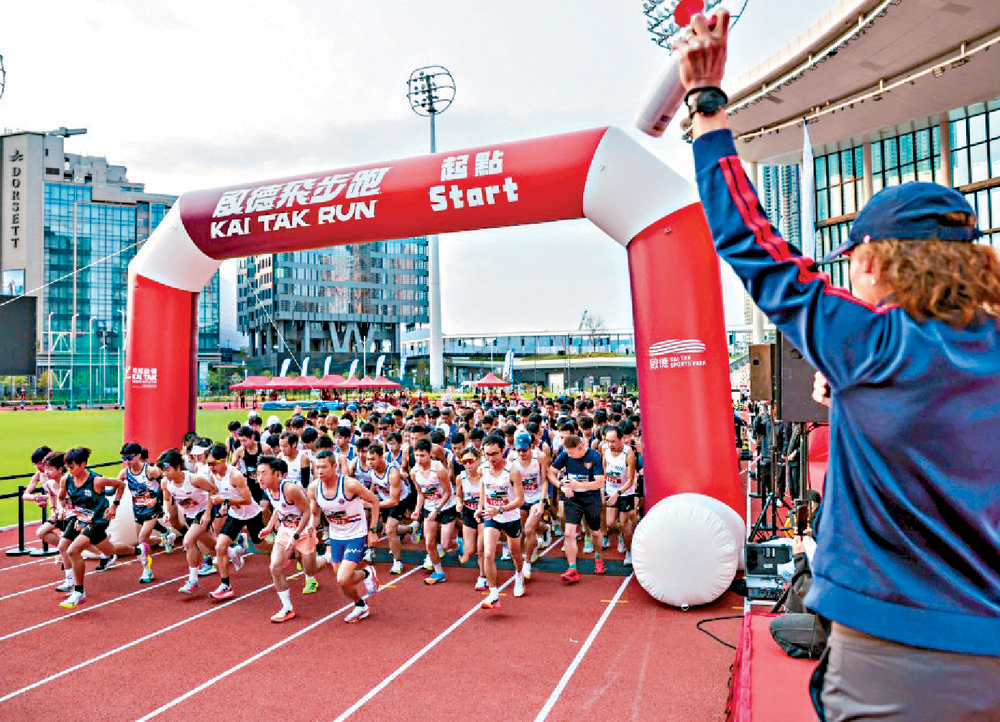
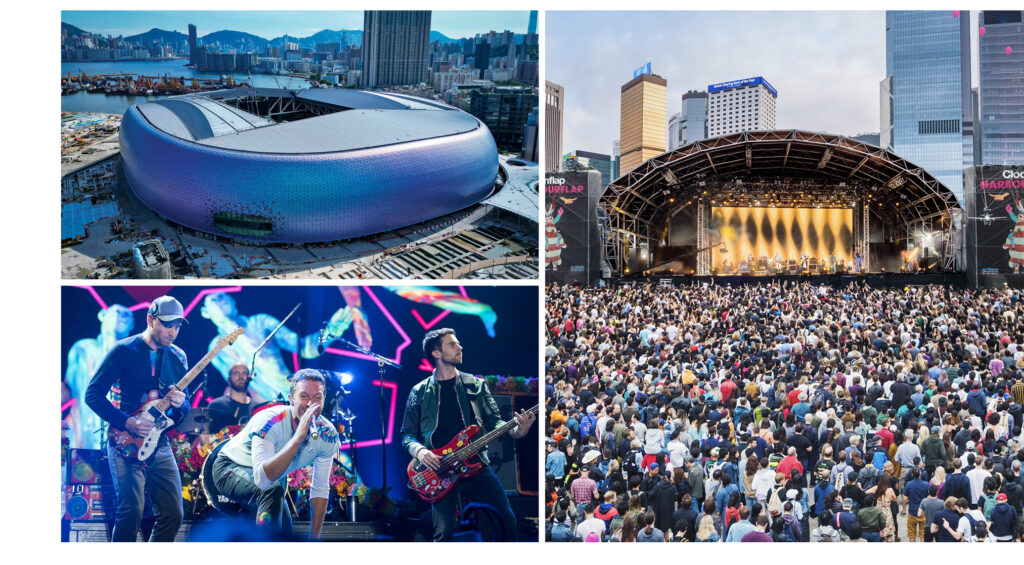
The gleaming transformation of Hong Kong’s old airport in East Kowloon – once the end point for perhaps the most perilous and nerve-racking descent in aviation history – into the magnificent new Kai Tak Sports Park is undoubtedly a huge lift for the city. Spanning 28 hectares, it is the largest sports, entertainment and mega-event complex in Hong Kong history, and shining at its centrepiece is a spectacular 50,000-seat stadium. 

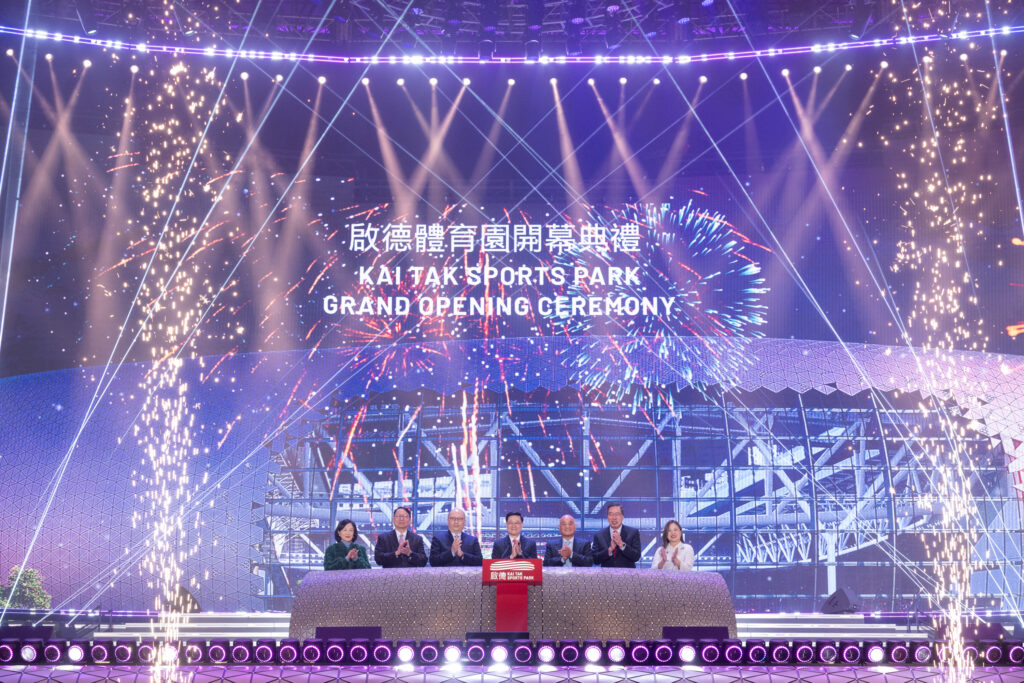
Indeed, Hong Kong Chief Executive John Lee didn’t hold back in highlighting the significance of the sports park during its opening ceremony on 1 March. He also marvelled at the engineering achievements it embraces. Kai Tak Stadium, for instance, boasts one of the largest opening and closing canopies in the world, a flexible pitch system that switches from natural turf to other surfaces, and other advanced design features, enabling it to host a variety of large-scale events in different weather conditions. 

“Today, we are witnesses to a state-of-the-art new stage for Hong Kong. And like this very stadium’s retractable roof, the sky is the limit,” he enthused. 

Aside from flying Hong Kong’s flag as a world-class venue for mega-events, the impressive development located on the site of the former Kai Tak airport offers a host of other attractions, including an indoor arena, a public sports ground, a retail and leisure mall, a waterfront dining area, an outdoor theatre and open spaces for public enjoyment. It was constructed at a cost of HK$30 billion. 

Arena applause

Kai Tak Sports Park has already played host to world-class events, most notably snooker’s World Grand Prix and the recent Hong Kong Rugby Sevens. The former took place at Kai Tak Arena, the park’s indoor sports and community-events centre that has the flexibility to seat up to 10,000 people. 

Bringing this premier snooker tournament to Hong Kong was undoubtedly a major coup, and it was considered a resounding success by many within the sport. The head of the World Snooker Tour, Simon Brownell, opined that Hong Kong is now one of the best places in the world to put on snooker tournaments, a sentiment echoed by others, including reigning world champion Kyren Wilson.

Kai Tak Arena’s inaugural major event did not pass completely smoothly, however. The last-minute withdrawal of seven-time world champion Ronnie O’Sullivan for health reasons was a setback. Although O’Sullivan’s superstar status was surely missed, the quality of the snooker on display throughout the tournament was of such a high order that this loss was less significant. 

A teething problem saw the ejection of fans from the arena before the conclusion of a match because transport services would end at midnight. Images of spectators being herded out were viewed around the world, casting local officialdom in a rather negative light. Brownell, though, indicated that Hong Kong’s reputation as a successful event manager would not suffer as a result of this unfortunate one-off curfew.

World-class goal

According to Roy Ying, a Senior Lecturer in Marketing at the Hang Seng University of Hong Kong, the incident serves as reminder of the importance of meticulous planning and effective communication when organising major events. He believes Hong Kong must enhance its ability to deliver world-class experiences and invest in nurturing event-management talent in order to meet its goal of becoming the go-to destination for international events. 

One positive in terms of crowd management is that Kai Tak Sports Park utilises Easy Leave, Hong Kong’s first AI-based real-time crowd data analysis platform, to facilitate the swift and safe departure of attendees from the complex.  

Stadium for the stars

The park’s star venue, Kai Tak Stadium, served as the cauldron of world-class rugby during the Hong Kong Sevens at the end of March, and is set to welcome other major sporting events within the year. As the Chief Executive stated during its unveiling last month, a number of events in the 15th National Games, jointly organised by Guangdong, Hong Kong and Macau, will be held here in November. He added: “And you can count on scores of concerts by top singers and bands from home and abroad, here to raise the roof of Kai Tak Stadium.” 

Fans of Coldplay and Nicholas Tse will certainly pack it to the rafters this month. To namedrop a few more, Singaporean singer-songwriter JJ Lin will take to the stage next month, the first Mandopop star to do so. In June, it will be the turn of Taiwanese superstar Jay Chou to hold court at three sold-out concerts.

The sparkling new stadium is seen by players in the travel industry as a potential game-changer in the battle with Singapore to attract major acts to Hong Kong. However, after losing out to the Lion City last year in the race to sign up Taylor Swift, the recent announcement that Lady Gaga’s Asia stop next month on her world tour will take place at the Singapore National Stadium is another big disappointment for Hong Kong. 

Despite this, Travel Industry Council Chairman Tommy Tam believes the city now has far more leverage to attract top stars in the future. Kai Tak Stadium and the sports park as a whole are important milestones in the ability of Hong Kong to provide to diversified offerings to tourists.    

Terrific turf

Facilities at the complex are certainly of the highest standard, in line with those of world-class sports and entertainment destinations overseas. Impressively, the park’s public sports ground, Kai Tak Youth Sports Ground, which has a capacity of 5,000, utilises Lay and Play technology, in which hybrid carpet pitches are grown off-site and then installed. Offering the advantages of faster pitch recovery and more flexible event scheduling, the system is widely used in top European stadiums. Thus, its pitch quality should be on a par with English football stalwarts Anfield, Wembley Stadium, and London Stadium, which was built for the 2012 Olympic Games and is now West Ham United’s home ground.

“The turf system is like a carpet with natural and artificial grass fibres attached to it,” explains Daniel Fan, Operations Manager of Kai Tak Sports Park. “After the carpet is laid, it only requires filling with a layer of lightweight planting sand and simple grooming to stand upright, ensuring it is readily available for use in sporting events. This innovative technology is not only efficient in establishing a high-quality playing surface instantly but also eliminates the lengthy planting process, making turf care and maintenance more flexible.”

Green glory

A raft of green and sustainable features was incorporated into Kai Tak Sports Park during the design and construction phases. To outline just a few, there are more 1,000 trees to reduce urban heat island effect and improve visual comfort; all buildings feature advanced ventilation and green aspects to improve air quality and reduce carbon emission; and charging facilities for electric vehicles are provided at all private car parking spaces.

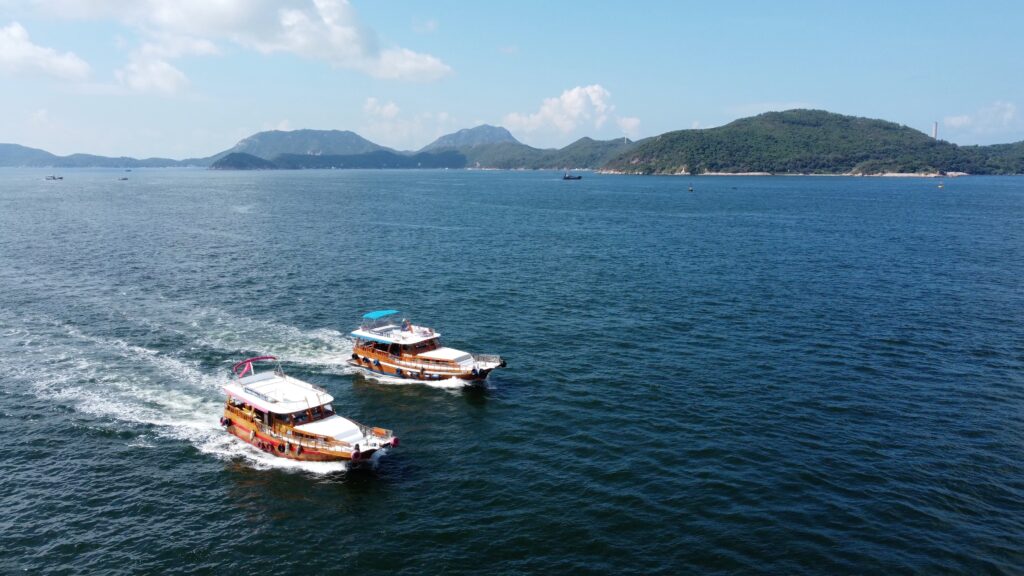
To strengthen the appeal to visitors, some of the hotels and dining establishments connected with the sports park wooed clients with special celebration packages during the run-up to the opening and beyond. One company, Charter Junks, enabled Rugby Sevens ticket-holders to book a relaxing morning boat trip embarking from Central and dropping them off a short walk from the stadium – with a reverse itinerary available in the evening. An open bar, plenty of snacks and the iconic Hong Kong skyline en route will surely have kept the competition’s characteristically raucous fans extremely merry.

Happy landing

Cathay Pacific, which called Kai Tak Airport home for more than 50 years, sees the new state-of-the-art, multipurpose Kai Tak Sports Park as symbolic of the growth and development of Hong Kong. The local carrier has been named as the park’s exclusive Founding Travel Partner and is excited to help fulfil its huge potential of attracting visitors to Hong Kong. 

“Through strategic collaboration with Kai Tak Sports Park, we hope to bring together visitors from all over the world to our home by creating immersive experiences that enhance its international profile and celebrate its rich heritage,” says Lavinia Lau, Cathay Chief Customer and Commercial Officer. “The exciting line-up of sporting and cultural mega-events at the sports park will surely boost tourism and inspire the people of Hong Kong.”

These sentiments are echoed by Alexander Wassermann, Head of Hotels & Service Apartments at Miramar Group. Recognising the immense potential that this facility brings to the hospitality industry, he notes: “We expect a surge in demand for accommodation, dining and ancillary services, creating numerous opportunities for local businesses and boosting the economy.”

Sheer Class: The prestige of boarding overseas – and the global doors it opens – still resonates in Hong Kong

Despite the recent strong performances of Hong Kong universities, the attraction of an overseas education shows no sign of abating for many local students. Families are prepared to fork out the additional fees and expenses required to study abroad since it is still seen as a passport to a golden future. The UK, the US, Australia and Canada are the destinations most preferred.

For many local pupils, boarding overseas is a stepping stone to a top international university. Take the experience of young Hong Kong professional Frankie, who went to England aged 17 to study A-levels, then went on to a good university. “I chose to study abroad because it could raise my chances of getting into a top university,” he shares. “During my time in the UK, I gained a lot of international exposure as my university attracted students from all around the world.”

These sentiments are familiar to Gerry Chu, Director of Apply Ivy, a company which helps students prepare for and apply to competitive boarding schools and universities abroad, primarily in the US, the UK and Canada. Many of his young clients attend international schools in Hong Kong, and they are typically interested in building on their existing experience by gaining an international perspective at secondary or tertiary level.

“Another reason for studying abroad is that students may have different career options available to them upon graduation,” he says. Attending a US college is preferred by some since it allows the exploration of different courses while a student decides a future career path.

Life lessons

Time spent studying overseas also brings the benefit of fostering a spirit of independence. “Often, with this independence, young people are more likely to have varied life experiences,” he notes. “They are given opportunities to succeed and fail, which provide meaningful life lessons.”

Gerry Chu

Often, with this independence, young people are more likely to have varied life experiences.

Chu says many students choose their destination based on previous knowledge of that country from family, friends, or past visits. “Everyone has a unique situation, perspective and set of goals that will guide them in their decision-making process,” he adds, citing geography, culture, language, weather, area of study, and future career prospects as some of the considerations.

He advises doing as much prior research as possible; visiting the schools and universities before applying, if possible; and attending summer programmes abroad to get a better sense of life away from home in another country.

Superior education

For Garth Grierson, the founder of Art Curators Hub and a former international school Head Teacher, one of the top draws of an overseas education is the potential for academic excellence. “Very often pupils at these private schools attain a superior academic standard,” he says. “They are far more disciplined and more motivated as they are competing with some of the best students in the world. This is contagious.”

Another plus from his experience is that schools overseas deliver a more holistic education, in which mind, body and soul are equally important in the development of each student. Sporting activities and projects to develop teamwork are part of a wide-ranging curriculum.

Garth Grierson

Students are encouraged to get involved with social activities to assist others who are not as fortunate as themselves.

“Problem-solving skills and thinking outside of the box become the norm. Students are encouraged to get involved with social activities to assist others who are not as fortunate as themselves. Social intelligence is developed,” adds Grierson, who as a teacher in Africa was involved with Round Square, an international organisation helping students from all over the world to realise their full potential.

He notes that most pupils embarking on an overseas education will feel homesick at some point during their stay. “This is normal, and as they adapt to their new environment, this seems to disappear.”

Boarding troubles

A British teacher at a prestigious private boarding school in England which attracts many international students warns that separation from family and home culture is one of the potential downsides of studying overseas. She has witnessed the psychological impact of what is termed boarding-school syndrome on pupils. In extreme cases, it can result in long-term emotional and behavioural difficulties.

Her advice for parents planning to send their offspring to overseas boarding schools is to check the support on offer, the bullying policy, and whether or not there are private rooms. Limited social interaction outside of school and the possibility of racial discrimination against non-white pupils are other concerns facing boarders.

She references Mumsnet, the Good Schools Guide, the Daily Telegraph and Richard Beard on YouTube as valuable sources of information when researching the suitability of boarding schools in the UK.

Prestigious pathway

As a counter to these aforementioned drawbacks, she points to the many distinct advantages of attending a British boarding school. It can facilitate entry to a leading university in the UK or the US and access to the global elite, as well as provide fantastic sports facilities and foster independence and self-confidence.

Then, there’s the prestige factor of attending a famous British private school and acquiring the Received Pronunciation English accent, which can open doors in education and social circles. Wealthy Malaysians interviewed for a recent newspaper article admitted that the cachet of speaking with a refined English accent was one of the main attractions of a UK education.

Global advancement

Kevin Lau, Founding Convenor of the Hong Kong Global Youth Professional Advocacy, believes he has benefitted immensely from an overseas education. He was schooled in Canada, then attended Duke University, the University of North Carolina and Stanford University in the US. He also holds a Fellowship from the Royal College of Radiologists in the UK.

“While Hong Kong is a global city – a thriving hub of international trade, finance and culture that already exposes its residents to a diverse mix of people and ideas – studying overseas takes this exposure to a deeper level, providing an immersive experience that fosters a profound understanding of global perspectives and cultural nuances,” says Lau. “Overseas education fosters global citizenship, lifelong friendships, and a competitive edge in job markets for Hong Kong students.” He also emphasises the excellent networking opportunities gained by studying overseas.

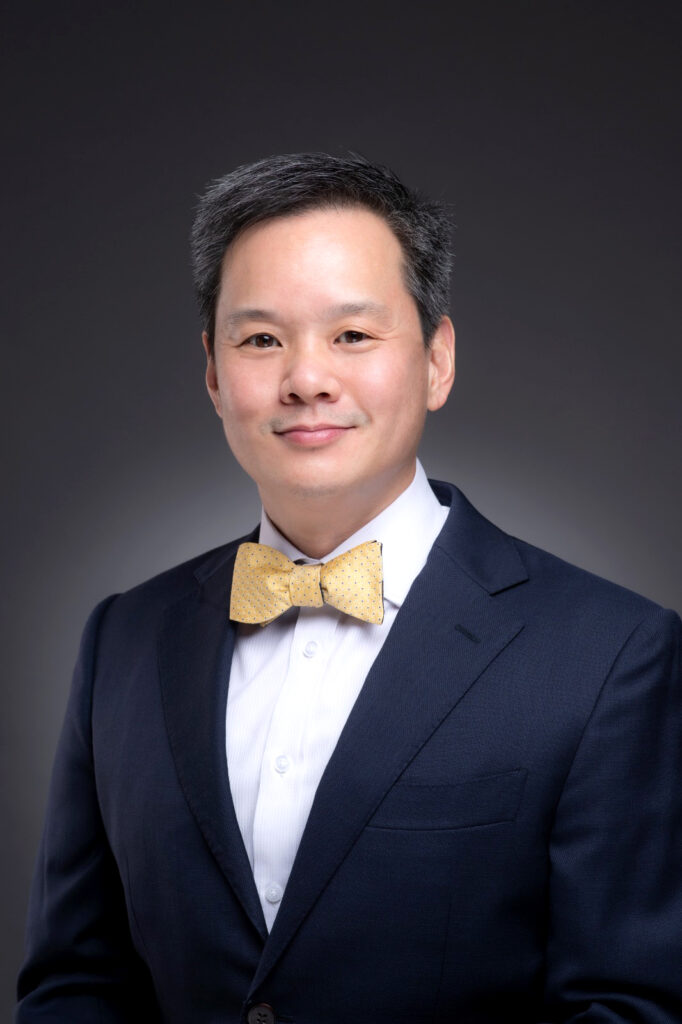
Kevin Lau

Hong Kong students may benefit from their unique pedagogical approaches, like the critical-thinking focus in the US.

The US, the UK and Australia are the most popular destinations due to their prestigious universities, diverse programmes and job prospects, according to Lau. He believes Hong Kong students make their choices based on cost, English instruction, cultural fit and career opportunities, and often favour these English-speaking nations. “Factors like proximity and scholarships also influence decisions,” he adds, noting that the National University of Singapore is a top Asian option.

Top-ranked universities appeal due their resources and expert faculty. “Hong Kong students may benefit from their unique pedagogical approaches, like the critical-thinking focus in the US,” he suggests.

Personal potential

Beyond the academic advantages of studying abroad, it is an experience that “nurtures personal development and self-reliance as students confront new cultures, environments and language barriers,” says Steven Hon, General Manager, Hong Kong and Macau of international education company EF Education First.

The international student mix and global career prospects of an overseas education are also valuable, he believes, since these may be less readily accessible to students only studying in Hong Kong.

Steven Hon

EF Academy evaluates students based on their unique strengths, interests and readiness to embrace a global learning environment.

On top of EF’s language and university foundation year courses, their EF Academy operates three international boarding schools, in New York and Pasadena in the US, and Oxford in the UK, which specialise in preparing students for higher education in those countries. These are non-selective schools that focus on the overall potential of each student rather than solely on academic performance. “Unlike traditional boarding schools that may require rigorous entrance exams or high standardised-test scores, EF Academy evaluates students based on their unique strengths, interests and readiness to embrace a global learning environment,” says Hon.

Captain Culture: Hing Chao steers the Wah Kwong family ships through heritage values into a modern world

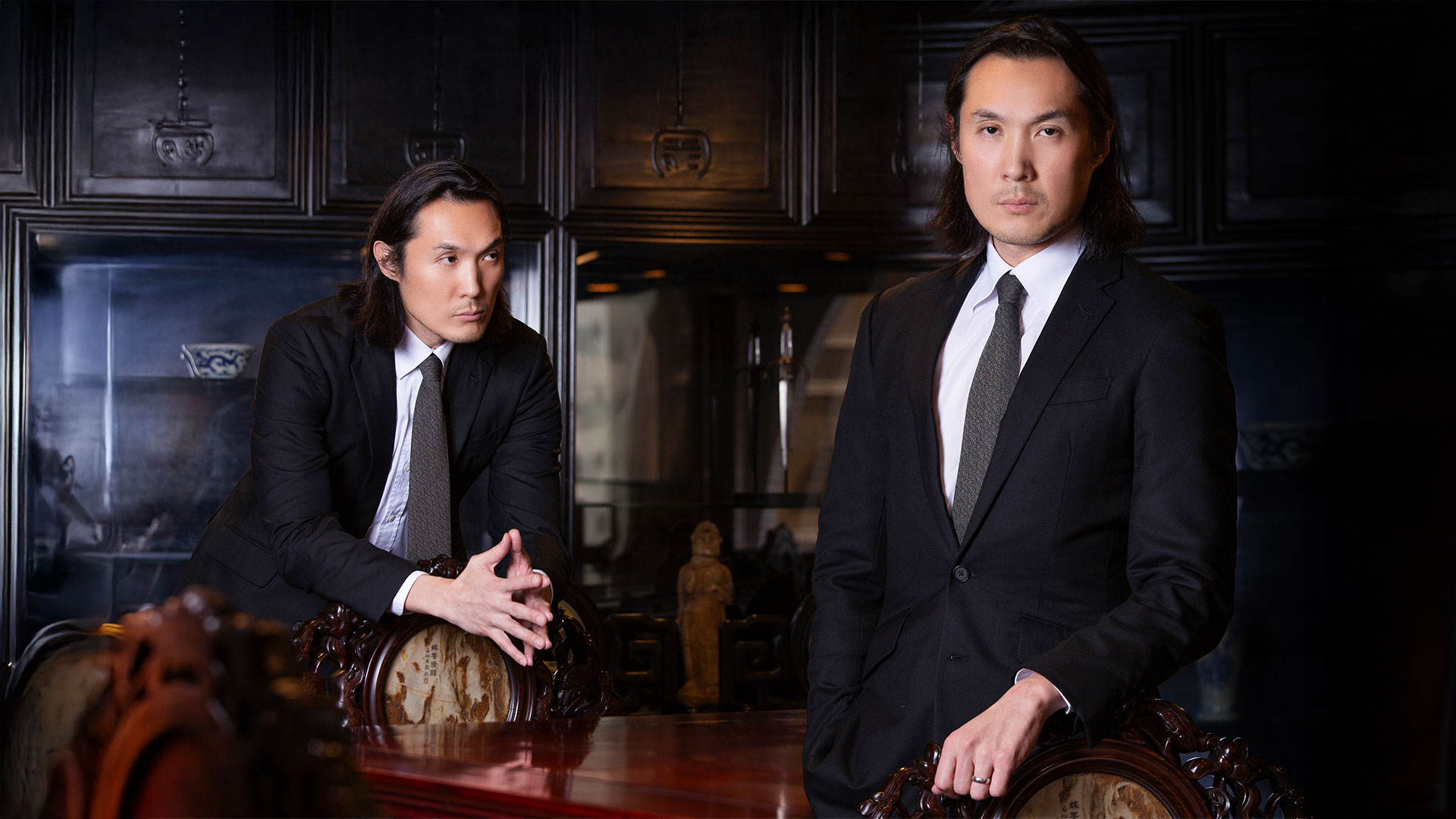
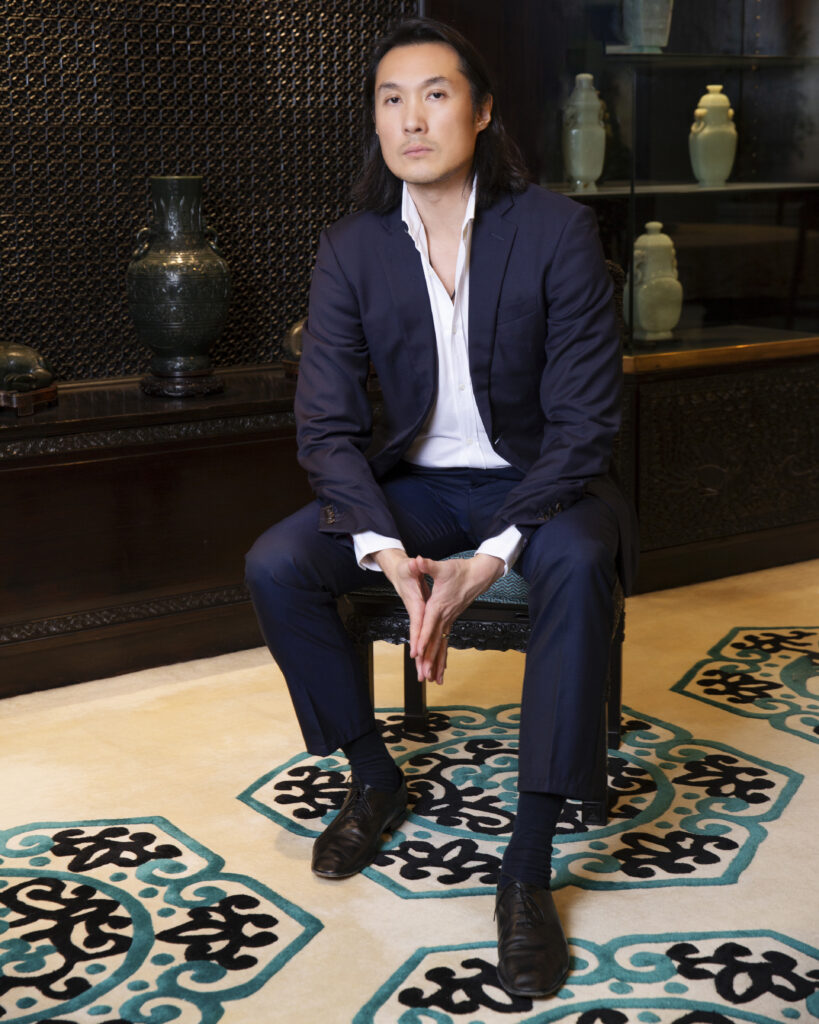
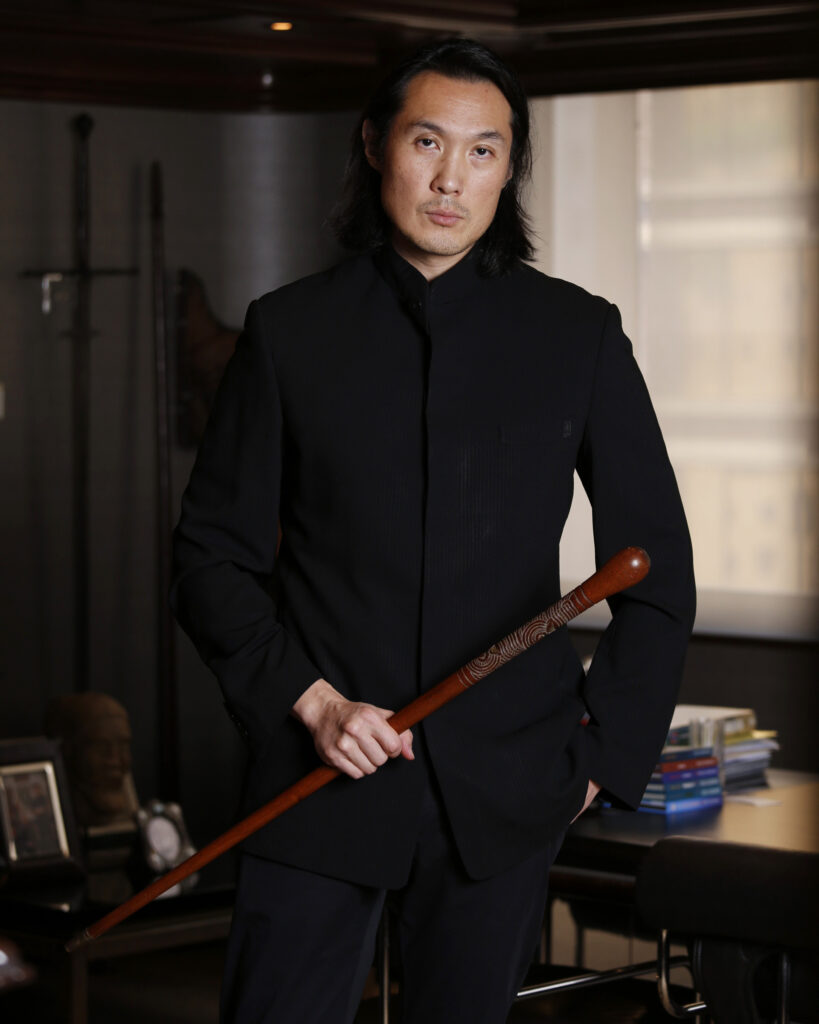
“Welcome to my armoury,” says Hing Chao, as he gestures toward his office located in the heart of Wan Chai. The walls are adorned with century-old art pieces, a striking blend of literary art in the form of books and journals, formidable props reflecting his deep-seated passion for various forms of Chinese martial arts, and heavy rosewood chairs replacing the standard conference seating.

Each object tells a story, resonating with a shared history that Chao, Executive Chairman of Wah Kwong, the global shipping company founded by his grandfather, seems determined to protect. It is evident that in his world, tradition and culture are not simply relics of the past; they are living, breathing elements essential for navigating the future.

For Chao, the maritime industry is more than a career; it is a family legacy. “My father, who inherited the company from my grandfather, set the foundation, so it runs in the family,” he says. “This inheritance is a responsibility I take seriously.”

His childhood was steeped in the maritime ethos, yet his formative years also diverged from the family path. After completing his education at Durham University in the UK, he dedicated 15 years to the cultural and philanthropic sectors of society. It was in northeast China, working with ethnic minorities, that his passion for heritage and education sprouted. Reflecting on these early experiences, he says, “I learned about preservation before it became a buzzword. Back then, issues of sustainability were rarely discussed.”

When he assumed the chair of Wah Kwong Maritime Transport in 2019, he came armed with the unique perspective that cultural heritage and business operations can coexist harmoniously. The pivotal lessons from his early adulthood now underpin his strategies, allowing him to re-envision the maritime business landscape.

Scholar at the Helm

Chao’s admiration for his grandfather, T.Y. Chao, a “gentleman scholar” with a profound appreciation for Chinese culture, shapes his own leadership style. “I want our company to not only excel in business but also represent and celebrate our cultural values,” he states emphatically.

Elders in the industry recognise his commitment to marrying business efficacy with a consequential grasp of cultural stewardship. “My aim isn’t merely to lead in shipping but to also lead in preserving cultural heritage,” he reiterates. His involvement with the Hong Kong Maritime Museum, and the Institute of Seatransport, which promotes professionalism in the Hong Kong shipping industry, reflects this ethos – nodding to the past while embracing innovation.

Chao is dedicated to educational initiatives aimed at shaping future maritime leaders. He nurtures talent through a corporate-school partnership programme that extends to the northern seaboard provinces of Liaoning and Shandong as well as Shanghai and the Greater Bay Area. This commitment to education embodies his philosophy that preserving cultural identity requires investing in the minds of tomorrow. As he puts it, “Real change requires layers of understanding, and that starts with our youth.”

His fervour for learning and professional excellence further extends to his work with the Maritime Services Training Board of the Hong Kong Vocational Training Council. “Education is not just about textbooks; it’s about understanding our heritage while preparing for the future,” he adds.

Philosopher in Business

Incorporating philosophical thinking into his leadership, Chao asserts that “philosophy is about asking the right questions”. Modern business environments shift rapidly, akin to tides, and adapting requires reflective enquiry and agility. “Understanding the market as a system helps us read the signs and position ourselves wisely,” he elucidates.

It is this adept adaptation rooted in cultural understanding that sets Wah Kwong – founded as a bulk cargo transporter in the 1950s – apart three generations on. Chao advocates for utilising technology as a conduit for preserving traditions. “Look around Hong Kong; it is steeped in rich traditions, yet we are equally at the forefront of modernisation,” he says. By pioneering new media techniques, he melds tech with the arts, viewing this as a valuable intersection for cultural expression.

He relishes the opportunity to reshape how cultural narratives are portrayed and preserved. As a founder and convenor of the Greater Bay Maritime Forum and an instigator of the Hong Kong Chamber of Shipping, launched last year, he lays a framework for collective industry collaboration that spans both culture and business.

His efforts in working with universities to promote cultural documentation and expression further highlight this integration. He strongly believes that understanding culture within a broader ecosystem is vital, warning against isolating events and attempting to preserve them without connecting to the dynamic, living culture surrounding them.

Martial Arts Mentality

Chao’s dedication to cultural preservation is most apparent when it comes to martial arts. Recognised as a significant figure in promoting traditional martial arts in Hong Kong, he has spent the last decade creating pathways between martial arts styles and modern artistic expressions. “At first, many viewed martial arts through a lens of violence,” he recalls. “I sought to change that narrative and instead highlight its cultural significance.”

His initiatives, including the Hong Kong Culture Festival, have infused martial arts with contemporary relevance, bridging gaps between tradition and modern performance. “I dare say no one has done more to preserve martial arts in this city than I have,” he asserts with a discernible note of pride in his voice.

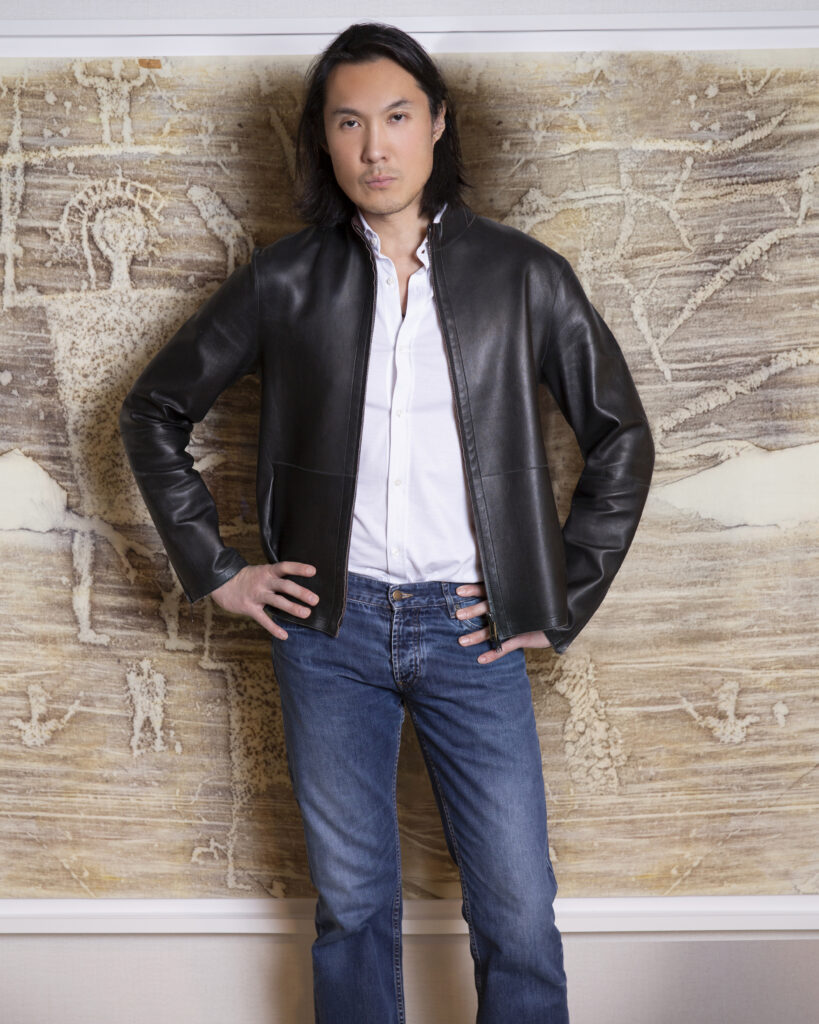
As described by his colleagues and assistant at his wide five-storey office, Chao is a quiet and serious person. And while that may be true – he barely smiles at the beginning of our encounter – he soon reveals a multi-faceted character. He is keenly aware how perceptions through expression and attire can alter narratives. “Yes, I wear suits for important meetings and whatnot, but beneath, I’m just a guy who prefers leather jackets and jeans. This is basically my everyday go-to look,” he chuckles, imbuing a sense of relatability.

His office is lined with family photographs, showcasing a softer side that illuminates his commitment to loved ones. “Seeing my kids happy brings me true fulfilment,” he shares. “My life is a woven tapestry – personal and professional threads intertwined.”

Steering Forward

Chao’s blueprint for success is a long-range vision. He believes achievements today will equate to stepping stones for a more expansive purpose. “We must ensure that the values we instil lead to something sustainable for future generations,” he emphasises. This viewpoint keeps him grounded as he navigates the complexities of maritime operations infused with cultural resonance.

With a forthright perspective on his path, both past and forward, Chao shares the notion that success, particularly in cultural preservation, requires collective stewardship. “If I were to stop, what would happen to all I’ve initiated? Sustainability should be our priority – not individual legacy.”

In a moment of levity interwoven amid serious discussions about legacy, he admits with an infectious laugh that he is not a fan of Game of Thrones, despite displaying an impressive array of war tools reminiscent of characters from popular fantasy shows. “It’s just unrealistic,” he declares, revealing a light-hearted sensitivity that humanises him amid a world often constrained by expectations of seriousness.

Hing Chao stands as a stalwart guardian of the past, a champion of the present, and a visionary architect of an inclusive cultural future. As the interview concludes, we are reminded that beneath his stoic exterior lies an individual driven by profound values that fuse work with cultural preservation. His efforts ensure that while he steers the maritime industry into new waters, he simultaneously upholds the anchors of tradition and heritage that define who we are.

Interview, Text & Art Direction: Joseff Musa|Photographer: Jack Law|Videographer: Jack Fontanilla   

Arrivals Revival: The surge in Hong Kong visitors is welcome news to a tourism industry adapting to woo them

The 1.4 million tourists who flocked to Hong Kong over the Chinese New Year holiday hopefully went away impressed by their experience. Border crossings from the north peaked at 150,000 visitors per day, a record number since the pandemic. During the Golden Week period last October, the city welcomed 1.22 million people from the mainland, and hotels enjoyed a healthy 90% occupancy rate.

This revival in arrivals is good news for the Hong Kong economy. As revealed in the Development Blueprint for Hong Kong’s Tourism Industry published in December, the sector accounted for 2.6 per cent of the gross domestic product in 2023, provided 150,000 employment opportunities, and contributed significantly to retail sales and the restaurant trade.

Amrit Sethi, Director of local travel agency Excella Travel, views the recent surge in visitors as a positive sign for the post-pandemic recovery of the industry. “However, it’s important to consider the implications for infrastructure and service capacity to maintain high-quality visitor experiences. Proactive planning in these areas will be essential,” she stresses.

Sethi praises the tourism blueprint for presenting a comprehensive vision for Hong Kong’s future in tourism. “As a tour operator, I find it particularly relevant, as it addresses key industry challenges and opportunities. Overall, it reflects a thoughtful approach to enhancing our unique offerings while laying a foundation for future growth.”

Tourism turn-offs

The report also highlights the challenges limiting Hong Kong’s capacity to receive visitors, which include the size of the city area, and the tight supply of venues for events such as conventions and exhibitions, outdoor performances and sporting competitions. Given this shortfall, better management of existing venue resources will be needed to meet the demand for different scales and types of events.

Stretched manpower supply, which could impede service quality if not addressed, is another issue spotlighted in the tourism blueprint. Like all industries, local tourism also faces the effects of the global economic slowdown, and the peg to the US dollar could exacerbate this situation and increase the costs of travelling here. Hong Kong is also facing increasingly stiff competition from other tourist centres in the region which have stepped up their offerings and extended the visa period or introduced special visas.

The blueprint suggests the city cannot compete on price with neighbouring destinations and should focus on high-quality attractions. The post-pandemic shift from traditional shopping tours for mainland visitors to more varied experiences reflects Hong Kong’s need to diversify its offerings to attract high-value tourism.

Coming for quality

“I agree with the emphasis on quality over quantity,” says Sethi. “Higher-value tourism products contribute significantly to our economy, but it’s essential to ensure they cater to the diverse needs of our visitors. Striking the right balance will enhance overall satisfaction and drive repeat visits.”

Kevin Lau, Founding Convenor of the Hong Kong Youth Professional Global Advocacy – an organisation connecting local youngsters to the world – similarly supports prioritising quality. “High-value tourism products, such as luxury staycations or curated cultural experiences, enhance visitor satisfaction and revenue per capita,” he says. “However, ‘quality’ must be inclusive, ensuring mid-tier offerings – such as budget-friendly heritage trails – remain accessible. A balanced approach avoids alienating price-sensitive travellers while maintaining premium appeal.”

To boost cruise tourism, he believes Kai Tak Cruise Terminal “requires upgrading with eco-friendly amenities to attract luxury liners”. Higher-value tourism can also be buttressed by wooing the silver-haired, family, study tour and youth sectors of the industry to Hong Kong and identifying their travel needs, according to the blueprint.

Here on business

Attracting overnight visitors is also a priority, especially by encouraging more meetings, incentives, conventions and exhibitions in Hong Kong – the MICE segment of the tourism industry. This correlates with a post-pandemic trend noted in the tourism blueprint: the rise of bleisure travel, whereby business visitors fold in leisure time with their work trips.

“Increasing overnight stays is vital for maximising economic impact,” says Lau. “MICE tourism thrives on Hong Kong’s business reputation, but we must invest in specialised facilities, such as larger convention centres and tailored services like multilingual guides.”

Lau outlines the three areas in which he believes Hong Kong’s tourism competitiveness can be bolstered: infrastructure modernisation, such as expanding airport capacity and improving public transport; distinctive cultural branding, including leveraging unique heritage sites like the historic Mong Kok district; and technology integration through AI-driven personalised itineraries and other innovations.

Build and they will come

Certainly, improved infrastructure facilities related to culture, sports and tourism are considered a cornerstone for Hong Kong’s competitiveness as a tourist destination. Following a series of trials involving thousands of people at Kai Tak Sports Park, the magnificent stadium at the heart of the complex opens this month; it is set to host British band Coldplay next month, followed by other top-notch performers.

Last month saw the prestigious London International Horse Show canter outside its home base for the first time, landing at AsiaWorld-Expo in Chek Lap Kok. Rosanna Law, Secretary for Culture, Sports and Tourism, said this high-octane equestrian extravaganza highlighted Hong Kong’s position as a world-class premier tourism destination.

Other venues have been newly completed or are under construction in a bid to attract international events or create synergy with existing happenings. These include SkyCity at the Hong Kong International Airport, the East Kowloon Cultural Centre; the Lyric Theatre Complex in the West Kowloon Cultural District; themed areas based on the Marvel films at Hong Kong Disneyland; Ma Wan Park Phase Two, and the new Adventure Zone at Ocean Park.

On the short haul

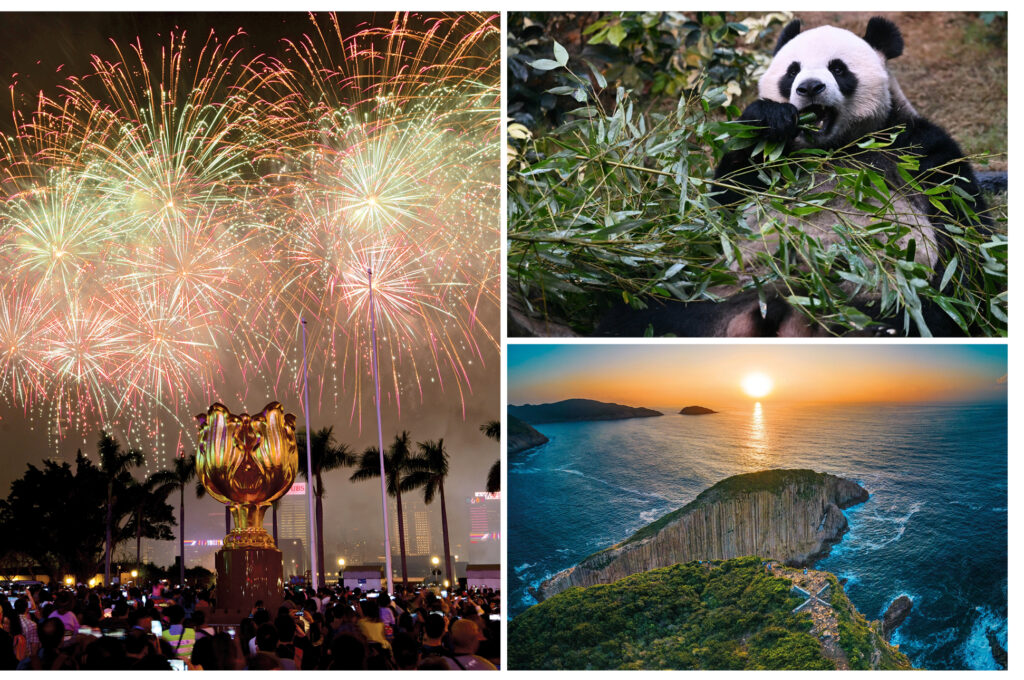
The fact that Ocean Park now boasts six giant pandas, the most living in one location outside mainland China, is another novel lure for tourists. Recent coming-out parties for twin cubs born last summer and plans for a panda museum are attractive initiatives to drive visitors to Hong Kong and into the theme park.

An increased desire for short-haul travel since the pandemic was noted in the tourism report.

Those popping across the border for the day or weekend may be motivated by baby bears, pop concerts and other mega events, or the latest city hotspots, walks and trends. “Additionally, promoting niche markets – such as medical tourism or eco-tours in the New Territories – could differentiate us from regional rivals like Singapore or Tokyo,” opines Lau.

He also advocates the protection of natural assets like the Hong Kong Unesco Global Geopark. “Globally, Hong Kong must align with UNWTO’s [United Nations World Tourism Organization] sustainability goals and leverage international partnerships [with Unesco, for example] to showcase its heritage.”

Cathay Pacific recently urged the government to roll out tailormade one-stop packages to attract transit tourism in Hong Kong, perhaps a timely initiative following the imminent opening of the three-runway system at the airport.

According to Lau, the tourist ecosystem in Hong Kong requires deeper public-private synergy. “For example, hotels, airlines and attractions should co-develop bundled packages, while the government streamlines visa policies for transit tourists,” he says. A centralised digital platform for real-time data-sharing among stakeholders could optimise resource allocation and crisis management during peak seasons.

Appropriately cultural

Further integration of the city’s culture, sports and creative industries as laid out in the blueprint is considered critical to sustaining tourism growth. “Cross-promotion – such as pairing the Hong Kong Film Festival with themed walking tours of filming locations – could attract diverse audiences,” says Lau.

Sports events like the Hong Kong Sevens could easily be paired with cultural festivals to extend visitor stays. “Moreover, creative industries can design immersive experiences [such as AR/VR exhibits] that showcase local art and history,” he notes.

Smartening up

The city is also being encouraged to improve smart tourism, something which will enhance the overall visitor experience and make Hong Kong more accessible, according to Sethi, though she admits challenges on this front remain.

Rail Carte: Take The Chinnery’s culinary slow train from Britain to India with a whisky flight in hand 

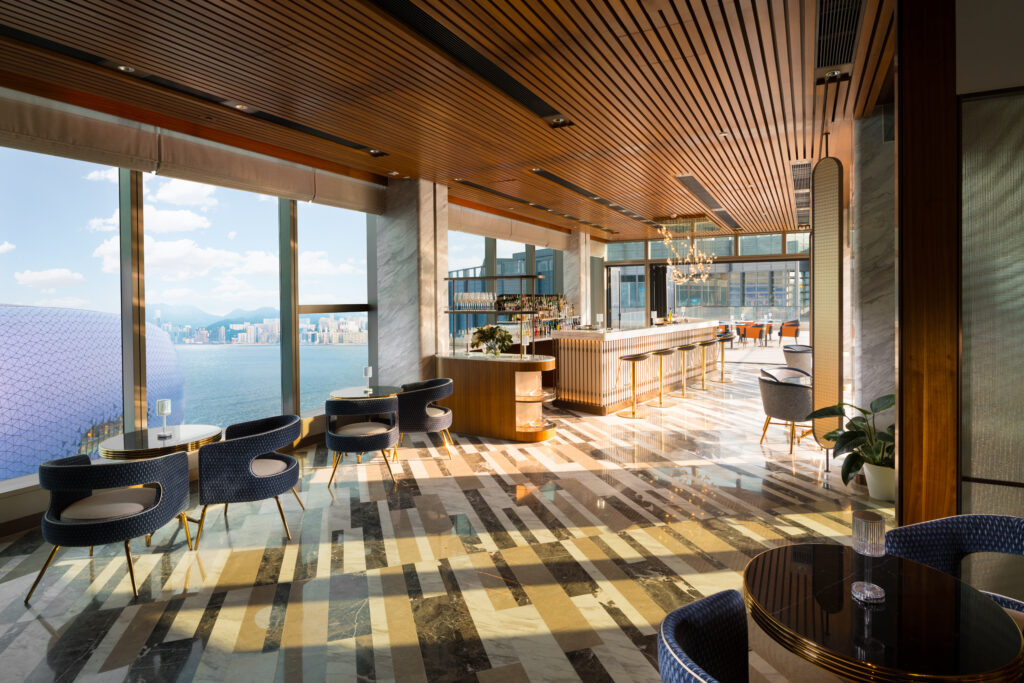
The Chinnery, long a cultural jewel nestled within the Mandarin Oriental in Hong Kong, has undergone a captivating renaissance, echoing the grand interiors of a vintage train – a symphony of history, elegance, and a taste of adventure.

As you step into this reimagined space, the rich mahogany panelling, plush carpets and sumptuous leather furnishings evoke a bygone era of travel, where every meal felt like a stop at a destination brimming with discovery. Here, dining becomes less about mere sustenance and more a passage through time, allowing patrons to relive the narrative of British colonial charm, alongside culinary delights that fuse tradition with innovation.

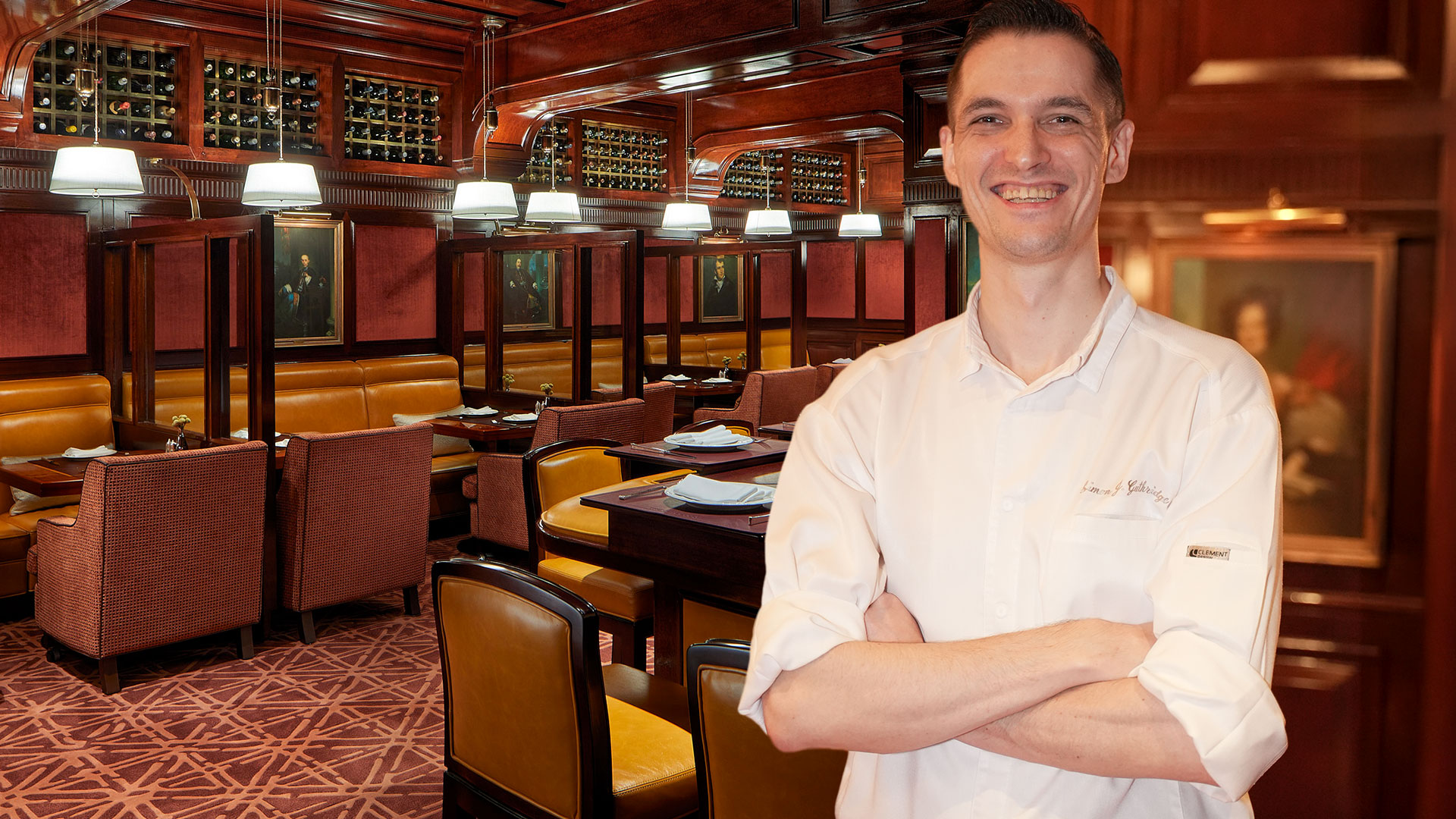
At the heart of this transformation lies a thoughtfully curated menu titled ‘Taste of The Chinnery’. “The restaurant is named after an esteemed 19th century British artist George Chinnery who dedicated his life in capturing British colonial scenes. This menu is about honouring the heritage and legacy of the restaurant and also a tribute to the year the hotel opened,” explains the hotel’s Executive Sous Simon Guthridge. The menu is not just a feast but an experience of a harmonious blend of timeless classics and intriguing new creations that push the boundaries of culinary artistry.

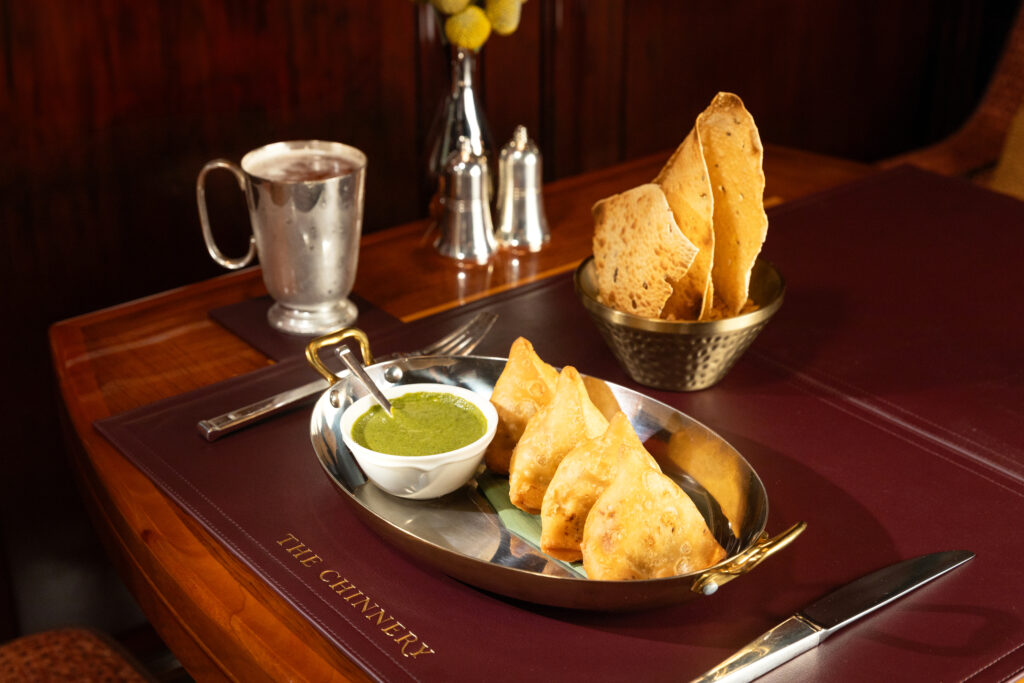
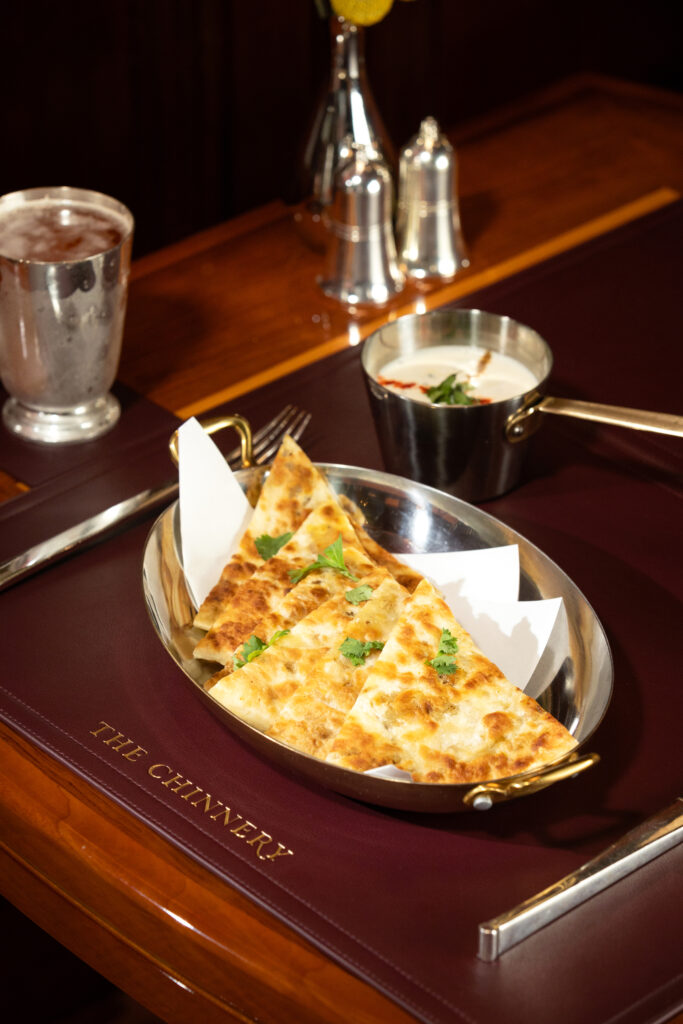
It begins with a selection of snacks, where one finds comfort in Lamb Samosa, paired perfectly with fresh mint yoghurt, and Keema Kulcha. Each bite beckons nostalgia, reminiscent of travels through crowded bazaars and heritage kitchens. Herein lies the essence of The Chinnery; it crafts a narrative where every dish connects diners to distant lands without leaving Hong Kong.

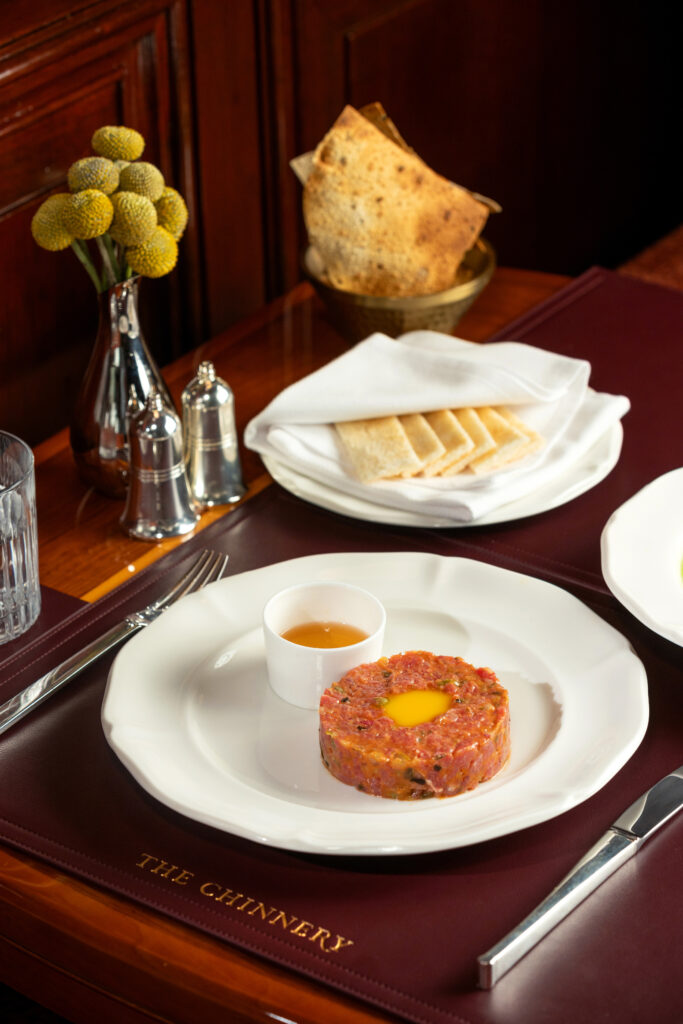
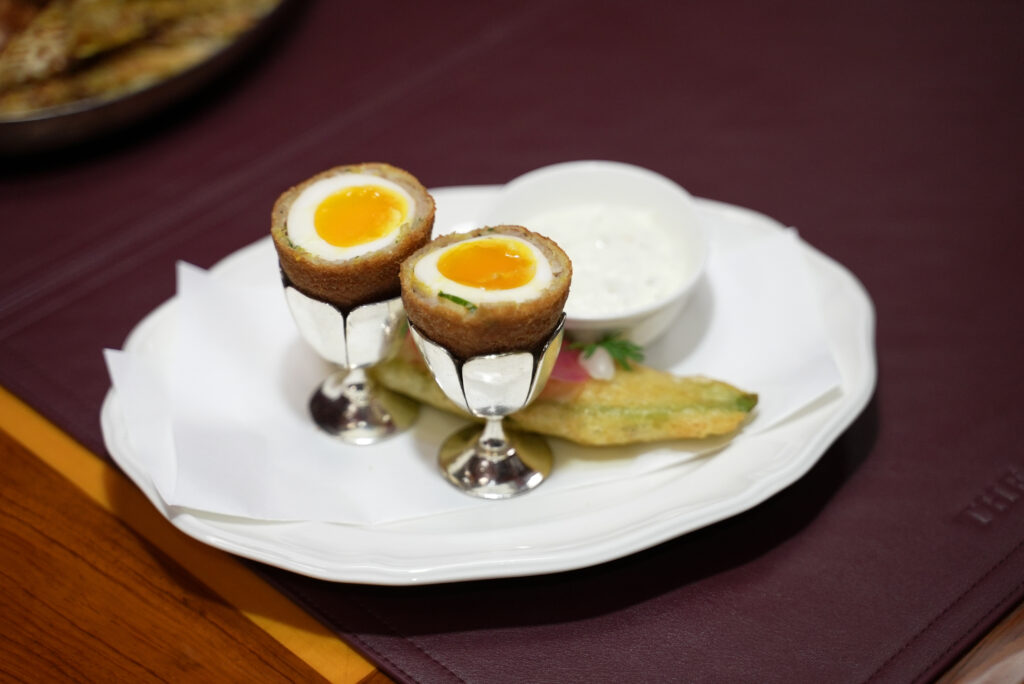
For starters, there’s the classic delight of prime tenderloin Tartare. With its rich, secret homemade sauce and cage-free egg, it is a beautiful homage to British cuisine. However, should you yearn for something novel, Broccoli Velouté awaits; its lush and creamy profile intersperses with hints of seasonal freshness.

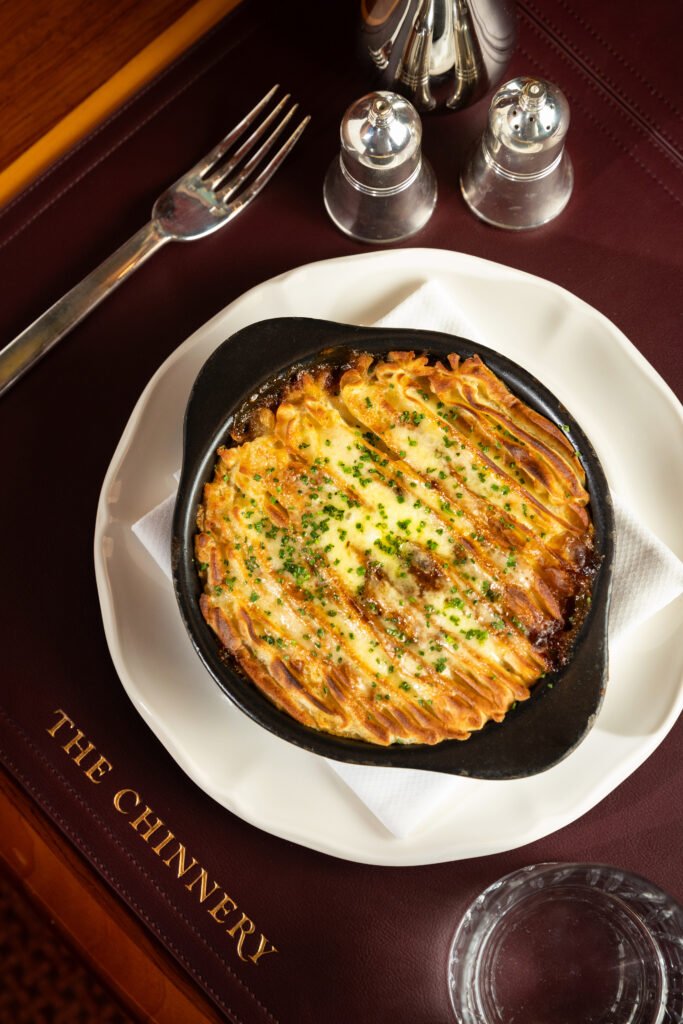
Taking centre stage among the main dishes are the Classic Shepherd’s Pie, prepared with organic lamb shoulder, the fragrant Tikka Chicken and the new Bengali Mixed Fish Curry, brimming with fresh tomatoes and ground mustard seeds.

The careful crafting of this dish speaks to his creative process, one that intertwines exploration with meticulous preparation. “I began with a deep exploration of traditional recipes, then I experimented with new techniques and flavour profiles,” he elaborates.

To accompany the meals, a medley of sides adds depth: Creamed Potato, Sautéed French Beans and an array of Naan. The dessert arrives with the classic Chocolate Lava Cake and the Phirni, offering a delicate end to the meal, each spoonful layered with rose petal ice cream.

An equally important aspect of the dining experience at The Chinnery is its impressive collection of more than 120 rare single-malt whiskies – ideal companions to every meal. The chef encourages exploring these malts in tandem with their culinary offerings. “The whisky selection complements the menu beautifully, enhancing flavours seamlessly,” he notes, hinting at some of his favourite pairings.

As the ambience envelops you, the newly refreshed interior fuses heritage and elegance, elevating the tranquil dining experience. “The intimate and tranquil setting plays a pivotal role in the overall experience, encouraging relaxation and connection,” says Guthridge.

So what lies ahead for The Chinnery? “We will continue to update our menus based on seasonality. We are also looking forward to working with whisky brands more closely for more intimate whisky tasting dinners.” reveals Guthridge, clearly enthused about future collaborations with local artisans and farmers to deepen the restaurant’s ties to the region.

A true wonder, The Chinnery is a voyage that promises not just a meal, but a profoundly rich experience that resonates long after the final sip of whisky. In revisiting the past while carving fresh paths through culinary artistry, it shines brightly as a destination worth every gastronomic mile.

The Chinnery, 1/F, Mandarin Oriental Hong Kong

Photos: Mandarin Oriental Hong Kong|Video: Jack Fontanilla  

Woman To Watch: The queen of timepieces, Christy Wo, crowns a kingdom of kindness and innovation

Our cover shoot begins with Christy Wo, rather than a flurry of stylists and assistants, laying out her chosen outfits, watches and accessories herself – an instinctive ‘power’ for aesthetics that she has demonstrated over 20 years in the limelight. Each piece is carefully considered, a testament to her meticulous eye and innate understanding of style. “Do you like these clothes?” she enquires, a playful glint in her eye. “They are some of my designs. Pretty, huh?” It is a statement, not a question, delivered with the confidence of a woman who knows her worth and her talent.

Entrepreneur, celebrity model, designer of watches, jewellery and fashion, columnist, philanthropist – in short, Wo is a force of nature who has carved a unique path through multiple industries with a blend of vision, ambition and genuine compassion. Pose after pose, click after click, she nails each shot with the practised ease of a seasoned professional. There is no doubt she is comfortable in front of the camera, a natural performer who commands attention with her charisma and captivating presence.

Style By Design

But her journey wasn’t always so clear-cut. “Initially, my dreams were quite different. I envisioned myself as a dancer, a pianist, a fashion designer, and even a singer,” she shares. This multifaceted ambition led to her first job as a model, fronting various TV commercials and serving as a brand ambassador. “I worked for Pond’s skincare, as a Cathay Pacific flight attendant, and as the main talent for Vitasoy,” she recalls.

Even amid this fledgling fame, Wo’s entrepreneurial spirit was taking root. “During this time, I also worked part-time as a fashion designer for my mom’s garment business. I designed several styles, and to my surprise, her clients loved my designs so much that one of them opened a shop dedicated to my brand,” she explains. “That’s how I started my entrepreneurial journey.”

It was a serendipitous beginning, a spark ignited by her own creativity and validated by the enthusiastic response of the market. This early experience fuelled her passion for fashion and gave her the confidence to pursue her own ventures. She founded her first company, Charmonde Luxury Limited, in 2004, where her keen eye for trends and knack for identifying promising brands led to European timepiece brands under Charmonde Luxury like Philip Stein and ToyWatch entering the Asian market, and the well-deserved title of ‘Queen of Timepieces’

Limited Edition, Unlimited Appeal

One highlight of Wo’s long time in watches was the launch the first Bloc28 Mickey Mouse, Hello Kitty and Transformer limited-edition watches. Capitalising on the popularity of iconic characters and tapping into the desire for unique and collectible timepieces, these collaborations were a resounding success. She further amplified her business by working with Chinese celebrities as brand ambassadors, including Angelababy and William Chan, effectively leveraging their star power to reach a wider audience.

She even worked in television, hosting a lifestyle programme on Now TV called Christieland, for which she interviewed her many celebrity friends as well as the occasional politician. Her show was sponsored by a plethora of prestigious brands – from Bugatti to Cartier and Christian Louboutin to Loewe – further cementing her status as a tastemaker and influencer in the luxury world.

Pink hoodie and cap by Crisathena

A joint venture with the Italian government led to the manufacture of jewellery for prominent houses like Cartier and Bulgari. She also secured the Apec distribution rights for Christian Bailly’s Automata watches and became the sole distributor of Sevan Bicakci jewellery.

Pink hoodie and cap by Crisathena

In 2019, she launched Crisathena, whose statement watches combine her design savvy with Parisian savoir-faire. The brand includes jewellery pieces showcasing exceptional quality and value for money, and a tote bag designed with popular Hong Kong actress Nancy Wu.

Pink hoodie and cap by Crisathena

“Collaborating with iconic characters like Hello Kitty and Mickey Mouse, international singer Ava Max, Nancy Wu, and Maye Musk – who wore my watch as a necklace for different magazine covers – has significantly boosted my brand visibility and credibility,” says Wo. “These partnerships help me reach a wider audience and inspire creative marketing strategies. The stories behind these collaborations enhance brand authenticity, allowing me to connect more deeply with consumers.”

Fashion Forward and Onward

She recognises the ever-changing nature of the fashion industry and has ambitious plans for the future of her brand. “Over the past two decades, fashion trends have undergone significant changes, with a growing emphasis on sustainability and diversity. The rise of streetwear has made casual styles mainstream, while nostalgia has brought back trends from the ’90s and 2000s. Technology has played a crucial role in this evolution, particularly through e-commerce and social media, allowing brands to quickly reach a wide audience,” she says.

“Artificial intelligence is also key in design and market forecasting, helping brands analyse consumer preferences and optimise product development. Additionally, virtual reality and data analytics enhance the shopping experience, providing consumers with more personalised services. I hope that in five years, Crisathena will surpass traditional luxury brands by integrating AI and technology into our offerings. We aim to have over 10,000 sales points globally.”

Her accomplishments have been underscored by numerous accolades. To name just a few, she was Mediazone’s first Business Woman of the Year in 2007; claimed the World Outstanding Chinese Award in the same year; and was Distinguished CEO of the Year in 2005 and 2011. “Initially, I found it surprising and validating – awards serve as recognition and promotion within the business world,” she says humbly. “However, I believe that continually striving to excel in my work and pursuing innovation is what truly matters. While these achievements provide recognition, real success lies in the ongoing challenge and growth of oneself.”

Heart of Gold

Beyond her professional achievements, Wo is deeply committed to philanthropy. In 2019, she co-founded the JC Happiness Charity Foundation, with a mission to instil peace, love, wisdom, health, and wellbeing in the world. “Happiness comes from strong relationships with family and friends, pursuing meaningful goals, appreciating the good in life, maintaining good health, and living in the moment. Helping others and enjoying nature also enhance our sense of wellbeing,” she opines.

Black dress by Crisathena

She shares her daily practices for cultivating joy and wellbeing: “Call a loved one, prepare a favourite drink, listen to music, get a sunshine break, and move when stressed.”

Black dress by Crisathena

Mental health is a particular issue on her radar. “Mental-health advocacy is very important, but society today still faces several barriers to addressing this, particularly stigma, lack of awareness, and the fast-paced nature of life,” she emphasises. “Through our charitable foundation and the International Mental Health Association, we plan to leverage technology to assist over a hundred million people with mental-health issues,” she reveals.

The Secret to Bliss

Wo’s own personal journey has been guided by a blend of faith and practical wisdom. “In my career, luck brought early successes, but as I grew, I realised that true success requires a solid foundation and unwavering confidence,” she explains. “I draw inspiration from Buddhist wisdom, understanding the laws of cause and effect in the universe, while also being deeply moved by the love of Jesus. These teachings from different religions have profoundly influenced me, helping me find balance in my professional journey.”

She concludes by offering advice: “Always maintain a thirst for knowledge, practise mindfulness, and stay humble. Set positive goals, act with integrity, and never compromise your principles. Pursue the work you love and boldly chase your dreams. This way, you can make a genuine impact in your community.”

Black dress by Crisathena

At one point during the shoot, our cover star takes on the role of director, offering her input on poses and angles. When she suggests doing a shot in the lift, we are initially sceptical, unsure if such a confined space of harsh metal surfaces can provide an appealing backdrop. But with her inherent sense of style, Wo knows exactly how to make it work. Posing effortlessly, she transforms the mundane into something captivating. It is really no surprise that she pulls it off.

As our time together winds down, she strikes a final pose. With a wink and a cascade of air kisses, her hands form a heart. It is a simple gesture, but it speaks volumes about Wo’s belief in the power of kindness and love.

Photographer: Jack Law|Videographer: Jack Fontanilla|Venue: Sophia Loren House/ The Stage Hong Kong/Hair Stylist: Tomo @bellus_salon/Make up: @littlewhite_makeup/ Stylist: Christy Wo

The Exquisite Electric: From sleek Teslas to smart Nios, luxury EVs are revolutionising the road and eco-awareness

In an age where sustainability meets sophistication, luxury electric vehicles (EVs) stand at the intersection of advanced technology and environmental responsibility. As more consumers seek to drive in style without compromising their eco-ethics, the market has amped up the EV allure with a range of lavish options. From the sporty sophistication of a Porsche Taycan to the elegance of a Mercedes-Benz EQS, the emergence of luxury electric cars invites consumers to ponder a critical question: Are these green marvels truly worth the investment?

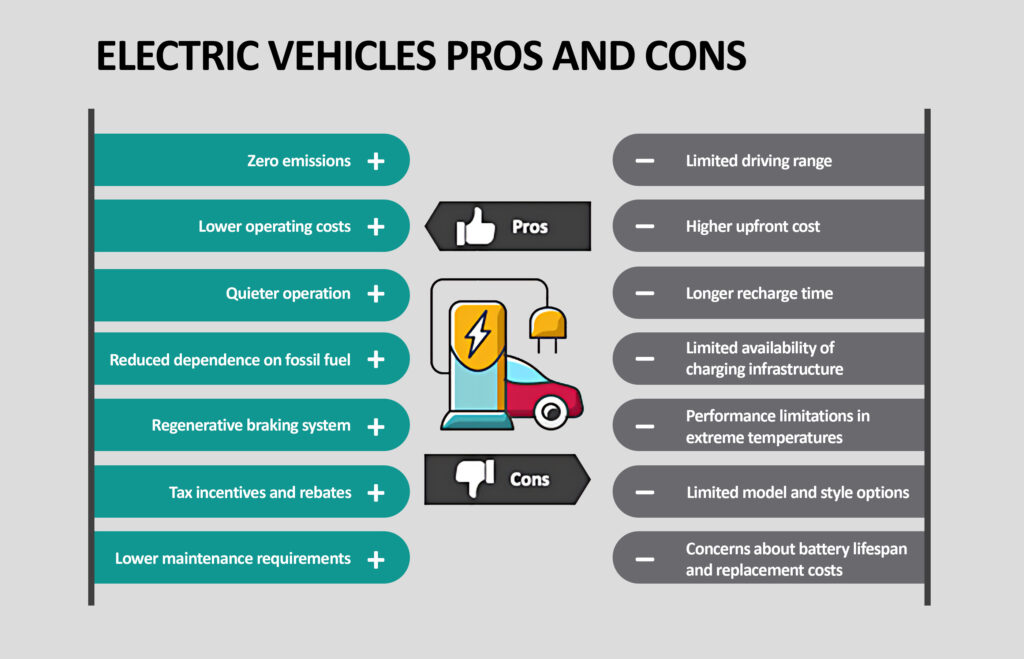
Here, we delve into the pros and cons of EVs, while also illuminating the evolving landscape of electric mobility in regions – like Hong Kong – committed to sustainable transport solutions.

Greener Transport

At its core, an electric vehicle runs on a battery that is rechargeable from an external electricity source rather than being powered by the non-renewable oil products of petrol or diesel. Recent technological advancements in electric motors and battery systems have redefined automotive performance, aiming for efficiency, speed and style.

In Hong Kong, the government actively promotes the adoption of EVs as part of its drive to attain carbon neutrality by 2050. Since, as the Environmental Protection Department emphasises, “electric vehicles have no tailpipe emissions”, they fall in line with the “green transport” pledge, one of four major decarbonisation strategies in this pivotal shift towards cleaner air and sustainable energy. Measures like tax concessions and subsidies for both private and commercial EVs further stimulate growth in this sector, presenting a unique opportunity for switched-on luxury car-makers to capture market share.

Electric Glow: EV Pros

Energy efficiency: Luxury electric vehicles invariably tip the scales here. For instance, AEVs (all-electric vehicles) from brands like Tesla convert 59% to 62% of energy from their batteries directly into vehicle propulsion. In contrast, traditional petrol-powered engines convert only 17% to 21%. This translates into notable savings on energy costs and a reduced carbon footprint, making luxury EVs not only an eco-friendly choice but also a financially savvy one over time.

Reduced emissions: Driving an electric vehicle eliminates harmful tailpipe emissions such as carbon monoxide, nitrous oxide and methane as well as carbon dioxide, thus reducing damage to human health and improving air quality in urban landscapes. EV ownership enables environmentally conscious consumers to lower their greenhouse gas emissions significantly while aligning with Hong Kong’s goals for carbon neutrality. Luxury EVs are part of a broader movement toward sustainable urban living.

Lower maintenance costs: Luxury EVs typically require less frequent service than their petrol-powered counterparts. EVs do not need oil changes, and because of their simpler mechanics, such as fewer moving parts in the drivetrain, they typically incur lower maintenance costs. Furthermore, manufacturers often provide extensive warranties on battery systems, alleviating consumer concerns about long-term expenses.

Performance and driving experience: Luxury EVs excel here, often outperforming petrol-powered models in acceleration and handling. The instant torque provided by electric engines offers a thrilling driving experience, paired with the peace and quiet associated with electric motors. By eliminating that rattling engine upfront, EVs deliver power without the noise and vibrations – ultimately redefining luxury in automotive performance. They are so quiet, in fact, that in line with Europe and the US, new EVs in Hong Kong must use an acoustic alert system at low speed to safeguard pedestrians.

Electric Shock: EV Cons

Limited range: Despite the technological advancements, luxury EVs often still grapple with range limitations when compared to petrol vehicles. Generally, AEVs offer a range of about 100 to 300 miles per charge, depending on the model and driving conditions. While this isn’t an issue when motoring around Hong Kong, it can pose a significant disadvantage for those taking long journeys north of the border, unless charging stations are readily available along the route.

Charging time: One cannot deny that the time it takes to recharge an EV battery is longer than refuelling at a petrol station. Charging from a standard outlet can take upwards of 80 hours for a full battery charge. Though plugging in overnight with a medium charger may enable a morning getaway, fast-charging stations typically still require 30 minutes to reach 80%. For busy professionals, this requirement may necessitate planning around charging times, thereby not fitting into the traditional ‘fill-up and go’ mindset.

Higher initial costs: Luxury electric vehicles often come with a higher upfront price tag than comparable petrol motors. While there are savings to be had over time through reduced fuel and maintenance costs, the initial investment can be a barrier. Consumers must weigh this cost against the long-term benefits, factoring in available incentives and rebates as offered by the Hong Kong government.

Infrastructure constraints: As EVs gain popularity, the infrastructure to support them remains a pivotal concern. Although Hong Kong has impressive plans for expanding its charging network – up to an estimated 200,000 public chargers by mid-2027 from about 8,000 in March last year – lack of availability in some districts is potentially limiting the buoyancy of a luxury EV market. Without a robust network of charging stations that ensures convenience, potential buyers may hesitate.

Charge into the Future

As urban landscapes become increasingly crowded, the desire for clean air and reduced emissions contributes to the growing allure of luxury EVs. The Hong Kong Roadmap on Popularisation of Electric Vehicles, announced in March 2021, sets clear objectives for the future, including integrating environmentally responsible practices across various transport sectors.

The measures laid out by the government, including first registration tax concessions for EV purchases until 31 March 2026, subsidies for commercial EVs, and support for enhanced charging infrastructure, indicate a concerted effort to create a marketplace where luxury electric vehicles can thrive. As luxury automakers innovate and respond to consumer demands for premium-built, eco-friendly vehicles, the overall driving experience will continue to evolve, presenting luxurious options that uphold both performance and sustainability.

In this electrifying age of luxury automotive evolution, EVs represent more than just a method of transportation: they encapsulate a lifestyle choice that resonates with a growing number of eco-conscious consumers. While the advantages of energy efficiency, performance and lower operating costs shimmer brightly, challenges like range limitations and upfront costs remain pertinent obstacles for potential buyers.

As jurisdictions like Hong Kong pave the way towards a future of electric mobility, the appeal of luxury EVs appears set to accelerate, creating a compelling case for their investment in style and sustainability. The question remains: Are you ready to embrace the electric revolution?