

Help Wanted: Not all jobs will be for life as technology shapes the skills employers want 

The employment market is seeing a radical change of jobs in demand – a movement driven by technology and global trends that will only intensify in the next five to 10 years. For those starting their career or determined to keep their rise to the top on track, an understanding of the future skills sought by employers is essential.  

Tech advancements, automation and the onset of artificial intelligence are transforming industries, leading to the need to acquire new skill sets to succeed. In addition, the march of globalisation is ushering increased interconnectedness and trade patterns, which will affect future jobs. Another key factor is climate change which is driving the push for sustainability and demand for so-called green jobs that require a sound knowledge of environmental issues and policies. 

The pandemic has also shifted work patterns towards remote and hybrid models in many parts of the world. Juan Pierre Dorfling, Gough Recruitment’s Managing Director for Asia, says remuneration will always play a part in the career paths and jobs people seek. However, he has noted that top-quality candidates are increasingly seeking roles where there is a better work-life balance and more flexibility.

On the flip side of employees seeking flexible work is the major disruption to skills required in the workplace that has occurred already and will continue. The Future of Jobs Report 2023 compiled by the Swiss-based think-tank World Economic Forum estimates that 44% of workers’ skills will be disrupted in the next five years. The report is based on survey-based data covering the expectations of a wide cross-section of the world’s largest employers and relates to the years 2023-2027.

Tech-savvy hiring

The survey suggests cognitive skills such as the creative thinking required for complex problem-solving in the workplace are growing in importance more quickly than analytical skills. Technology literacy is the third fastest-growing core skill.


Talent acquisition expert Dorfling concurs. “STEM skills will increase in demand, with a global emphasis on science, technology, engineering and maths, and soft skills such as adaptability, emotional intelligence and creative problem-solving will be crucial as automation handles routine tasks,” he says.

Like many analysts, he expects AI tools will be integrated into the daily workflow to perform routine processes. Indeed, the World Economic Forum indicates that more than 75% of companies are looking to adopt big data, cloud computing and AI feature technologies in the next five years. Education and workforce technologies are also a high priority for many companies surveyed. 

Data-driven

The good news is that the impact of most technologies on jobs is expected to be a net positive over the next three years, according to the World Economic Forum. Big data analytics, climate change and environmental management technologies, and encryption and cybersecurity are expected to be the biggest drivers of job growth.

“Data scientists who analyse big data to inform business decisions will be in demand,” says Dorfling, adding: “As digital transformation progresses, protecting data will be paramount. Skills related to green-energy solutions will also see growing demand. Healthcare workers, particularly those specialising in mental health and geriatric care, will also grow in demand.”

Roles of the future

Professions in demand now and for the future include AI ethicists, whose role is to ensure AI systems are developed and used ethically, and cybersecurity analysts dedicated to protecting systems and data from cyber threats. The latter’s job description may span ethical hacking and penetration testing to identify vulnerabilities, monitoring and analysing network traffic for suspicious activity, and managing and mitigating security breaches.


Other desirable new tech jobs are IoT (Internet of Things) architects, who design interconnected systems and devices, and AR/VR developers, who create immersive virtual and augmented reality experiences. Renewable energy consultants who advise on the implementation and optimisation of sustainable energy solutions also possess highly marketable skills.

Secure jobs

Despite the technological advances and macroeconomic developments affecting job prospects, certain types of employment are unlikely to go out of favour. The education sector will continue to attract teachers and staff to develop future generations, while chefs, farmers and food service workers will remain in demand. Healthcare professionals such as doctors, nurses and carers, for instance, will always be needed as the global population ages, and trade skills such as plumbers and electricians will remain essential.

Conversely, of course, many jobs will be threatened over the ensuing years as technology and digitalisation begin to bite. The World Economic Forum report predicts the fastest-declining roles will be clerical or secretarial, with the employability of bank tellers, postal service clerks, cashiers, ticket clerks, and data-entry clerks most at risk. 

Hong Kong adaptability

Not only is the Hong Kong labour market affected by these global structural changes, emerging local and regional economic policies such as the Greater Bay Area initiative will also impact job opportunities, says Dorfling. He believes there will be a growing local need for tech-savvy workers as more industries digitalise, and many will require training so they are better able to adapt to technology. “Proficiency in Chinese and English will become increasingly valuable,” he notes.


Given Hong Kong’s established role as a financial hub, he forecasts FinTech knowledge will be crucial. He also foresees the healthcare and biotechnology sectors playing an increasingly important role due to the city’s ageing population and increased health awareness. 

Growth in these areas of the local economy will drive the need for in-demand specialist skills like artificial intelligence and machine learning. Dorfling also sees sustainability consultants enjoying an uptick in fortune as businesses transition to eco-friendly practices. 

Barriers to success

He is concerned, however, that there may be a lag in Hong Kong education systems adapting to the new skills required. As companies face challenges in navigating new regulations in areas of embryonic technology development, he suggests other jurisdictions may have adapted to innovation and regulations rather more effectively. Another worry is that both employees and companies may struggle with the cultural shift towards remote work.

Inequities in technology access can create a digital divide. According to the World Economic Forum survey, only half of workers are seen to have access to adequate learning opportunities.

Change to thrive

As a seasoned HR specialist, Dorfling advocates lifelong learning and embracing innovation. “Continuously updating skills and knowledge is crucial,” he says, advising those in the workforce to “build and maintain professional connections within and outside your industry”. 

He also recommends being open to change and willing to pivot careers if necessary, plus maintaining a strong online presence and professional brand. A focus on well-being is increasingly important, too. He notes: “As the lines between work and personal life blur, prioritising mental and physical health is essential.”
Compound Growth: Through its revitalised historic buildings, Tai Kwun – celebrating its sixth anniversary – keeps our past alive and the community enthralled 

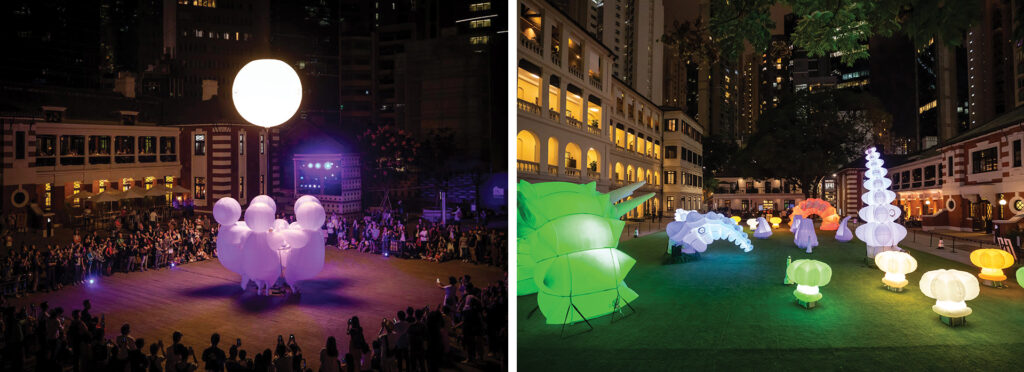
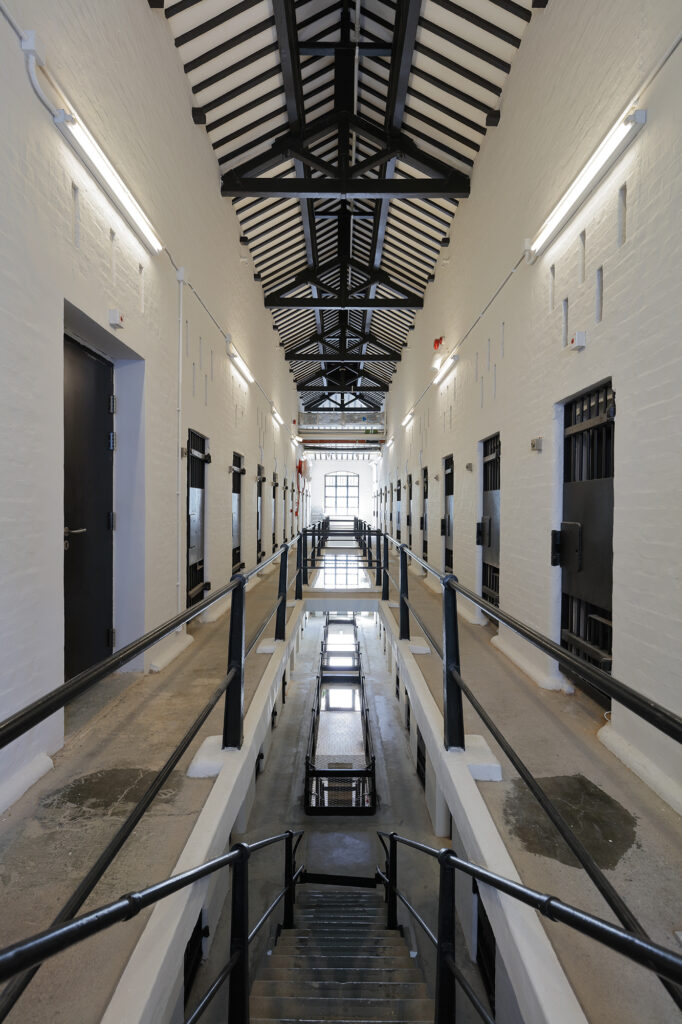
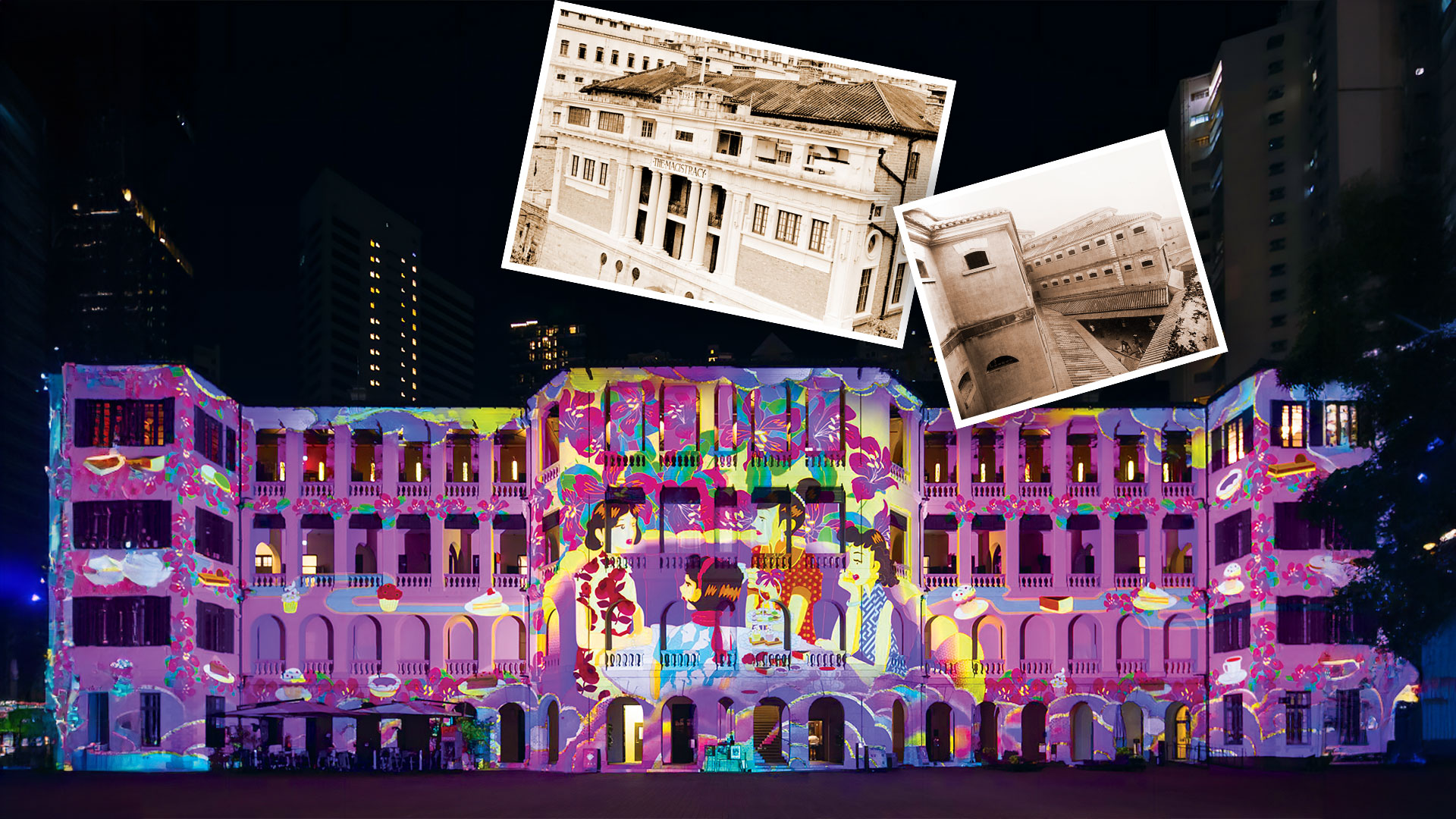
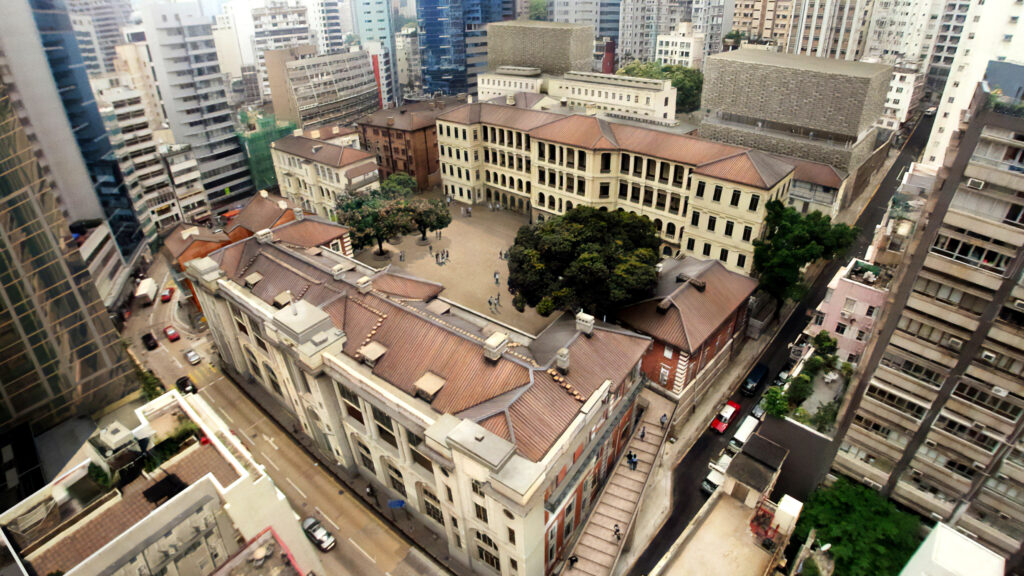
Tai Kwun, located in the heart of Hong Kong’s Central district, is a heritage site of immense cultural significance. Embracing three monuments, the former Central Police Station dating back to 1864, the former Central Magistracy and Victoria Prison, the historic compound was meticulously restored and revitalised over the course of nearly a decade, officially opening to the public in May 2018.

Six years later, it is clear that justice has been done to this ambitious project – a collaboration between the Hong Kong Jockey Club and the government. Transformed into a vibrant hub for arts, culture and community engagement, Tai Kwun is a true gem in Hong Kong’s cultural landscape.

Sensitive restoration and adaptive reuse have breathed new life into the cluster of historic buildings, and ever-changing programmes amounting to a 365-day annual festival of local art, culture and history allow the public to engage with and appreciate the city’s rich heritage. The site has welcomed 17 million visitors since opening, with four million in the last year alone.

“In the past six years, Tai Kwun has established itself as a must-visit destination for both locals and tourists,” affirms Bernard Charnwut Chan, Chairman of the Tai Kwun Culture and Arts Company Limited. “Our sixth-anniversary celebrations aimed to highlight the site’s evolution as a dynamic cultural hub that appeals to diverse audiences.”
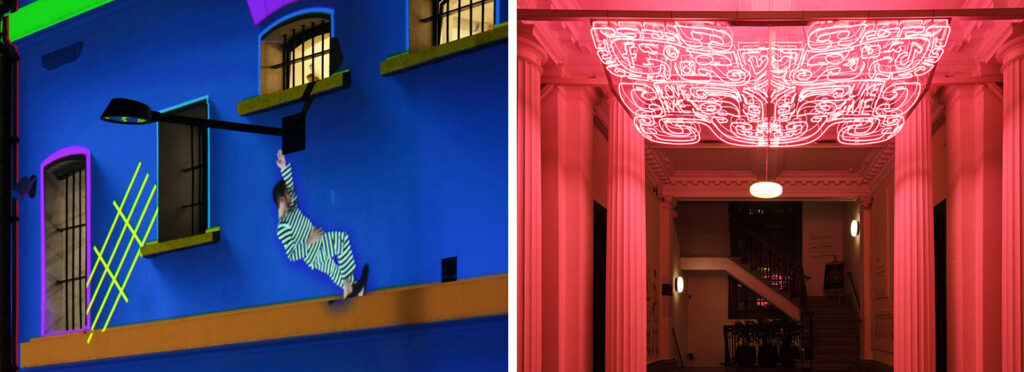
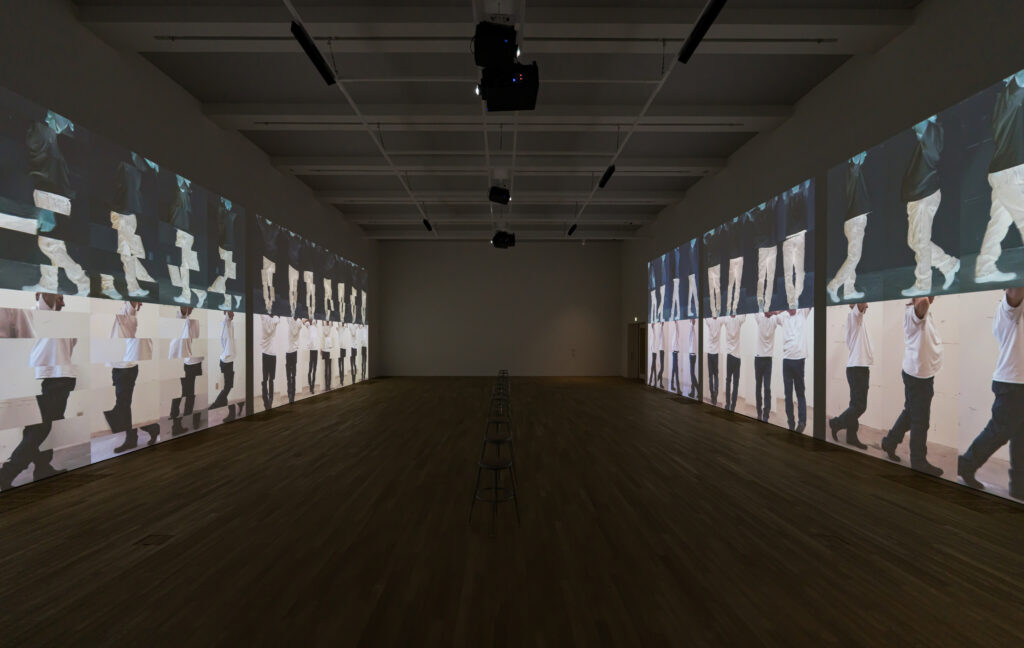
The site pulled out all the stops to commemorate the milestone. A series of special exhibitions, performances and community events were organised to showcase the breadth of Tai Kwun’s offerings and its unwavering commitment to preserving and sharing Hong Kong’s cultural heritage. Spectacular French physical theatre in the vast Parade Ground, a major contemporary exhibition, conservation talks, and world-class chamber music in the intimate JC Cube exemplified the diversity of Tai Kwun’s always-inspiring calendar of events.

Back to the future

Over the past six years, Tai Kwun has continuously expanded and diversified its programming to cater to the evolving needs and interests of its audience. From world-class art exhibitions and thought-provoking panel discussions to family-friendly workshops and community events, the site has solidified its reputation as a vibrant cultural hub.

One such initiative is the establishment of a dedicated heritage education centre, which will serve as a hub for learning, research and exploration of the compound’s history and its significance within the broader context of Hong Kong. Additionally, Tai Kwun is exploring opportunities to collaborate with international cultural institutions, further expanding its reach and impact.

Preserving the past

Tai Kwun’s long-term vision is to strike a delicate balance between preserving its historic character and adapting to the needs of contemporary audiences. This challenge was at the forefront of the site’s development, as the team carefully navigated the nuances of heritage conservation and adaptive reuse, and continues to this day.

This commitment to heritage preservation is evident in the site’s ongoing and meticulous restoration efforts, which aim to maintain the architectural and historical integrity of the buildings. At the same time, Tai Kwun has embraced innovative technologies and design elements to enhance the visitor experience, making the site more welcoming and engaging for contemporary audiences.

Engaging the community

Tai Kwun’s mission extends beyond preserving the physical structures; it is also dedicated to engaging the local Hong Kong community and fostering a deeper appreciation for the city’s rich cultural heritage. Through a diverse range of educational programmes, community events and outreach initiatives, the site has become a hub for cultural exchange and dialogue.

“Tai Kwun is not just a destination for art and culture; it is a space for the community to come together, to learn and to celebrate our shared history,” emphasises Cheung Yan-lam, a local resident and frequent visitor to the site. “The team’s efforts to connect with the community and make the site accessible to all have been truly commendable.”
The site’s leadership is actively seeking ways for the public to engage and contribute to its ongoing development. Whether it’s attending a thought-provoking exhibition, volunteering or participating in a community event, or supporting conservation efforts through fundraising initiatives and sponsorship opportunities, the public is encouraged to explore the myriad ways they can engage with and contribute to Tai Kwun’s future.

Cultural collaboration

“We are deeply grateful for the unwavering support of the Hong Kong public,” says Jee. “Their enthusiasm and participation have been instrumental in shaping Tai Kwun into the vibrant cultural hub it is today. We look forward to continuing this collaborative journey and inviting even more people to be a part of Tai Kwun’s story.”

In addition to its community-focused initiatives, Tai Kwun has also forged strong partnerships with other arts, cultural and heritage organisations in Hong Kong. These collaborations have helped to expand the site’s reach and impact, enabling it to showcase a broader spectrum of the city’s cultural diversity.

“By working closely with our partners, we are able to leverage our collective resources and expertise to create richer, more impactful programming for our audiences,” explains Cheng. “These synergies are essential in shaping Tai Kwun’s role as a leading cultural destination in Hong Kong.”

Ongoing commitment

As Tai Kwun looks ahead to the next chapter of its evolution, the site’s leadership is committed to building upon its successes and further solidifying its position as a premier cultural hub in Hong Kong. This includes exploring new avenues for expansion and enhancement, such as potential renovation and restoration projects that will improve the visitor experience and accessibility.

“Tai Kwun has undoubtedly become a true landmark in Hong Kong’s cultural landscape,” reflects Chan. “But our work is far from done. We are constantly seeking ways to elevate the site’s offerings, to deepen its connection with the community, and to amplify its role in preserving and promoting our city’s rich heritage.”

One key focus area for the future is increasing Tai Kwun’s engagement with the city’s diverse cultural communities, ensuring that its programming and initiatives reflect the multifaceted nature of Hong Kong’s identity. This will involve collaborating with a wider array of artists, cultural practitioners and community groups to create more inclusive and representative experiences.

As Tai Kwun celebrates its sixth anniversary, the site stands as a testament to the power of preserving and reimagining Hong Kong’s cultural heritage. Through its commitment to innovation, community engagement and heritage conservation, Tai Kwun continues to carve out a unique and essential role in the city’s evolving cultural landscape.

Signs of the Times: Whether of vintage glass or durable LED, bespoke neon lights display the bright side of life

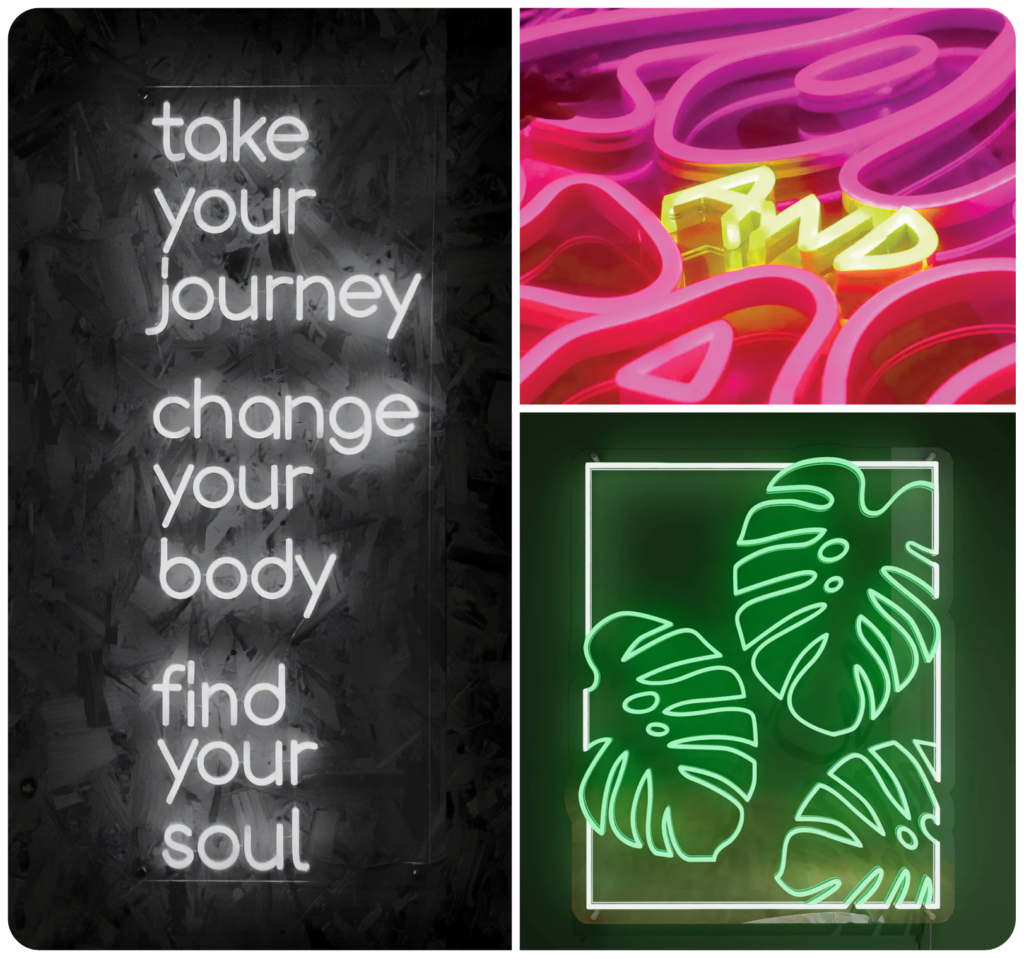
Neon signs are an iconic and integral part of the city’s visual identity and cultural heritage. For decades, these vibrant boards illuminated the streets, advertising businesses and added to the energy and bustling character of Hong Kong. They were handmade by skilled craftsmen using glass tubes, neon glass and electricity to create intricate designs and characters.

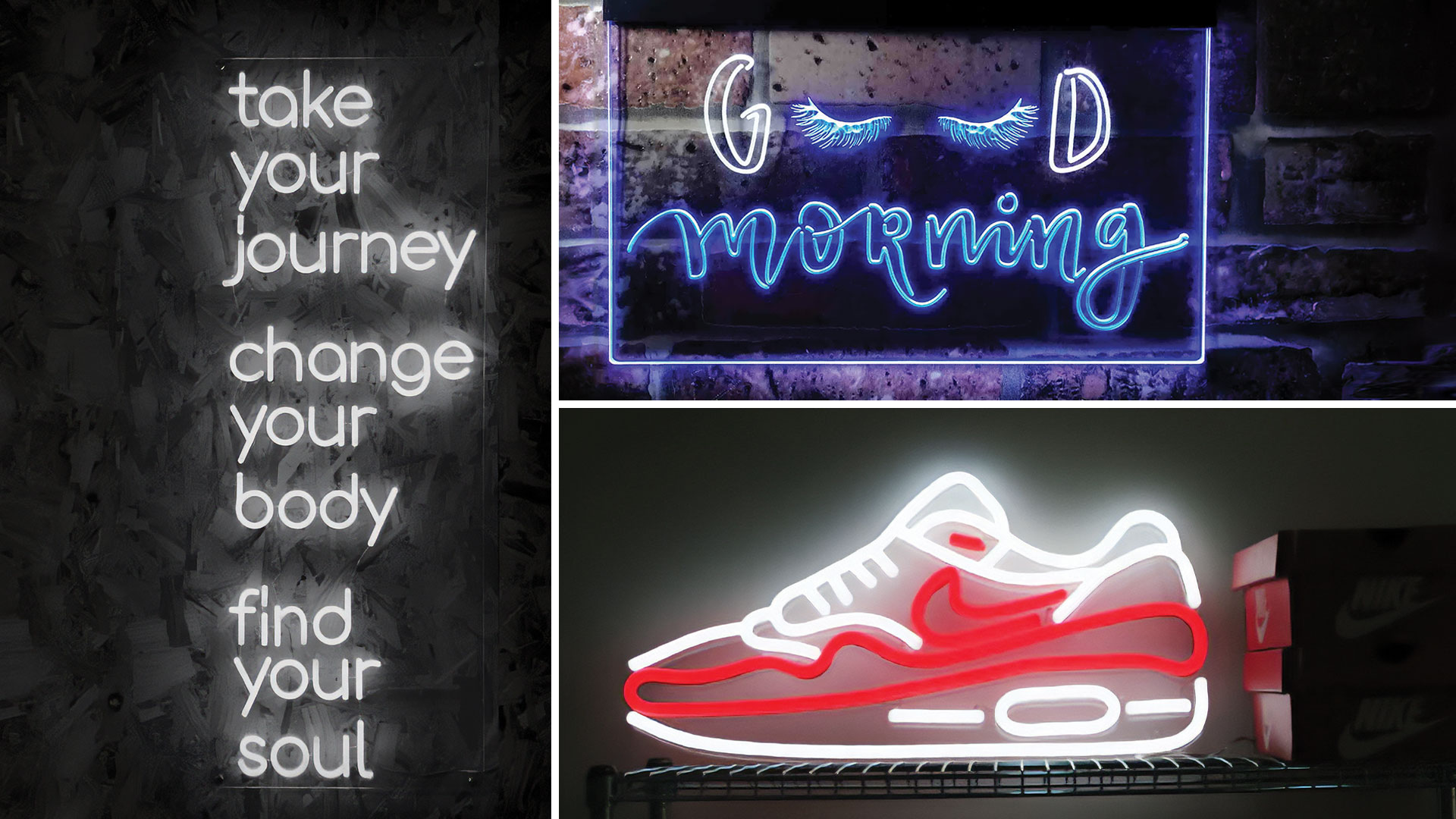
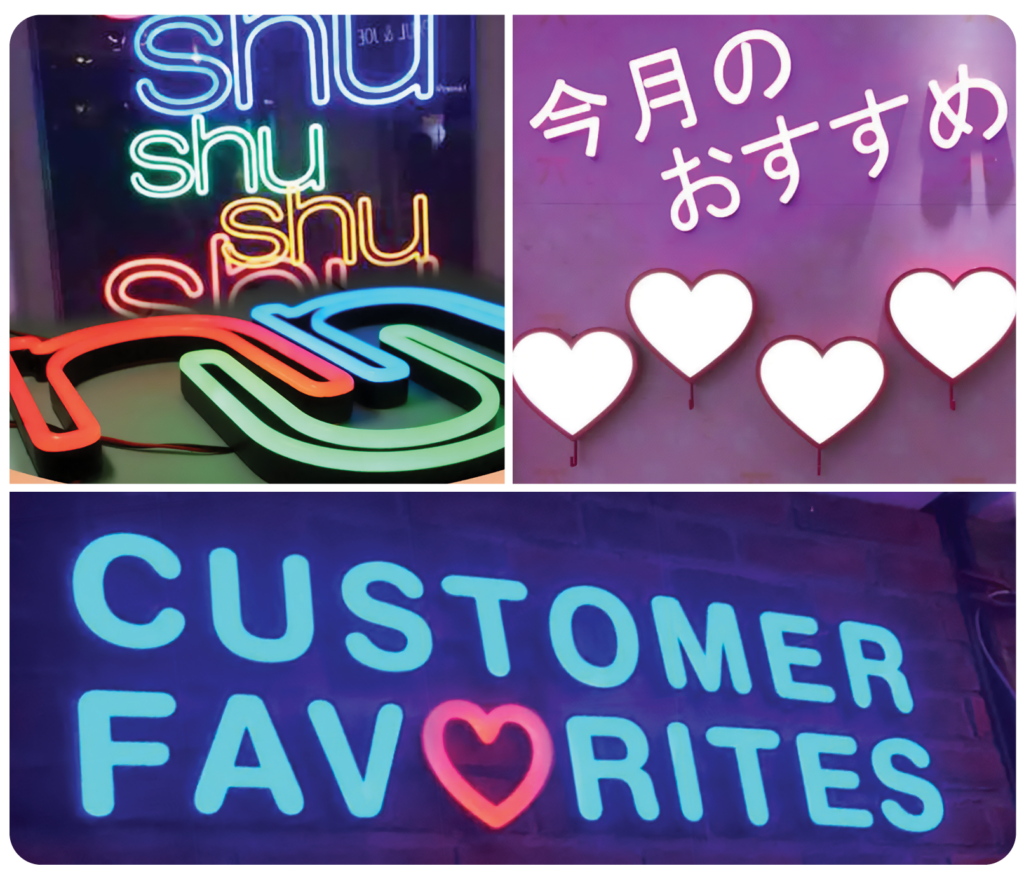
While neon signs were a popular form of advertising in their heyday of the 1960s and ’70s, they have evolved far beyond their original purpose.  With new technology offering more digital and 3D printing options, they can easily inject vitality into décor and embellishments for the home and light up events and special occasions. 

Daiwa Metal Works

Established in Hong Kong in 1996, Daiwa is one of the oldest companies to offer a customised neon sign service. It began with a mission to display the personality of a business through signage and metal products, and today offers a wide array of products from traditional glass neon, modern LED neon, metal and plastic signs and letters to LED light boxes and large metal signage. 

Daiwa LED neon signs have all the benefits of vintage neon at a fraction of the cost. Complex shapes and brand artwork can be reproduced by CNC (computer-automated) milling on high-quality acrylic instead of fragile glass. More durable than traditional neon signs, with no issue of dead (unlit) pixels and more portable, they illuminate uniformly and appear brighter and more beautiful. daiwaltd.com.hk

NeonsignLife

Alex Wong, NeosignLife’s founder and CEO, opened his first store in Mong Kok, infusing his father’s traditional neon craftsmanship with contemporary design. The company has expanded over 20 years, and now boasts an international team and a studio in London. It offers an amazing variety of bespoke signage and illuminated art to embellish spaces and events with a radiant glow. 

An online configurator on the website allows customers to turn their ideas into personalised LED neon signs. The tool gives a live preview of the neon you can get by playing with font, colour and dimensions, so you have a precise mock-up before placing your order. From street art to hype art to kanji, their collections are a vibrant blend of different themes that provoke individual inspiration. 

Wong is also a champion of vintage neon signage, believing that classic glass neon bestows an aura of prestige not found in the LED flex version. In this way, the company is helping to preserve a cherished local craft. Their vision is to reshape the landscape of home decoration, taking inspiration from the vibrant city of Hong Kong. They view neon signs as more than just décor: they are mirrors of personal flair, crafted to inspire boldness and radiate joy, with each piece unique and celebrated for the emotions it evokes.

NeonsignLife’s motto is ‘embrace boldness, shine brightly, and enjoy the journey’, and Wong continually joins hands with the global art and design community, leveraging the transformative power of art to illuminate the world. neonsignlife.com

MK Neon

A one-stop-shop for high-quality crafting of one-of-a-kind LED neon signage, MK Neon was established in 2015 by Hong Kong-based French entrepreneur Ben Darmon after a table-top glass neon sign depicting the Nike Air Max 1 sneaker that he created caught the public imagination. Named for the Mong Kok district and its past profusion of neon signs, the company specialises in neon art for its original purpose – as a marketing tool for businesses. It has lent professional help to high-profile clients such as Dior, Guerlain, Sephora, Neiman Marcus and Converse; provided neon signage for the 2019 Alsatian Strasbourg Christmas Market in New York; and established a sister brand, La Maison du Néon, in France.

MK Neon is also renowned for making bespoke neon signs for home decoration and events like weddings, bridal showers and baby showers. It prides itself on producing the customised LED design of your dreams that will add a bright, personal touch to your special day. mkneon.com

Little Rae Neon Signs

UK company Little Rae has lit up the neon-sign world with the quality and originality of its designs. Charming phrases, words and motifs like hearts and stars to adorn the walls of the home are made from flexible silicone LED tubing, mounted onto acrylic, for lightweight, safe and durable neon art. LED’s low-energy consumption compared to traditional lighting is another plus while it imparts glowing illumination to a room.

LED neon signs are less likely to break than glass ones and the tubing emits very little heat, making it safe to touch and a great option for nurseries and children’s bedrooms. Bespoke lettering in a variety of fonts and colours is available, and each sign comes with a dimmer to control its brilliance according to mood and occasion. The company strives to bring design ideas to life in glorious neon forms and create beautiful collections to add more light to your life. littlerae.co.uk 

Step into these neon workshops and you’ll be transported into a world of mesmerising colours and intricate designs. Each piece is a custom creation, tailored to the specific needs and preferences of the client. Whether it’s a dazzling storefront sign, a whimsical piece of public art or a bespoke installation, the artisans pour their hearts and souls into every luminous creation – once ubiquitous across the Hong Kong cityscape.

As the city’s skyline continues to evolve, these bespoke neon shops have become beacons of hope, reminding residents and visitors alike of the rich cultural heritage that has long defined Hong Kong. In a world of increasingly dominated by digital displays, these glowing masterpieces stand as a testament to the enduring power of craftsmanship and the importance of preserving the city’s distinct identity.

Hankow Centre: Creating a vibrant living space for all the family

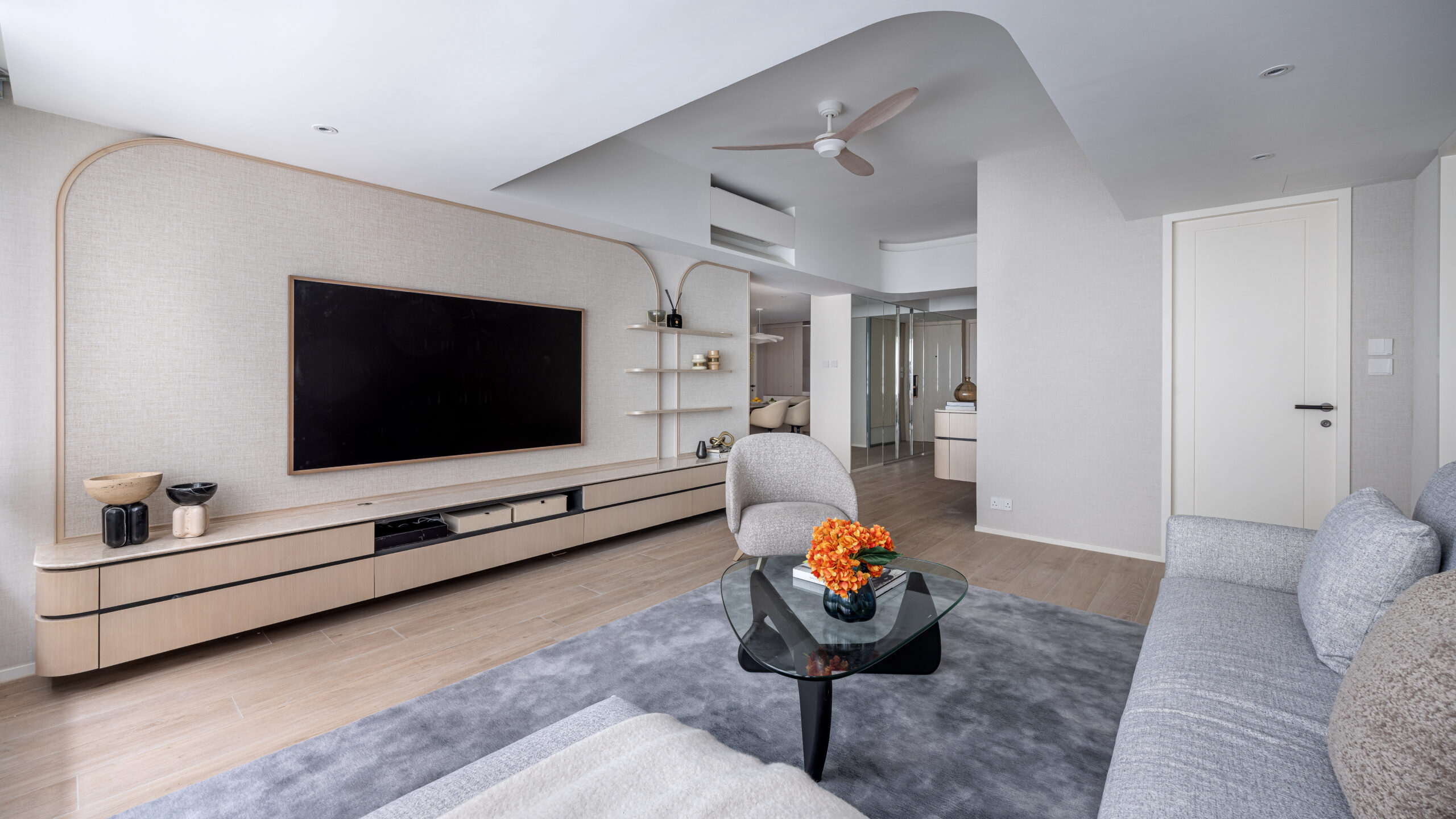
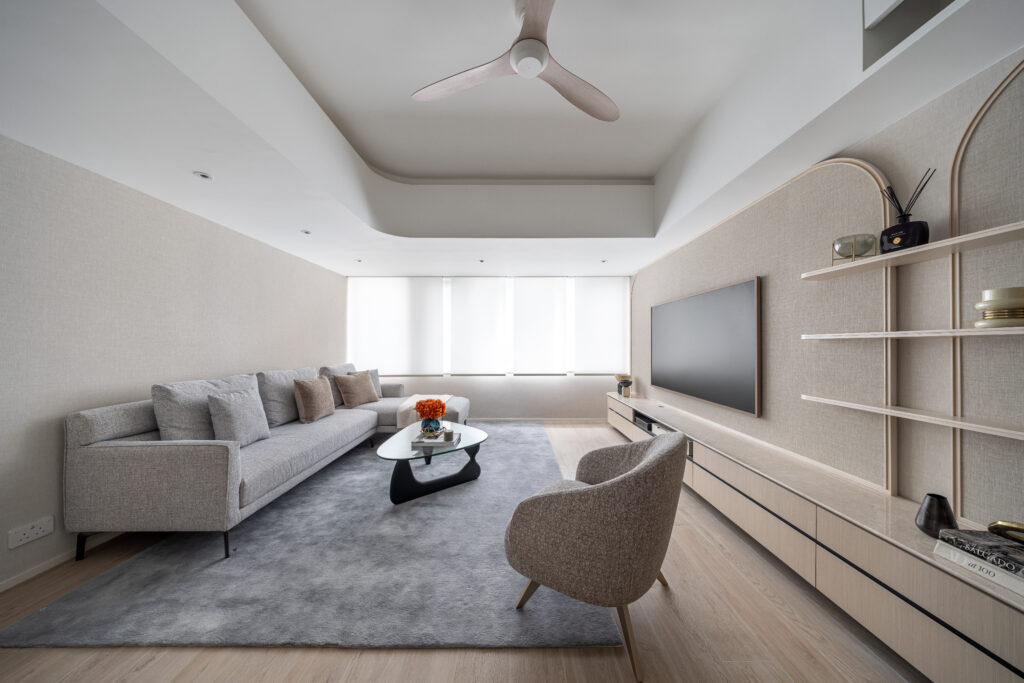
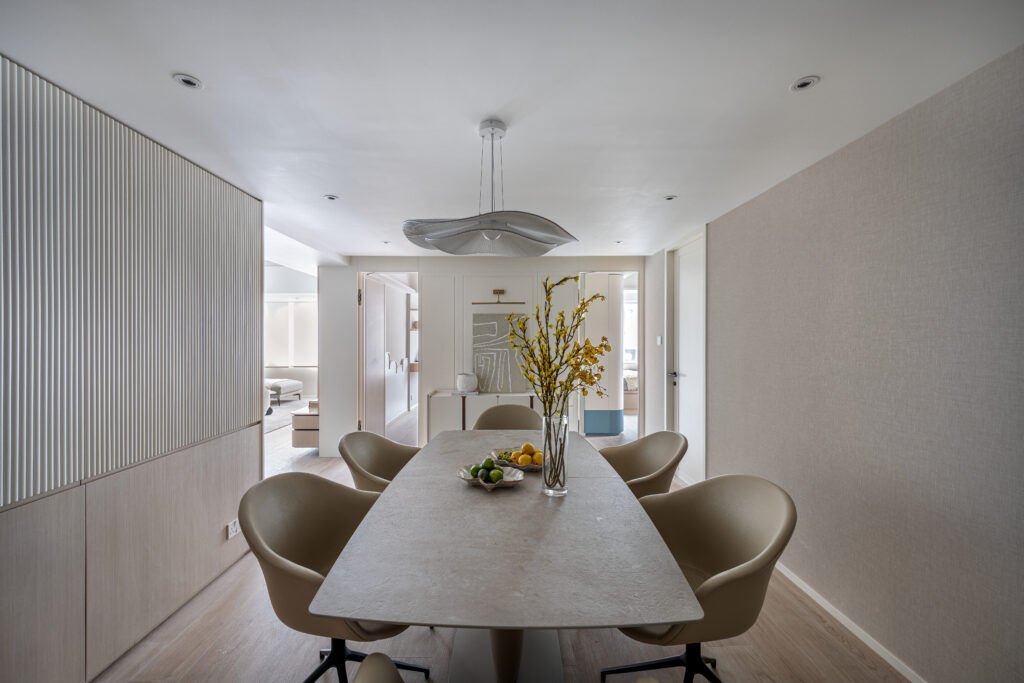
Hankow Centre, situated in Tsim Sha Tsui, boasts a distinctive residential design spanning over 1000 square feet, tailored for an Indian family of five. By combining two units, an extra-large living space was created, reimagined through interior customization and spatial planning. The minimalist approach adopted by our designer features wood tones and curved lines throughout, maintaining a cohesive theme and cultivating an open and spacious residential environment.

Living & Dining Room

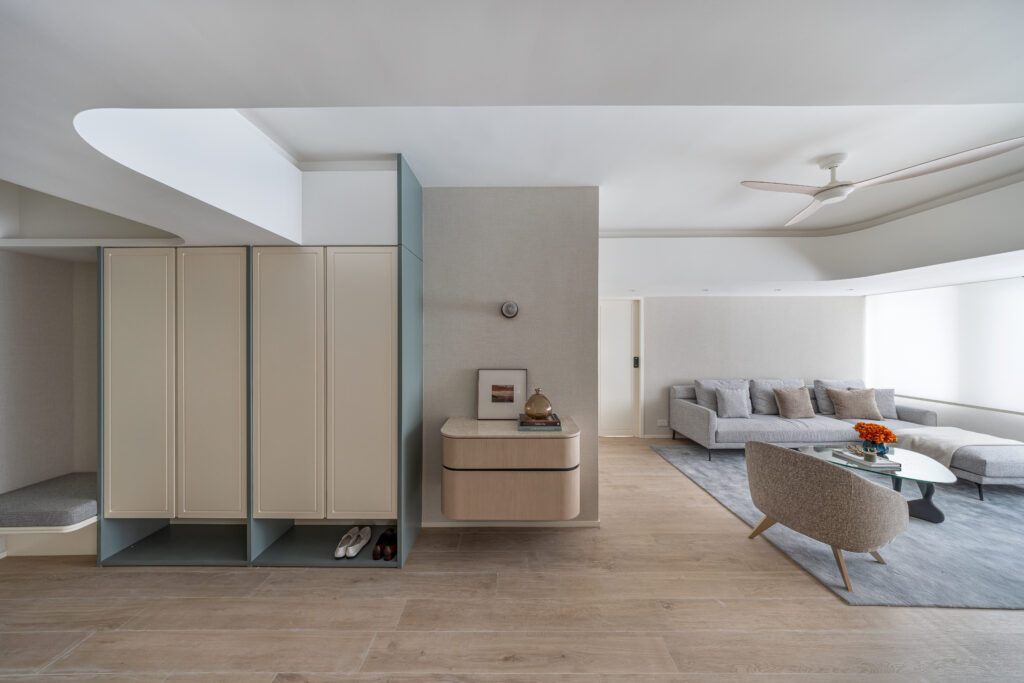
The foyer area incorporates mirrors within a minimalist colour scheme to maximize natural light, particularly in areas with limited daylight. The dining and living spaces have been seamlessly integrated into an extra-large hall, with an open layout providing clear separation and purpose definition. To address protruding beams, decorative false ceilings were introduced, adorned with circular lines for added embellishment. Built-in wall cabinets in the dining and living areas offer ample storage while harmonizing with the curved feature wall design, enhancing the overall spatial arrangement.

Master Ensuite & Closet

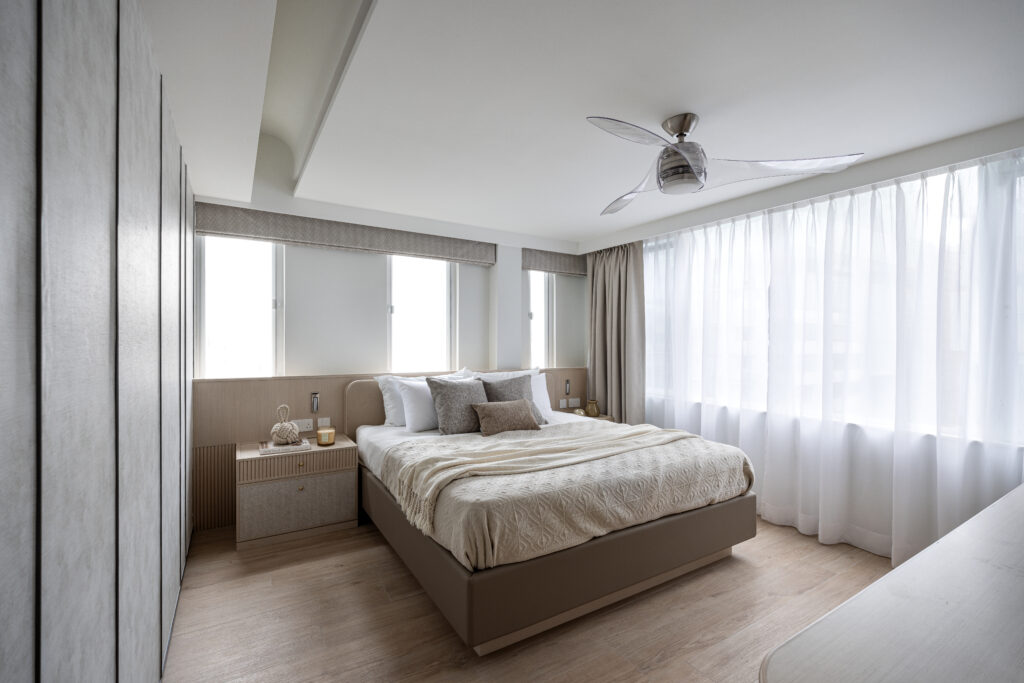
The master suite features a storage wall cabinet that divides the sleeping area from a small walk-in closet, exuding a serene and natural ambience with grey-beige hues, wooden furniture, and hardwood flooring. The television area is integrated with storage functionality on one side of the storage wall, fulfilling the owner’s requirements. The master bathroom boasts both a shower cubicle and a bathtub, offering a complete range of functional amenities.

Bedrooms & Bathrooms

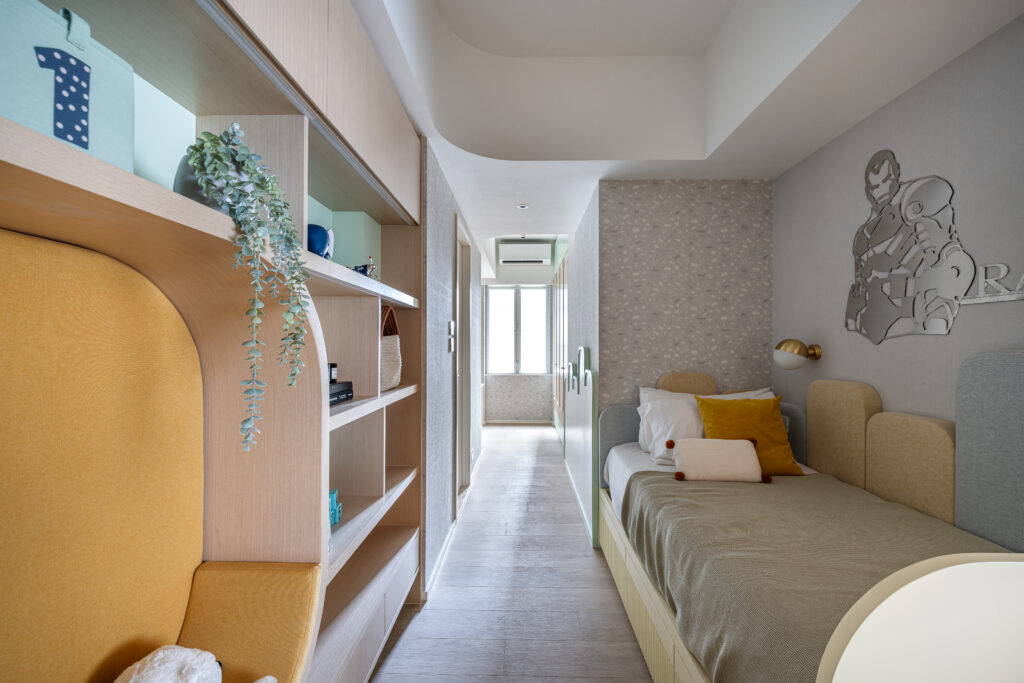
Designed for the owner’s three children, each room incorporates unique features to foster an ideal growth environment. The son’s bedroom integrates vibrant colours as accents in a minimalist space, with a feature wall for displaying books and models, creating a joyful atmosphere.

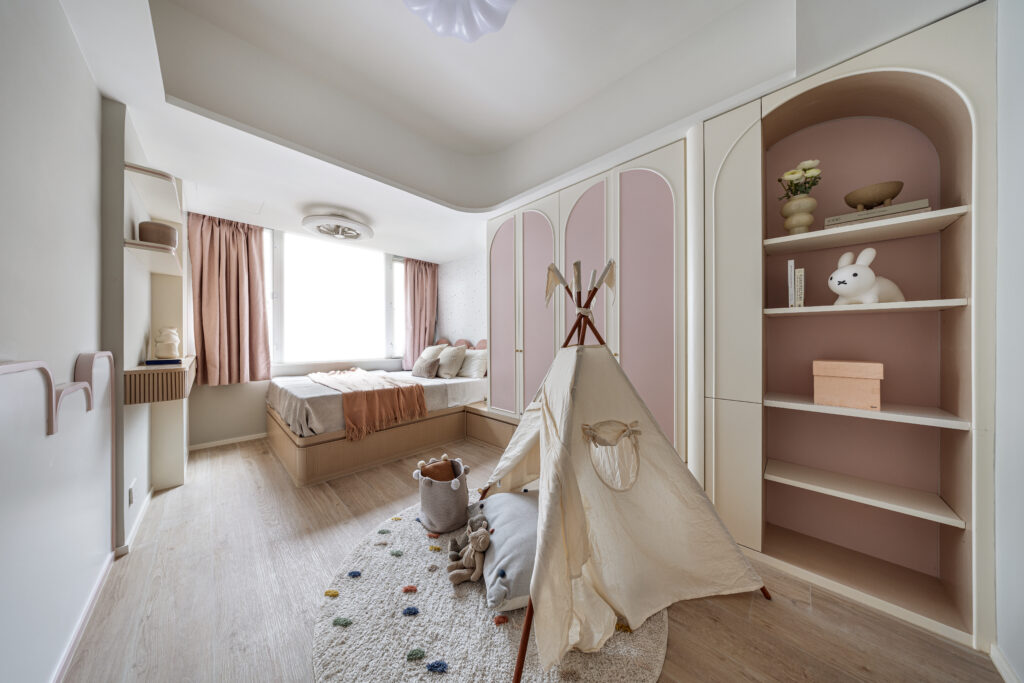
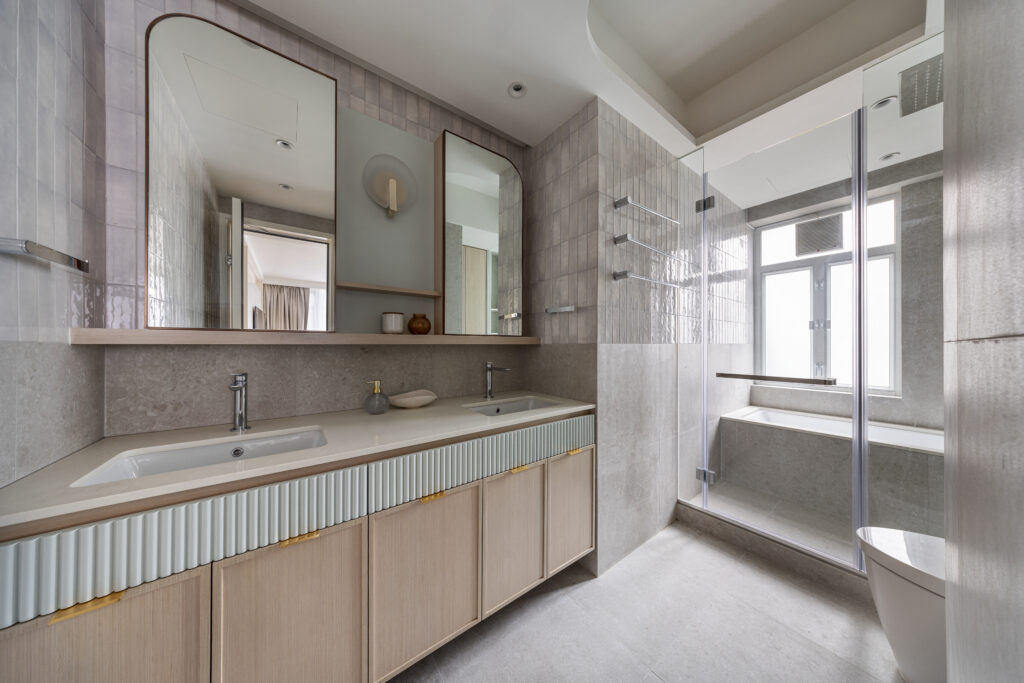
This room is equipped with an ensuite bathroom featuring unique tile textures, as well as the inclusion of both a shower cubicle and a bathtub.The daughter’s room, designed in a pink colour scheme, offers ample space for activities and multiple wardrobes for enhanced storage capacity.

Grande Interior Design

Established in 2013 by Matthew Li and Maggy Cheung, Grande Interior Design is a globally recognized award-winning interior design studio. We gatherinsightsfrom research, experimentation, and experiencesto create customized living ways and it is widely considered to be one of the most unique practicesto emerge in recent years.

With a focus on aesthetics, lifestyle, functionality, and sustainability, the studio curates bespoke designs for residential, commercial, hospitality, F&B, and mixed-use projects. Upholding a reputation for innovative and high-quality designs, the team at Grande Interior Design aims to deliver projects on time and within budget, ensuring perfection in every aspect of the design process.

Healing Heritage: With TCM wards and Western diagnostics, Hong Kong can break through borders as a Chinese medicine frontier 

The age-old traditions of Chinese medicine have continued to thrive in Hong Kong, standing as a testament to the enduring wisdom of holistic healing practices. Traditional Chinese Medicine (TCM) in Hong Kong has long been regarded as a reliable and effective approach to maintaining overall health and treating a wide range of ailments. 

Practitioners of this ancient art often take a comprehensive view of the body, focusing on the delicate balance of yin and yang, as well as the flow of vital energy, known as qi. Through the use of herbal remedies, acupuncture and other traditional techniques, Chinese medicine aims to address the root causes of health issues, rather than just treating the symptoms – a common criticism of routine Western medical practice.

One of the key advantages of Chinese medicine is its emphasis on preventive care and the promotion of overall well-being. Practices like acupuncture, tai chi and herbal therapy seek to strengthen the body’s natural defences and increase resilience to disease. This stands in contrast to the Western medical model, which often relies on reactive measures and the use of prescription drugs to manage symptoms.

Herbal Hospital

The opening of the Chinese Medicine Hospital, Hong Kong’s first TCM hospital, in Pak Shing Kok, Tseung Kwan O, in late 2025 is slated to serve as a showcase for international attempts to integrate Western and traditional practices. “This is a Chinese medicine hospital, but there will be a number of Western medicine examination facilities,” says its CEO, Professor Bian Zhaoxiang, a renowned authority in traditional Chinese medicine. 

The government-funded hospital will have a total of 400 beds – including 250 in inpatient wards, 90 in day wards, 40 in paediatric wards, and 20 in the clinical trial and research centre. The highly anticipated opening of its Chinese medicine inpatient wards will mark “the first time in Hong Kong’s history that there will be such services,” notes Bian. Some 65 per cent of the new hospital’s services will be subsidised by the government, with the remainder provided by the private sector. Currently, private practitioners provide 95 per cent of TCM services in the city.

“Hong Kong’s Chinese medicine sector should seize the opportunity to capitalise on our characteristics and strengths … to demonstrate the value of traditional Chinese medicine and the collaboration between Chinese and Western medicine to the world,” says Lo Chung-mau, Hong Kong’s Secretary for Health.

A cooperation agreement between the upcoming facility and the Guangdong Provincial Hospital of Traditional Chinese Medicine has been also inked, covering areas like talent exchange, database setup and the creation of a network for scientific research. Lo declares that Chinese medicine in Hong Kong will reach “new heights” as a result of the partnership with the state-run Guangdong hospital. “With the rich experience and technology sharing from the [Guangdong hospital], I believe that the Chinese Medicine Hospital of Hong Kong will be able to launch its services smoothly,” he noted at the signing ceremony in January. 

Holistic Endeavour

While Western medicine has made remarkable advancements in the fields of diagnostics, surgical procedures and pharmaceutical interventions, it is often criticised for its narrow focus on treating specific symptoms or conditions. In contrast, Chinese medicine takes a more holistic approach, viewing the body as an interconnected system and seeking to restore balance and harmony.

Dr Arthur Lau Chun-wing, the Chinese Medicine Hospital’s Deputy Chief Executive in Western Medicine, anticipates that the new facility will capitalise on the advantages of the two types of treatment. “I hope we can formulate standards that can serve as the blueprint for the world to follow and reference,” he says.

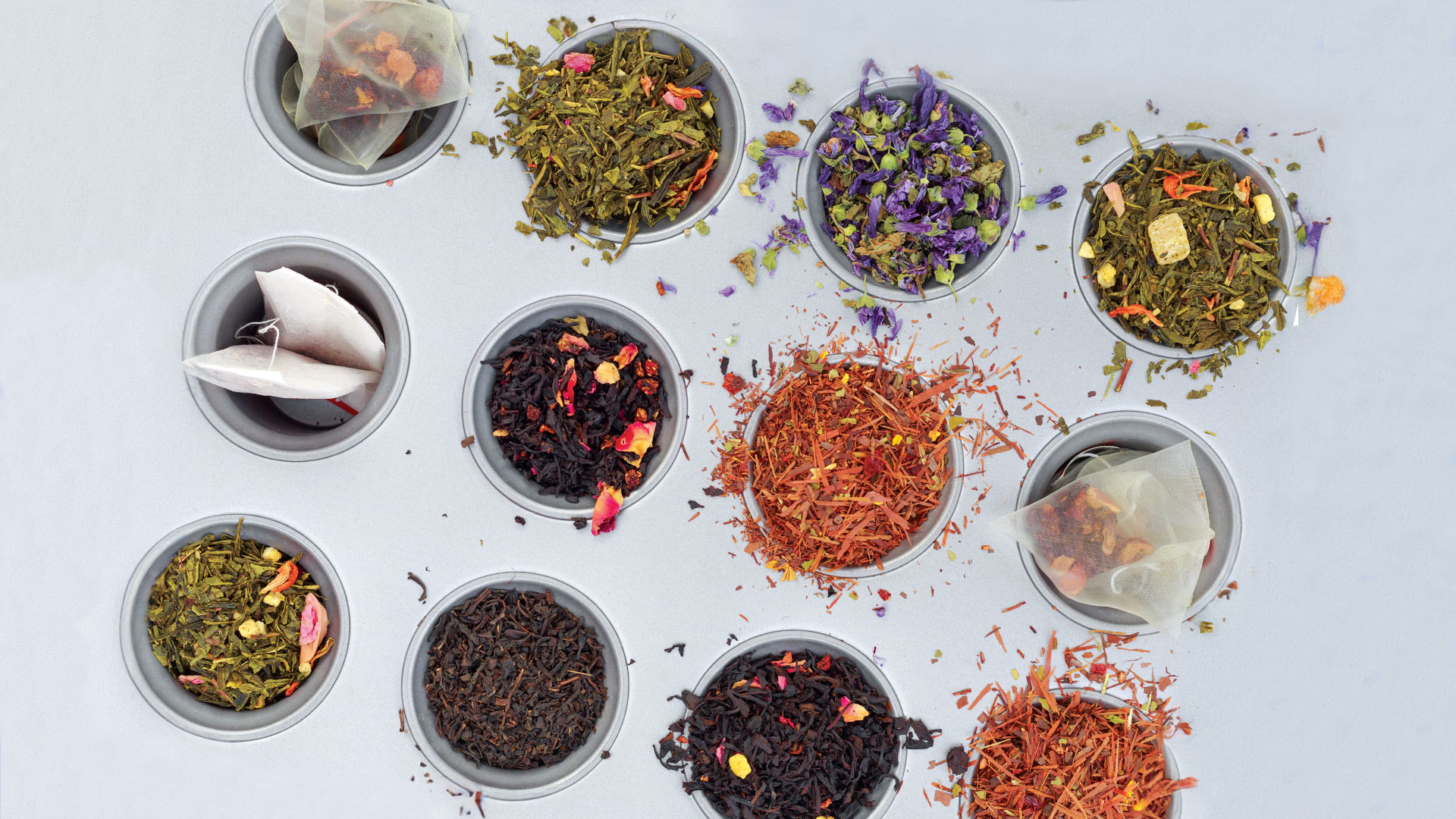
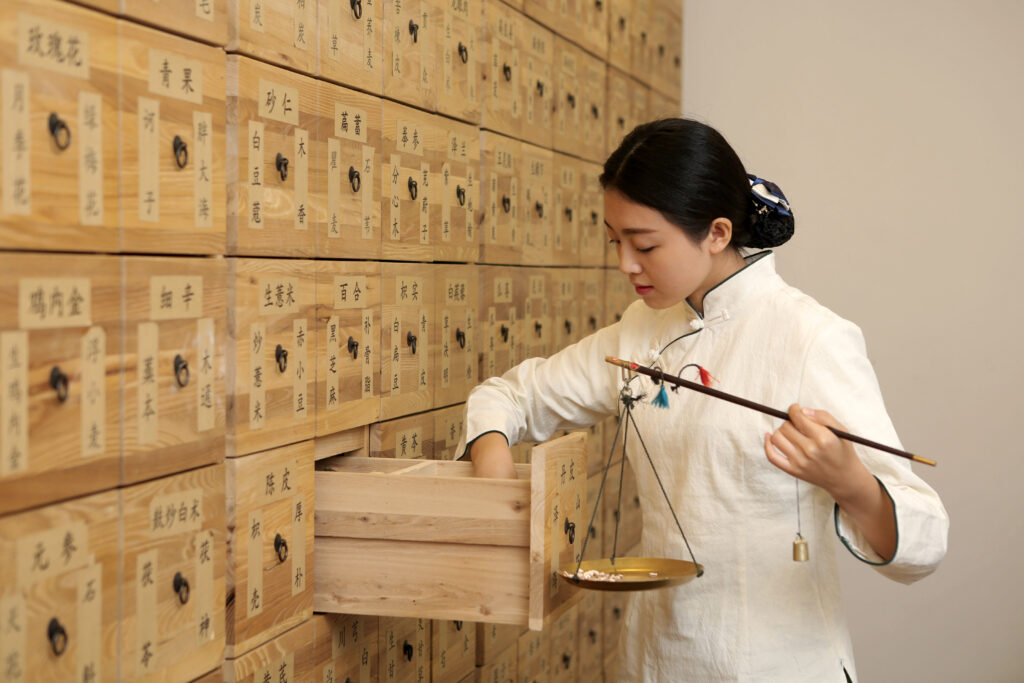
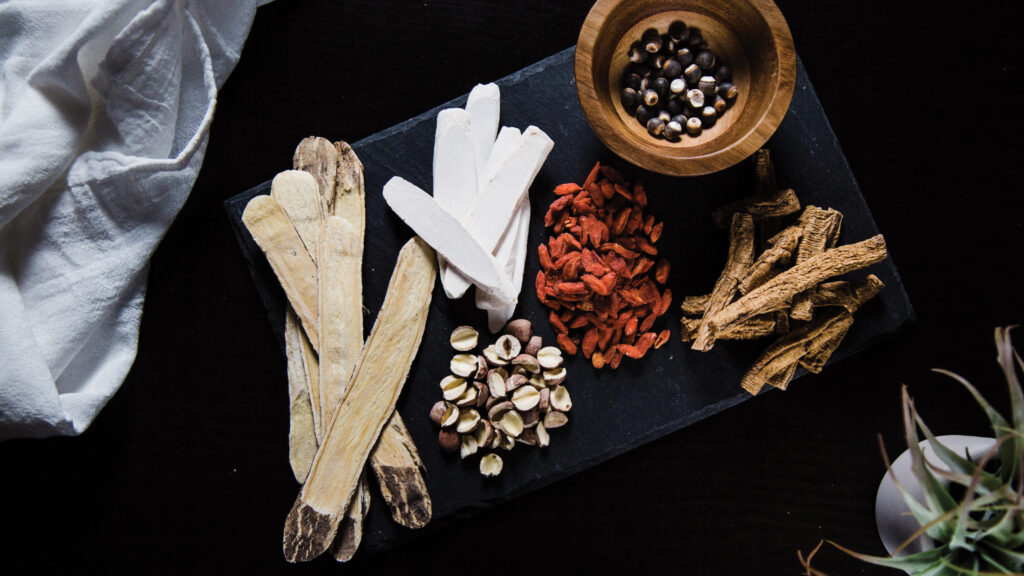
China’s main medical practices have historically been acupuncturing and herbal therapy. Acupuncture is regarded as a yang therapy, and for more persistent problems, yin herbal medicine is used in addition. Arguably the most advanced in the world, the Chinese herbal system encompasses thousands of recipes and plants. The majority of herbs are used in combinations, with eight or more different plants often combined to provide a synergistic cure. Additionally, animal parts are frequently included in medicinal formulae. Two examples to treat asthma are dried caterpillar fungus and gecko tails. A highly sought-after and costly tonic in Hong Kong is created from the saliva of the swiftlet bird.

Chinese vs Western

Studies have demonstrated the efficacy of certain Chinese medicine practices in treating conditions such as chronic pain, digestive disorders and even certain types of cancer. However, the reliability and scientific evidence behind Chinese medicine remains a subject of ongoing discussion, with some Western medical professionals expressing scepticism about the lack of standardised clinical trials and the potential for inconsistent quality control.

Dr Leung Ting-hung, the former Director of the Centre for Health Protection in Hong Kong, has said: “Chinese medicine can complement conventional Western treatments, but patients should be cautious of unsubstantiated claims. The safety and quality of Chinese medicine products require more regulation and oversight.”

The pros of TCM in Hong Kong include its long-standing tradition, its holistic approach to health, and its potential effectiveness in treating certain conditions. Many patients appreciate the natural and non-invasive nature of Chinese medicine treatments, as well as the emphasis on maintaining balance and harmony within the body. On the downside, doubters cite the lack of standardised quality control, and the potential for inconsistent or unreliable results and adverse reactions with Western medications. Additionally, some Chinese medicine practices, such as the use of endangered animal parts, have raised ethical concerns.

Future Tradition

Cheung Wai-lun, the Hong Kong Health Bureau’s Project Director for the Chinese Medicine Hospital, says officials want to coordinate and promote the quality development of Chinese medicine. “Besides local development of the sector, we hope to cooperate with the motherland’s development plans in this area. That is to use Hong Kong as a platform – like a display window – to showcase to the world how Chinese medicine can be applied.”

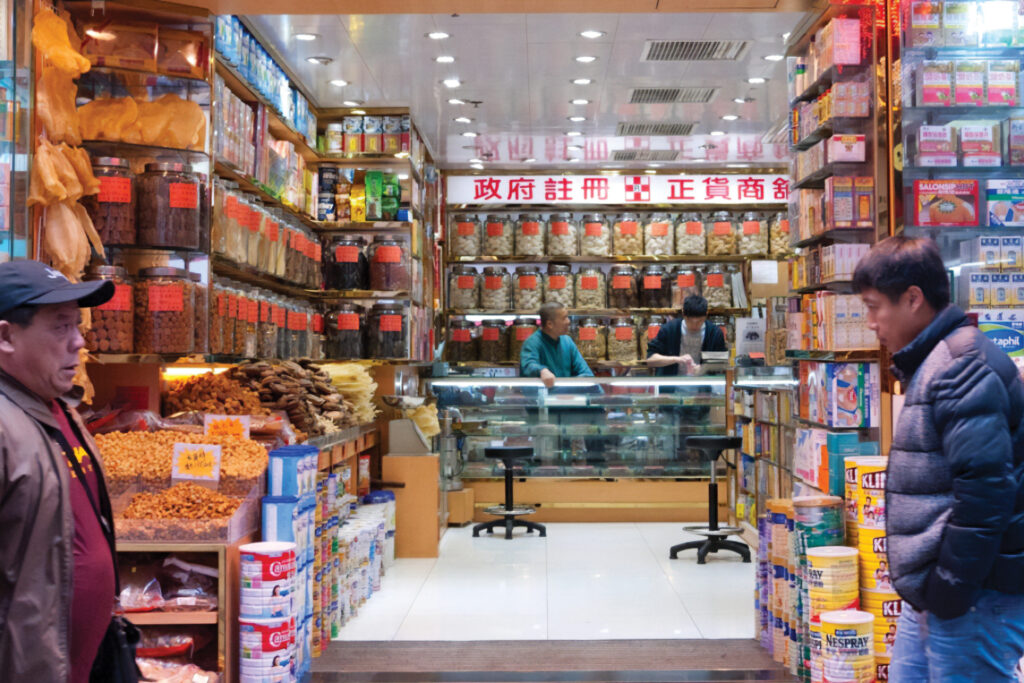
Ko Shing Street in Sheung Wan has been the heart of the wholesale trade in Chinese herbal medicine in Hong Kong for 100 years. It’s nirvana for herbal or health geeks, and a must-visit to witness a unique insight into the past. While shopkeepers in this iconic street find it challenging to keep their stores operational due to Hong Kong’s expensive rent and living expenses, preserving these customs and ensuring that they continue to influence modern holistic treatment in the future are essential.

As the city continues to navigate the dynamic landscape of healthcare, the role of traditional Chinese medicine remains an integral part of the city’s medical landscape. While the debate over its reliability and effectiveness compared to Western medicine continues, the enduring legacy of this ancient practice serves as a reminder of the importance of preserving and exploring diverse approaches to healing and well-being.

Pillow Talk: Throw down a cluster of covetable cushions to change up your interiors

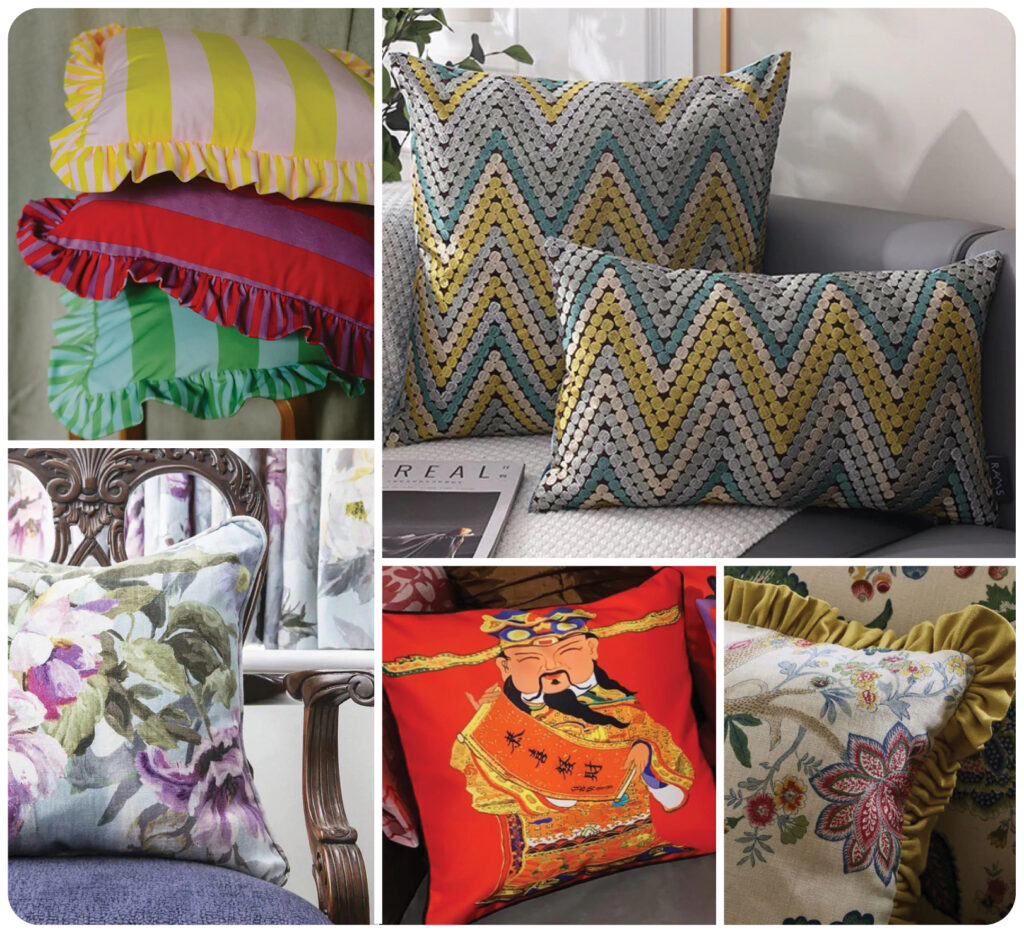
Cushions are essential accessories that elevate décor, bestowing a room with a cosy, charming ambience as well as a touch of elegance. Providing tonal and textural contrast, they are surely the easiest, most affordable and arguably most fun way to add style and personality to your living space. Whether you are sprucing up your living room, den or bedroom, they can change the vibe of your entire interior experience. 

No matter the size of your home, there’s always room for a cushion or two to brighten the interiors. Choose vibrant patterns as cheerful accents to scatter onto sofas or bedspreads in solid colours or monotone throw cushions that instil calm in colourful furniture. With so many hues and style options available, you are bound to find ones that complement your unique home style.

Goods of Desire

Fondly called G.O.D., Goods of Desire is quintessentially Hong Kong. Founded in 1996 by local designer and artist Douglas Young, the heritage design and lifestyle brand has grown from a small boutique in Ap Lei Chau into an iconic, multifaceted international retailer. G.O.D. presents Hong Kong to international audiences by creating premium products with a distinct look and feel inspired by the city’s vibrant history and culture, where East meets West, and age-old traditions converge with cutting-edge technology.

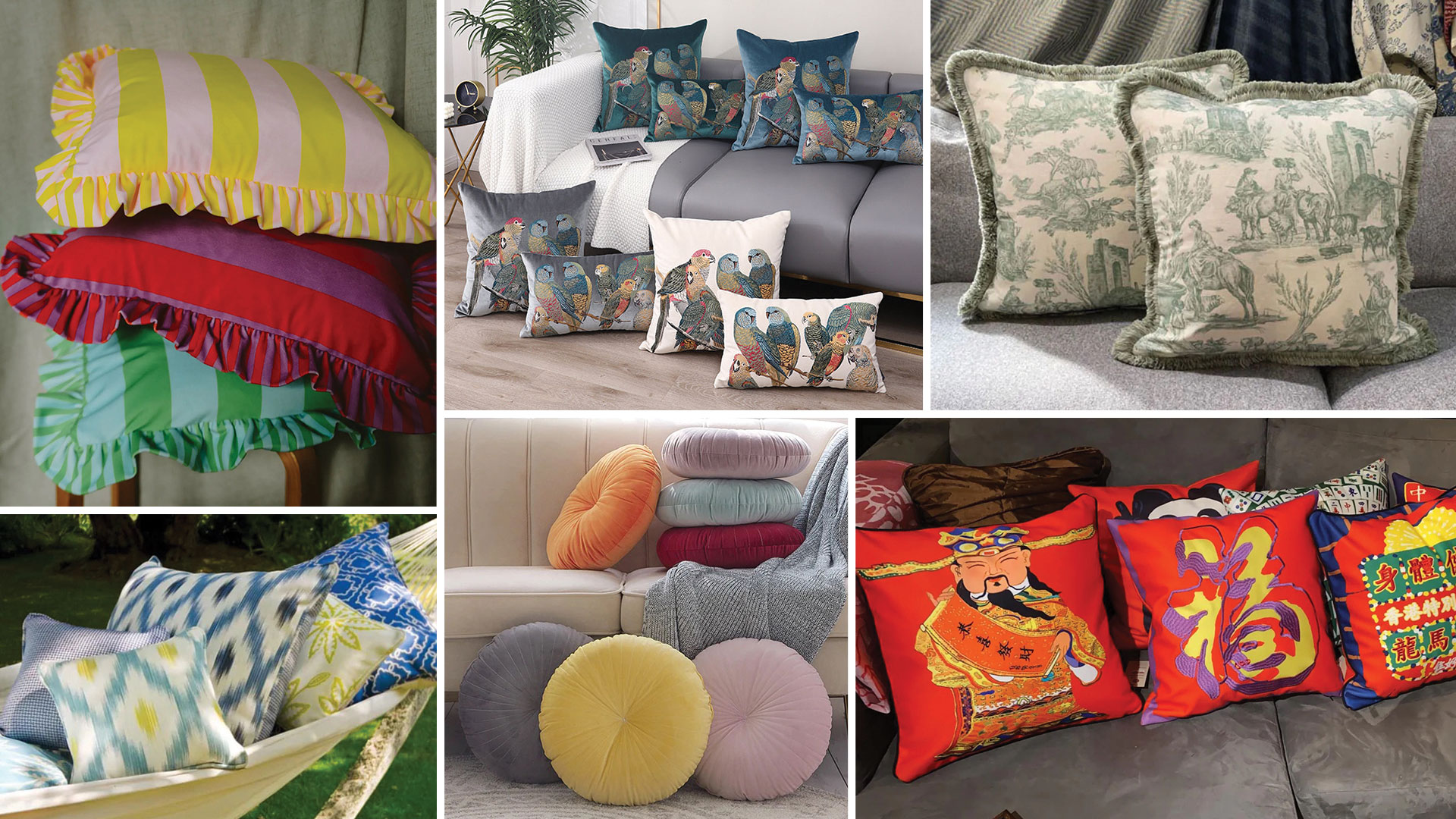
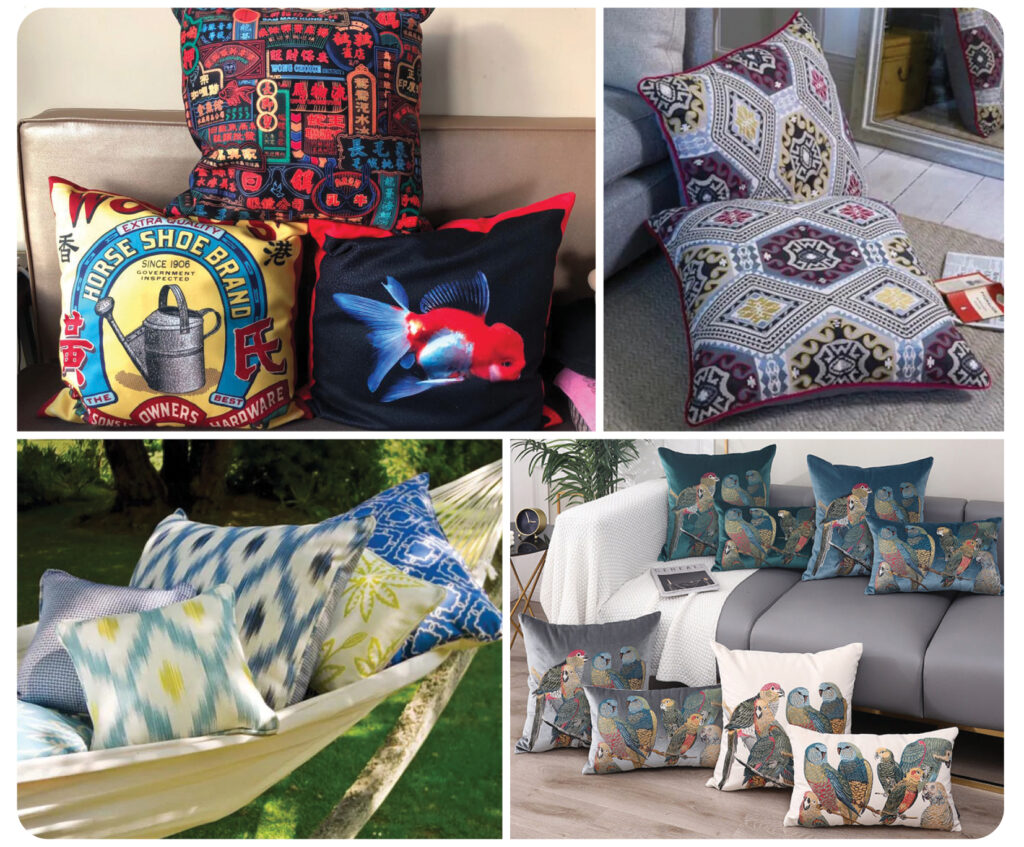
Young’s designs embrace humour and creativity, turning everyday subjects into truly extraordinary objects – including an extensive array of cushion covers that infuse your living area or bedroom with Hong Kong whimsy and a burst of colour. The Sai Kung Series is one of its most iconic collections, featuring trails, nature and island scenery. Traditional handcrafts are celebrated in a range of satin-silk embroidery prints usually associated with Chinese jewellery pouches. These appear as a patchwork design on the front of the cushion with a solid silky colour at the back. god.com.hk

Staunton & Henry

Hong Kong-based homeware retailer Staunton & Henry prides itself on offering beautiful and eclectic decorative items that don’t cost the earth and cannot be found elsewhere. They have a showroom in Central, but their online store ships worldwide, delivering finesse from their collections and bespoke products for customers who want unique items. Notable among their various cool, modern home accessories is a wide range of cushions and throws.

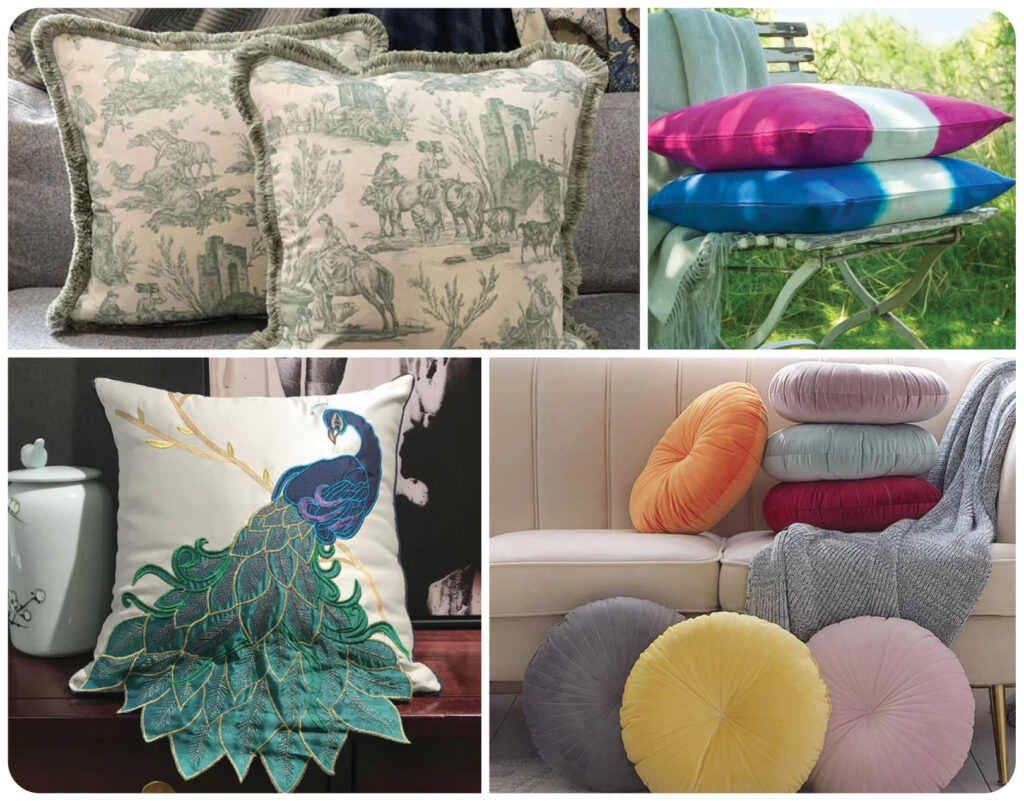
Offering style and comfort, cushions are available in a myriad of themes from Scandinavian to bohemian and contemporary. The Herman Art Deco Throw Cushion lets you add visual interest and a pop of muted colour to your interiors. Realised in lush shades of taupe and cream, their angles, shapes and lines nod to Art Deco’s bold yet sleek geometric patterns, and add elegant depth to any seating arrangement. Handmade with an intricate woven pattern, the Nordic Chunky Weave Throw Cushion Cover imparts interest and texture. The soft and subtly fuzzy feel of the knit cotton can help make a room feel cosier. 

Staunton & Henry’s Teal Oriental collection is embellished with floral and fauna prints inspired by Chinese and Japanese bird paintings. Crafted in satin, these cushion covers have an elegant serenity and shine. Available in two sizes, the Amrin Stitched Blue Throw Cushion looks ultra-chic in its tone and depth, imbuing a sense of moody luxury wherever you place it. stauntonandhenry.com

F&P Interiors

Established more than 20 years ago under the name Fabrics and Papers, this UK specialist in designer wallpapers, curtains and upholstery is a great option for anyone looking for bespoke services. They can create personalised scatter cushions, bench cushions, outdoor cushions and floor cushions in any size and shape covered in your favourite fabrics. The F&P range leaves clients spoiled for choice; it spans all interior styles from contemporary to country cottage, and includes vintage linens, printed velvets, outdoor fabrics and embroideries. 

Made using traditional sewing techniques with careful attention to detail, each cushion can be individually customised by their expert team and is made to last. Designing a made-to-order piece becomes a simple and enjoyable process. From choosing the fabric to adding those unique finishing touches, items are handmade to your exact measurements and specific requirements with their talented team assisting at every step. 

F&P Interiors’ outdoor cushions are a particular treat. Styled to make your garden or balcony seating more comfortable and stylish, and to continue looking its best for longer, they are woven using threads designed to withstand the wear and tear of outside entertaining. fabricsandpapers.com

Khushi Kantha

If eco-friendly and sustainable living is important to you, then Khushi Kantha shares your values. It was founded by British mother Laura Rana, who moved to Bangladesh and revived a centuries-old upcycling tradition through collaboration with local women who knew the handicraft. From stitching patchwork cloth from rags to designing blankets, cushion covers and bags, the venture is based on a beautiful blend of cultures and styles. 

The word kantha refers to both the stitching and the final cloth, and it evolved from the thrift of rural women in the Bengali region of the Indian subcontinent. One of the oldest forms of embroidery originating from India, its origins can be traced back prior to 1500 BCE and it became a canvas for ordinary women to tell stories of their everyday life. Khushi, meanwhile, means happiness, an emotion that comes when you behold products made out of love and devotion. 

Their cushion covers feature bright colours, heritage patterns and scenes, and animals and birds like peacocks that celebrate nature, all brought to life through traditional stitching. They are handmade from 100% cotton handloom fabric, hand-dyed using Oeko-Tex Eco Passport-certified dyes, and lined with upcycled deadstock 100% cotton fabric. Presented in a reusable cotton drawstring bag, handcrafted from a vintage sari offcut, with a packaging insert explaining Khushi Kantha’s social-enterprise mission, they make great gifts. Bespoke services include embroidering names and personal details to make each cushion a unique and happy story. khushikantha.com

Ankoma Chameleon: Intimate bistro meets refined izakaya at the fine-dining counter manned by local chef Frankie Wong

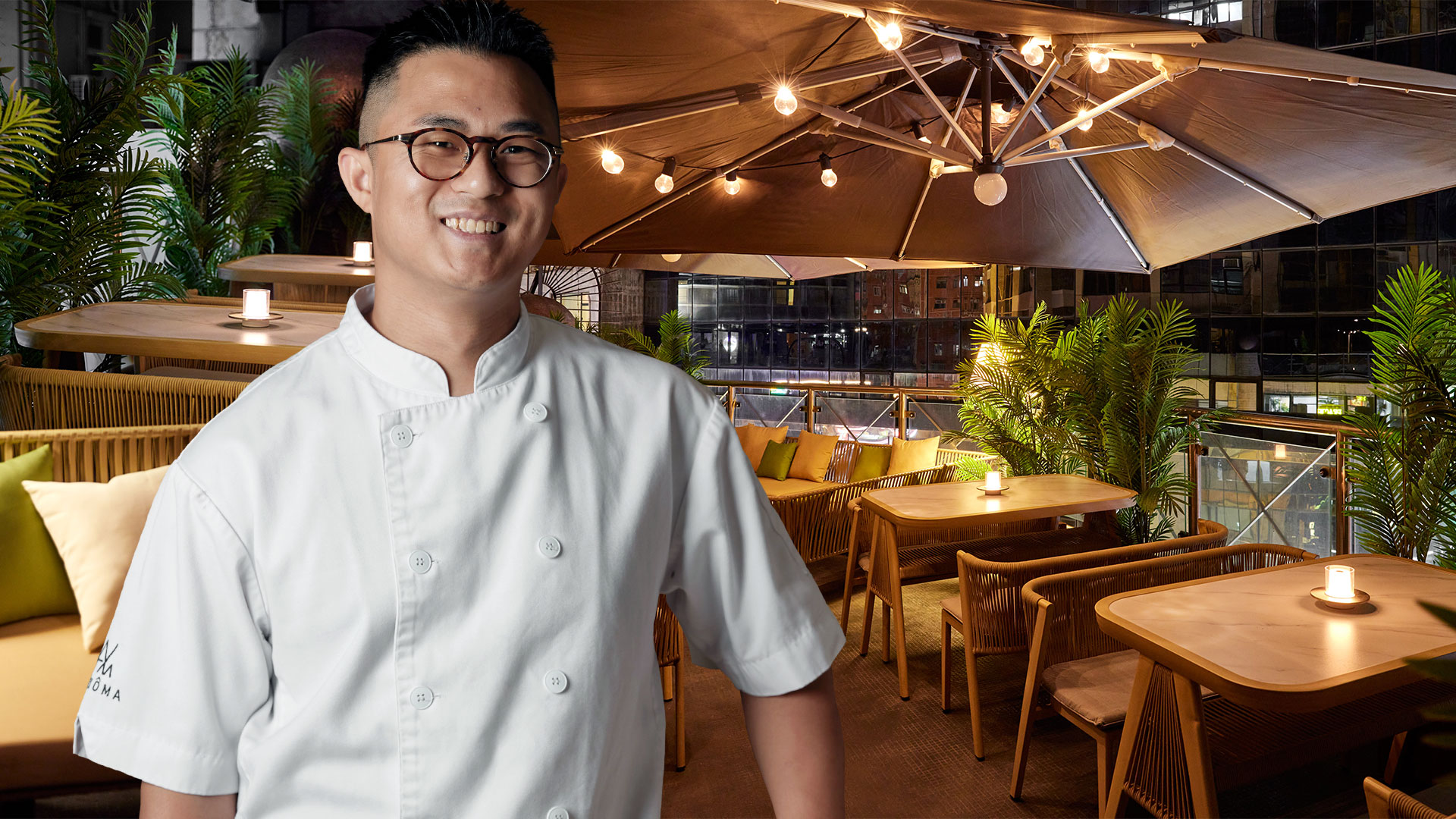
Exceptional chefs are like chameleons. They may be acknowledged for their mastery of a certain dish or their own cooking style, but what really distinguishes them from their contemporaries is their capacity to transfer and modify their refined method from one culinary endeavour to the next. A range of vast and varied experiences is also often necessary, as well as humility, patience and innate talent. Such is the case for Hong Kong’s very own culinary rising star, Chef Frankie Wong, who is making a breakthrough performance via Ankôma.

“My inspiration comes from all channels – sometimes it is through suppliers explaining ingredients, or me casually browsing on Instagram, and sometimes in my dreams!” laughs Wong of his French-Japanese cuisine. “Each creation goes through much trial and error and many versions.”

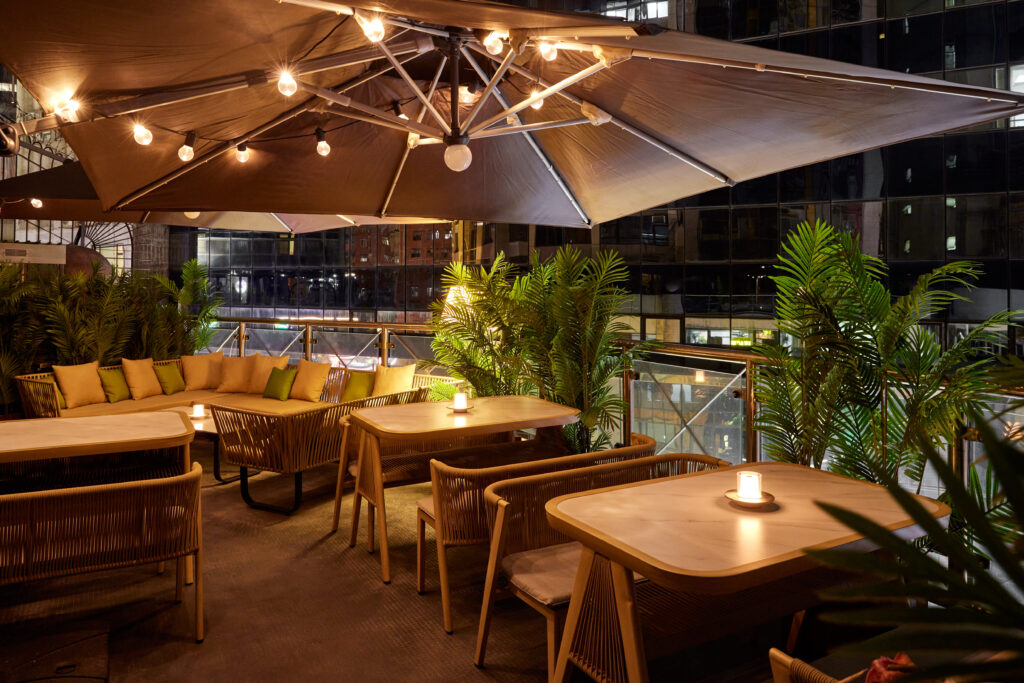
A juxtaposition if ever there was one, the fact that fine-dining haven Ankôma is located in the heart of Tsim Sha Tsui’s bustle has amplified just how versatile Wong is and has pronounced the range in his unrestrained perspective. Unlike the busy scenes on the streets below, the fifth-floor restaurant’s eight-seat marble counter, elegantly set with linen napkins, handsome wine glasses and no-fuss flatware, looks into a modern kitchen of the latest chef’s toys and gadgets. The scene is complemented by Wong’s fabulous talent and a menu focusing on local ingredients.

“Fine dining usually has an image of being very proper, not very commonly accessible and can be quite intimidating for some guests,” says the chef. “In Ankôma, guests can enjoy fine-dining-quality dishes but in a casual environment, like a bistro or izakaya. For those who frequent fine-dining restaurants, it can be a change of scene, a different and refreshing experience from what they are used to.”

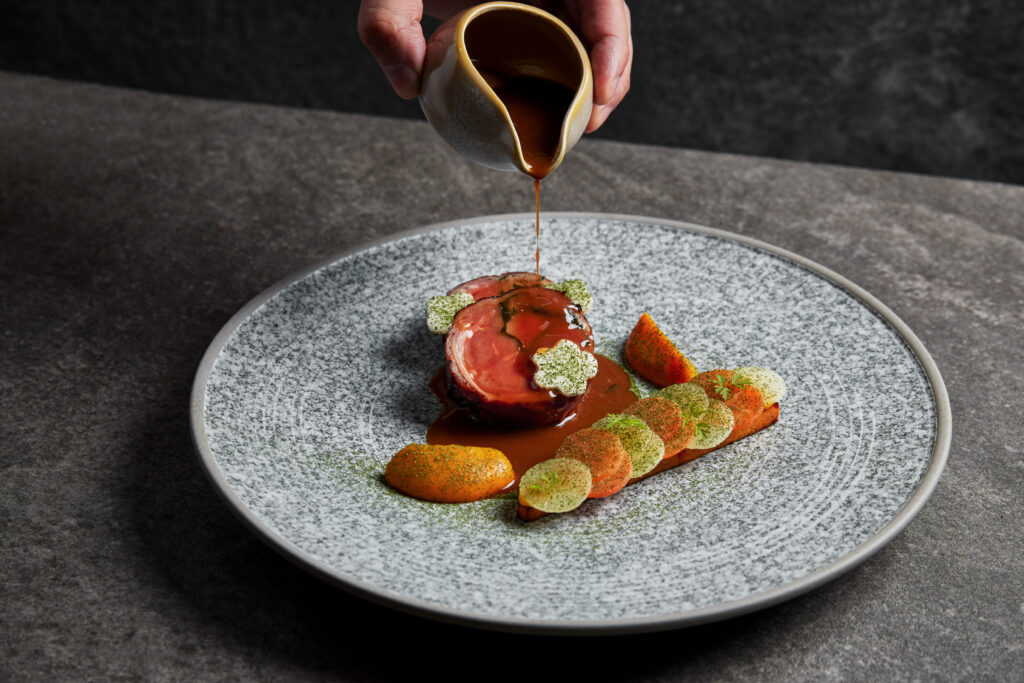
Each plate is easy on the eye and tasty on the palate. As Wong personally explains each dish – an essential component of the Ankôma experience – diners will discover that the restraint and simplicity which appear to be the defining characteristics of his cuisine may be more colourful and complex than they first thought.

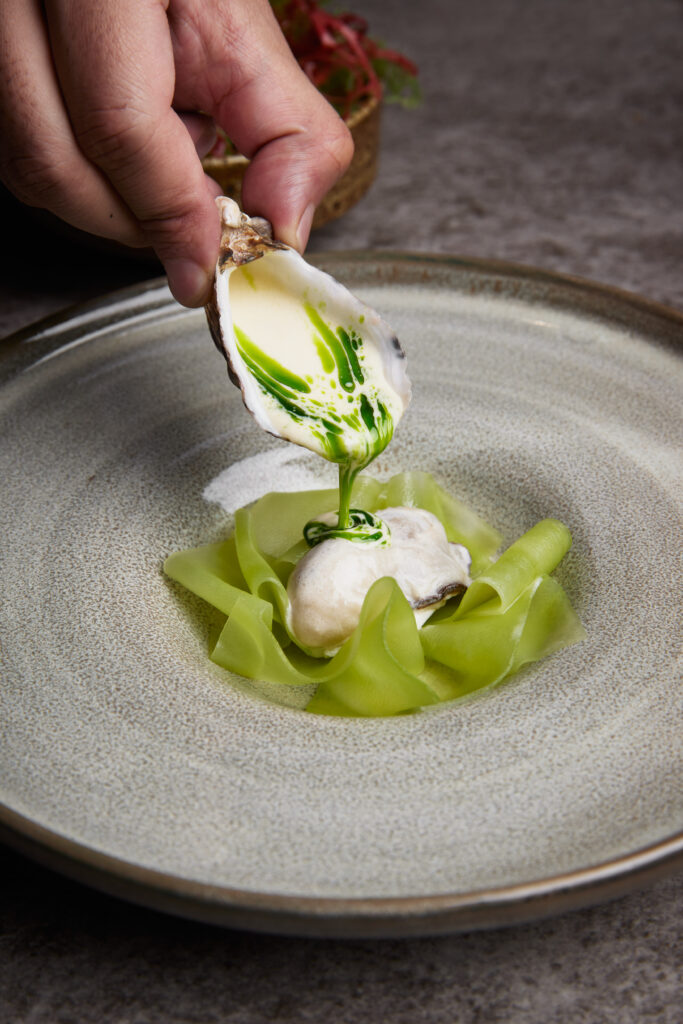
Our tasting parade begins with zuwaigani, a snow crab tartlet with sherry vinegar sheet and battera kombu floss. The unagi course showcases smoked eel with foie-gras mousse on brioche French toast, while saba, a fatty mackerel cured with apple cider vinegar, kombu and mirin, is complemented by a zesty green apple and jellyfish salad, finished with a kick of wasabi emulsion. 

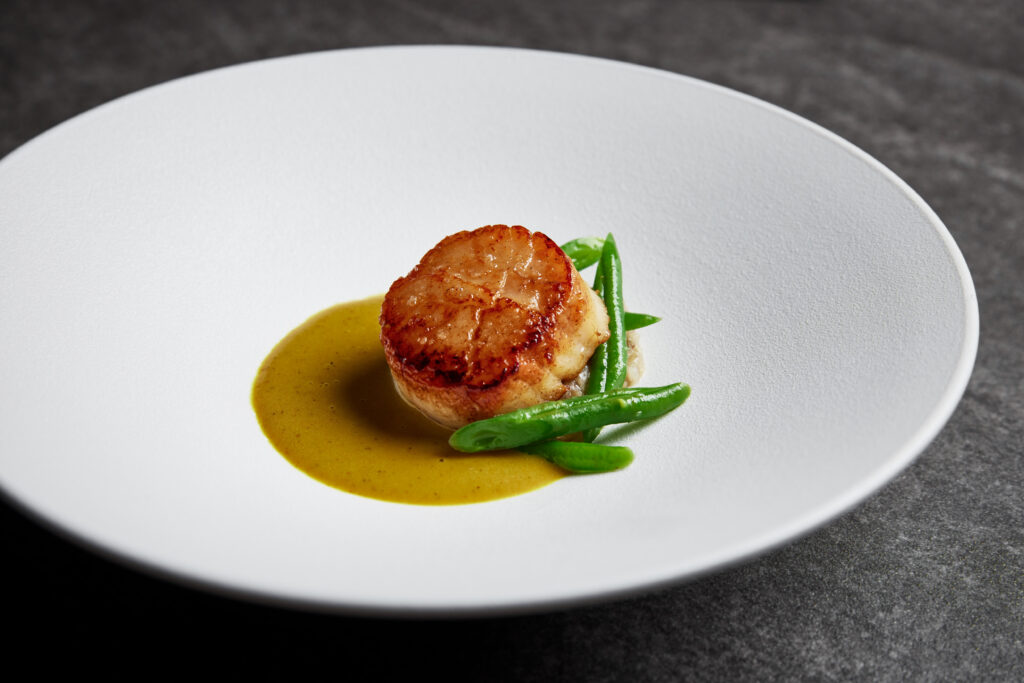
The seasonal hokkigai, a lightly torched surf clam with homemade fish cake, is accompanied by ratatouille consommé, chipolata sausage and coriander. The scallop dish consisting of a buttery pan-fried Hokkaido scallop paired with a cool French bean purée, eggplant purée and vadouvan sauce is the chef’s French take on Indian masala. 

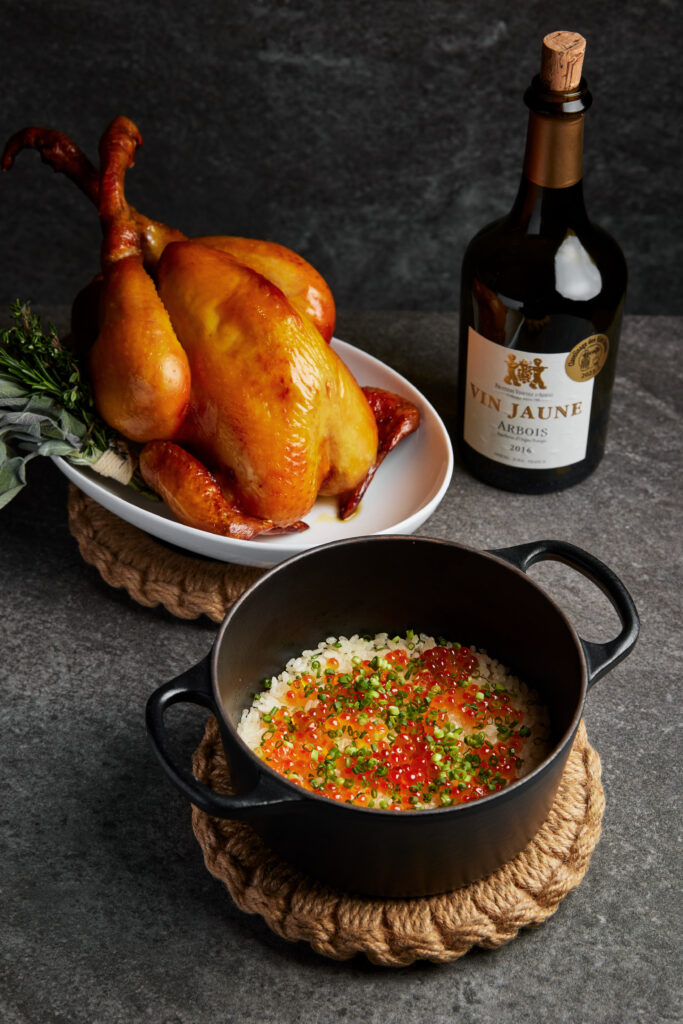
The standout dish comes in the form of a roasted piece of the most tender three yellow chicken. Inspired by his Hong Kong upbringing, the local poultry is artistically served with bannonegi (scallion), ikura (salmon roe), creamy vin jaune (yellow wine) sauce and Hokkaido Nanatsuboshi rice.

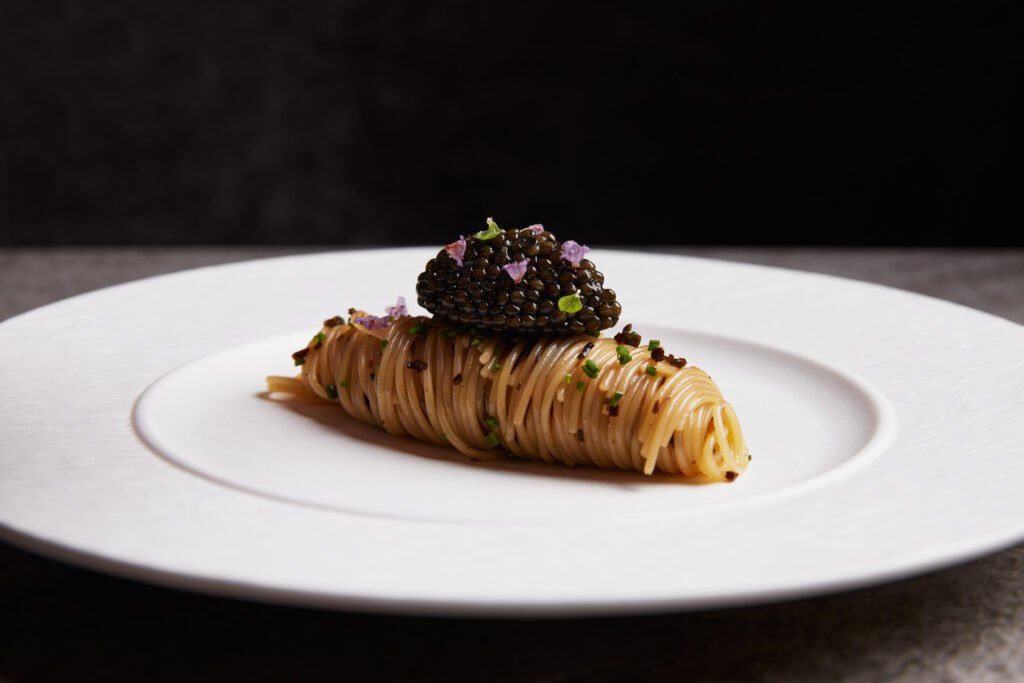
Other revelations of this tasting menu include how well angel hair pasta pairs with wakame, shiso blossoms and caviar when it has been flavoured with white truffle paste. The next dish presents butter-aged lobster tails cooked over lava stones and topped with daikon oden (simmered radish stew), handmade chilli oil and a sauce of sakura-ebi (shrimp) and kabocha (winter squash). 

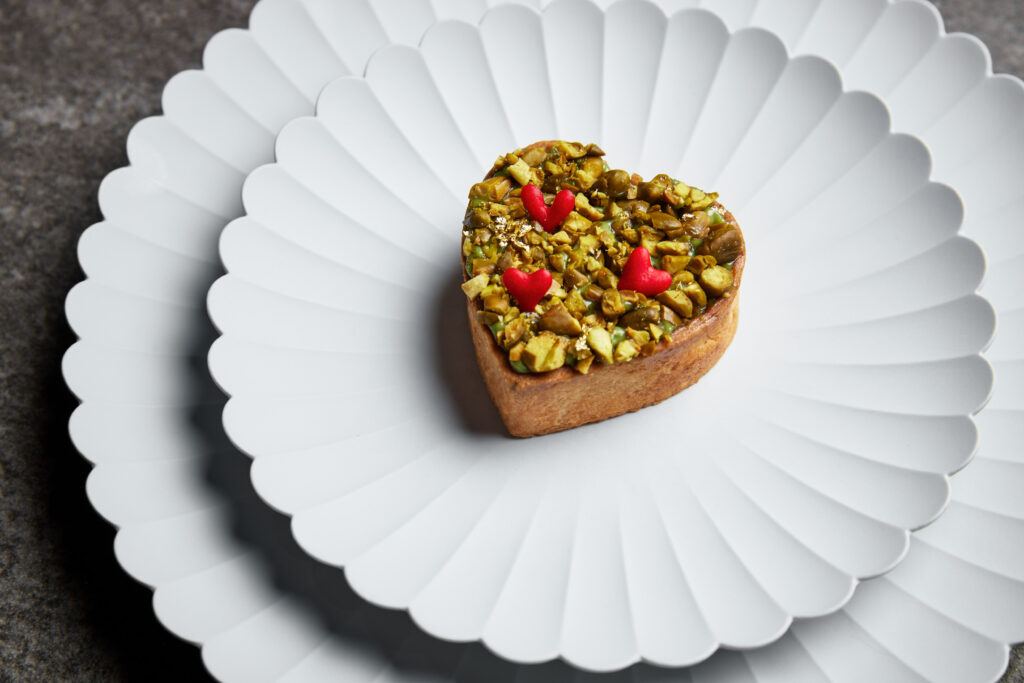
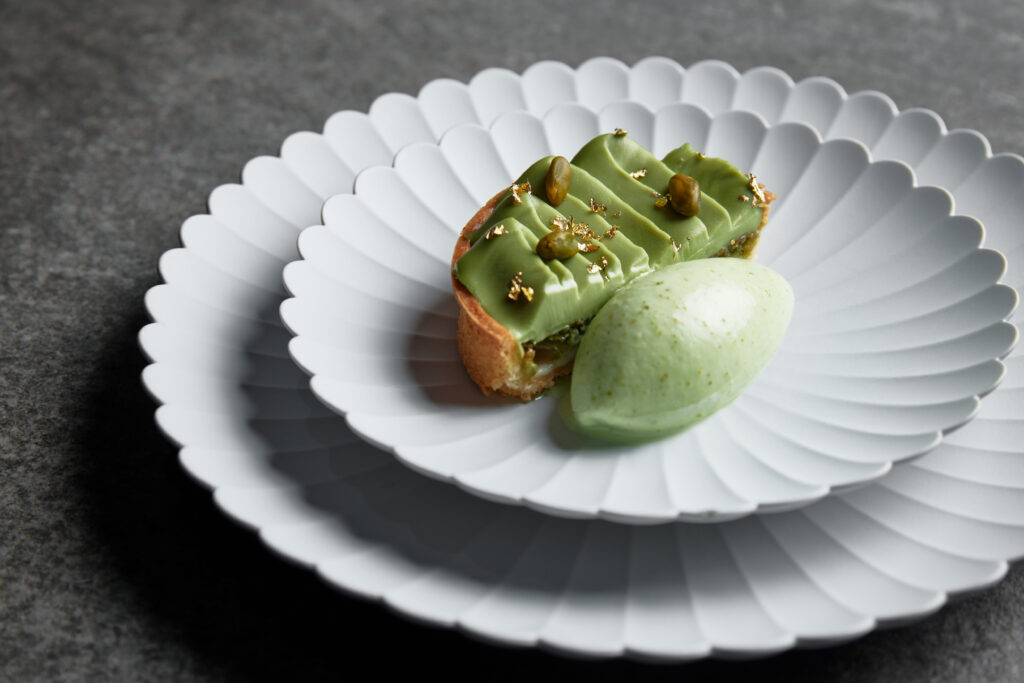
The dessert of pistachio almond crunch, ganache, mochi and ice cream, as well as offerings of seasonal fruit, make the perfect ending to this sumptuous dinner.

 Ankôma’s tasteful contemporary French-Japanese approach proves that striking a balance between revolutionising traditional cuisine and creating an inviting restaurant is a worthwhile pursuit. A collaboration among generations helps heaps, but it’s a collective passion for serving a unique, delicious experience that lights the match. 

Ankoma, 5/F, Kam Lung Commercial Centre, 2 Hart Avenue, Tsim Sha Tsui, Hong Kong

Photos: Ankoma  Video: Jack Fontanilla  

Set for Life: Hong Kong insurers’ policy of attracting mainland buyers is paying dividends

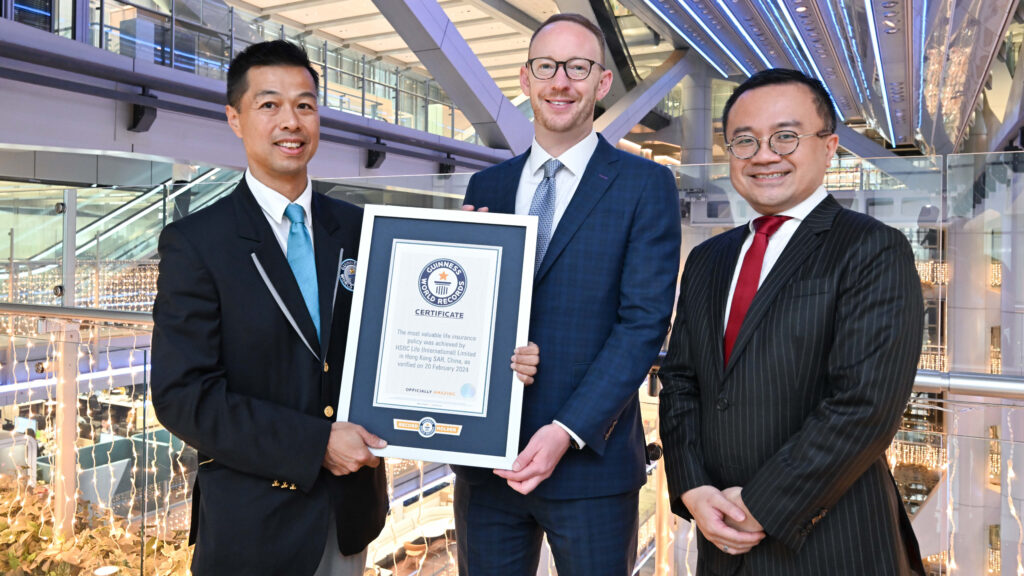
Selling the world’s most valuable life insurance policy earlier this year was undoubtedly a major coup for Hong Kong. Paying an astronomical US$250 million to the beneficiary upon the holder’s death, it was issued by HSBC Life to an ultra-high-net-worth individual (UHNW) whose identity understandably has not been disclosed. The cover surpassed the previous Guinness World Record for life insurance, a US$201 million policy to a US billionaire facilitated by advisory firm SG, LLC in 2014.  

The 10-year wait to break the world record is relatively short, considering the previous interval spanned almost a quarter of a century – it was back in 1990 that British life insurance agent Peter Rosengard sold a US$100 million policy to a prominent figure in the US entertainment industry. 

To the surprise of many industry insiders, this latest record-smashing policy is fully underwritten by HSBC Life. But what is certain is that it represents a huge vote of confidence in Hong Kong’s financial services industry, and particularly the insurance sector. 

The attention-grabbing sale in question was an HSBC Life Paramount Global Life Insurance Plan, a type of life insurance that offers whole-of-life protection with wealth preservation and legacy planning features. According to HSBC Life, the demand for such policies among UHNW individuals has ballooned over the past year, with a further 10 valued at US$50 million or above issued by the insurance firm to clients seeking facilities for wealth transfer and legacy planning. 

High penetration

Hong Kong has been a major player in the world of insurance since the early 20th century, a feat commonly attributed to its relatively stable sociopolitical environment, advanced finance infrastructure, and open-door policy to foreign investment. Given its strong, high-income per capita economy, there is a high life insurance penetration in the territory. Insurance companies eye further expansion via a proliferation of new policies and the city’s rapid growth as an Asian hub, particularly its close ties with mainland China.  

“Asia is home to one of the fastest-growing UHNW populations in the world, and as such we are seeing a substantial increase in demand for insurance solutions to address business succession, estate management and legacy planning needs,” says Edward Moncreiffe, CEO of HSBC Life Hong Kong and Macau. He stresses that the issuance of these high-value life insurance policies proves that Hong Kong has reaffirmed its position as both a preferred destination for wealth management and a leading international insurance hub. 

“The Hong Kong life insurance market has a number of characteristics that puts us in a strong position to capture this growth in regional UHNW wealth-transfer demand,” he says, citing Hong Kong’s deep talent pools across intermediaries, underwriters and actuaries, strong competition among international banks, brokers and insurers, well-capitalised insurance companies with strong credit ratings, and sound regulatory regime as contributing factors to the thriving insurance services.  

Massive sector

According to recent research by GlobalData, a UK-headquartered data analytics and consultancy company, the Hong Kong life insurance market was worth HK$478.2 billion (US$61.1 billion) in 2023 and is expected to grow by more than 3% per annum from 2024 to 2028. 

The high level of financial literacy and digitalisation has spawned a diverse range of products in Hong Kong. Major developments have included the growth of finance technology such as insurtech and Environment Social and Governance (ESG) related products, as well as inclusive insurance products aimed at the excluded or underserved market.    

The industry’s leading line of business in Hong Kong last year was whole life insurance. Demand in this area is driven by an ageing society, increased life expectancy and a falling fertility rate. It is also buoyed by inclusivity elements to reflect these societal changes, such as whole-life protection for senior citizens and expanding the package of death and dementia-related benefits.  

Mainland surge

Many Hong Kong-based life insurance companies have experienced a surge in interest and sales since the reopening of the border with mainland China in early 2023. Prudential, one of the top three life insurers in Hong Kong, has cited border flow from the north as a major contributor to the vast boost in sales last year. Its annual report stated that mainland customers were looking for “diversification of currency and asset class, professional financial advice across a broad product spectrum, and access to high-quality medical care available in Hong Kong”.

The border reopening came not a moment too soon for Ryan Lam Leong Sing, a Licensed Individual Agent of an insurance company with nearly 15 years of experience. He shares that about 80% of his life insurance business emanates from mainland buyers, adding that sales have rocketed by 30% and the pent-up demand from mainland Chinese eager for Hong Kong life insurance policies is huge. “It’s not difficult – the demand is there,” notes Lam of the influx of mainland buyers, pointing out that they need to be physically present in Hong Kong to sign the policy.  

Mainland Chinese are attracted to Hong Kong to buy life insurance policies for a plethora of reasons, including its status as a leading financial centre and its legal system. More specifically, they are limited to US$50,000 per year in currency exchange and transfer out of China “If their money is in Hong Kong, they can exchange whatever they want and transfer it to any country,” says Lam. 

Vehicle for growth

Due to Hong Kong’s highly developed financial services sector, life insurance policies here can offer mainland customers a far better vehicle for the growth of financial assets. “The growth of their money is what they are seeking,” affirms Lam. “They maybe want to put it in a trust, and life insurance is an important part in the trust.” 

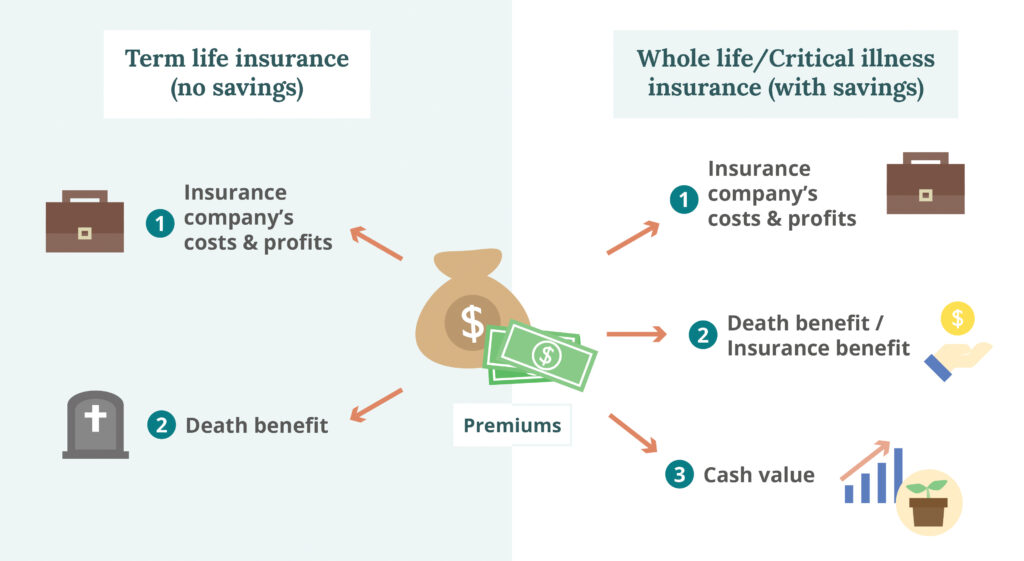
Their life insurance policies fall into three categories: risk management, such as life, accident and medical insurance, and critical illness; savings management, such as savings plans for retirement and educational funds; and investment plans, offering customers a passive income and a fund manager to monitor their money.  

Hong Kong attraction

According to Lam, Hong Kong policies have an advantage over those offered on the mainland for paying dividends on the likes of critical illness cover. “In Hong Kong, after 30 years, even if you don’t become ill, you still get money paid out. On the mainland, there is no dividend at all,” he says.

“Then, for some savings plans, like an educational fund or retirement planning, the yearly return is under 3% on the mainland. But in Hong Kong, you can get like a maximum of 6-7%.” 

This is important, stresses Lam, as the key component of these types of policies is maximising return for educational or retirement provision, while the insurance part acts purely as the foundation of the plan. 

Lam adds that higher operating costs and taxes on the mainland are factors in limiting the level of return there. “Also, in Hong Kong, premiums are reinvested, and they can be put in any market around the world. In China, it is limited to the mainland market.”

The Covid years were difficult for life insurers in Hong Kong as business dropped by as much as 70%. Confidence in the Hong Kong insurance sector hinges on three factors, says Lam – “trust, ability and integrity” – and it appears this is now paying off. While it is not every day that a new policy smashes a world record, the industry has rebounded and sales are soaring.   

Light Source: Amplify the ambience of your home with a personalised lamp

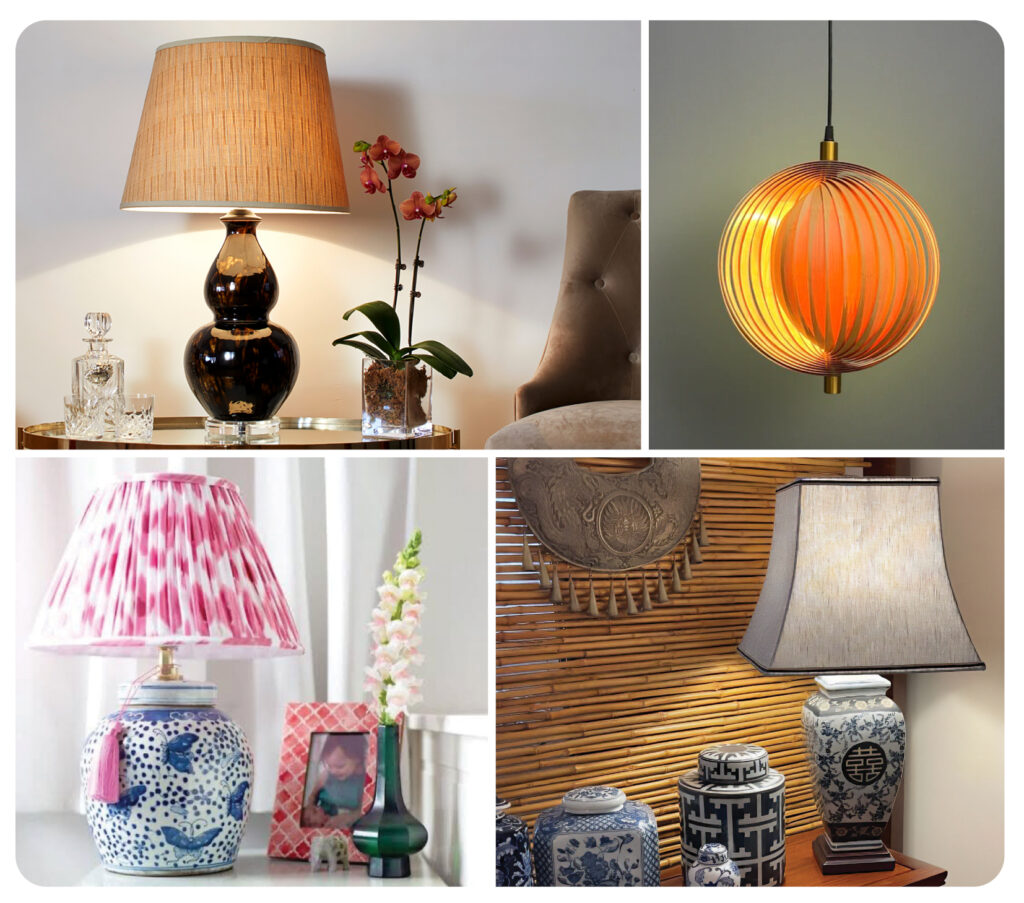
Lamps are a powerful medium to evoke emotions and a popular choice for bringing both functionality and style to a room. Whether you are looking to create a cosy reading nook or simply want to add some ambience, table lamps offer a range of benefits that can enhance your décor and improve your overall living experience.

Essential as task lighting for reading in bed or working at your desk, a pendant lamp or side lamp provides the necessary illumination to help you see clearly and avoid eye strain. Plus, with adjustable options like dimmer switches or adjustable necks, these lights can be customised to specific needs. Larger light sources, meanwhile, are central in spaces that bring people together and celebrate the social side of life.

Whatever the practical purpose, a bespoke, outstanding or cutting-edge light casts the personality of its owner into the spotlight. Here, we single out some of the shining stars in lamp design.

Light with Shade

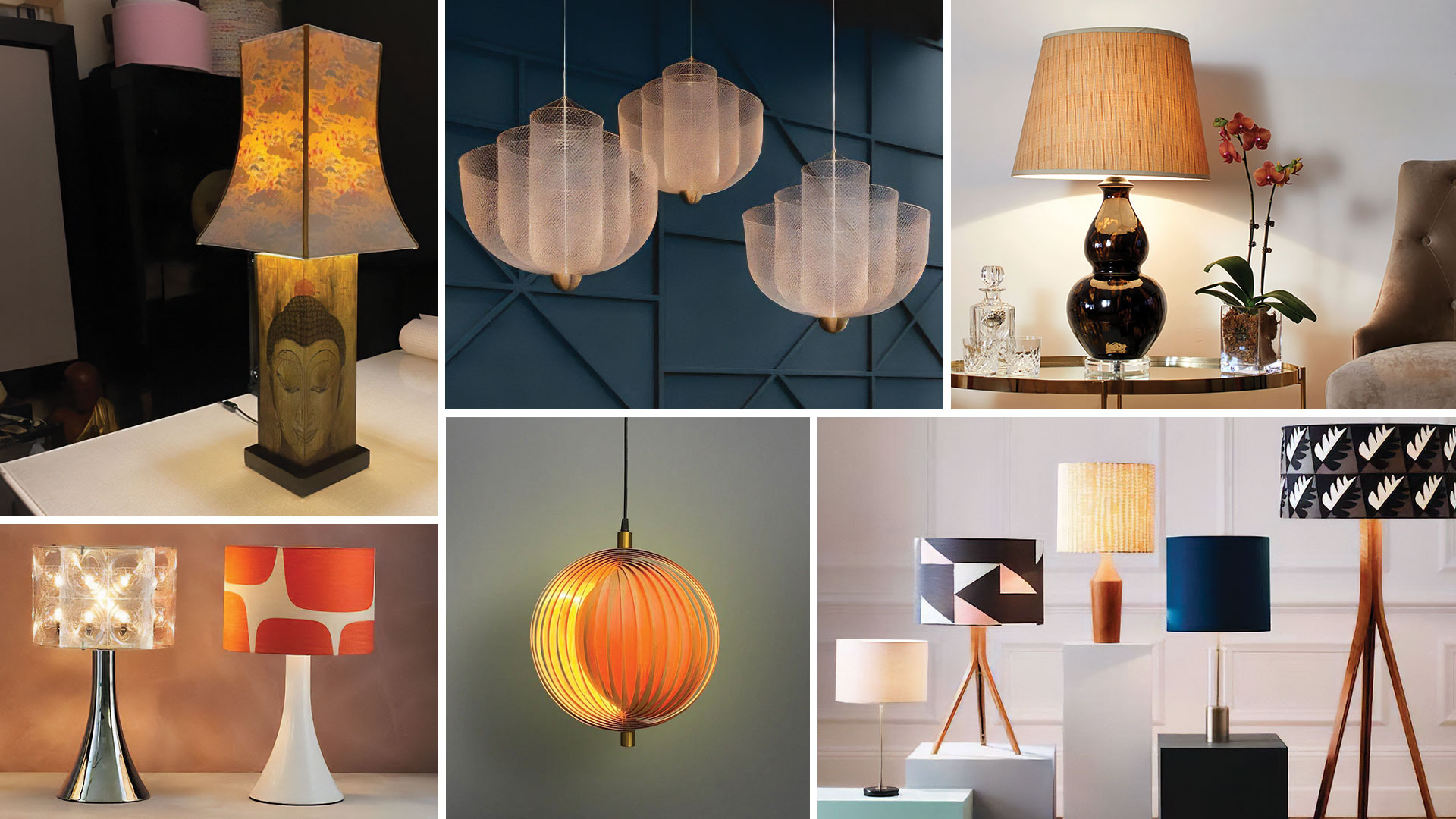
A Hong Kong business passionate about vintage and industrial-style lamps, Light with Shade facilitates the creation of personalised lamps for unique interior themes. It offers a variety of quality designs and materials at affordable prices for DIY projects at home as well as fixtures for offices, shops and restaurants.

As a member of the band Living Disco Head, company founder Lo Yat-ming had firsthand experience with multimedia visual arts and how lighting builds drama and atmosphere. The advertising and product designer established Light with Shade a decade ago and boasts an impressive track record of designing lights for clients in Hong Kong, the US, Europe and Indonesia. lightwithshade.com

Innermost

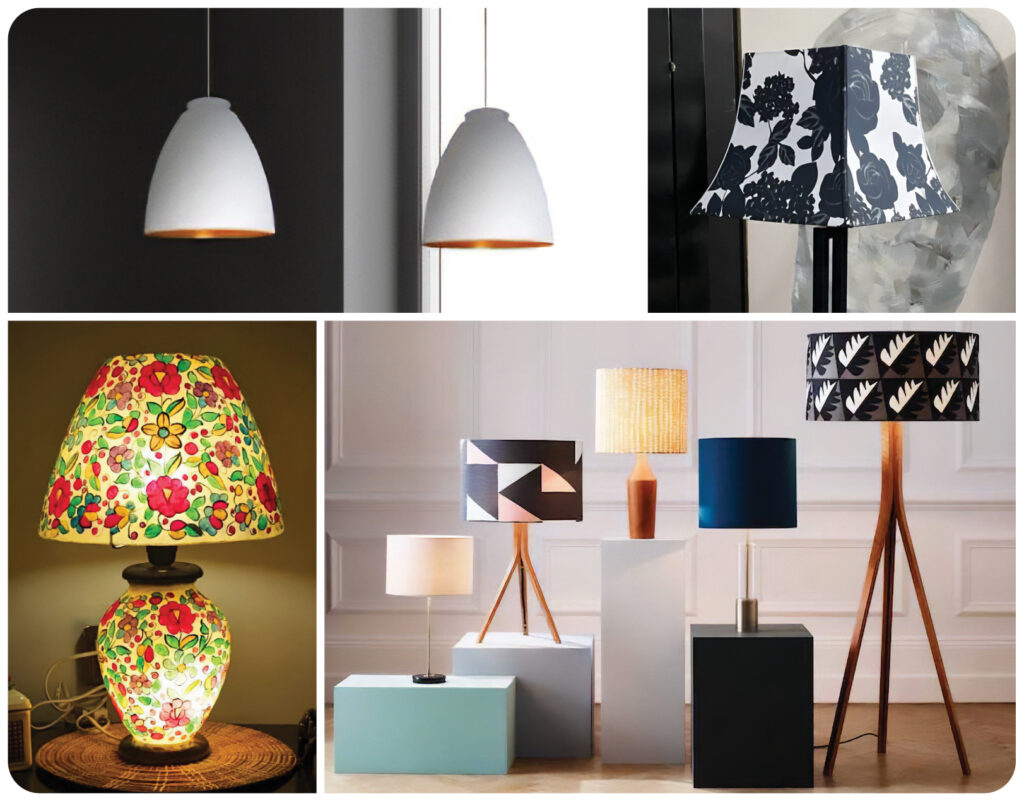
UK design-led lighting expert Innermost has been synonymous with quirky and daring innovation for 25 years. Guided by a desire to rebel against the norm, and backed by manufacturing experience that allows the repurposing of conventional approaches, the company’s curated collection of lights defies expectations. It works with some of the best-known modern lighting brands to offer incredible original designs.

Passionate about each design, the Innermost team explores how illumination can be used as a raw material and pays close attention to every detail that goes into its manifestation. Their designers travel around the globe sourcing the best materials and the most suitable producers for each component – from prototyping in Hong Kong to using hand-blown glass by artisans in the Czech Republic and bespoke engineering at their factory in the UK.

With a focus on sustainable design, their lights and lamps are a blend of high-quality materials and a genuine care for the environment. They work with clients to ensure that each piece is cutting-edge and classy. Their Foundry line of spun-metal pendant lights is a staple for any modern interior and can be ordered in customised colours to suit all spaces. innermost.net

The Home Stylist

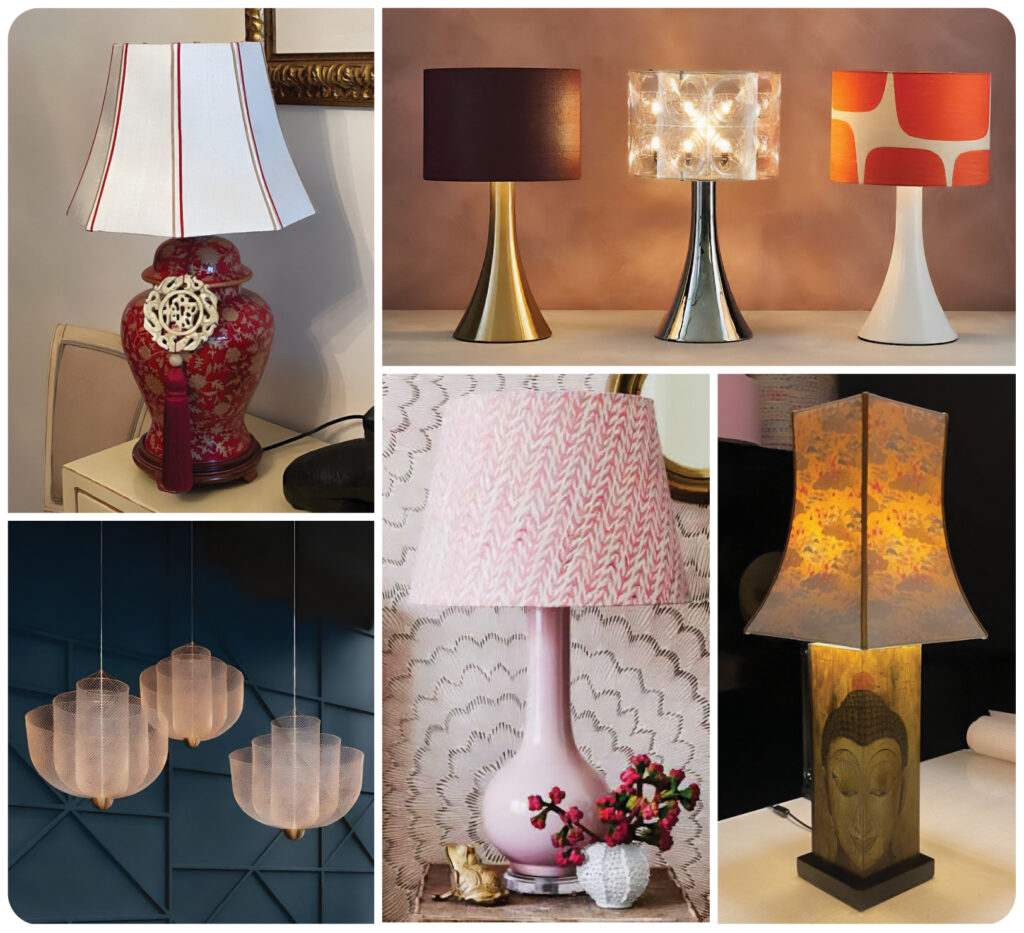
Launched in 2013 with a vision to illuminate spaces with class and elegance, The Home Stylist sees lighting as one of the most important parts of the home. Whether a lamp for the table, floor or ceiling, the right colour and shape can bring a whole room together. After years of struggling to find innovative lamps in Hong Kong, the company saw the light when award-winning Australian interior designer Adelaide Bragg came on board. Bragg’s timeless pieces in the elegant Classic or vibrant Colour Pop ranges are available in hand-picked colours to fit beautifully in all kinds of spaces.

Stunning lamp bases from Bragg & Co. can be complemented by bespoke lampshades. The Home Stylist founder Alex Sheldon crafts handmade shades from her Hong Kong home, finding the perfect fabric for clients and tailoring it to an elegant base of their choice. thehomestylist.org

The Ginger Jar Lamp

For a touch of class emanating from Imperial China, The Ginger Jar Lamp Co. pairs vintage Chinese ginger jars with artisanal lamp shades to create contemporary, limited-edition table lamps. Hand-painted pieces adhere to traditional Qing dynasty methods, with each jar design having an auspicious meaning. Their signature lamp shades are made by skilled craftspeople using a range of vibrant fabrics sourced across Asia.

Vintage blue-and-white glazed jars handmade in Jingdezhen and featuring flora and fauna patterns, Ginger Jar Mini lamps are perfect for smaller spaces such as slim consoles and bedside cabinets, or a dining table or sideboard with a less expansive footprint. These diminutive beauties are harder to source than their more common, larger counterparts. A jar- less alternative, Classic Faux Bamboo wooden lamps are an attractive addition to any home. Available as a table or floor lamp, the versatile design fits smartly into any interior space.

Another top collection, Hong Kong Homage, celebrates the city’s iconic skyline. Depicting daily life against the backdrop of Victoria Peak, this specially commissioned design is available in imperial blue or jade green as a ginger jar table lamp, a ginger jar or a limited-edition art print. gingerjarlampco.com

In a bustling metropolis like Hong Kong, where captivating sights and sounds abound, and tradition meets modernity, a unique industry has been quietly thriving – bespoke light lamp shops offering a haven of artistic expression and craftsmanship. These ateliers, with their dedication to personalised creations, bring the magic of light into our lives, while preserving the beauty of traditional craftsmanship. As we navigate an increasingly digital world, these establishments serve as a reminder of the enduring allure of handmade artistry and the importance of cherishing our cultural heritage. So, the next time you find yourself in Hong Kong, make sure to step into one of these bespoke light lamp shops and let the radiance of their creations illuminate your soul.

Heart & Sole: The shoe fits KIBO’s Natalie Chow very well as she kick-starts zero-waste Hong Kong retailing

In the vibrant city of Hong Kong, where consumerism has long been synonymous with high-rises and luxury malls, one woman is revolutionising the shopping landscape by infusing sustainability into the heart of retail. Natalie Chow, the visionary co- founder of sustainable sneaker-maker KIBO (K!BO in branding parlance), is leading the charge to redefine the shopping experience, placing environmental consciousness at the forefront.

From the get-go, it was important to Chow that her marketing and message did not make consumers feel bad about their shopping and lifestyle choices while offering them a guilt-free planet-friendly alternative. The savvy businesswoman is aware that there are a lot of unexpected implications associated with the food, clothing and accessories we use and own – consequences that affect not just animals but also society and the environment. She is keen to stress that the objective isn’t guilt, even when discussing the appalling circumstances people endure in fast-fashion factories or the catastrophic effects of animal husbandry on the planet.

“I was always drawn to beautiful things and advertising was actually what I really wanted to get into; hence, I started studying marketing,” says the University of Melbourne alumnus. “I did both marketing and psychology, which are extremely correlated. I think the human brain is fascinating, and quite often we make irrational choices, and I wanted to understand how people make choices every day, and what influences them to do so.”

Equal footing

Chow chooses to wear independent brands for our shoot, as a way to support the local creative scene. Arriving back from a 4-hour Singapore-to-Hong Kong flight, she looks fresh and ready to pose in the hallways of PMQ, where fellow start-up projects and businesses reside.

“Was I there for Taylor Swift? I wish!” she exclaims, breaking into laughter. “But no, I was in Singapore for a sneaker convention. The sneaker world is still a man- dominated industry – surprise, surprise! When I started my own business, I realised how big of a gender gap there is out there in other industries, especially in the start-up space.”

Denim top and skirt by Vincent Li Studio & sneakers by KIBO

While the majority of sneaker firms were started by men, KIBO was conceived, is run, and the products are designed, by women. Men have long controlled the shoe industry, which is reflected in the preponderance of masculine designs and styles. Conversely, KIBO was created with a heavy emphasis on equality, which is understandable given that it is backed by a sizable female community.

Green path

Chow’s journey towards becoming a trailblazer in sustainable fashion is rooted in her early life and background. Born in Hong Kong, she and her two sisters were raised in Australia by their mother, and she developed a deep appreciation for the unique blend of culture, energy and commerce in the city they lived in. She traces her connection with nature back to her childhood, recalling that she separated the household recyclables from the age of seven.

“I believe this is a journey for myself, and for everyone out there too,” she says. “When I started there was no such thing as ESG (environmental, social and governance) and now it’s mandatory for many companies. The framework and the bar have become clearer over the years, so in both the corporate world and schools, there are standards to comply with and a goal to achieve. As for myself, I have learnt the different credentials in material sourcing, GRS (Global Recycled Standard), BSCI (Business Social Compliance Initiative), FSC (Forest Stewardship Council) and so on, and how to make decisions in production.”

Driven by a desire to effect change, Chow dedicated herself to understanding the complexities of sustainability in fashion. She immersed herself in extensive research, exploring alternative materials, ethical production methods and the concept of circular fashion. Through her studies and personal experiences, she realised she had a unique opportunity to create a brand that could challenge the status quo and inspire others to embrace sustainable fashion.


One step at a time

KIBO, meaning hope in Japanese, was founded in 2019 and was officially launched in 2020, with the goal of giving life and waste new hope. ‘Kind to the planet and kind to your feet’ is their promise, as Chow and her team employ materials that would otherwise end up in landfills, such as leather scraps from manufacturers, recovered post-consumer plastic waste, and most recently, imitation leather made from apple waste.

“I was on maternity leave when my husband [KIBO co-founder Simon Chow] and I started to brainstorm. At that time, we noticed there really was a gap as well as an opportunity in the sneakers space and I guess that’s how the seed was planted,” she recalls. Her husband’s family runs a shoe- manufacturing company.

“Moreover, as a mother of two, I wanted to pursue something meaningful and purposeful that my kids would grow up and be proud of. Sustainability has to encompass ethics and transparency, otherwise, it’s quite meaningless. Since we have an edge of having relevant backgrounds in this industry, we decided to take this leap of faith.”

As the introductory lines on the KIBO website spell out, ‘the ! is a reminder to do things differently. The fashion industry needs to change and tackle big issues such as climate change and modern slavery.

And that’s only possible if we adapt ourselves and unite as a community. Because we know that every small step goes a long way.’

Walk the walk

Through her brand’s ethical practices and commitment to transparency, she has successfully challenged the conventional notion that fashion and sustainability are incompatible. But she is far from settling, and will continue to improve.

“Problem-solving has been a skill that I was fortunate to have adopted with my previous work experiences, but being a brand founder has taken it to the next level just because we have problems to solve every single day. From production hiccups to liaising with partners, both soft skills and hard skills are required such as managing my own time and analytical skills,” she says.

T shirt by KIBO, skirt by Vincent Li Studio & sneakers by KIBO

By making conscious consumerism accessible and stylish, KIBO has inspired a broader movement towards a more sustainable future for Hong Kong’s retail industry. Its success serves as a testament to the power of idealists to effect meaningful change, reminding us that a person can go into an industry they are passionate about without compromising their beliefs.

As Chow emphasises throughout our conversation, sustainability and style can indeed go hand in hand. But behind it all is a drive to connect with consumers through her shoes. She considers fashion a service industry. When she’s working on a collection, she is thinking about how a KIBO piece should make you feel: confident, comfortable, alive and effortless.

“It’s timely that this is for the April issue,” she says, her eyes lighting up. “Earth Month; let’s do it right!”

Interview, Text and Art Direction by: Joseff Musa Photographer: Jack Law Videographer: Jack Fontanilla Brands: KiBO and Vincent Li Studio