Japanese design more often than not makes references to ancient traditions, culture, and history that carry philosophical ideas that render a peaceful and meditative state not only applicable to art but also to one’s way of living. This might explain why modern and contemporary Japanese designs have grown in popularity all over the world, especially in the homes of Hong Kong people, providing a tranquil escape from the hustle and bustle of the city. Wabi-Sabi, Kintsugi and Ma are Japanese philosophies often incorporated in home designs to promote a more calm and joyful living space.
[{"id" : "53575","image" : "https://www.gafencushop.com/wp-content/gallery/zen-living-design-a-peaceful-home/zen-living-design-a-peaceful-home-gafencu-magazine-kintsugi-bowl.png","caption" : "zen living design a peaceful home gafencu magazine kintsugi bowl"},{"id" : "53578","image" : "https://www.gafencushop.com/wp-content/gallery/zen-living-design-a-peaceful-home/zen-living-design-a-peaceful-home-gafencu-magazine-ma-japanese-philosophy-bean-buro-2.png","caption" : "zen living design a peaceful home gafencu magazine ma japanese philosophy bean buro (2)"},{"id" : "53580","image" : "https://www.gafencushop.com/wp-content/gallery/zen-living-design-a-peaceful-home/zen-living-design-a-peaceful-home-gafencu-magazine-ma-japanese-philosophy-bean-buro-3.png","caption" : "zen living design a peaceful home gafencu magazine ma japanese philosophy bean buro (3)"},{"id" : "53582","image" : "https://www.gafencushop.com/wp-content/gallery/zen-living-design-a-peaceful-home/zen-living-design-a-peaceful-home-gafencu-magazine-ma-japanese-philosophy-bean-buro.png","caption" : "zen living design a peaceful home gafencu magazine ma japanese philosophy bean buro"},{"id" : "53584","image" : "https://www.gafencushop.com/wp-content/gallery/zen-living-design-a-peaceful-home/zen-living-design-a-peaceful-home-gafencu-magazine-ma-japanese-philosophy-wabi-sabi-nelson-chow-nc-design-architecture-2.png","caption" : "zen living design a peaceful home gafencu magazine ma japanese philosophy wabi sabi nelson chow nc design architecture (2)"},{"id" : "53586","image" : "https://www.gafencushop.com/wp-content/gallery/zen-living-design-a-peaceful-home/zen-living-design-a-peaceful-home-gafencu-magazine-ma-japanese-philosophy-wabi-sabi-nelson-chow-nc-design-architecture-3.png","caption" : "zen living design a peaceful home gafencu magazine ma japanese philosophy wabi sabi nelson chow nc design architecture (3)"},{"id" : "53588","image" : "https://www.gafencushop.com/wp-content/gallery/zen-living-design-a-peaceful-home/zen-living-design-a-peaceful-home-gafencu-magazine-ma-japanese-philosophy-wabi-sabi-nelson-chow-nc-design-architecture-4.png","caption" : "zen living design a peaceful home gafencu magazine ma japanese philosophy wabi sabi nelson chow nc design architecture (4)"},{"id" : "53590","image" : "https://www.gafencushop.com/wp-content/gallery/zen-living-design-a-peaceful-home/zen-living-design-a-peaceful-home-gafencu-magazine-ma-japanese-philosophy-wabi-sabi-nelson-chow-nc-design-architecture.png","caption" : "zen living design a peaceful home gafencu magazine ma japanese philosophy wabi sabi nelson chow nc design architecture"},{"id" : "53592","image" : "https://www.gafencushop.com/wp-content/gallery/zen-living-design-a-peaceful-home/zen-living-design-a-peaceful-home-gafencu-magazine-wabi-sabi-ma.png","caption" : "zen living design a peaceful home gafencu magazine wabi sabi ma"},{"id" : "53594","image" : "https://www.gafencushop.com/wp-content/gallery/zen-living-design-a-peaceful-home/zen-living-design-a-peaceful-home-gafencu-magazine-kintsugi-homeware-workshop-touch-ceramics-2.png","caption" : "zen living design a peaceful home gafencu magazine kintsugi homeware workshop touch ceramics (2)"},{"id" : "53596","image" : "https://www.gafencushop.com/wp-content/gallery/zen-living-design-a-peaceful-home/zen-living-design-a-peaceful-home-gafencu-magazine-kintsugi-homeware-workshop-touch-ceramics-3.png","caption" : "zen living design a peaceful home gafencu magazine kintsugi homeware workshop touch ceramics (3)"},{"id" : "53598","image" : "https://www.gafencushop.com/wp-content/gallery/zen-living-design-a-peaceful-home/zen-living-design-a-peaceful-home-gafencu-magazine-kintsugi-homeware-workshop-touch-ceramics.png","caption" : "zen living design a peaceful home gafencu magazine kintsugi homeware workshop touch ceramics"}]
Wabi-sabi (侘寂)
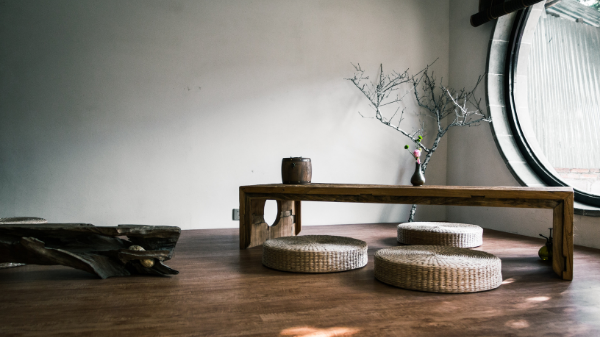
Wabi-Sabi is a philosophy that embraces the beauty of the impairment, imperfect, and melancholic absence in nature. The aesthetics of wabi-sabi designs are captured with asymmetrical silhouettes, minimalism, and natural elements that portray imperfections, emptiness, and transience that come with time and age – just like a mid-level residence designed by NC Design & Architecture Ltd founder, Nelson Chow. The design employs natural materials such as wood, marble, as well as oxidised bronze, and textured plaster which offer occupants a sense of relaxation and calm.
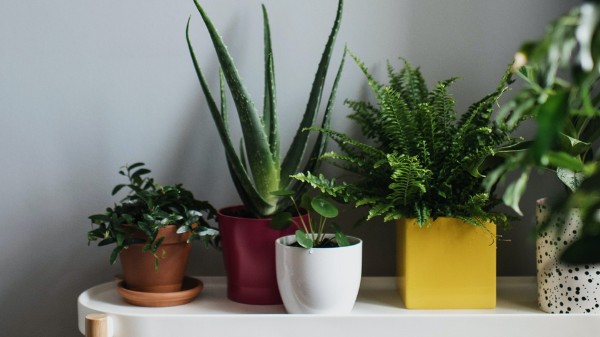
How to incorporate wabi-sabi at home: Keep it simple and let the reigns loose for perfectly-shaped and symmetrical geometry. Incorporate more natural and rustic elements, such as plants and wood into the furnishings and decor.
[{"id" : "53575","image" : "https://www.gafencushop.com/wp-content/gallery/zen-living-design-a-peaceful-home/zen-living-design-a-peaceful-home-gafencu-magazine-kintsugi-bowl.png","caption" : "zen living design a peaceful home gafencu magazine kintsugi bowl"},{"id" : "53578","image" : "https://www.gafencushop.com/wp-content/gallery/zen-living-design-a-peaceful-home/zen-living-design-a-peaceful-home-gafencu-magazine-ma-japanese-philosophy-bean-buro-2.png","caption" : "zen living design a peaceful home gafencu magazine ma japanese philosophy bean buro (2)"},{"id" : "53580","image" : "https://www.gafencushop.com/wp-content/gallery/zen-living-design-a-peaceful-home/zen-living-design-a-peaceful-home-gafencu-magazine-ma-japanese-philosophy-bean-buro-3.png","caption" : "zen living design a peaceful home gafencu magazine ma japanese philosophy bean buro (3)"},{"id" : "53582","image" : "https://www.gafencushop.com/wp-content/gallery/zen-living-design-a-peaceful-home/zen-living-design-a-peaceful-home-gafencu-magazine-ma-japanese-philosophy-bean-buro.png","caption" : "zen living design a peaceful home gafencu magazine ma japanese philosophy bean buro"},{"id" : "53584","image" : "https://www.gafencushop.com/wp-content/gallery/zen-living-design-a-peaceful-home/zen-living-design-a-peaceful-home-gafencu-magazine-ma-japanese-philosophy-wabi-sabi-nelson-chow-nc-design-architecture-2.png","caption" : "zen living design a peaceful home gafencu magazine ma japanese philosophy wabi sabi nelson chow nc design architecture (2)"},{"id" : "53586","image" : "https://www.gafencushop.com/wp-content/gallery/zen-living-design-a-peaceful-home/zen-living-design-a-peaceful-home-gafencu-magazine-ma-japanese-philosophy-wabi-sabi-nelson-chow-nc-design-architecture-3.png","caption" : "zen living design a peaceful home gafencu magazine ma japanese philosophy wabi sabi nelson chow nc design architecture (3)"},{"id" : "53588","image" : "https://www.gafencushop.com/wp-content/gallery/zen-living-design-a-peaceful-home/zen-living-design-a-peaceful-home-gafencu-magazine-ma-japanese-philosophy-wabi-sabi-nelson-chow-nc-design-architecture-4.png","caption" : "zen living design a peaceful home gafencu magazine ma japanese philosophy wabi sabi nelson chow nc design architecture (4)"},{"id" : "53590","image" : "https://www.gafencushop.com/wp-content/gallery/zen-living-design-a-peaceful-home/zen-living-design-a-peaceful-home-gafencu-magazine-ma-japanese-philosophy-wabi-sabi-nelson-chow-nc-design-architecture.png","caption" : "zen living design a peaceful home gafencu magazine ma japanese philosophy wabi sabi nelson chow nc design architecture"},{"id" : "53592","image" : "https://www.gafencushop.com/wp-content/gallery/zen-living-design-a-peaceful-home/zen-living-design-a-peaceful-home-gafencu-magazine-wabi-sabi-ma.png","caption" : "zen living design a peaceful home gafencu magazine wabi sabi ma"},{"id" : "53594","image" : "https://www.gafencushop.com/wp-content/gallery/zen-living-design-a-peaceful-home/zen-living-design-a-peaceful-home-gafencu-magazine-kintsugi-homeware-workshop-touch-ceramics-2.png","caption" : "zen living design a peaceful home gafencu magazine kintsugi homeware workshop touch ceramics (2)"},{"id" : "53596","image" : "https://www.gafencushop.com/wp-content/gallery/zen-living-design-a-peaceful-home/zen-living-design-a-peaceful-home-gafencu-magazine-kintsugi-homeware-workshop-touch-ceramics-3.png","caption" : "zen living design a peaceful home gafencu magazine kintsugi homeware workshop touch ceramics (3)"},{"id" : "53598","image" : "https://www.gafencushop.com/wp-content/gallery/zen-living-design-a-peaceful-home/zen-living-design-a-peaceful-home-gafencu-magazine-kintsugi-homeware-workshop-touch-ceramics.png","caption" : "zen living design a peaceful home gafencu magazine kintsugi homeware workshop touch ceramics"}]
Kintsugi (金継ぎ)
Kintsugi is a Japanese art form that roughly translates into “joined by gold”. It involves putting broken pottery back together with powdered gold mixed in lacquer. The purpose of repair is not to make the object good as new, but to enhance its beauty by highlighting the breakage as part of its history – discarding perfection as a definition of worth. The art form brings a narrative of embracing flaws and imperfection into the design of the home, offering a sense of security and serenity and promoting efforts to reduce wastes.
How to incorporate kintsugi at home: Despite the attention, the art form has enjoyed for centuries, authentic Kintsugi works are not commonly for sale in stores. However, the art form is easily done at home and personalized by purchasing a kintsugi repair kit. Alternatively, Kintsugi workshops provided by art galleries, Touch Ceramics and Waka Artisans are also available for those who are keen on learning more about the art form and creating their own Kintsugi homewares.
[{"id" : "53575","image" : "https://www.gafencushop.com/wp-content/gallery/zen-living-design-a-peaceful-home/zen-living-design-a-peaceful-home-gafencu-magazine-kintsugi-bowl.png","caption" : "zen living design a peaceful home gafencu magazine kintsugi bowl"},{"id" : "53578","image" : "https://www.gafencushop.com/wp-content/gallery/zen-living-design-a-peaceful-home/zen-living-design-a-peaceful-home-gafencu-magazine-ma-japanese-philosophy-bean-buro-2.png","caption" : "zen living design a peaceful home gafencu magazine ma japanese philosophy bean buro (2)"},{"id" : "53580","image" : "https://www.gafencushop.com/wp-content/gallery/zen-living-design-a-peaceful-home/zen-living-design-a-peaceful-home-gafencu-magazine-ma-japanese-philosophy-bean-buro-3.png","caption" : "zen living design a peaceful home gafencu magazine ma japanese philosophy bean buro (3)"},{"id" : "53582","image" : "https://www.gafencushop.com/wp-content/gallery/zen-living-design-a-peaceful-home/zen-living-design-a-peaceful-home-gafencu-magazine-ma-japanese-philosophy-bean-buro.png","caption" : "zen living design a peaceful home gafencu magazine ma japanese philosophy bean buro"},{"id" : "53584","image" : "https://www.gafencushop.com/wp-content/gallery/zen-living-design-a-peaceful-home/zen-living-design-a-peaceful-home-gafencu-magazine-ma-japanese-philosophy-wabi-sabi-nelson-chow-nc-design-architecture-2.png","caption" : "zen living design a peaceful home gafencu magazine ma japanese philosophy wabi sabi nelson chow nc design architecture (2)"},{"id" : "53586","image" : "https://www.gafencushop.com/wp-content/gallery/zen-living-design-a-peaceful-home/zen-living-design-a-peaceful-home-gafencu-magazine-ma-japanese-philosophy-wabi-sabi-nelson-chow-nc-design-architecture-3.png","caption" : "zen living design a peaceful home gafencu magazine ma japanese philosophy wabi sabi nelson chow nc design architecture (3)"},{"id" : "53588","image" : "https://www.gafencushop.com/wp-content/gallery/zen-living-design-a-peaceful-home/zen-living-design-a-peaceful-home-gafencu-magazine-ma-japanese-philosophy-wabi-sabi-nelson-chow-nc-design-architecture-4.png","caption" : "zen living design a peaceful home gafencu magazine ma japanese philosophy wabi sabi nelson chow nc design architecture (4)"},{"id" : "53590","image" : "https://www.gafencushop.com/wp-content/gallery/zen-living-design-a-peaceful-home/zen-living-design-a-peaceful-home-gafencu-magazine-ma-japanese-philosophy-wabi-sabi-nelson-chow-nc-design-architecture.png","caption" : "zen living design a peaceful home gafencu magazine ma japanese philosophy wabi sabi nelson chow nc design architecture"},{"id" : "53592","image" : "https://www.gafencushop.com/wp-content/gallery/zen-living-design-a-peaceful-home/zen-living-design-a-peaceful-home-gafencu-magazine-wabi-sabi-ma.png","caption" : "zen living design a peaceful home gafencu magazine wabi sabi ma"},{"id" : "53594","image" : "https://www.gafencushop.com/wp-content/gallery/zen-living-design-a-peaceful-home/zen-living-design-a-peaceful-home-gafencu-magazine-kintsugi-homeware-workshop-touch-ceramics-2.png","caption" : "zen living design a peaceful home gafencu magazine kintsugi homeware workshop touch ceramics (2)"},{"id" : "53596","image" : "https://www.gafencushop.com/wp-content/gallery/zen-living-design-a-peaceful-home/zen-living-design-a-peaceful-home-gafencu-magazine-kintsugi-homeware-workshop-touch-ceramics-3.png","caption" : "zen living design a peaceful home gafencu magazine kintsugi homeware workshop touch ceramics (3)"},{"id" : "53598","image" : "https://www.gafencushop.com/wp-content/gallery/zen-living-design-a-peaceful-home/zen-living-design-a-peaceful-home-gafencu-magazine-kintsugi-homeware-workshop-touch-ceramics.png","caption" : "zen living design a peaceful home gafencu magazine kintsugi homeware workshop touch ceramics"}]
Ma (間)
Ma is a term that represents a Japanese idea that most Western designers refer to as “negative space,” and which translates unto space, distance, or gap. It is the artistic interpretation of empty space. The void promotes the mental process of imagination and creativity in visualising the numerous possibilities that can exist in an empty space, gap, or distance from one object to another. A case in point is the Happy Valley residence named Urban Cacoon by designers Lorène Faure & Kenny Kinugasa-Tsui of Bean Buro. The use of neutral tones fits into a minimalistic design in which natural light and other elements can shine, including two mirrors facing each other from one end of the residence to the other, creating a conversation in the space and distance between the two objects.
How to incorporate kintsugi at home: Use monochromatic palates or neutral tones, like light wood and bamboo, to highlight other elements in the home such as paintings, flowers, and cool-toned decor and furnishings. Embrace space and distance between objects to create a story.