
Heat Resistance: Tips to keep hydrated and avoid heatstroke as the world gets rapidly warmer

Global warming is not only a threat to the planet as a whole; it also affects the health of every individual inhabitant. July was reportedly the hottest month on record around the globe, and the number of heat-stressed days is only set to increase.

Indeed, a study published in The Lancet estimated that about 356,000 deaths worldwide were related to heat in 2019. And the World Meteorological Organisation is now warning of global warming breaking through the crucial 1.5°C cap above pre-industrial temperatures in the next five years.

With record-tumbling baking-hot spells happening more frequently, it is vital that we keep our cool and take precautions to safeguard our well-being.

Hong Kong warning system

The authorities in Hong Kong are acutely aware of the severity of the situation. A new three tier Heat Stress at Work Warnings system was introduced earlier in the summer to help tackle heatstroke among those working outdoors or without air-conditioning. If the Hong Kong Observatory’s Hong Kong Heat Index (HKHI) hits 30, this will trigger a recommended rest time for each hour of labour depending on whether the workload is “light”, “moderate”, “heavy” or “very heavy” and the level of the alert (amber, red or black). The heat index uses data that considers relative humidity, the intensity of sunlight, temperature and hospitalisation rate.

Workers deemed to be involved in “very heavy” workloads during an amber alert will be recommended to take 45 minutes of rest after working 15 minutes every hour. Those involved in this level of intense physical activity are advised to cease work completely if the HKHI hits 32 or above – red and black warnings. Workers at lower intensity of physical labour would be advised to rest for varying periods of time (or even suspend work).
The warning system is operated by the Labour Department with the Observatory assisting to broadcast the message, which can be received via the GovHK Notifications or MyObservatory mobile applications. The guidelines inherent in the warning system are only voluntary measures, though, and are not legally binding. A construction worker in Hong Kong lost his life from heatstroke this summer during an amber heat alert.

Water everywhere

The Department of Health’s Centre for Health Protection (CHP) consistently urges the community to take heed of necessary measures against heatstroke and sunburn in very hot weather. “The public should carry and drink plenty of water to prevent dehydration while engaging in outdoor activities,” warned a CHP spokesperson recently.
The importance of staying properly hydrated during hot summer days has long been advocated by medical professionals. Water is known to perform vital functions such as regulating body temperature, flushing waste from the body, supporting a healthy immune system, lubricating and cushioning joints, as well as promoting healthy digestion and improving memory, alertness, mood and sleep quality.

Some health experts suggest consuming 13 cups of beverages a day, including water. However, this total depends on the level of activity, climate and overall health. Hot and humid places mean people tend to sweat more and it is important to keep water on hand. Drinking before, during and after a workout is also essential.

Dehydration danger
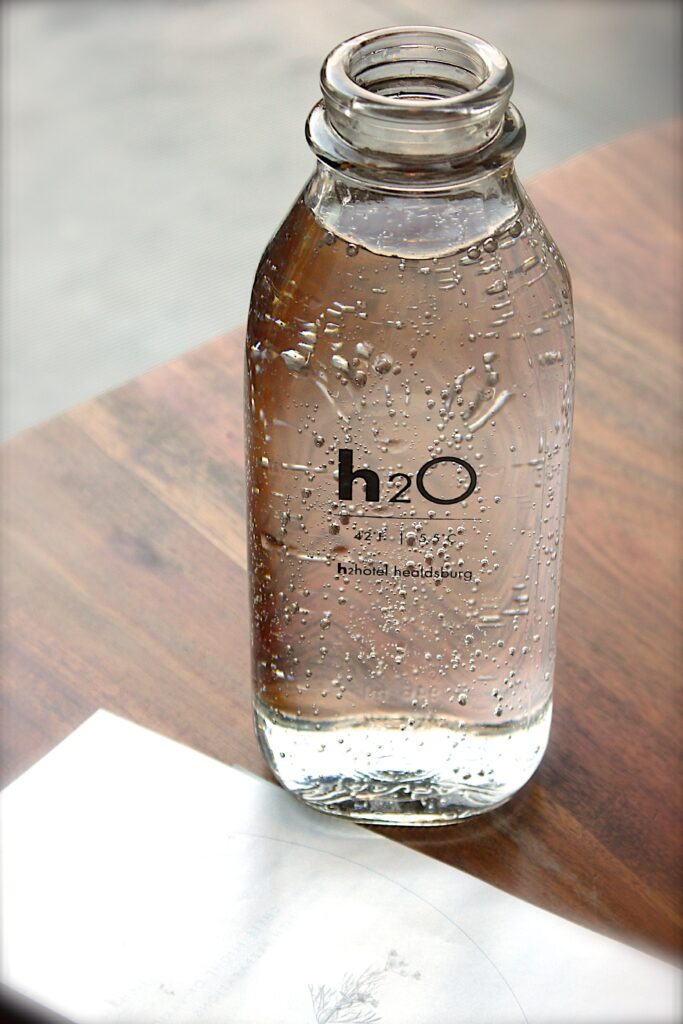
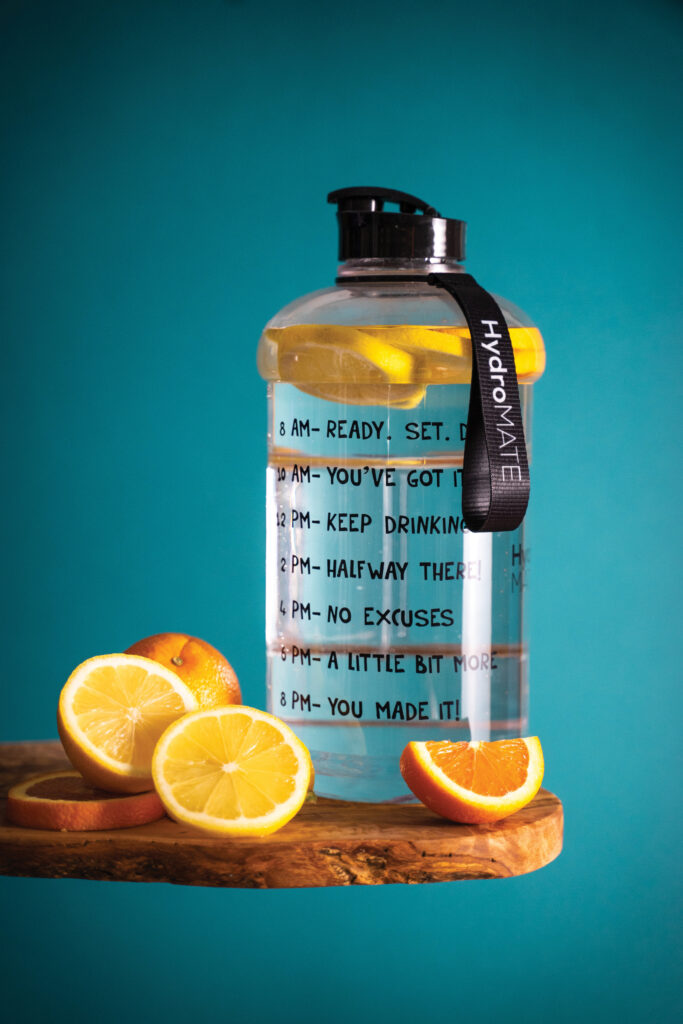
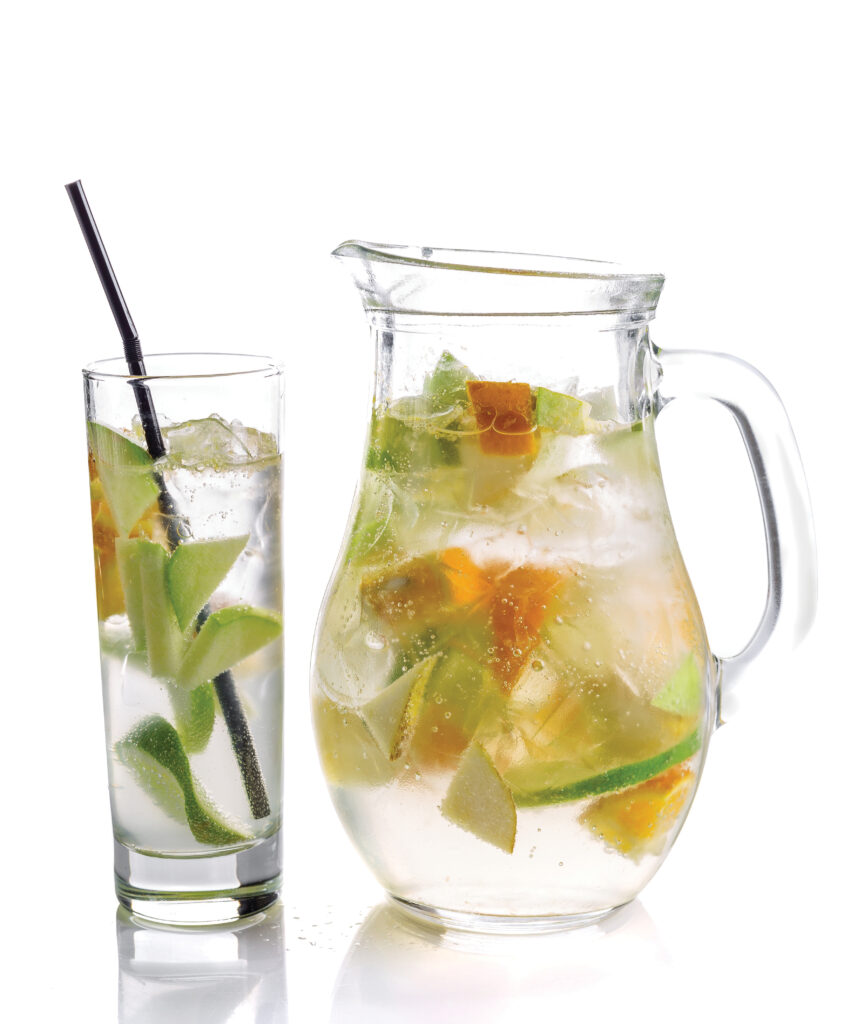
Tips for optimum hydration include ingesting a glass of water (about 8 fluid ounces) upon waking and before bedtime, drinking throughout the day, infusing water with slices of fruit, vegetables or herbs, and using a favourite water bottle to encourage fluid uptake.

Not all liquids are recommended, though. “Those engaged in strenuous outdoor activities should avoid beverages containing caffeine, such as coffee and tea, as well as alcohol, as they speed up water loss through the urinary system,” said the CHP spokesperson.
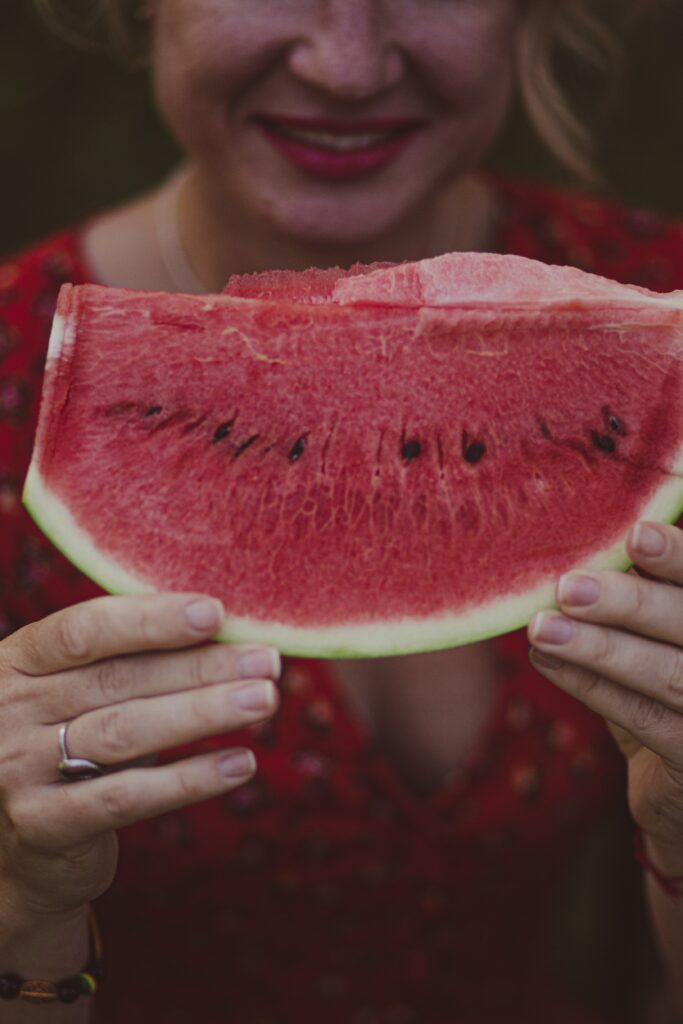
The World Health Organization (WHO) advises to check the colour of urine, and to drink more if it is dark. They warn against drinking distilled water as it leaches all-important electrolytes.

Apart from dark urine, there are a multitude of signs of possible dehydration such as thirst, flushed skin, headache, fatigue, increased body temperature, dizziness, irritability, constipation and nausea. Possible options to try to alleviate the situation include drinking electrolyte-infused water, Pedialyte, Gatorade, coconut water and watermelon, which contains 92 percent water.

Combatting heatstroke

Some groups are more vulnerable to heatstroke than others. According to the CHP, children, the elderly, the obese and those with chronic illnesses, such as heart disease or high blood pressure, “should pay special attention”.
These dos and dont’s will help reduce the risk of heatstroke:

  • – Wear loose and light-coloured clothing to reduce heat absorption and facilitate sweat evaporation and heat dissipation.

  • – Avoid vigorous exercise and prolonged activities like hiking or trekking as heat, sweating and exhaustion can place additional demands on the physique.

  • – Perform outdoor activities in the morning or the late afternoon.

  • – For indoor activities, open all windows, use a fan or use air-conditioning to maintain good ventilation.

  • – Do not stay inside a parked vehicle.

  • – Reschedule work to cooler times of the day. If working in a hot environment is inevitable, introduce shade in the workplace where practicable.

  • – Start work slowly and pick up the pace gradually. Move to a cool area for rest at regular intervals to allow the body to recuperate.

The WHO advises keeping a good supply of medicines, batteries and frozen or tinned food at home to avoid frequent trips to the shops during especially hot days.

Sunlight protection

As the sun blares down on these days of increasing heat, the Ultraviolet (UV) Index released by the Hong Kong Observatory is a helpful tool. When the UV Index is high (6 or above), avoid direct exposure of the skin and the eyes to sunlight.
The following measures will help protect against UV damage when out in the sun:

  • – Wear long-sleeved and loose-fitting clothes.

  • – Wear a wide-brimmed hat or use an umbrella.

  • – Seek a shaded area.

  • – Don UV-blocking sunglasses.

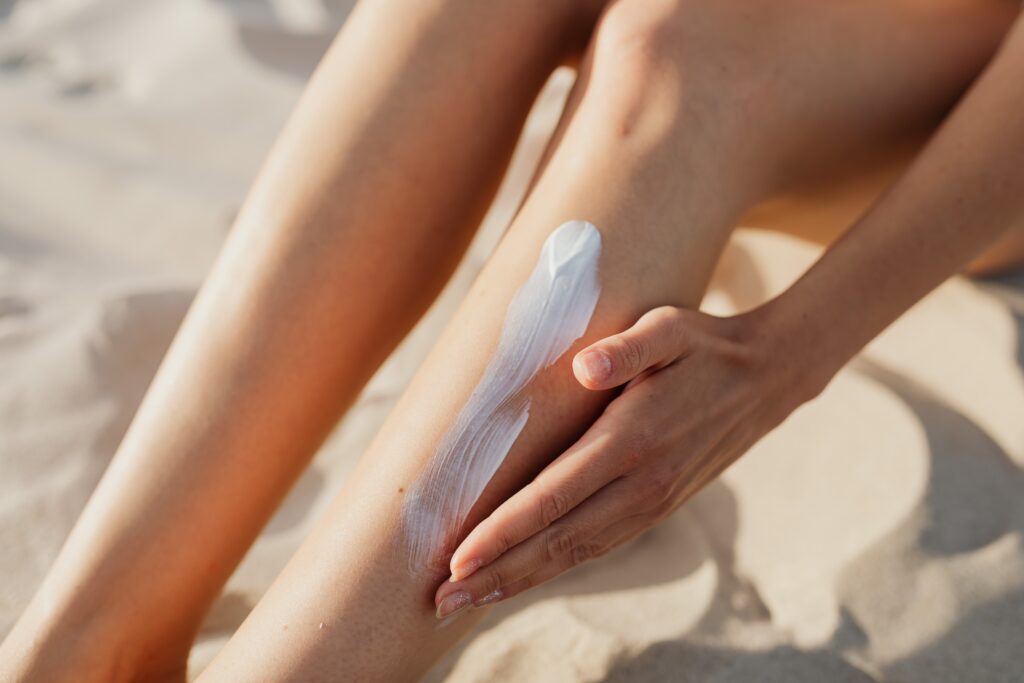
  • – Apply liberally a broad-spectrum sunscreen lotion with a sun protection factor (SPF) of 15 or above, and reapply after swimming, sweating or towelling off.

  • – When using a DEET-containing insect repellent, put on sunscreen first, then the repellent.

Cold comfort

While there is plenty for the public to do and be aware of to adapt to extreme heat, measures on an individual level and government action plans like those adopted in Hong Kong do not tackle the root cause of the problem. Global warming is a result of climate change generated most significantly by greenhouse gas emissions. Until we get serious about curtailing these, our heat stress is only going to get worse.

Science-backed wellness rituals to start your day right

We’re living in the shadow of a global pandemic, work and home have fused into one, and there are several daily stressors, too – sometimes motivation is hard to come by… We reached out to a wellness expert to bring a list of the little morning rituals which you can follow to boost your day ahead. Let’s get started…

1. Choose a time to wake up every morning, and stick to it

Remember for acing every wellness ritual its ‘discipline over motivation’ – even if getting up on time is the bane of your existence (very Bridgeton, we know!), having a sleep/wake schedule will help your body establish rhythm, strengthen your immune and digestive system, improve emotional stability and is a blessing for good skin. All these health benefits can be just 40 winks away… think about that! 

2. Stay hydrated, pop in the vitamins

“There’s nothing like a glass of warm water on an empty stomach to turbocharge your health and have a beautiful day ahead”, says wellness expert and psychotherapist Katie Leung at Hong Kong’s premier mental health destination, Mindish Most people wake up already slightly dehydrated from 7 to 8 hours of sleep, or maybe few too many glasses of wine the night before – whatever the case, without further delay or an added dose of caffeine, drink your water and flush out the toxins.

From collagens to Omega 3, mornings are an apt time to address your nutrient and healthcare concerns as well. If you are looking for a nourishing supplement with vital adaptogens to boost your overall mind and body health, The Daily Glow sachets could be a good inclusion. Created in travel-sized packs, these supplements are loaded with curcumin (the active ingredient found in turmeric), honey, piperine among other organic ingredients – not only designed to enrich your gut health, but also a healthier alternative to sugar in cocktails, or a topping on toast. 

3. Start your day like a baby

Rolling out of the bed straight to your cellphone or laptop might seem particularly easy and obvious in the work from home scenario, but waking up like a baby – slow, long stretches, gently opening the eyes, soaking it all in and then flowing into consciousness – that’s the natural, most zen ritual which will nurture your mind. If you jump straight into a screen the first thing in the day, you’re training your mind into believing life is a maze, even before you wake up. Take it gentle, take it slow – you have the entire day ahead to honour deadlines and scroll through Instagram. 

4. Follow it by positive affirmations, meditation and exercise

Yoga, weights, running, walking – choose your ideal activity to ease into the day and do it like clockwork. Meditate – even if it is for just ten minutes in the day, make it a daily habbit to manage stress. Katie Leung of Mindish recommends harping on the science of positive affirmations to set the tone of your day. “Deciding on the positive mantra of the day – ‘you only live once’, ‘today will be a fine day’, ‘just breathe’, will cultivate a sense of inner peace and give you the tools to enhance mindfulness.” 

Also Read: Wellness retreat? Experience the award-winning André Fu Suite

5. Important to have NOT to-do lists

Sounds totally counter-intuitive – we know that! 

We are all inundated with an overflowing to-do list – having a roadmap to strike things off it is the most productive approach but set healthy barriers and intentions of things which do not align with your goals and vision, and keep those off from your plate. Maybe staying away from social media, stop checking email the first thing in the morning, not reading work texts on your commute – taking that as your ‘me time’ – it’s important to check off the things which you should and should not be doing in the day. 

6. Have an ideal nighttime routine

A good night’s sleep is the most basic yet integral way to wake up early, create sufficient time to ease into work without hitting the panic button, and have a productive day ahead. Take a break from screens 30-minutes before sleep time, sounds difficult but with practice its absolutely doable to set healthy barrier with your gadgets, calm your mind with a refreshing warm soak, use some scented candles to give your brain a soothing signal to transition into relax-mode and decompress after a long day. 

Also Read: De-cluttering and organising keeps anxiety at bay. Professional tips here

Adaptogens are everywhere! All you need to know about these secret herbs

What do matcha drinks, ’shroom shakes, coconut butter, ashwagandha powder and ginseng root juice have in common? Besides dominating your social feed, they are all adaptogens – and given the whirlwind start to 2022 and the never-abating pandemic disruptions we could use some of their calming magic.

What are adaptogens?

Adaptogen What you need to know about these herbal mushroom supplements health wellbeing wellness gafencu

Broadly speaking, adaptogens are non-toxic herbs, mushrooms or plant extracts that help calm you down or perk up, depending on the ones you use. Whilst they are now surging in Western wellness concepts, Ayurvedic and traditional Chinese medicine have used them in potion, powder and topical form for centuries and their healing powers are well established in these cultures. Hong Kong-based Functional Health Medicine Coach Shuchita Singh, who practices with the Integrated Medicine Institute, advocates their use “for anyone who is overwhelmed, over-tired and over-worked. The easiest way to understand them, is that they help your body adapt to the daily stressors of life.”

Whether boosting the body internally or externally, they act non-specifically – meaning they don’t target a particular issue or an organ but tweak the overall hormonal production and physiological responses to ensure an optimal functioning, both physically and mentally.

Sounds like magic. But is it really? The adaptogen market is booming, but these invisible shields are largely an evidence-free industry, and there is debate among proponents about which substances can even be considered adaptogens. Is there a veneer of science to this stress-fixing fad?

Also Read: Do essential oils really work? Here’s what science says…

How do Adaptogens Work?

Adaptogen What you need to know about these herbal mushroom supplements health wellbeing wellness gafencu (1)

Naturally, these must be safe and non-toxic. Adaptogens work to support the adrenal glands, allowing the cells to eliminate toxins and use oxygen more efficiently, while targeting the body’s immune and stress responses to create a fine balance. Balance is the key here.

What makes these super herbs and substances intriguing is the way they function: unlike medicines such as Panadol, where dosage spurs action, adaptogens are more like thermostats, sensing whether the room needs cooling or warming, and adapting to work accordingly. Most of them are bi-directional and can move energies both ways. Ashwagandha, for example, can slow you down to help unwind at the end of the day or give a boost of energy in the morning. They fit the needs of your body, bringing balance and targeting hormonal, stress and immunity-related complications.

Adaptogen A-Z: The most common ones in the market

Each adaptogen functions in a different way. Here are the ones buzzing in wellness circles:

Ashwagandha Adaptogen What you need to know about these herbal mushroom supplements health wellbeing wellness gafencu

Ashwagandha – The hallmark “royal herb”, the most potent of the lot, is known for its restorative benefits. In 2016, this hugely popular Ayurvedic supplement raked in a massive US$10 million globally at natural health stores. Exact sales (which could be much higher) are hard to gauge given that the herb is sold in combination with other supplements, too.

Chaga – Packed with antioxidants, traditional Chinese medicine has propagated its use to slow the growth of cancerous tumours and control diabetes for centuries. Brewed in tea, the “king of medicinal mushrooms” is low in calories, loaded with essential minerals, and boasts a vast amount of antioxidants.

Lion's mane Adaptogen What you need to know about these herbal mushroom supplements health wellbeing wellness gafencu

Lion’s mane – Proponents of Chinese medicine cite the beneficial effects of this white, shaggy mushroom in reducing inflammation, ulcers, anxiety and depression. It has also been linked to enhancing brain function and guarding against memory loss and dementia.

Cordyceps – Found in the Himalayan plateau, this powerful immune-boosting fungus balances hormones, prevents fatigue and activates energy production at the cellular level, making it an ideal supplement for athletes in endurance training.

Reishi ganoderma Adaptogen What you need to know about these herbal mushroom supplements health wellbeing wellness gafencu

Reishi – This multitasking mushroom is praised for its ability to regulate cortisol levels, lessen fatigue, improve sleep and provide liver support, all of which promote healthy skin. Excellent for heart health, it also counteracts high cholesterol and high blood pressure.

Maca – A cruciferous vegetable related to broccoli, cauliflower and cabbage, this Peruvian root has been popped both as food and medicine for thousands of years. A natural remedy for low libido and infertility, it is loaded with fiber, amino acids and vitamins.

Shatavari Adaptogen What you need to know about these herbal mushroom supplements health wellbeing wellness gafencu

Shatavari – A species of asparagus that aids against many ailments, its powder has been used in India for more than 3,000 years to treat female reproductive issues, including symptoms of menopause and polycystic ovary syndrome (PCOS).

Shilajit – Hailed in Ayurveda as the “conqueror of mountains and destroyer of weakness”, this resin from rocks in the Himalayas contains fulvic acid and 84 other minerals. Among other benefits, it perks up the sex drive.

Also Read: Still coping with holiday weight gain? Here’s how to enjoy the food minus the guilt

But are they Backed by Science?

Adaptogen What you need to know about these herbal mushroom supplements health wellbeing wellness gafencu (2)

Adaptogens are a rapidly growing sector of the US$4 trillion global wellness industry, it’s easy to see why they are so appealing to the modern world’s drained, stressed-out populations, but the science on most of these is inconclusive.
The American Board of Obesity Medicine has studied the effects of ashwagandha and ginseng in animals and found them to “reduce anxiety, cortisol levels and overall inflammation”. Liquorice root, another popular adaptogen, effectively cut down body fat in a small group of test patients. However, most of these clinical studies have been done on animals, not humans. And while medicinal benefits have been documented over centuries of practice in Asia, and recent research is compelling, it is still not definitive, compliant with global clinical trial standards or even peer reviewed.

Used in Supplements to Skincare

Adaptogen skincare What you need to know about these herbal mushroom supplements health wellbeing wellness gafencu
(Photo courtesy of Pretti5)

Like with most trendy foods, adaptogens have found their way into beauty. Hong Kong-based natural skincare brand Botanic Pretti5’s founder Dorothy Chau attests to their benefits. “They are powerful tools against bacterial and fungal infections. Ginger root extract and liquorice have shown tremendous repair at the cellular level. All our products are based on these potent, efficacious herbs and the results, especially for sensitive skin, are brilliant.”

While interest is ballooning, they are all rage at the moment but herbal remedies and supplements should be treated with caution. Unregulated by the US Food and Drug Administration or any other credible government health body, adaptogens can be a breeding ground for misuse and abuse. “They are wonderful additions to any stress-reduction tool kit, but don’t see them as a panacea or a cure-all. They certainly won’t make up for a lifestyle high in inflammatory factors like poor sleep, insufficient nutrition and lack of exercise”, says Shuchita Singh. Surely, they’ve gone mainstream but at the end of the day, adaptogens are still… well, supplements.

(Text: Nikita Mishra)

Also Read: What’s Veganuary? Here’s what going plants-based for a month will do for your body