
Cry of the Wild: Conservationists around the globe are answering the urgent call to combat catastrophic climate change

Every day seems to bring disturbing news about record global temperatures, devastating wildfires, warming oceans and rising levels of greenhouse gases. In Seoul last month, citizens endured 26 consecutive ‘tropical nights’ of temperatures above 25 degrees Celsius, breaking a century-old record.

This scorching scenario has been replicated around the world. Higher temperatures are creating more frequent extreme weather events with calamitous consequences on communities and the environment. Ocean ecosystems, for instance, are in such a rapid rate of decline that scientists warn of ecological changes that should take millions of years happening within a lifetime.


It is under this challenging environment that bodies like The Nature Conservancy (TNC) are conducting all-important work, and they are under no illusions as to the enormity of the task ahead. “As a global organisation, we’re focused on building the science and the solutions needed to address the biggest conservation challenges of our time: climate change and biodiversity loss,” says Will McGoldrick, TNC’s Managing Director for Asia-Pacific.

Founded in the US in 1951, TNC is an environmental non-profit organisation whose vision is to support a liveable climate, healthy communities and thriving nature. It has more than 5,000 staff working in nearly 80 countries and territories to advance conservation work that benefits nature and people.
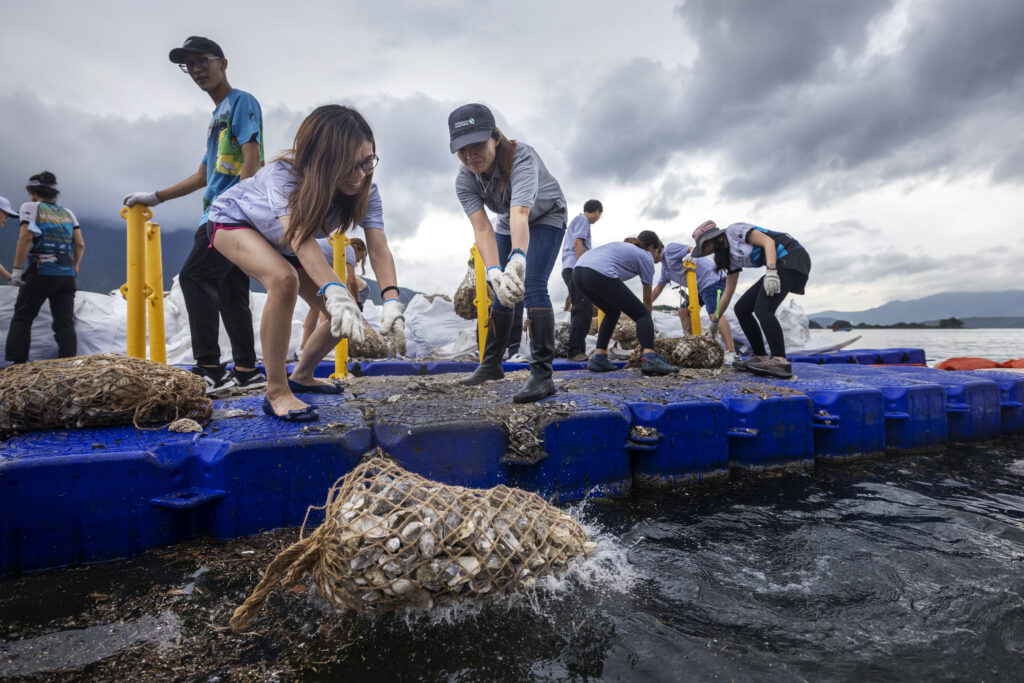
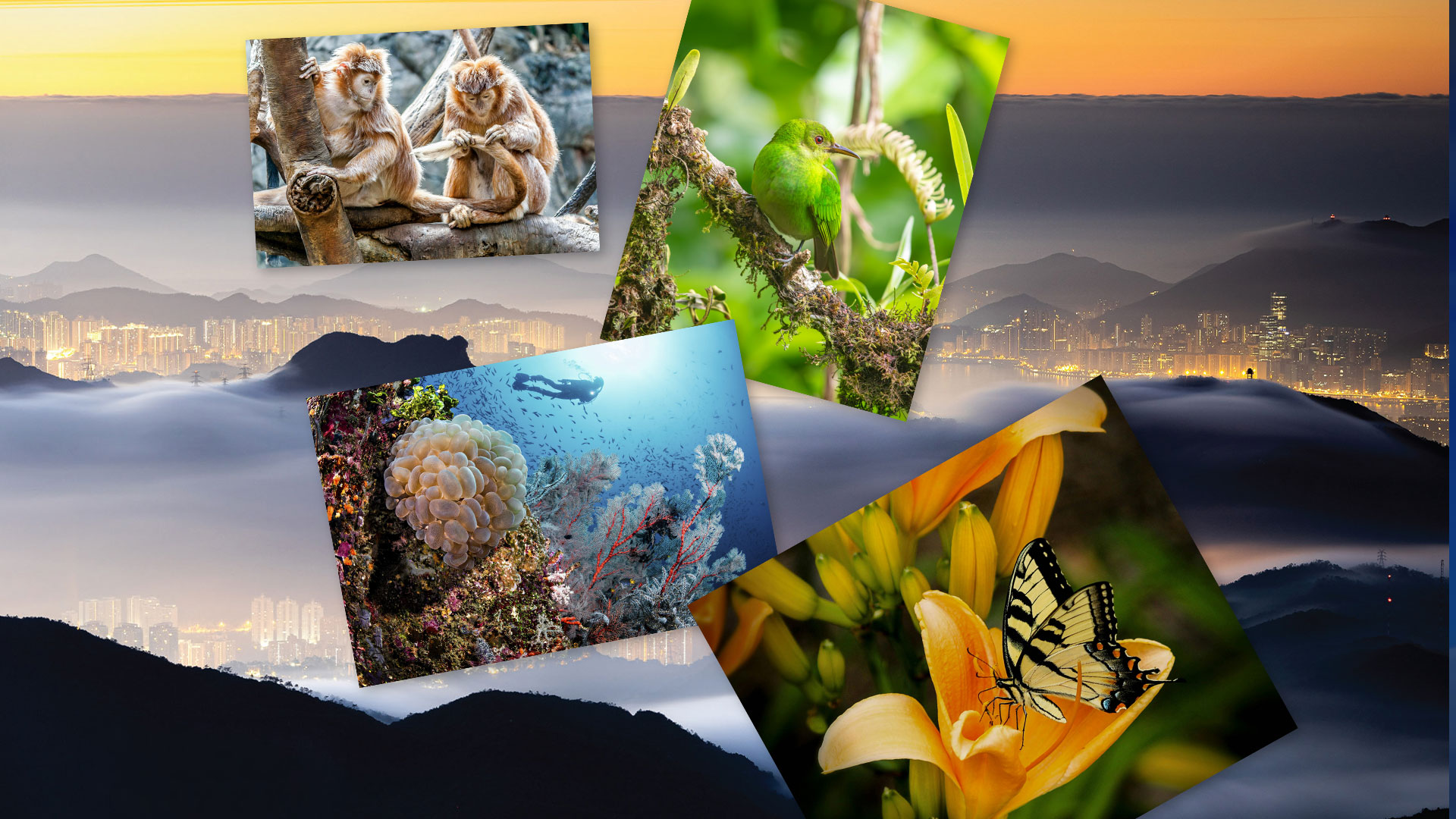
“Nature is the planet’s oldest technology for holding global warming in check. Healthy forests, wetlands, grasslands and peatlands store and absorb massive amounts of carbon. Our role is to harness their full potential and connect protection and restoration efforts to economic opportunity for people,” reveals McGoldrick.

He also points out how climate and biodiversity crises disproportionately affect vulnerable and impoverished communities. “So their engagement in the solutions we build for Asia-Pacific is essential,” he says.

Critical goals

Targets set by the Paris Climate Accords, the Kunming-Montreal Global Biodiversity Framework and the UN Sustainable Development Goals outline a way forward in the fight against climate change and environmental protection. The 2015 Paris Agreement bound nations to the promise of limiting any hike in global temperatures to “well below” 2°C above pre-industrial levels – and to aim for only 1.5°C of warming.

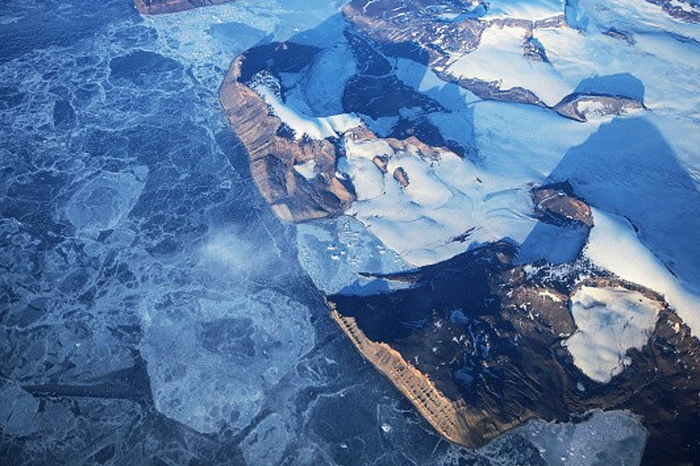
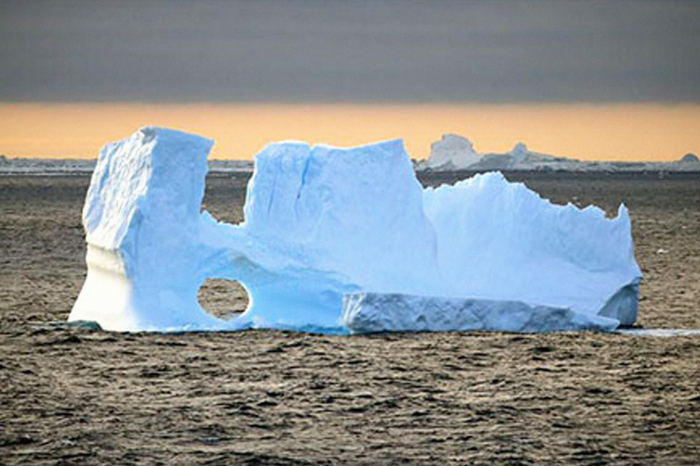
Yet, a report on the State of the Global Climate released by the World Meteorological Organization this year made for grim reading. It stated that global temperatures and sea level were at a record high in modern history, and the extent of ice in the Antarctic sea is at a record low.

The Paris Agreement outlined the need for the drastic reduction of greenhouse gas emissions such as carbon dioxide. However, in a worrying summary of the prevailing situation, the annual Global Carbon Budget report indicated that fossil-fuel CO2 emissions hit an all-time high in 2023.

McGoldrick was unequivocal about the challenge ahead: “The evidence is clear: we need to reduce emissions by at least half by 2030 to avoid the most catastrophic consequences. This requires a fundamental transformation of our systems, economies and societies. The window for action is rapidly closing – we have less than a decade to get it right.”

Imperative action

Unless action is taken soon, pessimists predict the world will become a much more dangerous place where flooding, drought, fire and unrest will force millions from their homes and habitats will be destroyed. Extreme heat has been linked to the slump in the growth of marine life by scientists.

“We have no illusions about the magnitude of the interconnected climate and biodiversity crises,” warns McGoldrick. “They require concerted, sustained efforts from all sectors – governments, the private sector, NGOs and communities among them. Only through collective action can we hope to protect nature and livelihoods closely tied to healthy ecosystems.”


TNC has set its own challenging goals for 2030. These include to reduce or store three gigatons of CO2 emissions yearly by using the power of nature and the strength of policy and markets; help 100 million people at severe risk of climate-related emergencies by protecting and restoring natural habitats; and conserve nearly 10 billion acres of ocean, 1.6 billion acres of land and more than 620,000 miles of rivers and 30 million hectares of lakes and wetlands. Finally, they aim to partner with Indigenous People and local communities to support 45 million local stewards whose well-being and livelihoods depend on oceans, freshwater and the land.

“Firmly embedded in the work we do is a commitment to uphold the rights of Indigenous Peoples and local communities to create sustainable economic growth. By doing so, TNC helps create new livelihoods, while delivering results for nature and the climate,” says McGoldrick.

Audacious schemes

To help achieve these goals, TNC is involved in what it describes as “audacious” projects. One such is the Blue Bonds for Conservation model designed to help governments unlock funding for conservation. The scheme aims to promote smarter investment in marine conservation by leveraging debt solutions to create long-term sustainable financing for conservation projects.

Blue Bonds can help governments that have high debt loads and limited access to financial capital achieve their conservation and climate action goals. Typically, TNC works with a country to refinance a portion of its national debt in a way that secures funding for conservation activities, enables valuable returns in planning and protection to improve the resilience of economies and communities, and may reduce the country’s debt burden.

“Blue Bonds are a game-changer for ocean conservation and economic growth,” says McGoldrick. “By issuing these bonds, governments can tap into significant financial savings, freeing up resources to invest in natural resources that drive their economies. Local communities, in turn, see their livelihoods and cultural heritage protected; and donors who provided the original seed funding realise incredible leverage on their philanthropic investment – a multiplier of up to 40 times”

Ocean drive

He points out the important role the ocean makes to our lives, supplying half the oxygen we breathe and sustaining fisheries that provide food and income for more than three billion people. “Coral reefs, oyster beds and seaweed forests shelter marine life and protect our shores by reducing wave energy and storm surges,” he says.

TNC is advancing Blue Bonds in island and coastal countries in the Caribbean, Africa, Latin America, the Pacific Islands and the West Indian Ocean. The scheme is part of the drive to support the two billion people living near the oceans.
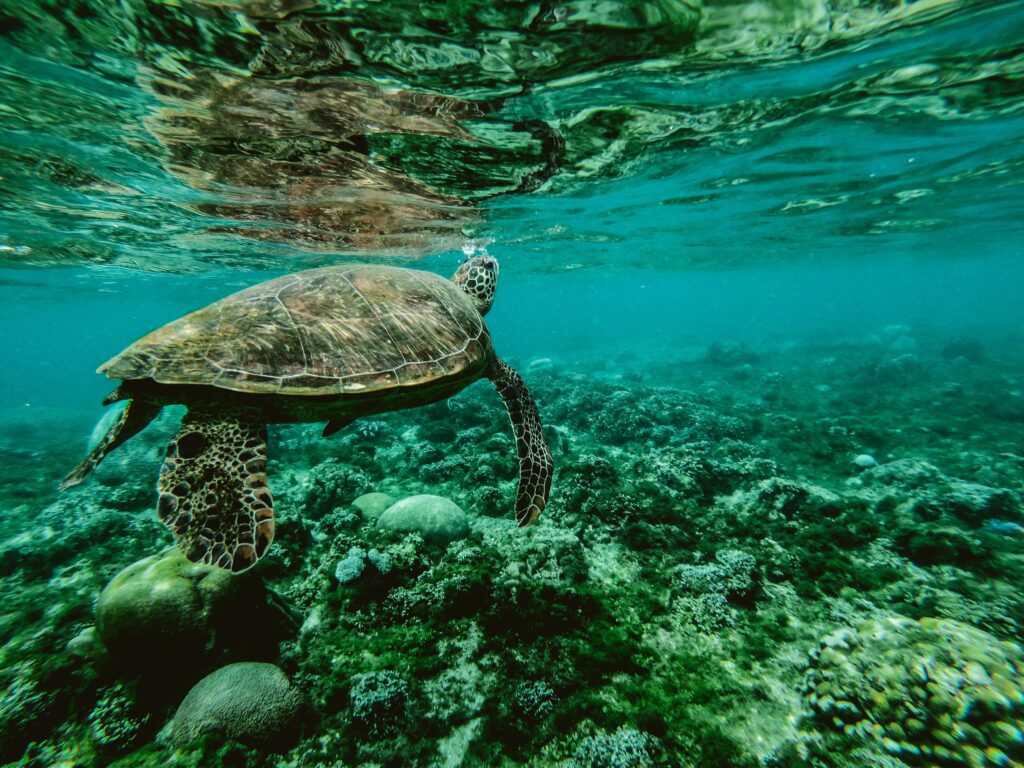
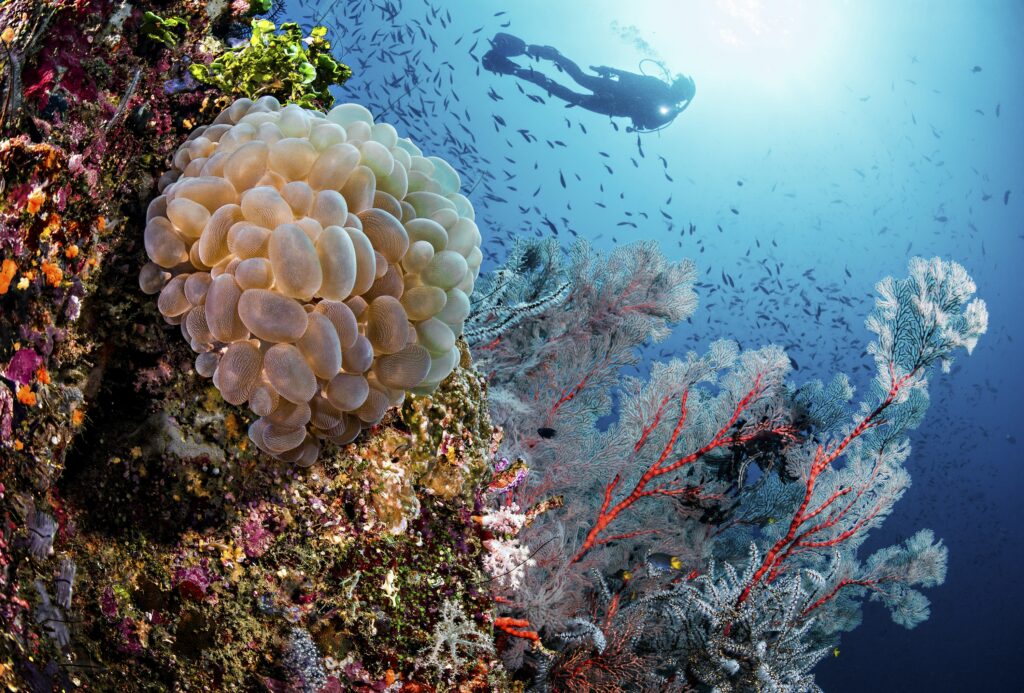
A great success story that highlights the important work TNC is doing came just months ago. They helped secure a US$35 million debt-for-nature swap between the US and Indonesia that will fund community-based conservation work in the latter’s Bird’s Head and Lesser Sunda seascapes. Described as being years in the making, the deal was signed in July 2024 and helps divert funds to a jewel of the natural world which is home to some of the world’s most ecologically significant coral reefs.

Donors step up

Philanthropy is going to play an increasingly vital role in the fight against climate change and habitat loss. A Californian philanthropic coalition launched its own satellite last month to help track global methane emissions, while an anonymous donation to the tune of US$14 million enabled TNC in April to support the Queensland government’s purchase of Vergemont Station – a remote cattle ranch larger than Yosemite National Park in California.

Representing the single-largest donation to buy land for conservation in Australia’s history, the Vergemont acquisition helps protect a unique biodiversity haven. It safeguards the headwaters of Lake Eyre Basin, the source of one of the last remaining free-flowing arid river systems in the world, and will join existing national parks to create a conservation corridor of about 1.4 million hectares, including key habitats for endangered wildlife.

“Our donors are the backbone of our conservation efforts,” reveals McGoldrick. “A diverse group of people who come from all walks of life, they are united by a shared passion for protecting the natural world and preserving biodiversity. They believe in a science-backed approach to conservation and in our proven track record of effective strategies with tangible outcomes.”

Also in April, TNC joined the Mongolian government and community partners to launch the US$198 million Eternal Mongolia initiative to preserve the world’s last great expanse of intact temperate grasslands, sand dunes, lakes, mountains and over 13,000 kilometres of winding rivers.

Nature’s way forward

TNC considers nature-based solutions as an essential piece of the puzzle to tackle impending environmental catastrophe. These are actions that address societal challenges such as climate change and disaster risk by protecting, sustainably managing and restoring natural or modified ecosystems. The key habitats of the oceans, for instance, are vital for climate stability. Coastal wetlands – such as mangroves, salt marshes and seagrass meadows – draw in carbon as they grow and store it in rich, underwater soils.


“Propelling nature-based solutions and protecting biodiversity are imperative – we have years not decades to shift to nature-positive business practices and to drive the urgent, concerted action needed to safeguard our planet’s future,” says McGoldrick of this pivotal moment in human history.
Terroir-ism: Winemaking terroir is under attack from global warming

While the winemaking industry is a negligible contributor to overall greenhouse gas emissions, it may turn out to be one of the early casualties of climate change. Indeed, there are already signs that the average 1 degree Celsius rise in global temperature over the course of the last century is taking its toll.

Climate change is affecting the world's traditional winemaking terroir

According to the International Organisation of Vine and Wine, a Paris-based intergovernmental body dedicated to viticulture and winemaking, global wine production contracted by 8 percent year-on-year in 2018 – a figure that pegs total output at its lowest level since 1961. The organisation also has no doubt as to just what the root cause is for this ongoing decline – global warming and, in particular, its deleterious effect on the world’s terroir.

As even the most casual of wine connoisseurs know, terroir is the cornerstone of every fine wine. Derived from the French term for “land” or “earth”, in the world of wine, “terroir” refers to the four elements that contribute to the taste, texture and bouquet of any given wine – the weather, the soil, the topography of a vineyard and the grape varietal itself.

Rising temperatures have a huge impact on terroir

For much of winemaking’s long history, the sole element controllable by humans was the initial choice of grape. Now, though, thanks to humanity’s overall impact on the climate, neither the weather nor the soil quality is exempt from man’s influence, no matter how baleful that might prove to be.

Inevitably, the repercussions of this shift in the natural order have been huge for the world’s wine-producing regions. Should temperatures become too high, for instance, the sugar content of grapes increases, while their acidity declines, inevitably compromising the quality of any wine subsequently produced. Similarly, both overly-long summers and extended winters cause soil erosion, creating weaker ecosystems and lower-quality vines. This, alone, could prove disastrous for leading producers in both Old and New Worlds.

A 1 degree celsius rise in global temperature has devastated Old World terroir

It is no exaggeration to say that the muchloved Pinots, Cabernets and Sauvignon Blancs currently produced in such regions may soon no longer prove viable. Indeed, one recent study by the US-based National Academy of Sciences went so far as to predict that the output of the traditional grape-growing regions could shrink by as much as 80 percent before the end of the century.

Given such dire prognostications, it is no wonder that the search is now on in earnest for a solution to this looming terroir crisis. One researcher who believes she may have an answer is Elizabeth M Wolkovich, Assistant Professor of Organismic and Evolutionary Biology at Harvard University.

Look to new markets for wine

Maintaining that re-evaluating currently unused varietals is essential, she says: “The Old World is home to more than 1,000 different varieties of wine grapes and some of them are better adapted to hotter climates and have a higher drought tolerance than the 12 varieties that currently account for 80 percent of the international wine market.”

As well as reappraising currently neglected varietals, another school of thought suggests re-evaluating those wine-producing regions that have historically been seen as lacking. Indeed, one country whose terroir is already seen as having benefited from changing climate patterns is the UK, a producer whose output has traditionally long been derided. Addressing this very issue, Alice Feiring, a highly-regarded US wine writer, says: “England is now definitely one to watch. Many of its newly-produced sparkling wines are truly delicious.”

Your favourite Pinots and Cabernets may soon disappear

Another beneficiary has been Belgium, with renowned British wine critic, Jancis Robinson, confessing herself astonished by the quality of one of the country’s Chardonnays. Initially believing that so sophisticated a vintage must surely be Burgundy-sourced, she later wrote: “I still find it extremely difficult to believe that anything of such quality was produced so far off the beaten track.”

Closer to home, Asia has also seen an upturn in its winemaking fortunes, with vineyards springing up across large swathes of both India and China, locations where the hugely varied terrain has led to a number of very interesting wines being produced. Japan, long famed for its domestic sake industry, is also now home to more than 200 vineyards

As both an early casualty of climate change and one of the first to take steps to proactively evolve in response to the new environmental realities, the wine industry has been seen as sending out mixed messages. While its testimony as to the very real and damaging consequences of global warming has been welcomed, some in the green lobby believe that its advocacy of capitulation and readjustment sends out a dangerous message to other less carbon-neutral industries.

Text: Tenzing Thondup

Stormport: Can Hong Kong withstand typhoons as strong as Mangkhut in future?

With super typhoons like Mangkhut being the ‘new normal’ now, does Hong Kong have what it takes to win the battle against such storms? We examine the odds…

Mangkhut

Duct tape? Why are Hongkongers so obsessed with duct tape? That would have been the question uppermost in the mind of any first-time visitor to Hong Kong back in September this year.

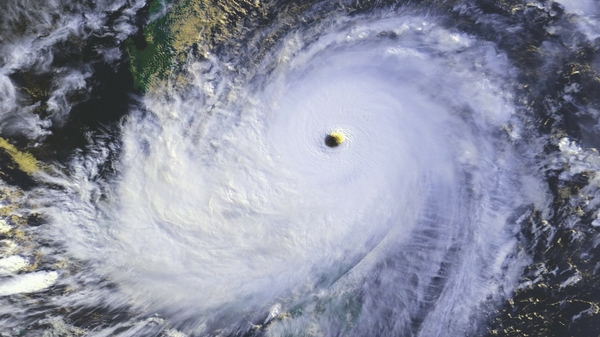
Indeed, the sight of Hongkongers wheeling away from their local Wellcome with a trolleyful of this silvery-grey sealant was certainly odd. Odder still is the widespread belief that a few strips of insulation tape would provide salvation from Typhoon Mangkhut, the looming extreme weather event set to bring a level of devastation to the city not seen since the Great Hong Kong Typhoon of 1937, a tropical cyclone that took the lives of 11,000 people.

Mangkhut

Lessons, though, clearly have been learnt. Despite wind speeds in excess of 230km per hour being recorded as the typhoon made landfall in Hong Kong, there were no fatalities. Some 400 people, however, were injured, while 46,000 trees were felled. Elsewhere, Mangkhut’s passing left a rather more deadly legacy in its wake, with 64 people reported dead in the Philippines and 2.5 million forced to flee their homes in Southeast China.

So, just how did Hong Kong manage to weather this storm and emerge relatively unscathed? Well, the answer is ‘experience’. Although the official records on Hong Kong weather only date back to 1946, there are less official sources that attest to the city’s long battle with the elements. The first mention of a storm that seems at least the equal of Mangkhut in strength came in 1874, when a super typhoon took the lives of 2,000 people in Hong Kong. Again, in 1906, an undetected super typhoon made landfall, killing 5% of the population in one night. Just over 30 years later, it was the turn of the aforementioned Great Hong Kong Typhoon, which wiped away centuries-old villages and caused unprecedented destruction.

Mangkhut

In the 80 years since then, Hong Kong has hardly been free from such buffeting, with the last half-century alone having seen five particularly serious typhoons hit the city – Rose (1971), Ellen (1983), York (1999), Vicente (2012) and Hato (2017). None of those, however, could match the most recent storm in terms of fury. And yet, flattened foliage aside, the city still emerged relatively unscathed.

Part of the reason for this lies in the sturdiness of many Hong Kong buildings. Since 2004, all residential structures in the city have had to comply with the Code of Practice on Wind Effects in Hong Kong, a building regulation that requires that high-rise blocks must withstand far fiercer gales than Mangkhut manifested even at its peak.

Mangkhut

On top of that, there was the effectiveness with which Hong Kong’s emergency services prepared the city’s populace for the onslaught to come. But according to many environmental scientists, these may all be just short-term solutions as weather events of the magnitude of Mangkhut are becoming the ‘new normal’.

Explaining the science side of things, Professor Xie Shangping from University of California’s Scripps Institution of Oceanography says: “Warm sea surface temperatures help intensify tropical cyclones. This year, sea surface temperatures have been abnormally warm in many parts of the world, as part of the general global warming trend.”

Mangkhut

The threat is even more acute in Hong Kong, where the surrounding sea levels continue to rise by an average of 2.77mm per year. Exacerbating things still further are the many land reclamation initiatives underway around Hong Kong Island, all of which leave many residents exposed to the natural elements to a greater degree.

Urging immediate action is Leung Wing-mo, the current official spokesperson for the Hong Kong Meteorological Society. Seeing the future as requiring a very different kind of readiness, he says: “On the whole, Hong Kong is not prepared for the kind of natural disasters we are likely to see in the future. The government and all emergency services need to start putting plans in place if we are to survive the far more severe and frequent extreme weather conditions that are likely to be commonplace in the future.”

Mangkhut

As the world’s busiest seaport, Hong Kong’s past and present success story is anchored in its unparalleled marine access and its matchless natural harbour. Now, though, these very nautical elements that allowed it to become a global trade hub threaten its future status and continued existence.

Indeed, according to many environmentalists, unless the powers-that-be wake up to the very real dangers that threaten Asia’s World City, there won’t be enough duct tapes in the world to plug the expanding gaps in its oceanic defences.

Text: Suchetana Mukhopadhyay

Cold Warring: The battle to own Antarctica has already begun

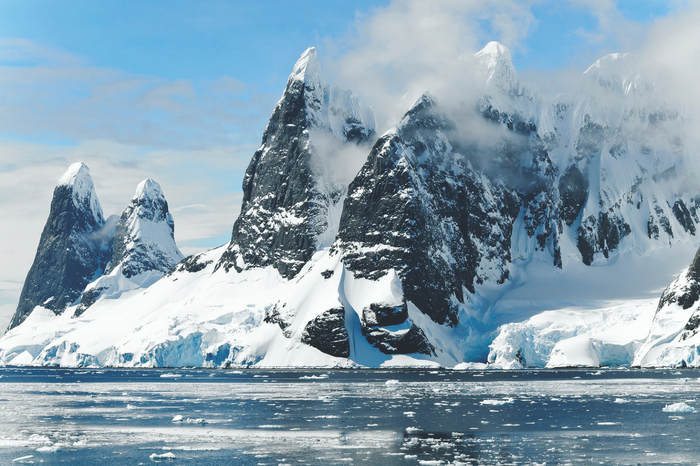
Ever since Antarctica was discovered by the Russians in 1820, its intimidating environment and inaccessible terrain have been subject to bizarre rumours, such as being a hidey hole for a bunch of fleeing Nazis planning the rise of the Fourth Reich from within its frosty grasp.

Antarctica

While such theories can easily be dispensed with by all but the most terminally credulous, it does leave us with one particularly perplexing question – why are so many countries around the world suddenly squabbling over who exactly owns this 14 million square kilometres of ice-locked land?

In truth, while the issue of land rights may have taken on a new lease of life of late, it has been a matter of some dispute since 1895 when a team of Norwegians first crossed its bleak boundaries. Among the first to stake a claim was Spain, which, claimed retrospective rights in light of a 1494 treaty that apparently granted dominion over all land to the south of the Strait of Magellan to the European country as part of its then-burgeoning empire.

Fast forward a few years and any such entitlements were dismissed out of hand by one of the most voracious land annexation initiatives the world has ever seen – the British Empire. Indeed, one 1920s memo from by Leopold Amery, Under-Secretary of State for the Colonies, unequivocally: “It is desirable that the whole of the Antarctic should ultimately be included in the British Empire.” And, by July 1923, it was.

Antarctica

Freshly co-opted into the Empire where the Sun Never Set, alarm bells rang throughout France, Norway, Argentina and Chile, with each trying to grab stakes in this frozen continent.

Such disputes dragged on until 1959, when the Antarctic Treaty came into place, through which all the 12 original claimants agreed that the continent could be treated as an international scientific reserve until 2048. And so it has remained, with all military activity, mining, nuclear testing and nuclear waste disposal forbidden within its bounds for a further 30 years yet.

With only three decades to go, however, there are already signs that a number of countries are already jockeying for position once all bets are off in 2048. As of 2015, a further 17 countries had inveigled their ways in as consultative partners under the terms of the original treaty, with many of them establishing their own ostentatious ‘research stations’, alongside those belonging to the original 12 signatories.  

For its part, Russia has 12 scientific bases on various parts of the continent, while the US maintains a base at the South Pole proper, in itself an effective claim to the whole territory. Not to be left out of this snowy superpower standoff, China is busily building its fifth Antarctic outpost.

With unusual candour for Antarctic-related matters, Guo Peiqing, a law professor at Shandong’s Ocean University, says: “China’s exploration of the continent can be compared to playing chess – it’s important to have a position in the global game. We don’t know when the play will happen, but it’s clearly necessary to have a foothold.”

Anarctica

While, on the surface at least, the focus of this ‘global game’ is scientific investigation, there’s a reason all search research is solely focused on geologic matters. It is an open secret that all of the Antarctic-active nations are primarily interested in what lies below its frozen terrain, with the general expectation being that enough oil to fill over 200 billion barrels awaits whichever country ultimately secures the mineral rights.

With the technology of 2048 seen as being all but certain to overcome the logistical and operational challenges of accessing this vast oil resource, there are signs that the limits of the treaty are already being tested. Despite such activities being specifically forbidden, for instance, both Chile and Argentina maintain a permanent military presence on the continent. It is also suspected that many of the apparent research stations are actually little more than covert surveillance operations, continuously monitoring the activities of rival claimants to the Antarctic crown.

To complicate matters further, a new element has entered this scene of deep-frozen detente of late – tourists. In 2017-2018 alone, some 52,000 tourists braved the ice floes for a glimpse of Antarctica’s frozen majesty. While this may seem like a sleepy figure compared to other continents’ visitors, it does represent a robust 17% increase over the 2016-2017 period.

Despite this small number, the tourism industry’s annexation of Antarctica has already alarmed environmentalists. Indeed, a number of environmentalist groups have already highlighted the risk of such visitors accidentally introducing non-Antarctic native organisms into the region’s fragile biosphere or the disastrous fallout that could occur from any oil spillage from ships.   

Given the events likely to occur 30 years down the line, however, such concerns seem to border on the irrelevant. With the superpowers’ drilling rigs likely to tear its landscape apart, it is unlikely that even most the ham-fisted of tourists could deliver any comparable blow.

Text: Suchetana Mukhopadhyay

Global Warning: In the wake of Hato and Harvey, weather is a hot-button issue

With the world in turmoil, is the planet telling humanity, ‘Enough is enough’?

For many, the signs are clear. Hurricanes have battered the US as never before, while unprecedented floods have wreaked havoc in India, Bangladesh and Nepal, killing more than 1,000 and leaving millions homeless and hungry.

Meanwhile, wildfires of unprecedented intensity have scorched their way across huge swathes of the US, Canada, Greece, Portugal, Croatia, Greenland, Russia, Algeria and Tunisia. All the while, a dozen European countries baked and burnt as Lucifer, a suitably diabolically-named heatwave, sent temperatures soaring well beyond annual norms.

The weathermageddon was so severe that the massive floods and mudslides that devastated Sierra Leone and Niger went largely unreported, while the earthquakes that shook Japan and Mexico, as well as the severe drought that blighted the Ethiopian harvest, made few headlines beyond the local news.

Asia, too, was far from exempt. Flooding struck the south, and Hato proved to be one of the most destructive typhoons to make landfall on China for a generation or two.

The upshot of all of this? It’s no longer just the cranks and Gaia evangelists who are predicting a planetwide catastrophe. Indeed, an ominous silence emanates from the climate change deniers, with many of them now having firsthand experience of what happens when a global eco-system pushes back.

Speaking in the wake of recent events, Antonio Guterres, the United Nations General Secretary said, “Since 1970, the number of natural disasters has nearly quadrupled. This year, the United States, together with China and India, have experienced more disasters in any one year since 1995. On top of that, in the last year alone, 24.2 million people were displaced by sudden onset disasters – three times as many as by conflict or violence.”

It’s hard to dismiss the situation we find ourselves in. It was only on 23 August this year, after all, that Typhoon Hato churned its way through Hong Kong, Macau and Southern China, leaving 16 dead in its wake. When the signal 10 typhoon warning was hoisted – for only the 15th time since 1946 – it heralded not only incoming physical danger, but also a massive financial blow, with the city losing billions of dollars as the day’s trading was cancelled and workers were confined to their homes.

Despite another lesser storm – Pakhar – hitting the region just four days later, businesses and residents may take some comfort knowing that, according to the Hong Kong Observatory at least, the city may face fewer typhoons in the long-term. These adverse weather conditions, however, may strike with more intensity.

Outlining this change, Tong Hang-wai, one of the Observatory’s scientific officers, said, “It is highly likely that the global frequency of tropical cyclones will either decrease or remain essentially unchanged. Given that the overall climate is likely to be hotter, however, the warmer ocean will provide a higher level of moisture and energy, which will, in turn, fuel tropical cyclones. Overall, the mean sea level around Hong Kong will continue to rise, increasing the chance of extreme sea levels and heightening the threat of storm surge.”

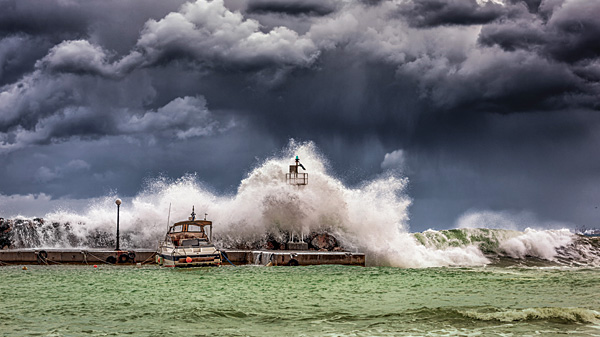
While the term “storm surge” may sound innocuous when compared to “typhoon” or “hurricane”, such phenomena can actually do far more damage. Any combination of low atmospheric pressure and high winds can act to elevate the sea level and create monstrous tides, sometimes in excess of 8.5m in height.

This summer, another US weather record was broken, with two category four hurricanes making landfall across the country, the first recorded instance of two such occurrences in the same year. The first to arrive, on 25 August, was Hurricane Harvey, which saw Houston – the fourth most populous US city – flooded out, as a whole year’s worth of rain fell in a matter of days, leaving entire districts swamped and claiming the lives of 70 local residents.

With the post-Harvey disaster recovery process still underway, Hurricane Irma made landfall on 10 September. At one point swelling to the size of France, this second storm broke all records for strength and sustained wind speed, with its fury flattening villages in the Caribbean and leaving much of Florida submerged.

In perhaps the clearest sign yet of the global dysfunction of our weather patterns, while half the world dealt with an unprecedented deluge of rain, the other half baked in a prolonged drought, with water shortages and wildfires threatening crops and livestock. In parts of the US and Canada, a veritable inferno raged over the summer, destroying millions of acres of land and sometimes burning for months at a time.

In Portugal it was a similar story, with more than 60 people dying in the blazes that swept across the country in June. In Chile, meanwhile, its president called for calm as “the greatest forest disaster in our history” seared its way across the country.

While some countries burnt, others shrivelled in the unrelenting, unseasonal heat. In Ethiopia, 2 million animals died in the country’s long drought, while 8 million of its citizens faced an uncertain fate.

For many, it is a mystery just how these conflicting weather patterns can occur simultaneously. Two researchers – Friederike Otto, deputy director of Oxford University’s Environmental Change Institute, and Maarten van Aalst, a director of Columbia University’s Red Cross Red Crescent Climate Centre – believe they may have the answer.

In an article jointly published earlier this year, the two concluded, “The warmer atmosphere can hold more water vapour, leading to extreme rainfall. At the same time, the higher concentration of greenhouse gases in the atmosphere can also affect weather systems, with a lot of low pressure bringing rain. This could mean it does rain more, but in [unexpected] places.”

The science behind earthquakes is equally complex, with some researchers believing them to be triggered by the increased incidence of cyclones and unprecedented levels of rainfall. Regardless of whether it’s an earthquake, a wildfire or a hurricane, though, it’s impossible to prove a direct causal link between any individual natural disaster and man-made climate change. For many, though, the increased prevalence of freak weather and the unleashing of huge natural forces is proof enough.

Text: Emily Petsko
Photos: AFP