
Rio Revels: Brazil’s year-round beach-bound playground city amps up to the max at Carnival time 

Rio de Janeiro instantly conjures up mental imagery of its spectacular setting, framed by a massive mountain-top statue of Christ and an incredible number of beaches that form a majestic sandy ribbon along the southeast coastline of Brazil. The world-famous Carnival and intoxicating samba beat will also immediately spring to mind in this cultural melting pot blessed with stately architecture and culinary delights.

Such is the assault on the senses that a trip to the Cidade Maravilhosa (Marvellous City) leaves a deep visual impression. A panoply of vibrant hues, shifting shadows and plays on light brings unique sensory experiences every day. Many visitors enjoy themselves the most when they let their inhibitions run wild and go with the joyous flow. The local residents (cariocas) live life to the full, and tourists often become so bewitched by the relaxed, carefree spirit that they are loath to leave.

Carnival capers

The agreeable climate makes Brazil’s second most populous city a fantastic year-round destination, though December often sees heavy rainfall. Undoubtedly the best time to visit, however, is during the Carnival, which falls this year from February 28 to 8 March, a week when Rio rocks with street parties and non-stop private events.
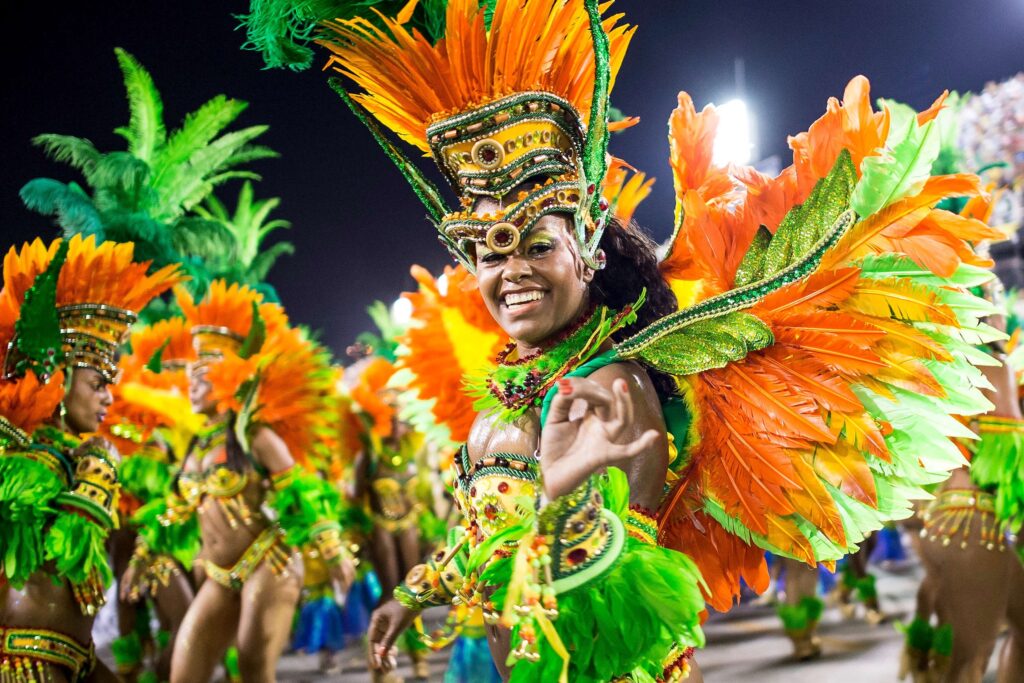
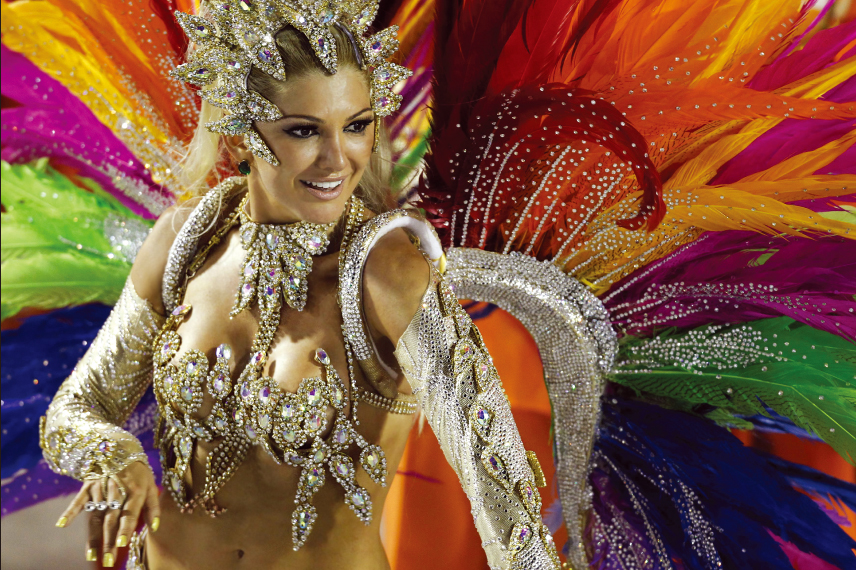
Steeped in pagan tradition, Brazil hosts many carnivals leading up to Ash Wednesday (5 March 2025) and the start of Lent, but the celebration in Rio is by far the best known and most lavish. The city teems with visitors from around the globe keen to plunge headlong into the mayhem. Streets are jammed with revellers, fuelled by Brazilian beer and caipirinhas, and dancing and swaying to samba songs from morning to night. Many will be dressed as clowns and television personalities, or barely dressed in skimpy bikinis and feathers; cross-dressing is also common.
The ball at the Copacabana Palace hotel held on Carnival Saturday (1 March) is the hottest ticket in town. Fierce competition for best costume unleashes outrageous outfits from medieval troubadours to Roman Catholic archbishops.

Samba feats

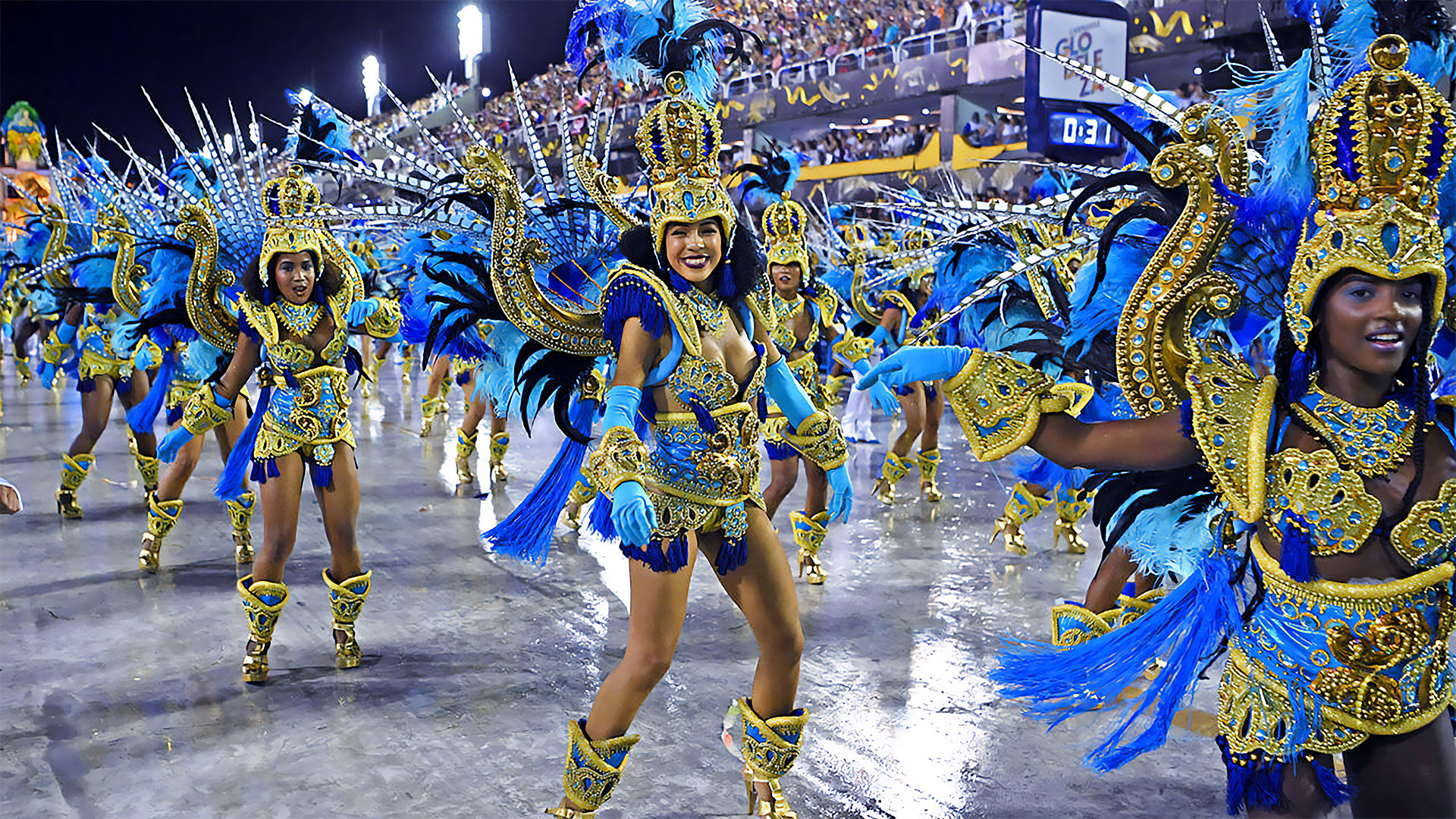
The chance to win prizes also drives participants at the main samba school parades held on the Sunday and Monday nights. Giant mechanised carnival floats illustrating the motifs of the school, sequinned-and-spangled dancers and huge percussion sections sashay around the Sambodrome arena to be judged by an officially appointed jury.
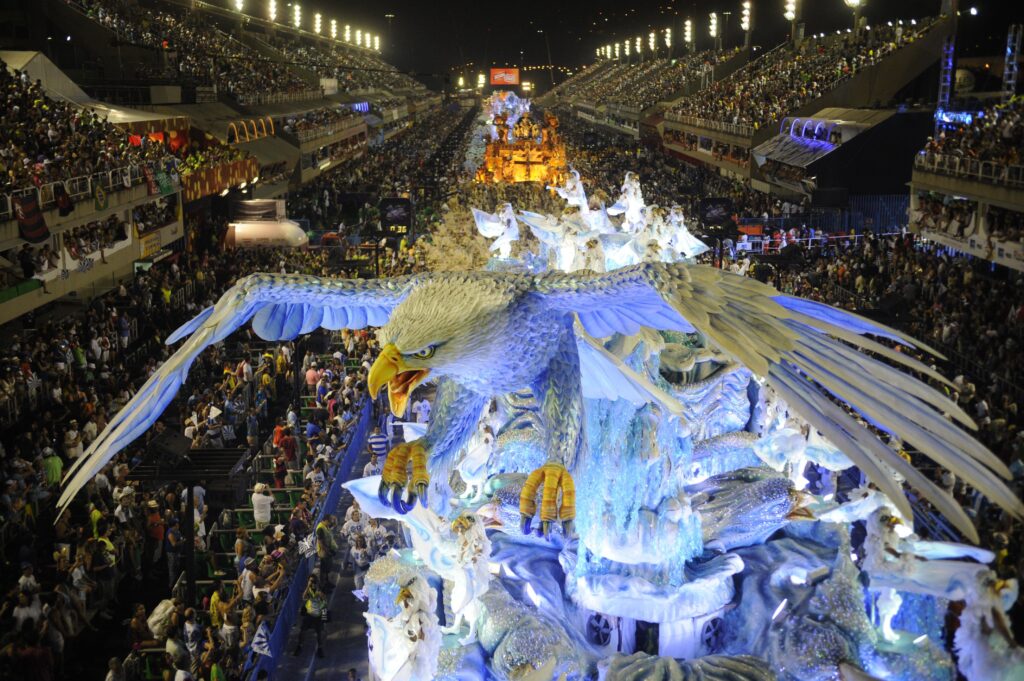
Each parade is a visual extravaganza based around a distinctive central theme that will determine its imagery, costumes and choice of music. An Amazonian theme, for instance, may have elaborately costumed parade members appearing as rain-forest animals. The troupe is generally led by a porta bandeira, a female dancer who holds the school flag, and the mestre sala (dance master), with the bateria (drummers) charged with keeping a constant samba rhythm. Parades also feature agile lead dancers known as passistas who perform dazzling routines.

Beach life

Rio’s mile-upon-mile of gorgeous beaches is another top draw, with the most famous being the iconic crescent-shaped Copacabana. For many cariocas, the beach has become a way of life, and over the years a whole string of sunbathing sanctuaries along the shores has been developed. Aside from Copacabana, upscale sun- and water-worshippers will flock to Ipanema and Leblon. Offering far more seclusion to the southwest of the city are the white sands of Prainha Beach and Barra da Tijuca, a long, vibrant seaside playground.
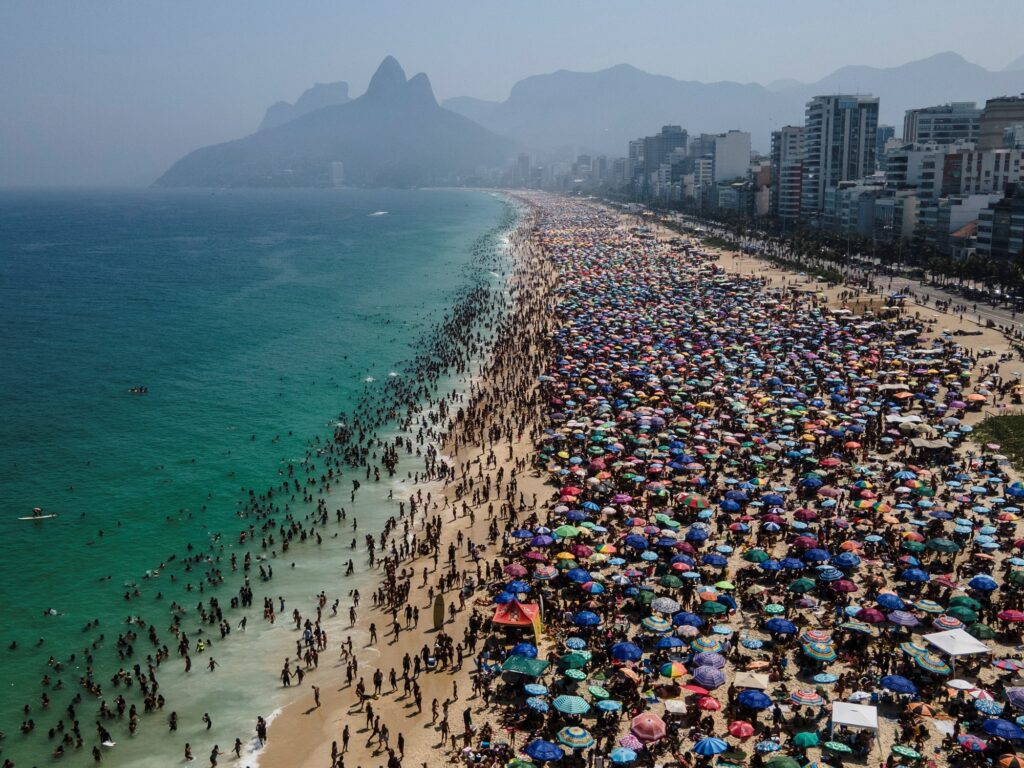
Each of Rio’s beaches has its own style – there are sandy getaways for singles, families and sporty types, as well as those simply seeking a quiet spot in the sun. But it is Copacabana, where the beach culture began, which remains the centre of attraction. Once a quiet fishing village, the tourist district is now home to more than 350,000 people packed into 109 streets with a large concentration of hotels, restaurants and promenade cafés. The Rolling Stones famously gave a free concert on the beach here in 2006 to an audience of devoted fans estimated to number as many as two million.

Seaside stars

A great place to have a cocktail by the pool and an Italian meal with a Brazilian vibe is Cipriani Restaurant in the Copacabana Palace. The legendary hotel was established in the 1920s and refurbished much more recently in a bid to return the establishment to its glory days. Many international celebrities have enjoyed black-tie evenings at this famous watering hole.
Framed by the towering Dois Irmãos (Two Brothers) Mountains, Ipanema is an affluent neighbourhood with a stunning beach, fabulous restaurants and trendy boutiques. With a fringe of palm trees adding intimacy, the black-and-white mosaic promenade is the place for the young and beautiful to strut their stuff. Here, and in adjoining Leblon, you will find outstanding shops selling high-end luxury goods, including leather bags, shoes, clothing and gifts.

Sugar and spice

Situated on a peninsula jutting into Guanabara Bay is Sugarloaf Mountain, which offers amazing views of Copacabana and much of Rio. A magnificent ride up to the towering summit in bubble-shaped cable cars offering 360-degree views completes the trip – an exhilarating experience captured in thrilling spy-drama style by the 1979 James Bond film Moonraker.

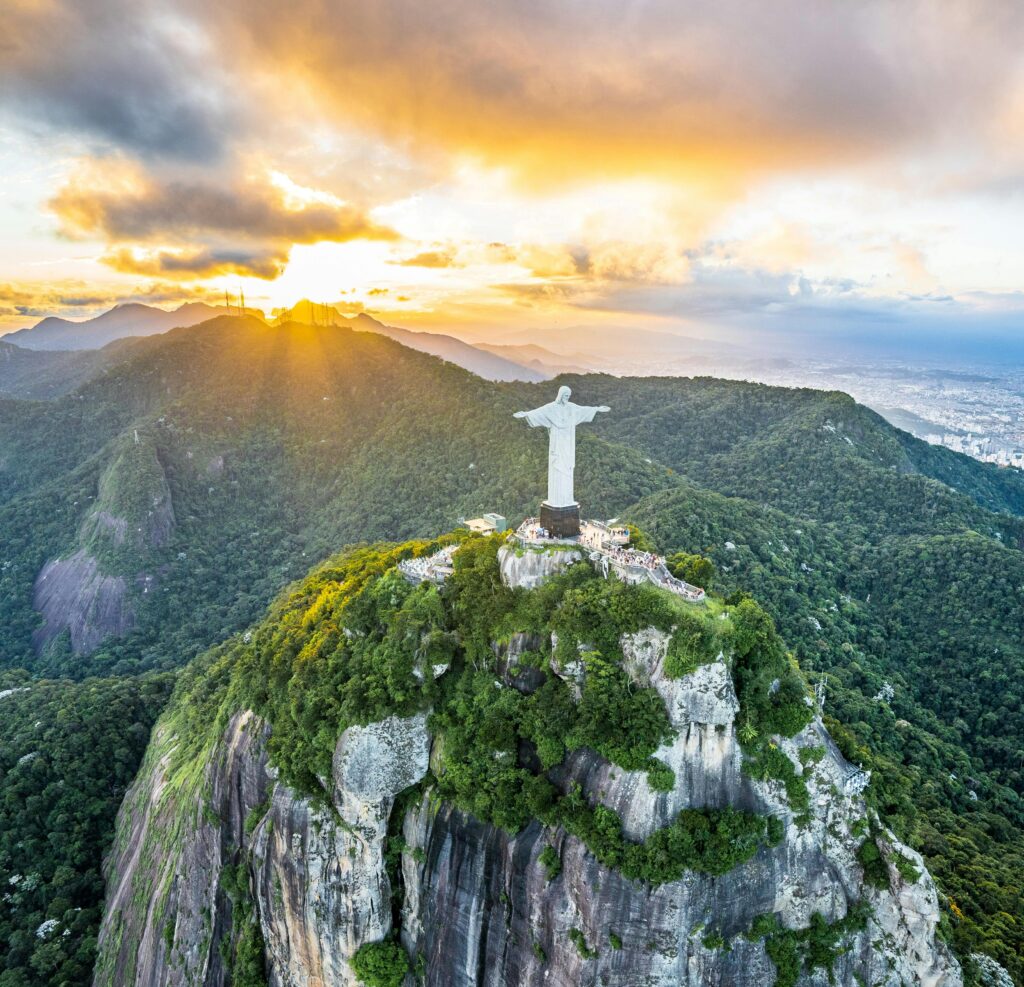
Another must-visit spectacle on high is the statue of Cristo Redentor (Christ the Redeemer) atop the hulking Corcovado mountain. This 98-foot-high Art Deco statue was sculpted in 1931 by French-Polish artist Paul Landowski and his team; it is visible for miles and watches over the whole city. An incredibly scenic route to Christ’s feet cuts through tropical foliage and affords mesmerising views across Rio and its glorious beaches.

Historic heart

The historic heart of Rio is located around Praça XV de Novembro, a bustling square surrounded by historic buildings and streets. The Paço Imperial, dating from 1743 and once the palatial home of Brazil’s governors, has been transformed into a cultural centre boasting a theatre, cinema, exhibition spaces and galleries, a library and restaurants. The neighbouring Tiradentes Palace, seat of the Rio de Janeiro state parliament, showcases impressive Belle Epoque-style architecture. The 10-minute stroll from Praça XV up to the Igreja de Nossa Senhora da Candelária, an impressive church originating from 1775 with ornate Italian marble interiors, passes along what is considered the cultural corridor of Rio.
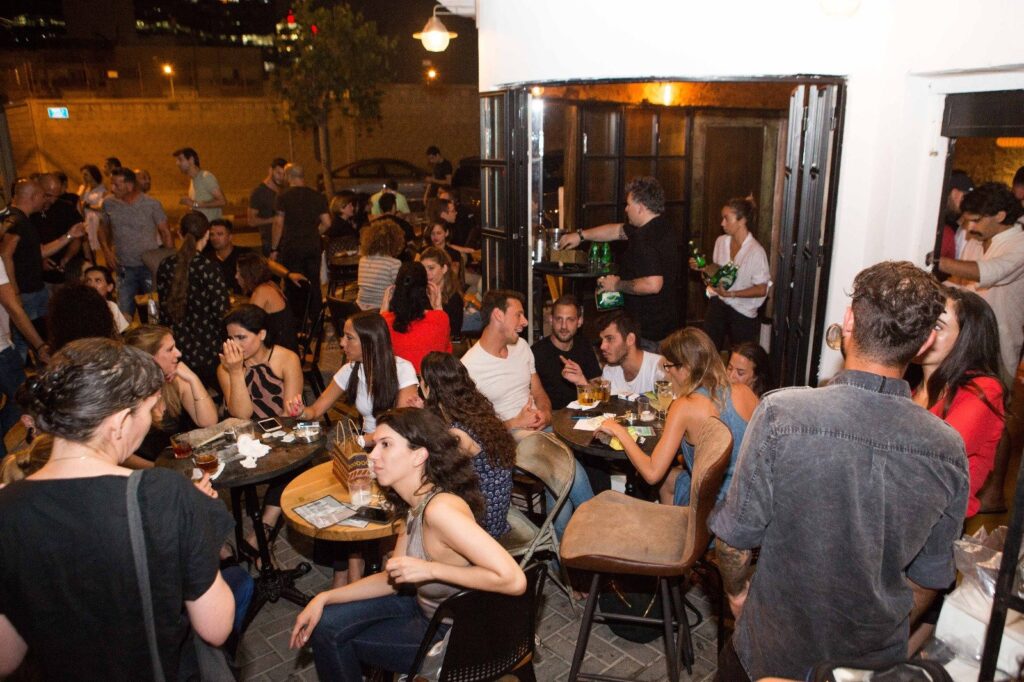
Just off the square through the Arco do Teles, a heritage-listed colonial arch, is a maze of narrow pedestrianised streets flanked by mid-18th-century buildings and shops with high ceilings. Travessa do Comercio is lined with bars and restaurants, while the adjacent Rua do Ouvidor also hosts fine eateries, including Al Khayam, a Middle Eastern restaurant in a historic townhouse with a wide menu – kousa mahshi (zucchini stuffed with rice and meat) is a highlight. The enjoyment of the occasion is sometimes enhanced with a belly-dancing show.

Nightly feasts

The broad choice of restaurants in Rio reflects the city’s multicultural charms. Many hotel restaurants serve the Brazilian national dish of feijoada, a stew of black beans and pork. Churrascarias, which specialise in steak and other grilled meats, are popular, especially those where servers bring a seemingly never-ending supply of juicy rodizio-style skewered meat to the table, ready to slice on demand.

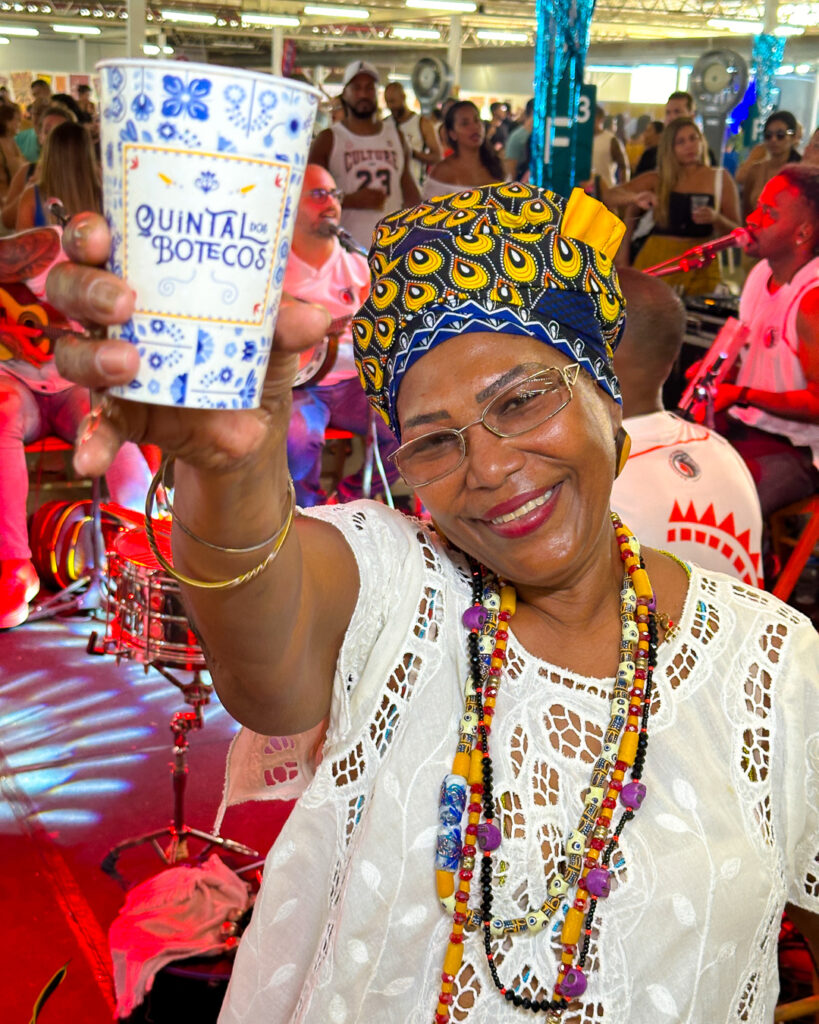
Rio is also dotted with small neighbourhood bars-cum-eateries called botecos – Garota de Ipanema (named after the famous song) is one to savour. Chopp, a fresh and frosty Brazilian draught beer, and caipirinha cocktails of cachaça (spirit distilled from sugarcane), lime and sugar, are popular pours. A walking tour of the densely populated favelas (shantytowns) is bound to be an eye-opener, especially after a late night in a boteco or partying all night with the Carnival crowds.

Unique ways people ring in the New Year around the world

Celebrating the New Year is pretty much as universal as a holiday can get, with the toasting of champagne and partaking of festive delicacies with your nearest and dearest all commonly accepted celebratory practices. A few countries, however, have rather more unusual end-of-year traditions. Be it swinging flaming fireballs, offering flowers to the sea or simply ringing a massive bell to wash away your sins, here are some interesting New Year rituals practiced around the world. 

Unique ways to usher in the New Year around the world gafencu magazine hogmanay festival scotland

Hogmanay Festival, Scotland

Hogmanay is the Scottish word for the last day of the year. The celebration of the Hogmanay Festival is an age-old tradition that dates back to pre-Christian beliefs. Although customs vary across the country, the most exciting highlight during the eve of the New Year is watching trained professionals swing fire balls over their heads and tossing them into the sea — a ritual most commonly practiced in the town of Stonehaven that is believed to ward off evil spirits at the dawn of the new year. 

Unique ways to usher in the New Year around the world gafencu magazine white flower offerings brazil

White Flower Offerings, Brazil

Though the beaches of Rio de Janeiro are world-famous for picturesque beachfront hotels and dusk-til-dawn parties, perhaps a lesser-known attraction occurs on New Year’s Eve when, decked in all white, locals send out white flowers and lit candles into the ocean as offerings to the Ocean Goddess, Imanja in hopes that their New Year’s wishes are granted. If, however, their offerings return to shore, it is believed that the Goddess has rejected the wish. 

Unique ways to usher in the New Year around the world gafencu magazine Japan 108 bell ringing

108 Bell Chimes, Japan

Joya-no-Kane is a traditional New Year’s Eve ceremony performed at temples across Japan. The custom involves a large symbolic bell which priests and visitors of the temples ring 107 times on the eve of the new year and once more at the strike of midnight, celebrating the passing of an old year while ushering in a new one. According to Buddhist teachings, the ceremony is said to cleanse a person off his or her worldly desires, represented by the number 108. 


Unique ways to usher in the New Year around the world gafencu magazine plate-smashing denmark

Plate-smashing, Denmark

Although in other parts of the world, having someone smash plates against your front door might be taken as malice, in Denmark, however, locals show their love for their friends by throwing their broken and unused china at their door step. An old tradition that lives on today, the ritual is rooted in the belief that the broken glass will deliver good luck throughout the new year. So, the person with the most broken glass at their door could be a good indication that he or she is the most popular in the neighbourhood. 


Unique ways to usher in the New Year around the world gafencu magazine burning scarecrows ecuador

Burning Scarecrows, Ecuador

If you are curious to know which country’s custom is the most lit— literally —look no further than the celebration of Los años viejos in Ecuador. Translated to “the old year”, locals craft large puppets and scarecrows in close resemblance to the people they dislike or have died in the past, then burn these symbolic objects on New Year’s Eve. What better way to burn bridges with the people who have wronged you by burning them, metaphorically.


Rio Grandly

1604_travel101_Feature_Image
Two years ago, nearly a million football fans went to Rio de Janeiro for the 2014 World Cup. Every February, two million or more dance their way through its famous Carnival. For Brazil’s second largest city, then, when it comes to the 500,000 visitors expected for the Olympic Games’ Latin American debut in August this year, it should just be pretty much business as usual.

Indeed, people have been flocking to Rio for hundreds of years. Back in 1501, when a small group of indigenous fishermen saw the first Portuguese sailing ships nose towards the coast, they were not to know they would get little peace thereafter.

The French followed, taking over an island in the bay. Huge numbers of slaves were shipped in to work on the sugar plantations. Indigenous people moved east from the interior. Half a million Portuguese arrived in the gold rush of Minais Gerais. More slaves were brought to labour in the coffee industry, then on the cotton and rubber plantations. In the last hundred years, immigrant Italians, Russians, Germans and, more recently, Japanese have been added to the mix.

This history has created the spicy stew that is Rio today. The people call themselves Cariocas, a word from the indigenous Tupi lnaguage. They pray to African and European and local traditional gods, eat food with roots in the Amazon, Africa and Portugal and have created a musical genre all their own – the Samba and the Bossa Nova.

To understand Rio de Janeiro, take a cog train to the heights of Corcovado – The Hunchback – a mountain in a rainforest in a city of 37 beaches. From there, you can see the city spread out on all sides.

The locals call it Cidade Maravilhosa – the City of Marvels. Many of the world’s great cities display a sterile plain of high-rises and housing. But not Rio. From the top of this 700-metre granite peak, you are struck by the spectacular natural environment – white sand beaches, monolithic mountains of rounded rock, lush tropical forest, lakes and lagoons, and an emerald sea stretching out to both the South and East. The city is tucked into the spaces between the blue, the gold and the green.

The iconic Christ Redeemer statue on Corcovado stands with outstretched arms presenting the delights of Rio. Straight ahead, the Sugar Loaf mountain rises out of the sea. To the left is the Centro, the commercial and historic centre of the city, with the great bay of Guanabara curving away in front of it.

1604_travel102

Turning to the right, you look down on Copacabana beach, with its high rise blocks between the sea and the hills. Further still to the right is the Ipanema beach, backed by a lake and the Botanical Gardens. Stretching away even further to the West is a long finger shape of sand – the Barra – separating three great lagoons from the Atlantic Ocean.

All of the four Olympic venues are visible from here – Maracanã and Deodoro on the left in the city centre and the suburbs, and Copacabana and Barra on the beaches to the right. The Maracanã area, close to the city centre, is based around a famous football stadium of the same name.

For Brazilians, it is a temple to soccer, a piece of footballing history. It was here that Brazil won four qualifiers in the 1950 World Cup before losing to Uruguay in the final round. It also hosted the 2014 World Cup and will be the centre for the Olympic opening and closing ceremonies and all the key football matches.

From the Maracanã you are short taxi ride from Centro, the business district, once an area of historic buildings with sixteenth century foundations –  the Imperial Palace, churches and monasteries. The modern city has grown around them and the imposing Church of Our Lady of Candelaria now stands at the eastern end of an enormous highway bisecting Centro.

A few blocks away, the Teatro Municipal, built in 1905 in the art nouveau style of the Paris Opera, continues to be the home of Rio’s opera, orchestra and ballet. The opulent interior can be viewed during the daytime, but looks better still if you can attend a performance – booking and formal dress are essential.

Deodoro, an hour inland from Centro, will be the setting for the modern pentathlon events – the swimming, the fencing, the riding and the shooting. The five-kilometre mountain biking course and the white water canoe slalom course look spectacular and will form part of Rio’s Olympic legacy.

1604_travel103

Then there is Copacabana, one of the most famous parts of Rio. It was while staying here that singer Barry Manilow dreamt up his hit song. The calm waters of its bay will host the long distance swimming events, whilst triathletes will cycle and run along the waterfront.

Just three parallel streets fronted by a five -kilometre beach and backed by steep forested hills, Copacabana is spectacular in the sunlight, but a little less safe after sundown. An early twentieth century party venue for the rich and famous, it still has historic architecture hidden among the high-rises.

The neoclassical Copacabana Palace Hotel retains its glamour and remains the destination of choice for heads of state, rocks stars and royalty. If you can’t get a room there, you can at least have a chance to sample one of its excellent restaurants after a day on the beach.

There is one stand out Olympic sporting event being held in Copacabana – the beach volleyball. Beyond football, this sport is Brazilian down to the last drop of sweat on a tanned thigh. The body beautiful, the beach and the Samba beat all come together when Brazil’s women’s beach volleyball team hits the sand. This year, according to insiders, they will finally take gold from Kerry Jennings and Misty May, the US’ three-time Olympic winners.

There are several preliminary rounds before the USA and Brazil, barring upsets, meet in the later stages. Larissa Franca and Talita Antunes are the Brazilians to cheer for, in their green and yellow colours, and the hot tickets will be the quarter finals onwards, from 14th to 17th August.

The next beach west of Copacabana is Ipanema, known to the world from a song written by two composers in a local bar. The Garota de Ipanema (The Girl from Ipanema), is still there behind the beach, serving cold draught beer and appetisers.

1604_travel104

The Ipanema-Leblon district is the neighbourhood for the young, the beautiful, and the wealthy, with the most expensive apartments in the city. It also has many of the best restaurants. The beach is long and, like a street of bars, has areas for different cross-sections of Rio society – surfers, young stylists, old hippies and gays, and perhaps a small section for shy teenagers with legs like wet spaghetti.

Moving a couple of blocks back from the sea front, the scene opens out on the Lago Rodrigo de Freitas. Bordered by several parks and private clubs, for the first week of the games the lake will host Olympic rowing, followed by sprint canoeing. Lakeside “Quiosques” are great venues for evening dining in the open air, often with live music. Those fronting Parque de Cantaglo on the east side have some of the best sunset views.

This could be time to try your first caipirinha, Brazil’s national drink. It’s a sharp and feisty blend of lime, sugar and crushed ice, all served on a base of cachaça, the sweet and powerful cane spirit. Strangely, after beer, it has now somehow become one of Germany’s most popular drinks.

Cachaça is cane alcohol and most cars in Brazil run on cane alcohol, so you may find your caipirinha a little rough. Ask instead for a caipivodca, the same fruit cocktail with a vodka base.

Funnily enough Rio also has the unique distinction of having been, for a short time, the capital of a European nation. Fleeing Napoleon in 1807, the future king of Portugal Dom João sailed for Brazil with 15,000 of his followers. He was so enamoured by Rio that he chose to stay on after Napoleon met his Waterloo eight years later. And, really, why not.

Dom João made Rio the capital of Portugal and Brazil and created many of the city’s more reflective retreats. Further back, beyond Lago Rodrigo, you can take a walk in his Jardim Botånico. Laid out round one of the city’s more accessible smaller lakes, it boasts elegant rows of royal palms imported from France, giant water lilies from Amazonia, and a steamy greenhouse where you can watch brightly coloured hummingbirds sip nectar from hundreds of native orchids.

1604_travel105

The rhythm of Rio – and of Brazil – is the Samba. This and its more modern jazz- and blues-influenced offshoot, Bossa Nova, are best experienced in the district of Lapa. In the early years of the last century Lapa developed as an area for the midnight hours – gambling dens, cabarets, brothels and late night bars. Lapa retains an edgy feel and is now a centre for old style dance halls and samba clubs. If you watch the Olympic sailing in the sublimely sculptured Marina da Gloria, you can head up the straggling hillside streets to Lapa in the evening.

The fourth Olympic Games area is out to the west of central Rio.  The Barra de Tijuca (literally swampy sandbank) is 18 kilometres of beach with the Atlantic Ocean in front and the lagoons and salt marshes behind. The Olympic Village will be based here, along with many of the main events, notably the gymnastics, swimming, cycling and tennis.

Once an area for fishermen and marginal farmers, Barra was not redeveloped until the twentieth century. Now it is an elite extension of the city, complete with US-style shopping malls and private access communities. Barra Shopping, for instance, is a giant mall. At four kilometres long with 700 outlets, it is Rio’s largest and is clearly aiming for an international Disney feel with its giant replicas of New York’s Statue of Liberty, Paris’ Eiffel Tower, London’s Tower Bridge and the Leaning Tower of Pisa.

The affluent residents of Barra live a modern, Miami life, but it lacks the cultural layers of central Rio. Visitors come at weekends to surf and shop. There is, though, more to Barra. Several areas of the salt marsh and beach have become protected reserves, including the Chico Mendes Ecological Reserve, named after an environmentalist who was murdered in 1988. Like many progressives, he has achieved more in death than he did in life.

There is also the Museo Case de Pontal, a collection of folk art representing Brazilian modern culture. Here you will find visual expressions of daily life, music and dance, family and home, religion and race – the interwoven strands of Rio de Janeiro. To complete the picture of Rio’s exuberant diversity, this would be a fine place to end your visit.

The Rio Olympics opens on August 5th and closes on August 21st. Tickets went on sale in April 2015, and are available through authorized agents in each country. The authorized agents for Hong Kong and China are China Travel Service (Hong Kong) Limited or Grand China Express.Tickets are also available through brokers and resellers but you should plan your schedule and buy your tickets as soon as possible.