

For decades, the narrative surrounding Hong Kong’s retail landscape was written in a single, predictable script: a high-octane, transactional playground where international travellers and regional visitors arrived with empty suitcases and left with them stuffed full of logo-stamped luxury goods. It was a market defined by volume, driven by tax-free allure, and measured by the sheer velocity of cash changing hands across pristine glass counters.
Look closer at the city’s glittering skyline today, and you will see a much deeper, more sophisticated metamorphosis taking place. Hong Kong has shed its old skin as a mere shopping destination and re-emerged as something far more potent – a vibrant, multilayered cultural epicentre and a definitive lifestyle hub for the Asia-Pacific region.
From multibillion-dollar architectural overhauls in Central to star-studded fashion spectacles along the harbourfront, global conglomerates are sending a clear, unequivocal message to the world. Hong Kong is actively redefining the future of experiential luxury.
To understand just how vital Hong Kong remains to the upper echelons of global fashion, one only needs to look at the physical transformations altering the city’s premium real estate. We are witnessing an unprecedented phenomenon that industry insiders call the flight to quality. Rather than scaling back their operations, the world’s most powerful fashion houses are doubling down on Hong Kong, anchoring their presence with massive capital investments.
Tomorrow’s Splendid Central
At the very heart of this movement is a monumental US$1 billion transformation orchestrated by Hongkong Land at its iconic Landmark portfolio in Central. Launched in 2024, this ambitious three-year initiative, funded jointly by the developer and its ultra-luxury retail partners, is fundamentally reshaping the luxury landscape. Ten of the world’s most prestigious heritage brands, including Chanel, Dior, Hermès, Louis Vuitton, Prada and Saint Laurent, are completely reimagining their physical footprints by constructing massive, multi-storey immersive maisons.
These expansive destinations are being custom-built to house exclusive haute-couture salons, private VIP dining rooms and curated art-exhibition spaces. By investing such immense capital into permanent physical structures, the luxury giants are declaring that Hong Kong remains a crown jewel in their global long-term strategies.

Victoria Dockside Draw
A short harbour crossing away, the story repeats itself at K11 Musea along the Tsim Sha Tsui waterfront. Known for its pioneering plan to be the ‘Silicon Valley of Culture’ rather than a conventional shopping site, the mega-mall embarked – also in 2024 – on a sophisticated tenant optimisation programme. It has since unveiled sprawling, avant-garde flagships for influential labels like Balenciaga, Loewe, Miu Miu and Saint Laurent.
These spaces blend cutting-edge retail design with contemporary art installations, music experiences or vintage designer furniture. This ensures that every step a consumer takes feels less like a commercial transaction and more like a curated cultural journey.
Stage Right
Beyond the physical brick-and-mortar investments, Hong Kong has established itself as the ultimate stage for high-profile global events. When luxury conglomerates want to capture the collective imagination of the international fashion community, they turn their eyes towards the unique creative ecosystem of the city.
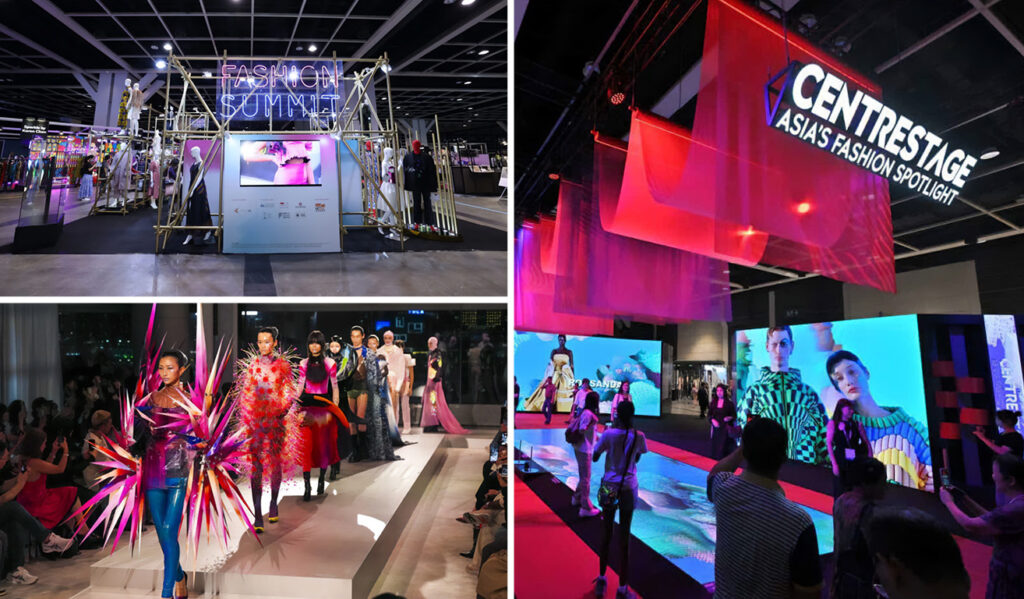
Initiatives like Centrestage and Hong Kong Fashion Fest serve as vital trade and creative platforms, bringing together independent regional designers, visionary creators and influential buyers. They reinforce the city’s historic identity as a premier global meeting place for creative industry minds, and act as a magnet for international tastemakers who gather to forecast trends, establish partnerships and orchestrate the future of style across the continent.
Measuring Up
Hong Kong’s current standing should be viewed within the context of an increasingly competitive Asian landscape. The city no longer holds an exclusive monopoly on regional luxury commerce, and its role has adapted to account for the meteoric rise of powerful neighbouring rivals. Tokyo remains the undisputed darling for street style and raw creative subcultures; Shanghai dominates the sheer volume of luxury consumption and massive domestic corporate footprints. Hong Kong occupies a highly distinct and lucrative niche, having evolved past the era of mass apparel manufacturing to position itself as a centre for high-end curation, bespoke luxury and global business solutions.
Sustainable Edge
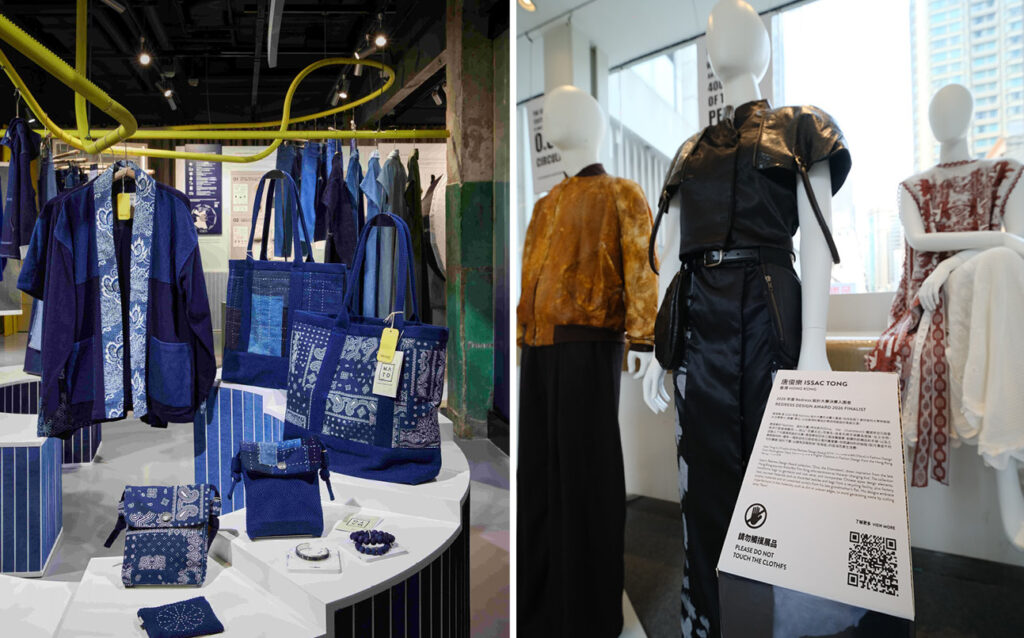
Importantly, Hong Kong has carved out an inimitable identity as Asia’s leading sustainable fashion hub. Backed by an impressive, rising ESG Index score from the Hong Kong Trade Development Council, the city has become the regional epicentre for green textiles, eco-conscious supply chain logistics and sustainable fashion investments.
Brands looking to project a progressive, environmentally responsible identity across Asia Pacific use Hong Kong as their primary testing ground and corporate launchpad. This focus on sustainability has added a crucial layer of intellectual and ethical depth to the city’s fashion identity, proving that modern status is built on responsible innovation rather than simple consumption.
Lifestyle Change
The modern consumer does not live by high fashion alone. Recognising this shift, Hong Kong has rapidly diversified its retail ecosystem to become a magnet for international lifestyle, wellness and experiential brands. Creative lifestyle, high-performance sports and premium consumer electronics brands are taking up new retail leases, buoyed by the SAR’s combination of unmatched geographic positioning and rock-solid business fundamentals.
For an international corporation, Hong Kong represents a friction-free bridge. It offers unparalleled operational access to the massive consumer markets of China, while remaining deeply connected to Southeast Asia. The city’s historic institutional strengths remain incredibly appealing to international executives. Features like zero-import tariffs on luxury goods, a low and straightforward tax system, world-class logistics infrastructure and a sophisticated, multilingual local consumer base make it a seamless environment for business execution.
Furthermore, the city’s retail landscape has diversified beautifully to accommodate niche luxury sectors. International wellness labels, boutique fragrance houses and collectable designer toy brands are expanding aggressively. They cater to a demographic of discerning shoppers seeking micro-luxury items, bespoke personal care and meaningful lifestyle enhancements that emphasise wellbeing and artistic expression over mass-market commercialism.
Rack Slide
The evolution of Hong Kong’s luxury landscape is also deeply intertwined with the changing desires of the global consumer base. Today’s affluent shoppers are no longer satisfied with off-the-rack availability; they demand exclusivity, storytelling and an emotional connection to the brands they support. In response, international lifestyle giants are shifting their strategies from mass distribution to extreme localisation.
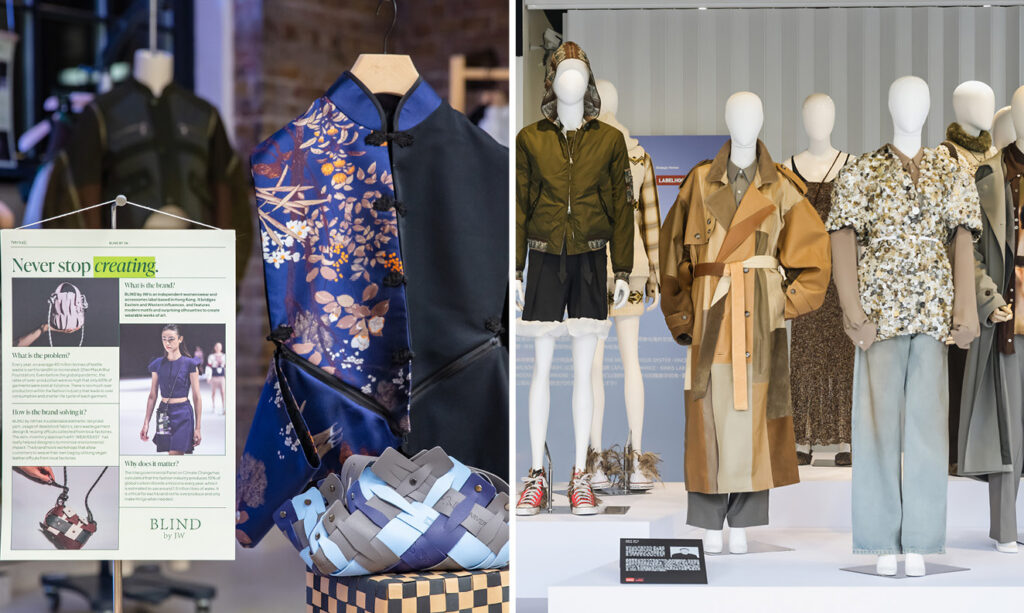
Flagship stores in Hong Kong are increasingly incorporating local cultural motifs, collaborating with homegrown artists and creating site-specific product lines that can only be purchased within the city boundaries. This symbiosis between global prestige and local heritage has elevated the retail experience into an art form, making the city an indispensable laboratory for brand experimentation.
Value Added
The city has successfully navigated economic shifts by pivoting from volume to value. The physical spaces themselves are no longer static retail units but dynamic architectural wonders that invite deep consumer immersion. By integrating cutting-edge digital technologies, localised art collections and ultra-exclusive loyalty programmes, international lifestyle institutions have effectively transformed traditional commerce into a form of high cultural currency.
Global brand directors recognise that a flagship presence in Hong Kong serves as a prestigious showcase for the entire region, broadcasting a narrative of sophistication and financial stability. As a result, the city maintains its competitive edge against formidable regional rivals.
Ultimately, Hong Kong’s enduring power as a fashion and lifestyle capital stems from its unparalleled capacity for reinvention. It remains the essential canvas where the world’s most prestigious lifestyle brands come to dream, design and define the cultural zeitgeist for the generations to come. The message from the boardrooms of Paris, Milan and New York is clear: Hong Kong is leading the charge into a sophisticated, experiential future.