
Ruling the Roast: Charting the rise of coffee culture around the world

Carrie Bradshaw measured her life in Manolos. I measure mine in coffee experiences – in cups and pictures scattered across my Instagram – an invigorating reminder of my obsessive coffee disorder. Much like Mozart, “I am just a dried-up piece of roast goat” without my morning cup of joe.

Millions of others in our caffeinated universe feel the same. The whiff of freshly roasted and ground coffee is an Aladdin’s cave to the senses – sharp, rich, nutty yet slightly abrasive. It is so much more than an average morning beverage. A near-essential adjunct to life, coffee keeps sanity in check, awakens the workforce, livens friendships and brings communities together, whilst being a multi-billion dollar industry supporting the livelihoods of over 125 million farmers globally. The British Coffee Association estimates that the planet consumes more than two billion cups of coffee each day. How did coffee conquer the world and what’s behind this collective unquenchable thirst? From crop to cup, we bring you the coffee story. 

gafencu coffee beans the best in the world coffee beans

The Origins
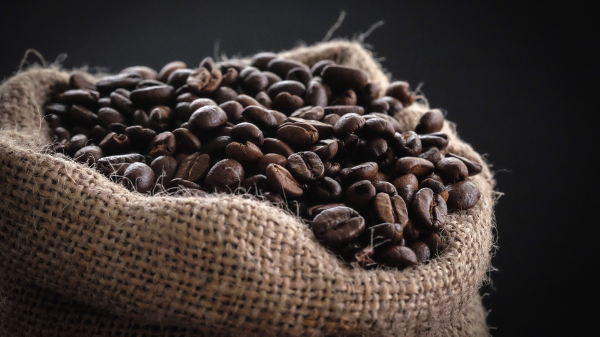
Google “origins of coffee” and more than 1,850 million results are splashed on your screen. Much like the beverage itself, which stirs provocative thought, its origin story is steeped in historical debate. Coffee was either discovered in the 15th, 13th or fifth century – depending on which source you trust. A popular tale attributes its discovery to an Ethiopian goatherd named Kaldi, who noticed that his goats would prance in delight after eating the berries and leaves of a certain bush. Curious, Kaldi himself munched a mouthful and exhibited the same extravagant behaviour. Locals who tried these berries felt more alert during overnight religious ceremonies. The beloved bean became a staple at elaborate rituals. And one fine day, the tribe soaked the beans in cold water and found them far more appetising in liquid form. Historians peg this account to about 850 AD. 

gafencu coffee beans the best in the world perfect brew

Bean to Barista
Even with the advent of modern technology, coffee is a notoriously tricky plant to grow. From seed to supermarket shelf, it undertakes a meticulous journey that begins in shaded plantations of tropical countries such as Brazil, Peru, Bolivia, Columbia and Vietnam – the biggest producers of coffee on Earth. The beans are first sprouted and then planted in monsoon season for the best harvest. After years of hard work bolstered by perfect wet and cool conditions, they blossom into plants called Coffea that bear red, cherry-like fruit. Coffee beans are the seeds of this fruit. Just as the quality and taste of wine depends on the terroir of the grapes, each coffee blend has a distinct flavour determined by the conditions in which the beans grow. Once the fruit is ripe, famers selectively handpick the freshest, healthiest specimens to be washed, dried, sorted and graded for the harvest process. Overall, it takes more than two and a half years and 15 laborious steps before the actual coffee trade can begin. The road to sobriety is a 12-step procedure – consider that when you sip your third latte of the day.  Before your local barista can brew the daily grind, beans must be pulped, fermented, milled, hulled and finally cooked at optimum temperatures. When cracks begin to appear, the colour changes, acidity and aromas are sharp enough to ignite the senses, and the texture feels right, the beans are ground, vacuum packed and delivered for sale. The caffeine buzz that fuels you is part science, part art.

Coffee beans plant_gafencu coffee beans the best in the world

A Rogue Called Robusta
Although there are more than 100 types of coffee trees known to mankind, only a handful  of the beans are suitable for drinking. The two which play a significant role in the global coffee trade are arabica and robusta, and whilst the former is genetically superior, botanically they are siblings of the same Coffea plant. If you close your eyes and just smell the beans, it’s the difference between sweet and sour cherries. The cheap, bitter, low-grade workhorse bean of the coffee family is robusta. High in caffeine content (2.7 percent versus arabica’s 1.5 percent) and short on sophistication, these beans can produce a heavy body and fuller crema. They pack a blunt, jolting, one-dimensional bitter taste. It’s like expecting champagne and getting vinegar. This is the kind of coffee that puts hair on your chest, which is precisely why it needs to be paired with milk and sugar to render it palatable. The quality ranges, with the lower end of the crop making decaf and instant while higher-grown, washed robusta is used in espresso blends and often as a filler in arabica to keep the costs in check. Vietnam is the world’s leading producer of robusta. 

Also Read: Top five healthiest plant-based milk options for your latte

gafencu coffee beans the best in the world coffee shop

The Grace of Arabica
Arabica is the good stuff. The real deal, the promise of subtlety, quality and luxury. The plants that produce these beans are weather sensitive: they demand meticulous care and perfect soil conditions; harsh sunlight will kill the crop; abundant rainfall is a must; and temperatures should be pleasant and cool. The ‘100% arabica’ label on your coffee pack attracts social snobbery, but it does not define taste. Arabica is superior to robusta, no doubt, but the bean is delicate; taste can be delineated from plot to plot on the same farm, depending on weather, ageing, roasting and the packing process.There are more than 70 subvarieties of arabica, each with a nuanced taste, complexity, aroma and acidity. If you get your hands on the pure stuff, there’s nothing more exotic than a freshly brewed cup for lifting flagging spirits. 

Coffee cultivation process_gafencu coffee beans the best in the world

Future-Proofing Coffee
Coffee is a social currency that binds people together. It’s not just a drink; coffee shops sell experiences. They have a deep allure in history and literature – from Elliot to Kafka and Fitzgerald, many respected works have been written in these meeting places. In popular culture, cafés have been pivotal in countless television shows – Friends and Gilmore Girls to name a few – not only fuelling a boom in coffee culture, but also adding a beguiling sense of sophistication to coffee drinkers.

This year marks the 301st anniversary of the longest-running café in the world. Caffé Florian in Venice is a place of history. Casanova, Monet and Andy Warhol, amongst others, were regulars here. They sipped coffee over many enchanting conversation and revelled in its sensory delight. But climate change and extreme weather conditions are increasingly threatening the supply of quality coffee.

gafencu coffee beans the best in the world

The genetics of the crop dictate that arabica bushes grow best on cool mountainsides where temperatures fluctuate within a very limited range of 18 to 22°C. Global warming and rising temperatures will have a devastating effect on production. Temperatures in Brazil alone are predicted to rise 3°C by 2050, ushering in bouts of drought, ferocious pests, and diseased crops. If we don’t reverse the impact of climate change, the Intergovernmental Panel on Climate Change predicts that two-thirds of coffee farms in Minas Gerais and São Paulo might be wiped out by the end of the century.

The future of coffee farming looks bleak. The only glimmer of hope is that scientists are studying newer, resistant species, which can thrive in a warming world. It’s a race and we need to act fast. For now, as you flip the magazine pages and sip a fine brew, raise a toast to Kaldi and his curious goats. 

Also Read: For Pain, Not Pleasure: Are CBD oils and edibles really effective?

(Text – Nikita Mishra)
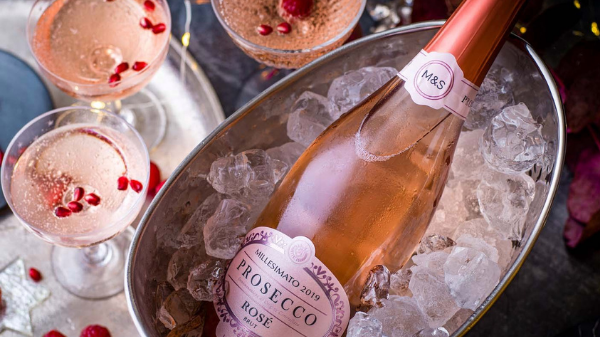
Cin Cin: Prosecco Rosé is a thing and here’s all the lowdown

Your favourite colour and your favourite drink have a baby. In the Instagram-fuelled, novelty-seeking world, the result has success written all over it.

Some wines are masterpieces of science, intuition and magic; others are feats of marketing and intelligent branding. Prosecco rosé drives the market in the second category.

As a rosé recruit and not a fan of pinkifying things, I had pre-conceived notions about this sparkly peachy drink. It came across a fussy middle child of the grape family. Not sophisticated enough to be red, not airy enough to be white. But the pandemic happened and it shook the drinking landscape. The tide shifted; cocktail culture flourished; wine-appreciation intensified. After the tumult that was 2020, the dawn of 2021 demanded a new drink – something celebratory, chilled and cheerful, a crowd-pleaser – Prosecco rosé ticked all the right boxes. The misunderstood offspring splashed onto the global drinking scene and affixed its crown. Bottomless brunches everywhere around the world just got an upgrade.

Lady In Pink

It’s hard to believe that pink Prosecco is a new thing.

Prosecco with its fruity sparkly profile has become enormously popular in the last decade. To explain “enormously popular”, in 2018 the drink which took the brunch world by rage, sold more bottles than Champagne for the first time in modern history. The growth has been unstoppable since then.

Rosé with its bright pastel, floral and moreish appeal is Instagram gold – it’s a day drink, one with a tang of the exotic, evoking long, boozy lunches, conjuring fantasies of yachts and posh beach holidays. No one sips Rosé in run down cafes or dreary office parties. It represents a very liberal, lavish, trust-fund lifestyle and who doesn’t pine for that.

Marry the two wines and it’s a marketing dream –it’s like selling the Champagne lifestyle on a Gatorade budget. But till October 2020, rosé and Prosecco were not allowed to mingle, that’s when the Prosecco DOC Consortium in Italy, updated its rules and officially allowed the two hottest drinks of the planet to merge. Prosecco rosé hit the bar shelves and ice buckets in January 2021.

There was no dearth of sparkling pink wines in the marke. In fact, more than half of Italy’s 350 Prosecco producers have unofficially been toying with the pink version for years but tight EU regulations meant that none could be labelled Prosecco, only white wines were allowed to bear the title. So, this is all very exciting for Prosecco fans.

Also Read: Alcoholiday – The unstoppable rise of herb-infused, alcohol-free spirits

Marketing Dream, Not a Gimmick

Prosecco is a wine region in North-eastern Italy and the style of fizzy wine made from the Glera variety of grapes. The best produce comes from the traditional belt in the Conegliano-Valdobbiadene area and even though it’s not a patch on the chicness and complexity of Champagne (that would be an unfair comparison!), the finer varieties of Prosecco have a fresh briskness, lightness, a soft charm all it’s own.

The official decree mandates that true Pink Prosecco must maintain a strict production criteria –

  1. It should be made from 85% white Glera’s variety of grapes, blended with a maximum of 10-15% of the red Pinot Noir grapes to give it that intensely beautiful salmon hue which patrons find irresistible.
  2. The secondary fermentation process must take place by in a tank by the Charmat method for a minimum of 60 days to introduce carbonation (that’s twice the amount required for regular Prosecco).
  3. The final product can only be Brut Nature (very dry) or Extra Dry (actually sweeter) styles and vintage-dated.
  4. The Consortium suggests up to 30 million bottles be produced annually from the 2019 or the 2020 harvest, that means one in every 16 bottles of prosecco on the shelves will be rosé.

The alcohol content is a modest 11% – won’t make you feel guilty for opening a bottle for a Monday lunch or buying into that ‘Rosé All Day’ lexicon. Cin-cin!

(Text – Nikita Mishra)

Also Read: A Taste for Teetotallers: Our favourite non-alcoholic spirits

Premium aged rums to end the day right

You deserve quality nourishment to end the day right – mild enough to keep you sane, strong enough to set the mood right. Most people confine themselves to whiskies, brandy or a cognac as the proper end of day spirit- hardly considering the wide varieties on offer. An often overlooked spirit – rum, makes for a surprisingly premium addition to the selection. 

It boasts a diverse category – produced  in over 50 countries, a reflection of different histories, traditions and regulations – the diversity makes up for distinct flavours and tastes. Choices go far beyond Bacardi and Captain Morgan. 

Gafencu premium aged dark rum spirit the next big tipple

The next big spirit
Made with fermented sugarcane or molasses, rums are widely known for its tropical fruity notes that are typically mixed into cocktails, however premium aged rums, (best served neat) have been a growing trend in the last few years, catching the attention of  discerning drinkers worldwide. According to US-based national trade association Distilled Spirits Council, rum had racked up a total of US$2.3 billion in sales in 2019 with a consistent growth in the ultra-premium category in the years that followed. Aged rums serve as a terrific alternative to the usual imbibes and makes for  smooth tipple that are well deserving of a place in your mini bar alongside a good cigar. 

Gafencu premium aged rum dark rum spirit barbados rum

St. Nicholas Abbey 22 Year Old Single Cask Rum
Kicking the list off with Barbados’s best – St. Nicholas Abbey. Its 22-year-old single cask rum is a fine unblended aged rum with a rare vintage and in limited stock. Not as simple to produce as gin, the process is complicated. The plantation uses coffee pot and column stills and ages on-site in oak barrels for about three years before the re-barreling and the the hand-bottling method can start.

Balanced with strong and soft tasting notes of cinnamon, fudge, vanilla and tobacco with a swirl of medium-bodied, dried tropical fruits and winter spices on the palate – this silky smooth tipple is a standout among many other rums on the market.

Grab a bottle from Andre L. Carey (HK’s exclusive distributor).

Also Read: Gentlemen’s night? Top cigar lounges to unwind in Hong Kong

Gafencu premium aged rum dark rum havana club tributo

Havana Club Tributo 2018
Moving to Cuban rum, an essential part of Cuban culture, Havana Club stands as the cornerstone of that culture, shaped by the country’s climate, geography, history and people. The production of rum in this distillery makes for a fine expression of the Cuban heritage – more particularly in the Maximo Extra Anejo – the distillery’s ultimate and most premium iteration of Cuban rum. It was ranked top in the 2021 International Spirits challenge and The Global Spirits Taste Master. 

Handcrafted by blending the best and oldest rums in the reserves, it boasts an intensely rich yet well-balanced smokey oak. Hints of subtle notes of fresh pear, coconut and dried fruit blended with dark chocolate and vanilla come in a long finish. 

Grab a bottle on their website here.

Gafencu premium aged rum dark rum spirit diplomatico ambassador

Diplomatico Ambassador
Next up, Diplomatico is an independent, family-owned Venezuelan distillery that prides itself in an authentic and sincere field-to-bottle process that is reflected in their top quality rums.

The Ambassador, in particular, is a prestige aged rum crafted from the distillery’s best rum reserves. Spending at least 12-years in white oak casks and then aged for additional two years in Pedro Ximénez sherry casks. The result? A complex and ultimately sensorial flavour profile that is unique to rums and more reminiscent of port wine. Featuring notes of dried fruits, tobacco, cinnamon, nutmeg and toasted oak with a long finish..

Grab a bottle at HK Liquor Store

Also Read: Beyond Port- Dipping into Protugal’s formidable red wines

Gafencu premium aged rum dark rum spirit dictador best of 1978

Dictador Best of 1978
In 2017, the best rum of the year was awarded to Columbian premium rum distillery Dictator’s Best of 1978, a limited edition from the distillery’s private collection. It is a 40-years aged rum comprising a selection of the best and oldest American oak and sherry or port cask.

Released as a limited edition of only 300 bottles worldwide – all featuring handwritten labels and signed by the Master Blender himself, Hernan Parra – this exclusive tipple boasts a distinct flavour combination of chocolate, cherry, tobacco, tea, and ginger with a long finish. 

Grab a bottle at the Daily Tot

Gafencu premium aged rum dark rum spirit la favorite rhum la Flibuste Millésime 1995

La Favorite Cuvée la Flibuste Millésime 1995
Rounding up with rhum, La Favorite is a French distillery that was first founded in 1842 as a sugarcane plantation before becoming the rhum distillery it is known as today. Unlike other rums, rhum agricole is a term exclusively used for sugarcane juice rum distilled in the French Caribbean islands. The Cuvée la Flibuste with a vintage of 1995 was aged in cognac oak barrels, giving it its complex combination of melted tannins and roasted aromas of vanilla, candied fruit, and a smooth liquorice finish.

Grab a bottle at the Daily Tot

Also Read: Drink ticket – Enjoy a sip of Japan with their top-rated whiskies

Hong Kong’s best cigar lounges to unwind at

A common getaway for men in the city – cigar lounges are a gentlemen’s ultimate relaxing escape to unwind and socialise – whether it’s downtime with the guys or business meetings.

We profile the best cigar bars in Hong Kong:

1. Bertie’s Cigar 
One of the most classiest cigar lounges in the city, nestled behind the widely famous bespoke tailorshop, Attire House, Bertie’s Cigar is a cosy retreat from the busy commercial areas of Central district. It is furnished with plush leather armchairs and also provides a private room for VIPs and a breezy terrace for customers and their companions who prefer a more open-air seating. They stock a collection of premium cigar brands from various terroirs that produce staple habanos, vintage cubans as well as an exclusive Joya de Nicarangua Cuatro Cinco Edición, limited to only 1,000 individually numbered boxes of 10 cigars each.
Location: Attire House, Central
Contact: (852) 2619 9418

2. Davidoff of Geneva Peninsula
Beloved Swiss luxury label Davidoff of Geneva offers a ‘retail and lounge’ concept store to members-only in its 1,070sq.ft store and lounge on the mezzanine floor of The Peninsula (three times bigger than before) where it offers the best quality of cigars. The unique cigar shop delivers different premium brands and unrivalled retail experiences for the most discerning of cigar aficianados, offering a range of the most refined and balanced premium cigars and sophisticated high-end accessories from Cuba and the Dominican Republic, as well as a 24 hour temperature and humidity controlled walk-in humidor.
Location: The Peninsula, Tsim Sha Tsui
Contact: (852) 2368 5774

3. Red Chamber Cigar Divan
A relaxing and atmospheric lounge with plush seating and Chinese decor, here you can enjoy fine quality Habanos over tea. Red Chamber Cigar Divan offers a cosy Oriental ambience and a full range of Cuban cigars and smoking accessories. With over 100 private lockers, a VIP room and the staff at your service, kicking back and relaxing with a smoke in Central was never easier. 
Location: The Armoury, Central
Contact: (852) 2537 0977

4. The P&L Club – Cohiba Atmosphere
For a more modern atmosphere and a slew of tipples to pair with your habanos, Cohiba Atmosphere welcomes guests into its brightly-lit bar area, walk-in humidor and ground-level terrace (for those who prefer the open space). Stocked with the finest Habanos masterpieces, it scores highly among the best cigar lounges frequented by aficionados.
Location: Queen’s Road, Central
Contact: (852) 2523 6338

5. La Casa del Habano
Subtly situated next to the Lobby Lounge of Kowloon’s Sheraton Hotel, this cigar lounge is frequented by customers who enjoy the finer things in life. Decked up in a classic Cuban setting – it’s the ultimate gentleman’s cave. Equipped with 40 temperature and humidity controlled cigar lockers, the lounge is famous for its upscale service. Smokes are courtesy of The Pacific Cigar Co Ltd, they stock the finest Habanos S.A.
Location: Sheraton, Tsim Sha Tsui / Queen’s Road, Central
Contact: (852) 2528 1992 / (852) 2528 1992


Beyond Port: Dipping into Portugal’s formidable red wines

Port, the fortified wine, may be Portugal’s most famous alcoholic export, but don’t let that fool you into thinking that it’s the only one available. In fact, for a relatively small country, the range of red wines produced in this European nation is quite remarkable. If you want powerful red showstoppers, heading to the Douro Valley is your best bet. For rich, fruity styles, the Alentejo is a solid option, and those in search for softer reds with plenty of fresh acidity should peruse the offerings from Dão.

gafencu magazine Beyond Port Dipping into Portugal’s formidable red wines the duoro valley
This breadth of grape varietals is, perhaps, unsurprising when you consider that the region has been producing wines for over four millennia. The Tartessians are believed to have cultivated the first vineyards along the Tagus river around 2,000 BC. When the Phoenicians reached the area, they brought with them grape varieties and winemaking techniques from the Middle East and Carthage.

gafencu magazine Beyond Port Dipping into Portugal’s formidable red wines_Portuguese_red_Vinho_Verde_wine
The Douro in the north is Portugal’s flagship red-wine region, but while it is the oldest demarcated wine region in the world, its fame has historically been due to it being the home of Port. Over the last two decades, however, the Douro’s red table wines found huge favour with discerning oenophiles across the globe – all without relying on the big-hitting red grape varietals like Cabernet, Merlot and Syrah commonly favoured by illustrious French winemakers.

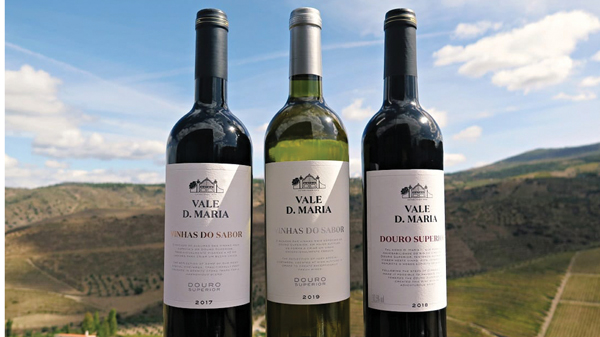
No, in the Douro you’ll find intense, characterful wines with an almost inky richness made from local varieties such as Touriga Nacional, Tinta Roriz and Touriga Franca. An excellent example is Vinhas do Sabor 2017 from Vale D. Maria – the recipient of a silver medal from the International Wine & Spirit Competition (IWSC) that year – which displays hefty black fruit and a hint of cedar.

gafencu magazine Beyond Port Dipping into Portugal’s formidable red wines vale-do-sabor-douro-superior
Other regions in the country are also making their presence felt, however. There’s been a shift in recent years towards wine drinkers looking for more freshness and elegance, and few regions do this better than Dão, which boasts a dramatic landscape of granite mountains and pine forests.

gafencu magazine Beyond Port Dipping into Portugal’s formidable red wines lua cheia
In recent years, the global reception of this European nation’s vintages has experienced a staggering surge. Just in the US alone, the ten-month period between January and October 2020 saw sales volume increase by 17 percent, while market value also soared some 15.9 percent from the same time frame in 2019. The UK saw even more phenomenal growth, with a whopping increase of 28.4 percent in volume and 24 percent in market value, according to the country’s promotional body, ViniPortugal. If you’re eager to sample some of Portugal’s fine wines yourself, the following recommendations are a good place to start…

gafencu magazine Beyond Port Dipping into Portugal’s formidable red wines quinta d s fransisco

RED ALERT
Vinhas do Sabor 2017, Vale D. Maria, Douro
A supersized wine with enormous fruit and a fantastically integrated massive tannic structure offset by wonderful acidity. Prune, black fruits and a whiff of cedar.

Quinta de S. Francisco 2017, Sanguinhal, Óbidos
Attractive sour cherry and wild strawberries with floral hints. The fresh, wonderfully delineated palate enjoys a long fine finish with a charming lead pencil and savoury fruit character.

Barca-Velha 2011, Casa Ferreirinha, Douro
Elegant and complex, with prominent spices such as pepper, balsamic notes, cedar and tobacco box, red fruits such as ripe plum, slate and high quality, well integrated wood.


Auchentoshan: Celebrate your whisky loving dad with a fine malt whisky this Father’s Day

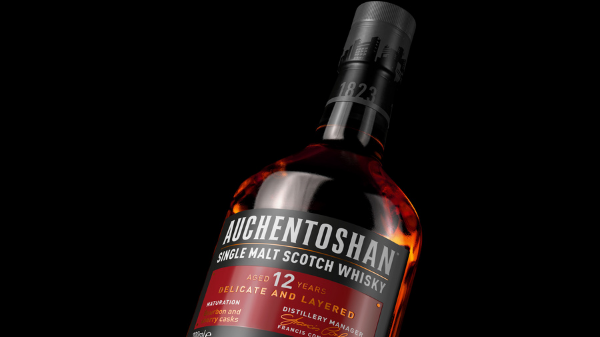
With Father’s Day just around the corner, gifting an exceptional spirit for the whisky-loving dad is the perfect present to mark the occasion. Making the celebration even more special, single malt Scotch whisky Auchentoshan offers an alternative to harder hitting whiskies that are loved by both whisky lovers and new drinkers alike — giving you and dad a chance to bond over the special occasion.

gafencu wine scotch whisky Auchentoshan Celebrate your whisky loving dad with a fine malt whisky this Father's Day

Born & raised in Glasgow, its production pays homage to the distillery’s Glaswegian city roots, but is essentially geared towards city life, celebrating the energy, diversity and culture of urban living; In essence it is a spirit better shared and enjoyed with the company of others.

gafencu magazine luxury lifestyle wine scotch whisky Auchentoshan Celebrate your whisky loving dad with a fine malt whisky this Father's Day glasgow

Having been introduced to the world as the only single malt scotch whisky to triple distil every last drop — creating a distinctively delicate impression that is sweet and light but deeply rich in flavour, it is an imbibe meant to be shared and bonded over. Boasting a smooth and vibrant notes that is palatable for both scotch aficionados and those new to appreciating the wonderful world of whisky drinking.


For more information www.auchentoshan.com.

Top four must-try premium Japanese whisky brands

Japanese whiskies have, in recent years, risen in ranks in steep competition against widely loved Scotch, bourbon, Islay and Canadian whiskies — winning over the hearts of whisky aficionados  the world over for its unique lightness and sweeter tones. From award winning bottles like the Yamazaki 12 and Hibiki 17, both products of the now internationally renowned Japanese distillery Suntory, premium whiskies are in-demand, and are increasingly hard to get your hands on given the supply shortage. Though if you’re looking to discover a new world of flavours through Japanese whisky, here are the top four bottles you must try…

1. Yamazaki 12 Years Old Single Malt Whisky
Almost a decade ago, this bottle put Japanese whisky (and Suntory distilleries) on the map. Offering a new flavour to traditional scotch distillation, the Yamazaki 12 years is an excellent introduction to Japanese whisky given its floral, vanilla and fruity notes.
Price: HK$2,880 / bottle
Available at thebottleshop.hk.

2. Hibiki 17 Years Old Blended Whisky
Suntory’s flagship bottle, Hibiki, truly shows off the distillery’s mastery of blending. The Hibiki 17 years in particular is an aged whisky blended grain and malt whiskies. It boasts a silky smooth and fruit-laden flavour that offers whisky aficionados a versatile bottle to serve neat or in a highball. 
Price: HK$6,980.00
Available at thebottleshop.com.

3. Hakushuku 12 Years Old Single Malt Whisky
Expressing scotch influence in Japanese whisky making, the Hakushuku 12 years is a smokey single malt, also owned by Suntory, produced in the Japanese Alps where the water used to craft the distillery’s whiskies run deep in the forest nearby. Yet, it boasts a unique lightness that contrasts the more peated scotch whiskies, while offering sweeter notes of fruit and honey.
Price: HK$2,580.00
Available at: hkliquorstore.com.

4. The Akkeshi Usui (2021 bottled) Blended Whisky
The Akkeshi Usui by Hokkaido Akkeshi Distillery is a blended whisky from a combination of bourbon, sherry, mizunara and wine casks which explains the complex notes this bottle offers. Although aged relatively young (three years), this vibrant and harmonious blend of sweet, fragrant and peaty flavours that feature custard, cacao and raisins with citrus overtones makes for a deliciously refreshing tipple.
Price: HK$3,480.00
Available at hkliquorstore.com.


Read similar articles by clicking the titles below:

Nipponese Nectar: Can Japanese whisky makers keep up with steep demand?

Johnnie Walker Blue Label: The perfect gift to give this Father’s Day

Bourbon: Exploring the charming history of America’s native spirit

Johnnie Walker Blue Label: The perfect gift to give this Father’s Day

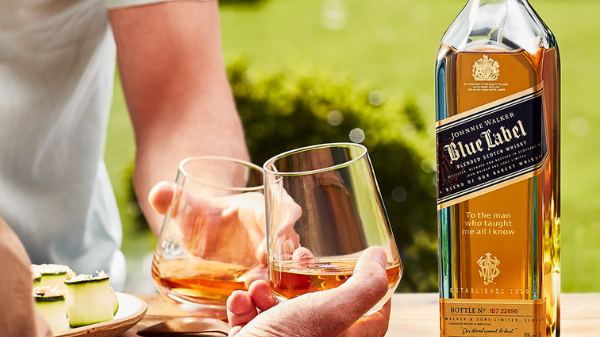
Decadent yet nuanced, powerful yet palate-pleasing, the Johnnie Walker Blue Label stands at the very pinnacle of fine blended whiskies. So exacting are the standards
of its production that only one in every 10,000 casks in Johnnie Walker’s expansive reserves are deemed worthy enough to be bottled under the illustrious ‘Blue Label’ name.

gafencu magazine luxury lifestyle magazine perfect father's day gift Johnnie Walker Blue Label product lifestyle

Masterminded by award-winning Master Blender Jim Beveridge and his team, this delicious tipple boasts an exceptional combination of flavour and character. Every sip
reveals fruity, citrusy notes punctuated with spice and vanilla sweetness that round out in a smoky chocolate finish. A masterclass in the art of blending, the Johnnie Walker Blue Label is the perfect gift to show your appreciation for whisky-loving
dads this Father’s Day.

gafencu magazine luxury lifestyle magazine perfect father's day gift Johnnie Walker Blue Label and ice

To make this celebration even more special, the famed distiller is even offering a complimentary engraving service for any bottle of Johnnie Walker Blue Label purchased between now until 27 June. This affords lucky buyers the opportunity to
customise this delicious Father’s Day gift by engraving it with one of eight pre-set messages and a name of up to 16 characters – a memorable means of ensuring each bottle is as unique as the delicious amber ambrosia within.

To purchase click here.

gafencu magazine luxury lifestyle magazine perfect father's day gift Johnnie Walker Blue Label product

Six tips to make you an expert at cheese and wine pairing

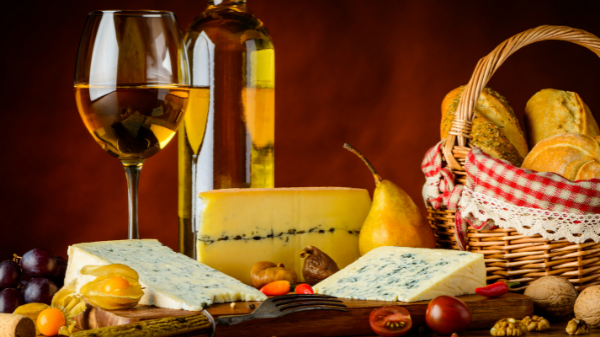
Cheese, that oh so richly flavoured and deliciously textured dairy product that often take part during the second or last course of the meal. While they are typically served as is with accompanying bread, honey or fruit, its various distinctive aroma and tastes  makes each one makes for a dining experience that merits special attention. Making the most of pairing wine and cheese will often mean selecting a wine that veers off course from the bottle served throughout the meal, but pairing  the right one will make it worth the while. If you’re curious to know just how to nail down the perfect cheese and wine pairing, read on…


1. Find the right balance
Balancing the intensity of the wine and cheese is crucial to tasting the unique flavour profile of each one. Typically, wines over 14.5 percent ABV are taste better with equally or more intensely flavoured cheeses, while wines under 12 percent ABV take on a milder flavour profile that pars nicely with more delicately flavoured cheeses.

Try pairing: Carbernet Sauvignon and Cheddar or Pinot Noir and Gruyere

2. Pair aged cheeses with bold red wines
Aged cheeses are higher in fat content, which matches well with the firm tannins in bold red wines (new world wines that can be aged). Imagine a creamy cheddar countering the mouth-drying of a glass of Cabernet Sauvignon.

Try pairing: Monte Pulciano and Parmigiano-Reggiano or Chianti and Grana Padano 

3. ‘Funky’ cheese  taste better with sweet wine

Funky cheeses are best described by their strong smell, which often are hard to put into words. Indeed, when it comes to cheese, stinkier is better, if paired well with the right wine. The key here is selecting sweet wines which help balance the “funk” in these type of cheeses — resulting in a creamier texture and sweeter taste. 

Try pairing: Port and Stilton or Sauternes and Roquefort

4. Pair soft cheeses with sparkling wine
With soft cheeses, because they are mild and delicate by themselves, pairing a richly flavoured wine with this type of cheese would easily overpower its flavour profile and texture. Sparkling wines, however feature a high acidity and carbonation that elevates soft cheeses such as Brie, Muenster and Camebert off the plate and serve as a palate-cleanser for their creamy and sticky  texture.

Try pairing: Prosecco and Gorgonzola or Brut champagne and Brie

5. Pair wine and cheese from the same region
It is often said that, when in doubt, pair wine and cheese made from the same region. This is because local traditions of each country typically adapt their food to the wines they produce, and vise versa, which we can confirm, is the case for several of the French and Spanish wines and cheese we’ve tasted.

Try pairing: Sauvignon Blanc and Goat Cheese (Loire Valley, France), Chardonnay and Époisses de Bourgogne (Burgundy, France), or Garnacha and Manchego (Spain).

6. To pair a variety of wines, pick a nutty cheese to match
Turning things around to select a cheese type to accommodate the wine rather than the other way around, as is the case above, nutty cheeses are often safe bets when enjoying a variety of different wines. These cheeses are firmer, longer-aged cow or sheep’s milk. These delicately flavoured cheeses such as Swiss or Gruyere balances the tannin in red wines while also complimenting delicate white wines, making it a versatile option.

Try pairing: Pinot Noir and Beaujolais, Swiss and Reisling, Emmental and Chardonnay or Gouda and Cabernet Sauvignon


Read similar articles by clicking the titles below:

Order these sensational premium caviar at your next soirée…

Wine and Dine: Five versatile wines to pair with Chinese cuisine

Alcoholiday: The unstoppable rise of herb-infused, alcohol-free spirits

It’s a situation many of us are only too familiar with. You’re out on the razz with assorted chums and there’s alcoholic allure on every side. This time, though, you decide it’s best to demur. Maybe your medication makes it unwise, perhaps you’re down for a spot of designated driving or it could just be that over-indulgence is off your agenda for a little while. Whatever the spur, chances are you’re wondering what the best non-intoxicant is to help you while away the night.

gafencu magazine wine feature Alcoholiday herb-infused, alcohol-free spirits seedlip gin

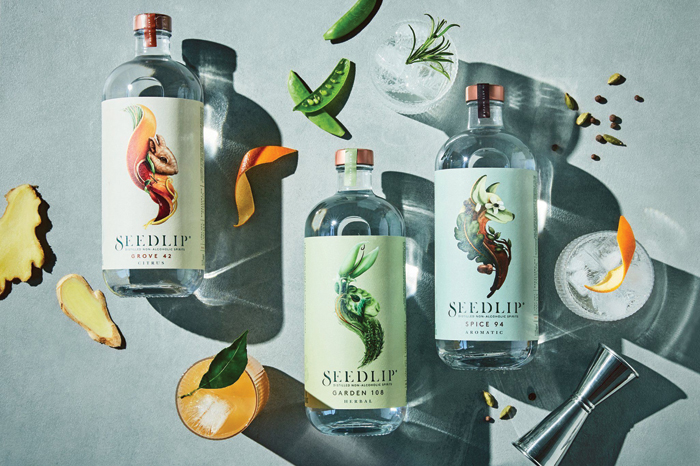
Thankfully, over recent years, there has been an explosion in the options open to those with a self-imposed booze ban, most notably in the form of a wide variety of alcohol-free spirits. All but unknown even just six years ago, these sin-free spirits are now ubiquitous in many high-end bars and five-star leisure locales. The whole sector, though, owes a considerable debt to Seedlip Spice 94 – an aromatic distilled non-alcoholic spirit characterised by notes of bark, citrus and all spice – that debuted in Selfridges, one of London’s most upmarket department stores, in November 2015.

This intriguing beverage was created by Ben Branson, the founder of Seedlip, a London-based distiller of non-alcoholic spirits. Taking his inspiration from the The Art of Distillation, a 17th-century guide to distilling curative brews from sundry natural preparations, Branson purchased his own still and experimented with various self-grown herbs. Two years later, he’d mastered a six-week process – a blend of maceration, distillation and filtration – that yielded alcohol-free spirits with unique herbal flavourings.

“All but unknown six years ago, sin-free spirits are now ubiquitous in all the best high-end bars”

His first commercial venture was an instant – if unlikely – hit. Indeed, the first run of 1,000 handcrafted bottles of Seedlip Spice 94 sold out in three weeks, the second in three days and the third within half an hour.
Reflecting on those early days, he says: “It was surreal to see how demand grew. I launched it from my kitchen and I was the delivery driver, accountant, salesman, marketer, and manufacturer. Six years, later we sell in 37 countries, while there are now more than 125 products in the non-alcohol spirit category globally.”

gafencu magazine wine feature Alcoholiday herb-infused, alcohol-free spirits lyre

Over the intervening years, the proverbial flood gates have well and truly opened, with the upstart herbal brand giving rise to a whole new drinking category. Inevitably, this has seen several other brands – notably fellow Brit brewer Lyre’s and US-based The Ritual – launching their own zero-alcohol herbal spirits.

The arrival of so many brands in the sector, however, does not mean that creating these distinctive beverages is in any way straightforward. Typically, it involves macerating the chosen botanicals – whether flowers, herbs, plants or seeds – until a base spirit has been produced, with the resultant mixture then distilled until all of the alcohol has been removed. At this point, the flavour-enhancing extracts are added in order to deliver the required tang. All in all, it’s a delicate process and one that necessitates keen judgment when it comes to ensuring both optimal flavour and a truly authentic drinking experience.

gafencu magazine wine feature Alcoholiday herb-infused, alcohol-free spirits
For those that manage to successfully steer their way through the many challenges of the production process, the rewards on offer are, indeed, substantial, In fact, according to data from Nielsen, the UK-headquartered market research giant, the no-alcohol beverage sector has grown by a massive 506 percent since 2015, with total related revenue expected to be some US$280 million over the next 12 months.
Inevitably, Hong Kong’s more discerning drinkers are among the many to have become beguiled by these ingeniously-crafted quaffs. With long-term teetotalers, the sober curious and the merely hangover-averse all on board, meeting the demand for pseudo-alcoholic beverages, with a full-flavour palate but no cognitive consequences, has become de rigueur for drinkeries throughout the city.

Is this, however, merely just a blip, with full-strength spirits just waiting in the wings, ready to resume their (seemingly) rightful centerstage spot? Maybe not. With wellness and health-consciousness looming increasingly large on the leisure landscape, it could well be that an alcohol-free libation truly is the spirit of the age.


Read more articles by clicking the below titles:

Sinlessly Delicious: These zero-alcohol cocktails are not to be mocked

A Taste for Teetotallers: Our favourite non-alcoholic spirits