
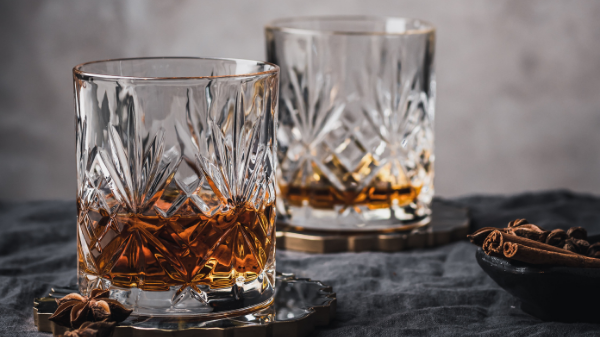
Rum-surgence: From sailors’ grog to premium spirit

Rum is one of the most underrated spirits. No longer just a sailors’ grog, or limited to being a key ingredient in piña coladas, the drink has long carried the ‘vacation in a glass’ vibe. Loved for its versatility and mixability, in terms of production, blending and maturation, a truly high-end rum is a lot like fine whisky. The gamut of premium rums – from Barbados to Panama – are top-shelf staples and deserve so much more than to be concealed in Coca-Cola.

According to connoisseurs, the spirit has enormous potential, with the dotting of artisanal rum bars around the world testament to the shift away from its beaches and bikinis image. “The industry has seen major repositioning – today, people want to know about the age, origin, distillation techniques,” says Yukino Yoshimura, Brand Development Manager of SelvaRey Rum in Hong Kong. “With sustainable living on the rise, people are drinking less but better-quality products.”

Rum in the Running gafencu (4)

Premiumisation has boded well for the spirit. Higher priced rums, which represent 15-percent of the total sector, witnessed steady single-digit gains in 2021 and are nudging the cheaper versions off the shelf. The appetite for the super-premium category – dominated by the likes Diplomático, Kirk and Sweeney, Moët Hennessy – accounting for four percent of sales has grown more than 50 percent in the last couple of years. With stellar hikes in distillery volume too, the hope is that rum will soon give gin a run for its money as the new comeback spirit.

Expensive and Fiddly

Rum in the Running gafencu (3)
Photo courtesy: SelvaRey Rum

Top quality rums are sipped neat and relished in naked form – with all their joys and faults. Rum-making is a waiting game that requires an expert’s touch; unlike gin which is a relatively quick mix of ethanol and botanicals, rum is distilled in myriad ways. A few are aged to perfection at century-old distilleries, shunning additives or added sugar, with distinct flavour profiles. Others are young in maturity but dripping with caramel to mimic an intense brown look. Loose laws, lack of transparency and unique filtration methods mean that consumers don’t necessarily know what’s in their bottle.

The spirit is currently labelled and categorised according to colour – white/silver, gold and dark – with tags like ‘aged’ and ‘overproof’ (high alcohol content) also clues to the character of the nectar within. Luxury tropes like age and colour are erroneous in rum – unlike whisky and cognac, dark is not always barrelled for a few years, white does not imply young – colour is a redundant way to categorise the spirit. Singer Bruno Mars’ SelvaRey Rum brand is confident that the moment in the sun for the spirit has arrived.

Also Read: Premium aged rums to end the day right

Chocolate King

Photo courtesy: SelvaRey Rum

‘Jungle King’ in Spanish, SelvaRey is a dynamic collection of elegant, finely crafted rums created in a sustainable way in the lush forests of Panama. Its Chocolate Rum received a whopping 95 points from The Tasting Panel, one of the highest rum ratings in the history of the magazine, and bagged gold at the Miami Rum Festival. Not too sweet, this delicious satiny spirit with notes of espresso, toffee and cardamom is aged for five years in bourbon casks and infused with natural chocolate.

Exclusiva Choice

Rum in the Running gafencu (2)
Photo courtesy: Diplomatico Rum

Winner of the double gold medal at the 2016 San Francisco World Spirits Competition, Diplomático’s Reserva Exclusiva is an exceptional blend of 20-percent light column-distilled rums and 80 percent pot-still rums aged up to 12 years. Credited with being a pioneer in the rum renaissance movement, this Venezuelan golden tipple comes alive with subtle spice, dry vanilla and smooth chocolate.

Also Read: English Wines are Becoming Hip: Here’s a toast! 

(Text: Nikita Mishra)
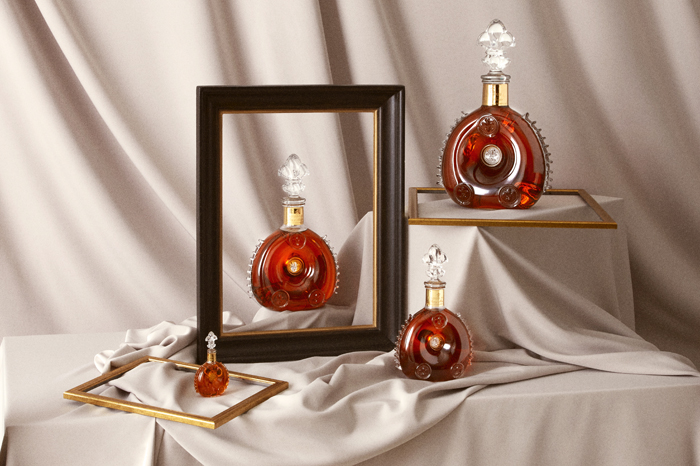
Toast to the new Year of the Tiger with the opulent Louis XIII

Ring in the Lunar New Year with a toast to welcome the 2022 Year of the Tiger. Serving as a symbol of  wealth and happiness, what better way to raise your glass in celebration of a new beginning with close friends and family than with a luxurious imbibe, by the venerable Louis XIII.

Toast to the new Year of the Tiger LOUIS XIII Lifestyle wine Out of the Frame_Gafencu_9

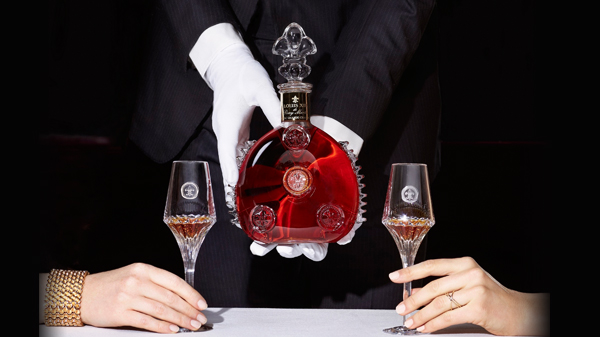
Unparalleled in skill, knowledge and quality, the celebrated cognac maker puts out a sumptuous and deliciously tantalising cognac — a testament of the brand’s more than 140 years of experience in the mastery of producing one of the world’s most desirable and sought-after imbibes.

Toast to the new Year of the Tiger LOUIS XIII Lifestyle wine Out of the Frame_Gafencu_14

However, Louis XIII’s undeniably indelible flavours don’t come without the painstaking crafting process of each of its cognac. The distillery, since Louis XIII’s inception in 1874, have had generations of wine cellar experts curate a staggering array of eau de vie made from grapes grown in France’s Grande Champagne region.

Toast to the new Year of the Tiger LOUIS XIII Lifestyle wine Out of the Frame_Gafencu_8

These experts select from over 1, 200 different eau de vie – some younger, while some date back centuries – to create a harmonious blend of rich flavours. Over 250 disparate aromas are incorporated together, resulting in a vivid freshness of passion fruit and spice of ginger to rich notes of candied plumbs; giving the tipple its common comparison to drinking a sumptuous sip of perfume.

Even while the focus of carefully distilling decadent cognacs, equal attention is paid to the bottling process as well, ensuring the finished product is fit for the eponymous French king the brand takes its name from. As such, each bottle is lovingly handcrafted by artisans of one of two French royal crystal workshops – Baccarat or Saint Louis – transforming the containers into glorious works of art fit to present as the perfect gift for the Lunar New Year. 

Stay in touch with LOUIS XIII:
Website: https://www.louisxiii-cognac.com
Facebook: 
https://www.facebook.com/LOUISXIII
Instagram
@LOUISXIIICOGNAC
Youtube
https://www.youtube.com/user/LouisXIIIofficial

Call to join the LOUIS XIII Society:
Hong Kong: +852 37109396
Macau:
 +853 2871 9699

English Wines are Becoming Hip: Here’s a toast!

The English wine industry has been bubbling since Ancient Roman times, but its popularity soared only after 2015 when The Decanter World Wine Awards saw English sparkling wines snag a crateful of medals – pioneering houses such as Nyetimber, Chapel Down and Ridgeview were among the most notable winners. Wines of Great Britain, the national association for the English and Welsh industry, estimates that production topped a phenomenal 15 million bottles in 2020, a 250-percent bump within just five years, signalling the confidence of its burgeoning winemakers.

English Wines are Becoming Hip Here's a toast gafencu

Boost in Quality
The trade body also reports that the number of acres under vine in England has more than doubled in the past decade, stretching over 8,600 acres. French Champagne house Taittinger acquired vineyards in Kent in the autumn of 2015, with the aim of producing a truly exceptional sparkling tipple by 2023. That such a Grande Marque which can draw on eight decades of winemaking experience believes in England’s bubbles is the highest seal of approval and a clear signal that the climate – both monetary and meteorological – is right for the region.

English Wines are Becoming Hip Here's a toast gafencu (3)

Only 10-percent of wines currently travel out of the country, but the figure will surely balloon as the world gets a taste of grapes grown in England. “The quality of English wines has elevated massively, and the revolution in winemaking shows no signs of slowing,” says Joshua Lincoln, Senior Commercial Director of Europe at wine-rating platform, Vivino. “Producers of English wine are now able to take advantage of the region’s chalky soils, which have a similar composition to those found in Champagne.” He adds: “As temperatures rise across the UK thanks to global warming, the South of England, in particular, is experiencing the perfect vine-growing conditions for producing award-winning wines.”

Also read: Organic, biodynamic or natural wines explained

English Wines are Becoming Hip Here's a toast gafencu Nyetimber

Toast To Maturity
English sparkling wine, which accounts for 72-percent of production and sales, is now a must-stock item in shops and bars, and thanks to a bumper high-quality harvest in 2018, there are now also some fine reds, charming rosés, tempting Burgundian-esque chardonnays and smooth naturals. The last decade alone has seen six vintages come of age, compared with just two in the Noughties.

Nyetimber, a pioneer of the English sparkling wine industry, produces several elite pours. Its Classic Cuvee, an exceptionally beautiful expression of sparkling wine from Sussex, shows all the right layers of acidity, tension and slight sweetness. A delicate non-vintage, it offers complexity and a lovely medley of refreshing lemon and grapefruit notes. Slightly toasty at the end, this generous drink never veers towards heavy or excessive.

English Wines are Becoming Hip Here's a toast gafencu 600x337

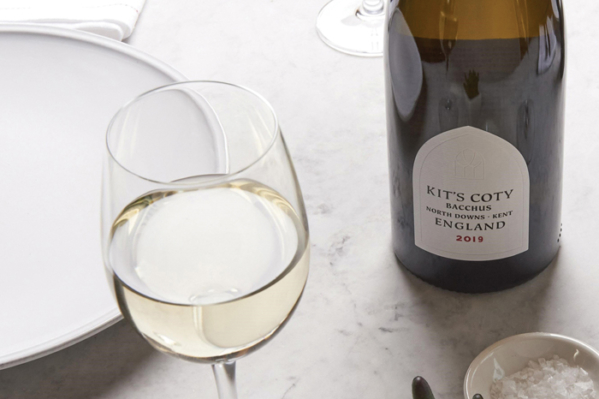
The star turn at Chapel Down, England’s largest wine producer, is Kit’s Coty Chardonnay 2017. Specifically suited to the English climate, the grape delivers a refined wine with subtle oaky and buttery notes elicited from a second fermentation in old French oak barrels. Typically easy and fragrant, it’s the quintessential pour on a hot summer’s day.

Organic and biodynamic wine-drinkers will not want to miss Tillingham’s adventurous take on the classic English fizz, Qvevri Rüllem 2018. Without a hint of added sugar, the orange tipple is somewhat cloudy with a depth of citrusy freshness.

Also read: Champions of the Cape: Spotlighting South African Wines

English Wines are Becoming Hip Here's a toast gafencu nyetimber

Interesting trivia: It’s quite a mouthful to say English and Welsh wines, but the regional distinction is important. ‘British’ and ‘English’ wine is not the same thing. ‘A British wine’ label signals imported grapes fermented and bottled in the UK; it is cheap, cheerful and best skipped. The chic-as-Champagne English sparkling wines are made from quality grapes grown and harvested in the U.K.

(Text: Nikita Mishra)

Louis XIII: The perfect present for loved ones this gifting season

With the holidays just around the corner, there are more than a few reasons to raise your glasses to in celebration. While home-bound with close friends and loved ones this time of the year, a toast to togetherness and new beginnings comes complete with the perfect winter imbibe to share or gift this season, the venerable Louis XIII.

Louis XIII The perfect present for loved ones this gifting season gafencu 700x466-1

Boasting over 140 years of experience, the luxury cognac maker boasts unparalleled skill, knowledge and sheer savoir-fair in creating deliciously tantalising cognacs, that few can match up to — it’s small wonder, then, that it makes for the most desirable and sought-after of presents.

Louis XIII The perfect present for loved ones this gifting season gafencu 466x700-3

Making moments into memories, the root of the indelible flavours of Louis XIII lie in the painstaking brewing process each cognac undergoes. Since the master distiller’s founding in 1874, generations of wine cellar experts have amassed and curated a staggering array of eau de vie made from grapes grown in France’s Grande Champagne region.

Louis XIII The perfect present for loved ones this gifting season gafencu 466x700-4

To ensure the ultimate blend, these experts select from over 1,200 different eau de vie – some younger, some dating back centuries – to create a synergistic whole. Over 250 disparate aromas are instilled within, ranging from the vivid freshness of passion fruit and spice of ginger to rich notes of candied plumbs. Small wonder, then, that drinking Louis XIII has been compared to drinking perfume.

Louis XIII The perfect present for loved ones this gifting season gafencu 700x466-2

Even as great care has been taken in distilling the cognacs, equal attention is paid to their bottling to ensure the finished product is fit for the eponymous French king the brand takes its name from. As such, each bottle is lovingly handcrafted by artisans of one of two French royal crystal workshops – Baccarat or Saint Louis – transforming the containers into glorious works of art. Epitomising cognac-making both without and within, Louis XIII makes for the perfect present to gift that special someone this festive season.


Stay in touch with LOUIS XIII:
Website: https://www.louisxiii-cognac.com
Facebook: https://www.facebook.com/LOUISXIII
Instagram@LOUISXIIICOGNAC
Youtubehttps://www.youtube.com/user/LouisXIIIofficial

Call to join the LOUIS XIII Society:
Hong Kong: +852 37109396
Macau: +853 2871 9699

Introducing from Mexico: Corn Whisky

The whisky scene has exploded, exhibiting a razzle-dazzle that is no longer exclusively reserved for rich, retired men with fading taste buds. In many countries, drinking whisky is a sign that you’ve made it in life. For a traditional dram fan, Scotland is to whisky as Champagne is to fine wine – the irrefutable elite. Yet, over the last few years, with a boom in independent craft distilleries, connoisseurs are swirling and warming to the idea of whiskies from unexpected, exotic and distant places. Mexico is one such emerging drinks powerhouse – and we are not talking about the agave-based tequila or mezcal that have enjoyed unprecedented success.

gafencu_mexican_whisky_absolo_2

Mexican corn whisky is at the crossroads of something potentially disruptive – it doesn’t yet enjoy the status of Scotch or Yamazaki, which are made from malted barley – but evokes a charm and complex subtlety missing in the current, mass-produced market.

gafencu_mexican_whisky_absolo_corn

Indigenous Diaries
Several intriguing layers of Mexican spirits are yet to unfold that go beyond tequila and sotol. Many times, a new whisky trend is not just about the region, altitude or climatic factors, it’s also what grain is used in the production which drives up the demand.

In 2011, Mexican whisky pioneers Jonathan Barbieri and Douglas French, then essentially mezcal producers from Oaxaca in southwestern Mexico, started toying with the idea of distilling their ancestral grain after a massive shortage of agave shut down their businesses. For them, necessity was the mother of invention; what seemed revolutionary to the world was utterly natural to them. If their heirloom grain – 4,000-year-old corn – has nourished the Mexican civilisation and culture since ancient times and conquered the global palate with burritos, then why limit it to just cuisine? A series of nuanced experiments later, corn whisky, a true rarity of the region was born.

gafencu_mexican_whisky_absolo_ice_drink

Most varieties of corn whisky are genuinely ‘artisan’, produced in small, dusty family distilleries of Mexico no larger than a Hong Kong apartment. Corn undergoes the ancient handcrafted process of nixtamalization – the soaking of kernels in alkaline solution before hulling. Its simplicity results in a standout, pale yellow colour awash with oaky, toasty notes and a hint of natural, honeyed sweetness.

Unlike the American bourbon, Mexican corn whisky is not necessarily barrel-aged; storing it in copper pots imparts a funky yet uplifting, even stimulating profile.

“If Mexico’s heirloom grain – 4,000-year-old corn – has conquered the global palate with burritos, then why limit it to cuisine?”

Also Read: Cin Cin! Prosecco Rosé  is a thing, here’s the lowdown

Standout Spirits
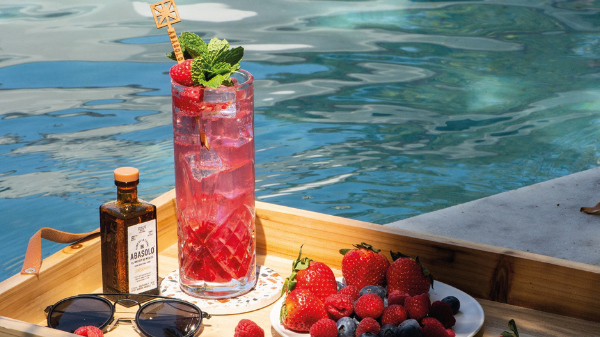
Abasolo is the only Mexican whisky that is made from 100-percent non-genetically-modified corn – other producers adjunct corn with grains like wheat and rye in the mash. Its intense, charred elegance with a finish of vanilla and sweet honey is unparalleled. Produced in Jilotepec to the north of Mexico City, the corn is soaked and cooked in lime water and made into a powder whilst preserving some whole kernels, which are malted like barley is in Scotch. After being distilled, Abasolo is aged in American oak barrels. It can be savoured on its own, in a cocktail (corn margarita, anyone?) or with a splash of pineapple juice and a dash of lime.

gafencu_mexican_whisky_absolo_1

Sierra Norte, with its smoky, buttery, slightly grassy profile and complex character, is another brand to pour and contemplate. Double distilled in pot stills, refined in copper stills and aged in French oak barrels, this is a dark whisky reflecting the yellow, white, red or purple varieties of native corn used in the mash, along with 15 percent barley.

None of the Mexican corn-based spirits presently enjoys a wide distribution, but if you are lucky enough to get your hands on one, try it in a cocktail. Corn whisky and chilli liqueur, perhaps? Each spirit perfectly balances the other – you can taste both the maize and an authentic hint of poblano; they go well together as they grow together.

(Text: Nikita Mishra)

Also Read: Natural, sustainable and organic wines, explained

Organic, natural, biodynamic wines, explained

We dream of purity in a world where progress has left its toxic imprint on our land and food supply. Answering the call for nature, the organic movement has infiltrated our food, fashion, lifestyle choices and our choice of tipple, too. Indeed, there is a growing backlash against lab-grown yeast, grapes drenched in pesticides, and unwarranted tinkering that alter the natural taste of wines.

From New York to Hong Kong, bars and restaurants offering organic, biodynamic and natural wines are flourishing – they fit the urban millennial mindset of a holistic, authentic and environmentally enriching lifestyle. But what makes a wine tick all the right responsibly produced boxes these days?

Gafencu_wine_natural_organic_biodynamic_wine_making_vineyard

Organic Origin
Organic wine is made from grapes grown and harvested without any kind of synthetic chemicals. This method allows nature to take its course and grapes to express their full flavour. Only indigenous yeast is used in fermentation, and there’s little to no preservatives.
Roughly 1,500 to 2,000 vintners adhere to organic practices. “According to industry research, consumption of organic wine will reach about one billion bottles by 2023,” says Matt Ayre, a wine advisor for Vivant, an interactive platform connecting responsible winemakers and imbibers. “That’s a huge jump from 400 million in 2013 – clearly, people want to know what’s in their glass.”

Gafencu_wine_natural_organic_biodynamic_wine_making (4)

Biodynamic Diversity
Biodynamic wines stem from a certified holistic and experiential approach to farming that pushes the natural expression of grapes and minimises manipulation in winemaking. Much attention is paid to elevating biodiversity, crop rotation, thoughtful cultivation, harvesting and fermentation according to the astrological calendar. The mystical nature of biodynamic winemaking may raise eyebrows, but it is believed these efforts translate into richer soil, healthier grapes, and full-bodied, truer, more earthy wines.

Gafencu_wine_natural_organic_biodynamic_wine_making_

Natural Beauty
The back-to-basics movement in winemaking has been fermenting since the ’70s. Much like midwives, these vintners are minimally involved and watch from the fringes.

There is no dependence on modern machines or manipulation in natural wines. It is manually crushed, and fermentation occurs artlessly with ambient yeast. The wines are not filtered, so might appear cloudy, and in the absence of additives, stability can be an issue. Nothing is added to the fruit, and nothing is taken away; taste ranges from experimental, hideous to ethereal.

Also Read: English Wines are Bubbling in Popularity, Here’s Why You Should Be Toasting

Gafencu_wine_natural_organic_biodynamic_wine_making (2)

Lack of Transparency
Natural wine is a vague term without any universal guidelines in place. Some naturalists add a modest amount of sulphite at the bottling stage, others completely avoid it, but none puts a permissible number on it. The vagueness of the concept and the fact that ‘natural’ is both a lifestyle and a food category has allowed these wines to become hip in a way organic and biodynamic wines have not.

With no legal principles in place for labelling, a vintner’s faith is indispensable – the wine can taste authentically superior, acidic, oxidised or plain cider, all in the name of ‘natural’. For proponents of a more sustainable way of life, organic, biodynamic and natural are not just wine buzzwords – they are essentials in creating a responsible yet rad identity in a world full of cookie-cutter chardonnays.

(Text: Nikita Mishra)

World Sake Day: Gafencu’s definitive guide to choosing Sake

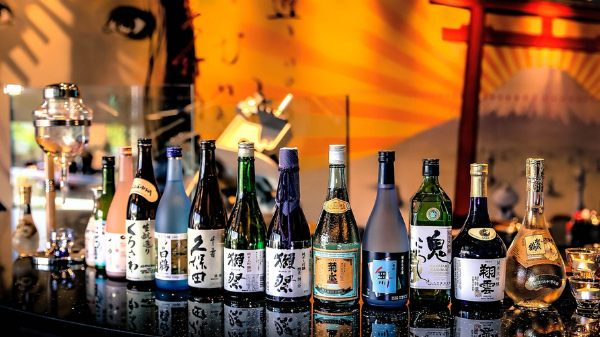
Celebrated annually on 1st October, World Sake Day is the mark of the first day of sake making season in Japan – an alcoholic beverage that has, over the last few years, grown in popularity around the world. Despite its “Japanese wine” translation, it is crafted with a method more akin to beer by use of fermenting polished rice, yeast and water, but the result is a beverage that is as elegant as wine.

Curious to which jump on the bandwagon of sake drinking? Gafencu breaks down the five major types to try, what are the differences and how they are served… 

Gafencu_world_sake_day_japanese_wine_alcohol_drinks

Junmai Gingo and Junmai Daigingo
Junmai, a premium-tier that is, as its name suggests, made with pure rice wine, referring to its unadulterated treatment of using additives like distilled alcohol or any additional starch or sugar to fortify the contents. The polished rice used, which to put simply, is a necessary process of turning starch into sugar in order to brew alcohol, stays 50% to 70% in tact, offering a full bodied tipple that is higher in acidity and alcohol level as well as richer in umami flavours. 

Ginjo
Ginjo is, unlike Junmai, a more delicate, light and fruity flavour that comes from using a cultured Gingo yeast that lands on the fruity and floral side of the aromatic spectrum. Its polished grains retain about 60% of its original size, but unlike Junmai, it is topped up with a small amount of brewer’s distilled alcohol to give it a distinctive aromatic flavour that is delightful when served chilled.

Daiginjo
Like, Gingo, Daiginjo, nicely served chilled, is a more delicate alternative to its purer Junmai counterpart thanks to its use of milled rice that retains only 35% to 50% of its original size, and topped with a modest amount of distilled alcohol towards the end of the process, resulting in a more fragrant, cleaner and lighter texture followed by a brief tail that is easy on the palate.  

Also Read: Ginjoism: Why Japan’s beloved sake is riding high on a wave of popular demand

Gafencu_world_sake_day_japanese_wine_alcohol_how_to_choose

Honjozo
An easily misunderstood type; it is commonly mistaken as a fortified sake. However, not too differently from blended whiskies or Ginjo and Daiginjo, Honjozo’s blending is largely regulated and features a stylistic way of incorporating brewer’s alcohol to pure rice wine at the end of the process. This is, contrary to popular belief, not to raise alcohol content, but rather to enhance the notes of non-soluable Gingo yeast. The outcome? a lighter, brighter and more palatable flavour profile for sake enthusiasts and beginners. It is ? ideally served warm, although not a rule.

Namazake
Nama is a type of seasonal brew that is unpasteurised. While sakes are usually heated before fermenting and bottling to deactivate live enzymes that would feed the lactic bacteria in the yeast that ruins the contents. Namazake, which can be any brew that is not pasturised, is brewed and bottled immediately without being treated with heat, giving it its refreshing and lively notes. However, to prevent its contents from changing and going bad, it needs to be refrigerated. 

Gafencu_world_sake_day_japanese_wine_alcohol_guide

Hot vs Cold
While premium sake are typically served hot at 43-degrees, the hot-or-cold debate is more of a preference than a definitive rule; unless it is unfiltered or cloudy, in which case it needs to be refrigerated. Sake is a versatile beverage that can be served at any temperature, so don’t be afraid to experiment while finding the perfect temperature that suits your taste.

While serving temperature varies, mannerisms and etiquette when drinking sake is quite set. It is a traditional beverage that is steeped in culture and traditions, such as using two hands to serve a bottle and pouring for seniors before anyone else. Find out more, read here.

Also Read: Kampai! A definitive guide to sake-drinking etiquette

Gafencu_world_sake_day_japanese_wine_alcohol_5

Which sake bars to try:

Sake Central
PMQ, Aberdeen Street, Central
Located right in the artisanal craftsmanship and cultural building PMQ, it is home to the widest range of sake in Hong Kong, backed by the team behind the trendiest yakitori hot spot in the city, Yardbird. 

The Aubrey
Mandarin Oriental, Central
There is little better spots to visit for an exclusive Japanese wine and cocktail-focused spot than The Aubrey’s Champagne and Sake bar. Limited to only four seats, the bar serves as a stage to an intimate and interactive omakase sake experience that discerning drinkers are sure to enjoy.

Sake Beya Masu
Sun Street, Wan Chai
Nestled behind Wan Chai’s star street, is a speakeasy sake bar that gives off a picturesque classic Kyoto vibe. It’s a cosy place that offers a full range of premium sake selections that go perfectly with its culinary offerings. Continuing its service only until next January (2022), patrons can enjoy exploring the flight of Japanese wine and food pairing here for the next six months.

Godenya
Wellington Street, Central
Widely recognised for its sensational sake food pairing, Godenya by Master Chef Goshima Shinya offers a cosy omakase experience. Each course is served complete with an accompanying sake labeled with the beverage’s name, grade, and the ideal serving temperature – for a fully immersive Japanese wine-and-dine experience.

Also Read: Enso Good: Delicious Japanese yakitori and stunning ocean views…


Perfect Pairing: Bespoke chocolate meets Johnnie Walker Blue Label

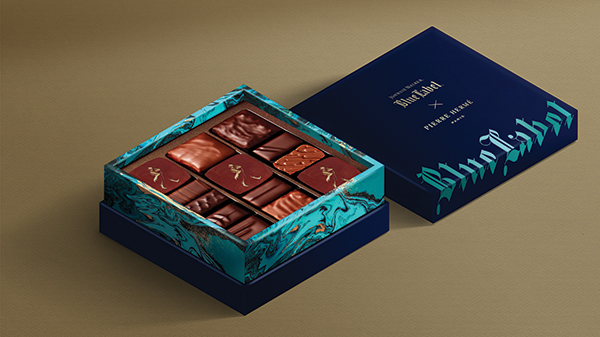
Love whisky? Can’t get enough of chocolate? Then perhaps the first-ever collaboration between Johnnie Walker and renowned French patissier Pierre Hermé could be just what you’re looking for. Created to coincide with the upcoming Mid-Autumn Festival celebrations, this partnership has resulted in a truly unique Scotch pairing experience in the form of the Haute Couture Bespoke Chocolate Gift Box.

Johnnie Walker Blue Label Bespoke Chocolate Gift Box -1

Available exclusively in Hong Kong for a limited time only, the chocolates – made from aspecially-developed Pierre Hermé Paris secret recipe – have been specifically crafted to deliver a palate that perfectly complements the exceptional notes of the Johnnie Walker Blue Label. A bite of one and a sip of the other yield luxuriant, enticing flavours that balance and enhance each other, leaving your taste buds tingling with happiness.

Johnnie Walker Blue Label Bespoke Chocolate Gift Box present

The Haute Couture Bespoke Chocolate Gift Box can be redeemed from now until 10 October upon the purchase of HK$3,000 of the Johnnie Walker Collection at designated retailers including Hong Kong Liquor Store, Liquid Gold and Watsons Wine.

Gifts are available while stocks last and are on a first-come-first-serve basis.

For more information, please visit johnniewalker.com


(Info: Johnnie Walker)

Champions of the Cape: Spotlighting South African Wines

You slink into a posh restaurant – nibbles arrive, conversations flow, no one has quit alcohol or gluten, and all is well with the world. You peruse the lengthy wine list, ponder, cudgel your brain, give up and, almost on autopilot, order a Chardonnay or Sauvignon Blanc.

There are more than a thousand varieties of wine, and while glorious, timeless creations are born in Italy and France, that doesn’t justify getting stuck in a wine rut. Personally, I find the innocuous task of navigating newer choices perplexing. If it weren’t for the man in the sharp suit (the sommelier) throwing me a recommendation, I’d stick to my tipple of choice. Frankly speaking, finding solutions to global warming over dinner seems simpler than unlocking a new wine spectrum.

gafencu spotlighting south african wines

The world of wine is equal parts enormous and confusing. Vitis vinifera, the most common species of grapevine, can thrive from the northern tip of Sweden to New Zealand’s South Island, spanning a number of countries in between – each region enhancing the flavour with its own diversity, individuality and complexity.

Barolo medieval town in Piedmont with vineyards, Langhe hills vi

South African Dream
When wine loyalists become curious enough to branch out, South Africa is one exhilarating wine region they should raise a toast to. Regions in the cooler coastal belt around Cape Town – like Stellenbosch, Paarl and Constantia – underscore the belief that the country is destined to be the next big wine trend.

At the end of apartheid in the ’90s, the climate – both political and geographical – was ripe enough to re-ignite 350 years of viticulture history. South Africa re-entered the global winemaking market and made a splash. It is home to a plethora of prestigious wineries, but over the past couple of years, the industry has suffered challenges of biblical proportions, not just due to Covid-19.

south african wine gafencu

Hamstrung Hemisphere
Even before the virus’ rampant spread, the local economy was already on crutches, battling a 30 percent unemployment rate and a national crisis of alcohol abuse. Pandemic-induced restrictions were a crippling blow to producers still finding their feet abroad.

In March 2020, the South African government left more than 300,000 employees dependent on the wine industry for their livelihood in the lurch by announcing an overnight lockdown and a blanket ban on domestic and international sales of alcohol. By then, the winemakers were up to their elbows in grape skins as the closure occurred at the peak of the annual harvest.

gafencu south africa wine

Exports were halted for five weeks and the domestic market shut down for over two months. The resumption of alcohol sales in June 2020 meant little given an endless cycle of prohibitions and abrupt closures that followed. Wine tourism, accounting for nearly 40 percent of the turnover of family-owned boutique wineries, came to a standstill. The toll on winemakers, both big and small, was immense, and this depression has continued into the second year. The industry body, Wines of South Africa, pegs collective losses at a massive US$417 million.

The silver lining in all this overarching gloom? The sheer beauty of South African wines: the characterful saline notes of the whites imparted by a stunning climate and terroir; the deep, deliciously dry reds; the authentic, unpretentious sweet Moscato – against all odds, winemakers in the country are producing gloriously complex wines that are worth tracking down.

gafencu spotlighting south african wine

Know Your Wines
A lot of innovative blending happens in South Africa. Prior to 2014, the white grapes Clairette and Muscat d’Alexandrie were traditionally used in brandy, but Clairette Blanche is proof that inspiration and technique can strike up delicately earthy, ethereal, fruity wines that boast an almost heady perfume.

Pinotage is uniquely South African. An interesting crossing of pinot noir and cinsaut, it’s the one that made them famous post-apartheid. Developed by a Stellenbosch professor in 1925, the blend tastes nothing like its parents and remains a favourite of wine lovers the world over.

Aiming for a big, boisterous wine or a lively crowd-pleaser? Try Kanonkop Pinotage. Sommelier-approved, it commands a modest price for its quality, plethora of ripe blackberries, black cherries and attractive minerality.

Thanks to the ingenuity of their boutique producers and an admirable perseverance amidst adversity, South African wines excel in variety, character and expression. Whether delicate, elegant or racy, they stand the test of time.


(Text: Nikita Mishra; Photo: Springbok Wines )

Refreshing seasonal cocktails to beat the heat!

If you’re hankering for a revitalising tipple to quench your thirst after a long heated afternoon or to restore your vitality while out in the stale evening air,  perhaps a glass of these fresh, and light, limited-time seasonal cocktails will fit the bill! From botanical-infused whisky to zero-waste white chocolate imbibes or a contemporary martini served table side, there’s something new for every taste bud to enjoy. 

Banana Negroni at The Daily Tot
Flor De Cana 7 yrs rum, Clarified Banana, Campari, Mancino Rosso, Caramelised Banana and Banana Leaf 

the_daily_tot_seasonal_cocktails_summer_heat_gafencu
Image courtesy of The Daily Tot

The first on our list is a rum-based cocktail that is making waves at Hollywood Road’s rum-centric The Daily Tot.

Banana Negroni (HK$120) is a unique swirl of tropical flavours, mainly the Flor De Cana 7 yrs rum, clarified banana, as well as fruity and botanical notes of subtle orange, cherry and cinnamon from the campari and mancino rosso. Poured into a glass lined with banana leaf, then topped with caramelised banana, this tropical zero waste seasonal cocktail is worth Instagramming. 

Yayoi at The Aubrey
Peach, Earl Grey, Chamomile, Pisco, Citrus

The aubrey_seasonal_cocktails_summer_heat_gafencu
Image courtesy of The Aubrey

Making a splash in the city is the Japanese-inspired cocktails at Mandarin Oriental’s new addition to their F&B venues: The Aubrey. Apart from their list of signature cocktails, highballs, chuhais and omakase cocktail experience is a seasonal cocktail worth sipping on. 

Known to use prized Japanese fruits in their highballs and mixed drinks, this season invites patrons to sample the the sweet Japanese peach at its prime in the stand out Yayoi (HK$180), masterfully crafted by the sophisticated in-house mixologists. It highlights balancing notes of sweet peach and citrusy pisco that elevate the botanical flavours of its earl grey and chamomile tea.

Tabib Shepherd at ZZURA
Turmeric Gin, Clarified Mango Juice, Goat’s Milk Yogurt

zzura_seasonal_cocktails_summer_heat_gafencu
Image courtesy of ZZURA

The Sahara-desert inspired, newly opened speakeasy on Hollywood Road, ZZURA, is the place to be in if your palate craves  contemporary Middle-Eastern flavours.  Nestled on the second floor of Amber Lodge, the clean, minimalist bar is an alluring, modern interpretation of the lost city of Zerzura. 

Among the list of noteworthy tipples served here, Tabib Shepherd ($120), a creative desert concoction of turmeric gin, clarified mango juice and goat milk yogurt, and Around The Globe, a cumin-infused Brazilian cachaça mixed with yuzu juice are eye-catching, refreshing highlights. 


The K & B Martini at Kyle and Bain
Plymouth Gin, Dry & Blanc Vermouth, Cider Vinegar, Amalfi Lemon

KB Martini_kyle_and_bain_seasonal_cocktails_summer_heat_gafencu
Image courtesy of Kyle & Bain

Stirred not shaken – martinis are good any time of the day! And what better place for martini lovers to quench their thirst than with a meticulously crafted K&B Martini (HK$140), courtesy of colonial-inspired lounge Kyle and Bain, located on the mezzanine floor of the brasserie Margo.

Blended together with the aromatic Plymouth Gin, subtly sweet blanc vermouth and its more herbal counterpart – dry vermouth – this artisanal imbibe is further elevated by dashes of cider vinegar and Amalfi lemon, for an extra touch of class. 


Also Read: Delicious takeaway cocktails to enjoy at home


Spirit Warden at Apothecary
X By Glenmorangie Whisky, Pinapple, Jalepeno, Soda

apothecary_seasonal_cocktails_summer_heat_gafencu
Image courtesy of Apothecary

Collaborating with highland whisky distillery Glenmorangie, herb-focused bar Apothecary is serving up a botanical-infused seasonal cocktail that pairs perfectly with with the X By Glenmorangie whisky. Enriched by a body of floral and verdant notes elegantly. Available only until 7 September, it’s one tipple you don’t want to pass up on. 

Combining the rich orange sherbet and fudge flavours of the spirit with a refreshing and vibrant swirl of pineapple and jalapeno, The Spirit Warden is a beverage that will help counter the summer heat. 

One Penicillin, One Tree at Penicillin Bar
White chocolate whisky, strawberry brine-water, coconut kefir, @taqueriasupermacho avocado stone

penicillin bar_seasonal_cocktails_summer_heat_gafencu
Image courtesy of Penicillin Bar

Taking a special spot on the list is the One Penicillin, One Tree (HK$110seasonal cocktail by Asia’s Most Sustainable Bar, Penicillin Bar. The zero-waste beverage is one for the mindful and eco-conscious drinkers — support the sustainability movement while knocking back a few rounds. It’s a win-win!

Much like fashion, the menu here changes every season. A creative mix of white chocolate whisky, strawberry water and coconut yogurt with a creamy delicious dessert-beverage is the highlight for August. Delightful and guilt-free, sip whilst you can and for every glass of this cocktail served, a native Mallotus Muticus tree is planted in the endangered Kalimantan rainforest area in Borneo, Indonesia. Full points for supporting sustainability!  

Pepper Miso at Roji
Resposadoa and Blanco tequila, Mezcal , Mango, Yuzu, Red Miso, Japanese Pepper
 
pepper_miso_roji_japanese_izakaya_seasonal_cocktail_gafencu
Image courtesy of Roji

Take the classic summer drink Margarita and give it a Japanese twist, and what do you get? A creatively swirled concoction by the name of Pepper Miso (HK$120), invented by the newly opened speakeasy diner, Roji. Tucked away in a backstreet alleyway at the end of the Lan Kwai Fong strip, Roji dishes out lively, modern Japanese Izakaya vibes. 

Combining resposado and blanco tequila with the smoky mezcal for a bold body of agave-heavy spirit, the cocktail is a balanced, vibrant mix of mango and yuzu. The experience is further elevated with red miso. The drink, like other signature items on the menu, is slick, packs a punch and leaves a tantalising flavour in your mouth.