Can Electrical Muscle Stimulation Actually Work? A Deep Dive into EMS Training

Electronic Muscle Stimulators, often referred to as EMS, are becoming more popular as a machine that helps athletes and fitness enthusiasts to improve their performance and physical fitness. Traditionally used in rehabilitation centres and physical therapy sessions, EMS machines have now found a place in the fitness industry with some gyms including the tool in their training. With EMS workouts often advertised to give great results in a short duration, it is quite intriguing to many, so here is everything you should know about EMS before you use one.
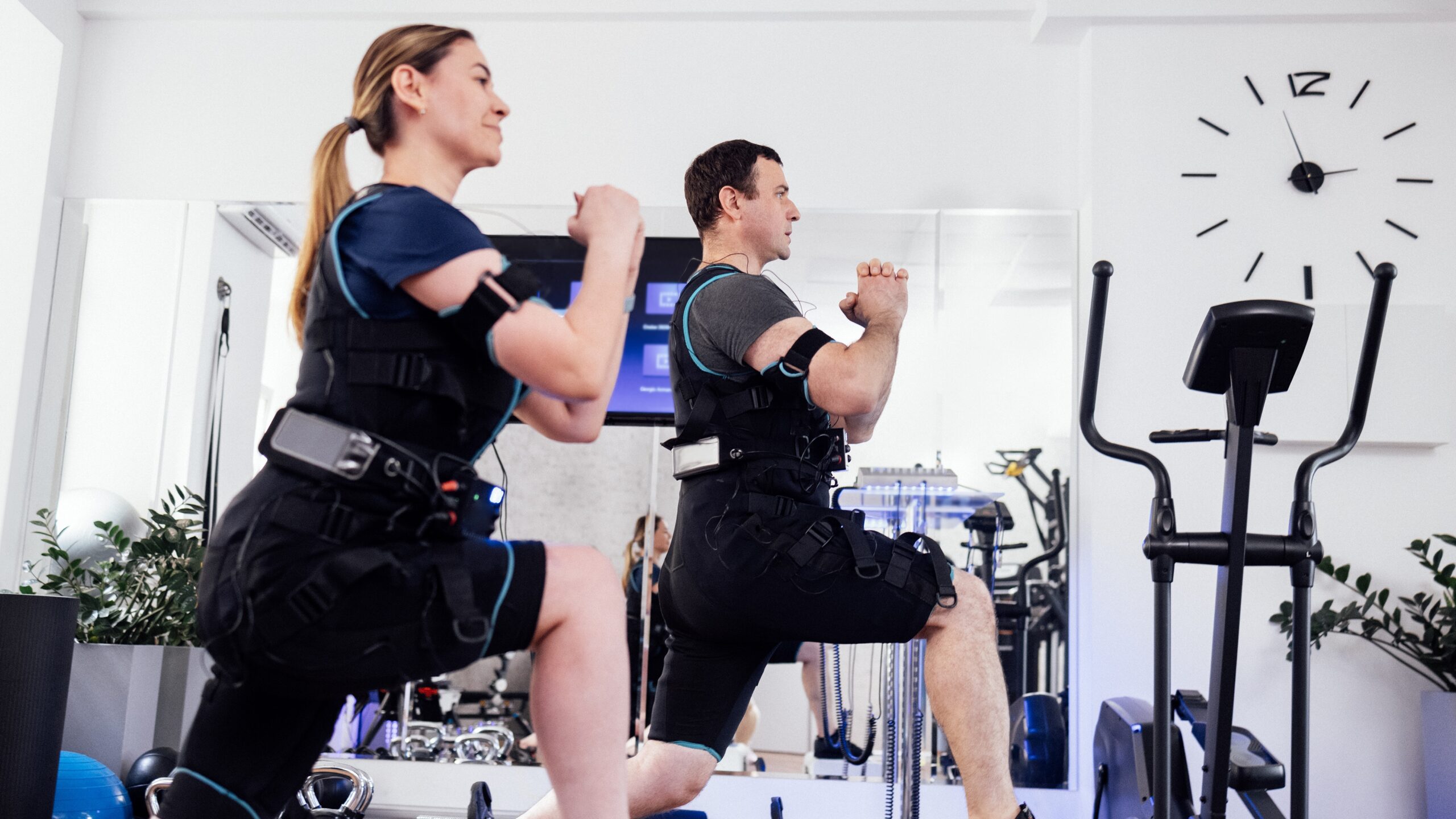
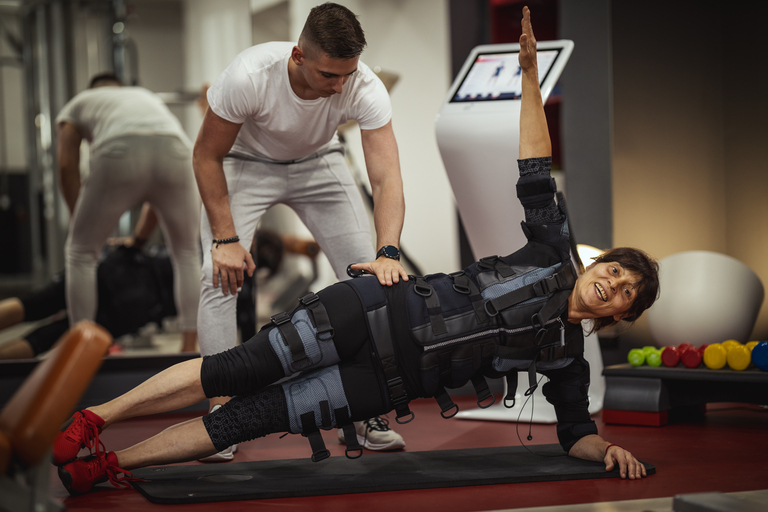
The EMS machines used in fitness centres generally come in the form of a vest or shorts that can be worn by the individual. It targets specific muscles, such as the abs, glutes, and quadriceps. It works by generating small electrical impulses to stimulate muscle contractions. These contractions are similar to those produced during exercise and can help individuals to gain greater muscle mass, strength, and endurance without engaging in physically demanding activities.

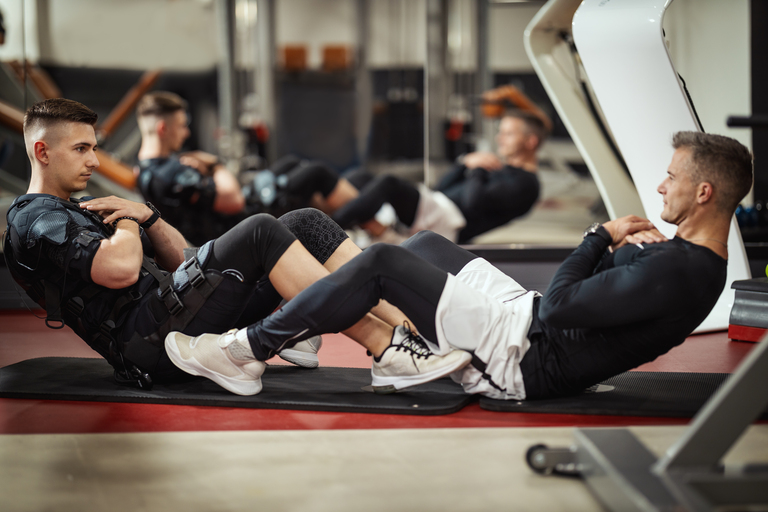
Given that EMS workouts are more effective than regular workouts, a person would typically only need about 15 minutes of training with the machine. But even that short duration can be very intensive and tiring because the electric stimulation acts as a resistance.

In addition to this, EMS has other benefits that contribute to improving fitness levels. It helps the inactive muscles in the body by preventing them from thinning (a condition called muscle atrophy) by stimulating affected muscles that aren’t being used regularly. It also enables the body to increase blood flow to the affected areas, increase endorphins, that help with relieving pain, and release inflammation and tension.
Research conducted by two South Korean universities proved that young women who received high-frequency current therapy lost a significant amount of abdominal fat after a six-week session. Despite such studies that have been conducted to prove the effectiveness of employing an EMS machine during workouts, there is not enough scientific proof that shows the efficacy of EMS in comparison to regular exercises.

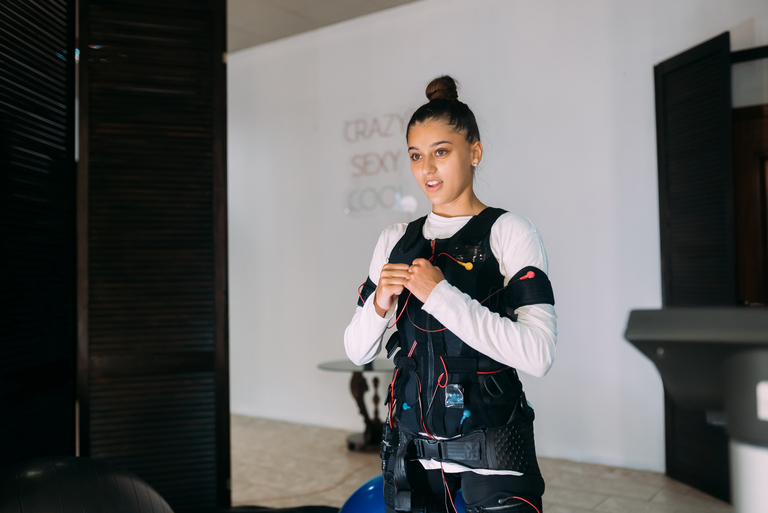
Moreover, some individuals are advised not to use EMS depending on certain health statuses such as if they wear a pacemaker or are pregnant.
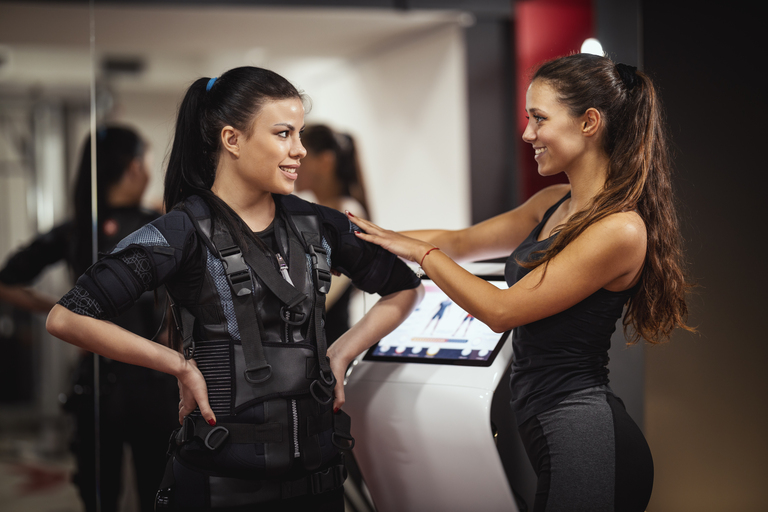
Besides, individuals have to be extra careful while using the machine because when the machine is placed incorrectly, it can cause muscle strain, sprains, spasms or even injuries. That is why it is crucial to consult a professional trainer before incorporating electronic muscle stimulation into your fitness routine. The trainer can guide on using the EMS machine correctly, and ensure that the electrodes are correctly placed.

If you do not have any medical conditions that limit you from using the machine and you would like to start using one, there are some fitness centres in Hong Kong that provide the service.
EMS Fitness Limited

Certified trainers help you tone your entire body by making you do low-intensity exercises while wearing the machine.

Price: Starting at HK$6200 for 10 sessions
Duration of one session: 20 minutes
Location: 10A, Carfield Building 77, Wyndham Street, Hong Kong​
Click here to make your booking.

Sixpad Station

Here the EMS training is more technology-advanced with this fitness centre also using a digital mirror that ensures that you do each step of the workout more precisely.

Price: Starting at HK$2560 for 4 sessions
Duration of one session: 15 minutes
Location: 327 & 329, 3F, K11 Musea, 18 Salisbury Rd, Tsim Sha Tsui, Hong Kong
Click here to make your booking

Feelness Hong Kong

Feelness offers a range of EMS programmes thus allowing people with different levels of fitness to find something more appropriate for them.

Price: HK$700 for 2 sessions
Duration of one session: 20 minutes
Location: 1/F, 87 Percival Street, Causeway Bay, Hong Kong
Click here to make your booking

Stay Cool and Hydrated: Tips to Beat the Heat and Quench Your Thirst

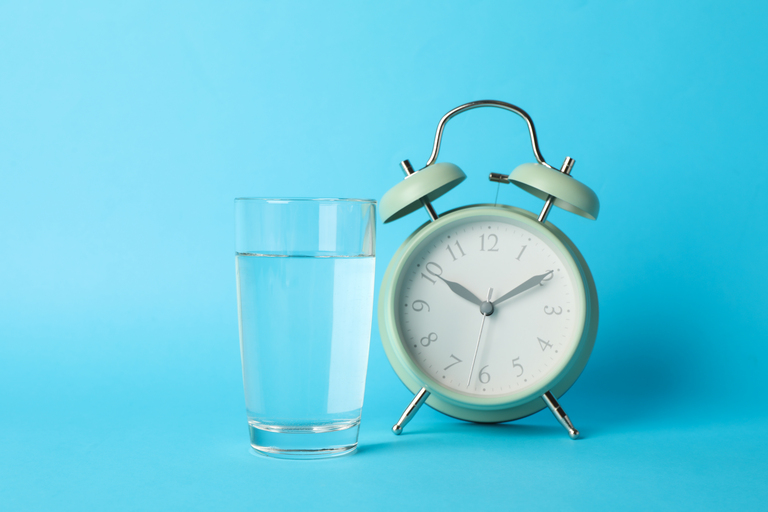
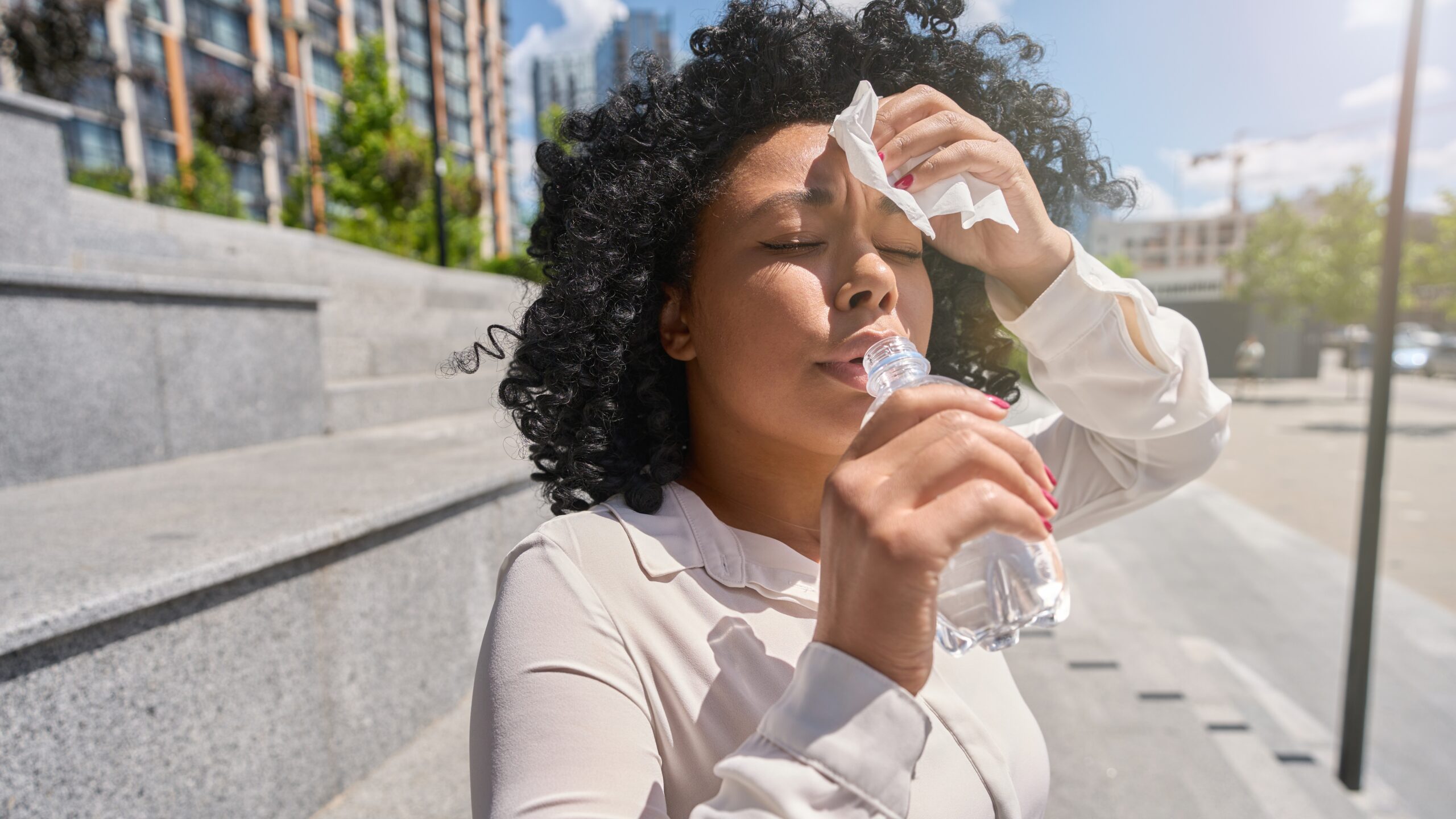
Staying hydrated is one of the most important things you can do for your health. While the usual recommendation is 6 to 8 glasses per day, a Harvard study found that these quantities actually depend on various factors such as the weather, medical conditions, age and activity level. That said, the body will need more water during the summer especially because we tend to lose water from the body through sweat.

Not only does it help regulate body temperature, but it also aids in digestion, supports healthy skin, and helps flush out toxins. Despite its importance, many of us struggle to drink enough water throughout the day. Fortunately, there are many tasty and creative ways to stay hydrated beyond just drinking plain water. So here are some tips to stay hydrated.

ways to stay hydrated

Eat water-rich fruits

Fruits and vegetables are certainly one of the healthiest and tastiest sources of hydration. Given the many options available, there is undoubtedly some fruit or vegetable for every person to include in their diet. Consume them either as a snack or have them in your daily meals and these foods can do more than just hydrate your body. Different produce are rich in different nutrients that are essential for the body to function healthily. Particularly, those fruits and vegetables containing potassium like watermelon, grapefruit, and spinach are more advantageous as they act as catalysts to keep the body hydrated by helping the cells to absorb water faster.

ways to stay hydrated

Pay attention to dehydration signals

Drinking less than the required amount of water can lead to dehydration and the body usually has certain ways of showing this. Some signals include dry mouth, chapped lips, tiredness, bad breath and more. So next time, if you notice any of these signs, drink some water first before applying that lip balm.

ways to stay hydrated

Set reminders

Though everyone knows how crucial it is to drink a lot of water, it can be quite easy to forget to do so especially if you are busy doing something else. One simple and great way to ensure that you intake water regularly throughout the day is to set reminders on your phone. There are even apps specially built for this purpose that allow you to set a daily target and the app will ring alarms at regular intervals reminding you to drink water on a regular basis.

Another way to remind yourself to drink water frequently is to buy one of those motivational bottles that come with time marks and slogans that encourage you to reach your daily water intake goals.

ways to stay hydrated

Try infused waters

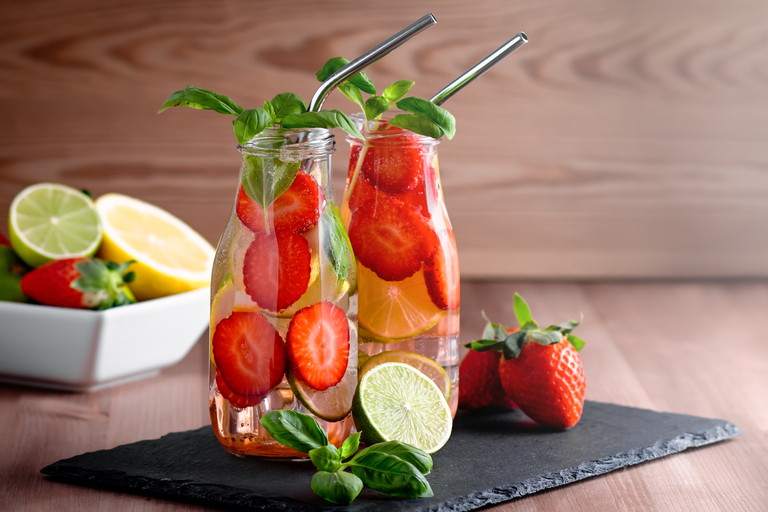
Water that is infused with flavours from herbs or fruits is also a nice way to ensure that you drink the optimal amount of water every day. They can also help with weight loss and digestion.

You can either buy pre-infused water or make your own infused water by adding certain herbs or fruits to a large jar of water and leaving it for 5 to 8 hours depending on how flavourful you want the water to be. Once the infused water is ready, you can filter and drink the water.

You can also purchase one of those infuser water bottles that have a special compartment with a filter in them for you to add some fruits or herbs to them, allowing the water to become concentrated with flavours throughout the day.

Triathlon – the triple-sporting challenge open to everyone

The triathlon is a sport that will push you to your limits of endurance and test your competitive spirit to its maximum. For many, the very thought of doing three different sporting activities in one go is simply too off-putting, too much of a test of physical stamina. But for others, the sense of overcoming great odds and of facing a supreme test of character is its great attraction. And it’s also a sport for all ages.

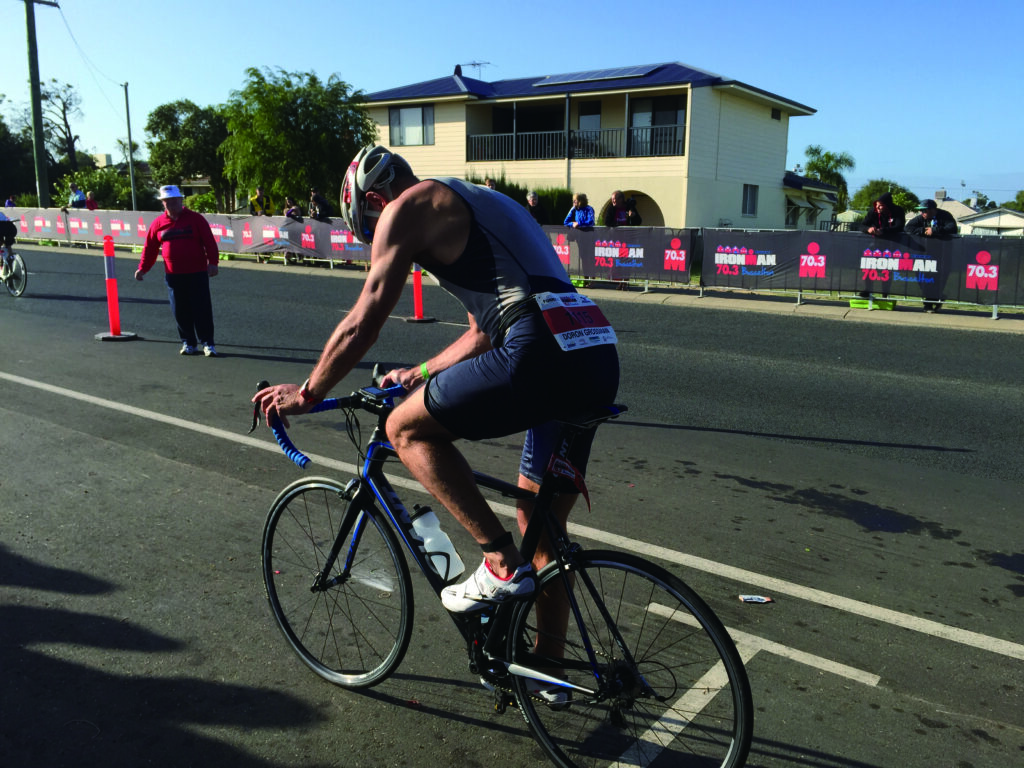
“Anyone can challenge themselves, regardless of age, I have seen people in their 80s participating,” says Doron Grossman, an Australian in his 60s and a veteran of several Singapore triathlons, as well as the Busselton and Bintan half ironman events. Such is his sense of achievement from these activities that he would actively encourage anyone to participate in triathlons.

What is a triathlon?

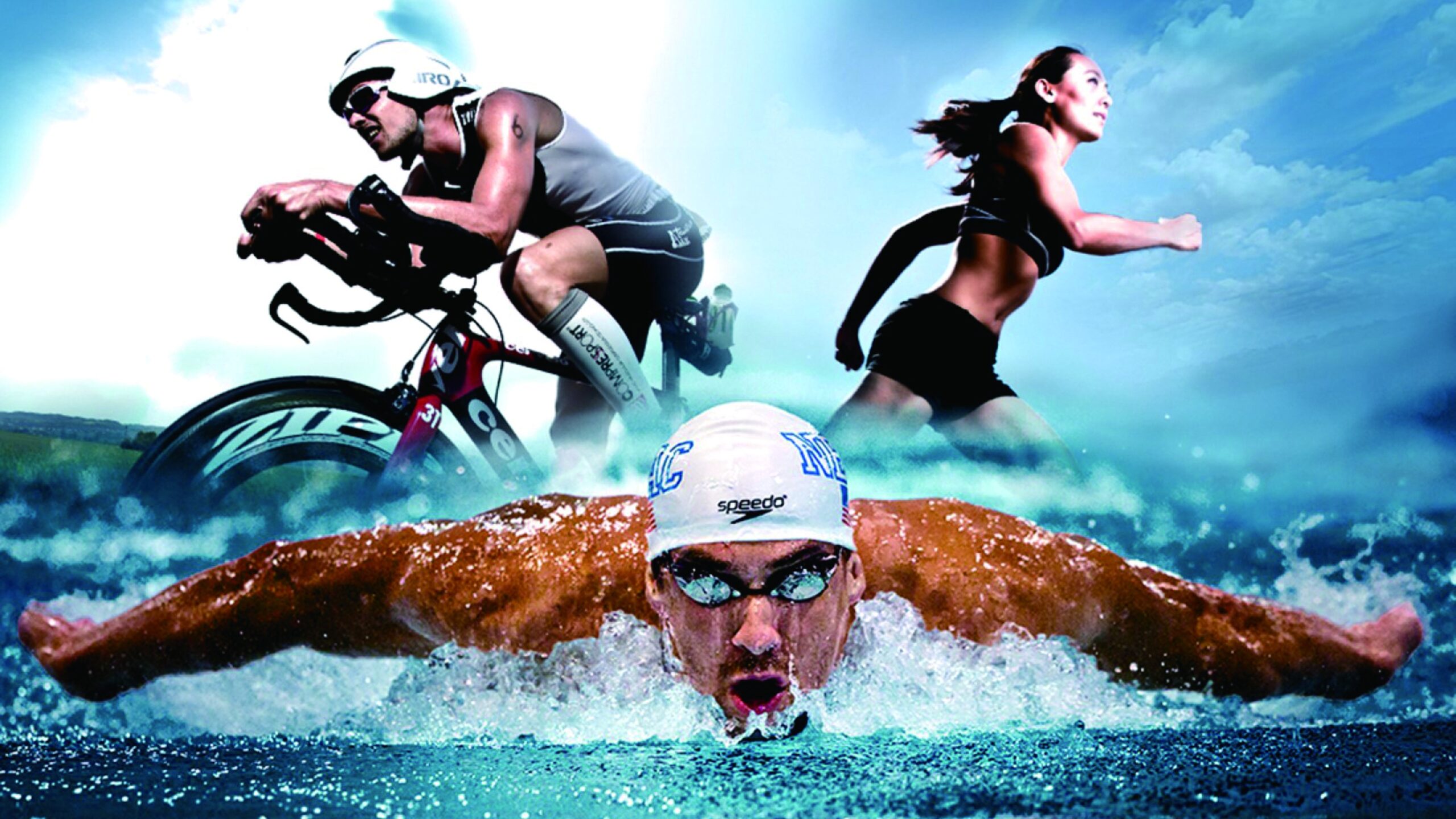
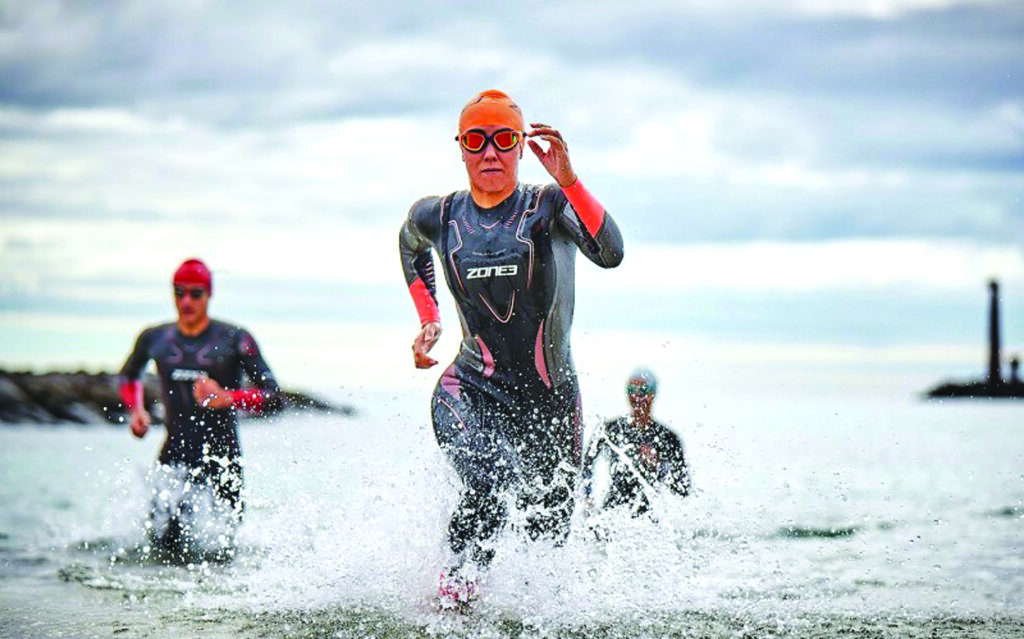
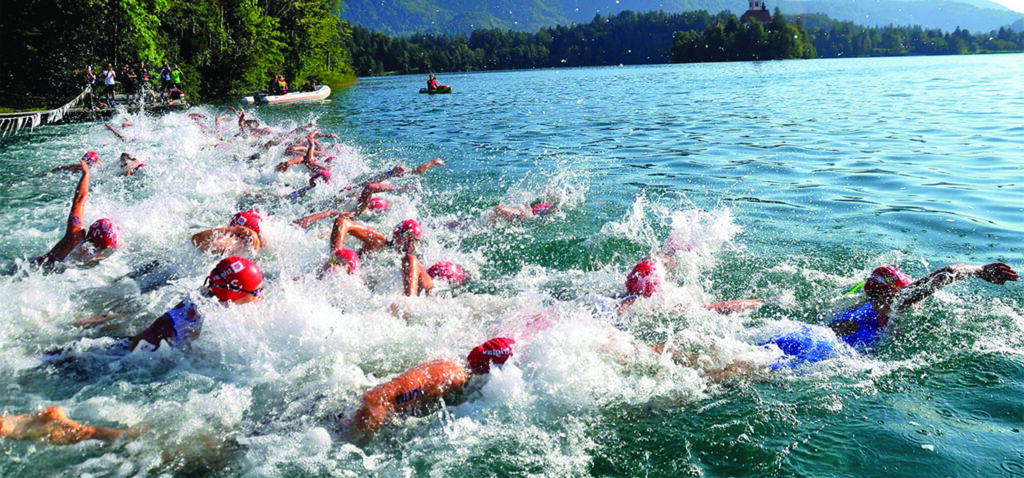
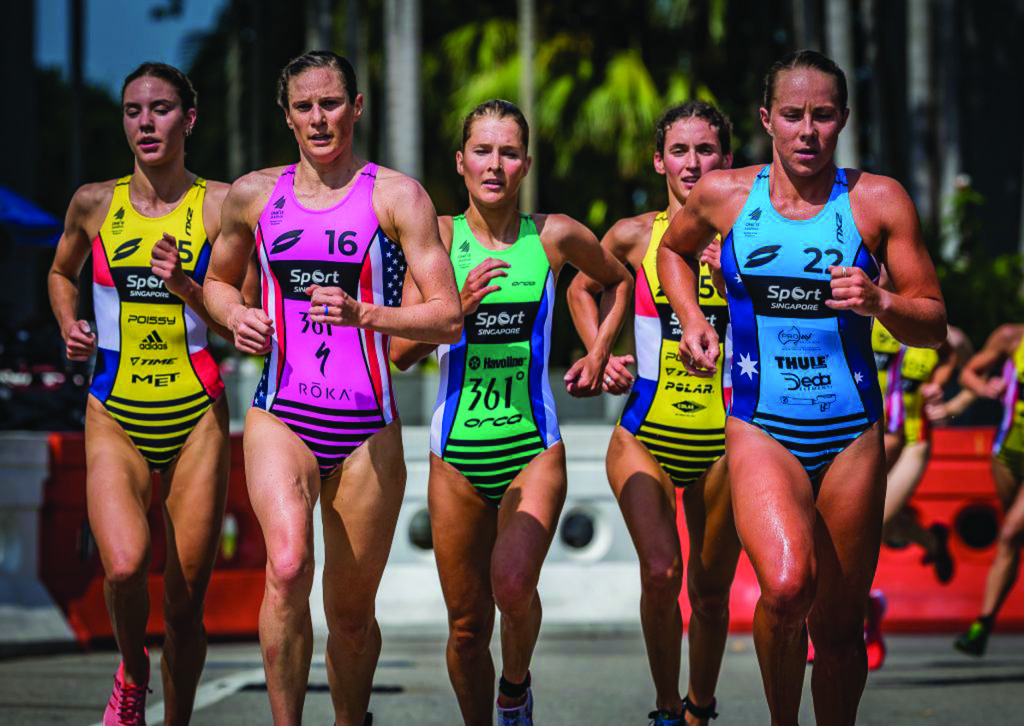
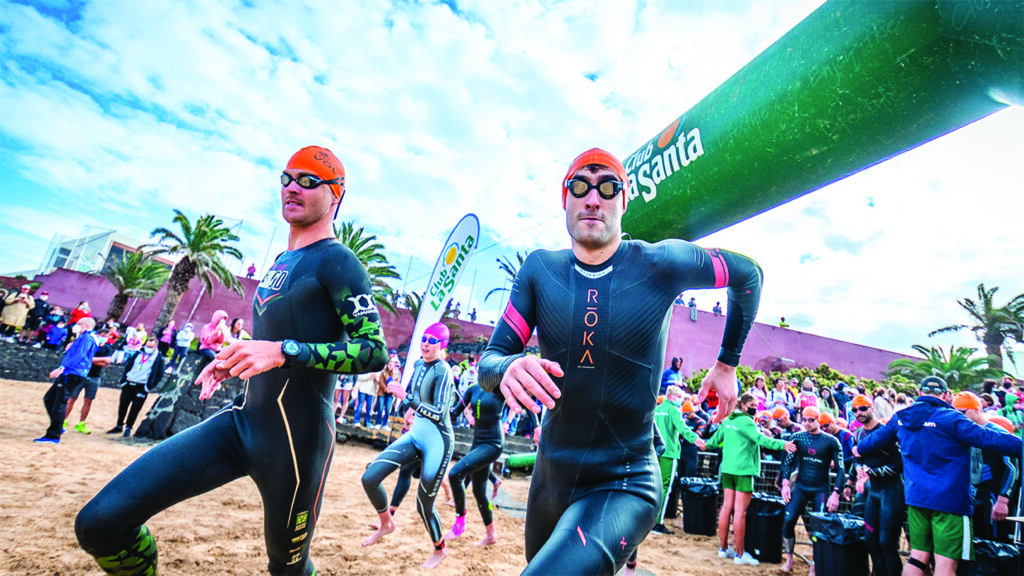
The standard triathlon combines swimming, biking and running, usually in that order, although any multi-endurance event in which three different sports are completed consecutively can be considered a triathlon. There are common triathlon distances for different categories, from the supersprint, which in total equates to about seven miles, up to an Ironman, which is even harder and totals around 140 miles. The first recorded triathlon took place in San Diego in 1974 and it became an Olympic Sport in 2000 in Sydney.

Why do people do it?

There are known to be considerable physical, health and other benefits from training for and participating in triathlons. As you train for a triathlon, your body will adapt to increased workloads and upgrade its cardio-respiratory function.

And this produces knock-on benefits. “I believe being physically fit assists in being mentally healthy and alert. Also, the endorphins that are produced really make you feel great about yourself. Participation also forces you to eat more healthily in order to fuel your body,” says Doron, who is also the managing director of a company involved in the insurance sector in Hong Kong.

Some competitors experience a strong emotional charge during training and competitions. Others report an intense almost spiritual feeling of overcoming adversity and struggle and of feeling a great sense of achievement.

Beyond that, there are a multitude of potential health benefits – lower bad (and higher good) cholesterol levels, reduced chance of strokes and heart attacks, lower blood pressure, reduced chance of diabetes, better overall body composition, and stronger bones to name but a few.

There is also a social aspect, with Doron saying: “You also meet a lot of people as training partners or coaches that create a like-minded social circle.”

The benefits of cross-training

Triathlon involves three sports so inherently training for such an activity involves crosstraining and includes a variety of exercises in the training routine.

This is also what makes training for triathlons so appealing for some, with the variety in the training routine reducing the burnout typically caused by concentrating on one type of exercise. Fitness can then become enjoyable and a lifestyle option. “The fact that it involves three disciplines makes training interesting. Many people get bored if they just run, bike or swim. By mixing it up, it keeps you motivated to train,” says Doron.

Obviously, to compete in triathlons you need a certain level of competence in swimming, biking and running. For newcomers to the sport, it is the swimming part which often appears the most challenging, including for Doron, who actually had to learn to swim before he could take part in his first such event.

Irrespective of any competitor’s individual goal, it is actually the training which is the most important aspect of a triathlon.

Time – the biggest commitment

“The biggest commitment is time. Training involves spending time training in all three disciplines as well as training for the transition, which is where you change gear from one discipline to another,” says Doron.

The transition is the stage where competitors drop off equipment they no longer need and pick up equipment they require for the next stage of the triathlon. Some experts suggest bringing along more items rather than potentially missing something.

Each individual athlete naturally has different strengths which affect their training routine. Training programs can be tailor-made to suit individual circumstances. “Personally, most of my training is concentrated around running, which is my greatest strength and I find that the cardiovascular fitness really helps with the bike. I also spend a few days a week swimming as that is my weakest sport and have to force myself to improve my technique as the fitness for swimming is already there.”

Doron believes anyone considering participating will need to have a good level of cardiovascular fitness and be prepared to participate in some form of activity for approximately one hour at least five days a week.

Obviously, there is the equipment necessary for the competition, which should be purchased with the idea of maximising comfort and efficiency for your training program and lifestyle. This equipment includes the right swimsuits, bike types, helmets and glasses, pedals, shoes, running apparel, nutrition belts, hydration systems and GPS watch amongst others.

Ultimately, top-tier triathlon competitors can be driven people, the prime example being Leslie Paterson. She used every skill she learnt competing in the triathlon, sometimes overcoming great pain and adversity, to raise funds for an adaption of All Quiet On The Western Front (which recently won seven BAFTAs) after years of it being rejected by Hollywood. She even completed a triathlon in Costa Rica with a broken shoulder to help fund the project. Now, that’s dedication.

Know Your Matcha – 5 Fascinating Facts About Matcha

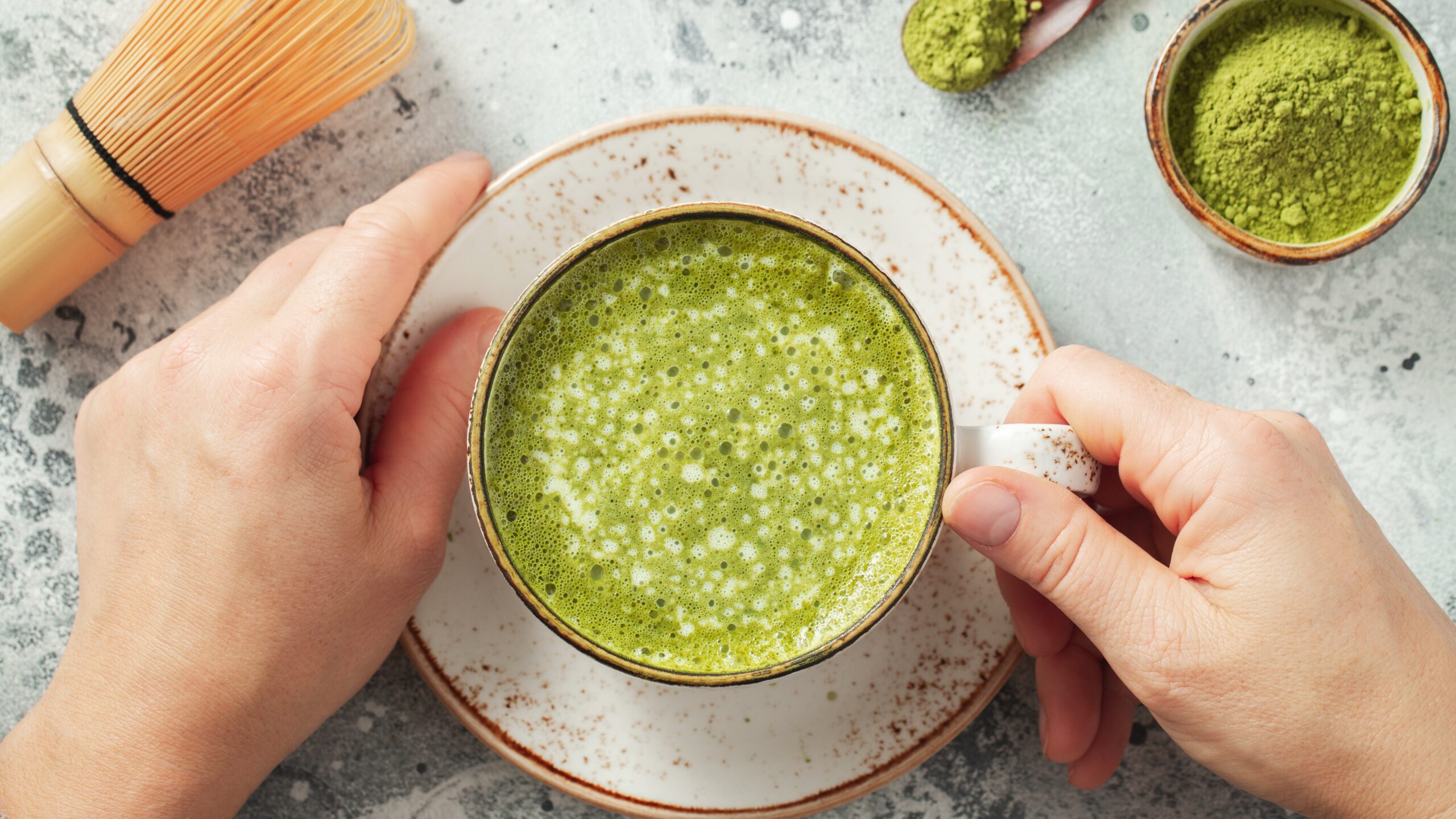
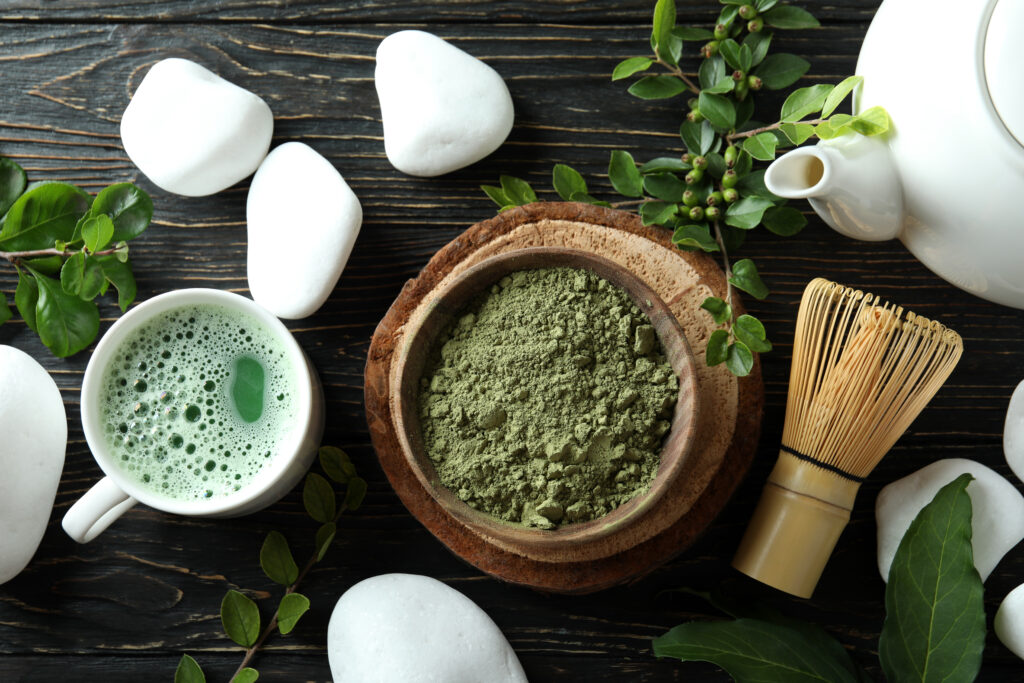
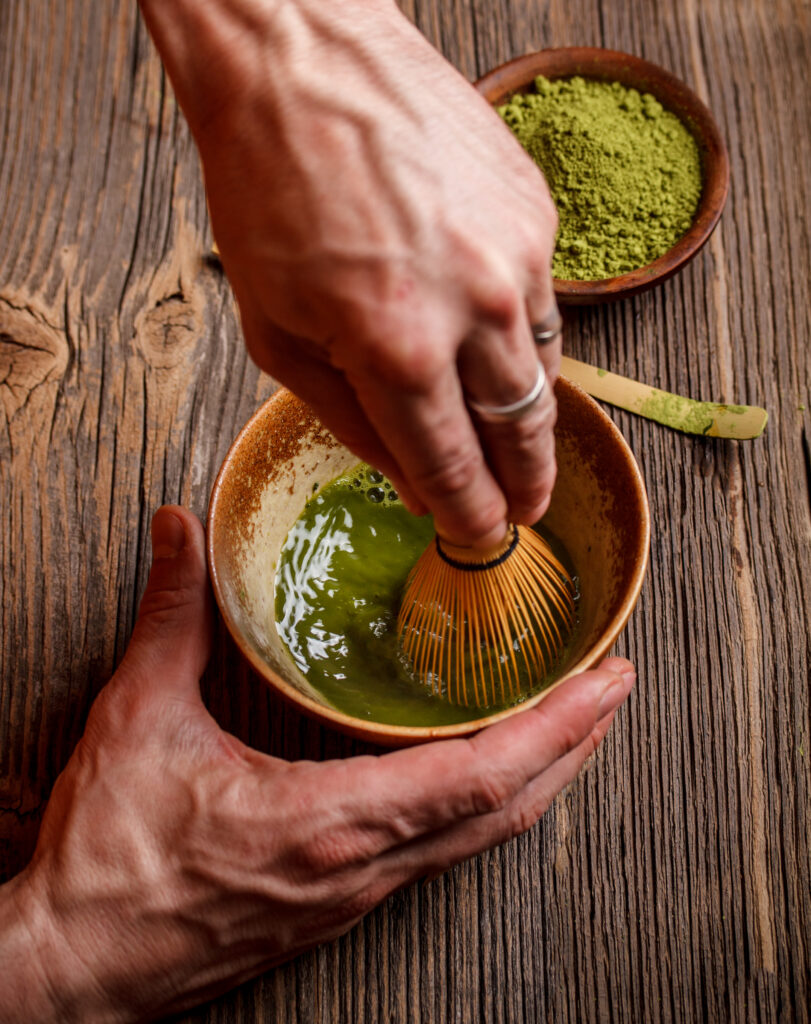
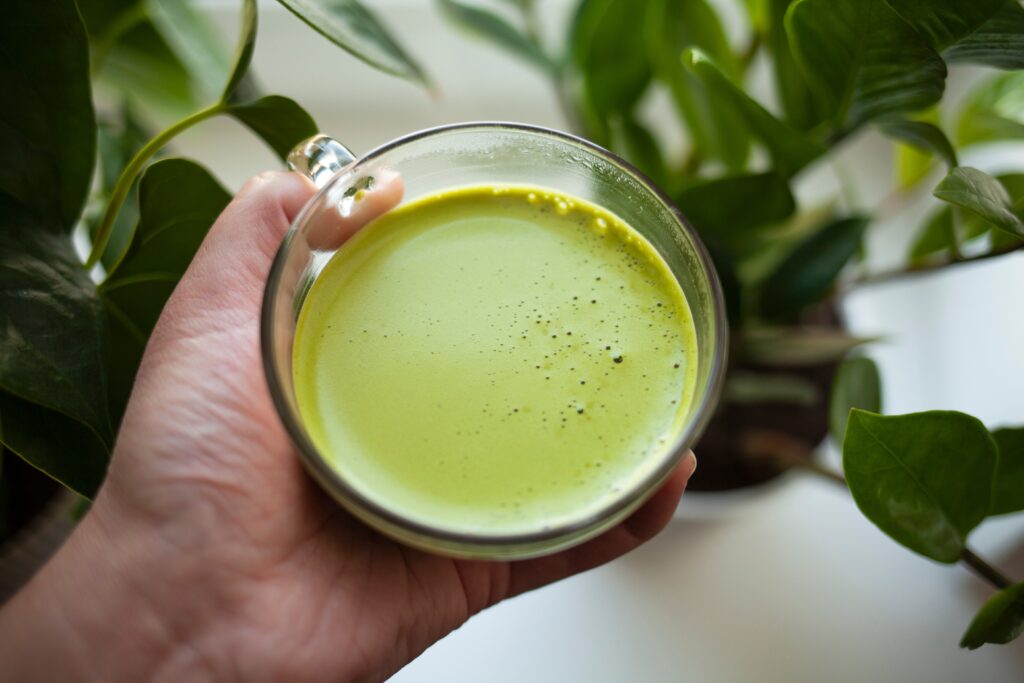
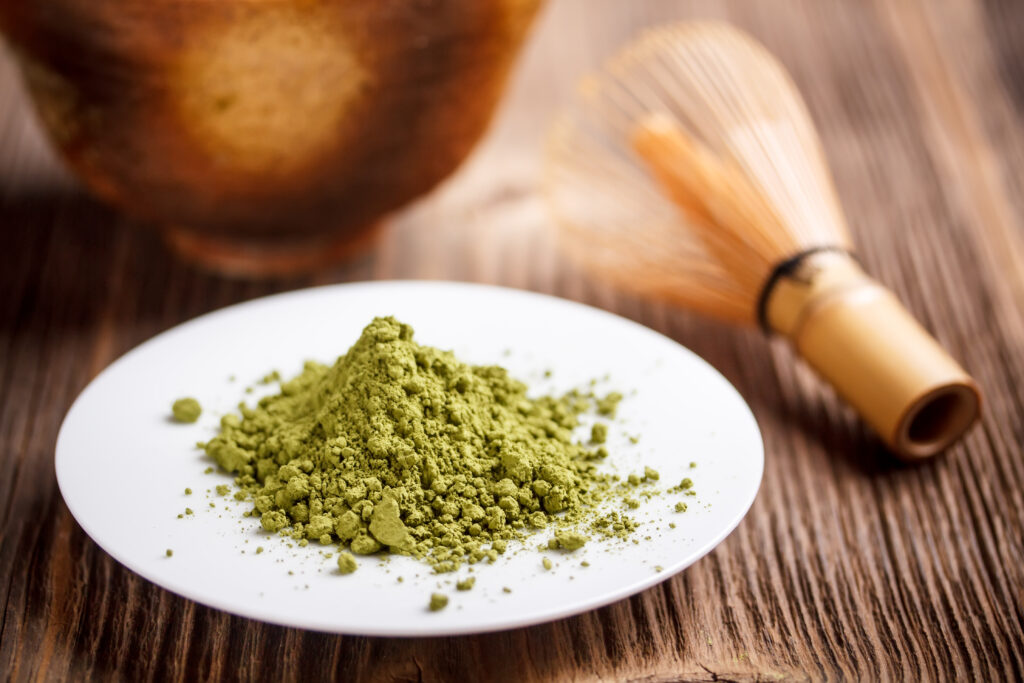
With more than 7 million posts about matcha on Instagram, matcha is certainly one of the most popular superfoods which has often been raved about by nutritionists for its many health benefits. Its unique taste allows it to be enjoyed in the form of beverages and desserts. Despite its popularity and the large population of people who like matcha-flavoured edibles, few people have a basic knowledge of the vibrant green powder. So, here are five interesting facts to educate yourself about matcha.

matcha

Matcha’s history goes back to the 7th century

Introduced during the Tang dynasty in China, green tea leaves were boiled and turned into bricks which were convenient to store and transport. These blocks were later powdered and consumed with water and salt. But it was only after the 10th century, this form of tea, or as we call it matcha today, started gaining worldwide popularity with a Japanese Buddhist monk named Eisai, who lived in China to learn about Zen Buddhism, introducing the tea to Japan. He sowed green tea seeds in the Kyoto region thus starting a new cultivation there.

matcha

Differences between green tea and matcha stem from the cultivation

Both green tea and matcha are harvested from the tea plant which is scientifically known as the Camellia sinensis plant. However, the process by which matcha is harvested is different from the methods used to grow green tea. For starters, in order to produce the matcha, the tea plant is grown in a spot with no sunlight during the last few weeks. The leaves are then dried as quickly as possible ensuring that they don’t turn brown by coming in contact with oxygen. Following this, its veins and stems are removed so that the leaves can be ground into the powdered form which is the matcha powder.

matcha

Matcha is healthier than green tea

Given that when people drink matcha tea, they are consuming the tea leaves which were pulverised, matcha tends to have more health benefits than green tea which only consists of the essence from the tea leaves. Besides, matcha gets its name as a superfood because of its numerous advantages to one’s health. To list a few: it is rich in antioxidants; it is good for the heart; it acts as a catalyst for weight loss; and it prevents cancer.

matcha

Matcha keeps you awake for a longer period of time

The caffeine content in matcha can range anywhere between 20 – 45 milligrams in one gram of matcha powder and the high-quality ones which are often referred to as ceremonial grade matcha will have about 34 milligrams of caffeine. Despite containing lesser caffeine than coffee, matcha tends to keep you alert for a longer period of time in comparison to drinking a cup of coffee. This is because matcha contains a type of amino acid which slows down the absorption of caffeine, thereby when a person drinks matcha, the caffeine in it is released gradually keeping you energised for a longer period, unlike coffee which gives you a quick spike in energy levels but also wears out quickly.

matcha

Matcha is a wonderful skincare ingredient

In addition to the benefits one can reap from drinking a cup of matcha tea, matcha is also a wonderful ingredient to include in your skincare. Today’s beauty market boasts a range of matcha-infused products like foaming cleansers, toners, face creams, masks and more. This is due to matcha’s antioxidant content which helps to fight acne and prevent ultraviolet rays from entering the skin. Matcha also increases collagen production which helps you achieve clear and supple skin.

Can Intermittent Fasting Lead to Sustained Fitness? We weigh the evidence…

While it’s an undoubtedly popular concept among the more fad-minded in the contemporary health and fitness world, exactly how effective is intermittent fasting when it comes to weight loss and an overall improvement in health? Well, for one thing, it’s certainly easier to manage than you might expect. All it requires is a little self-discipline, though, if you were over-blessed with that you might not be worrying about any excess weight problem in the first place. 

The idea behind intermittent fasting is that, by restricting your food intake, your body will be obliged to deplete its fat reserves to meet your energy requirements. While glucose from carbohydrates is your body’s most direct fuel source, you burn fat to provide energy when glucose isn’t available. Inevitably, this is more likely to happen when your body’s level of food intake is relatively low. 

Essentially, intermittent fasting means scheduling for yourself periods when you refrain from eating. As it is not about what to eat, but only when to eat, it is not considered a diet per se. Although being mindful of what you eat will certainly deliver optimum outcomes, some studies have shown good results are still possible in instances where 14 hours of daily fasting are sustained without changing your normal food choices. 

That aside, let’s briefly consider the five supposed benefits of this particular practice. 

Weight Loss 

Many of those who favour intermittent fasting do so in the belief that it will trigger a hormone reaction that catalyses weight loss. This is based on the notion that lower insulin levels, higher Human Growth Hormone levels and increased amounts of norepinephrine (noradrenaline) will increase the breakdown of body fat and facilitate its use to meet energy needs. 

According to one 2011 study, intermittent fasting also results in less muscle loss than continuous calorie reduction. There have also been claims that it especially benefits those people that don’t have time to devote to meal planning and preparation. This may be why it appeals to those seeking an easy alternative to something more rigorously thought-out and planned. 

Improved Cognitive 

Functioning While the buzz surrounding this practice is relatively new, the notion of intermittent fasting actually dates back many centuries. It was practised by a number of ancient civilisations, with many contemporary religions retaining some vestige of the practice, often in the belief that it helps achieve clarity of focus. In support of this, a study published in Molecular Psychiatry indicated daily fasting can enhance memory and help guard against neurological disorders. 

Fasting is also said to increase the level of a brain hormone called brain-derived neurotrophic factor (BDNF). A BDNF deficiency has been cited as a cause of depression and various other brain problems. Some have even claimed that fasting can help fend off Alzheimer’s Disease, the most common neurodegenerative disease. Such suggestions have, however, yet to achieve widespread acceptance among the medical community. 

Longevity and Slow Ageing 

Another supposed benefit of intermittent fasting is that it can even help you live longer. This is based on the claim that its triggers autophagy, a cellular recycling process that disposes of older and potentially diseased cells, resulting in an extended lifespan. Such assertions are, however, somewhat contentious. 

While there have been some studies that could be seen as lending credence to such a notion, this is a highly controversial medical field and one where commercial imperatives are frequently seen as trumping proper evidential analysis. As ever, it’s best to treat any such claims with a measure of cynicism until an acceptable level of scientific consensus emerges. 

Improved Heart Health 

There have also been a number of assertions that the practice of intermittent fasting can help ward off future coronary problems. As heart disease is both widespread and potentially hugely debilitating (if not fatal) this is an extremely alluring prospect, while again being one that should be treated with a degree of caution until it is comprehensively endorsed by the medical community at large.

Advocates of the notion, meanwhile, maintain that intermittent fasting may improve the body’s insulin response, a mechanism that helps control blood sugar levels. This chimes with the belief that lower cholesterol and blood sugar levels can lower the risk of weight gain and diabetes, two factors known to be related to higher incidences of heart disease.

Prevention of Cancer

Inevitably, given the wide range of benefits attributed to intermittent fasting with varying degrees of credibility, sooner or later some advocate or other was going to champion its anticancer potential. Equally inevitably it was also going to be the ‘sooner’ box that got ticked.

Proponents of this particular belief maintain that intermittent fasting reduces the risk of cancer by slowing the ability of cancer cells to adapt and spread. As a corollary to this, there have also been suggestions that fasting can reduce the side effects of chemotherapy. While not wishing to entirely discredit such notions, it’s worth bearing in mind that the higher the Fear Factor, the greater the likelihood that unverifiable solutions will be posited by the less scrupulous practitioners. Few conditions have a higher fear factor than cancer.

The Best Workout Apps to Exercise at Home

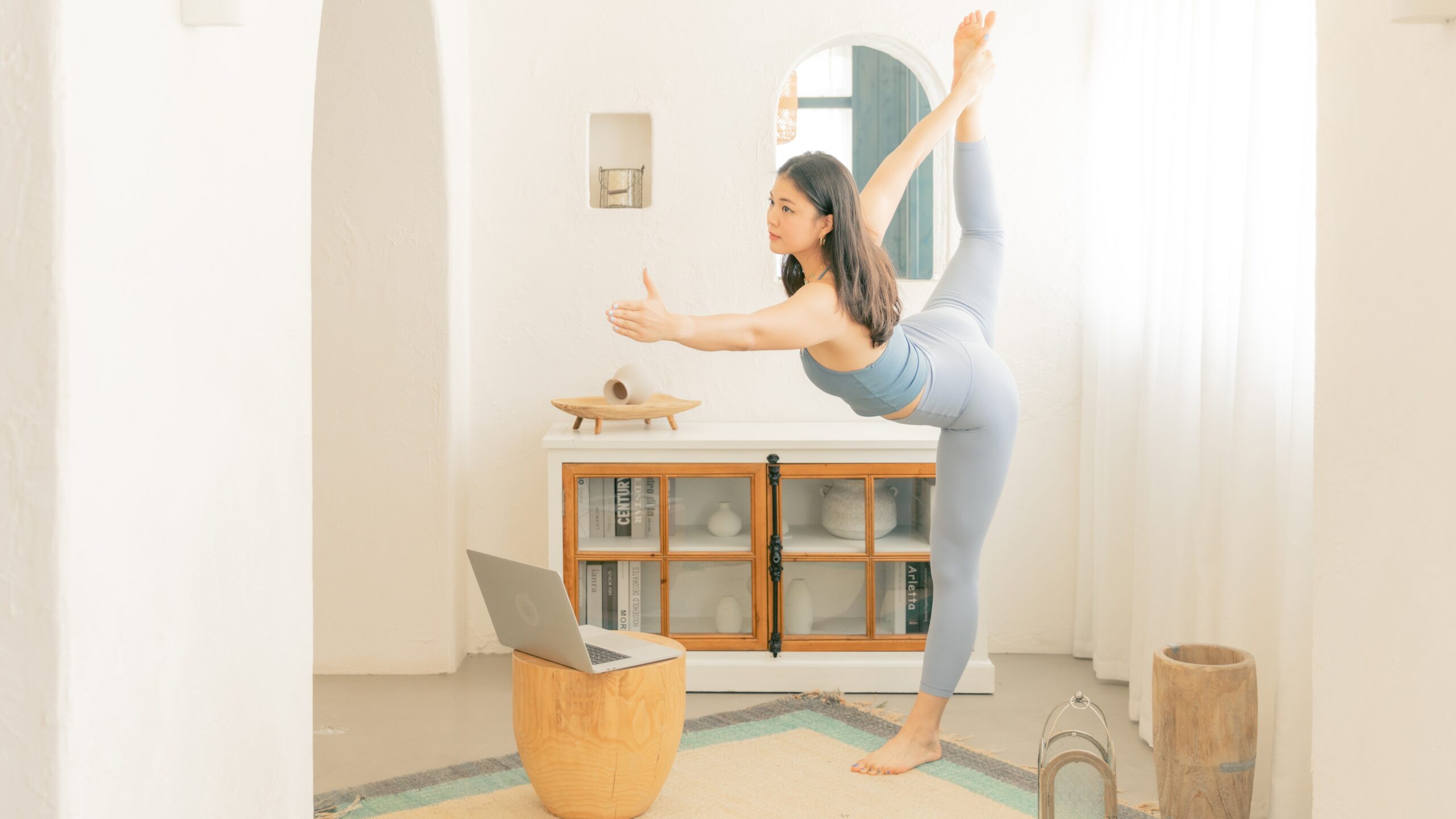
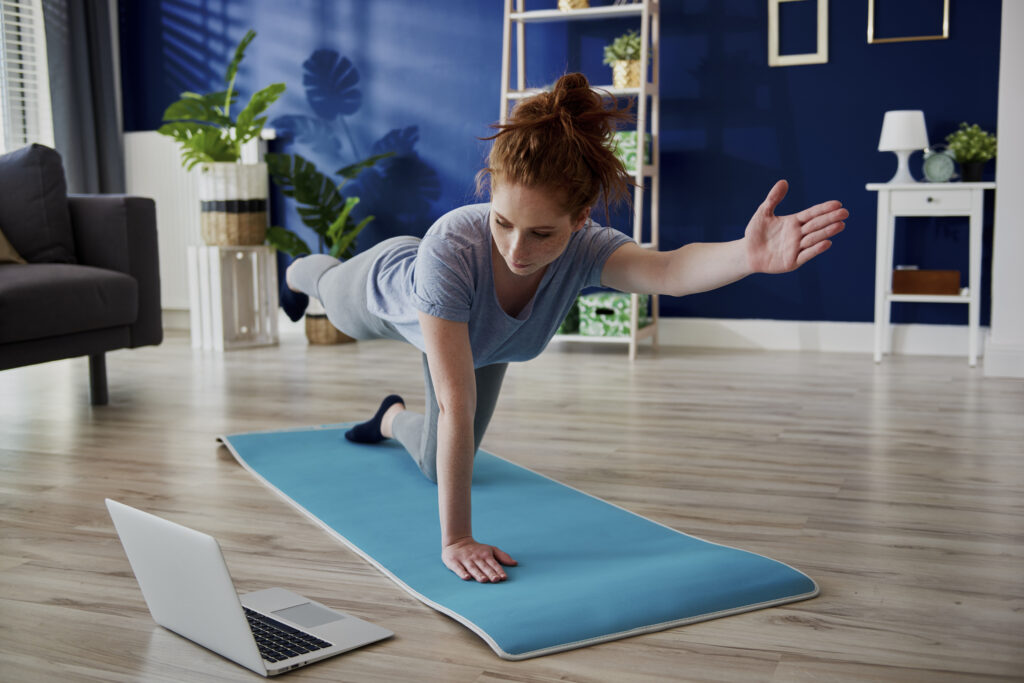
Whether it is the weather that won’t let you go outdoors for a run or a hike, or you simply prefer to do your regular exercises from the comfort of your home – working out in your home gym or doing pilates in your very own fitness room – it will be convenient and amazing to have something resourceful like a workout app to guide you through your workout sessions while understanding your fitness needs and goals. Here are the top five fitness platforms to help you lead a healthy and active lifestyle.

fitness apps

Fit On

Perfect for people who want to include short and effective workouts in between their busy schedules, Fit On boasts a variety of workout plans including pilates, stretching, toning, yoga, strength training and more that helps you to stay fit. What sets this fitness app apart is its line of celebrity trainers and certified fitness specialists who make each session very entertaining. Additionally, the app also allows you to find workout partners with whom you can stay motivated and encourage each other not to miss workouts.

fitness apps

Centr

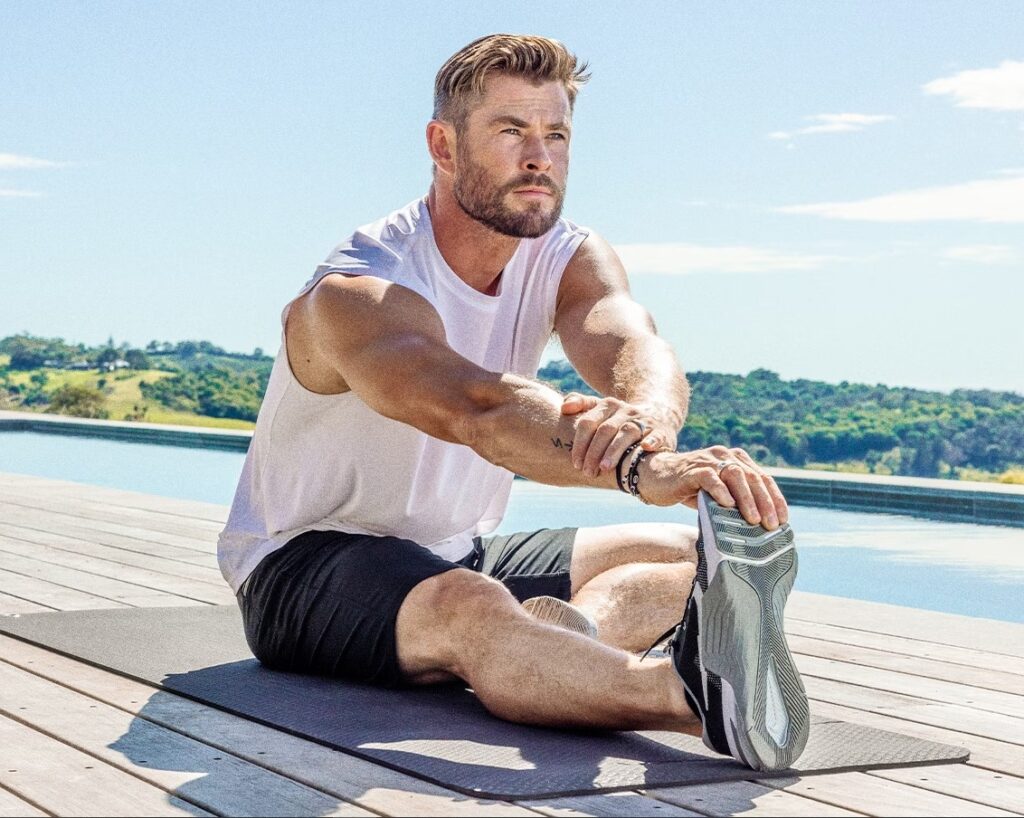
It goes without saying that a Hollywood actor like Chris Hemsworth who played a superhero or has been voted as the People’s Sexiest Man Alive certainly pays extra attention to his physique and has only the best staff of personal trainers and nutritionists who help him achieve and maintain his sculpted physique. Founded by the Thor actor himself, Centr allows you to get the exact training by the same team who trains the Marvel actor.

fitness apps

Pure Online

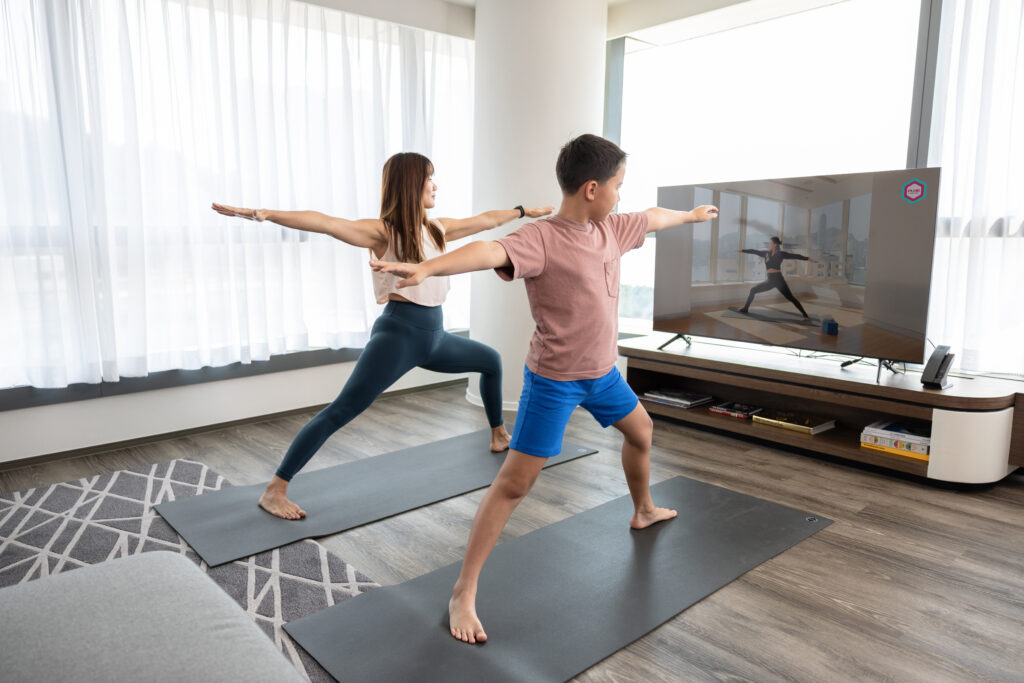
Pure Online is a technology-forward fitness platform equipped with an artificial intelligence program that allows you to ensure that you are following each step in the workout routine properly as guided by some of the top-class instructors from all over the world. The platform has a vast database of exercise and yoga videos of different fitness levels and durations that will also be updated on a regular basis which means you can keep your workouts new and fun every time.

fitness apps

Yoga Go

Yoga Go is a wellness app that is particularly built for people who choose yoga as their style of workout. From short sessions that can be completed in less than 10 minutes to extensive ones that are as long as 30 minutes, the yoga-centred app is catered to the needs of different individuals depending on your fitness goals – lose weight, build muscles or others – which the app will ask in advance so that all your workouts can be filtered and personalised to your needs.

fitness apps

Freeletics

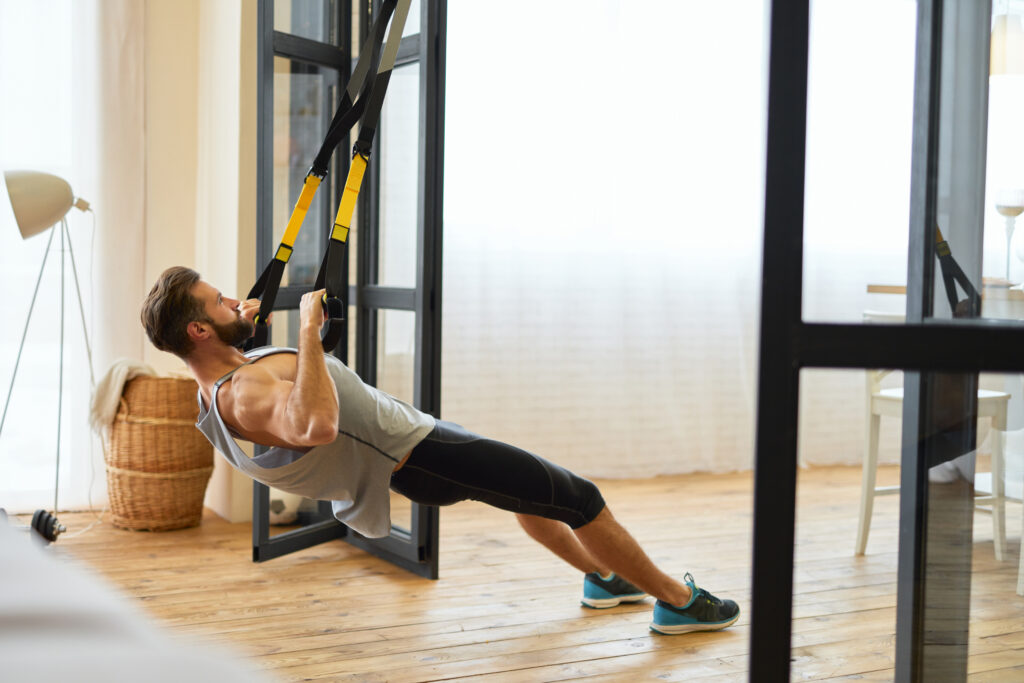
The apt way to describe Freeletics is that it is your very own personal trainer whom you can take with you anywhere you go as this bespoke workout app personalises your workout schedule according to your needs and lets you to workout anytime and anywhere regardless of whether you are empty-handed or have equipment with you. More importantly, Freeletics keeps track of your fitness journey while regularly asking for feedback ensuring that your workout plan is updated to match your fitness growth and abilities.

The Best Group Fitness Activities To Try In Hong Kong

Working out is essential for a healthy lifestyle but on most days, it can be easy to ignore the required regular exercise, especially following a busy day at work. If only there was a way to feel encouraged to work out and have company while doing it, staying active could be much easier. One perfect solution is joining a group fitness activity and Gafencu has found the best ones for you.

group fitness

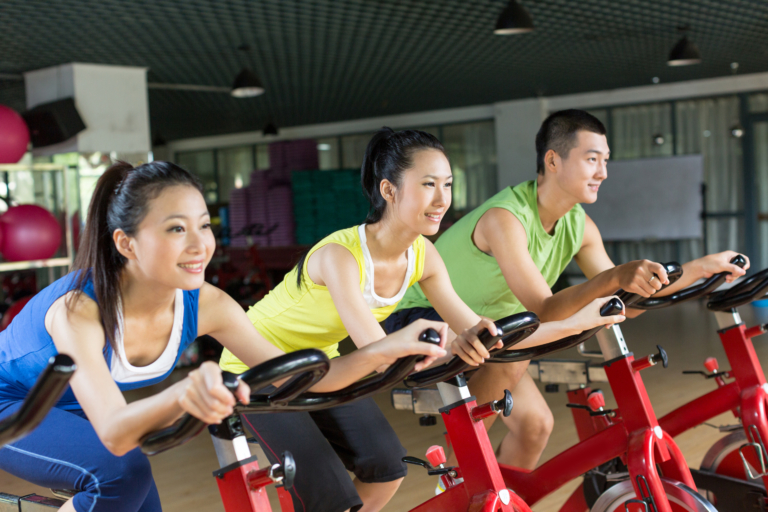
Spinning Sessions

Considered a sweat-inducing cardio workout that can get your heart pumped and lead you to drop some pounds, Spinning sessions are a perfect way to implement regular exercising in your life. Besides, spinning classes are always fun given that there is always some peppy song playing in the background with an encouraging instructor guiding you to push the wheels to the beat of the music. A couple of workout studios like Renation, Pure Fitness, Velocity and more offer these indoor cycling classes.

group fitness

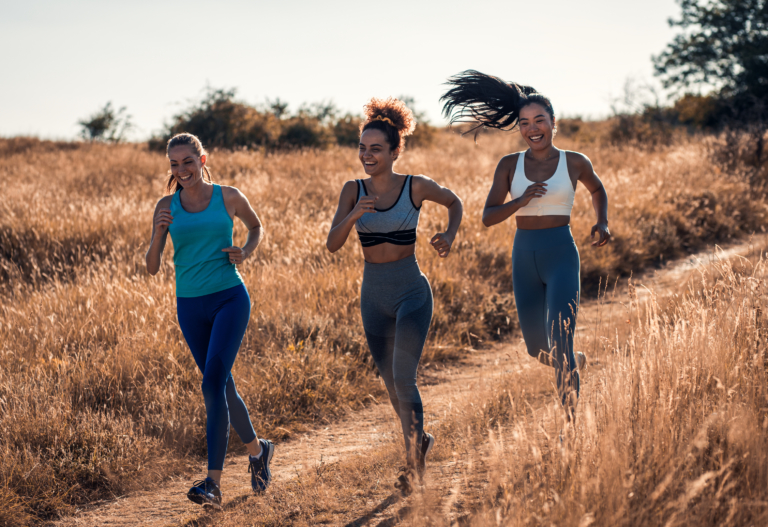
Running and Strength Training Workouts

Midnight Runners is a workout group based in different parts of the world,  including a community in Hong Kong. Though the fitness group’s name mentions them as just runners, as their tagline describes, Midnight Runners does more than run. Between their jogs and sprints, they do some strength training. Midnight Runners usually meet up on Thursdays (7:00 PM) at Central and recommend that you come straight to the spot, wearing your workout clothes and shoes, ready to start stretching and running. You can always check their latest workout schedule on Heylo.

group fitness

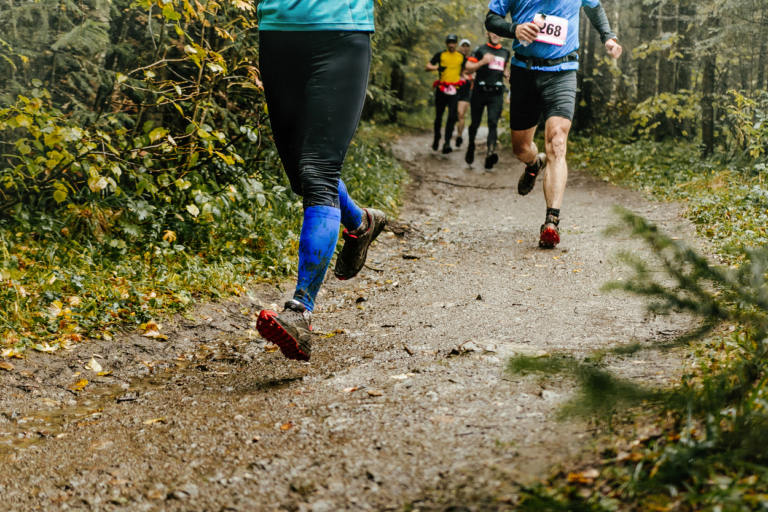
Trail Running

If you are a nature lover who loves getting your regular dose of exercising in the outdoors, then you obviously don’t need an introduction to trail running which is typically running on a path that is enticingly surrounded by greenery letting you inhale fresh air throughout the run. Whether it is your first time or you are not new to it, joining a trail running group like the Trail Runners Association of Hong Kong will be a great way to find more people who share the same fitness interests as you.

Also Read: Ultra Formidable – Tenacity of trail runner Igor Gal pushes him to the Peak

group fitness

Hiking

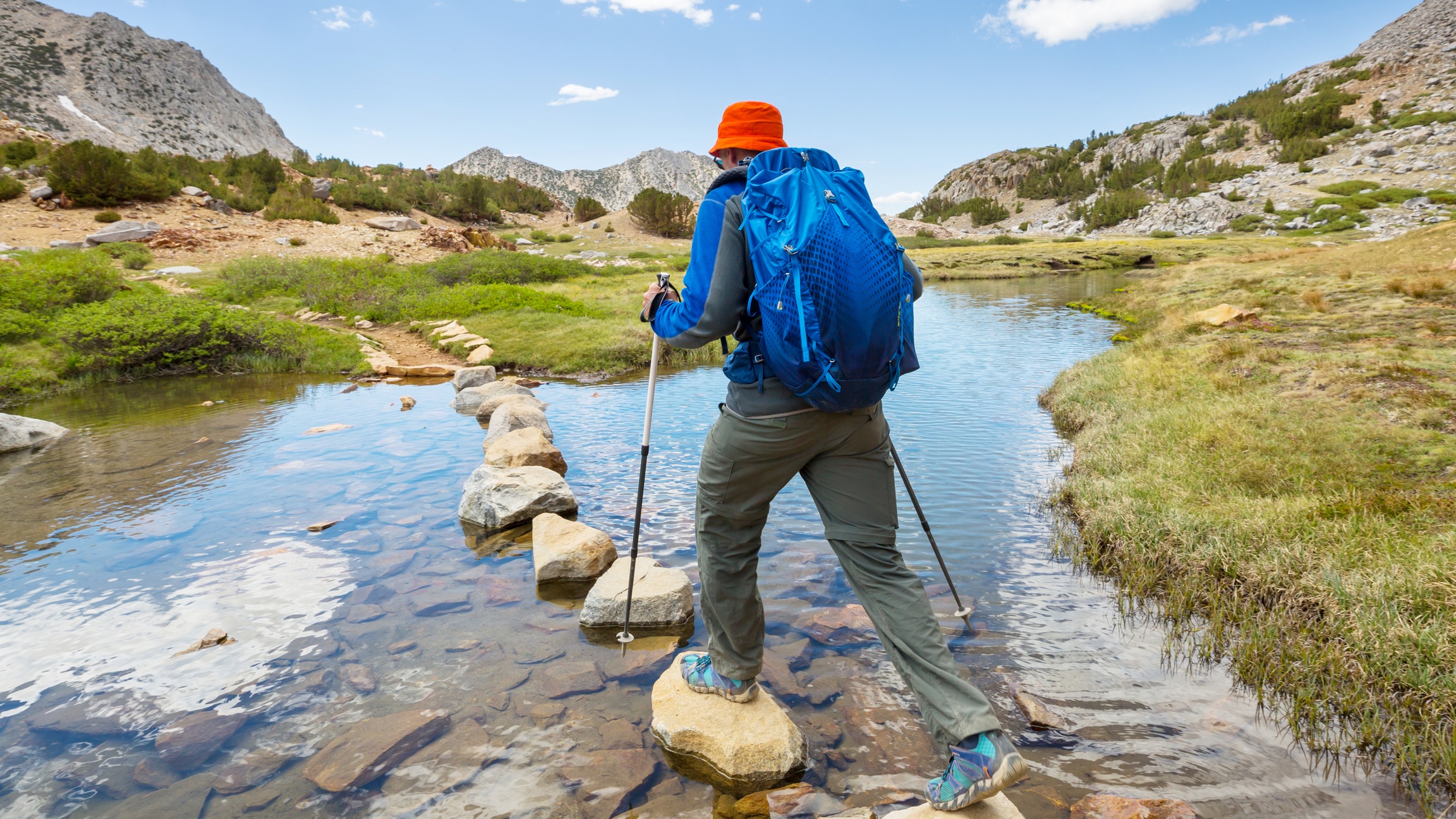
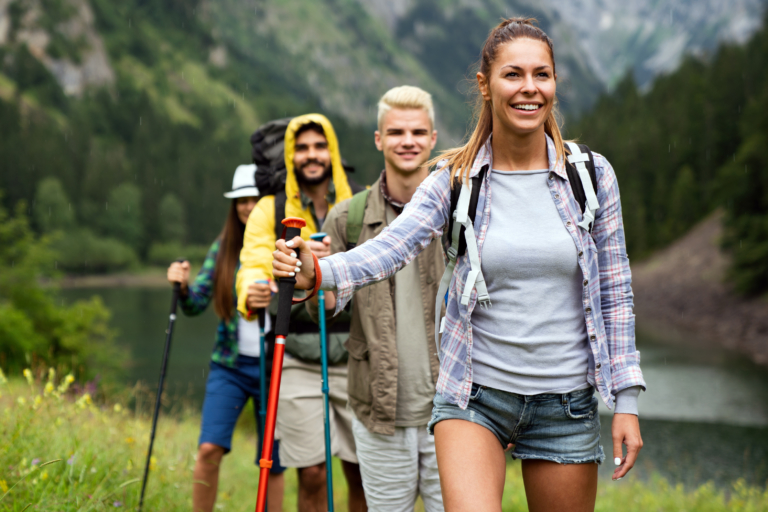
Hong Kong may be known for its tall skyscraper buildings but it also has some picturesque hiking trails – one of the famous ones being the one leading to Victoria Peak. For those who would love to go on hikes but have not found the company to do so and don’t want to do it alone, then you can always join a hiking group. For instance, there is the Leisure Hike & Simplylife which has formed a hiking community for people of different fitness levels.

group fitness

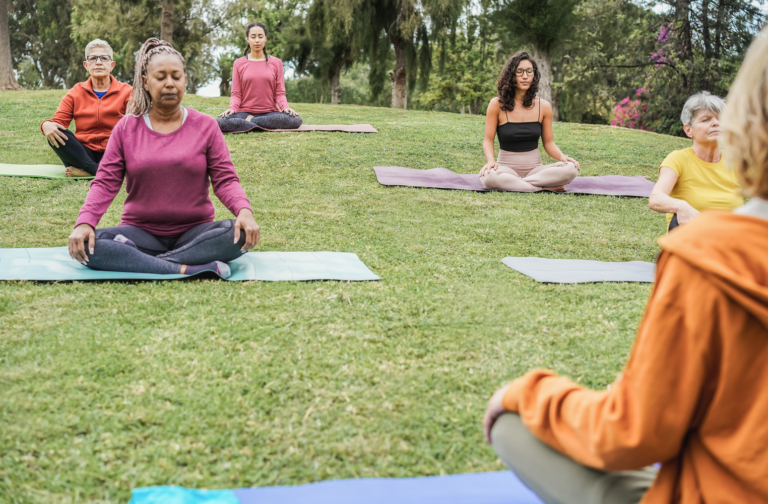
Outdoor Yoga

For those of you who love to do yoga, why not elevate the experience by partaking in some outdoor yoga retreats? The perfect start for this is The Hideout, a wellness group that regularly conducts outdoor yoga events followed by brunch. Each session takes place at Mui Wo on Lantau Island but don’t worry the organisation arranges transport facilities for you to reach the spot. Make sure that you bring your own yoga mat and other necessities like water, sunscreen and a hand towel.

The A To Z Of Cold Water Therapy – Everything You Should Know About This Recovery Method

The freezing cold water when you stand under a waterfall or that chilly shower when you forget to turn on the heater – if you think these low-temperature waters are unbearably cold then wait until you hear about a classic and trusted practice that has been followed since the times of ancient Greece. It is cold water therapy which is sometimes referred to as cryotherapy. Given all its health benefits, here is everything you should know about the therapeutic practice.

©The Iceman (Wim Hof)

What is cold water therapy?

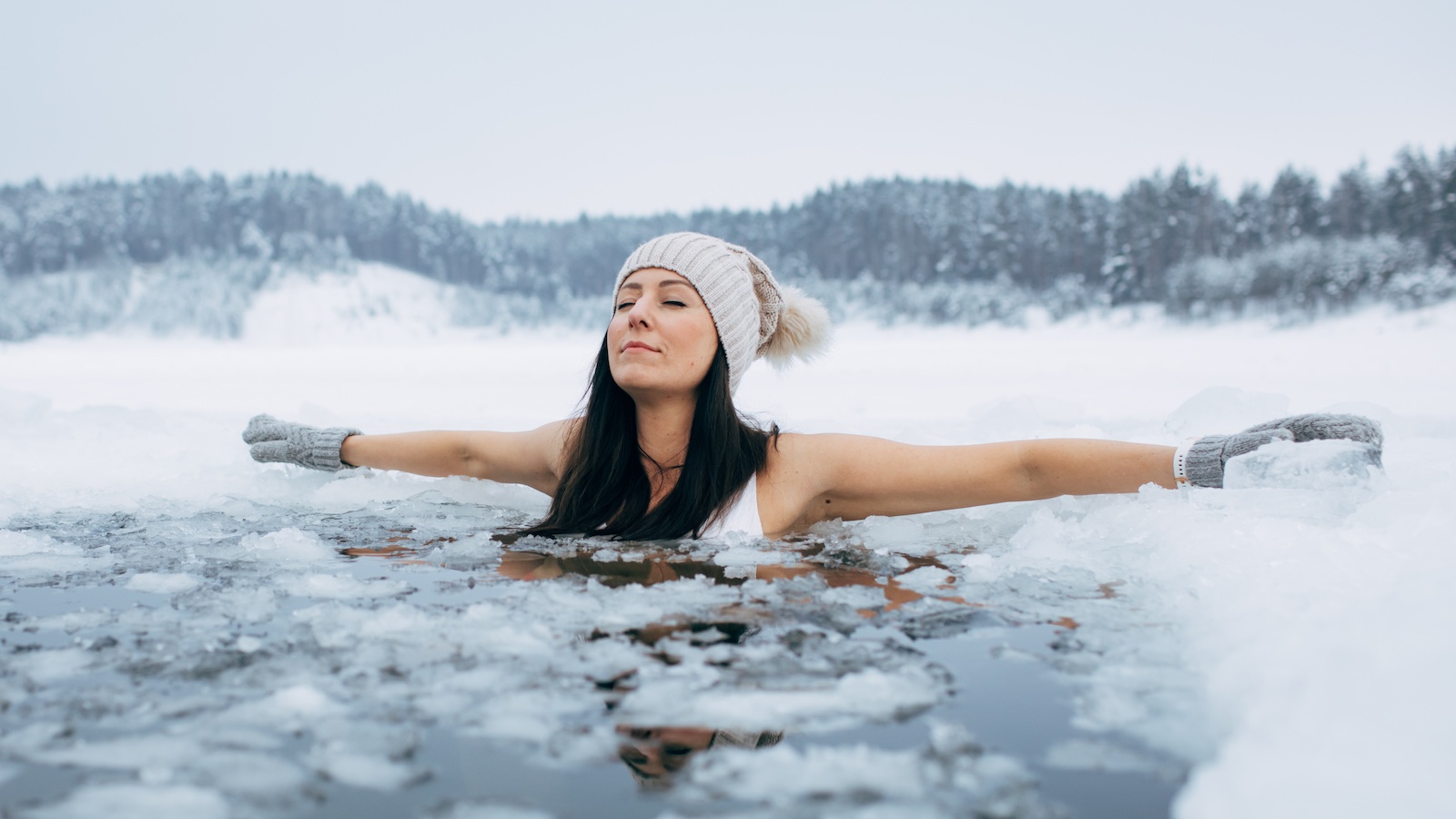
As made self-explanatory in its name, cold water therapy is when you expose your body to a certain temperature – typically less than 15°C – for a short interval of time depending on how long it is bearable for you. It is generally advised that you get away from the water when your body starts shivering uncontrollably.

How is cold water therapy done?

There are primarily three ways of partaking in cold water therapy – the immersion method, the shower method and the Wim Hof method.

The first one involves immersing your body (neck down) or a certain part of your body that you want to relieve pain from inside a huge bucket of cold water. The second is simply standing under a cold shower.

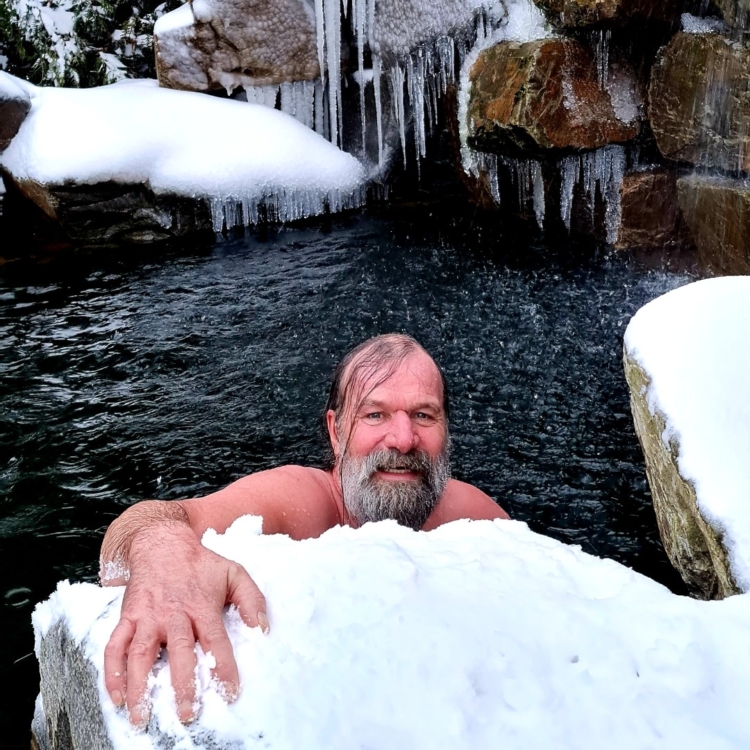
The last one was made famous by the wellness expert Wim Hof who is famously known as the Iceman for doing activities in extremely low temperatures that any person cannot normally withstand. One such achievement is his quest of being inside a bucket filled with ice cubes for 112 minutes.

©The Iceman (Wim Hof)

The Wim Hof method basically pairs cold water therapy with breathing while being in close contact with nature as that can be healing not only to the physical body but also to the mind.

When comparing the three techniques to each other, the immersion practice is considered to be the most effective.

Why is cold water therapy good for your health?

There are definitely some reasons why people have continued to do cold water therapy for centuries now. It is mostly used for muscle and joint pain relief by sports people and others. To better understand the benefits of this age-old practice it is worth looking at the science behind this sort of cryotherapy.
When extremely cold water touches your skin, the blood vessels in your body contract in size and the pressure from this water pushes your blood to flow to your brain and heart. Once you step away from the low-temperature water, the blood vessels expand and the blood flows back with more nutrients and oxygen filled in it thus being able to clear all the wasteful toxins.

As a result, cold water therapy is not only good for treating pain but also a great way of improving your cardiovascular system.

©The Iceman (Wim Hof)

Where to do cold water therapy in Hong Kong?

You can either do it in the comfort of your home or in wellness centres where they have the resources for it. Two such places are the Float Co. and The Gym in Hong Kong where they use the immersion method.

Another way to try cold water therapy is by attending wellness events conducted by experts. For instance, a breathing exercise expert from Primal Breathwork conducts regular breathing and ice bath sessions in Hong Kong that follow the Wim Hof method.

Also Read: Post-workout muscle recovery for a healthier mind and body

Playlists that can help you fall asleep in 10 minutes – the connection between sleep and music

Some people are fortunate enough to doze off in a few minutes as soon as they lay down on their bed, but some people tend to turn around for hours before possibly falling asleep. Whether you fall under the first category or the latter one, it is proven that individuals have better productivity when they have got a good night’s sleep the previous day. So it is only logical to find a way to fall asleep easily thus helping you get the required amount of rest and feel refreshed the next day.

sleep music

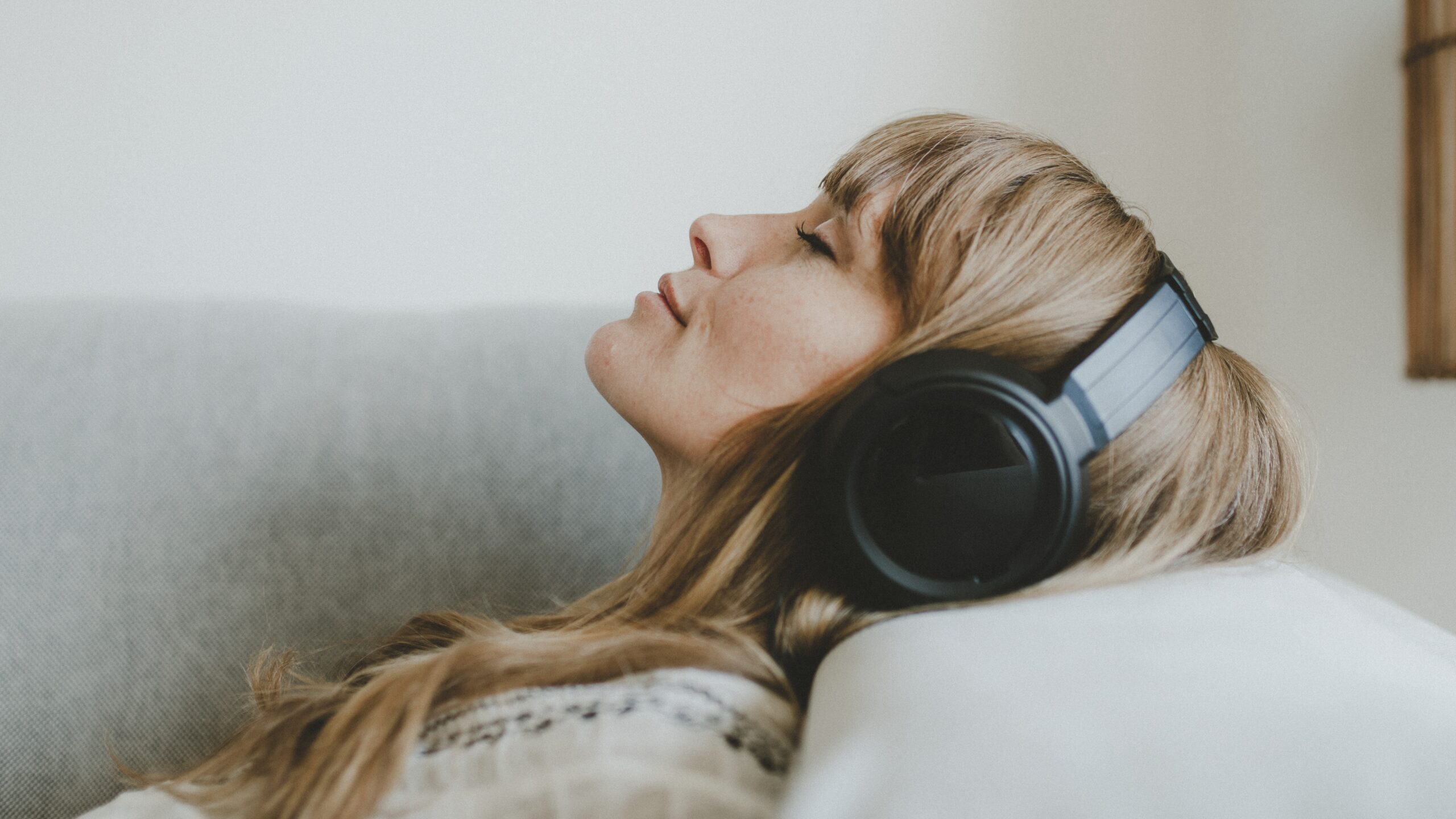
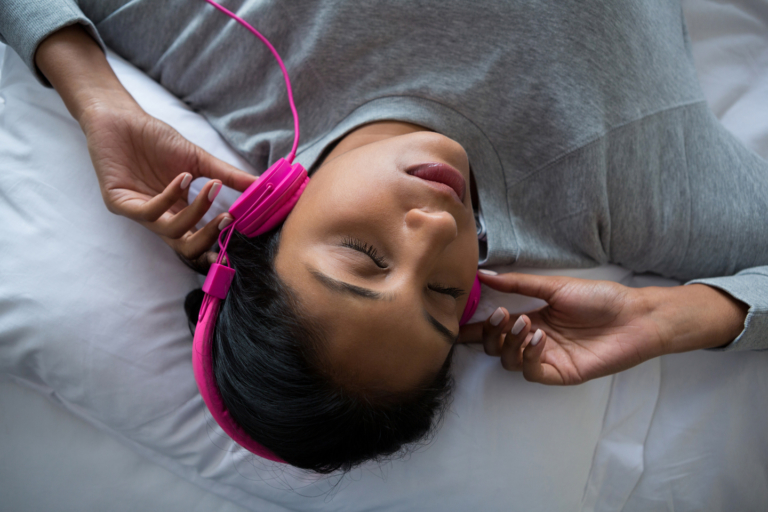
Music happens to be one scientifically ascertained solution for it. If you think of it, singing lullabies to make children fall asleep is a trusted age-old practice followed in almost every part of the world. As it turns out, relaxing sounds can also benefit adults. Different sets of studies showed that when grown-ups were exposed to calming music before sleeping, they had better sleep efficiency.

According to somnologists, certain kinds of music for sleeping have an effect on a person’s nervous system and heart rate, eventually making the brain and body relaxed enough to have good sleep. To discover what sounds would work best for you, it is better to understand the different types.
sleep music

White Noise

White noise is a combination of different frequencies of noises put together in equal parts. Certain examples include the static noise heard from a television or the sound that comes from a running fan. Given that white noise consists of thousands of different audible sounds, the human brain tends to collectively ignore all sounds thus putting our mind in a more relaxed state and helping us fall asleep.

Pink Noise

Pink noise also contains different frequencies of sound, however, as it progresses, its volume decrease gradually. Generally, pink noises start with a low pitch and high volume, and every time the pitch increases by a hertz, the volume is lowered by three decibels. Some examples include waterfalls, rain, river and even traffic. This kind of noise facilitates sleep by covering up other sounds that can disturb sleep.

Brown Noise

Imagine the sound of the wind, this low-frequency sound that is constant throughout is referred to as brown noise. This particular type of sleep music gained some attention on social media recently for doing miracles in helping individuals sleep easily or even focus better. Similar to pink and white noise, brown noise also functions by masking other external sounds that can impact your sleep.

Also Read: Music Therapy: What is music therapy and who exactly does it benefit?

Ultra Formidable – Tenacity of trail runner Igor Gal pushes him to the Peak

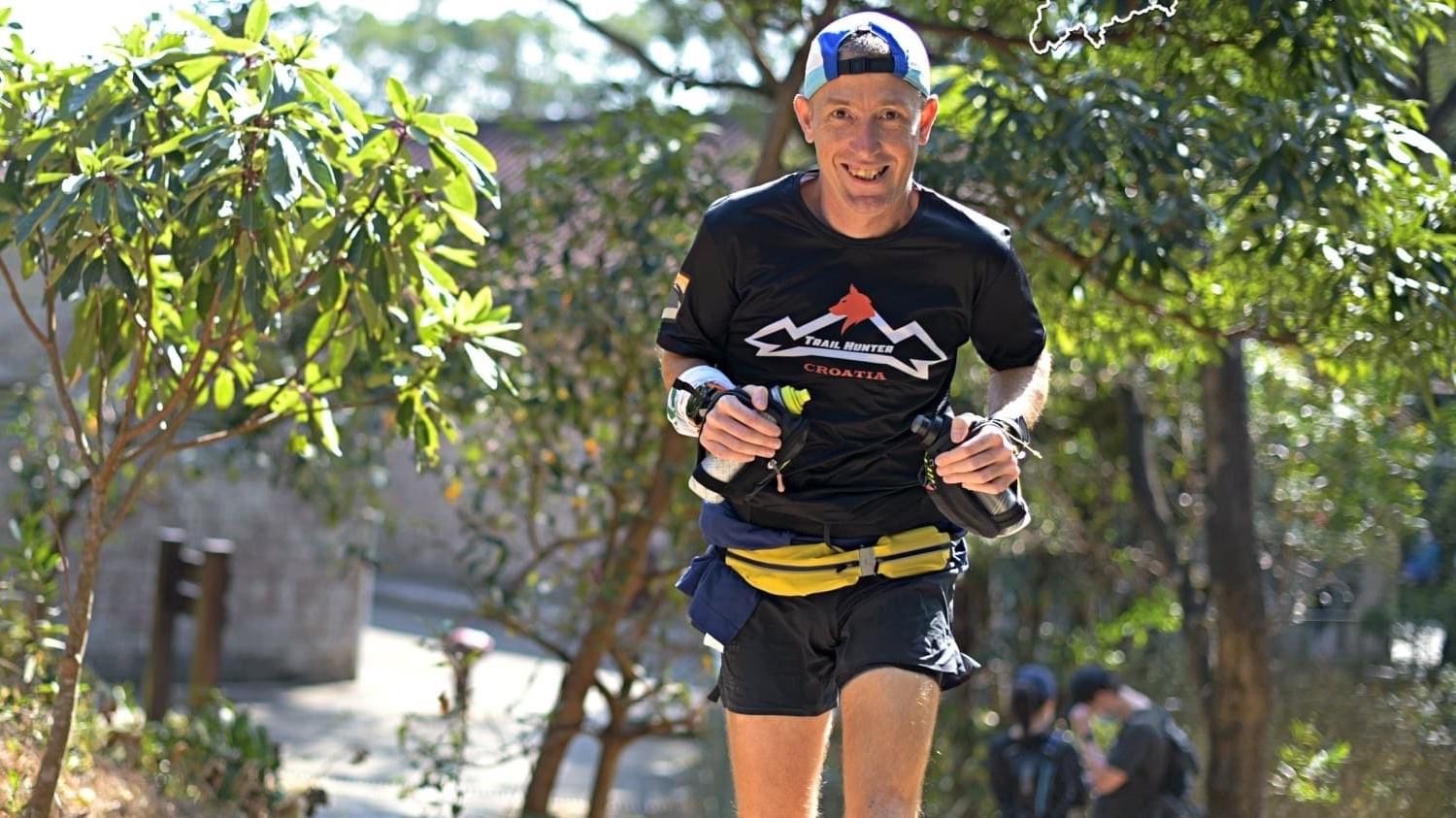
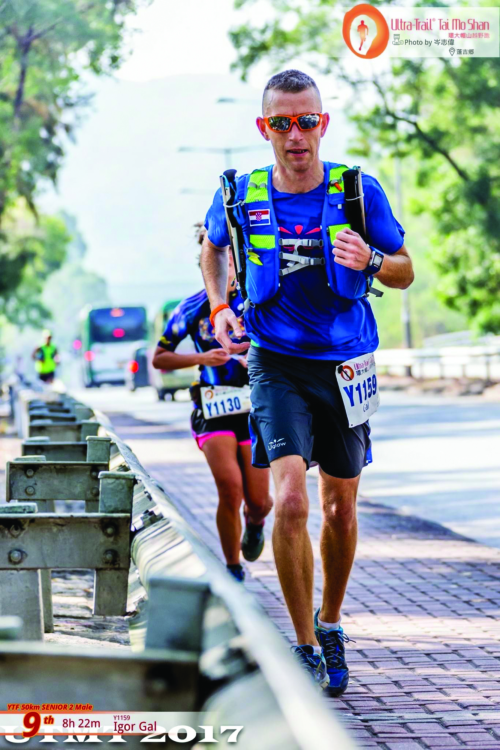
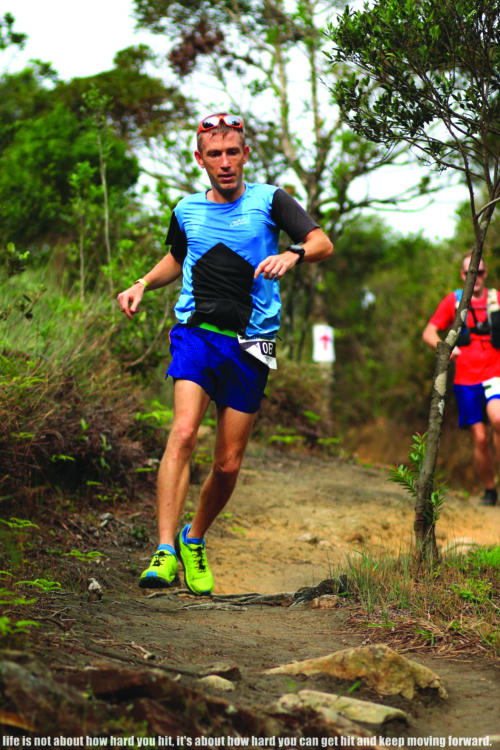
He could have taken the easy life, but for ultra runner, Igor Gal, doing things that scare him is what drives him. But then again, as the Hong Kong-based athlete takes a quick look at the 100km route that awaits him and ends at the Peak, he would not be human without a sudden wave of regret for that impulse to challenge himself, to push the boundaries. This is trail running at its most extreme: mammoth distances slugged out across rugged, undulating terrain.

Igor Gal

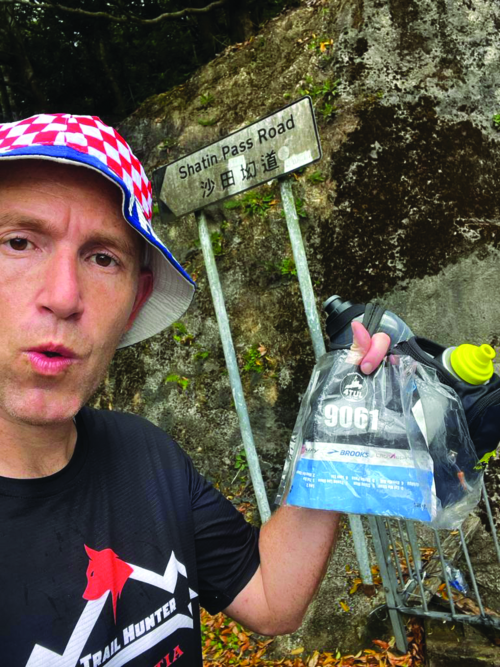
With a combination of nervousness, excitement and confidence, he sets off at about midnight one cool Saturday evening in February from the Maclehose Trail at Tuen Mun on an authorised trail race, part of the 3rd edition of the 4 Trails Ultra Loop (4TUL).

“I have the mindset of a boxer,” says Gal of another sport he practises. “I know I am going to die.” He adds: “Hong Kong is the best place in the world for trail running.”

This is a run which will take him to Hong Kong’s highest point, Tai Mo Shan, through Tai Mo Shan Country Park, past Shing Mun Reservoir and eventually down to Tseng Lan Shue and Lam Tin, where he has to board the MTR to reach Tai Koo and join the Wilson Trail. From there, a long winding route will eventually see him reach the Peak.

Igor Gal

One step at a time

His goal is to reach the Peak in 15 to 18 hours (3 pm to 6 pm on Sunday). Just before setting off, he feels a pang of fear. Gal, a stocky Croatian in his early 40s who carries no excess weight, says the only way to overcome this trepidation is to think of the route in stages.

“My first plan is to reach the top of Tai Mo Shan, that’s my first goal,” he says. “Then after that I have my next goal – reach Shing Mun Reservoir, then the next goal.”

Igor Gal

The route is dotted with a series of stops where competitors have to take a selfie to prove they have covered the ground. It is a self-supported run tracked along the way by a GPS satellite navigation system. Gal has already played out the route in his mind before the race begins.

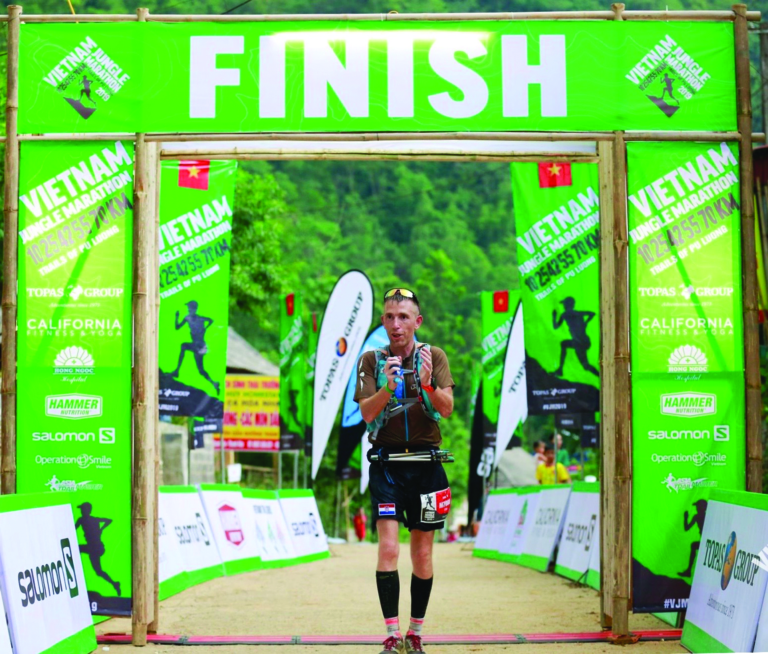
A few years ago, Gal feared he was gaining extra weight and took up trail running as he wanted a more regular form of exercise than his infrequent amateur boxing contests. The longest run he has completed is the 160-kilometre Ultra Asia Race in Vietnam. In Hong Kong, the father of two has trained employees of major companies to participate in organised races.

It has been about two years since he has covered such a lengthy trail run, with Covid-19 being the culprit for his abstinence. He often runs on an empty stomach and is a fan of intermittent fasting, forsaking food for a 36-hour period each week. He felt at his best when he was a vegetarian, pain-free and fresh, but the lack of authorised races has dulled his competitive edge, and he gradually started eating meat again at barbecues.

Igor Gal

Mental and physical exhaustion kick in

It was this lack of competitive edge that would turn this run into a nightmare. “About the 35km mark after climbing Tai Mo Shan, Grassy Hill and Needle Hill, the fatigue kicked in and the trouble started,” he explains.

Gal fought through the pain and stayed in the moment. He found the section towards Diamond Hill and Tseung Kwan O mentally exhausting as there are so many hills – not huge hills but unexpected 200-metre up and downs. The section between 60km and 70km took him almost two hours to complete.

(Text: Neil Dolby)

Read the full article in the April 2023 issue (pg: 144). Available on the Gafencu app on Android and Apple.