
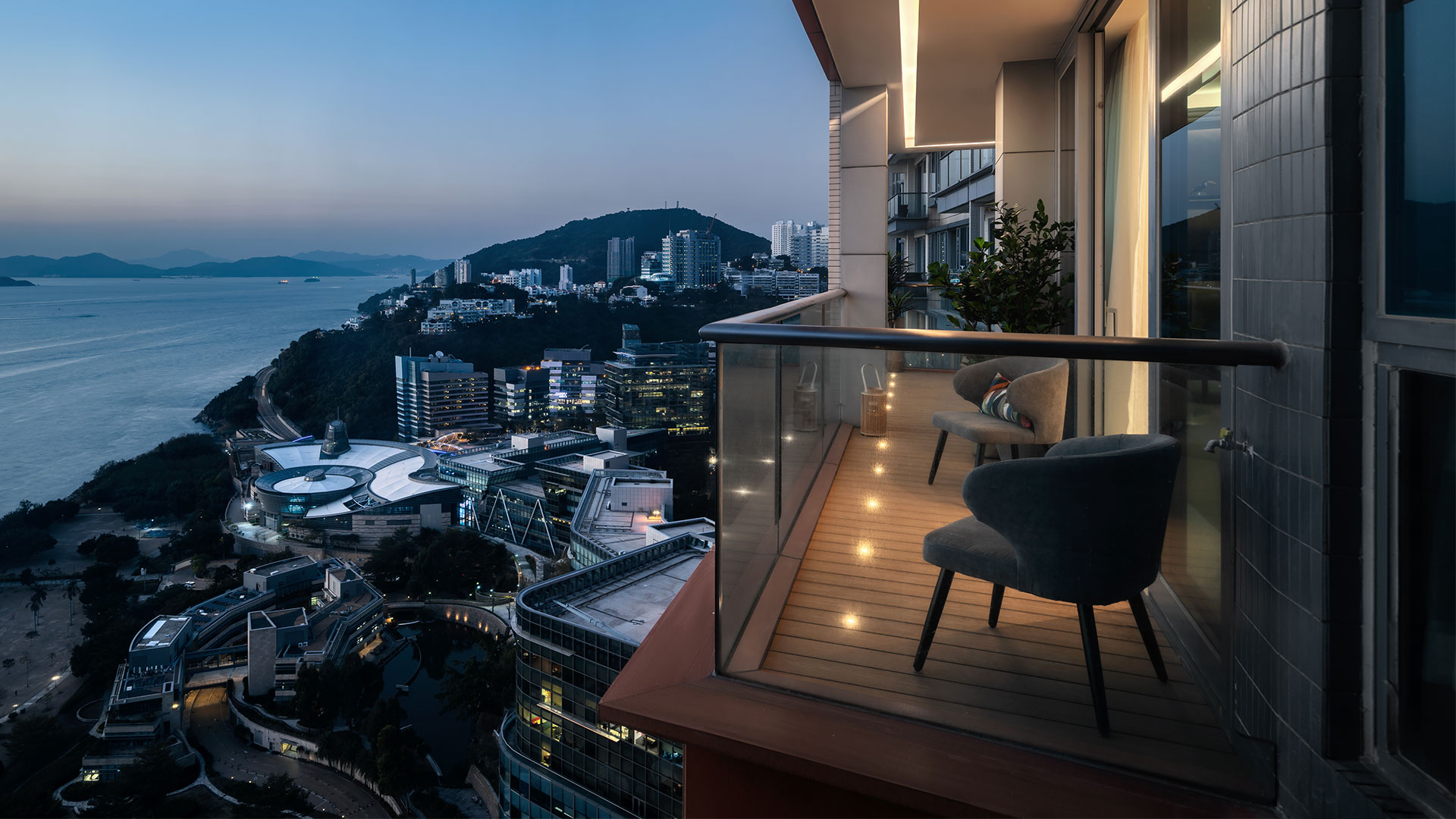
Hainan Aloha: Sun, sea, spa, shopping – a short stay in Sanya spells instant indulgence on all fronts

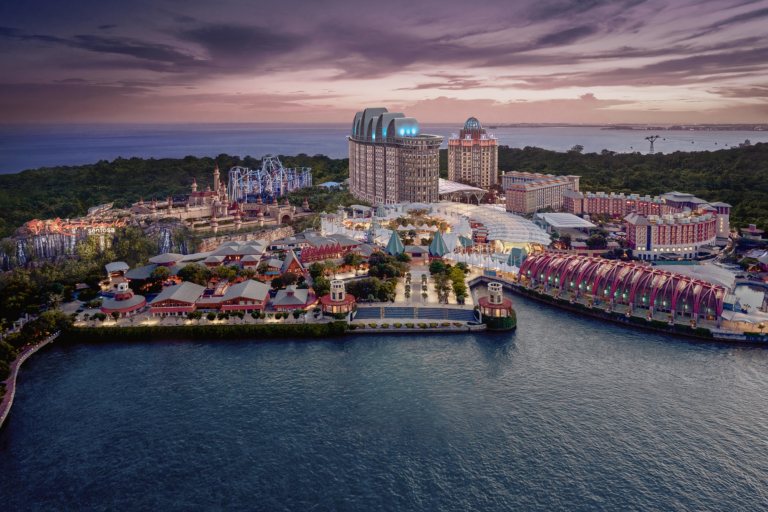
Sanya unfolds at the southern edge of the South China Sea like a carefully composed invitation to slow down. Fringed with palms and edged by translucent water, the resort city on Hainan Island has grown into one of Asia’s most compelling tropical short-break destinations. For travellers seeking three or four days of immersion in warmth and indulgence, it delivers escape without complication and luxury without strain.

Often called the Hawaii of China, Sanya pairs dependable sunshine with expansive upmarket resorts, restorative spa sanctuaries, superb seafood, superlative duty-free shopping and scenery that shifts effortlessly from open ocean to forested hills. The rhythm of the island in late spring suits a short escape perfectly: sunrise walks along quiet beaches, shaded afternoons by the pool, and lingering dinners under warm, salt-scented air as twilight settles gently across the horizon.

Daytime temperatures in May hover around 30-32 degrees Celsius, and evenings soften into a balmy mid-20s calm. The sea temperature invites long swims and unhurried floating beneath open skies. Tropical showers may sweep through in a prelude to the rainy season, but they tend to arrive in dramatic bursts that leave behind luminous light and intensified greenery rather than lingering gloom.

Bay Watch

Etching the far south of the island, the Sanya coastline meanders into three distinct main bays. Each has its own character and pace, allowing visitors to tailor a short break to their personal flow. Yalong Bay is the classic postcard vision, a crescent of pale sand and calm turquoise water backed by manicured gardens and internationally recognised five-star resorts, including the Ritz-Carlton and the St Regis.

Here mornings begin with the hush of waves brushing the shore and the scent of frangipani drifting across stone pathways. Suites open to ocean-view balconies; villas offer private pools enclosed by tropical foliage. Everything is designed for a seamless transition from arrival to relaxation, encouraging guests to settle quickly into a slower, sunlit tempo that defines the entire stay.

Haitang Bay represents Sanya’s newer chapter. The beaches are broader, the architecture more contemporary, and the scale more dramatic. Resorts like the Grand Hyatt and the Sanya Edition stretch across generous grounds, incorporating multiple water features. Attractions such as infinity pools and ocean-facing pavilions that frame uninterrupted sea views bring a feeling of openness, airiness and proximity to nature.

Dadonghai, closer to the urban centre, carries a livelier pulse. Beachfront cafés, cocktail bars and boutique hotels create a more animated atmosphere. It is easy to move between seaside relaxation and Sanya city energy, making it ideal for those who enjoy a touch of nightlife alongside coastal calm.

Jaunts in a Jiffy

The landscape surrounding the beaches adds dimension to a short stay. Inland hills rise in gentle contrast to the open sea, and scenic viewpoints reward brief excursions. The towering Guanyin of Nanshan statue appears to emerge from the water itself, combining spiritual symbolism with sweeping coastal vistas. Luhuitou Park offers panoramic views over Sanya Bay that are particularly captivating at sunset when the shoreline curves into gold and rose hues.

A hop offshore into Haitang Bay, Wuzhizhou Island tempts with clearer waters and coral reefs suited to snorkelling, and white sands framed by rocky outcrops and bright foliage. These experiences can be woven into a weekend stay without overwhelming it, providing exploration alongside repose.

Spoils to Adore

Wellness culture permeates the resort experience. Spa pavilions are positioned beside reflective pools or overlooking the ocean, creating an immediate sense of calm. At the best sanctuaries like Sense, A Rosewood Spa at Sanya, treatments draw on coconut oil, marine minerals and traditional Chinese therapeutic practices, blending tropical sensuality with restorative depth. A single afternoon devoted to massage and hydrotherapy can recalibrate body and mind.

Some resorts elevate privacy with discreet spa-villa layouts and gated entrances, catering to guests who value seclusion. These ultra-private retreats emphasise independent spaces, in-villa dining and unobtrusive service, ensuring relaxation unfolds without interruption or distraction.

Duty-Free Sprees

One of Sanya’s most distinctive draws is its role as a global duty-free shopping powerhouse. CDF Sanya International Duty-Free City in Haitang Bay ranks among the largest shopping complexes of its kind in the world, a vast climate-controlled expanse housing leading luxury brands, beauty houses, watchmakers, jewellery designers and fashion labels. Shopping here becomes part of the leisure experience rather than a hurried errand.

After a morning swim, it feels entirely natural to browse new collections, discover limited-edition cosmetics, or explore high-end accessories in a refined and relaxed environment. Competitive pricing and generous allowances add to the appeal, turning retail into an extension of indulgence. Beyond this flagship complex operated by the China Duty Free Group, smaller boutiques and curated lifestyle stores offer pearls, tropical-inspired accessories and island-themed gifts that echo the relaxed coastal mood.

Tastes of the Sea

Sanya’s culinary culture anchors the destination with unmistakable freshness. Hainanese cuisine shares kinship with Cantonese cooking, and seafood dominates menus. The catch is displayed live in tanks before being transformed into delicately steamed garoupa, wok-fried crab with ginger and scallions, or grilled lobster brushed with garlic and butter. Fragrant and deceptively simple, Hainanese chicken rice remains a signature comfort.

Coconut appears everywhere, folded into desserts, shaved over icy drinks, or simmered into savoury broths. Dining often unfolds outdoors, where sea breezes temper the warmth and lantern light flickers against palm trunks. In refined resort restaurants, chefs reinterpret regional ingredients through contemporary techniques, creating tasting menus that feel rooted yet elevated, balancing authenticity with modern presentation.

Sound Waves

Nightlife in Sanya mirrors its coastal elegance. Rather than relentless intensity, evenings favour atmosphere and style. Beach clubs host sunset DJs and craft cocktails; resort lounges like the Mandarin Oriental Sunset Bar offer Champagne against a backdrop of moonlit water. Live acoustic music drifts across terraces, and private cabanas glow softly along the shoreline.

For those seeking a livelier beat, city centre venues and late-night lounges extend the evening with dancing and conversation. Check out Times Coast Bar Street and the popular Sanya 88 Pub that doubles as a club. The overarching mood is more relaxed conviviality than frenetic partying, designed to complement the serenity of the day rather than compete with it.

Immediate Immersion

What distinguishes Sanya is how seamlessly the essential elements of a blissful getaway interlock. Beach, scenery, spa, shopping, cuisine and nightlife coexist within short distances, allowing precious hours to be spent experiencing rather than commuting. Arrival transitions swiftly into immersion: luggage unpacked, sandals slipped on, the sea visible beyond swaying palms. Time stretches in proportion to the horizon, each day defined by light and tide rather than schedule.

Each May, the Sanya sensory palette intensifies. Tropical flowers bloom with greater vibrancy after passing showers. The sea reflects deeper turquoise beneath the high sun. Evenings carry the faint sweetness of salt and blossoms mingling in humid air. It is a month that amplifies colour and warmth without reaching the heavy intensity of late summer.

For a brief escape that balances indulgence with simplicity, Sanya delivers tropical immersion shaped by polish and possibility. Warm water, expansive skies, refined hospitality and the quiet rhythm of waves combine to create a short break defined by ease, discretion and sunlit sophistication.

Come Each May: Diplomatic coup turned cultural tour de force, the annual French festival deserves our applause

Emerging from a diplomatic and artistic vision to build a bridge between France and Asia, the French May Arts Festival stands today as one of Hong Kong’s most influential annual cultural events. It was conceived in 1993 by the Consulate General of France in Hong Kong and Macau, together with Alliance Française de Hong Kong, as a month-long celebration of French creativity designed to deepen cultural exchange and mutual understanding.

From the outset, French May was more than a programme of performances and exhibitions. It was a statement of intent, affirming that art could serve as a conduit between histories, geographies and identities. The atmosphere was intimate yet purposeful. Organisers sought not merely to entertain but to cultivate curiosity and sustained engagement.

Programming first centred upon classical music recitals, French cinema screenings and carefully curated art exhibitions. The aim was to introduce Hong Kong audiences to a broad spectrum of French artistic expression, from canonical masters to emerging contemporary voices. Then, as it returned each spring, the festival began establishing itself as a dependable fixture within the city’s cultural calendar, nurturing loyal audiences while building trust with local institutions and creative partners.

Even in its formative stage, French May’s ambition extended beyond presentation. The founders envisioned Hong Kong as a meeting point between European heritage and Asian dynamism, and the festival structure reflected this aspiration. Events were distributed across venues that symbolised the city’s evolving identity, including historic concert halls, modern galleries, university campuses and independent cinemas.

Through this citywide presence, French May embedded itself within Hong Kong’s creative ecosystem rather than remaining a visiting showcase. It gradually became part of the rhythm of urban cultural life, anticipated by artists and audiences alike.

Masters of Paris

As the festival matured, its scope expanded with confidence and clarity. Flowing beyond the confines of May, it became a two-month spectacle. Major exhibitions began arriving from renowned French museums and cultural institutions, showcasing significant works in painting, sculpture, photography and design. Audiences encountered masterpieces that might otherwise have required travel to Paris, Lyon or Marseille.

This access reinforced Hong Kong’s position as an international arts hub while underscoring the festival’s commitment to excellence. With each ambitious exhibition, French May strengthened its reputation as a platform capable of presenting museum-quality experiences on a global scale.

The performing arts flourished alongside visual programming. Contemporary dance and theatre joined the established pillars of music and art, broadening the festival’s artistic vocabulary. Classical repertoire coexisted with avant-garde experimentation. A baroque ensemble might be followed by a boundary-pushing multimedia production.

This juxtaposition reflected an understanding of culture as living and evolving rather than static and preserved. French May has long embraced heritage and innovation in equal measure, allowing audiences to encounter centuries-old traditions alongside bold contemporary interpretations.

Community Care

Partnership became central to the festival’s enduring success. Collaborations with local museums, universities, orchestras, galleries and performance venues ensured deep integration into Hong Kong’s cultural fabric. These alliances transformed French May from a diplomatic initiative into a shared civic enterprise.

Educational initiatives further strengthened this role. Artist talks, masterclasses, workshops and school outreach programmes enabled students and emerging practitioners to engage directly with visiting creatives. For many young musicians and visual artists, these encounters provided formative moments of inspiration, mentorship and professional connection.

The launch of French GourMay in 2009 marked another significant evolution. Recognising that culture extends beyond galleries and concert halls, organisers welcomed gastronomy as an expressive art form in its own right. Each year, a specific French region is highlighted, bringing its culinary traditions, wine heritage and artisanal craftsmanship to Hong Kong’s restaurants and dining rooms.

For May 2026, the high-altitude tastes of Savoie in the French Alps can be sampled at selected spots all over town. Participating chefs collaborate on themed menus, while tastings and demonstrations invite the public to explore the sensory dimensions of French culture. Through food and wine, French May reinforces the idea that creativity permeates everyday life.

International Relationships

Over time, the festival gained substantial international recognition. Large-scale exhibitions and headline performances by acclaimed orchestras, ballet companies and contemporary ensembles attracted significant audiences. The annual programme frequently encompasses more than 100 events, reflecting both ambition and sustained demand. As Hong Kong strengthened its global arts profile, French May contributed meaningfully to that reputation, positioning the city as a crossroads where East and West engage in sustained artistic dialogue.

Recent editions have extended across spring and early summer, allowing deeper engagement across disciplines. Large exhibitions animate museum spaces, while theatres welcome international performers. Community participation continues to grow, and collaborations between French and Hong Kong artists have intensified. These co-productions underscore the festival’s evolution from presentation to partnership, and from invitation to genuine dialogue shaped by shared experience.

Renaissance Now

This year’s centrepiece exhibition exemplifies this trajectory. As French May 2026 adopts the theme Re/naissance, calling for creative renewal and rediscovery and new rushes of imagination, the Hong Kong Jockey Club Series at the Hong Kong Heritage Museum has been curated as a visual hybrid. Meet Mona Lisa, an immersive digital journey by the Louvre and Grand Palais Immersif, is paired with a gallery of masterpieces, Portraying the Renaissance, where holographic storytelling and multi-sensory experiences enrich Leonardo da Vinci’s intricate drawings.

Music remains at the core of the programme. The multigenre mix assembled for 2026 includes Vienna Philharmonic Orchestra bassoon soloist Sophie Dervaux performing baroque and classical concertos with the City Chamber Orchestra of Hong Kong; jazz star Youn Sun Nah taking the stage with pianist Bojan Z; and French electronic icon DJ Snake unleashing his vibe at the Central Harbourfront.

Through such varied concerts, audiences experience the breadth of French musical identity, spanning centuries and stylistic movements, and discover unexpected connections between tradition and experimentation.

Dance and theatre provide equally daring narratives, affirming French May’s role as a forum for shared storytelling and cross-cultural resonance. Belgian choreographer Jan Martens challenges dance conventions with The Dog Days Are Over 2.0, while Hong Kong Dance Company and guest performer Ivana Wong bring a contemporary Chinese art master’s works to life for In Between – Wu Guanzhong’s Ink Odyssey. Fresh from France’s National Centre for Circus Arts, Cirque du Corbak unveils the acrobatic drama of Voûte in Tai Kwun.

A Bridge So Far

Sustainability has emerged as a meaningful thread within recent programming. Environmentally conscious exhibition design, responsible sourcing within culinary events, and discussions on sustainable artistic practice reflect broader global priorities. By integrating ecological awareness into its presentation, the festival demonstrates responsiveness to contemporary concerns while maintaining artistic excellence.

Looking across its evolution, French May reveals a steady arc of ambition, resilience and partnership. What began as a diplomatic initiative has grown into a landmark multidisciplinary festival shaping Hong Kong’s international cultural identity. Its success lies not only in scale but in continuity, in the annual reaffirmation of dialogue between France and Hong Kong through art, education and shared celebration.

Today, French May stands as a testament to the enduring power of artistic exchange. It fosters creative networks, inspires audiences, and strengthens cross-cultural understanding. By balancing heritage with innovation, and tradition with experimentation, it continues to redefine what a cultural festival can achieve. More than a celebration of French art, French May is a living bridge, built not of stone or steel, but of imagination, collaboration and enduring connection.

Beaux Châteaux: The French countryside affords plenty of scope to be le roi of a castle

Some 400 years ago, an Englishman’s home was his castle. For the French, on the other hand, it would have been a château. Today, if the opportunity arises to live like a king in a stately, secluded setting in the French countryside, why not spoil yourself? Purchasing a château to savour a taste of royalty is entirely possible for those of means.

France is home to tens of thousands of châteaux, some of which are visited by millions of Instagram-obsessed tourists each year. The gilded Palace of Versailles near Paris and the mysterious Mont-Saint-Michel in Normandy have captivated visitors for centuries. While these icons are the property of the French government, there are plenty of less legendary castles on the books of luxury realtors that enable the wealthy to be shielded from the public eye, yet steeped in all the historical charm for which French châteaux are known.

Here we view two resplendent palaces that monarchs of business have called home, and visit an array of former French fortresses that have become more approachable for private buyers.

Cannes Chic

Occupying a piece of prime real estate along the Avenue du Roi Albert in Cannes overlooking the French Riviera’s sparkling waters, Château Soligny could not be more idyllically situated. Thought to have been built by architect Emile Raimbault around 1870, it soon became the home of Aristide Boucicaut of Le Bon Marché department store fame.

The peach-coloured Belle Époque mansion has since been expanded and revamped, while retaining its original character. Accessed via a Japanese pathway surrounded by rare trees, streams and waterfalls, plus an infinity pool and pool house, the residence spans five storeys. Interiors are sleek and polished, featuring materials like ebony, marble and mother-of-pearl. Modern conveniences include a lift, a six-car garage and a home cinema, and of course, it wouldn’t be a French castle without its own wine cellar. It was recently purchased for €55 million (HK$497 million) by a wealthy private individual through Christie’s International Real Estate.

Spellbound Splendour

Hailed as the largest estate in the Cannes area, the Castle of la Croix des Gardes enchanted Hollywood actress Grace Kelly when she visited to film the 1955 Hitchcock thriller To Catch a Thief. Constructed in 1919, it has counted Swiss industrialist Paul Girod and Perrier owner Gustave Leven among its owners. Now with 25 acres of Italian-style gardens, a neo-Palladian-inspired façade, a 36-metre saltwater infinity pool, and stunning views of the Côte d’Azur and Estérel massif, it’s little surprise that those lucky enough to stay here fall under its spell.

The property currently affords temporary king-of-the-castle status – it can be rented out in its entirety by the week, along with a private butler, chef and security team, from Mandarin Oriental Exclusive Homes. Exquisite interior refurbishments throughout the 16 suites, including hand-stitched embroideries, bespoke cabinetry work and hand-painted wallpapers, are the work of London-based Katharine Pooley Design Studio.

Medieval Majesty

Built on Roman foundations in Uzès, near Avignon in southern France, is a 12th-century walled fortress originally intended to protect the duke and the land he ruled over – but you won’t find chamber pots in the bedrooms or cauldrons bubbling atop an open fire here. The 20-room castle was renovated in the 18th century, providing a bright, beautiful staircase, ample natural lighting through large windows, and polished woodwork that has been preserved to this day. It comes with a surfeit of amenities, including an expansive English garden, swimming pool, tennis court and artist’s studio.

Cinderella Castle

There’s a château located near Vienne, not far from Lyon, that’s fit for a princess. Attracting attention when it first came onto the market for its uncanny similarities to Disney’s Cinderella Castle, this former luxury hotel offers the chance to live your very own fairy tale. The 19th-century Renaissance-style dwelling now houses 10 en-suite bedrooms, two dining rooms, two reception rooms, a bar, an office and more. Its proud owner can step outside to pick fresh produce from the estate’s vegetable garden while taking in wonderful vistas of woodlands and distant rolling hills.

Moat Control

Equipped with a moat and stone-gated entrance, a 16th-century château in the verdant Loire Valley will inspire you to live out your storybook fantasies. A short drive from Tours, the castle was owned by French kings for 200 years and used by the crown’s tax collectors. For those with an aversion to driving, the 10-hectare estate is also equipped with a helicopter landing pad. In addition to the moat, some of the château’s original features are still intact, including large fireplaces, vaulted ceilings and a pigeon tower.

Treasure of the Earth

Lovers of Périgord truffles will adore a Renaissance-style château in Ribérac, a tranquil market town within the Dordogne, as its 57 hectares of woods and gardens include multiple spots for truffle-hunting. Other standout exteriors of this property marketed by Sotheby’s International Realty are a kilometre-long stream and an Olympic-sized riding arena. Interiors blend three different architectural expressions of 17th- and 18th-century grandeur. A total of 40 rooms and a separate 400-square-metre reception would allow the buyer to invite up to 50 guests for their château-warming party – or rent out the estate for special events.

Normandy Conquests

For those who want to experience a taste of the country without straying too far from Paris, a castle in Normandy would be ideal. One medieval pile comes with a spacious courtyard and a park filled with yews and laurels, as well as sweeping views of the green valley beyond. Although the site has undergone renovations, the interiors have stayed true to the style of the period. The master suite boasts a French Empire-style fireplace in turquin blue marble, while other bedrooms – there are 18 in total – feature Louis XVI panelling.

Look out, too, for another 18-bedroom Normandy château that has a beautiful aspect, sitting on 80 hectares of land with its own private lake. This one is comparatively more modern, though, having been built in 1867. The property is registered as a historic monument, but it has been restored to pristine condition and encompasses first-rate amenities. It would be hard for the king of this castle to feel bored: there’s a home cinema, a fitness room and spa, and an indoor swimming pool with – appropriately for this year – an image of five horses adorning the pool floor. 

Theatres of Dreams: WestK performing tsar Paul Tam keeps the stage arts alive and inspiring for all

Our audience with Paul Tam, Executive Director of Performing Arts at the West Kowloon Cultural District Authority (WKCDA), takes place a day after this year’s Oscars ceremony. Outside, the breezy, insistently alive March weather makes you believe culture isn’t merely something you attend, but something you inhabit.

We begin with the controversial, viral hot take of that week: best-actor nominee Timothée Chalamet’s implication that “no one cares anymore” about performing arts like ballet and opera. This criticism of efforts “to keep [them] alive” offended many in the industry. We are expecting Tam to hit back, or perhaps diplomatically sit on the fence, but he does neither.

“I mean, did Chalamet lie though?” he asks. “Let’s be real – performing arts, ballet and opera have been here for ages and ages, and yes, it has been challenging for these industries. That’s why people like me have this responsibility of bringing fresh takes and ideas to make it still relevant up to this day and the years to come.”

After a beat, he continues, friendly, precise and almost coach-like: “I take his comment as a challenge more than offensive. It reminds us that when we discuss the future of these art forms, it’s important to frame our ideas thoughtfully and constructively, in a classy and decent way. ”

Classy and decent. It feels like a stage direction, and from there, the interview unfolds like a performance – part Q&A, part manifesto, part invitation to rethink what art institutions owe the future.

Curtain Up

When you meet arts leaders, you often meet the origin story of their taste. For Tam, it began long before he played a concert-hall piano. “I grew up in a traditional Chinese family,” he shares. “My father was a successful restaurateur, often out and about entertaining with my mother. He bought a piano for my sister, and out of a mix of sibling rivalry and natural curiosity, I started tinkering with it at 14. Within just a few years, I had completed all my grades.”

He majored in piano performance with a minor in composition at Canada’s York University and dreamt of becoming a “jet-setting concert pianist”. “I thought I was pretty good, until my final year, when my piano professor told me, ‘Paul, you’re good as a chamber musician, but you’ll never be good enough to be a concert pianist.’ Those words crushed me, but they also gave me clarity.”

Redirection was required. “I decided to pursue an MBA in Arts Administration. If I couldn’t be on centre stage, I thought at least I could help others get there – one of the best decisions I have ever made.” The phrase ‘help others get there’ echoes like a motif throughout our conversation. More than a career choice for Tam, it became a belief system.

Management Spotlight

Before joining WestK (West Kowloon Cultural District) in 2020, his many arts-management credits included a total of 10 years at the Hong Kong Philharmonic Orchestra, and six years as Executive Director of Hong Kong Ballet. “[In 2014] the company was emerging from a challenging period,” he explains of the latter. “My task was to reimagine this venerable institution with a renewed vision and a refreshed identity.”

From that effort came the slogan ‘Never Standing Still’, a mantra that embraces an intriguing rhythm, like choreography you still remember after leaving the theatre. An artistic inflection point followed: “Then came Septime Webre, the Artistic Director of Hong Kong Ballet, whose arrival in 2017 marked a bright, new chapter. With his bold vision of global expansion and a distinctive balletic style, both approachable and deeply expressive, the company took off quickly, growing from strength to strength ever since.”

By becoming approachable and deeply expressive, the venerable art form breaks free of its museum-ballet constraints, gaining relevance in the modern age.

Home and Art

Tam’s philosophy as an arts leader is expressed in warmer tones than the usual institutional vocabulary. Speaking of WestK Performing Arts Centre (WestK PAC), which is slated to open next year, he expounds, “I hope it becomes a true home for the arts; a place where artists can test ideas, refine their craft, create new works, and grow alongside our creative producers, while everyone – patrons or casual visitors, locals or tourists – feels a genuine sense of belonging.”

And then, the practical definition of a ‘true home for the arts’: “From our two museums to the WestK Performing Arts Centre, [these] are not just centres of entertainment, but hubs of inspiration and civic connection, [where] we create and present some of the finest artistic experiences from Hong Kong, the Chinese mainland and beyond.”

He describes the intended outcome in a near cinematic metaphor: “The vision is for a vibrant, year-round programme that attracts local audiences as well as visitors.”

Centre Stage

As WestK expands, Tam’s job becomes less poetic and more technical: as well as year-round programming, there are scales of theatre, transportation adjacency and audience-building pipelines to consider. “We’ll soon have three major venues, and within them, over 10 theatres of varying scales, all forming the backbone of our growing WestK theatre hub,” he says.

“With major transportation networks such as the High-Speed Rail terminal right at the doorstep, you could think of the hub as Hong Kong’s own mini-Broadway, or West End, stretching two kilometres from Xiqu Centre to Freespace, surrounded by restaurants, shops and a lively cultural buzz.” It’s urban design as programming strategy, and culture as a street-level experience, not a distant destination.

Audience for All

Some critics argue that the arts remain elitist, something for those who already have the cultural capital to feel comfortable in expensive seats. “There is some truth to that,” allows Tam. “Arts can feel exclusive and elitist: a top-tier Met Opera ticket can easily sit beyond a typical salaryman’s budget, and a highly abstract contemporary dance work can intimidate many first-time audiences who worry they ‘won’t get it’.”

His focus is on what institutions can do in response, through programming and accessibility design. “I believe in curating a programme that resonates with all the voices of our community. From The Impossible Trial [a Cantonese musical commissioned by WestK] and Freespace Jazz Fest to Hedwig and the Angry Inch [a Cantonese version of a very famous rock musical by John Cameron Mitchell] and cabaret, we embrace both mainstream and alternative voices.”

He also stresses inclusivity as infrastructure, not PR: “Inclusivity is everything we do, too. We’ve built accessibility into our programmes; for example, our WestK FunFest, the largest performing arts festival targeting family audiences, provides special access tours for visually impaired visitors led by sighted and visually impaired guides, and Hong Kong Sign Language tours conducted by deaf guides and interpreters.” So the question shifts: not ‘Who belongs?’ but ‘How can we design belonging?’

House of Applause

While Tam didn’t realise his concert-pianist dream, he still lives for the applause. “Every applause still touches me deeply and is the main source of my professional happiness,” he says. “I’ll never forget working off-stage at a concert at the Hong Kong Coliseum with Hacken Lee and the Hong Kong Philharmonic years ago. Almost 10,000 people were cheering for a truly memorable performance. I was in tears, tears of joy. That’s the magic that keeps me going every day.”

This is the emotional engine behind his optimism. It’s also a reminder that arts leadership isn’t only planning calendars; it’s planning moments when people feel something together. Asked if this will be his legacy, his answer is both modest and pointed. “Legacy is a big word. But if, in some small way, I’ve helped make Hong Kong’s arts ecology just a little richer, more connected and more alive, then that’s enough.”

It’s clear that Tam moves through his work with class, integrity and passion. He circles back to his earlier caution about the Chalamet controversy: ideas must be presented with dignity, like art staged to respect the audience.

Interview, Text & Art Direction: Joseff Musa   Photographer: Jack Law   Videographer: Iris Ventura

Works of Progress: Curated by Asians and committed to diverse conversations, Art Basel Hong Kong amps up the contemporary

Every March, Hong Kong becomes more than a financial capital or transit hub – it transforms into a living, breathing laboratory for contemporary culture. Art Basel Hong Kong, returning this year from 27-29 March, is not simply the Asian stop of an art-fair juggernaut; it’s a statement of the city’s importance on the world art map.

The Hong Kong fair feels unmistakably different this time: quieter in its confidence, sharper in its focus, and more committed than ever to the urgency of the present moment. Rather than leaning on spectacle or legacy alone, it has placed its weight on recent artistic production, Asia-led curatorial voices, and cross-regional dialogue that feels lived rather than theoretical. The result is a citywide cultural week that rewards thoughtful viewing and curiosity beyond the exposition booth.

The most telling development of Art Basel Hong Kong is the recalibration toward the now. While the fair has always been attentive to contemporary practices, the 2026 edition marks a more disciplined commitment to works made within the last five years. It reflects a world shaped by pandemic aftershocks, climate instability, accelerated digitalization and shifting geopolitical alignments.

Present Push

This emphasis crystallises most clearly in Echoes, a newly introduced sector that foregrounds recent creative output without framing it as emerging or provisional. Ten curated booths display works by up to three artists each, offering a compelling glimpse into the most current artistic applications and narratives. It reads like a pulse check on what artists are thinking, making and questioning at this exact moment.

The works here are materially ambitious but conceptually intimate, grappling with issues like migration, ecological systems and the uneasy coexistence of technology and embodiment. Highlights include Vietnamese-American artist Tiffany Chung’s embroidered maps of spice routes and the carved book sculptures of Colombia’s Miler Lagos, both presented by Madrid gallery Max Estrella. An immersive spatial installation by Polish artist Natalia Załuska, displayed by Hong Kong’s Double Q Gallery, will also seize the imagination.

Walking through this new section will feel like entering a series of conversations already in progress. With textile works doubling as geopolitical maps, and sculptures referencing the fragile balance between nature and human civilisation, there is plenty to digest. Echoes resists easy categorisation, which is precisely the point: it insists that contemporary art is not a trend forecast but a lived condition.

Dominant Asia

Equally significant is who is shaping the fair’s intellectual spine. For the first time, all major curated sectors at Art Basel Hong Kong are overseen by Asia-based practitioners, signalling a structural rather than symbolic shift. This is not about replacing one dominant voice with another; it is about embracing multiplicity. Nowhere is this more evident than in the Encounters sector, long known for its monumental installations and large-scale gestures.

This year, Encounters adopts a collective curatorial model, bringing together voices from Hong Kong, Japan and Indonesia – namely M+ Visual Art Curator Isabella Tam; Director of Tokyo’s Mori Art Museum, Mami Kataoka, and her Senior Curator Hirokazu Tokuyama; and Jakarta-based researcher Alia Swastika. Instead of a singular curatorial narrative, the sector unfolds as a constellation of perspectives, sometimes complementary, sometimes deliberately dissonant.

The works here are expansive but not bombastic. Several projects are conceived specifically for the fair, underscoring a move away from transportable spectacle towards site-responsive thinking. Encounters feels less like an Instagram moment and more like a spatial essay, something to be read with the body as much as the eye.

Hong Kong Direction

The Asia-led approach, which continues with Hong Kongers Ellen Pau and Venus Lau overseeing the Film and Conversations programmes respectively, subtly reframes the fair’s centre of gravity. The language of East meets West has long outlived its usefulness, and Art Basel Hong Kong seems keenly aware of that. Rather than positioning Asia as a regional subset within a global hierarchy, the fair presents the continent’s art as a network of nodes that are internally diverse, outward-looking and fully entangled with global cultural currents.

With pioneering video artist Pau at its helm, Film showings position moving image as both artistic medium and historical document. The curation spotlights artists who use time-based media to examine memory, surveillance, displacement and collective authorship. The day of Conversations, meanwhile, leans away from market prognostication towards institutional exchange. Lau, who serves as Director of Jakarta’s Museum MACAN, presents panel discussions that feel refreshingly grounded.

Confident Curation

Across the fair, the most compelling booths among 240 galleries from 42 countries this year are those that resist the temptation to overdisplay. Fewer works, thoughtfully installed, tend to reward sustained attention – mirroring the fair’s broader shift toward depth over density. Several established galleries stand out for their curatorial ambition rather than sheer scale. Equally important are those that have matured through the fair’s earlier sectors and now occupy the main floor with renewed confidence. These presentations often signal long-term institutional investment and are worth watching closely.

Art Basel Hong Kong newcomers include Tokyo’s A Lighthouse called Kanata, showcasing Japan’s renewed interest in abstraction through works by postwar masters and emerging painters, and Sydney gallery The Commercial, debuting works that interrogate Australian identity and colonial history. Pilevneli from Istanbul presents AI-generated works, porcelain sculpture and mixed-media installations, and New York’s Uffner & Liu focuses on artists examining distortion, transformation and disguise.

Beyond the Booths

What truly distinguishes Art Basel Hong Kong is how seamlessly it extends into the city itself. During fair week, Hong Kong becomes a distributed exhibition space, with museums, heritage sites and public façades activated in conversation with the fair.

At M+, a major façade commission transforms the building into a luminous, city-scale canvas. This year, an animation of hand-painted watercolours by Pakistani-American artist Shahzia Sikander references historical trade routes and contemporary geopolitics, merging traditional visual languages with digital invention. Seen from a distance, it functions as both artwork and urban signal: a reminder that art here is not confined indoors.

Across the harbour, Tai Kwun pulses with energy during its annual Artists’ Night. Performances unfold across courtyards and corridors of the former Central Police Station, emphasising sound, movement and collective experience. In a counterpoint to the polished choreography of the fair, the atmosphere here is less formal and more experimental.

Meanwhile, independent spaces such as Para Site offer rigorously researched exhibitions that engage political, ecological and social questions head-on. These shows reward visitors willing to step off the main circuit, offering some of the most intellectually demanding and emotionally resonant experiences of the week.

Quiet Power

Taken together, Art Basel Hong Kong 2026 feels less like a market crescendo and more like a sustained conversation. Its power lies not in headline-grabbing sales or monumental gestures, but in its attention to process, authorship and context. The fair no longer asks viewers to marvel at scale alone; it invites them to listen.

For collectors, this means engaging with practices still in motion. For curators, it offers a snapshot of how Asia-based voices are shaping global discourse from within. For the culturally curious, it provides a rare opportunity to experience a city thinking out loud through art.

In March each year, Hong Kong does not simply host Art Basel; it becomes Art Basel. And in doing so, it reminds us that the most compelling art is not about predicting the future, but about understanding the present with clarity, complexity and care.

Hang Lung’s Art-Infused Mansion Sells for HK$450 Million on New Year’s Day 2026

New Year, New Record-Breaking Sale. On the dawn of 2026, Hang Lung Properties has once again captured the spotlight with a stunning achievement in Hong Kong’s luxury real estate market. The company’s flagship project at 23-39 Blue Pool Road made headlines by selling its largest, art-themed residence, the detached house number 31, for approximately HK$450 million, setting a new benchmark for opulence and exclusivity.

Spanning an impressive 9,186 square feet, this masterpiece of design and artistry was sold at an astonishing average of HK$48,682 per square foot. The residence boasts six spacious bedrooms, five of which are ensuite, a maid’s room, and an array of luxurious amenities, including a wine tasting area, entertainment room, home theater, gym, and a dedicated study. The highlight? The grand master suite, a sprawling 1,850 sq. ft. sanctuary with a private walk-in closet of over 580 sq. ft., thoughtfully divided into men’s and women’s sections, exemplifying meticulous craftsmanship and sophisticated lifestyle.

Designed by the renowned American interior firm Hirsh Bedner & Associates (HBA), this home is a harmonious blend of architectural excellence and artistic brilliance. Every element reflects a global palette of premium materials and curated artworks from world-famous artists including Picasso, Andy Warhol, Damien Hirst, Elsa Jean de Dieu, and Danhôo. Residents are immersed in an environment that feels like walking through a private gallery, a living space where art and luxury converge seamlessly, creating an inspiring ambiance at every turn.

The Blue Pool Road properties have rapidly become the focus of Hong Kong’s luxury scene. Following the recent sale of house 33A in December 2025, the sale of house 31 less than a month later underscores the extraordinary demand for these exclusive estates. With limited supply of new bungalows in Jardine’s Lookout, each tender is met with immediate market enthusiasm, affirming the status of 23-39 Blue Pool Road as the pinnacle of luxury living.

As 2026 begins, this groundbreaking sale not only signifies a new chapter for Hang Lung Properties but also elevates Hong Kong’s reputation as a haven for art-infused, ultra-luxury residences. Whether you’re a connoisseur of fine art or an aficionado of refined living, this residence epitomizes the ultimate in elegance, sophistication, and exclusivity.

2025 Power List: The 300 Most Powerful People in Hong Kong

Shaping the future of a dynamic metropolis, this year’s Power 300 list ensures Hong Kong remains an influential force in the global arena. They represent the diverse tapestry across the realms of politics, business, culture, and beyond, reflecting the city’s rich heritage and universal outlook.

Click here to explore the elite ensemble that makes Hong Kong thrive!

Daily Bread: Traditional southern Italian flavours rise in the hands of Grissini Chef Valerio Mandile

Grissini isn’t just about its namesake breadsticks, though those iconic, freshly baked, crisp sticks certainly steal the show. It’s a place where the soul of Italy’s southern regions comes alive through every plate, every aroma and every warm smile from the passionate team. Grand Hyatt’s celebrated restaurant presents a refined yet unpretentious escape to Campania, where Naples-born Chef de Cuisine Valerio Giuseppe Mandile weaves tradition with a dash of creativity, crafting dishes that are as memorable as they are delicious.

Walking into Grissini feels like stepping into a welcoming Italian home, with its convivial atmosphere and inviting décor. Floor-to-ceiling windows flood the space with natural light during the day and frame Hong Kong’s stunning skyline at night – the perfect backdrop for an intimate celebration or a casual dinner. The dining philosophy is simple: “Everything starts with traditional Italian flavours,” says Chef Valerio. “These have always been and will always be the main characters in every plate. How we present them is a matter of experience and imagination.”

Mandile emphasises the importance of fresh, high-quality ingredients throughout his cooking. “Everything begins with the choice of ingredients – they hold the key to an incredible dish,” he shares. “We can find cheaper options, but focusing solely on costs means losing sight of what truly matters – offering a memorable experience. Selecting the best produce, and respecting its natural qualities, is what elevates our dishes.”

As the year draws to a close, the chef ushers in a culinary journey to the foot of Italy. Grissini’s limited-time seasonal menu highlights the bold flavours of Calabria – the peninsula’s southernmost region – through three dishes starring the fruits of the sea, and an enchanting dessert embracing fruit and chocolate. A delicate melding of freshness and acidity, marinated swordfish carpaccio dressed with bergamot, mandarin oil and sea herbs awakens the palate. For the pasta course, artisanal linguine is tossed with succulent red prawns and nduja, a spicy, spreadable salami that adds a fiery kick.

The main of seared red mullet, beautifully paired with a light, delicate prawn mousse, offers a perfect balance of richness and finesse. Kaki (persimmon) espuma, pomegranate jelly, chestnut and dark chocolate sorbet concludes this Calabrian adventure in a sweet explosion of textures and taste.

Mandile’s approach to seasonal menus is rooted in tradition and creativity. “We start with classic flavours and then add our personal touch, inspired by the ingredients and the moment,” he explains. His dedication to simplicity, authenticity and innovation allows the ingredients’ true essence to shine.

Speaking of another seasonal pleasure now available at Grissini, he says: “When I incorporate white truffles into dishes, I keep preparations straightforward. Their flavours are so complex and fragile that the best way to enjoy them is with minimal manipulation – sometimes just a shaving or two,” he adds, smiling

.Wine pairing is another art form at Grissini, expertly curated by Head Sommelier Alex Wai. “He promotes unique Italian bottles, and his pairings often surprise me with how perfectly they complement our dishes. The complexity of the wine and the richness of the food dance harmoniously on the palate, elevating the entire experience.”

For Mandile, success isn’t solely measured by accolades or reviews; it’s also about the diners. “Nothing beats seeing returning customers,” he says. “Their loyalty is proof that we’re offering something special. Their positive feedback is what keeps me motivated and inspired to keep improving. And to all our guests and my team, I want to say thank you. You’re the real reason I love what I do.”

You’re not just enjoying a meal as you settle into the cosy elegance of Grissini, with its warm ambience and breathtaking views; you’re experiencing Italy’s vibrant traditions. This 36-year grande signora of Hong Kong’s fine-dining scene promises an exemplary culinary escape that lingers long after the last bite.

Grissini 2/F, Grand Hyatt Hong Kong, 1 Harbour Road, Wan Chai. Tel: 2584 7722.

hongkong.grand.hyattrestaurants.com

Photos: Grissini

The Spirit of Understated Luxury with Parmigiani

A Journey from Milan to Masterpieces

Parmigiani is a shining example of understated beauty and superior watchmaking in a world where time is expensive and craftsmanship is an art. Every watch tells a tale of love, tradition, and creativity, which is personified by Guido Terreni, the CEO with a visionary path from Milan to the helm of one of the most prestigious watchmaking businesses.

From Milan to the Heart of Swiss Watchmaking

Guido Rainey’s story begins in the vibrant streets of Milan, where love and a fascination with watchmaking sparked his lifelong pursuit. Leaving Milano in 2000 for Switzerland, Guido’s passion grew into a career dedicated to the craft. With over two decades of experience, spanning legendary brands like Bulgari, he brought a wealth of knowledge, a deep respect for tradition, and a forward-thinking approach to Parmigiani.

A Legacy Rooted in Heritage and Innovation

Guido’s leadership is a delicate dance between honoring timeless traditions and embracing modern innovation. For Parmigiani, this balance is sacred. The brand’s philosophy centers around understated luxury; discretion, craftsmanship, and a profound respect for horological artistry. Guido’s vision: to create watches that transcend trends, that are destined to outlive their owners, and that speak softly but carry a profound message.

The Tonda Collection: A Testament to Contemporary Elegance

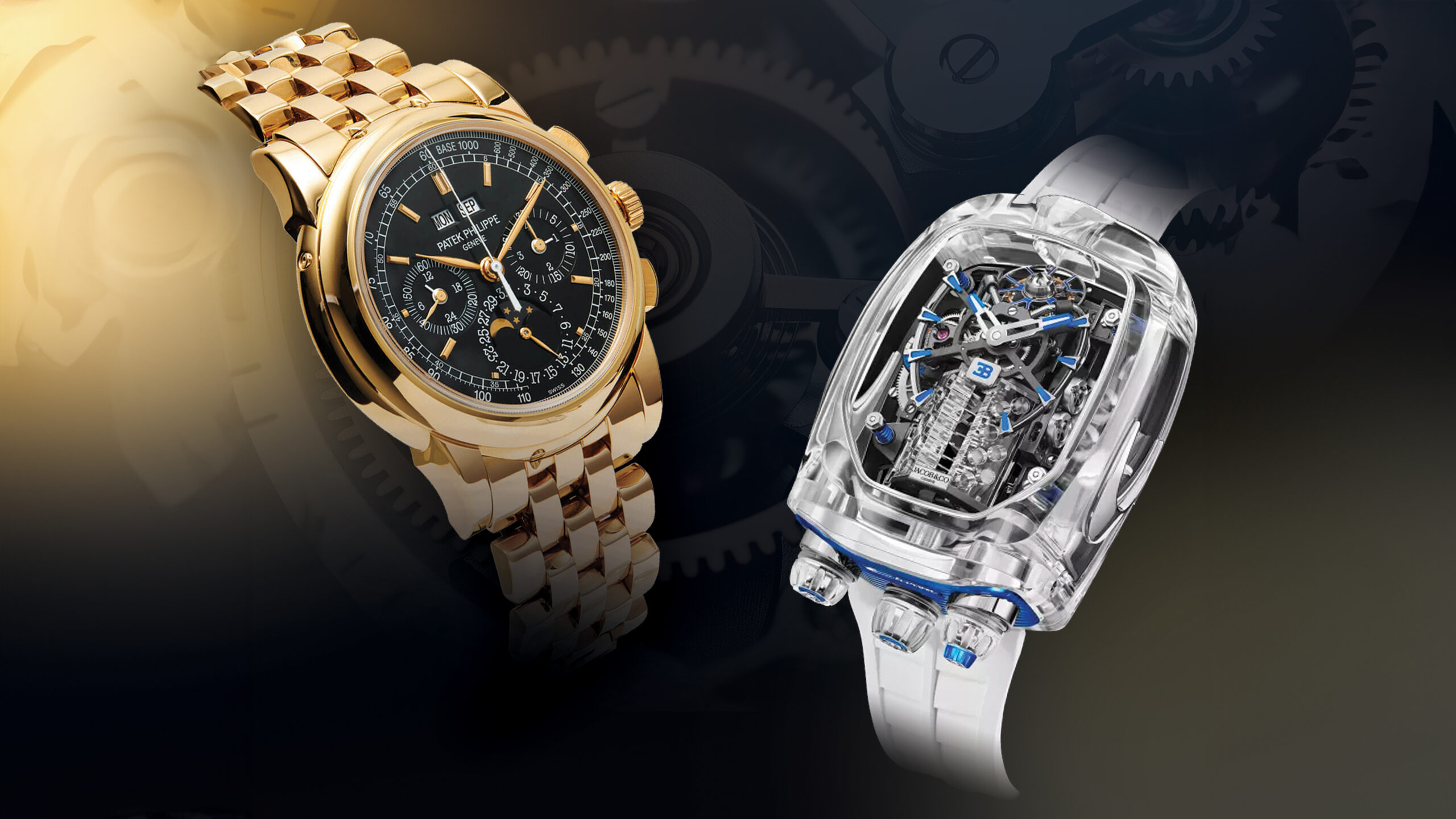
Under Guido’s guidance, the Tonda Collection has blossomed into a symbol of refined sophistication. Designed with a keen understanding of contemporary tastes, yet rooted in tradition, these watches exemplify subtlety and technical mastery. The secret? A focus on purity of design, balanced with innovative functions that enhance usability, such as dual time indicators and inventive calendar displays, delivering a seamless blend of form and function.

Innovation with Respect for the Art

Parmigiani’s dedication to R&D is driven by a philosophy that innovation must respect the constraints of mechanical art. Whether it’s pioneering new functions like the generator or reinterpreting classic complications with a modern twist, Guido believes that true innovation elevates the craft without compromising its integrity. The brand’s color palette and aesthetic choices are subtle yet impactful, appealing to a younger generation of connoisseurs who value heritage but seek novelty.

A Leadership Inspired by Heritage and Humanity

Guido’s Italian roots influence his leadership, emphasizing emotion, beauty, and a holistic approach. He advocates for a harmony between technical rigor and artistic creativity, fostering a culture where craftsmanship and innovation coexist beautifully. His hobbies, motor biking and skiing, reflect his love for precision, presence, and adventure, qualities he brings to his role as steward of the Parmigiani legacy.

Looking Ahead: Celebrating 30 Years of Excellence

As Parmigiani prepares to celebrate its 30th anniversary, Guido’s strategic vision is clear: maintain unwavering brand integrity, innovate thoughtfully, and continue to serve a global community that appreciates true artistry. For Guido, every watch is a story, every detail a testament to passion, and every collection a chapter in a timeless narrative.

Experience the Discreet Luxury

Parmigiani invites you to discover a world where tradition meets innovation; a world of understated elegance crafted for those who value authenticity and subtlety. Because in the end, true luxury isn’t loud; it’s felt quietly, appreciated deeply, and treasured forever.

What’s on? Things to do this October in Hong Kong

October brings entertainments galore with a slew of great things to enjoy, Jeff Satur in concert, National Day Fireworks, Chater Road Show, Fine Art Asia, Hong Kong Tennis Open and many more

National Day Fireworks

As China celebrates its 76th anniversary, the night sky will come alive with a vibrant fireworks display. Bright bursts of colour will dance above Hong Kong’s iconic skyline at 8pm, lasting for 23 minutes and illuminating the water with shimmering reflections in a breathtaking symphony of light, sound and patriotism. Coordinated by the Culture, Sports & Tourism Bureau, this annual celebration brings people together to marvel at spectacular waves of themed pyrotechnics and to honour the nation’s proud history. It promises joy, unity and festive sparkle.

When: 1 October

Where: Convention and Exhibition Centre

How much: Free

For more information: cpo.gov.hk

Waterbomb

This electrifying festival promises a whirlwind of music, water-soaked thrills and vibrant vibes. The Waterbomb 2025 lineup dazzles with K-pop legends like Rain and Jay Park, plus NCT 127, Lee Youngji, Hong Kong’s very own Anson Lo and many more, so expect jaw-dropping performances and a splash-tastic atmosphere uniting fans of pop and rap. The VVIP Lounge affords the opportunity to shelter momentarily from the wet wildness of waterbombs and water-pistol fights.

When: 4-5 October

Where: Central Harbourfront Event Space

How much: From HK$880

For more information: waterbombhongkong.com

Fine Art Asia

Explore ancient Chinese bronzes that whisper tales of dynasties, alongside dazzling antiques, innovative art and stunning design pieces. Delight in Asia’s finest crafts, intricate ink art and incredible photography from centuries of craftsmanship and creativity. For seasoned collectors and curious explorers alike, Fine Art Asia offers a blend of tradition and modernity, making history come alive.

When: 4-7 October

Where: Convention and Exhibition Centre, Wan Chai

How much: HK$220

For more information:  fineartasia.com

Tai Hang Fire Dragon Dance

Experience the magic of the Mid-Autumn Festival in Tai Hang. Over three nights, a colossal fire dragon, packed with pearl straw and incense, is paraded through the neighbourhood’s bustling streets. As darkness falls, the beast ignites its fiery breath, billowing smoke and sparks that dance in the night sky. This centuries-old tradition, blending throbbing energy and cultural heritage, transforms the former Hakka village into an enclave of mythic power. Recognised as a part of Hong Kong’s Intangible Cultural Heritage, the Fire Dragon Dance is an ode to tradition, community and the luminous spirit of Mid-Autumn.

When: 5-7 October

Where: Tai Hang

How much: Free

For more information:  discoverhongkong.com

Jeff Satur in Concert

The Thai superstar marks his return to Hong Kong. Known for his cinematic stage presence, Satur will impress fans with a stupendous mix of synth-pop, alt-rock, R&B and heartfelt ballads. After a sold-out Bangkok show and globe-trotting through Latin America, his energy is unstoppable – juggling festival stages, new TV dramas and more. VIP ticket options offer exclusive backstage access, autographed posters and even a personal photo with the dynamo.

When: 9 October

Where: MacPherson Stadium, Mong Kok

How much: From HK$799

For more information:  macstadium.hkpa.hk

Happy Wednesday – Bollywood Night

Beyond the thrill of Wednesday-night horse racing, lively entertainment takes centre stage. Savour the irresistible flavours of authentic Indian cuisine, from spicy curries to sweet treats, as you place your bets during this Bollywood-inspired race meeting. It’s a stirring blend of culture, entertainment and hooves thundering down the home straight! Visitors to Hong Kong can join the fun for free by showing a valid travel document

When: 22 October

Where: Happy Valley Racecourse

How much: From HK$10

For more information: hkjc.com

Yama in Concert

Yama, known for their captivating voice and genderfluid flair, will perform hits from their latest album Semicolon, alongside beloved anthems like Haru wo Tsugeru, Shikisai and Slash. If you missed their mesmerising set at Clockenflap last December, now’s your chance to  experience Yama’s enigmatic charm live. Expect to be swept off your seat. VIPs receive priority entry, an autographed postcard, an exclusive laminate and a post-show group photo.

When: 22 October

Where: MacPherson Stadium, Mong Kok

How much: HK$699

For more information: macstadium.hkpa.hk

Chater Road Show

Hosted by the Classic Car Club of Hong Kong, this iconic event transforms Central’s main drag into a gleaming parade of more 100 classic cars from around the world and across eras. Thousands of locals and visitors will flock to marvel at these beautiful motors that rarely make public appearances. It’s a fun-filled day of nostalgia and automotive magic you won’t want to miss.

When: 26 October

Where: Chater Road, Central

How much: Free

For more information: theccchk.com

Hong Kong Tennis Open

Part of the Asian Swing that lures top tennis players to China as the season draws to a close, this WTA 250 event to welcome the likes of Naomi Osaka, Daria Kasatkina and Filipino youngster Alexandra Eala (barring injuries) to Victoria Park’s stunning centre court. Spectators will witness fierce singles battles and thrilling doubles duels as the women vie for glory. Expect powerful serves, super smashes and engrossing rallies under the city’s skyline. Let the games begin!

When: 27 October – 2 November

Where: Victoria Park Tennis Stadium

How much: From HK$160

For more information: hktennisopen.hk