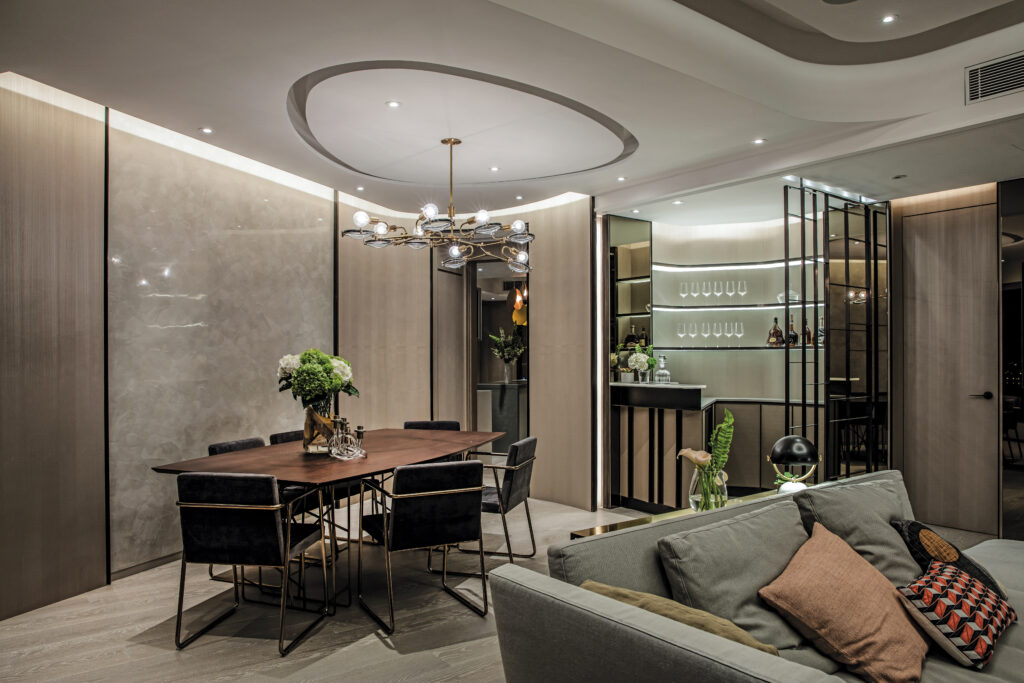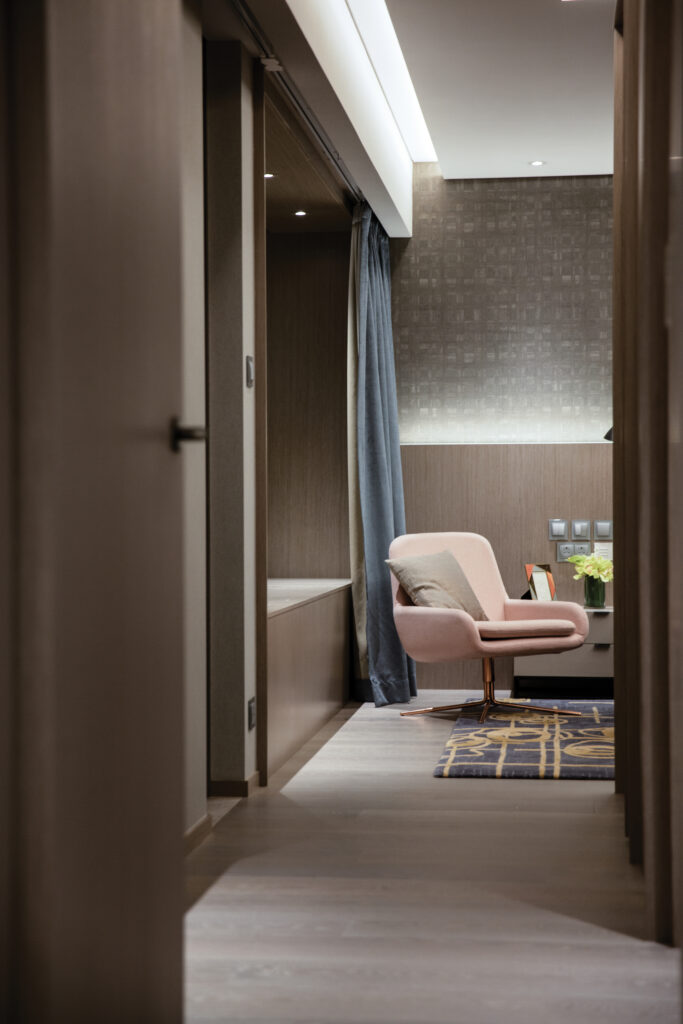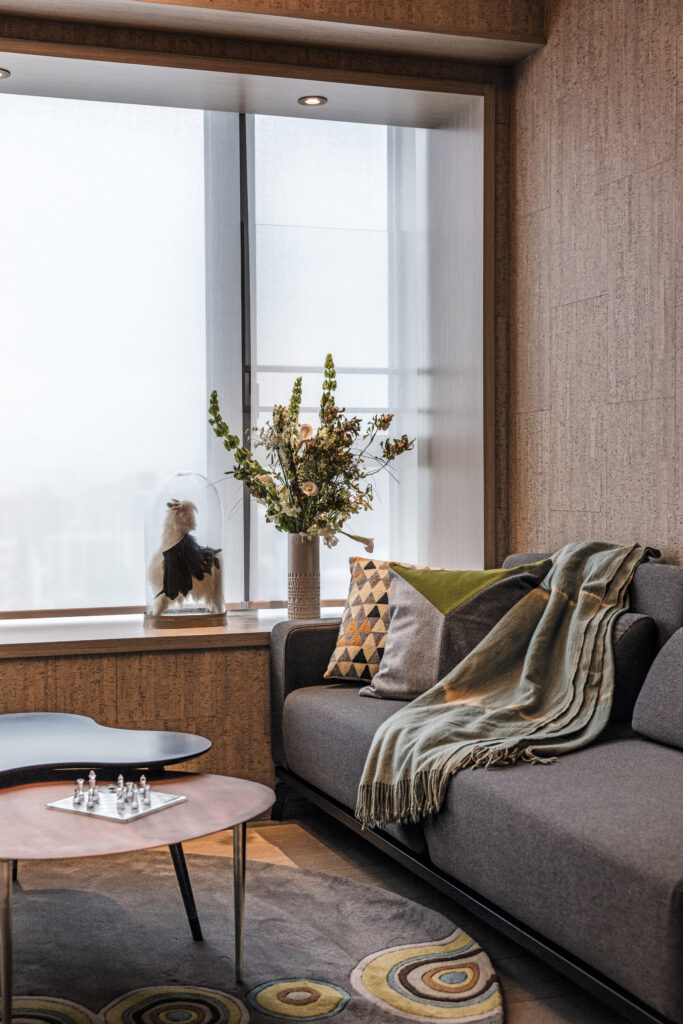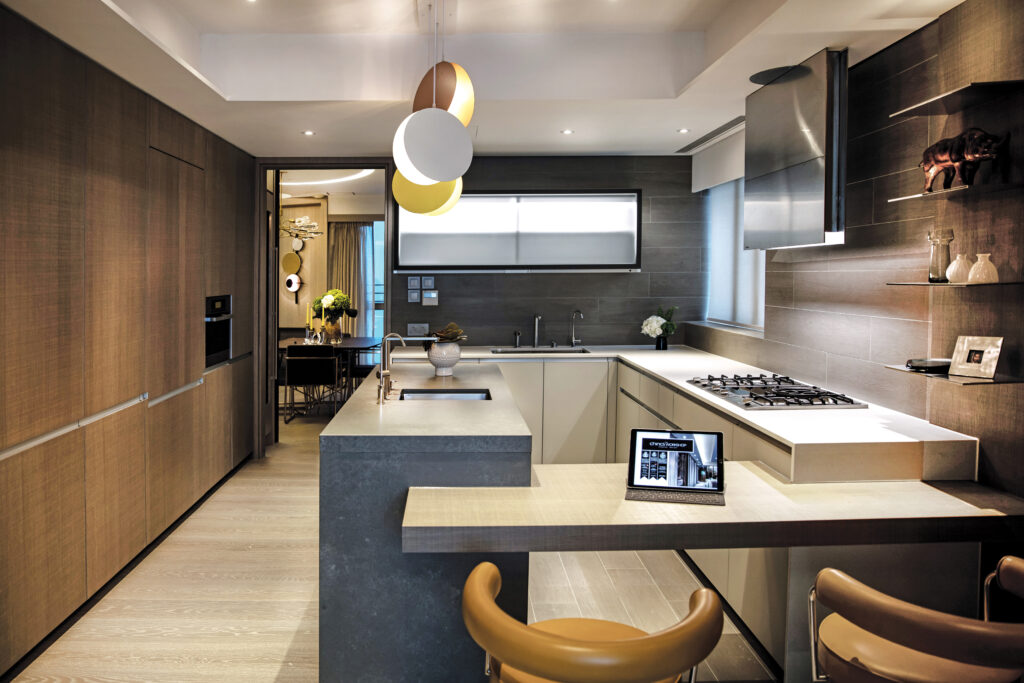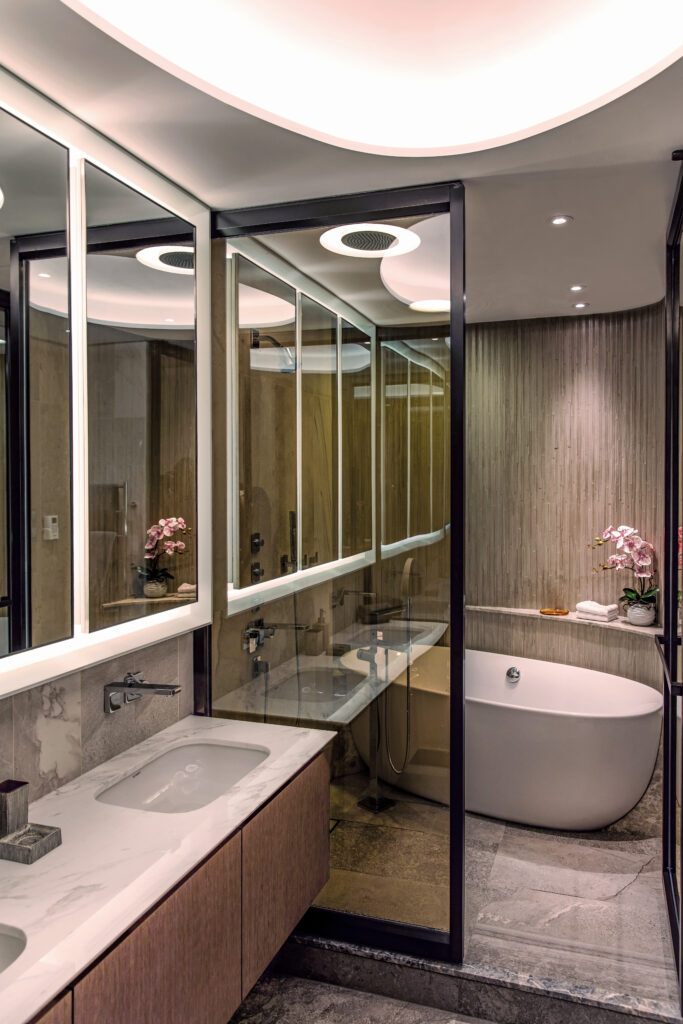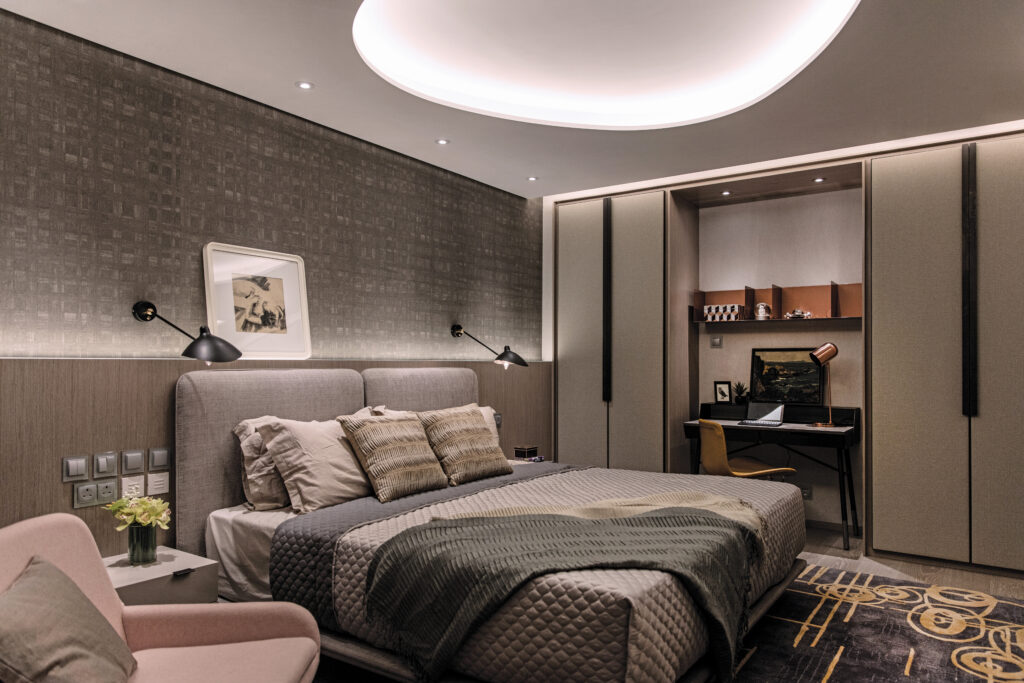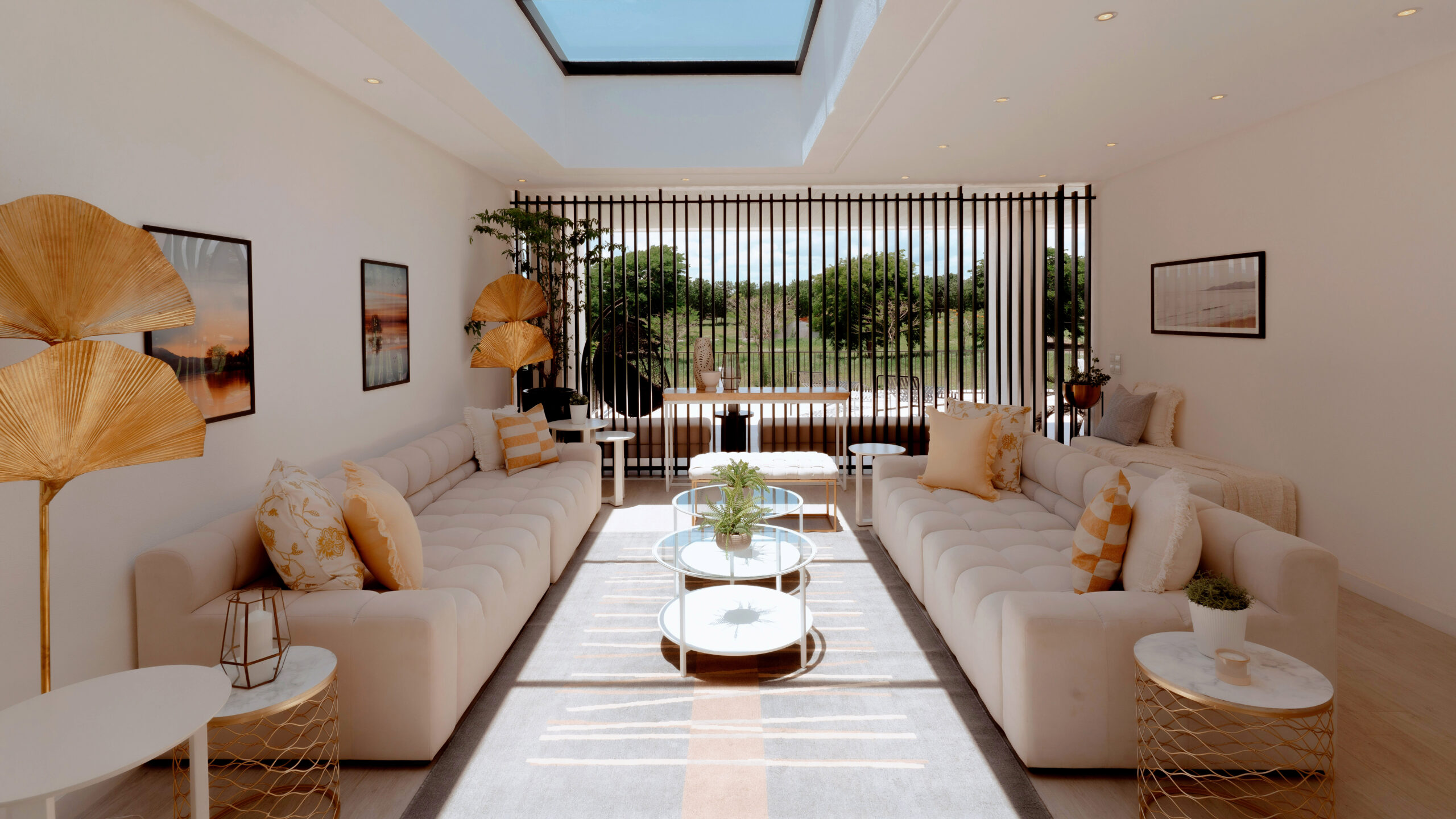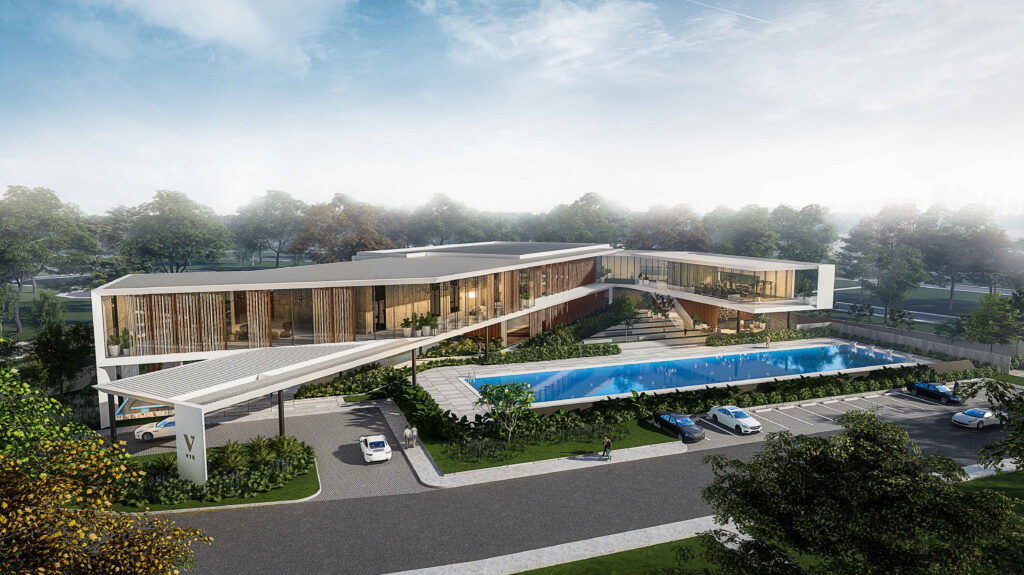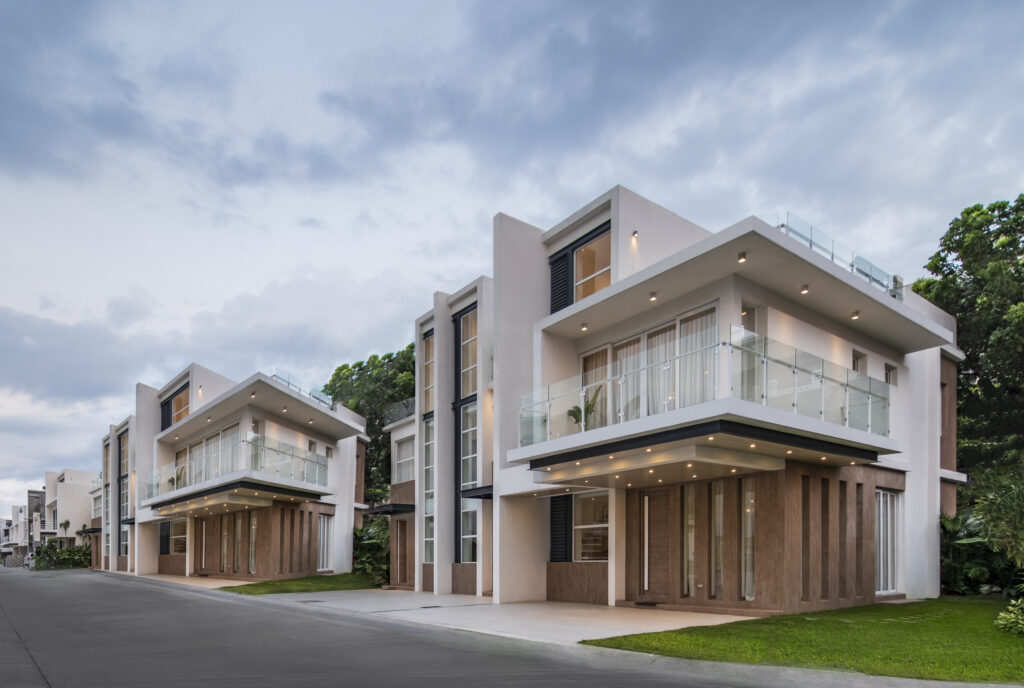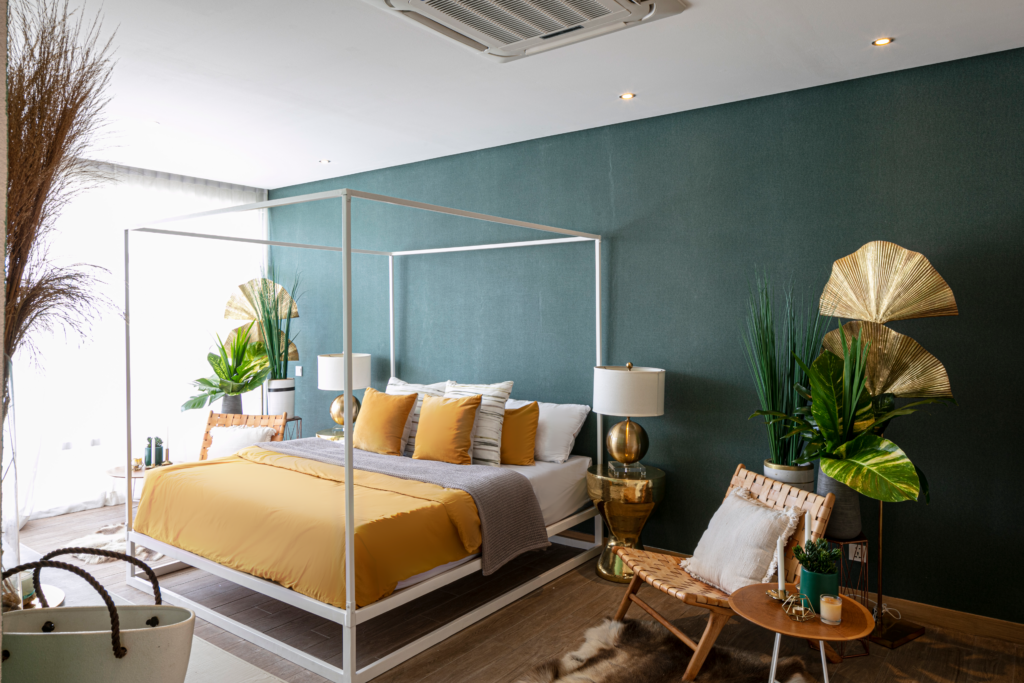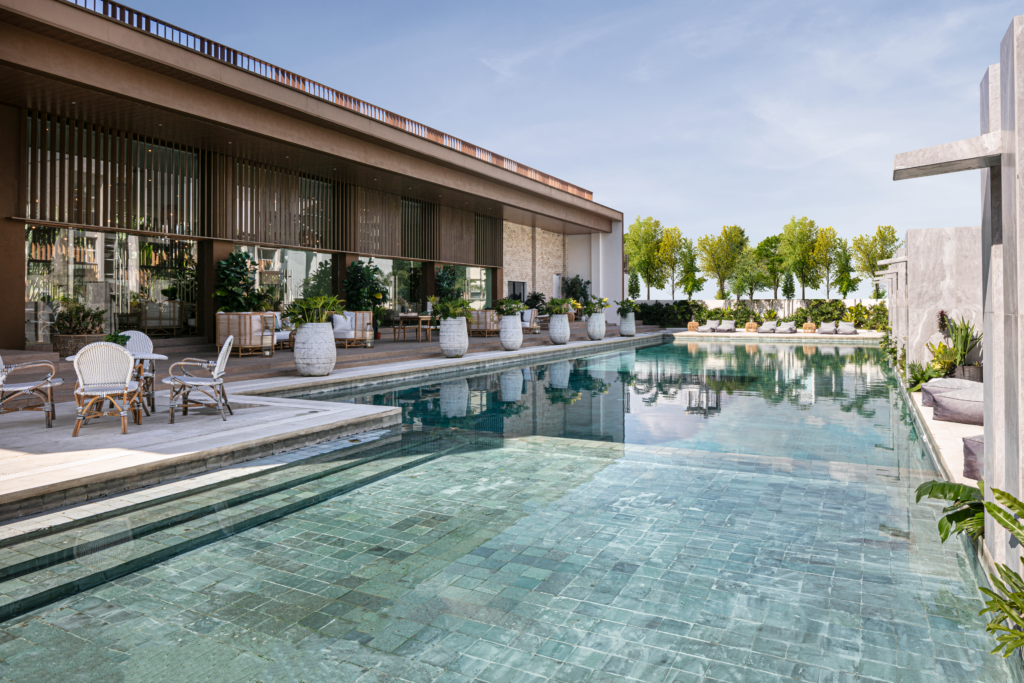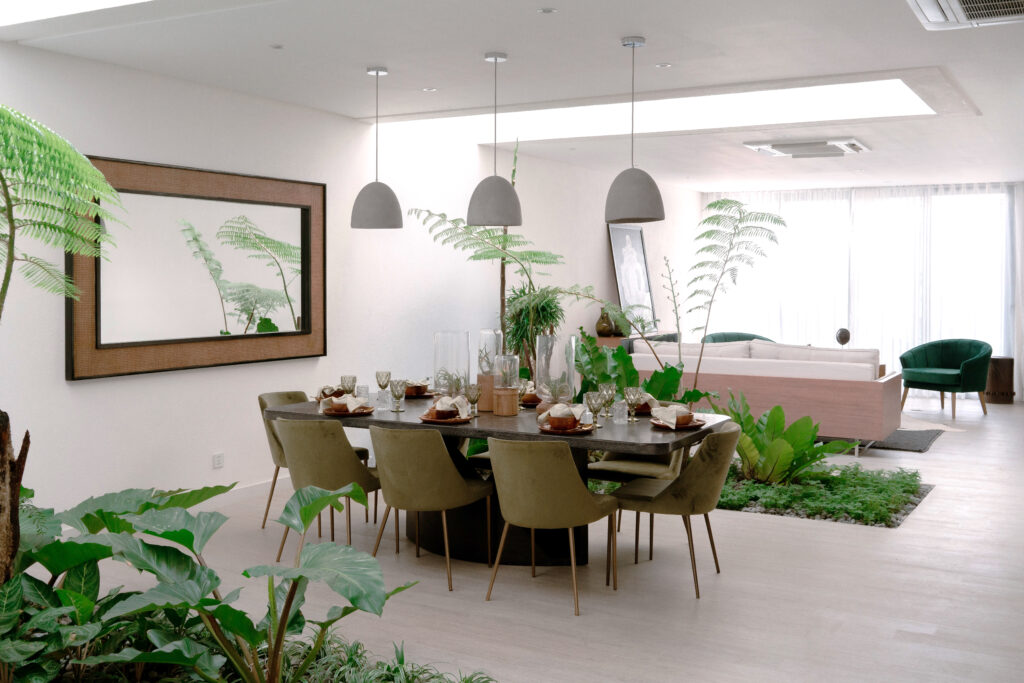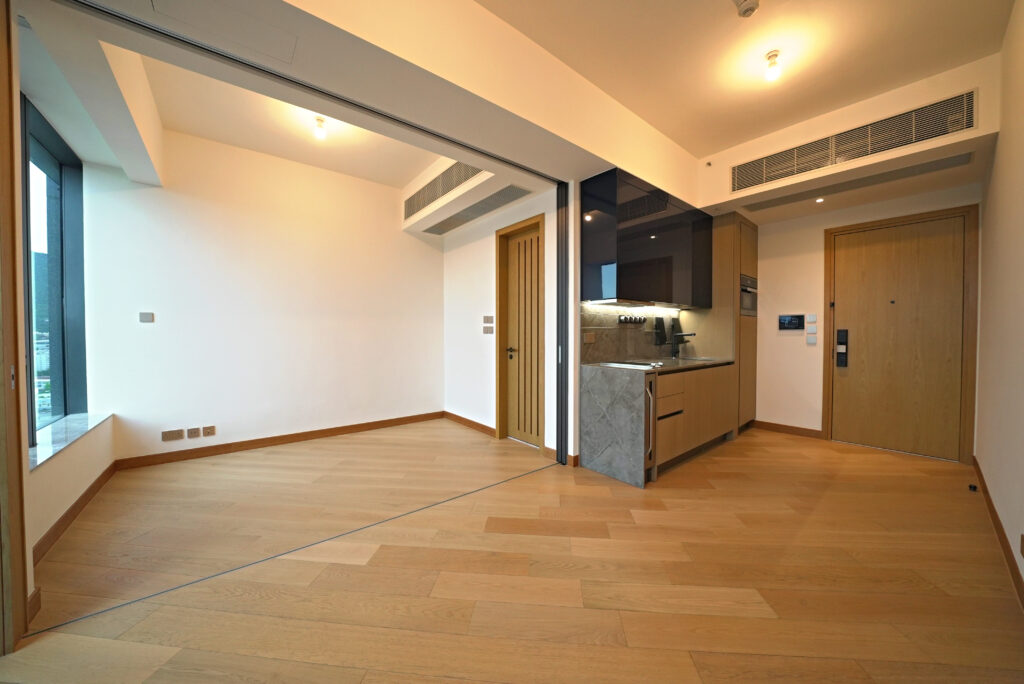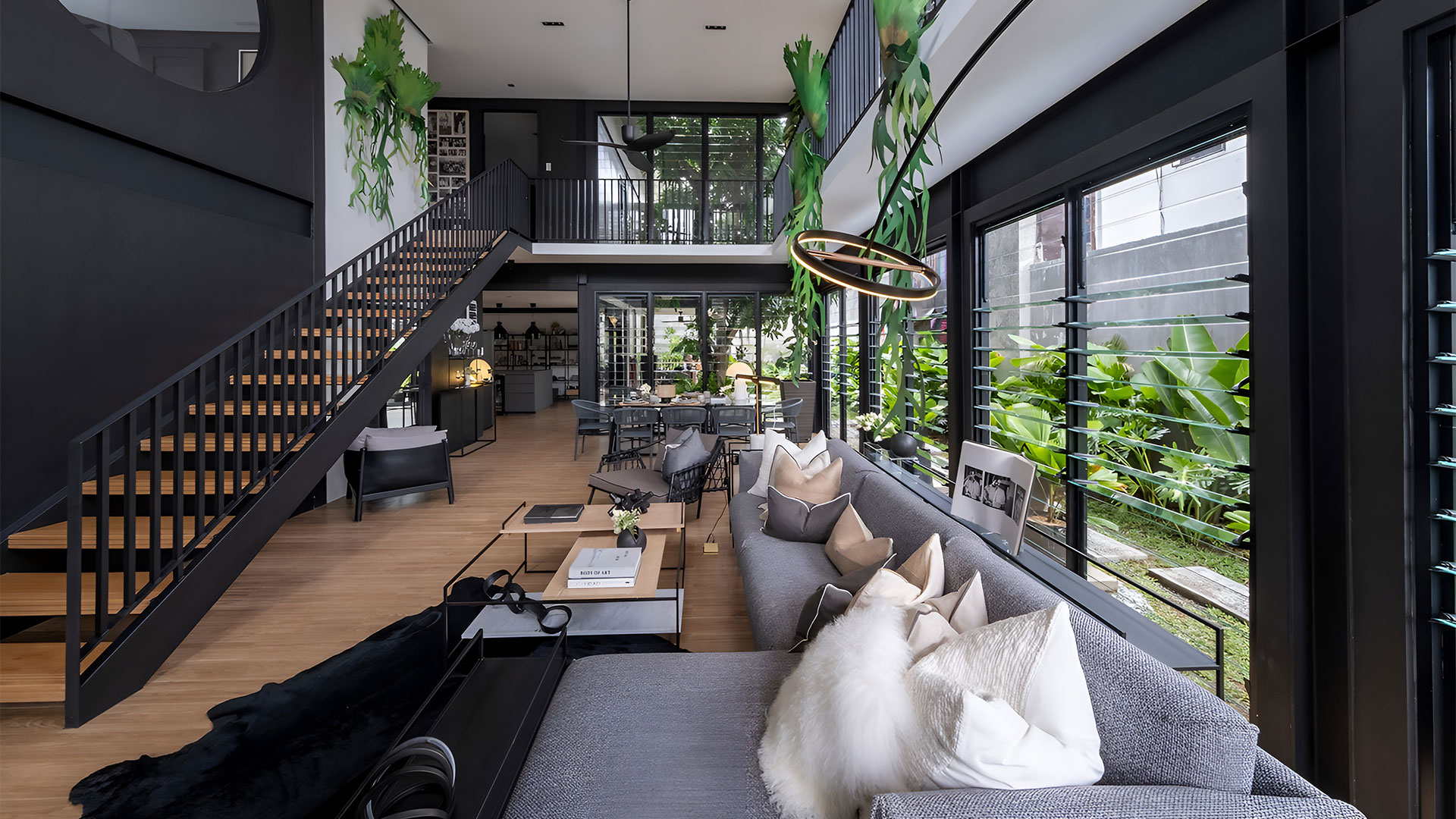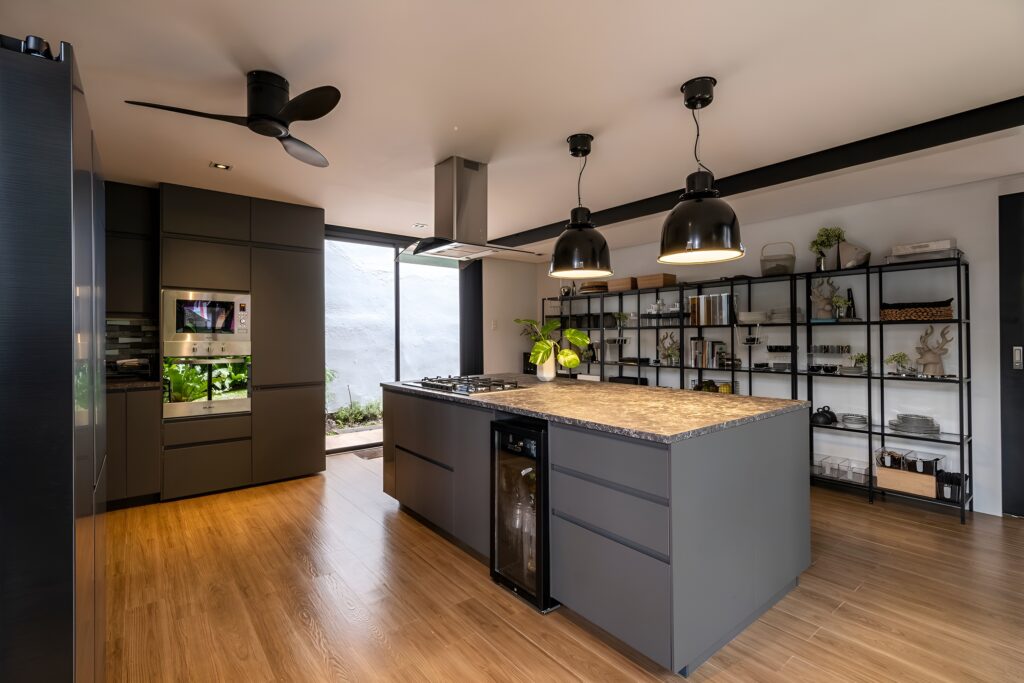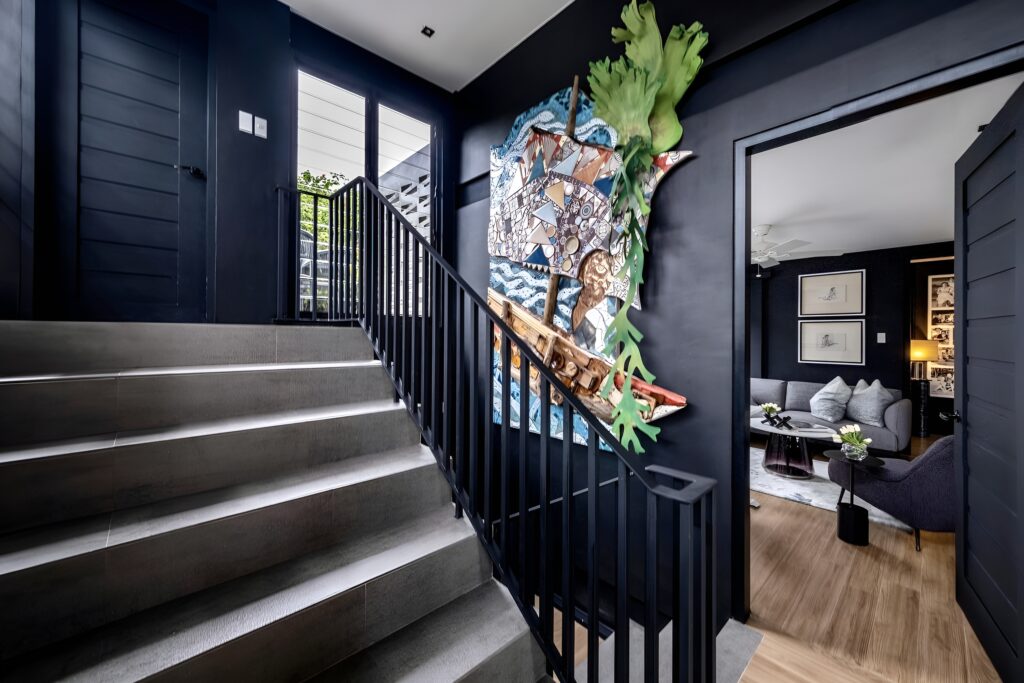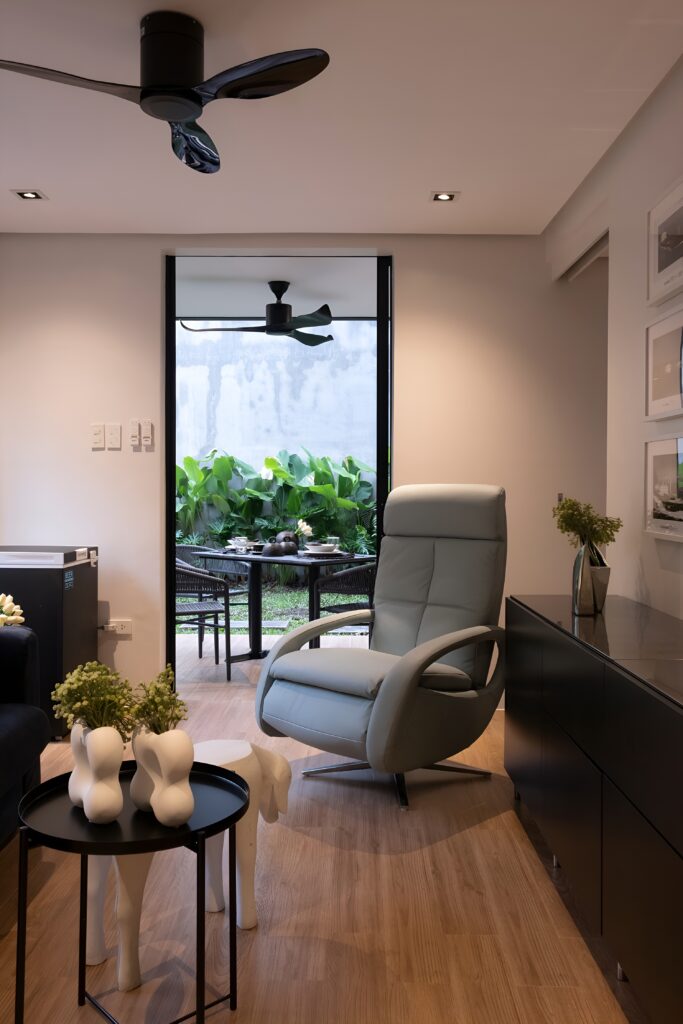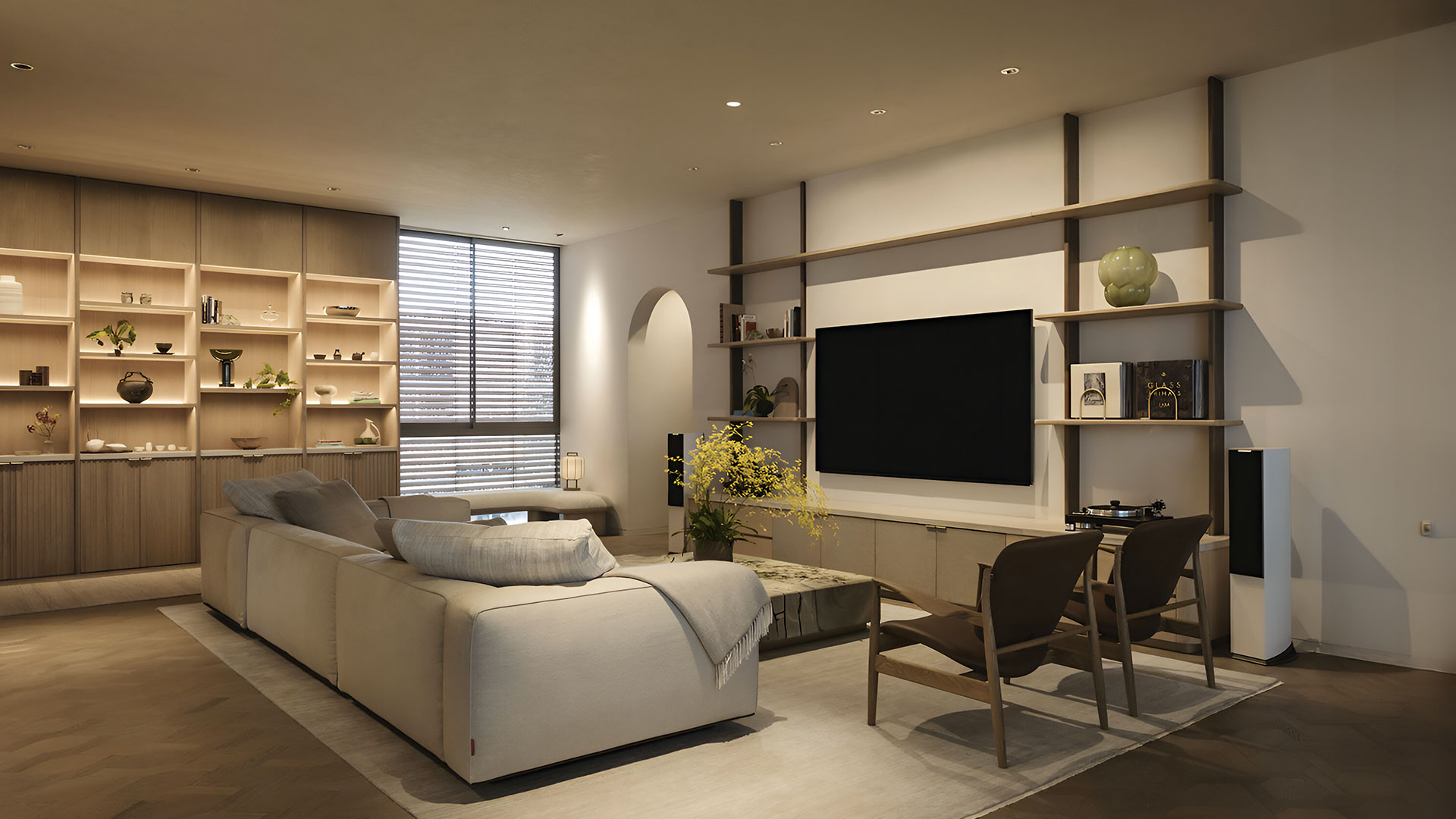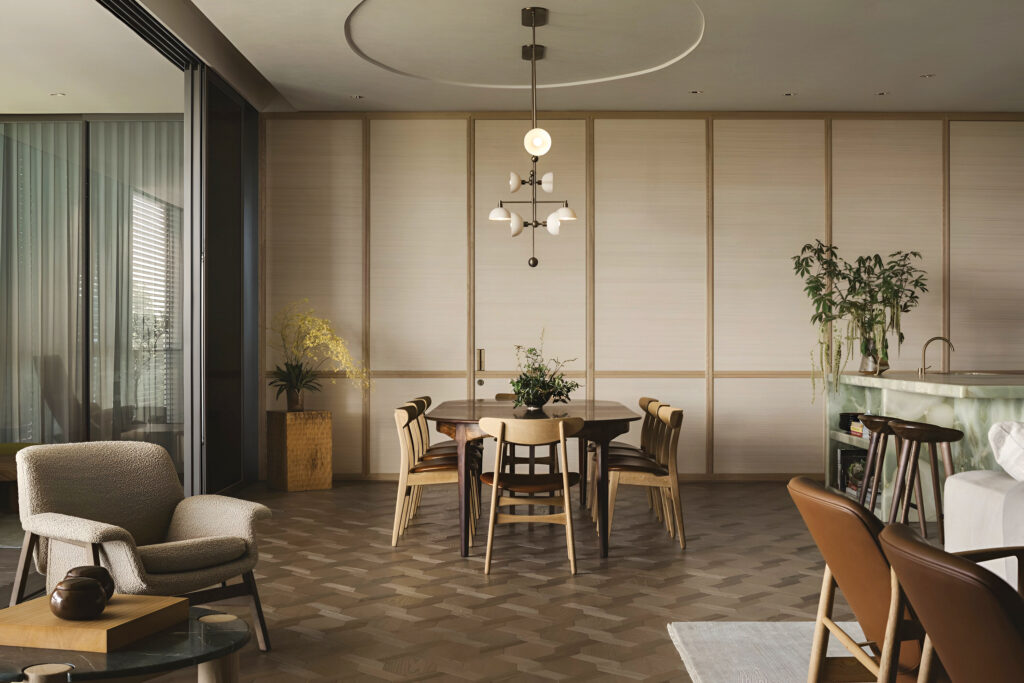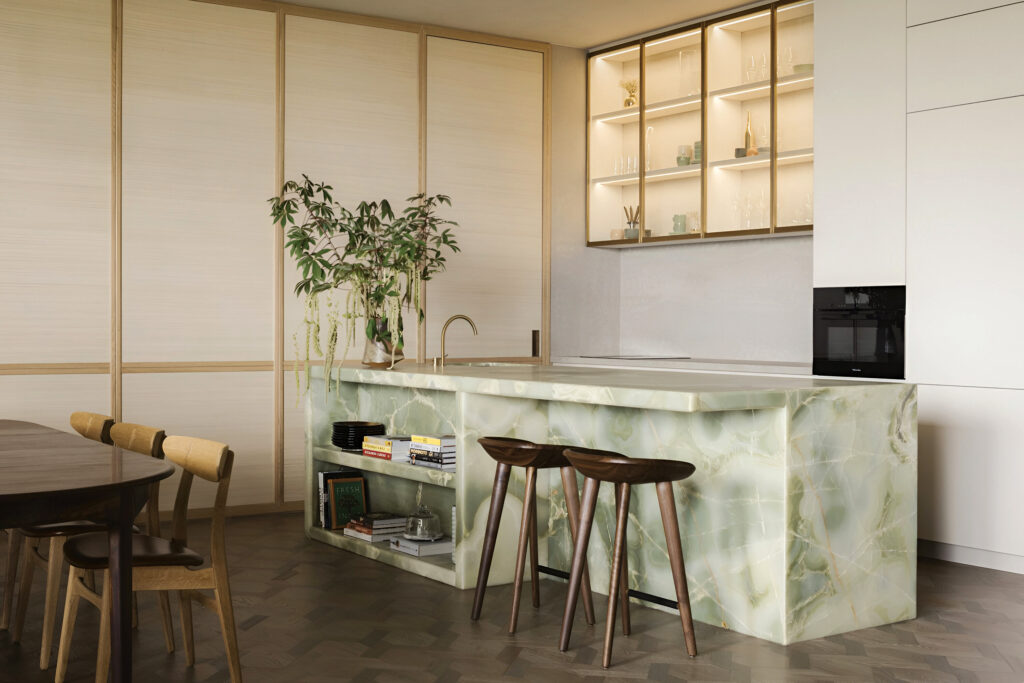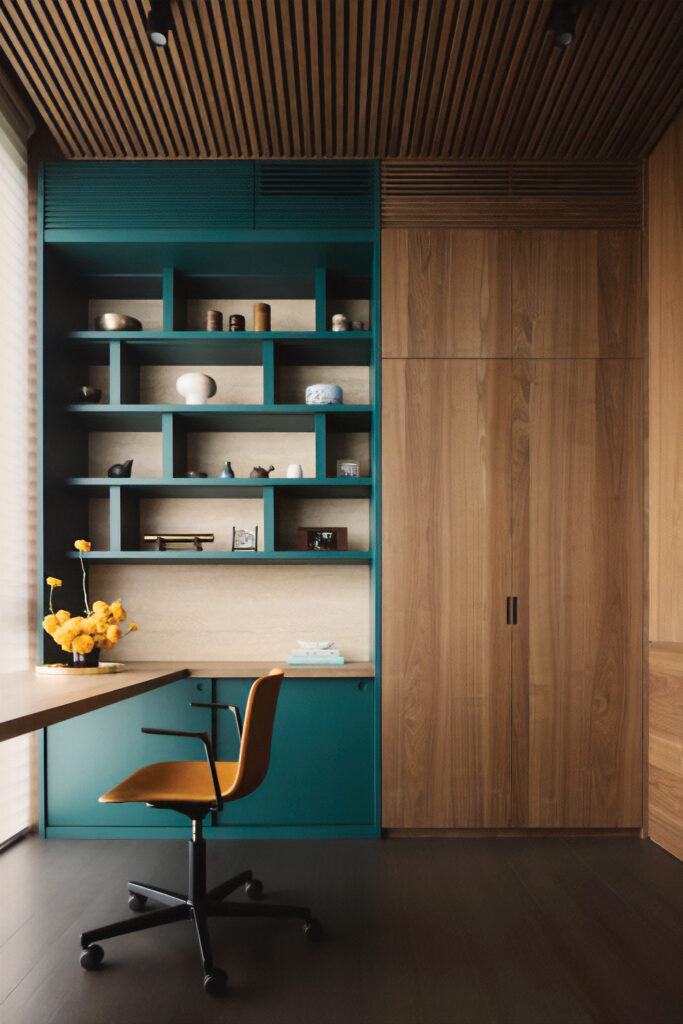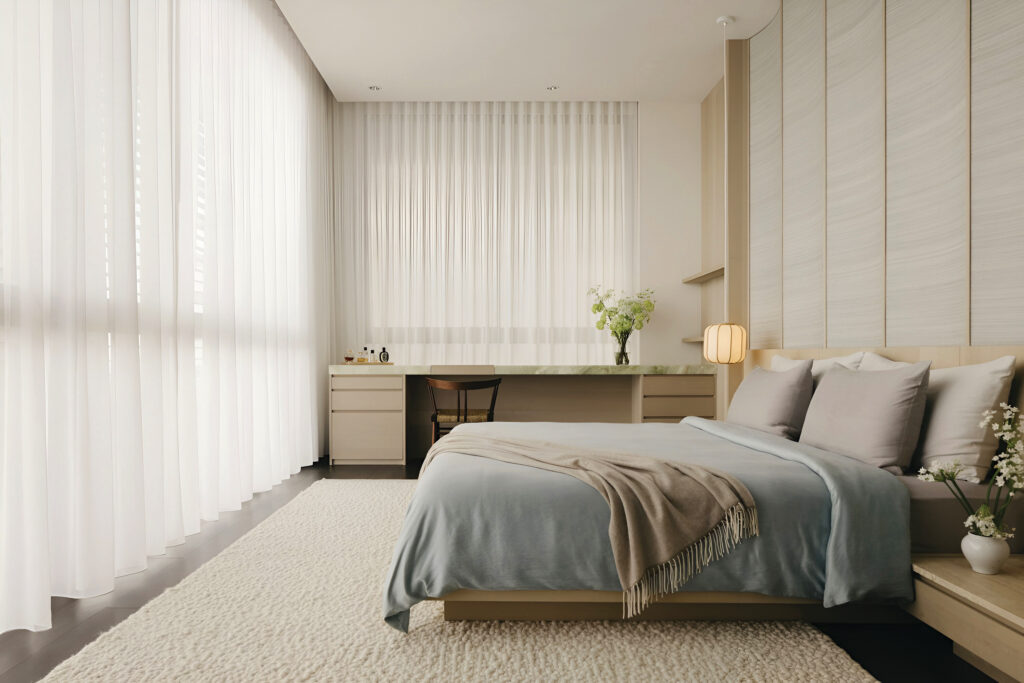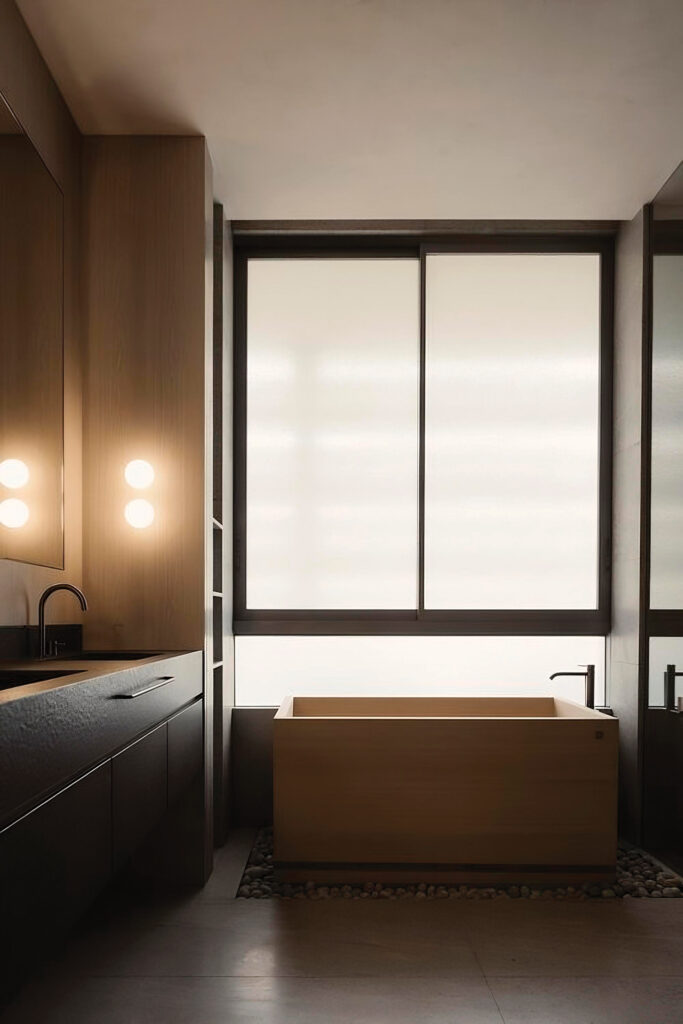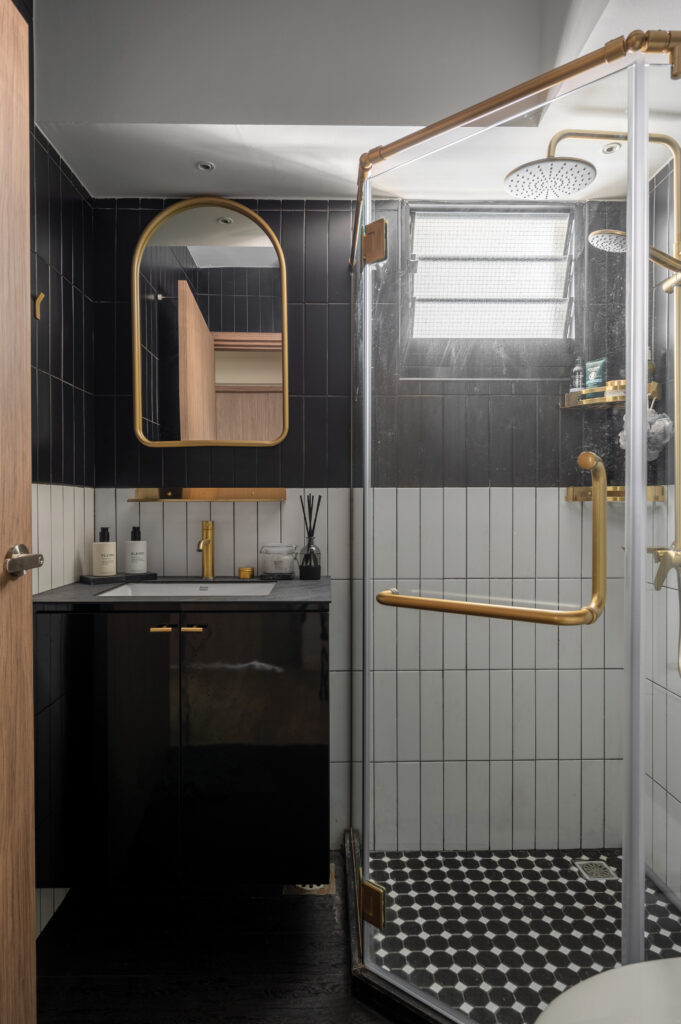

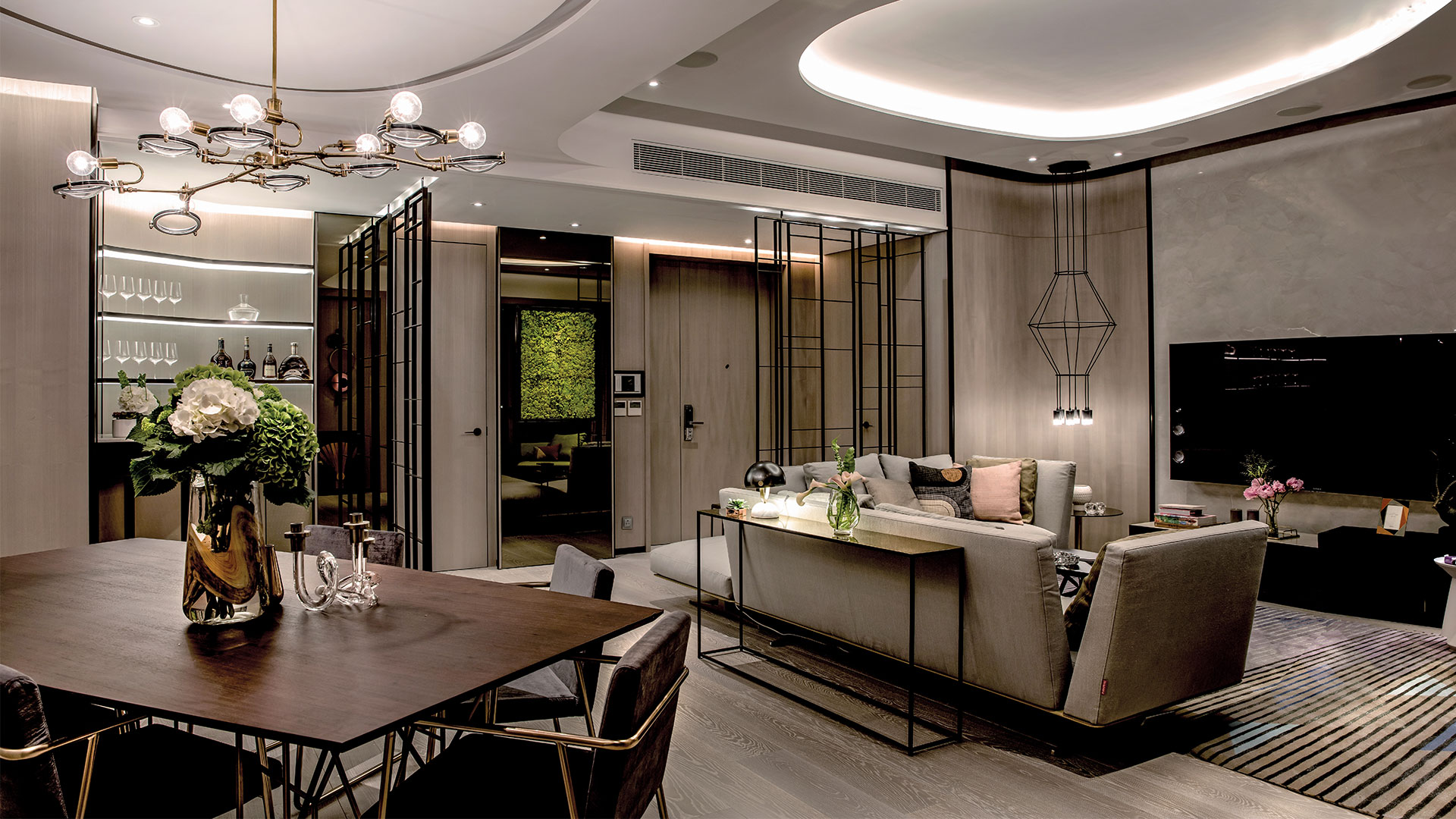
KS Studio Ltd has created some unforgettable high-end duplex units in Pokfulam – quiet, luxurious properties in which attention to detail is a given and the interior design is of the highest order.
Category: Living
Tura Collection: Roca’s Tribute to Barcelona’s Formalist Architecture
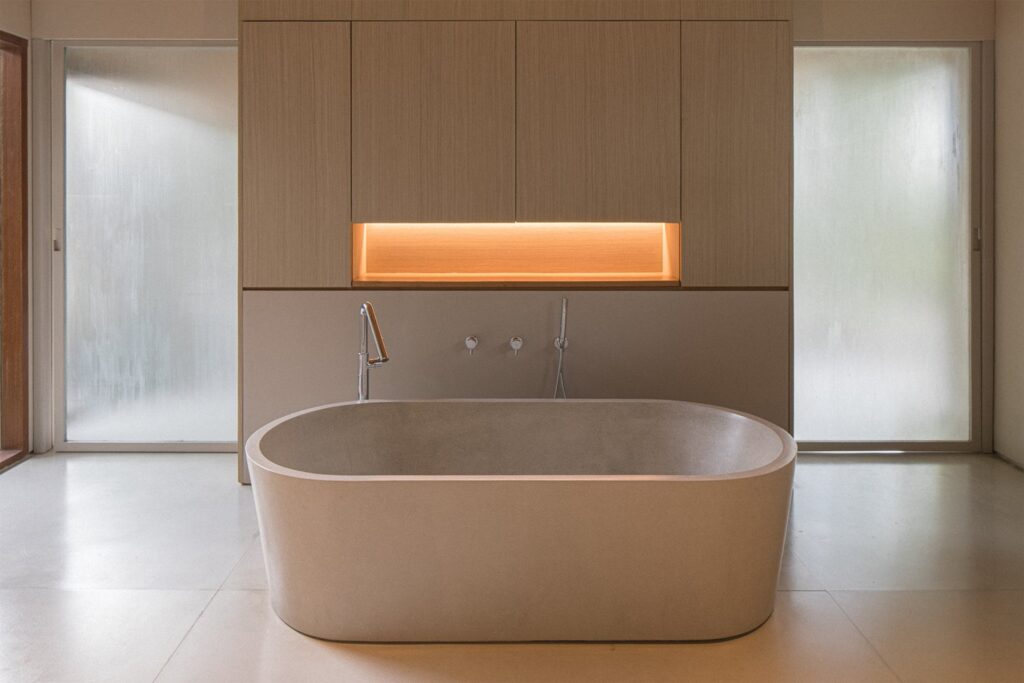
Roca, a name synonymous with excellence in the world of sanitary ware, has long been celebrated for its ability to blend innovation and timeless elegance. In the ever-evolving world of bathroom design, the renowned Spanish brand continues to push the boundaries with its latest offering – the Tura Collection to the Hong Kong market. Crafted with meticulous attention to detail and a deep understanding of modern aesthetics, this collection is set to captivate design enthusiasts and discerning homeowners alike. It is a testament to the brand’s commitment to creating products that not only enhance the functionality of a space but also elevate the overall design experience.


In a unique collaboration, the Spanish design powerhouse has partnered with renowned international local designer Andreu Carulla to create the Tura Collection – a tribute to the iconic formalist architecture that has defined the visual landscape of Barcelona. Carulla, who shares Roca’s deep appreciation for the Mediterranean character and functionality-driven design ethos of Barcelona’s celebrated architects like Sert, Coderch, Miralles, and Bofill, has meticulously imbued the Tura Collection with design cues inspired by their work.
“I always wanted to work with Roca because it makes incredible high-quality products. In addition, the use of ceramics and geographical proximity made it a perfect match. Later, I discovered we spoke the same language,” explains Carulla.

The collection’s name is a nod to this inherent connection, derived from the Spanish words for “architecture” and “culture” – a testament to how the built environment is inextricably woven into the cultural fabric of Barcelona. Carulla’s design approach for Tura is one of pared-back simplicity and functionality, taking cues from the clean lines, intersecting volumes, and interplay of light and shadow that define the formalist architectural style. The washbasins, for instance, feature a concealed drain and an interior design that mimics the patterns cast by shutters and pergolas – a subtle nod to the Mediterranean aesthetic.


Featuring a strong architectural aesthetic, the collection combines square and straight lines with soft edges and subtle curves, resulting in a mesmerizing and modular appearance. This bold and unapologetic design language sets the Tura Collection apart, making it a true statement piece in any bathroom. One of the standout features of the Tura washbasins is the innovative and elegant hidden linear drain. Seamlessly integrated into the ceramic basin, this unique design element creates a minimalist and sleek surface, free from the visual distractions of a traditional drain. It’s also proudly produced from Europe.
This innovative approach not only enhances the overall aesthetic but also simplifies the cleaning and maintenance of the basin, making it a practical and functional choice for the modern bathroom.


By blending bold architectural elements, innovative functionality, and a keen eye for detail, the brand has created a collection that is destined to captivate design enthusiasts and homeowners alike.
In essence, the Tura Collection is Roca’s way of paying homage to the architectural legacy that has shaped the distinct character of Barcelona. Through its partnership with Andreu Carulla, the brand has successfully translated the principles of formalist design into a contemporary bathroom range that celebrates the city’s rich cultural heritage.
For more details, please visit https://www.roca.hk/collections/tura
Roca’s Multiclean M1 from M Series – Elevating The Toilet Experience (Coming soon)
The Multiclean M-Series aims to transform the humble toilet into a sophisticated and technologically advanced fixture. Designed to seamlessly integrate with Roca’s existing toilet models, the Multiclean range offers a remarkable solution for those seeking to elevate their bathroom experience.
It is Roca’s answer to the growing demand for smart and multi-functional toilets. With a focus on aesthetics and user requirements, this hybrid solution can be easily installed in most of Roca’s standard toilets, enabling a remarkable transformation from a regular WC to a state-of-the-art shower toilet or a smart toilet. Afterall, enhancing a toilet should not mean sacrificing design. It is the perfect balance between functionality and aesthetics, ensuring that your toilet can become something greater without compromising the overall bathroom aesthetic.

One of the key features of the Multiclean M1 is the ability to turn your existing toilet into a shower toilet. The simple installation process allows for the integration of rear and front washing features, complete with two distinct nozzles. This durable and affordable solution requires no power source, making it an accessible option for households of all needs and lifestyles.
The Multiclean M1, the brand’s simplest offering, is a hassle-free solution for those seeking a shower toilet experience. With its quick-release seat and cover, as well as a soft-close feature, it provides a seamless and user-friendly experience. But it doesn’t stop at just enabling shower toilet functionality. Roca has also introduced a smart, non-electronic toilet seat cover that requires no power supply to operate. This exclusive feature allows for the integration of smart features in bathrooms without a power source, relying solely on the water supply for its operation.
Whether you’re looking to transform your existing toilet into a shower toilet or harness the power of technology through a smart toilet, the Multiclean range has a solution that caters to your specific needs and lifestyle.

Ultimately, Roca’s Multiclean M-Series is a testament to the brand’s commitment to innovation and its dedication to enhancing the bathroom experience. By seamlessly integrating advanced features into their existing toilet models, Roca is making the smart and shower toilet experience more accessible to households across the globe. This new item will be launching Hong Kong soon.
Roca Anchors Innovation as Official Sponsor of Alinghi Red Bull Racing at the 37th America’s Cup

Barcelona is set to host the 37th America’s Cup from August to October 2024, a prestigious international sporting event featuring cutting-edge design and advanced technology. Roca, a company focused on design, technology, and sustainability, is partnering with Swiss team Alinghi Red Bull Racing to create a comprehensive system of connected bathroom solutions. The Swiss challenger’s state-of-the-art base in Barcelona’s Port Vell, equipped with Roca’s smart bathrooms, provides an opportunity to implement a comprehensive system of connected bathroom solutions.

A showcase of Roca Connect in Spain, the company’s cloud-based smart bathroom framework, will enable the team to capture and monitor important information and behavior patterns within the installation’s bathrooms, aligning with sustainable practices incorporated into the team’s facility. This combined effort aims to optimize maintenance and cleaning costs while promoting a conscientious approach to water conservation.
Barcelona is at the heart of the partnership, with Roca’s design ethos drawing inspiration from the city’s essence. The partnership aims to leave a legacy of positive change in Barcelona, a commitment that both companies embrace. The 37th America’s Cup will take place from August 22th to October 27th, with key dates for the preliminary regatta, round Robins, semi-finals, finals, and match.
https://www.roca.com/alinghiredbullracing
To enjoy the fantastic summer offer, please go & visit Roca at COLOURLIVING now to enjoy the latest offer with up to 70% off all bathroom and kitchen products and extra 30% off all tiles with purchase of any bath and kitchen items. The shop summer promotion will last until 30 Sep.
Opening hours: Mon to Sat 10am – 7pm, Sun & Public Holidays 12nn – 7pm
Tel: +852 2510 2677
E-mail: info@rocaconcepts.hk
Address: 2/F, 333 Lockhart Road, Wan Chai, Hong Kong
Website: www.roca.hk/roca-at-colourliving
128 Waterloo Upper Collection
Flats of exquisite craftsmanship in a desirable location
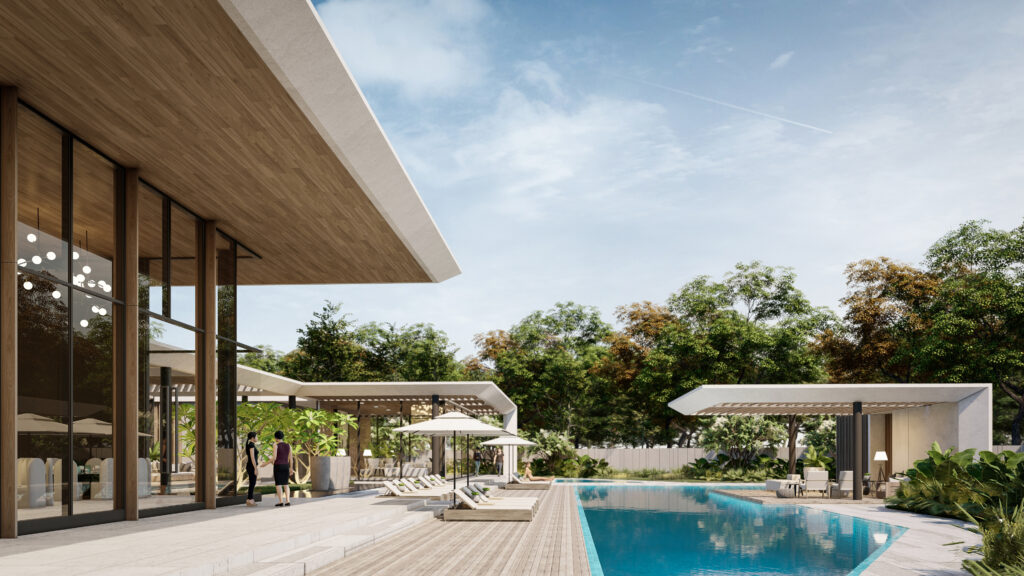
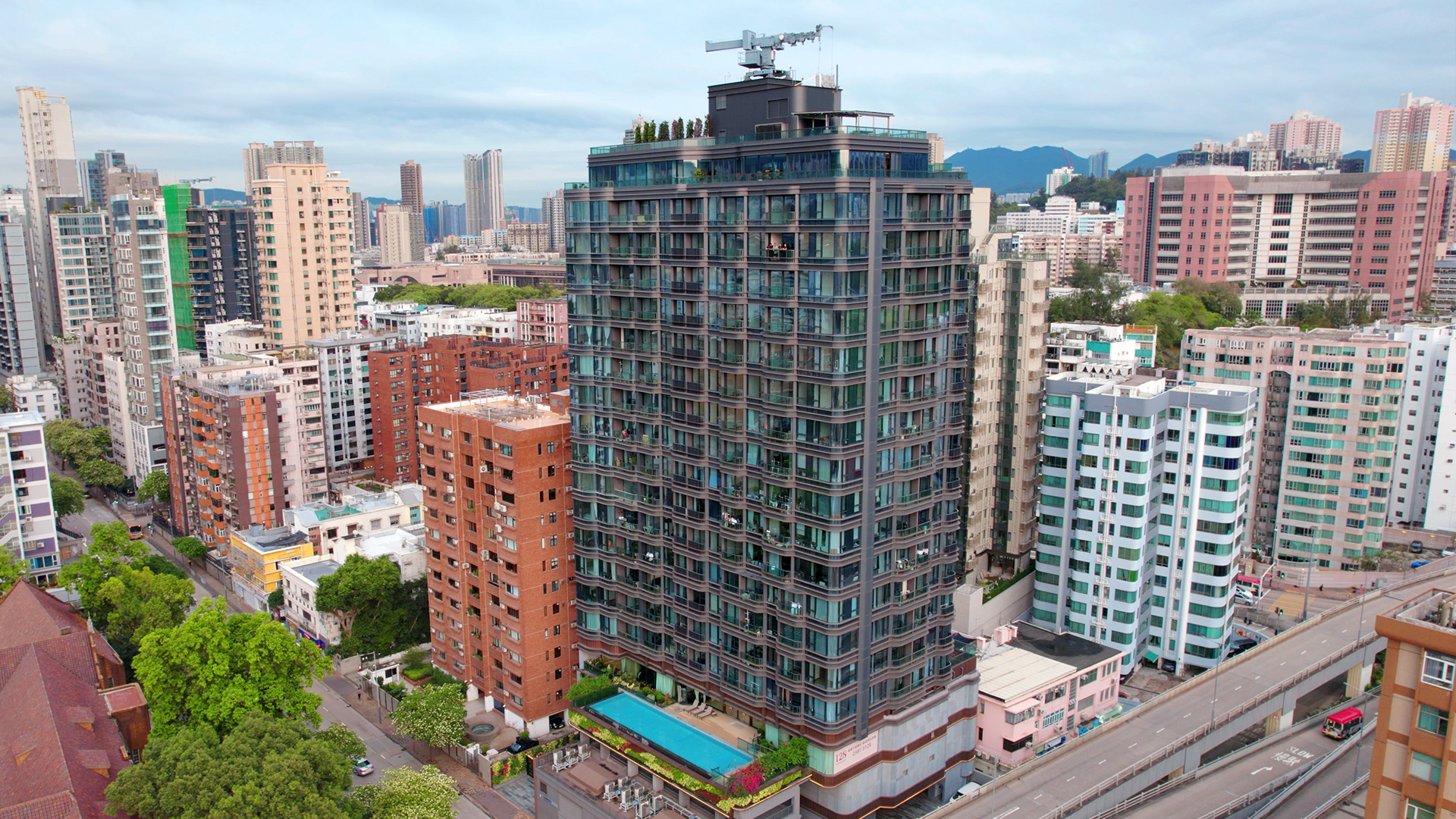
128 WATERLOO is located in one of Hong Kong’s most elite neighbourhoods. The residential flats available on the Upper Collection are designed with extraordinary attention to detail and exacting interior craftsmanship, the result of meticulous planning and superb architectural vision.
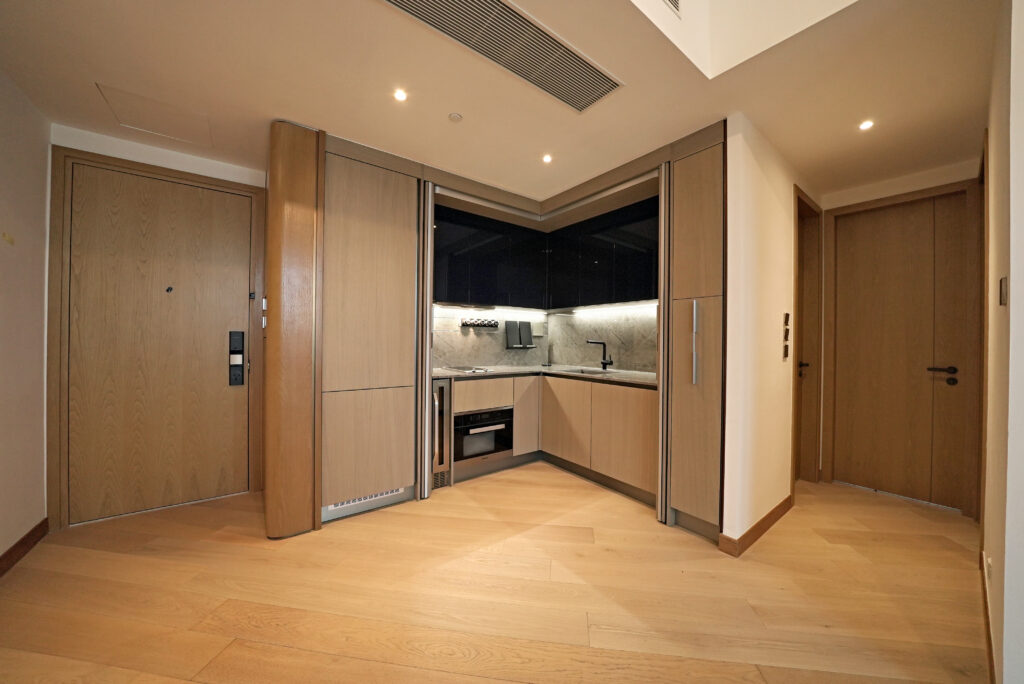
Incorporating Arredos3, a premium Italian cabinetry brand and other prestigious European home furnishing brands, they offer a diverse range of storage solutions and effective use of space combining elegance and practicality.
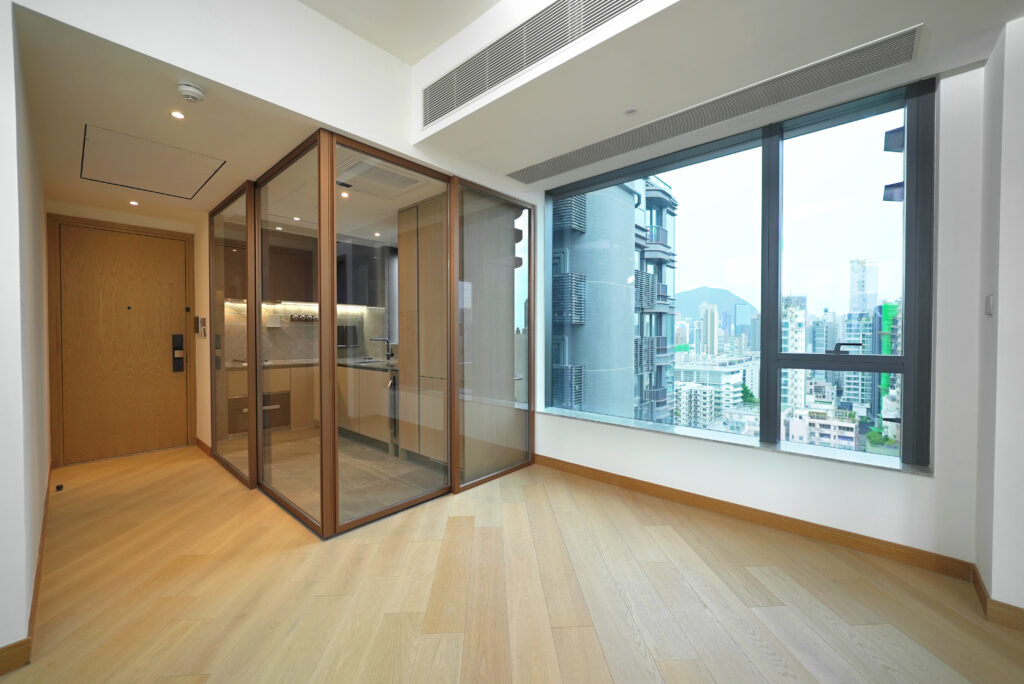
For instance, 19/F Flat A has a beautiful kitchen area which makes the best use of reinforced glass sliding doors, allowing the kitchen and living room to blend seamlessly for a more spacious and brighter environment. A German Hailo wireless remote-controlled ladder offers convenient and hygienic access to ceiling storage space.


Versatile design features are embodied in the open-kitchen design at 19/F Flat B, with its multi-functional sliding doors providing for an excellent work and living environment, a focal point for family gatherings.
The reinforced sliding doors at 19/F Flat C offer limitless possibilities and can be adjusted according to different needs, creating a flexible space environment with the ability to move freely.

Brutal Beauty: Stark modernism is softened by nature – including an indoor tree – in this tranquil Manila house
In the bustling city of Manila, a serene and stunning residence stands out as a testament to the ideal blend of creativity and brutalism. The breathtaking abode is a masterclass in combining style, comfort and functionality. Materials are simple and essential, the colour scheme is boldly black and white, and the mood minimalist.
Brutalist interior design is characterised by its untreated concrete, angular lines and stark aesthetic, and this house in Manila follows a similar expression of functionality while embracing a raw beauty. The built area of about 2,200 square feet sits on a 4,000-square-foot lot in Afpovai, an upcoming neighbourhood close to Bonifacio Global City.

Natural materials like wood, stone and plants are often incorporated within modern brutalist interiors to balance the coldness of concrete and metal, and this can be seen throughout the spacious residence. These textural contrasts add depth and visual interest, creating a warmer and cosier feel.
Conceived as a sanctuary for a couple to enjoy after retirement, it was designed by Ivy Almario of Atelier Almario, an award-winning interior design firm known for its distinctive style. The designer’s philosophy is centred around creating spaces that resonate with her clients’ personalities and lifestyles. In this instance, their love of shutters features throughout the house, dividing the anteroom, bedroom and living room while maintaining a sense of intimacy and unity.
As you step into this airy retreat, you are immediately enveloped by an aura of calm, thanks to the clever use of natural ventilation and a soothing colour palette. The double-height ceiling and kamagong wood accents create a sense of drama, while the carefully curated collection of oriental artefacts adds a touch of sophistication.

Since the house is cocooned among other buildings, the clients requested that the designer employ efficient ventilation to remedy the otherwise stifling tropical heat. In the initial stages of the design process, it was thus decided that the first floor would be wrapped by a lanai (open-sided verandah). Their preference for louvre windows also upgraded the space. Landscape design was thoughtfully implemented with the plantation of citronella to control mosquitoes. Essentially, the home was designed to be a solution to the challenges of the site.
The most striking feature is the inclusion of plentiful plants, vines and even a tree inside the house, hinting that the owners have a green thumb. This blends nature with the indoors and makes the living spaces fresher and more inviting. Another distinctive element is the tall metal racks that serve as storage space rather than built-in cabinets or shelves.

Metal is used throughout the house whether in railings for the staircase and landing or the living-room furniture. Here, the L-shaped sofa matches the coffee table in its sleek metal-frame design. Both furniture and upholstery embody the residence’s dark-hued theme. A large, round mirror transforms the staircase wall into a feature wall and accentuates the scale of the room.
In terms of paint and colour, a skim coat is used on the outside concrete, while the inner walls are painted white and offset by a plethora of black. Timber tiles were used on the floor to soften the appearance of the large, vertical-slatted windows. The abundance of natural light alleviates the rugged textures, creating a sense of warmth and comfort.

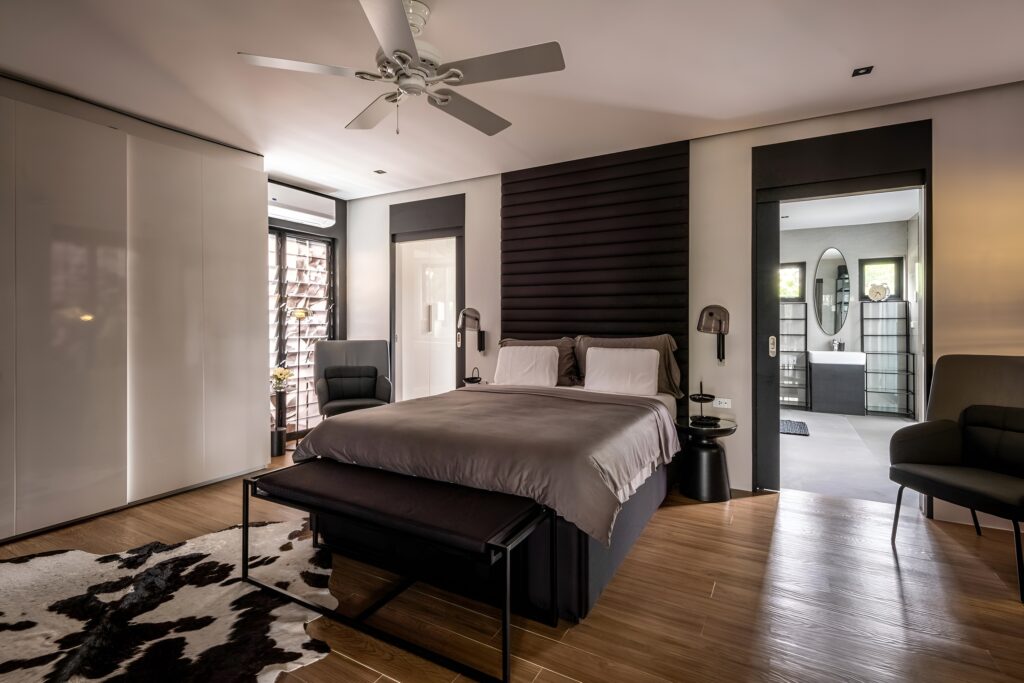
Ample natural light also pours in through the shutters of the master bedroom, which becomes a tranquil oasis. The use of luxe fabrics and neutral colours adds to the calming ambience; it is easy to imagine yourself relaxing in this peaceful haven. The walk-in closet has a dressing table and full-length mirrors opposite the wardrobes.

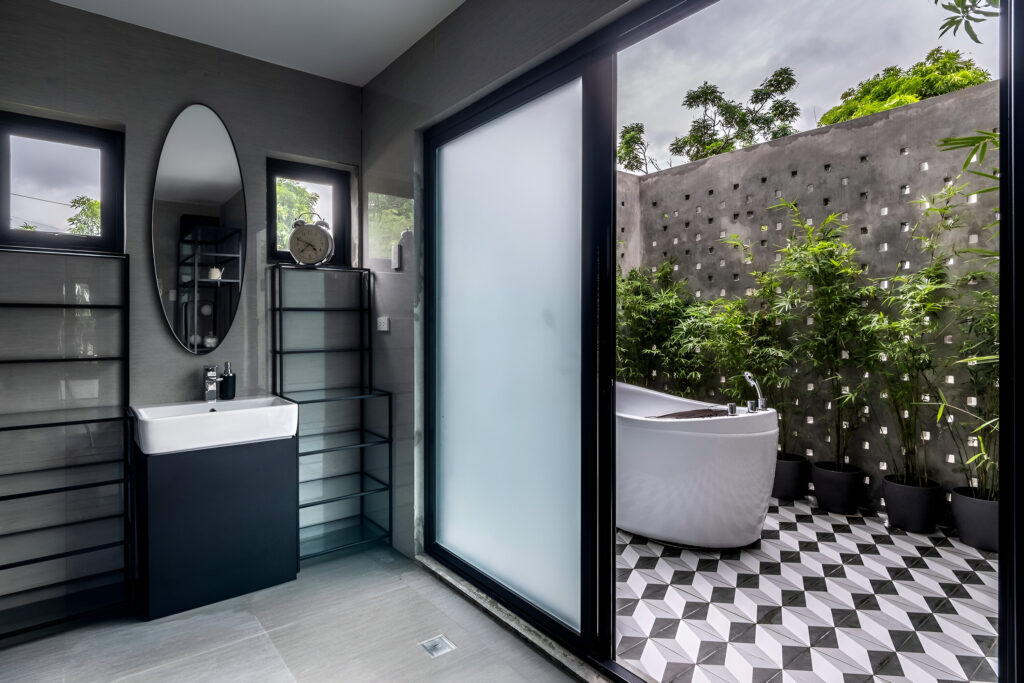
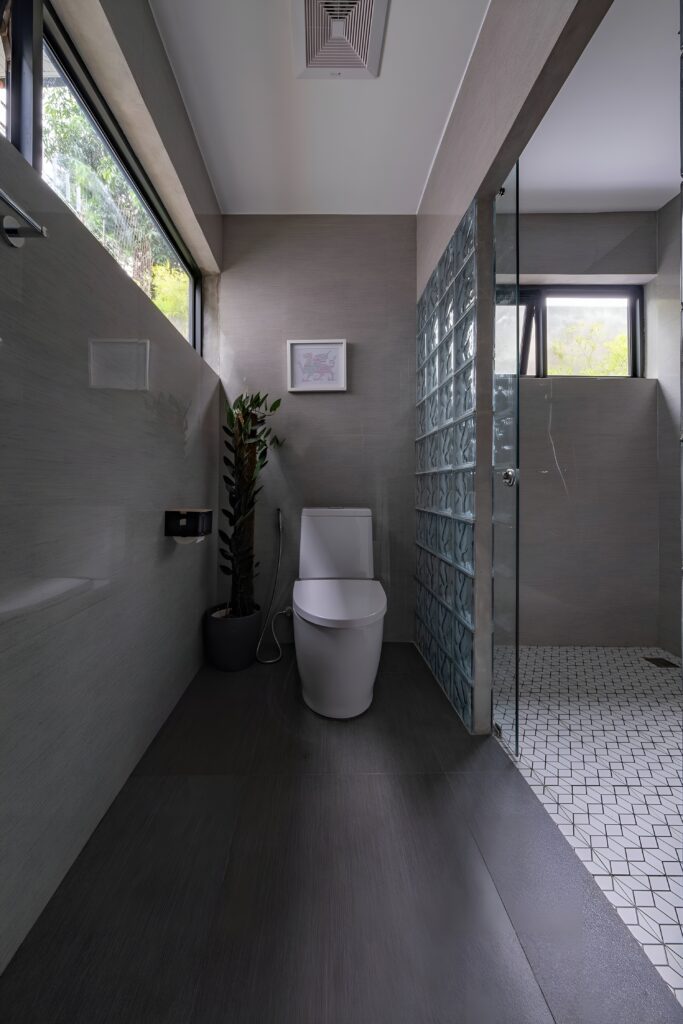
The dressing area benefits from abundant natural light as well. The en-suite bathroom is divided into two sections by a sliding door: an indoor washing area and an outdoor bathing area. This affords the owners the luxury to bathe under the open sky since the compound’s high concrete walls maintain their privacy.

The interiors openly embrace a minimalist approach, eschewing unnecessary ornamentation and focusing on functional simplicity. Furniture is kept sleek and low-profile, with clean lines and few embellishments. This aesthetic creates a sense of calmness and clarity, allowing the eye to focus on the raw beauty of the materials.
With its impeccable architecture, interior design and lush tropical setting, this brutalist house in Manila sets a new standard for luxury living in the Philippines. It is a testament to the country’s growing design prowess and a shining example of how exceptional talent can create truly breathtaking living spaces.
Photos: Atelier Almario
Garden Paradise: Tropical greenery frames life in a traditional Bali villa redesigned to commune with nature
Renovating a large house comes with challenges but also exciting opportunities to allow creative transformation and maximise the potential of the space. This was the remit for the redesign of a Balinese villa compound by ZXC Studio, whose team crafted a plan to suit the needs of the homeowner, a filmmaker who lives with his girlfriend and four dogs.
The couple enjoys spending time at home, gardening, cooking and occasionally hosting friends for dinner. Their love of gardening is evident through landscaped courtyards and unique plants that can be viewed from inside the house. They also have a huge collection of books, vinyl, vintage film posters and art pieces that are displayed throughout the home, adding vibrancy to a clean, minimalist décor of neutral tones and natural materials.

The compound sprawls over 1,380 square metres, of which some 300 square metres comprise an existing built area that was renovated; a further 100 square metres were added to extend the interior space. The west-facing tiered landscape slopes over a stream and is surrounded by rice paddies and tall coconut trees, with Bali’s majestic central mountain, Batukaru, visible in the distance.

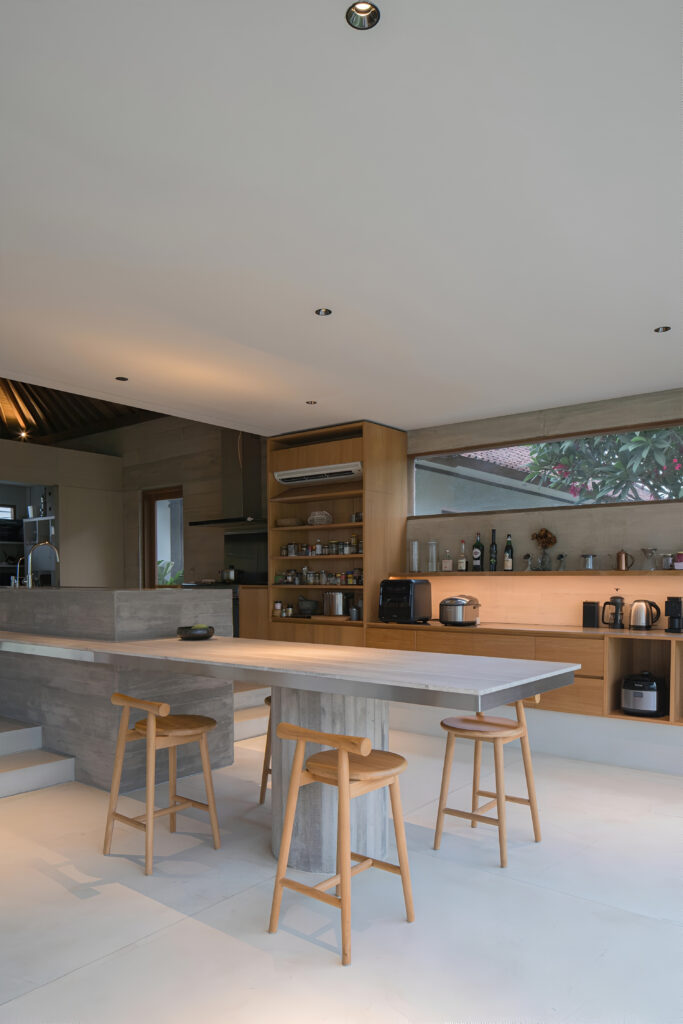
The living quarters is grouped into three single-storey buildings – living room, kitchen and dining room; guest bedroom and study; and master suite, respectively. Gardens and a handsome infinity pool drop-down to staff quarters and a parking area at the back of the lot.

Opening up the built area to create bigger and airier spaces was the priority for the architecture and interior design practice led by UK-educated, Bali-based Zhi Xiong Chan. The original configuration of the villa complex felt cramped – too many rooms and a lack of access to natural light and ventilation. Floor-to-ceiling windows in the main living area and bedrooms now allow scenic views and abundant sunlight to sweep indoors. A series of distinct courtyard gardens, defined by the selection and composition of different tropical plants and trees, was inserted between the bungalows to accentuate the natural grandeur of the estate.
Having made the decision to retain the villa’s characteristic rectangular terracotta hip-tiled roofs, the designers then selected additional complementary building materials. Natural teak and Bangkirai hardwood joined the original timber framing the roofs, walls and windows. The wood-grained texture of the board-formed concrete which was applied to certain walls reflects the horizontal tiers of the site and connects internal and external spaces.

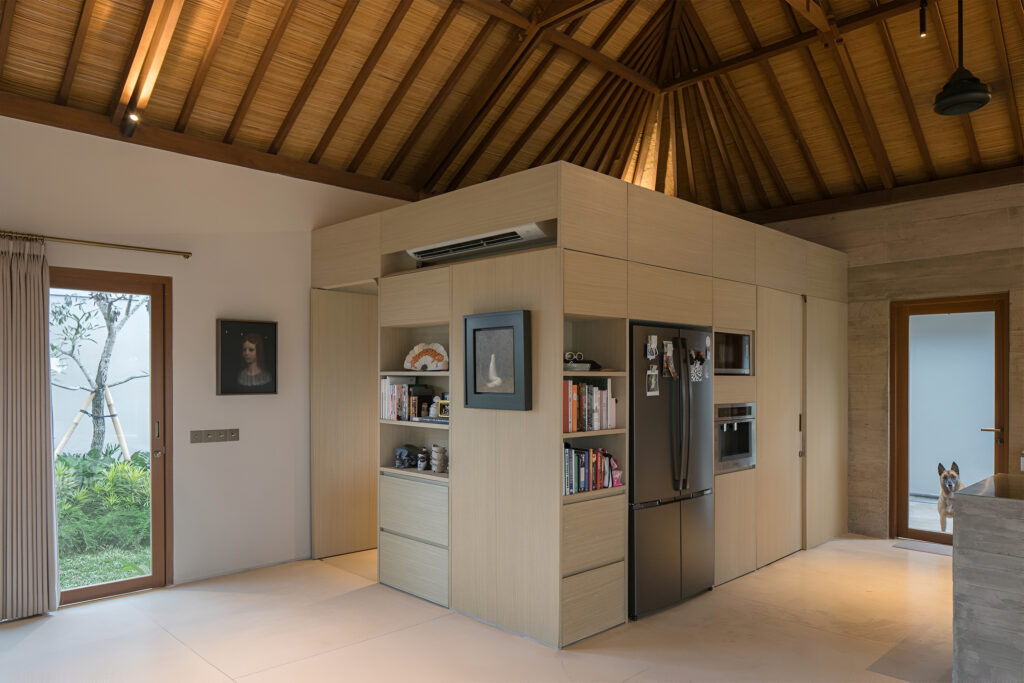
Large fixed furniture pieces stand out within the now more spacious and open rooms. They were chosen according to their function and ability to consolidate storage, and their light oak veneer creates a pleasing contrast with the darker wood tones in the house.

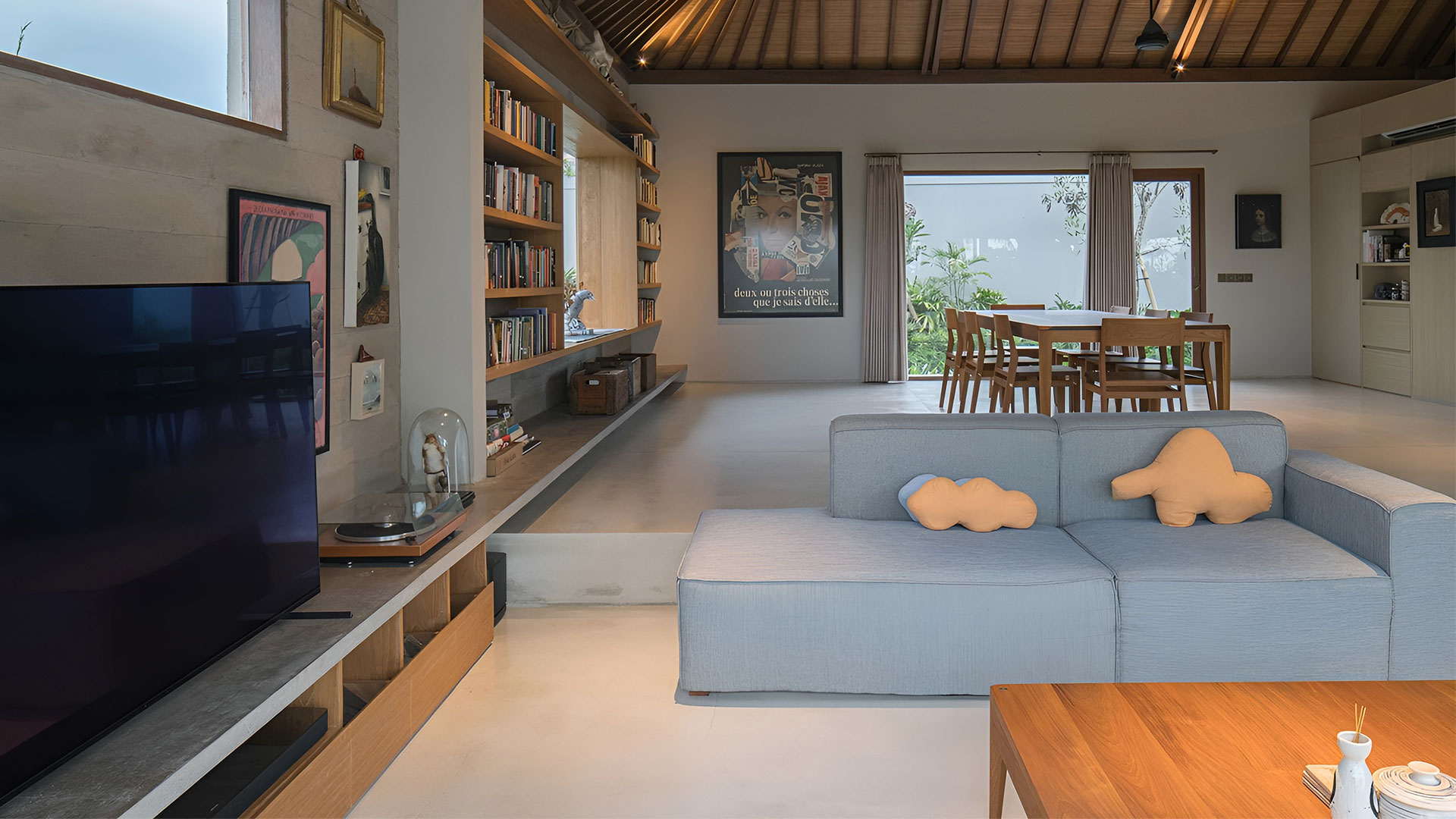
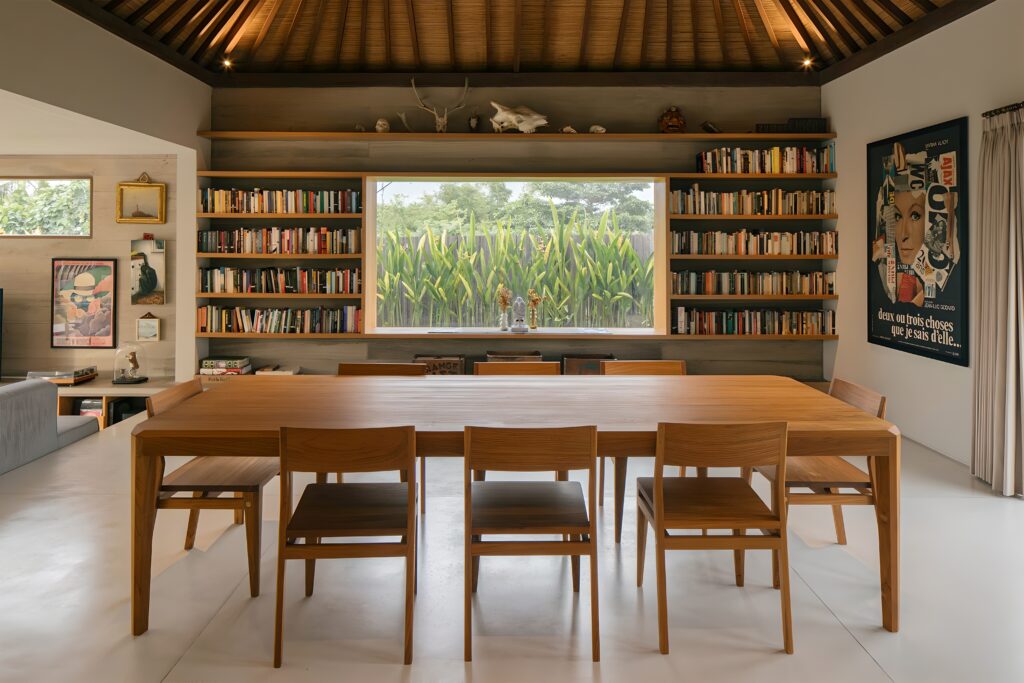
Overlooking the garden and the pool deck, the living room and the open kitchen are seemingly an extension of the outdoors, separated only by a glass wall. Distinguished by a difference in floor level, the dining area runs the length of the space and requires an entry of sorts, up steps from the living area. The vernacular architecture of the showpiece ceiling delivers a unique blend of modernity and tradition. On the back wall, behind the dining table, a large picture window is flanked by tall bookcases. The view here is a mass of greenery from the tall plants growing outside – and together these elements combine to form an interestingly composed feature wall.
A sculptural garden separates the two other bungalows, which are reached via a covered walkway that skirts around a central garden. Bonnet-shaped roofs with internal wooden planks make the indoor areas look even larger and brighter than their generous dimensions. Light diffusing from an indoor courtyard sets a vibe of calm and relaxation.

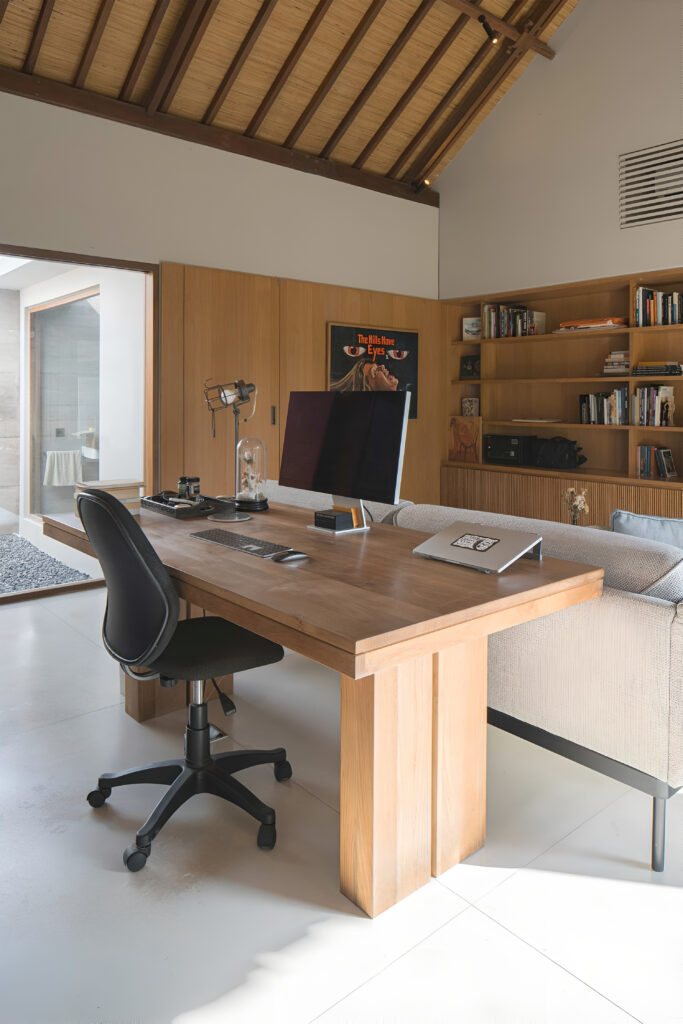
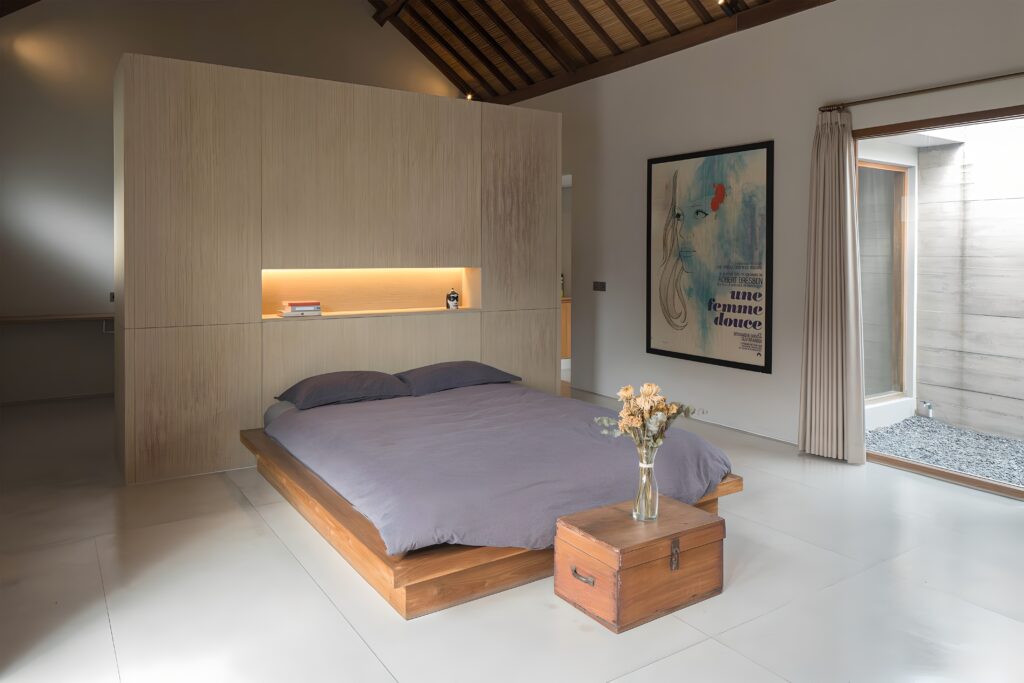
The guest suite comprises a spacious bedroom and bathroom – separated by a dividing wall that serves as the bed headboard – as well as a large study with space for lounging. In the master suite, which opens into a private garden, an immense bathroom matches the scale of the bedroom. Long, narrow recesses in the headboard and huge walk-in shower are illuminated, casting a warm, welcoming glow that is matched by the backlit bathroom mirror.
The abundance of open space, mountain view and stepped construction of the compound contribute to a sense of unity between the house and the surrounding landscape, which can be felt indoors and out. The inner courtyards also help to connect the exterior to the interior in this home where nature, man and animals live in harmony.
Photos: ZXC Studio
Natural Selection: Green onyx, blue marble and plenty of wood bring quiet beauty to a soothing Singapore home
A home that reflects the taste of its owners and serves as a functional environment for both living and working is a dream for many. It is realised within this apartment of soothing colours, natural surfaces and understated elegance at MeyerHouse, a prestigious new condominium complex in Singapore. The interiors are designed by Takenouchi Webb, a firm known for its deftness in manipulating materials to create textural spaces.
Many exquisitely designed elements become focal points, while utilitarian functions are elevated to celebrate domesticity and an uplifting working environment. Meeting individual and collective needs, the apartment belongs to a couple who work primarily from home and are passionate about their respective hobbies. The husband enjoys freediving, board games and making pizza; the wife music and cooking. The latter, in particular, was a determining factor for the functional aspects of the design, says British architect Marc Webb, who runs the Singapore-based design studio with his partner, interiors expert Naoko Takenouchi.

An expansive open-plan living and dining space is subtly segmented by carefully curated and customised furniture and furnishings. A super-comfy oversized sofa placed upon a large rug defines the sitting area, where a slab of Blue Roma marble serves as a bespoke coffee table with drawers to store board games. Nearby, two armchairs from House of Finn Juhl adjacent to a marble side table by Tacchini is the designated spot for playing Go.
Original finishes such as dark-laminated walls in the apartment’s private lift lobby and patterned parquet flooring are matched with lime-plaster surfaces, showcasing the handmade quality of the selected materials. This craft-led approach continues in a wall of timber beading and woven-straw wallpaper on the other side of the living room, which conceals doors to the master bedroom and wet kitchen.

An open kitchen next to the dining area is a true showstopper, boasting sleek lines and high gloss finishes; extending the kitchen into the living space was a key part of the couple’s brief to the designers. Their wish has materialised in a beautiful green onyx breakfast bar that also holds a sink and specialist baking oven to become a working kitchen counter.
The counter edge creates a sculptural element in the living room and features shelves for books and two wooden bar stools for extra seating. A custom-designed dining table, crafted from rich walnut wood, accommodates up to eight people. Above, a striking industrial-style pendant light adds a touch of glamour. Planters of tall greenery are placed around the table and the room to incorporate nature in the indoor space.

The apartment’s large balcony has been integrated into the living space, extending its impressive dimensions and housing an additional dining table for informal meals. Another bespoke element here that brings delight to daily tasks is a work station for the avid pizza chef, complete with a pizza oven, built-in refrigerator and storage drawers for the dough to rest. Vertical grooves on the light-toned wood cabinet provide a pleasing visual counterpoint to the horizontal slats of the Venetian blinds dressing the floor-to-ceiling windows.
A leitmotif of curves softens hard edges and gives purposeful embellishment to functional elements, such as an arch framing a sliding door that leads to a storeroom containing diving gear. Scalloped walls and a customised metal shelf in the main bedroom continue this language. Furniture and lighting fixtures from brands such as Time & Style, Apparatus Studio, BassamFellows and Singapore vintage store Noden complete the home’s relaxed, eloquent character.


The master bedroom is a serene retreat, complete with a plush area rug, a comfortable reading nook and a spa-worthy en-suite bathroom. Floor-to-ceiling windows on two sides allow abundant light to filter through white curtains. Two delicate hanging lamps and flower vases resting on low side tables flank the bed, adding to the natural warmth of the room. The bathroom is equally elegant, with a wooden vanity and splendid wooden bathtub following the natural theme of the interiors.
Throughout the home, thoughtful design elements and attention to detail create a cohesive and harmonious space that perfectly balances form and function. This Singapore residence is truly a calming oasis for its owners to relax and recharge in style and dream big.
Photos: Takenouchi Webb – Singapore
American Dream: Exposed concrete and reclaimed wood bring a rustic modern warmth to a cool Californian home
San Francisco is known for its eclectic mix of residential architecture, from Victorian-era homes to modern high- rises. Among the city’s diverse array of living spaces, one home stands out, in terms of both distance and mood. Situated away from the urban noise, overlooking redwood trees with peaks beyond, its design pays homage to the beauty of the surrounding landscape while embracing a laid-back, cosy atmosphere.
Dubbed ‘Golden Villa’ by its interior designer, Yana Prydalna, the house perfectly encapsulates her signature rustic style. The colour palette is an artistic conception of autumn’s golden breath. Ukrainian-born, Sacramento-based Prydalna is inspired by nature and the depth and texture of natural materials, devising concepts that encompass wabi-sabi, modernism and minimalism.

Full of exposed concrete walls, wooden beams, and an abundance of natural light beaming through large windows, Golden Villa is actually a converted warehouse. The young couple who own it moved here to escape fast- paced city life, desiring a home that felt warm and inviting while reflecting their love for the great outdoors.
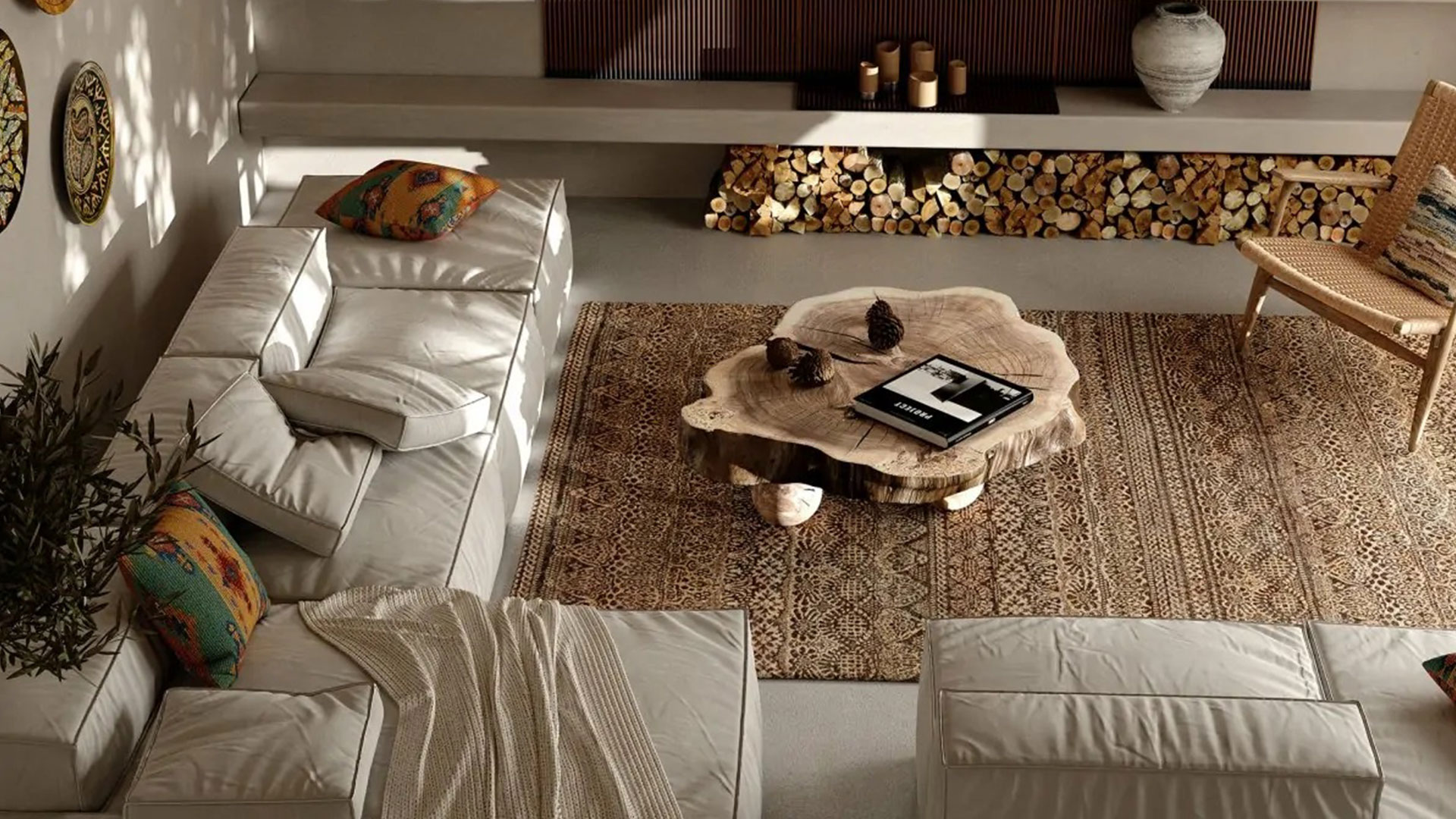
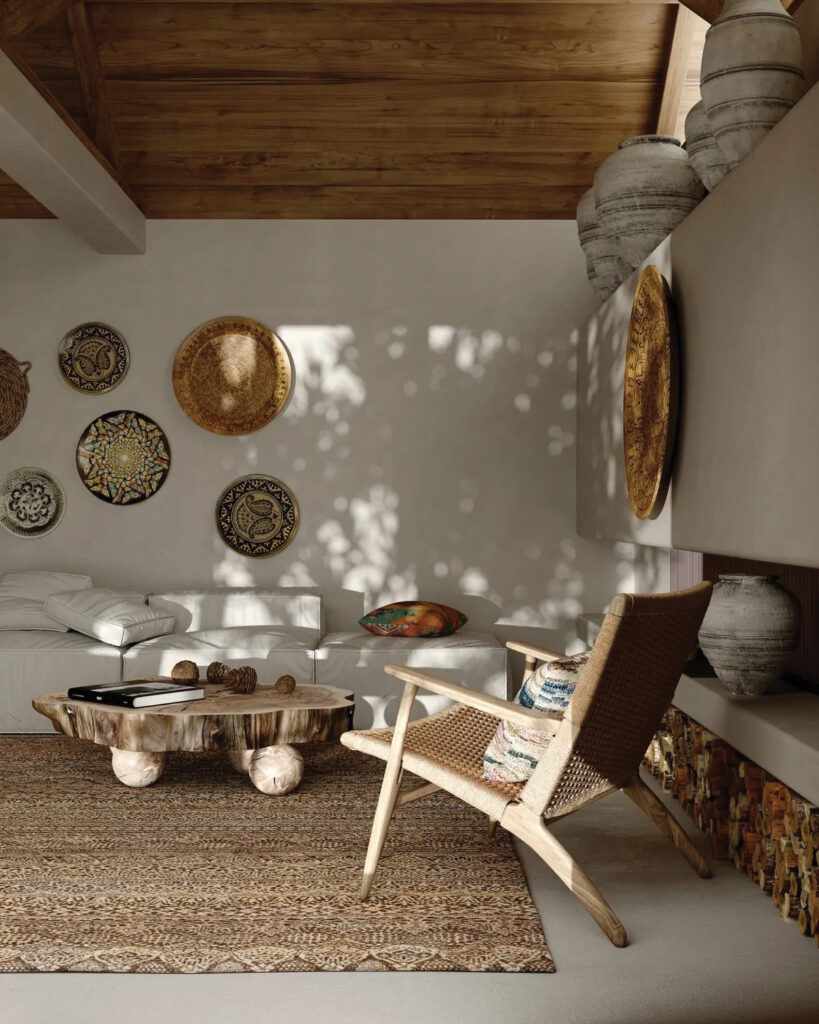
A large, airy living area greets visitors entering the home and serves as its focal point. A large white modular sofa reclines around a reclaimed wood coffee table, forming a comfy space that can be arranged in different sitting configurations depending on the occasion. At its centre, the irregular, round- edged low table is a talking point – it has a raw texture and is propped up by spheres.
The double-height living space is a wonderful blend of light colour and warm wood. The strong industrial vibe of the concrete walls is softened by the beams high overhead that instils charm and character. It is these triangulated timber trusses, in particular, which transform the whole space.

Everything about the décor here is impressively distinctive yet very simple. Huge pots placed on a ledge just below the rafters serve as unconventional artworks. Down low, another ledge holds ceramic objects of various sizes and is raised from the floor by an artistic arrangement of logs.
Straight, clean lines are softened by bohemian touches of wicker and jute in a wonderful combination of cool and warm materials. Pretty plates and woven table mats are displayed on the walls. Polished concrete, decorative plaster, natural textiles, wood and wicker harmonise with the earthy tones of the outside environment, creating an ambience that is both natural and contemporary.

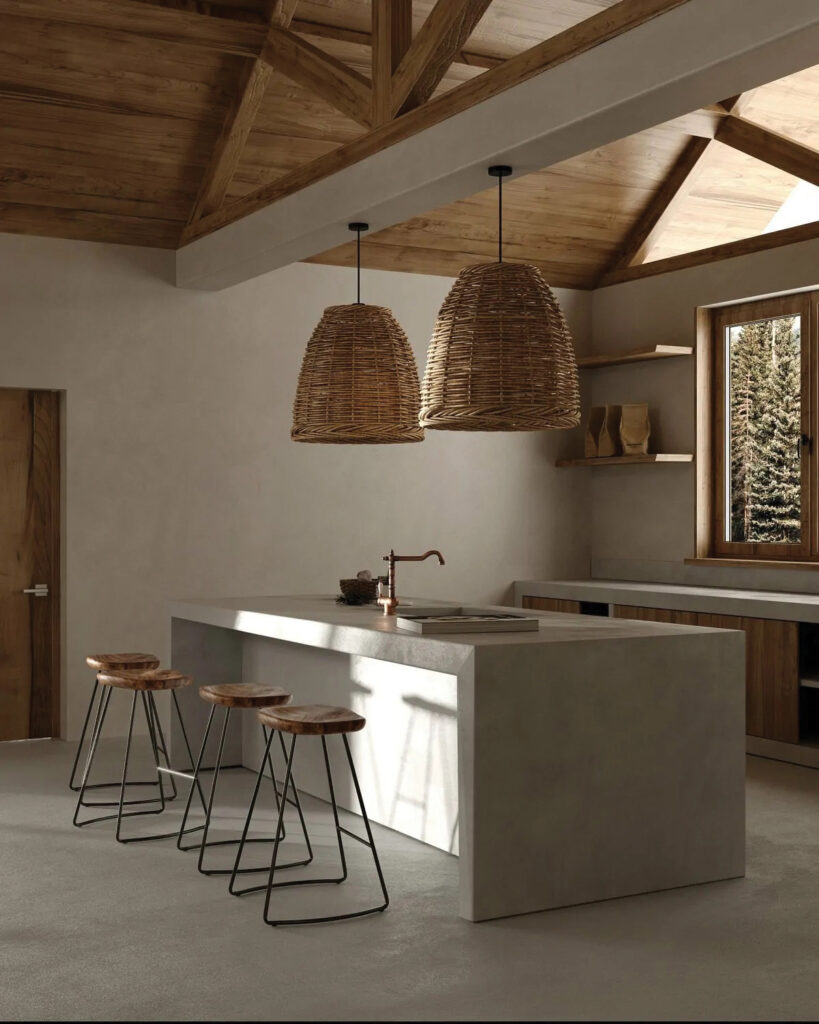
An open-concept kitchen and dining area is located just off the living room, making it easy for the couple to entertain guests while preparing meals. The kitchen features custom- made shelves crafted from reclaimed wood, a farmhouse sink and a butcher-block island that also serves as a dining table with circular wooden- topped bar stools on one side. Huge wicker pendant lights add to the warm, natural vibe. A wide window along the back wall affords views of the forest.
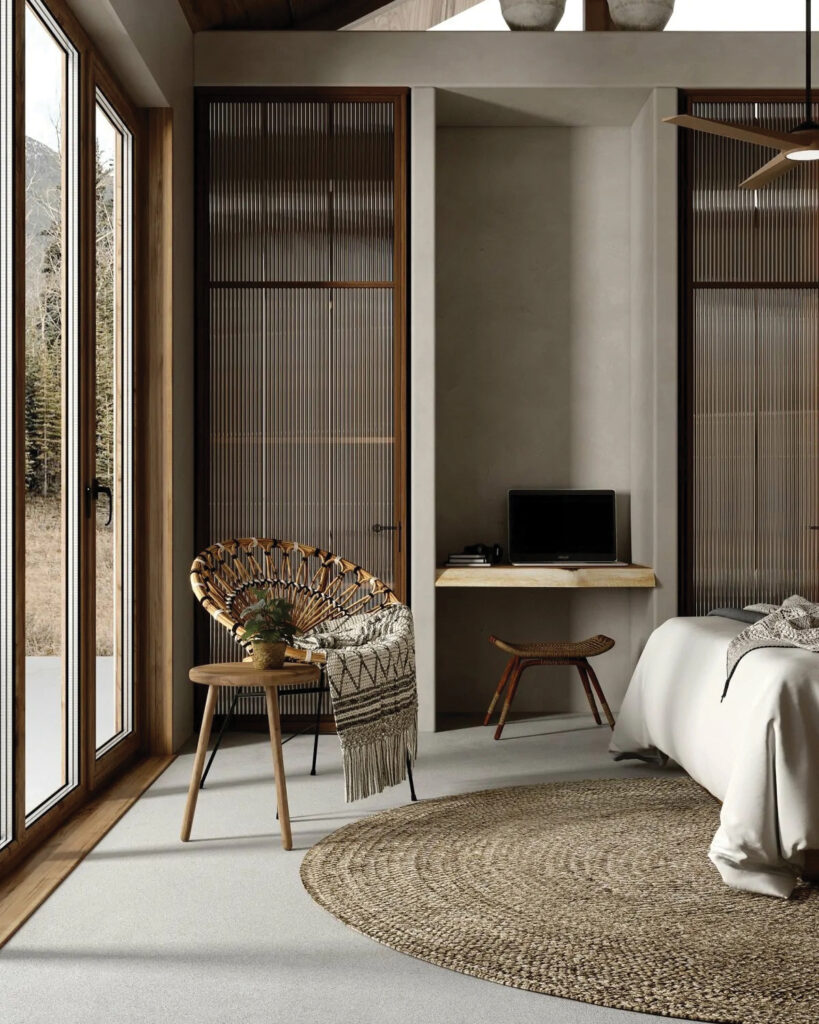
Moving onto the bedroom, the designer wanted to create a serene, relaxing space that would help the owners unwind after a long day at work. Built- in wooden closets with ribbed-glass doors flank a desk, where a computer brings the modern world into a rural setting.
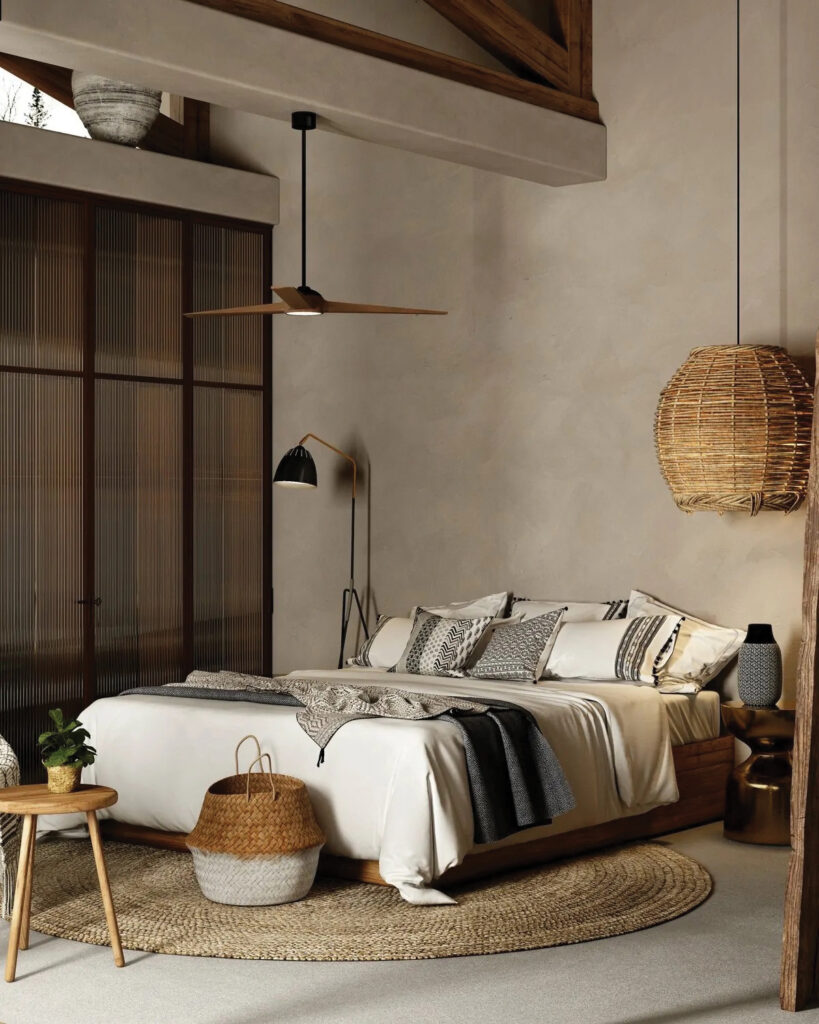
The bedroom walls are painted in an earth tone, picking out one of the colours of the throw pillows on the bed. Adorned with a plush duvet, the bed rests on a large, round jute rug. This rustic charm spreads to an oversized wicker lamp hanging down at one side of the bed and an artisanal blanket laid across a wicker chair. A sleek wooden ceiling fan and angle floor lamp have a more modern feel. This is a bright room during the day – a wall of windows doubles as a door out to the stone patio, where a pool allows for a dip amid a classic American pioneer scene of woodland and mountains.

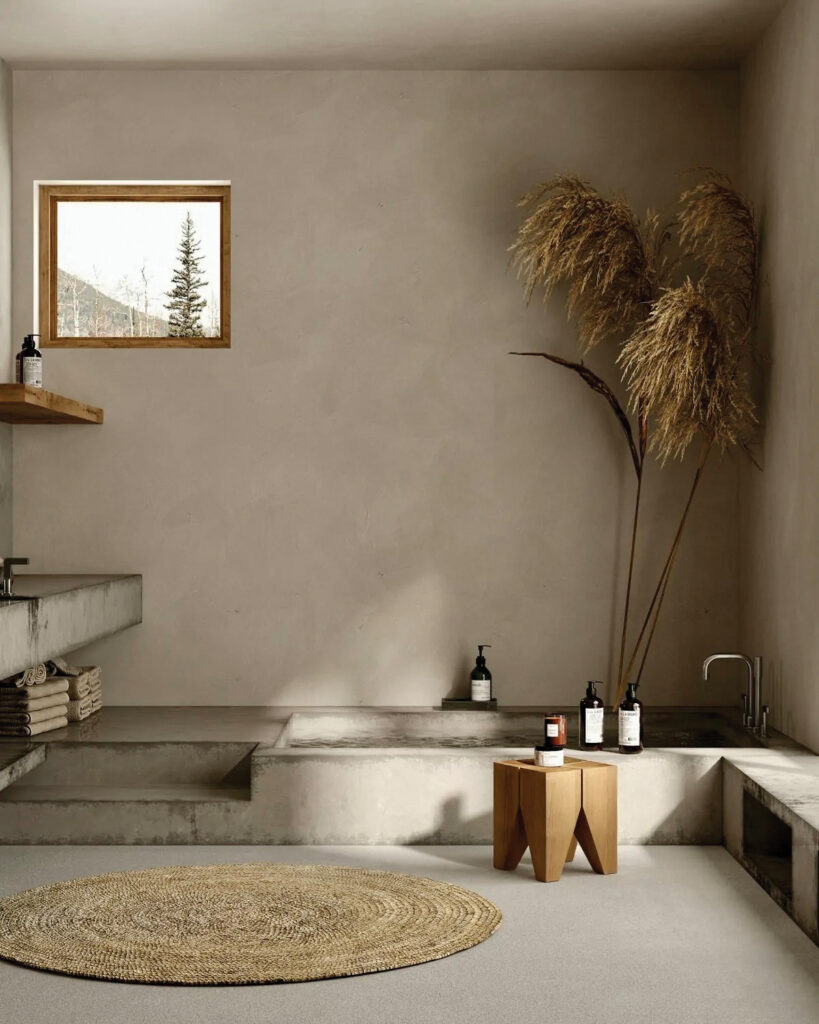
The couple’s bathroom is the most unique space in the home, with concrete slabs serving as minimalist fixtures. Reflecting the view from the window opposite, two door-sized, wooden- framed mirrors behind a twin vanity give the illusion of opening the room to the outside world. In the absence of bathroom cabinets, a long wooden shelf gives a place for toiletries. The bathtub is hewn from concrete and pampas grass placed in one corner brings feathery greenery inside.

Golden Villa is not just carefully styled and curated as an isolated living space; it is the epitome of aesthetics resonating with the nature around it. The juxtaposition of natural and manmade materials, of wood and concrete, of warm and cool, creates a delightful blend of vernacular and modern design that transcends time.
Photos: Yana Prydalna
Wabi Savvy: Serenity and the beauty of imperfection shine in a Singapore flat with a Japanese spirit
In Asia’s bustling modern cities, where innovation thrives and life proceeds at breakneck speed, there is a growing appreciation for the ancient Japanese philosophy of wabi-sabi. This design concept celebrates a quiet beauty grounded in imperfection, authenticity and transiency. Serenity abounds in a Singapore apartment embracing the wabi-sabi worldview. Spanning just over 1,000 square feet, the tranquil living space belongs to a young working couple who envisioned a home where stillness and simplicity inform the aesthetic. Designed by Max Lee of SG Interior, it encapsulates a distinctive Asian style with grace and elegance.
Stepping into the flat, you are greeted by a minimalist foyer that sets the tone for the wabi-sabi experience. The walls are adorned with textured wallpaper in earth tones, reminiscent of natural elements. A simple wooden bench invites you to take off your shoes and immerse yourself in a world of calmness and peace.

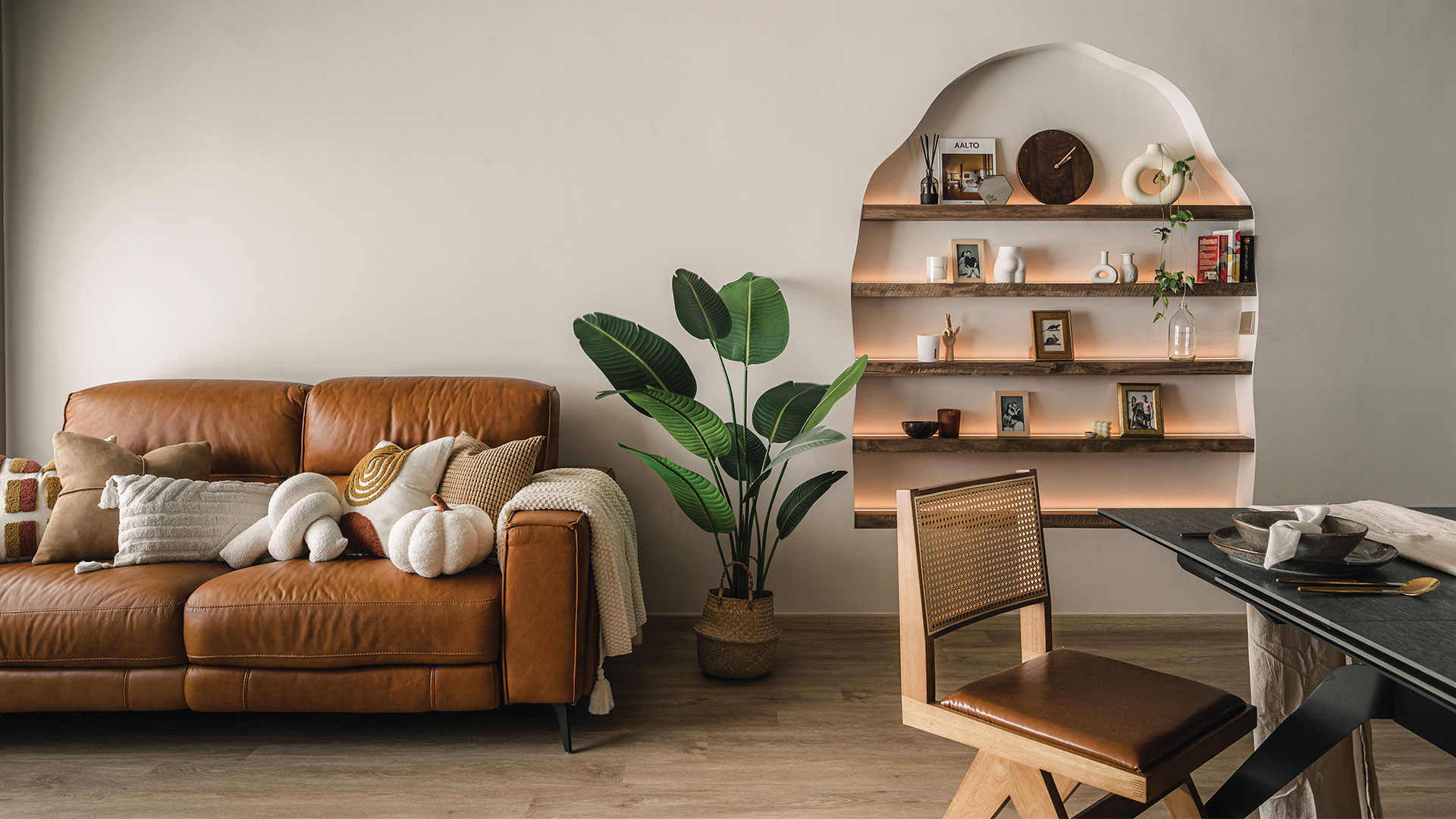
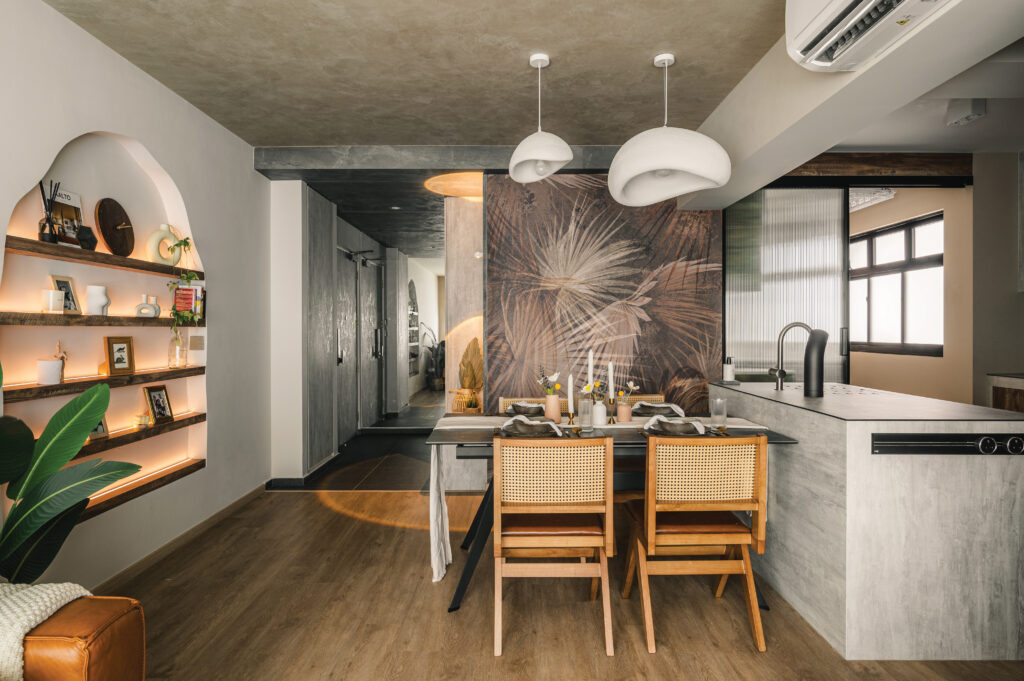
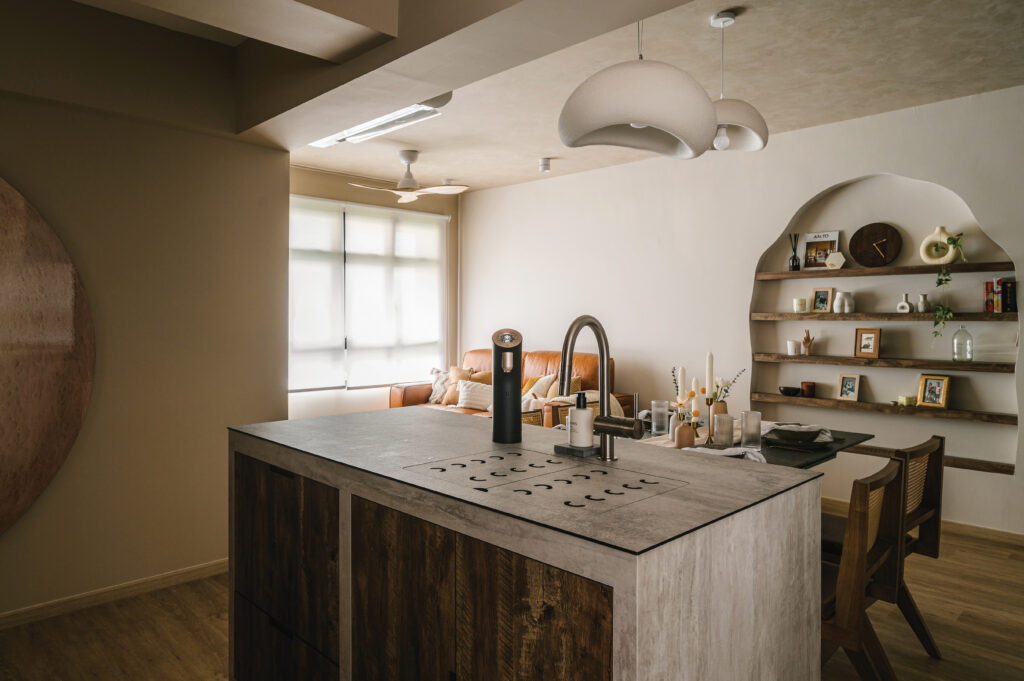
An absence of excessive furniture and clutter is noticeable when moving into the living area, where rattan chairs and rattan planters evoke a soft, gentle vibe. The highlight of the room is an irregular-shaped niche where shelving shows the beauty of natural imperfections. The wooden shelves house a number of intriguing sculptures, which in turn are mostly uneven in form, as well as a few books, a clock and photo frames. They diffuse a warm light that accentuates the irregularity of the recess and draws attention to the objects placed within it.
Positioned beside this niche, an oversized sofa provides a cosy and inviting spot for relaxation. Carefully selected artworks decorate the walls, their muted colours and organic shapes reflecting the simplicity and serenity of wabi-sabi. A feature wall behind the dining area has a rustic design with large, rough strokes forming an abstract pattern, and a large window lets in abundant light, brightening the space.
Despite the size limitations of this home, the owners wanted a fully functional wet and dry kitchen. Indeed, both the kitchen and the dining area seamlessly blend functionality with aesthetics. The kitchen cabinets are made of reclaimed wood, showcasing a succession of unique grain patterns and knots that tell stories of their own. Handmade ceramic bowls and plates dot the countertops, each displaying charming irregularities. A rustic wooden dining table paired with rattan chairs creates an intimate space for shared meals, encouraging a sense of togetherness and an appreciation of the present moment.

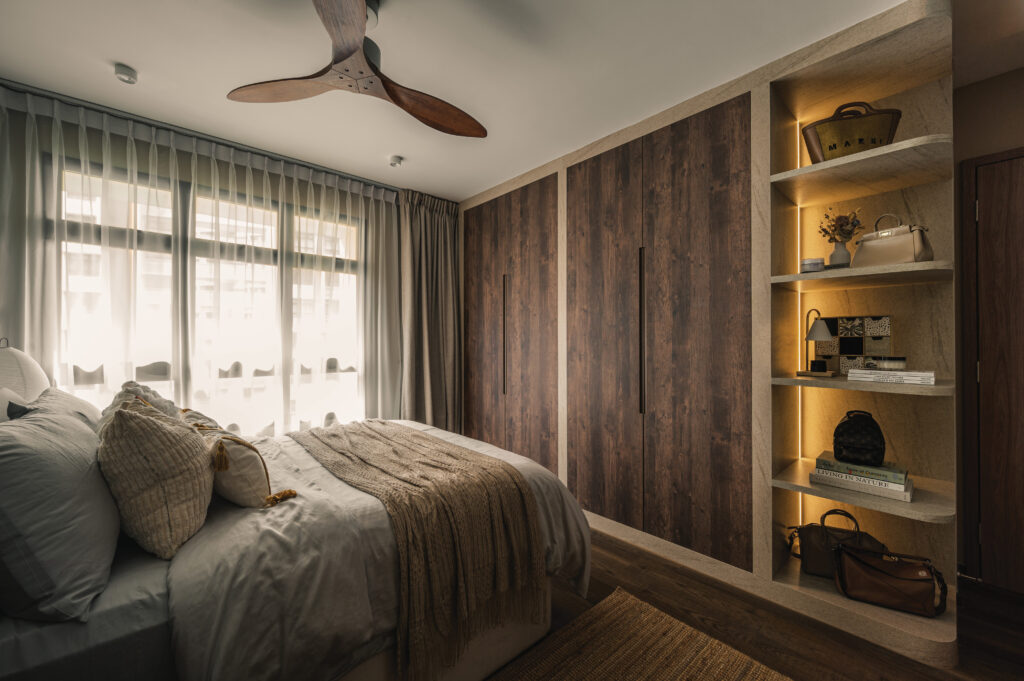
The master bedroom is synonymous with the art of repose. By removing a wall, Lee succeeded in altering the original layout to extend its size and ensure sufficient space for the couple’s belongings. Once the proposal was approved, the entire renovation took about three months.
Dressed in linens of earth tones, the bed is placed on a high platform – a simple step that not only highlights its importance but also provides the optimum vantage point from which to reflect upon the surrounding aesthetics.
Walls are painted in soothing neutral hues that enhance the natural light filtering into the bedroom. A light-coloured rug offers a contrast to the dark wooden floor and matching wardrobes that maximise storage on the wall opposite the bed. A wooden ceiling fan with irregular wings echoes the non-uniform spirit of the apartment. Ceilings throughout the apartment are kept plain, and in the absence of false ceilings instil an airy feeling of additional height.

Even the bathroom embodies the wabi-sabi philosophy. The walls are adorned with handcrafted tiles that proudly show their individuality through imperfections and irregularities. A shower area invites you to indulge in prolonged rejuvenation, while soft, warm lighting conjures a sense of serenity to encourage restfulness and self-care.


A major challenge for the design studio was disguising the plethora of plumbing pipes so that they meld with the prevailing aesthetic. This home is a haven of natural tranquillity amid the frenetic urban environment. From the minimalist entrance to the understated bedroom and the placidity of the bathroom, every corner of the apartment exudes quietude and balance. Embracing its wabi-sabi spirit allows those dwelling within to appreciate the beauty of imperfection and impermanence, to find solace in simplicity, and to cultivate a deeper connection with the passage of time.
Photos: SG Interior Studio
Sydney Sanctuary: Rich veins of colour bring modern warmth and serenity to a remodelled Darlinghurst flat
Overlooking the beautiful Sydney skyline and adjacent to the harbourside suburb of Woolloomooloo is this Darlinghurst apartment, an epitome of elegance and sophistication. It is located in a historic neighbourhood that has been revitalised, and likewise, this home is situated in a redeveloped period building.
The original layout of the flat was stripped and rebuilt to create a more open and contemporary flow, with outdated features replaced and rich colour and texture implemented throughout. The makeover, envisioned by Sydney-based Kaiko Design Interiors, reveals a practical and inviting space, reflecting the taste and needs of the homeowner who does enjoy entertaining but most of all seeks serenity.

A keen eye for detail and a commitment to excellence are evident throughout this stylish and functional haven. A key aim of the new layout was to transition from the buzz of the city into a home that provides a peaceful escape from its surroundings. This is achieved through the use of colour – darker, warmer hues dress the walls, floors and upholstery in a departure from the minimalistic approach of many of today’s living spaces, instilling a cosy, welcoming mood.
In addition, repeated lines and grooves were implemented in response to the building’s architecture, where external louvres of the façade cast dynamic shadows at different times of the day. These patterns are echoed throughout the apartment, becoming an essential design theme rather than just an occasional feature. They are reflected in the joinery, the wallpaper and the rugs and cushions.

The living room appears more spacious than its true size since a pair of glass walls frame the wide window that stretches along the top half of the far wall. This expanse of glass offers panoramic views of the neighbourhood that are revealed slowly as you move into the room, part of the deliberate gradual move from the peaceful inner sanctuary to energetic outside life. A spacious balcony adjoining the living area serves as an extension of the space and maximises its natural light.
Venetian blinds rather than curtains at the windows also lend brightness to the space, despite the plethora of dark colours. A large sectional sofa rests in the middle of the lounge, while the apertures serve as a backdrop for the sitting area. In a dynamic touch, a white checkered rug complements the dark wooden floor.
A fireplace and other concealed elements throughout the apartment bring a sense of luxury and subtle comfort. A bold emerald-green artwork on top of the fireplace gives the illusion of a large crumpled piece of paper and serves as a focal point upon entering the apartment. The open kitchen on one side of the living area continues the essential design statement of blending dark colours with natural tones. Here, marble slabs with prominent veining in cloud-like patterns create a mood that is both intimate and dramatic.

The solid-wood dining table is positioned in front of a large abstract painting, so the two contrasting pieces appear like an interesting installation. The metallic tones of two lustre lights hang low above the table, not only providing light for evening meals but also making the ceiling look higher and compensating for the absence of dropped ceilings in the flat.
The main bedroom is a dynamic space in which different things catch one’s attention each time you move through it. It extends into the balcony through a glass wall, which lets in abundant light or can be closed off entirely by a row of bronze curtains. This dark hue with a touch of shimmer matches the rich gleam of a colour palette spanning brown, cream and dark grey.
Ingrained with subtle swirls, the wallpaper behind the padded bed headboard adds layering and texture, and this motif is picked up on the floor by a decorative custom-made rug. The harmony of colour and texture offers a sense of immersion, which plays back to the designer’s original vision of creating a refuge from the city.
The doors of each room, including the bathroom, are as high as the wall, creating a sense of grandeur in this relatively small space.

Simply designed, the bathroom focuses equally on practicality and aesthetics, with dark floor tiles providing contrast to marble wall tiles and a plain white ceiling.
Despite their unique features and design, all the spaces in the flat have a common warmth enhanced by a clever weave of underlying patterns and textures. Affording an inviting respite from the vibrancy of city living, this home is a compelling blend of beauty, comfort and mystery.
https://www.kaikodesign.com.au/ Photos: Kaiko Design Interiors – Darlinghurst Apartment
Pearl Next Door: Part Gallery, part secure storage but all retirement idyll, Pearl Court has an undeniable allure
Almost everyone, regardless of wealth or social standing, imagines themselves retiring to a genuinely unique location—a sumptuous haven where their years of hard work will be amply repaid. One lucky Hong Kong couple feels that the peace of their retirement years is nearly certain now that they own a luxurious flat in Kowloon Tong’s Pearl Court complex, even though for many it may still remain an elusive paradise. Not to be outdone, though, they have also enlisted the help of two of the top interior designers in the area, Alain Wong and Ada Cheung of Comodo Interior and Furniture Design, to make sure their retirement getaway lives up to their high standards in every manner.
Nestled amid the beguiling calm of Beacon Hill in Kowloon Tong, Pearl Court’s setting is far removed from the hustle and bustle of downtown Hong Kong, with a genteel suburbanity permeating every artfully-crafted nook and ingeniously-integrated cranny. The sense of discreet refinement only intensifies when you first cross the threshold of this admirably spacious 1,846sq.ft apartment, which leisurely comprises two bedrooms, two bathrooms, a study, a living room, ample storage space and a state-of-the-art kitchen.

The architectural requirement was to create a place that was a combination of luxury house, gallery, and secure storage because the newly retired owners were eager to dedicate their time to their growing fine art collection. To achieve this, the design team decided to leave a large corridor between the bedrooms and study and the public areas, especially the living and dining room. This gave them the extra wall space they needed to properly appreciate their prized acquisitions.
As well as display areas, these art collectors also required ready access to secure storage. While the price paid for this was the loss of a guest room, the integration of automated shelving and retrieving facilities were all but essential given the residents’ advanced years.

In another bold move, the designers converted part of the existing living room into a second bedroom. Not only did this create a cosier communal space, it also allowed a number of structural supports to be discreetly recessed as part of the feature-fitted wardrobes.
The intelligent placement of light-wood furniture and the tasteful use of light-colored wall veneers effectively allayed any worries that the reduced living room area would appear small. The large balcony doors also helped to alleviate any unwelcome feeling of excessive congestion by letting plenty of natural light into this cozy shared area.

Wherever possible, the designers also took full advantage of any pre-existing nooks and recesses, typically bedecking them with shelving or display spaces as a way of optimising the number of show points for the owners’ many artworks and literary resources. As a result, even the dining area features a prominent display cabinet, complete with a bench where visitors can perch on as they admire the items on show.
Moving on to the bedrooms – in the specified separate his-and-hers varieties – the focus is solely on comfort. The headboards in each bedroom are finished in veneer and light grey fabric, creating a rich, warm restive ambience. A more elegant touch, meanwhile, comes courtesy of the wood-textured wallpaper, replete with bronze and steel detailing.

The study room, by contrast, is notably more frugal, with its minimalistic aesthetics allowing the space to truly breathe. It does, however, contain artfully hidden resources, with a folding guest bed tucked away within an apparently nonchalant storage space.
The bathrooms also adopt this simple style. Even with their sophisticated overtures (see the marble countertops and large bathtub), these rooms are clearly designed with the needs of their post-retirement occupants in mind. Bright lighting options and carefully placed support bars are used in this fashion, but their usefulness is never allowed to overpower the subtle curves of the rooms.

Pearl Court’s ultimate success, of course, is unquestionably the provision of a home that serves as a vibrant art gallery as well as a chance to live artistically.
Photos: Comodo Interior and Furniture Design