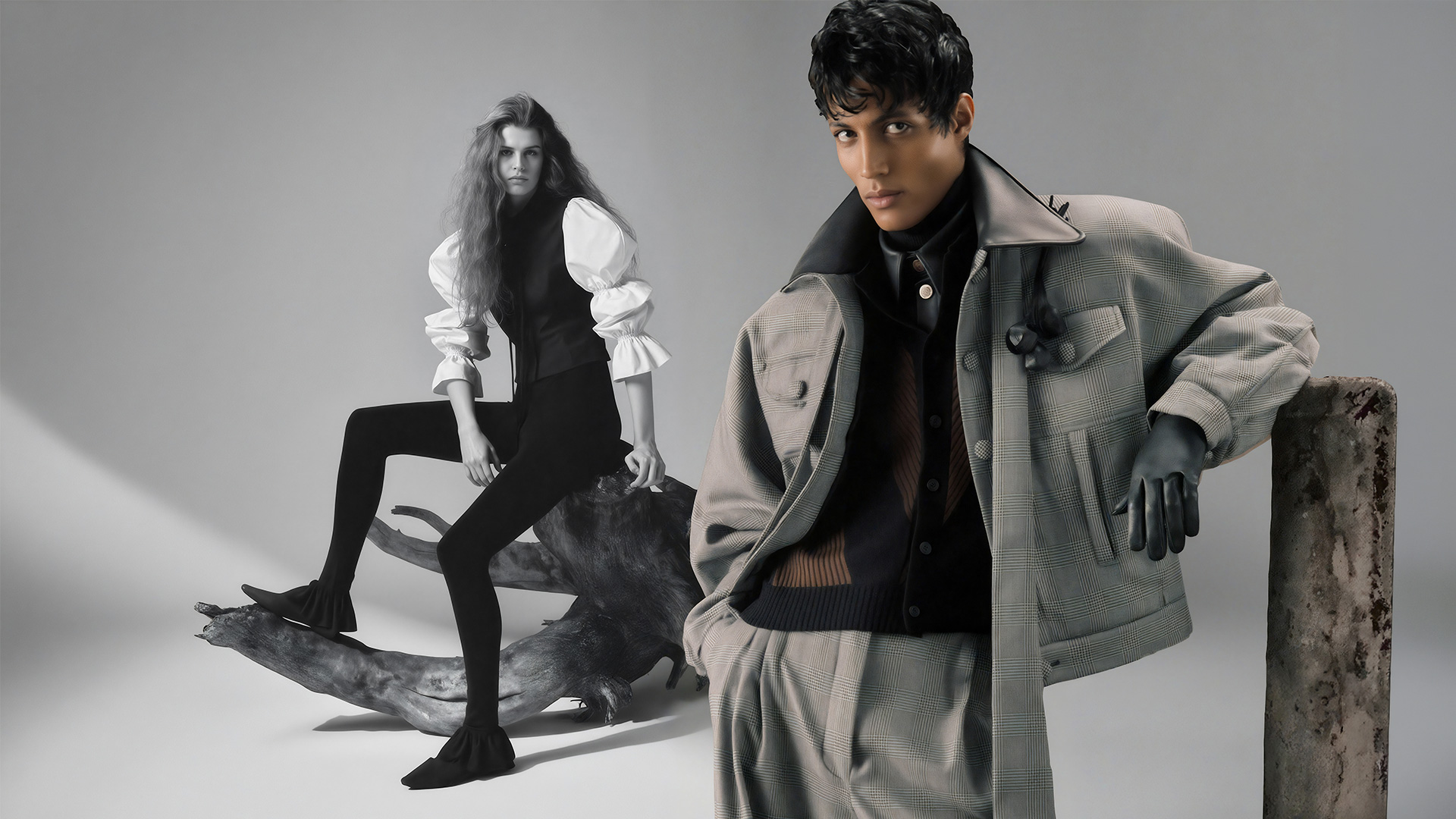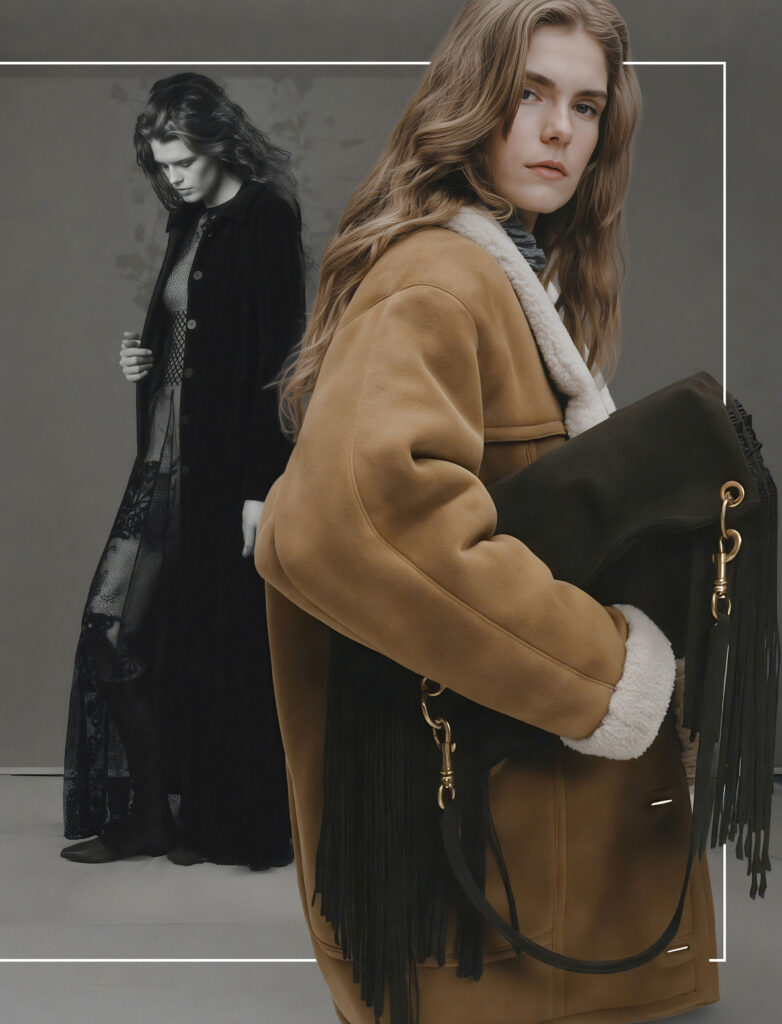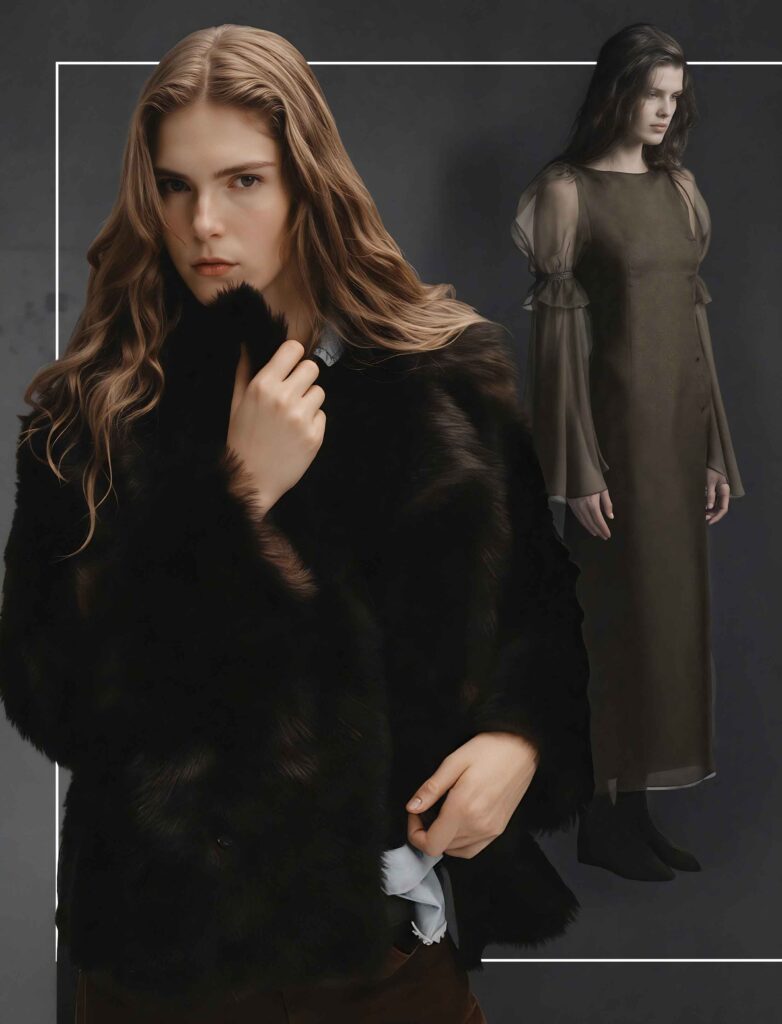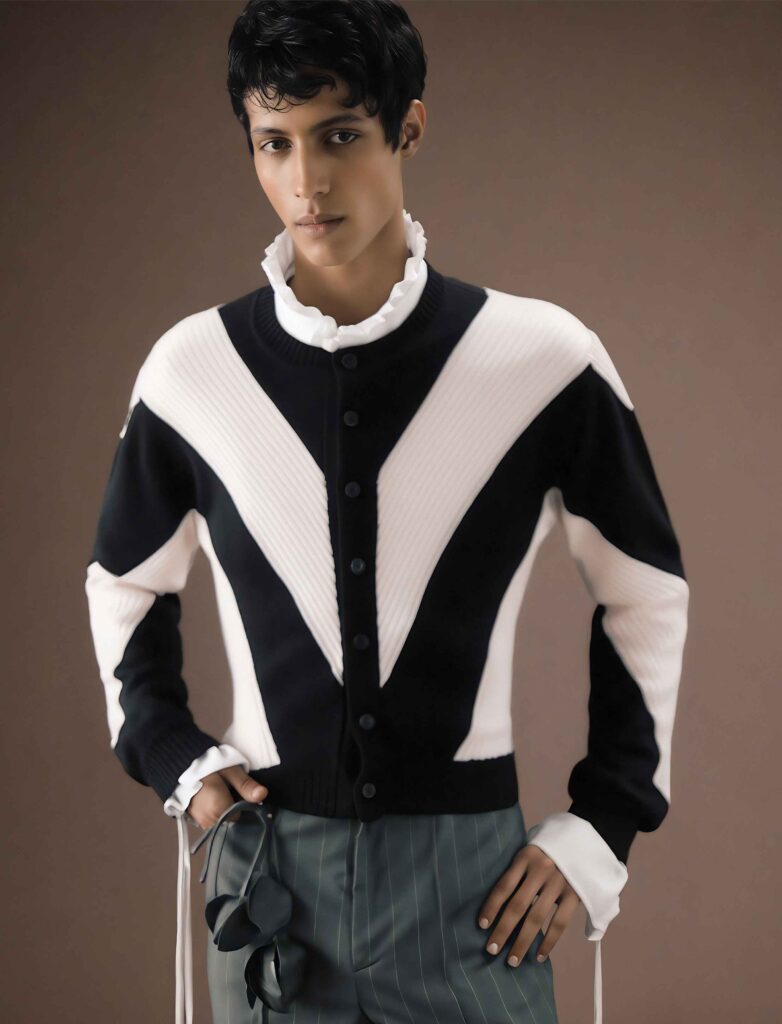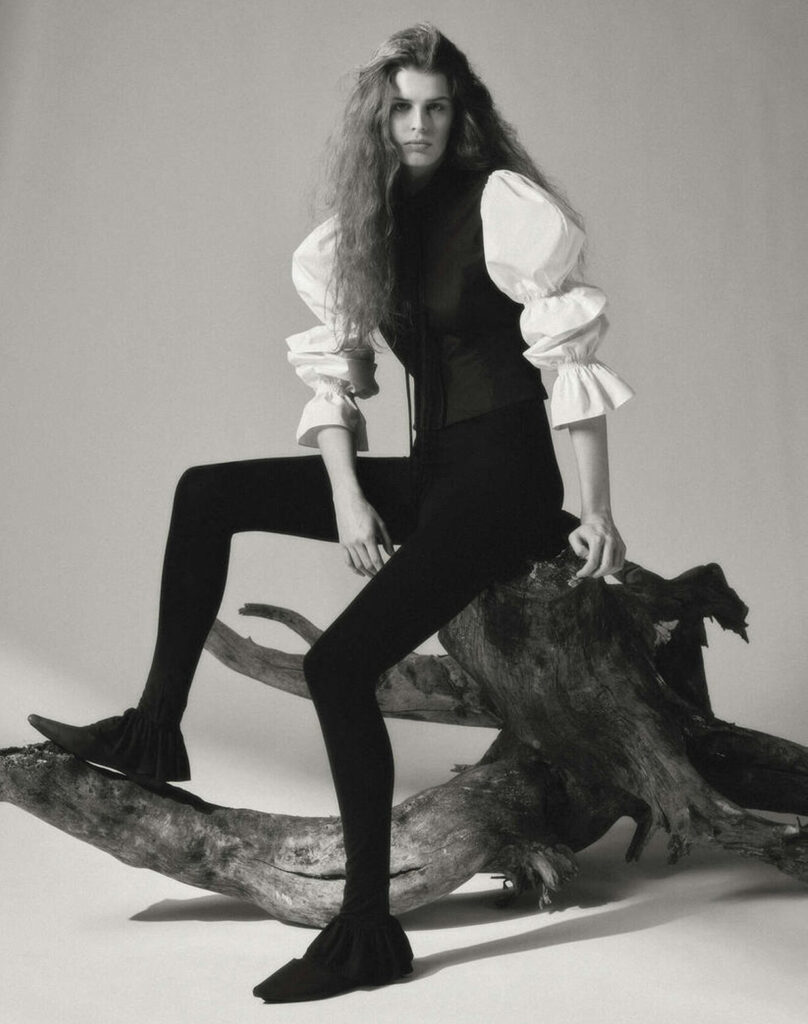

Brown leather jacket, brown pants, bag and shoes by Berluti
Look 4
Trench coat, bag and shoes by Berluti
Look 5
Blue top, pants and shoes by Berluti
Look 6
Casual suit jacket and pants by Berluti
Look 7
Beige jacket, denim pants and shoes by Berluti
Look 8
Knitted suit jacket, pants, handbag and shoes by Berluti
Look 9
(left)
Beige jacket and
white pants by Berluti
(right)
Green jacket and
khaki pants by Berluti
Look 10
(left)
Pink maxi dress by Valentino
(right)
Sequinned jacket, pants and boots by Valentino
Water Break: Immersive Kerala redefines luxury through backwater cruising, rippling highlands and serene seascapes
Kerala unfolds slowly, like silk slipping over the shoulders. Along India’s southwestern edge, where the Arabian Sea presses gently against palm-lined shores, this narrow ribbon of land has long drawn traders, healers and wanderers. Today the Malabar Coast attracts a different kind of visitor: the traveller who equates luxury not with glittering excess, but with depth, discretion and a profound sense of place.
Arrival often begins in Kochi, a port city shaped by centuries of exchange. Portuguese-built churches, Dutch-era warehouses, Jewish synagogues and spice markets coexist within walkable streets washed in sea air. The mood is unhurried. Colonial villas have been transformed into intimate boutique hotels where courtyards bloom with jasmine and corridors glow with lamplight reflected off polished teak. Instead of grand lobbies, there are shaded verandas and antique daybeds. Instead of spectacle, there is atmosphere.
In the seaside area of Fort Kochi, mornings begin with filtered coffee and the distant creak of Chinese fishing nets being lowered into the harbour. Private guides lead art lovers through galleries showcasing contemporary Indian artists whose work addresses the region’s layered past. Afternoons drift into curated culinary experiences – chef-led explorations of spice markets followed by tasting menus that reinterpret coastal classics with quiet finesse.
Backwater Buoys
South of the city lies the landscape most closely associated with Kerala’s identity: the backwaters. This labyrinth of canals, lagoons and lakes threads through villages and paddy fields in a dreamlike sprawl. The traditional kettuvallam, once a humble rice barge, has been reborn as one of India’s most distinctive luxury experiences. Today’s private houseboats are floating sanctuaries crafted from bamboo and jackwood, outfitted with linen-draped beds, marble bathrooms, and chefs who prepare multi-course meals tailored to each guest.
Gliding through still water at dusk, one feels suspended between worlds. Coconut palms lean toward their reflections. Temple bells echo across the lagoon. Fishermen in narrow canoes move soundlessly past. On deck, a steward pours chilled wine as plates of pearl spot fish simmered in coconut milk arrive fragrant with curry leaves. Time loosens its grip. The only schedule is the movement of light across water.
There is nowhere else to be and nothing else to do but watch the landscape unfold. Children wave from the banks. Villagers rinse laundry at the water’s edge. Life continues, uncurated and authentic. During the summer monsoon season, rain does not disrupt the rhythm; it softens it. Light shifts, colours deepen, and conversations lengthen under covered decks.
High Tea
Beyond the backwaters, Kerala’s interior rises into cool highlands carpeted in tea. Munnar, the hill-station retreat once favoured by British planters, feels cinematic beneath rolling mist. The Western Ghats mountainsides ripple outwards in velvety shades of green, punctuated by silver oak trees and narrow footpaths. Restored colonial bungalows crown the slopes, their wraparound porches offering sweeping views across plantations.
Inside, heritage architecture meets contemporary comfort. Fireplaces crackle in the evenings. Libraries are stocked with volumes on botany and empire. Guests wake early for guided walks through tea estates where pluckers, clad in bright headscarves, gather tender leaves with practised precision. Private tastings reveal subtle notes – floral, citrus, honeyed – reflecting soil and altitude.
Picnics are arranged beside waterfalls swollen by seasonal rains. Chefs prepare menus infused with local spices like cardamom, black pepper and nutmeg. Evenings invite quiet indulgence: single-estate teas served in porcelain cups, or perhaps an Indian wine, paired with dishes that merge tradition and innovation.
Coastal Flow
Kerala’s coastline offers another dimension of refinement. In Kovalam, boutique resorts perch above crescent beaches where waves roll in with hypnotic regularity. Architecture favours natural materials – laterite stone, reclaimed wood and terracotta tiles blend seamlessly into the environment – while infinity pools seem to dissolve into the horizon.
Here, days revolve around sensory pleasure. Morning swims in warm sea water. Afternoons spent reading beneath swaying palms. Sunset cocktails infused with local flavours such as kokum or tender coconut. Private chefs prepare seafood caught hours earlier: lobster brushed with coconut butter; prawns tempered with mustard seeds and curry leaves. Candlelit dinners unfold to the soundtrack of surf.
Food Culture
Culinary exploration in Kerala serves as both indulgence and education, with cuisine reflecting the tropical state’s maritime history. Arab traders, European colonisers, and neighbouring states have all left their imprint. In fine-dining restaurants, appam (pancake) arrives lace-edged and delicate, paired with vegetable stew fragrant with cloves. Duck is roasted with a glaze of palm jaggery and spices. Desserts highlight tropical abundance – mango, banana and jackfruit – presented with contemporary elegance.
For those seeking deeper engagement, chefs organise immersive cooking sessions within ancestral homes. Guests grind spices on stone slabs, learn the balance between heat and sweetness, and share meals around communal tables. Stories flow freely of matrilineal households, of harvest festivals, of fisherfolk who navigate tides guided by intuition rather than instruments.
Cultural experiences enrich the journey. In Thrissur and other temple towns, intricate murals and wooden carvings reveal centuries of devotion and artistry. Kathakali dancers, their faces painted in vivid pigments, transform into mythic characters through elaborate gestures and expressions.
Craft traditions flourish as well. Artisans weave handloom textiles edged in gold thread. Coir is spun from coconut fibre into intricate mats and rugs. Rosewood is carved into furniture that balances ornamentation with durability. Private visits to workshops offer insight into techniques passed down through generations.
Health is Wealth
Wellness is woven into the cultural fabric of Kerala. Ayurveda, India’s ancient system of holistic healing, forms the foundation of many high-end retreats. These are not spas in the conventional sense, but sanctuaries where medicine, ritual and hospitality intertwine.
Guests begin with consultations from experienced physicians who assess constitution and imbalance. Treatments are deeply personalised. Warm herbal oils are poured in steady streams across the forehead in a ritual known as shirodhara. Synchronised massages employ rhythmic strokes designed to restore equilibrium. Herbal steam baths release tension while the scent of tulsi (holy basil) and neem lingers in the air.
Meals at these retreats are crafted with equal care. Ingredients are seasonal, often sourced from on-site gardens. Dishes are calibrated to support specific wellness goals – think lightly spiced lentils, red rice, sautéed greens and broths scented with medicinal herbs. Days flow between yoga sessions at sunrise, guided meditation and periods of intentional silence. Technology fades into the background. The emphasis is on recalibration, on listening to the body and the landscape simultaneously.
Mindful Memories
Responsible tourism underpins much of Kerala’s modern luxury landscape. Many properties implement rainwater harvesting, solar power and waste-reduction programmes. Houseboats adopt cleaner engines to protect fragile ecosystems. Wellness centres partner with local farmers to source organic herbs. Staff-training initiatives provide employment pathways for surrounding communities. Indulgence, in this context, coexists with accountability.
As the journey draws to a close, departure feels less like an ending and more like a gentle awakening. The memory of backwaters at twilight lingers. The scent of herbal oils clings faintly to skin. The cadence of temple bells echoes in the mind. Kerala does not overwhelm with spectacle. It envelops, persuades, and ultimately transforms.
Kerala remains, above all, an experience of texture and tone: rain on palm leaves, tea mist rising from porcelain cups, silk brushing against polished wood, waves dissolving into dusk. It is a destination that understands that the highest form of luxury is presence and offers it generously to those willing to slow down and receive it.
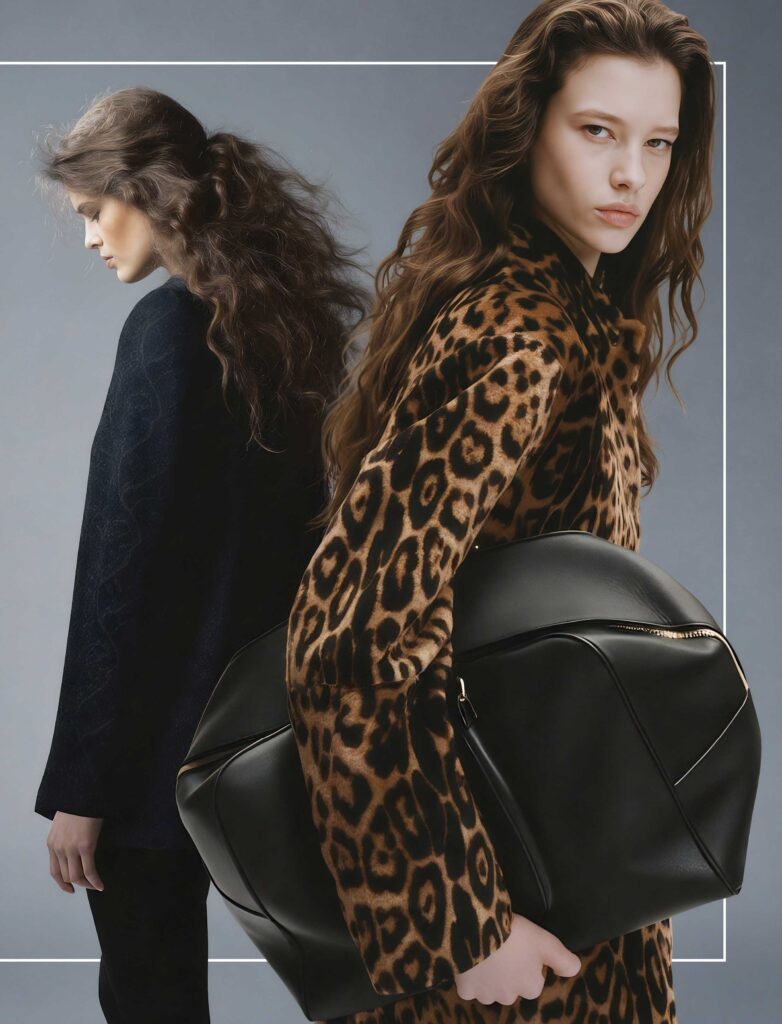
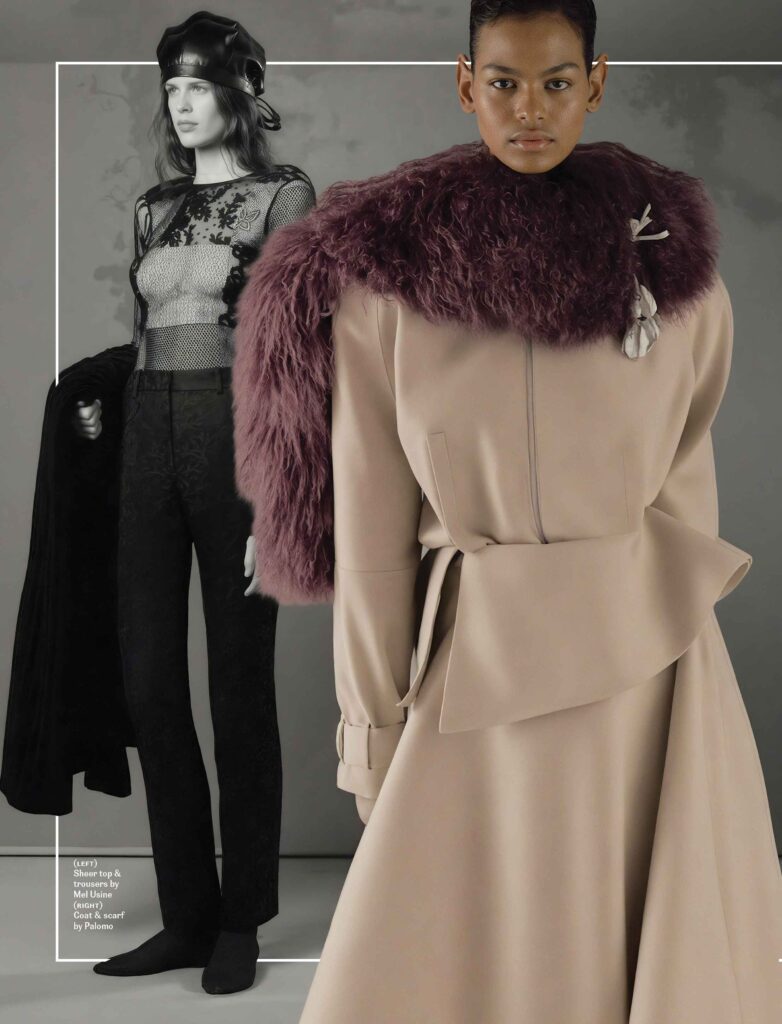
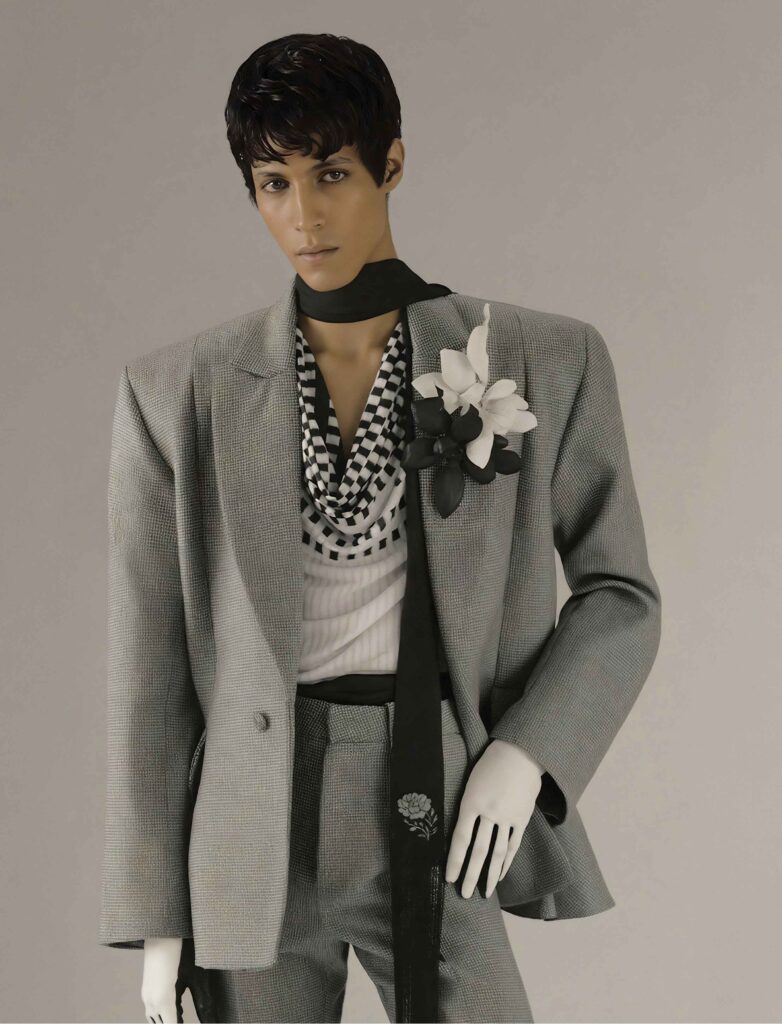
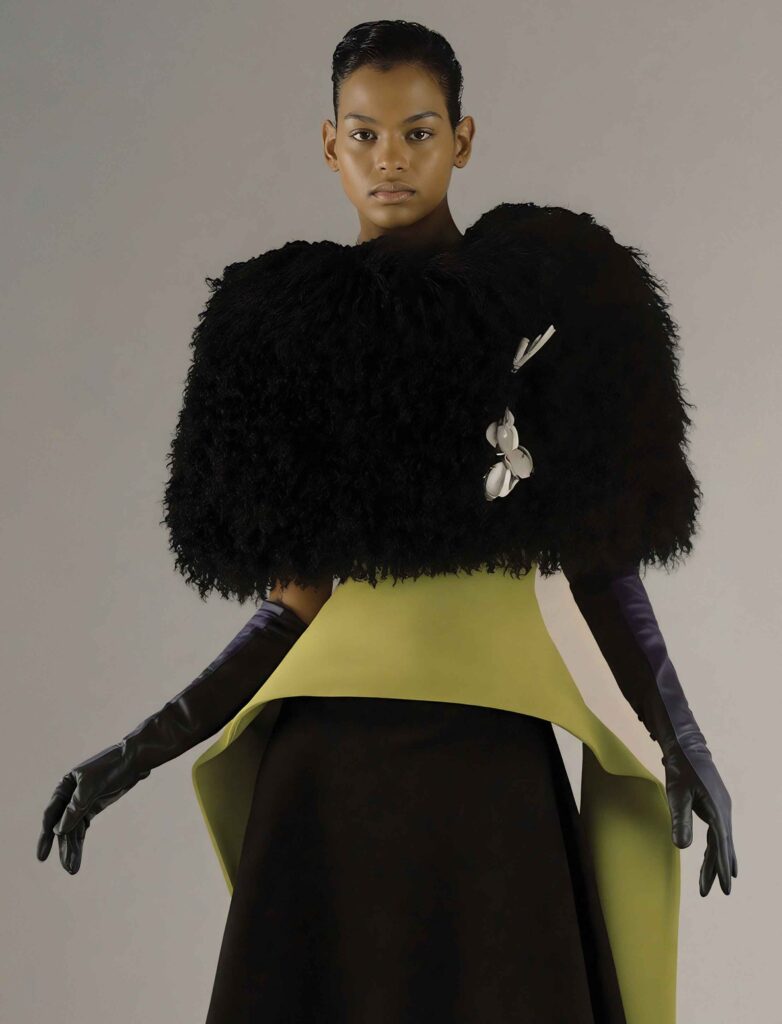
Future Tailoring: Breaking rules with innovative shapes and unexpected details
Look 1
(left)
Sheer midi dress by Vivetta
(right)
Navy blue sheer coat,
top and pants by Vivetta
Look 2
Oversized shirt and skirt by Vivetta
Look 3
Black and white sleeveless shirt and pants by Kiton
Look 4
(left)
Floral mini dress by Vivetta
(right)
Brown leather jacket and pink trousers by Kiton
Look 5
(left)
Black shirt, white shirt and trousers by Kiton
(right)
Blue maxi shirt dress by Kiton
Look 6
White short sleeves shirt and shorts by Kiton
Look 7
Short sleeve trench coat top and pleated skirt by Vivetta
Look 8
(left)
Gray suit jacket and
blue trousers by Kiton
(right)
Beige jacket and
midi shirt dress by Kiton
Look 9
White suit jacket and floral pants by Vivetta
Look 10
(left)
Beige suit jacket and
white midi dress by Kiton
(right)
Navy blue suit jacket and pants by Kiton
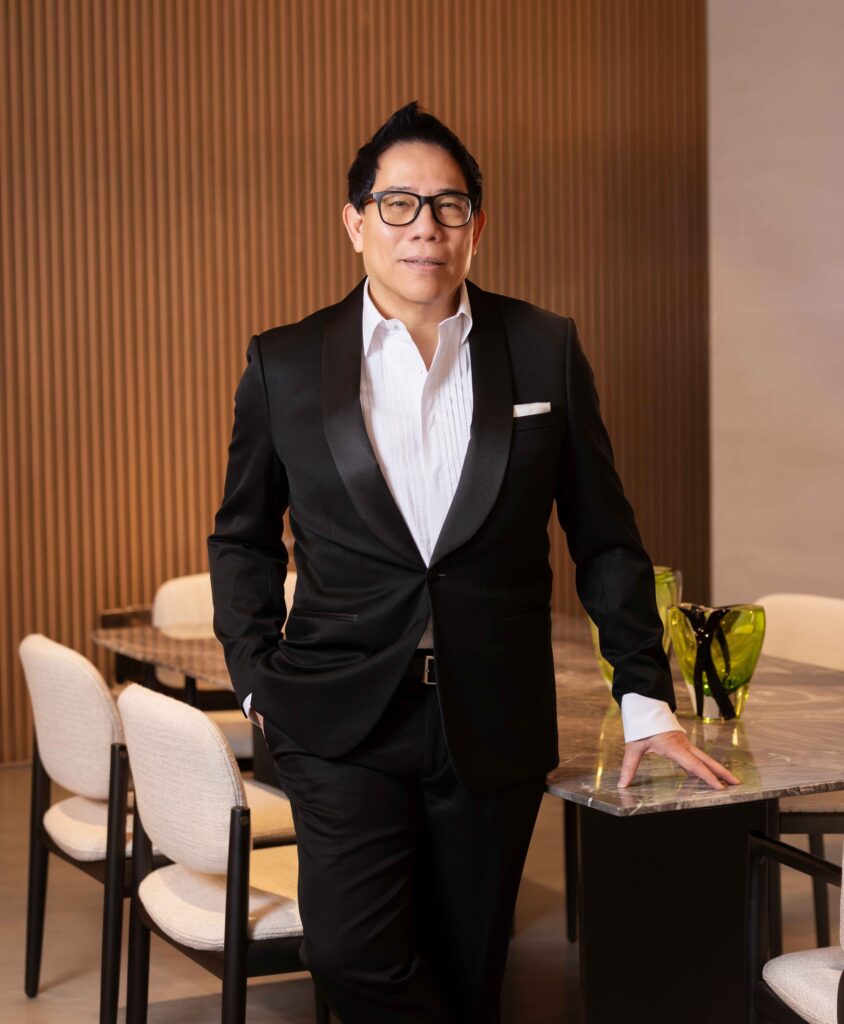
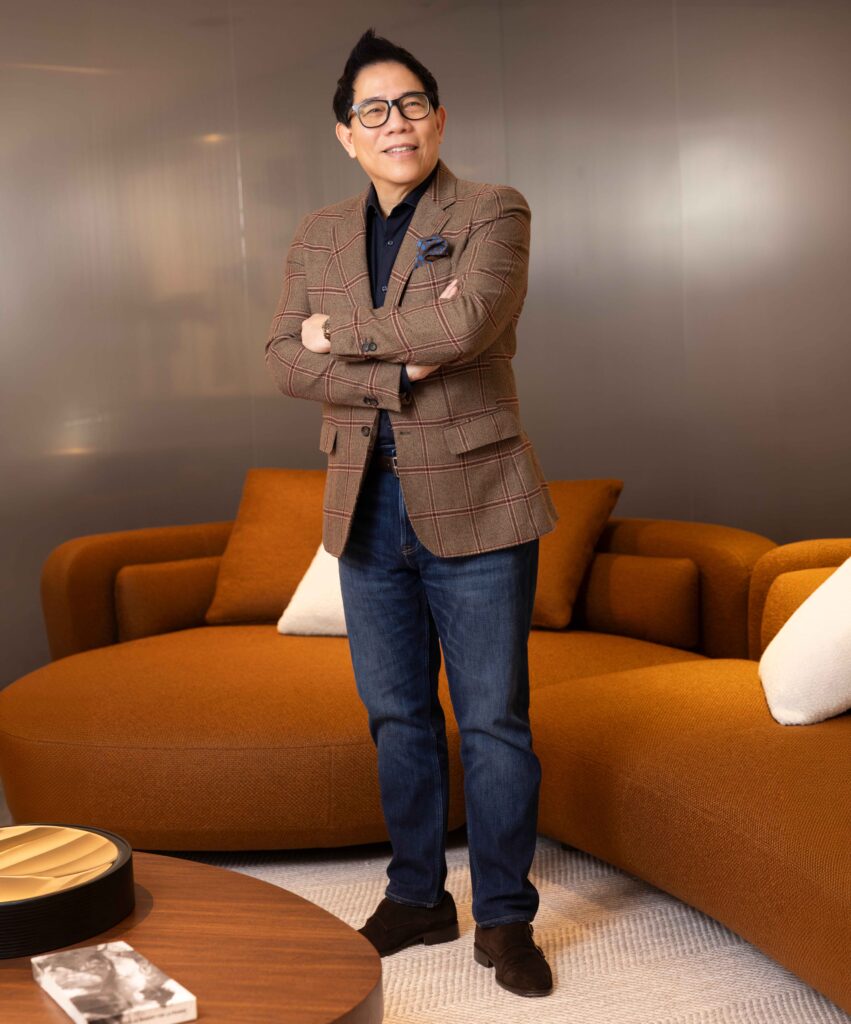
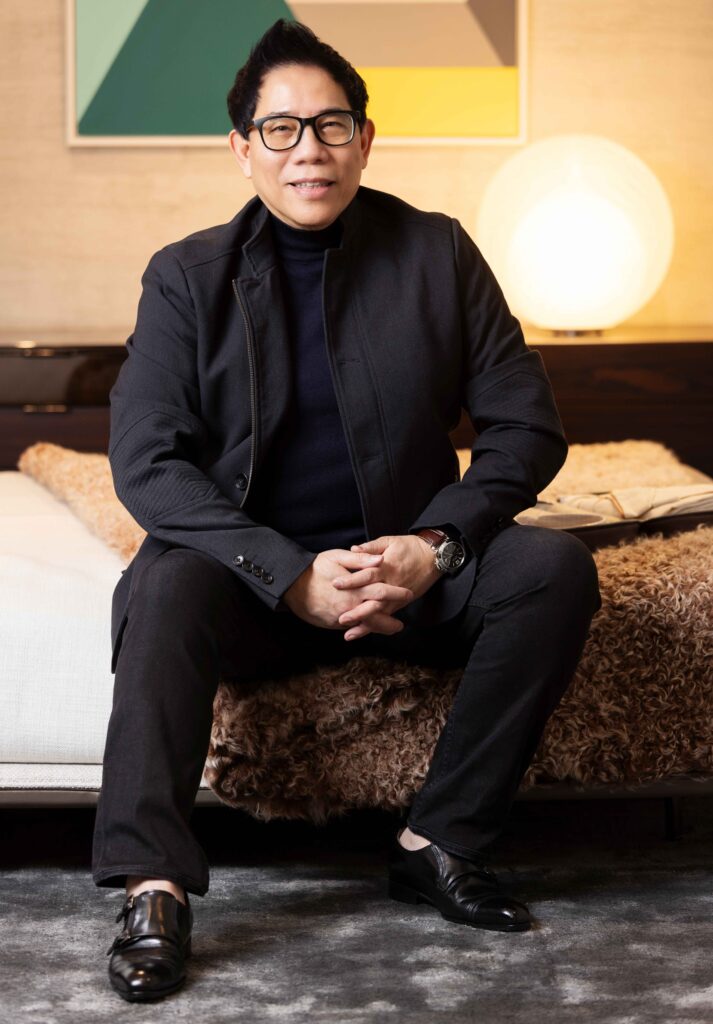
Tee Off @ Two: Chip Chip Golf founder Martin Liu on starting young and acquiring the resilience to finish strong
Martin Liu arrives at his Wong Chuk Hang office, where golf bags are stacked neatly and shelves lined with an array of familiar paraphernalia: clubs that look professionally polished, mini training tools that belong in a budding golf star’s dream, and equipment that seems to hum with possibility.
The founder of Chip Chip Golf Academy appears a little under the weather today – as evidenced by his husky voice – but the passion in his eyes moves faster than his throat. He leans forward and, with the patient warmth of someone who has taught countless eager juniors, begins sharing the joys of golf and how the sport shaped his perspective from a very early age.
“I started playing and learning about golf when I was only two years old,” he says. “Do you play?” he inquires of our team. When the majority of the crew admit they don’t play often enough, he doesn’t tease for long. Instead, he challenges us the way only a golf mentor would, by igniting ambition through friendly one-upmanship.
“There’s no age limit or starting point in life and in sport. Perhaps you can enrol your son when he turns one,” he says, laughing lightly, like the idea was obvious, like his sport was built for beginnings, not gatekeeping.
And in that moment, it becomes clear: Liu’s energy doesn’t need a fully rested voice to resonate. It comes from deeper places: research, resilience, people development, storytelling, and a business mindset sharpened through years of growth strategy.
Chip Off the Old Block
Golf for Liu wasn’t introduced with a club brochure. It was handed down through proximity: being around professionals, learning by absorption, and feeling the culture of the sport early enough to make it personal.
“My father [Daniel Liu] was a former professional golfer,” he shares. “Looking back, I realise golf gave me much more than a sport. It taught me discipline, resilience, and how to stay composed under pressure at a very young age. As I sometimes say, ‘Golf raises you before it rewards you.’”
Even as a child, Liu was doing something many adults struggle to do: reflecting. Not just dreaming, but choosing. He explains: “Being immersed in that environment gave me an early understanding of both the beauty and the demands of the game. It was certainly an advantage to learn within that world, but it also prompted me to reflect early on about what kind of path I wanted to create for myself, both within and beyond golf.”
In Hong Kong, golf can feel like a well-kept secret; popular, respected, yet still not equally accessible. Young Liu found a way through it by moving with his family and learning through sacrifice.
“My parents operated a golf merchandise and consulting business across the border in China, working closely with clubs and training facilities, so we spent most weekends and school holidays travelling there for training. Those journeys taught me adaptability and commitment at an early age, while also giving me invaluable exposure to competitive golf beyond Hong Kong.”
Green Approach
Liu’s career is a route built from experiments. He studied business at The George Washington University in the US capital – where he captained the golf team – and over the span of a decade teed off as a financial analyst, swung into business management for film and video production companies, and ventured onto the greens of venture capital. He founded Chip Chip Golf three years ago. On paper, his CV might look scattered; in practice, it sounds like a continuous education.
“Despite the contrast of working for a multinational corporation with 300,000 employees to a four-person media production start-up, the one consistent lesson across every industry was the importance of creating tangible value,” he states.
His pivot away from corporate life was instinctive once he realised what kind of environment he truly thrived in. “I found myself reconnecting with golf through my involvement with the Golf Association of Hong Kong, China, particularly through the Junior and International Development Committee, which plays a key role in shaping the city’s next generation of athletes, and later as captain of the Hong Kong men’s national golf team.”
Fun First, Skills Second
When people imagine golf academies, they might expect performance metrics and pressure-driven progression. Liu built the Chip Chip Golf programme, which teaches juniors aged two to 14, with a different ordering of priorities. “Our philosophy is simple: fun comes first, skills come second,” he explains. “Too often, youth sport becomes overly focused on performance too early. We believe children first need to enjoy the process. Children do not stay in sport because they are talented; they stay because they fall in love with it.”
His ethos echoes the sport itself: you miss, you recover, you return. That principle becomes a life lesson. “While we place great emphasis on developing strong technical fundamentals, we believe the golfer’s mindset is equally important, perhaps even more so in the long run.”
It’s an environment in which juniors learn how to cope with disappointment. “We teach our students that setbacks are not something to fear or avoid, but something to navigate with confidence and perspective. Life, much like golf, rarely unfolds perfectly. The ability to remain calm, adapt positively and recover gracefully is a skill that extends far beyond the fairway.”
Fairway for All
Liu’s aim is to make the sport more welcoming and inclusive for families who may never have previously considered golf. “One of the most common misconceptions is that golf is an exclusive sport reserved only for the wealthy or those with access to private-club memberships. The sport itself is far more approachable than many people realise,” he says.
“We guide children from their very first swing all the way through to playing on-course and competing in tournaments, all within an environment centred around learning, friendship and enjoyment.”
His experience as Hong Kong team captain gave him a macro view: what’s improving, what still needs system-level strengthening, and where belief must be rebuilt. “We now have players winning at the highest levels internationally, and golf has earned Tier A elite-sport status at the Hong Kong Sports Institute. Golf teaches accountability fast, because there’s nobody else to blame. That’s why character development isn’t optional; it’s built into the sport.”
Game for Life
Liu’s ultimate goal is to cultivate lifelong relationships with the sport, so children feel empowered long after the lesson ends. “Ultimately, I hope every child who comes through our programme develops a positive and lasting relationship with golf,” he says. “If we helped cultivate genuine passion, confidence and enjoyment through the experience, I would consider that a success.”
Although Liu feels below par today, this is a man who keeps showing up. As we conclude our chat and move on to the photo shoot, he offers our crew some energy drinks. “I think I might need these the most,” he quips. Martin Liu may sound croaky, but he has certainly found his voice in life.
Interview, Text & Art Direction: Joseff Musa Photographer: Jack Law Videographer: Iris Ventura
Neon Fest: Charge your closet with radiant summer shades
Look 1
Printed maxi dress by Valentino
Look 2
(left)
Coat dress by Valentino
(right)
Jacket and pants by Valentino
Look 3
(left)
Jacket and pants by Valentino
(right)
Pink satin silk top and denim pants by Valentino
Look 4
Sheer top by Valentino
Look 5
Green cardigan, pants and boots by Valentino
Look 6
(left)
Button down and denim maxi skirt by Valentino
(right)
Track suit by Valentino
Look 7
(left)
Coat, button down and maxi denim skirt by Valentino
(right)
Coat, shirt and trousers by Valentino
Look 8
Embellished top and denim pants by Valentino
Look 9
Coat and denim pants by Valentino
Look 10
(left)
Pink maxi dress by Valentino
(right)
Sequinned jacket, pants and boots by Valentino
Legally Glam: Brand founder, creative director, curator, barrister – glimpsing inside the multi-talented Tania Mohan’s court of luxury
It’s a miserable grey, rainy Friday afternoon in May. Inside Prince and the Peacock Indian restaurant, though, the vibe is different. Rich colours hit like a soft punch to the soul. Then Tania Mohan walks in, armed with so much poise and purpose that the room appears to glow. She spreads out her choice of shoot outfits with the calm authority of someone who’s done so much and seen too many ‘maybe’ ideas come and go. The founder of luxury fashion and homeware brand Tabla is not just styling, she’s curating – like a one-woman editorial board.
“Proper representation is important,” she tells us, leaning into the point the way some people lean into compliments. “Nowadays, a lot of people are trying to be someone else without recognising it. It’s the trend. We have to embrace our individuality because no one can ever top that. Not even trends. Because trends come and go.”
Mohan doesn’t sound like someone chasing fashion. She sounds like someone defending it. Like fashion is a court case, and she’s showing exhibits to the jury. And – plot twist – she’s literally qualified to do that.
Dressed for Destiny
Born and raised in Hong Kong to an affluent family of Indian heritage, she has retail in her DNA – Mohan’s department stores operated during the 1950s. Her upbringing ensured that she absorbed luxury the way some people absorb weather patterns: constantly, without even realising you’re learning.
“Growing up, that early exposure gave me an instinctive understanding of quality and fabrics, while my mother’s exquisite taste filled our homes with a deep sense of aesthetic luxury,” she says. “The city’s incredible energy, combined with my family’s heritage, taught me to view fashion as a complete, curated lifestyle – an approach that defines my creative direction for Tabla today.”
Sparkle and Structure
This creativity was honed early in her career. In the 1990s, she joined Hong Kong Standard as fashion editor and stylist. She’s also a barrister-at-law. When asked how law fits into a life built around luxury, her answer is clever, like she’s already drafting your argument before you finish the question.
“I don’t think my love affair with the law will ever truly go away, and I am fortunate to still utilise my legal training through consulting work today,” she defends. “As a barrister, you learn to investigate every angle thoroughly, and I now apply that exact same investigative discipline to my creative process. When a specific historical era or traditional embroidery technique catches my attention, my instinct is to dive into the archives and uncover its full story.”
She expounds: “Having studied law since I was 16, those years of discipline have become an invaluable asset in running my own business. Rather than a total departure, my legal background provides the structural foundation that supports my creative freedom, giving me a unique edge as the creative director of Tabla.
Tabla Setting
The brand began in Hong Kong in 1999 with an Indian-inspired luxury focus in a chic boutique in Prince’s Building. It went international in 2015, when she opened in Knightsbridge, London, an area she knew well from her law-student days.
“I was at a major crossroads in my life when the opportunity for Tabla appeared, and I simply dove into it with the reckless abandon of someone who found exactly what they were looking for,” she recalls. “I measured its success by the sheer momentum of the journey itself. Finding an opportunity that resonated so deeply with my passions proved instantly that the leap was worth it.”
Mohan frames Tabla’s style as an organic dialogue: ‘Made in India’ but filtered through her Hong Kong lens. She reels off specific examples, such as plates pairing pagodas with peacocks, and clothing highlighting Parsi Gara embroidery, a craft born from vibrant 19th-century maritime silk routes connecting China and India.
Asian Persuasion
She credits the emergence of cross-cultural branding – especially as championed by David Tang at Shanghai Tang – as a defining moment in fashion. “David was a true visionary,” she says. “I used to tell him that my ultimate goal was to create the Indian Shanghai Tang, and I very much stand by that ambition today. His legacy taught me that reframing heritage isn’t about changing the craft itself, but about elevating it onto the global stage with the pride and grandeur it deserves.”
Nowadays, the ‘Asian luxury’ conversation isn’t just aesthetic, it’s political, cultural and historical. It’s about who gets credit, who gets called inspired, and who gets called original. She explains: “To me, Asian luxury is deeply rooted in the old-school, homegrown traditions of unmatched craftsmanship, rich materials and exquisite hand-worked detailing. About 10 years ago, at a luxury conference in India hosted by a European company, I championed the rise of ‘Made in Asia’, only to be dismissed by an executive who insisted the world wasn’t ready.
I was astounded by that ignorance, knowing how much Western luxury has always relied on Indian embroidery and Asian craftsmanship behind the scenes. Today, I can say with pure conviction that the Asian invasion in luxury retail is fully upon us, reclaiming that narrative proudly.”
Then she drops a line that makes the room seem like it just got louder: “Over the next decade, the world will watch amazing homegrown designers emerge from this region to lead global trends – because when the dragon and the elephant dance, the whole world watches.”
Styles and Shifts
Expectations have evolved for Tabla since its pre-Millennium birth. Consolidating online, the brand now embodies more discernment, less ‘whatever’. “Today’s clients expect more than just a premium product; they seek a genuine craft story, a sense of heritage, and an authentic, personal connection to what they wear and bring into their homes,” she affirms.
“I have always envisioned the Tabla shopping experience as a jewel box – a treasure trove filled with unique, beautifully crafted pieces that resonate with this modern desire for authentic luxury.”
Reflecting on the longevity of her brand, she says: “Celebrating 25 years has proven to me that persistence is born out of pure, unadulterated belief. Someone once called me the most tenacious person they know – and while some days I ask myself why I have spent so much time on this, my retail lineage, my passion, and the specific niche we hold are what drive me forward.
It is easy to look at brands that scale rapidly and feel discouraged, but I didn’t come this far just to come this far. I still have so many stories to tell, embroideries to explore, and pieces to create while staying fiercely true to Tabla’s artisan heritage.”
That’s the foundation of a luxury brand that endures, because the truth is, anyone can dress you, but only a few can define you.
“I’ve done a lot of things [then thought], what the hell am I thinking right?” she laughs. “But now I’m focusing on Tabla and the importance of bringing forward my culture to the world, and who knows what the future may bring.” And true enough, real glam isn’t a trend; it’s a point of view.
Interview, Text & Art Direction: Joseff Musa Photographer: Jack Law Videographer: Iris Ventura Venue: Prince and the Peacock
Warm Comfort: Amid a mood code of relaxed elegance, Salon Lanson shows down-to-earth elevated cuisine for spring-summer
Some restaurants try to be fancy like it’s a personality. Others aim to be cosy like it’s a trend. Salon Lanson, located within Lanson Place Causeway Bay, achieves something rarer: it makes you feel like you’re both dressed up and allowed to relax. Elegance is expected when stepping into this French-influenced all-day dining space, but you leave convinced the culinary team is chasing a bigger idea: elevated comfort food that still respects the craft.
Lanson-Place-Causeway-Bay_Breakfast-Buffet
Executive Chef Leo Chow, who has cooked under pressure in serious kitchens, talks about his dishes the way people might delight in sharing their family recipes: with precision, but also heart. His training wasn’t about making food look expensive, but crafting it with perfection, even when the dining room is full and the night is moving fast.
Otoro-Tartare
“By day, it feels bright and relaxed; by night, it becomes chic and intimate,” he says. “The restaurant strikes a graceful balance between luxury and welcoming ambience.” That matters because his menus match the room. A mood shift toward lighter dishes and brighter flavours introduced in early spring retains Salon Lanson’s comforting familiarity.
Capellini-Aglio-e-Olio-with-Razor-Clams
Chef Chow’s methodology is equal parts discipline and imagination. “I always start with seasonal produce to guarantee peak flavour and reliable sourcing,” he says. “My focus is on elevated comfort food – familiar, comforting flavours refined through fine-dining technique and elegant presentation.”
Grilled-Spanish-Octopus_A
The use of the word ‘elevated’ here is not pretending local ingredients are French, but honouring the produce, then dressing it properly. “Given Salon Lanson’s signature French-inspired elegance, my approach is grounded in classical French technique. Then I weave in influences from Hong Kong and the broader Asian culinary map,” he explains. “Subtle Asian accents elevate a traditional comfort dish, adding unexpected depth without overwhelming the core flavours.”
Grilled-Red-Prawn-Salad
And that’s an accurate summation of the lunch selections – comfort-forward, but with technique doing the heavy lifting. The Grilled Red Prawn Salad, for instance, leans into an Asian flavour logic of grilled sweetness, sesame notes and vivid dressing, while keeping the presentation polished and clean.
Pan-Fried Read Snapper
Then there’s Pan-Fried Red Snapper, which comes with spring vegetables in a lemony, buttery white-wine sauce, and a white balsamic tomato salsa. Translation: fish that’s handled carefully, served with enough vibrancy to keep you awake, and finished with a tangy detail that feels like someone is saying, ‘Don’t fall asleep – the sun is shining.’
Passion-Fruit-and-White-Chocolate-Cheesecake
Nowadays, every restaurant menu needs a ‘hardest dish’, and here it’s the house signature of Classic Beef Bourguignon, available at lunch and dinner. Chow calls it the biggest technical hurdle – balancing tender meat, a complex red-wine jus and plating that is homely, not stiff.
If the lunchtime mains whisper refinement, the desserts are the season’s emotional support. Passion Fruit and White Chocolate Cheesecake offers a silky Japanese-style profile with passionfruit jelly and a finale of lemon sherbet plus homemade honeycomb. It’s sweet, sharp and a little playful, inviting the diner to have a jolly time.
Gremolata & Macadamia Crusted Grilled King Salmon
In the evening, a starter of Grilled Hokkaido Scallop arrives in a warm kombu broth, clear, gentle and intentionally focused. Grilled King Salmon, a main choice with gremolata and a macadamia crust, feels like a chef’s proclamation of ‘We can do rich, but we’ll do it with structure’. Accompaniments of kale, slow-cooked beetroot, and mustard seed and dill cream sauce impart depth without veering into heavy winter food.
Grilled Hokkaido Scallop
Dinnertime desserts maintain the theme, offering freshness as well as elegance. Vanilla Panna Cotta with pomegranate jelly is bright and visually dramatic, while Granny Smith Apple Galette is the classic French comfort move – puff pastry, cinnamon-butter apples and caramel glaze finished with vanilla ice cream – because sometimes the simplest joy is best.
Granny Smith Apple Galette
Salon Lanson doesn’t just change the menu according to the season; it changes how you feel while eating. It’s elegant, yes, but it’s also warm in the way that matters: food crafted with care, not just for a moment.
Vanilla-Panna-Cotta
Salon Lanson, 1/F, Lanson Place Causeway Bay, 133 Leighton Road, Causeway Bay, Hong Kong. Tel: 3477 6888. lansonplace.com. Text: Joseff Musa Photos: Salon Lanson
Crème of the Crop: Smooth, sweet and simply unbeatable garbs for the warmer days
Look 1
Orange maxi dress by CH Carolina Herrera
Look 2
Long coat, top and pants by Ralph Lauren
Look 3
Midi sequined dress by Ralph Lauren
Look 4
Flowy floral maxi dress by Talbot Runhof
Look 5
Brown maxi dress by CH Carolina Herrera
Look 6
Textured trench coat by Ralph Lauren
Look 7
Satin silk jacket and atrousers by Ralph Lauren
Look 8
(Left)
Floral maxi dress by Talbot Runhof
(Right)
White midi dress by Talbot Runhof
Look 9
Satin silk top and pants by Ralph Lauren
(left)
White maxi dress by
Talbot Runhof
(right)
Coat, utility vest and pants by Ralph Lauren
Custom Calibre: Bring the luxury of bespoke to the wrist by making meaningful time for yourself
In the rarefied world of haute horlogerie, a level of watchmaking exists that transcends limited editions and boutique exclusives. This is a realm where time itself is commissioned, where mechanics are tailored like couture, and where a watch is not simply purchased but conceived.
Bespoke watchmaking represents the highest expression of craftsmanship, a deeply personal collaboration between collector and manufacture that can take years, and sometimes more than a decade, to complete. These creations may involve newly engineered complications, personalised astronomical displays, custom-case materials, or entirely original movement constructions developed for one individual alone.
Prices might range upwards from US$1 million to well beyond $20 million, depending on complexity and ambition. Yet, for the world’s most discerning collectors, a bespoke watch is more than a display of wealth; it is an extension of identity, intellect, legacy and enduring personal philosophy expressed through mechanics.
Complication Commission
One of the most extraordinary modern examples is the commission by US insurance magnate William R. Berkley, who worked with Vacheron Constantin’s Les Cabinotiers division to create the Berkley Grand Complication. Completed in 2024 after 11 years of development, the watch features 63 complications, including a groundbreaking Chinese perpetual calendar system. One of the most complicated and expensive bespoke wristwatches ever produced, it is a feat of mechanical architecture as much as horology, combining mathematical mastery, astronomical precision and traditional Genevan finishing at the highest level.
In a different but equally exclusive sphere, ultra-high-net-worth collectors can request bespoke complications from Richard Mille, pushing the brand’s signature skeletonised engineering and advanced material science into even more rarefied territory. Reportedly often valued between US$3 million and $5 million, Richard Mille’s private commissions focus less on classical ornamentation and more on aerospace materials, extreme shock resistance and avant-garde mechanical design. They redefine what modern bespoke luxury can look like for a new generation of collectors.
Personal Time
Personalisation does not always require dozens of complications to carry meaning. English singer-songwriter Ed Sheeran commissioned a customised Patek PhilippeWorld Time with the name of his hometown, Framlingham, printed on the dial – a subtle but permanent tribute that transforms an already prestigious reference into something uniquely his own. American musician and serious collector John Mayer collaborated closely with Audemars Piguet to create an eponymous Royal Oak Perpetual Calendar limited-edition watch with a distinctive crystal dial chosen to reflect his personal aesthetic sensibilities.
These timepieces speak softly but carry profound personal significance. They demonstrate that bespoke elements can be intimate rather than extravagant, rooted in memory, identity and long-term appreciation rather than spectacle alone.
Celebrity Hands
The intersection of culture and horology has produced other striking collaborations that blur the boundaries between artistry and engineering. Like Mayer, hip-hop artist Travis Scott took the time to integrate his creative identity into one of Switzerland’s most iconic sports watches, developing a brown ceramic Royal Oak Perpetual Calendar under his Cactus Jack label for Audemars Piguet.
Fellow rapper Jay Z worked with Hublot on the Shawn Carter Classic Fusion editions, blending contemporary Swiss design with his own entrepreneurial legacy and global influence. Japanese artist Takashi Murakami infused Hublot’s sapphire creations with his signature smiling flower motif, thus transforming fine watchmaking into wearable contemporary art that merges pop culture with gem-set craftsmanship.
Sport and fashion have likewise left their imprint on bespoke and highly personalised watchmaking. Former NFL quarterback Tom Brady collaborated withIWC on championship-inspired editions of the Big Pilot’s Watch Perpetual Calendar, reflecting his career achievements through refined design details and commemorative engravings. Designer Victoria Beckham partnered with Breitling to reinterpret the Chronomat Automatic 36, bringing styling sensibility into the arena of precision sports watches.
As a brand famously resistant to factory customisation, Rolex only enters the bespoke conversation through the whim of its devoted fan base and the acumen of independent ateliers. Musician Adam Levine commissioned Artisans de Genève to reengineer his Rolex Daytona into a skeletonised, highly personalised creation, illustrating how private craftsmanship can transform even the most established icons into singular mechanical statements.
One-of-a-Kind Drive
Perhaps one of the most imaginative commissions in recent years came from an anonymous Rolls-Royce client who partnered with Vacheron Constantin to create a unique Les Cabinotiers Armillary Tourbillon that could be mounted into their Droptail dashboard and removed to be worn on the wrist. This project blurs the lines between automotive engineering and haute horlogerie, demonstrating that bespoke watchmaking can extend beyond the wrist into entirely new dimensions of luxury design, where mobility, mechanics and personal storytelling converge seamlessly.
Across all these examples, the financial spectrum of bespoke watchmaking is vast and revealing. Culminating in the US$20 million-plus estimated value of the remarkable Berkley Grand Complication, the final cost depends on the number of complications, research and development time, the rarity of materials, volume of gem setting and ingenuity of astronomical programming. Perhaps most importantly, the heritage, discretion and technical capacity of the brand itself to execute uncompromising visions without limitation will also be reflected in the calculation.
In an era defined by instant gratification and algorithm-driven luxury, bespoke watchmaking remains defiantly patient and profoundly human. It demands dialogue, imagination and years of disciplined craftsmanship carried out by master watchmakers whose skills are measured in decades. Whether it is a billionaire commissioning one of the most complicated watches ever made or a musician adding a personal embellishment to a beloved model, each project represents the same essential pursuit: to create something that no one else on earth will ever own.
Hainan Aloha: Sun, sea, spa, shopping – a short stay in Sanya spells instant indulgence on all fronts
Sanya unfolds at the southern edge of the South China Sea like a carefully composed invitation to slow down. Fringed with palms and edged by translucent water, the resort city on Hainan Island has grown into one of Asia’s most compelling tropical short-break destinations. For travellers seeking three or four days of immersion in warmth and indulgence, it delivers escape without complication and luxury without strain.
Often called the Hawaii of China, Sanya pairs dependable sunshine with expansive upmarket resorts, restorative spa sanctuaries, superb seafood, superlative duty-free shopping and scenery that shifts effortlessly from open ocean to forested hills. The rhythm of the island in late spring suits a short escape perfectly: sunrise walks along quiet beaches, shaded afternoons by the pool, and lingering dinners under warm, salt-scented air as twilight settles gently across the horizon.
Daytime temperatures in May hover around 30-32 degrees Celsius, and evenings soften into a balmy mid-20s calm. The sea temperature invites long swims and unhurried floating beneath open skies. Tropical showers may sweep through in a prelude to the rainy season, but they tend to arrive in dramatic bursts that leave behind luminous light and intensified greenery rather than lingering gloom.
Bay Watch
Etching the far south of the island, the Sanya coastline meanders into three distinct main bays. Each has its own character and pace, allowing visitors to tailor a short break to their personal flow. Yalong Bay is the classic postcard vision, a crescent of pale sand and calm turquoise water backed by manicured gardens and internationally recognised five-star resorts, including the Ritz-Carlton and the St Regis.
Here mornings begin with the hush of waves brushing the shore and the scent of frangipani drifting across stone pathways. Suites open to ocean-view balconies; villas offer private pools enclosed by tropical foliage. Everything is designed for a seamless transition from arrival to relaxation, encouraging guests to settle quickly into a slower, sunlit tempo that defines the entire stay.
Haitang Bay represents Sanya’s newer chapter. The beaches are broader, the architecture more contemporary, and the scale more dramatic. Resorts like the Grand Hyatt and the Sanya Edition stretch across generous grounds, incorporating multiple water features. Attractions such as infinity pools and ocean-facing pavilions that frame uninterrupted sea views bring a feeling of openness, airiness and proximity to nature.
Dadonghai, closer to the urban centre, carries a livelier pulse. Beachfront cafés, cocktail bars and boutique hotels create a more animated atmosphere. It is easy to move between seaside relaxation and Sanya city energy, making it ideal for those who enjoy a touch of nightlife alongside coastal calm.
Jaunts in a Jiffy
The landscape surrounding the beaches adds dimension to a short stay. Inland hills rise in gentle contrast to the open sea, and scenic viewpoints reward brief excursions. The towering Guanyin of Nanshan statue appears to emerge from the water itself, combining spiritual symbolism with sweeping coastal vistas. Luhuitou Park offers panoramic views over Sanya Bay that are particularly captivating at sunset when the shoreline curves into gold and rose hues.
A hop offshore into Haitang Bay, Wuzhizhou Island tempts with clearer waters and coral reefs suited to snorkelling, and white sands framed by rocky outcrops and bright foliage. These experiences can be woven into a weekend stay without overwhelming it, providing exploration alongside repose.
Spoils to Adore
Wellness culture permeates the resort experience. Spa pavilions are positioned beside reflective pools or overlooking the ocean, creating an immediate sense of calm. At the best sanctuaries like Sense, A Rosewood Spa at Sanya, treatments draw on coconut oil, marine minerals and traditional Chinese therapeutic practices, blending tropical sensuality with restorative depth. A single afternoon devoted to massage and hydrotherapy can recalibrate body and mind.
Some resorts elevate privacy with discreet spa-villa layouts and gated entrances, catering to guests who value seclusion. These ultra-private retreats emphasise independent spaces, in-villa dining and unobtrusive service, ensuring relaxation unfolds without interruption or distraction.
Duty-Free Sprees
One of Sanya’s most distinctive draws is its role as a global duty-free shopping powerhouse. CDF Sanya International Duty-Free City in Haitang Bay ranks among the largest shopping complexes of its kind in the world, a vast climate-controlled expanse housing leading luxury brands, beauty houses, watchmakers, jewellery designers and fashion labels. Shopping here becomes part of the leisure experience rather than a hurried errand.
After a morning swim, it feels entirely natural to browse new collections, discover limited-edition cosmetics, or explore high-end accessories in a refined and relaxed environment. Competitive pricing and generous allowances add to the appeal, turning retail into an extension of indulgence. Beyond this flagship complex operated by the China Duty Free Group, smaller boutiques and curated lifestyle stores offer pearls, tropical-inspired accessories and island-themed gifts that echo the relaxed coastal mood.
Tastes of the Sea
Sanya’s culinary culture anchors the destination with unmistakable freshness. Hainanese cuisine shares kinship with Cantonese cooking, and seafood dominates menus. The catch is displayed live in tanks before being transformed into delicately steamed garoupa, wok-fried crab with ginger and scallions, or grilled lobster brushed with garlic and butter. Fragrant and deceptively simple, Hainanese chicken rice remains a signature comfort.
Coconut appears everywhere, folded into desserts, shaved over icy drinks, or simmered into savoury broths. Dining often unfolds outdoors, where sea breezes temper the warmth and lantern light flickers against palm trunks. In refined resort restaurants, chefs reinterpret regional ingredients through contemporary techniques, creating tasting menus that feel rooted yet elevated, balancing authenticity with modern presentation.
Sound Waves
Nightlife in Sanya mirrors its coastal elegance. Rather than relentless intensity, evenings favour atmosphere and style. Beach clubs host sunset DJs and craft cocktails; resort lounges like the Mandarin Oriental Sunset Bar offer Champagne against a backdrop of moonlit water. Live acoustic music drifts across terraces, and private cabanas glow softly along the shoreline.
For those seeking a livelier beat, city centre venues and late-night lounges extend the evening with dancing and conversation. Check out Times Coast Bar Street and the popular Sanya 88 Pub that doubles as a club. The overarching mood is more relaxed conviviality than frenetic partying, designed to complement the serenity of the day rather than compete with it.
Immediate Immersion
What distinguishes Sanya is how seamlessly the essential elements of a blissful getaway interlock. Beach, scenery, spa, shopping, cuisine and nightlife coexist within short distances, allowing precious hours to be spent experiencing rather than commuting. Arrival transitions swiftly into immersion: luggage unpacked, sandals slipped on, the sea visible beyond swaying palms. Time stretches in proportion to the horizon, each day defined by light and tide rather than schedule.
Each May, the Sanya sensory palette intensifies. Tropical flowers bloom with greater vibrancy after passing showers. The sea reflects deeper turquoise beneath the high sun. Evenings carry the faint sweetness of salt and blossoms mingling in humid air. It is a month that amplifies colour and warmth without reaching the heavy intensity of late summer.
For a brief escape that balances indulgence with simplicity, Sanya delivers tropical immersion shaped by polish and possibility. Warm water, expansive skies, refined hospitality and the quiet rhythm of waves combine to create a short break defined by ease, discretion and sunlit sophistication.