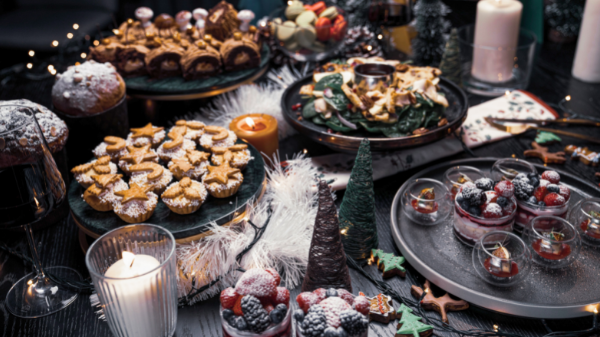
Surely no Celebration is complete without the mouth-watering offering of a sweet confectionery to end the festive feasting. Bringing to Hong Kong the joy of Italian traditions and artisan baking, Master pastry chef Giovani Pina has created and curated a scrumptious selection of authentic Italian Christmas pastries this season. With the yuletide celebrations just days away, it might be high time to delight in the delectable spirit Christmas feasting with Giovani Pina’s festive themed desserts and Christmas cakes.
Authentic Italian Panettone
First on the list is the pasticceria’s Italian Panettone. Originating from Milan, it is a tradtional festive bread made from dried fruits, candied orange peel, butter and honey. A fluffy and light delight that will take you through a warm and homely flight of flavours through an authetic Italian Christmas.
Price: HK$130 per 1kg / HK$280 per 500g
Order here.
Snowing Romance
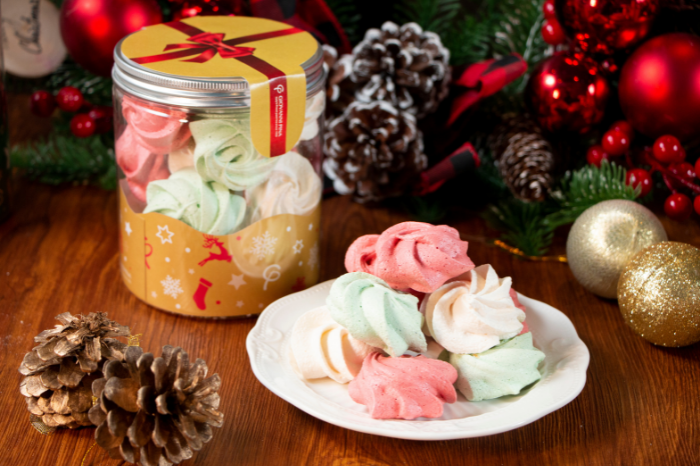
Bringing to the table an inspiring white Christmas celebration, Snowing Romance is a scrumptiously crispy and deliciously creamy cake layered with Mascarpone cream and sweet strawberry compote, then topped with an Italian meringue crumble surface.
Price: HK$230 per 14cm / HK$320 per 18cm / HK$420 per 22cm
Order here.
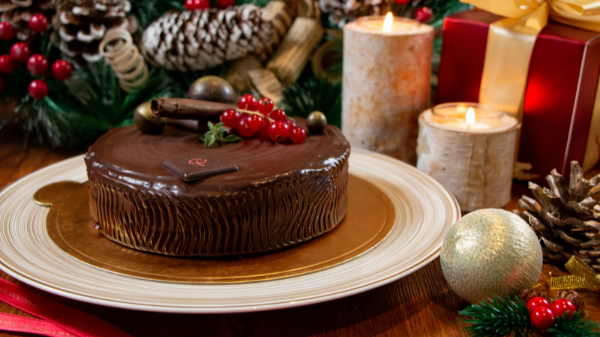
Italian Log Cake
A selection of Christmas cakes and desserts cannot be without a traditional log cake. Featuring rich chocolate ganache, sweet apricot jam, rhum, plum wine and airy chocolate sponge cake, the rich cocoa flavour paired with a heavenly light and creamy texture leaves a lasting memory of Christmas in the mouth.
Price: HK$230 per 14cm / HK$320 per 18cm / HK$420 per 22cm
Order here.
Christmas Theme Single Cakes
Inspired by classic Christmas figures and motifs such as snowmen, bells and elks, the Christmas Theme Single Cakes is a flight of four beautifully decorated miniature cakes to complete a heart-warming celebration. Including Snowman Yuzu Cheese Mousse Cake, Cranberry Lemon Tart, Elk Sacher and Christmas Bell Caramel Mousse Cake.
A list of Chef Pina’s finest creations cannot be without his famed mini tarts. Featuring a festive selection of 12 pieces of Christmas Theme Mini Tarts that complete a range of flavours from pistachio to lemon meringue and pine nut to a variety of fruits and custard cream options. These adorable and irresistibly scrumptious tartlets are the perfect for yuletide offerings to share among close friends and family.
Level One, Nina Mall I, 8 Yeung Uk Road, Tsuen Wan
Top restaurants for Christmas dinner in Hong Kong
Season’s feasting!
Holiday season is officially here which means it’s time for over-the-top parties, Christmas decors, checking out the festive displays and chalet’s around town, taking part in a bevvy of December activities. With so much to do and so much to celebrate around Hong Kong, if planning a Christmas spread sounds like a daunting affair (we get you!) then book a table at one of the city’s incredible restaurants for an upscale extravaganza.
Most of our picks below evoke Yuletide nostalgia – atmospheric, cozy with lots of holly and poinsettias… Christmas cheer, here we come…
Bostonian Seafood & Grill The Langham, Tsim Sha Tsui
(Photo courtesy: Langham Hotel)
Seafood lovers are spoiled for choice at Langham’s Bostonian Seafood & Grillthis holiday season. Crustacean lovers can enjoy an indulgent premium seafood dining experience (HK$1,388 per person), starting off with a sumptuous sample of signature Lobster Bisque, Scallops, Oysters and Pan-fried Foie Gras, before moving on the main event: the Roasted Turkey or Char-grilled U.S Tenderloin Steak. For dessert, a selection of sweetened baked goods and desserts delight patrons with a truly festive Christmas eve dinner with loved ones.
For a traditional Christmas turkey dinner, The Tai Pan at The Murray serves up a decadent four-course Christmas eve dinner (HK$1,088) alongside deliciously seasonal and organic ingredients that elevate each dish with a kick. From the Duck Foie Gras Terrine with Sake glazed pineapple, crispy rice and micro leaves to a chestnut-sage stuffed Turkey or the umami-packed Sake-Marinated Cod Fish, and a Wine Pear with Chocolate ginger bread gateau for a strong festive finish, its Christmas eve spread is sure to leave diners satisfied with a lasting impression on their palate. The vibe is relaxed, the food, service and ambiance are all truly outstanding – one that is sure to make the festive experience ‘tai pan’, literally meaning ‘top class’.
Taking up the prime spot on the busy Stanley Street, the 104-seater French Riviera inspired-menu at the elegant yet timeless, LPM Restaurant & Bar, short for La Petite Maison, will dazzle your Christmas one flavourful serving at a time. Launching a Christmas and a New Year’s menu, the highlight here is the ingredient-driven meals best enjoyed in a bright and cheerful by day, sultry and atmospheric by night ambiance. With locations in London, Dubai, Abu Dhabi and Hong Kong, a star feature here is the exact menu and same taste in all the signature dishes across the globe. Festive specials include Celeriac, Pears and Capers Remoulade Salad (HK$148); Burrata a la Truffle Blanche(HK$1,198); Rigatoni Maison a la Truffle Blanche (HK$1,198); and Grilled “Black Onyx” Sirloin Steak with mini Grillé mushrooms (HK$598).
The chefs are experts at what they do – the meal here has the drama, tenderness, buttery sweetness which a Christmas feast deserves – the mains are dazzling but will be outdone by the desserts and cocktails. The wine list is exquisite as its expansive, trust the well-read sommeliers to match one with each course and it will be rude to call it a night before tucking into the decadent divineness of their French toast. Blame us not if the meal leaves you craving for a sun-soaked French holiday!
The new Causeway Bay-set Giacomo offers the city’s eager epicureans with an Italian Christmas fare a 6-course Christmas Eve Degustation Menu (HK$2,480 per person). Its southern Italian flavours are even further highlighted in its signature Homemade Tagliolini with Piedmont Alba white truffle. For mains, the menu features a melt-in-your-mouth Mayura Beef Tenderloin from Australian chocolate-fed Wagyu, served with braised celery root and winter black truffle. To complete the experience, a fine wine pairing (HK$980) is highly recommended.
Delighting true epicureans to a more modern take on the classic turkey and mash Christmas offerings, two-Michelin-starred contemporary French restaurant Amberserves up a succulent 8-course dinner menu (HK$2,498) that includes a decadent offering of meticulously prepared and deliciously created dishes that shine a clear light on why this sought after restaurant hits top spots in many Hong Kong gourmands’ list. Featuring an ensemble of flavours in dishes such as Bone Marrow with sweet peas, shallots and black winter truffles ensemble of flavours, alongside the use of aka amadai with celeriac, wakame, dulse and yuzu for a true act of balancing flavours.
Meat-lovers rejoice to an authentic Argentinian Christmas feast at the lavish Buenos Aries Club. Offering a family-style Christmas spread, its Festín de Navidad sharing menu (HK$898 per person) starts its flight of mouth-watering entradas, while holding nothing back on the mains, featuring an 18oz chateaubriand General Pico Black Angus Prime Rib, served alongside a varied selection of classic side dishes such as mashed potatoes, creamed corn, provoleta mac ‘n’ cheese, golf salad and and an optional Boston Lobster (HK$388) with chimichurri and lemon before finally rounding up the feast with a Spiced-baked Apple with vanilla ice cream for a truly winter holiday note.
For a quintessentially British affair this Christmas eve, 181 Fortnum & Mason offers its patrons a sophisticated festive menu to indulge in with your loved ones. Eschewing the Christmas set menus for an a la carte option, its Christmas eve menu features a glazed Norfolk Bronze turkey that will sit as the main attraction, and served with all the classic trimmings. Included on the menu is a chicken liver parfait with onion brioche and a Côte de Boeuf and a heartwarming Christmas Pudding and Apple and Blueberry Crumble to complete.
Season’s Feasting: Christmas dining in the heart of TST
‘Tis the party, mulled wine and turkey season… If you’re still on the fence of where to gather with your friends and family for a mega Christmas feast or even planning ahead for a New Year’s Eve dinner – the hassle-free, spectacular spread at Savvy, a modern, social dining destination in Harbour City Mall, is a well-priced sumptuous option to book. This 240-seater restaurant offers a vibrant, hearty menu with plenty of instagrammable moments. Scroll below for all the details.
Season’s Feasting
It’s not just classic turkey and trimmings here, an alternative festive meal at Savvy starts with a smorgasbord of sumptuous seafood and appetizers from the cold table. We’re talking snow crab, lobster brown, cray fish and black mussel followed by a Thai, Indian, Chinese, Western and wait for it… Indonesian main course. If you can still manage appetite for desserts (and you must, its Christmas after all!), the chestnut cake, earl grey tea and black currant cakes are a winter wonderland – sweet as the taste of holidays and indulgent as they should be… Price: HK$ 888/person
It’s never too early to plan how and where you’re going to roll into 2022. So, whilst you’re shopping for the latest decor items and still scurrying about to fix your last minute Christmas tree, let’s get your end-of-year plans more organised. Chef de Cuisine Derek Ng has designed a spectacularly heart-warming menu for your last dinner of the year! Warm up to the night with burrata, a 36-month Iberico, a zesty Tom Yum Kung. Mains include a huge variety of ayam goring kunyit, nasi kuning, turmeric chicken, yellow rice, north Indian chicken, baked naan, Australian Wagyu beef steak, served along with a Rose Champagne and lemon sorbet… This is not even the whole menu, the mains itself are a buffet feast to remember. Price: HK$ 888/person
Savvy Bar and Lounge Restaurant, 3209A, Level, Harbour City, GW, 3 Gateway Boulevard, Tsim Sha Tsui, Hong Kong
(The post is in partnership with Savvy Bar and Lounge Restaurant)
It’s starting to look a lot like Christmas in Hong Kong. With most of us staying in the city for the holidays and looking for some festive cheer, it’s never a better time to book a staycation or a suitecation for an unforgettable extravaganza. Sweeping city-views, luxurious accommodation, romantic vibes, an array of food and drink deals – whatever your priority a mini holiday at East Hong Kong will not disappoint.
Sweeping Vistas
The ecologically sensitive hotel has used recycled materials in its lobby decor. Smurfs-themed embellishments in the ‘Christmas Village’ are sure to attract the young ones and their families – not only is it a fun IG photo-opportunity – it also serves a lesson (or two) about sustainability and responsibility.
Grab your wetsuits and the sunnies to the staycation because guests get access to the beautiful swimming pool and a direct booking gives a chance for a free upgrade to Harbour View room – daily breakfast and a bottle of Prosecco on the house.
Chat and Chow at FEAST
The bright, open and spacious restaurant on the second floor has prepared an array of delectable Christmas delights – ‘boned and rolled’ turkey at brunch buffet, spiced honey and orange glazed gammon ham exclusive at semi-buffet lunch among other mouth-watering feasts. Christmas at the hotel comes with an all-you-can-eat pass and their dinner buffet featuring ranch reared boned turkey roll, spiced honey glazed Australian shoulder ham, antipasti, delicious desserts, among other delicacies is testament to that. FEAST (Food by EAST), feastreservations@east-hongkong.com, (852) 3968 3777
Bubble Up at Sugar
All cravings for a bit of al fresco glamour will be met at Sugar, the relaxed lounge bar on the hotel’s 32nd floor. Dazzling views, delicious drinks – there’s no better place to watch the sun go down on yet another Christmas. Guests can treat themselves to aromatic mulled wine, and two new warm cocktail creations – Silk Road and Sweet Encounter, the former inspired by the traditional Chinese dessert Osmanthus Jiuniang Dumplings and recreated with enhancement of plum wine.
Sugar’s themed night ‘Wanderlust’ includes music by live DJ on 31 December, with four cocktails and one shooter set inspired by countries around the world. The outdoor deck with harbour views is the perfect place for countdown with your beloved ones.
There is a 2-hours free flow of red, white wine and bubbles (HK$288) from 3:00pm to 6:00pm for early partygoers, along with a snack platter on 31 December. For the party from 9pm – 2am, guests can enjoy drinks packages starting from HK$1,400 – a minimum spend of HK$860 per person will be required. Sugar, reservations@sugar-hongkong.com, (852) 3968 3738
(The post is in partnership with East Hong Kong)
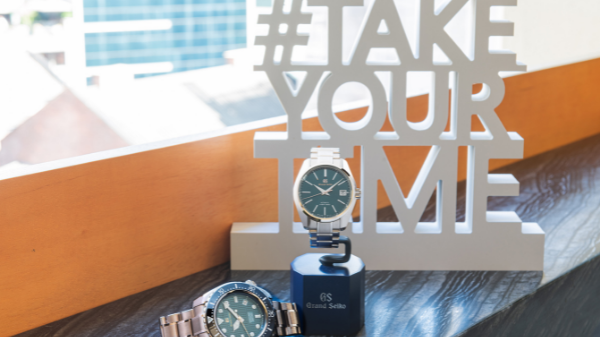
Oriental Watch Company X Madame Fù Presents: Take Your Time – Savour the Moment
Hong Kong’s very own home-grown watch retailer, Oriental Watch Company, celebrates its 60th anniversary as a prominent and highly respected influence in the watchmaking industry for the last six decades.
As any timekeeper would dictate, 60 is a number that symbolises both the end, as well as beginning of time. With that, the company pays homage to its Diamond Jubilees, a memorable milestone for the brand.
“We are delighted to explore and rethink the meaning of time with our partners, our friends and the public while celebrating our Diamond Jubilee”, says Managing Director of Oriental Watch Company Dennis Yeung.
Priding itself as a company that excels in every aspect of expertise, services and business, the brand honours its roots to the city through the thematic collaboration with chic contemporary Cantonese dining space Madame Fù and award-winning local artist Sim Chan; set right in the heart of the heritage complex of Tai Kwun, Central.
From 22 November to 10 December, diners will be treated to a multi-sensory gourmet experience that combines a delectable feast, an opulent venue and an artistic installation, The Discovery of Time ~ 1961.
This collaboration serves as the perfect partnership to reflect the brand’s philosophy of merging tradition with the new to deliver the best of the West and the East together. Presenting a 6-course menu, meticulously designed by Kit Liao, Head Chef of Madame Fù: (1) Golden Years; (2) Diamond Jubilee; (3) Precious Memories; (4) Green Celebration; (5) Blessed Longevity; and (6) Sweet Moments, each dish embodies the essence of the theme, Take Your Time – Savour the Moment, while showcasing the painstaking unity of art and time.
Showcased in the background, artist Sim Chan presents creatively illustrates his reflection of the essence of time by painting the grids of 365 squares that represent each day of the 12-months, Chan has painted a swatch of colour on each grid, one day at a time, over the span of 30 days, producing a 12 canvases of unique gradients as the metaphor for the passing of time.
Each guest will receive the Art Canvas Tote Bag presented with a printed pattern of squares, representing the month of November 2021, as a commemorative gift for their own keepsake.
Reserve a table at Madame Fù,3rd Floor,Tai Kwun, No. 10 Hollywood Road, Central; (852) 2114 2118 / reservations@madamefu.com.hk
Your guide to hairy crab season in Hong Kong
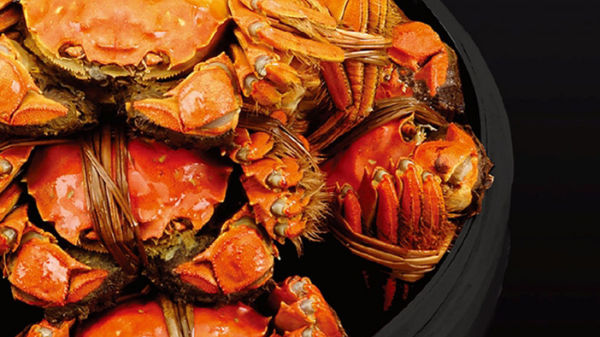
Autumn does not mean pumpkin-spiced lattes for Hong Kongers (unlike the West) but calls for digging into copious portions of the steamed and meticulously prepared Chinese mitten crabs, Shanghai crabs or simply the hairy crabs. A delicacy in the Shanghainese cuisine, September to December is the peak time for this seasonal delicacy… Whether you’re a seasoned eater or new to the craze, we get all the lowdown on the these famed furry little fellows:
Easily recognisable by its fuzzy claws, most shops offer the roes between 4 and 7 taels. Priced between HK$400 to HK$900 per piece, a crab between 5.2 and 6.8 taels (about 200g to 260g) is enough for an indulgent portion.
Yangcheng, Jingsu, Thaihu or Hokkaido crabs? The most famed and sought-after breed originates from the Yangtze River around Shanghai, usually in Yangcheng Lake and Jiangsu province. However, with the rising local demand for premium golden roes within China, supplies for neighbouring Hong Kong have dropped and prices have shot up.
To add to the troubles of dining aficionados, the issue of counterfeit hairy crabs from Yangcheng province is also big challenge, leading many to look to other countries such as Japan, for alternatives.
Image from Nam Sam Yung Market
Japanese Hokkaido hairy crabs from the fresh waters of Ishikari River are safe and quality choice in place of Yangtze crabs. Unlike the richness of its Chinese counterpart, Hokkaido hairy crabs are lighter and more fragrant. Taihu Lake crabs from China, too, serves as a great alternative to the Yangcheng Lake breed, similar in quality and mouth-watering fragrant roes.
But if you do wish to go for the famed Yangcheng Shanghainese crab, be sure to look out for the anti-counterfeiting barcode attached to the crabs to verify its authentication. Hairy crab sellers are given something called the Shell Fish (Hairy Crab) Permit from the Food and Environmental Hygiene Department, do look out for the stamp before you crack open a feast.
Image from Nam Sam Yung Market
Where to get hairy crabs
Old San Yang 4 Pak Sha Road, Causeway Bay For all things Shanghainese, this four-decade strong grocer has made a name for itself as one of the city’s go-to places for authentic Yangcheng and Taihu hairy crabs. Starting from 4 taels (HK$300 Up) and bigger, it is very popular among locals, especially during hairy crab season.
New Sam Yung Market Hau Wong Road, Kowloon City In Kowloon, Hau Wong Road is a popular for crab aficionados. Come autumn, the street is crowded with locals scurrying to grab the freshest batch available – offering Hokkaido as well as Jiangshu Shanghainese crabs – for at least HK$400 per 4.4 taels (166g).
Benson Crab & Wine 2 Min Fat Street, Happy Valley / info@benson.com.hk An established wholesaler of hairy crabs since more than two decades, customers can enjoy wholesale price upon purchasing half or full baskets. It comes inclusive of 3 or 6 bottles of vinegar, ginger, sugar and perilla leaf to cook your own stress-free feast at home. Offering 58 pieces per bucket of 5 teals at $6,000 and 24 pcs of 6 teals at $3,900. Online orders are also available here.
Revamped Bombay Dreams opens at a new location with a new menu!
In Hong Kong’s ever-changing dining scene, where restaurants so readily fall foul of high rents, shifting fads and fickle appetites, Bombay Dreams is truly a rarity. Unpretentious and understated, its delicious, authentic Indian fare has nevertheless held epicureans in sway for almost two decades. Now, this stalwart of the SAR’s competitive F&B industry has embarked on the next chapter of its journey, moving just a short distance to a new location in Central’s Winning Centre.
Sandip Gupta, Founder of Bombay Dreams
The restaurant, which was originally founded in 2003 by Sandip Gupta, is now managed by S&S Hospitality, a new firm spearheaded by Gupta and his partner that operates 11 other restaurants in the city. In spite of his expansive portfolio, however, Bombay Dreams holds a special place in his heart as the first outlet he ever opened.
Speaking of its evolution over the years, he explains: “When we first launched Bombay Dreams, it was right after SARS, so it was challenging to say the least. Then, we weathered the global financial crisis of 2007, followed by the coronavirus pandemic over the past two years. Through it all, we strove to deliver Indian food of the highest calibre, and were fortunate to be rewarded with a loyal following of diners.”
Reflecting on its long-lived success, Gupta muses: “Honestly, I don’t think it would have been possible without the passion of myself and the entire team. Many of our staff here now were with us from our earliest days, and I believe that the loyalty and trust we’ve built over the years have allowed us to persevere through every challenge. I don’t think there’s any hidden secret or short cut to our success. At the end of the day, it’s all about hard work, patience and determination.”
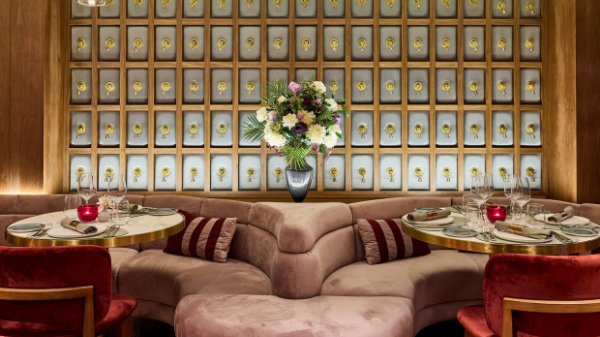
Boasting a larger square-footage than its previous locale, the new interiors are awash with red and gold accents, while an abundance of natural light imparts a welcome airiness. The alcoholic offerings, too, have been upgraded to feature an expansive wine list and India-inspired cocktails, as well as an impressive whisky wall. That’s not to say, however, that equal emphasis hasn’t been placed on the food menu, as our own tasting revealed.
To kick things off, we sampled an appetiser of Palak Patta Chaat. This contemporary take on the beloved Indian street food sees a deep-fried spinach leaf replace the traditional crackers as the base layer. Featuring boiled potatoes and green beans topped with yoghurt and tamarind sauce, it was refreshing and addictive in equal measure.
Then came Shahi Galouti Kebab, a dish that was originally commissioned by an ancient, ageing Lucknow ruler who wished to enjoy his favourite meat in a style that required less chewing. Wonderfully spiced without being overwhelming, the lamb kebabs in this rendition were all melt-in-your-mouth goodness.
Next up were two mains that had been painstakingly cooked in Bombay Dreams’ ginormous tandoor ovens: Adrakh Ke Panje and Tandoori Pomfret. The former is fronted by marinated lamb chops that were sous vide for five hours before finishing in the tandoor. Its fall-off-the-bone texture was delightfully tender, with an added dash of lemon juice bringing a welcome acidity.
The fish dish, meanwhile, was similarly succulent. Sampling bites with each of the various condiments – mint chutney, lemon, and fresh and pickled onions – gave every mouthful a different flavour. Keep in mind, though, that this fish is bone-in, so diners, ageing or not, would be wise to proceed carefully.
With scarcely any room left, we dove into the concluding course, a dessert of Gajar Ka Halwa. An amalgam of shredded carrots, sugar and milk slow cooked to a mushy consistency, this is a dish – much like many Indian desserts – that will satiate even the sweetest of tooths.
The steaks are high: Best free-range, hormone-free beef in Hong Kong
Move aside, Wagyu! As discerning carnivores diverge from the former favourite, fatty Japanese wagyu beef in favour healthier options.
Grass-fed, free-range and antibiotic-free beef has a clear demand against its fattier, mass-produced wagyu and angus counterparts. And there is a rising category of environmentally minded carnivores who moon(n) over the healthier and leaner options, if given a choice. Here is a guide of where to buy grass-fed beef in Hong Kong:
Spainish Galician Blond (Rubia Gallega)
Northwestern Spain is home to one of the best quality cattle in the nation, and perhaps the world. Galician Blond, otherwise known as Rubia Gallega, is a breed nicked named “Fat Old Cows” for reasons that may be more appealing than it sounds. Raised on free-range pasture and are left to graze the abundant green lands for 15 years longer than the usual one to five years, the meat is much leaner than the more popular wagyu beef. Rather than boasting rich marbling like the more popular Wagyu, its fame, instead, derives from its mouth-watering flavour after it has been dry-aged and slow-cooked over a flattop, which is typically how it is done in Spain. The meat is 100% grass-fed and hormone-free, comes out surprisingly tender with a subtle smoky flavour that makes this a standout option.
French Côte de Boeuf
Ever wondered how much the most expensive beef costs? Kobe might be one of the most sought after meats in the market, it’s the French Côte de Boeuf that holds the honoury title of raising the most expensive beef in the world, specifically the Blonde d‘Aquitaine. Priced at US$3,200, the vintage — yes, vintage — dry aged rib steak is a richly flavoured and delicate piece of dry aged meat from a breed of cattle that are raised exclusively by the Polmard Francois Butchery’s family farm in Saint Mihiel in Northwestern France.
Cows are on a grass-only diet in large farms and no more than four are slaughtered every week. Now that’s what we call ultra-exclusive and rare. Globally, under strict guidelines only a handful of chefs are allowed to prepare this special steak, and just a few with unparalleled prowess have been granted the privilege of cooking this particular Côte de Boeuf – Hong Kong’s Chef Fabrice Vulin from Caprice is one of them.
New Zealand Friesian crossbreds Early Polynesian settlers coined this island country Aotearoa, ‘Land of the Long White Cloud’. With idyllic glaciers, magnificent rugged mountains, and vast plains of rolling hillsides, there might be no better home for some of the healthiest beef cattle in the world. Although New Zealand Friesian breeds were initially used for dairy production, 43% of the region’s cattle are now comprised of crossbreeds for meat production.
Raising in ranks, as it contends against its neighboring Australian Wagyu beef, it enjoys the reputation for being a healthier free-range and grass-fed option for health conscious diners. Its cattle enjoy an abundance of large-scale, green pasture to feed on all year round, leading a 100% grass-fed, GMO/hormone/antibiotic-free diet.
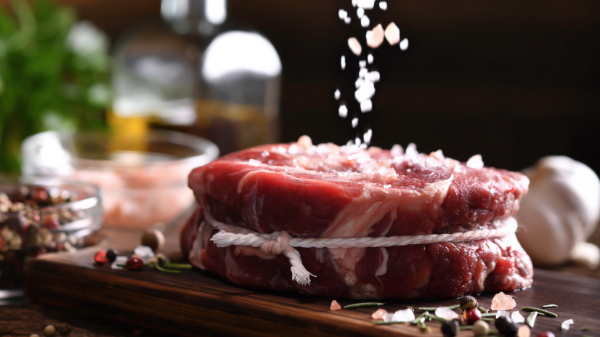
Argentinean Las Pampas If you’re a sucker for porterhouse and ribeye steaks, there is a beef type that is worth the hype. Argentinean steaks are one of the leading beef options in the market, gracing the plates of some of the best steakhouses in the city. Though the country boasts different breeds of cows, cattle raised in Las Pampas where the cows indulge grazing over 750,000 sq.km of mostly flat grassland all day are widely known for being incomparably tender and richly flavoured, even without having to be seasoned with anything other than salt.
Putting quality and flavour ahead of production, the cows are not rushed to fatten with altered diet and hormones like their American or Canadian counterparts. This gives the meat more time to develop a rich flavour and healthier body of fat that does not pose a high risk of cholesterol and heart issues, of course if eaten in moderation.
Italian Piedmontese Originating in Northwestern Italy over a century ago, Piedmontese is being billed as the Italian Wagyu, but with a more consistent and leaner edibility. It is an ancient breed with ancestral roots that can be traced back 25,000 years to Zebu (or Brahman) cattle from tropical South Asian countries such as India and Pakistan, before the herd migrated to Europe, making its stop just before the Alpine boarders at the valleys of the Piedmont region. Fresh green heaven as it might have seemed to these oxen, it eventually mingled with the native Auroch breed, evolving over time into the unique white Piedmontese that it is known for today.
Built with a solid frame thanks to a genetic code that allows them to effortlessly increase muscle growth by 14% more than the average cattle, lean and tender, this meat is truly one for savouring. Miniscule in fat content, this juicy, pristine quality meat might just make it the next big red meat to take over the global market.
Piece Meal: A delicious multi-course omakase at Sushi Yonjugo
Walking along the bustling sidewalks of Soho’s Staunton Street, you’d be forgiven for overlooking the minimalist wood facade of Sushi Yonjugo, the newest Japanese eatery courtesy of Infinity Entertainment Group. But don’t let its subtle entrance fool you, because inside you’ll find one of the finest omakase restaurants to be had in the SAR. And, as any discerning diner is aware, this is quite a claim indeed.
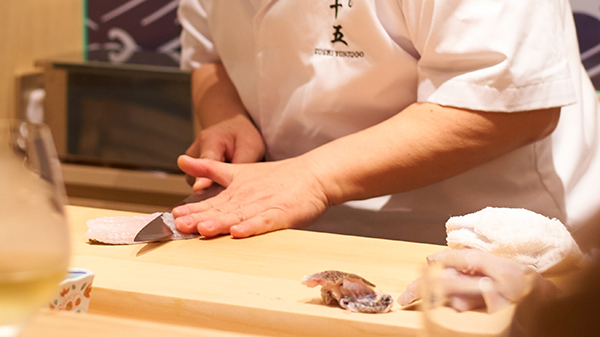
Helming the small, brightly appointed 9-seater is Chef Milton Lau, a 35-year veteran of the art of Edomae-style sushi who has honed his craft with stints in Japan, Italy, the US and Australia. Under his guidance, the ever-changing tasting menu offers even experienced epicureans new culinary treats with every visit. For the uninitiated, omakase (roughly translating to ‘leave it up to you’) is a Japanese meal where each and every dish is selected by the chef without any set menu.
To ensure the consistency of his high-calibre offerings, Chef Lau is up well before the sun. “I speak to Japan’s best producers at 4am every morning and make sure that the high-quality ingredients are transported to our restaurant by 10am,” he explains. What results is an expansive experience that spans some 18 to 19 separate courses, available for both lunch (HK$1,580 per person) and dinner (HK$2,280 per head).
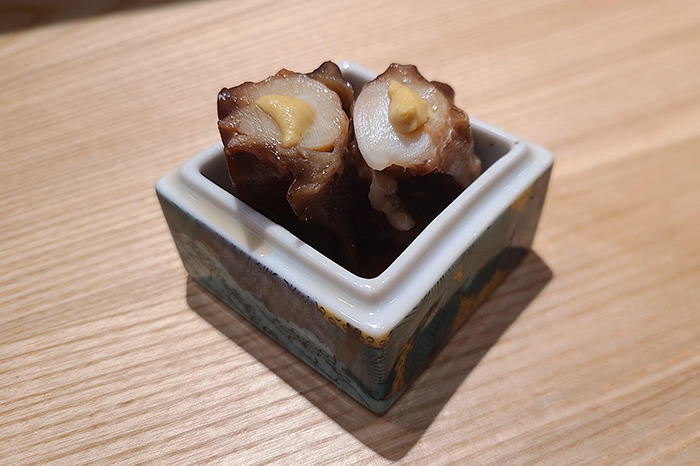
Charismatic and attentive, the personable chef started off our own tasting with the impressively plated Hanasaki Crab. A deliciously refreshing appetiser that’s just perfect to beat the summer heat, it featured chilled shredded meat topped with whole slivers of crab laced enticingly with a rich roe sauce that imparted a lovely rich texture – a guaranteed hit with any fan of this luxurious shellfish.
Next to arrive was the Tuna Jaw, an unusual section of what is perhaps the most popular sushi fish in the world. Rather than being served raw, the jaw, in this instance, was thoroughly cooked, doing away with the strong oceanic notes and replacing them with a gelatinous, almost meaty consistency that was as surprising as it was welcome. Accompanying the plate was a selection of condiments – lemon, spicy shredded radish, lemon and soy sauce – all heightening the tuna’s inherent flavour with aplomb.
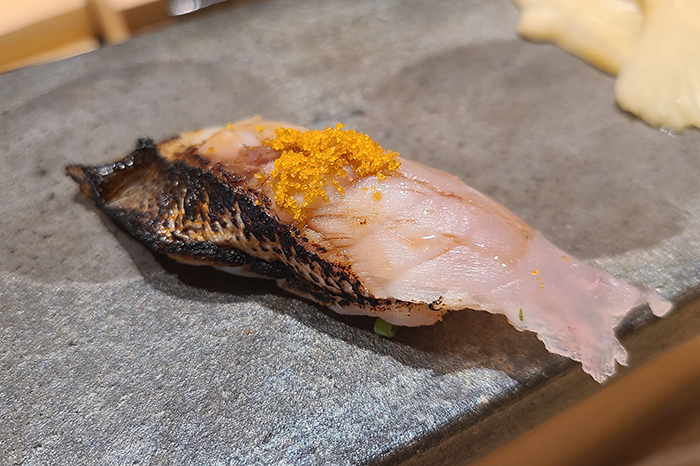
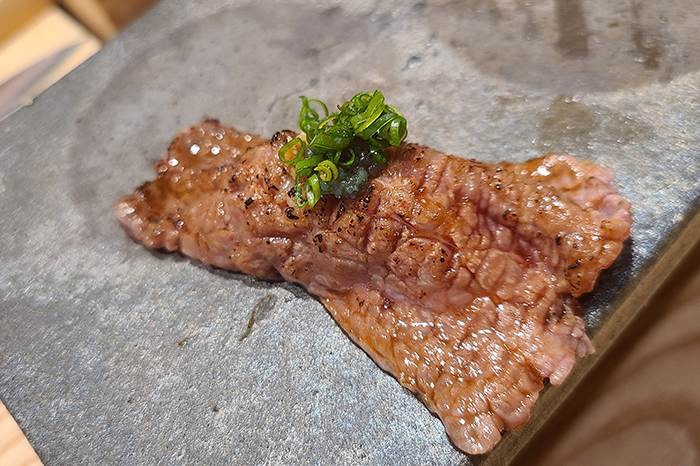
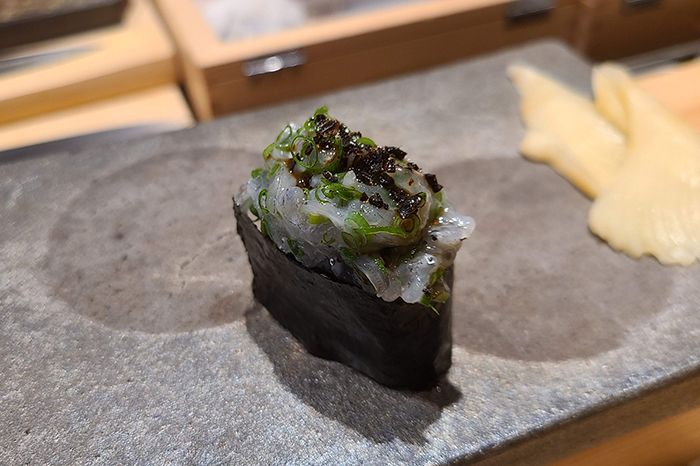
Following this, we were served a series of freshly prepared sushi. Once again, Chef Lau revealed the depth of his seafood knowledge, eschewing commonly found fish in favour of more exotic fare. First, there was the Baby Sardine Sushi, a buttery and creamy concoction that emanates just a hint of smoky bitterness. Then, we sampled the Baraccuda Sushi, whose freshly grilled flesh was given a dash of richness thanks to a sprinkle of dried egg roe. Rounding out the trio was the Omi Wagyu Sushi, all melt-in-your-mouth umami goodness.
Last but certainly not least, the final standout of our tasting was undoubtedly the Italy-inspired Tuna Carpaccio. Light and refreshing, it possesses a tangy creaminess that is somewhat tempered with the judicious addition of seaweed rolls. A self-confessed homage to his years in Italy, this unique fusion of East-meets-West is proof positive that experimentation – when done well – can yield results far greater than the sum of its parts.
Ruling the Roast: Charting the rise of coffee culture around the world
Carrie Bradshaw measured her life in Manolos. I measure mine in coffee experiences – in cups and pictures scattered across my Instagram – an invigorating reminder of my obsessive coffee disorder. Much like Mozart, “I am just a dried-up piece of roast goat” without my morning cup of joe.
Millions of others in our caffeinated universe feel the same. The whiff of freshly roasted and ground coffee is an Aladdin’s cave to the senses – sharp, rich, nutty yet slightly abrasive. It is so much more than an average morning beverage. A near-essential adjunct to life, coffee keeps sanity in check, awakens the workforce, livens friendships and brings communities together, whilst being a multi-billion dollar industry supporting the livelihoods of over 125 million farmers globally. The British Coffee Association estimates that the planet consumes more than two billion cups of coffee each day. How did coffee conquer the world and what’s behind this collective unquenchable thirst? From crop to cup, we bring you the coffee story.
The Origins
Google “origins of coffee” and more than 1,850 million results are splashed on your screen. Much like the beverage itself, which stirs provocative thought, its origin story is steeped in historical debate. Coffee was either discovered in the 15th, 13th or fifth century – depending on which source you trust. A popular tale attributes its discovery to an Ethiopian goatherd named Kaldi, who noticed that his goats would prance in delight after eating the berries and leaves of a certain bush. Curious, Kaldi himself munched a mouthful and exhibited the same extravagant behaviour. Locals who tried these berries felt more alert during overnight religious ceremonies. The beloved bean became a staple at elaborate rituals. And one fine day, the tribe soaked the beans in cold water and found them far more appetising in liquid form. Historians peg this account to about 850 AD.
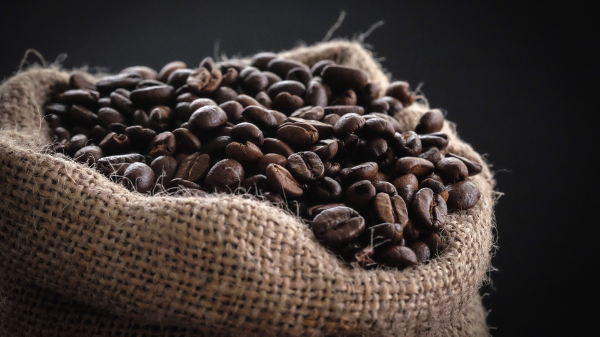
Bean to Barista Even with the advent of modern technology, coffee is a notoriously tricky plant to grow. From seed to supermarket shelf, it undertakes a meticulous journey that begins in shaded plantations of tropical countries such as Brazil, Peru, Bolivia, Columbia and Vietnam – the biggest producers of coffee on Earth. The beans are first sprouted and then planted in monsoon season for the best harvest. After years of hard work bolstered by perfect wet and cool conditions, they blossom into plants called Coffea that bear red, cherry-like fruit. Coffee beans are the seeds of this fruit. Just as the quality and taste of wine depends on the terroir of the grapes, each coffee blend has a distinct flavour determined by the conditions in which the beans grow. Once the fruit is ripe, famers selectively handpick the freshest, healthiest specimens to be washed, dried, sorted and graded for the harvest process. Overall, it takes more than two and a half years and 15 laborious steps before the actual coffee trade can begin. The road to sobriety is a 12-step procedure – consider that when you sip your third latte of the day. Before your local barista can brew the daily grind, beans must be pulped, fermented, milled, hulled and finally cooked at optimum temperatures. When cracks begin to appear, the colour changes, acidity and aromas are sharp enough to ignite the senses, and the texture feels right, the beans are ground, vacuum packed and delivered for sale. The caffeine buzz that fuels you is part science, part art.
A Rogue Called Robusta Although there are more than 100 types of coffee trees known to mankind, only a handful of the beans are suitable for drinking. The two which play a significant role in the global coffee trade are arabica and robusta, and whilst the former is genetically superior, botanically they are siblings of the same Coffea plant. If you close your eyes and just smell the beans, it’s the difference between sweet and sour cherries. The cheap, bitter, low-grade workhorse bean of the coffee family is robusta. High in caffeine content (2.7 percent versus arabica’s 1.5 percent) and short on sophistication, these beans can produce a heavy body and fuller crema. They pack a blunt, jolting, one-dimensional bitter taste. It’s like expecting champagne and getting vinegar. This is the kind of coffee that puts hair on your chest, which is precisely why it needs to be paired with milk and sugar to render it palatable. The quality ranges, with the lower end of the crop making decaf and instant while higher-grown, washed robusta is used in espresso blends and often as a filler in arabica to keep the costs in check. Vietnam is the world’s leading producer of robusta.
The Grace of Arabica Arabica is the good stuff. The real deal, the promise of subtlety, quality and luxury. The plants that produce these beans are weather sensitive: they demand meticulous care and perfect soil conditions; harsh sunlight will kill the crop; abundant rainfall is a must; and temperatures should be pleasant and cool. The ‘100% arabica’ label on your coffee pack attracts social snobbery, but it does not define taste. Arabica is superior to robusta, no doubt, but the bean is delicate; taste can be delineated from plot to plot on the same farm, depending on weather, ageing, roasting and the packing process.There are more than 70 subvarieties of arabica, each with a nuanced taste, complexity, aroma and acidity. If you get your hands on the pure stuff, there’s nothing more exotic than a freshly brewed cup for lifting flagging spirits.
Future-Proofing Coffee Coffee is a social currency that binds people together. It’s not just a drink; coffee shops sell experiences. They have a deep allure in history and literature – from Elliot to Kafka and Fitzgerald, many respected works have been written in these meeting places. In popular culture, cafés have been pivotal in countless television shows – Friends and Gilmore Girls to name a few – not only fuelling a boom in coffee culture, but also adding a beguiling sense of sophistication to coffee drinkers.
This year marks the 301st anniversary of the longest-running café in the world. Caffé Florian in Venice is a place of history. Casanova, Monet and Andy Warhol, amongst others, were regulars here. They sipped coffee over many enchanting conversation and revelled in its sensory delight. But climate change and extreme weather conditions are increasingly threatening the supply of quality coffee.
The genetics of the crop dictate that arabica bushes grow best on cool mountainsides where temperatures fluctuate within a very limited range of 18 to 22°C. Global warming and rising temperatures will have a devastating effect on production. Temperatures in Brazil alone are predicted to rise 3°C by 2050, ushering in bouts of drought, ferocious pests, and diseased crops. If we don’t reverse the impact of climate change, the Intergovernmental Panel on Climate Change predicts that two-thirds of coffee farms in Minas Gerais and São Paulo might be wiped out by the end of the century.
The future of coffee farming looks bleak. The only glimmer of hope is that scientists are studying newer, resistant species, which can thrive in a warming world. It’s a race and we need to act fast. For now, as you flip the magazine pages and sip a fine brew, raise a toast to Kaldi and his curious goats.