
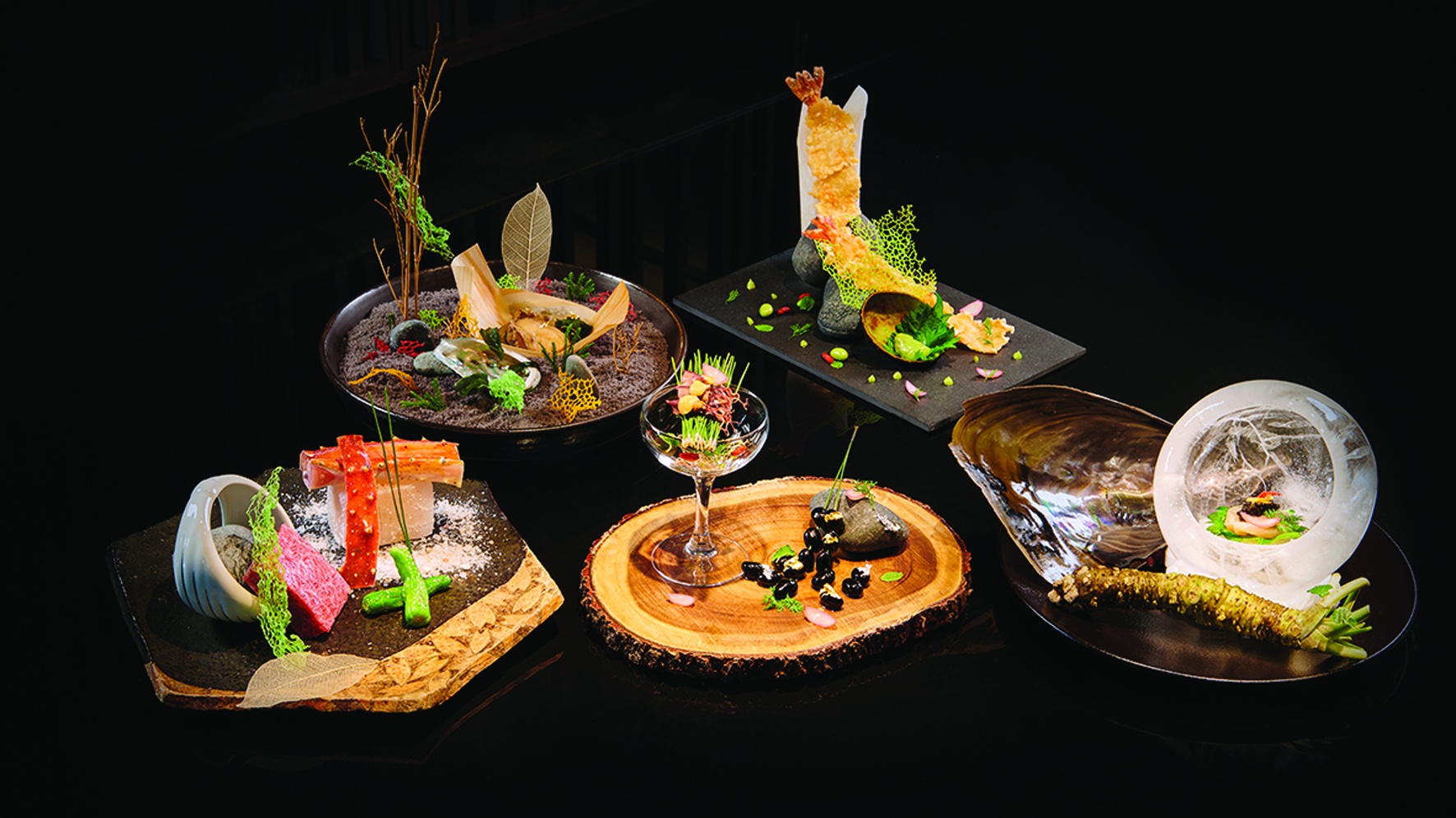
Omakase Code: Understanding is the key to enjoying Hong Kong’s hottest Japanese food fad

omakase code

Roughly translating as “I’ll leave it up to you”, Omakase is a distinctly Japanese style of food preparation, one where a skilled chef is entrusted to create a bespoke culinary experience for would-be diners. The only restriction is that it has to be attuned to their particular preferences and use solely the finest available ingredients.

It’s a style of dining that has become increasingly popular over recent years. This has seen it both move beyond Japan and find favour in restaurants serving a somewhat different fare to the sushi solely on offer in first-generation Omakase establishments.

omakase code

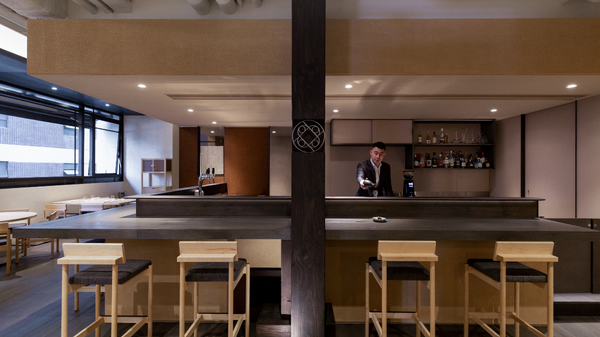
Despite this broadening of the initial concept, the appeal of Omakase is still most clearly apparent in those sushi and sashimi restaurants where a bond of trust characterises the key customer-chef relationship. Put simply, the customer must have faith in the chef’s ability to create a unique and delicious meal, while the chef, in turn, must believe the diners in question are sufficiently discerning to appreciate his culinary artistry. This is why, for the optimum Omakase experience there should be no more than six-to-eight diners, all of them close enough to the chef to freely interact as he goes about his work.

Given that sashimi and sushi are the two most popular Japanese dishes, any chef skilled enough to prepare them Omakase style will seldom find himself surplus to requirements. Such individuals, after all, will have to have a keen mastery of an array of knife skills, as well as a deep understanding of how to truly present premium ingredients at their very best.

omakase code

The comparative rarity of such culinary craftsmen, however, appears to have been no obstacle to Omakase’s conquest of Hong Kong, with the city now home to a growing number of such establishments. Typically specialising in the cuisine of one particular part of Japan, whether Tokyo, Kyoto or Osaka, the chefs at all these restaurants are undoubtedly highly skilled and widely experienced when it comes to faithfully recreating their home country’s most-desired dishes.

omakase code

Given the number of such establishments now competing for your custom, it’s well worth taking a little time to choose the one most likely to meet your needs. As a first step, try and assess the reputation of every prospective restaurant by reading the related reviews. It is also important to determine the likely per-diner cost of each establishment, particularly as dining in Omakase style in Hong Kong can prove prohibitively expensive.

Another factor to consider when choosing just where to dine is the specific type of cuisine on offer. While many restaurants focus solely on traditional Japanese cuisine, others have more of modern fusion menus or may have chosen to cater more to local tastes.

omakase code

Finally, it is important to consider the ambience of each particular restaurant. Many Omakase restaurants are intimate and offer a distinctly personal dining experience, something that may not appeal to everyone.

Once you have chosen, booked and arrived at your favoured Omakase restaurant, it is then important to clearly communicate your preferences to the chef. Let him know what type of food you enjoy, as well as any dietary restrictions he should be aware of. Without this level of transparency on your part, it is unlikely your needs and expectations will be entirely met.

omakase code

Bearing all of these factors in mind, you are more than equipped to fully immerse yourself in the finest Omakase experience Hong Kong has on offer. All you have to do now is choose just which one…

Read the full version of the article in the March 2023 issue (pg: 116) to discover the best Omakase establishments in Hong Kong. Available on the Gafencu app on Android and Apple.   
L P Eminence – The Taste of French Riviera in Hong Kong

Priding itself on bringing more than a hint of the French Riviera to Hong Kong, LPM offers a famously warm welcome to any and all would-be diners who make their way to its upscale – yet distinctly friendly – Central locale. Clearly keen to emphasise the absolute freshness of all the produce deemed worthy of inclusion in any of its irrefutably fine fare, many of the ingredients-to-be are among the first things you’ll spot once you step inside – all lovingly showcased in a series of see through containers atop the marbled prep counter.

Beyond that, a light colour palette prevails throughout the interior, one that extends to the crockery, table linen and soft furnishings. All of this is deliciously – yet unobtrusively – soundtracked by a fine selection of jazz with a distinctly Mediterranean feel. All in all, it’s hard to summon a more authentic locale, whether for lunch, brunch or a leisurely dinner.

At the heart of all this Gallic gourmandry is Adriano Catttaneo, the establishment’s recently appointed Global Executive Chef. Clearly keen to make his mark, he views his reimagined brunch selection as a potential game-changer within the ever-competitive Hong Kong restaurant community. Thankfully, it is an assertion more than borne out by the quality of his able fusion of the best French-Mediterranean cuisine and several reinvented Italian flagship dishes.

Summing up what he sees as the eatery’s USP, he says: “What really makes us stand out is our unique approach to the concept of sharing. Beyond that, we’re all about lightness, something that is as evident in our dishes as in our overall ambience.”

As a testament to this, several delectably light dishes comprise the opening salvo of our sampling experience. Of particular note here is the Vegetable Terrine – an elegant composition of layered eggplant, zucchini, basil pesto, tomato fondue and mozzarella, all exquisitely wrapped in a fetching array of red Romano peppers.

It would, however, be remiss not to also give a shout-out to the Artichoke Salad, which alluringly marries a sliced globe artichoke heart with dried cherry tomatoes. The artful addition of basil leaves and basil oil takes things up a notch or two, while the final transcendent touch comes courtesy of a truly flawless truffle vinaigrette. How to follow such succulent sensations? Well, the Turbot with Fish Soup and Artichoke is certainly up to the challenge. Comprising a whole grilled turbot served in an intensely flavoured saffron fish soup, the dish comes lovingly garnished with fondue, charred baby artichoke, basil leaves and saffron mayo. An equally superb fish course is the Grilled Red Mullet, Sauce Vierge with Coriander, a dish replete with premium ingredients, most notably the mullet fillets, simply served on a bed of minty guacamole and coriander puree.

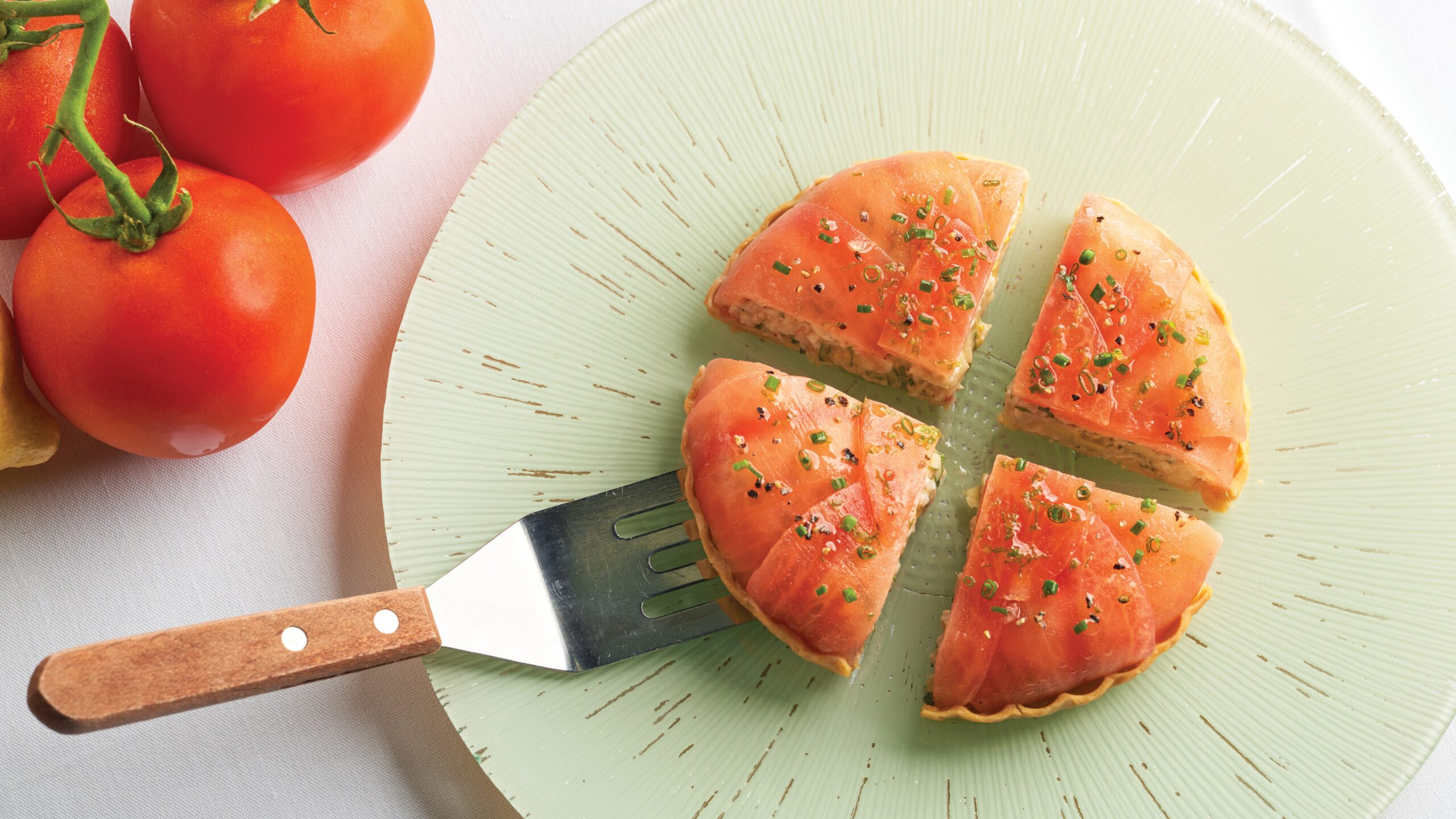
Next to the table is the King Crab and Tomato Tart, a sublime combination of king crab, creamy avocado, crunchy green apple, buttery gem lettuce, and herbaceous basil with a topping of tomato and chives. This is followed by one of Cattaneo’s signature seafood offerings – Langoustine Risotto with Mushrooms. While the sea-sweet, deliciously delicate lobster deservedly takes top billing here, its appeal is effortlessly enhanced by the subtle flavouring of the accompanying mushroom duxelles.

The main course then reaches an appropriately hearty climax with the arrival of an eminently carnivore-friendly Osso Bucco. Here the melt-in-the-mouth braised veal shin has been cooked to perfection and comes with an A-team supporting cast of premium fresh seasonal vegetables and a carrot and spring onion garnish,

After such a splendid repast, there is really only one thing left to do – dive into the dessert. Once again, LPM doesn’t disappoint, with its mouthwatering Mont Blanc featuring a melee of blackcurrant compote meringue, chestnut cream and, emphasising its hint of truly luxurious indulgence, a sprinkle of gold leaf.

From start to finish, entree to exit, the under-new management LPM is a pure joy to experience.

LPM Restaurant & Bar, H Queens 23-29 Stanley Street, Hong Kong

+852 3568 6834

(Text: Joseff Musa; Photos: LPM)

Pasta Master – A Lux’s Chef Chung

Chef Wai Chung Kwan has just one clear objective in mind for A Lux, his upscale Italian / French restaurant, which nestles behind distinctive steel and glass doors just by the grand English-pillared staircase on Duddell Street in the heart of Central.

In essence, regardless of whether they are enjoying a quick lunch or a more leisurely dinner, he wants to transform the way his ever-growing number of famously loyal patrons engage with Italian and French cuisine. Expanding on this, he says: “My mission is to bring a truly authentic pasta experience to Hong Kong”.

A man of his word, the menu he offers within the 60-seat restaurant majors on pasta dishes, all served on distinctive wide and shallow ceramic platters. Adding to the ambiance is a series of thoughtfully chosen oil on canvas artworks, all help to bring a modish Mediterranean feel to the restaurant’s distinctly downtown Hong Kong setting.

And then there is its interior. All swathed in green and blush pink velvet, gilded gold-plated metals and light and seamless wood parquet. While the windows are bare, they are fetchingly accented with lamp posts and an etched water fountain. The lighting overall meanwhile, remains artfully subdued, bestowing glamour and a sense of having suddenly been relocated to somewhere rather special. Sharing the intent behind this, Chef Chung says: “When anyone enters, I want them to feel they have left Hong Kong far behind them”.

In terms of the food itself, to woo his patrons into trying something new, Chung has personally crafted a tasting menu of “secret” handmade pasta. Available as a tempting alternative to the restaurant’s more conventional set lunch and dinner menus, this mystery pasta changes from day to day.

Gnocchi, asparagus, Parma ham and a cheese salad

This begins with Gnocchi, asparagus, Parma ham and a cheese salad. The Gnocchi proves the perfect foil for its vegetable, meat and dairy companions, with the salty notes and slight oily aroma of the ham bestowing a pleasantly lingering aftertaste. This was then followed with Tortellini and ham broth. Here, just the smallest bite into the Tortellini is enough to release its rich filling, which delivers an eminently satisfying cavalcade of competing flavours.

Tortellini and ham broth

With his keen mastery of how to perfectly blend ingredients, textures and tastes, even the chef’s pasta – a foodstuff often merely deployed to provide bulk – is truly remarkable, perfectly chewy and never relegated to a supporting role in any dish. Indeed, once you’ve been spoilt by Chef Chung’s handmade pasta, you may never again settle for shop-bought.

Chitarra, carabineros prawn, tomato and basil

It was then on to the mains, with much anticipated Chitarra, carabineros prawn, tomato and basil opening the proceedings. A distinctly square-surfaced take on pasta, Chitarra also
boasts a complex flavour and an enchanting synergy with the accompanying sauce. Chef Chung confesses the chittara owes much of its chewiness to his discrete addition of just the right amount of durum wheat flour.

Pappardelle, mushroom ragout and truffle cream

Next to the table is Pappardelle, mushroom ragout and truffle cream. The freshly made pappardelle boasts a rich egg flavour. This is soon followed by another standout-Fettuccine, wagyu beef cheek and shaved truffle.

Fettuccine, wagyu beef cheek and shaved truffle

Reassuringly flat and thick, the fettuccini has a passing resemblance to the tagliatelle favoured in northern Italy. Chef Chung is insistent that only the finest Australian A5 Wagyu beef cheek can truly embody his individual take on this alluring culinary creation. Its inclusion, together with the rich gravy and the premium handmade fettuccine, make for a heady combination, one that forms a rare treat for the palate. And that’s before you even begin to engage with the fresh black diamond truffle slices that both garnish and crown this singular yet multi-sensory indulgence.

If you hanker for fine Italian and French cuisine, seamlessly segueing between the experimental and the traditional, then A Lux has to make your must eat list, factoring in the attentive craftsmanship of Chef Chung, the superb service and the immensely relaxing and welcoming vibe.


A Lux, Level M2, 13 Baskerville House, Duddell Street, Central.

+852 2663 9938


(Text: Joseff Musa Photos: A – Lux)

Steaks don’t come any finer than Buenos Aires Polo Club

You are never too far away from a decent steak restaurant in Hong Kong. There is, however, only one such establishment that offers a guaranteed respite from the city life, complete with modishly dimmed vintage chandeliers and a superabundance of gold-framed equestrian artworks – The Buenos Aires Polo Club. Where else?

Main Dining Room

With it s exclusive polo club ambiance enhanced by its strategic scarcity of external windows, the restaurant’s singular passion for grilling is aromatically announced as soon as you cross its threshold, with its sizzling dishes ubiquitously prepared in the kitchen facilities cannily set right by the entranceway. Asked just why its cuisine is quite so appealing, Head Chef Patrick Shimada says “What makes our steaks and dishes unique is our commitment to preparing the old school way – over open fire.”

Head Chef Patrick Shimada

 As an apt testament to this, within the restaurant’s all-curved wood and genuine leather swathed interior, an extensive Argentinian-inspired menu is served over no-fuss white and silver ceramics, skillets and wooden board, with Scallop Ceviche, Chimichurris and Spinach and Provolone Empanadas comprising the opening salvo. Seated in the green room, with new-age jazz tinkling in the background, elegant threepiece- suited serving hosts pair every plate with a glass of club martini.

Spinach and Provolone Empanadas

With culinary and cultural concerns both taking centre stage, Chef Shimada prides himself on crafting a truly contemporary oasis, one where tradition and gastronomic greatness seamlessly blend to create the eatery’s General Pico Black Angus, deliciously grilled traditional Asado (barbecue) style. Tender and lean with a pleasing minerally aftertaste, this is a carnivore heaven.

From left: Truffle Fries Provenzal, General Pico Black Angus, Creamed Spinach, Grilled Bone Marrow

Meanwhile, the following Tenderloin El Camino is simply in a league of its own. Wrapped in cheesecloth and infused with herbs and rock salt before being subjected to roasting coals, it is carved immediately in front of the dining table.

Tbone

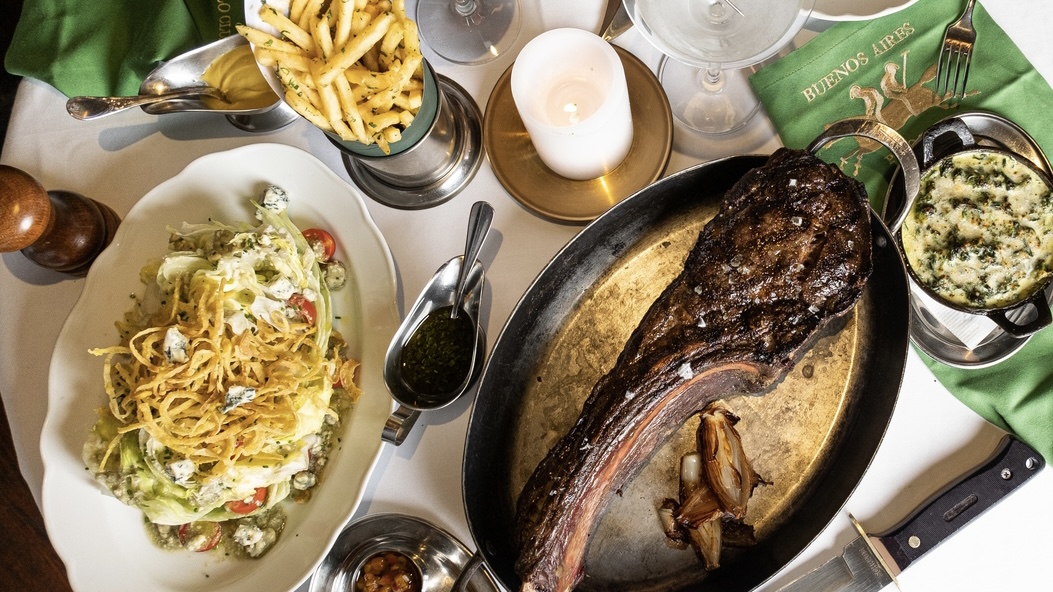
Sometimes just one word won’t suffice to sum up something particularly sumptuous and that’s a maxim that certainly applies to the restaurant’s wide range of Chef Selected Cuts, with such classic main stays as Polo Club Tomahawk, Gold Tenderloin and Bone-in Ribeye El Dorado, all available and all imported from the United States, with the kind of rich marbling only corn-fed cattle can produce. As if that wasn’t indulgent enough, the Truffle Fries Provenzal, cooked in duck fat, takes things to a whole new level of delicious.

From left: Wedge Salad, Truffle Fries Provenzal, Polo Club Tomahawk, Creamed Spinach

The sheer flaming majesty of the menu items on offer isn’t however, solely restricted to the main course. Indeed, it’s just about possible that the best has been saved for the last, in the form of the dessert serving of the truly marvellous, mouthwatering Malvaviscos. Essentially marshmallows stuffed with dulce de leche ice cream and roasted by the dining table over an open flame, they couldn’t come more highly recommended and could almost give the impression that you’ve been transported to some bonfire-lit feast back on the Argentinian pampas. It’s a comparison Chef Shimada is keen to nurture given that his own passion for grilling dates back to his childhood years, with fond memories of himself and his father cooking over an open fire.

Malvaviscos

All in all, the Buenos Aires Polo Club, as handsome a steakhouse as you are likely to find in downtown Hong Kong, undeniably pays due homage to Argentina’s vibrant grilling culture and the love of the Sport of Kings, while also being the ideal spot to sate your curiosity as to just what constituted an early 1900’s members-only dining establishment. With a menu that is unashamedly focused on unabashed freshness and showcasing the finest traditional Argentinian cuisine, it’s everything you could hope for from a steak house. And so much more.


Buenos Aires Polo Club. 7/F, 33 Wyndham Street, Central

+852 2321 8681 www.bapoloclub.com


Text: Joseff Musa Photos: Buenos Aires Polo Club

Auor, offering unfiltered chef Edward Voon Experience

For some, preparing food is a simple necessity, a daily obligation to be joylessly observed. For others, it is far more of a journey, with curating fine cuisine and creating fantastic fusion fare, an ongoing learning experience and an essential part of a lifelong love affair. There is no doubt that Singapore-born chef Edward Voon falls very much into the latter category.

Arguably, the very apotheosis of his avowed ambition to sate appetites in his own inimitable style is Auor (pronounced ‘hour’), his new international fine dining establishment. For Voon, who more than distinguished himself as the culinary tour-de-force behind Le Pan, his latest venture is all about delivering a fine fusion of the very best Asian dishes with all the exquisite nuances of French haute cuisine.

Offering two menus, The Six Rounds (HK$1,680) and Menu Dégustation (HK$1,980), a six- and eight-plate fare of innovative dishes, each pays homage to a particular Asian cuisine style highlighting flavours from Thailand, India, Malaysia and, especially, Singapore, Voon’s home country. Outlining his mission/menu, he says: “Auor’s flavour profile is unique to me and close to my heart. It’s based on my travels, my taste and my experience of trying to understand people and discover cultures. It is a testament to my journey to date.”

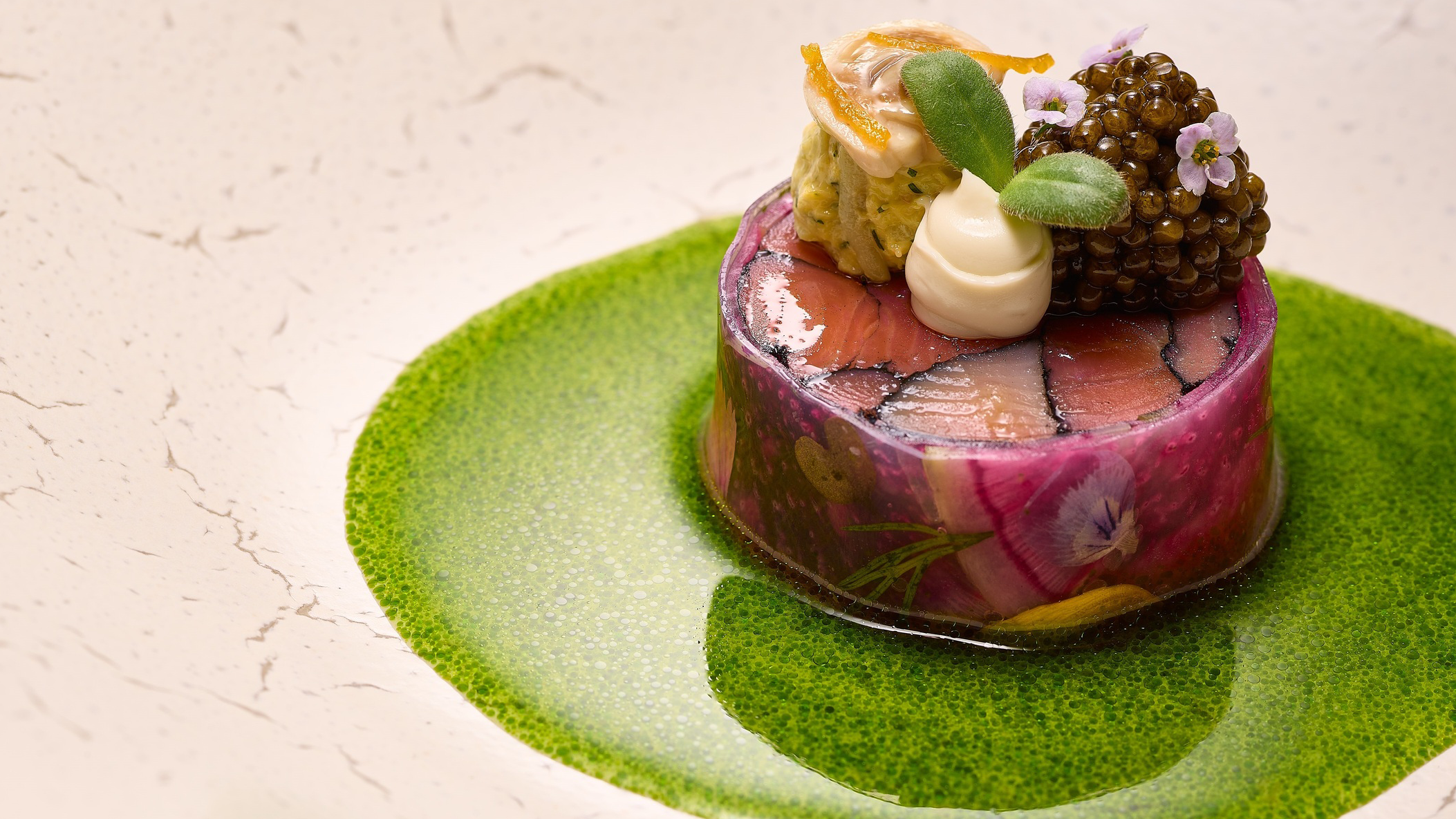
Awakening the palette with a sensual, fresh and vibrant overture, The Six Rounds experience commences with smoky Petuna Ocean Trout, encased in sushi vinegar jelly and pickled green chili while generously topped with a serving of Oscietra caviar. This proves an invigorating mix of fulsome flavours, perfectly preparing the palate for the rich and savoury notes of the dishes set to soon follow.

The first of these is a moderately magnificent mollusc, the undoubted hero of the eminently edible Ezo Abalone, a classically understated cold noodle dish. Served ‘drunken’ atop a bed of cold ‘Xiang Zao Lu’ somen (thin wheat flour noodles in Chinese rice wine), it’s a flavour combination that packs a perhaps unexpectedly hefty punch. This is largely down to its sensationally savory broth, which artfully combines fragrant shiso leaves with the finest quality bonito flakes. Clearly prepared days in advance, it’s a flavour combination that owes much to its leisurely infusion.

Equally impressive is the Tandoori Crab Au Gratin, one of the undoubted highlights of the eight-plate menu. Although all but aglow with rich and fragrant Indian spices, this is ably balanced by the Comté cheese gratin and a sumptuous sprinkling of crispy bites of crumbled tandoor-baked chicken skin. A simply sensational fusion of fine east-meets-west cuisine, it is a dish that effortlessly orchestrates the rich mineral notes of Pacific crab meat, lobster stock, fragrant spices and creamy cheese.

The delectably tender Australian Kiwami Wagyu, meanwhile, also proved a truly satisfying melt-in-your-mouth serving, as well as the one most likely to delight the more meat-minded diner. A reimagining of Singaporean Black Pepper Crab, the intriguing incorporation of the peppery roughness and fruity aroma of Sarawak black pepper glaze, a Singaporean staple, made this very much a love letter to Chef Voon’s homeland. The red wine sauce – poured tableside – unites the complex tantalising flavours of the beef and the sweet tamarind black pepper glaze, melding them gorgeously with the puree, to complete the dish’s final flourish.

Expanding upon his unique philosophy, Voon says: “I want my customers to walk out of this restaurant knowing that the food was cooked by Edward from his heart – I think that is very important. I want them to feel that every dish that comes out, comes from my inner soul to the table. It’s like heart-to-table rather than farm-to table.”


Auor. 4/F, no. 88 Gloucester Road, Wan Chai
(852) 2866 4888 auor.com.hk


(Text: Roberliza Eugenio Photos: Auor)

Grand Majestic Sichuan adds a fine-dining sensibility to Sichuan cuisine

Contrary to what most people would believe, Sichuan cuisine is not all about mouth-numbing spice – although it is famous for it. In fact, the majority of Sichuan dishes sit on a spectrum of spicy, sweet, sour, savoury, smoky and aromatic. And at Grand Majestic Sichuan, Head Chef Robert Wong delivers, alongside Sichuan cuisine-expert Fuchsia Dunlop, the dynamic combination of flavours native to his hometown Chengdu perfectly.

dining-taste-grandmajesticsichuan-blacksheeprestaurants-sichuan-cuisine-gucci-bar
Dining room and bar area with Gucci wallpaper at the back

Not merely a Sichuan restaurant, it goes above and beyond expectations with plentiful attention to detail, from the food to the service and even the ambience. Striking red velvet upholstery, lush carpets, lavish interiors dressed in marble, silk and Gucci wallpaper, and a spacious terrace with a view of Central’s high rises, Grand Majestic Sichuan transports diners to Hong Kong of the ’60s, an era of luxurious nightclubs.

Even a trip to the washroom is made memorable with the unique experience of pouring a flute of Champagne and spraying on Chanel No.5. “We like to say that we offer good Sichuan cuisine with European service,” notes Wong.

dining-taste-grandmajesticsichuan-blacksheeprestaurants-sichuan-cuisine-jerkyy
From left: Bang Bang Ji, Liang Ban Wo Sun Si, and Deng Ying Niu Rou (Celtuce strips, shredded three-yellow chicken and wafer-thin beef

After an impressive tour of the restaurant – a precursor of its eclectic delights–we sit down to sample a selection of signatures, beginning with three cold dishes. Deng Ying Niu Rou is wafer-thin beef tossed with chilli oil and sesame seeds. Its delicate, crispy texture results from the finely sliced beef being dehydrated, steamed, then fried – an interesting twist to the chewier Bak Kwa jerky many people are familiar with.

dining-taste-grandmajesticsichuan-blacksheeprestaurants-sichuan-cuisine-starters
From left: Bang Bang Ji, Liang Ban Wo Sun Si, and Deng Ying Niu Rou (Celtuce strips, shredded three-yellow chicken and wafer-thin beef

Next is the classic cold offering of Bang Bang Ji – poached and shredded “three-yellow” chicken tossed in spicy peppercorn oil and doused with mildly sweet, nutty sesame sauce. The tender meat of the distinctive local bird, beloved for the fatty layer under its skin, yields rich bursts of flavour that balance savouriness, subtle sweetness, as well as mouth-tingling sensations.

dining-taste-grandmajesticsichuan-blacksheeprestaurants-sichuan-cuisine-celtuce strips
Celtuce Strips

Calming the palate after the heat of the opening dishes is Liang Ban Wo Sun Si, a plate of chilled celtuce strips lightly kissed by Sichuan peppercorn and chilli oil, then garnished with sesame seeds – it is nutty, aromatic and slightly tingly, but a refreshing change of pace from the richer profiles of the beef and chicken.

Wong’s knowledge and techniques shine through, in particular, in the mains. “We try to keep everything simple and classic, and we use the freshest and best ingredients so our dishes are healthier. For example, we use grapeseed oil, never lard, and no MSG. We prepare our own broths and preserve and marinate our own ingredients,” says the chef.“It’s been much tougher to get ingredients from Sichuan during the pandemic, so the way I see it is, if we can’t get it we’ll make it ourselves.

dining-taste-grandmajesticsichuan-blacksheeprestaurants-sichuan-cuisine-firecracker chicken (2)
Chongqing La Zi Ji (Firecracker chicken)

Their “firecracker chicken”, Chongqing La Zi Ji, uses the local yellow chicken and a generous serving of “facing heaven” chillies. The chicken is served boneless yet its tender, juicy meat bursts in a complexity of salty, spicy and fragrant flavours. This subtle detail speaks volumes of the skill and technicalities that sets the restaurant apart from other Sichuan diners.

dining-taste-grandmajesticsichuan-blacksheeprestaurants-sichuan-cuisine-suan-cai-yu-fish
Suan Cai Yu (Fish stew with preserved vegetables)

However, it is Suan Cai Yu, a popular Sichuan fish stew, that surprised us the most. Absent of spicy and numbing essences, but rather bursting in mouth-watering and aromatic fragance, this sour soup delights with the slightest hint of sweetness is accompanied by a succulent, fatty fish. Traditionally, the recipe calls for golden pomfret, but instead Grand Majestic Sichuan uses line-caught grouper, caught locally by a fisherman who works closely with the restaurant, and the innovation improves texture, aroma and flavour. It comes with mustard greens that have been pickled in-house in a special marinade.

dining-taste-grandmajesticsichuan-blacksheeprestaurants-sichuan-cuisine-mapotofu
Ma Po Dou Fu (Mapo Tofu)

Saving the finest for last, Ma Po Dou Fu, may be the highlight of the meal. Bursting with a full body of flavour despite a more restrained use of peppercorn oil, the sauce’s rich umami hails from grass-fed beef chopped by hand and oil rendered from Ibérico ham. Simplistic in its nature, but robust with a unique savoury kick, this rendition of the popular tofu dish has been billed by some as “the best in town”, and with that, we concur.


Grand Majestic Sichuan. 3/F, Shop 301, Alexandra House, 18 Chater Road, Central. (852) 2151 1299. grandmajesticsichuan.com


Text & Photos: Roberliza Eugenio

Traditional Italian recipes combine deliciously with modern techniques in Cantina

In Hong Kong, gourmands will never find themselves short of new flavours, new hotspots and even new mixes of cultures. The list of Italian restaurants alone is long enough to stretch the length of Hollywood Road and beyond. Still, we find ourselves going back to the warm, hearty cuisine of Italy – always determined to find the best pastas, the tastiest pizzas and the most mouth-watering gelato and tiramisu.

gafencu-dining-taste-italian-traditional-modern-sicilian-tai-kwun-hongkong
Photo courtesy of Aqua Restaurant Group​

Over at Tai Kwun, the former Central Police Headquarters, the site serves as no better a place to bring traditional and modern together. This is exactly what Aqua Group has done with Cantina, a new addition to its stable of restaurants. Cantina, which translates to canteen, is perfectly situated within the location’s former dining hall.

gafencu-dining-taste-italian-traditional-modern-sicilian-tai-kwun-hongkong-Luca Schiavone
Photo courtesy of Aqua Restaurant Group​

Here, classic Italian dishes are served with the occasional surprising twist – “wow-factor” is what Luca Schiavone, Cantina’s executive chef calls it. Having only landed in Hong Kong in February, Chef Luca brings the flavours of his native Sicily to this warm, casual eatery. “We try to stay traditional but we also play with consistency and presentation. The goal is to have an explosion of flavours with every bite”, says Chef Luca.

gafencu-dining-taste-italian-traditional-modern-sicilian-tai-kwun-hongkong-red-prawn-carpaccio
One example is the Sicilian Red Prawn Carpaccio. The dish features sweet Southern red prawns, complemented by fruity pomegranate jelly and further elevated with dollops of sumptuous caviar and Italy’s finest Bronte pistachios from Mount Etna, before finishing with lemon zest. Light but savoury with a hint of sweetness, this was just enough to rouse us for the next dish.

gafencu-dining-taste-italian-traditional-modern-sicilian-tai-kwun-hongkong-clams-mullet-bortarga-pasta (2)

Impressively, the majority of pastas on the menu are homemade to respect the Italian culture of cooking al dente. However, the Linguine with Clams & Mullet Bortarga we had sampled was cooked with a dry pasta sourced from Italy, which to our surprise still offered a perfectly chewy and firm texture. Its starchier content (compared to freshly made pasta) gives the dish a creamier texture that perfectly complements the simplicity of its white wine, chili, garlic and butter sauce. The driving force of its rich flavours though was the clam juice which was filtered out and mixed into the sauce – rounding up the dish with a savoury punch of umami.

gafencu-dining-taste-italian-traditional-modern-sicilian-tai-kwun-hongkong-breaded-veal-cutlet

The pièce de résistance of our experience was the theatrical table-side service that came with the Breaded Veal Cutlet and Salt Baked Sea Bass with Vegetable Caponata. The scrumptious deep-fried Milanese veal cutlet hovered over on a charcuterie board and was cut table-side – crisply crunching with every slice. Cooked in clarified butter and garnished with fried rosemary, the dish was then drizzled with a squeeze of lemon juice for piquancy, oozing with a combination of sweet and nutty flavours.

gafencu-dining-taste-italian-traditional-modern-sicilian-tai-kwun-hongkong-salt-baked-seabass

The fish was a showstopper. Arriving within a thick layer of salted pastry that was set ablaze, then skillfully doused and cracked open to reveal the sea bass that was expertly deboned and delicately plated. It was served alongside a sweet and sour caponata, a traditionally Sicilian vegetable appetiser. The plate’s mix of eggplants, olives, onions and sweet red pepper seasoned with herbs, olive oil and sweet and sour dressing (agrodolce sauce) perfectly balanced the freshness of the sea bass with fruity and tangy notes.

gafencu-dining-taste-italian-traditional-modern-sicilian-tai-kwun-hongkong-tiramisu (2)

No Italian fare is complete without a sweet ending. In this case, it was the Table Side Tiramisu. Literally meaning pick-me-up in Italian, tiramisu was the perfect finale to a satisfyingly carnivorous meal. When it comes to beloved classic recipes that have travelled beyond its borders and endured centuries of reinvention, some dishes are best kept as its original form, delighting the palate with a sense of home and momma in the kitchen. Thankfully this classic tiramisu was just that.

gafencu-dining-taste-italian-traditional-modern-sicilian-tai-kwun-hongkong-tiramisu

Moist with coffee, its savoiardi (ladyfingers) is delicate and fully absorbed with the creamy mixture of eggs, sugar, and mascarpone cheese before being dusted with cocoa powder. Perhaps the only blip in the sensational experience was that after a couple of bites, it was a tad too sweet to finish off; but given the calories we had happily consumed by that point, it might have been for the best.


Cantina. 1/F, Block 1, Tai Kwun, 10 Hollywood Rd., Central. aquarestaurantgroup.co.uk/cantina


(Text & Photos: Roberliza Eugenio)

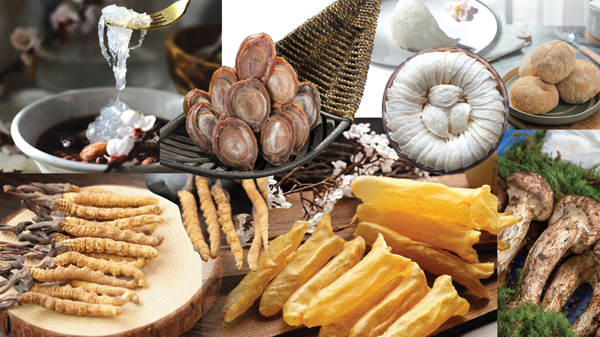
Six most expensive local delicacies in Hong Kong

There’s no shortage of fine dining options in Hong Kong. But there’s also a brisk trade in exorbitantly priced delicacies – morsels that carry status by virtue of their scarcity and cost, or boast an impressive list of health benefits. Some of the most prized – and occasionally the downright weird – are put under the griller here.

Cocaine of the Sea 

 dining-5-expensive-delicacies-local-hongkong-fishmaw

To find high-end fish maw, one need look no further than the many dried seafood outlets on the streets of Hong Kong’s Sheung Wan district. Fish maw is actually the swim bladder, a gas-filled organ located near the gills of fish – providing the buoyancy they need to maintain their depth in water. In truth, you can get a tasty serve of fish maw with a plate of Chinese vegetables and a bowl of steamed rice for under HK$100 at any number of cha chaan tengs dotted around the city – but for fish maw at the very top of the price spectrum, the cost is a good deal higher.

The most expensive fish maw is found in the Gulf of Mexico and is sourced from totoaba – a type of drum fish. Totoaba bladder is, in fact, so valuable it has been nicknamed the ‘cocaine of the sea’. It can reportedly fetch as much as US$129,000 (HK$1.01 million) per kg on the black market. There are, however, a couple of catches. The first is that international trade in totoaba maw is banned. The second is that totoaba is becoming increasingly rare due to overfishing, with grave concerns that it is being hunted to extinction. Fortunately there are plenty of more readily available sources of fish maw on the market if that’s your fancy.

Himalayan Viagra

dining-5-expensive-delicacies-local-hongkong-gafencu-cordyceps

Caterpillar fungus (a species of Cordyceps), is another in-demand delicacy with an extravagant price tag. It is prized for its aphrodisiac properties – which is why it is commonly referred to as Himalayan Viagra.

The life cycle by which the caterpillar fungus comes into is like something out of a B-grade horror movie, along the lines of The Invasion of the Body Snatchers. Caterpillar fungus is found on the Tibetan Plateau. It is here that it invades the bodies of caterpillars of the Thitarodes moth. The caterpillars are born underground, ingest a kind of fungus, which infects takes over the host’s tissue. These unfortunate caterpillars never metamorphosize. Their bodies are taken over by the caterpillar fungus, which then shoots out hardened plant roots.
In addition to its aphrodisiac properties, the caterpillar fungus is also believed to be a cure-all valued for its power to treat back and knee pains, reduce stress and coughing and even treat anemia by boosting haemaglobin levels – but it’s worth noting that these claims do not have a basis in science.

Especially popular as a Chinese medicine, caterpillar fungus sells for as high as 880,000 RMB (HK$1.03 million) per kg and is usually served up double-boiled in soup for maximum impact. Given the price, you would certainly want to get maximum bang for your buck.

For the Birds

dining-5-expensive-delicacies-local-hongkong-birdsnest (3)

Another very popular dish commonly served up on special occasions in Hong Kong is bird’s nest soup. The key ingredient here is actually the saliva of the a particular species of bird – the swift – which uses its saliva to bind its nest together and is prized for its all-round medicinal benefits, especially to the skin, the lungs and the digestive system. The substance extracted from the abandoned nests are highly expensive due to their rarity and difficulty of retrieval – as the swift nests high up on cliff faces and caves in Malaysia and Indonesia.

Consuming the saliva of another creature may turn off some diners but at least no birds were killed in the process, though the extraction process can be dangerous with those hired to collect the bird’s nest from their precarious resting places. Prices for the precious substance generally starts at around HK$175,000 per kg. As the name suggests, it is usually double-boiled in a soup of gelatinous strands.

Mushroom Madness

dining-5-expensive-delicacies-local-hongkongdining-5-expensive-delicacies-local-hongkong-lionsmane

Mushrooms are a central part of much of traditional Chinese cooking – and are usually affordably prices and easily purchased in any number of wet markets around Hong Kong. But there are exceptions to this rule. With some mushrooms only available to those ready to part with a fair wad of cash.

The priciest of these exotic fungal delicacies is the Hericium Erinaceus. Also called lion’s mane and/or monkey’s head mushroom due to its characteristics shape, this rare and delicate fungus grows wild in the northeast Chinese province of Heilongjiang. It typically prospers in the trunk or hollow of a hardwood tree in the deep recesses of a forest. The fresh mushroom is more costly than the dried version and weights in at around 350 RMB per 500g, although it’s usually sold in half kilo lots. It is praised for boosting blood circulation and reducing cholesterol.
More expensive still is the matsutake mushroom. Commonly known as the ‘king of fungi’, this mushroom can only thrive in pristine forests free of human influence and grows wild in a number of provinces in northern China. It takes up to five years to grow to fruition and must be picked and consumed within 48 hours – making it a challenge to get it from forest to table.

The dried version is pricier than the fresh version and can fetch up to 2000 RMB per 500g. It usually steamed or served up in a soup but should be cooked at or below 90 degree Celsius to preserve its cancer-fighting properties.

Dried Abalone

dining-5-expensive-delicacies-local-hongkong-abalone

Often gracing the tables of special occasion dining in Hong Kong and mainland China. these delicacies are often served up on special occasions. Abalone is a staple at multi-course meals in Chinese restaurants around Asia. Strict controls on the number of licences available push up the price of these tasty – if somewhat rubbery – gastropod mollusks. High in selenium, which is good to boost stamina, abalone can sell for up to HK$35,000 per kg.

Sea Cucumbers

dining-5-expensive-delicacies-local-hongkong-seacucumber

Despite the name, sea cucumbers, are in fact marine animals. These slug-shaped seafloor dwellers were once popular at banquets in China but have fallen somewhat out of fashion in recent years. Although they can still fetch a price as high as 20,000 RMB per kg, driven up by how long these critters take to mature. It is believed that the recovery of post-operative patients can be speeded up eating braised sea cucumber in porridge.


Han Sweet Han: Hansik Goo celebrates its 2nd anniversary with a Michelin Star

What takes a food experience into the next realm, is the emotion it evokes and the stories it tells. A truly special dining experience can bring to mind the first bite of a fondly remembered dish, or the ambience of a simple, cosy dining room can recall family meals at home.

dining-taste-hansikgoo-michelin-star-korean-cuisine-kangmingoo-hongkong-interior

At Hansik Goo, the idea of sharing a meal and serving authentic Korean flavours are two pillars that bring together a holistic dining experience. So much so that it had earned its first Michelin star this year, making it the first Korean restaurant into the Michelin Guide Hong Kong & Macau. It is also head chef Steve Lee’s first Michelin star since taking over the helm from successor and founding chef Mingoo Kang two years ago. The third pillar to this fast-rising local favourite is a modern touch that completes the circle.

dining-taste-hansikgoo-michelin-star-korean-cuisine-kangmingoo-hongkong-chef-steve-lee

Despite being Korean, Hansik Goo is chef Lee’s first Korean culinary experience. “Korean cuisine is my home food – I have the background, the memory and the palate. These help me bring together authentic Korean flavours, while my experience in western cuisine allows me to add a modern twist to it”, says Lee. Celebrating its second anniversary, we tuck into the restaurant’s tempting seasonal Korean flavours and the signature dishes that have won over the hearts of their diners over the last two years.

dining-taste-hansikgoo-michelin-star-korean-cuisine-kangmingoo-hongkong-fish-mandu

Kicking off our tasting menu with a delicate start, the Fish Mandu arrived with an intriguing composition. Serving seasonal blackthroat seaperch stuffed with pork and a generous layer of pork floss in cho-ganjang sauce, each bite offered an interesting combination of sweet, tangy and rich umami – gently delivered by the tender fish meat, and finished with the sensational pork floss that dissolves in the mouth.

dining-taste-hansikgoo-michelin-star-korean-cuisine-kangmingoo-hongkong-entrance-KFC-korean-fried-chicken

Next to the table was the Korean Fried Chicken, a popular add-on to the seasonal menu and the hero dish that carried the eatery through the Covid-19 pandemic’s dining restrictions. At first bite, we understand why. Simple and homey, yet perfectly juicy and tender with the right balance of batter and meat – a rarity in the city. The deep fried chicken was paired with sparsely battered eggplant and drizzled with yuza jang which gave the dish a refreshingly deep flavour that remained light and not overwhelming to the palate.

dining-taste-hansikgoo-michelin-star-korean-cuisine-kangmingoo-hongkong-entrance-sangyam-risotto-2.0

We then shifted attention to the signature Samgye Risotto 2.0. Welcoming the season of morel mushroom in its iconic chicken roulade, the dish was completed with slices of steamed South African abalone sumptuously brushed with house-made Korean prickly-ash butter and coriander, and a serving of Ginseng infused glutinous rice. Cheekily referred to as ‘the risotto’, the rich flavours of each component stands out but also comes together in a harmonious combination of flavours.

dining-taste-hansikgoo-michelin-star-korean-cuisine-kangmingoo-hongkong-pork-duo

Following up with the last main dish, the Pork Duo is laid across the table complete with a brass bowl of Yukhweh Bibimbap and a series of house-fermented and house-made condiments that added depth in flavour to the overall dish. Showcasing two types of grilled pork: ganjang Iberico pork chop and gochujang marinated pork neck, and served alongside a refreshing Dallae (wild rocambol, or garlic leaves), the house-made sauces recalls childhood and family dinners around the grill. A tender memory elevated by the bibimbap that was served with an assortment of fresh vegetables and mouth-watering beef tartare.

dining-taste-hansikgoo-michelin-star-korean-cuisine-kangmingoo-hongkong-entrance-jang-trio

The best was saved next to last, with the arrival of chef Mingoo’s sensational signature dessert, Jang Trio. A creative composition of sweet crystallised Doenjang crème brÛlée, an ultra-light and airy home-made vanilla ice cream, and ganjang glazed pecan and gochujang powder as garnish – a perfect marriage of textures and flavours.

dining-taste-hansikgoo-michelin-star-korean-cuisine-kangmingoo-hongkong-entrance-dagwa

For the finalé, we were treated to Dagwa, a delicious assortment of refreshments to end the meal – with a touch of finesse to elevate the array of sweets. A warm sip of Korean mulberry leaf tea perfectly complimented a plate of savoury black sesame dasik, sweet yakgwa and strawberry jeonggwa. We ended our charming dinner at Hansik Goo with the kind of contentment that brings back the comforting warmth of home.


Hansik Goo. 1/F, The Wellington, 198 Wellington Street, Central. (852) 2798 8768. hansikgoo.hk

(Text & Photos: Roberliza Eugenio)

Spoil Your Dad With These Mouth-Watering Father’s Day Menus

Father’s Day is just around the corner and what better way to celebrate than by treating your dad to a delicious meal. Whether he’s a steak lover or a seafood aficionado, Hong Kong’s restaurant scene offers plenty of culinary options to choose from. So, without further ado, let’s dive into the mouth-watering options that will make this Father’s Day one to remember.

father's day menus

A Lux

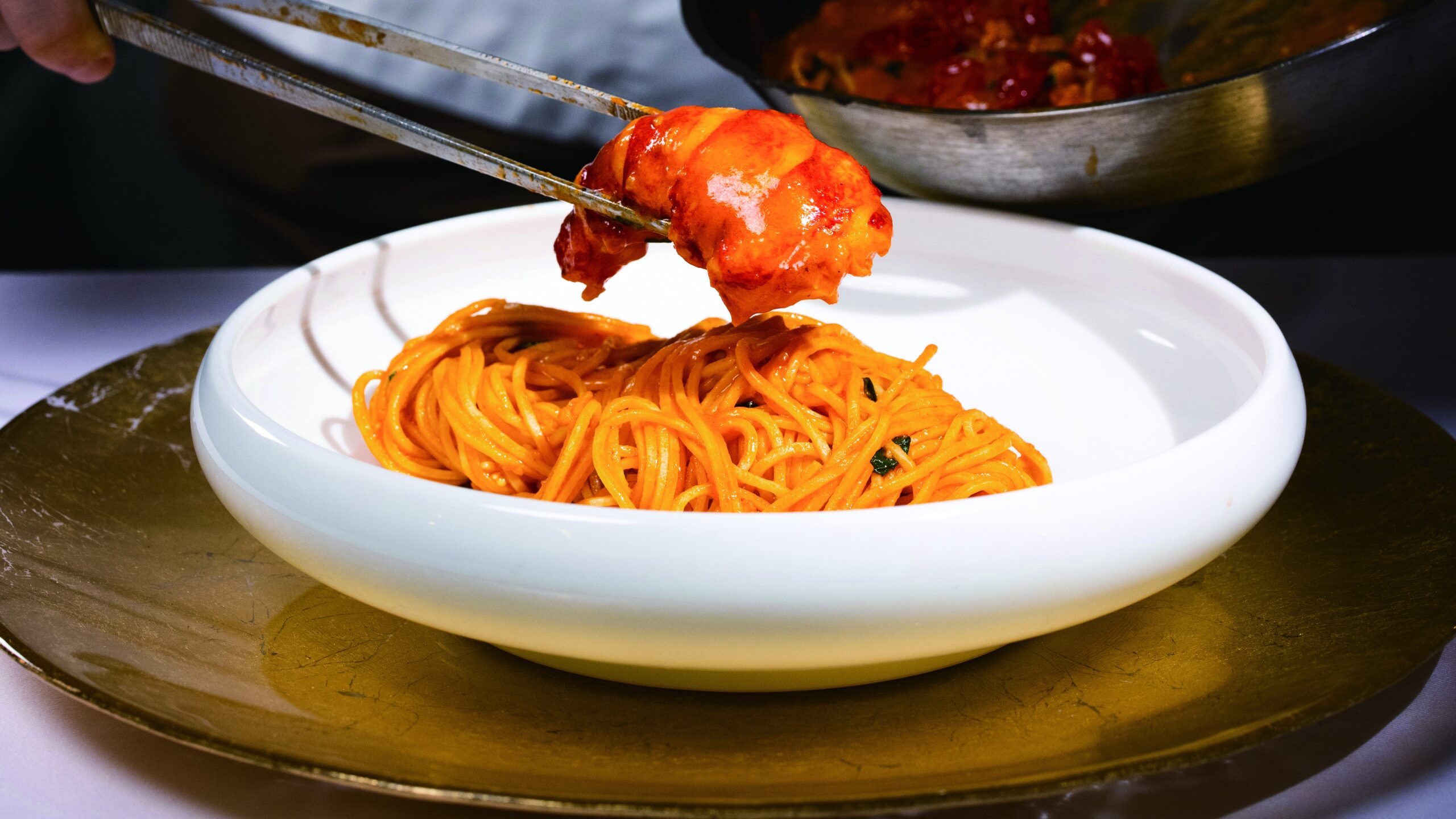
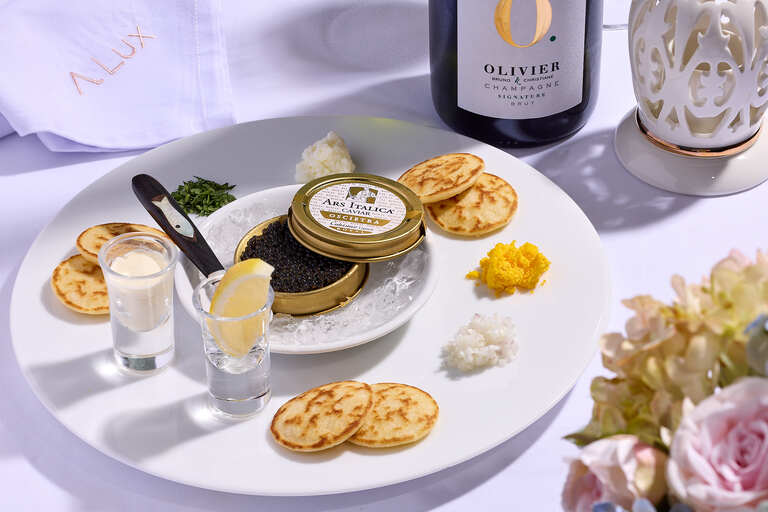
A Lux has taken its iconic Buon Fine Settimana weekend brunch and reimagined it for Father’s Day. The four-course menu includes unlimited Antipastos, one of these al dente pasta dishes – Parmesan Risotto with Lobster Ragout; Penne with Beef Cheek and Mushroom Cream; Abalone Spinosini with Garlic and Chilli (add HK$88); or Carabineros Prawn Spaghetti (add HK$108), and a main course from the following options: Roasted U.S. Ribeye with Gravy; Sea bass and Clams with Spinach and Butter Sauce; Japanese Chicken Saltimbocca; Grilled Australian M8 Wagyu Beef (add HK$368); or Beef Wellington. This decadent meal will be followed by the staff bringing a dessert trolley consisting of a plethora of sweet treats from which you can pick all your favourite ones. For HK$788, guests can enjoy Siberian Sturgeon Caviar, unlimited Roasted U.S. Ribeye and 90 minutes of free flow of non-alcoholic drinks in addition to the aforementioned four-course meal. Another variation of the brunch menu, which is priced at HK$888, comes with a free flow of top-notch champagnes and wines that dads will undoubtedly appreciate.

Where: Shop M2, M/F, Baskerville House, 13 Duddell Street, Central, Hong Kong
When: June 17 and 18 (12:00 PM to 3:00 PM)
How much: Starting at HK$588 per person.
For reservations: info@a-lux.hk, (852) 2663 9938 or click here.

father's day menus

Carver

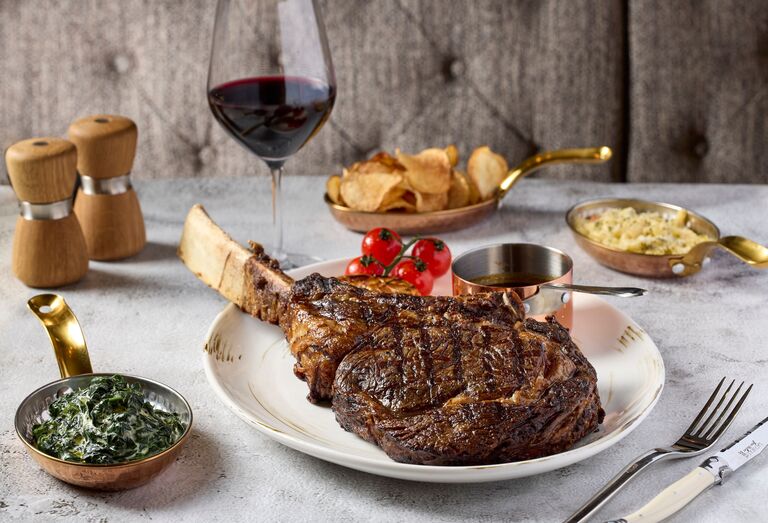
Whether your dad loves a good steak or never misses choosing the seafood options at any restaurant he goes to, this special six-course Father’s Day menu called Family Degustation Menu at Carver will certainly be to his liking. This one-day brunch feast features a prime Australian Striploin steak, that is juicy and rich in flavours, served with beer fries and truffle gravy. Also on the menu are the Black Cod Fillet with salmon roe and Champagne butter sauce, Lobster Spaghetti; and Canadian Pork Chop paired with mashed potato and apple meat. Additionally, there is a remarkable selection of appetisers, salads and a soup. To perfectly complement all the luscious dishes on the menu, people can choose from red and white wine options to treat their taste palettes.

Where: Carver, 1/F, Crowne Plaza Hong Kong Causeway Bay
When: June 18
How much: HK$748 per person
For reservations: carver@cphongkong.com or (852) 5978 5971

father's day menus

Francis

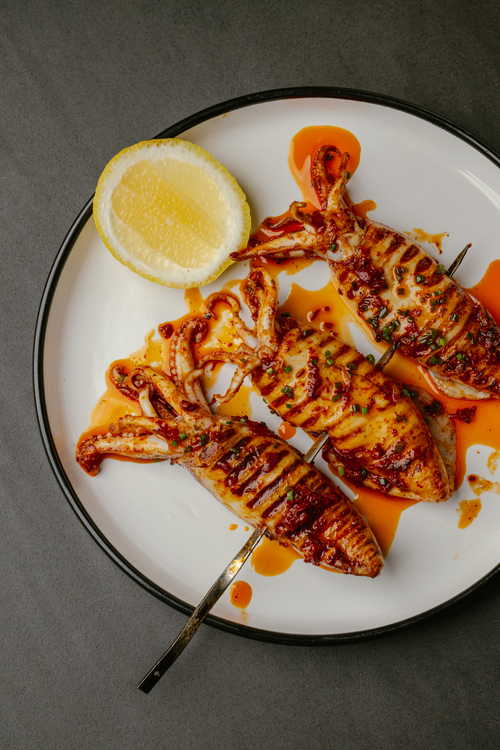
Another restaurant to go to this weekend to devour a meal that is filling for your stomach and heart is Francis. The gourmet-class sumptuous Middle Eastern dishes here will take you on a culinary journey transcending your entire family to the colourful and exotic streets of Tel Aviv. With a wide variety of dishes like meze, shakshuka, kafta and more to be savoured, these a-la-carte dishes are perfect for families to bond as they share the dishes. Accompanying them are the main course options consisting of Seafood Couscous; Mughrabi Chicken Parm; and Steak & Eggs. And to further elevate the gastronomical experience, Francis brings to the table a collection of wines from the Meditterian region that were thoroughly selected by exceptional connoisseurs.

Where: Francis, 4 & 6 St. Francis Street, Wan Chai
When: Weekends (11:30 AM to 4:00 PM)
How much: Prices vary based on the dish
No reservations are required.

father's day menus

Man Ho

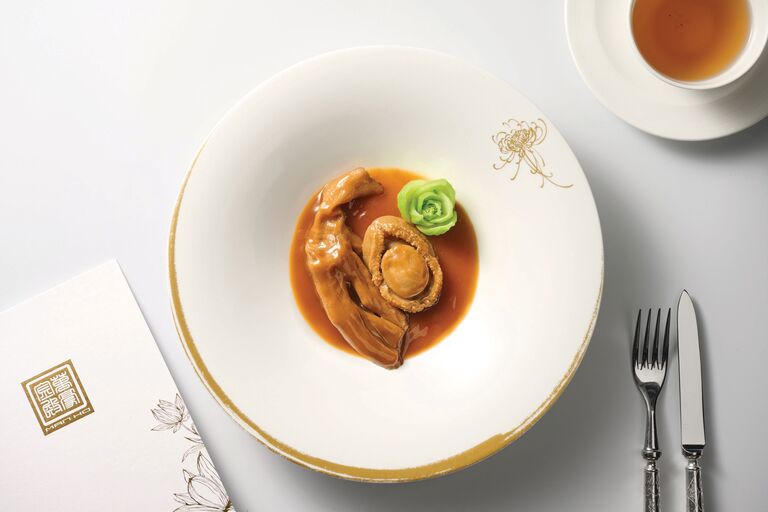
An equally impressive option for fathers who are a fan of the local Cantonese cuisine is Man Ho which will be serving two spesh 8-course menus consisting of some of the best culinary delights of the region. If you visit the fine dining area in the afternoon, the restaurant will bring plates of mouth-watering delicacies such as dim sums, Crispy Roasted Suckling Pig, Deep fried Lobster Claw with Shrimp Mousse, and Double-boiled Conch with Maca and Bamboo Pith. For the night, the Cantonese restaurant has prepared a dinner menu using only the most high-end ingredients in the market, significantly making all the dishes highly delectable. The dinner menu will have the following – Chilled Lobster Fillet and Salmon Roe with Mayonnaise; Double boiled Kanto Sea Cucumber Soup with Conch and Maca; Braised South African Dried Abalone with Goose Web; Braised Tiger Prawn with Cognac and Seaweed Sauce.

Where: Man Ho, Level 3, JW Marriott Hotel Hong Kong
When: June 18 (11:30 AM to 3:00 PM for lunch and 6:00 PM to 10:00 PM for dinner)
How much: Lunch menu at HK$688 per person and dinner at HK$1288
For reservations: Click here (note: each booking should include a minimum of four people)