
Joy to the World: Anya Taylor-Joy’s haunting presence transforms every role into spellbinding cinema

There is something unmistakably hypnotic about Anya Taylor-Joy. When she enters a frame, the energy of the scene changes, as though the air itself turns attentive. Her enormous eyes, framed by porcelain skin and unsettling stillness, seem to hold entire histories within them. One of those rare actors whose power lies as much in silence as in speech, she has, at just 29, reached a point in her career that few of her generation can claim – trusted not just to star in a film, but to carry it, to shape its heartbeat from the inside out.

Taylor J.’oy’s path to this moment feels both cinematic and improbable. She was born in Miami to an Argentinian father and a British Spanish mother, spent her early childhood in Buenos Aires, then made an unhappy move to London, where she struggled to find friends and was bullied at school. Her accent – somewhere between continents – reflects that restless geography, and her roles often orbit themes of isolation and identity. Each figure she inhabits carries a trace of dislocation.

Before she found acting, she was training to be a ballerina, but fate had other plans. A modelling scout spotted her walking past Harrods department store, then a chance encounter on a shoot led her to an acting agency. At 18, she landed the lead in Robert Eggers’ The Witch (2015), stepping onto the screen with uncanny authority. Her performance as the haunted and defiant Thomasin signalled that a new kind of star had arrived – one who thrived not on glamour, but on authenticity so raw it could cut glass.

Global Gambit

The years that followed were a study in transformation. Taylor Joy became the moral centre of M. Night Shyamalan’s psychological thriller

Split (2016), projecting both fragility and steel. In Emma (2020), she gave the beloved Jane Austen heroine a sly, modern intelligence. But it was a Netflix miniseries in that same year, The Queen’s Gambit, which brought her instant, widespread recognition, as well as a Golden Globe. She became the face of a quiet revolution in storytelling: proof that a series about an introverted young woman and a chessboard could ignite a global obsession.

Although she wasn’t prepared for fame, she soon drew strength from it. “It sometimes made me feel quite powerless and that is something that has helped me,” she confided in an interview. “I can deal with something once I’ve understood it, but when it’s happening … you feel very out of control. It can be very frightening when there are whole bunches of men with cameras attached to their faces running after you down the street.”

Part of Taylor Joy’s allure is her refusal to settle into one mode. Her career reads like a catalogue of contradictions. She brings old-world elegance to futuristic stories, and an alien edge to period pieces. In George Miller’s Furiosa: A Mad Max Saga (2024), she carried the weight of a beloved franchise without imitation. According to the film’s auteur, his heroine embodied “the still centre of the storm”. Even amid explosions and chaos, the audience found their emotional compass in her face. That paradox – intensity within restraint – has become her signature.

Poetic Soul

Though her characters often appear otherworldly, off-screen Taylor Joy radiates grounded intelligence. In conversation, she speaks softly but with precision, as if choosing each word like a gem. Journalists are greeted with kindness, self-effacing humour, honesty, and a tendency to deflect praise. She reads voraciously, quoting poets and playwrights in interviews; she prefers quiet dinners with friends to parties.

Reflecting on her difficult early-teen years, she has said: “The messaging I was getting at school was that everything about me was wrong. I think the way that I looked played into it, and then the extremes of my personality definitely played into it. If I loved something, I loved something. I have no chill in any regard, and that can be frightening for people, I guess.”

It is perhaps this fervour that drives her meticulous preparation for a role. Cast by British filmmaker Edgar Wright as an aspiring singer in London’s Swinging Sixties in Last Night in Soho (2021), she requested access to 1960s vocal recordings to perfect an accent most audiences would never consciously notice. “She’s the definition of precision,” praised Wright. “She knows exactly where the camera’s emotion is.”

Captivating on Camera

That attention to invisible details separates Taylor Joy from her peers; she performs not merely for viewers but for the lens itself, understanding how light, silence and gesture merge to tell stories beyond words. The critic Pauline Kael once said of certain classic actors that the camera “believed them”. The camera believes Anya Taylor-Joy absolutely.

Fashion houses also adore her. Dressed in the likes of Dior, Viktor & Rolf or Schiaparelli, she has an innate ability to transform couture into storytelling. At the Furiosa premiere in Sydney, she wore vintage gold Paco Rabanne and looked like she had stepped out of myth.

For all her sophistication, she remains curiously vulnerable. Her interviews reveal a lingering sense of displacement, a feeling that she exists between cultures. “I’ve lived in so many places that none of them entirely belong to me,” she once shared. That in-between identity – Anglo, Argentinian, American – imbues her screen presence with ambiguity. She can belong anywhere and nowhere at once, making her capable of crossing genres and eras without friction. It’s why casting directors describe her as cinematic clay: impossibly specific, yet infinitely adaptable.

Movie Mystery

In the age of endless visibility, Taylor-Joy has mastered what many stars forget: mystery is power. Unlike most modern celebrities, she doesn’t share every detail of her life. She married American musician Malcolm McRae – who shares her birthday, 16 April – in a covert ceremony on April Fool’s Day 2022. Her social media presence is measured, her interviews thoughtful but sparing. The effect amplifies her impact; each appearance feels significant. The audience waits for her, and in waiting, fascination grows.

Later this year, she can be seen in Dune: Part Three, reprising her secret cameo – as Alia Altreides – in the previous instalment of Denis Villeneuve’s re-telling of the space epic. And a long-awaited return to the miniseries is in post-production for Apple TV. She plays the titular character of a con-woman in Lucky, an adaptation of the Marissa Stapley novel.

The Anya Taylor-Joy anomaly is that she’s both ethereal and intensely real, an old soul formed in a digital century. As Mad Max director Miller observed: “There’s a really timeless quality about her.” She grounds the future of cinema in her performance – pure, immediate, tactile – and reminds us that movies are still about faces, about longing and risk. She’s the rare artist who makes the screen feel alive again.

Fast & Glorious: With F1, Brad Pitt keeps fans’ hearts racing while reigniting his thrill for the ride

Brad Pitt has long been Hollywood’s golden boy – equal parts heartthrob, chameleon and cinematic daredevil. But in 2025, he’s not just basking in legacy; he’s redefining it. With F1: The Movie, which sped into cinemas earlier this summer, Pitt trades red carpets for racetracks as a washed-up Formula One driver clawing his way back into the sport. It’s a role that demands grit, vulnerability and velocity – and the actor delivers all three with the kind of swagger only he can summon.

Directed by Joseph Kosinski (Top Gun: Maverick), F1 is a high-octane sports drama that’s part redemption arc, part adrenaline rush. Pitt’s character, Sonny Hayes, is a former racing prodigy whose career was derailed by a catastrophic crash in the 1990s. Decades later, he’s lured back into the cockpit to help save a struggling team from collapse. The film is packed with real-life Grand Prix footage, cameos from actual Formula One drivers, and a soundtrack that pulses with Hans Zimmer’s signature intensity.

But it’s Pitt’s performance that anchors the spectacle. He’s not just playing a racer, he’s embodying a man haunted by past glory, driven by unfinished business, and learning to trust again. Whether he’s trading barbs with his rookie teammate (played by Snowfall’s Damson Idris) or locking eyes with Kerry Condon’s steely technical director, Pitt brings a weathered charisma that’s impossible to ignore.

Drive for Realism

What makes F1 more than just another sports flick is its authenticity. Filmed during actual Grand Prix weekends across 2023 and 2024, the movie features real tracks, real teams and real tension. Pitt didn’t just act, he trained. With guidance from Mercedes AMG and Lewis Hamilton (who also co-produced the film), the actor drove modified Formula Two cars designed to mimic Formula One machines.

The production team went all in, converting six Formula Two cars into camera-ready racers with 15 built-in mounts. The result? Racing sequences that feel visceral, cinematic, and surprisingly grounded. Kosinski’s direction leans into realism, capturing the chaos of pit stops, the precision of overtakes, and the emotional stakes of every lap.

 “It’s undeniable [that we are driving the cars]; we’re not sitting on a sound stage with wind machines,” says F1’s star, hailing the filming as “one of the most extraordinary experiences I’ve had”. He enthuses: “I’ve been trying to get a racing movie done for 20 years. I’ve tried bikes, I’ve tried cars, I’ve tried different disciplines, and for whatever reason, they never came to fruition. [We wanted] to make the most realistic racing movie we’ve seen to date, and I think that’s what we’ve done.”

Pitt Never Stops

For the actor, F1 isn’t just another notch on his filmography; it’s a statement. At 61, Pitt’s proving that reinvention isn’t reserved for newcomers. His career has spanned decades and multiple award nominations, from the film that got him noticed, Thelma & Louise (1991), to Fight Club (1999), Inglourious Basterds (2009) and Once Upon a Time in Hollywood (2019), which secure d his best-supporting-actor Oscar win. He’s played assassins, astronauts and ageing stuntmen, but F1 taps into something deeper: the idea that greatness isn’t static; it evolves.

Sonny Hayes is a man out of time, trying to adapt to a sport that’s left him behind. Pitt, too, is navigating a Hollywood landscape that’s increasingly obsessed with youth and novelty. Yet he remains relevant – not by chasing trends, but by choosing roles that challenge him. F1 is a metaphor for that journey: a comeback story that mirrors Pitt’s own refusal to coast.

He says: “Man, I’ve been doing this for a while and was wondering: Do I have more stories to tell? Do I have anything to add to this? Is there still any excitement I can find from this? [This film] just reinvigorated the whole thing again for me.”

He plays Sonny with a quiet ache, a man who’s lost more than he lets on and who’s terrified of losing again. This emotional depth is what elevates F1 beyond the genre. It’s not just about speed, it’s about healing. Pitt’s ability to toggle between bravado and brokenness is what makes Sonny believable. He’s not invincible; he’s human. And that humanity is what keeps audiences invested.

Life Beyond the Limelight

Brad Pitt’s star power is undeniable, but it’s his versatility that keeps him interesting. He’s not afraid to get messy, to play flawed characters, to let the audience see the cracks. In F1, he’s not the fastest or the flashiest, but he’s the most determined – and that determination resonates.

Off-screen, Pitt has embraced a quieter life of late, especially after his high-profile separation from Angelina Jolie in 2016. He’s focused on producing through his company, Plan B Entertainment, which he and his first wife, Jennifer Aniston, co-founded back in 2001. 12 Years a Slave (2013), which earned him a producer’s Academy Award for Best Picture; The Big Short (2015); and Moonlight (2016) number among the critically acclaimed films he has backed.

He’s also delved into architecture – in an interview in 2008, he called acting his career and architecture his passion – exhibited his sculptures, and poured his heart into winemaking – the celebrated rosé of Château Miraval. Romantically, he appears at peace with jewellery executive Ines de Ramon. But when he returns to acting, it’s with purpose.

F1 is already being hailed as one of the year’s biggest blockbusters, grossing more than US$395 million worldwide. Critics have praised its visuals, its pacing, and Pitt’s performance. Some Formula One purists have nitpicked the racing accuracy, but most agree that it’s a thrilling ride. And for Pitt, it’s another feather in a cap that’s already overflowing.

Lap of Fame

His portrayal of Sonny Hayes may not win him another Oscar, but it cements his status as an actor who still has something to say. He’s not cruising by on charm; he’s pushing boundaries. A 30-year superstar of the silver screen, Pitt could have played it safe and leaned into nostalgia. Instead, he chose to race forward, literally and figuratively. And in a landscape where many stars fade, he continues to shine.

“You get to my age and see how important it is to surround yourself with the people you know, the people you love, the people that love you back,” he says. “Friends, family and that’s it. From there, we get to go make things. It’s a pretty simple … equation.”

As Sonny Hayes crosses the finish line – spoiler alert – victorious and vindicated, it’s hard not to see Pitt in the same light. He’s a man who’s weathered storms, embraced change and come out stronger. And in F1, he’s not just acting – he’s accelerating.

All About Pugh: From Lady Macbeth to the Black Widow, Florence Pugh brings charisma to a marvellously varied cast of characters

Florence Pugh is one of the most compelling and dynamic actors of her generation. Her performances are powerful, nuanced and filled with a depth that keeps audiences captivated. Since her breakout role in Lady Macbeth almost a decade ago, the 29-year-old from Oxford, England, has established herself as one of Hollywood’s most exciting and versatile talents, appearing in acclaimed dramas, horror films, indie projects and blockbuster franchises. From her emotionally intense roles to her charismatic presence on- and off-screen, she is impossible to overlook.  

Born on 3 January 1996, Florence Rose Pugh was raised in a creative household alongside her artistic sisters and brother, the actor and musician Toby Sebastian. Her father, Clinton Pugh, was a successful restaurateur; her mother, Deborah Mackin, had trained as a ballerina and taught aerobics and dance. Her upbringing encouraged self-expression, which later became an essential part of her identity as an actress. 

A sickly child, Florence was diagnosed with tracheomalacia, a condition causing respiratory difficulties. Hoping the warmer climate would improve her health, the family temporarily relocated to Spain. Though they soon returned to Oxford, this experience shaped her early years and her resilience. 

She began exploring acting in school plays and developed a fascination with emotional storytelling. Yet when posting cover versions of popular songs on YouTube under the name Flossie Rose, she first imagined her breakthrough would come as a singer. It’s an ambition that she still harbours. “I intend to release music. It’s something I’ve been so conscious of ever since my acting career [took off] … I do miss it,” she says.

Rise from Falling

Pugh was encouraged by her mother to audition for a key role in British filmmaker Carol Morley’s 2014 The Falling, apsychological dramaset in an English boarding school. She got the part, and as an unknown shared co-star billing with Maisie Williams of Game of Thrones fame. Her performance was widely praised for its subtle complexity.

Her remarkable natural talent compensated for a lack of acting training. She recalls: “Every single job at the beginning of my career, [I was] working with unbelievable actors and directors. I was constantly learning.”

After a failed pilot show for US television, it was Lady Macbeth (2016) that really got Pugh noticed, showcasing her ability to embody complicated, morally ambiguous characters. Playing a young woman forced into an oppressive marriage in bleak northeast England circa 1865, she commanded the screen with her fierce presence. The film received critical acclaim, and her performance earned her several nominations and awards. 

The role involved nudity, which the teenager handled with maturity beyond her years. “I wasn’t nervous about taking my clothes off, but I thought, ‘If this is done well, it will be a really powerful and horrible way to set up the rest of the story’,” she has said. “I remember thinking, ‘If I do this right, if the shot is right, this film should be amazing.’”

After Lady Macbeth, Pugh continued to take on diverse roles. In 2018, she starred in The Little Drummer Girl, a BBC miniseries based on John le Carré’s novel. That same year, she appeared in King Lear alongside Anthony Hopkins and Emma Thompson, further cementing her place in British cinema. 

Year of Acting Famously

However, 2019 was the year that catapulted her into global stardom. She appeared in three vastly different films, each highlighting her extraordinary range. In the biographical sports comedy. Fighting with My Family, she demonstrated comedic timing, emotional depth and commitment to physical training, as she had to embody the complexities of a young professional wrestler’s life. 

Ari Aster’s folk horror film Midsommar saw her take on the role of a grieving woman caught in a terrifying Swedish cult. Her performance was hauntingly raw, with many critics praising her ability to express grief, vulnerability and psychological distress with chilling realism. 

Greta Gerwig’s adaptation of Little Women introduced a new side of Pugh as she portrayed the ambitious and complicated Amy March. Her performance earned her an Academy Award nomination for Best Supporting Actress, a testament to her ability to transform classic characters into fresh and compelling figures. 

Speaking of the era in which both Lady Macbeth and Little Women are set, she comments: “Something I love about the 1800s … is that there were obviously always powerful women and strong-minded, opinionated women, but they were dealing with a completely different set of cards. A set of cards that were against them.”

Marvels Never Cease

With her growing success, Pugh was cast as Yelena Belova opposite Scarlett Johansson in Black Widow (2021), the film that introduced her to the Marvel Cinematic Universe (MCU). Her portrayal of the witty, resilient assassin was widely praised, leading to her return in Hawkeye, a Disney+ series, that same year.

Pugh’s involvement in the MCU continued this spring with Thunderbolts*, where her character becomes part of a team of antiheroes. The film has been hailed as the best Marvel outing in years, with its lead earning plaudits for her charisma. The adventure continues next year with Avengers: Doomsday

Beyond Marvel, Pugh has tackled a variety of ambitious projects. She appeared in Christopher Nolan’s Oppenheimer (2023), playing Jean Tatlock, a pivotal figure in the story of the atomic bomb,  and joined the glitzy cast for Dune: Part Two (2024). Last year’s romantic drama We Live in Time, alongside Andrew Garfield, was also a success.

Personal Passions

Off-screen, Pugh has gained admiration for her authenticity and approachability. She has been outspoken about body positivity, rejecting Hollywood’s unrealistic beauty standards and embracing natural representation. Her candid discussions on social media about self-confidence and the challenges of fame have made her a role model for many young actors and fans. 

Her relationship with actor-director Zach Braff, which ended in 2022, drew public interest, and she is now reported to be dating fellow 29-year-old British actor Finn Cole, but Pugh has consistently advocated for privacy in her personal life. Rather than allowing media scrutiny to dictate her narrative, she remains grounded, focusing on her career and passions. 

Florence Pugh represents a generation of performers who prioritise raw emotion, authenticity and versatility. She has refused to be confined to any single genre, and with each project, her presence in the film industry continues to expand. Whether delivering heart-wrenching performances in psychological dramas or bringing fierce energy to action-packed blockbusters, she is a force to be reckoned with.

Avatar Hurrah: From sci-fi to Emilia Pérez to Lioness, Zoe Saldaña embraces each role with a roar of cultural pride

With a gripping personal narrative and a career that continually elevates her to unfathomable heights, Zoe Saldaña is a voice for those who dare to dream beyond limitations. Having swept the awards board with her Best Supporting Actress spin in Emilia Pérez, she is set for an Avatar return by year’s end, and her remarkable journey from loss to triumph is a testament to the power of the human spirit.

Born in New Jersey to a Dominican father and a Puerto Rican-Dominican mother, Saldaña quickly assimilated the notions of passion and tenacity. Her secure childhood in a community steeped in dual cultural identities was shattered at age nine by the loss of her father in a car accident. The family was thrust into tumultuous times, with Zoe and her two sisters, Cisely and Mariel, shifting to live with relatives in the Dominican Republic in a search of stability.

She would return to the US in her teens to finish her education in Queens, New York and find her calling in acting. “I learned in a very innocent, unconscious way when I was very young that I need to live in art because I find peace,” reflects the 46-year-old star.

Unbreakable Bonds

Throughout interviews, Saldaña expresses that this early adversity shaped her understanding of strength and love. “When my father passed away, we all went straight into survival mode,” she says, revealing how such formative experiences helped her cultivate bonds with her sisters. “You can’t expect them to have the same capacity and to understand what you’re going through.”

This connection ignited a passion for dance, which offered her solace. She trained in ballet, a discipline that requires not only skill but also a remarkable level of focus, something she struggled to maintain. She eventually quit due to doubts about her own capabilities: “I did not have the feet, but I had too much pride.” While she turned to the theatre, dance would remain a crucial element of her career; she broke into movies playing a dancer in Center Stage (2000) and ultimately found expression in roles that required her to merge her artistic talents with her powerful storytelling abilities.

Saldaña’s first on-screen role, at age 22, in the long-running TV show Law & Order (1999) laid the groundwork for a career characterised by remarkable versatility. While critics often deride the juvenile antics of films from the early 2000s, she regards these experiences as stepping stones to her illustrious career. “I have been pushed and pulled in a shocking number of directions, and I’m grateful for every single one,” she affirms, facing the challenges of Hollywood with grace.

Cosmic Force

As Saldaña’s popularity soared, she transitioned into blockbuster territory with key roles in the Star Trek reboot and Avatar, films that would solidify her place among the highest-grossing actresses of all time. Arguably, her industry inflection came from portraying powerful women in sci-fi films. As communications officer Uhura in Star Trek and warrior Neytiri in Avatar, she exemplified strength, intelligence and vulnerability.

“I like the fact that there’s more than one female in an action movie,” she shares, advocating for inclusivity within her roles. At a time when many women found themselves pigeonholed, she navigated through uncharted space, delivering memorable performances that would transcend the screen.

Portraying Gamora in the Guardians of the Galaxy franchise further established Saldaña as a leading female figure in Hollywood. The complex nature of her character – an assassin turned protector – mirrored her own journey toward empowerment, emphasising that feminism comes in myriad voices. “There is a certain freedom of the imagination in science fiction,” she asserts. “You have to project yourself into a world that you’re unfamiliar with.” Her ability to bring this voice to life ignited conversations about representation in media and inspired countless fans.

Claiming Her Identity

While the spotlight has been a constant companion, Saldaña has carefully curated a personal life filled with integrity. She married Italian artist Marco Perego in 2013 after a whirlwind romance and raises three boys in a trilingual household. The actress is intriguing not only for her roles but also for her candidness regarding her own struggles, including with the  autoimmune disease Hashimoto’s thyroiditis. In an age where perfectionism reigns supreme, her humility is refreshing.

At the core of her narrative lies the desire to connect and inspire through her art. “My life has always been saved, over and over again, by people who have taken me in, by guiding me, raising me, and educating me,” muses the mother of three, attributing her success not just to hard work, but to the rich support network of family, friends and mentors. This gives depth to her actions and dignity to her voice, especially as she champions causes close to her heart, like diversity in media.

Vision for the Future

Her Academy Award-winning role in Emilia Pérez centres on camaraderie and the complexity of human connection. As the main thread propelling a story steeped in themes of empowerment and social commentary, Saldaña sheds layers as a performer, demonstrating her ability to redefine herself throughout her career. “For Emilia, every scene felt like reconnecting with parts of me throughout my life where I felt that kind of desperation,” she shares, emphasising the emotional weight of her work.

Her evolving roles signal a shift from merely occupying space in Hollywood to creating it. Avatar: Fire and Ash’s scheduled December release and her participation in prolific American TV creator Taylor Sheridan’s Lioness further display her commitment to exploring neglected narratives within the female experience. As she looks forward to new challenges, Saldaña appears more than ever equipped to navigate the highs and lows of showbiz without losing her essence. “What if I just f**king go all in?” she readily contemplates, a mantra of sorts that underlines her fearless approach to life.

Against the backdrop of a dazzling industry, Zoe Saldaña emerges as a multi-faceted force who wields her creativity to empower others. Embracing her Latino heritage, challenging the status quo, and redefining the notion of femininity in her work, she sets the stage for a brighter future – one where women no longer just break barriers, but dismantle them entirely.

Set in Stone: Double Oscar winner Emma Stone’s bold acting choices have enriched our viewing experience

Emma Stone has been a favourite in Hollywood for more than 10 years, enthralling with her girl-next-door charm, comedic timing and amazing range. Her audacious approach to the lead in Poor Things, the Frankenstein-like tale of a Victorian-era woman who commits suicide and is resurrected with the brain of her unborn child, paid off. It earned her a second Academy Award for Best Actress, placing her on par with film industry icons such as Meryl Streep, Jodie Foster and Elizabeth Taylor.
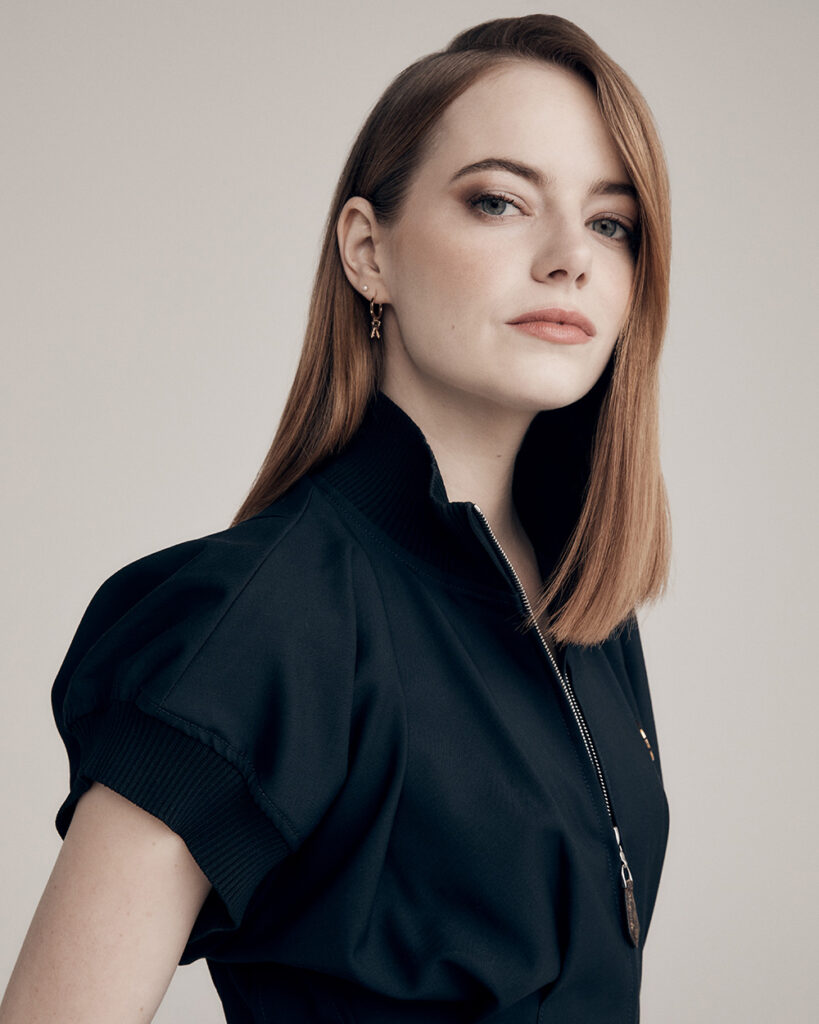
“It’s not about me. It’s about a team that came together to make something greater than the sum of its parts,” she declared as she accepted the statuette. “And that is the best part about making movies, it’s all of us together.”

It was a deserved win, with Stone dominating the Yorgos Lanthimos film as the unconventional Bella Baxter, who embarks on a daring and liberating voyage of self-discovery. “Bella falls in love with life itself, rather than a person. She accepts the good and the bad in equal measure, and that really made me look at life differently,” she noted at the Golden Globes ceremony in January.

Once upon a tone

Emily Jean Stone was born in Scottsdale, Arizona on 6 November 1988 and began acting at an early age, participating in youth theatre. She was home-schooled for a spell and then dropped out before finishing high school, moving to Los Angeles in order to follow her passion. Her breakthrough performance was in the teen comedy, Superbad, in 2007, where her natural humour and likeability were evident. Parts in movies such as Easy A (2010), The Help and Crazy, Stupid, Love (both in 2011) solidified her position as a rising star.
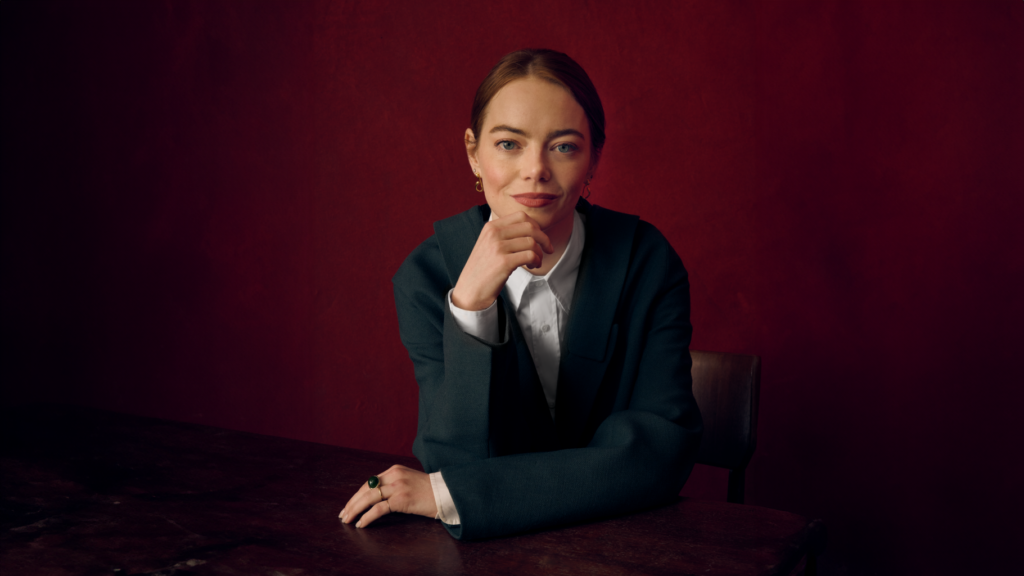
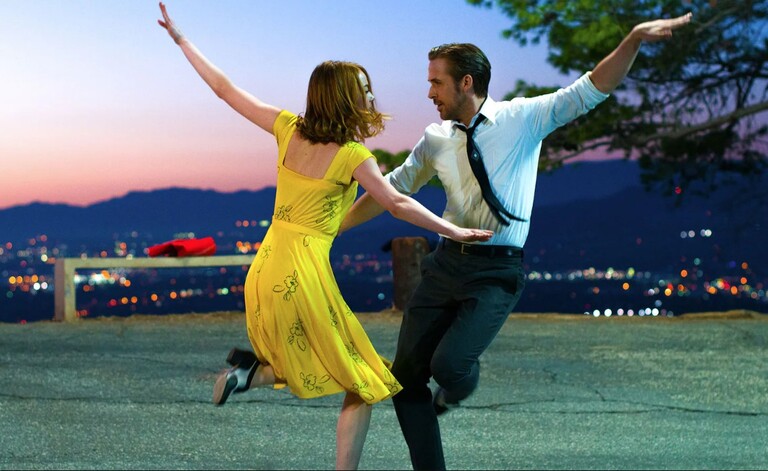
Stone’s first Oscar came in 2017 for her turn as struggling actress Mia in the dreamy musical romance La La Land, Damien Chazelle’s ode to Hollywood’s Golden Age. The dazzling musical showcased her versatility as both a powerhouse singer and a nuanced dramatic performer.

“My mom would play Les Misérables in our house when I was growing up,” she recalls. “She told me the story and then I saw it on stage when I was eight, and it was transformative for me. I loved it. After that, singing became a medium of expressing feelings that was so much bigger than just saying it.”

As she reiterates in many interviews, however, dancing used to be her favourite art form. She took dance lessons for 10 years, mostly tap classes, but was not as technically proficient as other budding young dancers. She eventually realised that acting spoke to her in a different way.
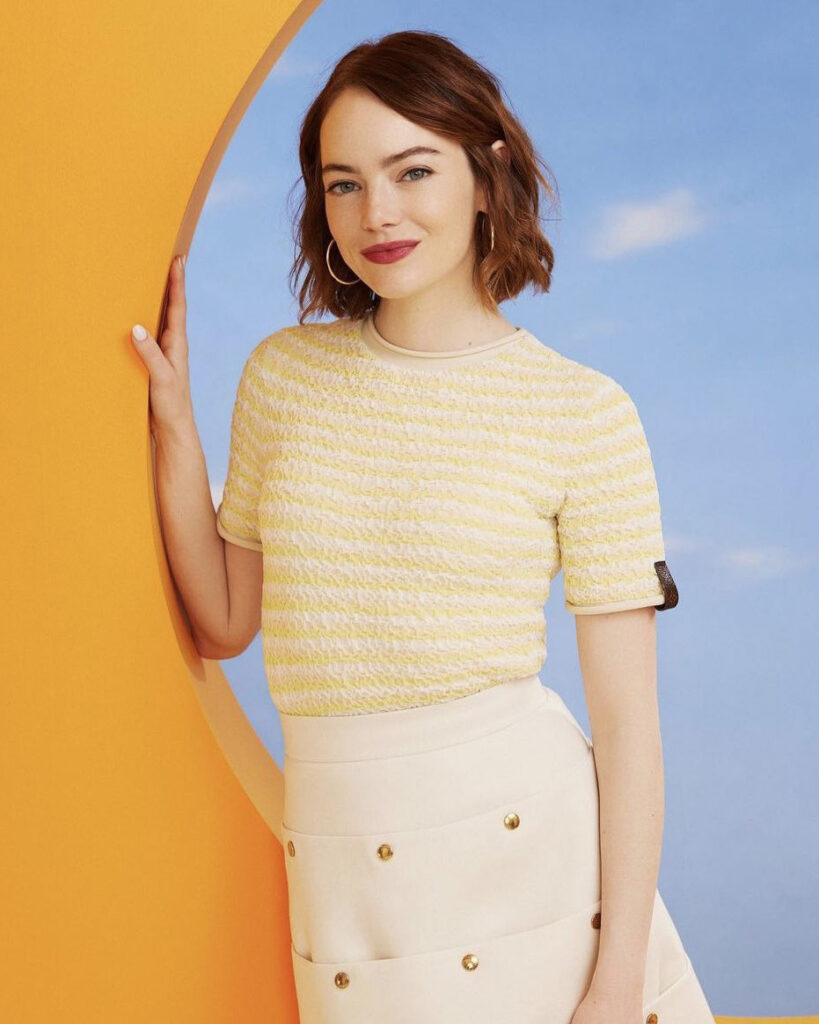
“I think I connected with acting I was more able to bring to life what I wanted to,” she says. “Performing helped me as a kid to channel my energy somewhere else, to put it out instead of turning it inward. Acting is therapy, especially as a kid. It was nice to have an outlet like that when I was really struggling with panic attacks. Being on stage early on made me less afraid to try things that are challenging and scary.”

Odd is good

With Stone’s glittering ascent showing no signs of slowing, she likes to express her opinion on odd topics as many people do, proving that being a superstar does not make one ‘special’.

“When I was younger, I had a soft spot for anything spooky and I would go to visit cemeteries,” she shares. “I’m still interested in that stuff, but not in a negative way. Once you understand that your time is limited, you live with a lot more awareness. Why should I worry about everything else? The actual reality is death. And I think there’s something strangely comforting about that.”
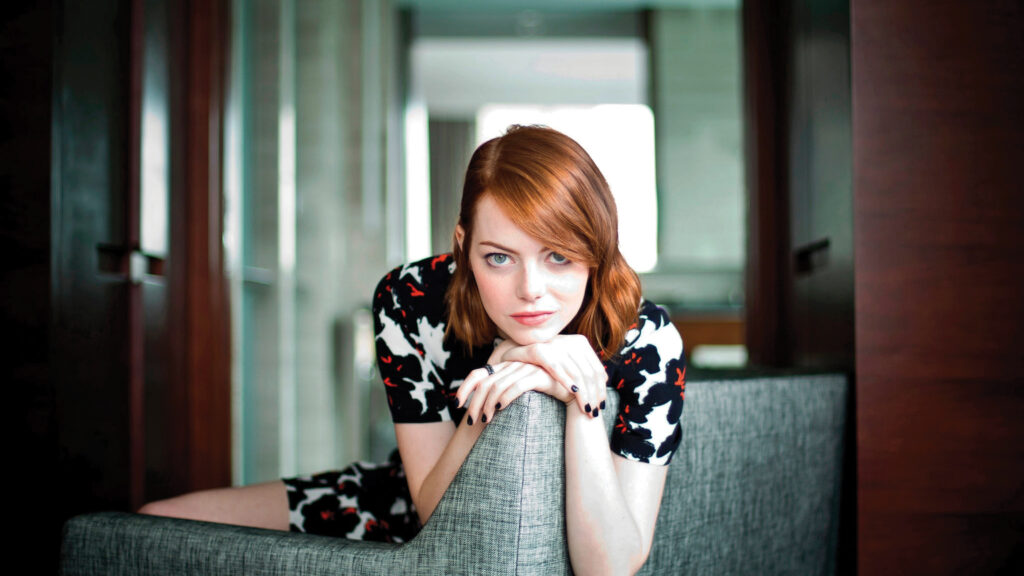
Her real life is as colourful as her reel life. Having previously dated actors Kieran Culkin and Andrew Garfield, she tied the knot with writer-director Dave McCary in 2020, and the couple welcomed daughter Louise Jean in 2021. They live in Austin, Texas, where she can go out, see friends and lead a normal life, or at least, a more normal life than she would have in Hollywood. She and Jennifer Lawrence are close: “We go on trips together, we hang out at each other’s houses in New York and watch [fantasy comedy film] Hocus Pocus.”
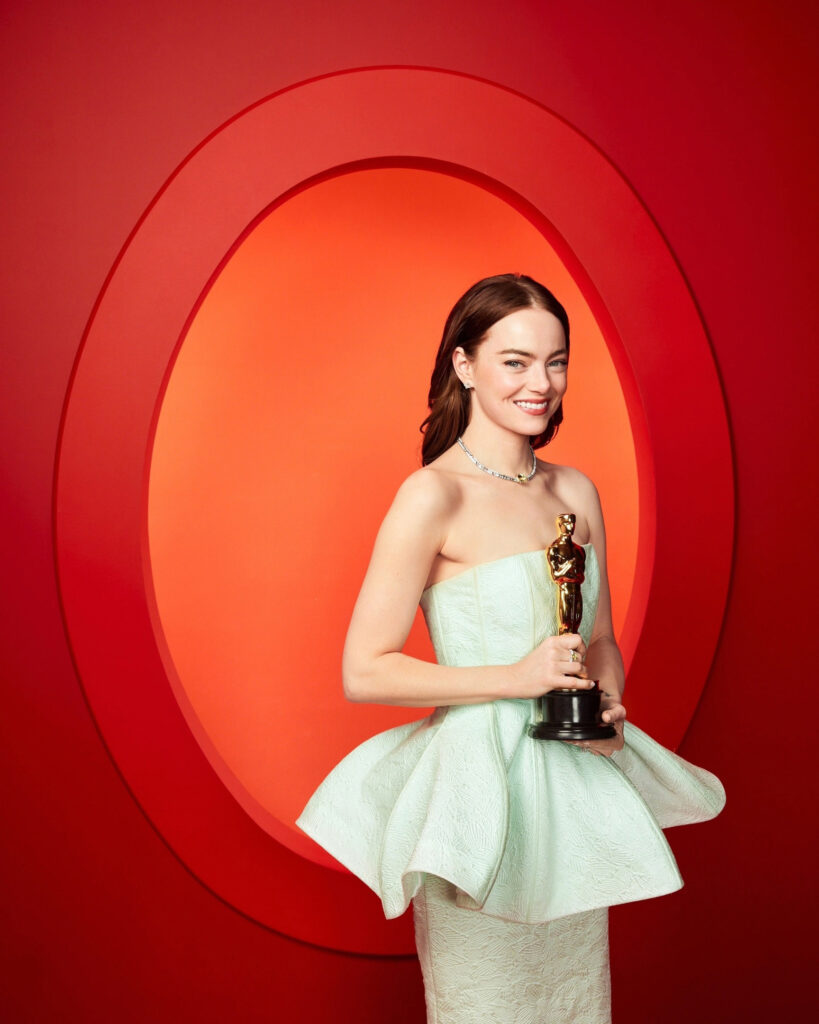
Although Stone is known as a redhead, her natural hair colour is blonde. She dyed it red on the advice of Superbad director Judd Apatow and the colour has remained almost ever since.

Ready, set, go!

Off the sound stage, she served as producer on Poor Things and executive producer of the 2023 black comedy-horror TV series The Curse, in which she stars alongside creator-writers Nathan Fielder and Benny Safdie. Through their production company, Fruit Tree, Stone and McCary also guided the comedy film A Real Pain to life; written, directed and starring Jesse Eisenberg, it premiered at the Sundance Film Festival in January. Numbering among Fruit Tree’s credits as well is Problemista (2023), the brainchild of writer and comedian Julio Torres, who created two of Stone’s best-ever Saturday Night Live skits, Wells for Boys and The Actress.

Stone’s talent and diverse roles have earned her a substantial fortune, with her current net worth reportedly estimated at about US$40 million (HK$313 million). She’s also a dedicated philanthropist, supporting causes such as cancer research and Stand Up to Cancer – her mother is a cancer survivor.
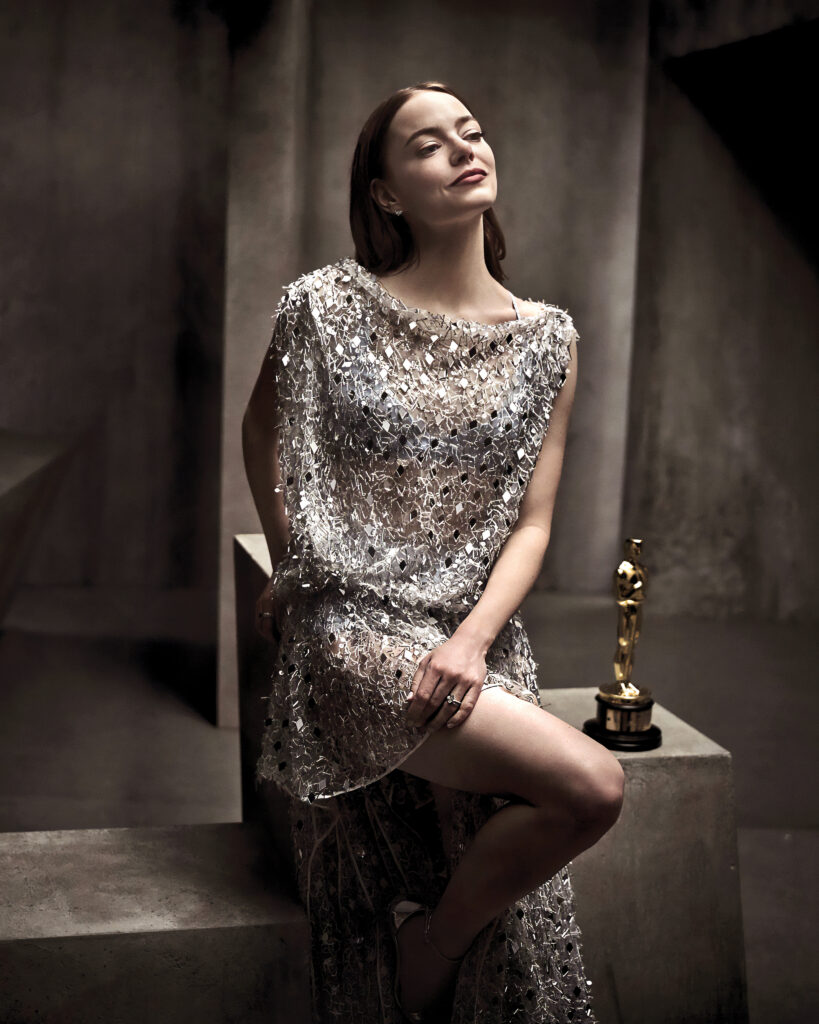
“I learn from my mistakes … I never feel like I am doing it all right all the time. But that’s okay. Being human is okay. That’s a hard lesson if you are a sensitive person; when you care about people and you don’t want to hurt anybody, you don’t want to f*** up. And it’s hard because you will,” she confesses.

This all paints a picture of Emma Stone as a kind of auteur, giving herself and others a platform to experiment with their greatest and most unusual work – work meant to challenge the audience. After two critically acclaimed collaborations with Lanthimos, The Favourite (2018) and Poor Things, she is set to make it a trio with the Greek maestro. Kinds of Kindness debuts at the Cannes Film Festival this month. Bring on more Emma Stone brilliance, we say.
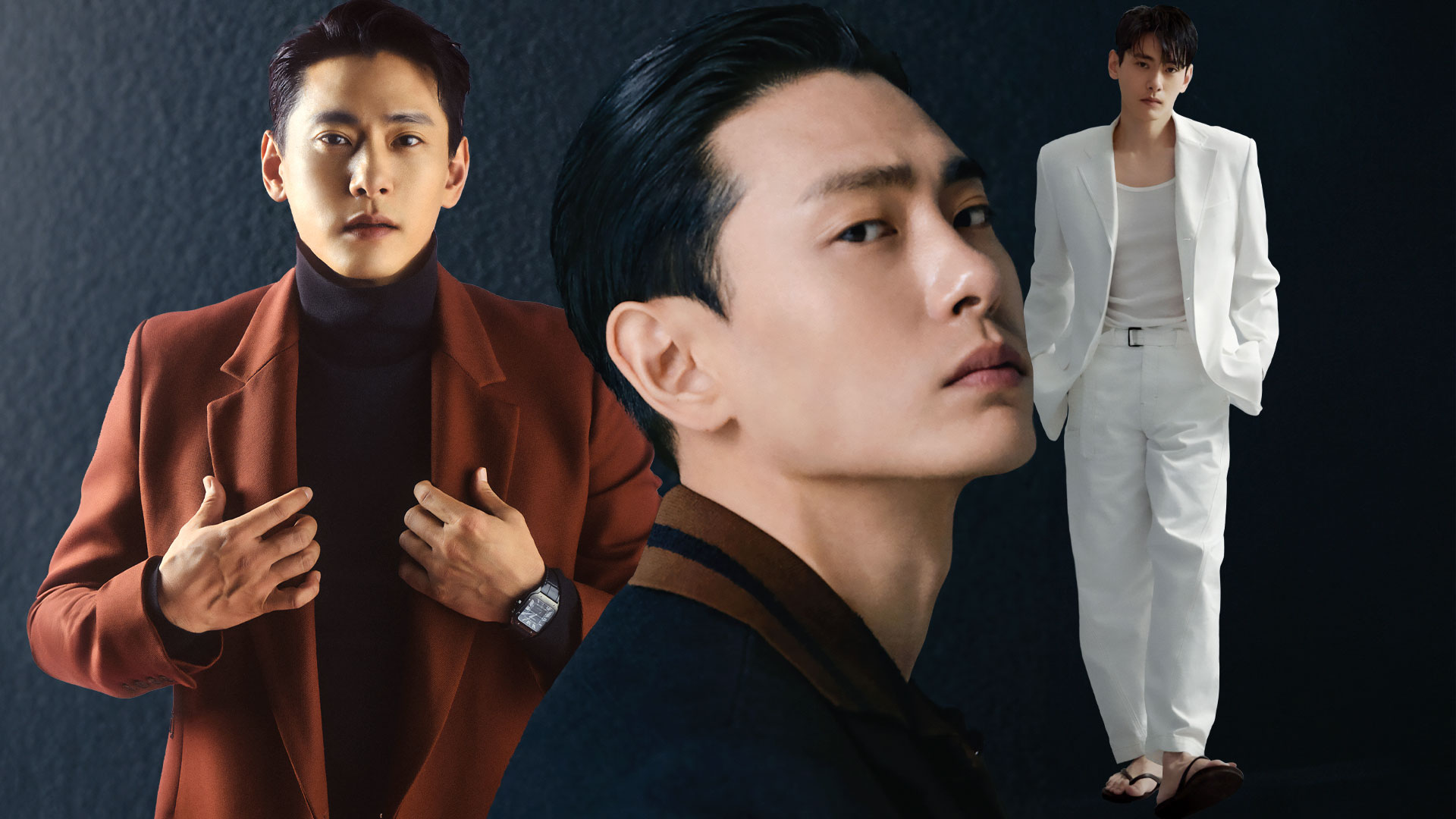
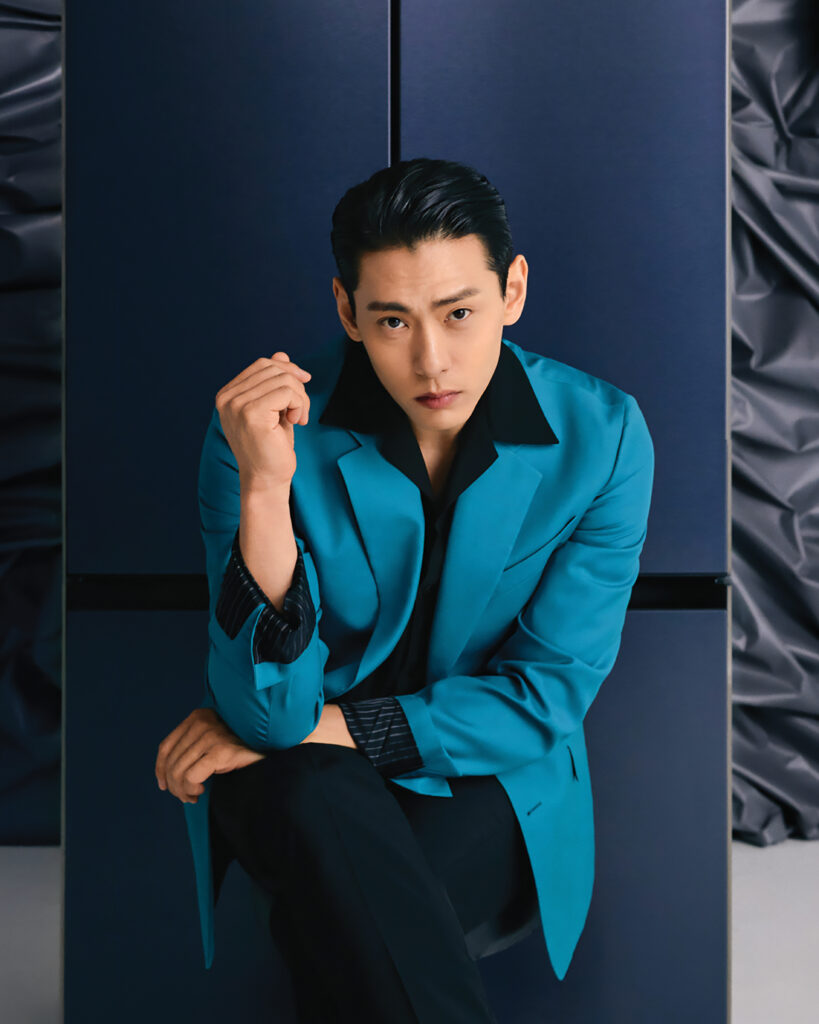
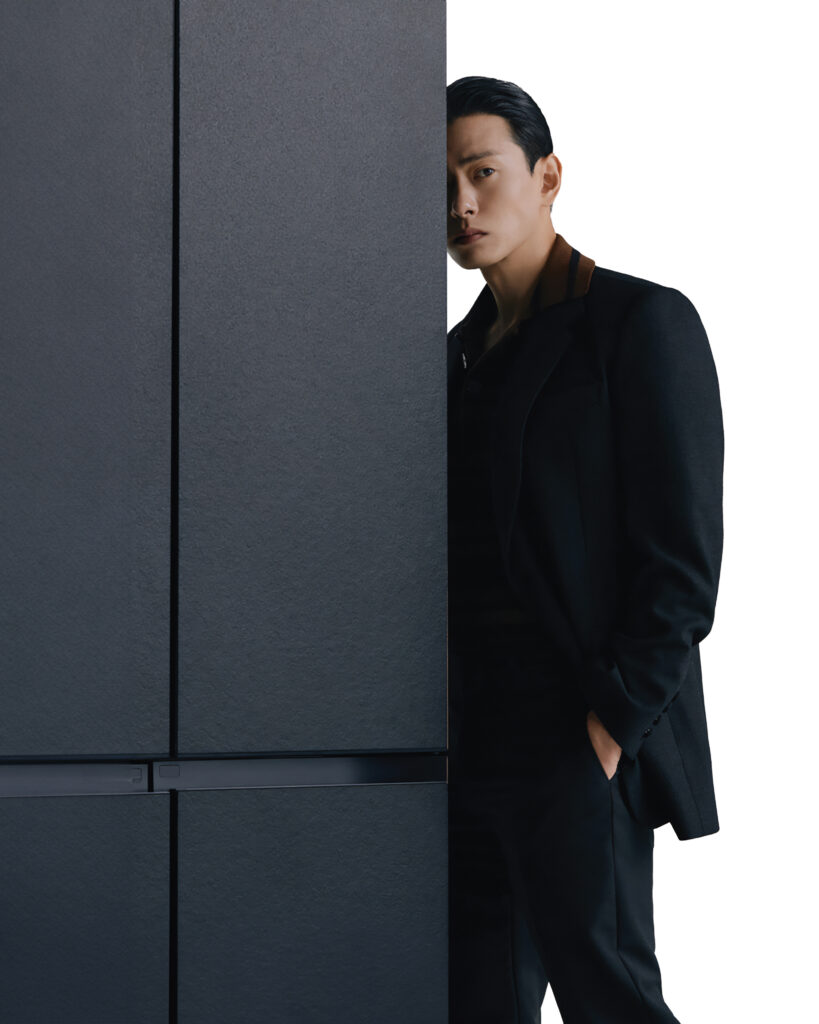
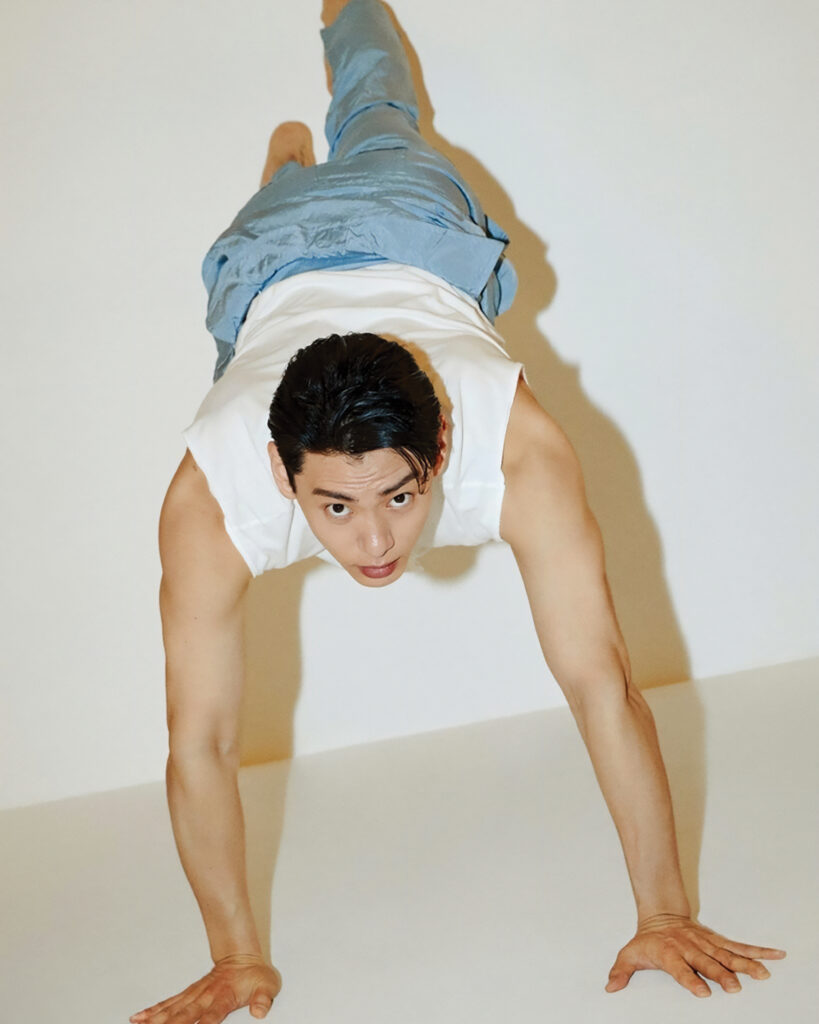
Yoo’s Cues: Teo Yoo shot to fame with his nuanced performance in Past Lives, but the extrovert within him awaits

In the realm of entertainment, success stories are often shaped by talent, perseverance and a touch of fate. Teo Yoo’s rise has captivated audiences worldwide, a Korean actor raised in Germany who defied the odds to break into the international film industry. From humble beginnings to global sensation, his journey is an inspiring tale of passion, determination and unwavering belief in one’s dreams.
Yoo’s touching performance as a man doubting his destiny in the critically acclaimed film, Past Lives, cast him into an unexpected spotlight. The movie premiered at the Sundance Film Festival in January last year, won Best Feature at the Gotham Independent Film Awards, and was a Best Picture nominee at this year’s Oscars.

“It’s still a bit surreal as Love to Hate You was my first leading role in a Korean TV show and Past Lives was the first time I was the lead of an American feature film,” says the 42-year-old actor of 2023. “Being able to showcase the diversity of my work to the public has been exciting.”

Teo’s breakthrough came with a role that would define his career and eventually solidify his place among the finest actors of this generation. First casted in an independent film, his portrayal of a complex character captivated audiences and critics alike. The film’s success propelled Teo into the international spotlight, earning him accolades and paving the way for a myriad of opportunities.

Chosen path

This year, he promises audiences will see a different side of him. “I don’t even feel like I have scratched the surface of my potential. It is always hard to answer this question [of what challenge is coming next] because as an actor, we are not choosing what we want to do. We are getting chosen. So it is hard to tell what comes next. But I can tell you that I want to show a more colourful and extroverted variety of my character in the future.”

Born Kim Chi-hun in Cologne, Germany, in 1981, to South Korean immigrants, Teo Yoo was supposed to train as a physical therapist, but pursuing acting studies at the Lee Strasberg Theatre & Film Institute in New York and then the Royal Academy of Dramatic Art in London changed his mind.

His career began in the mid-2000s with a few small roles in Korean films. Having relocated to Seoul, he clocked up appearances in a couple of international productions – Seoul Searching (2015) and the Russian rock movie Leto (2018), both of which took him to the Cannes Film Festival.

Breaking free

As the son of a coal miner who moved to Germany as part of a labour scheme, Yoo doesn’t waste time dwelling on regret and has never been afraid to take chances. “Personally, I believe that an individual can adapt anywhere and still find a reason and a purpose to feel that they belong in said circumstance,” he says. “I also believe that it even heightens a sense of belonging due to the purposeful nature of becoming invested in the new environment.”

Heart felt

Past Lives, Yoo’s most significant career highlight to date, is an endless love story, even if it lacks the genre’s typical elements. Written and directed by Celine Song, it follows two childhood friends as they grow older, become adults and go in separate directions. It crosses boundaries, time, relationship, and even lifetimes, and arouses emotions so deeply that yearning looks are the greatest way for the two protagonists, Hae Sun (Yoo) and Nora (Russian Doll and The Morning Show star Greta Lee), to express themselves rather than words.

The story’s origins lie in the Korean idea of inyeon, which holds that two individuals are meant to cross paths because of their ties from past lifetimes. Even though the couple’s relationship is intense and powerful, first-time director Song manages to make it seem real and relatable. And Yoo and Lee persuade us that it’s true.

“The cultural belief system of inyeon helped to construct the emotional elements of the character in this particular movie,” he says, adding: “I don’t really reminisce too much about my life. But sometimes I do like to think about it as a form of an imaginative exercise, as the construct of ‘what if’ is such a Western idea. In contrast, the core concept of inyeon allows me to just be.”

A happy ending?

Warning: A bit of a spoiler. Past Lives is a romance, even if the majority of the people who have watched it don’t feel that way by the end. However, without giving too much away, Yoo insists: “Looking at it from my character’s perspective, it’s not an ending. It’s just maybe a beginning. So it’s definitely a romance.”

His Oscars 2024 red carpet moment was a touching one tinged with sadness. Yoo wore a turtle pin, and when asked by the press he revealed the layers of meaning behind his accessory choice – it symbolised his late tortoise, Momo.

“Okay, so my pet tortoise passed away last year and I had him for 10 years. I’m gonna grieve for a while,” he announced, while smiling but close to tearing up. Yoo’s vulnerability, in real life or reel life, is what makes him very likeable.

Yoo says he was “in tears for about three days” after his pet’s death. “I was so dramatic. You know, it’s like that moment you have with your pet where you’re like, ‘Oh my god. Life is over.’ And then you remove yourself at the same time as an actor and you look at the situation and you think, ‘Oh my god, this is so dramatic and comical.’”

Driven by talent, dedication and relentless pursuit of artistic excellence, Yoo has proven that with hard work and determination dreams can indeed become reality. His success story continues to unfold, leaving audiences eagerly anticipating his next endeavour and celebrating the indomitable spirit of a true artist.

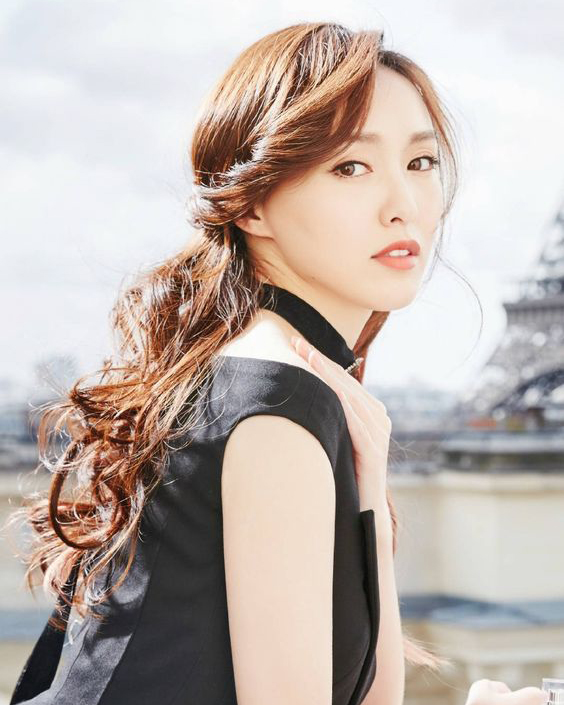
Tang Primacy: Tiffany Tang, queen of Chinese TV dramas, is as strong-minded as her Blossoms Shanghai character

Blessed with exceptional talent and magnetic presence, Tiffany Tang has long captivated Chinese-speaking audiences on the small screen and in movie theatres. The Shanghai native has starred in some of the most popular mainland China television dramas in the past 15 years, including Chinese Paladin 3 (2009), Xuan-Yuan Sword: Scar of Sky (2012), Lady & Liar (2015) and The Princess Weiyoung (2016) and has stepped onto the stage for a singing career, too. She was once hailed as the ‘One Billion Queen’ since her TV series consistently attracted the highest viewing figures.

After a short hiatus following the birth of her daughter, 40-year-old Tang was back in the limelight playing Miss Wang in the highly anticipated drama Blossoms Shanghai, produced and directed by Hong Kong’s pride Wong Kar-wai. This adaptation of Jin Yucheng’s novel Blossoms premiered in December and tells the story of A Bao (played by Hu Ge), a Shanghainese man living large during the 1990s’ economic boom. While garnering favourable reviews for Tang’s evocative interpretation of a complex character, in true Wong Kar-wai style the series also divided the critics. Also, unsurprisingly given Wong’s meticulous work habits, the script was many years in the writing and filming spanned a further three years.

It was a bold move for the arthouse director fêted on the international film festival circuit – his first turn on TV and a decade since his last motion picture, The Grandmaster. But thanks to a stellar cast and Oscar-winning Hong Kong cinematographer Peter Pau behind the camera, Blossoms Shanghai proved that change is sometimes necessary.

Tang had declined to participate in any other film or television project after landing the part, demonstrating her unwavering commitment to the series. “Over the past three years, I feel as though I have actually become Miss Wang,” she said. “Miss Wang is very clear-thinking. No matter how tough the situation, she can always overcome it.”

Life of Drama

This clarity of purpose may also be applied to her own rise. Tang’s passion for acting surfaced during her school years, when she actively participated in various drama clubs and productions. Recognising her potential, her parents supported her dreams, and she enrolled in the prestigious Central Academy of Drama in Beijing to pursue a formal acting education.

Her breakthrough came when she won the role of Zi Xuan in Chinese Paladin, the popular series starring, coincidentally, Hu Ge. Her performance earned her widespread acclaim and catapulted her to stardom in China. She has continued to impress in more than 30 notable TV dramas, showcasing her versatility and acting prowess.

Big-Screen Presence

Tang’s talent soon attracted the attention of other East Asian entertainment-industry powerhouses, namely Hong Kong and South Korea. Expanding her reach beyond China’s borders and onto the big screen, she appeared in the Pang brothers’ wuxia fantasy The Storm Warriors (2009) starring Hong Kong heartthrobs Aaron Kwok and Ekin Cheng, as well as A Chinese Odyssey Part Three (2016) and Cook Up a Storm (2017).

Bounty Hunters (2016), a China-South Korea-Hong Kong co-production, was another stride abroad, and it was followed by the Jingle Ma action-thriller Europe Raiders (2018), where she starred alongside Tony Leung and Kris Wu. The film was released in North America and Australia, opening doors for further international opportunities in the industry.

Sense and Style

Her acting credits aside, Tang frequently sits in the front row during fashion weeks. Her widespread popularity, striking appearance and effortless ability to embody elegance, sophistication and modernity have made her the perfect choice for global brands seeking to boost their influence in Asia. She was formerly a spokesperson for Coach and Bally, has collaborated with Roger Vivier and Valentino, and more recently endorsed Chanel, Dior and Louis Vuitton.

Tang is also an advocate for women’s rights and gender equality. In various interviews, she has spoken about feminism and the importance of breaking traditional stereotypes and encouraging women to pursue their dreams fearlessly. She once said that a woman is at her most alluring when she is pregnant, opining: “A woman has charm and this is not achieved by a girl. She will only go through it after she has become a mother.”

Motherhood First

Herself giving birth a year or so after her 2018 wedding in Vienna to actor and singer Luo Jin, Tang has openly discussed the challenges and joys of balancing a successful career with her role as a mother. She emphasises the importance of support systems and the need for society to be more inclusive and understanding of working mothers. Her candid and relatable perspective on motherhood has resonated with many, making her an influential figure for women navigating similar journeys.

She acknowledged that she purposefully chose to reduce her workload when she became a wife and mother. “Of course, work is important, but you must also allocate time and energy to family and life,” she said. “Once you return to work, you won’t have much time to accompany your children. Children are constantly growing. If you miss it, then you miss it.”

The actress added it is a common misconception that she has done little recently because she has only worked on a couple of projects: “I am actually busy. But it’s meaningless to explain it to people because people who know me don’t need the explanation.”

Tiffany Tang has successfully bridged the gap between cultures, garnering recognition and endorsement from prestigious brands worldwide. Her commitment to feminism and her relatable insights on motherhood further contribute to her status as an influential figure. As she continues to make her mark in the entertainment industry, her star power shows no signs of dimming, solidifying her position as an icon of Chinese television and contemporary Asian cinema.

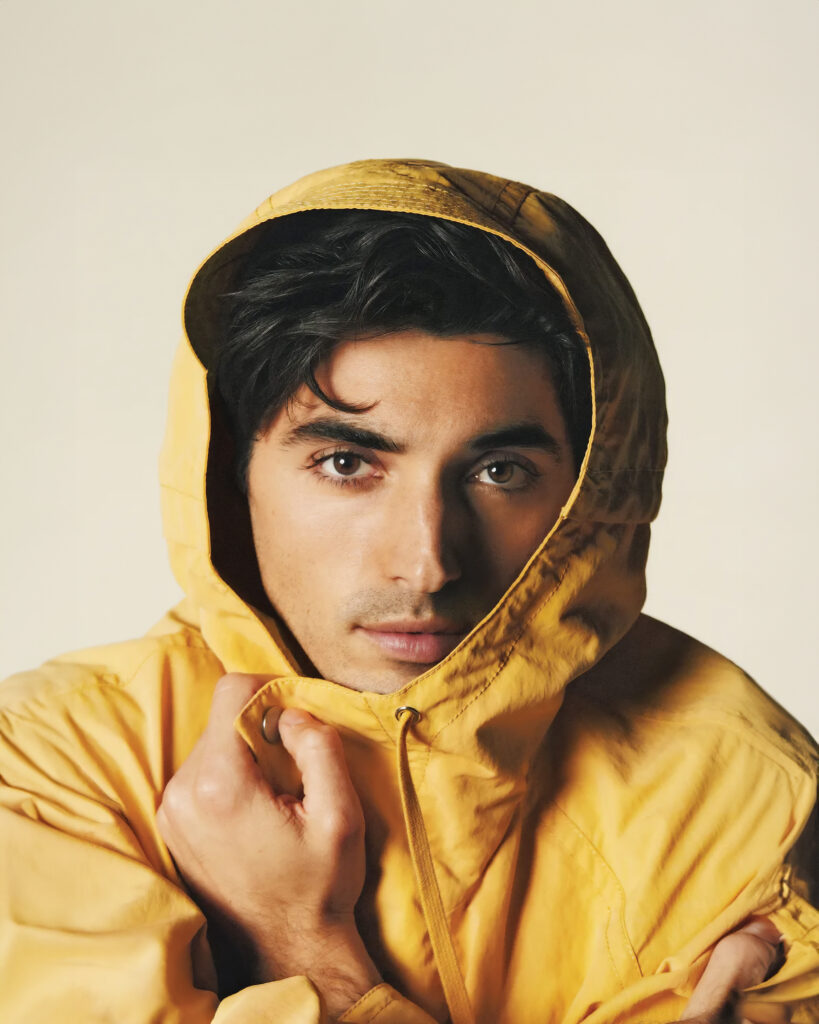
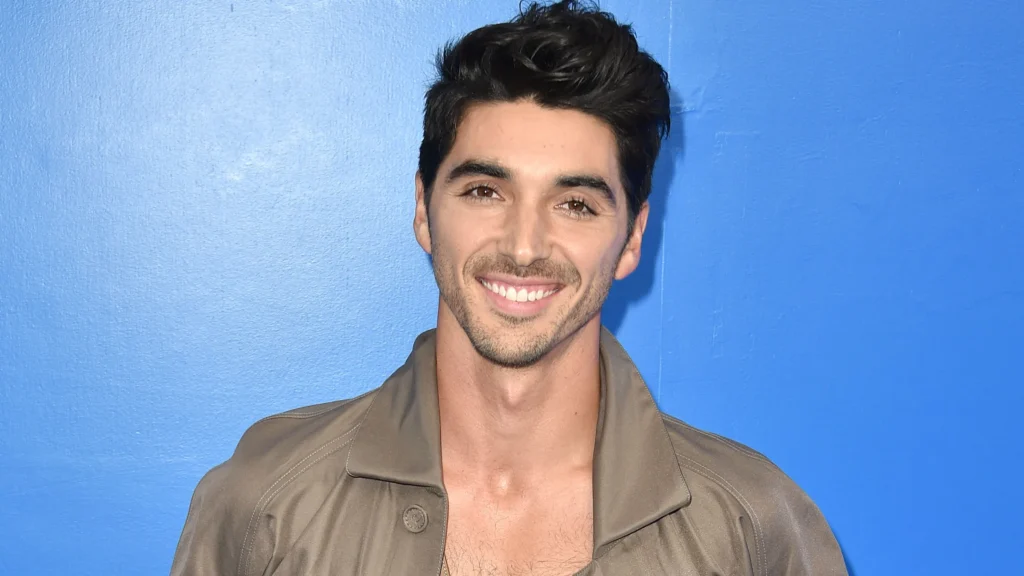
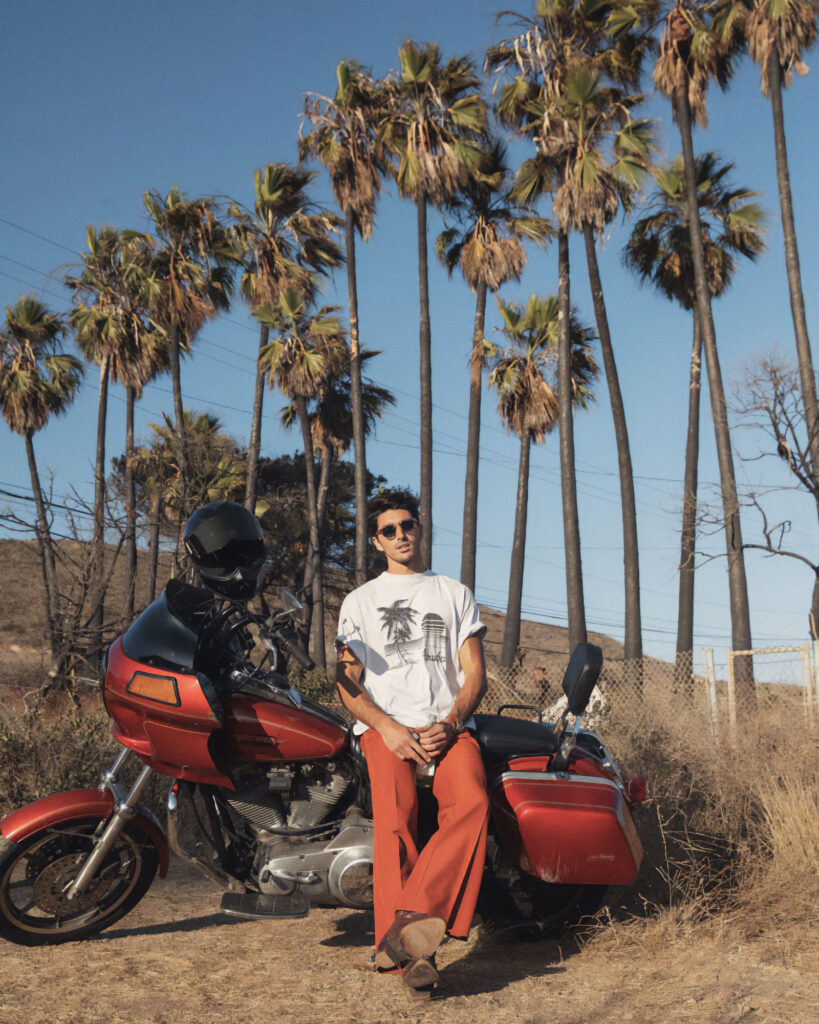
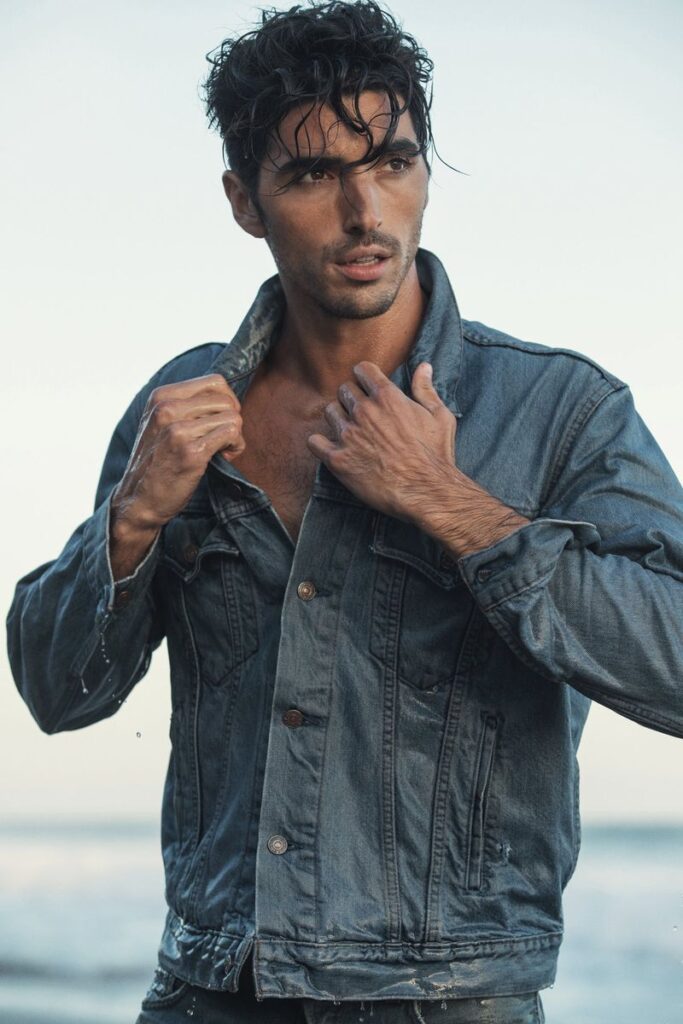
Taylor Making: From the Kissing Booth to Instagram, rising star Taylor Zakhar Perez shouts out for equity

In the vast landscape of Hollywood, certain individuals possess the talent and drive to capture our attention and leave a lasting impact. Taylor Zakhar Perez, a rising star, has emerged as one such individual, captivating audiences with his acting prowess and using his celebrity platform to advocate for social causes close to his heart.

Born on Christmas Eve 1991, in South Chicago Heights, Illinois, into a family of Mexican, Middle Eastern and Eastern European ancestry, Taylor discovered his passion for the performing arts at a young age. Raised in a supportive environment that nurtured his creativity, he participated in school plays and local theatre productions. After completing high school, where he excelled at swimming, the budding thespian pursued his dreams and enrolled at the American Musical and Dramatic Academy in Los Angeles, where he honed his acting skills and laid the foundation for his future career.

Kissing Tell

“Failure wasn’t an option,” says Zakhar Perez today of his decade-plus journey through Hollywood. Now 31, the actor moved away from his seven siblings in the Midwest to attend UCLA – in part so he could moonlight as an assistant at creative agency Art Department, where his uncle worked at the time. That was in addition to a few other gigs and, of course, attending class.

“I was working three or four jobs at one time: school, Art Department, production assisting, acting classes, and I was also a cater-waiter,” he says. “I didn’t move to Hollywood to not do what I wanted to do.”

It was in the second part of Netflix’s high-school romantic comedy series The Kissing Booth that Zakhar Perez made his big screen debut as Marco Peña, the dreamy, muscular and gifted “snack” that Elle (Joey King) calls him. Fans of the first film had launched co-stars King and Jacob Elordi into superstardom seemingly overnight, and Zakhar Perez received similar treatment. Within hours of The Kissing Booth 2’s release in 2020, he had more than four million Instagram followers. He was blown away by the response.

“I think my Instagram glitched, and my DMs [direct messages] still don’t work!” he exclaimed shortly after, highlighting the seeming absurdity of his instant appeal. “I try to delete them, I’ve talked to Instagram like, ‘Hey, I think these DMs are breaking my phone. It just glitches all the time.’ And they’ve tried to do it, but they still come in hot.”

His charismatic portrayal of the charming and confident Marco garnered critical acclaim and quickly endeared him to audiences worldwide. The following year he reprised his role in The Kissing Booth 3, solidifying his status as a rising star in the industry.

Honour Colour

Zakhar Perez is not only known for his talent but also for his unwavering support for the LGBTQ+ community. Since entering show business, he has expressed his commitment to creating an inclusive and accepting society. “Love knows no boundaries, and it’s high time we embrace and celebrate the diversity within the LGBTQ+ community,” he notes. “Acceptance is the first step towards building a society where everyone feels seen, heard and loved.”

As a vocal and highly visible advocate for LGBTQ+ rights, he has actively participated in events and initiatives that promote equality and understanding. He says: “As an actor, I believe it’s crucial to use my platform to amplify voices that are often marginalised. Supporting the LGBTQ+ community is not only a moral obligation, but it’s also about creating a more compassionate and inclusive world.”

In addition to his support for the LGBTQ+ community, Zakhar Perez is a champion of mental health awareness. Recognising the importance of destigmatising mental health struggles, he has openly discussed his own experiences and encouraged open conversations about mental well- being. His dedication to raising awareness and promoting self-care serves as an inspiration to many.

Movies and Movements

Zakhar Perez is always moving forward. Having two successful films in quick succession under his belt, he was keen to take riskier steps in his career and continue to develop as an artist. “I’m inspired to lead more, inspired to throw myself in with talented people who are better than me. I just wanna learn it all,” he said at the time.

His guest role as a firefighter and potential raunchy cover star in HBO Max’s female-driven, female-created show Minx (2022) allowed him to do just that. The unconventional rom-com was greatly altered by this series set in the 1970s about the launch of an erotic magazine for women.

Zakhar Perez was thrilled to work with comedy great Jake Johnson of New Girl fame, who played one of the show’s leads.

His most recent film role sees him playing the co-lead. In the Amazon romantic comedy Red, White and Royal Blue, he is the gay son of the US president who falls for a prince of England – another character that casts him in a different light to his legion of adoring fans.

For him, life lessons aren’t limited to the big screen and cameras. He actively seeks to use his stardom to inform people about critical subjects, particularly in this era of performative ‘repost culture’. He has personally and consciously explored the topic of environmental challenges on his Instagram.

“I really like digging my heels into one social issue and being like, ‘This is what I know. This is what I’m learning,’” he says. “And maybe the people that follow me will have read everything along the way and understood it.”

And he’s all about practising what he preaches. “I’m trying to figure out composting. I’m trying to figure out a garden and chickens,” he laughs. “I’ll be that crazy chicken dad!”

Zakhar Perez’s background, career and advocacy works reflect his multifaceted, multicultural nature as an actor and individual. Through his talent, authenticity and dedication, he has positioned himself as a role model for future generations of actors and as a rising star with a passion for making a difference in the world. As his journey continues, audiences can anticipate witnessing his growth and impact both on and off the screen.

However, he may need a chicken-sitter when he’s away on long shoots, which is what he plans to do, keeping an open mind to wherever his next move will take him.

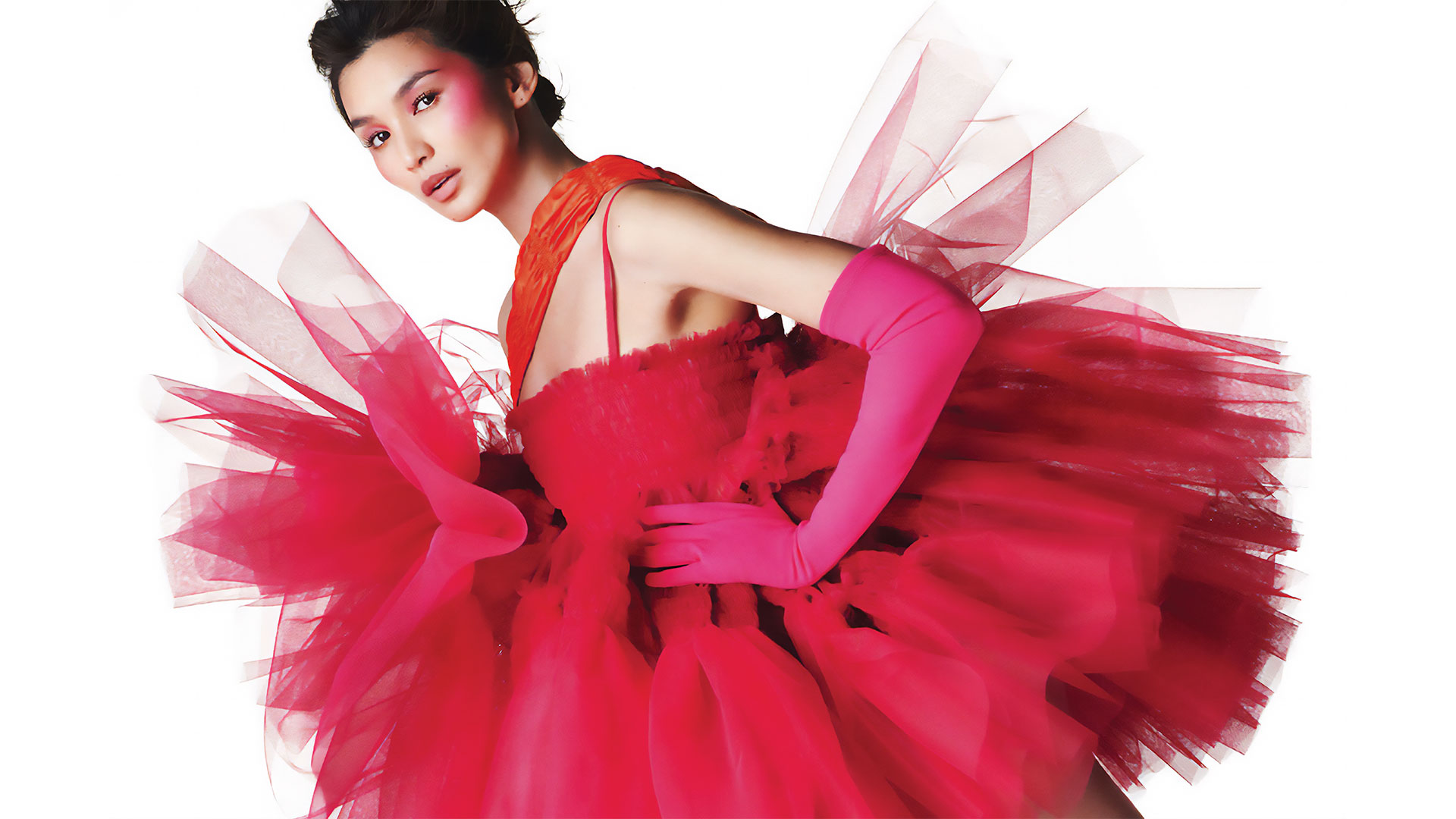
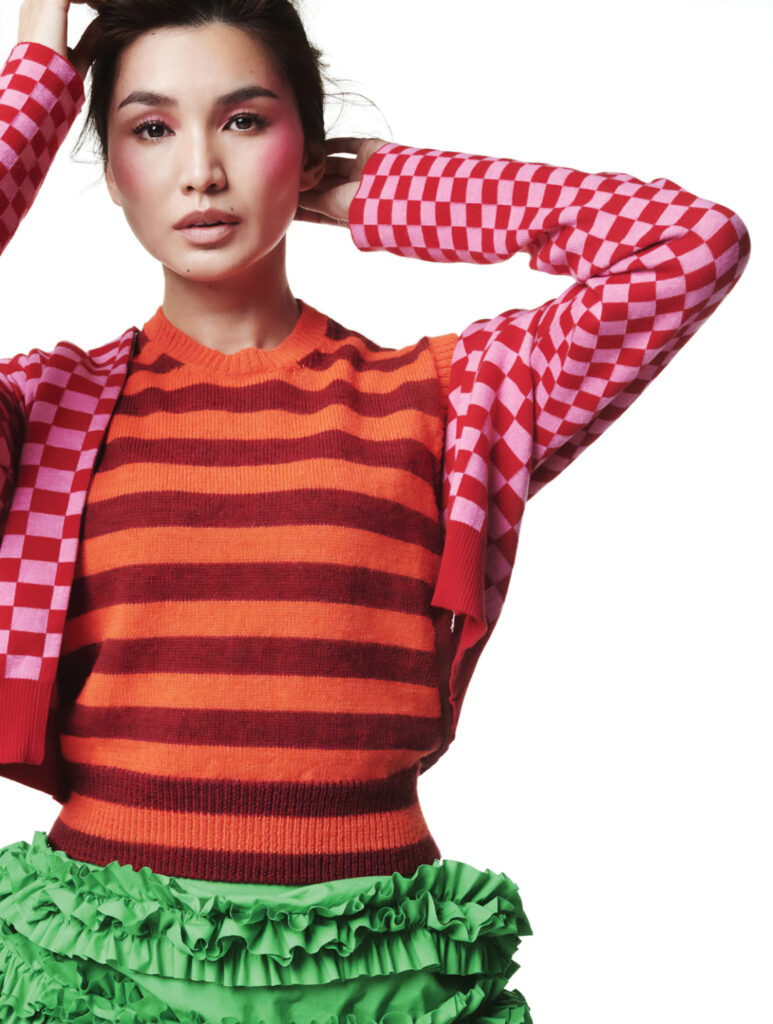
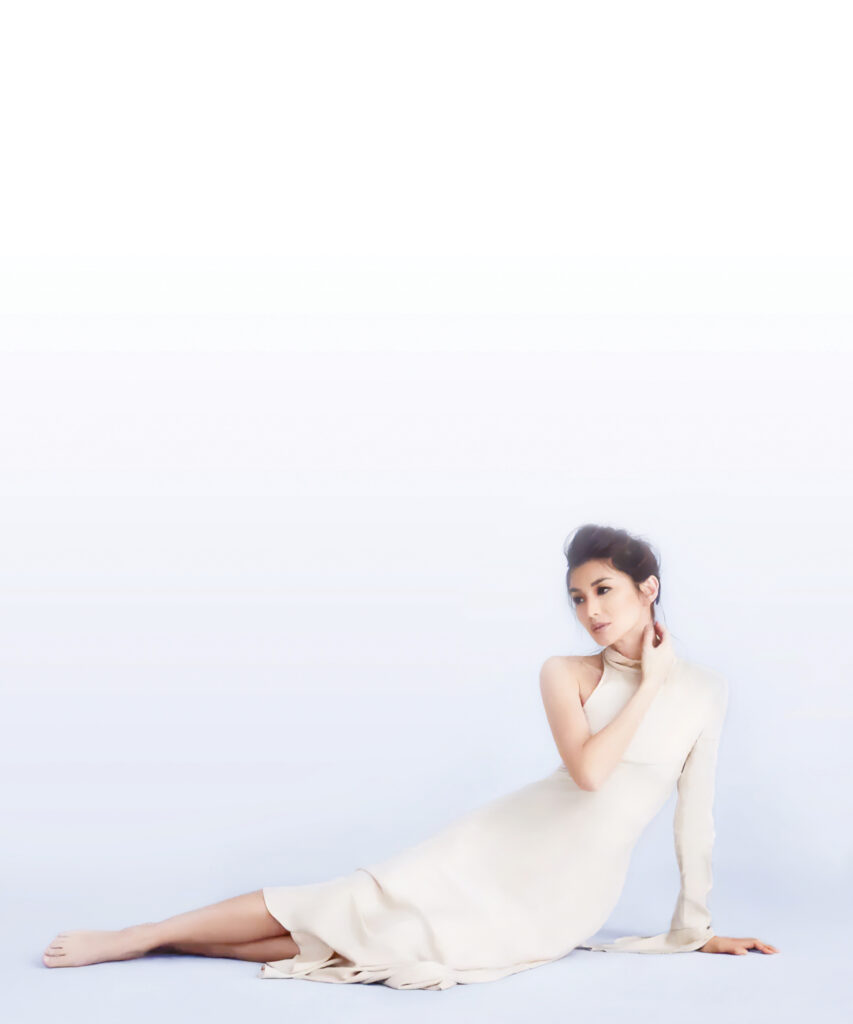
Yes, She Chan! – Gemma Chan’s powerful performances and outspoken advocacy have shattered barriers and opened doors for under

Gemma Chan’s high cheekbones, bright eyes and full lips characterise a face that is symmetrical to the point where it seems statistically improbable. This may be the reason behind her frequent casting in superpowered or non-human roles, such as the selfless android, Mia, in the British TV series Humans, space sniper Minn-Erva in Captain Marvel, and immortal alien Sersi in Eternals. But though her striking face will have helped her acting career, it is really just a superficial footnote to a person who runs truly deep.

Long before Hollywood came calling with a part in Crazy Rich Asians, Chan nearly took a different professional path. She declined a job offer from a prestigious London legal firm after earning her law degree at Oxford University in 2004. Rather, she enrolled at the esteemed acting school Drama Centre London. Two decades on, the British-Chinese actor has reached a comfortable level of celebrity status, capturing the hearts of audiences worldwide with her talent and unwavering commitment to breaking barriers in the entertainment industry.

Not So Crazy Rich

From humble beginnings to trailblazer, Gemma Chan’s life story is one of perseverance, resilience and a relentless pursuit of empowering others. She has openly acknowledged that her parents – hardworking Chinese immigrants from Hong Kong (father) and mainland China originally (mother) – overcame great adversity to earn degrees in engineering and pharmacy respectively.

Now aged 41, she was born in London and raised in a tight-knit Chinese family who had made Scotland their home. Her parents instilled in her the values of hard work, education and cultural heritage. Her father had survived two years of homelessness when their one-room flat in Hong Kong burned down and put his five siblings through school by working on oil tankers – which is why he considered Gemma’s artistic dreams not at all practical.

Some of her many early jobs include stocking shelves at the UK chemist chain, Boots, manning a shopping centre perfume counter and working as a lifeguard – all unimaginably far from the glamorous lifestyle she is now experiencing.

Diversity in Hollywood

But her breakthrough via the role of Astrid Leong-Teo, a strong, independent woman and a famous actress, in the surprise hit Crazy Rich Asians (2018) proved her father’s view wrong. The film not only became a global phenomenon but also marked a significant milestone for Asian representation in Tinseltown.

In various interviews, Chan has emphasised the importance of diversity in the film industry. She believes in the power of representation and the positive impact it can have on audiences. She says: “When people see themselves on screen, it validates their existence, their experiences, and it tells them that their stories matter.”

Playing celebrated social climber Bess of Hardwick in Mary Queen of Scots (also 2018) was another step toward prominence, and it was swiftly followed by her strong entry into the Marvel universe. Chan has a platform now that she is well-known in the media, and she is using it to every minority’s benefit.

She has been spotted on the red carpet, sporting clothing from Asian designers including Jason Wu, Prabal Gurung, Kenzo, Altuzarra and Adeam. “I was just so moved,” she says.

Power to the Women

Beyond her on-screen presence, Chan has been a vocal advocate for women’s rights and combating gender stereotypes. Spotlighting the need for more complex and diverse female characters, she says: “It’s important to tell stories about women, showing them as fully realised human beings with desires, flaws and dreams.”

She did just that in Captain Marvel, supporting the first standalone female title character (played by Brie Larson) in the Marvel universe in the first Marvel film directed by a woman. Chan also expresses her admiration for Gurung who has been “putting plus-size and transgender models on the runway”. She adds: “I love opening up a magazine and seeing a whole mixture of body types … grey hair, dark skin, wrinkles – we are saying that we find these things beautiful.”

Chan’s passion for empowering women extends beyond her acting career. She has been involved with various organisations, including the Time’s Up movement, to call out sexual harassment, address inequality and promote gender parity in the entertainment industry and beyond. Her advocacy work amplifies marginalised voices and challenges societal norms.

She supports Time’s Up Justice and Equality Fund, the British counterpart of the Legal Defense Fund that assists people challenging workplace sexual harassment and an unequal status quo. Additionally, she collaborated with fellow actor Ruth Wilson and the British Film Institute to conduct educational sessions with more than 400 drama school students on how to spot various forms of power abuse, comprehend nudity clauses, and safeguard oneself from compromising audition scenarios.

“What’s going to be expected of you if you have to do a sex scene? What if you get asked to do something you’re not comfortable with? How can you say no?” asks Chan. “These are things they don’t teach you in drama school.”

To Be Continued

Despite her rising fame, Gemma Chan remains grounded and acknowledges the challenges she has faced. She emphasises the importance of staying true to oneself, stating, “It’s really important to find your own voice and your own path, and to not be afraid of speaking out and saying no.”

With all this activity in her life, from superhuman roles to battling for better industry standards, what could be next on her agenda? She expresses a desire to create more opportunities for underrepresented voices, saying: “I want to be part of making those stories visible, and hopefully, that will inspire someone else to tell their story.”

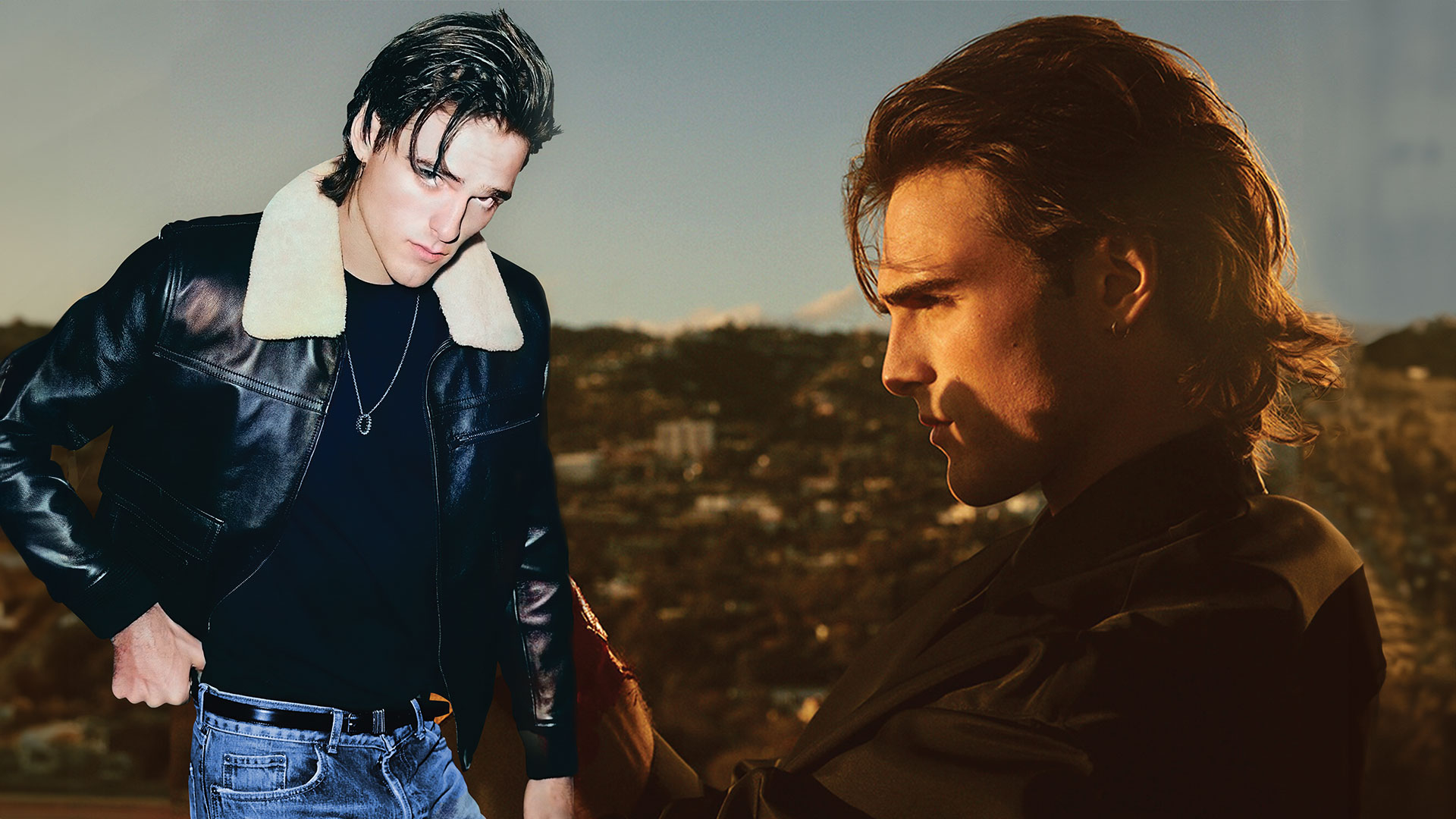
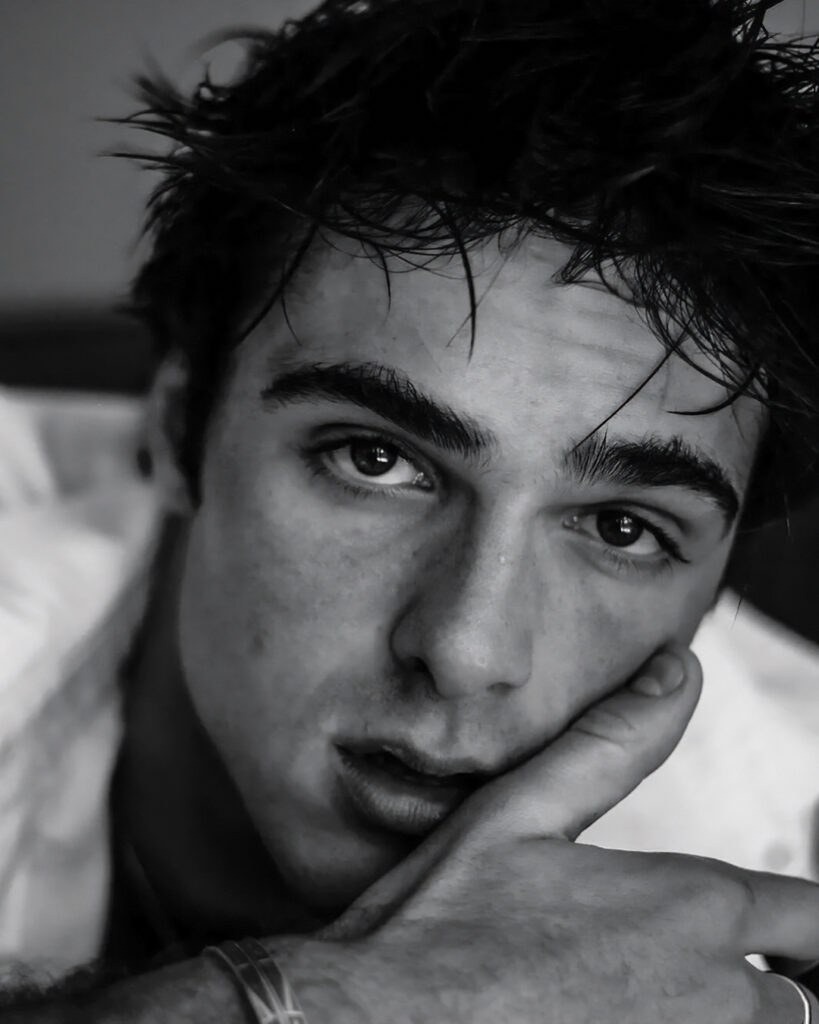
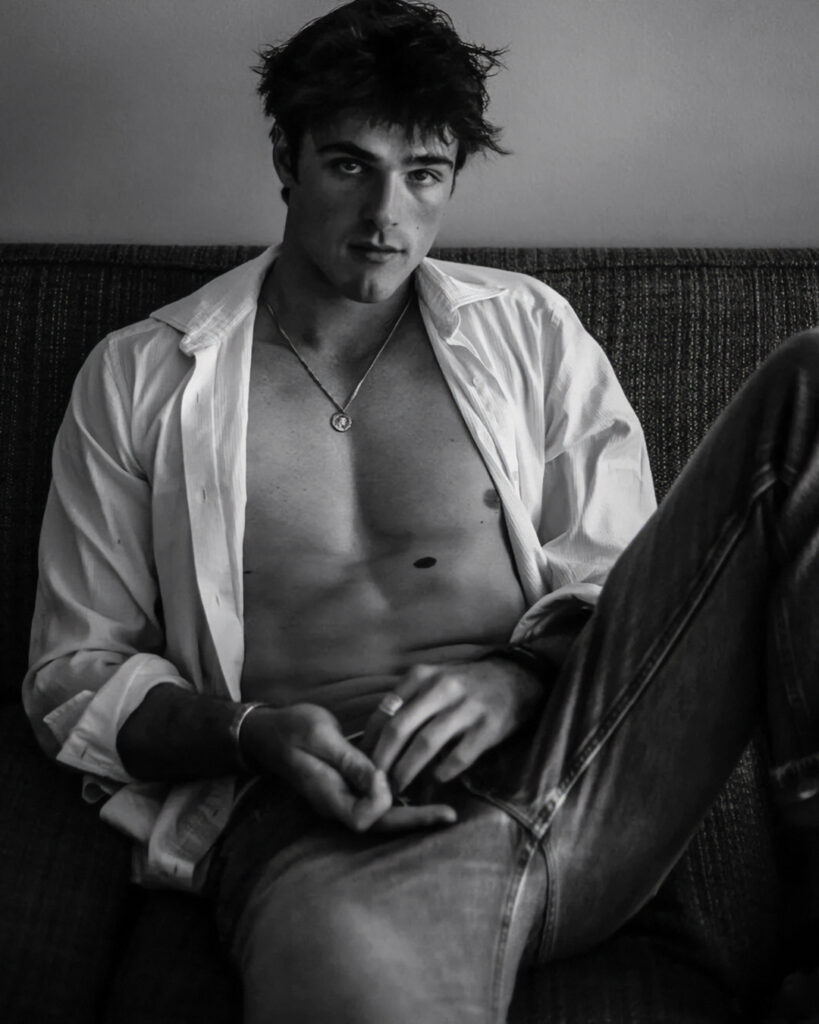
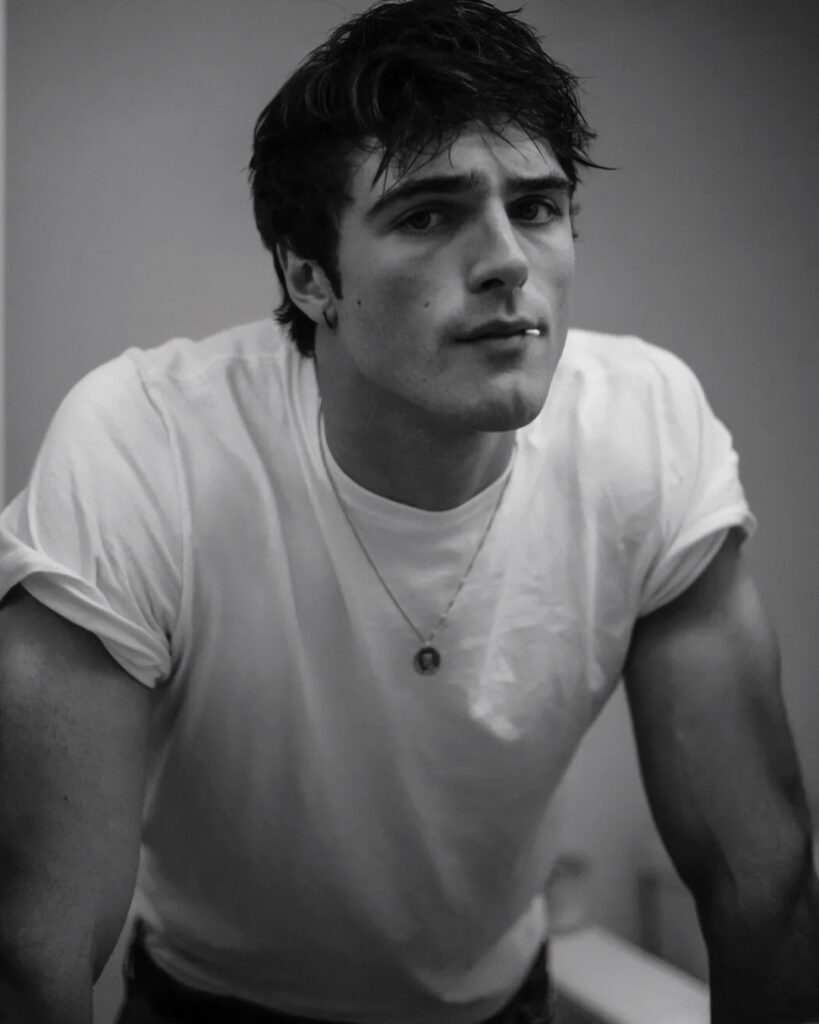
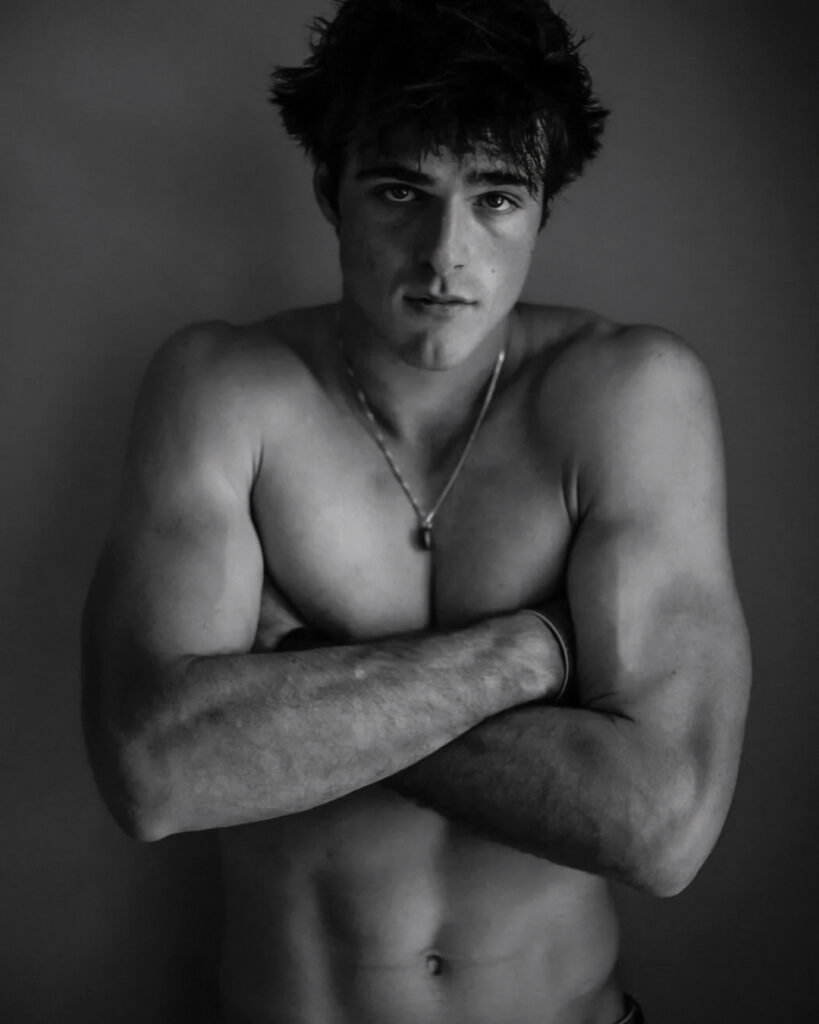
Elordi in Waiting: Priscilla star Jacob Elordi is rapidly climbing the Hollywood ladder to become Gen Z’s leading man

In the glitz and glamour of Hollywood, where talent and charisma go hand in hand, Jacob Elordi has emerged as a rising star who is captivating audiences worldwide. With his striking looks, undeniable acting prowess and an impressive range of performances, the 26-year-old Australian has quickly made a name for himself in the industry. From his breakout roles in The Kissing Booth films and the hit series Euphoria to being cast as Elvis in the latest exposé of the King of Rock and Roll’s rollercoaster life and loves, he is now one of Tinseltown’s most sought-after talents and a Gen Z idol.

Heart for Art

Born in 1997 in Brisbane, the Gen Z actor showed an interest in the entertainment industry during his childhood. He attended St Joseph’s Nudgee College, a prestigious Catholic school, where he nurtured his acting skills by participating in school productions. After completing high school, he decided to pursue acting professionally and enrolled at the National Institute of Dramatic Art (NIDA) in Sydney, which is renowned for producing talented actors.

Having appeared as an extra in Pirates of the Caribbean: Dead Men Tell No Tales, which was shot on Australia’s Gold Coast, his dedication and commitment to his craft paid off when a year later he secured his first film role, at the age of 21, in the Australian comedy Swinging Safari (2018).

Faces and Phases

Elordi’s international breakthrough happened about the same time, as he was cast as Noah Flynn, the bad boy, in the US teenage romance The Kissing Booth. The film’s popularity got him noticed by Hollywood insiders and he reprised his role in two sequels within the next three years.

Determined to make a bigger name for himself, he relocated to Los Angeles after the first film wrapped in 2017. He stayed on a friend’s couch in the San Fernando Valley for a few weeks, then slept in his 2004 Mitsubishi car on Mulholland Drive.

It was a hit-or-miss period in his young life and Elordi rode his luck. “I wasn’t booking jobs,” he recalls of this uncertain time. “I think I had US$400 or $800 left in my bank account – and Euphoria was my last audition before I went home for a little while to make some money and recuperate.”

Fortunately, the stars were aligned as he landed the part of Nate Jacobs in the groundbreaking series. When it came time to film the pilot, however, Elordi continued to rely on his vehicle. After noticing this less than ideal living arrangement, a producer on the show moved him into a room at the Standard Hotel in West Hollywood. “I got really lucky. Which is just an L.A. story, you know?” he says.

Fairy Revelation

For a heartthrob whose friendships with female co-stars Joey King and Zendaya, model Kaia Gerber and YouTuber Olivia Jade Guiannulli are constantly the subject of media speculation, Elordi was proud to take on a gender-bending persona in his youth. At age 12, he was chosen to play Oberon, King of the Faeries, in a production of the Shakespeare comedy A Midsummer Night’s Dream. As might be expected in an Australian school at that time, he had to wear the thickest of skins to face the bullies.

“I did a play and I was called gay at school,” he says. “When they said I was gay, I remember leaning into the makeup [and thinking] if I’m going to be the King of the Fairies, I’m going to be the f—ing hottest King of the Fairies you’ve ever seen.”

The budding actor was motivated by the homophobic bullying because he wanted to disprove his friends’ beliefs about his passion, rather than rejecting it in favour of hobbies they thought were manlier.

“I’m going to show you that’s bulls—,” he vowed at the time of personal mission. “I could never understand, how could you label anything, ever? How could you label sport as masculine? How does your sexuality inform your prowess as an athlete, or your prowess as a performer?”

Brad Choice

In line with his debut US film, Elordi confesses that his own first kiss experience was one of the most romantic moments of his life. “Train station in East Malvern, in Melbourne, with a girl named Ruby,” he recalls of the encounter. “We met at, I think, 4:20 sharp. It was a date to meet and kiss. It’s probably still one of the most romantic moments in my life.”

His first celebrity crush may be a little more unexpected. “Brad Pitt, Yeah. I think in Troy,” he says, referencing the epic 2004 film in which the celebrated actor, who turns 60 this month, played the mythological ancient Greek warrior Achilles.

“That’s a beautiful man, there’s no denying it.”

Stripped Bare

When it comes to romance, Euphoria treads a more unconventional and daring path than the usual teen dramas. The show, which broke the mould for its depiction of drug use and transgender relationships when it debuted in 2019, has a lot of intimate nude scenes. Elordi, who describes Nate as a “sweet, lovable, relatable, giant, 18-year-old psychopath” says the nudity “comes with the territory of the character” who is in an abusive sexual relationship and that he “kind of [has] no choice” to realise the demands of series creator Sam Levinson’s challenging script.

Magnetic Power

Elordi is currently turning heads as Elvis Presley in the Sofia Coppola film based on Priscilla Presley’s autobiography. When asked if he’s a huge fan of Elvis, the youthful Australian honestly answers no, admitting that the songs in the 2002 Disney animated picture Lilo & Stitch were probably his first exposure to the rock icon’s music.

He was reportedly in a head-to-head battle with Austin Butler – who clinched a Bafta award in Baz Luhrmann’s acclaimed 2022 biopic – for the role of Elvis, but got the nod to step into those famous blue suede shoes. “I thought nobody was going look quite like Elvis, but Jacob has that same type of magnetism. He’s so charismatic, and girls go crazy around him, so I knew he could pull off playing this type of romantic icon,” says Coppola, who wrote, directed and produced Priscilla.

This latest movie is somewhat reflective of Jacob Elordi’s own story – a deft breakthrough performance perfectly poised between youthful fantasy and adult reality.