



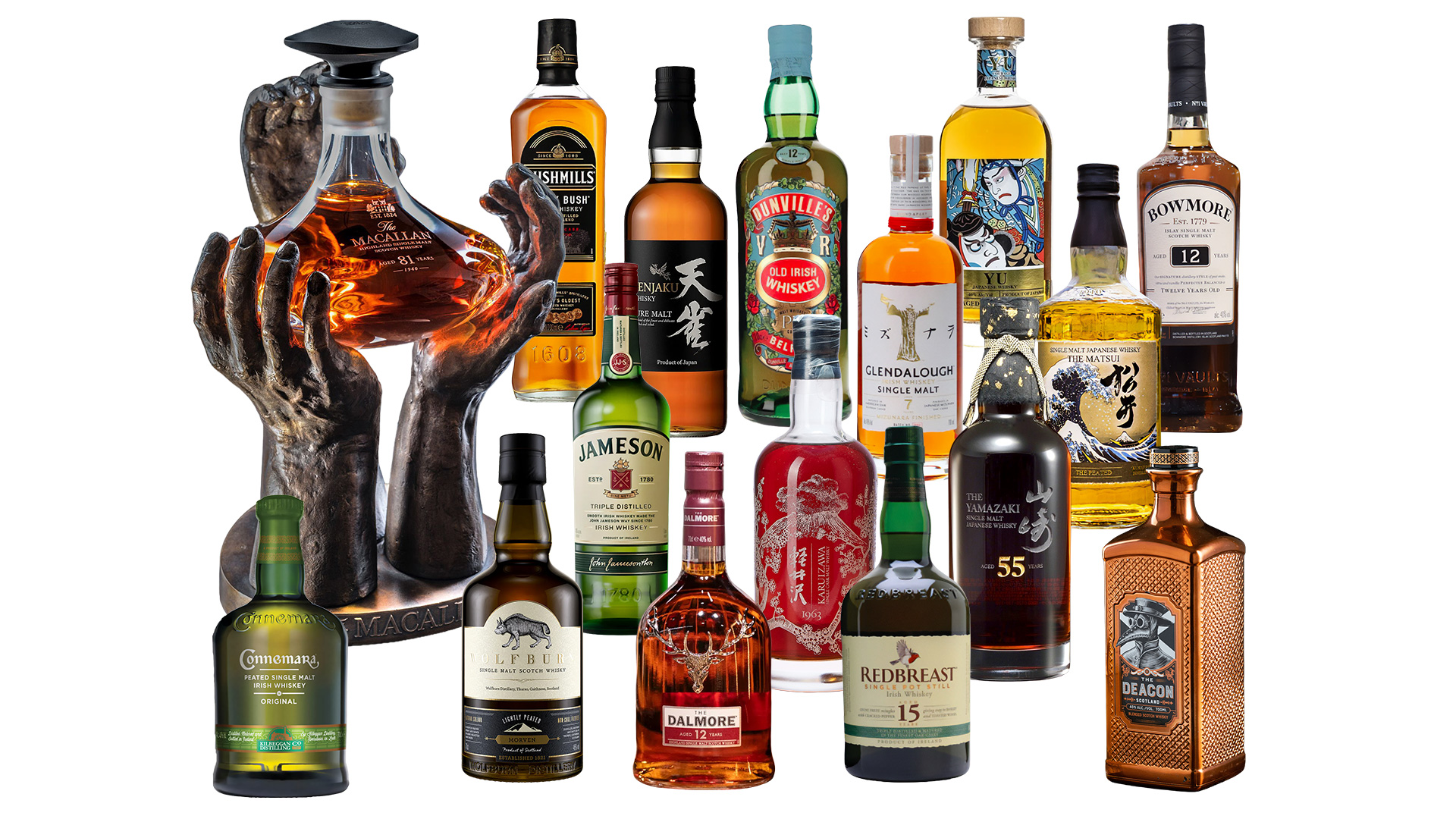
On a quiet evening, when the glass is poured with intention rather than haste, single malt whisky becomes more than a drink. It is a statement of taste, time and temperament. Among the many countries now producing single malt, three names dominate any serious conversation: Scotland, Japan and Ireland.
Each produces whisky of exceptional quality, while expressing profoundly different philosophies of craftsmanship and lifestyle. To understand them is to understand not just whisky, but the cultures that shaped it.
Great Scotch
Single malt whisky was born Scotland. Records of distillation reach back to the late 15th century, and over centuries the Scots refined a deceptively simple formula – malted barley, water and yeast in a pot still at a single distillery and three years in oak casks – into a deeply expressive art form. From the maritime smoke of Islay to the orchard-fruit elegance of Speyside and the muscular Sherry richness of the Highlands, single malt Scotch offers an unparalleled range.
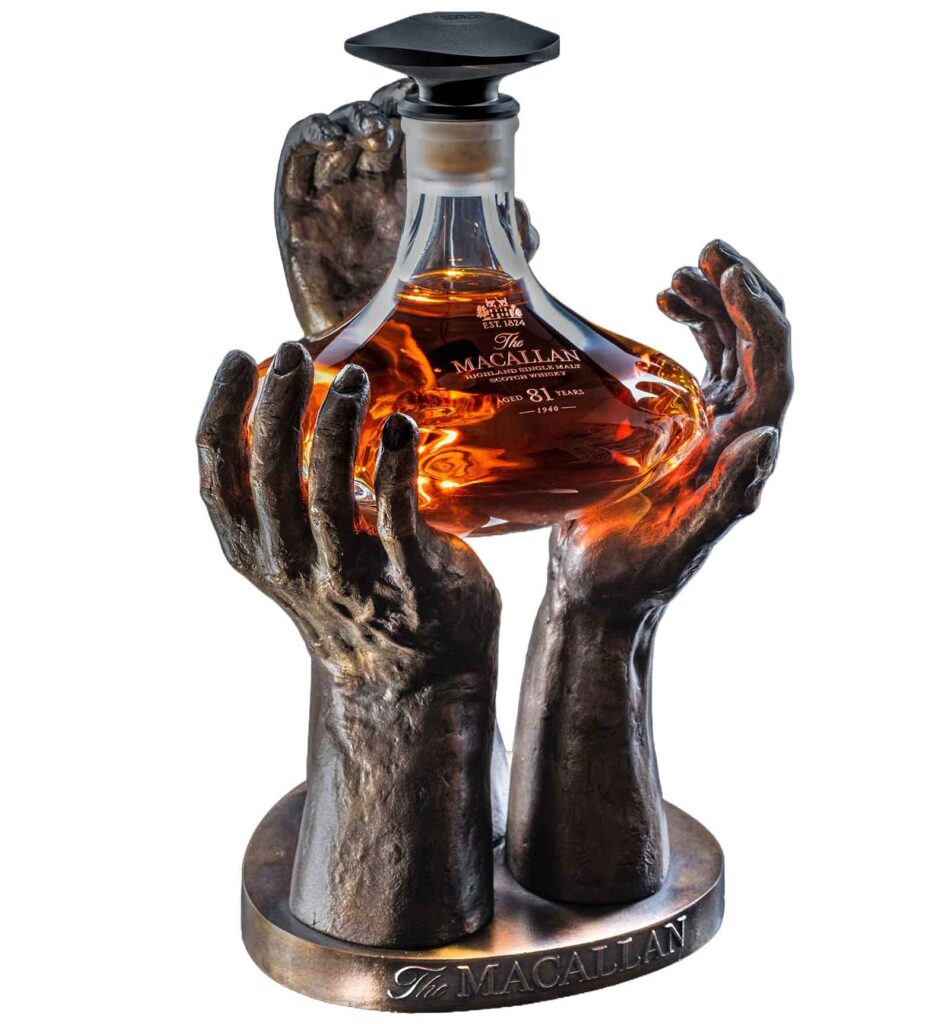
This diversity is driven by geography and climate. Scotland’s cool, damp weather slows maturation, allowing whiskies to age gracefully for decades without becoming over-oaked. It is the layered complexity of the older single malts that enables Scotland to dominate the world’s most expensive whiskies. Ultra-aged releases from historic distilleries, especially The Macallan, regularly command six- and seven-figure sums at auction. Single malt Scotch is not just whisky; it is heritage bottled, prestige poured and patience rewarded.
Japanese Respect
Japan, by contrast, represents precision rather than tradition. Explicitly inspired by Scotch, Japanese whisky began in the early 20th century, yet it evolved into something distinctly its own. Where Scotland embraces variation between distilleries, Japan often seeks perfection within them. Japanese producers are known for meticulous control over every variable: yeast strains, fermentation times, still shapes, cut points and cask selection. The result is single malt whisky that feels polished, deliberate and quietly confident.
Japanese single malts are celebrated for balance. Smoke, when present, is restrained. Oak is integrated rather than dominant. Fruit, malt and subtle spice coexist in harmony. This elegance has made Japanese single malts immensely desirable worldwide, particularly as supply has struggled to keep up with demand.
Scarcity has driven prices upward, and older Japanese bottlings are now among the most expensive on the market, rivalled only by Scotland’s elite. Yet even younger Japanese single malts often feel luxurious, reflecting a culture that values refinement over excess.
Irish Charm
Ireland offers a different kind of pleasure altogether. Irish single malt whiskey is rooted in one of the world’s oldest distilling traditions – first found in medieval monasteries – yet its modern identity is defined by approachability. Many Irish single malts are triple distilled, a process that produces a lighter, smoother spirit. Peat is used sparingly, if at all, allowing the natural sweetness of malted barley to shine. The result is whisky that feels welcoming rather than demanding.
Irish single malt is often described as creamy, honeyed and soft, with gentle fruit and vanilla notes. It may not possess the same intensity or range as Scotch, nor the razor-sharp precision of Japan, but it excels in drinkability. This is whiskey designed for conversation rather than contemplation.
From a lifestyle perspective, Irish single malt feels social, warm and unpretentious. While premium and aged expressions exist, Ireland generally remains the most affordable of the three prime distilling destinations, making it an ideal entry point into the world of single malt.
Mastery of Malt
So which of the three is best? The answer depends on what one values most. In terms of depth, diversity and historical significance, Scotland remains unmatched. It is the reference point against which all other single malts are judged.
For those who seek elegance, balance and modern luxury, Japan stands at the pinnacle. Its best single malts feel like carefully composed works of art, and their scarcity only heightens their allure. For smoothness, ease and everyday pleasure, Ireland offers something uniquely satisfying, proving that refinement does not always require intensity.